

_15_11zon.webp)



_2_11zon.webp)



_9_11zon.webp)

_11zon.webp)
_11zon (1).webp)
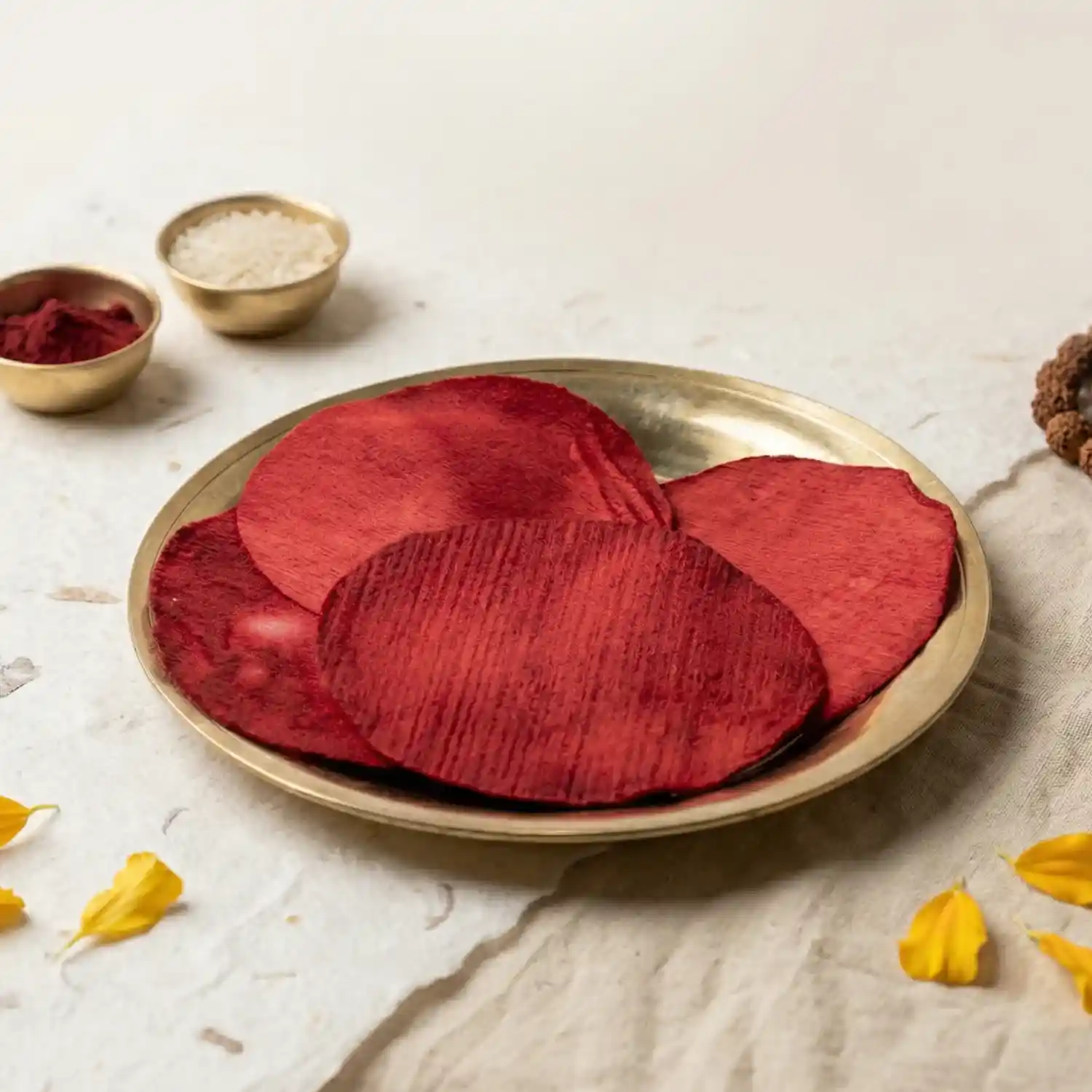
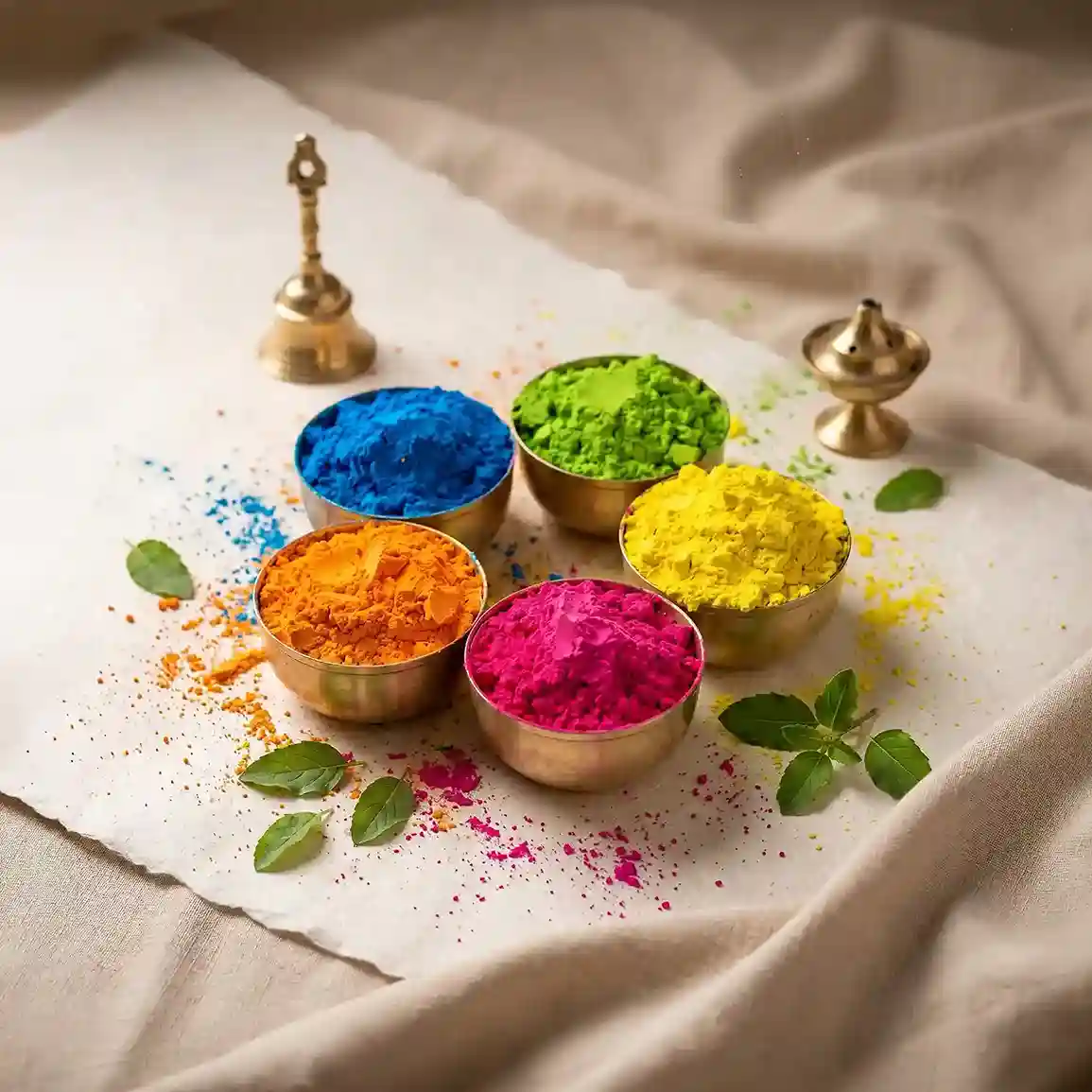
_11zon.webp)
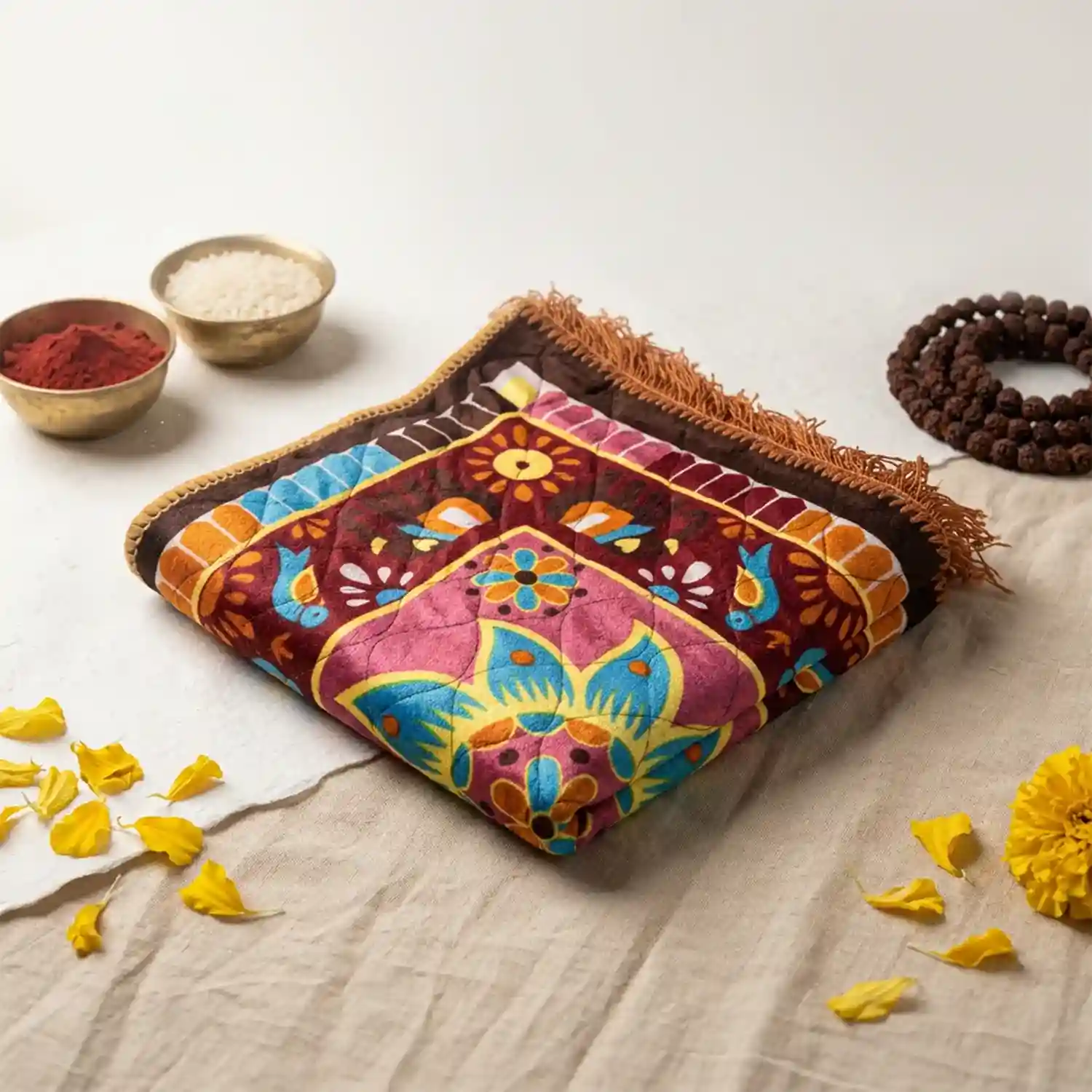
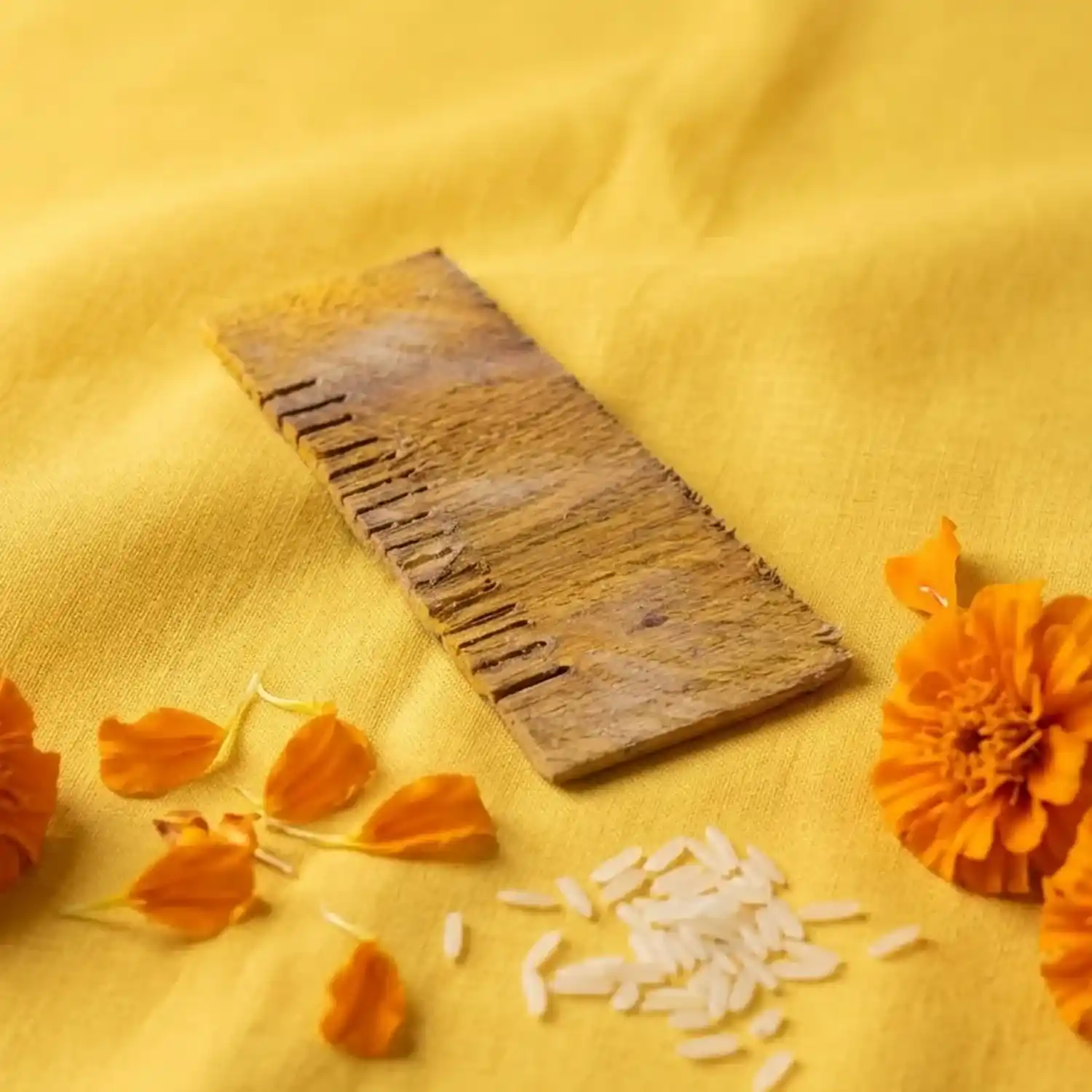
.webp)



Frequently Asked Questions
- Q1: I do not know any complex Sanskrit mantras. Can I still perform the Diwali Laxmi Puja on my own?
- For Beginners & Families: Yes, absolutely! According to classical Vedic texts, you do not need to be an expert to earn the Goddess's blessings. The Vedic NityaKarma emphatically declares that "from children to the elderly, men and women," absolutely everyone has the universal right to worship God. Even if you cannot recite complex Sanskrit mantras, you are fully encouraged and empowered to participate using the simple 5-step (Panchopachar) method with deep devotion.
- Q2: Why does this religious kit include a full cosmetics set (Sringar) with items like lipstick, nail polish, and Mehendi?
- For Home Ritualists: In classical 16-step royal worship (Shodashopachar), the 8th and 9th required steps dictate that the deity must be offered beautiful garments (Basan) and ornaments/adornments (Abharan). Because Diwali is the ultimate celebration welcoming Maa Lakshmi—the Supreme Goddess of Wealth, Beauty, and Auspiciousness—offering her a complete, modern, and traditional cosmetic set is the highest gesture of royal hospitality to please her!
- Q3: Why is performing the Havan (Agnihotra) with Dhuna and Guggul so important on Diwali night?
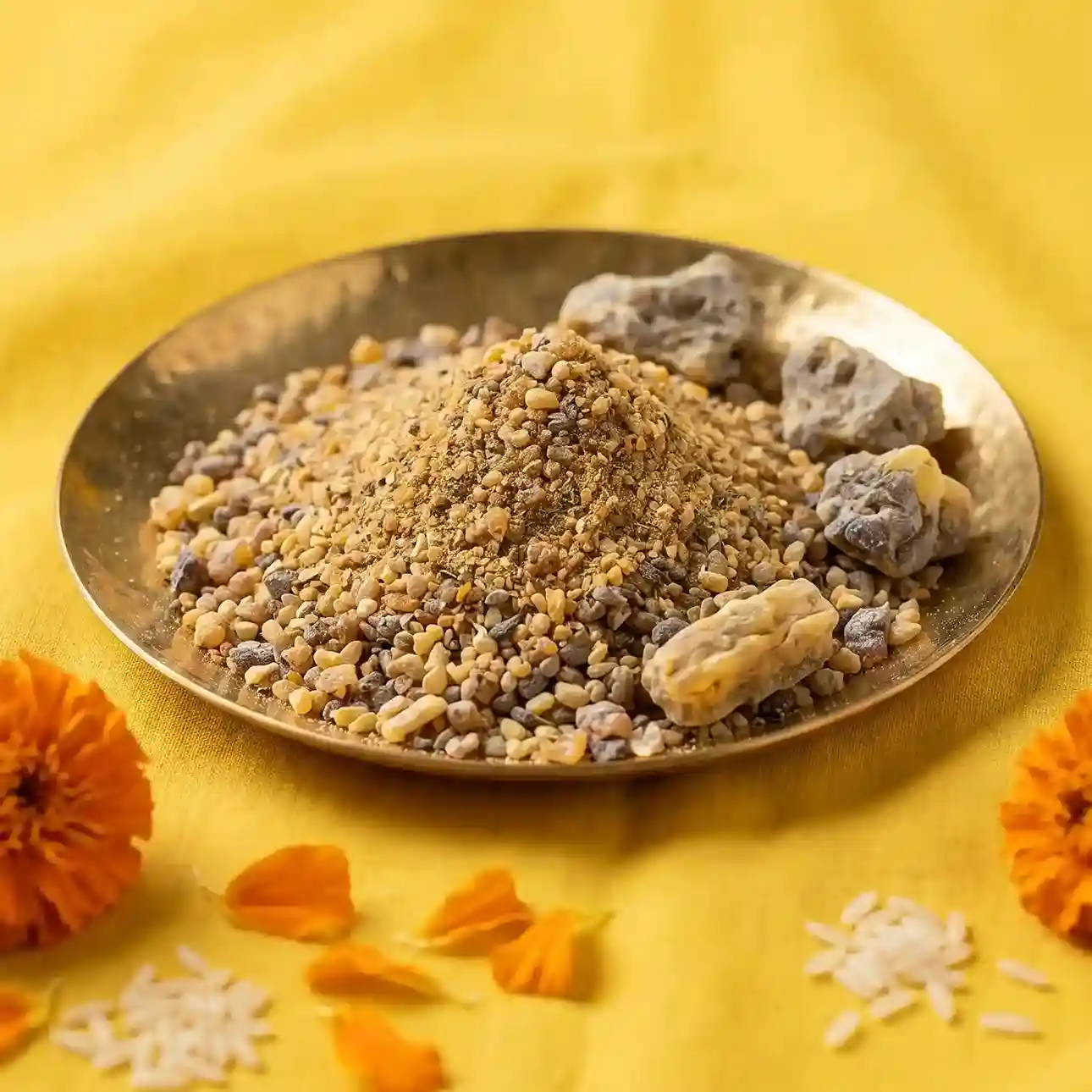
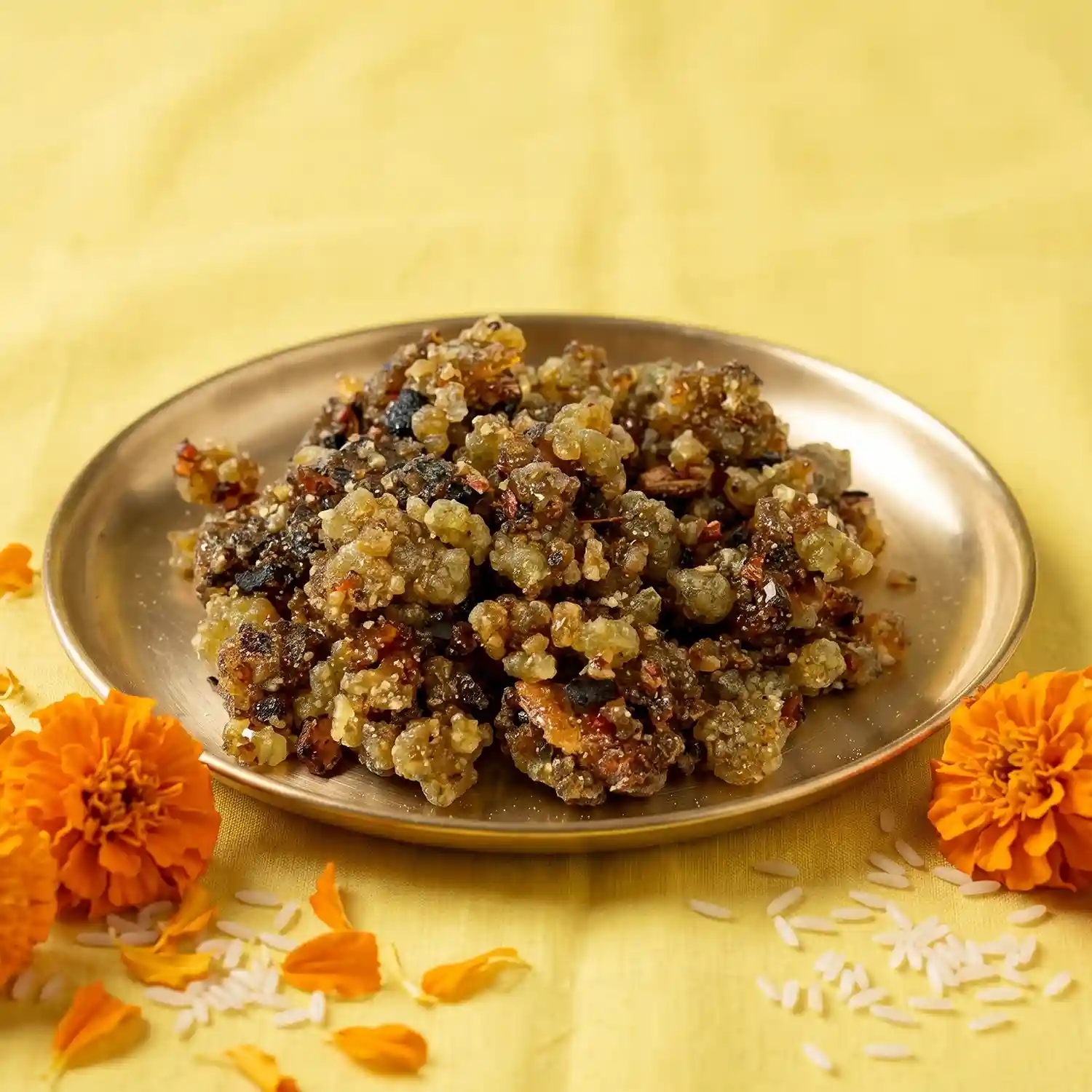
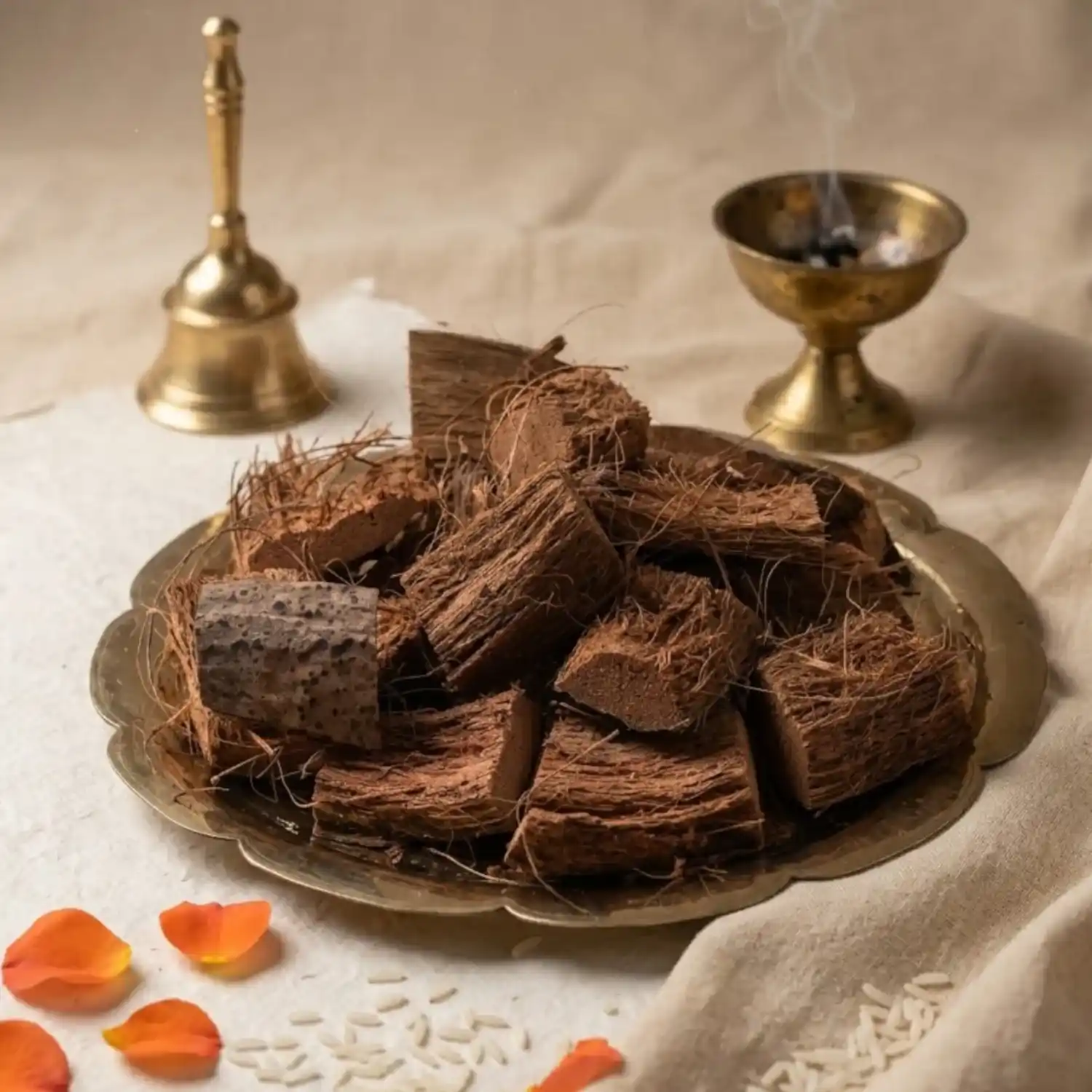
- For Experienced Devotees: Diwali falls on the darkest new moon night of the year. According to the Vedic NityaKarma, the sacred fire ritual (Agnihotra) is essential because it actively cleanses the environment of pollution and negative energies. Offering powerful, purifying resins like Dhuna and Guggul into the fire is a scriptural practice designed specifically to destroy "evil and demonic tendencies" (rakshasi pravrittiyon) and replace them with a deeply purified, spiritual atmosphere for the Goddess to enter.
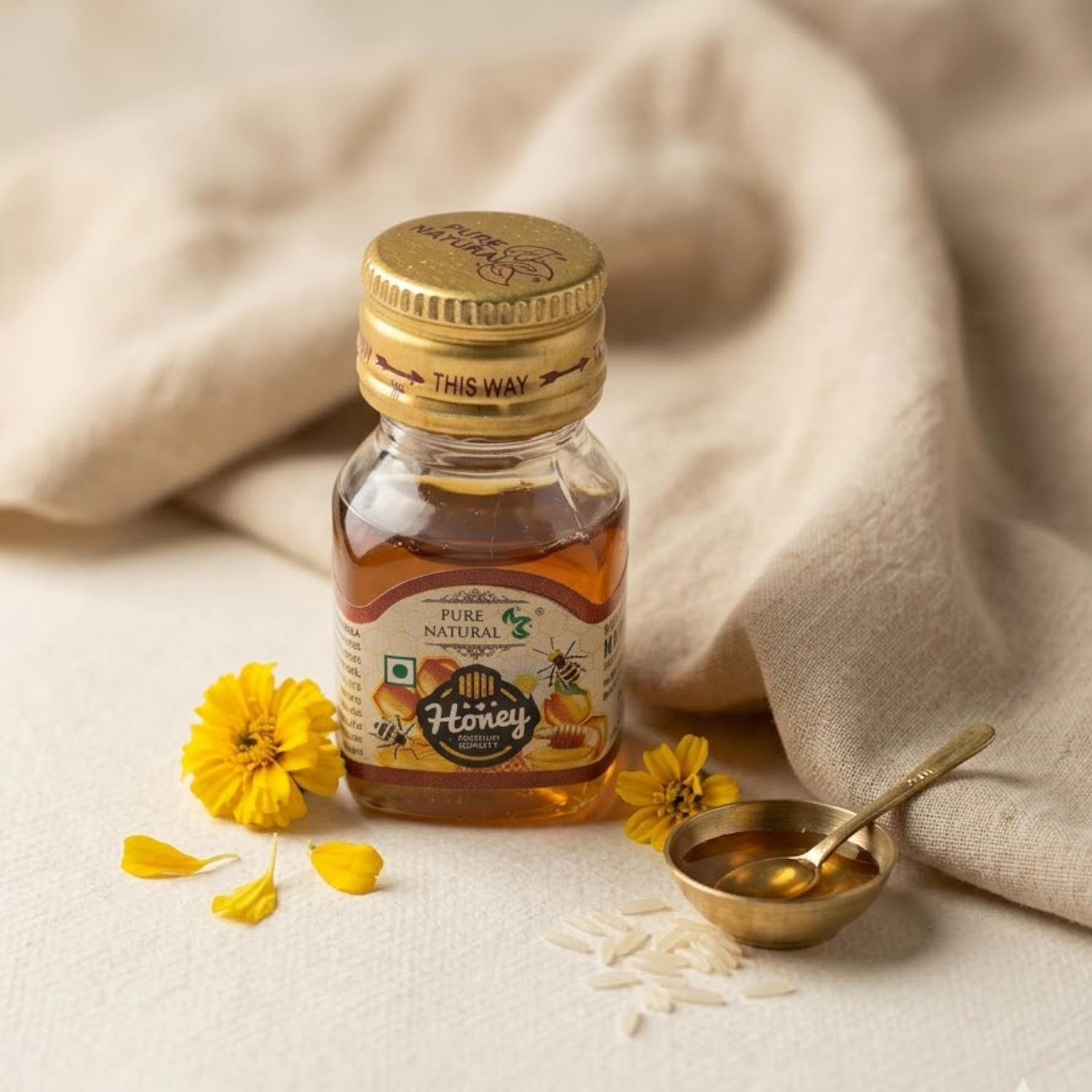
- Q4: Why are the exact spices for Tambula and the Madhuparka bowl so strictly emphasized in this kit?
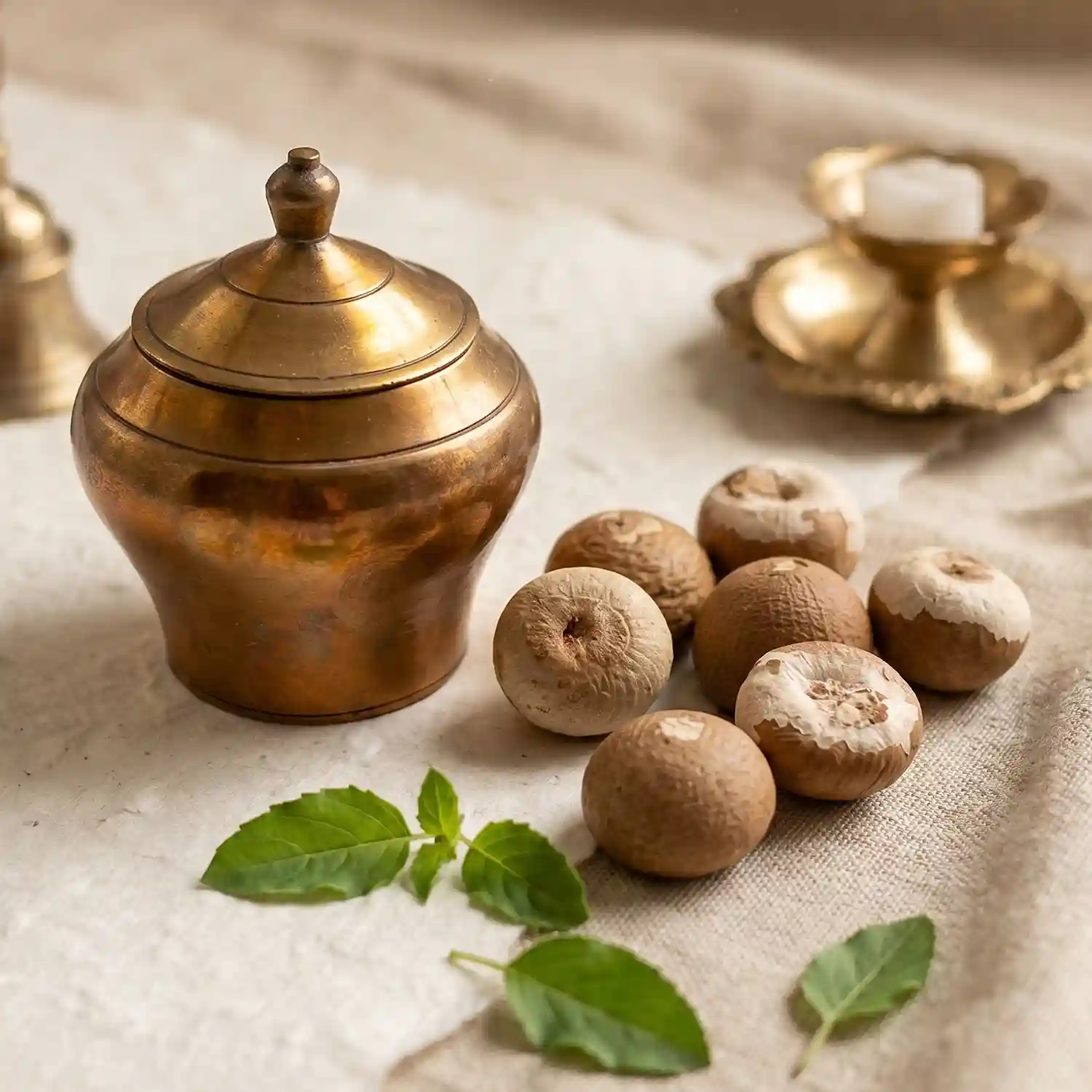
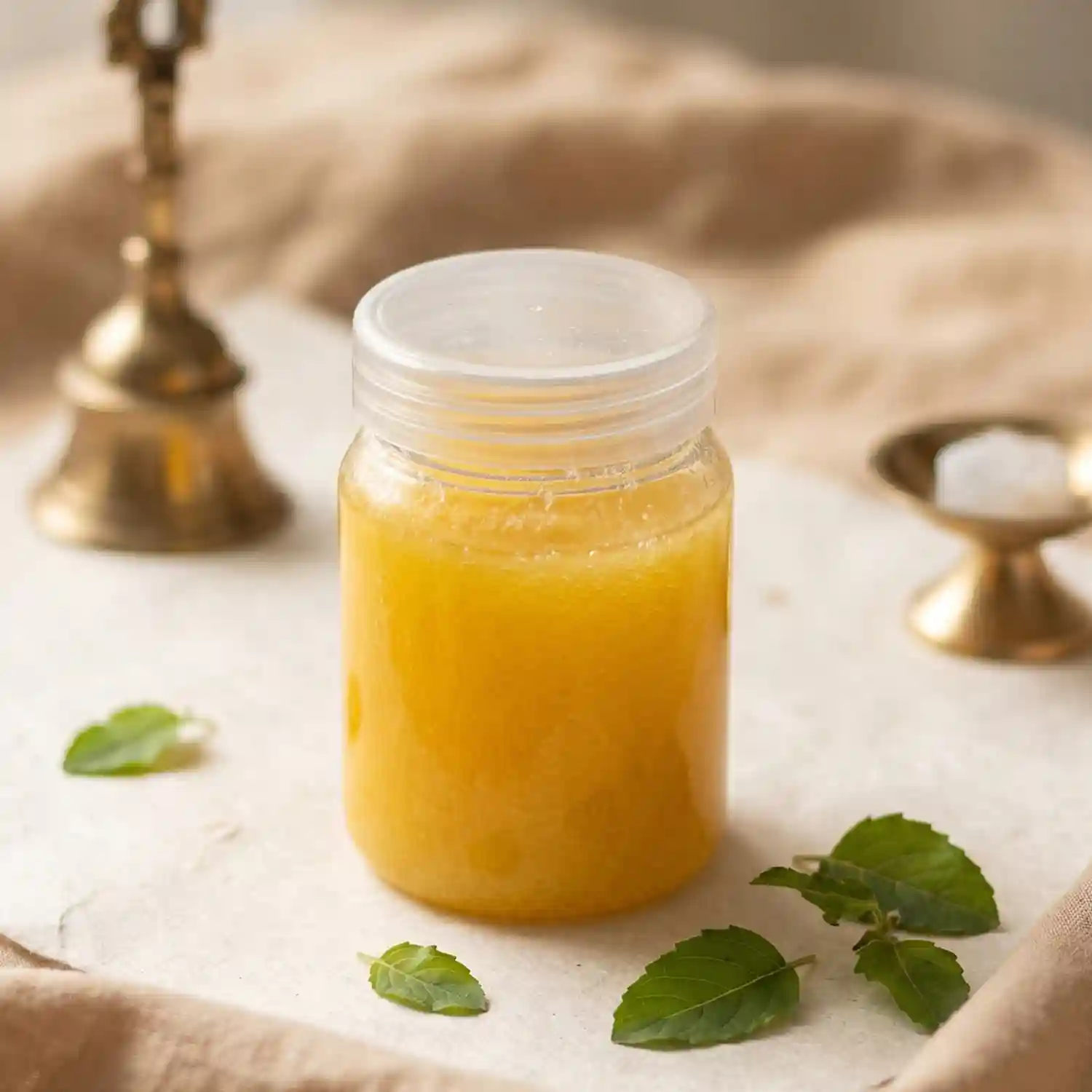
- For Priests & Scholars: Your kit perfectly aligns with the uncompromising rules of the classical Purohit Darpan! By its very definition, a royal 16-step worship requires exactly 16 specific offerings to fulfill the highest standard of divine hospitality. The sweet honey mixture (Madhuparka) is the mandatory 6th step, and presenting the betel leaf and spices (Tambula) to sweeten the deity's mouth is the absolute compulsory 16th step. As the texts confirm, there is absolutely no 16-step puja where Tambula is not mandatory!
- Q5: How does this specific kit and its instructions bridge the gap between ordinary householders and expert Pandits?
- For Cultural Enthusiasts: As noted in classical manual commentaries, texts like the Purohit Darpan and Dash Karma Paddhati were intentionally compiled to "bridge the sacred". They serve as an uncompromising master reference for experienced priests to ensure rituals are performed flawlessly with advanced mantras, while simultaneously providing translated, accessible frameworks so that ordinary householders can perform the rites themselves to protect their family's dharma if a qualified priest is unavailable.
_11zon.webp)
_11zon.webp)
_11zon.webp)
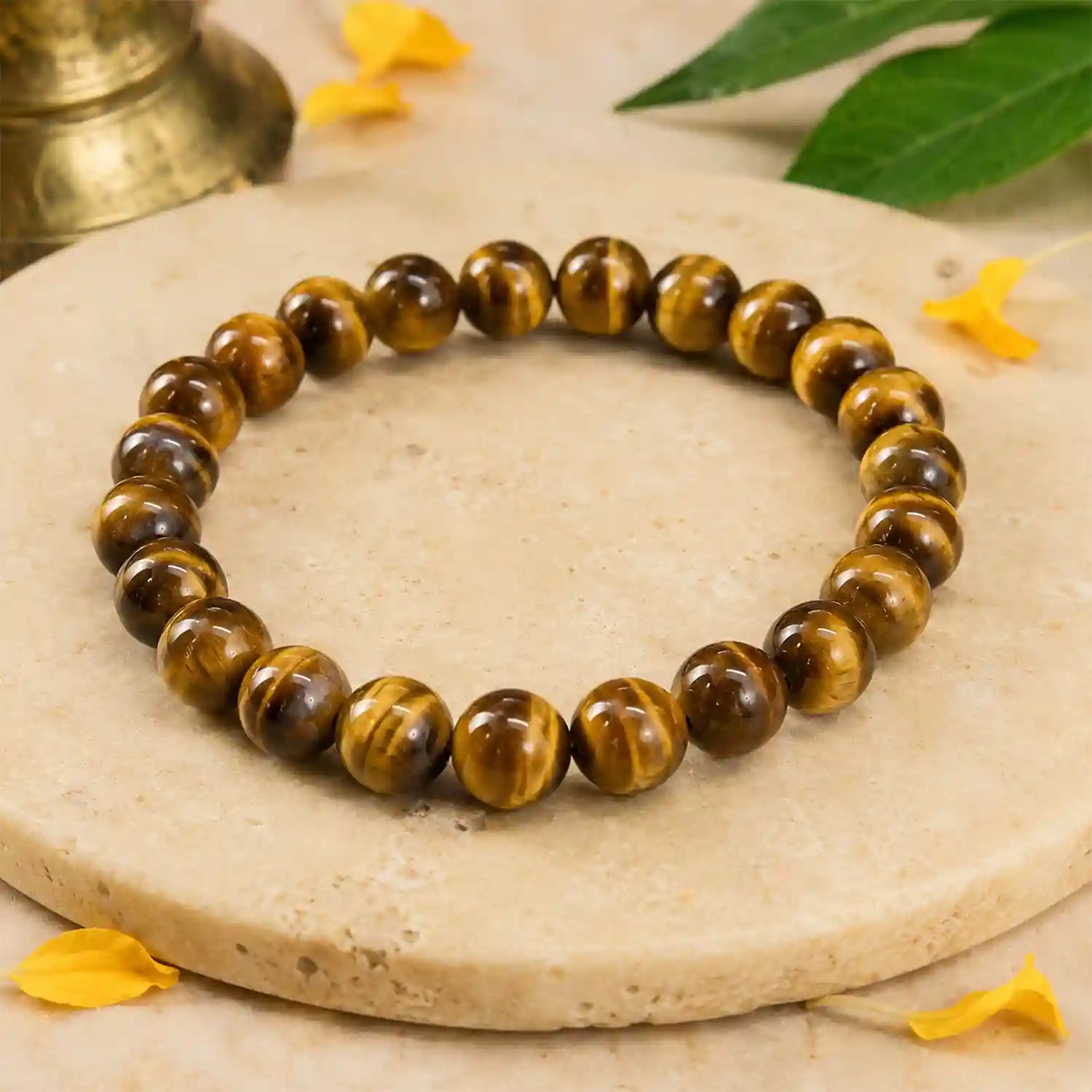
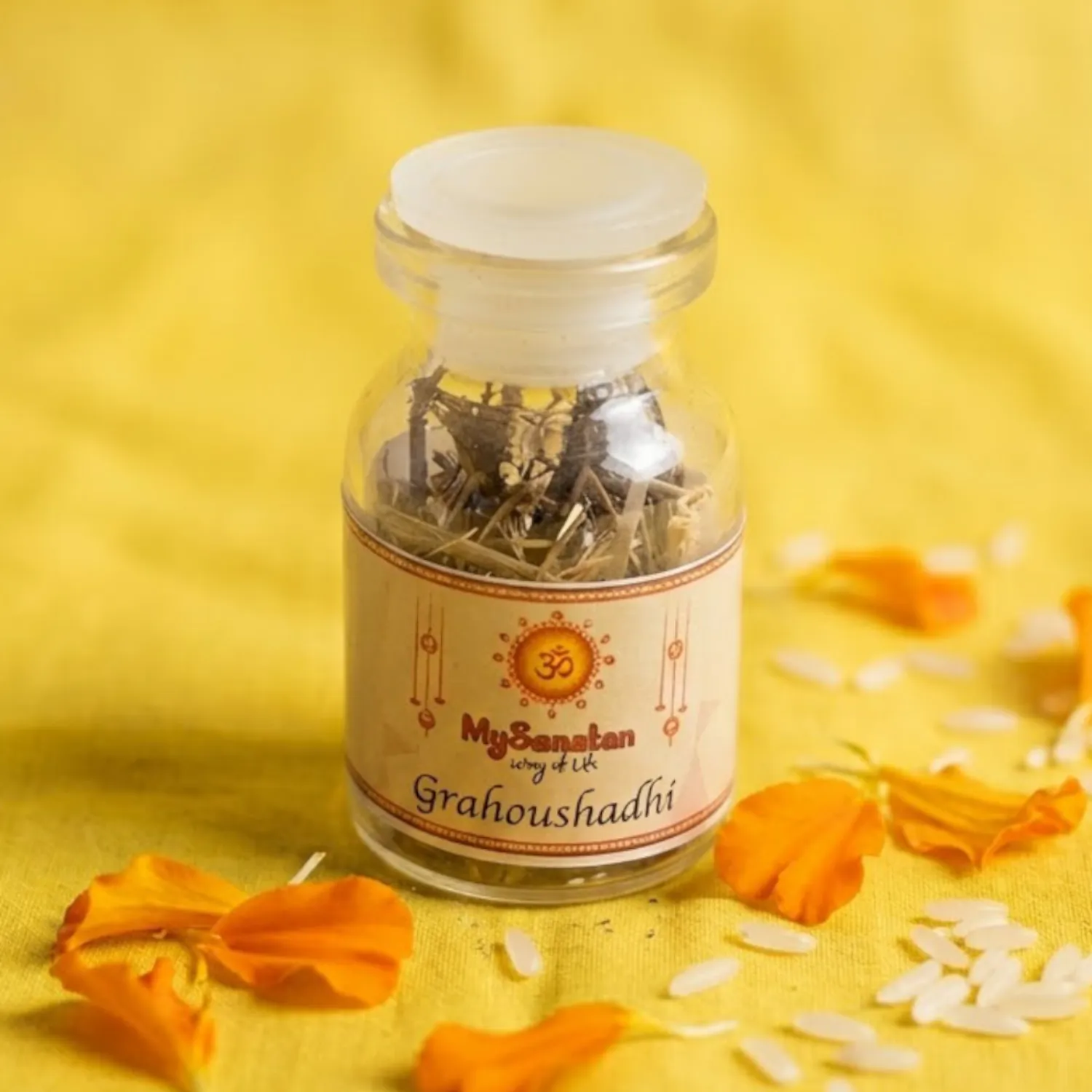
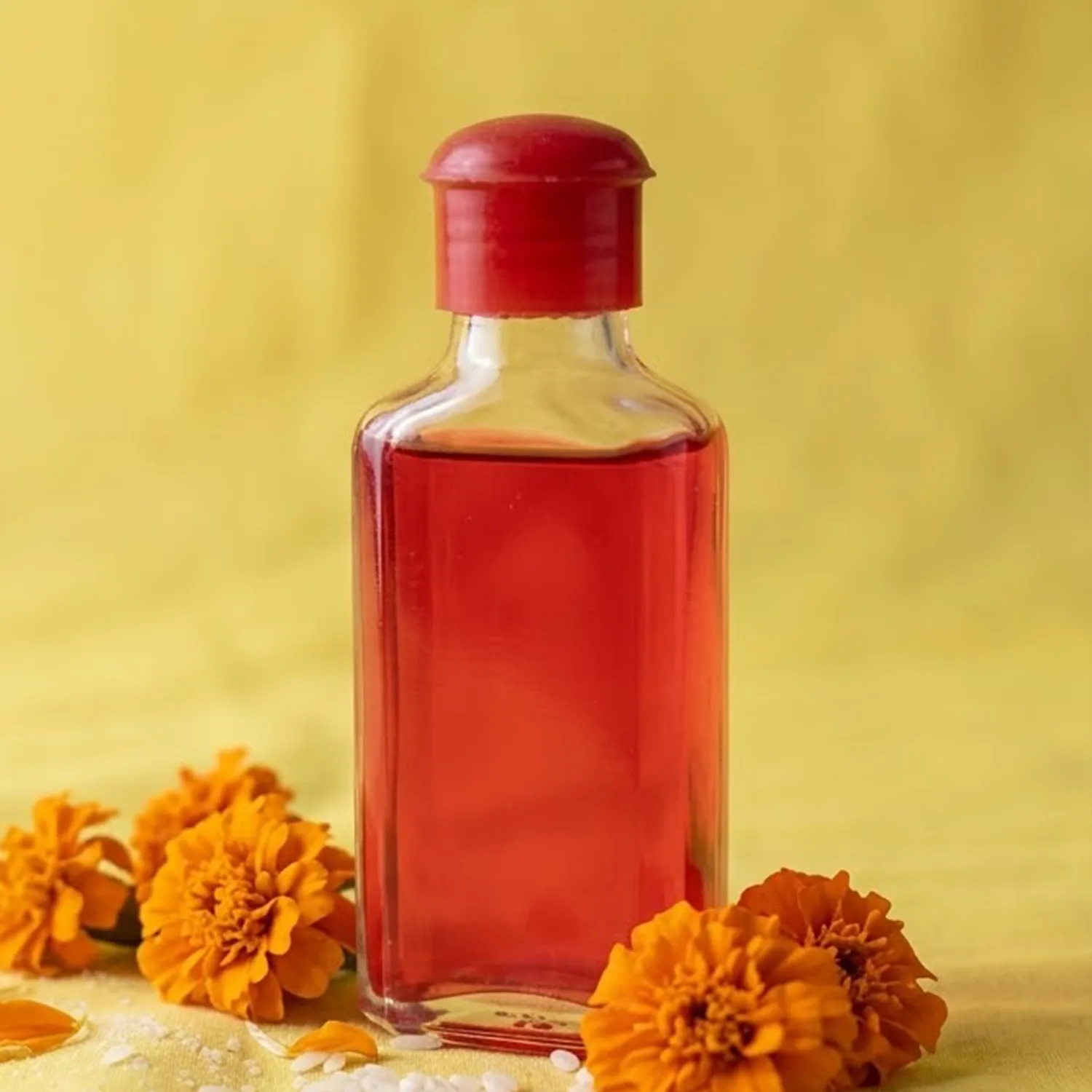
_11zon.webp)
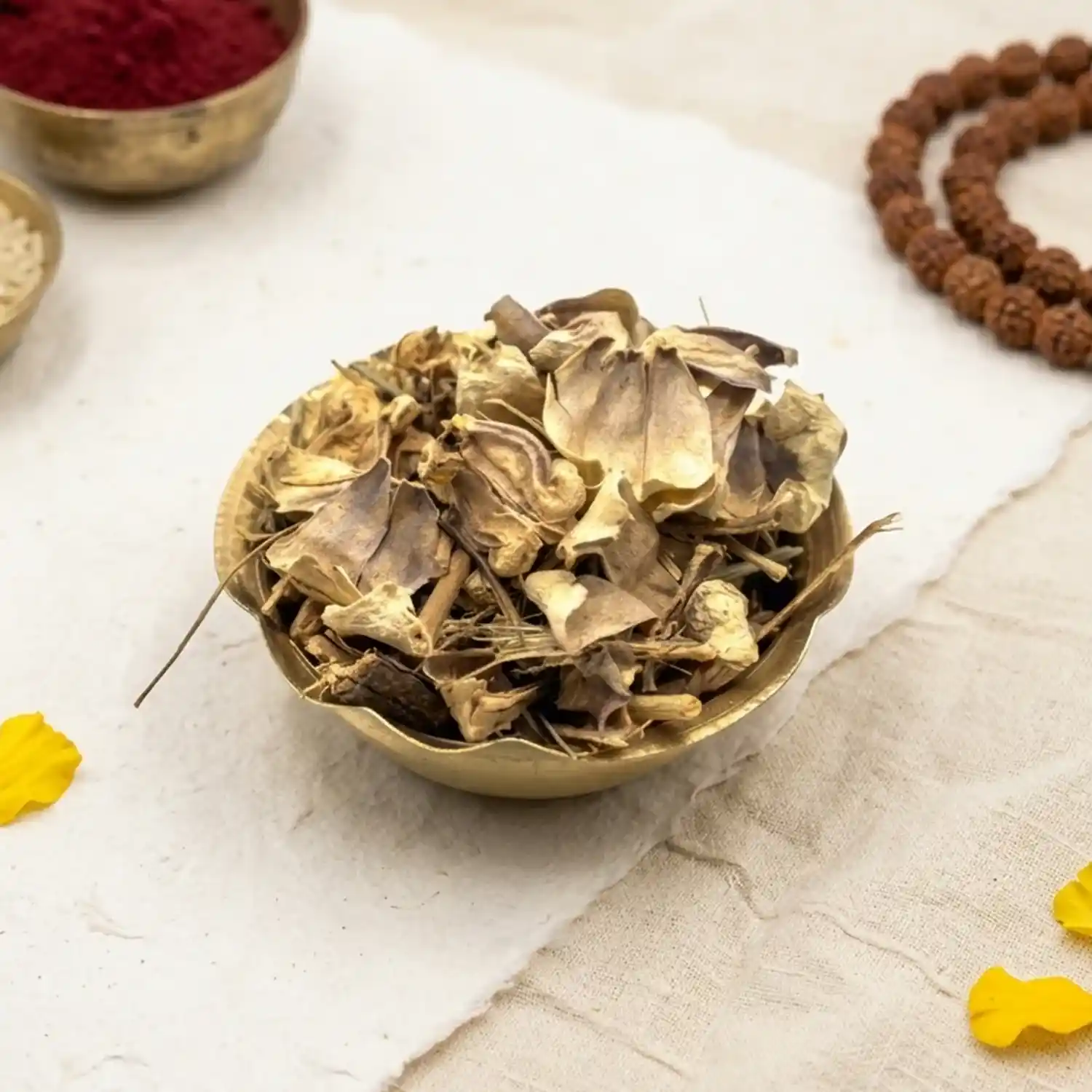
_11zon.webp)
_11zon.webp)
_11zon.webp)
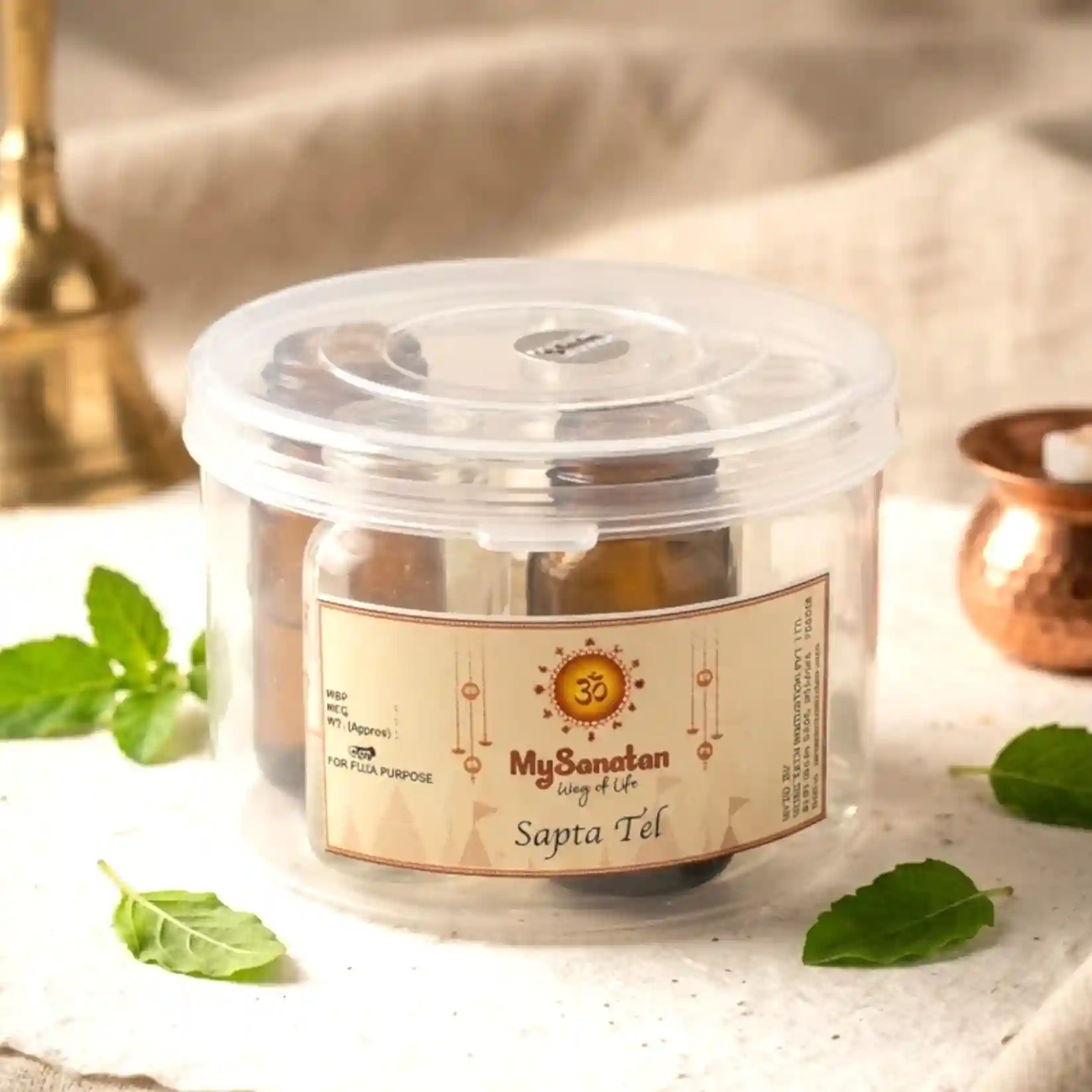
_11zon.webp)
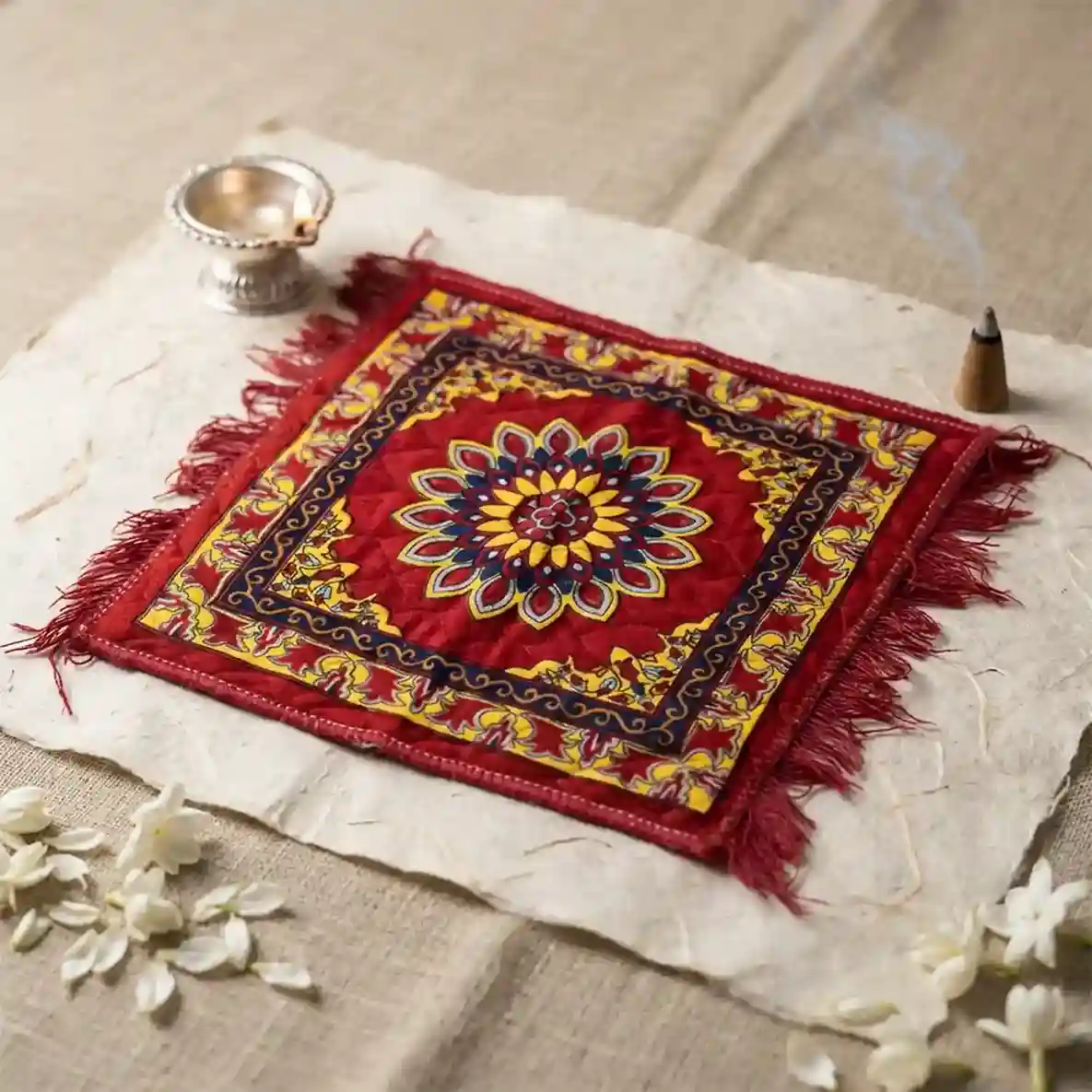
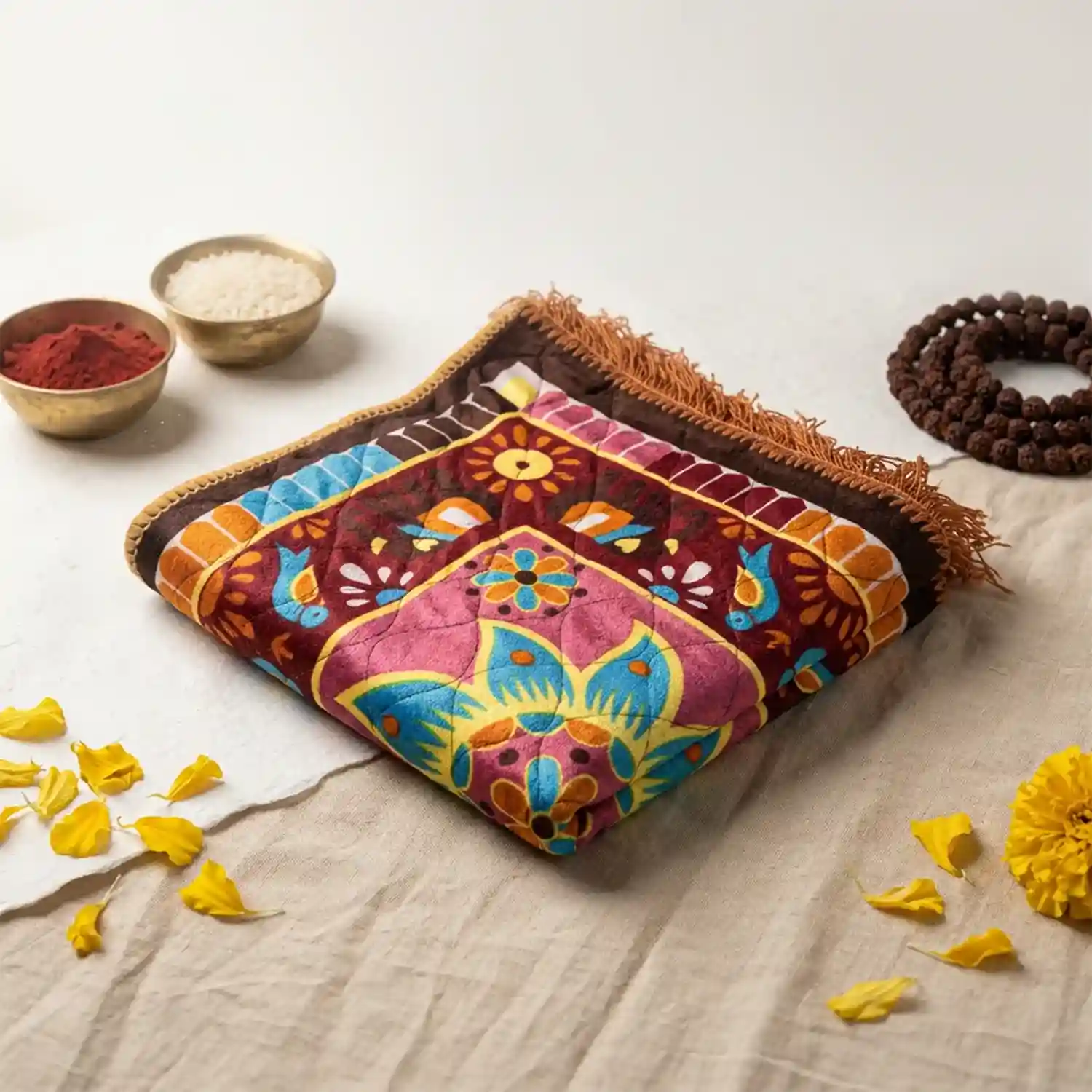
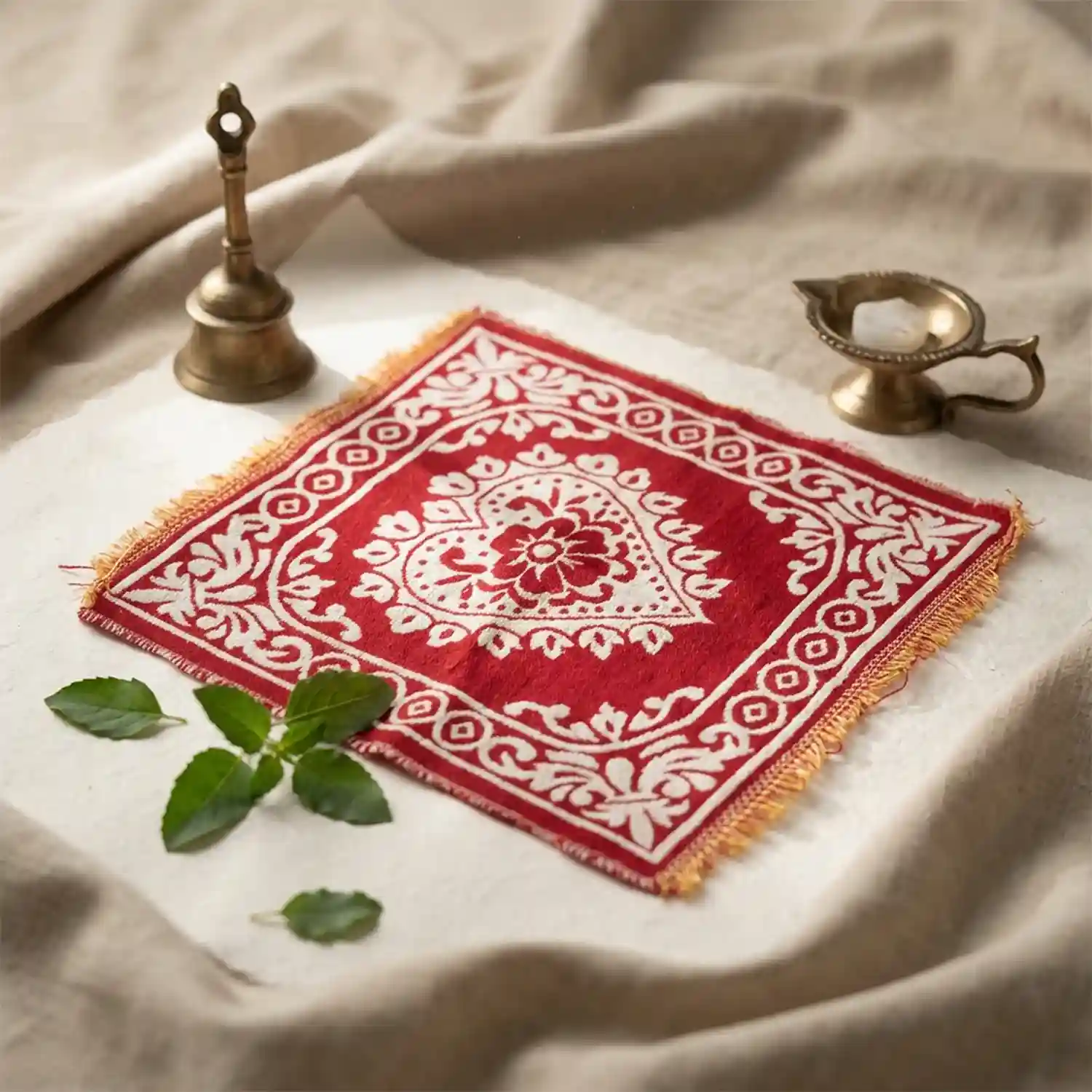
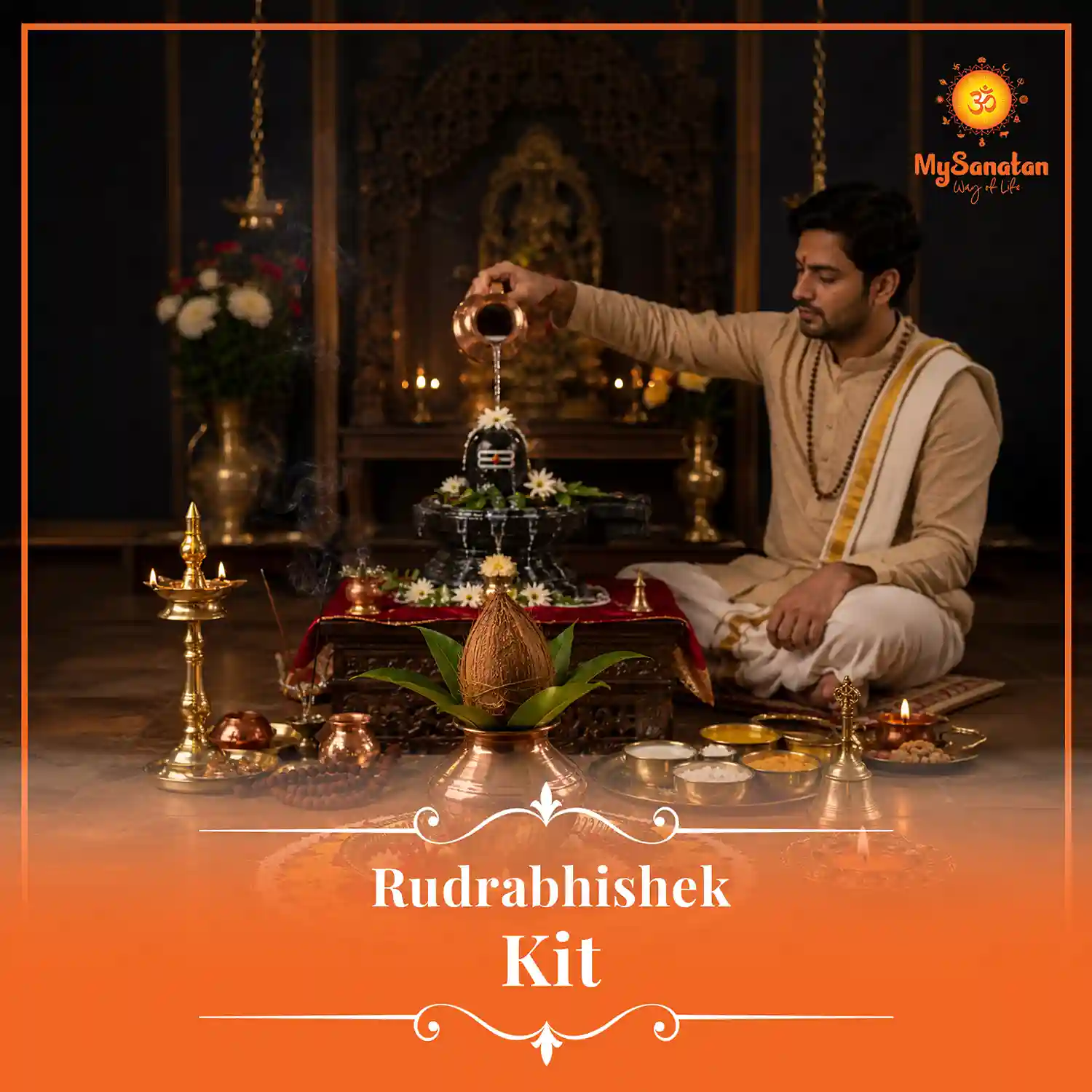
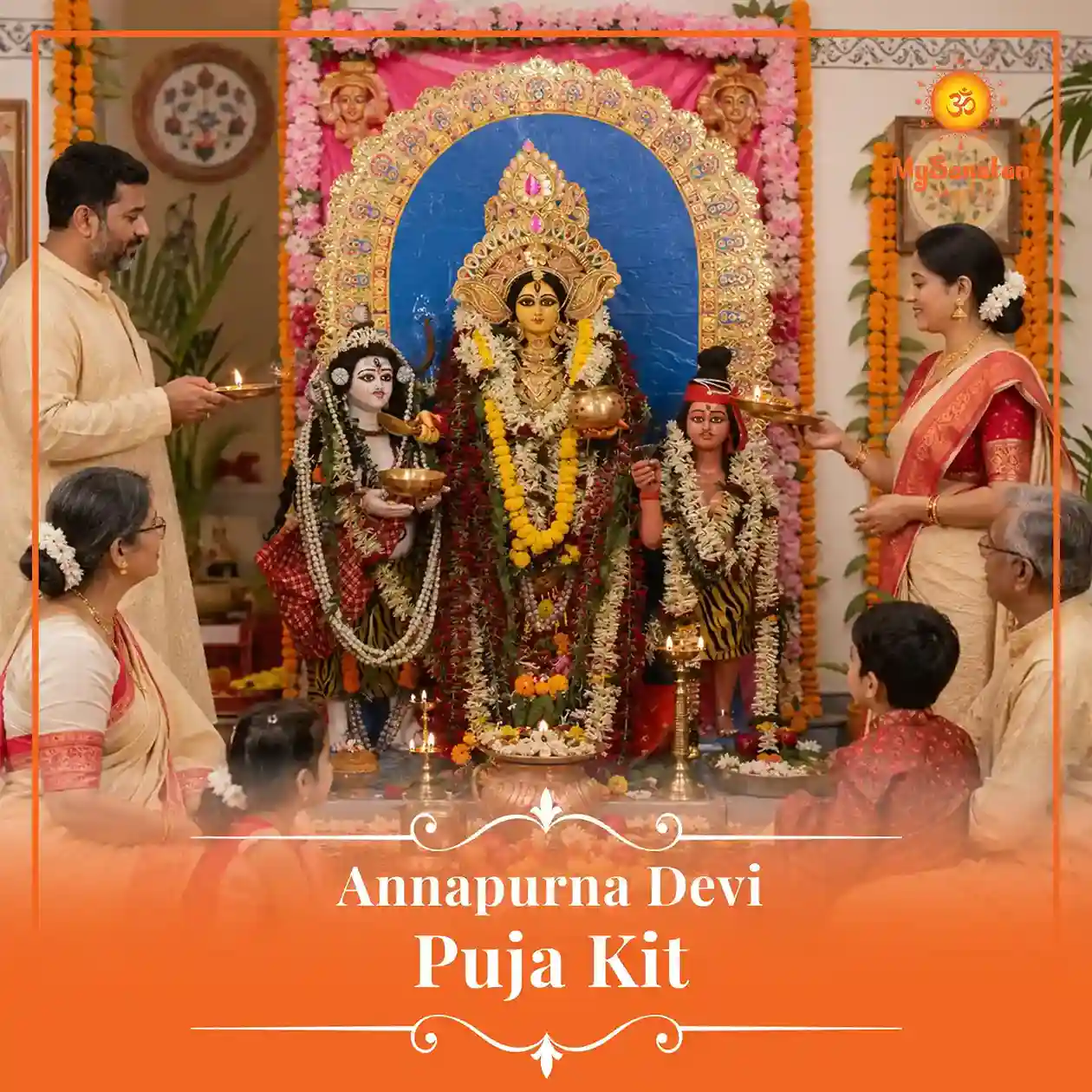
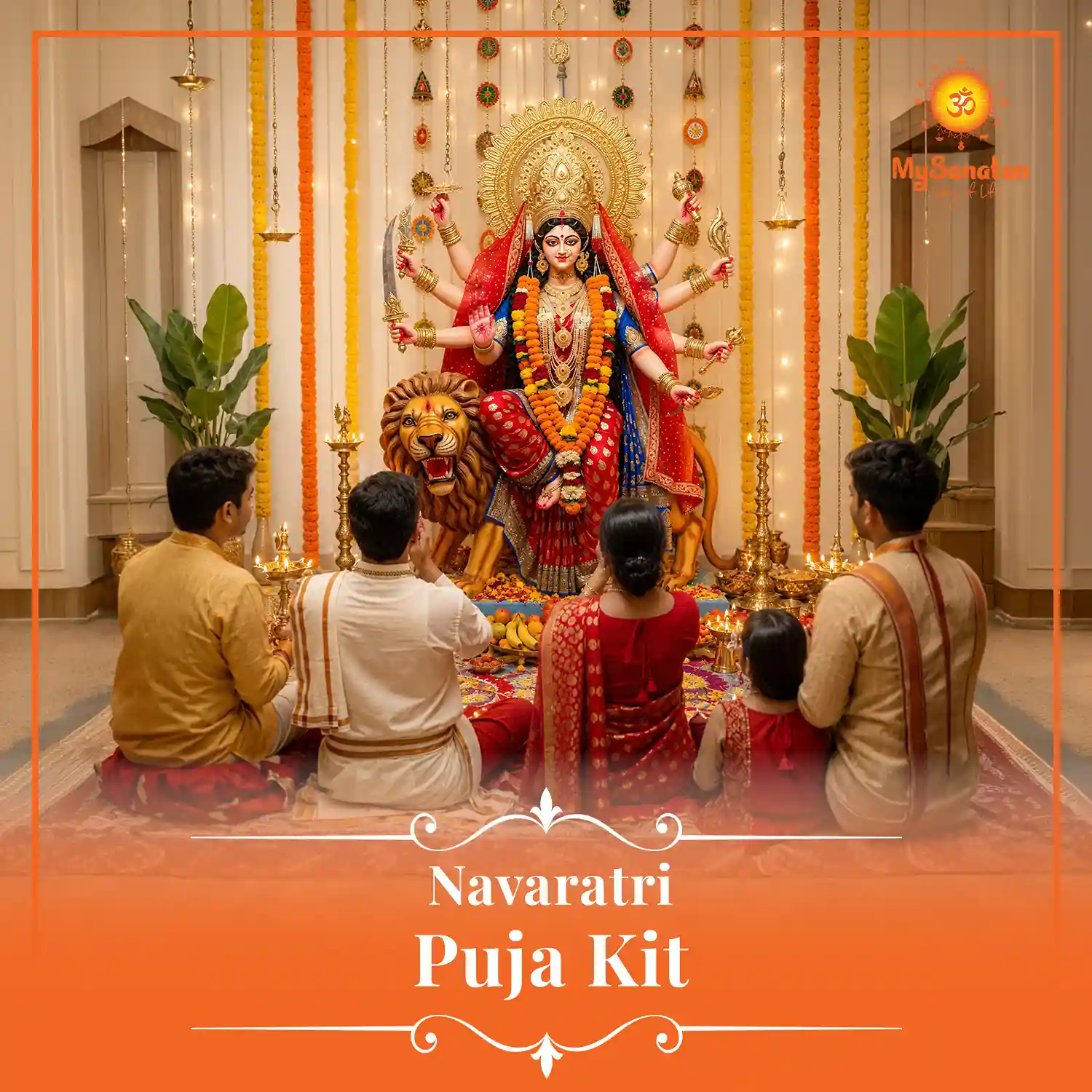
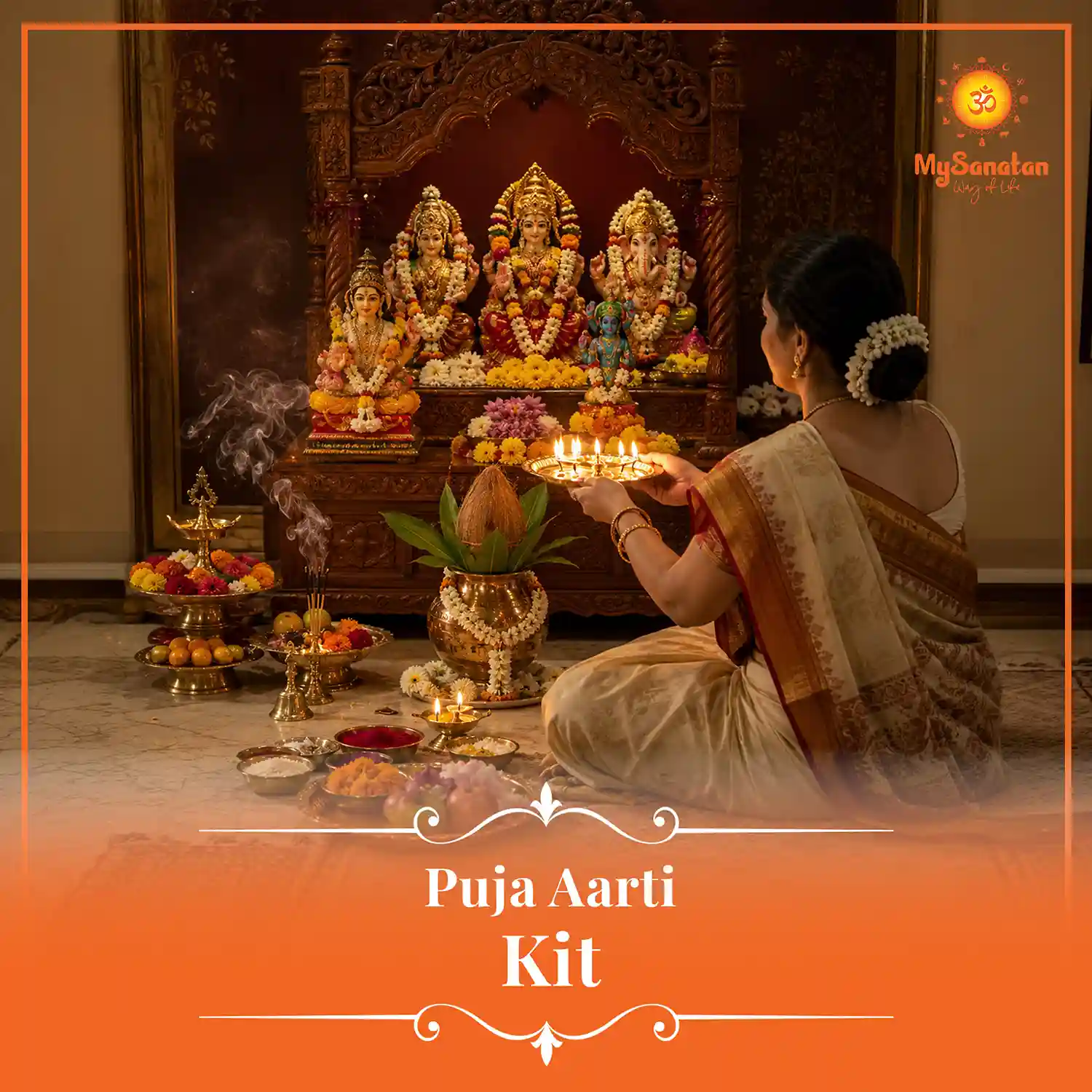
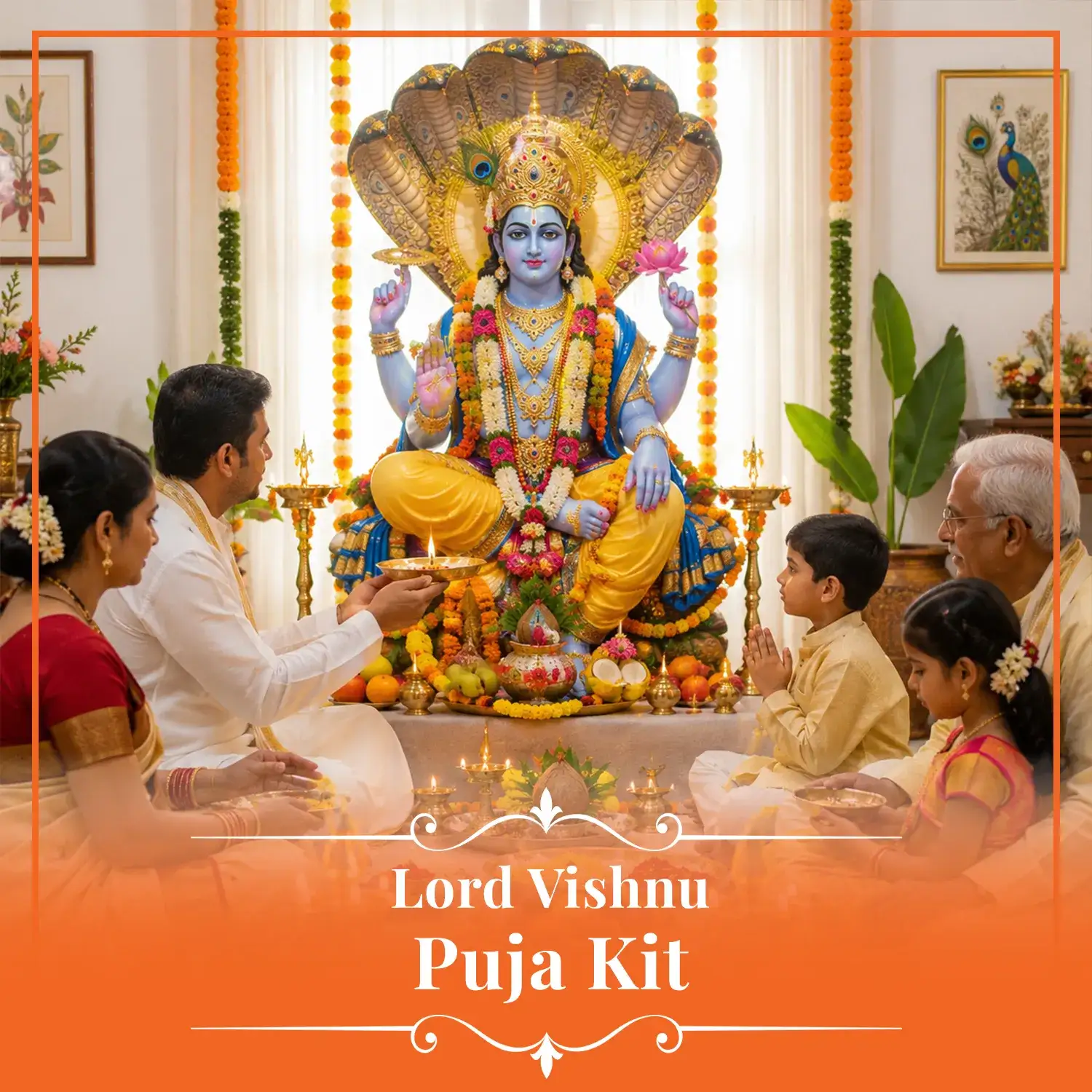
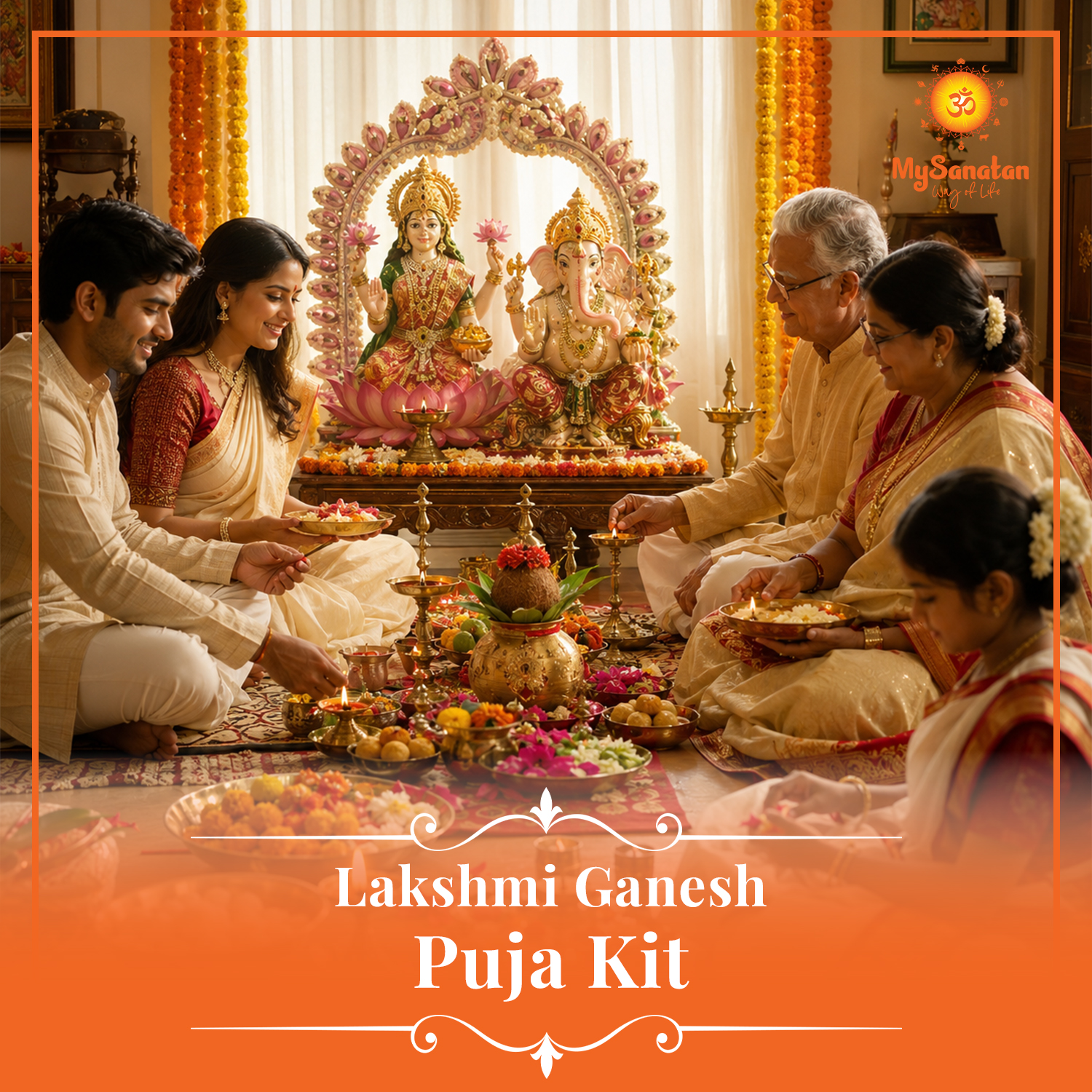
_1_11zon.webp)
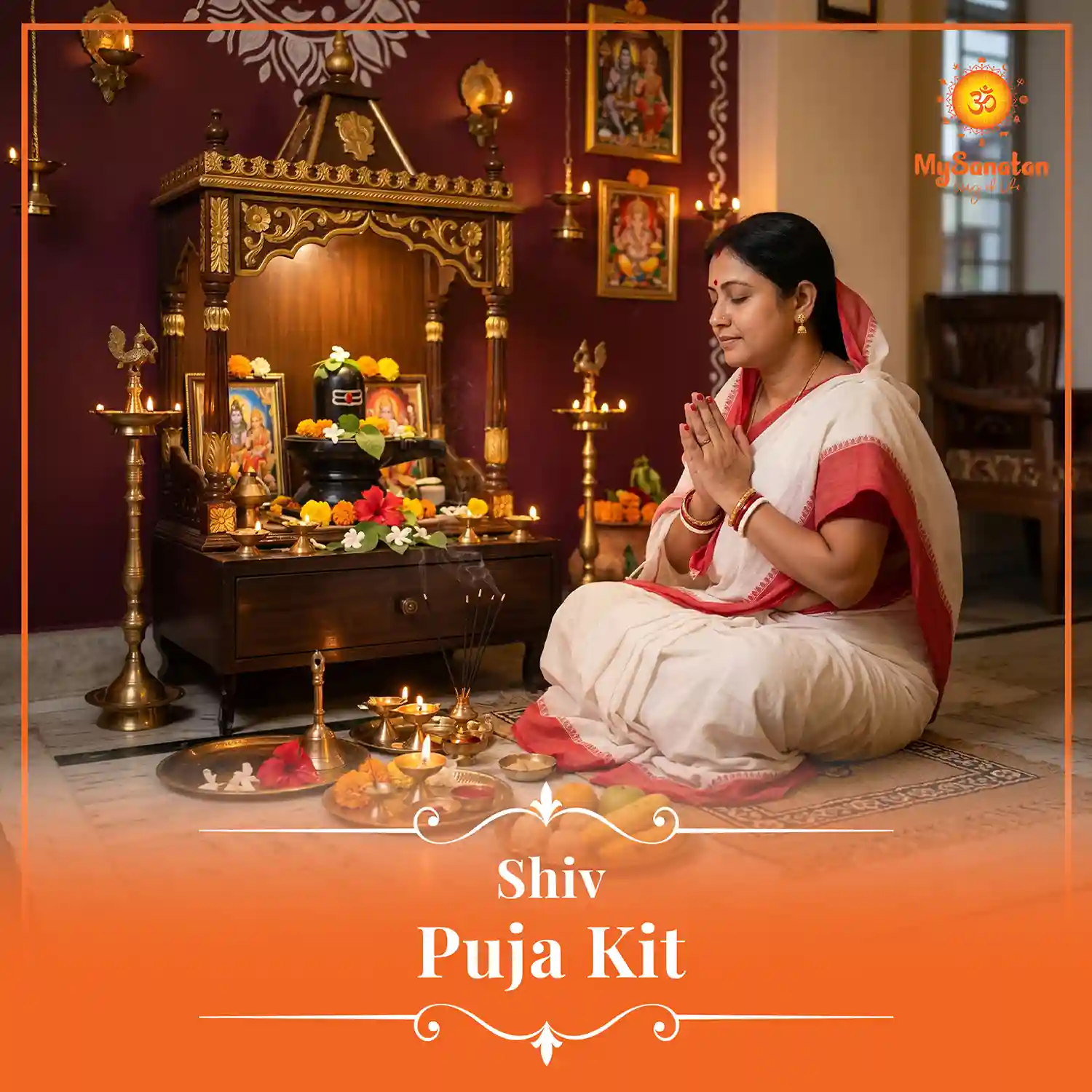
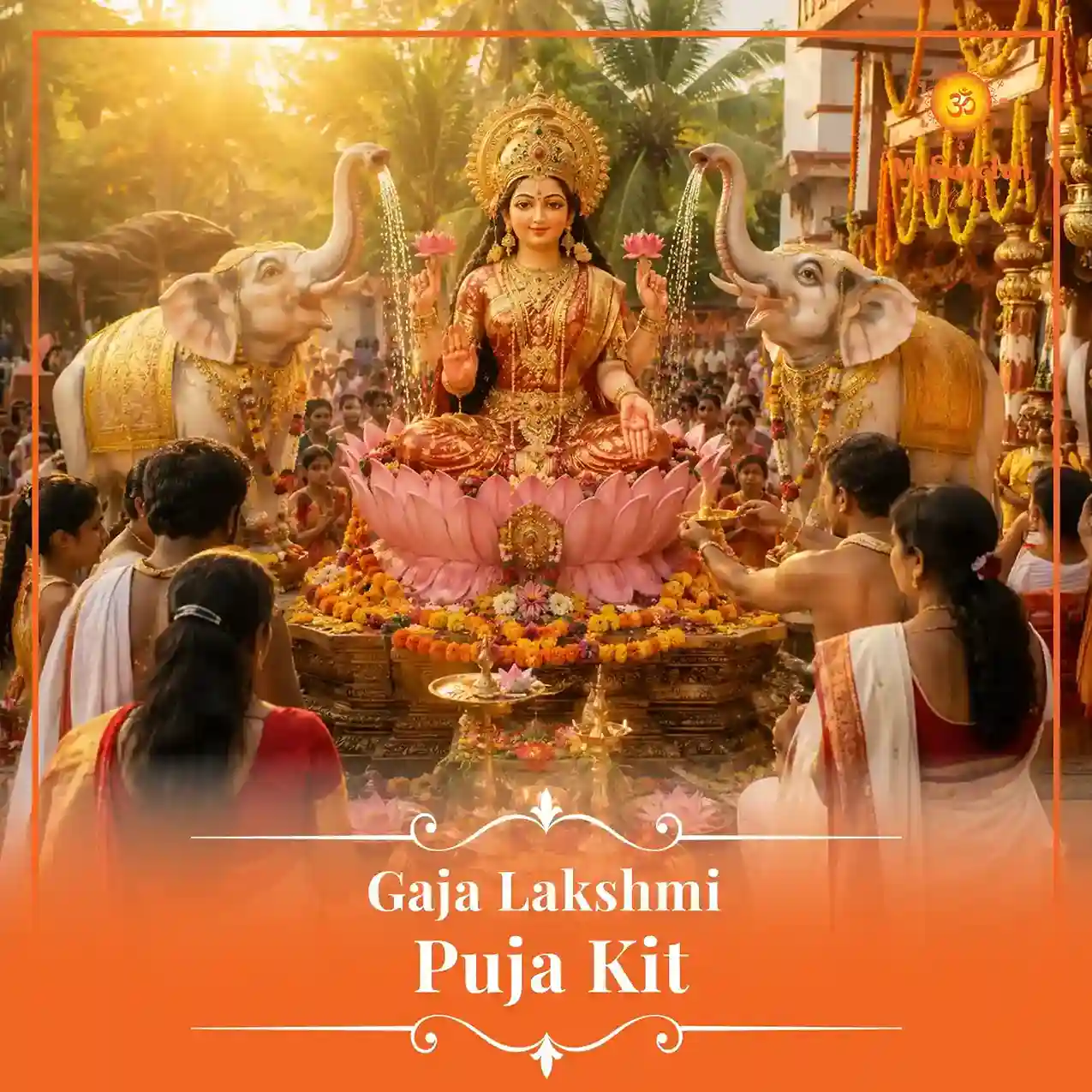

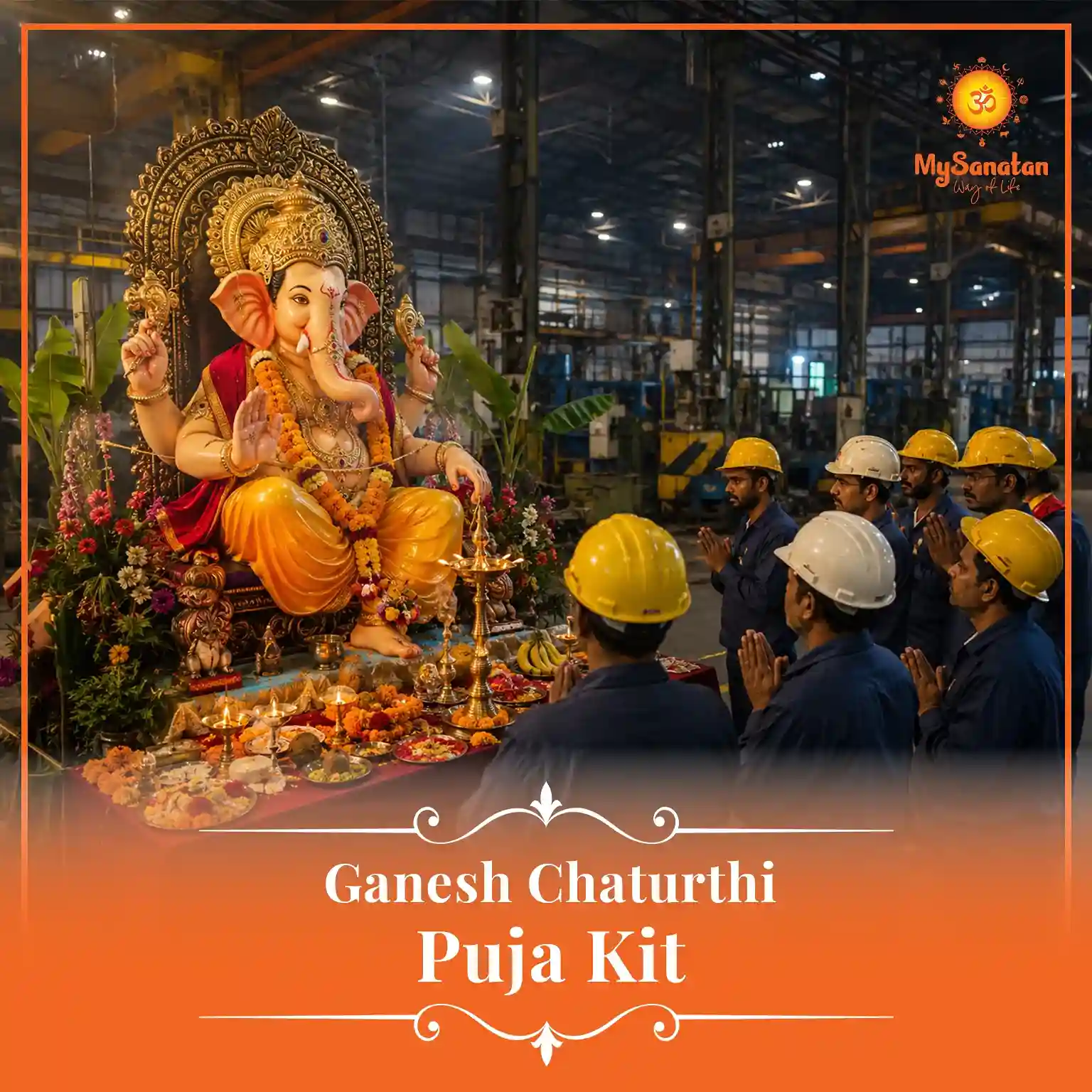
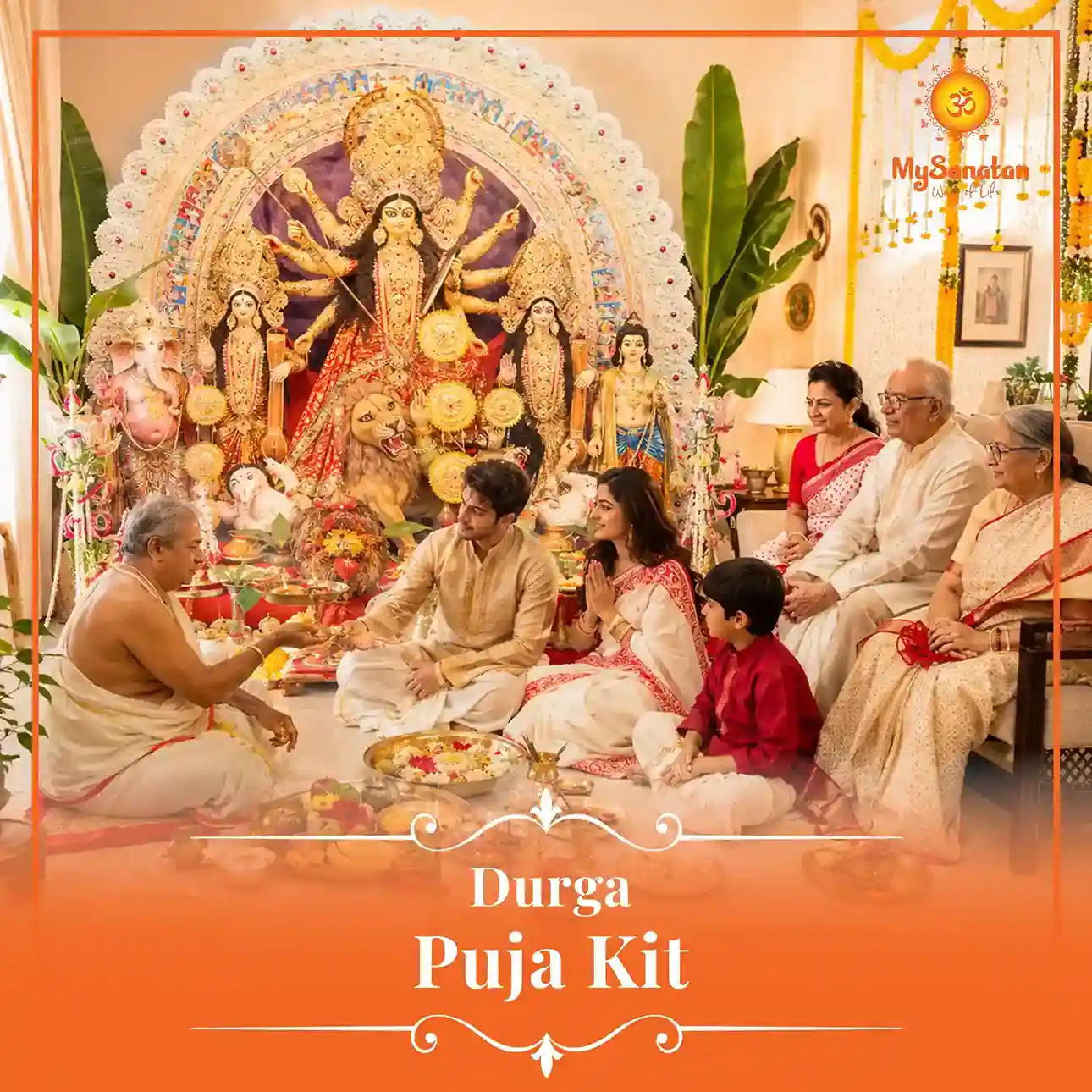
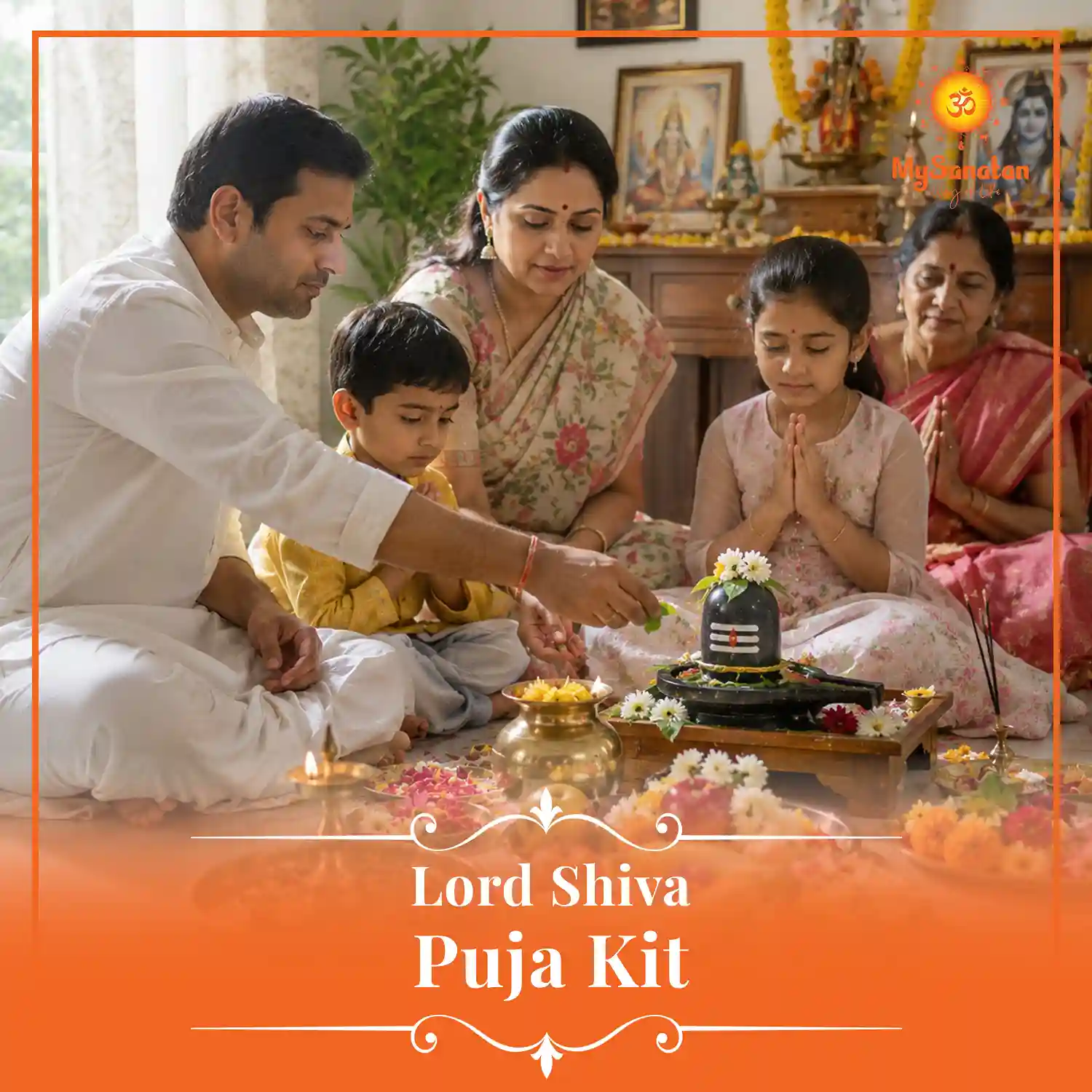
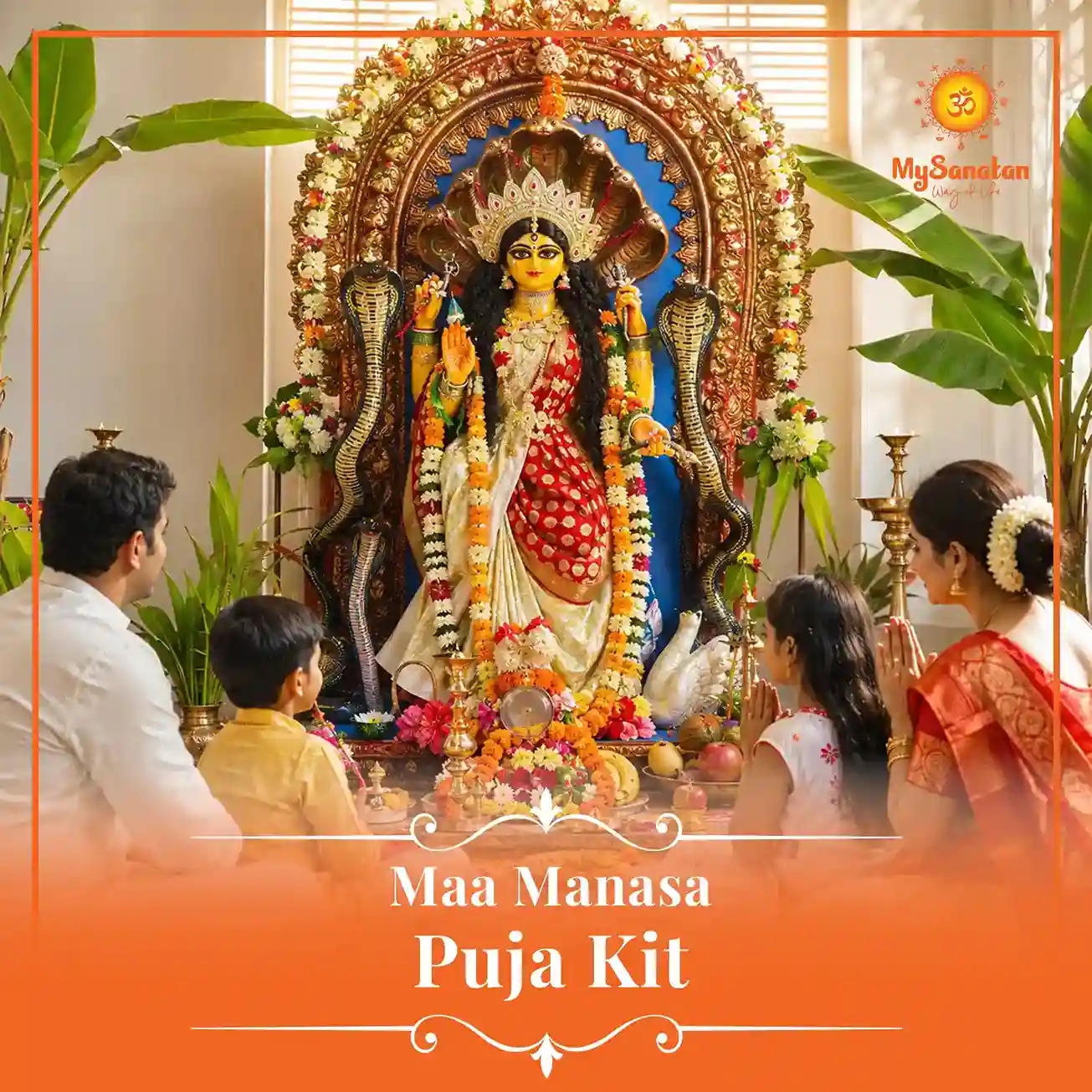
_3_11zon.webp)
_3_11zon.webp)
_11zon.webp)
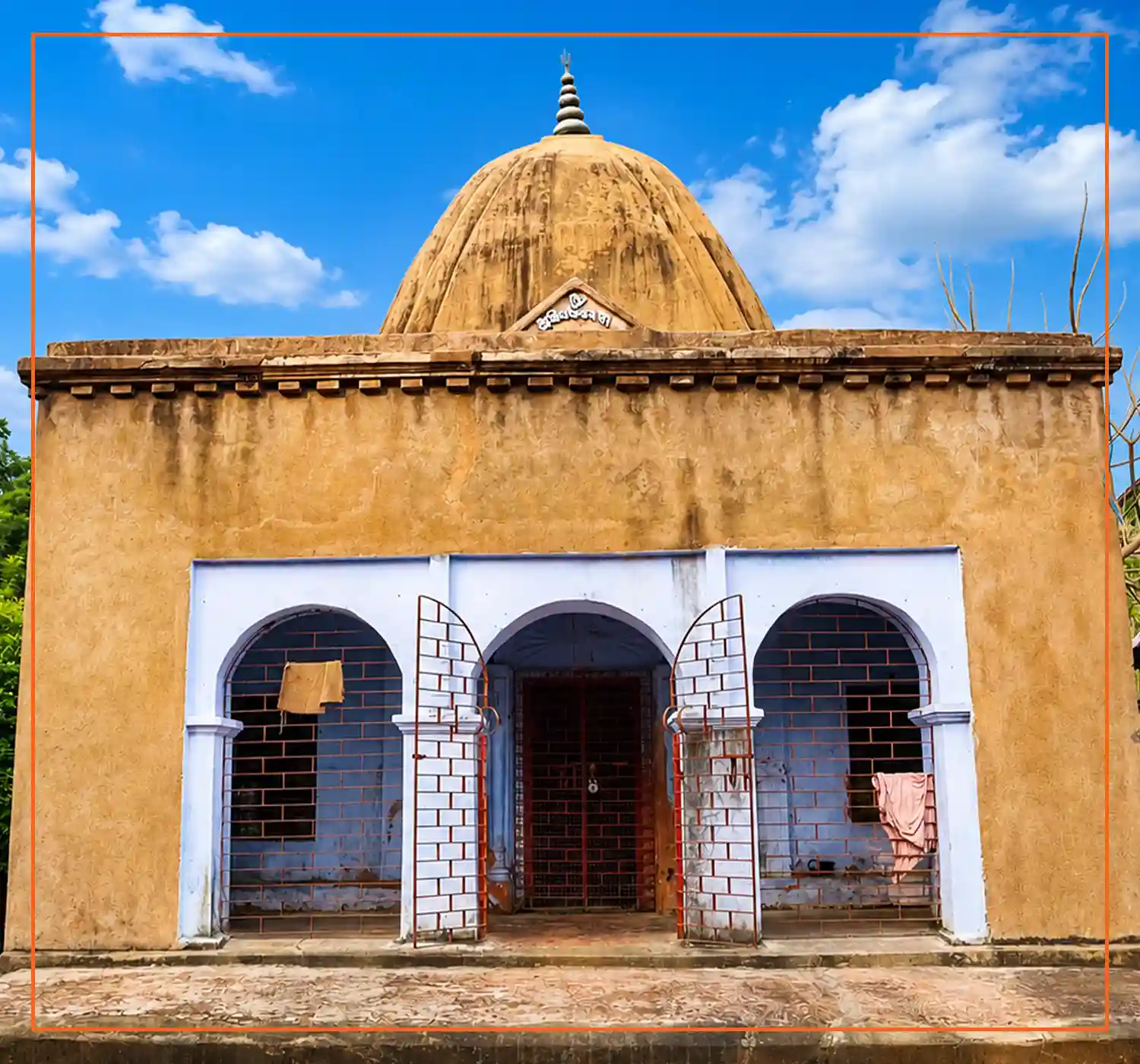
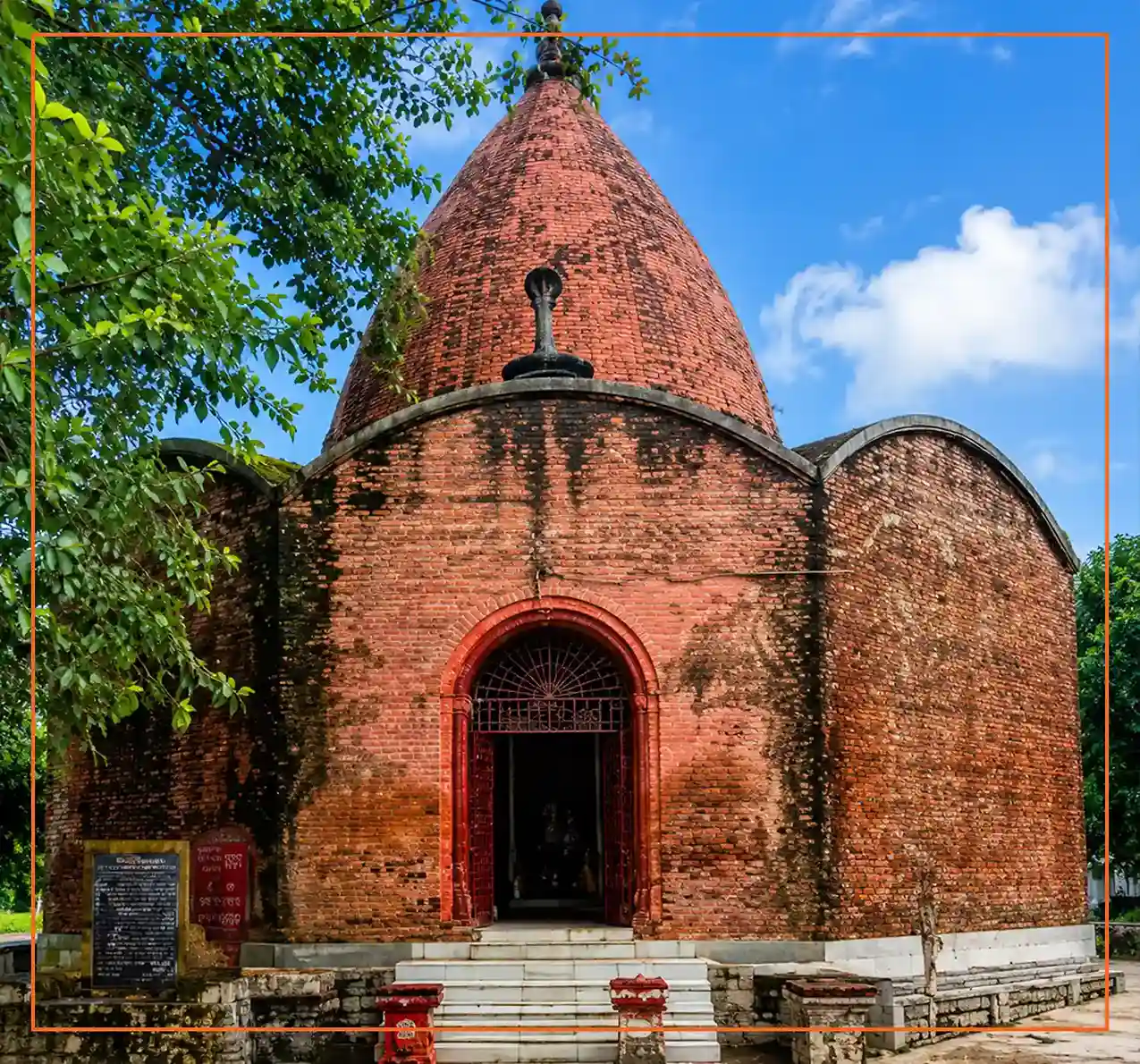
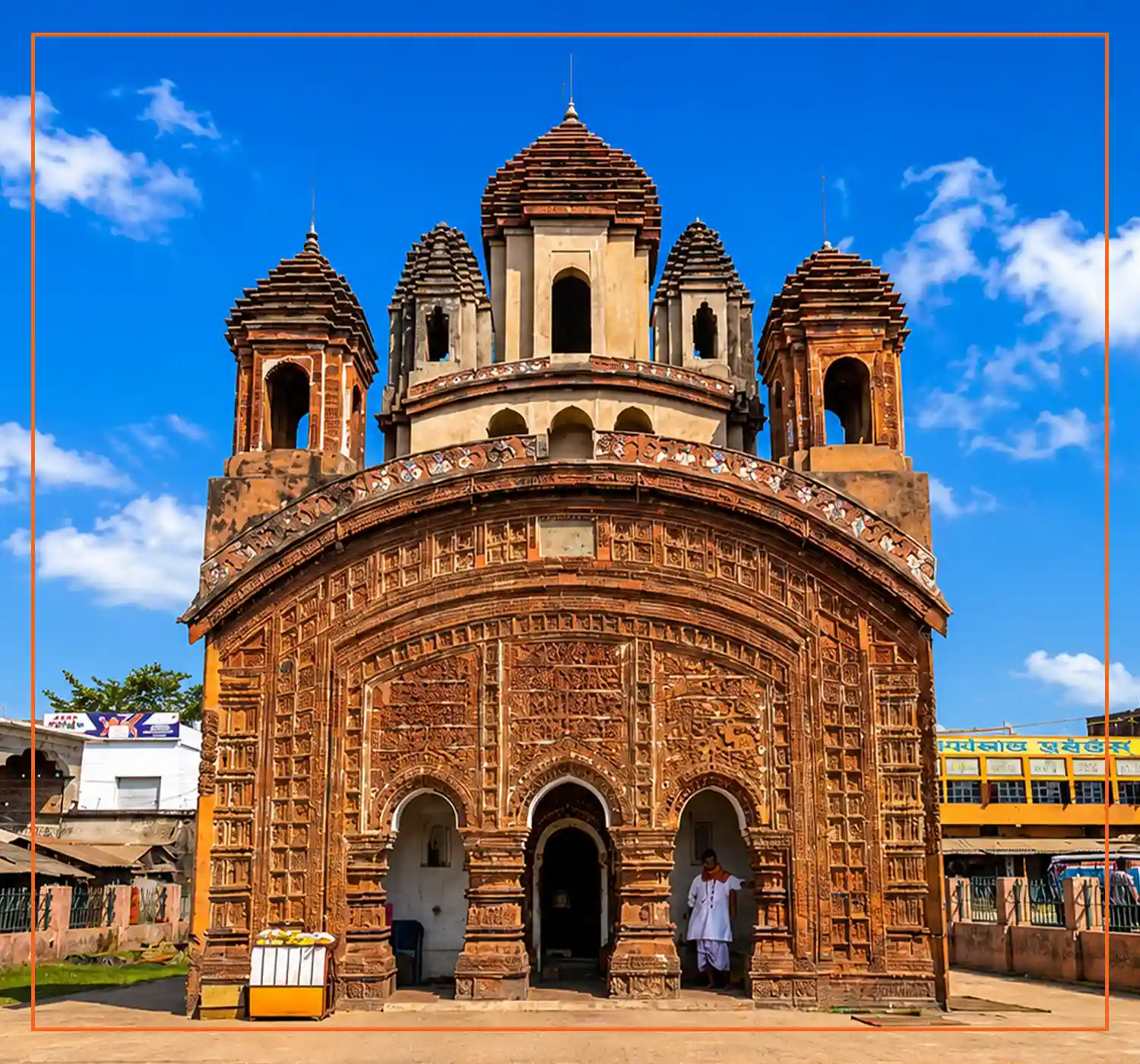
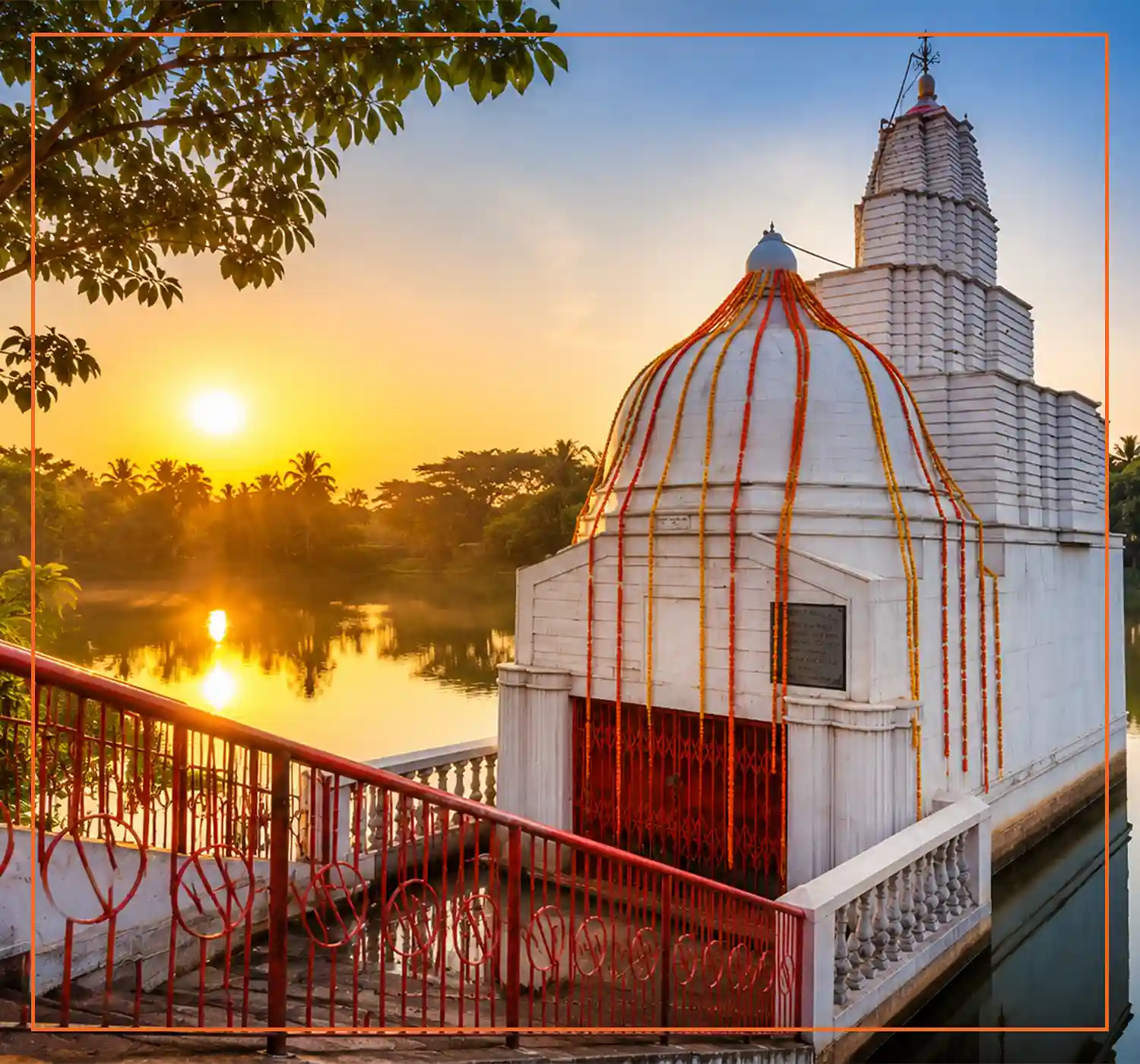
_11zon.webp)
_11zon.webp)
_11zon.webp)
_11zon (1).webp)
_11zon.webp)
_11zon.webp)