
_11zon.webp)

_11zon.webp)

.webp)
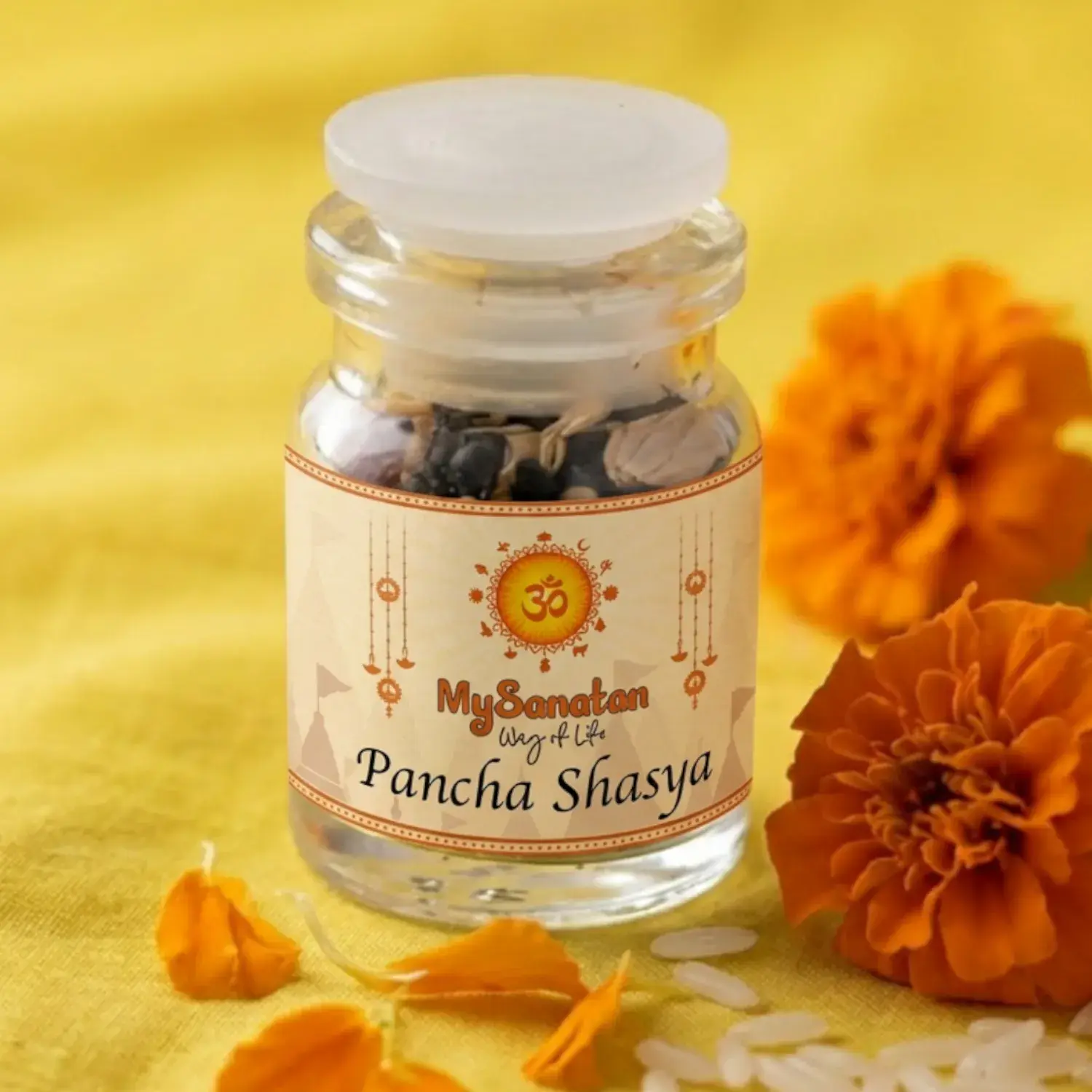


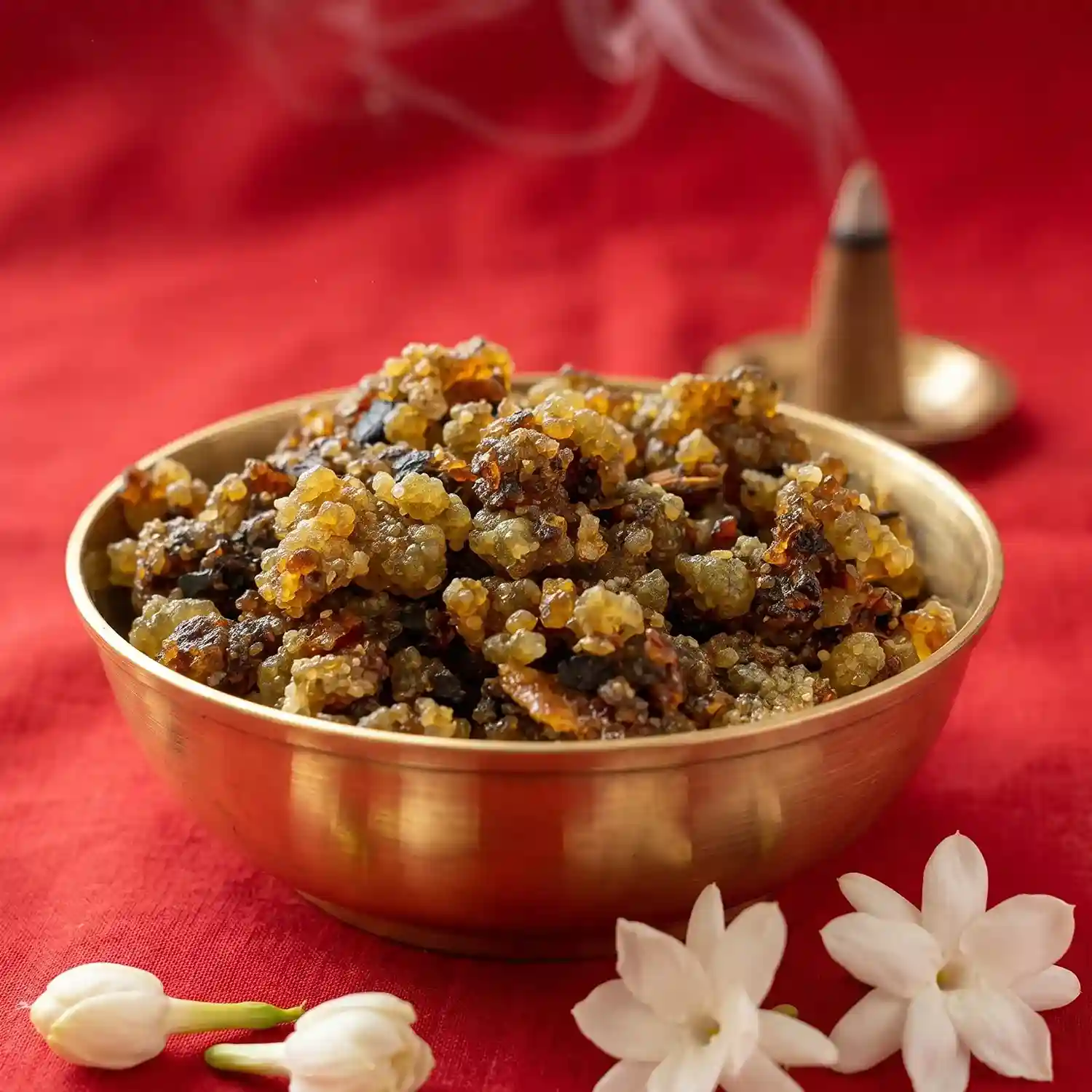
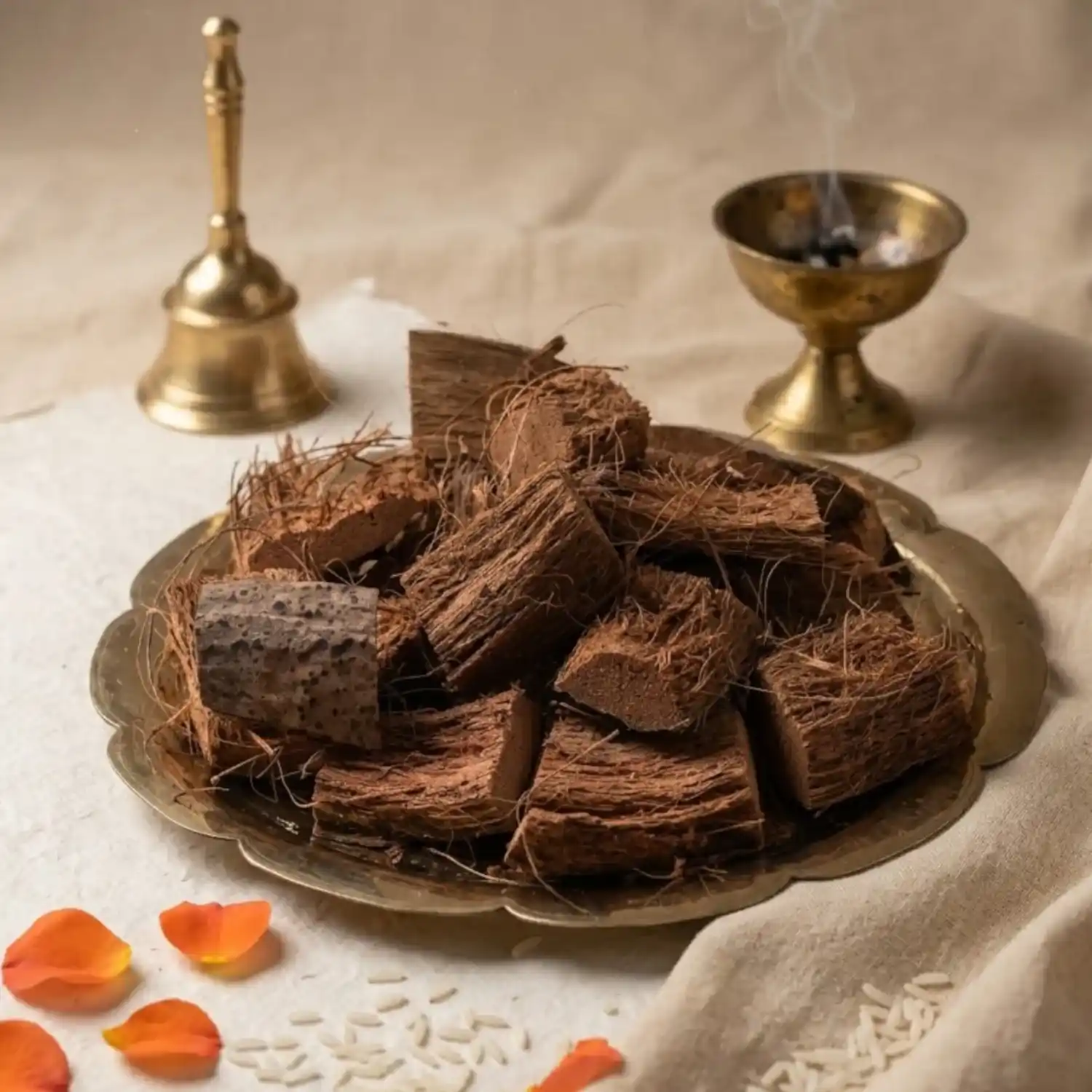


_11zon.webp)

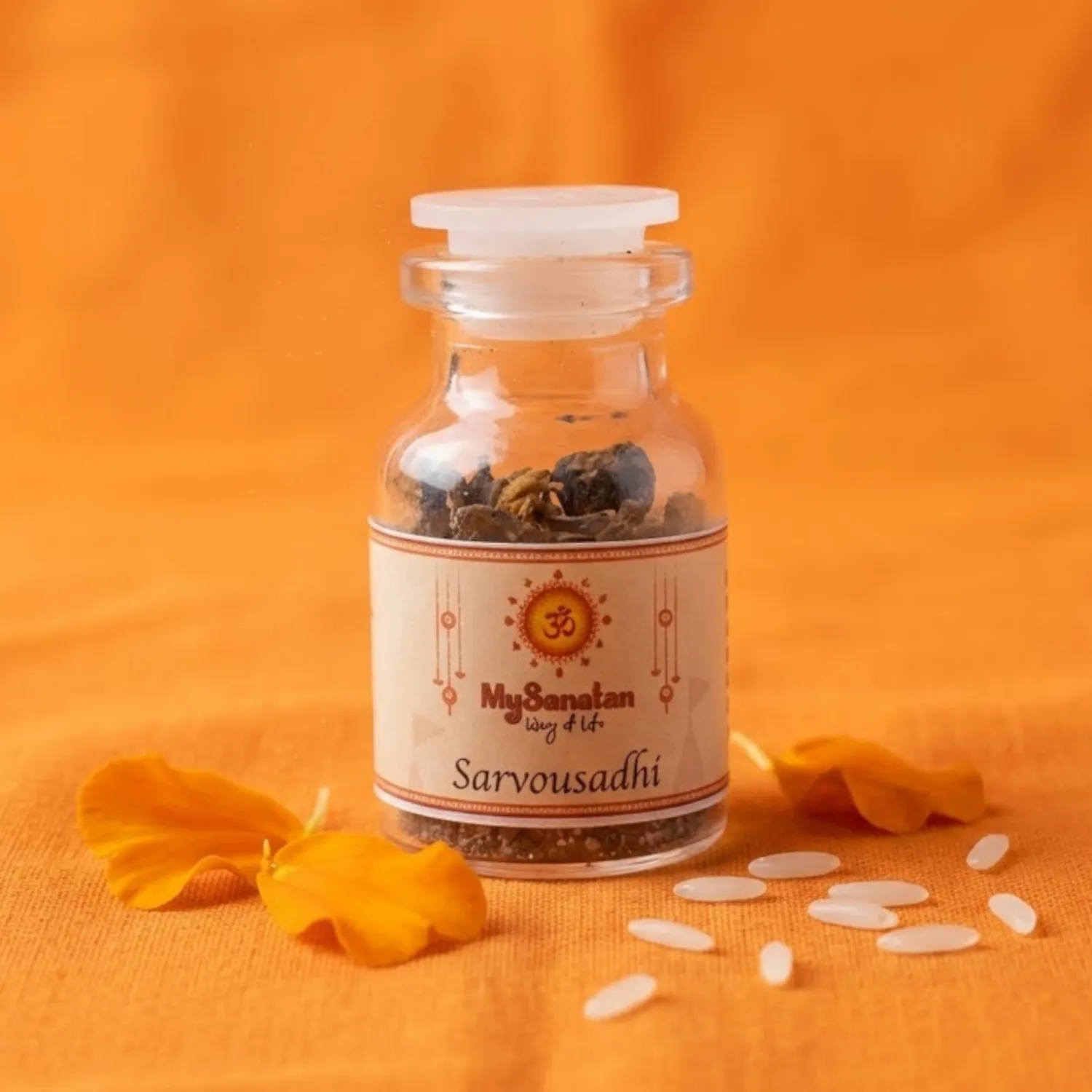
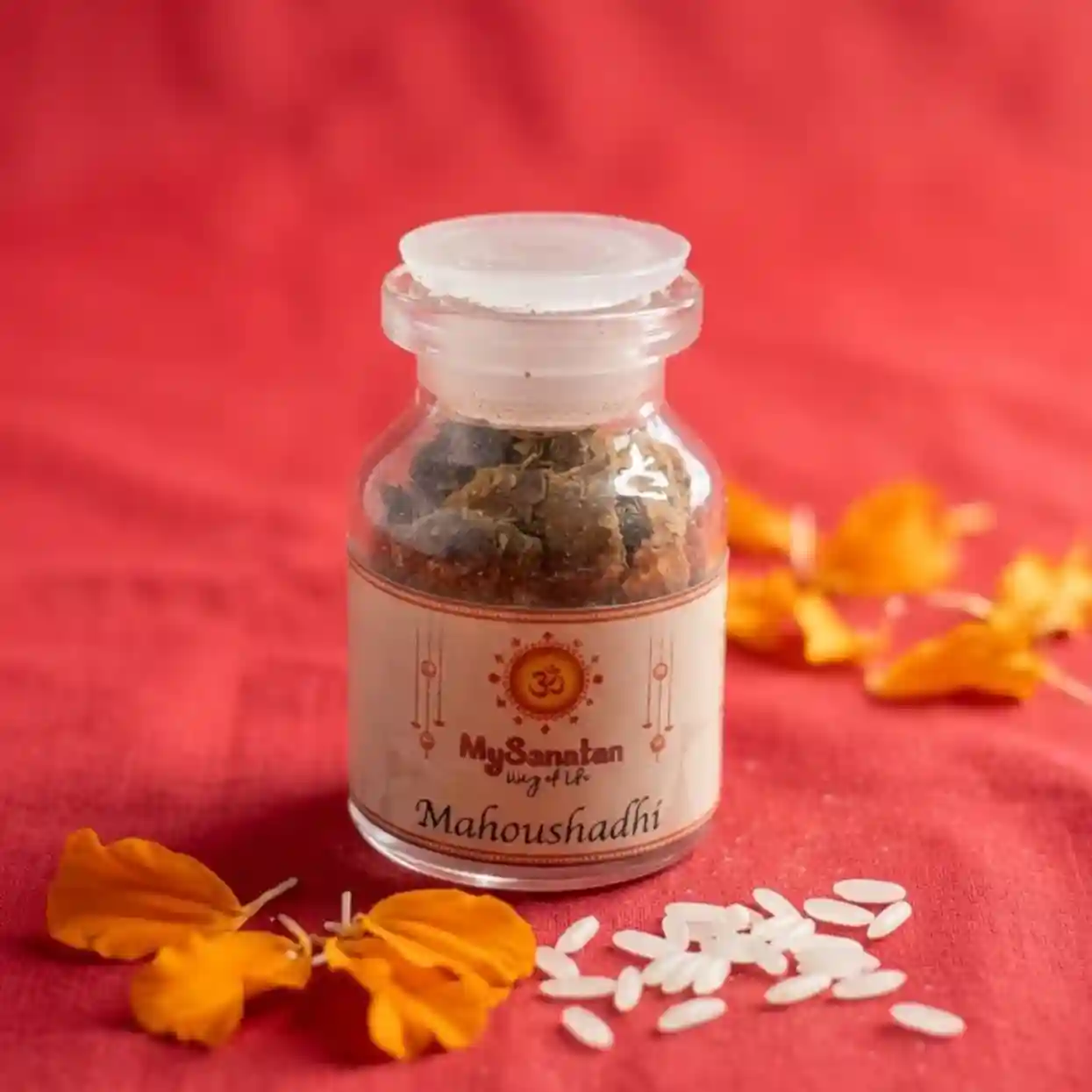

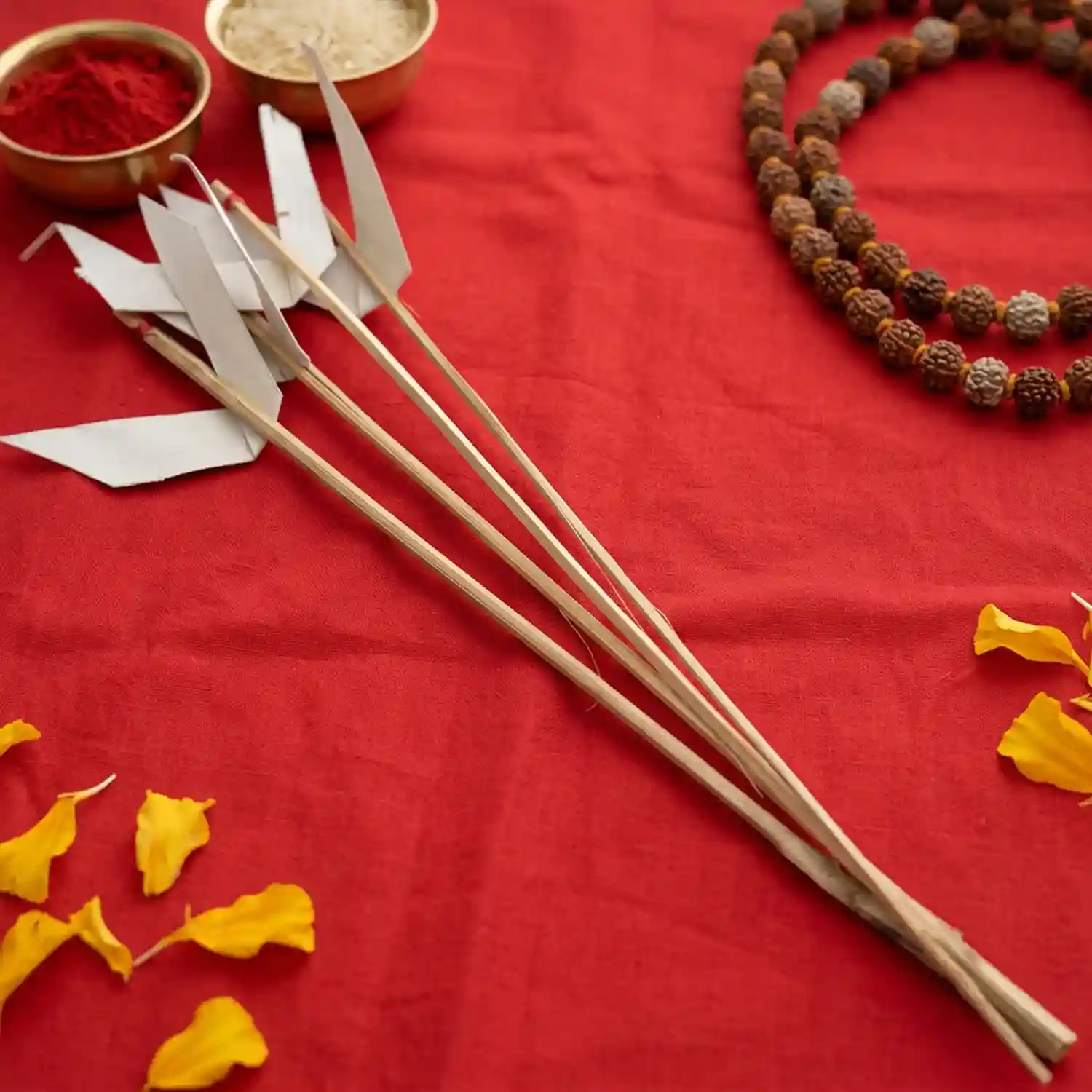
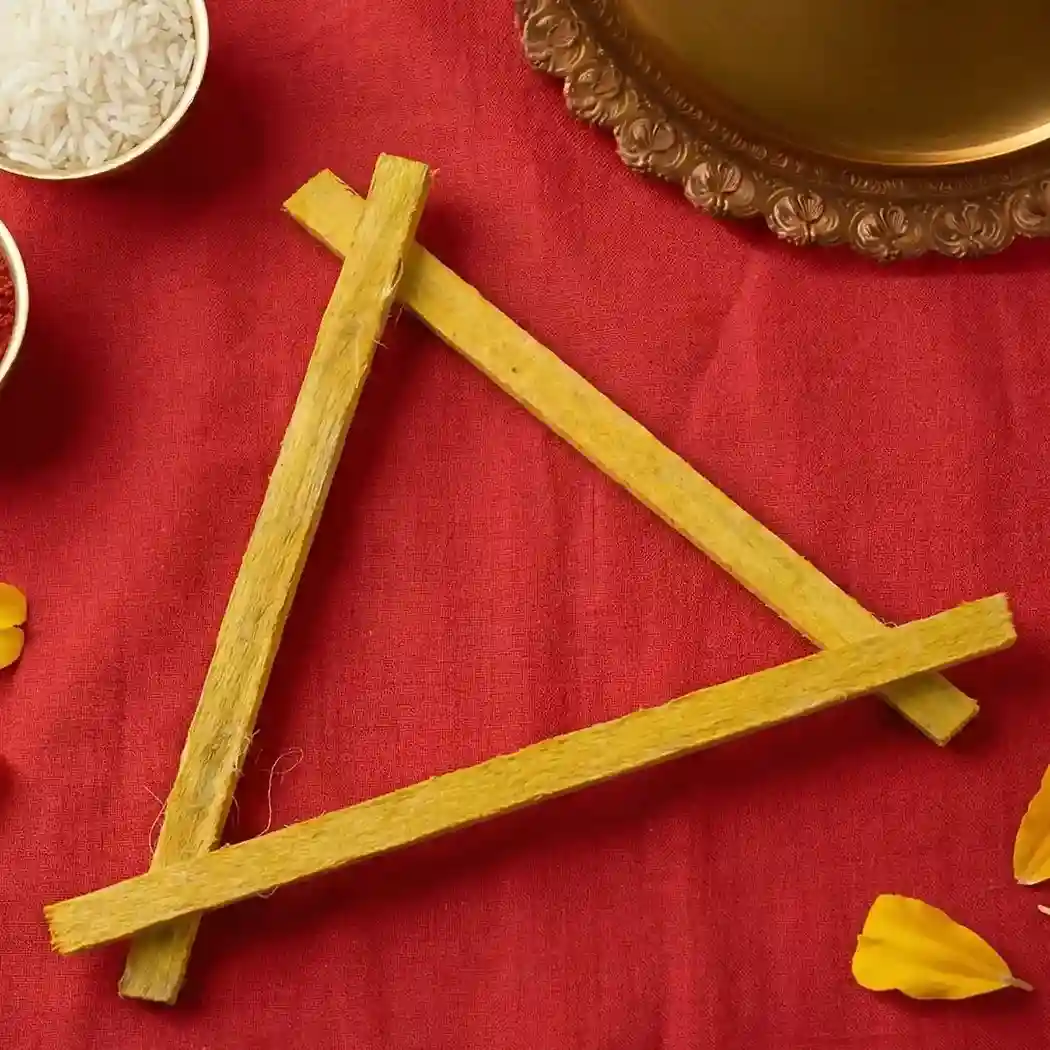
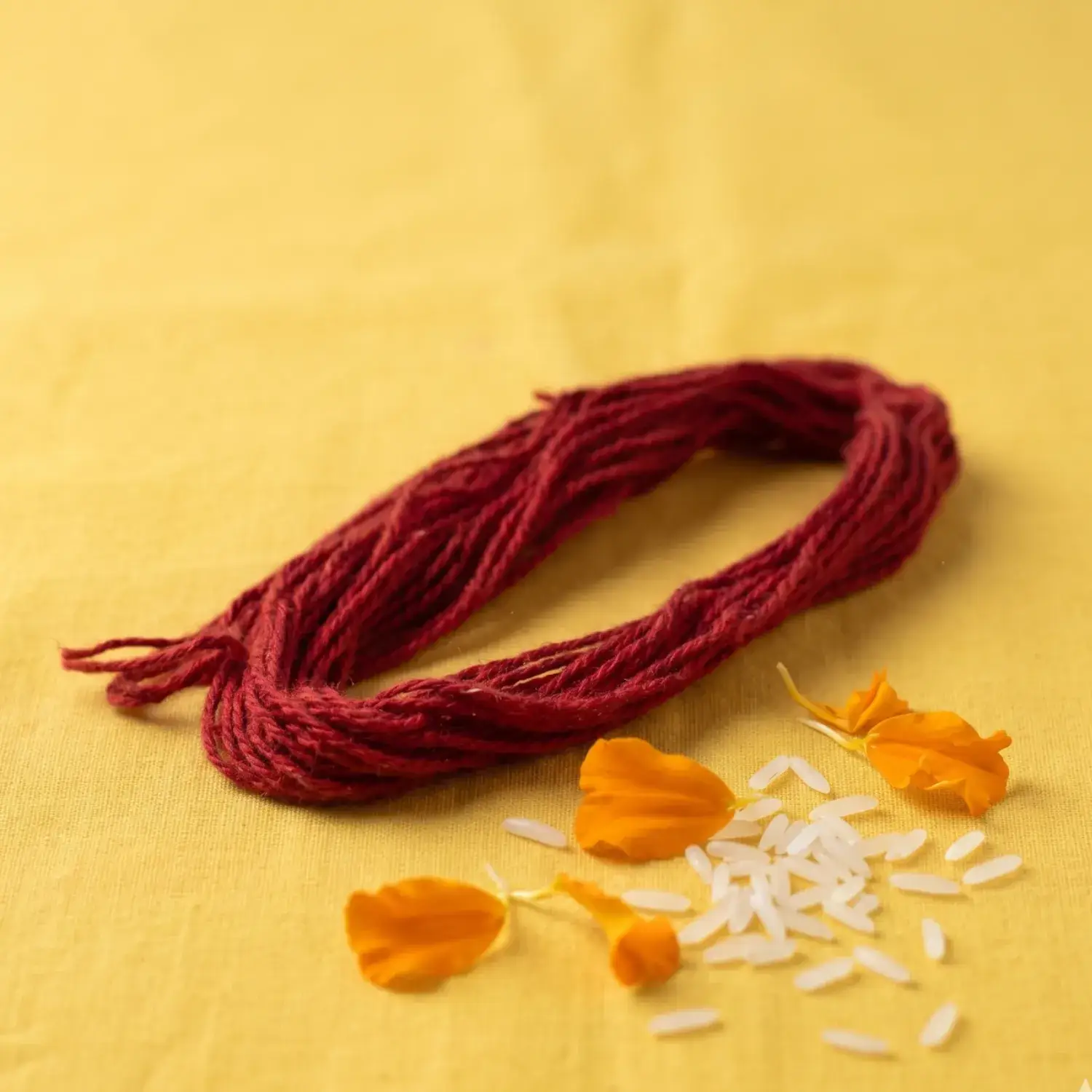
.webp)
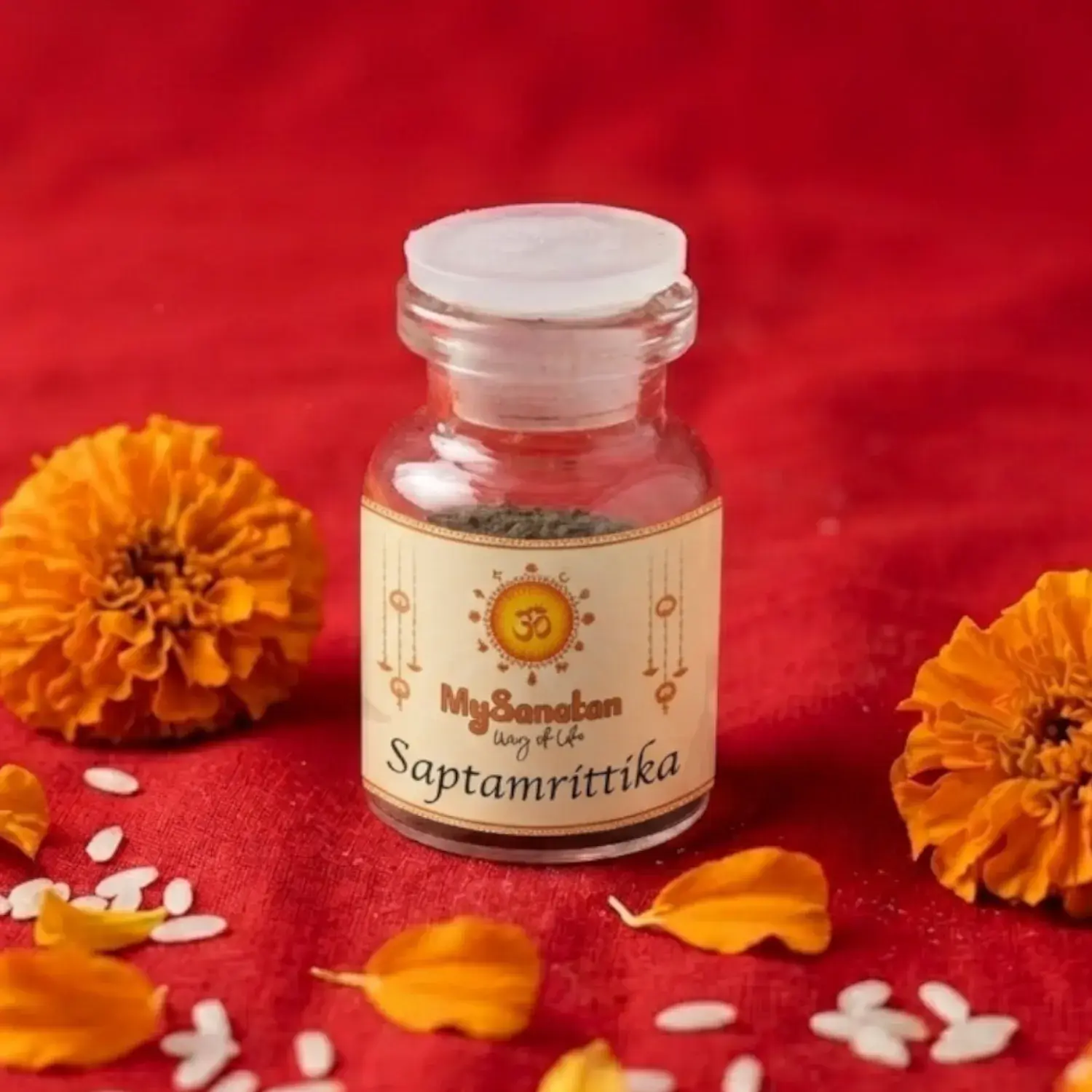
_11zon.webp)
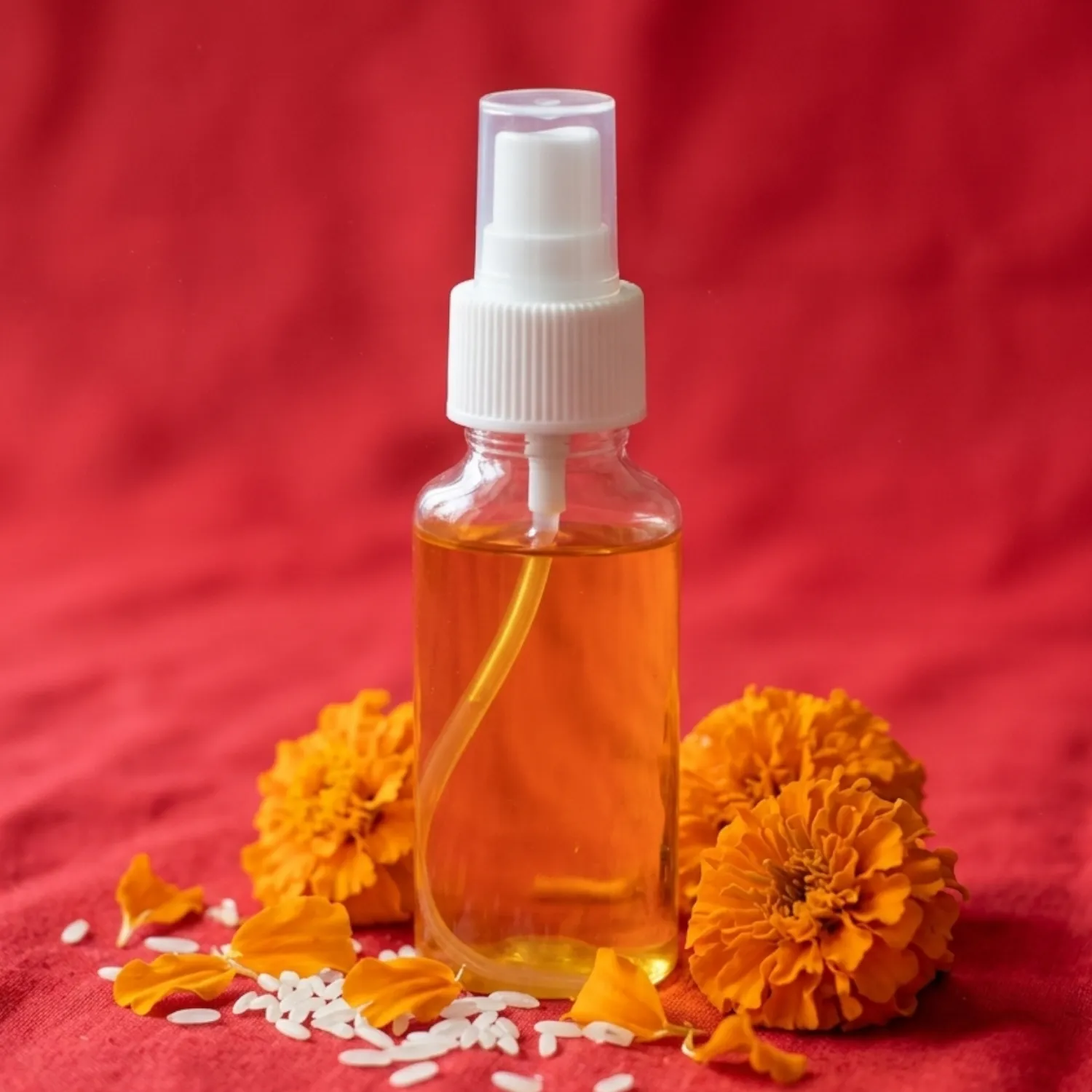
_11zon.webp)
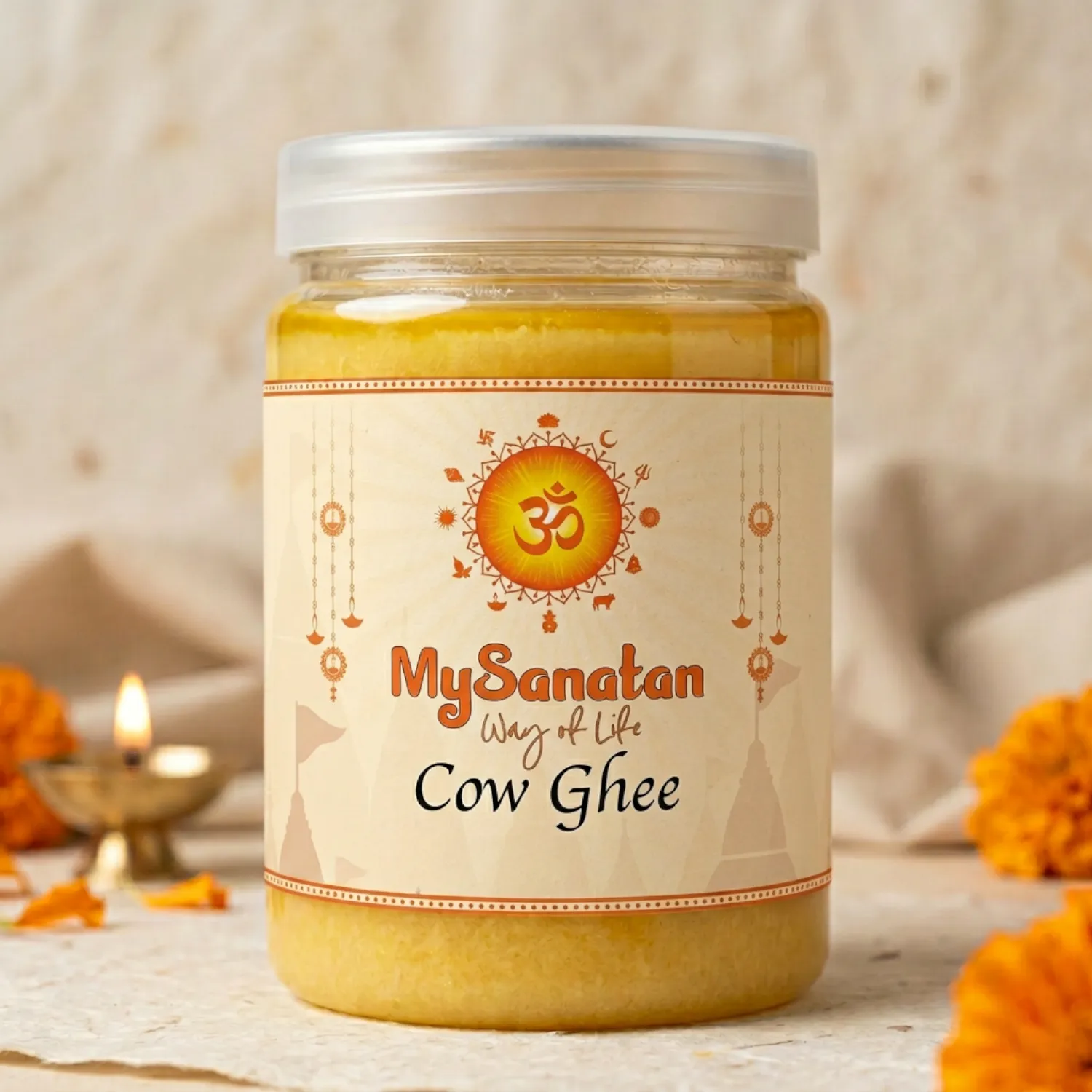
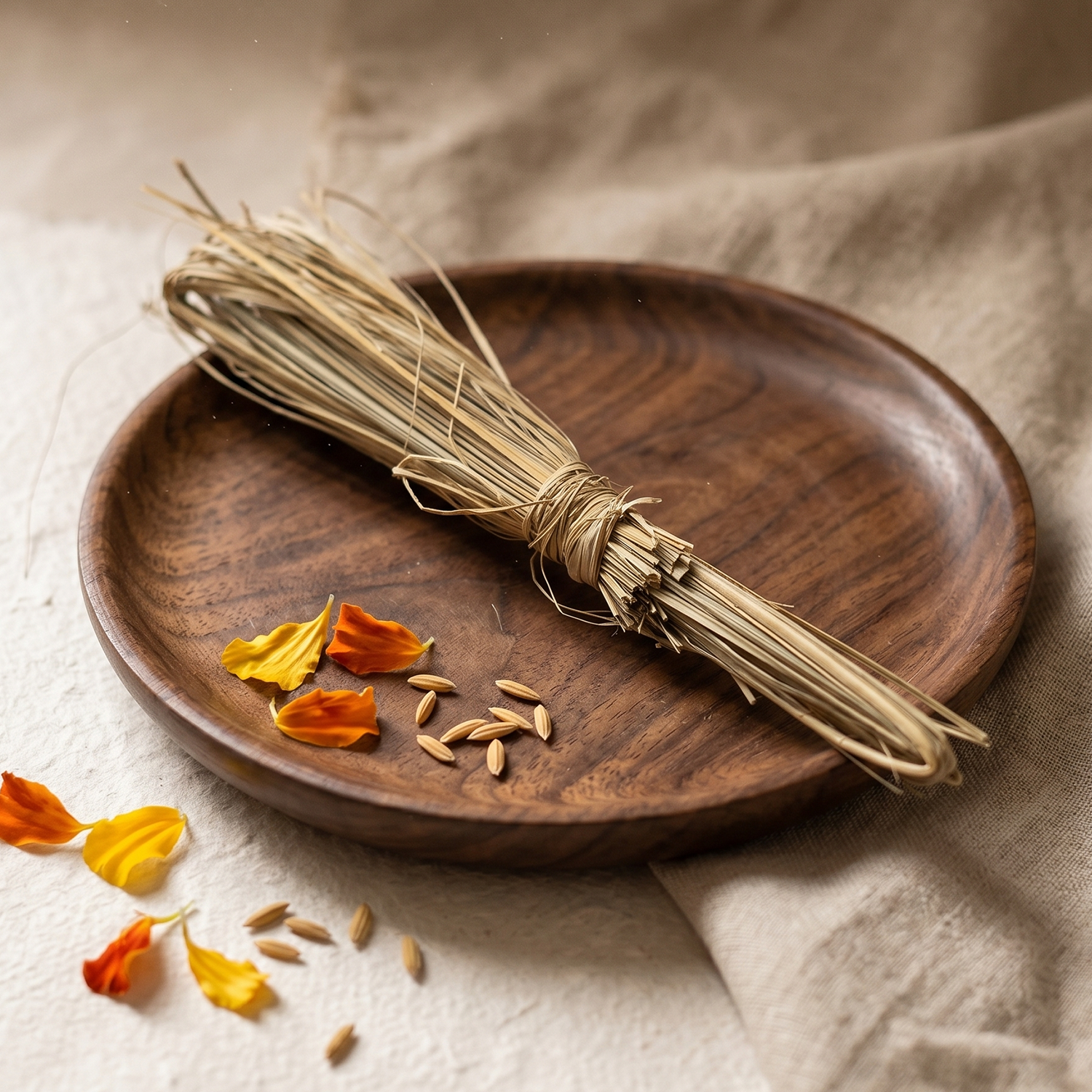
1_1_11zon.webp)
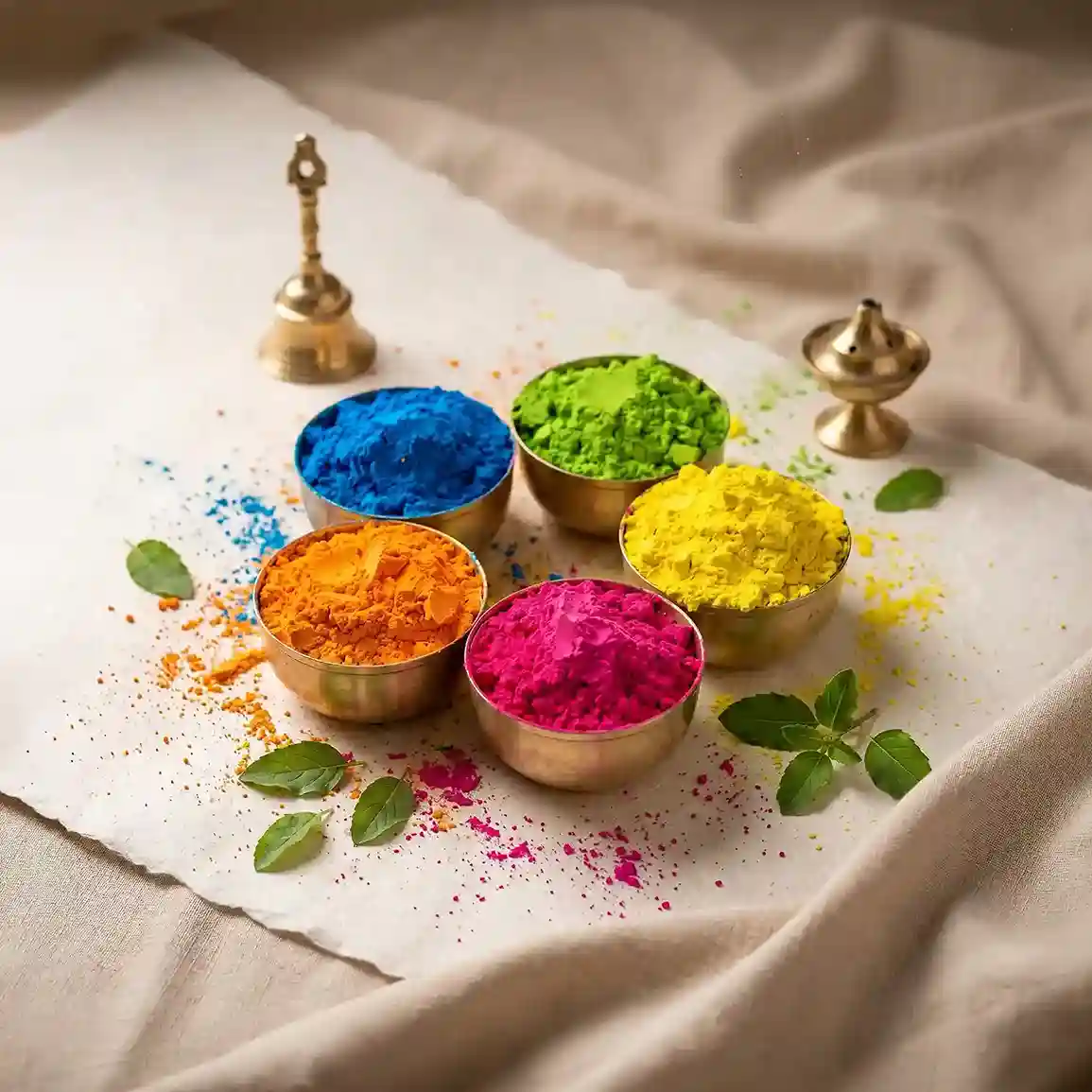


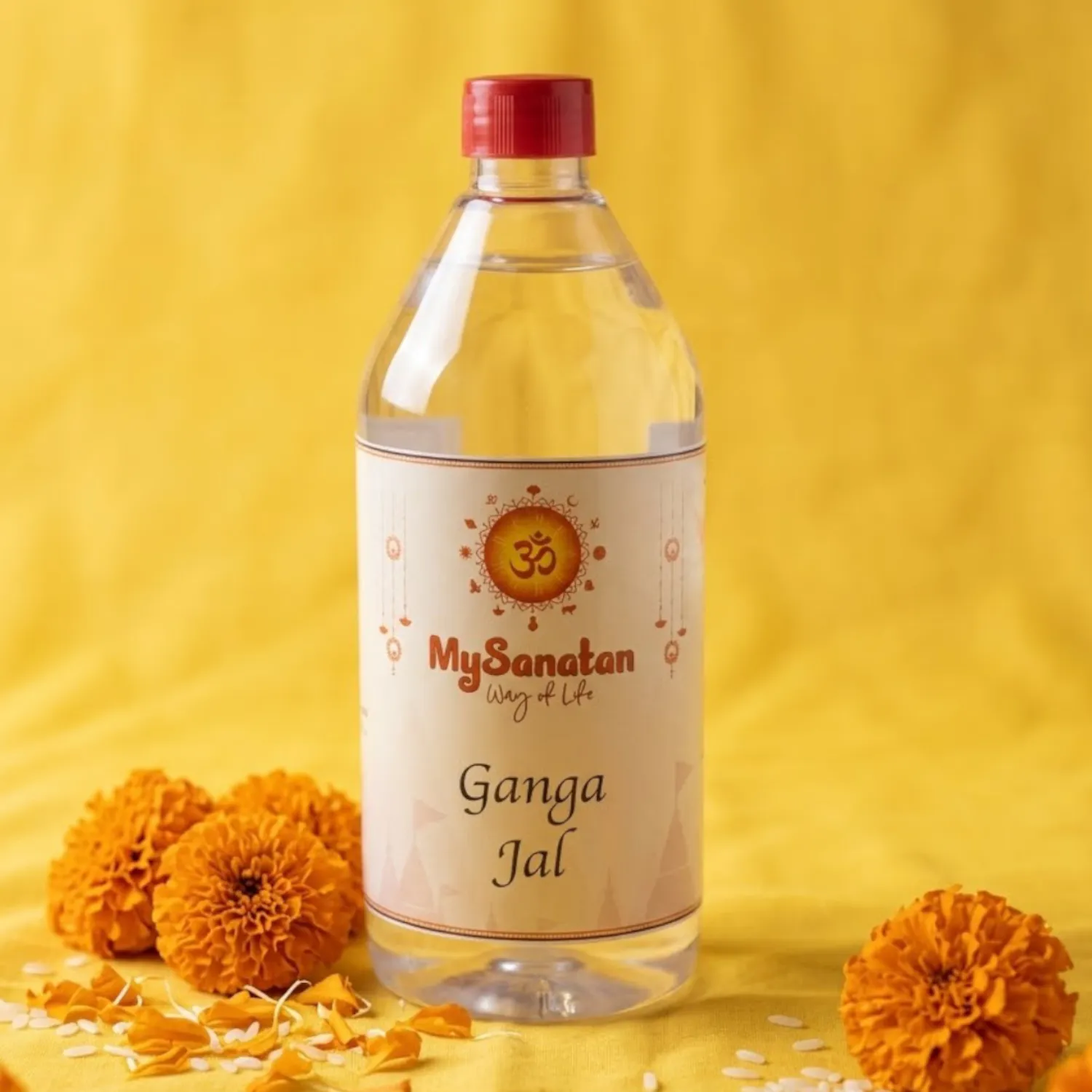
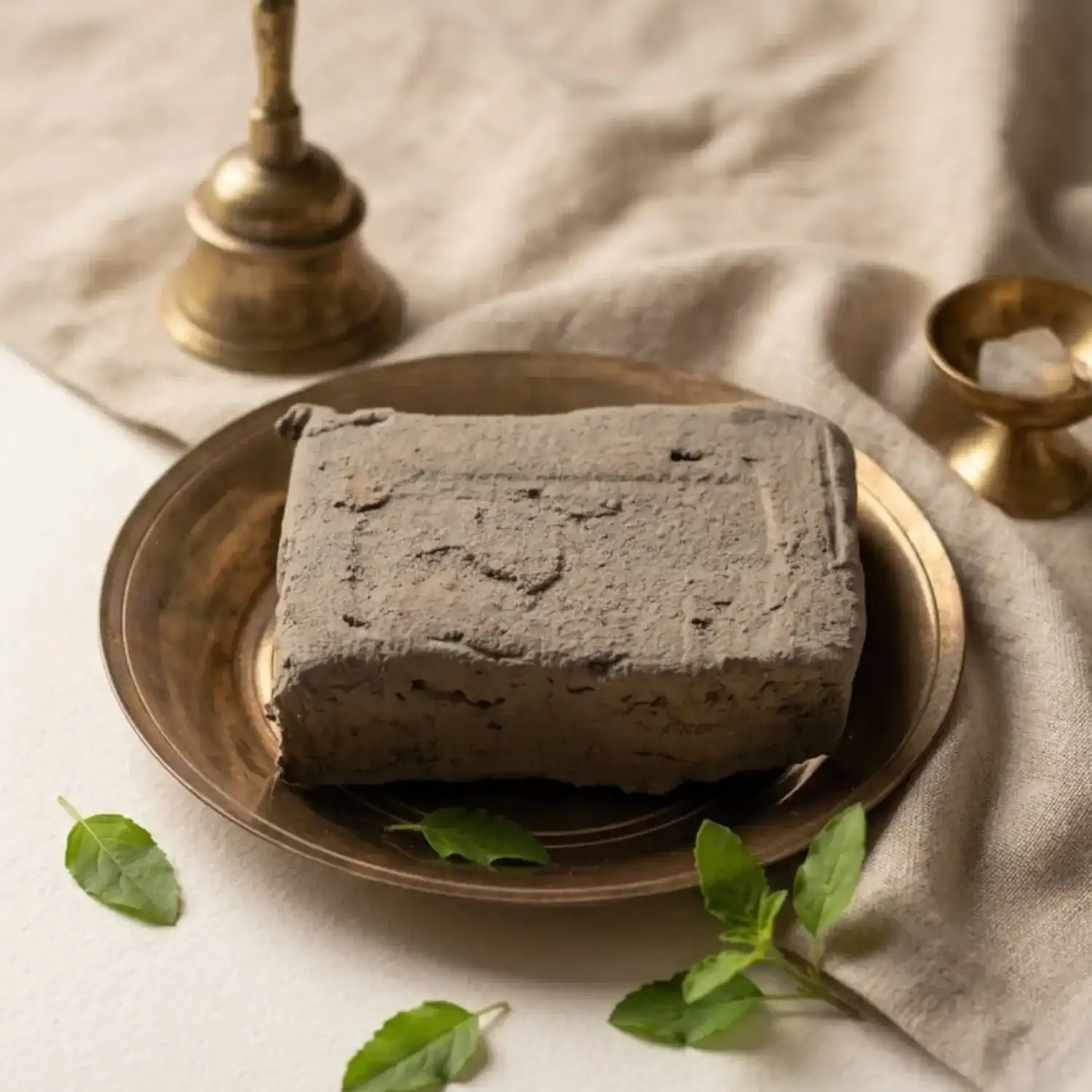
.webp)
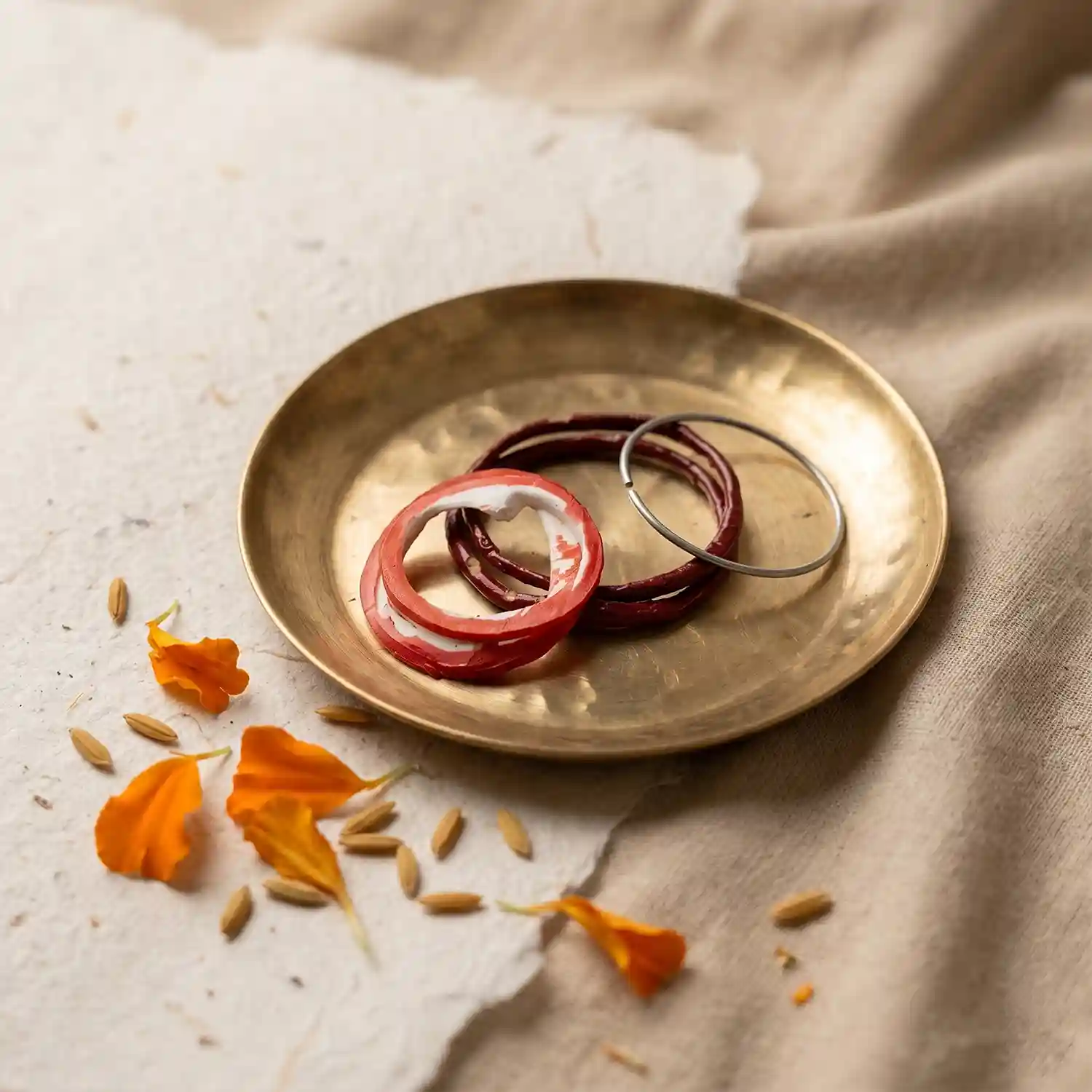
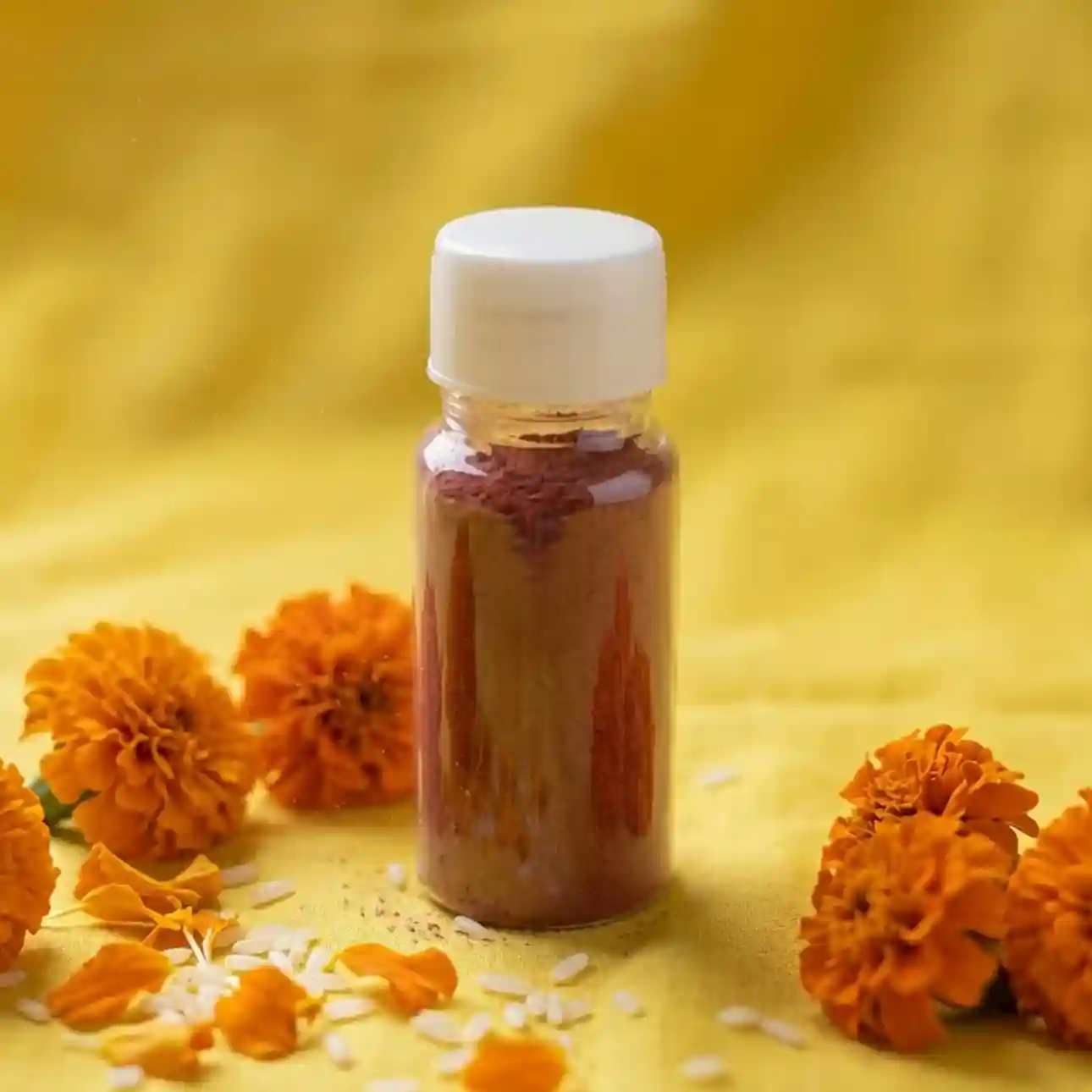
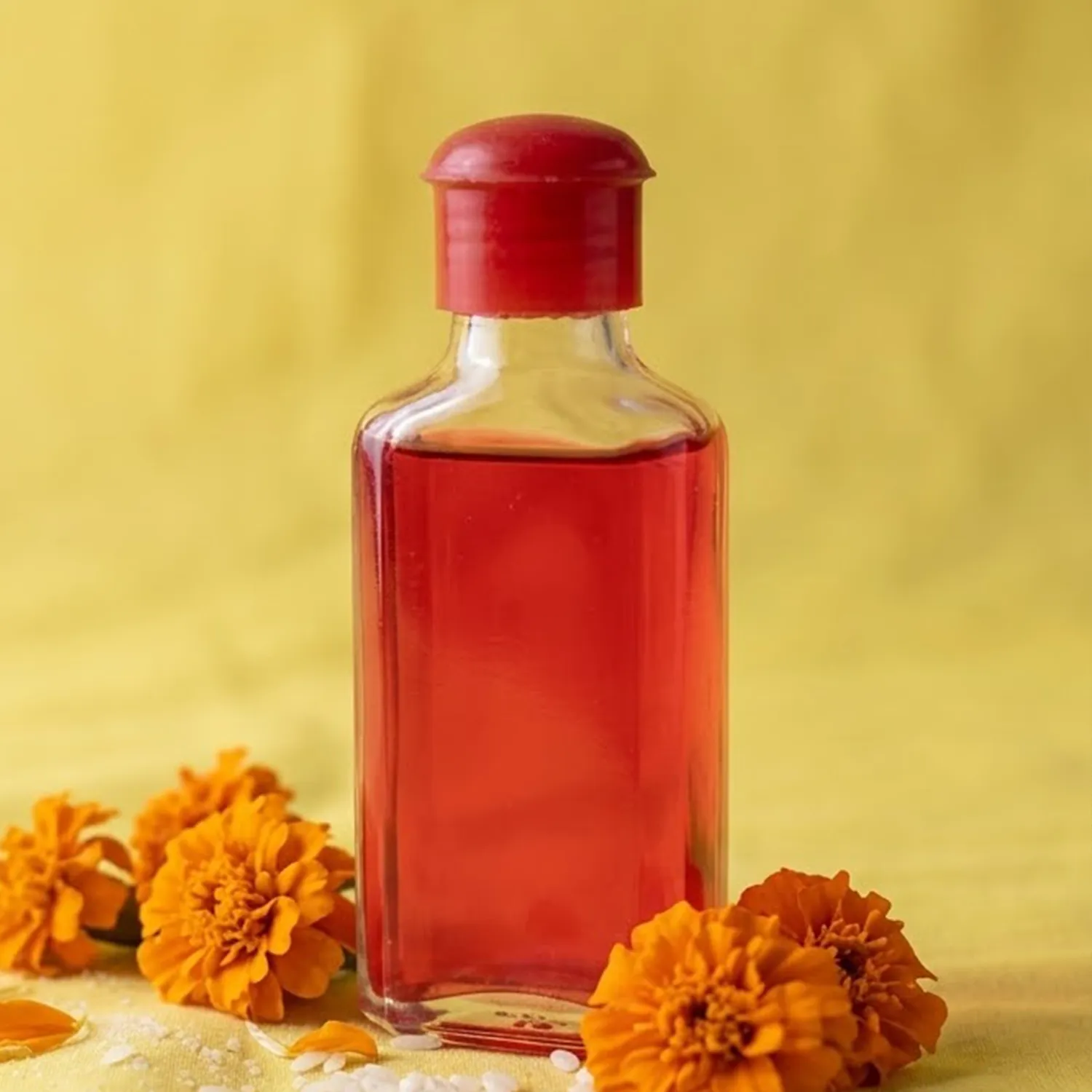

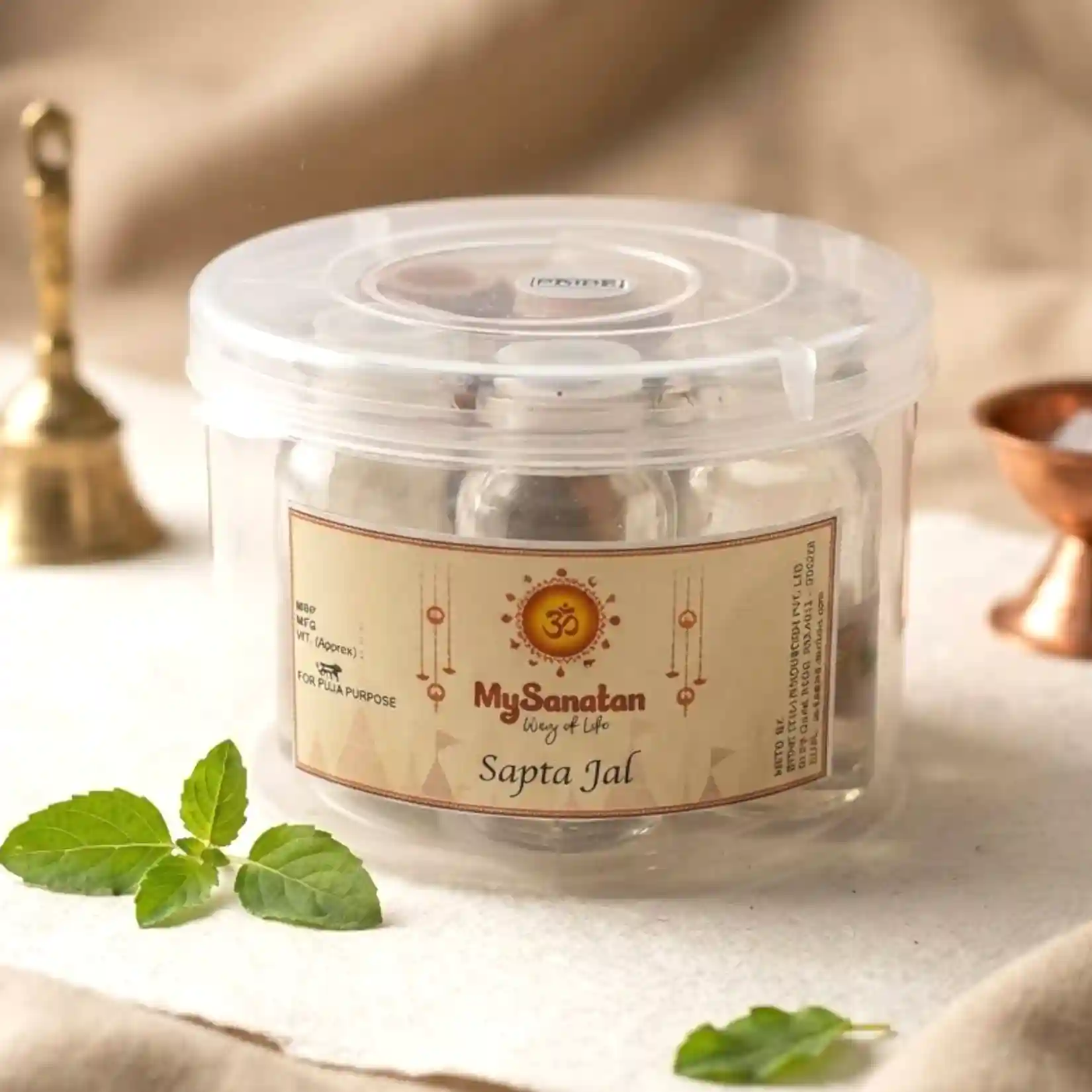
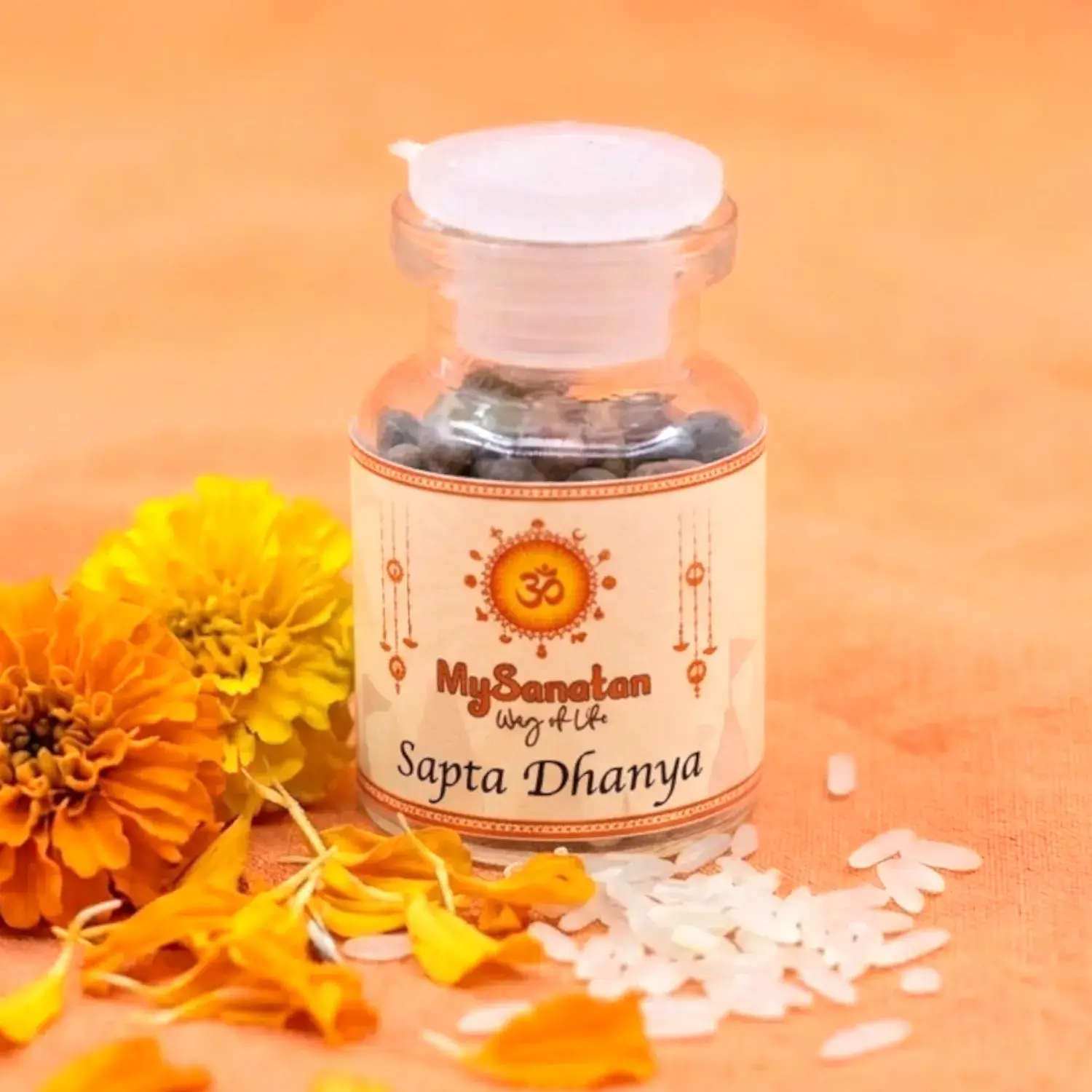
_11zon.webp)
_11zon.webp)

_9_11zon.webp)
Frequently Asked Questions
- Q1: When we are offering the flowers (Pushpa) and Bilva leaves to Goddess Durga, is there a specific way they should face on the altar?
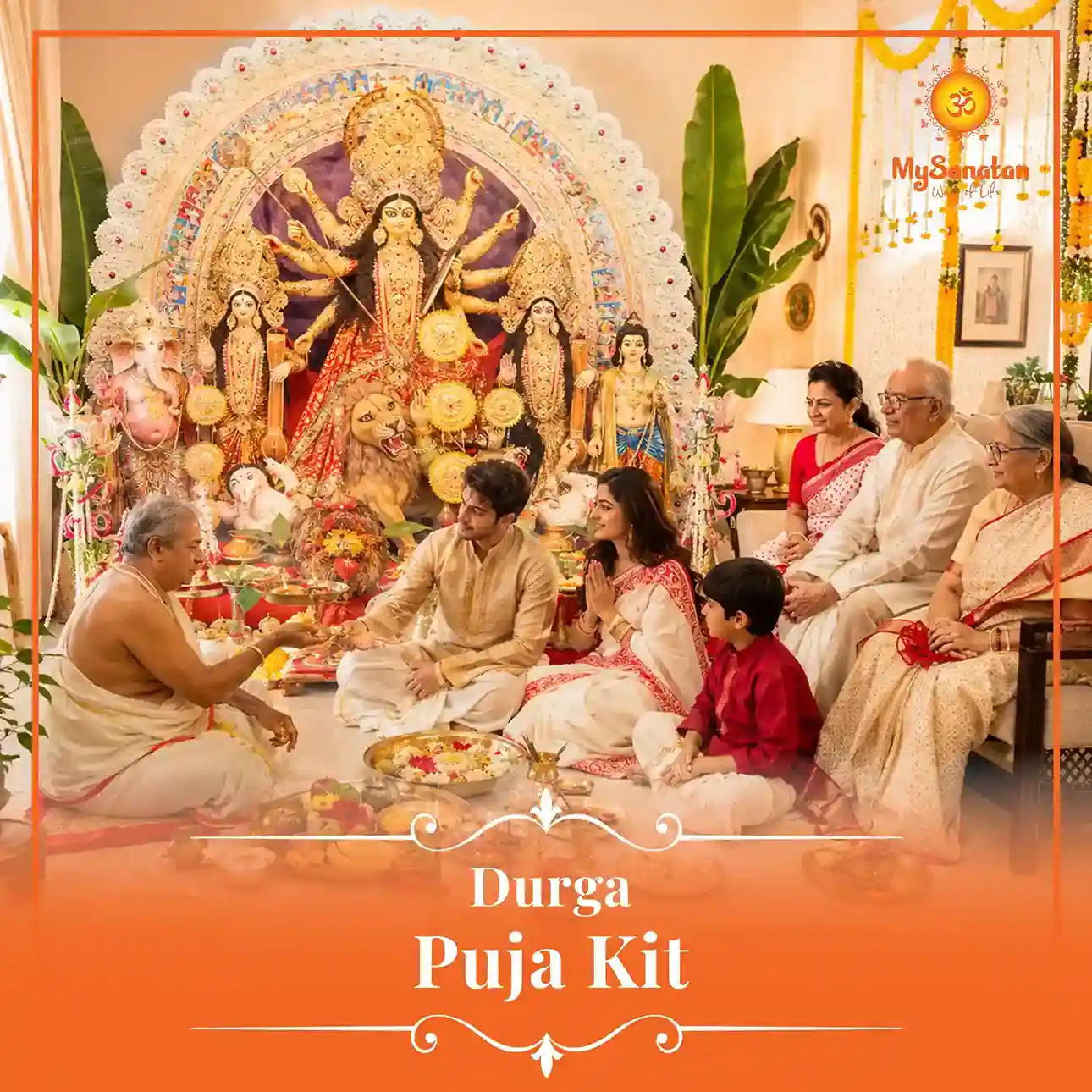
- For Beginners & Families: Yes! According to the classical Purohit Darpan, flowers must be offered facing upwards, exactly as they bloom in nature. However, Bilva leaves (Bael pata) follow the exact opposite rule—they must be offered face-down (adhomukh). The manual also notes that while there are no strict rules for exactly how to hold the flowers, you should generally avoid offering them using your left hand.
- Q2: We are setting up the grand feast (Naivedya) for the Goddess. Where exactly around the idol should we place the food bowls?
- For Home Cooks & Devotees: The Purohit Darpan provides very strict physical directions for serving the divine feast! The manual instructs that the Naivedya food offerings must only be placed to the right side, the left side, or directly in front of the deity. The text emphatically commands that you must never place the food behind the idol ("Prishthe dibe na!").
- Q3: I see the "White Cotton Janeu Thread" (Paita) is included. How should I wear it during the Durga Puja versus when I honor my ancestors?
- For All Practitioners: The placement of your sacred thread dictates the cosmic destination of your prayers! According to the Apastamba Sutras and classical manuals, during regular divine worship (Upasana), fire rituals (Homa), and when honoring the gods, the thread must be draped over your left shoulder and under your right arm (a position known as Upaviti). However, when you perform ceremonies relating to the Ancestors (Pitrs), you must shift the thread to hang over your right shoulder (known as Pracinaviti).
- Q4: Why does the priest insist we must formally declare our intentions (Sankalpa) before starting the grand puja? Can't we just start praying?
- For Experienced Householders: A ritual without a Sankalpa loses its spiritual power! The Purohit Darpan quotes ancient scriptures stating that any religious act performed by a person without first making a formal Sankalpa (declaration of intent) yields only minor results, and half of the spiritual merit of the act is completely destroyed. Furthermore, the text strictly warns that you must never perform the Sankalpa using a clay pot; you must use a vessel made of copper, silver, stone, or conch.
- Q5: When the priest finally offers the food (Naivedya) to Goddess Durga, he uses specific hand gestures over the offerings. What do these signify?
- For Priests & Scholars: In highly traditional Tantric and Vedic worship, presenting the food is a deeply mystical act of energy transfer. According to the Purohit Darpan, when offering the Naivedya, the worshipper must form the Grasa mudra (the gesture of feeding) with their left hand. Simultaneously, with their right hand, they must form five highly specific vital-air gestures and recite the corresponding mantras (Prana, Apana, Samana, Udana, Vyana) to spiritually "feed" the five vital energies of the Divine Mother!
_3_11zon.webp)
_11zon.webp)

_11zon.webp)
.webp)
_11zon.webp)
_14_11zon.webp)
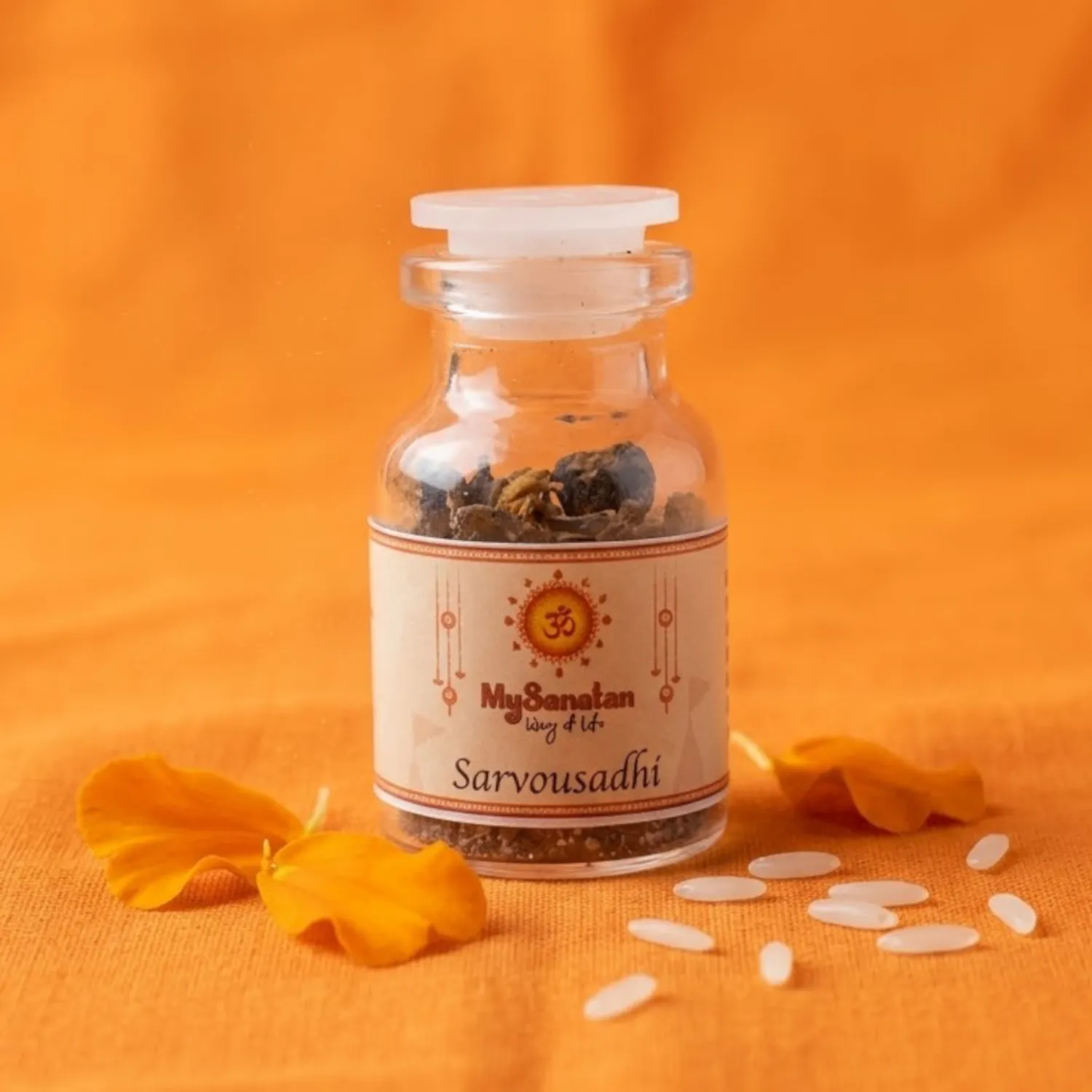
.webp)
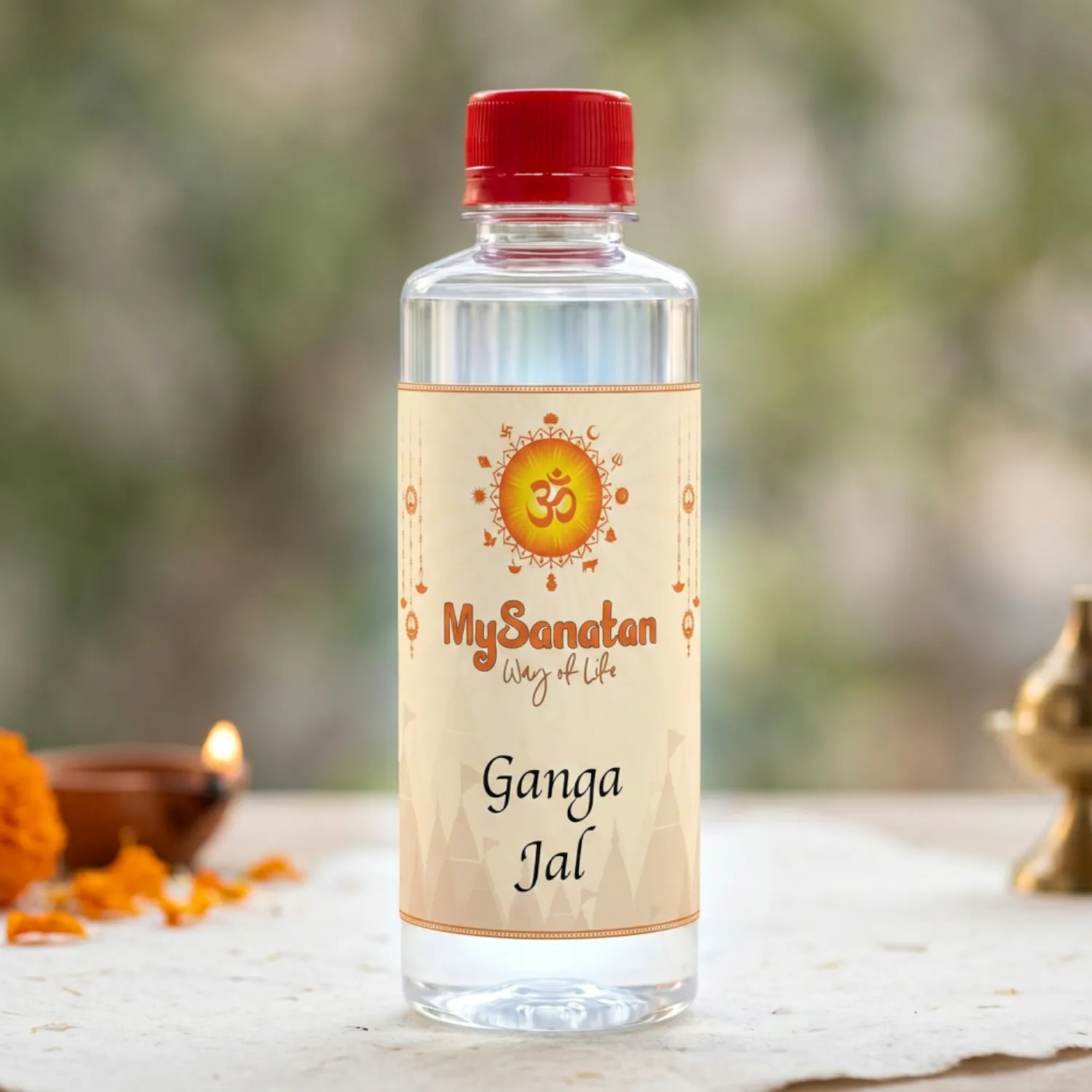
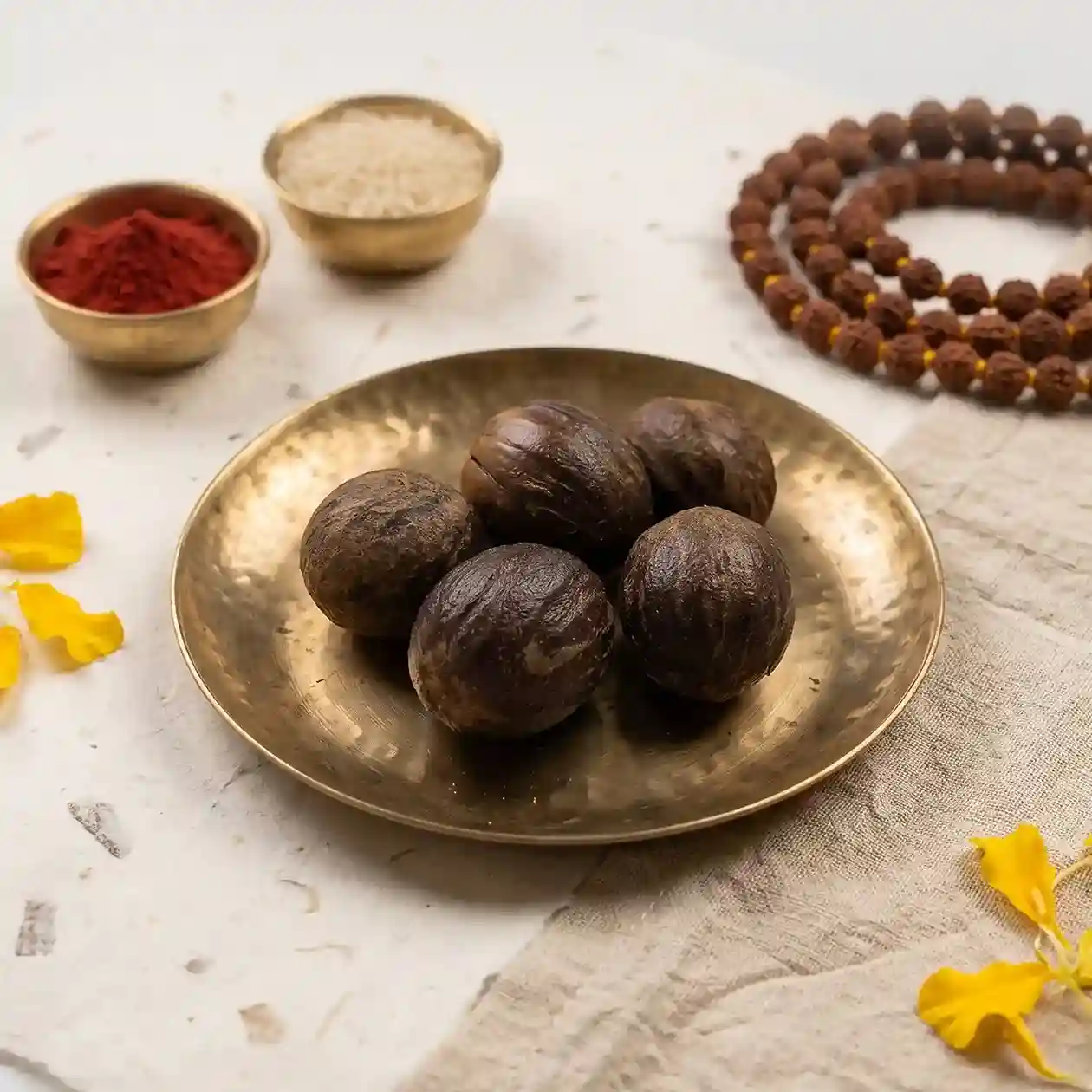
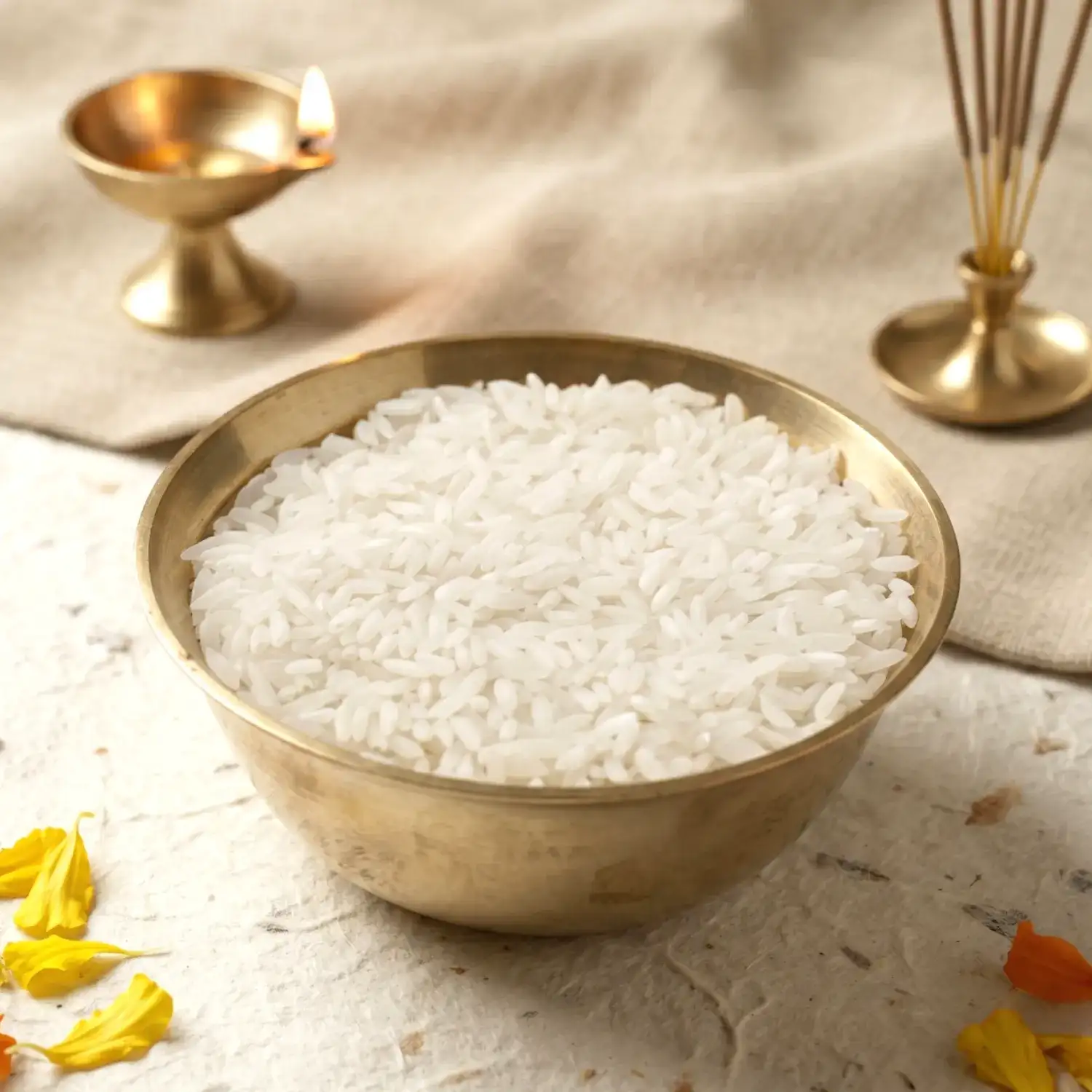
_11zon.webp)
_15_11zon.webp)
_11zon.webp)

.jpg)
_3_11zon.webp)
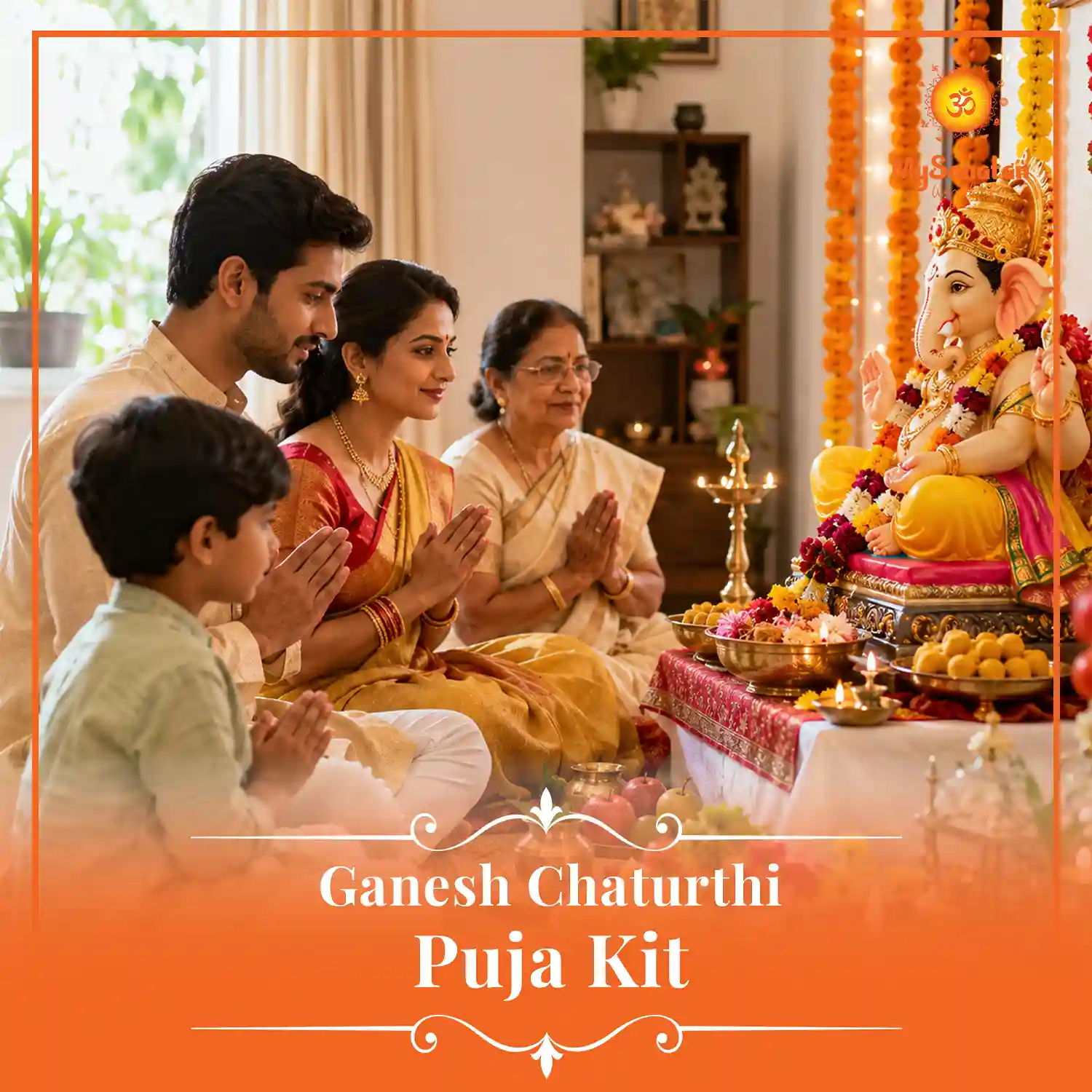
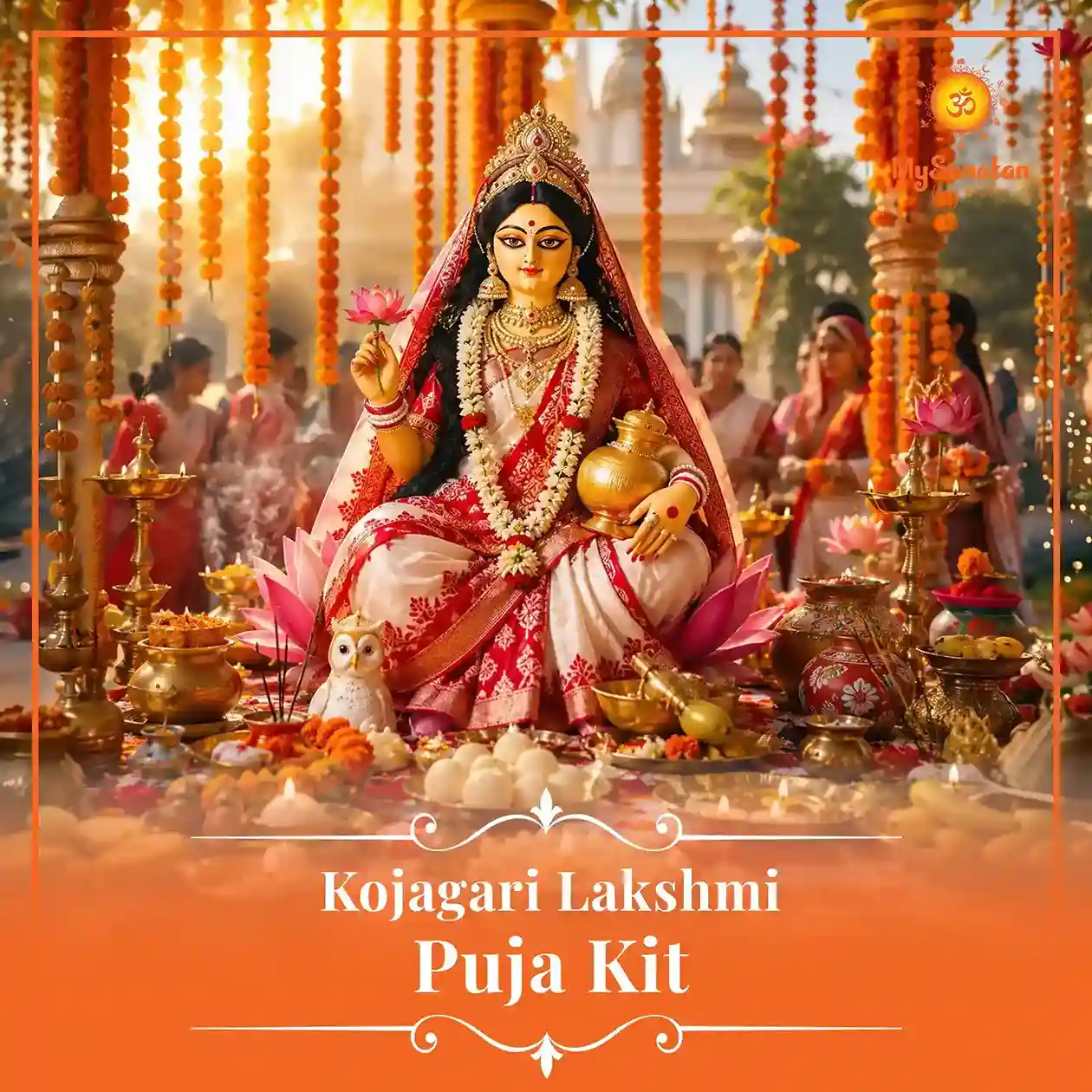

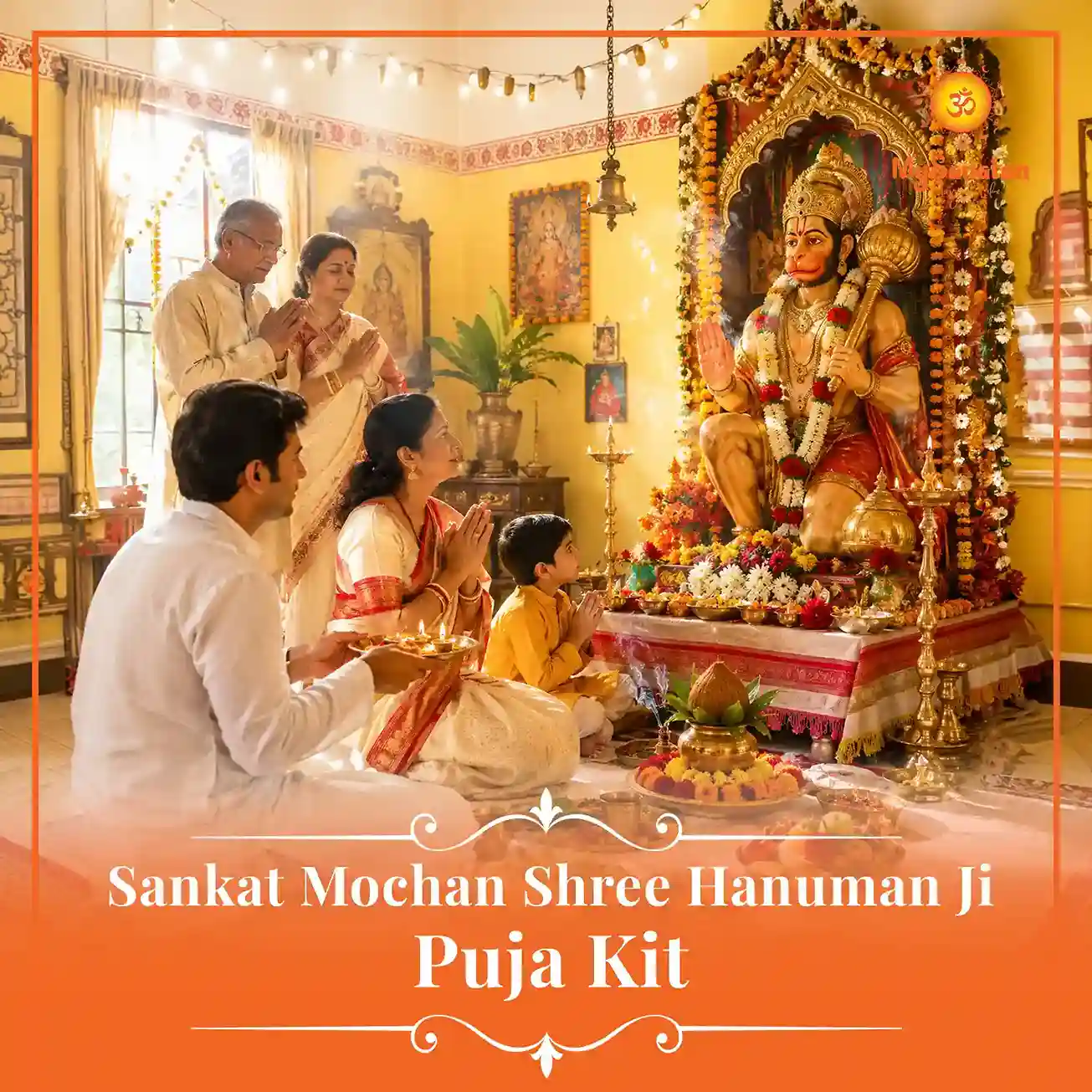
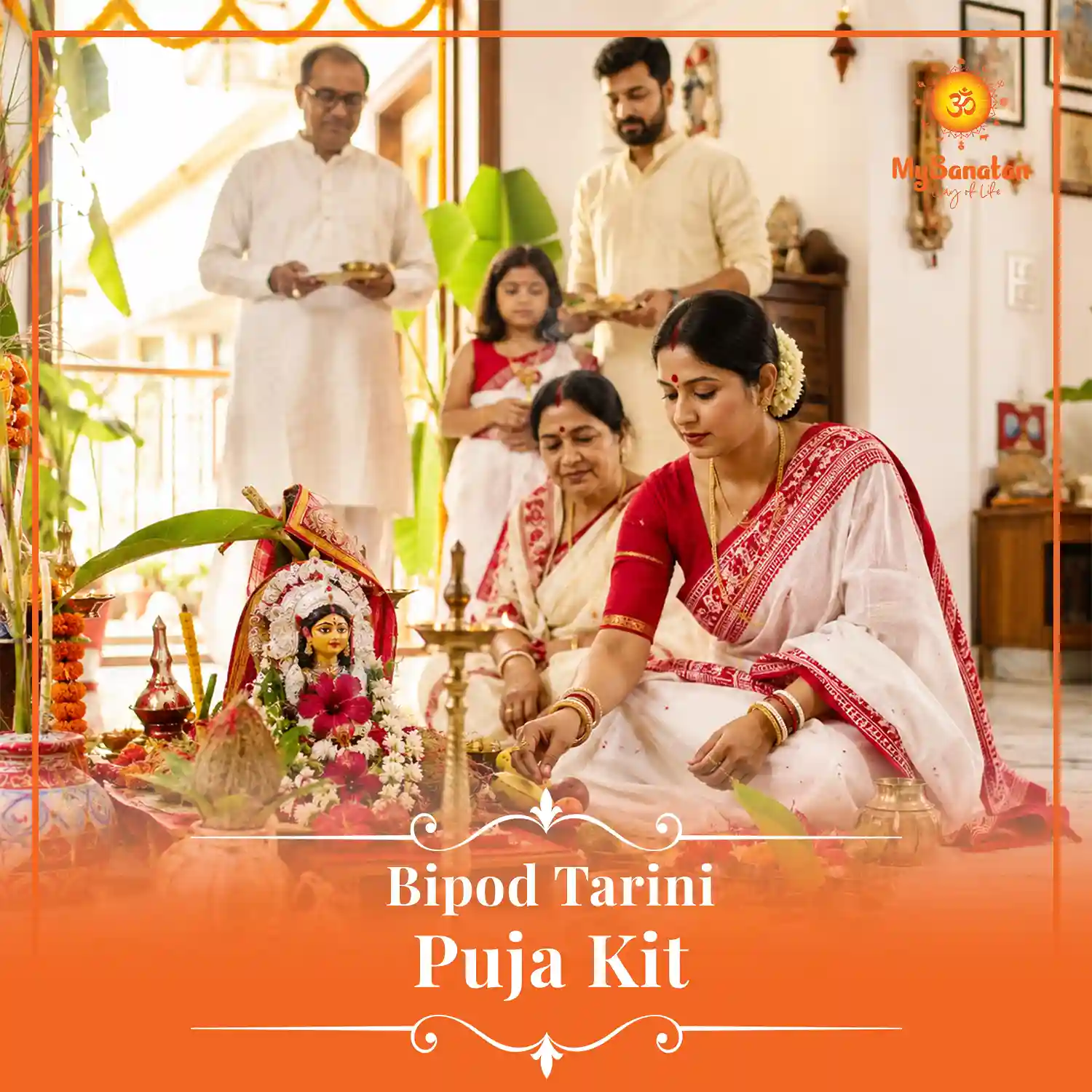
_11zon.webp)
_11zon.webp)
_11zon.webp)
_11zon.webp)
_11zon.webp)
_11zon (1).webp)
_11zon.webp)