preloader


Shaktipeeth Fullara Attahas

📍 Birbhum   |   🙏 Goddess Kali

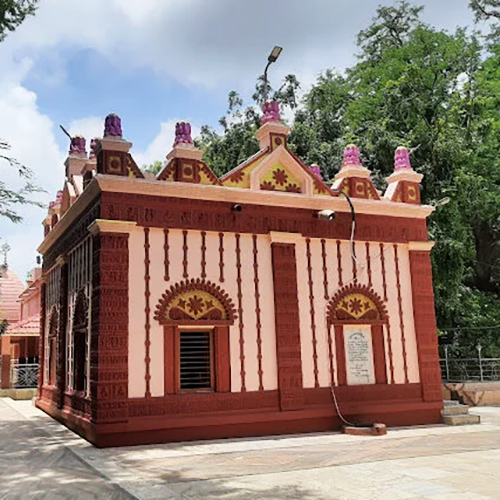
  • Shaktipeeth Fullara Attahas is a sacred pilgrimage destination in Labhpur, Birbhum. Recognised in the Peeth Nirnaya Tantra as the site where the lower lip of Goddess Sati fell, the temple attracts devotees seeking spiritual peace, divine blessings, and a deeper connection with the Divine Mother. Lord Shiva is worshipped here as Vishwesh Bhairava, while Maa Fullara is revered in the meditative form of Joydurga.

Services at this Temple

Puja at Temple

Fill details for a personalised visit

Book
Puja Packages

View Packages for booking puja

Book

Benefits

Speech and Oral Health: Since the lower lip of the Goddess fell here, devotees come here to seek remedies for speech, oral health, and throat-related problems.

Marital Harmony: Goddess Sati resides here in her gentle or Soumya form, along with her Bhairava Vishwesh. Therefore, devotees here offer prayers for a peaceful and blissful marital life.

Success in Legal Battles: The name Attahas refers to the ‘victorious laughter’ of Shakti. Devotees often come here to overcome adversity and seek victory in legal battles.

about
about

Description

  • Shaktipeeth Fullara Attahas is a sacred pilgrimage destination in Labhpur, Birbhum. Recognised in the Peeth Nirnaya Tantra as the site where the lower lip of Goddess Sati fell, the temple attracts devotees seeking spiritual peace, divine blessings, and a deeper connection with the Divine Mother. Lord Shiva is worshipped here as Vishwesh Bhairava, while Maa Fullara is revered in the meditative form of Joydurga.

Temple History

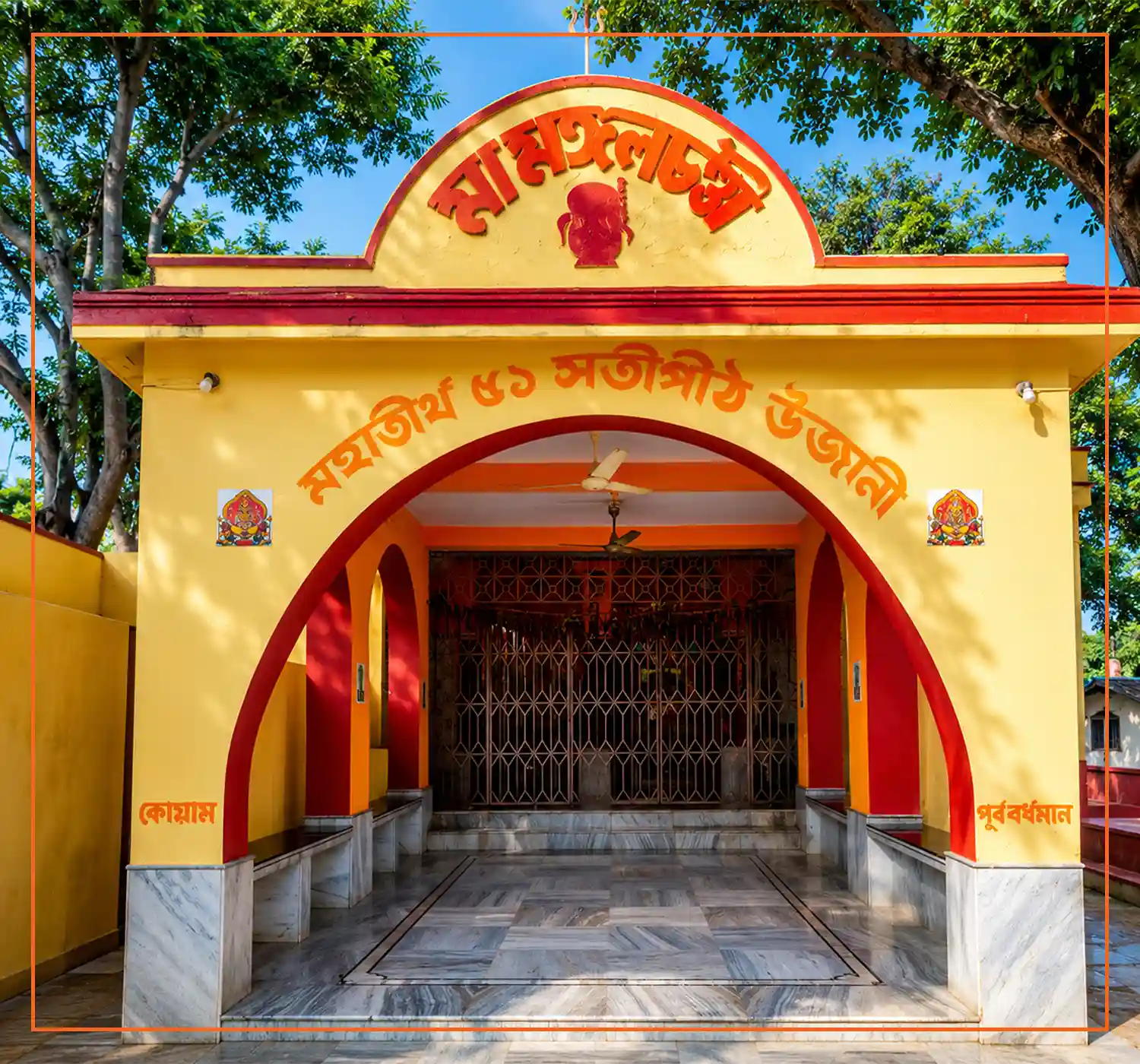
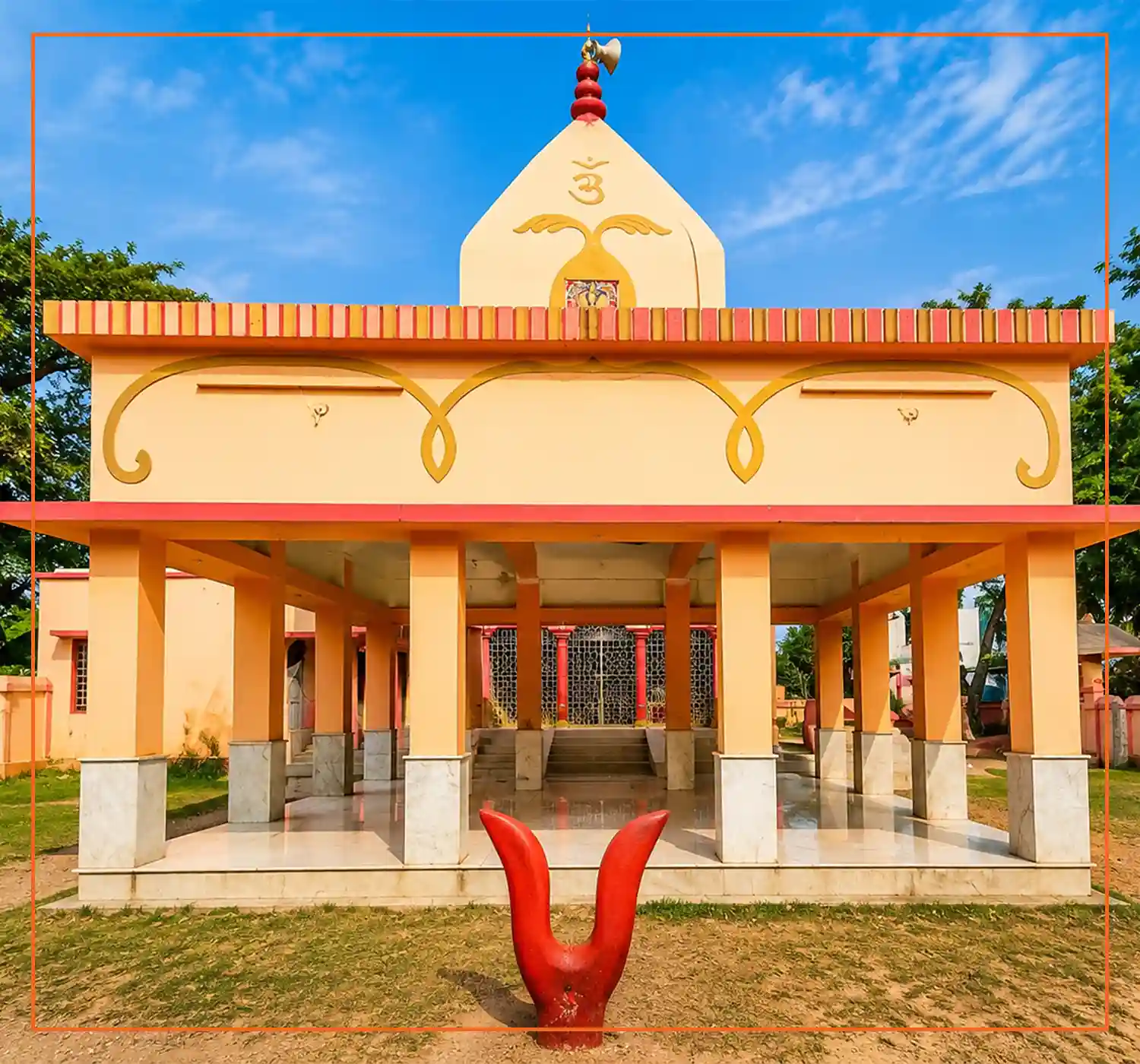
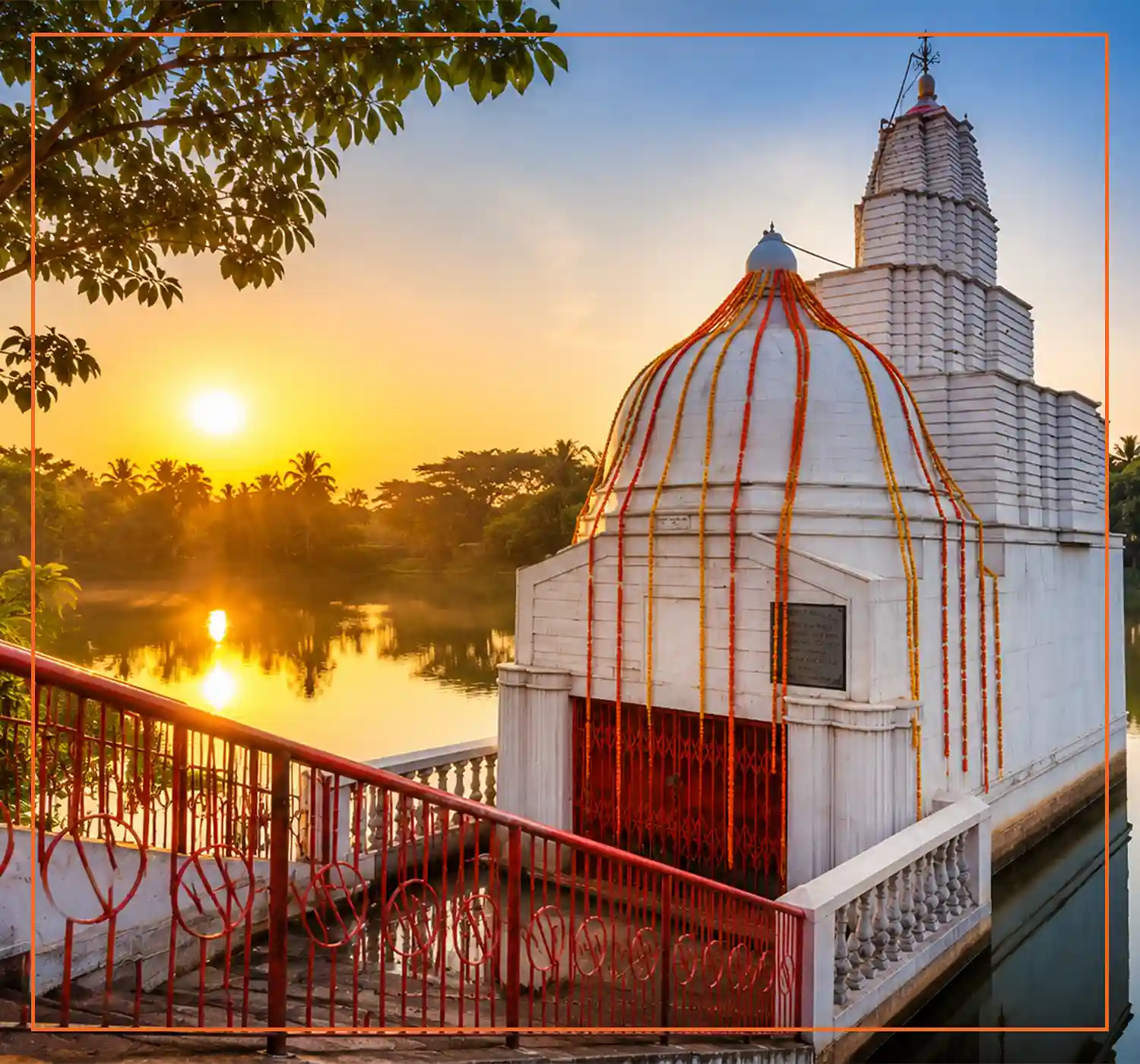
Located in Labhpur, about 30–35 km from Bolpur-Santiniketan, Fullara Attahas is among the important Shaktipeeths of Bengal. The name "Attahas," which literally means "loud laughter," is believed to symbolise the immense and dynamic energy of the Divine Mother. Another local tradition associates the name with Attahasa, who is believed to have been the first priest of the shrine. According to temple traditions, Attahasa's successor, Bhabadev Bhatta, entrusted the worship of the Goddess to Maithili Brahmins, who continued the ritual practices. Local folklore also narrates that Lord Hanuman collected 108 blue lotuses from the sacred pond beside the temple for Shri Ram's Durga Puja before the battle of Lanka. The pond remains an important feature of the temple complex and is believed by devotees to possess sacred significance. The present temple structure was established in 1902 by the local zamindar Yadavlal Bandopadhyay. Within the temple complex, visitors can also find the shrine of Vishwesh Bhairava, a Panchamundi Asana, the Shivabhog area, and a large sacred pond. Every year, on the Amavasya of the Bengali month of Magh, a special puja, yajna, and a ten-day-long fair are organised, attracting devotees from across the region.
Temple Location


Similar Temples
  • No reviews yet.