_15_11zon.webp)



_3_11zon.webp)
_15_11zon.webp)


Frequently Asked Questions
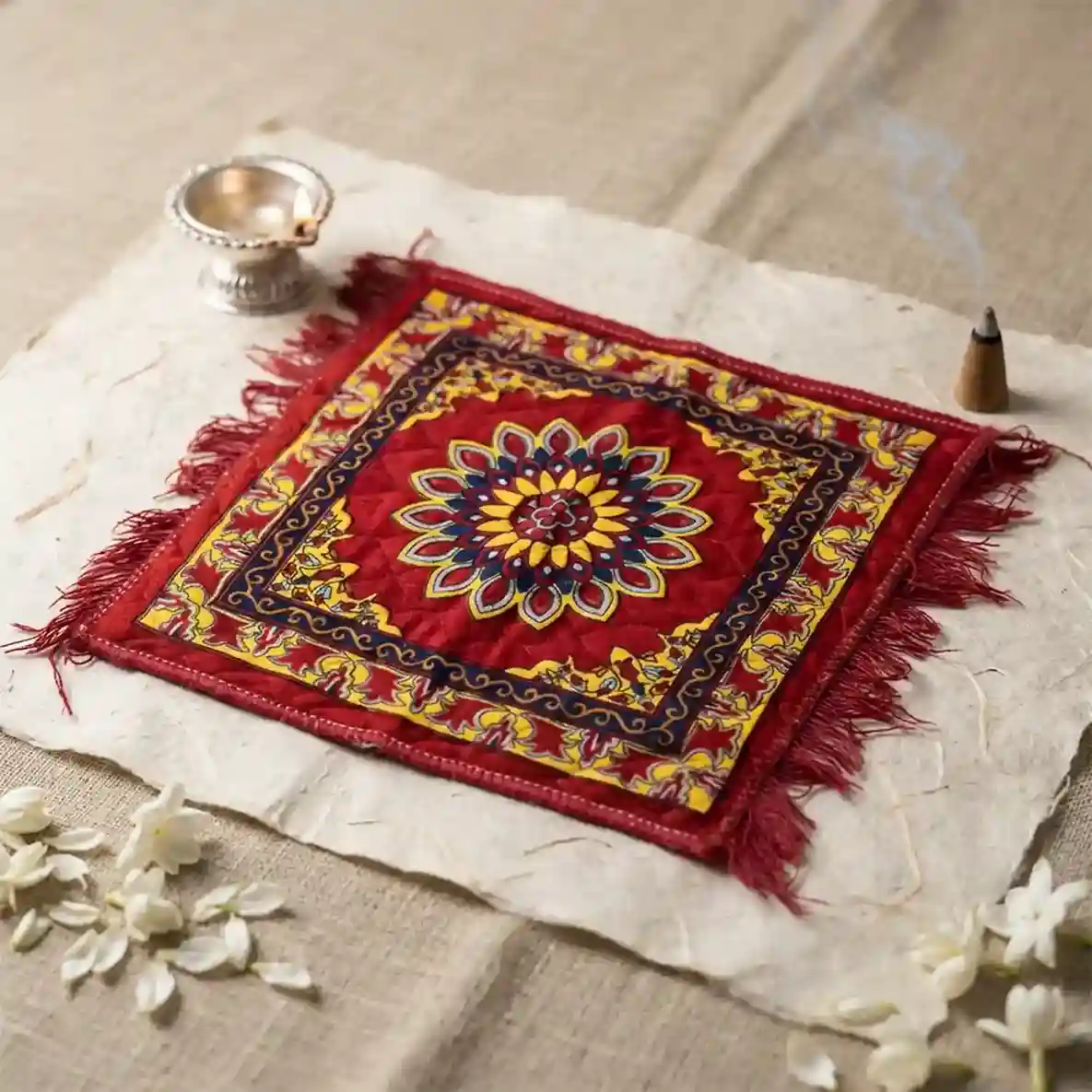
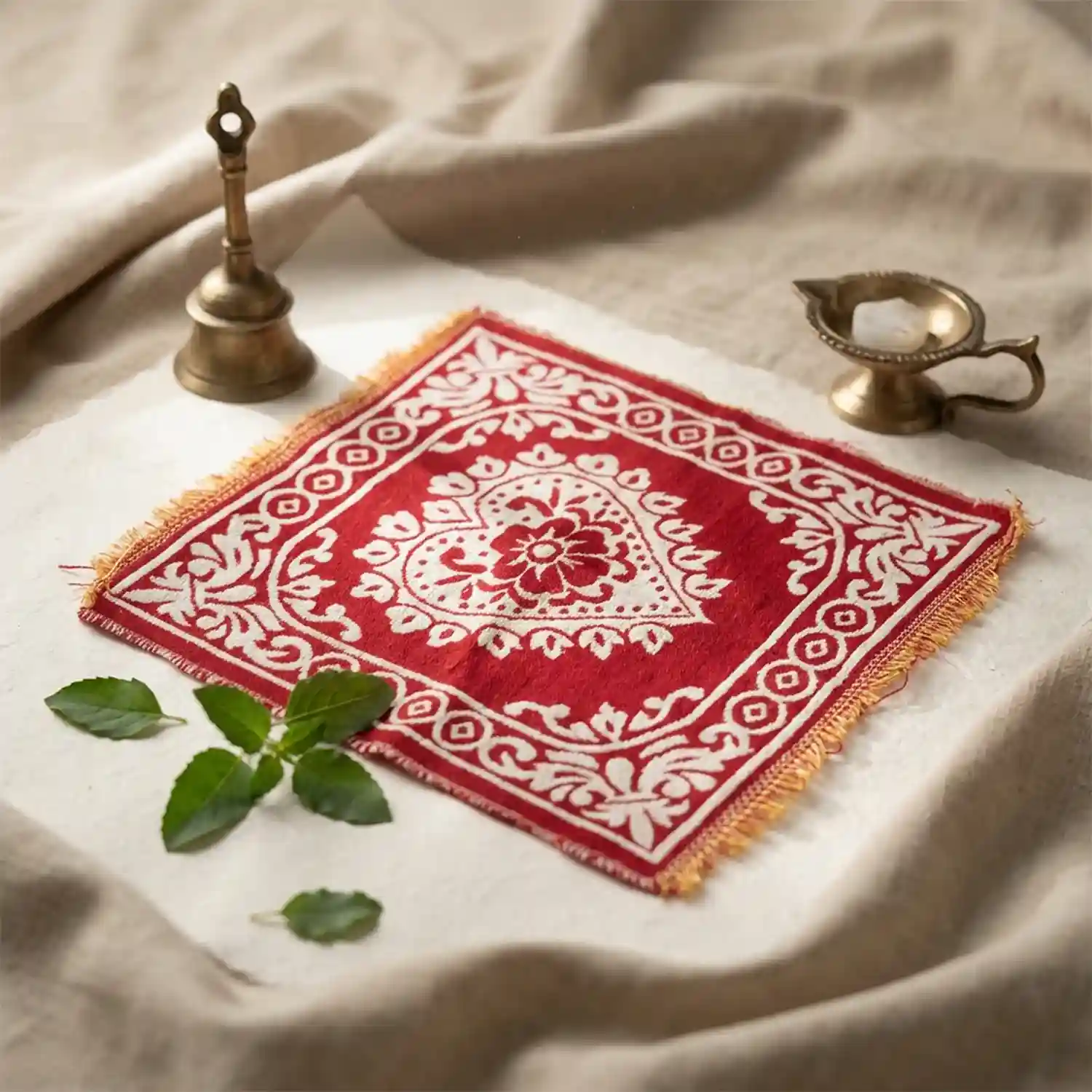
- 1. Why does the kit include both a Yellow and a Red Asan for God (Medium)(seating cloth)?
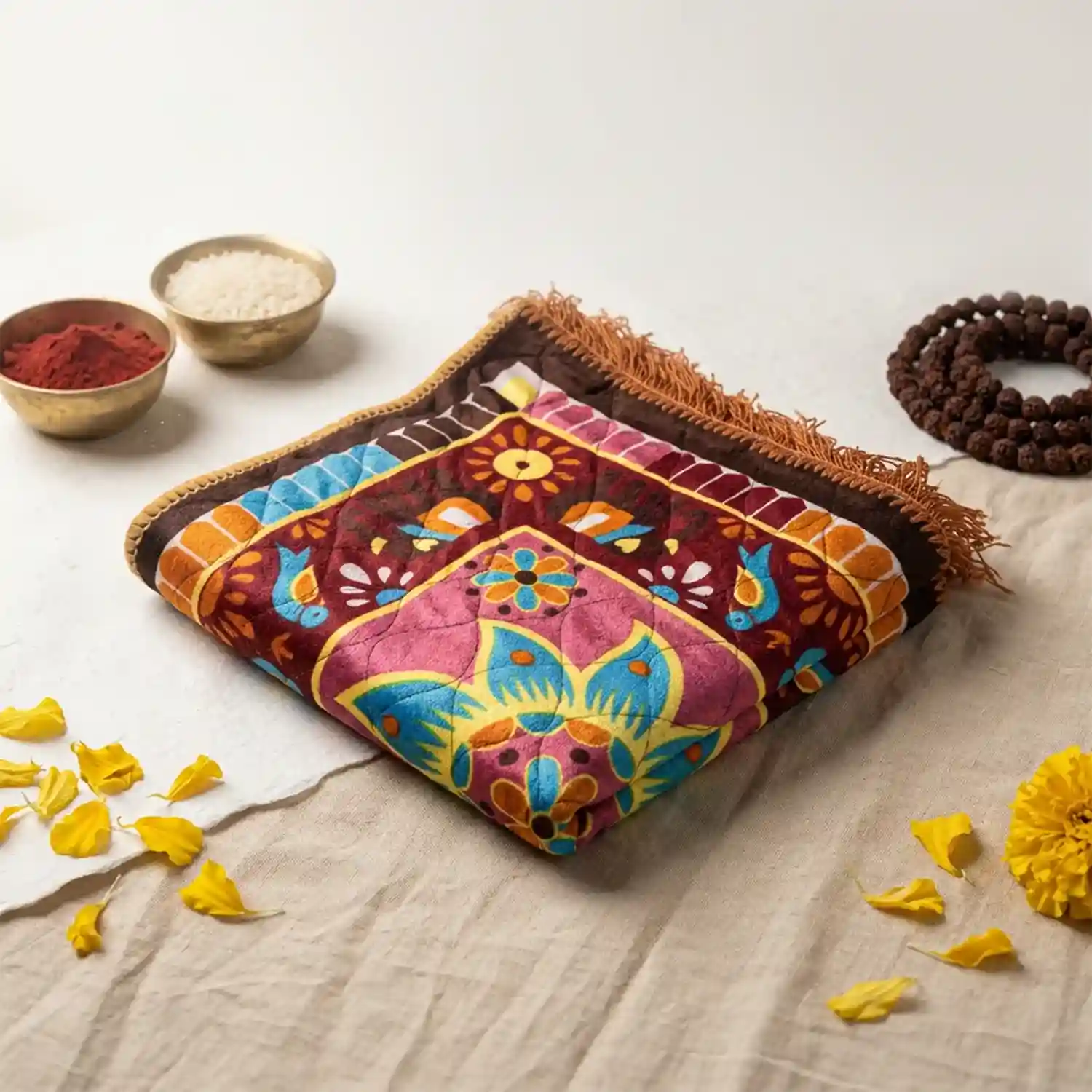
- In the Lakshmi Narayan tradition, colours represent the union of different cosmic energies. The Yellow Asan for God (Medium) symbolizes Lord Narayan’s Sattva Guna (purity, peace, and infinite consciousness), while the Red Asan for God (Medium)represents Maa Lakshmi’s Rajas Guna (activity, creation, and material energy). Using both ensures you are honouring the "Complete Union" of stillness and action.
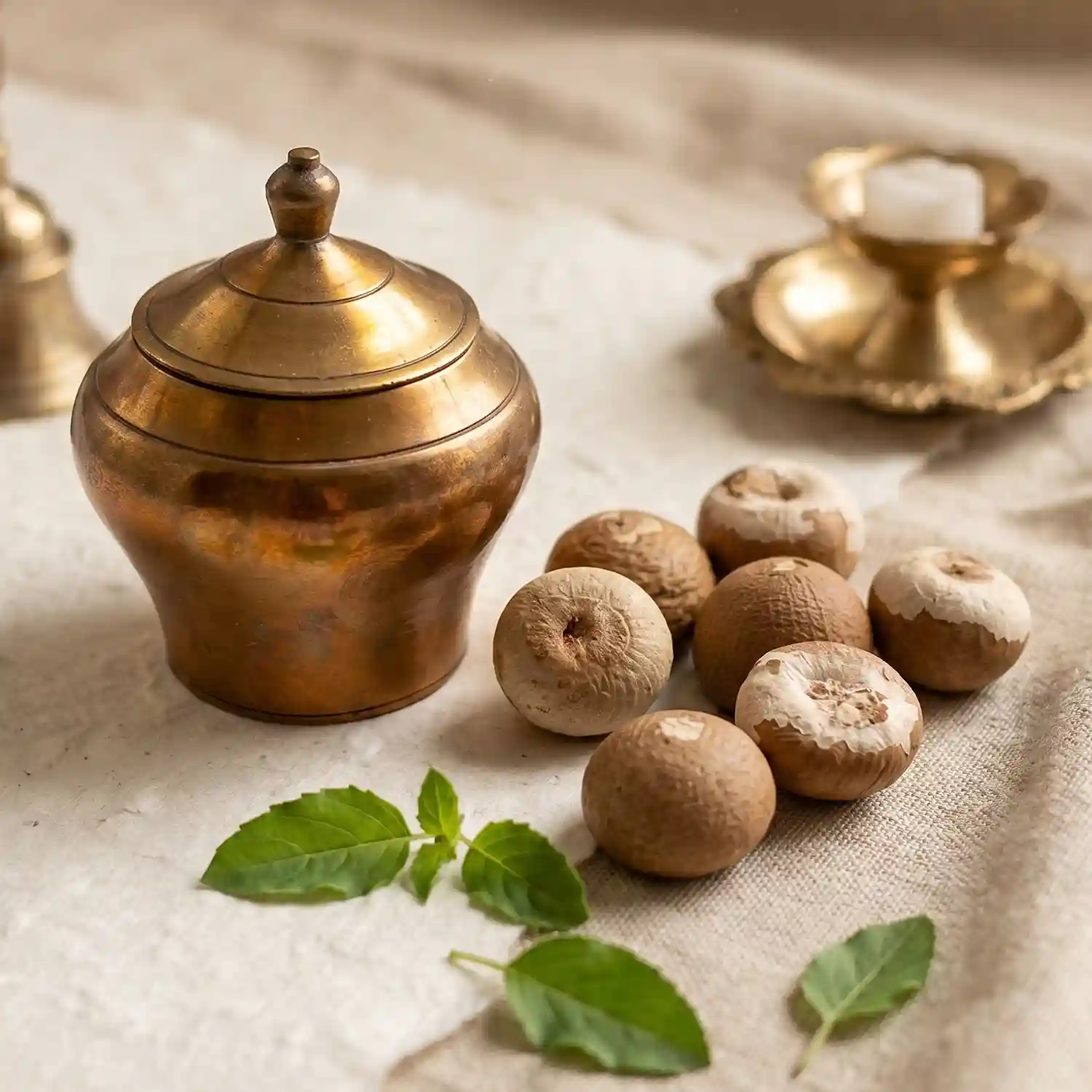
- 2. What is the spiritual logic behind wrapping the Supari (Betel Nut) with Janeu thread?
- For the beginner, the Supari acts as a symbolic representation of the deity or the "Ganesh" (remover of obstacles) of the puja. For the experienced devotee, the Janeu represents the "Yajnopavita"—investing the offering with the sanctity of a living consciousness. It transforms a simple nut into a consecrated focal point for divine energy.
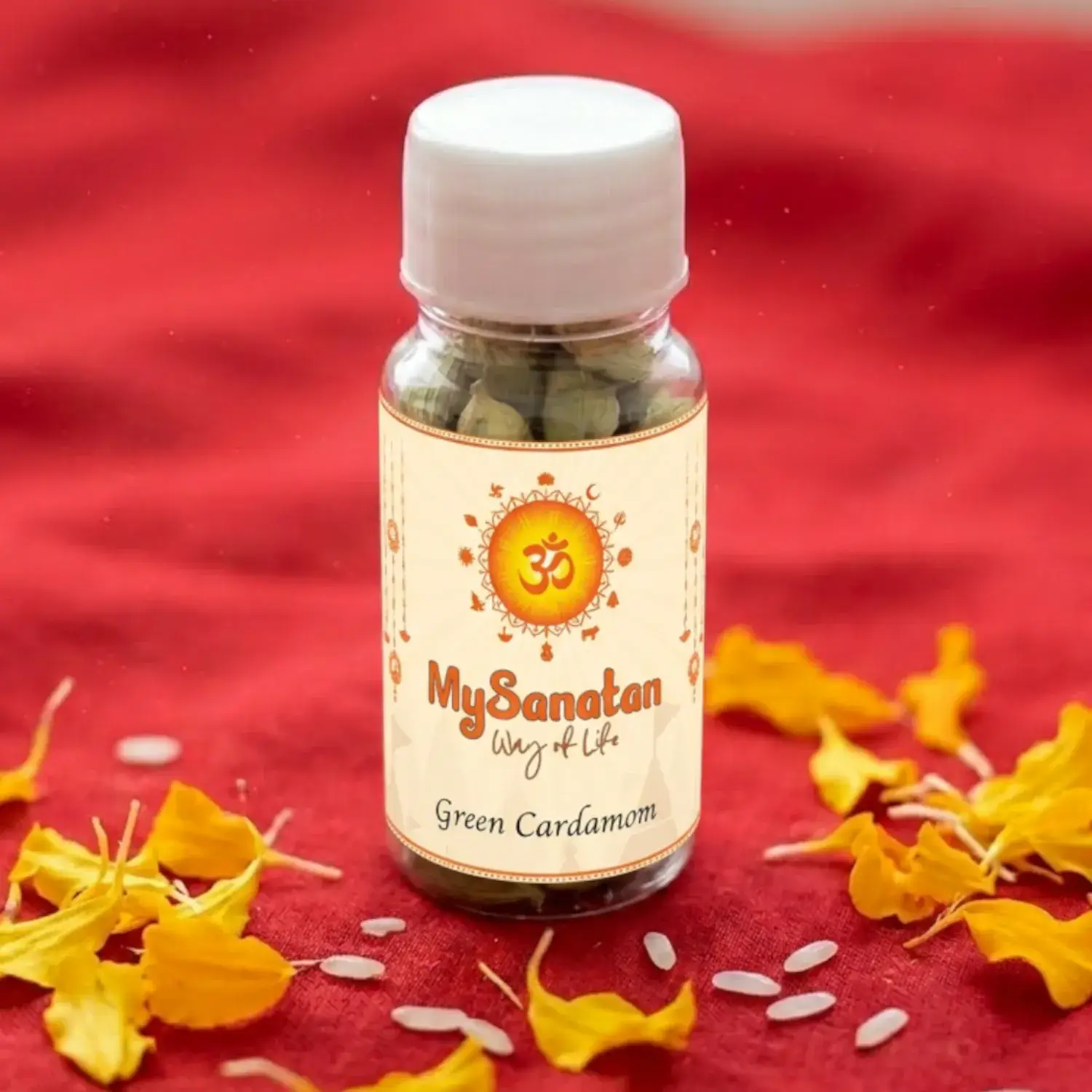
- 3. Why are Clove (Laung) and Cardamom (Elaichi) included specifically for this puja?
- Beyond their fragrance, these are considered "Vashikaran" or attraction herbs in a spiritual sense. They are offered to signify the "sweetness of speech" and the "refinement of character." In Lakshmi Narayan worship, it is believed that wealth stays only where there is sweetness in conduct and purity in breath/thought.
- 4. Can I use both Mustard Oil and Cow Ghee in the same puja?
- Yes, but they serve different purposes. Use the Mustard Oil for a lamp placed on the right side or in the front. [The Purohit Darpan provides a strict Sanskrit injunction for the placement of lamps: "দীপং দক্ষিণতো দদ্যাৎ পুরতো বা ন বামতঃ"] Use the Cow Ghee for the main Akhand Jyot or the Aarti to invite the "golden light" of prosperity and the nourishing energy of the Holy Cow, which is dear to Vishnu.
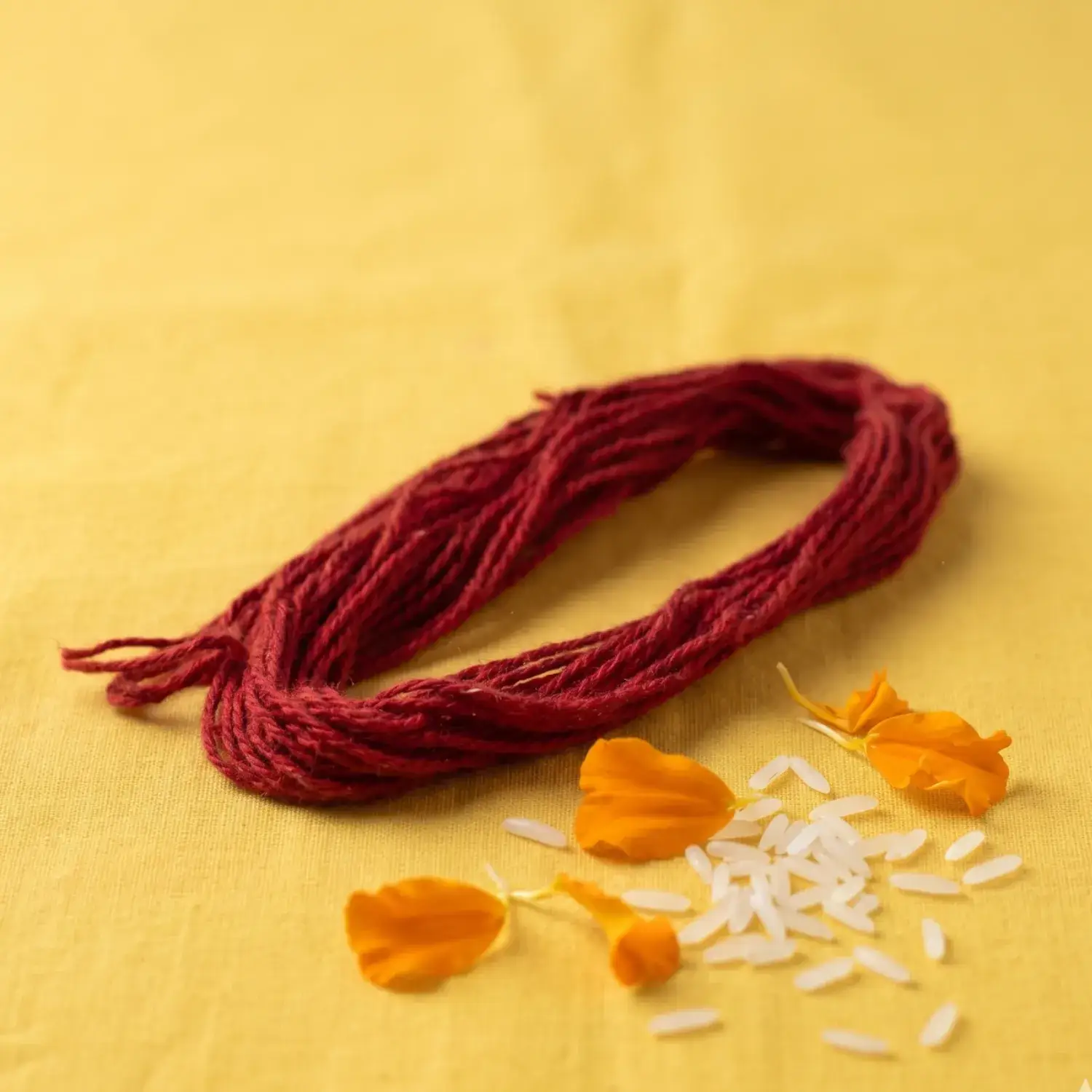
- 5. How do I choose between the Red and White Moli Dhaga (Ritual Thread)?
- The Red Moli is traditionally tied for protection and the activation of the "will to act" (Lakshmi's grace). The White Moli is often used in Vishnu-centric rituals to represent the purity of the soul and the desire for "Moksha" (liberation). You may tie the Red on the right wrist for material success and use the White for the Kalash to maintain spiritual sanctity.
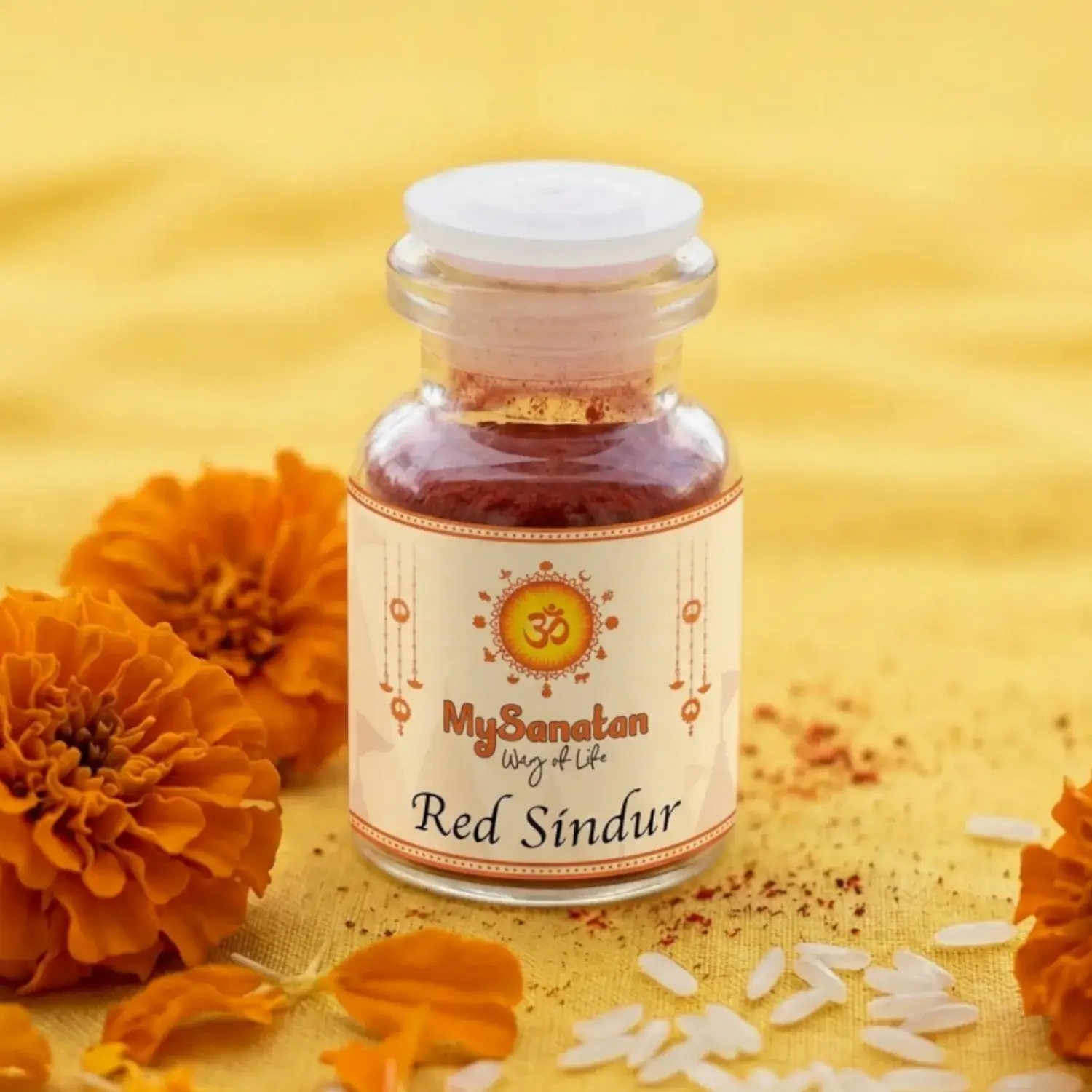
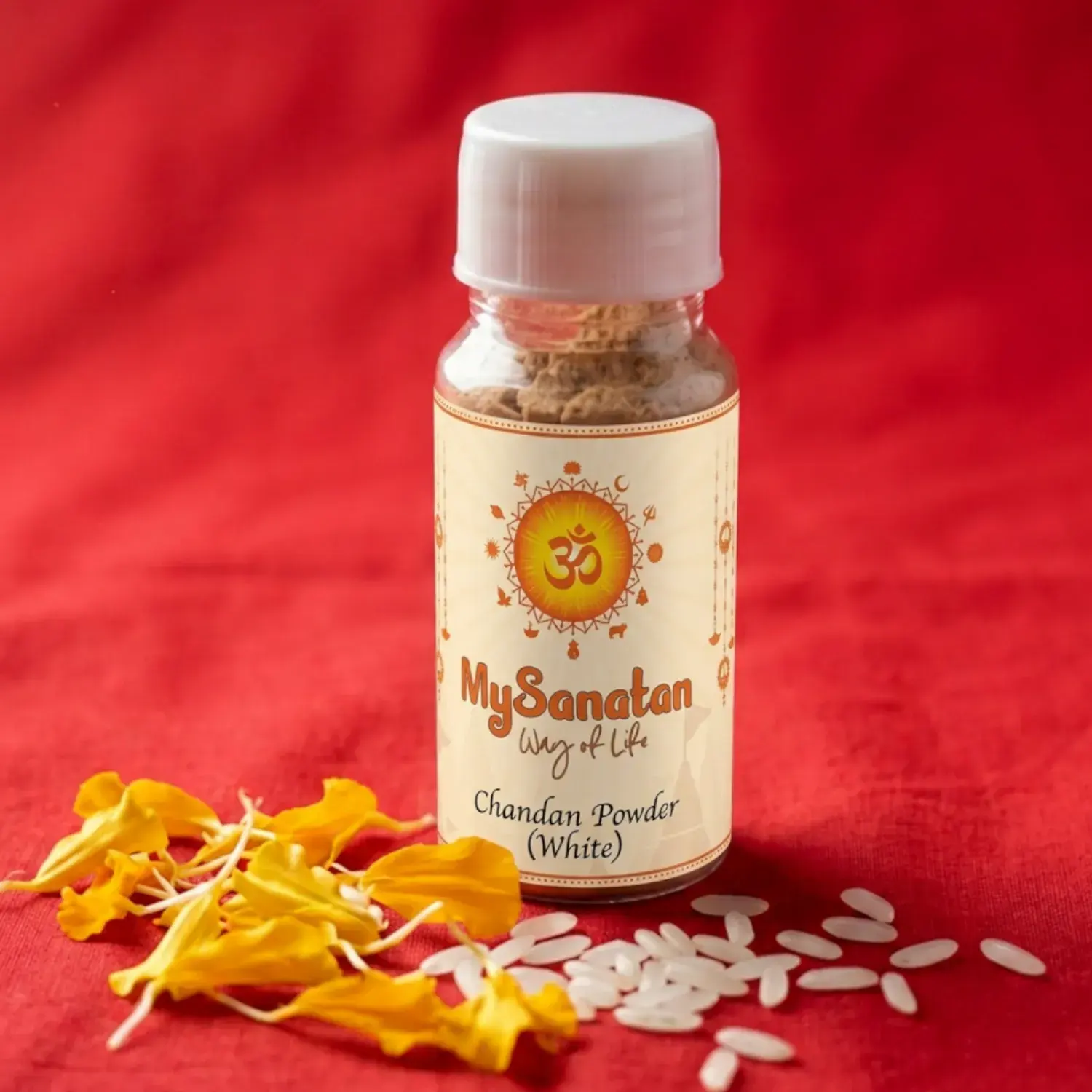
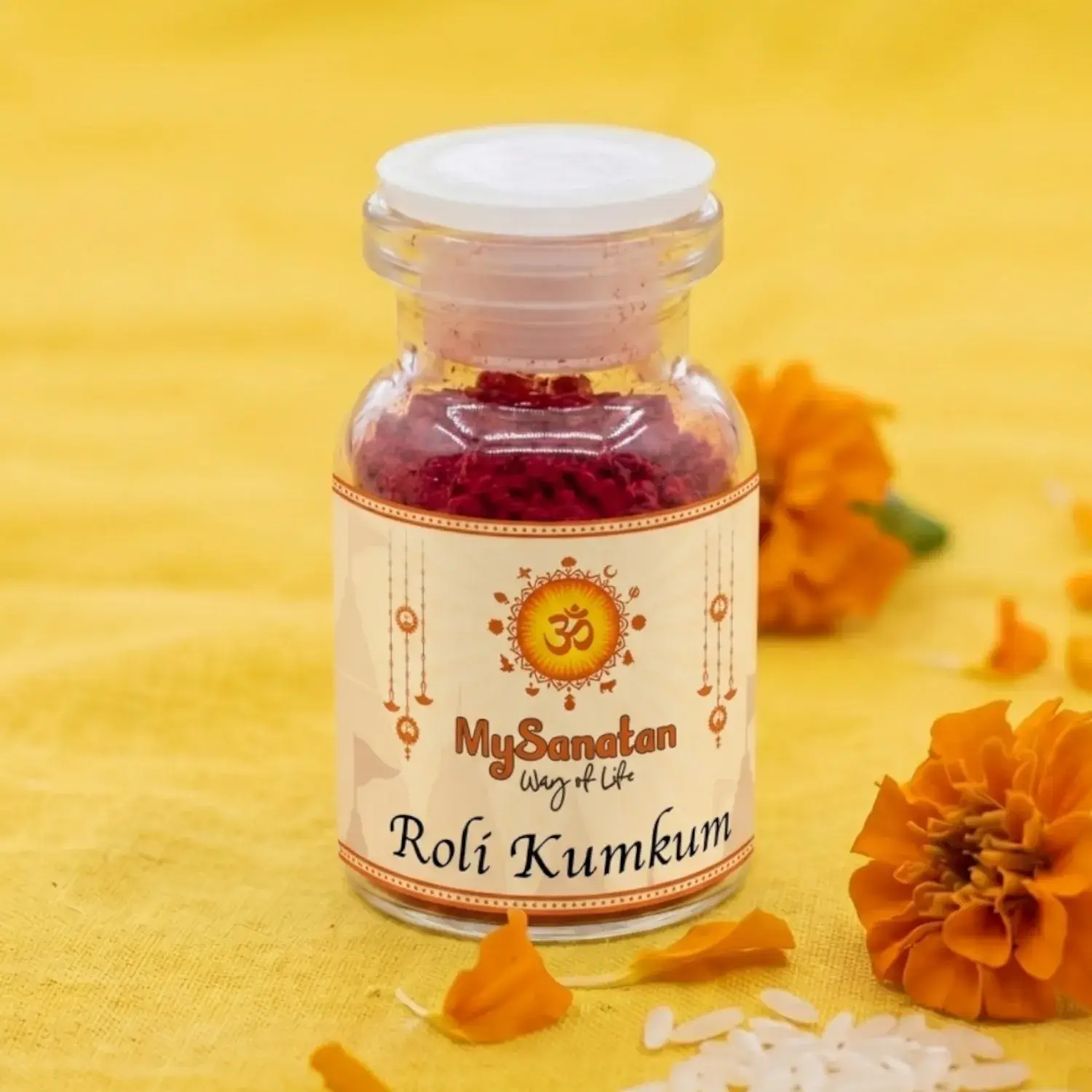
- 6. Is there a specific sequence for the four types of Tilak (White Chandan, Red Chandan, Roli, and Sindur)?
- Experienced practitioners typically follow a "cooling to energizing" flow. Start with White Chandan (cooling/wisdom) as the base, then Red Chandan (vibrancy), followed by Roli/Kumkum (auspiciousness), and finally Sindur for the feminine energy of Maa Lakshmi. This layering represents the multi-dimensional nature of the Divine Couple.
- [Note: Applying the cooling White Chandan exclusively to Lord Narayana, and offering the vibrant Red Chandan, Kumkum, and Sindur exclusively to Goddess Lakshmi.]
- 7. How does this kit specifically help with "Sthir Lakshmi" (Permanent Wealth)?
- Most rituals focus on the arrival of wealth. However, by including items like Turmeric (for grounding) and Janeu (for discipline), this kit emphasizes the "Narayan" aspect—the preservation of wealth. By worshipping the Provider alongside the Protector, you create a spiritual "lock" that prevents prosperity from being wasted on negative karmic debts.
_11zon.webp)
_11zon.webp)
_10_11zon.webp)
_11zon.webp)
_11zon.webp)
_11zon.webp)
_11zon.webp)
_1_11zon.webp)
 _4_11zon.webp)
_3_11zon.webp)

_11zon.webp)
_11zon.webp)
_11zon.webp)
_11zon.webp)
_11zon (1).webp)
_11zon.webp)
_11zon.webp)