
_9_11zon.webp)



_11zon.webp)



_11zon (1).webp)

_11zon.webp)



.webp)
Frequently Asked Questions
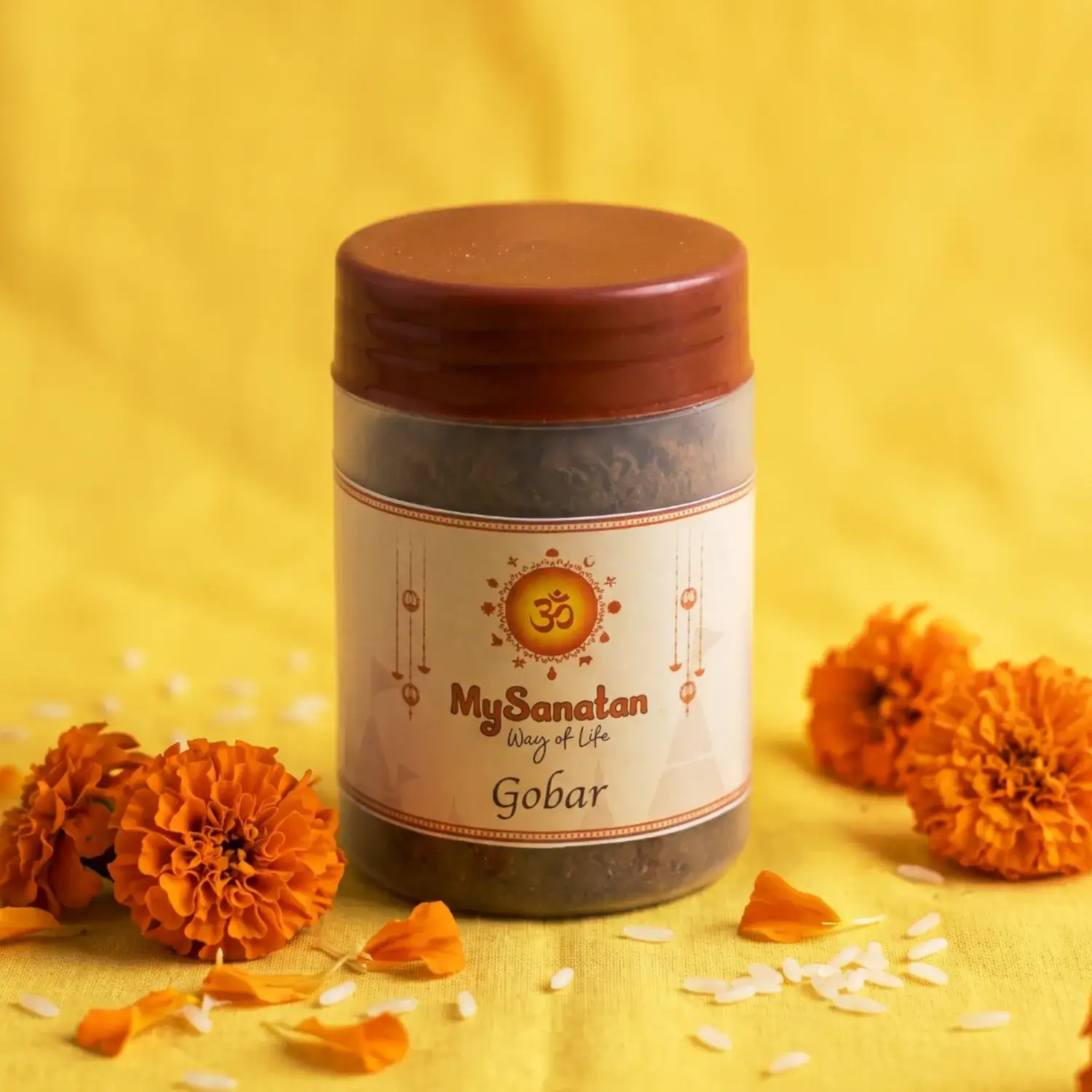
- Q1: The inclusion of "Gau Mutra" (Cow Urine) and "Gobar" (Cow Dung) seems unusual for a modern home kit. How and why do we use them?
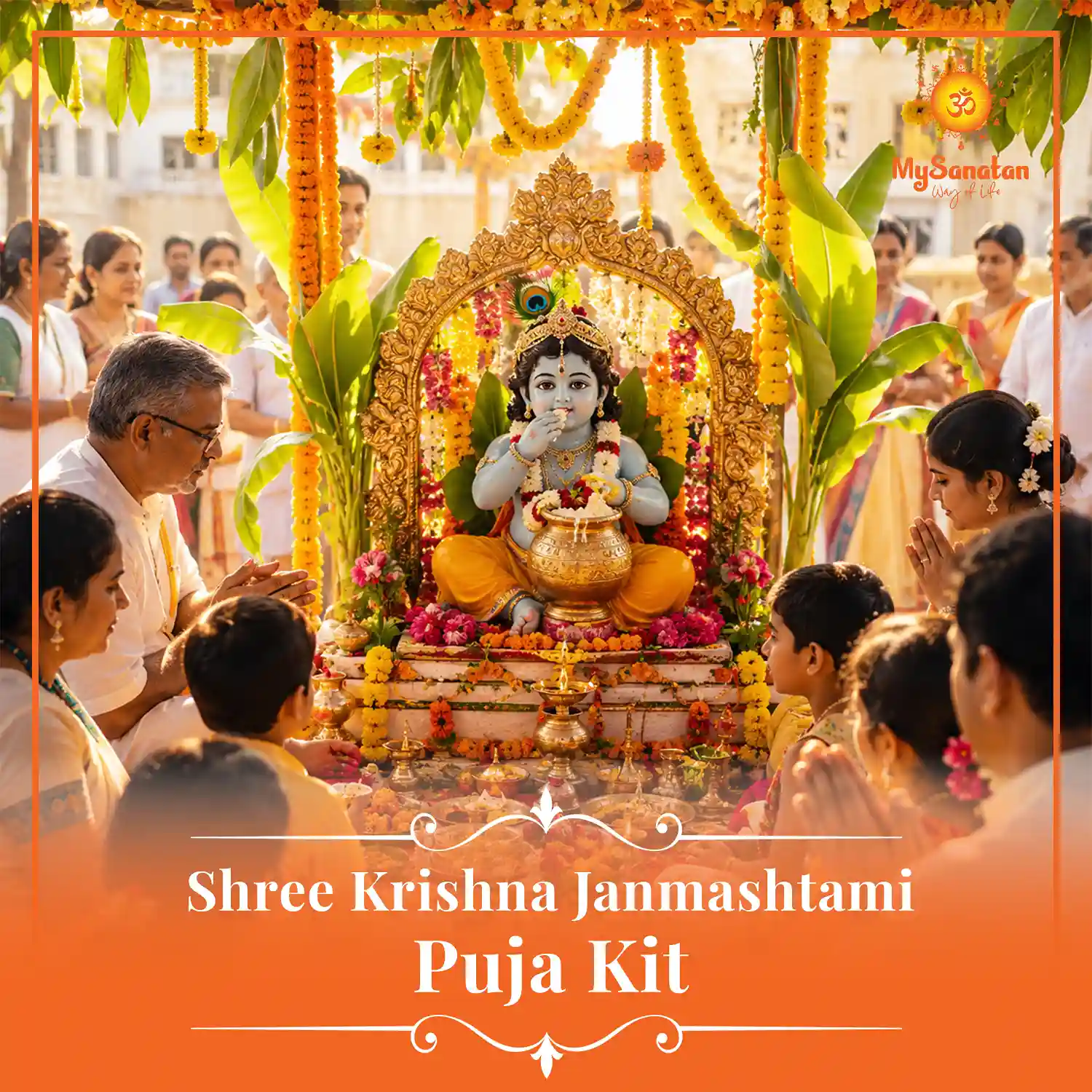
- For Beginners & Families: While it might seem unfamiliar to a modern beginner, this is the hallmark of a truly authentic Vedic kit! According to classical manuals like the Purohit Darpan, these are essential components of Panchagavya (the five sacred items from the cow). Before you establish your sacred vase (Ghat) or begin the main worship, these items are used to spiritually purify the altar and the household space. For Lord Krishna—who is lovingly known as Gopala (the protector of cows)—using these deeply traditional elements anchors your modern living room directly to the authentic, pastoral roots of Vrindavan!
- Q2: We are performing the Janmashtami Havan (fire ritual) at midnight. What is the actual meaning of the word "Svaha" when we make our offerings into the fire?
- For Experienced Devotees: While beginners simply chant "Svaha" as a cue to drop the offering, the Vedic NityaKarma explicitly explains its profound spiritual psychology. "Svaha" represents a vow of truthfulness (Satyavak), right action (Satyakriya), and absolute selflessness. It is a declaration that the oblation is offered completely to the Divine, without any selfish attachment, embodying the sentiment of "Idam na mama" (this is not mine). Chanting it thoughtfully at midnight powerfully aligns your soul with absolute, unselfish devotion!
- Q3: Can women and children actively participate in making offerings into the household Yajna (fire) for Laddu Gopal?
- For Parents & Beginners: Absolutely! While highly orthodox public temples may have different rules, the Vedic NityaKarma specifically addresses the household (Grihastha) environment. It emphatically declares that the husband and wife must perform the household Yajna together ("गृहस्थ में स्त्री-पुरुष मिलकर यज्ञ करें"). Furthermore, it states that "from children to the elderly, men and women," absolutely everyone has the universal right to perform these devotional acts. Your entire family should joyously sit around the fire to welcome the Lord!
- Q4: Laddu Gopal is offered a lot of rich sweets (Naivedya). If we want to offer some of these special sweets into the sacred fire, are there any special rules?
- For Experienced Householders: Yes, there is a highly specific, fascinating classical rule for this! The Apastamba Grhya Sutra instructs that if you are making a burnt-offering of food that is not standard sacrificial fare (like specific rich sweets that might be deemed "unfit" for the main Agnihotra flames), you should not throw it directly into the center of the blazing fire. Instead, you must carefully pull some hot ashes to the northern part of your fire pit and offer the food onto those glowing embers. This ensures the main sacrificial fire remains ritually pure while still allowing you to offer His favorite treats!
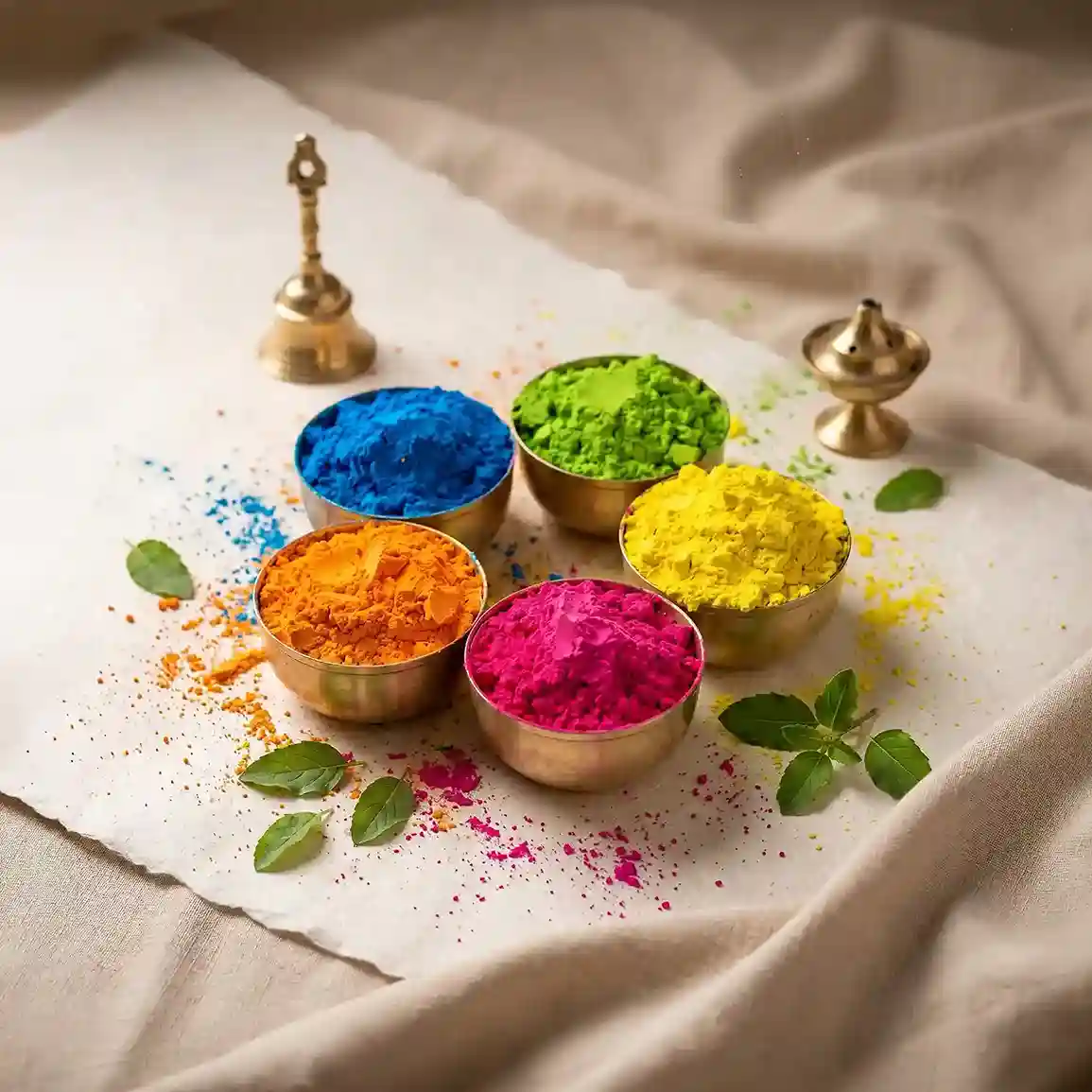
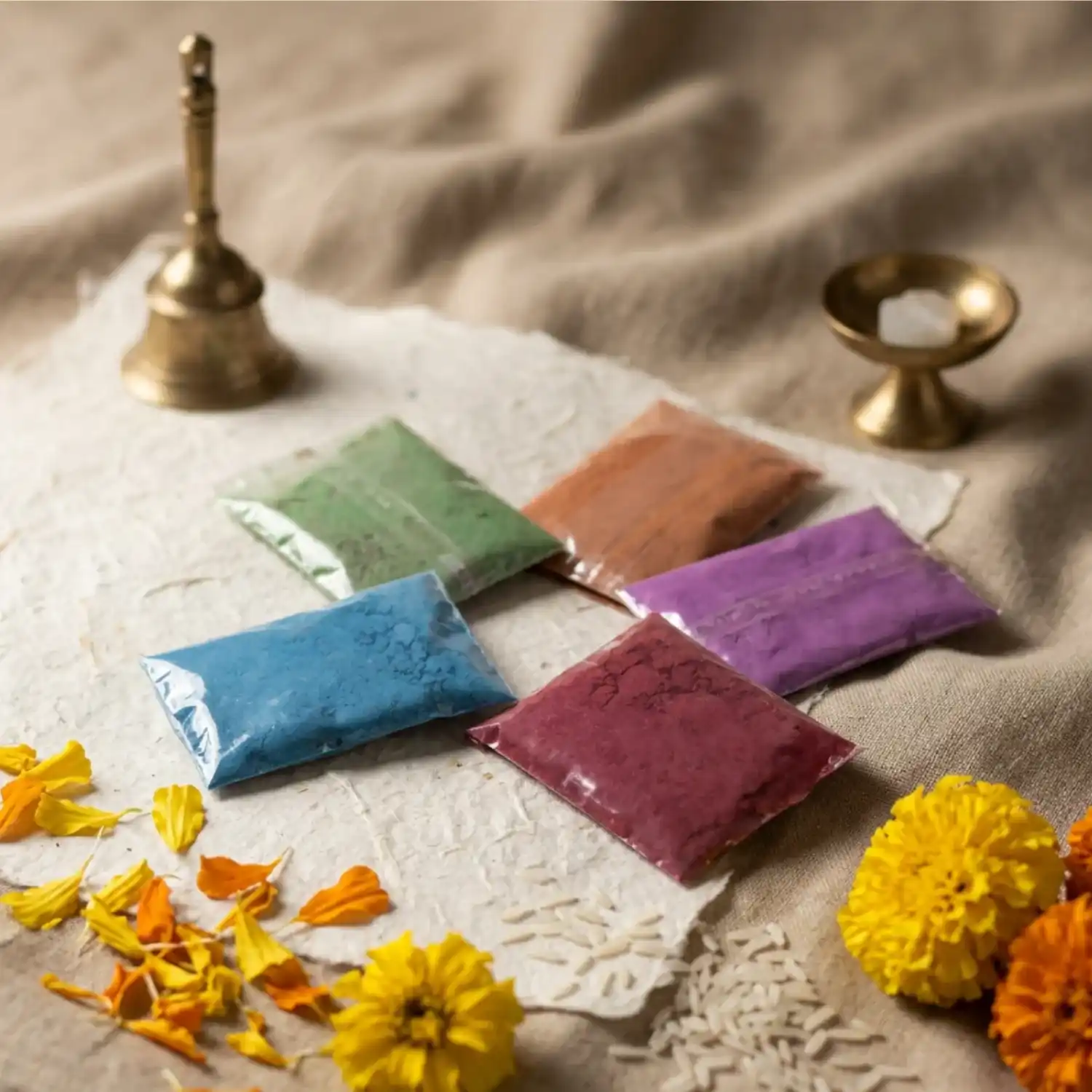
- Q5: Why are there 5 different colors of "Abir" included in a Janmashtami kit? Isn't colored powder just for Holi?
- For Cultural Enthusiasts: Not at all! While Abir is famous during Holi, offering vibrant colors is a core part of Lord Krishna's royal adornment during any major celebration. During the 9th step (Abharan, or adornment) of your 16-step midnight puja, gently applying these 5 bright colors (Pancha Rang) to Laddu Gopal celebrates His joyful, playful nature (Leela) and visually transforms your home altar into a dynamic, festive celebration of His birth!

_11zon (1).webp)

1_1_11zon.webp)
_11zon.webp)
_11zon.webp)
_11zon (1).webp)
_11zon.webp)


 Puja Kit.webp)


_11zon.webp)
_11zon (1).webp)
_11zon.webp)
_11zon.webp)
_11zon.webp)
_11zon.webp)
_11zon.webp)