_11zon (1).webp)
Puja Store
Lakshmi Ganesha Brass Set On Lotus Base | 7 cm
1 Set
View product details
- The sacred union of Maa Lakshmi and Lord Ganesha seated upon lotus bases symbolizes prosperity guided by wisdom, purity and Dharma. Their joint worship reminds devotees that true abundance becomes meaningful when accompanied by right understanding, gratitude and righteous conduct.
|
|
|---|---|
|
|
|
|
|
|
|
|
|
|
|
|
|
|
- Maa Lakshmi represents Shri—prosperity, abundance and auspicious well-being, while Lord Ganesha, revered as Vighnaharta, represents wisdom, discernment and auspicious beginnings.
- Together, their worship expresses a profound spiritual principle: prosperity should be guided by wisdom and Dharma. This sacred pairing holds special significance during Diwali, Lakshmi Puja and other auspicious beginnings.
- The Padma (lotus) is a sacred symbol of purity, spiritual elevation, divine beauty and detachment. Though rooted in water, the lotus rises above it untouched, symbolizing the ability to remain inwardly pure while fulfilling worldly responsibilities.
- As a sacred seat for Lakshmi and Ganesha, the lotus reinforces the ideals of purity, auspiciousness and spiritually guided prosperity.
- • Prosperity & Abundance — Maa Lakshmi represents Shri and auspicious well-being.
- • Wisdom & Discernment — Lord Ganesha represents Buddhi and right understanding.
- • Auspicious Beginnings — Ganesha is traditionally invoked before important undertakings.
- • Purity & Spiritual Elevation — The lotus symbolizes inner purity and detachment.
- • Prosperity Guided by Dharma — Their united form represents abundance supported by wisdom and righteousness.
- • Daily Lakshmi-Ganesha Puja.
- • Diwali and Lakshmi Puja.
- • Dhanteras worship.
- • Griha Pravesh and auspicious ceremonies.
- • New business or office inaugurations.
- • Devotional gifting on weddings, housewarmings and festive occasions.
- Place the idols respectfully:
- • On a clean and elevated platform.
- • In a home mandir or dedicated puja space.
- • In a peaceful area maintained for worship.
- Exact arrangement may vary according to family, regional and sampradaya traditions.
- • Clean gently with a soft, dry cloth.
- • Avoid harsh chemicals or abrasive materials.
- • Protect from prolonged moisture.
- • If the idols become wet during puja, dry them thoroughly afterward.
- 1. What is the spiritual significance of worshipping Lakshmi and Ganesha together?
- Their joint worship symbolizes prosperity, wisdom, auspiciousness and right understanding, especially at sacred beginnings.
- 2. Why are the deities shown seated on lotus bases?
- The lotus symbolizes purity, divine beauty, spiritual elevation and detachment and is especially associated with Maa Lakshmi.
- 3. Is this idol set suitable for Diwali Puja?
- Yes. Maa Lakshmi and Lord Ganesha are traditionally worshipped together during Diwali and Lakshmi Puja.
- 4. Can it be used for daily worship?
- Yes. The set may be respectfully established in a home mandir or dedicated puja space for regular Lakshmi-Ganesha worship.
- 5. Is this idol set suitable for gifting?
- Yes. It is a meaningful devotional gift for Diwali, Dhanteras, Griha Pravesh, weddings, new ventures and other auspicious occasions.
- Lakshmi Ganesha Lotus Idol Set | Brass Lakshmi Ganesh Idol Set | Pure Brass Lakshmi Ganesha Murti | Lakshmi Ganapati Idol Set | Lakshmi Ganesh Lotus Murti | Goddess Lakshmi & Lord Ganesha Idol Set | Brass Lakshmi Ganesha Statue Set | Lotus Base Lakshmi Ganesha Idol | Lakshmi Ganesh Pooja Idol Set | Lakshmi Ganesha Home Temple Idol | Traditional Brass Lakshmi Ganesh Murti | Lakshmi Ganesha Sitting on Lotus Idol Set | Diwali Lakshmi Ganesh Idol Set | Wealth & Prosperity Idol Set
- The spiritual significance, usage and placement information above are based on traditional Hindu devotional beliefs and customary practices. Ritual methods and placement traditions may vary according to family customs, region and sampradaya.
Related Products
_11zon.webp)
Pure Brass Laddu Gopal Id...
1 Piece
_11zon.webp)
Pure Brass Laddu Gopal Id...
1 Piece
_11zon.webp)
Pure Brass Laddu Gopal Id...
1 Piece
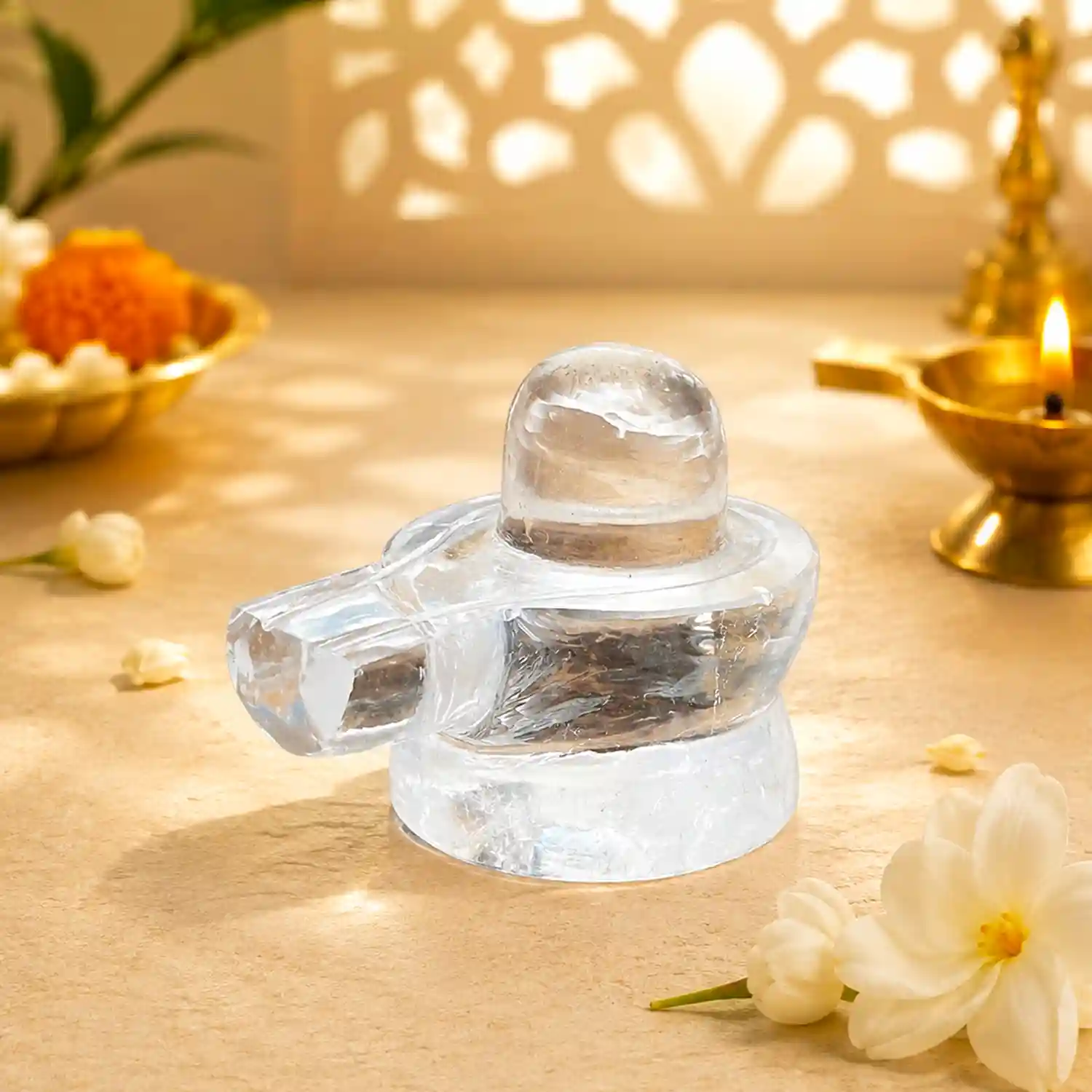
Sphatik Shivling
1 Piece
_11zon.webp)
Parad Shivling for Daily ...
1 Piece
_11zon.webp)
Parad Shivling for Shiva ...
1 Piece
_11zon.webp)
Parad Shivling with Naag ...
1 Piece
_11zon.webp)
Brass Lakshmi Ganesha Ido...
1 Set
_11zon.webp)
Brass Lakshmi Ganesh Idol...
1 Set
_11zon.webp)
Round Padma Lakshmi Ganes...
1 Set
_11zon.webp)
Brass Lakshmi Ganesh Idol...
1 Set
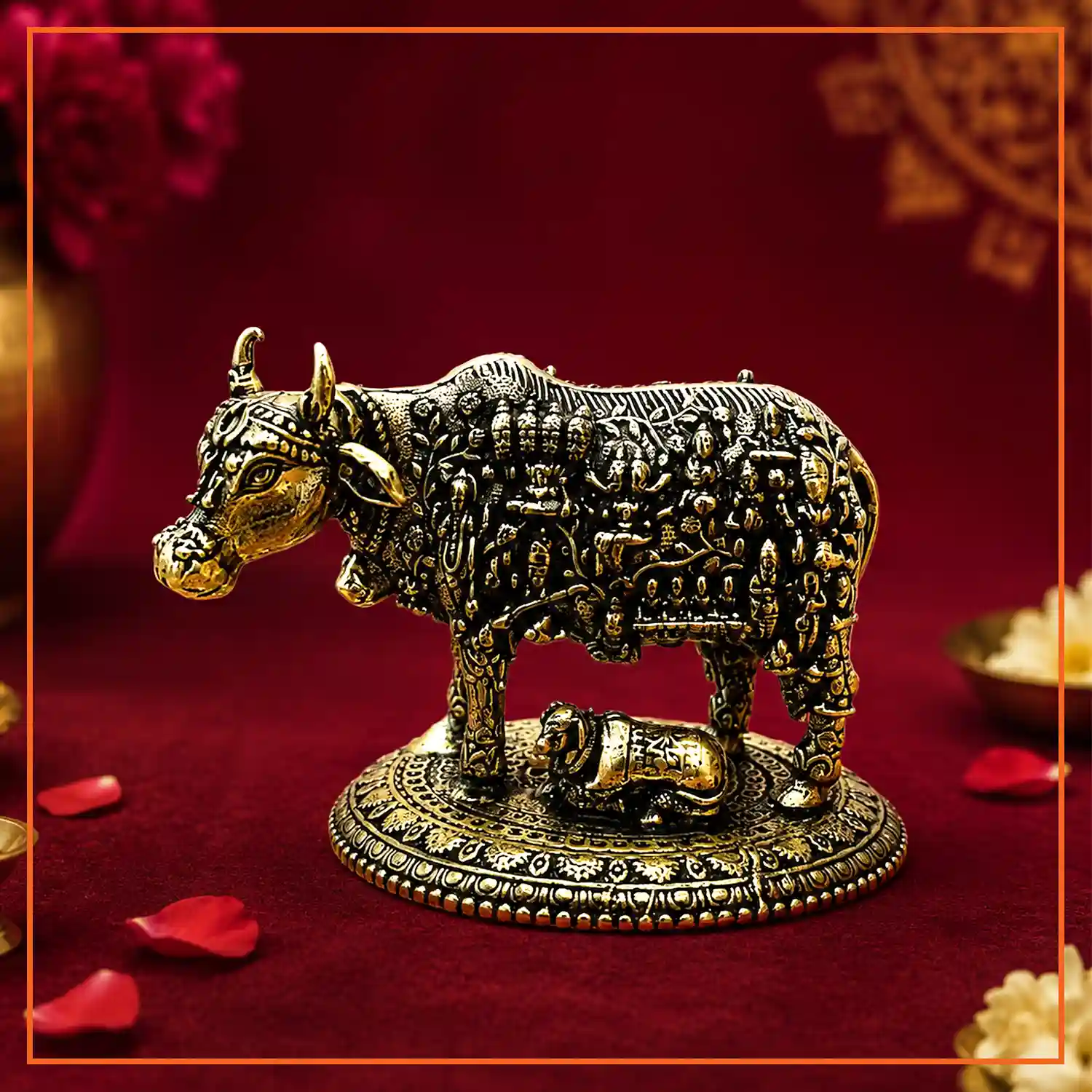
Brass Kamadhenu Cow with ...
1 Piece
_11zon.webp)
Brass Kamdhenu Cow with C...
1 Piece
_11zon.webp)
Brass Panchamukhi Hanuman...
1 Piece
.webp)
Antique gold solid brass ...
1 Piece
_11zon.webp)
Vishnu Lakshmi Brass Idol...
1 Piece
_11zon.webp)
Lord Ram Lala Brass Idol ...
1 Piece
_11zon.webp)
Brass Devi Saraswati Idol...
1 Piece
_11zon (2).webp)
Devi Annapurna Idol | Pur...
1 Piece
_11zon.webp)
Brass Lord Shiva Idol wit...
1 Piece
_11zon.webp)
Tirupati Balaji Idol | Sh...
1 Piece
_11zon.webp)
Bajrangbali Hanuman Ji Br...
1 Piece
_11zon.webp)
Royal Carved Airavat Bras...
1 Piece
_11zon.webp)
Lord Rama with Sita, Laks...
1 Piece
_11zon.webp)
Nandi Idol | 4 cm
1 Piece
_11zon.webp)
Brass Nandi Bull (Vahan o...
1 Piece
_11zon.webp)
2 Inch Narmadeshwar Shivl...
1 Piece
_11zon.webp)
3 Inch Narmadeshwar Shiv ...
1 Piece
_11zon.webp)
4 Inch Narmadeshwar Shiv ...
1 Piece
_11zon.webp)
5 Inch Narmadeshwar Shiv ...
1 Piece
_11zon.webp)
Narmadeshwar Akhand Shivl...
1 Piece
_11zon.webp)
3 Inch Akhand Narmadeshwa...
1 Piece
_11zon (1).webp)
4 Inch Akhand Narmadeshwa...
1 Piece
_11zon.webp)
Narmadeshwar Shivling Jal...
1 Piece
_11zon.webp)
4 Inch Narmadeshwar Shivl...
1 Piece