
_15_11zon.webp)


_11zon (1).webp)
_11zon.webp)


.webp)



.webp)




Frequently Asked Questions
- Q1: Why is this specific puja called "Kojagari" and why do we have to stay awake?
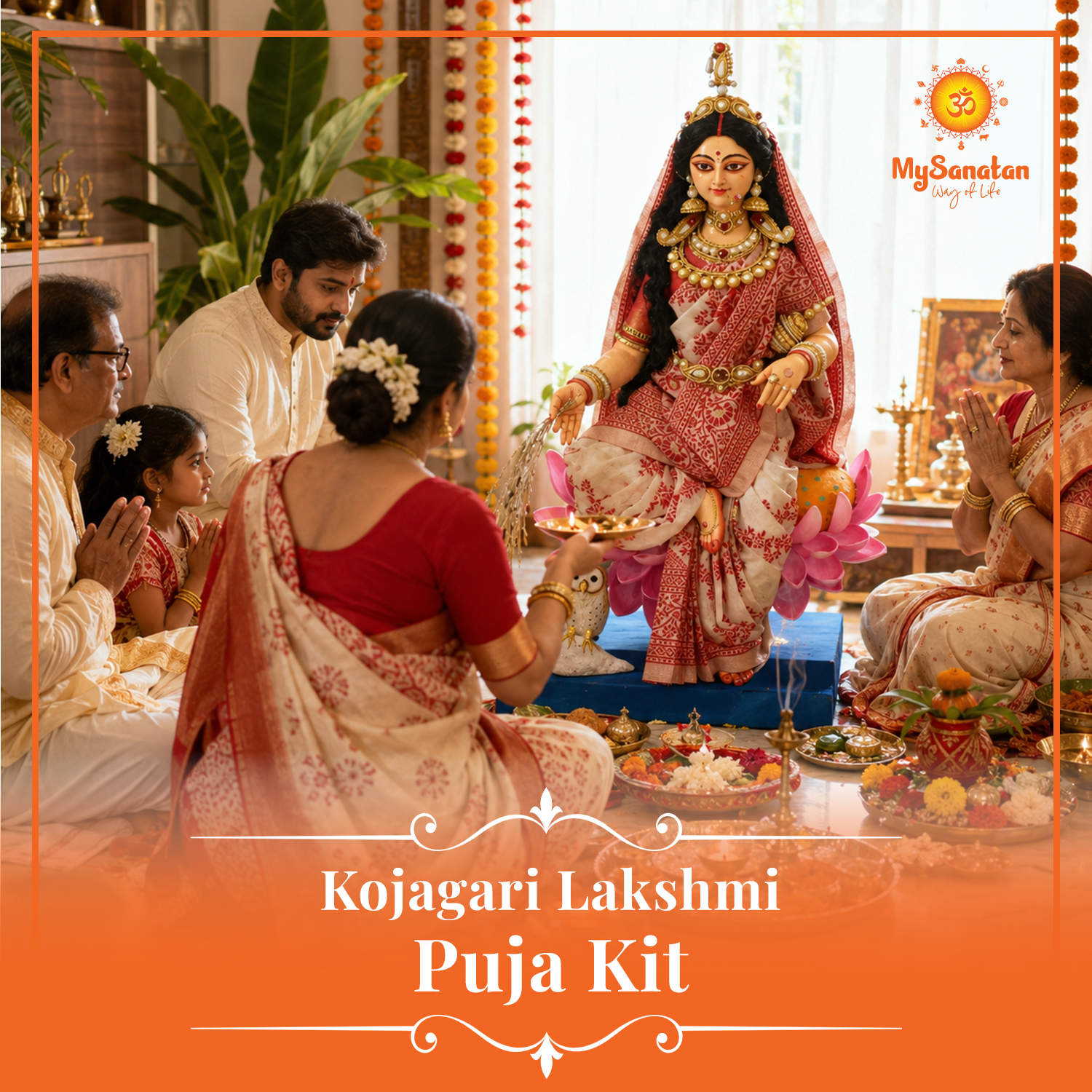
- For Beginners & Families: The word "Kojagari" comes directly from the Sanskrit phrase "Ko Jagarti?" which translates to "Who is awake?". According to the classical Purohit Darpan, on the night of the Ashvin full moon, the boon-giving Goddess Lakshmi descends and roams the earth. She looks to see who is staying awake to worship her, and she bestows incredible wealth and fortune upon those devoted households. Staying awake is your way of proving you are ready to receive her blessings!
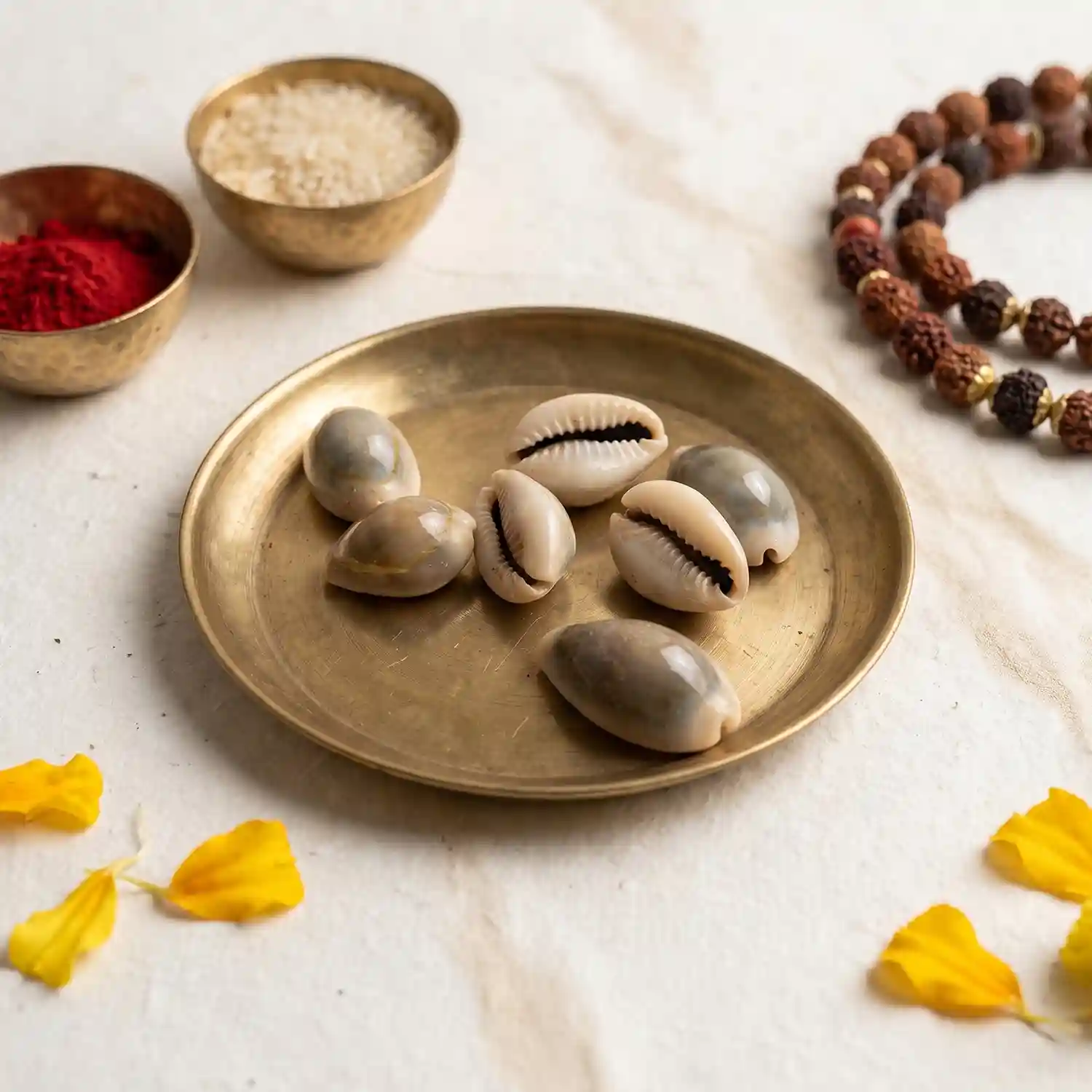
- Q2: The kit includes Natural Cowrie Shells. Are these just meant to be placed on the altar as decoration?
- For Beginners & Children: While they are beautiful symbols of wealth, they have a much more exciting purpose on this specific night! Because families must stay awake to wait for the Goddess, the Purohit Darpan explicitly instructs devotees to stay up joyfully by playing auspicious games with dice or cowrie shells (akṣair jāgaraṇaṃ niśi). Playing traditional cowrie games with your family keeps the atmosphere vibrant and welcoming for Maa Lakshmi!
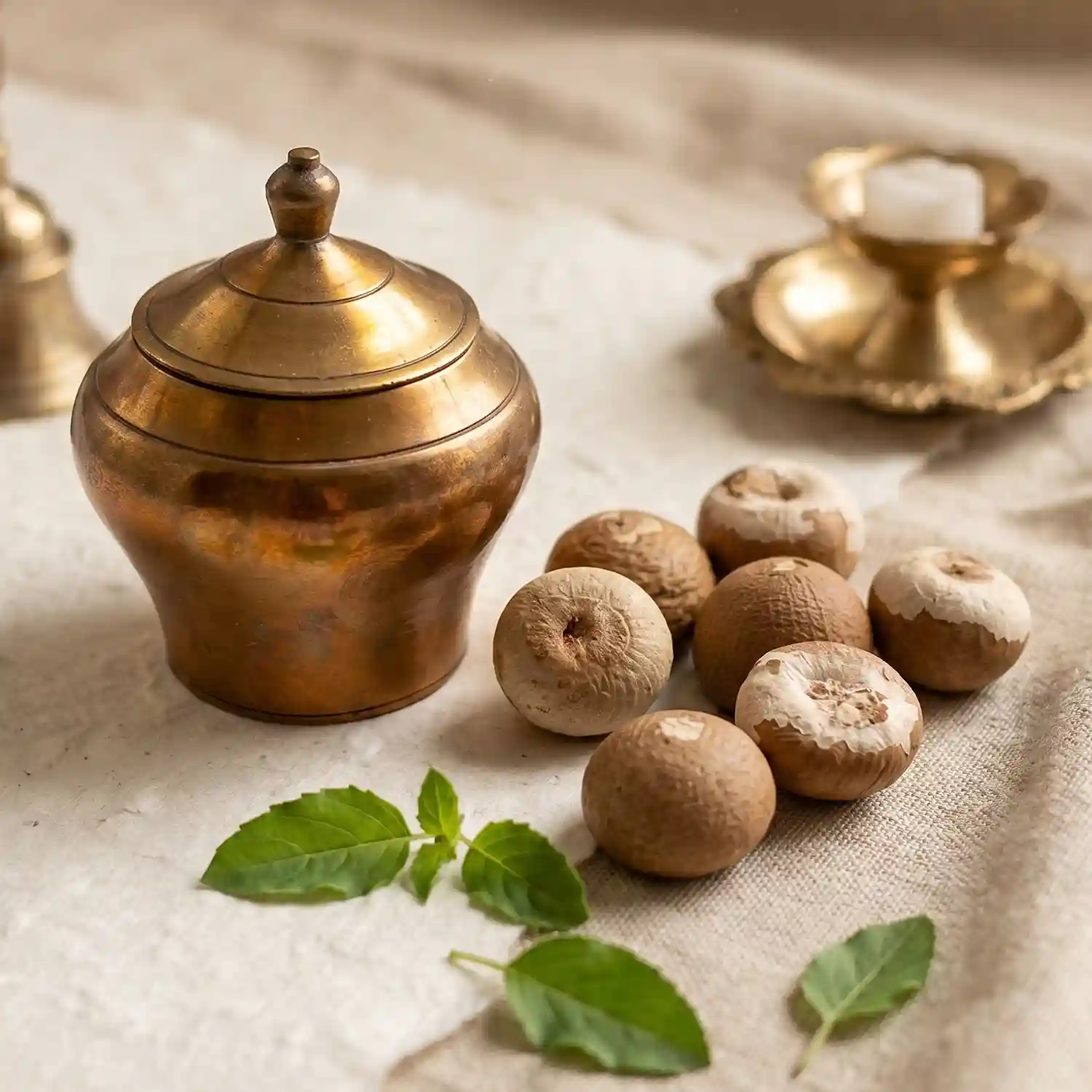
- Q3: Our Pandit specifically asked if we have a "Madhuparka Bowl" and "Tambula" for the 16-step worship. Why are these so strict?
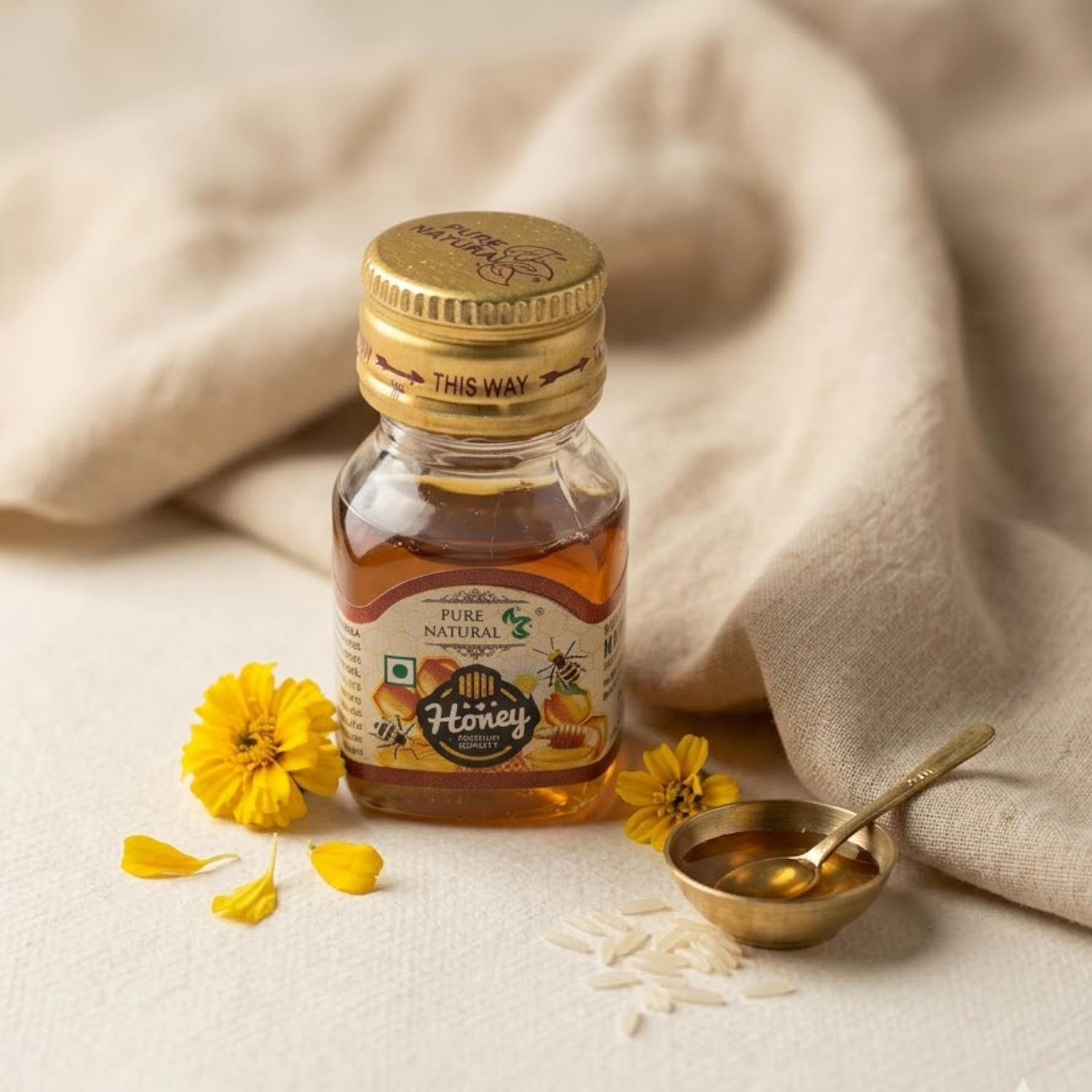
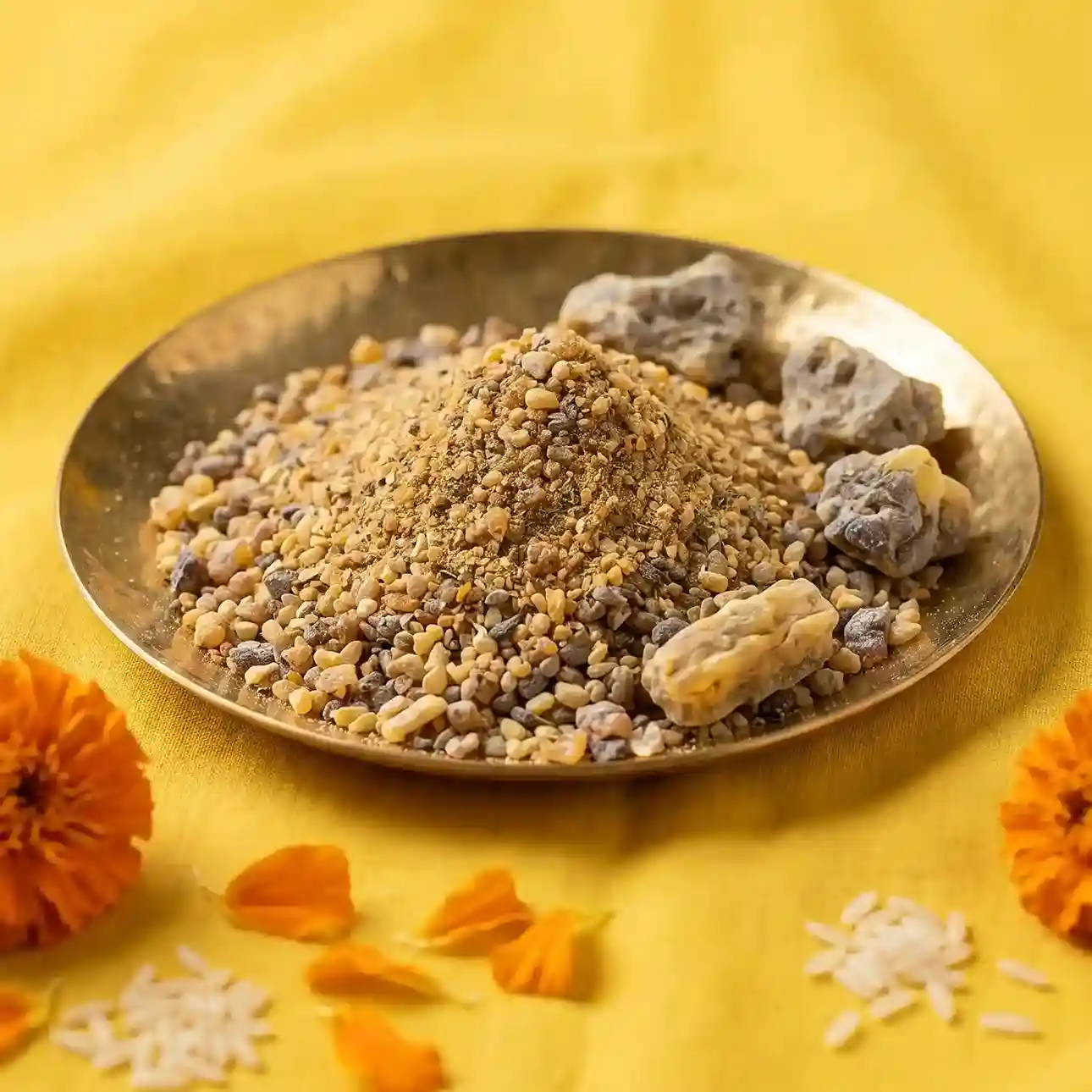
- For Experienced Practitioners & Priests: Your Pandit is following the uncompromising rules of classical Vedic worship! By definition, a royal 16-step (Shodashopachar) puja requires exactly 16 specific offerings to fulfill the highest standard of divine hospitality. The sweet honey mixture (Madhuparka) is the mandatory 6th step, and presenting the betel leaf and spices (Tambula) to sweeten the deity's mouth is the compulsory 16th step. There is absolutely no 16-step worship without Tambula, which is exactly why we included the specific spices and the Madhuparka bowl in your kit!
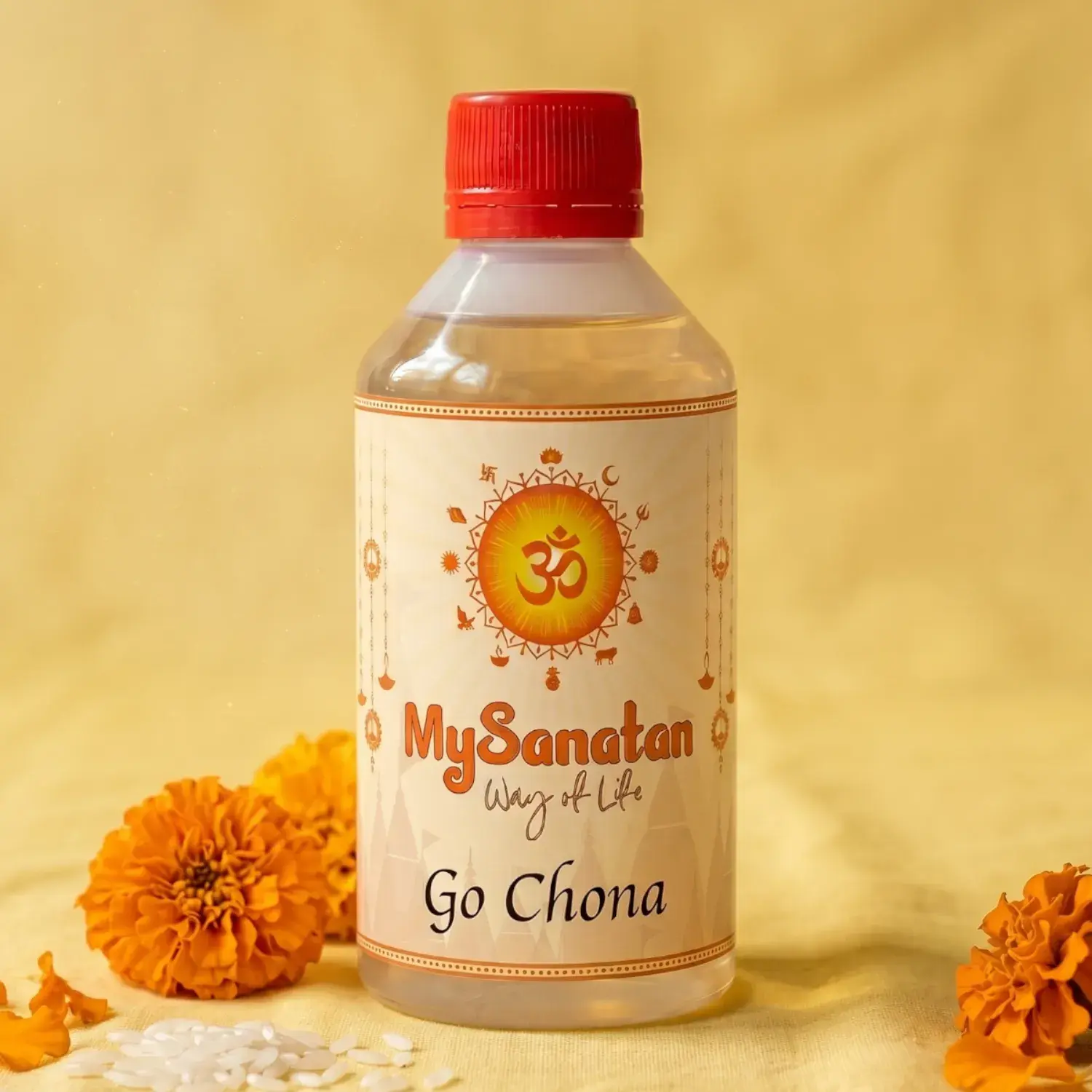
- Q4: Is there a specific traditional Prasadam (food offering) we should prepare for the midnight Kojagari worship?
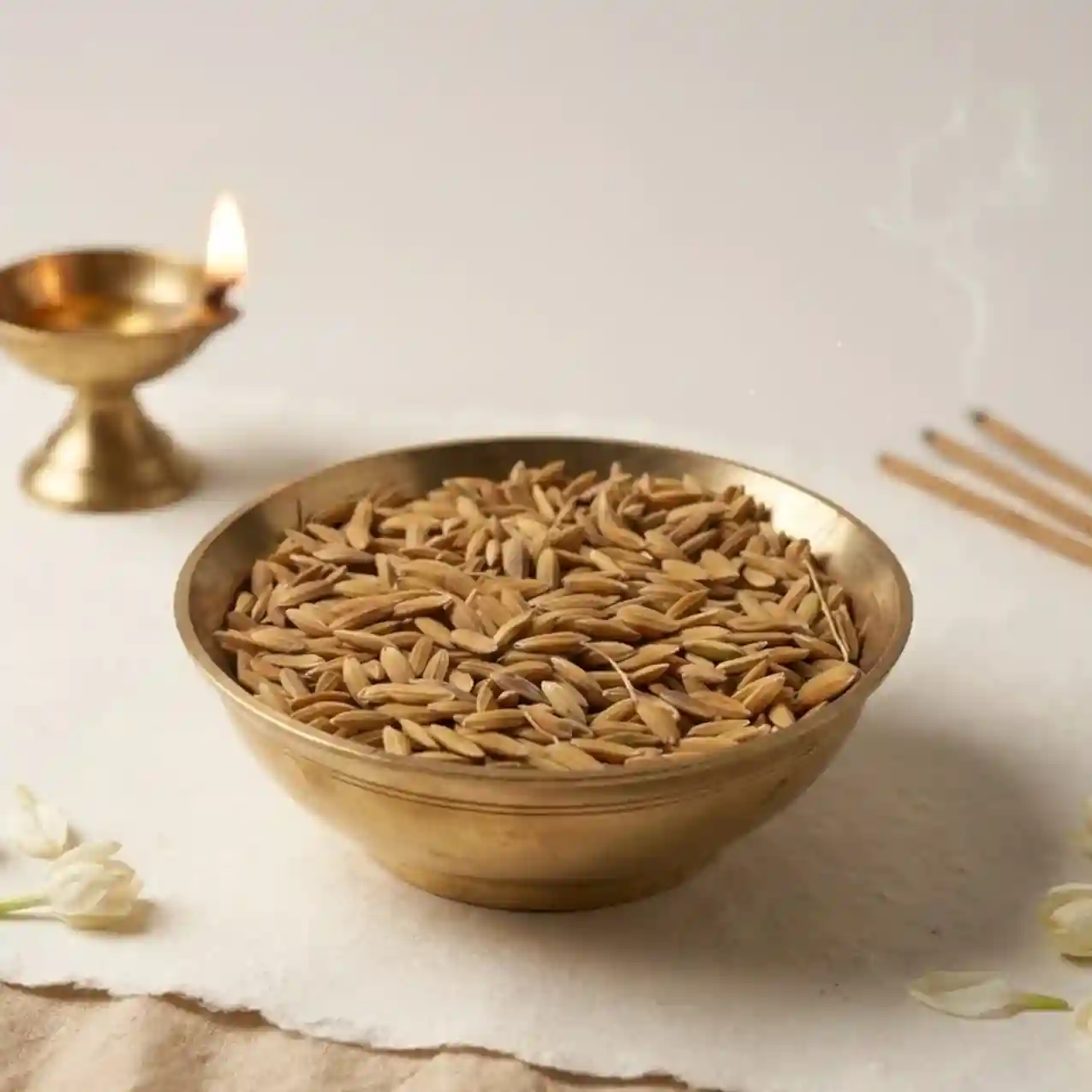
- For Beginners & Home Cooks: Yes! While you can offer many sweets, the Purohit Darpan gives highly specific instructions for the Kojagari night. It dictates that devotees must offer and drink coconut water (nārikelodakaṃ), and offer flattened rice (Cipiṭaka / Chira) to the deities and ancestors. Distributing this traditional coconut water and flattened rice late at night is the most scripturally authentic way to celebrate!
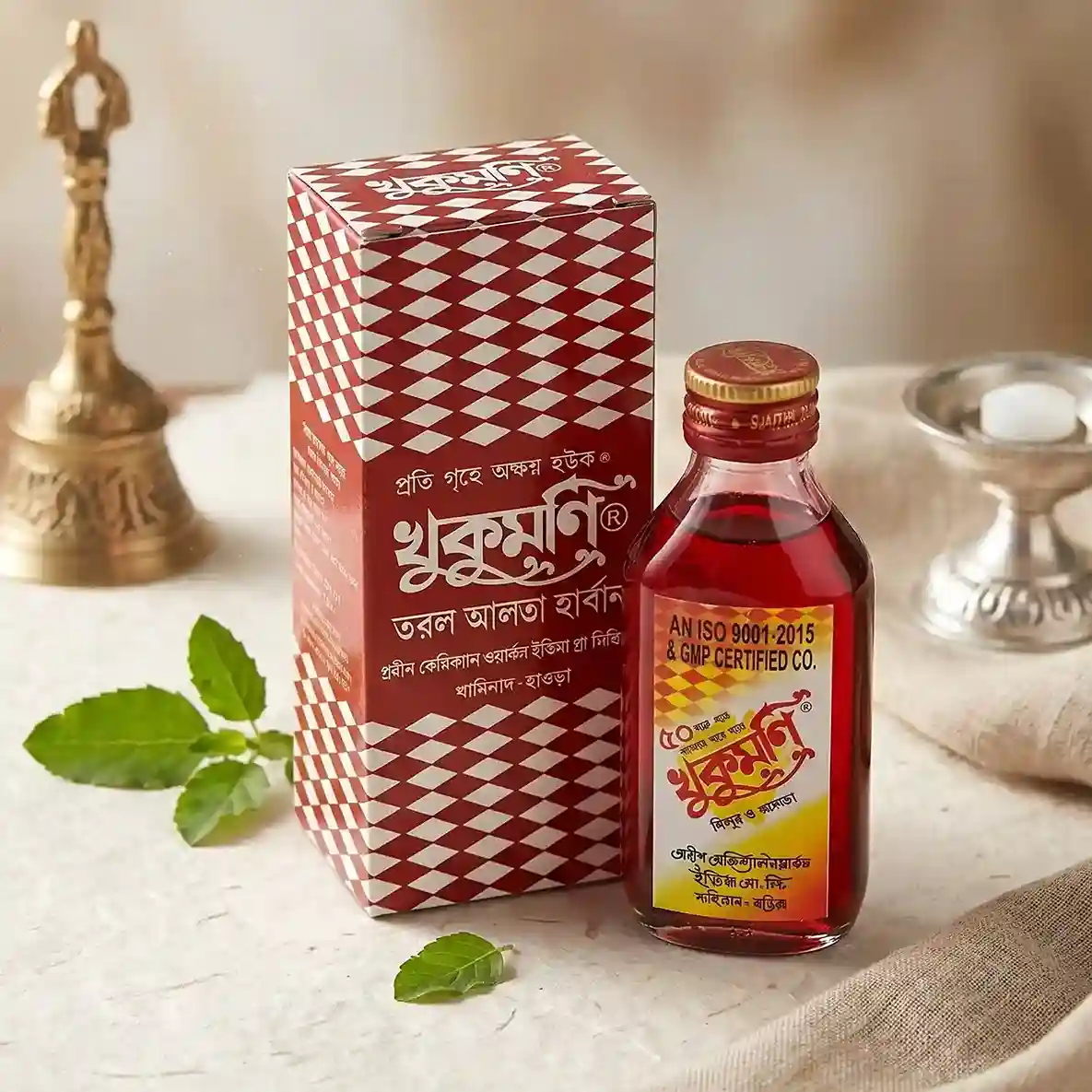
- Q5: Why does this kit include regional items like "Shankha Pola Loha" and "Khukumoni Alta" alongside the classical Sanskrit Havan items?
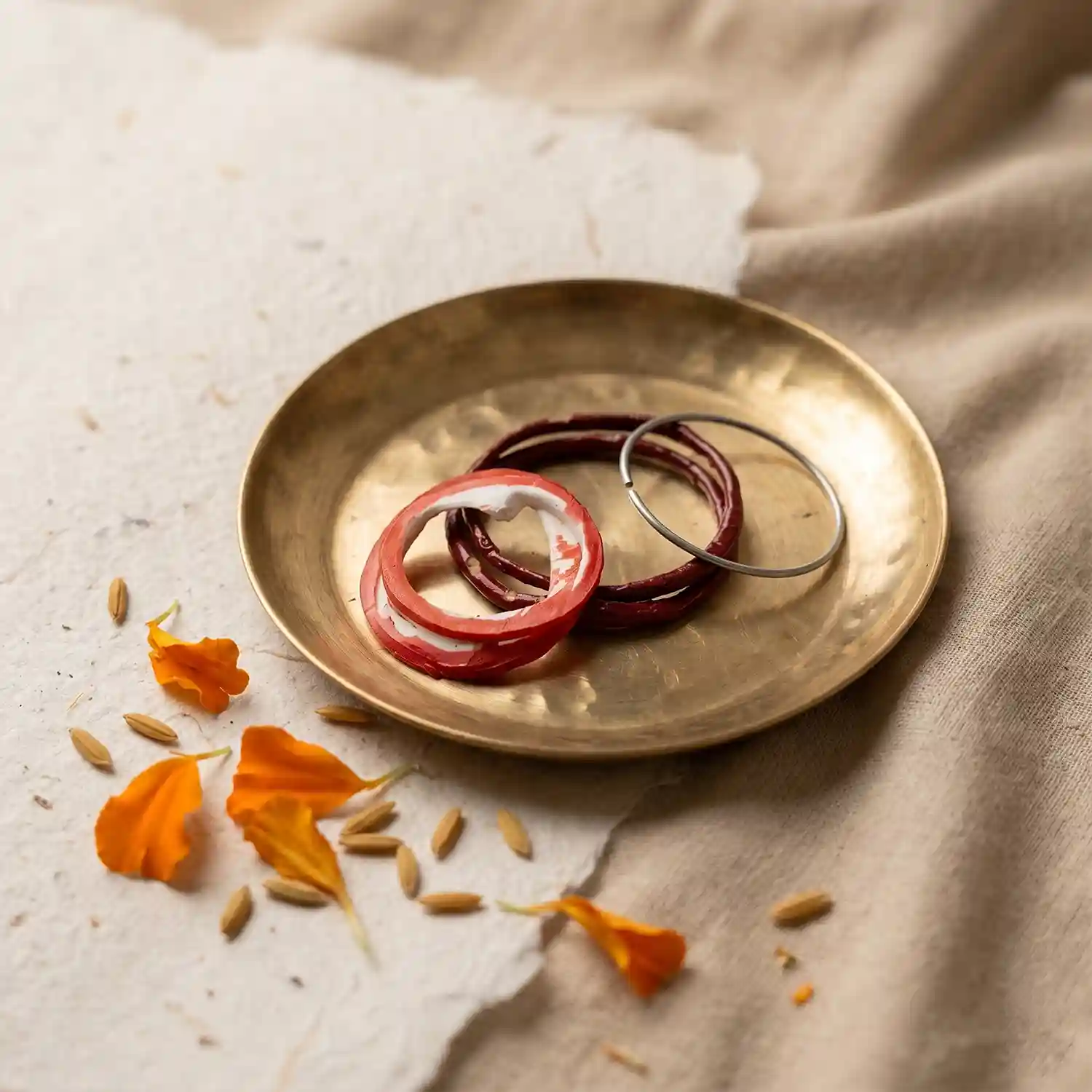
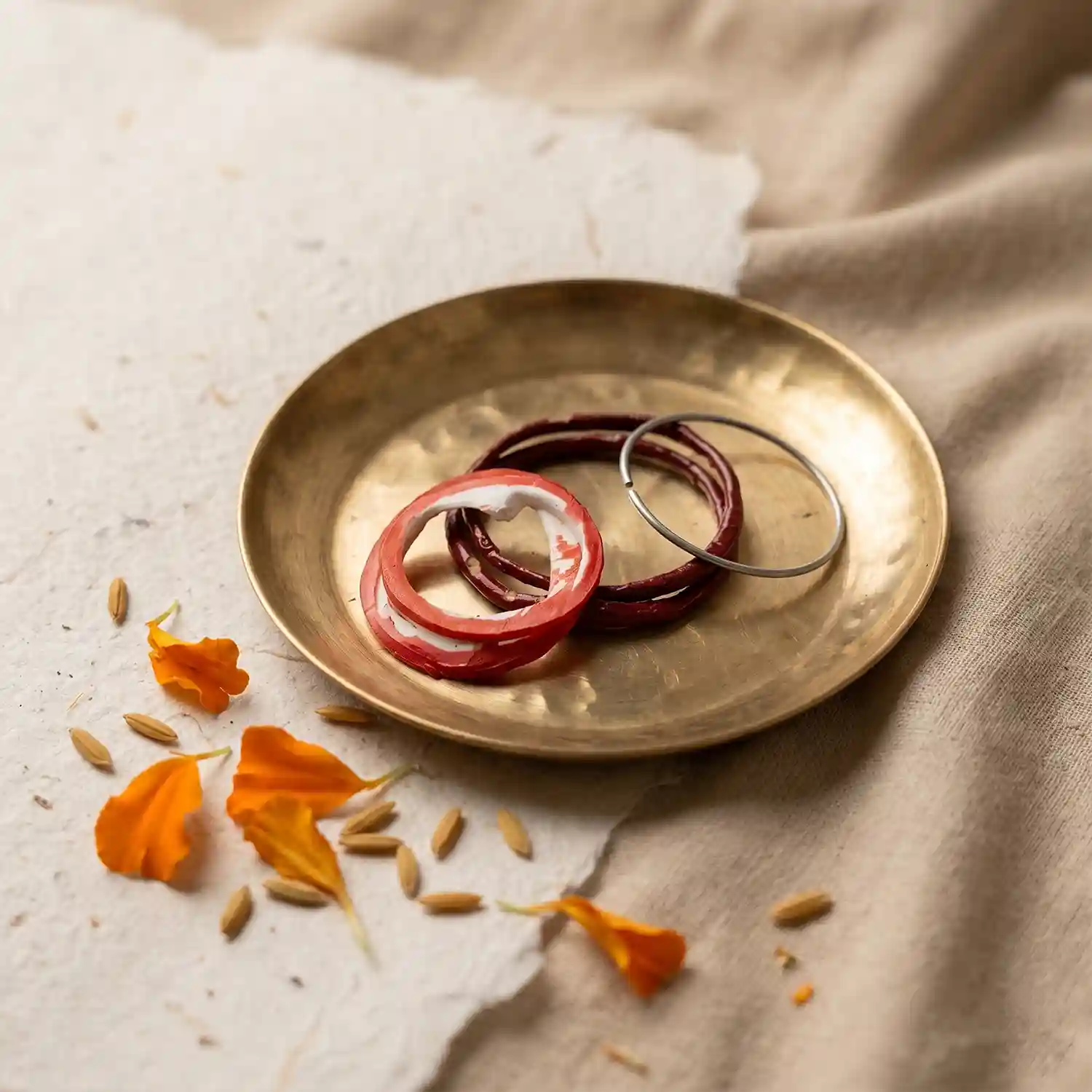
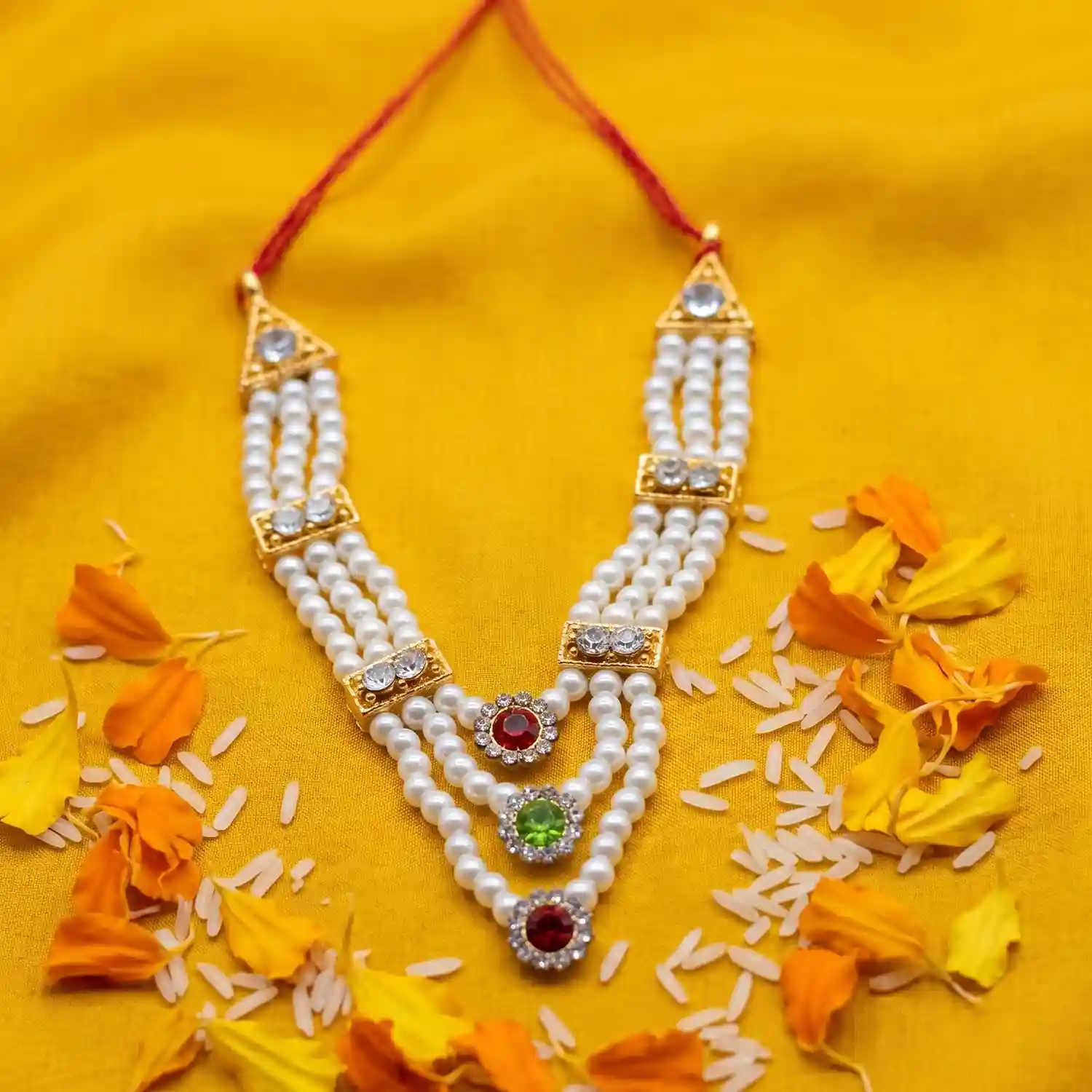
- For Experienced Devotees & Matriarchs: While the strict Sanskrit manuals broadly require you to offer the deity "garments" (Basan) and "ornaments" (Abharan), true household devotion relies on deep regional love. In Bengali tradition, Goddess Lakshmi is the ultimate symbol of the prosperous, joyous married woman. By offering her the highly specific, auspicious Shankha Pola (conch and coral bangles) and Alta (red foot dye), the household actively invokes her blessings not just for financial wealth, but for marital harmony, health, and a long, blissful family life!
_11zon.webp)


_11zon.webp)
_11zon.webp)
_5_11zon.webp)

_11zon.webp)
_4_11zon.webp)
_3_11zon.webp)

_11zon.webp)
_11zon.webp)
_11zon.webp)
_11zon.webp)
_11zon.webp)
_11zon (1).webp)
_11zon.webp)