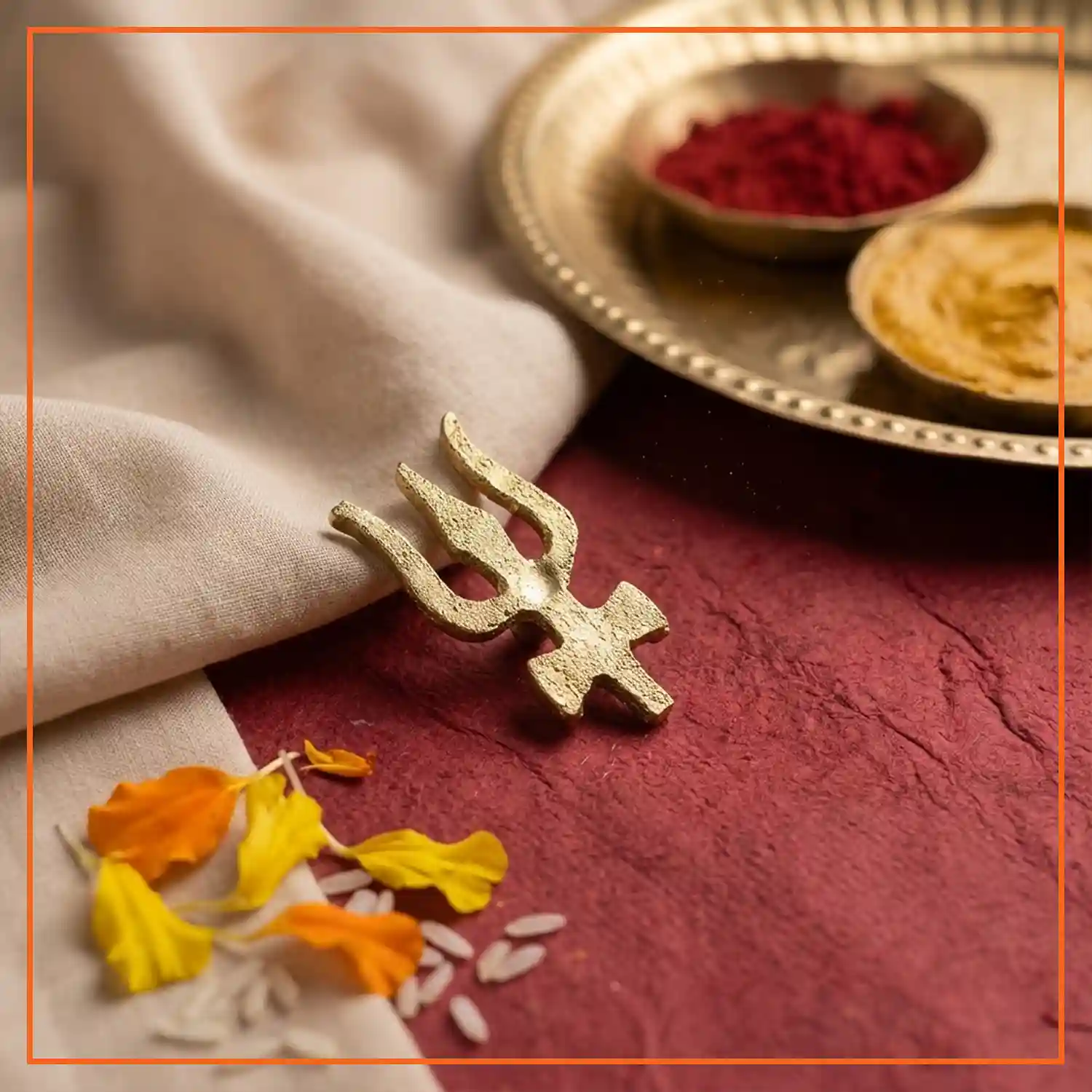
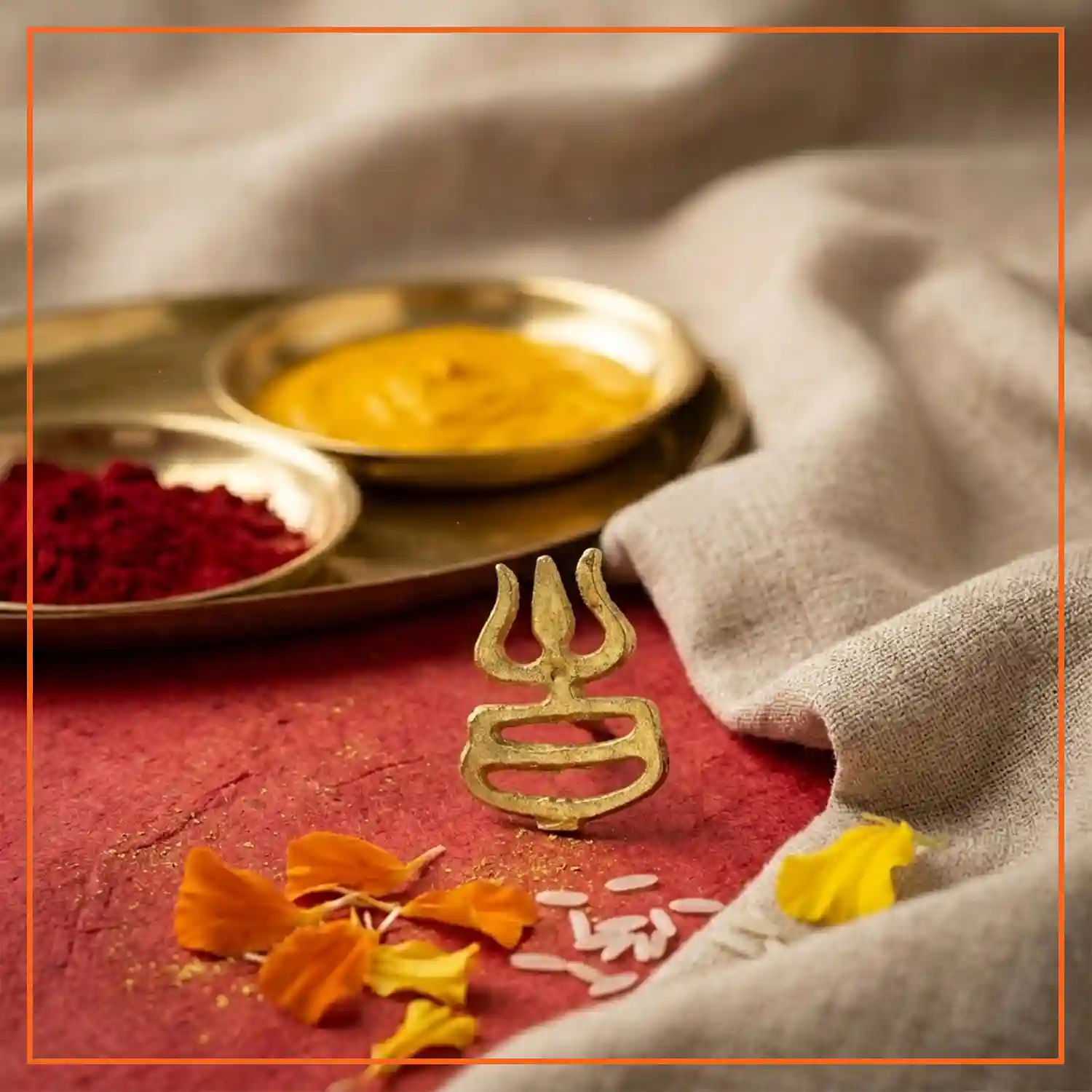
Solid Brass Trishul Tripund Tilak Stamp
1 Piece
₹199
MRP 299
Discount: 33% OFF 33% OFF Availablity: Out of Stock
- The Trishul and Tripund together represent Lord Shiva's supreme power, divine wisdom and transcendence over worldly illusions. Applying this sacred tilak symbolizes devotion, purity, fearlessness and the pursuit of self-realization under Mahadev's divine grace.
|
|
|---|---|
|
|
|
|
|
|
|
|
|
|
|
|
- The Trishul and Tripund are among the most sacred symbols of Lord Shiva. The Trishul represents divine power over creation, preservation and dissolution, while the Tripund, traditionally drawn with Bhasma (Vibhuti), symbolizes purity, detachment and spiritual awakening.
- Traditionally applied before worship, the Trishul Tripund Tilak inspires devotees to cultivate courage, self-discipline and unwavering devotion while seeking Mahadev's blessings.
- In Hindu philosophy, the Trishul and Tripund symbolize:
- • The Trishul represents Lord Shiva's power over creation, preservation and dissolution.
- • The three prongs symbolize transcendence over the three Gunas—Sattva, Rajas and Tamas.
- • The Tripund signifies the destruction of ego, ignorance and accumulated karma.
- Together, they inspire devotees to embrace spiritual wisdom, detachment and the path of self-realization.
- • Expressing devotion to Lord Shiva.
- • Symbolizing purity, fearlessness and spiritual wisdom.
- • Inspiring self-discipline and meditation.
- • Creating a devotional mindset before worship.
- • Encouraging the pursuit of self-realization.
- For generations, devotees have revered the Trishul and Tripund as timeless symbols of Lord Shiva's divine wisdom, protection and grace.
- • Before daily Shiva Puja and meditation.
- • During Mahashivaratri, Shravan Maas, Pradosh Vrat and Monday worship.
- • During temple visits and other Shaivite observances.
- Practices may vary according to regional customs and family traditions.
- • Clean the stamp after every use.
- • Wipe gently with a soft, dry cloth.
- • Store in a clean and dry place.
- • Handle with clean hands during worship.
- 1. What does the Trishul Tripund Tilak symbolize?
- The Trishul Tripund Tilak symbolizes Lord Shiva's divine protection, spiritual wisdom, purity, fearlessness and the path toward self-realization.
- 2. Which tilak can be used with this stamp?
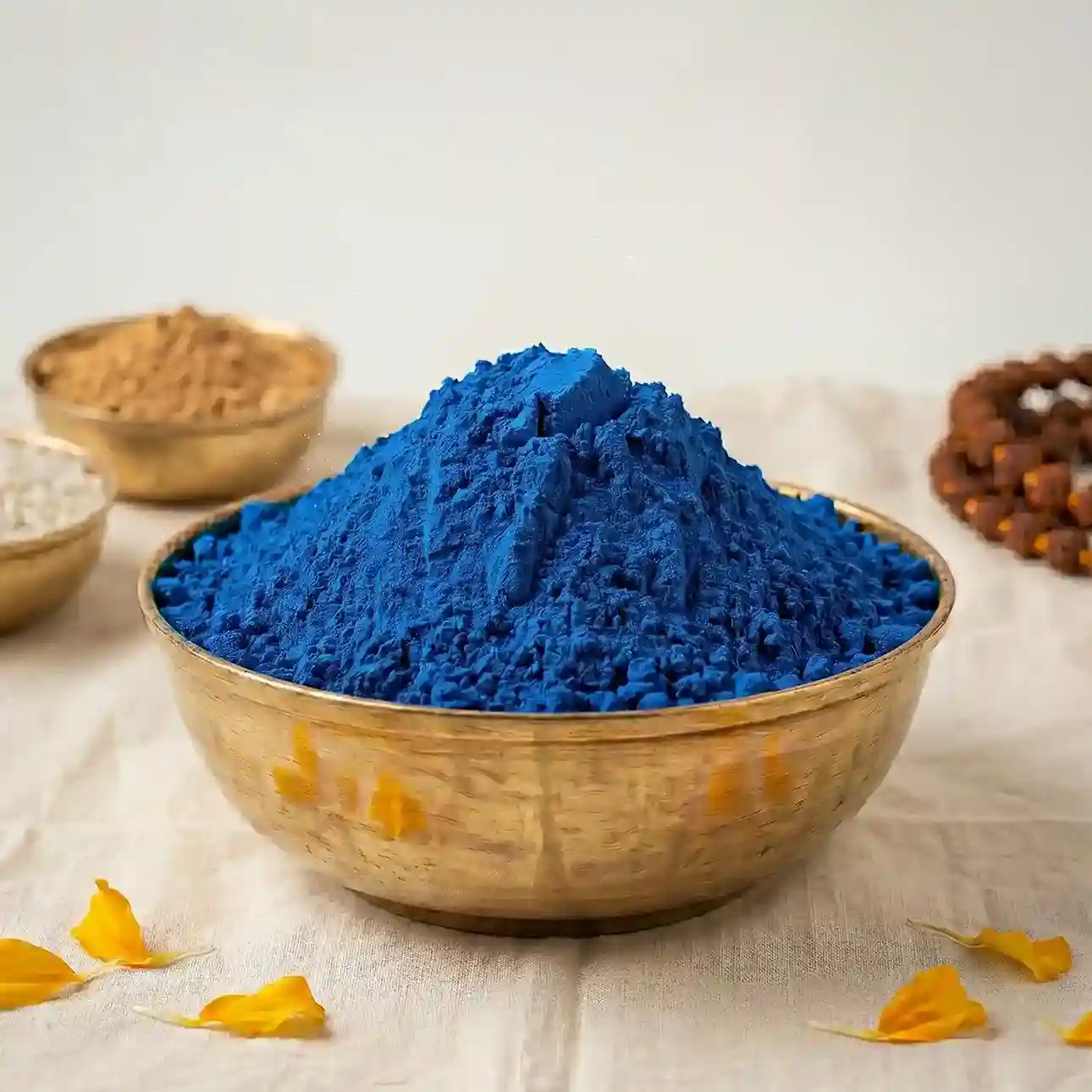
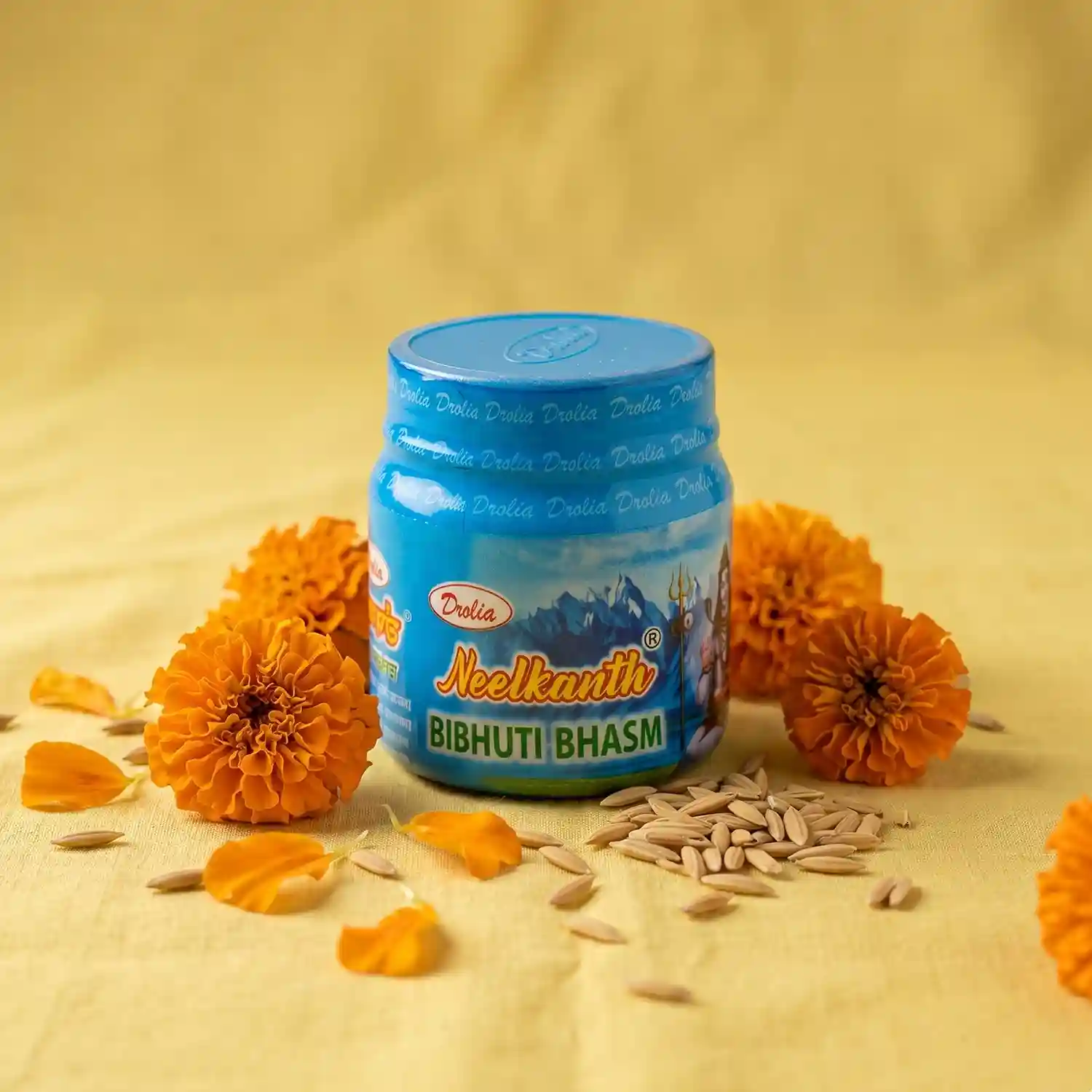
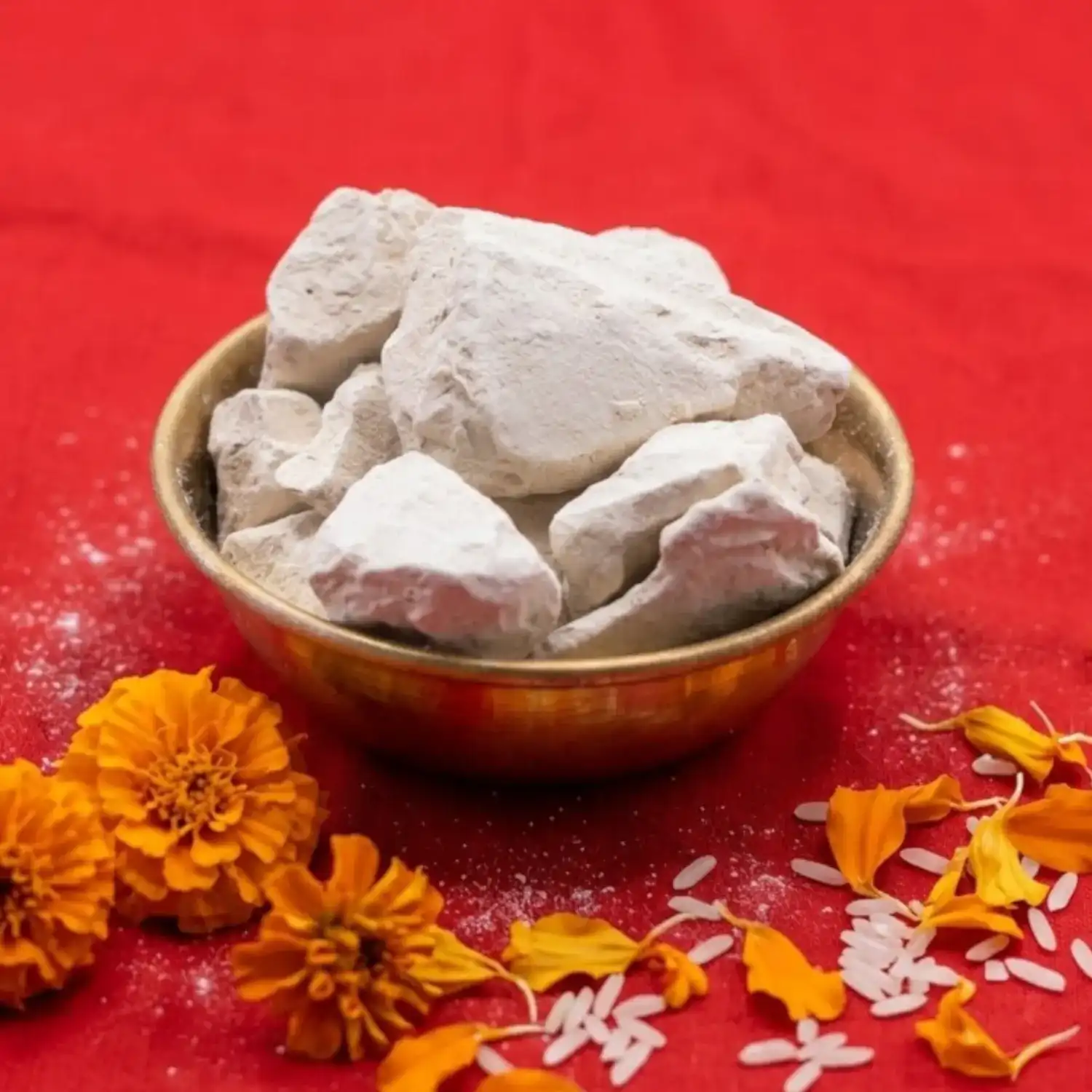
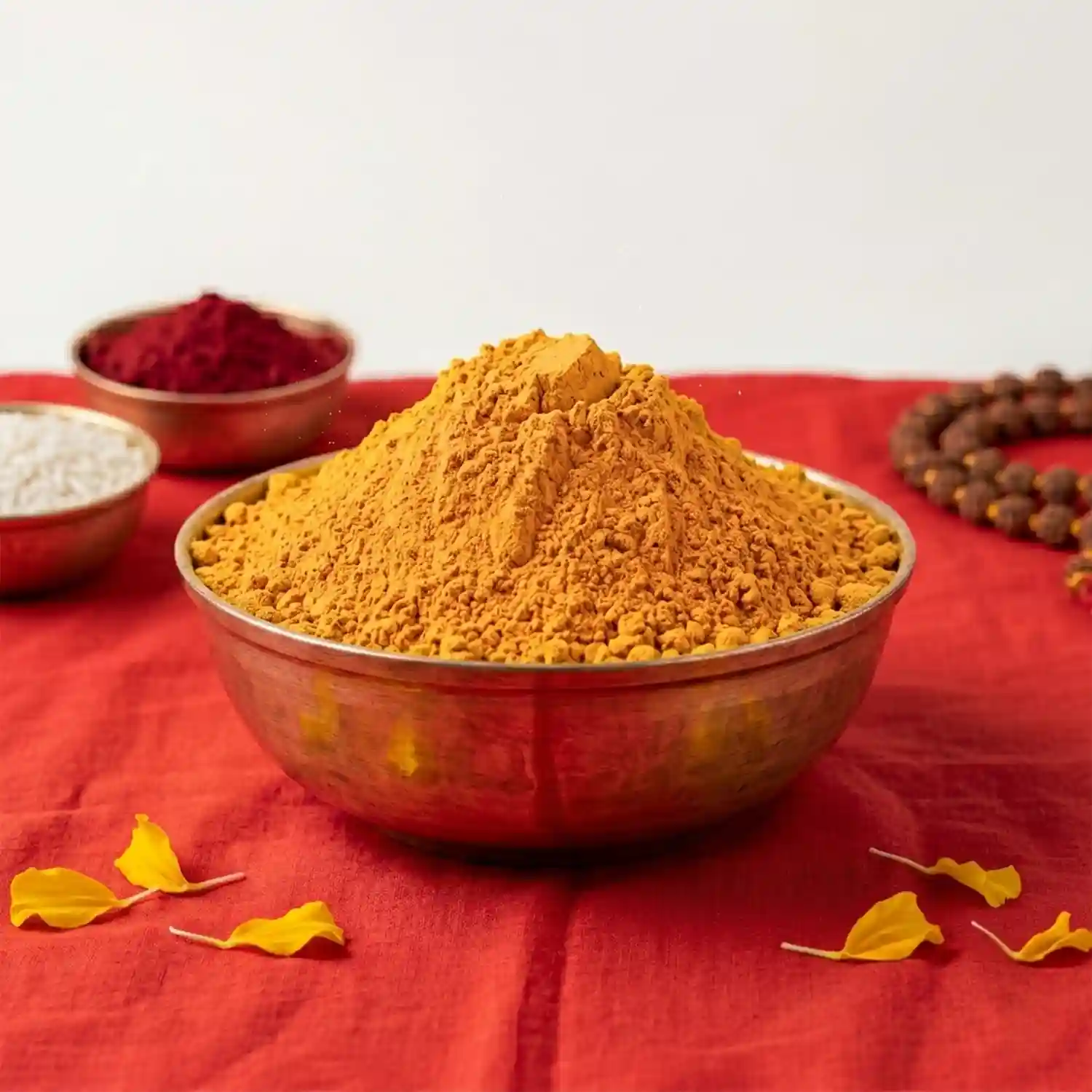
- The stamp is traditionally used with Bhasma (Vibhuti) and may also be used with Chandan (Sandalwood Paste), Ashtagandha or other tilak pastes according to family tradition.
- 3. Is this suitable for daily worship?
- Yes. The Trishul Tripund Tilak Stamp is ideal for daily Shiva worship, meditation, temple visits and devotional observances.
- 4. Can this be gifted on auspicious occasions?
- Yes. It is a meaningful spiritual gift for Mahashivaratri, Shravan, housewarming ceremonies, festivals, temple events and other devotional occasions.
- Solid Brass Trishul Tripund Tilak Stamp | Pure Brass Trishul Tripund Tilak Stamp | Trishul Tripund Tilak Stamp | Shiva Trishul Tripund Tilak Stamp | Mahadev Tripund Tilak Stamp | Tripund Trishul Tilak Stamp | Brass Shiva Tilak Stamp | Trishul Tilak Stamp | Tripund Tilak Stamp | Shiva Tilak Stamp | Mahadev Tilak Stamp | Trishul Chandan Stamp | Tripund Chandan Stamp | Brass Tilak Stamp | Hindu Tilak Stamp | Puja Tilak Stamp | Temple Tilak Stamp | Traditional Shiva Tilak Stamp | Shaivite Tilak Stamp | Brass Puja Tilak Stamp | Tilak Stamp for Daily Puja | Shiva Puja Accessories | Religious Tilak Stamp | Forehead Tilak Stamp | Tilak Stamp for Chandan & Vibhuti
- The spiritual significance, traditional symbolism and usage guidance provided above are based on Hindu scriptures, Shaivite traditions and long-standing devotional practices. Regional customs, sampradayas (traditions) and family practices may vary. This information is intended to support spiritual understanding and devotional practice and should not be interpreted as a guarantee of specific outcomes.
_11zon.webp)











.webp)
.webp)
_11zon.webp)
_11zon.webp)



_9_11zon.webp)


















_11zon.webp)




_11zon.webp)






_11zon.webp)
_11zon.webp)






.webp)









_11zon.webp)

_11zon.webp)



_11zon (1).webp)




.webp)
.webp)








_11zon.webp)

_11zon (1).webp)
_11zon.webp)
_11zon.webp)
_11zon.webp)





_4_11zon.webp)
_11zon.webp)
_11zon.webp)
_11zon.webp)




_10_11zon.webp)


_11zon.webp)

_15_11zon.webp)

.webp)

_11zon.webp)

_11zon (1).webp)

_11zon.webp)
_10_11zon.webp)
_3_11zon.webp)

1_1_11zon.webp)
2_2_11zon.webp)
_.webp)
_7_11zon.webp)


.webp)
_5_11zon.webp)

_15_11zon.webp)
_14_11zon.webp)
_3_11zon.webp)
_2_11zon.webp)





_4_11zon.webp)







_11zon.webp)


_11zon.webp)
_14_11zon.webp)
_15_11zon.webp)