




_15_11zon.webp)




_2_11zon.webp)
_4_11zon.webp)

Frequently Asked Questions
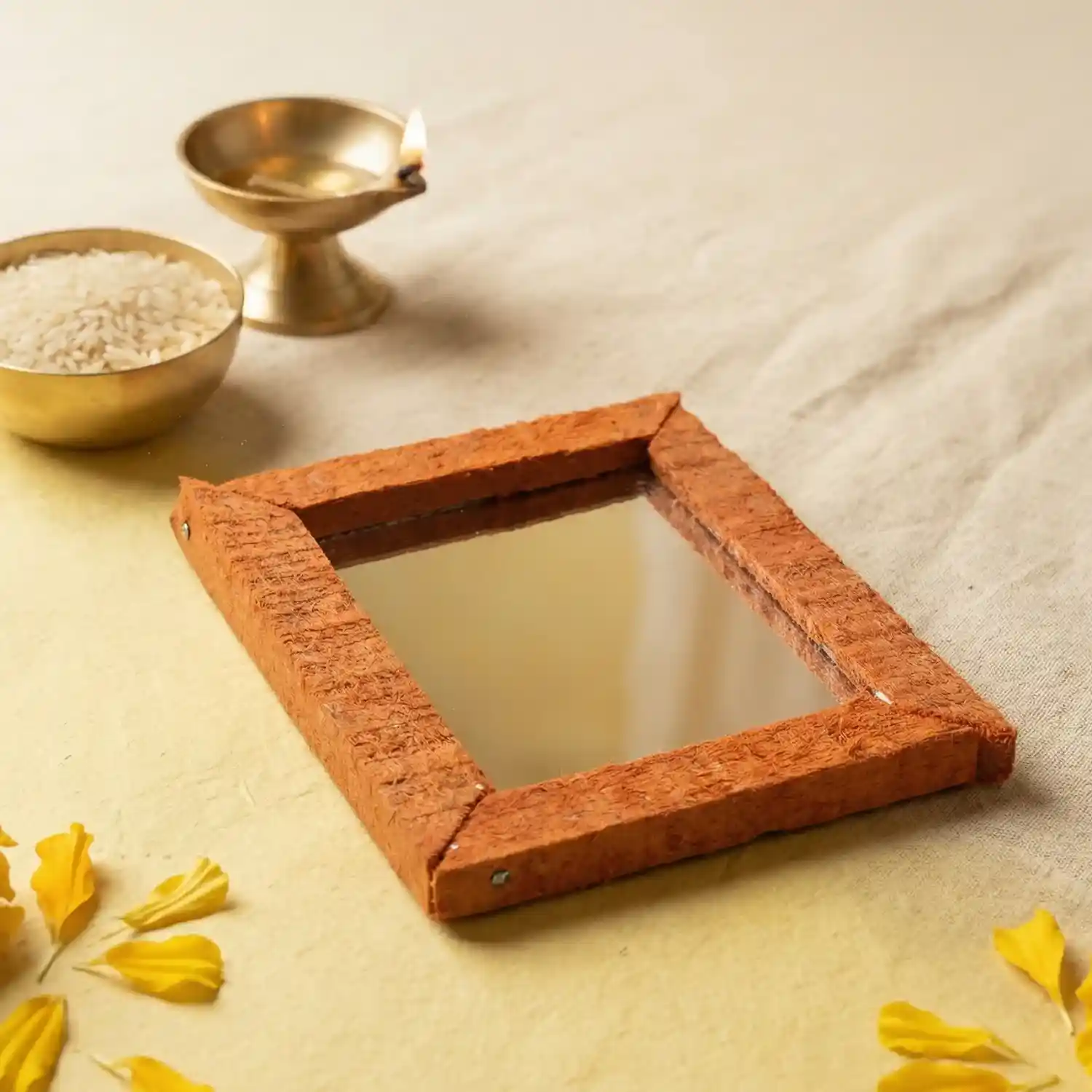
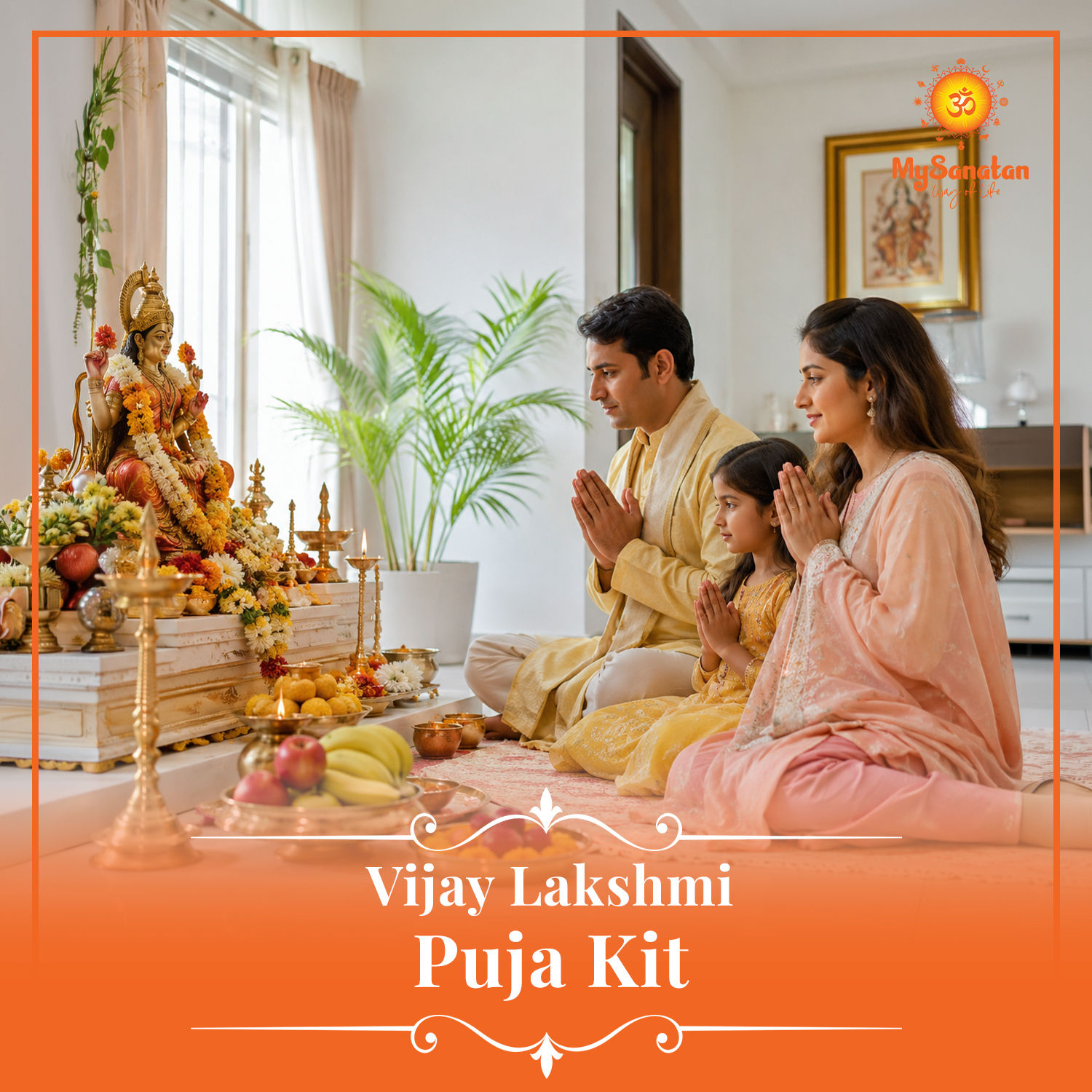
- Q1: Why is a "Sacred Ritual Mirror" (Darpan) included in a puja meant for courage and victory?
- For Beginners & Families: In classical royal worship (Shodashopachar), offering beautiful ornaments and adornments (Abharan) is a mandatory step of divine hospitality. However, specifically for Veera Lakshmi (the Warrior Goddess of Valor), presenting the mirror allows the Goddess to behold her own victorious, fearless form! Spiritually, it symbolizes self-reflection, clearing the devotee's mind of illusions and fears, and reflecting her immense courage directly back into your home.
- Q2: I am a woman performing the puja at home. Can I personally offer the oblations into the sacred Havan fire?
- For Home Ritualists: Yes, absolutely! While some highly orthodox, ancient texts like the Apastamba Sutras contain strict rules stating that "a female shall not offer any oblation into the fire", modern devotional manuals explicitly override this for household worship. The Vedic NityaKarma strongly declares that "from children to the elderly, men and women," absolutely everyone has the universal right to worship God and perform Yajnas. You are fully empowered to lead the prayer and make the offerings into the fire yourself!
- Q3: Are there any physical austerities our family should follow after invoking Veera Lakshmi to overcome our battles?
- For Experienced Householders: Achieving victory over intense life obstacles requires immense spiritual discipline! Classical manuals dictate that after undertaking major vows or welcoming powerful divine energies into your home, the householder and their spouse should practice temporary austerity. The texts suggest sleeping on the ground (on a mat) for three nights, refraining from worldly pleasures, and avoiding salt and pungent food. This brief period of self-denial proves your absolute dedication and locks in the courage granted by the Goddess!
- Q4: The 16-step procedure mentions "Achamaniya" (water for sipping) twice. What are the strict rules for handling this holy water?
- For Priests & Scholars: Achamaniya is the sacred act of internal purification. In a royal 16-step worship, this sipping water must be offered to the deity twice: once before the honey mixture (Step 5) to cleanse the palate, and immediately after the grand food offering (Step 15) to wash the mouth before presenting the final Tambula spices. According to the strict rules of the Apastamba Sutras, this water must be handled with the utmost respect—it must never be stirred with the fingers, nor should it be received into only one hand.
- Q5: I am performing this puja because my family is facing severe problems, enemies, and bad omens. Is there a specific time to do the fire ritual for this?
- For Anyone Facing Obstacles: Yes! While Veera Lakshmi is usually worshipped on Fridays or during Navratri, the scriptures offer a specific remedy for intense crises. If you are performing a fire ritual to destroy specific fears, enemies, or strange "marvels and omens" (such as sudden, mysterious diseases in the household), the Apastamba Sutras advise that these pacification rites are most powerful when performed in the dead of night, specifically on a new-moon, in a quiet place. This timing allows the fierce, protective energy of the Goddess to completely obliterate the unseen negative forces surrounding your family!
_11zon.webp)
.webp)
_11zon (1).webp)
.webp)
laddu gopal old chalu dress 3_11zon.webp)
_11zon.webp)
_6_11zon.webp)

_11zon.webp)
_11zon.webp)
_11zon.webp)
_11zon.webp)
_11zon (1).webp)
_11zon.webp)
_11zon.webp)