_11zon.webp)
_11zon.webp)
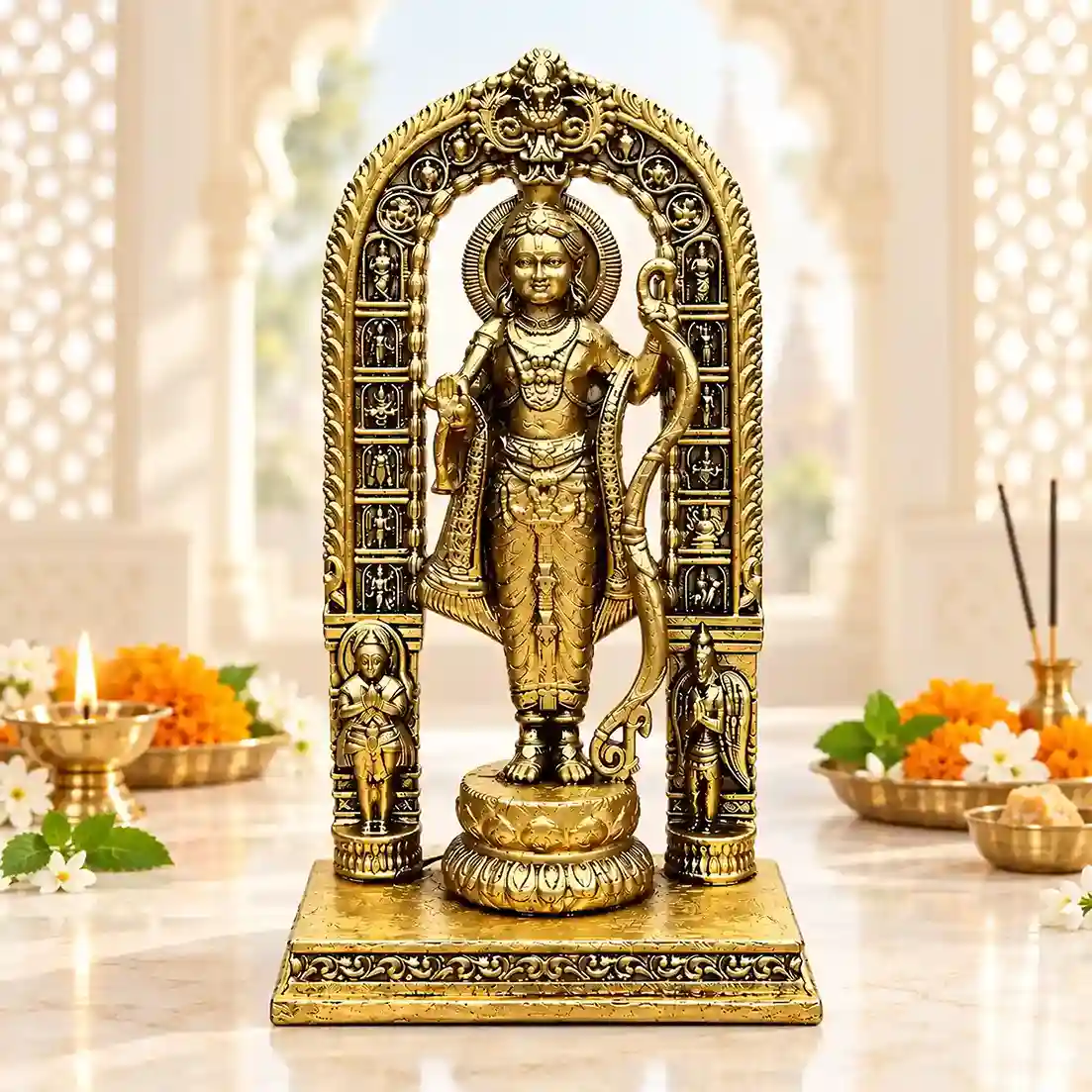
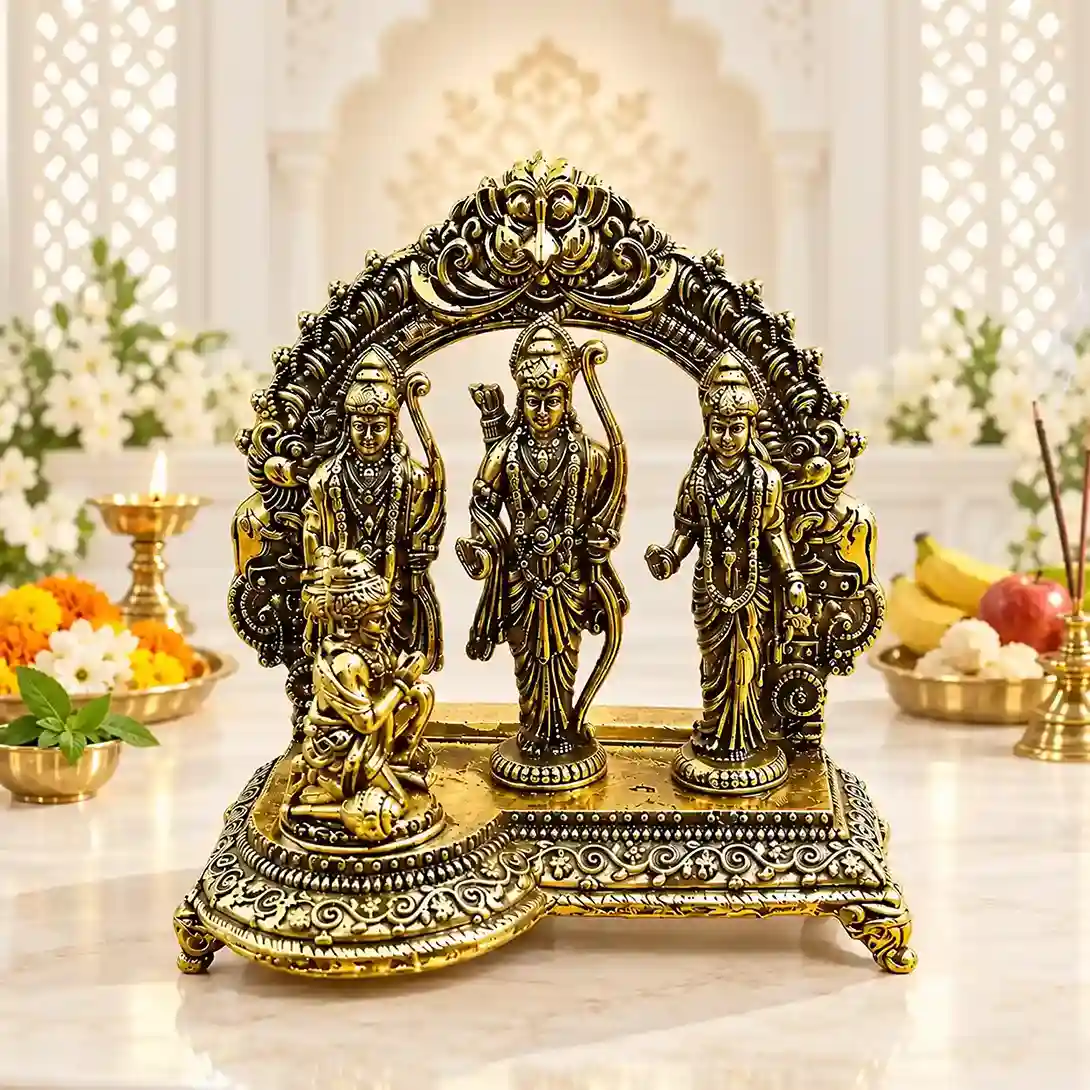
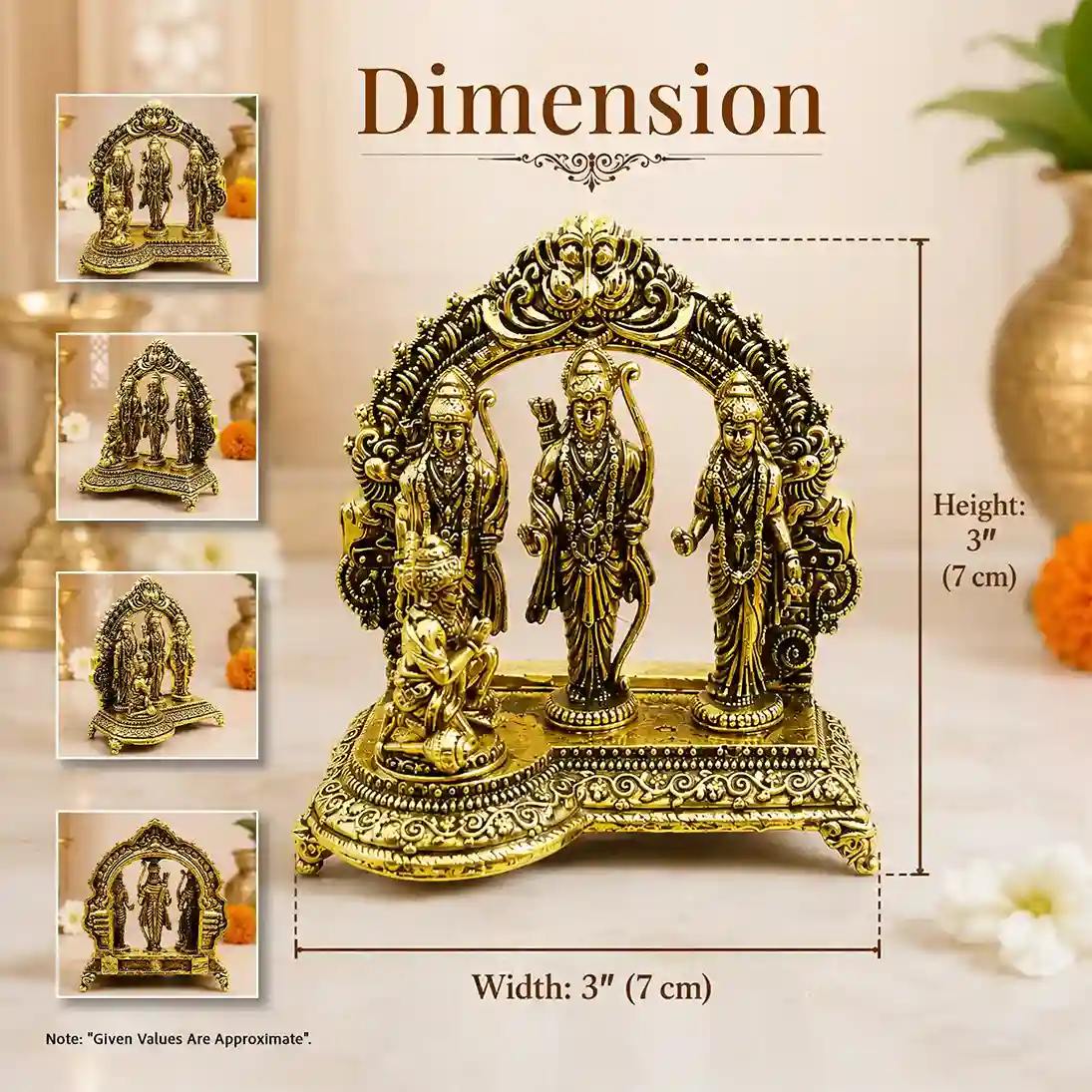
Lord Rama with Sita Lakshman & Hanuman Ji Ram Darbar Brass Idol for respect & devotion | 7 cm
1 Piece
₹1449
MRP 3299
Discount: 56% OFF 56% OFF Availablity: Only 4 left
- Shri Ram Darbar represents the divine ideals of dharma, devotion, loyalty and family unity. With Lord Rama, Mata Sita, Lakshmana Ji and Hanuman Ji together, this sacred form inspires righteous living, mutual respect, selfless service and unwavering faith.
- Lord Rama Darbar Katha: Lord Shri Ram, the seventh avatar of Vishnu, along with his devoted wife Mata Sita, loyal brother Lakshman, and supreme devotee Hanuman Ji, together form the sacred Ram Darbar. They endured fourteen years of exile, defeated the mighty demon king Ravana, rescued Sita from Lanka, and returned to Ayodhya to establish Ram Rajya, the golden age of truth and justice.
|
|
|---|---|
|
|
|
|
|
|
|
|
|
|
|
|
|
|
- Shri Ram Darbar brings together the revered figures of the Ramayana, each embodying a distinct spiritual virtue.
- • Lord Rama — Dharma, truth and righteous conduct.
- • Mata Sita — Devotion, dignity and inner strength.
- • Lakshmana Ji — Loyalty, sacrifice and selfless seva.
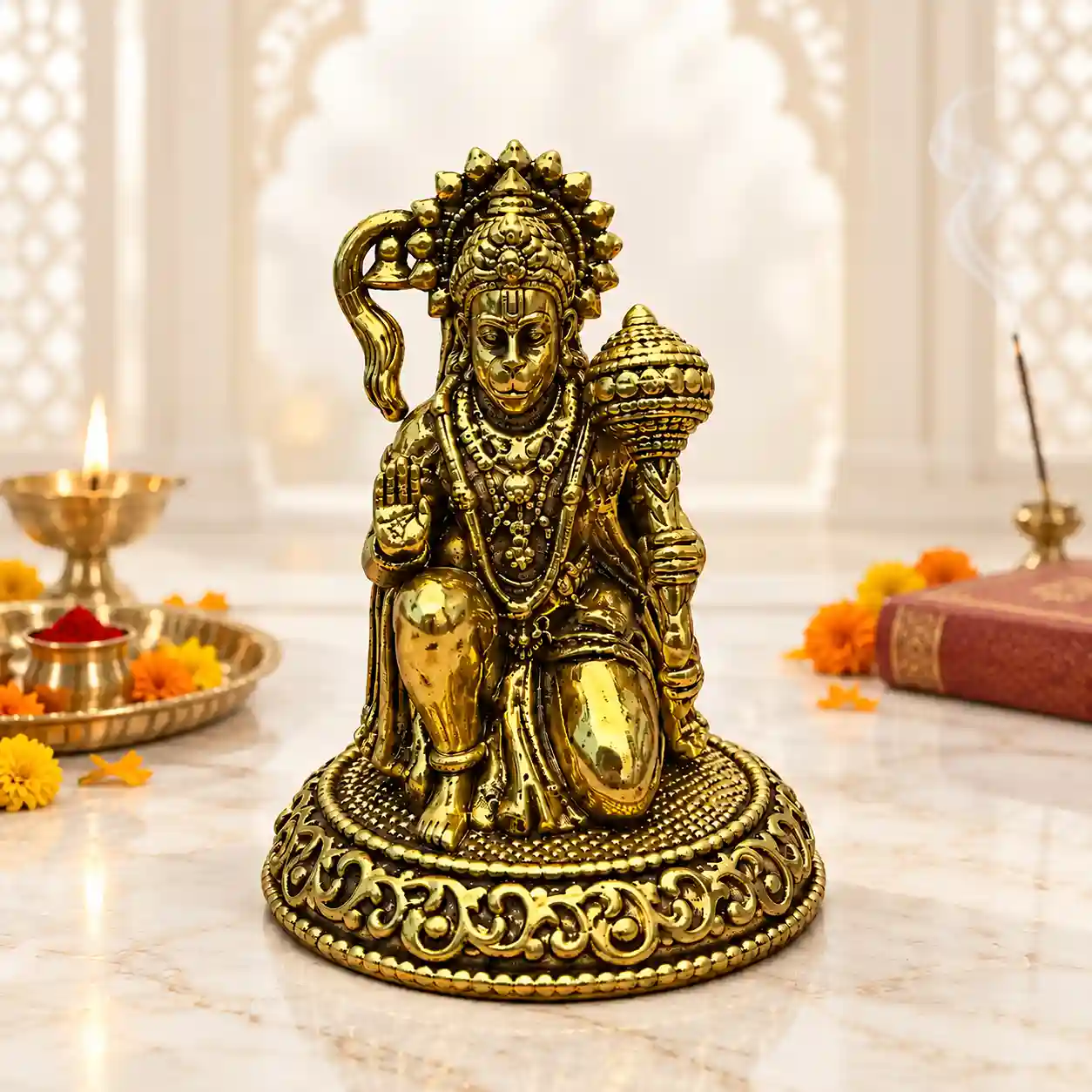
- • Hanuman Ji — Courage, surrender and unwavering bhakti.
- Together, they remind devotees that spiritual and family harmony is nurtured through love, duty, respect and devotion.
- • Rama embodies Dharma and righteous leadership.
- • Sita represents devoted strength and purity.
- • Lakshmana symbolizes loyal service and sacrifice.
- • Hanuman represents Dasya Bhakti—complete devotion through selfless service.
Their united presence symbolizes family harmony, spiritual discipline and devotion centred on Dharma.
- • Inspiring Dharma and righteous living.
- • Encouraging family unity and mutual respect.
- • Strengthening devotion and surrender.
- • Cultivating courage and selfless service.
- • Creating a peaceful devotional atmosphere.
- • In a clean home mandir or dedicated puja space.
- • On a clean and elevated platform.
- • In an area maintained with devotional reverence.
- • In a clean home mandir or dedicated puja space.
- • On a clean and elevated platform.
- • In a peaceful area maintained respectfully for worship.
Placement practices may vary according to family traditions and sampradayas.
- • Daily Shri Rama Puja and Aarti.
- • Ram Navami worship.
- • Ramayana or Ramcharitmanas Path.
- • Bhajan, Ram Naam Japa and devotional prayers.
- • Housewarming, weddings and other auspicious gifting occasions.
- 1. Who is represented in Ram Darbar?
- Ram Darbar traditionally depicts Lord Rama, Mata Sita, Lakshmana Ji and Hanuman Ji, symbolizing Dharma, devotion, loyalty, seva and family harmony.
- 2. Why is Hanuman Ji shown with Shri Ram Darbar?
- Hanuman Ji represents Dasya Bhakti, the path of complete devotion and selfless service to Lord Rama.
- 3. Can Ram Darbar be worshipped daily at home?
- Yes. Shri Ram Darbar may be respectfully placed in a home mandir for daily puja, aarti, Ram Naam Japa and devotional prayers.
- 4. Is Ram Darbar especially suitable for Ram Navami?
- Yes. Ram Darbar holds special devotional significance during Ram Navami, Ramayana Path and other Shri Rama observances.
- 5. Is Ram Darbar suitable for gifting?
- Yes. Its symbolism of Dharma, devotion and family harmony makes it a meaningful spiritual gift for housewarmings, weddings, festivals and other auspicious occasions.
- Pure Brass Shri Ram Darbar Murti | Lord Rama Family Idol | Brass Ram Parivar Idol | Lord Rama with Sita Lakshman Hanuman Idol | Brass Ram Darbar Statue | Ram Ji Family Murti | Sita Ram Lakshman Hanuman Brass Idol | Traditional Ram Darbar Idol | Brass Ram Parivar Murti | Shri Ram Family Brass Statue | Ram Darbar Idol for Home Temple | Pure Brass Ram Ji Murti | Hindu God Ram Darbar Idol | Brass Lord Rama Family Statue | Devotional Ram Darbar Showpiece
- The spiritual significance and worship guidance above are based on traditional Hindu beliefs, the Ramayana tradition and long-standing devotional practices. Customs may vary according to region, family tradition and sampradaya.
_11zon.webp)
_11zon.webp)
_11zon.webp)
_11zon.webp)