


_9_11zon.webp)


_15_11zon.webp)



Frequently Asked Questions
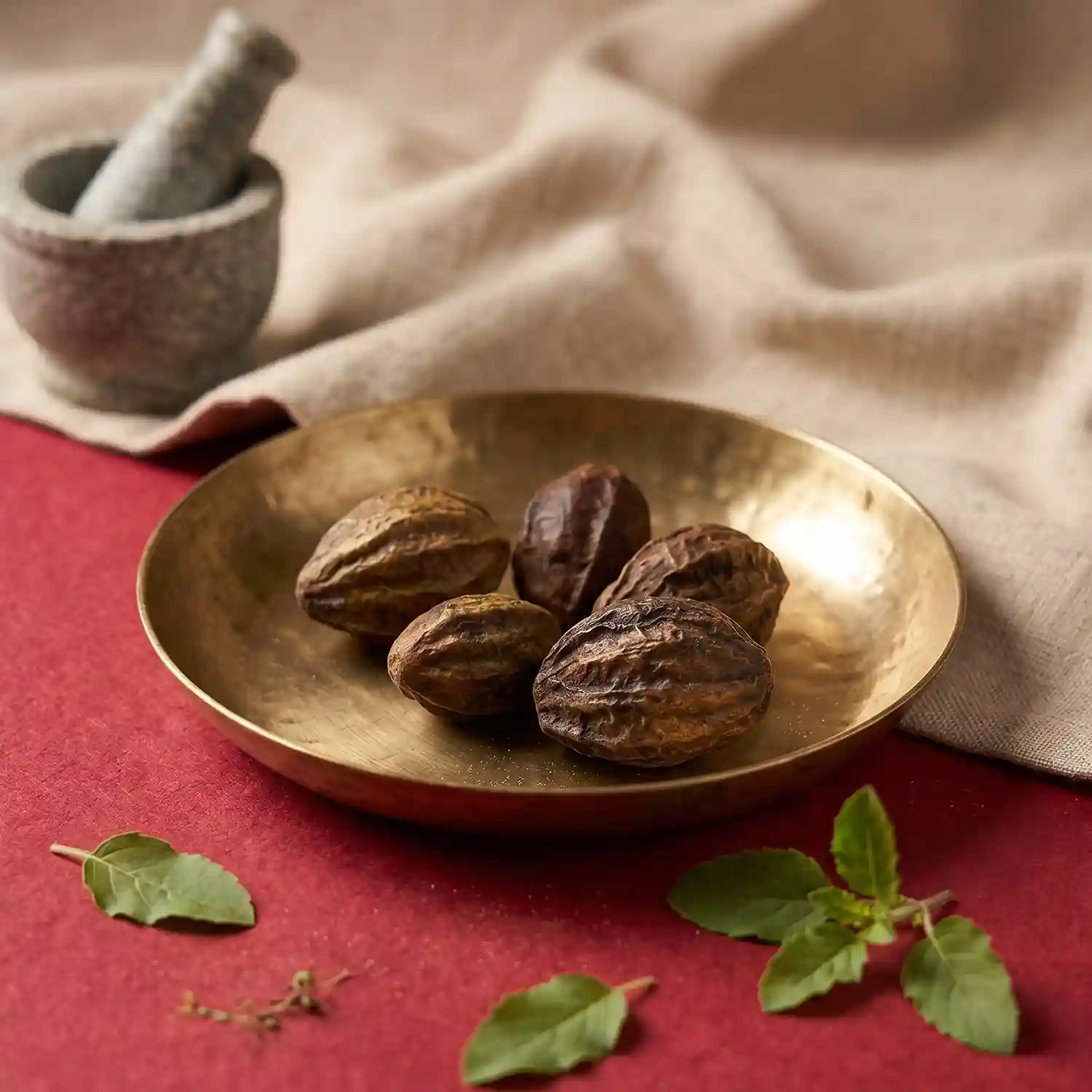
- Q1: Why does this kit include "Sukha Amla" (Dried Indian Gooseberry) as an offering instead of just traditional sweet foods?
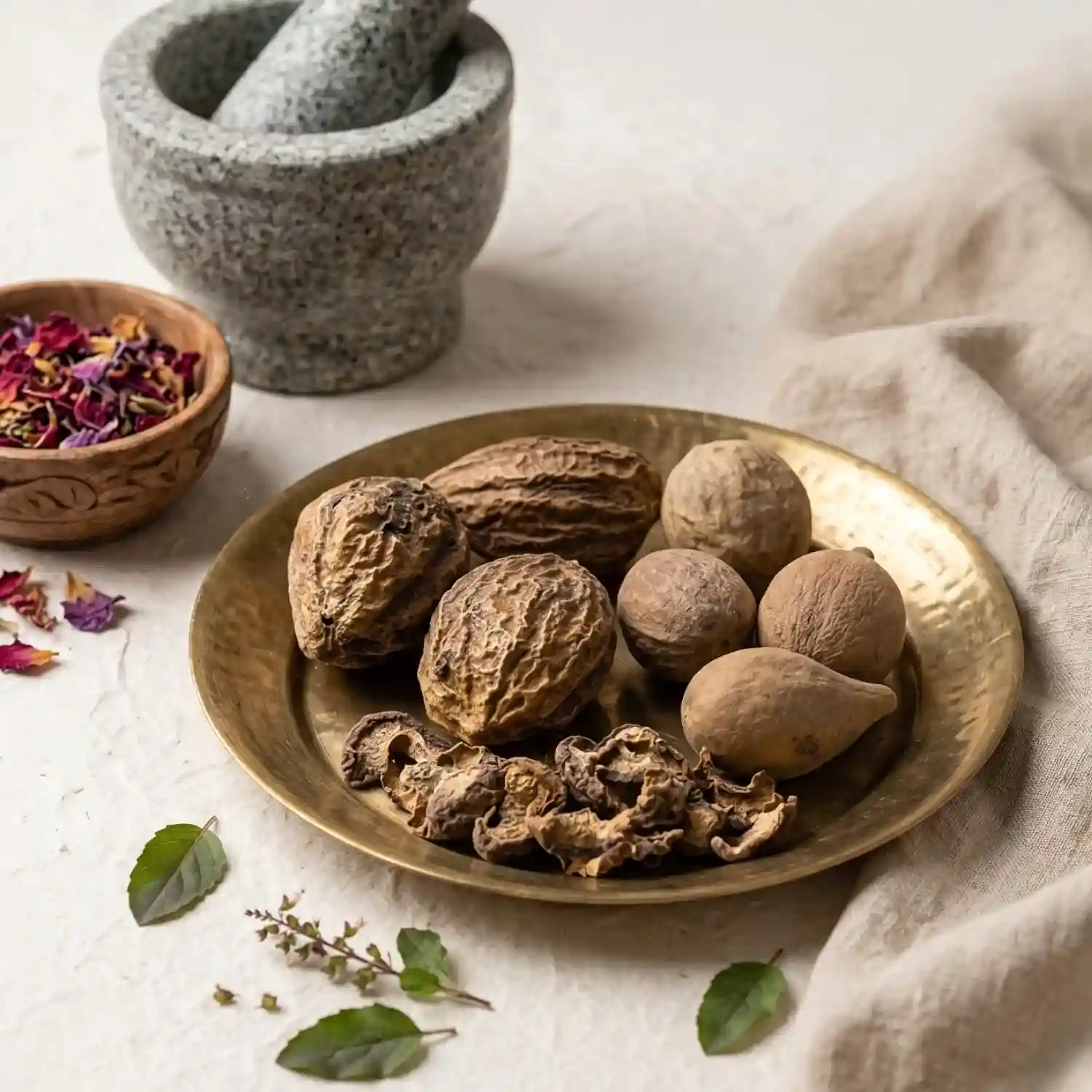
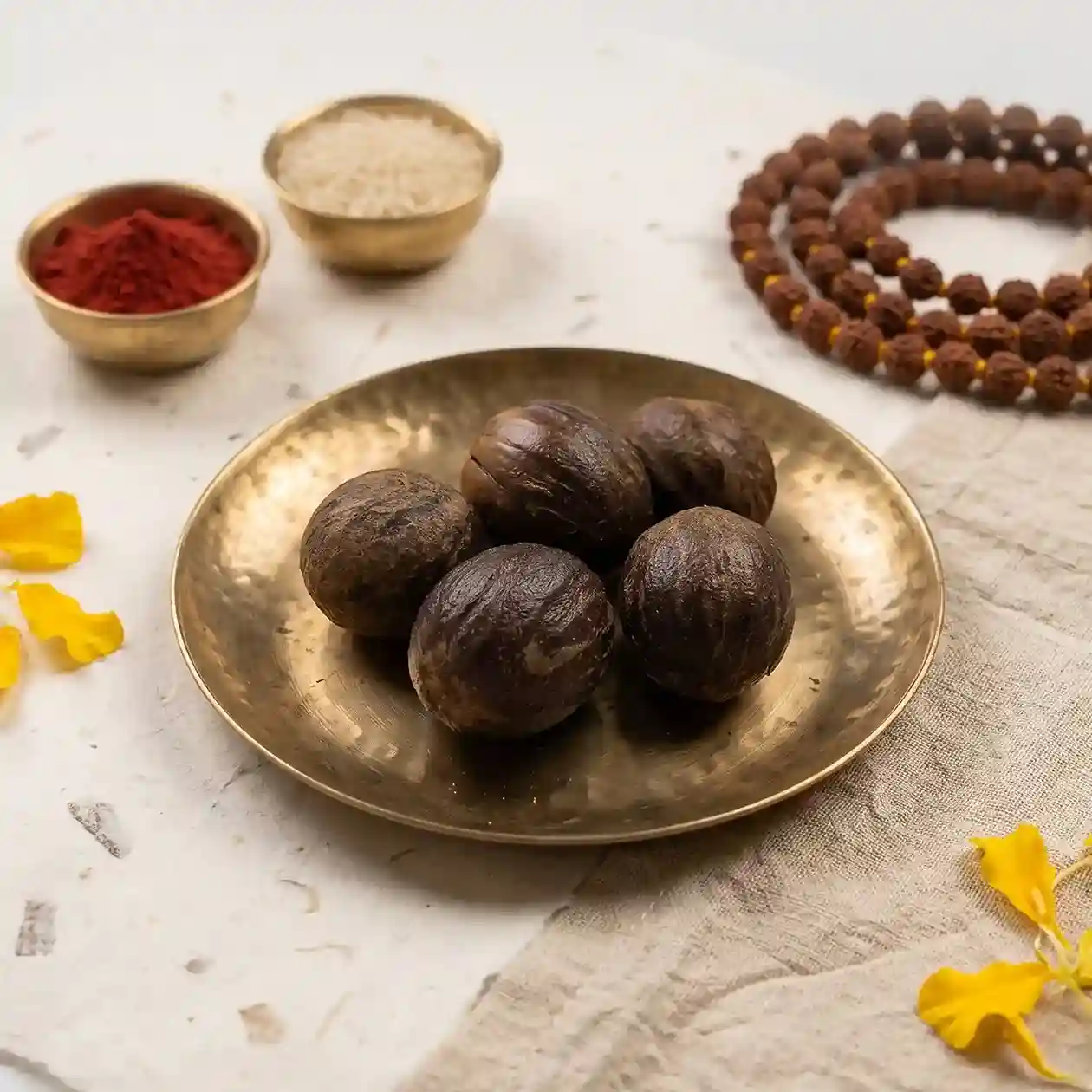
- For Beginners & Health Enthusiasts: Lord Dhanvantari is the divine physician and the supreme father of Ayurveda! While sweet food and fruits are always offered to the Lord as a standard gesture of deep devotion, offering a deeply medicinal, immune-boosting herb like Dry Amla perfectly honors His specific role as the cosmic healer. When your family consumes this specific Prasad (blessed food) after the puja, you are actively receiving His tangible, physical blessings for immunity and long-lasting health!
- Q2: Since this puja is dedicated to health and healing, who in our household should be given the blessed food (Prasad) first?
- For Householders & Families: The classical scriptures have a beautiful, compassionate rule for this that perfectly aligns with Lord Dhanvantari's healing nature. The Apastamba Dharma Sutra explicitly dictates that when distributing food, the householder must first feed guests, infants, old or sick people, and pregnant women. By prioritizing the vulnerable and those needing health the most, you are actively practicing the true, protective Dharma of a householder!
- Q3: We see Ganga Jal included. Besides physical cleanliness, what is the deeper spiritual philosophy of using water in our daily healing prayers?
- For Beginners & Spiritual Seekers: The Vedic NityaKarma beautifully explains the deep spiritual psychology behind this daily act. It teaches that in order to lead a truly healthy and happy life, a human must purify all aspects of their existence, noting that "water purifies the body, truth the mind, knowledge the intellect and penance the soul". Using the pure Ganga Jal reminds the beginner that washing the physical body is just the essential first step toward total holistic health!
- Q4: When setting up the domestic fire (Havan) for Lord Dhanvantari, how should we clean the altar space once the fire is burning?
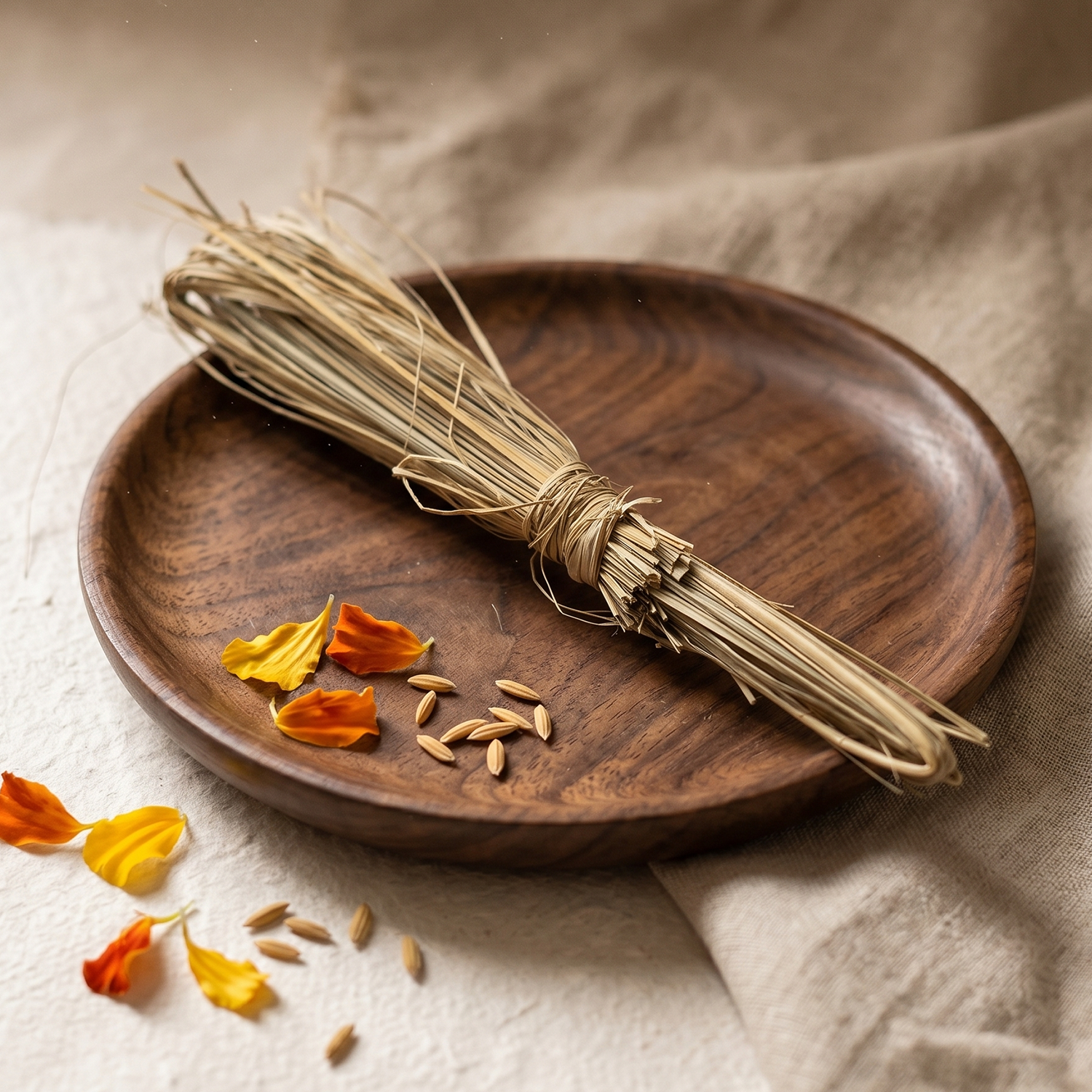
- For Experienced Practitioners: There is a highly specific, often-overlooked classical rule for this! According to the Apastamba Grhya Sutra, once you have made the sacred fire burn brightly by adding fuel, you must wipe the ground around the altar using only your hand, and strictly not with a broom made of Kusha grass. Knowing these precise, advanced domestic fire rules ensures your healing Homa is scripturally flawless!
- Q5: Are there any classical grooming rules we should follow before sitting for a major health and purification festival like Dhanteras?
- For Experienced Devotees: Yes! While general hygiene is expected every day, experienced practitioners follow specific lunar cycles for personal grooming to maintain ritual purity. The classical texts advise that trimming the hair and nails should ideally be done on the eighth day of the half-month, or on the specific days of the full and new moon. Aligning your physical grooming with these scriptural lunar rhythms perfectly prepares your body for the Divine Physician's worship!
_11zon.webp)
_15_11zon.webp)
_11zon.webp)
_11zon.webp)
_11zon.webp)
_2_11zon.webp)
_11zon.webp)




Bhit.jpg)
 Puja Kit.webp)
_5_11zon.webp)
_11zon.webp)
_11zon.webp)
_11zon.webp)
_11zon.webp)
_11zon.webp)
_11zon.webp)
_11zon (1).webp)