

_9_11zon.webp)


_15_11zon.webp)






.webp)





_11zon.webp)




.webp)




_11zon.webp)
_11zon.webp)
Frequently Asked Questions
- Q1. Can I perform this industrial puja myself without a priest?
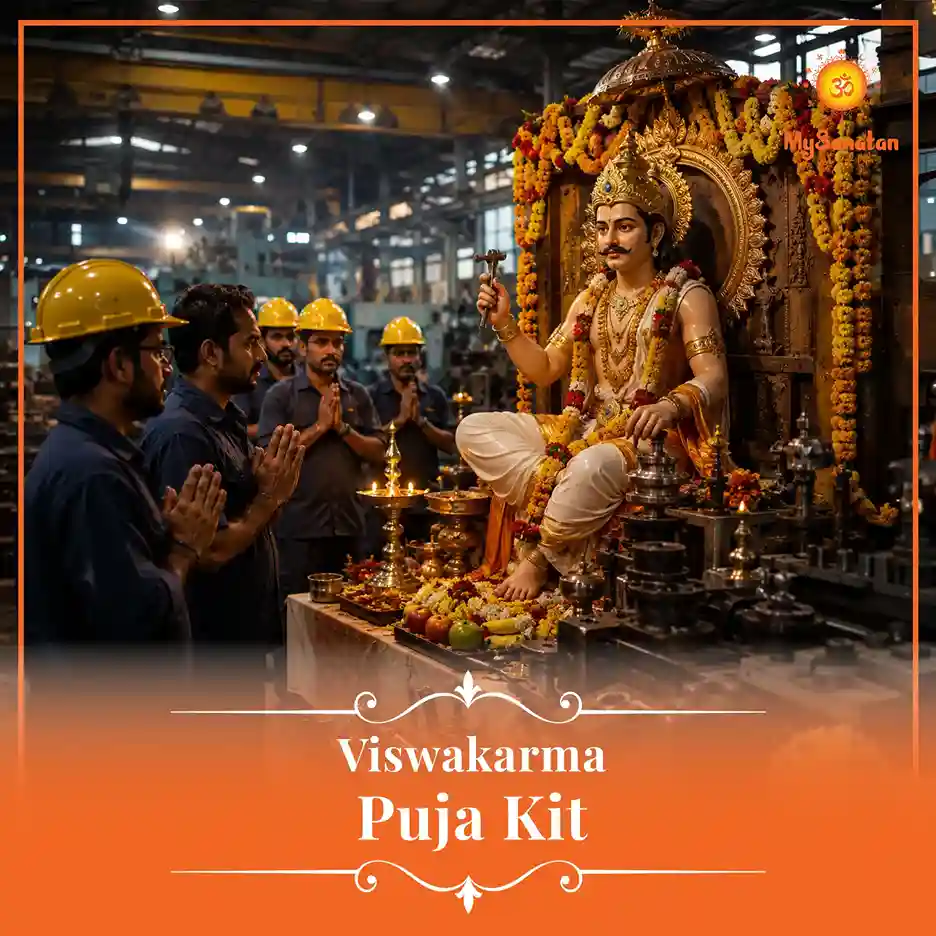
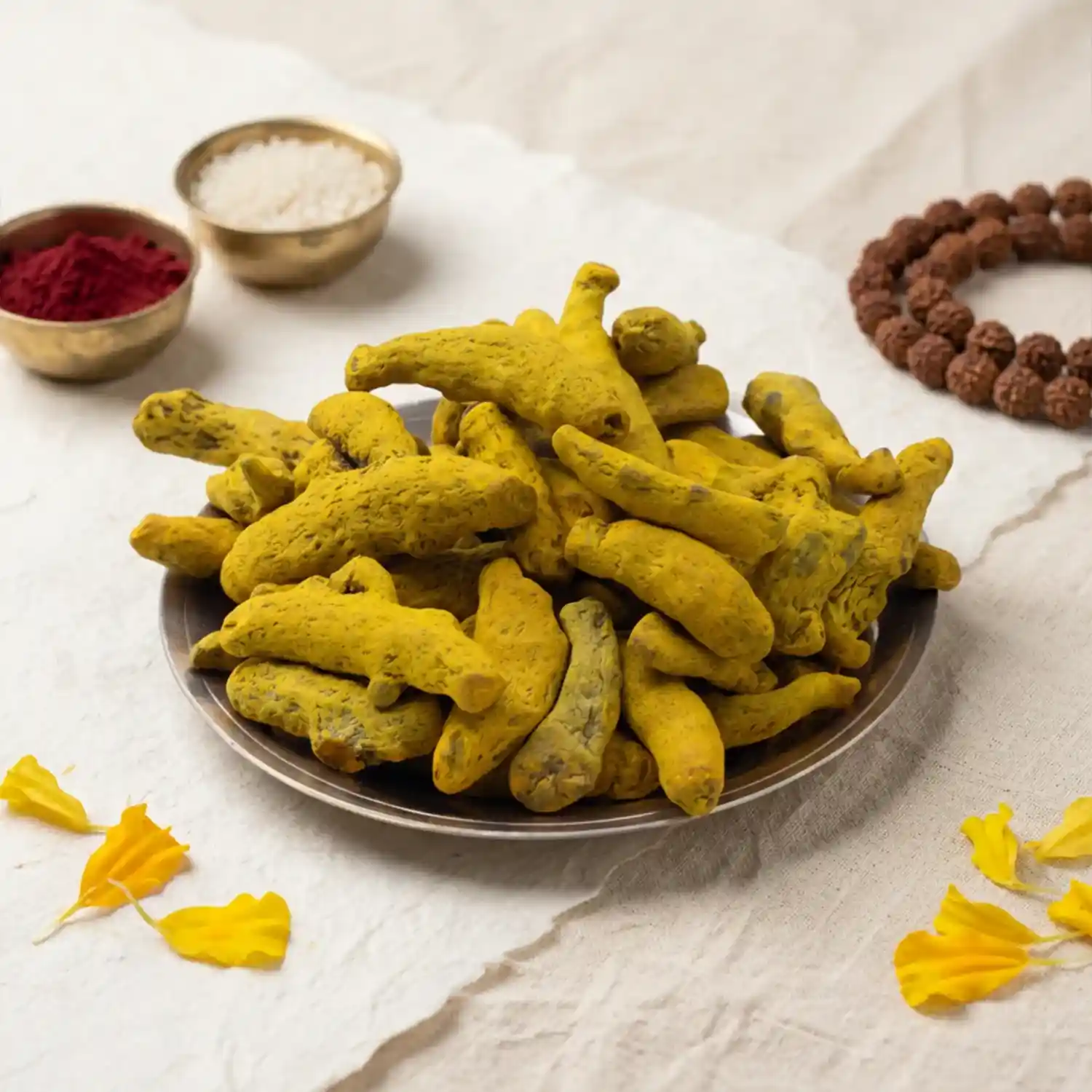
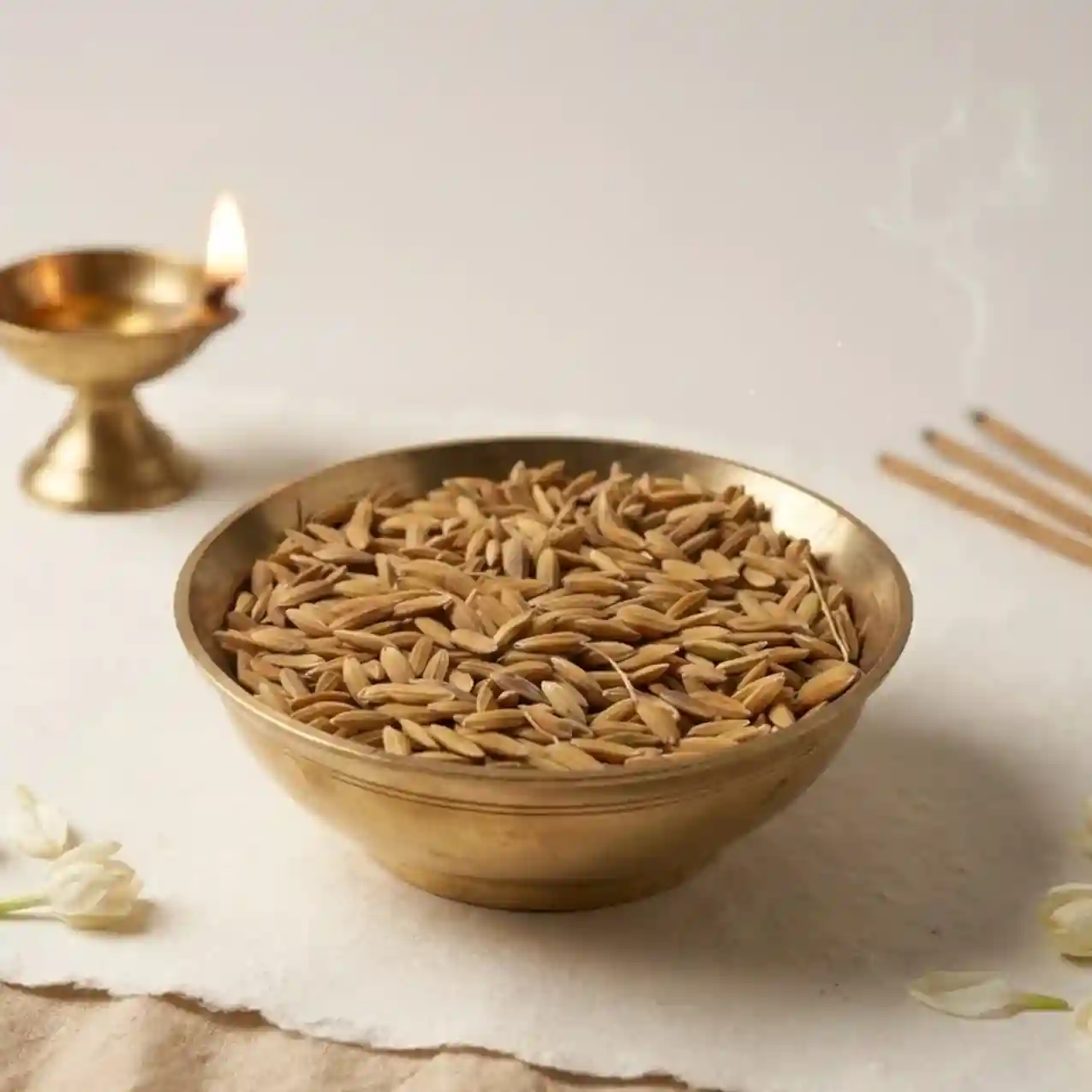
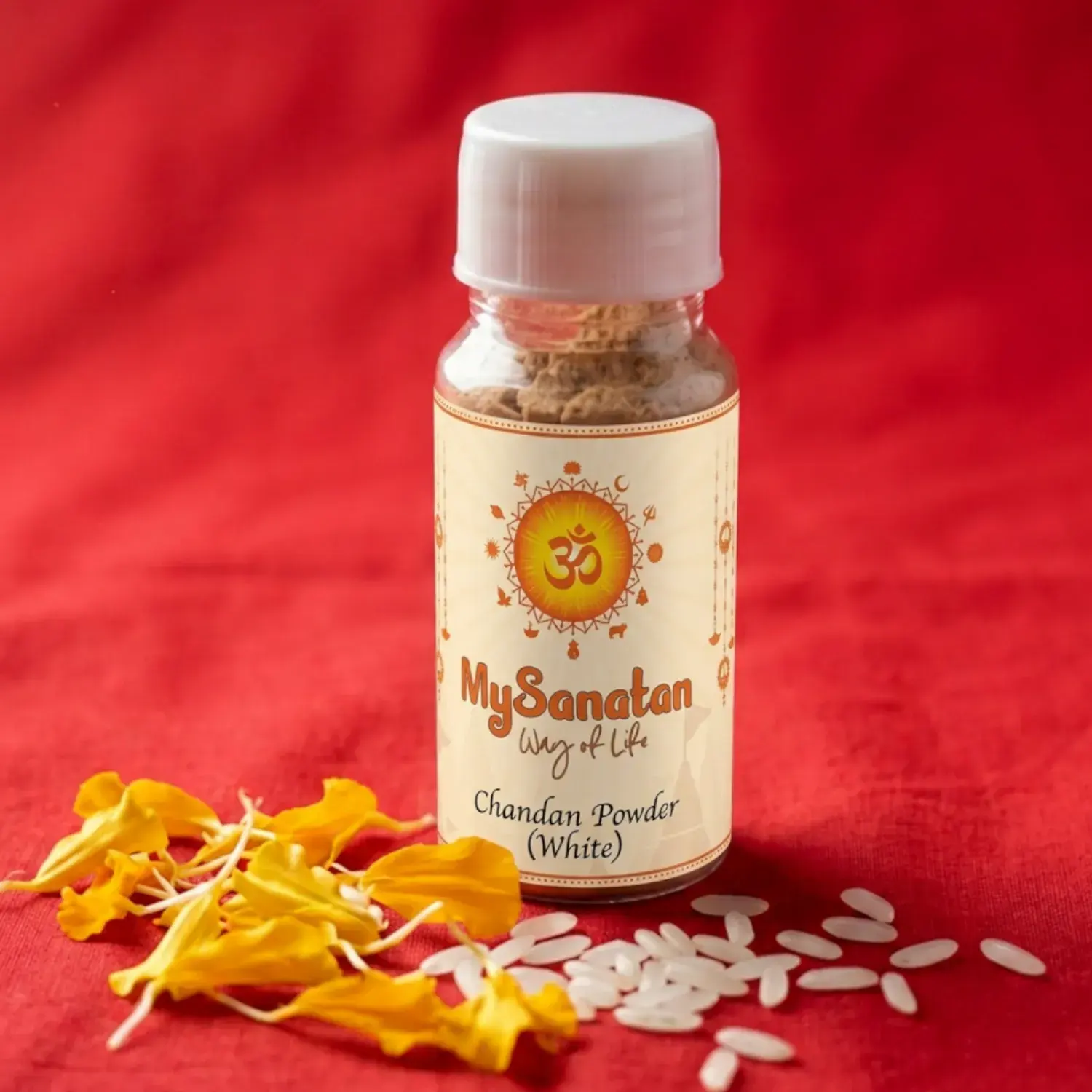
- Yes, absolutely. This kit features a dual-purpose design. If you are a small workshop or garage owner doing a self-guided puja, you can follow a straightforward 5-step process. You will primarily use the purification items (Ganga Jal), foundational tilaks (Ashtagandha, Sindur, Chandan), and offering items (Akshat Rice, Paddy, Agarbatti, and Camphor) to bless your workspace and tools.
- Q2. Where exactly should I place my tools or machinery during the ritual?
- Thoroughly clean all your equipment before the puja begins. Portable tools, laptops, instruments, or keys should be placed directly on or next to the Puja Place in front of Lord Viswakarma’s picture. For heavy, immovable machinery or commercial vehicle fleets, you can worship them right where they stand by sprinkling Ganga Jal and applying the Sindur and Chandan tilaks directly onto them.
- Q3. Why does the kit include heavy woods and fire samagri if I'm not doing a Havan?
- We included them so the kit remains entirely comprehensive. If you are doing a simple, independent shop puja, you can set aside the Bel Kath (Bael wood), Joggo Dumur Pata (Audumbar leaves), and Havan Samagri. These are specifically pre-stocked for large-scale factory setups where a priest is hired to execute a formal fire sacrifice.
- Q4. Is there a strict rule regarding where I should place the lighted Diya?
- Yes. To maintain scriptural alignment based on traditional manuals like the Purohit Darpan, your lighted lamp (Diya) prepared with the provided Cow Ghee must always be placed strictly on the right side of the deity during the worship.
- Q5. What immediate protection does this puja provide to my daily business operations?
- Spiritually, the ritual acts as an active safety shield over your workspace. It invites divine energy to ensure occupational safety, significantly reducing the risk of sudden machinery breakdowns, technical failures, or industrial accidents on the shop floor.
- Q6. What is the ritual purpose of the Teer Kathi and Ganga Mitti included in the kit?
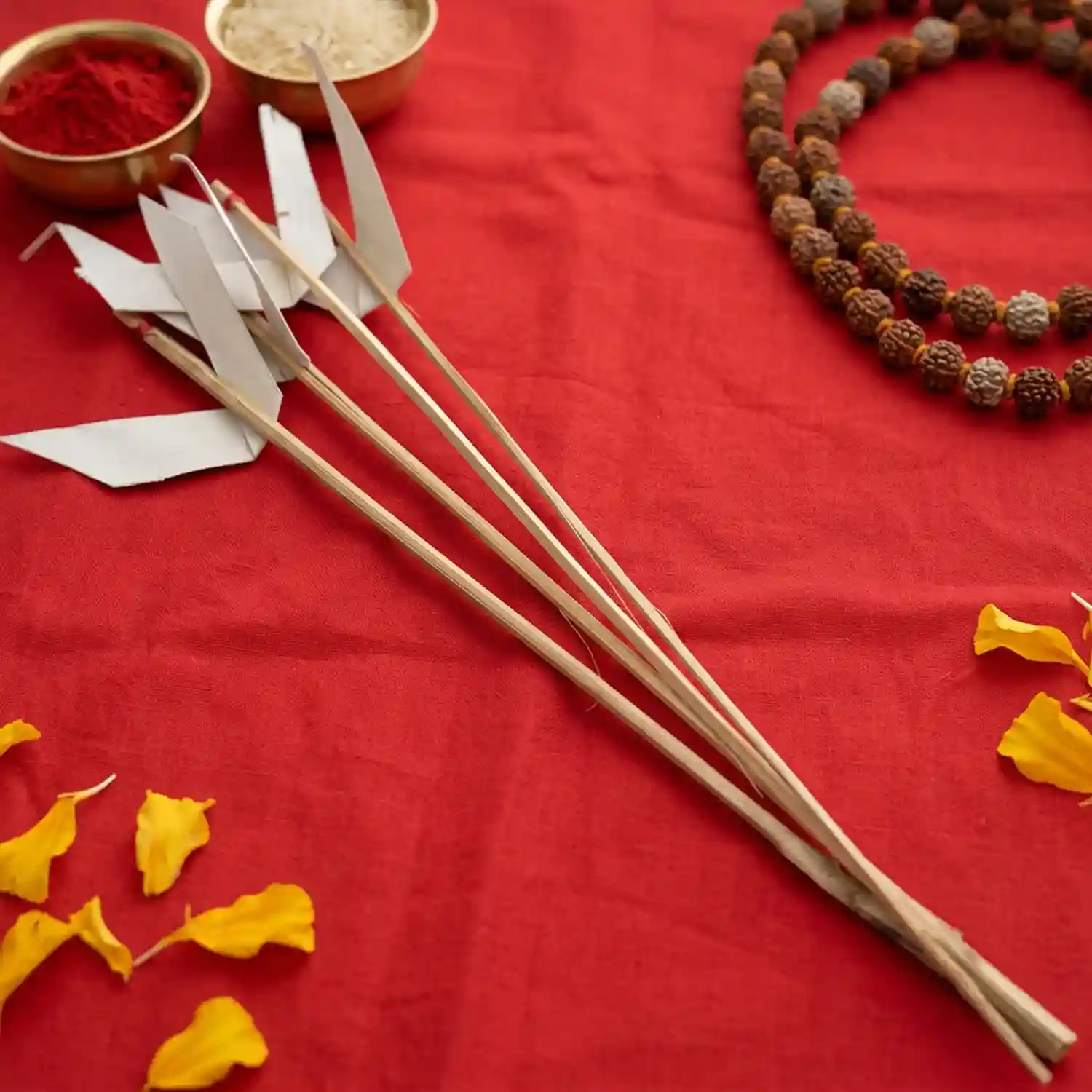
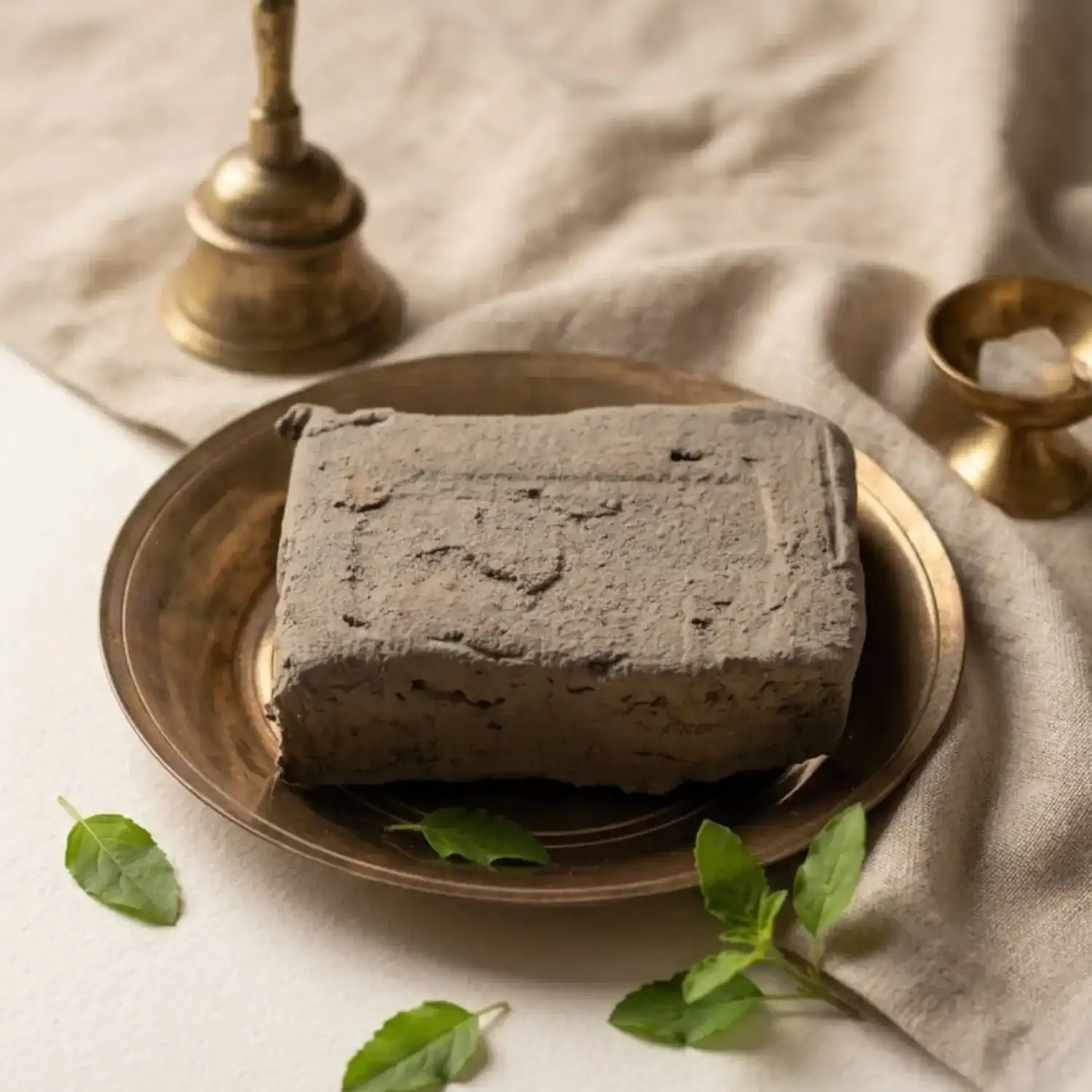
- These are authentic Eastern Indian (Bengali/Oriya) requirements for Ghot Sthapana (establishing the Holy Pot). The Ganga Mitti (Sacred Ganga Clay) forms the purifying foundational base. The four bamboo Teer Kathi (arrows) are fixed into the clay around the four corners of the pot and connected by the Raksha Sutra to form a protective spiritual perimeter that locks in the deity's energy.
- Q7. How should the Madhu Parker Bati be utilized during the 16-step worship?
- In the formal Shodashopachar (16-step) sequence, the 6th step requires offering Madhuparka—a highly sacred, sweet blend of pure honey and cow ghee. We have included a specific, large traditional bowl (Bati) so the priest can mix and present this royal meal flawlessly to Lord Viswakarma.
- Q8. Why are there two distinct types of Chandmala provided in this kit?
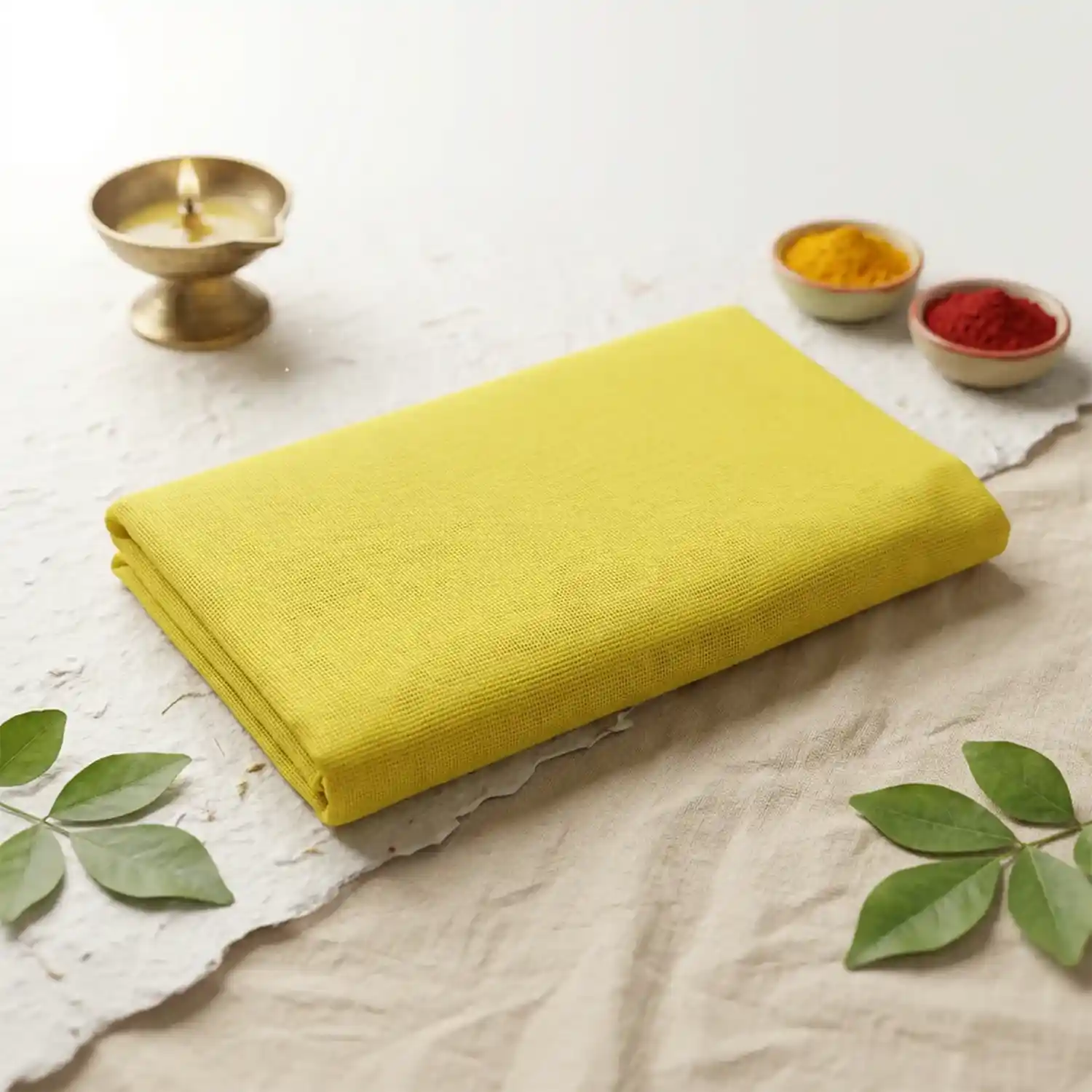
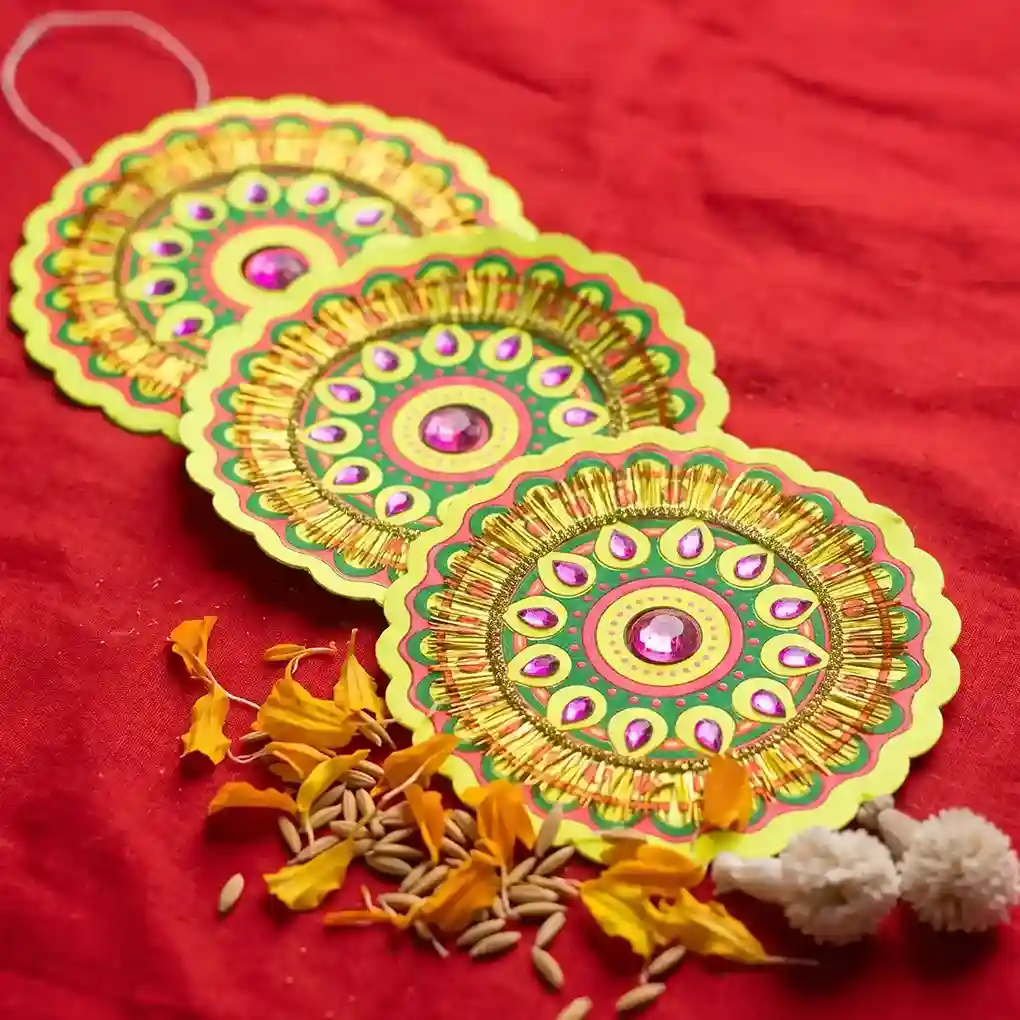
- The kit includes two sizes to satisfy separate scriptural layout rules: the smaller Chandmala is explicitly sized to drape over the Gamcha and adorn the Ghot (Holy Pot), while the larger Chandmala serves as a hanging deity adornment to enhance the aesthetic background of the main deity frame or idol.
- Q9. How do the Pancha Guri and Pancha Rang factor into the setup?
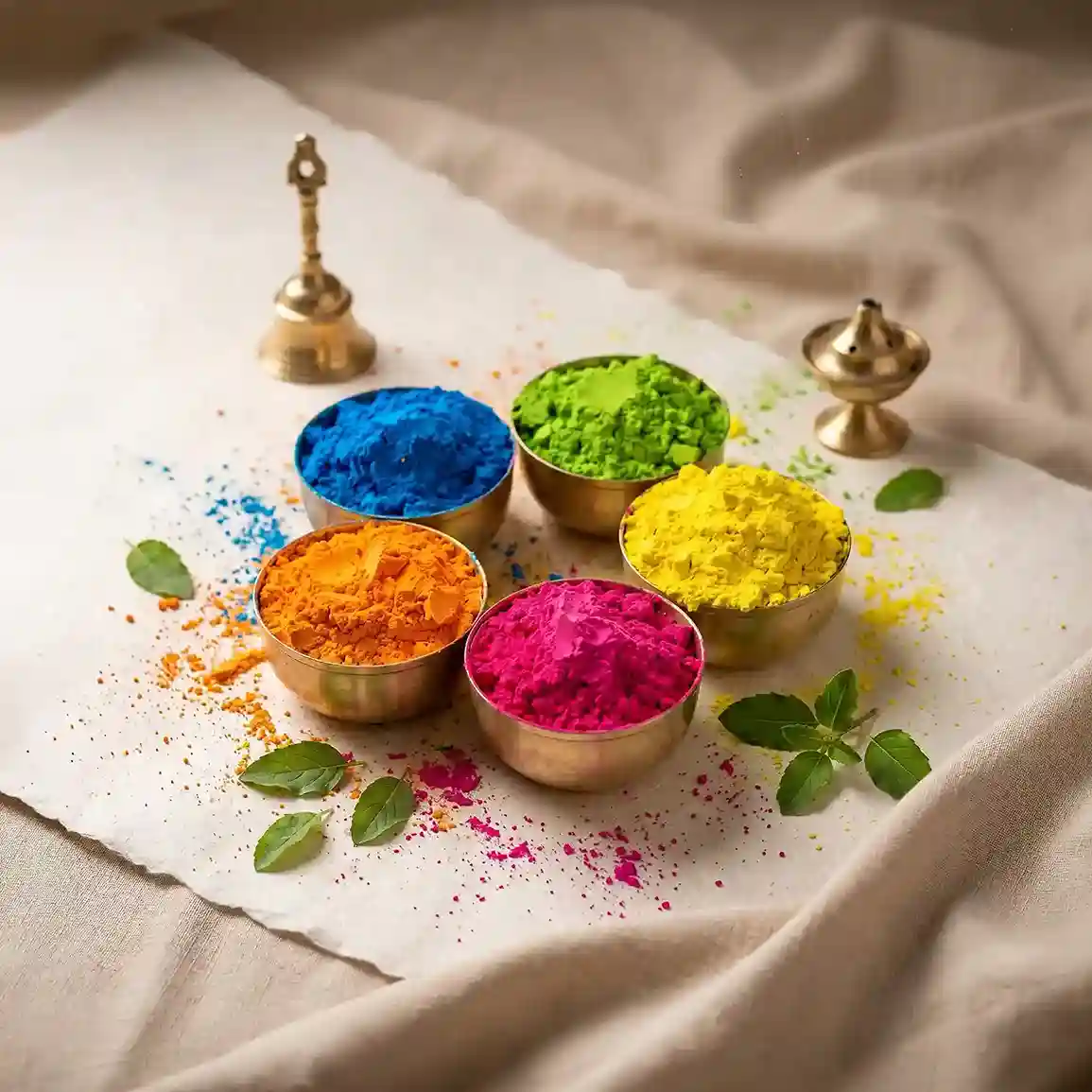
- The Pancha Guri (Five Sacred Powders) and Pancha Rang (Five Colours) are vital for advanced elemental purifications (Bhuta-shuddhi) and for drawing the sacred mandalas upon which the Puja Place and the Ghot are seated, aligning the industrial floor with cosmic geometry.
- Q10. What role do the Chhobra, Dhuna, Guggal, and Chawar play at the climax of the ritual?
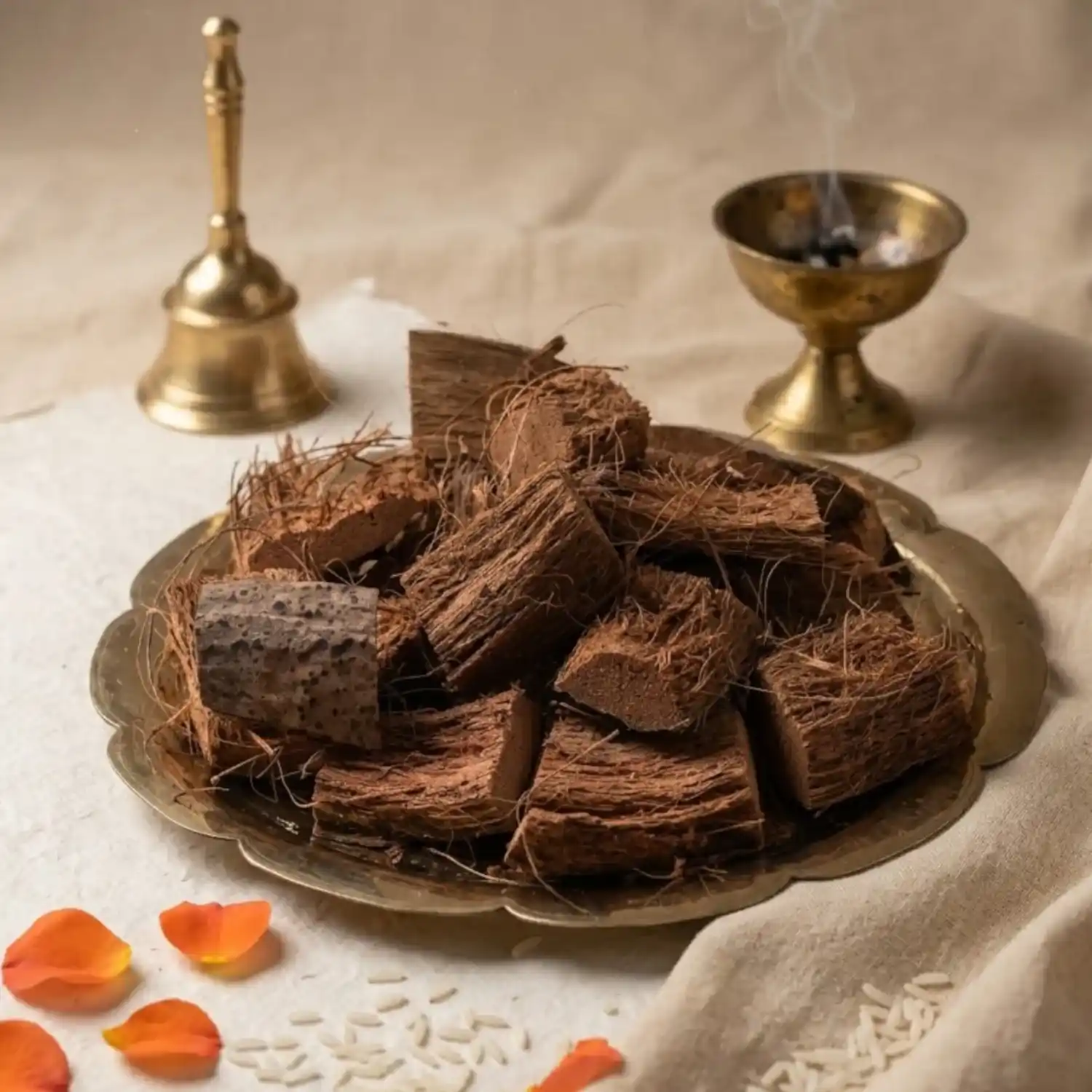
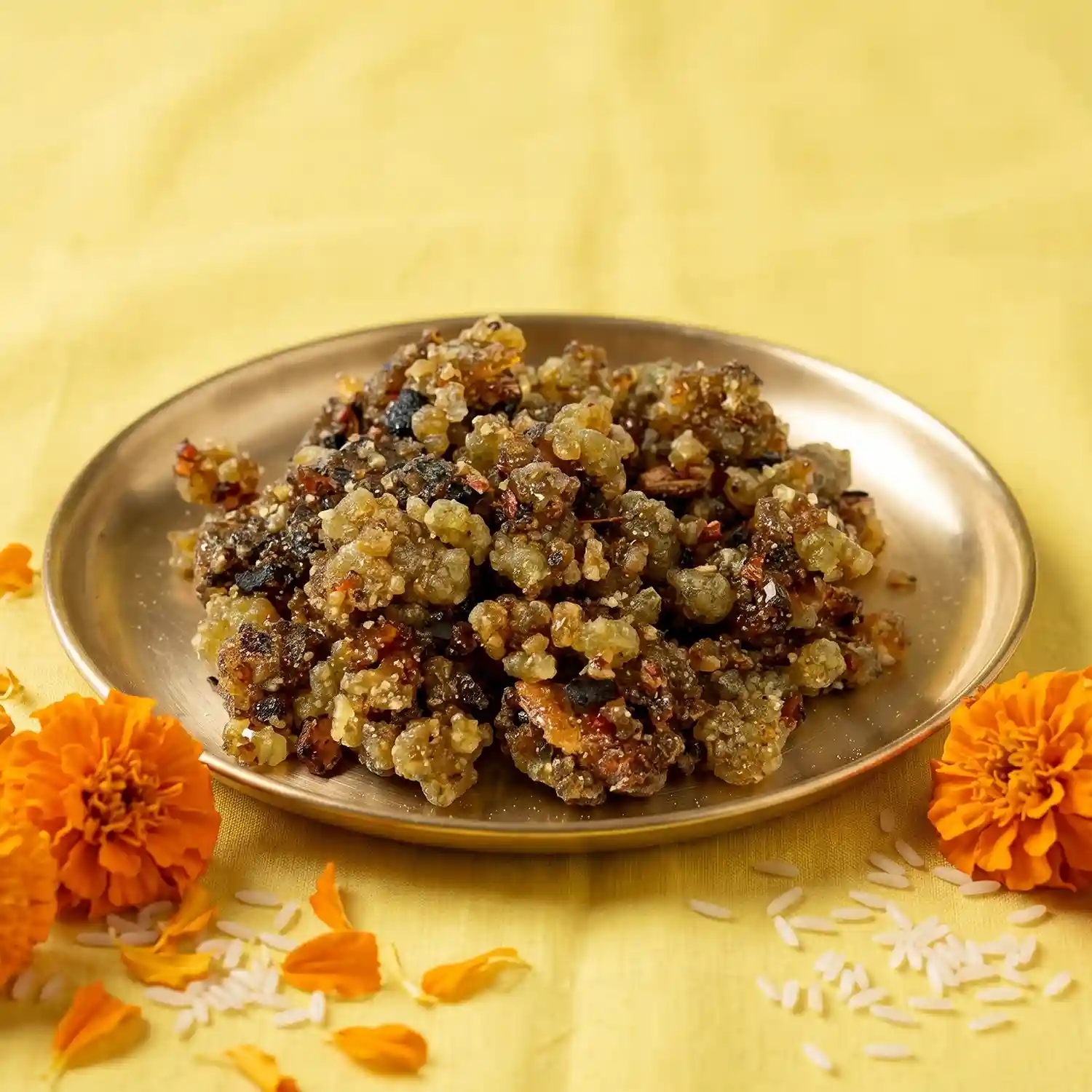
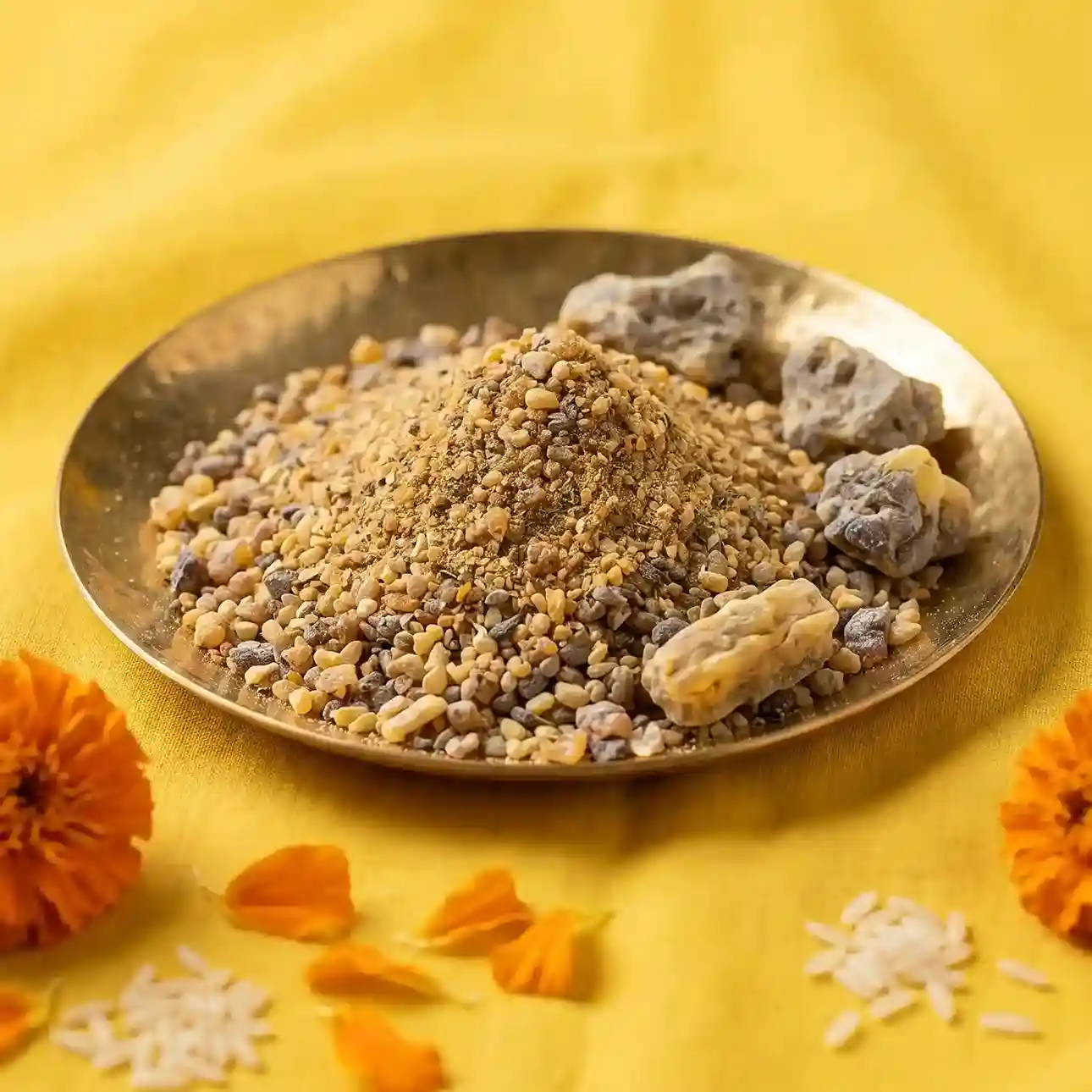
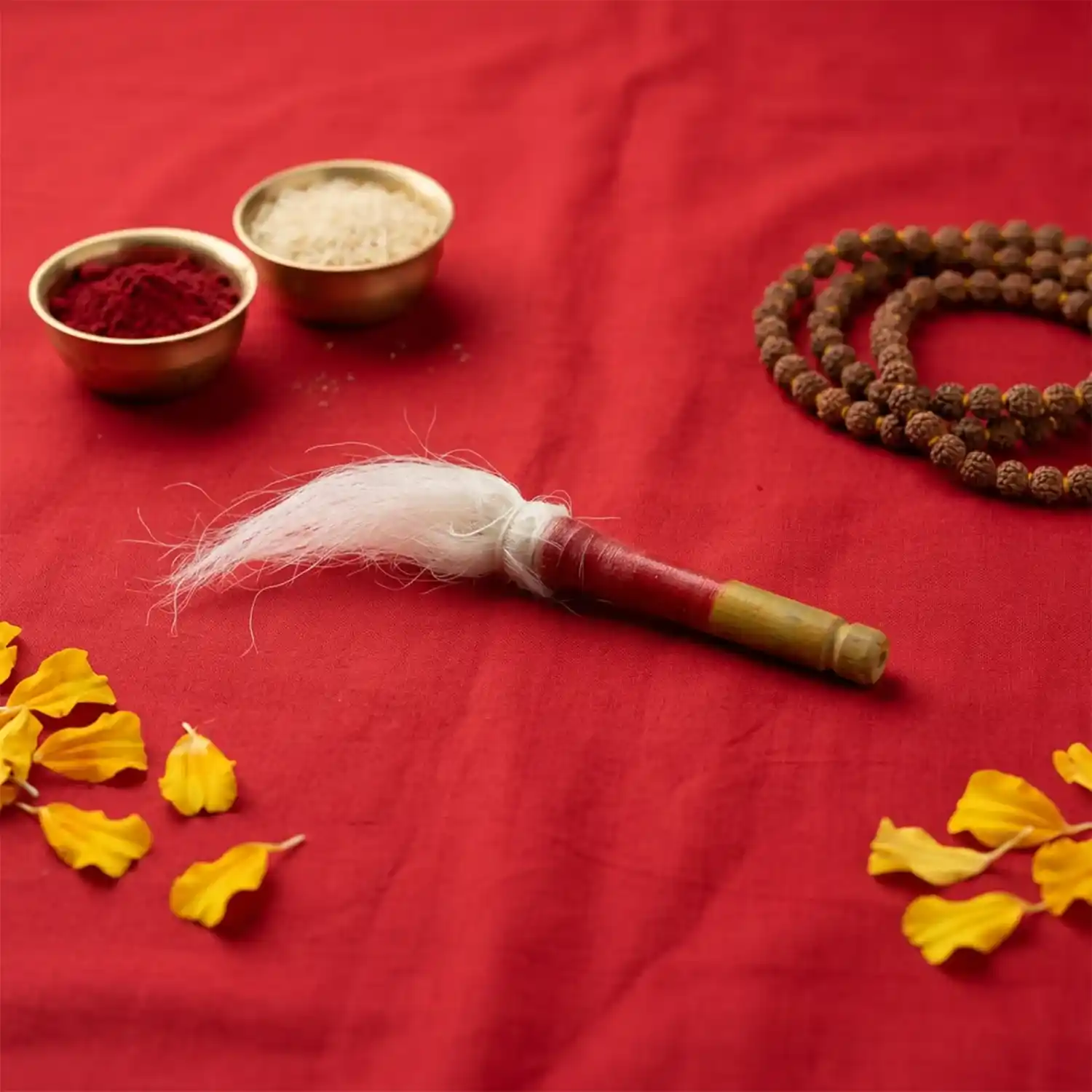
- These elements are reserved for the grand finale of the Factory Homa. The Chhobra (coconut husk), Dhuna Powder, and Guggal are burned together to create a dense, intense smoke ceremony that purifies the entire commercial property. The priest then uses the traditional Chawar (fan) to fan this sacred smoke across the machinery and assembly lines to clear away stagnant energy and complete the royal honors.