






_11zon.webp)
_11zon.webp)










Frequently Asked Questions
- Q1. How does this "Standard" Vastu Shanti Kit differ from a Bhumi Puja Kit?
- While both rituals harmonize your property, they are used at completely different operational stages:
- Bhumi Puja is performed on an empty plot of land before any construction or digging begins.
- Vastu Shanti Puja is performed after the structure is built or renovated—usually during a commercial inauguration or housewarming (Griha Pravesh)—to purify the indoor elements and correct architectural flaws before you start regular business operations.
- Q2. Can I use this kit to perform a Vastu Shanti by myself without a Pandit?
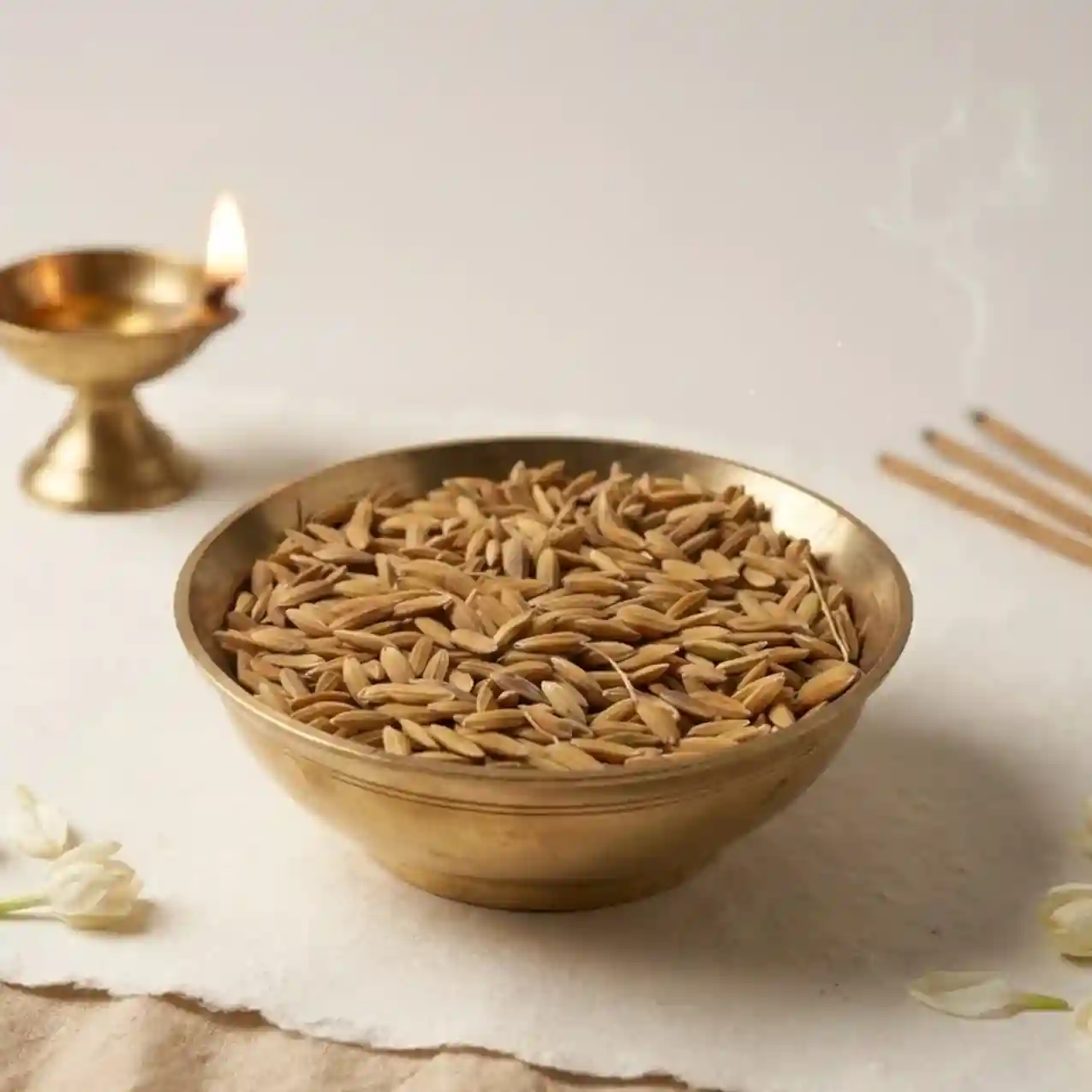
- For standard daily prayers, you can use basic elements like the Agarbatti, Camphor, and Akshat Rice to offer a simple 5-step (Panchopachar) token of respect to your workspace. However, a commercial Vastu Shanti is a highly intricate structural ceremony. Accurately drawing an 81-square grid and performing a planetary fire sacrifice requires a qualified Pandit. This kit is explicitly pre-stocked with advanced, hard-to-find ingredients to provide your priest with everything they need.
- Q3. Why should I perform a Vastu Shanti if I am moving into a pre-owned or leased commercial space?
- Pre-owned or rented properties often hold onto the stagnant financial stress, employee anxiety, or negative karmic imprints of the previous tenants. Furthermore, the existing layout might have structural flaws (Vastu Doshas). Performing this puja clears out old residual energy, resets the environment, and aligns the property with your specific business growth.
- Q4. My business is facing sudden machinery breakdowns and high staff turnover. Can this puja help?
- Yes, absolutely. In Vastu science, frequent mechanical failures, sudden revenue blocks, and friction between management and staff are clear indicators of corrupted energy fields. This ritual balances the five essential elements (Earth, Water, Fire, Air, and Space) across your property, dissolving invisible operational friction and building a more harmonious, productive workforce.
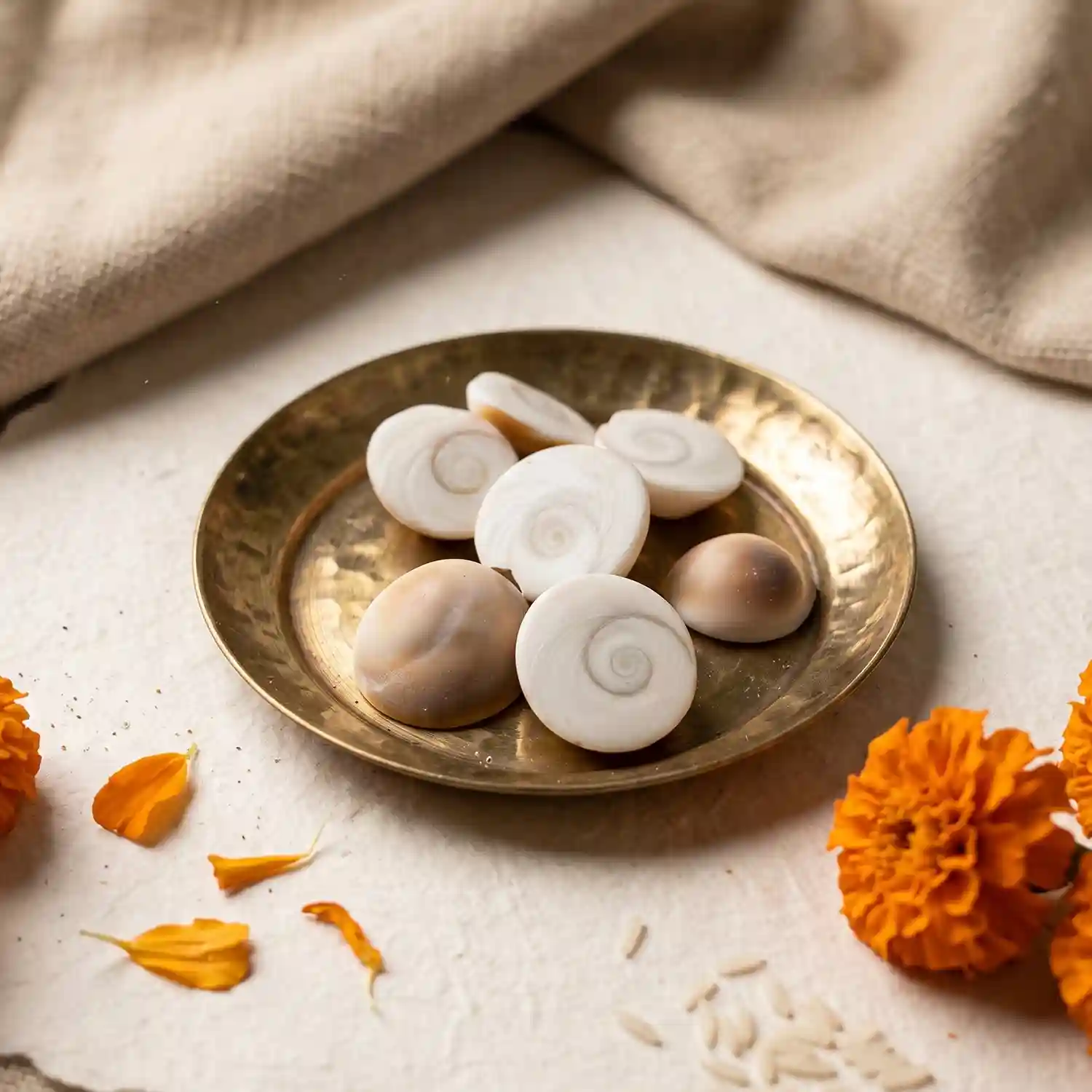
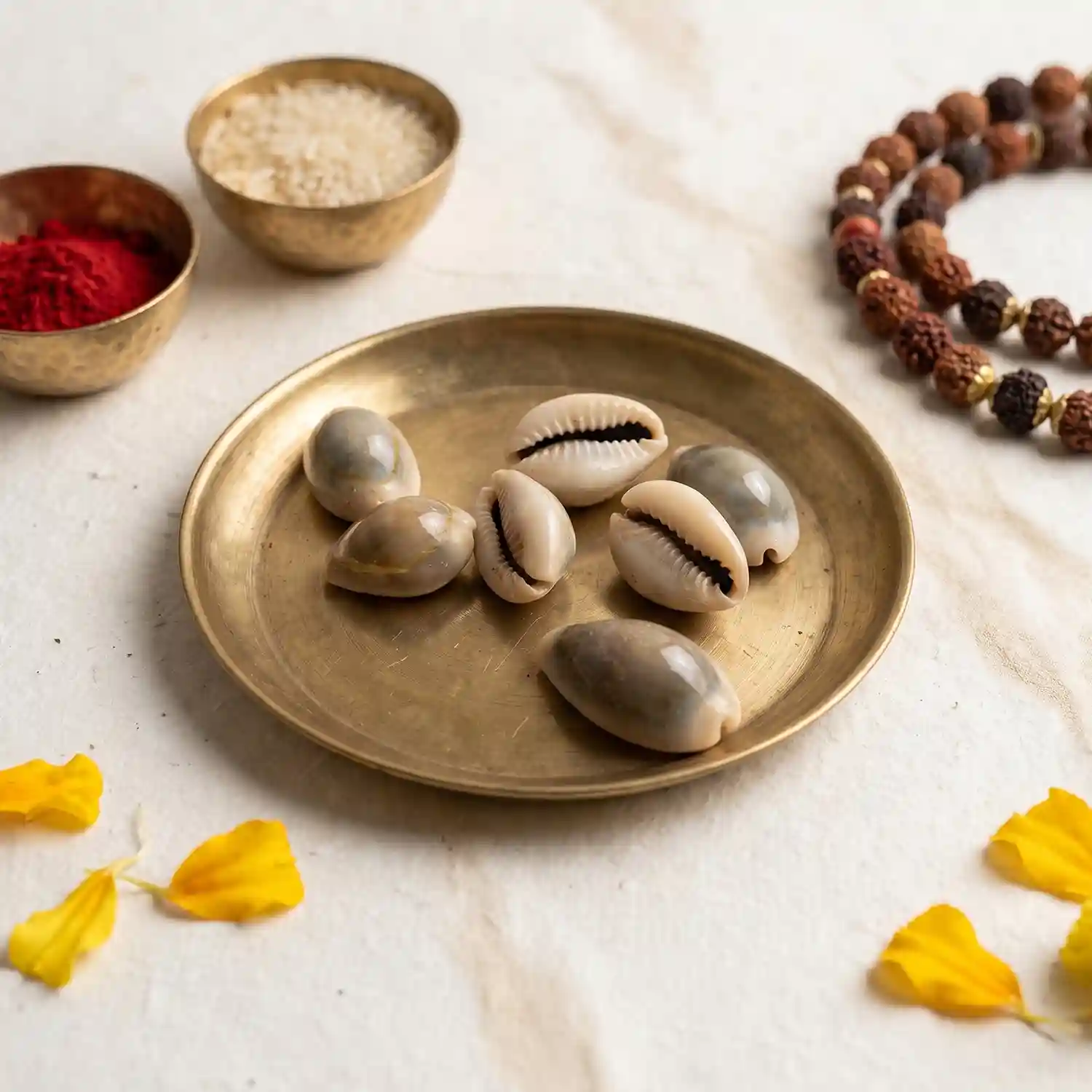
- Q5. What should I do with the Gomti Chakra and Cowrie Shells after the ceremony?
- Once your priest formally energizes these sacred items during the ritual, they turn into highly potent financial magnets. At the conclusion of the puja, you should either bury them under the main commercial entrance, place them in the property's foundation, or store them permanently inside your shop's cash register or safe to lock in steady cash flow.
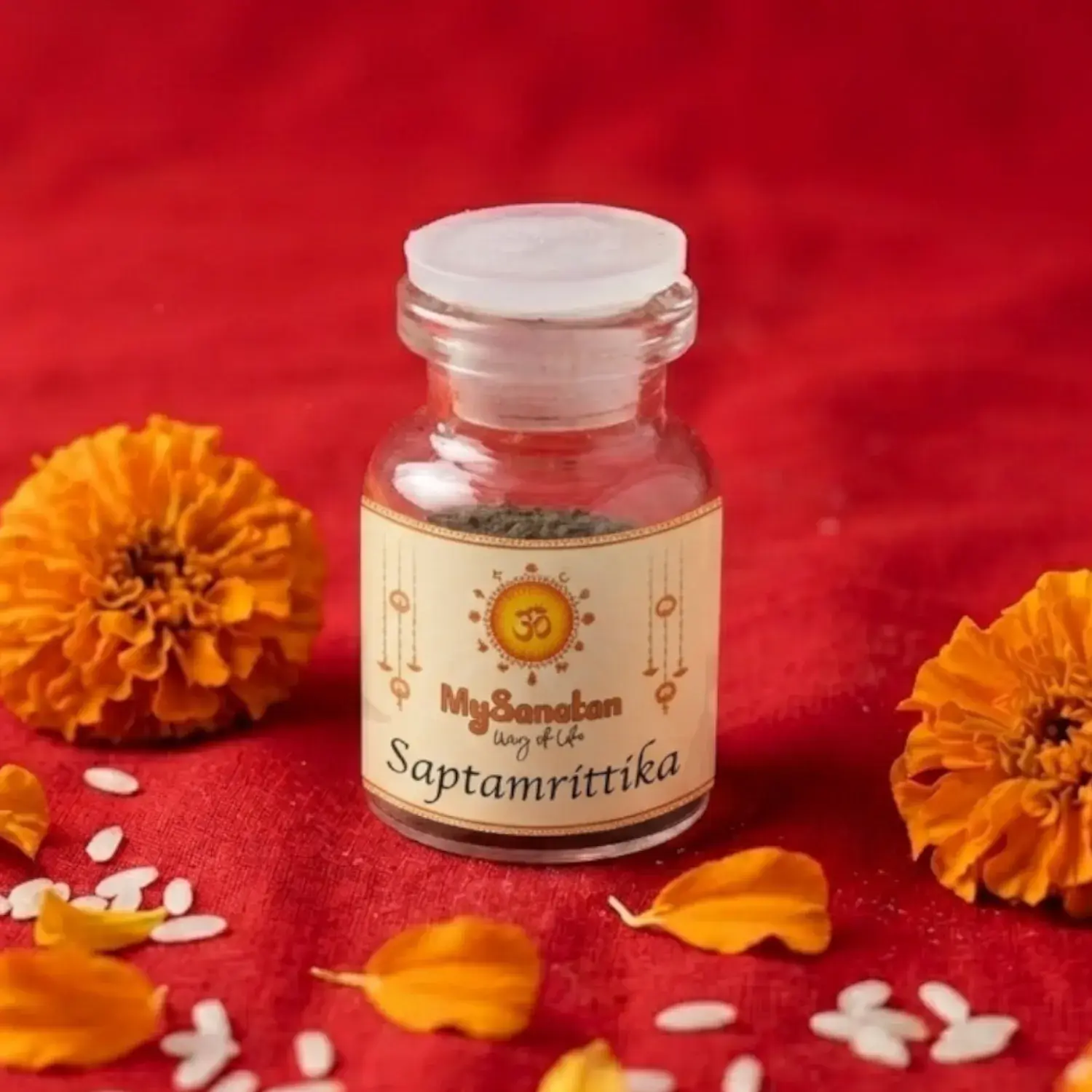
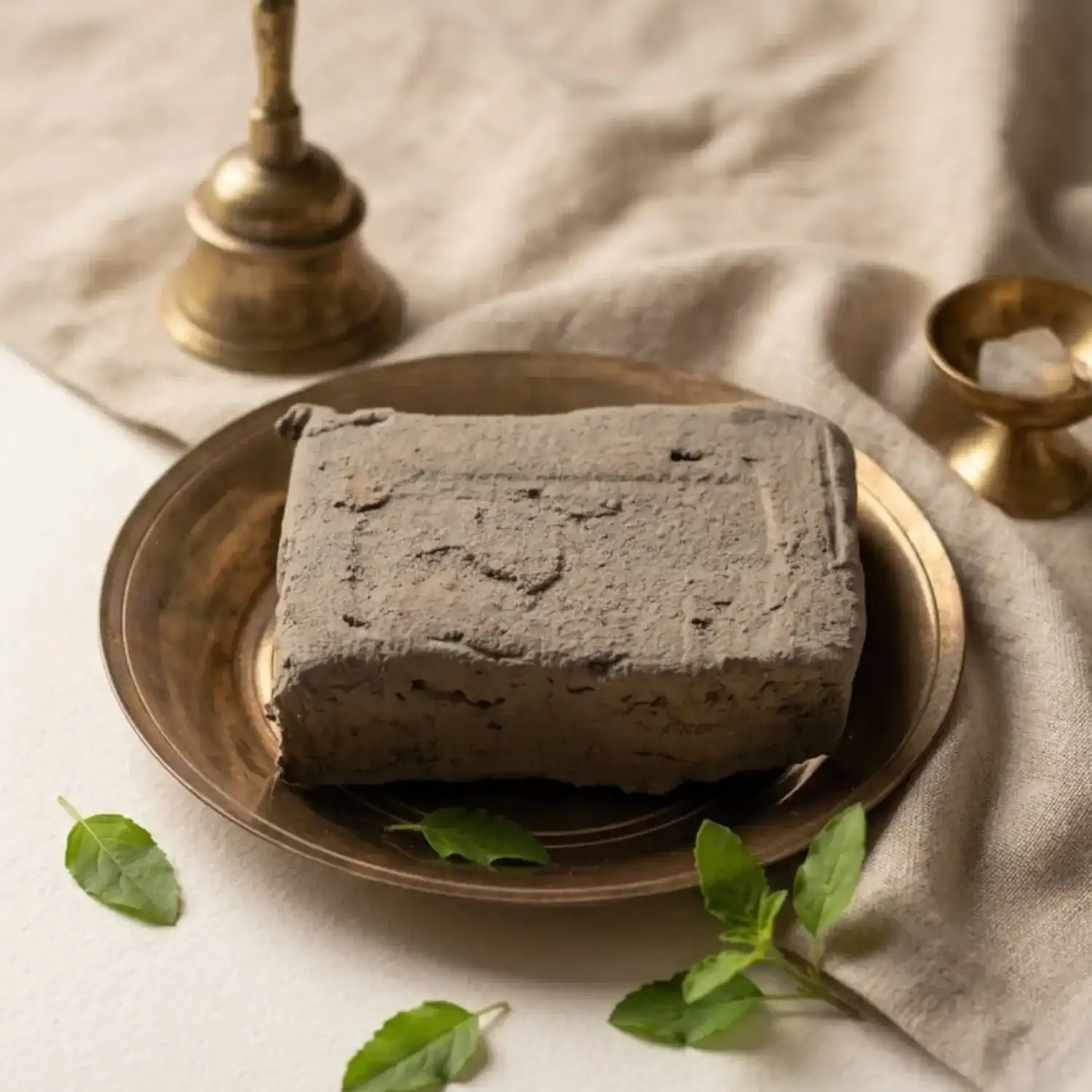
- Q6. What is the ritual role of the Saptamrittika (Seven Sacred Soils) inside this kit?
- Saptamrittika consists of sacred soils gathered from seven scripturally potent locations (such as riverbanks, stables, and cow sheds). In orthodox Shodashopachar rituals, these soils are highly vital for advanced elemental purification (Bhuta-shuddhi) and are placed directly inside the Holy Pot (Ghot) to ground and anchor the stabilizing energies of the Earth element within the commercial property.
- Q7. How are the Navgrah Samidha and Gobar utilized in the fire sacrifice?
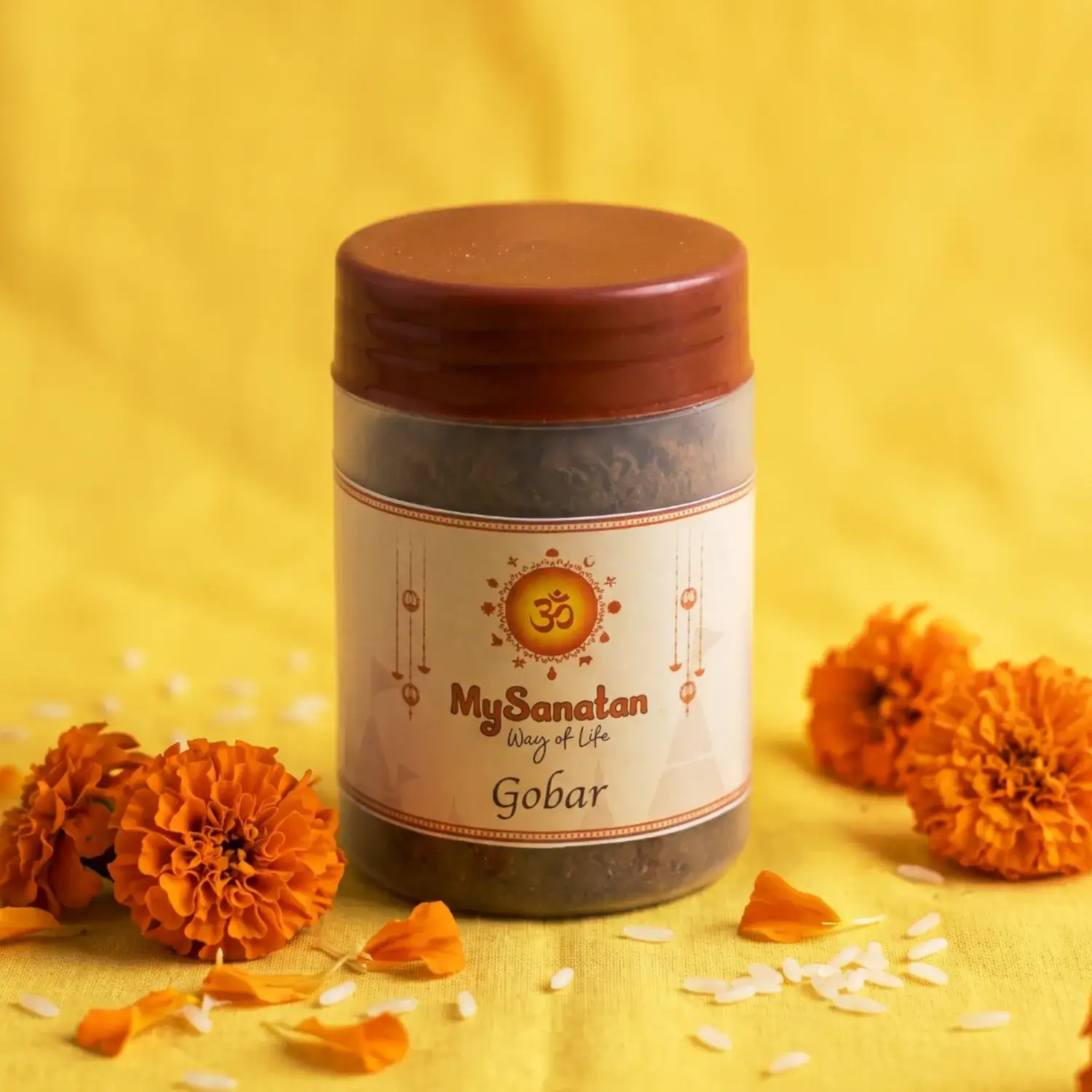
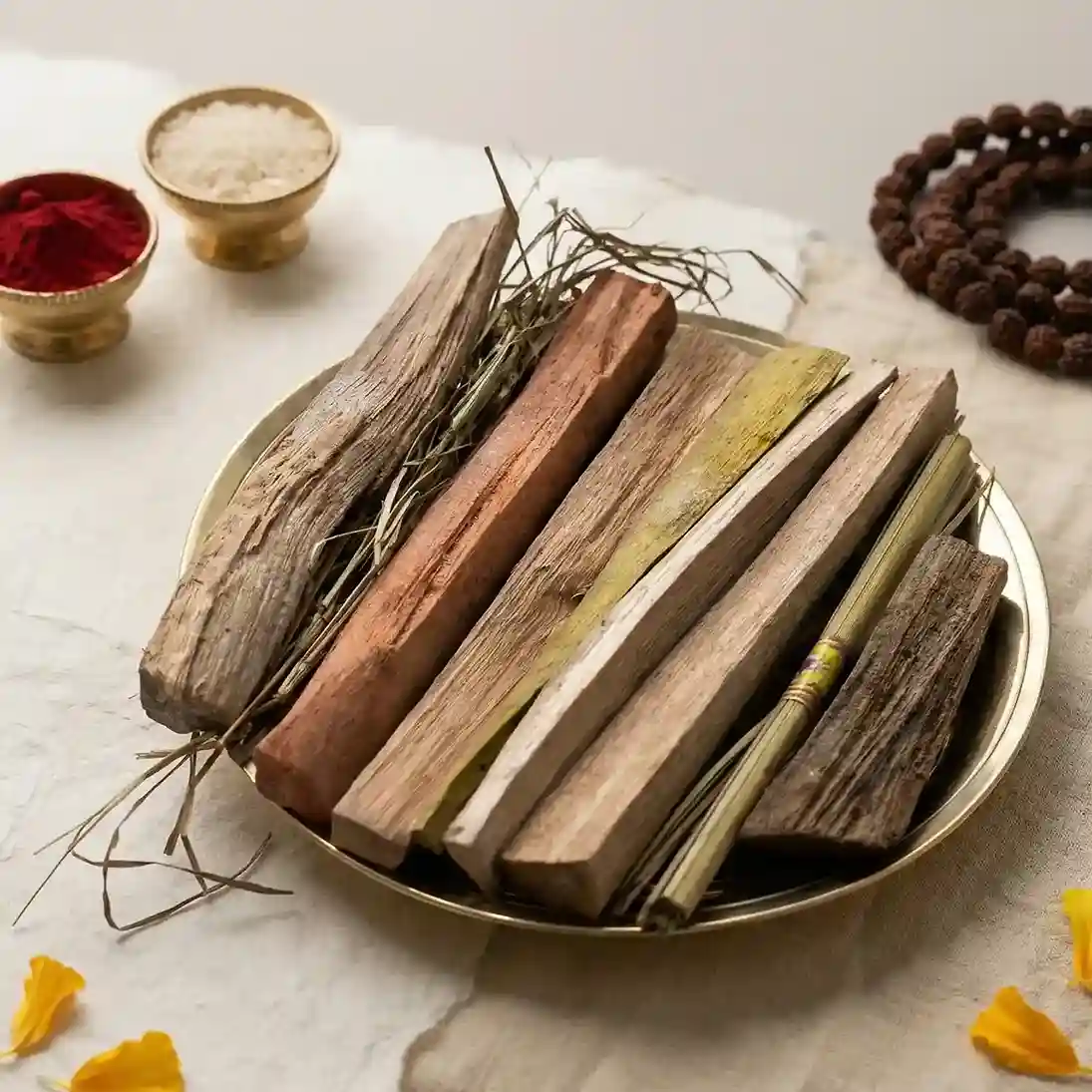
- Planetary alignments heavily impact commercial real estate and business success. This kit provides a dedicated, pre-sorted set of Navgrah Samidha (9 specific types of sacred woods, each mapped to one of the 9 planets) alongside Desi Cow Dung Cakes (Gobar). This enables the priest to execute a flawless Navagraha Homa to neutralize planetary blocks affecting the business's profitability.
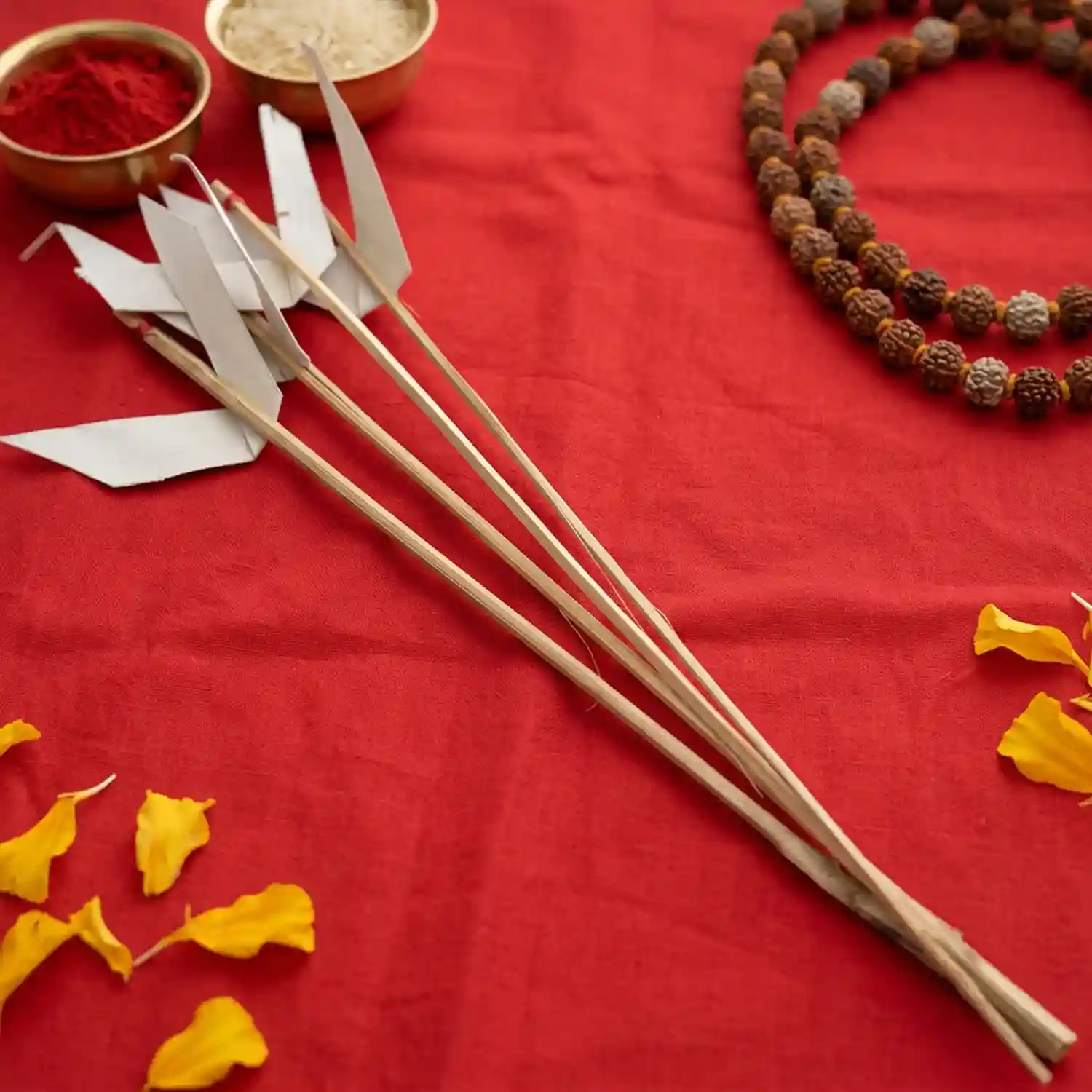
- Q8. Why are specialized Eastern Indian items like Teer Kathi and Ganga Mitti included?
- This kit fully accommodates the rigid guidelines of traditional manuals like the Purohit Darpan. The Ganga Mitti serves as the purifying base upon which the Holy Pot (Ghot) is established. The four bamboo Teer Kathi (arrows) are staked around the pot and bound with Raksha Sutra to lock in a protective spiritual perimeter, shielding the invoked directional deities from outside interference.
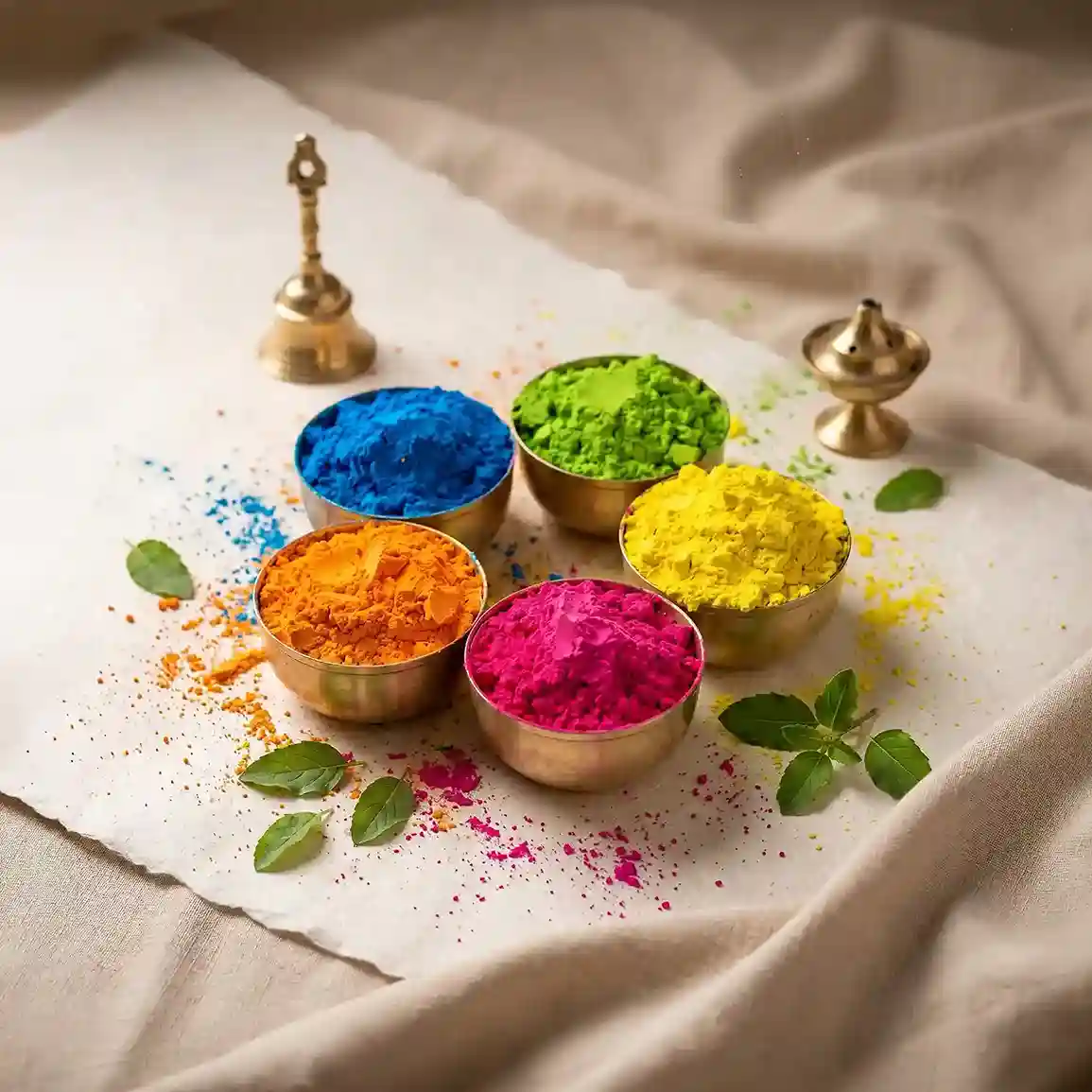
- Q9. What role do the Pancha Guri, Pancha Rang, and Boron Samagri play in Step 3?
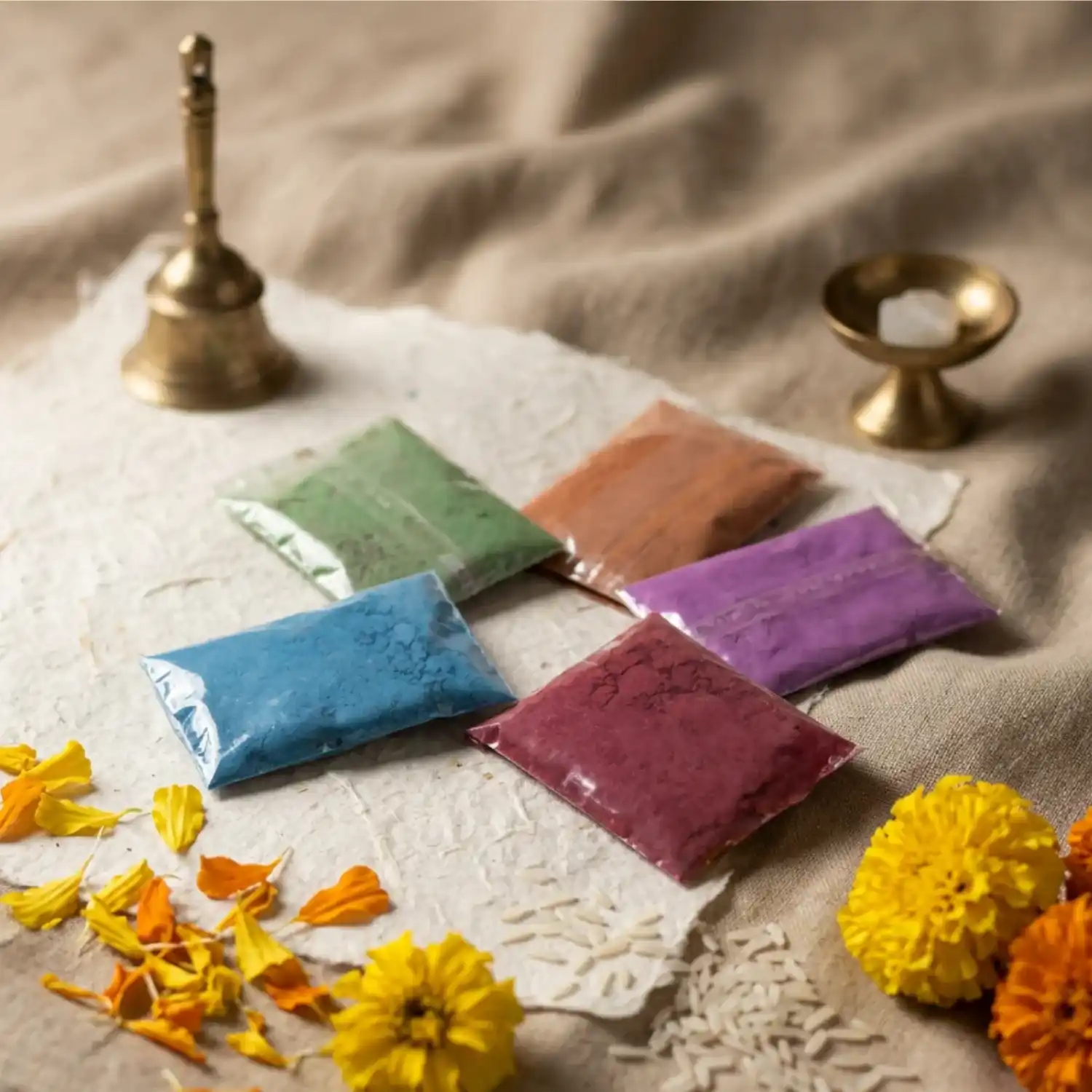
- Pancha Guri (Five Sacred Powders) and Pancha Rang (Five Colours) are used by the priest to flawlessly sketch the complex, 81-square Ekasitipad Vastu Mandala grid on the floor.
- The Boron Samagri (Baran Asan, Barananguri, and Asananguri) are specialized Eastern Indian tools used to formally welcome and anchor the planetary and directional deities onto their assigned squares within the drawn mandala.
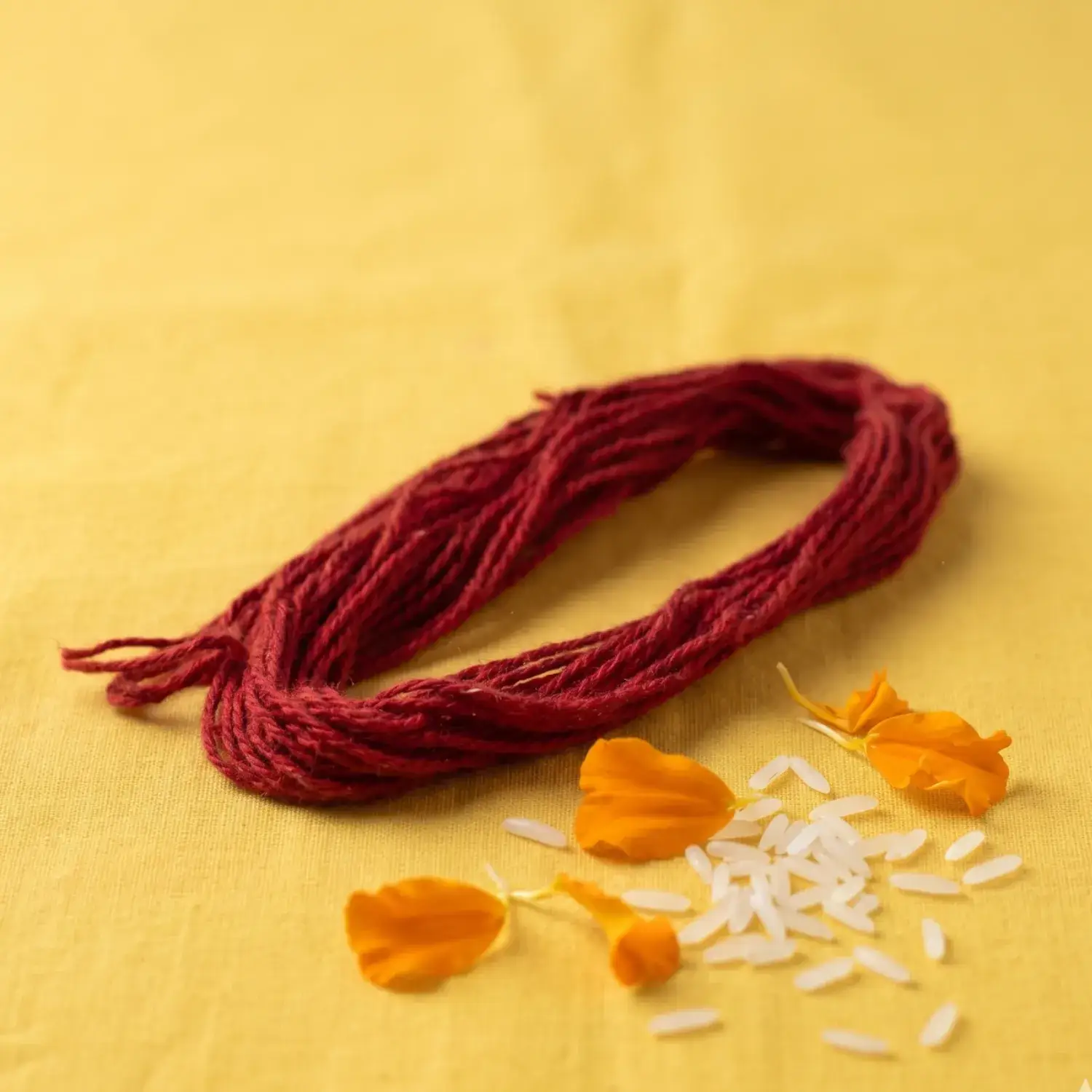
- Q10. Why are both Red Moli Dhaga and Raksha Sutra provided in the same kit?
- They serve two completely separate operational roles within the ceremony:
- The multi-colored Raksha Sutra (Red & Yellow) is utilized to bind the Ghot setup and is tied onto the wrists of the business owners for personal protection.
- The solid Red Moli Dhaga (Lal Kalawa) is specifically used by the priest to wrap around sacred elements, layout tools, or directional boundaries when establishing the physical ritual grid.