





2_2_11zon.webp)



.webp)



_4_11zon.webp)
_11zon.webp)



_11zon.webp)




Frequently Asked Questions
- Q1. How does Goddess Saraswati's energy apply to a modern corporate office or factory?
- While Saraswati is traditionally known as the Goddess of learning and arts, in a commercial context She presides over Vidya (Knowledge), creative innovation, corporate strategy, and flawless accounting. Worshipping Her on Vasant Panchami clears out intellectual stagnation, improves team communication, and blesses the mental engines that drive your company's revenue and intellectual property.
- Q2. Can our office team perform this puja independently without a priest?
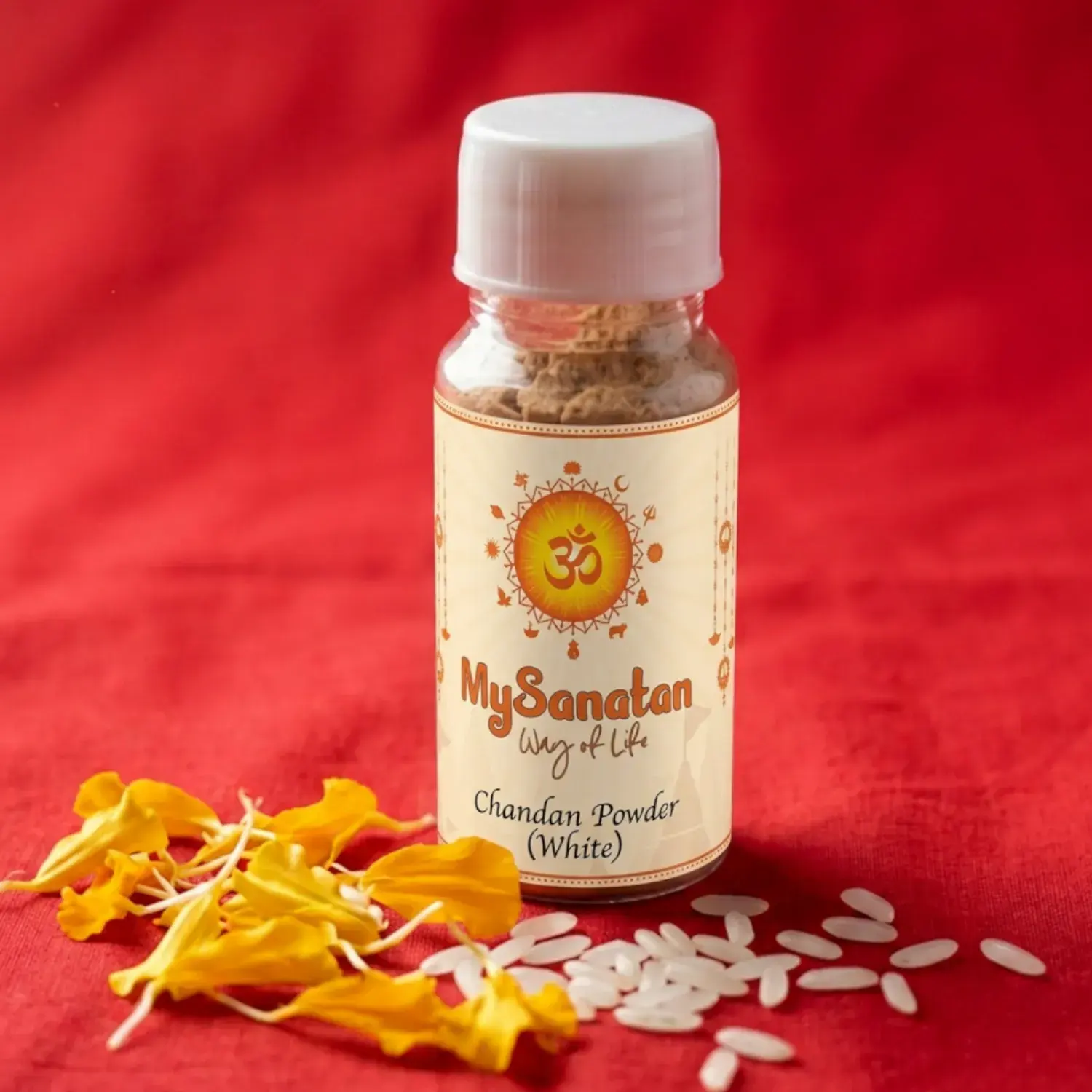
- Yes, absolutely. The classical text Vedic NityaKarma explicitly affirms that everyone—regardless of age or background—has the universal right to perform devotion. This kit features a dual-purpose layout: your team can easily perform a beautiful 5-step (Panchopachar) ritual using the purification elements (Ganga Jal), foundational adornments (White Chandan, Sindur), and primary offerings to independently bless your office desks, code bases, or accounting floor.
- Q3. Which specific business tools and documents should we place near the Puja Place?
- You should place the primary tools of your trade near the Puja Place for Her blessing. This includes:
- Company accounting ledgers, financial files, and balance sheets.
- Core tech assets like office laptops, main servers, software code documents, or creative tablets.
- Blueprints, architectural drawings, or marketing campaign calendars.
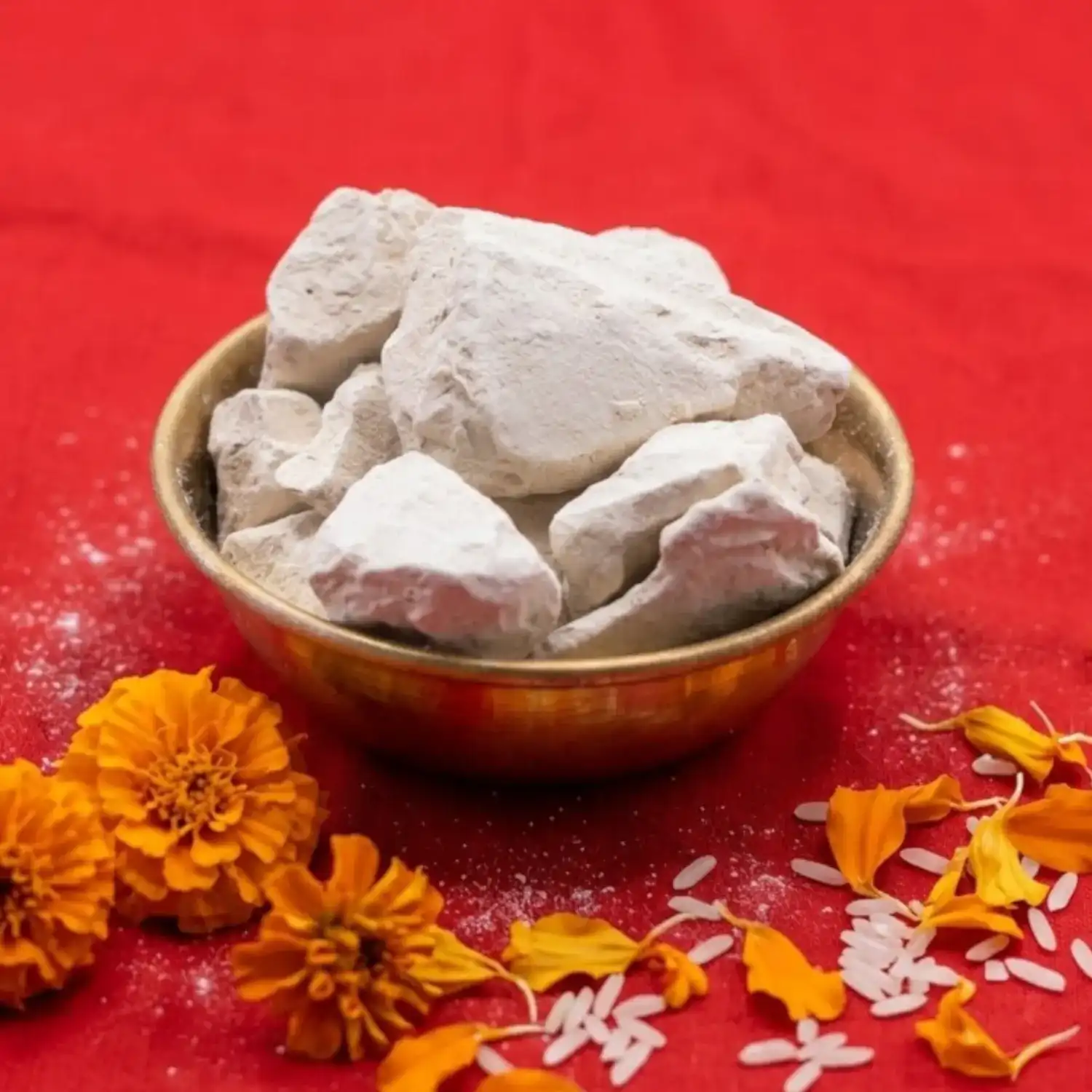
- Q4. What is the significance of the Khari Mati (Chalk Clay) included in the kit?
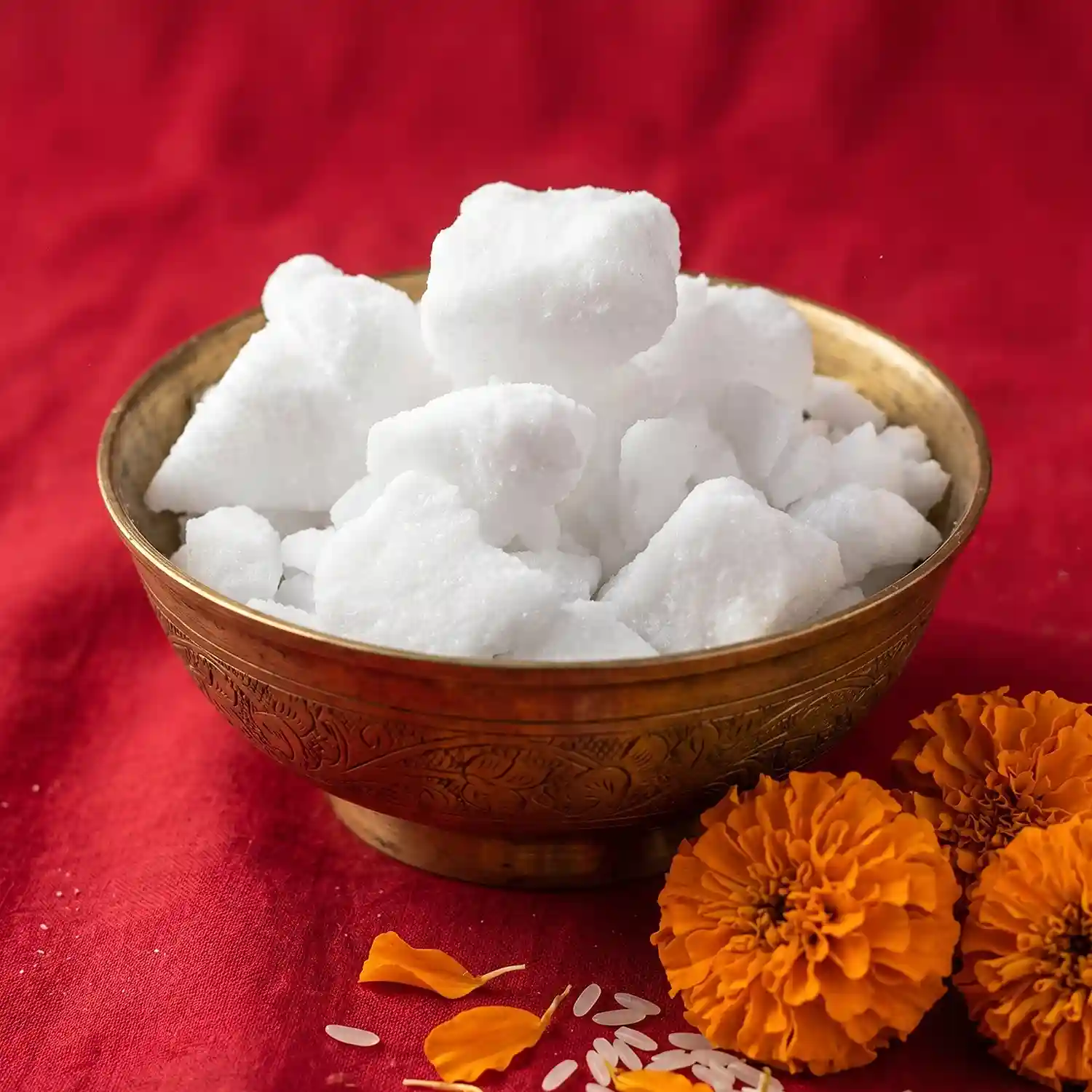
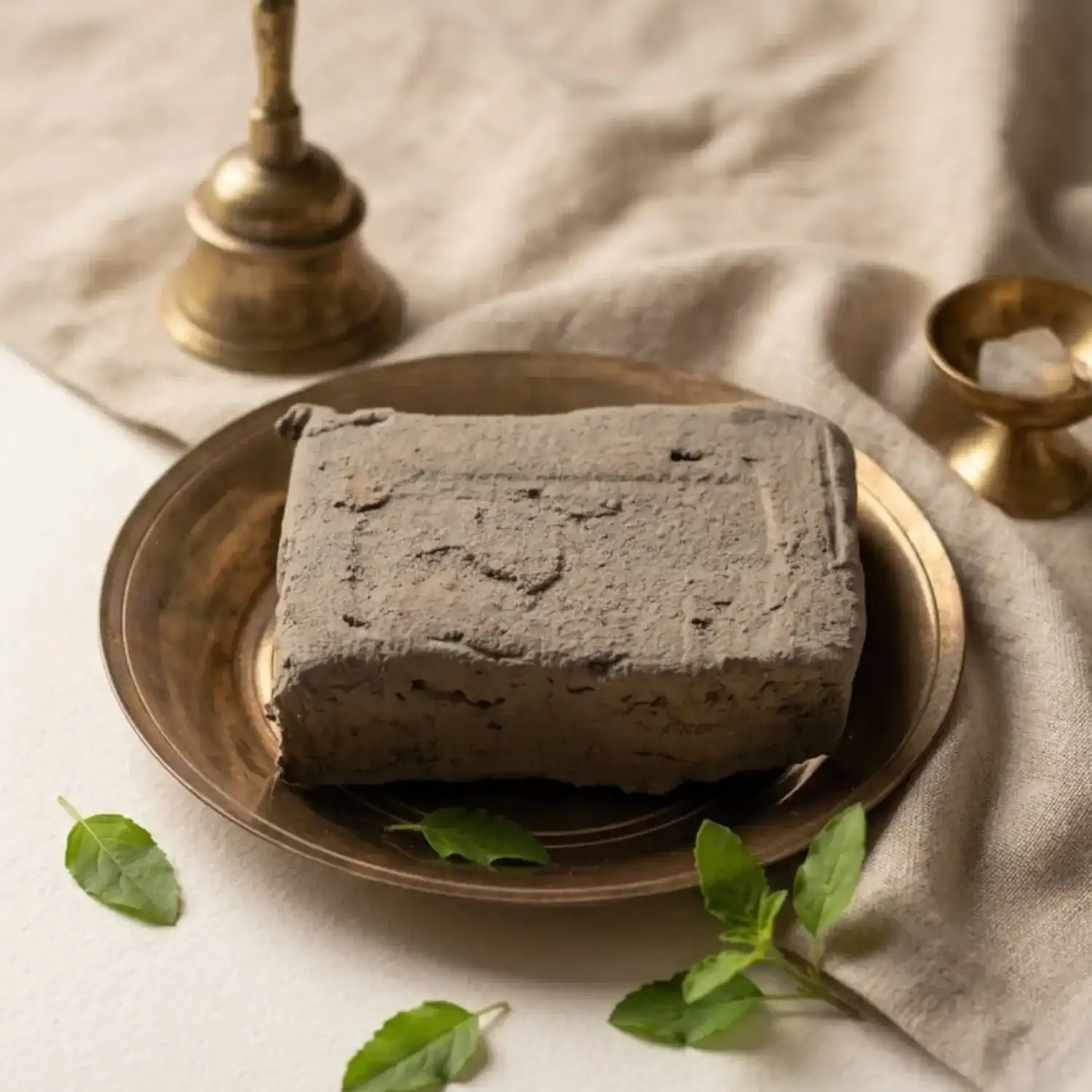
- Khari Mati is traditional white chalk clay used scripturally to symbolize the initiation of writing, tracking, and structural learning. Offering it at the feet of the Goddess during your independent prayer serves to symbolically reset your business books, shielding your financial ledger sheets and data storage from costly manual errors or digital glitches.
- Q5. Where should we position the Puja Place lamp (Diya) during our morning office prayer?
- To remain perfectly aligned with traditional ritual manuals like the Purohit Darpan, your lighted lamp prepared with the provided Cow Ghee must be placed strictly on the right side of Goddess Saraswati's image or idol.
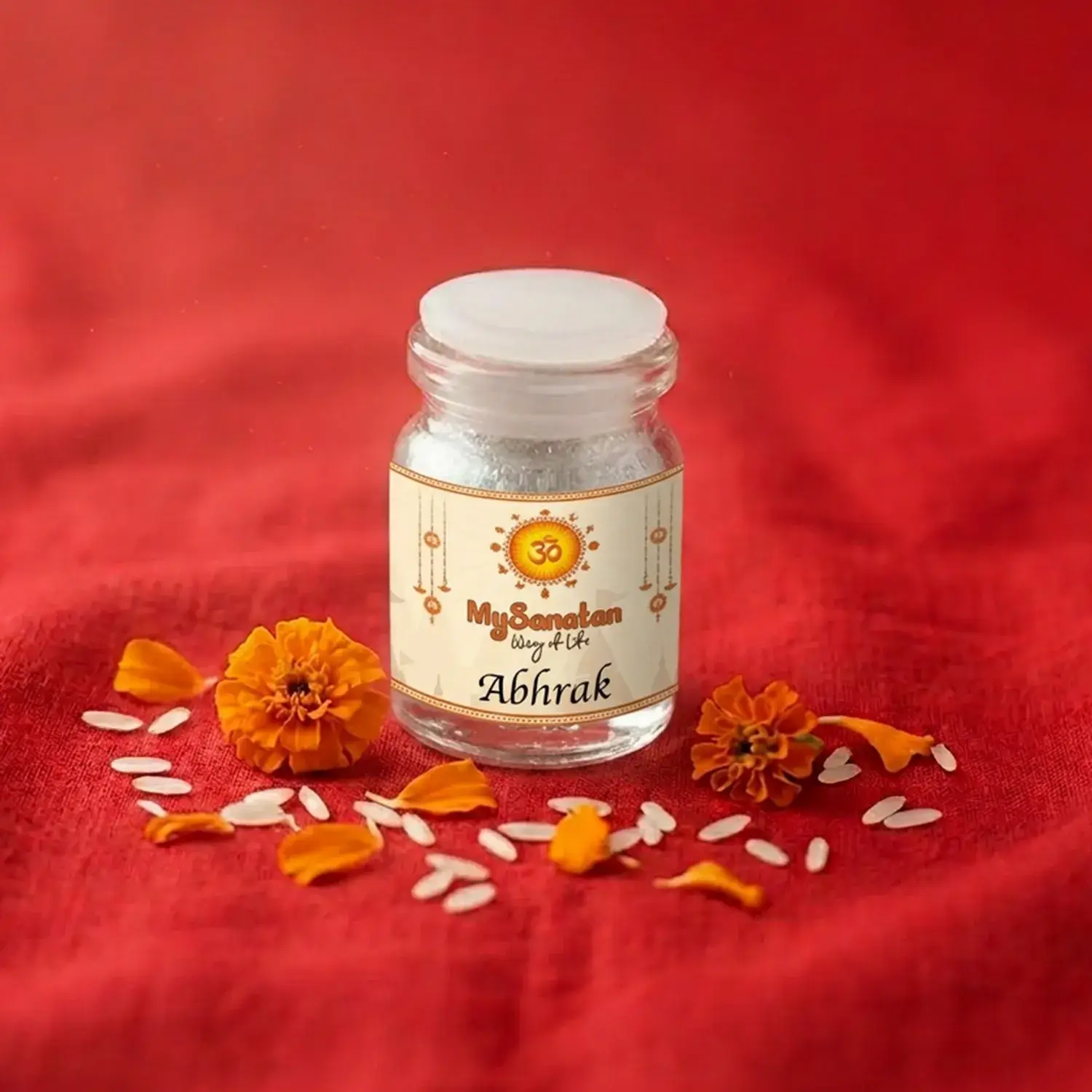
- Q6. How do the Khari Mati, Abhrak Powder, and Wooden Darpan factor into Step 2 and 3?
- These are highly specific, orthodox sacraments required for advanced corporate shringar and deity invocation:
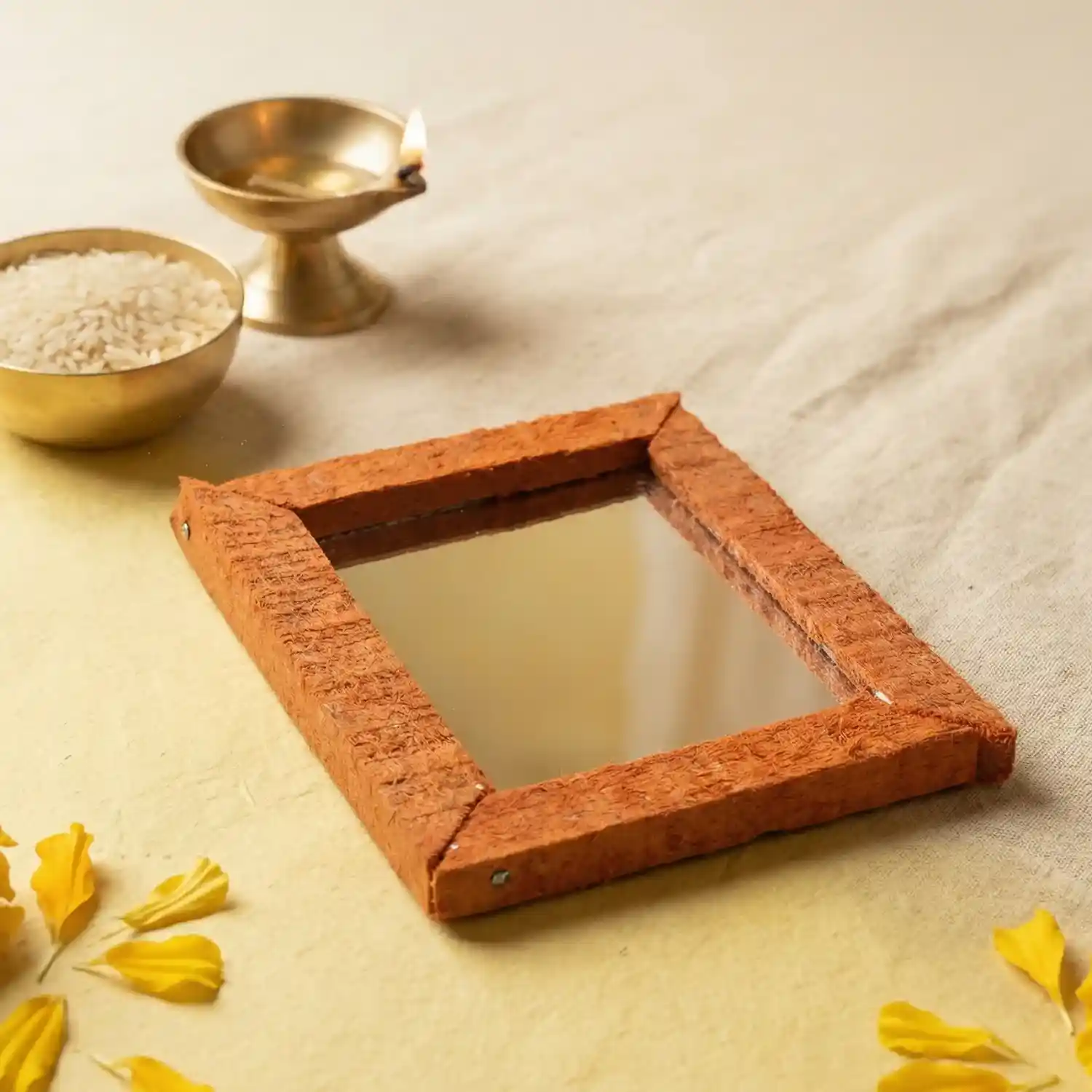
- The Wooden Darpan (Ritual Mirror) is used by the priest during the Chakshu-daan or reflection rites to formally guide the deity’s high-vibrational intelligence into the physical space.
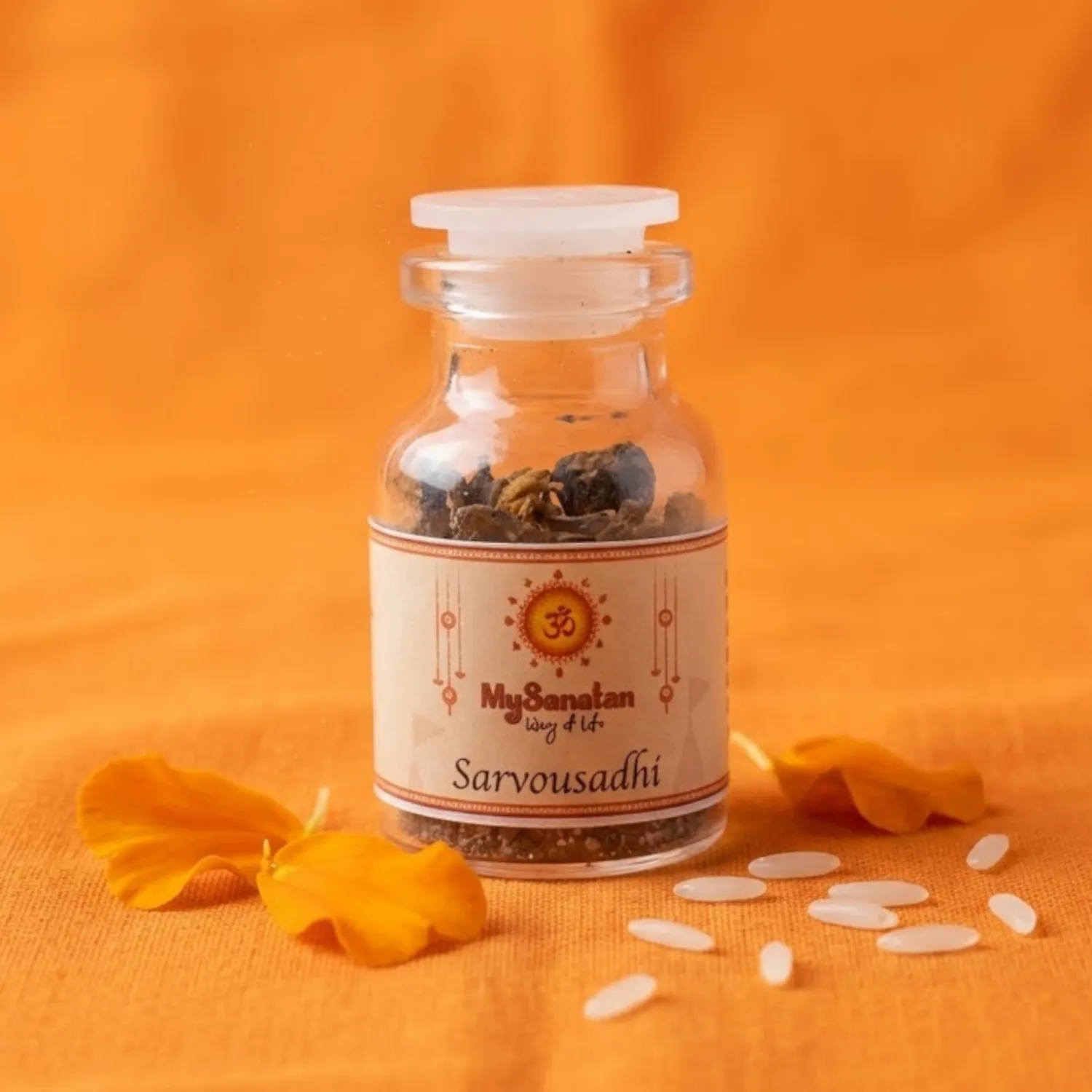
- Khari Mati and Abhrak Powder (Mica powder) are energized during the Shodashopachar (16-step) sequence and offered to the Goddess to spiritually coat and shield the company’s computers, ledgers, and physical trade tools.
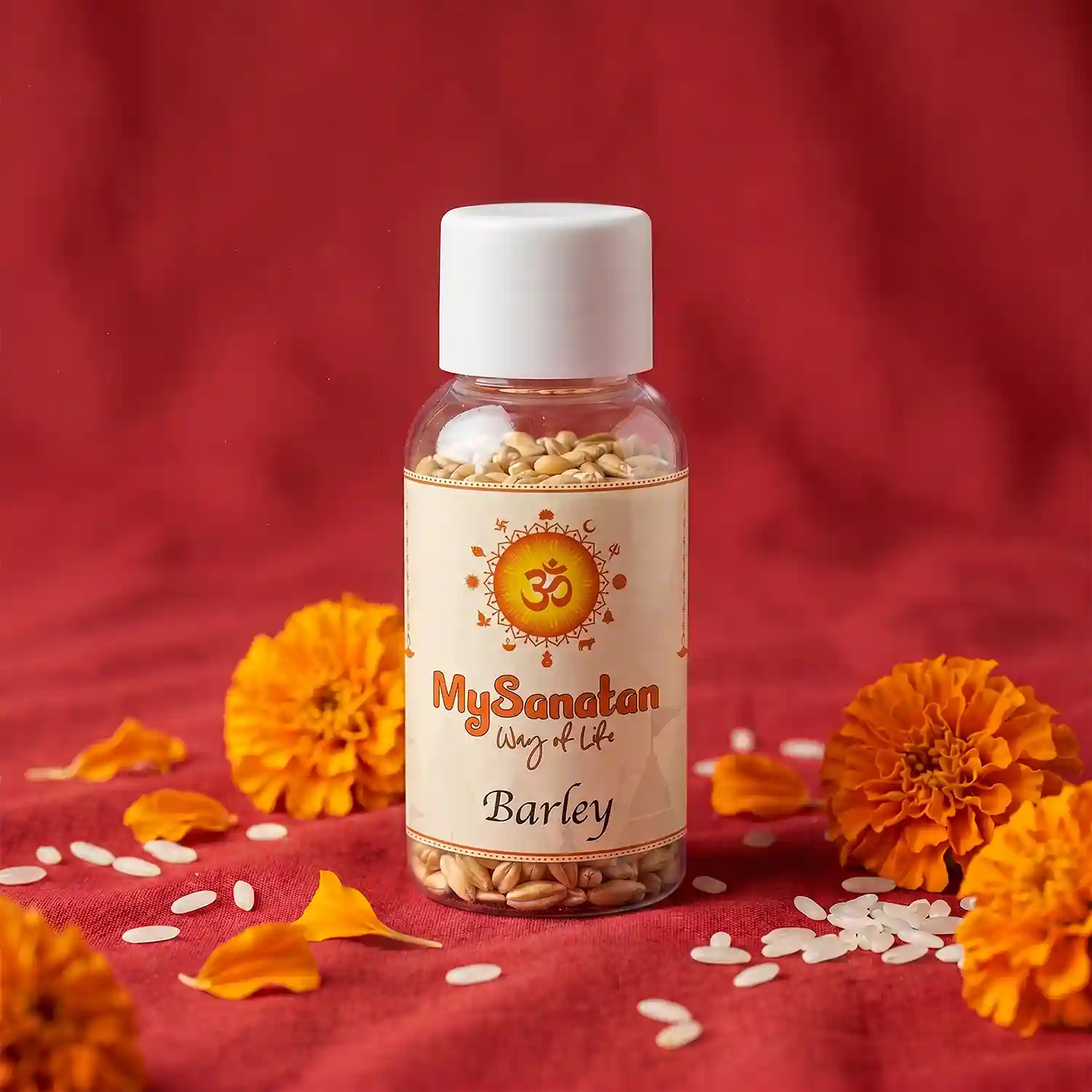
- Q7. Why does this kit include specific grains like Mas Kalai and Yellow Mustard Seeds?
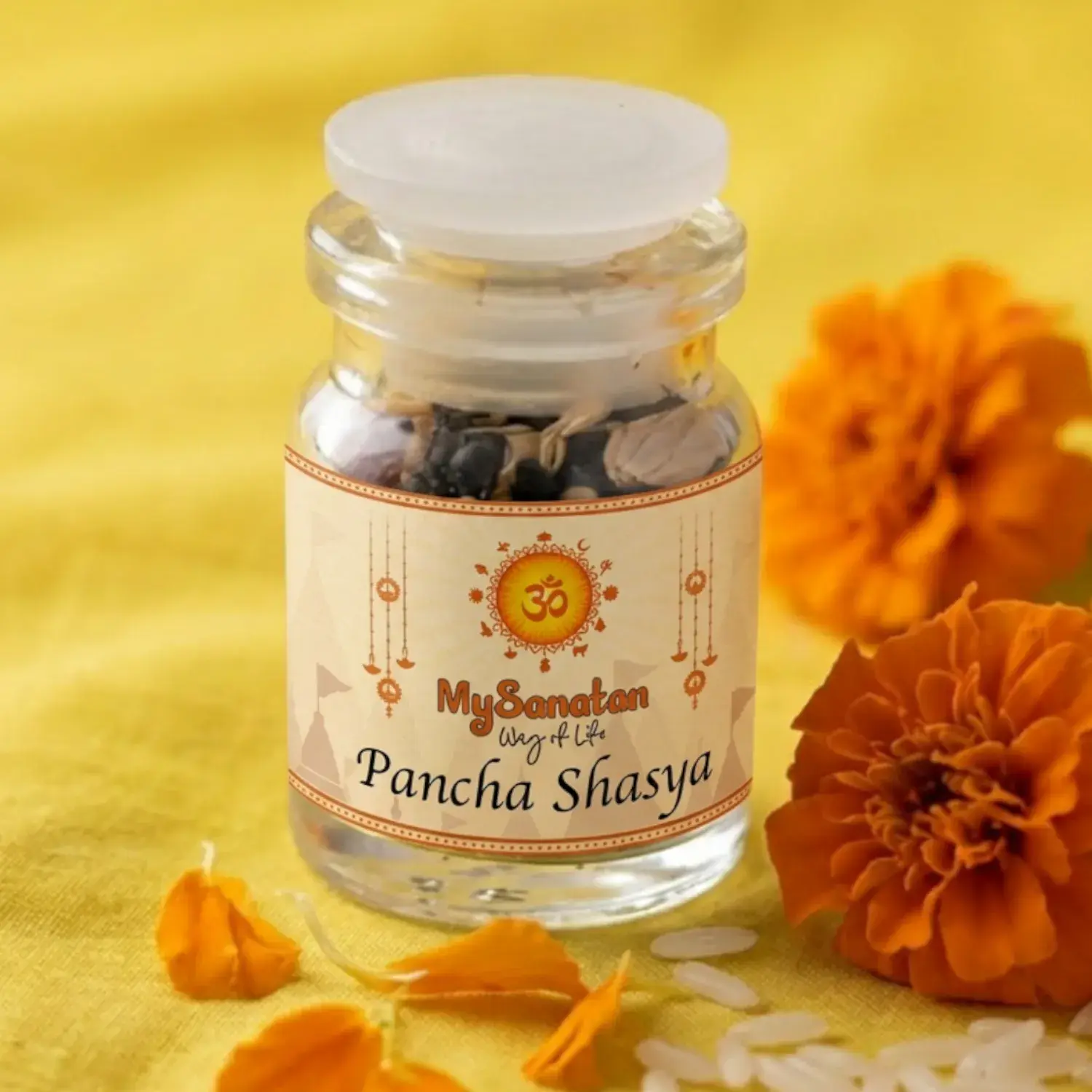
- These items are saved for the advanced elemental purifications and the fire sacrifice. The priest uses the Yellow Mustard Seeds early in the ritual to perform Bhuta-apasaran (casting out competitive jealousy and negative workspace entities). Later, both the Mas Kalai (Black Gram) and Barley (Jau) are sacrificed into the Homa fire to balance planetary energies that impact executive decision-making.
- Q8. How is the Madhuparka bowl utilized during the 16-step royal worship sequence?
- The kit provides a dedicated, large traditional bowl called the Madhu Parker Bati. During the 6th step of royal Vedic hospitality, the priest uses this specific container to blend and offer Madhuparka—the sacred mixture of pure honey and ghee—to sweeten the workspace's energetic grid and invite harmonious business partnerships.
- Q9. Why does this kit include a heavy pack of Bel Kath and Joggo Dumur Pata?
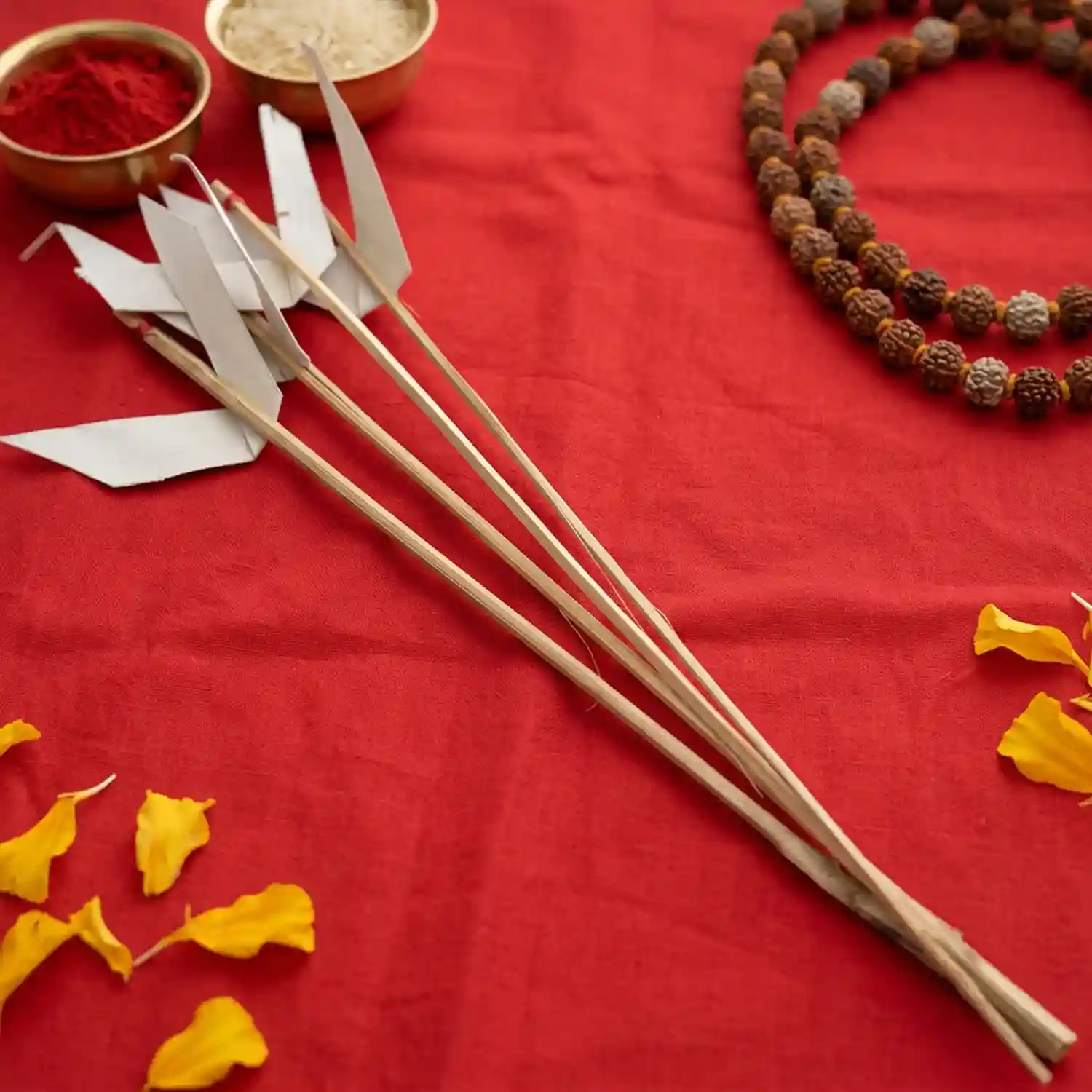
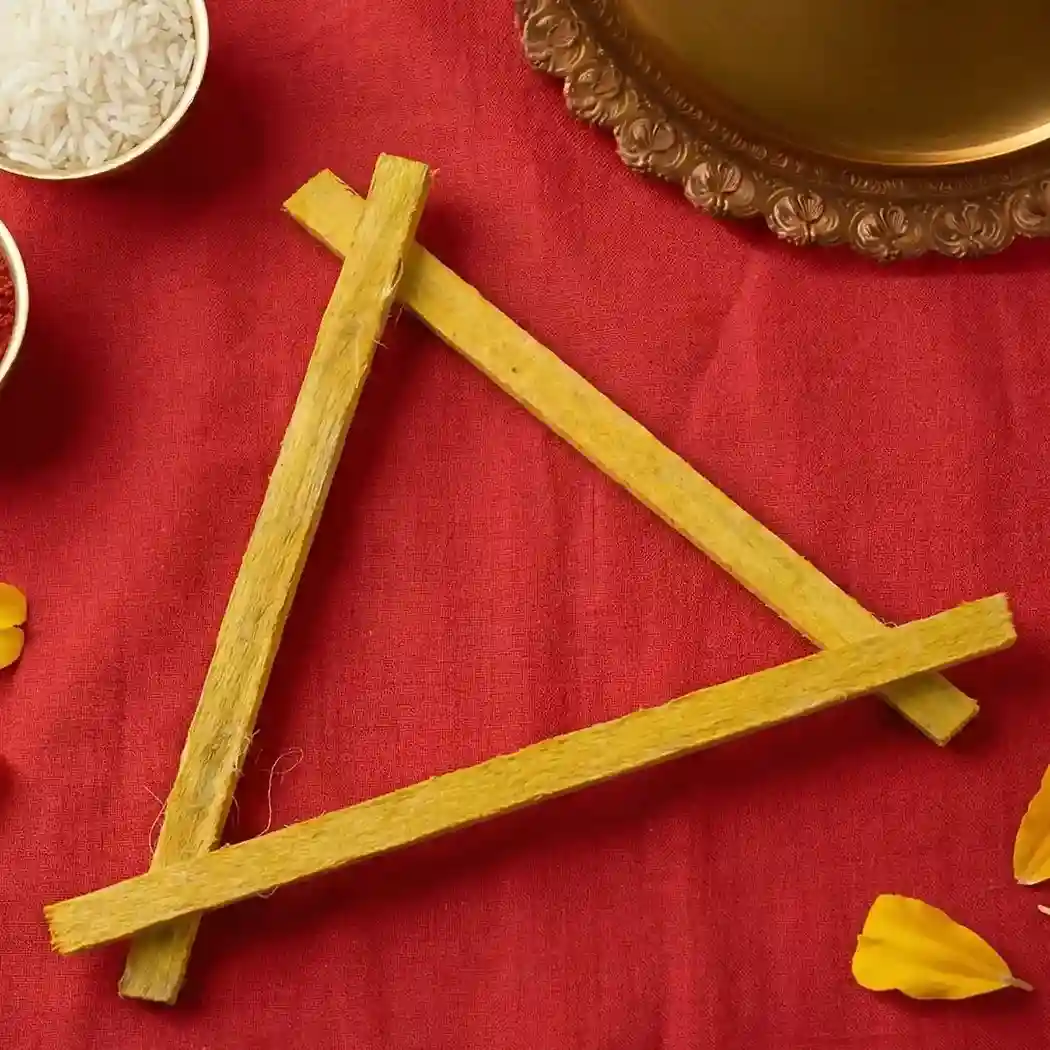
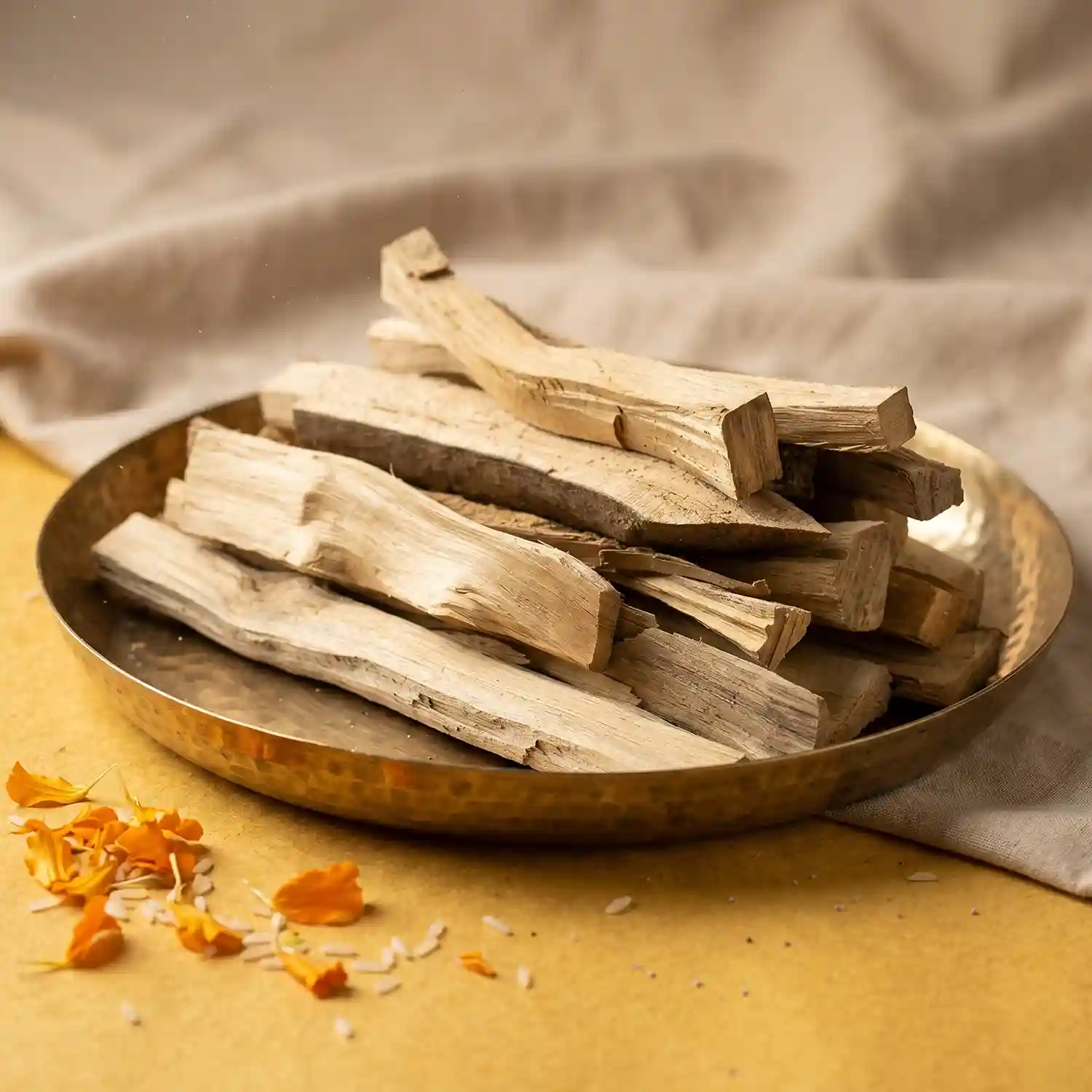
- To anchor high-level strategic brilliance and clear out heavy institutional debts or creative blocks, an uncompromised corporate fire sacrifice (Homa) is vital. We provide authentic Bel Kath (Bael Wood) and Joggo Dumur Pata (Audumbar leaves) to ensure the priest can maintain a robust, sustained sacred fire on the corporate or factory premises.
- Q10. What role do the Chhobra, Dhuna, Guggal, and Chawar play at the climax?
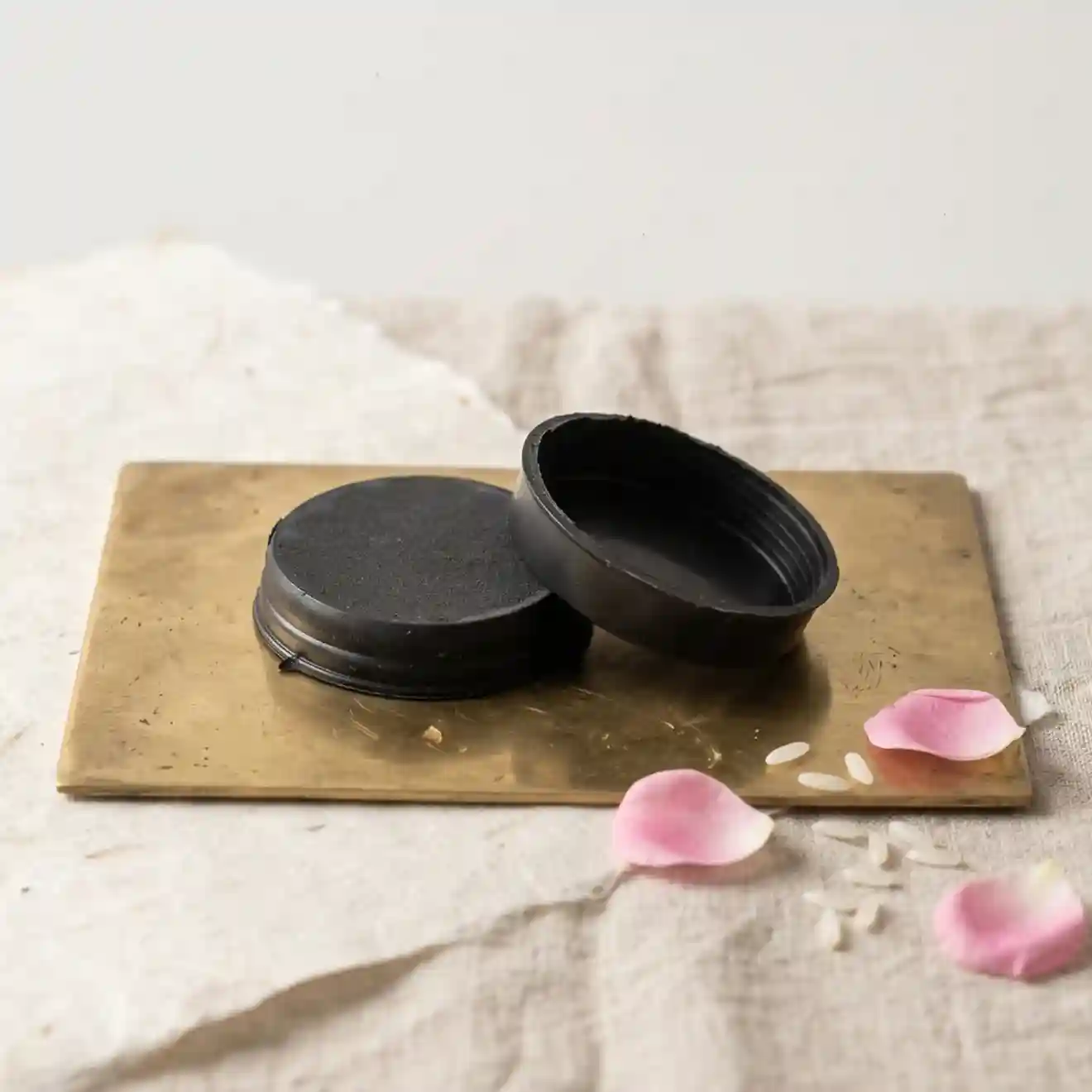
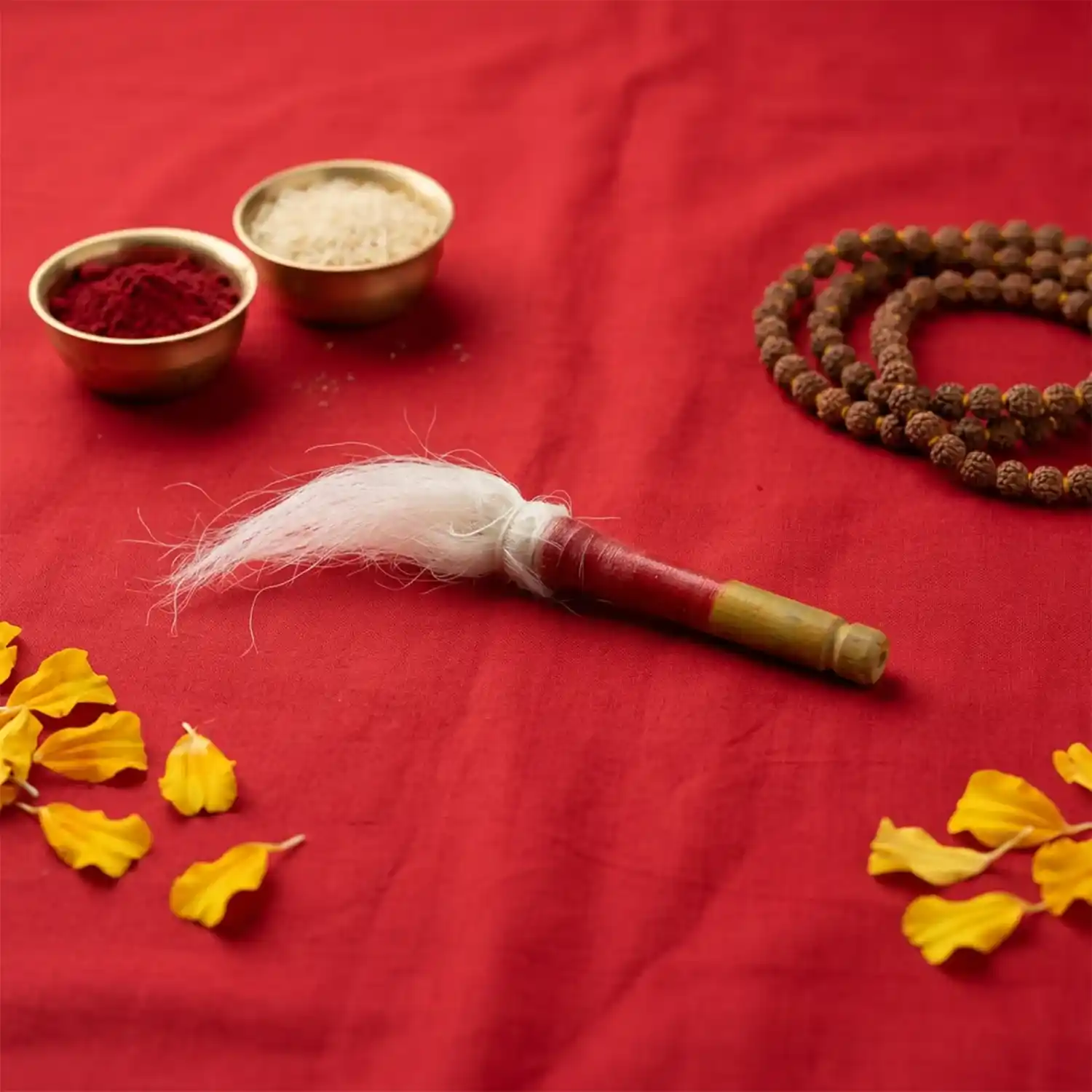
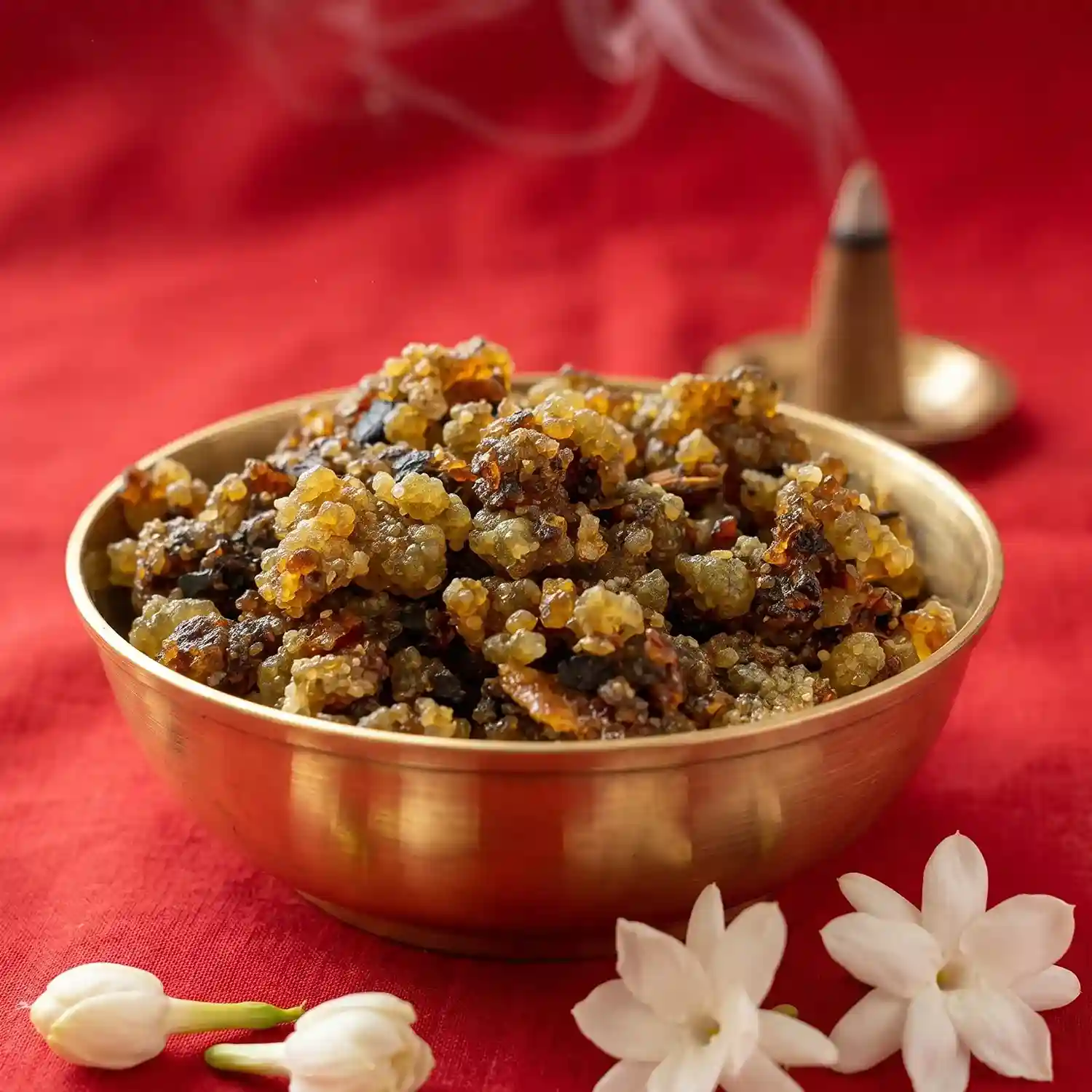
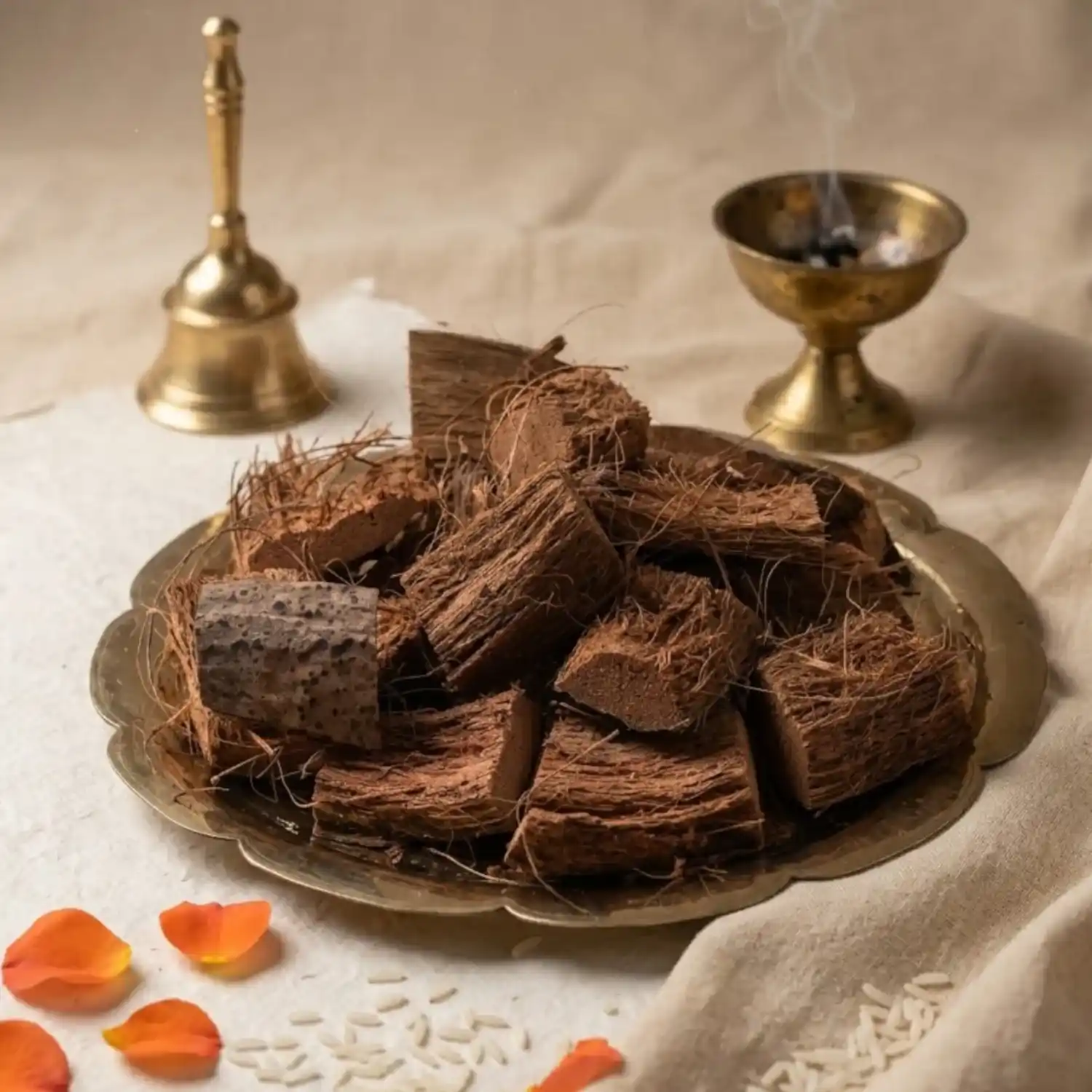
- These elements are reserved for the grand space-clearing finale of the corporate ritual. The Chhobra (coconut husk), Dhuna Powder, and Guggal are burned together to create an intense, purifying medicinal smoke that acts as an environmental disinfectant across the office or factory floor. The priest then uses the traditional Chawar (fan) to wave this smoke through executive cabins, server rooms, and meeting spaces to seal team harmony.