



_15_11zon.webp)

_2_11zon.webp)
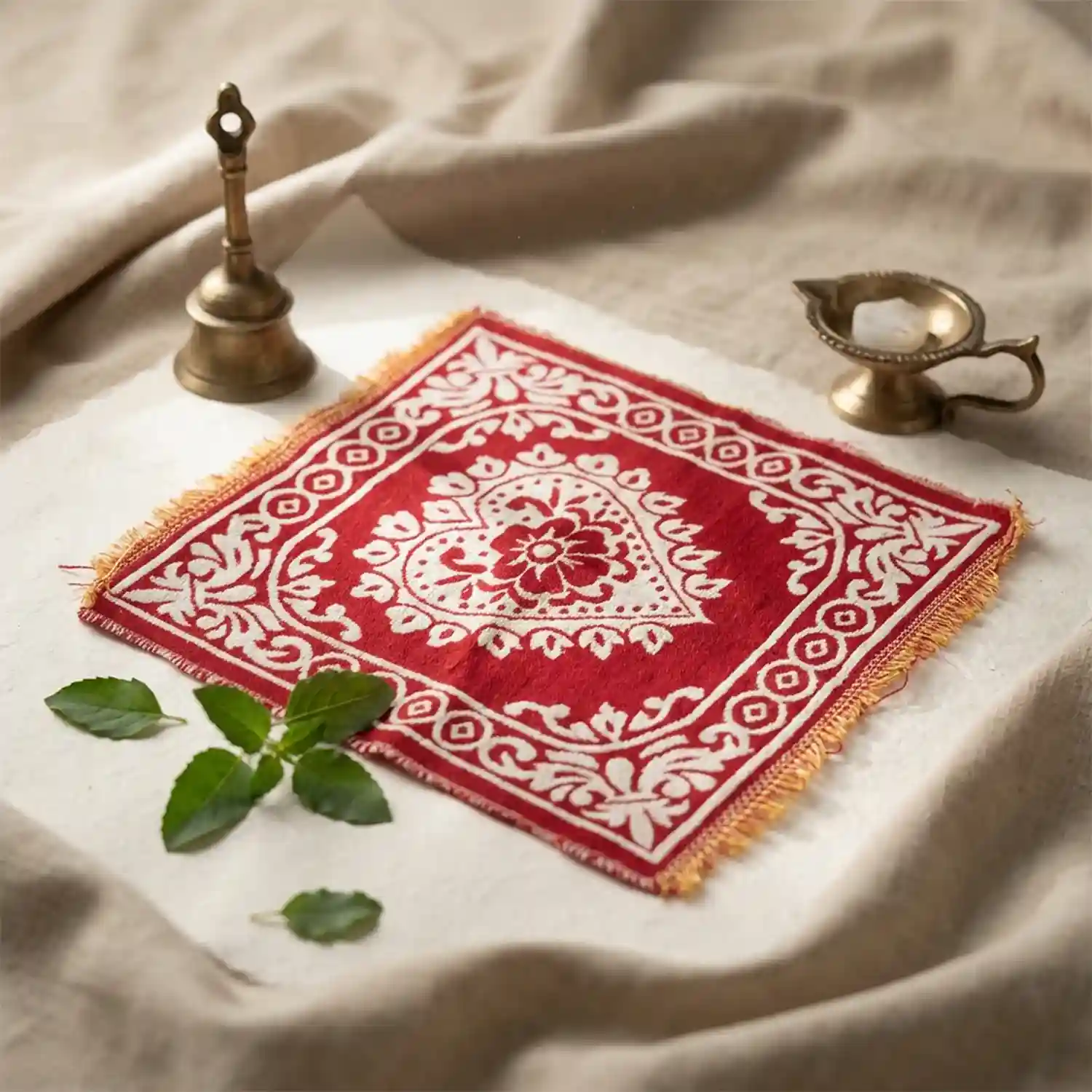
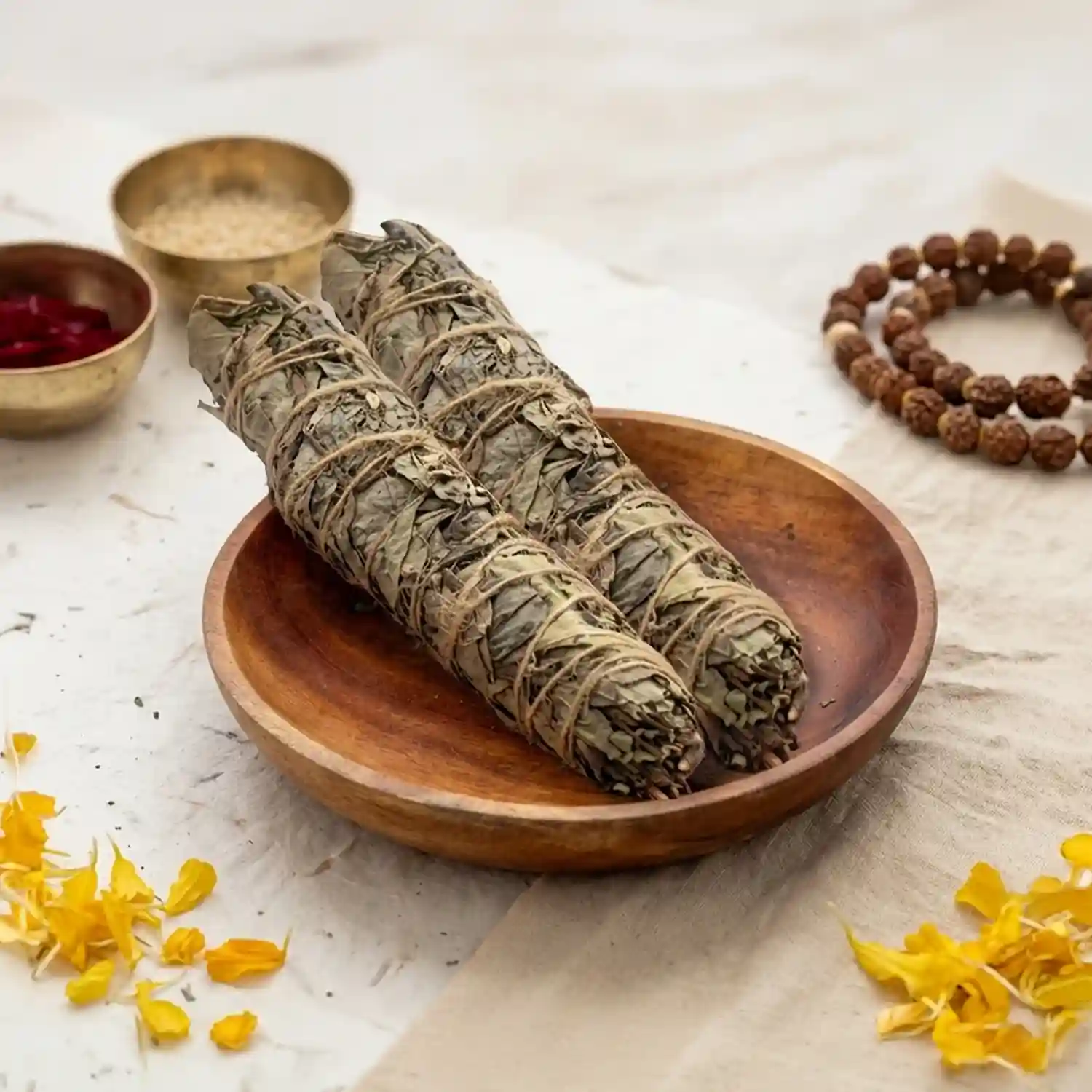
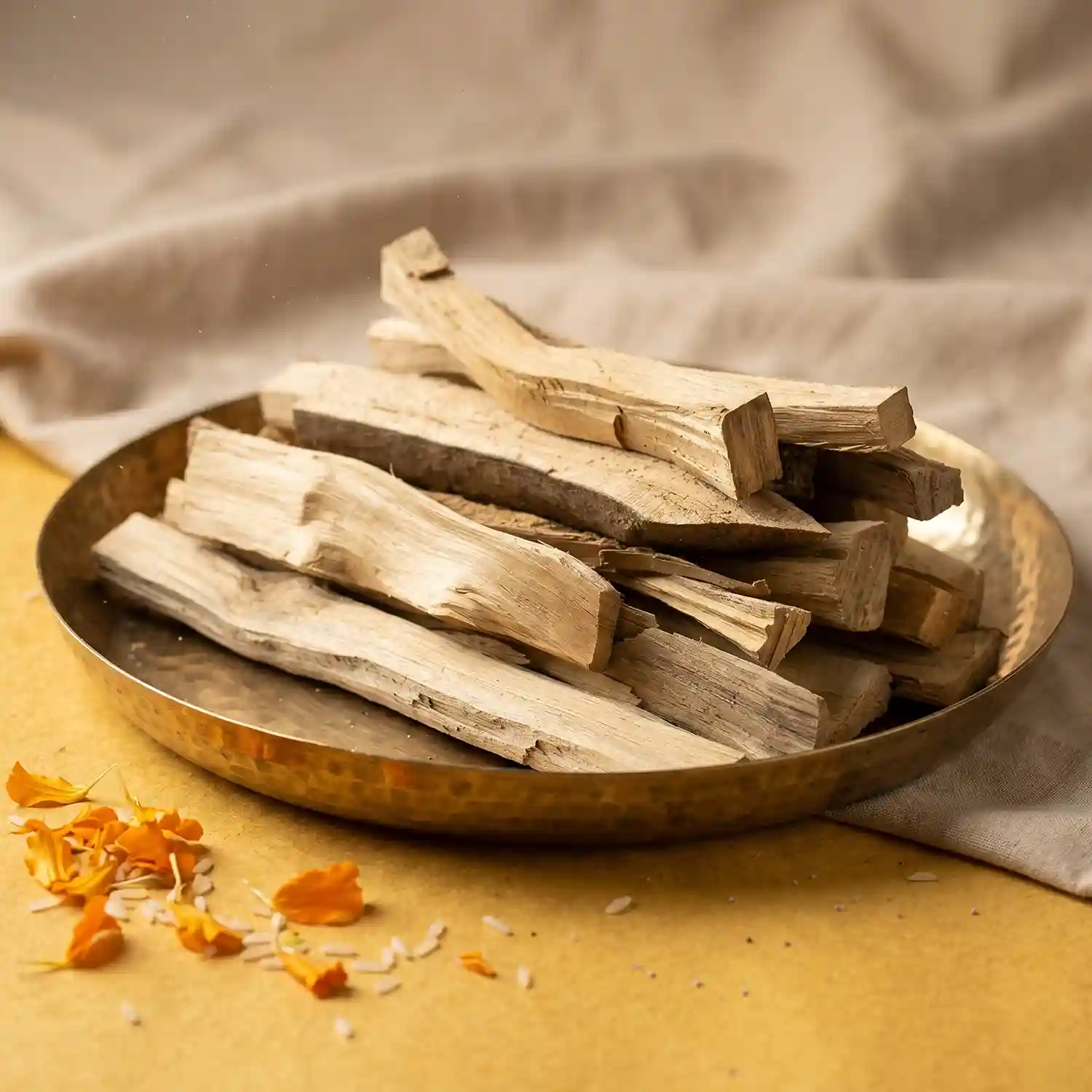
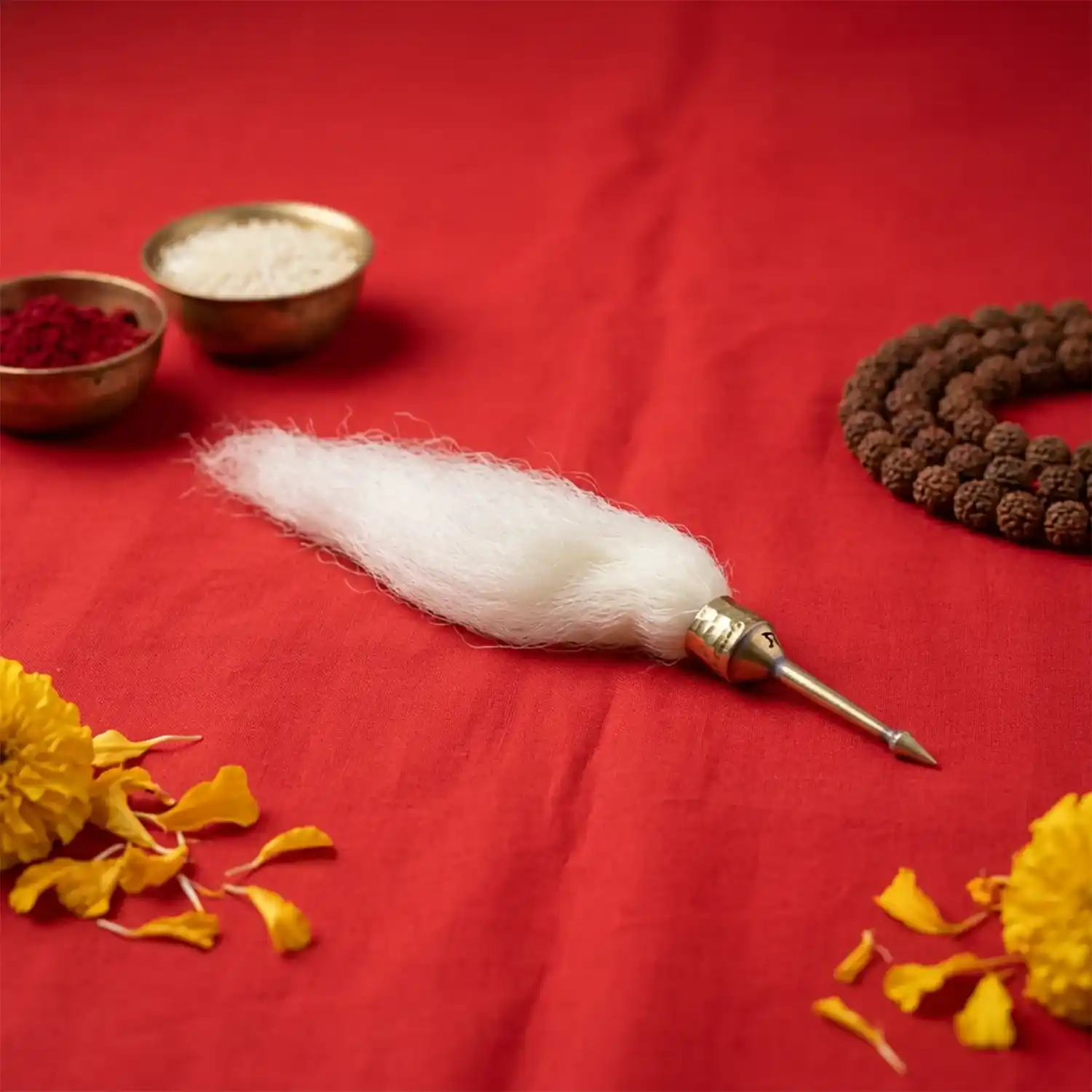
_11zon.webp)
_11zon.webp)

_9_11zon.webp)




Frequently Asked Questions
- Q1. Can I use this industrial-grade kit to perform a simple puja by myself?
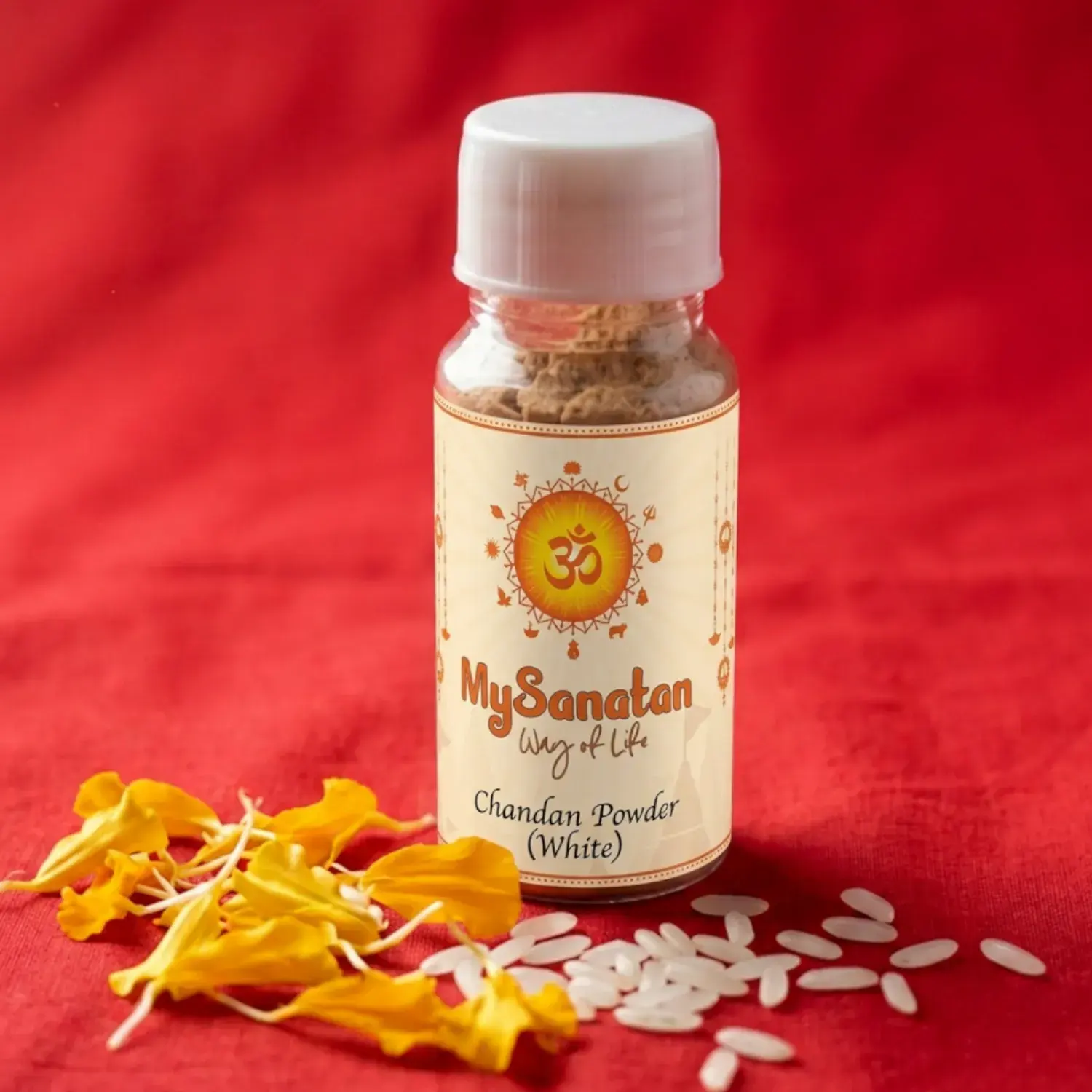
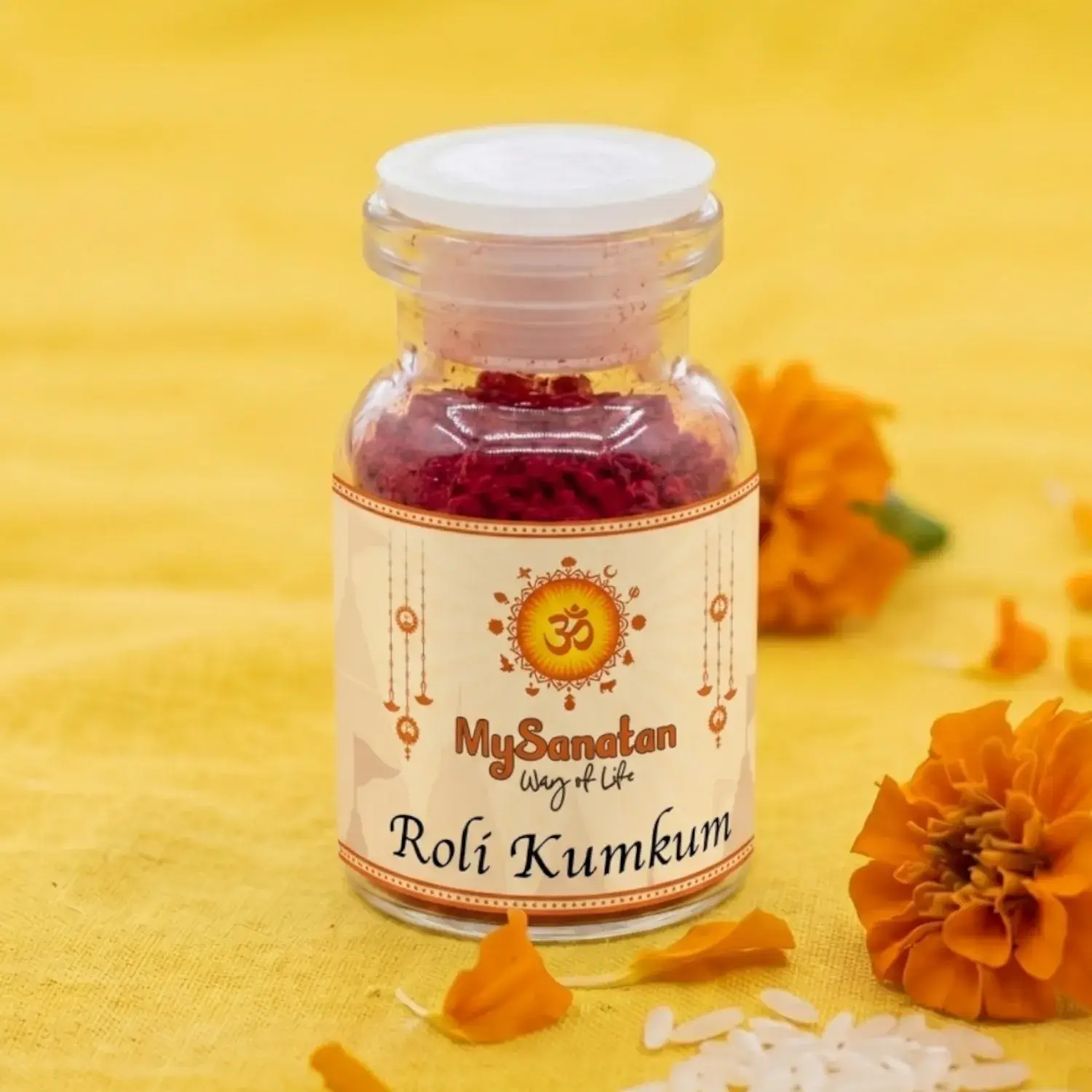
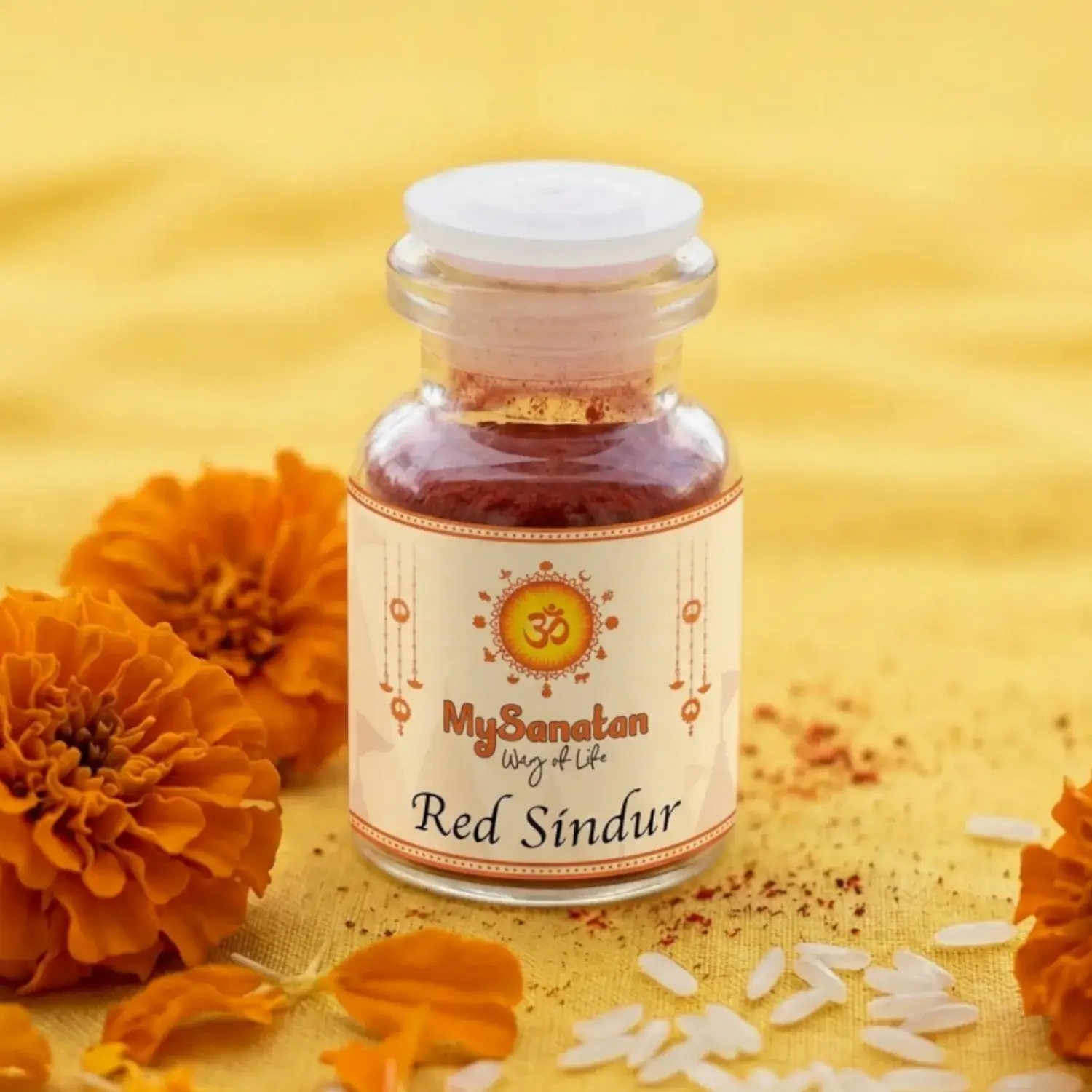
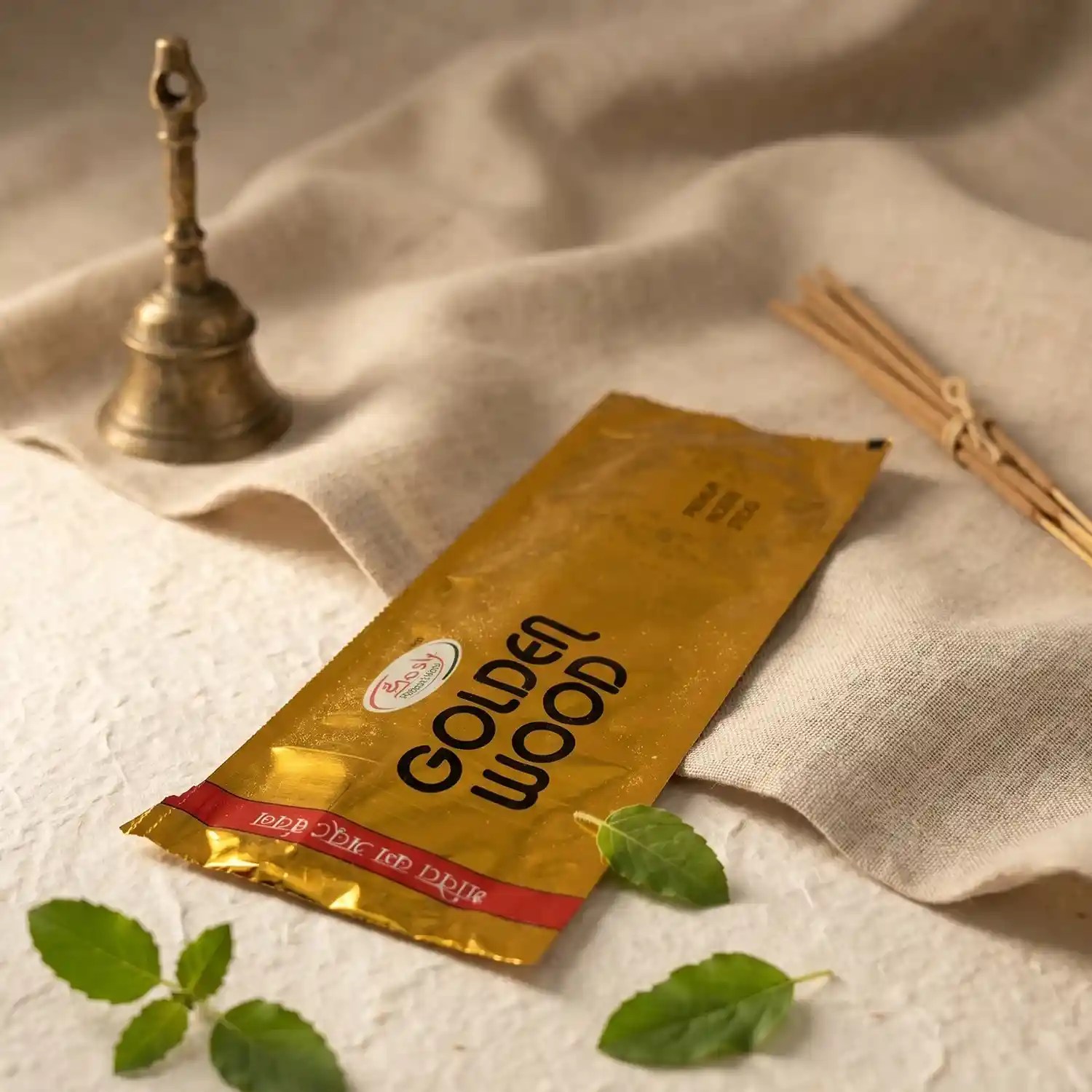
- Yes, you can. While this kit is heavily optimized for a grand, priest-led factory ritual, it features a dual-purpose design. If you do not have a priest, you can confidently perform a heartfelt 5-step (Panchopachar) worship. You will use the purification elements (Ganga Jal), foundational tilaks (Ashtagandha, Chandan, Roli), and offering items (Akshat Rice, Agarbatti, and Camphor) to bless your workspace, cash register, or tools.
- Q2. Why does the kit include a massive 1kg of wood if I am not running a Havan?
- We included these items to make the kit completely comprehensive for all business scales. If you are a small shop owner conducting a self-guided Puja Place prayer, you can simply set aside the Bel Kath (Bael wood), Joggo Dumur Pata (Audumbar leaves), and Havan Samagri. These are specifically intended for industrial settings or large workshops that hire a priest to perform a grand fire sacrifice.
- Q3. Is there a strict rule regarding where I should place the lighted Diya?
- Yes. According to traditional Sanatan manuals like the Purohit Darpan, your lighted lamp (Diya) prepared with the provided Cow Ghee or Mustard Oil must always be placed strictly on the right side of the deity during the worship.
- Q4. Are there any items I am strictly forbidden from offering to Lord Ganesha?
- Yes. According to scriptural mandates, Tulsi leaves must never be offered to Lord Ganesha. Doing so is considered highly inappropriate in orthodox worship. Use the provided Akshat Rice, flowers, or sweets for his offerings instead.
- Q5. Can I use this kit for a new business launch, or is it only for the annual festival?
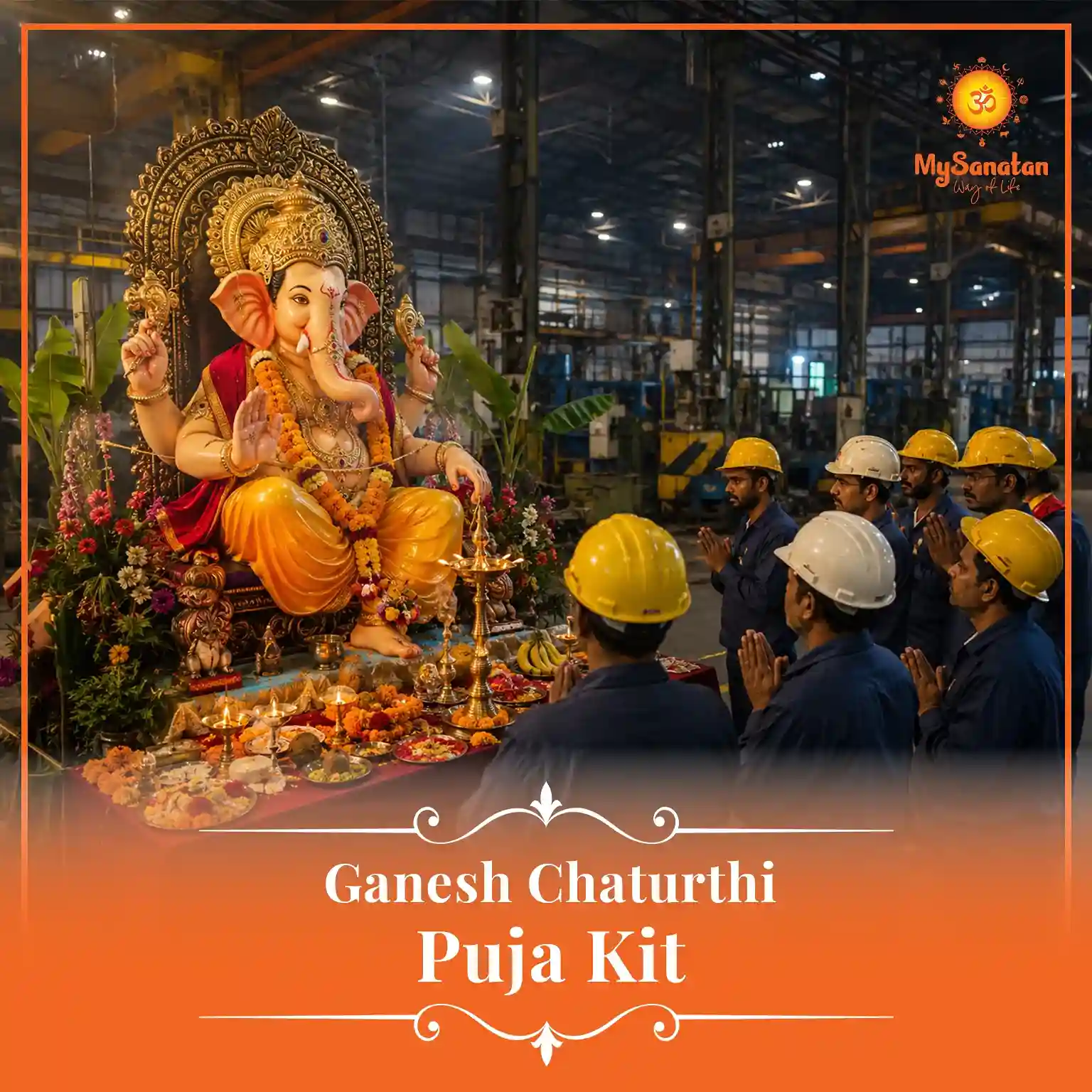
- While it is named the Ganesh Chaturthi Kit, it is an all-in-one commercial obstacle-remover. It is highly recommended to use this exact kit for a grand opening (Shubharambh) of a new factory, introducing heavy machinery to an assembly line, or launching a major product line to ensure early financial security.
- Q6. What is the ritual purpose of the Yellow Mustard Seeds provided in Step 1?
- The Yellow Mustard Seeds are included specifically for the scriptural rite of Bhuta-apasaran (driving away negative entities). Before the primary invocation, the priest scatters these seeds across the factory floor while chanting protective mantras to completely cast out earthbound negativity, competitive jealousy, and spiritual blockages from the workspace.
- Q7. How does the priest utilize the Yellow Janeu Thread and Chandan Attar?
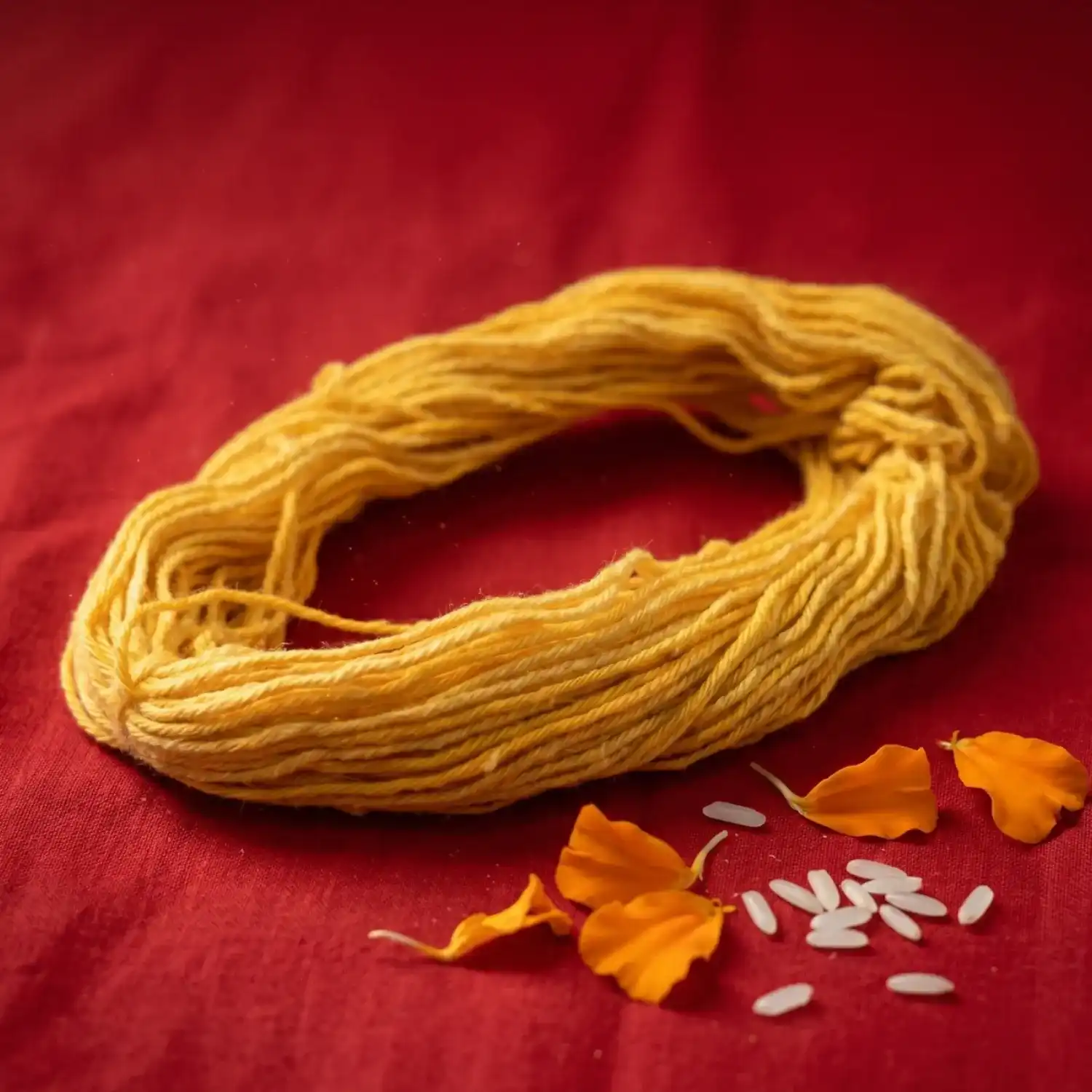
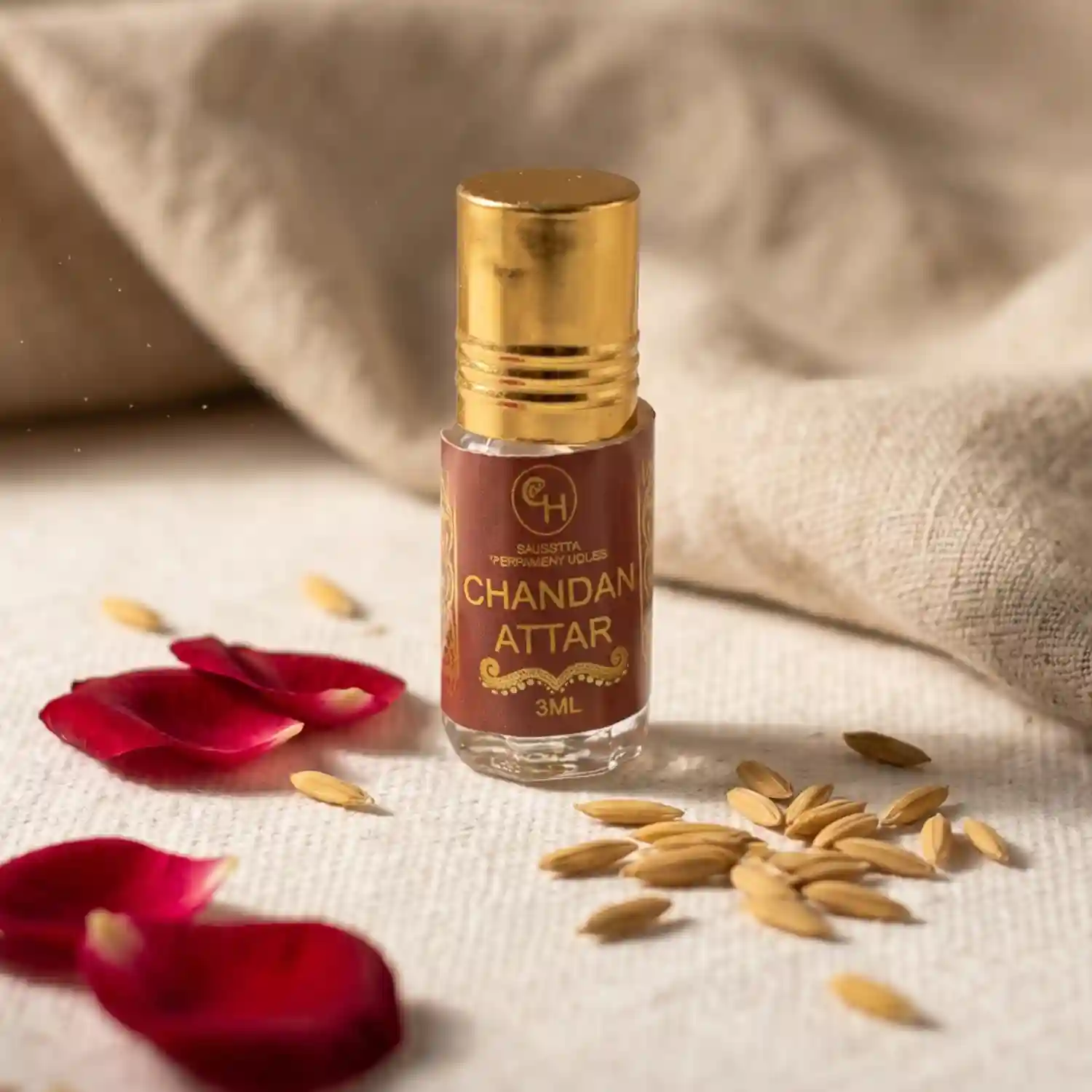
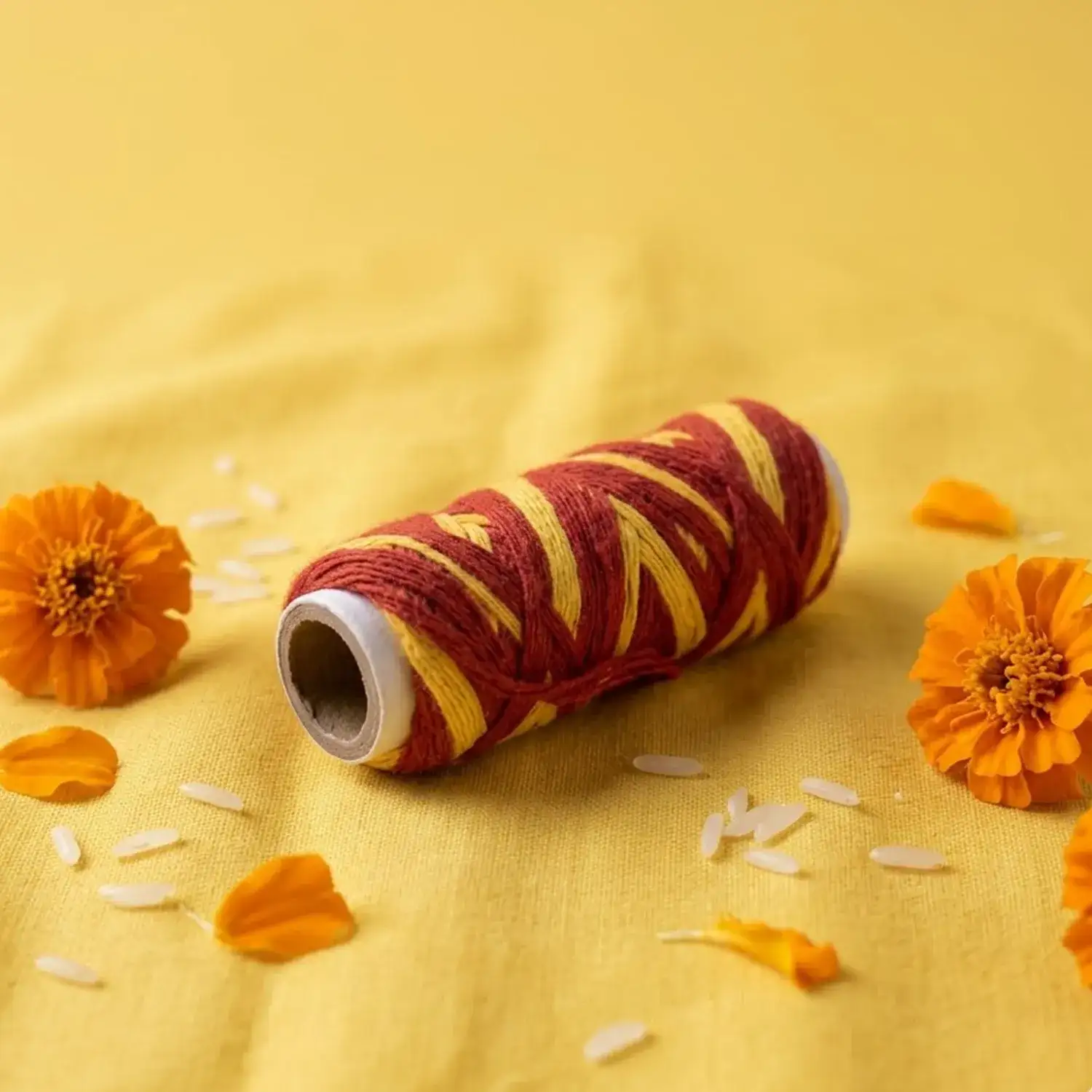
- During the Shodashopachar (16-step) royal sequence, the Yellow Janeu (sacred thread dyed with auspicious turmeric) is formally offered to Lord Ganesha to honor Him as the Lord of intellect and wisdom. The premium Chandan Attar (Sandalwood Ittar) is applied to the deity's cloth as a high-vibrational sensory offering (Gandha) to align the commercial property with growth and peace.
- Q8. How should the Madhu Parker Bati be utilized during the 16-step sequence?
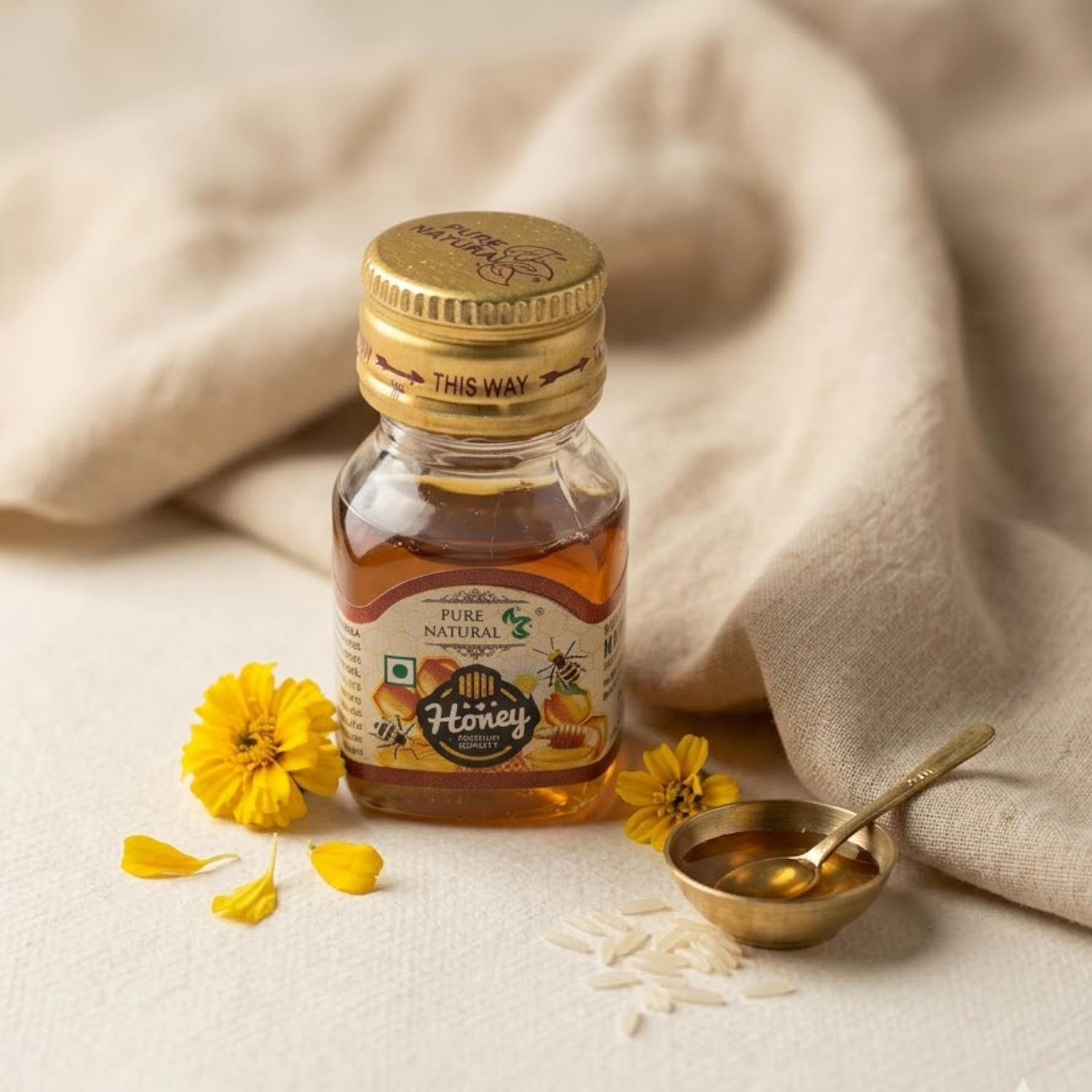
- The 6th step of royal Vedic hospitality requires the presentation of Madhuparka—a highly sacred, sweet blend of pure honey and cow ghee. This kit includes a dedicated large bowl (Bati) specifically so the priest can mix and offer this divine meal flawlessly to Lord Ganesha to sweeten the financial frequencies of the enterprise.
- Q9. Why does this kit provide a substantial 1kg of Bel Kath and 4 bundles of Joggo Dumur Pata?
- To completely clear away heavy commercial debts and institutional obstacles, an uncompromised fire ritual (Factory Homa) is required. We provide authentic Bel Kath (Bael wood) and Joggo Dumur Pata (Audumbar leaves) to ensure the priest has a robust and sustained sacred fire to bless the machinery and assembly lines.
- Q10. What role do the Chhobra, Dhuna, Guggal, and Chawar play at the climax of the ritual?
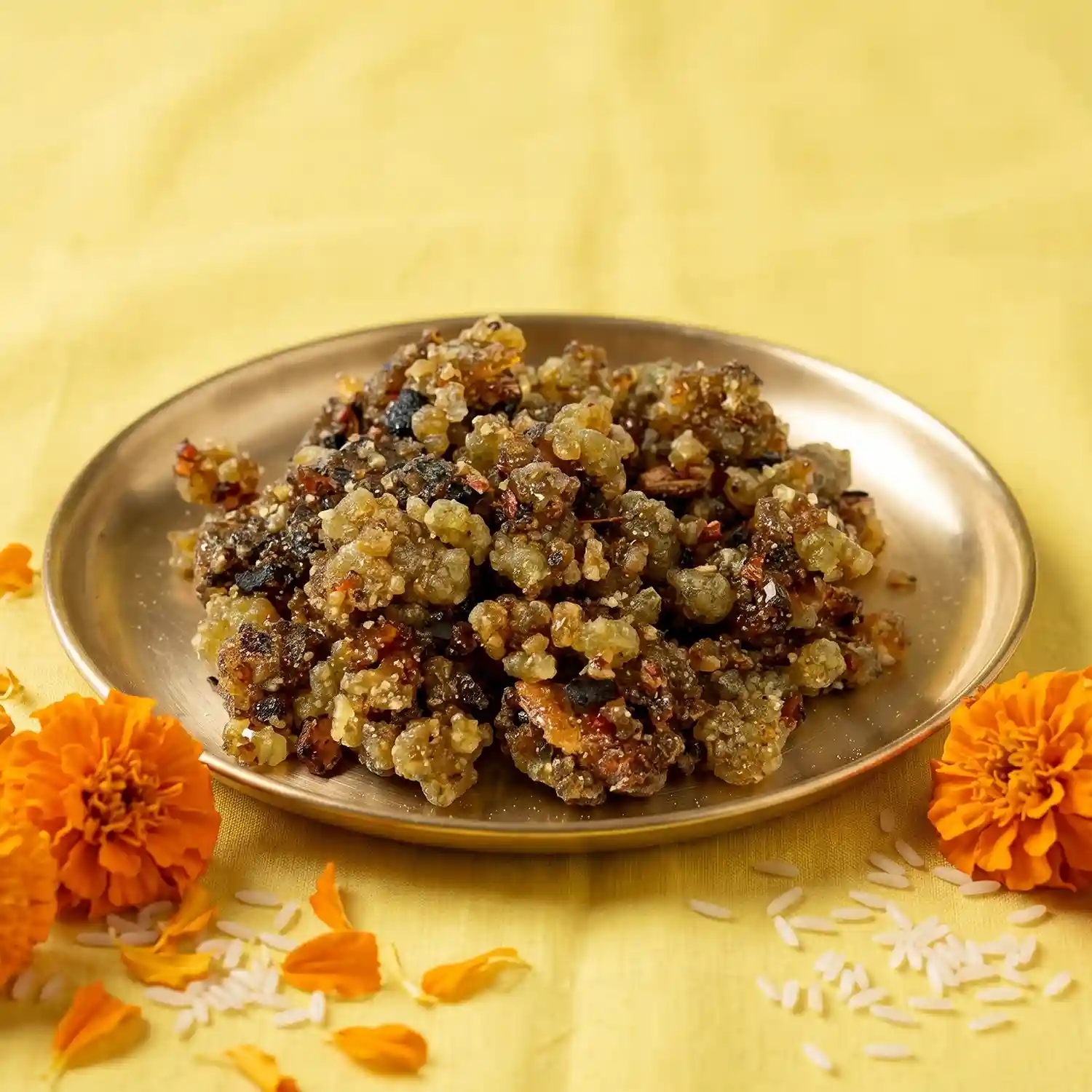
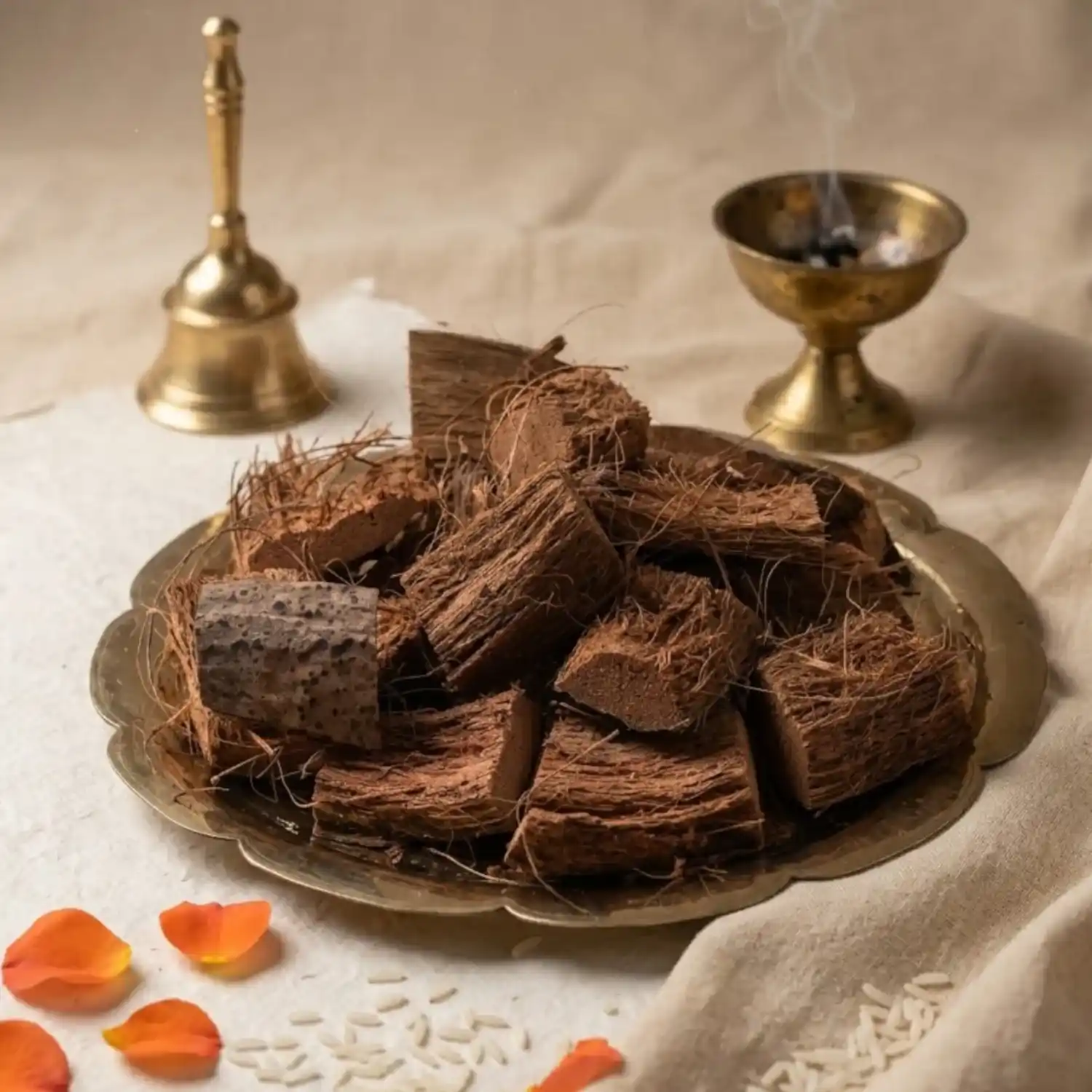
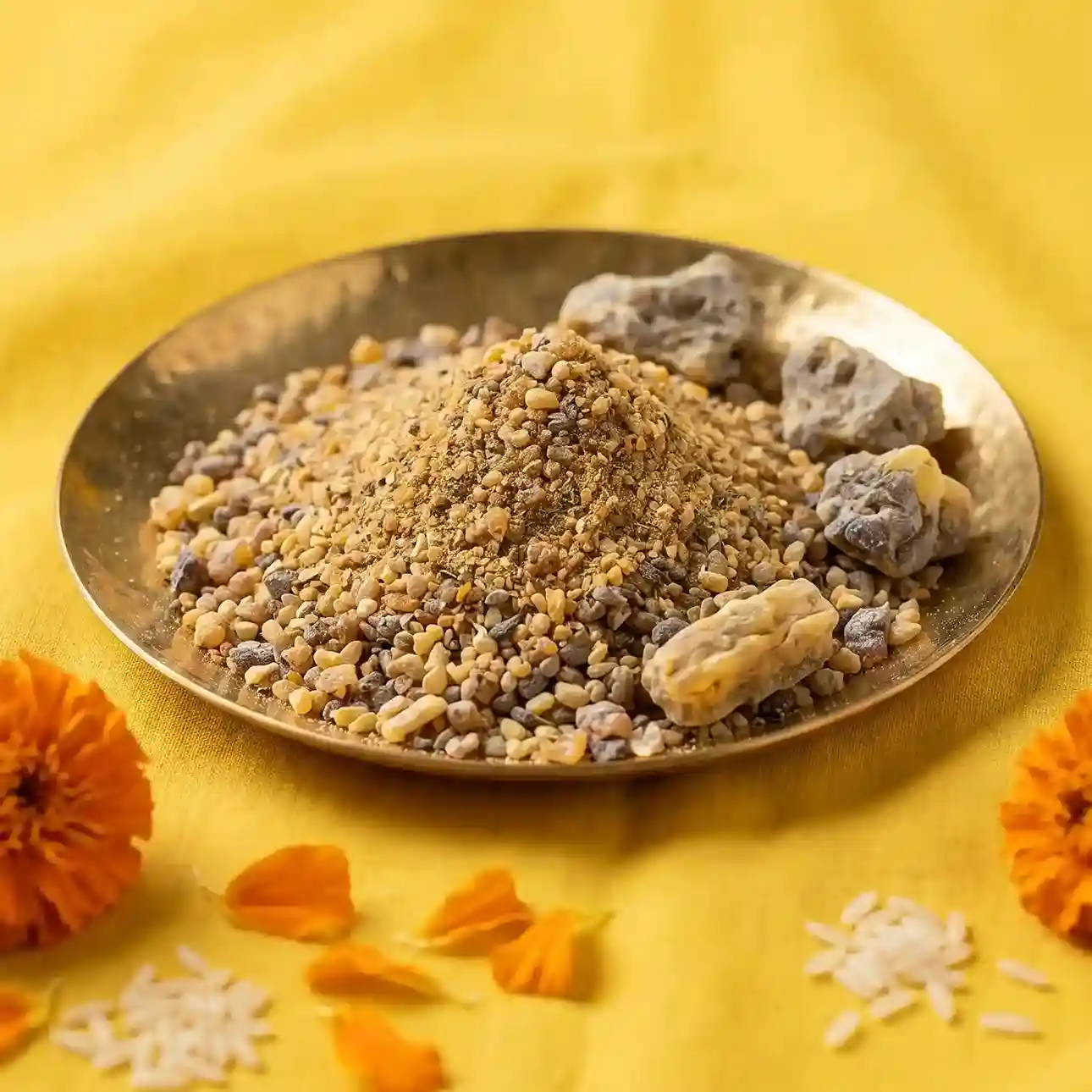
- These elements are reserved for the grand space-clearing finale. The Chhobra (coconut husk), Dhuna Powder and Guggal are burned together to create a heavy, medicinal, and purifying smoke that clears stagnant environmental stress across the factory floor. The priest then uses the traditional metal-handled Chawar (fan) to wave this smoke across the machinery and workers to complete the royal honors.