

_15_11zon.webp)
_2_11zon.webp)





Frequently Asked Questions
- Q1. Can I perform this puja on my own in my shop without a priest?
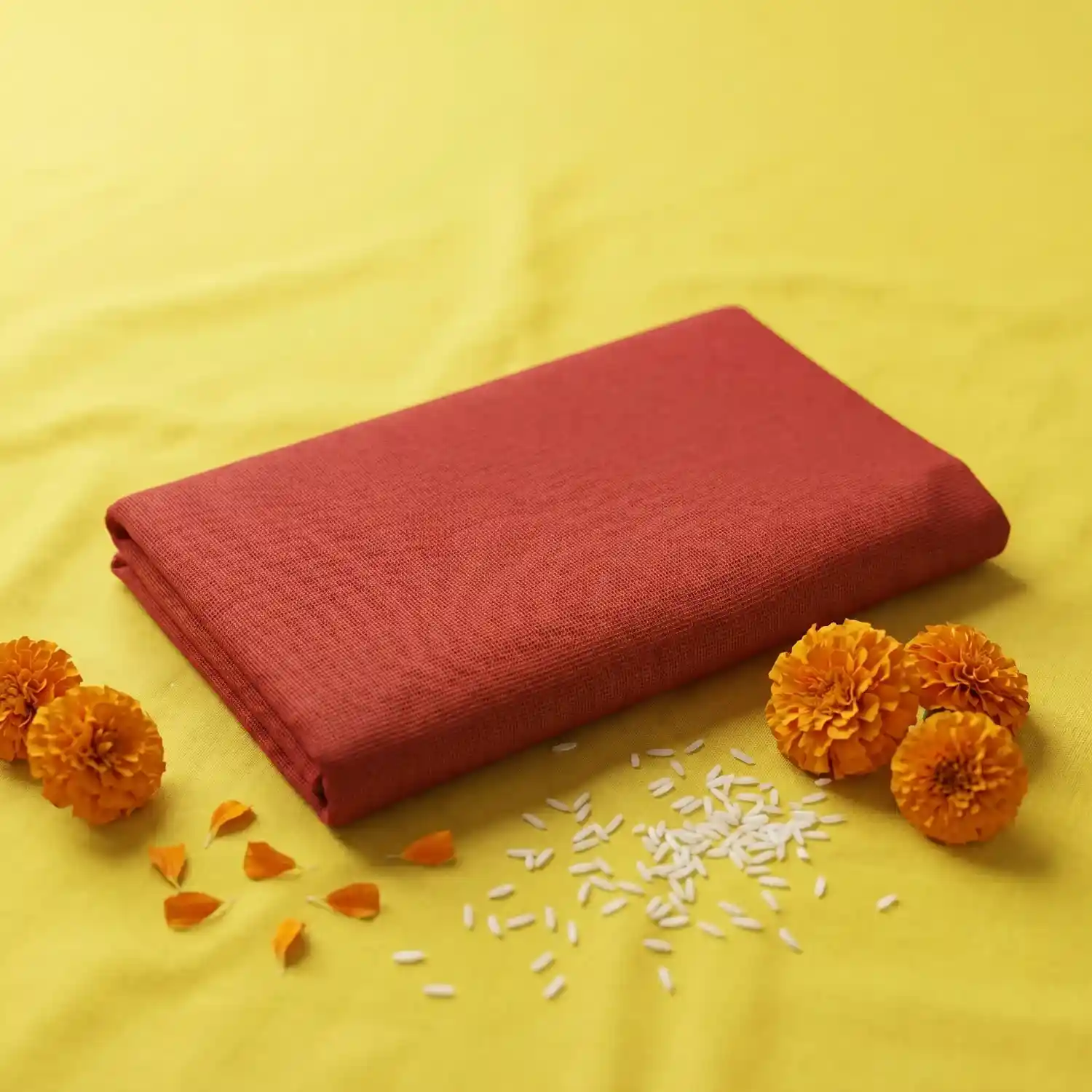
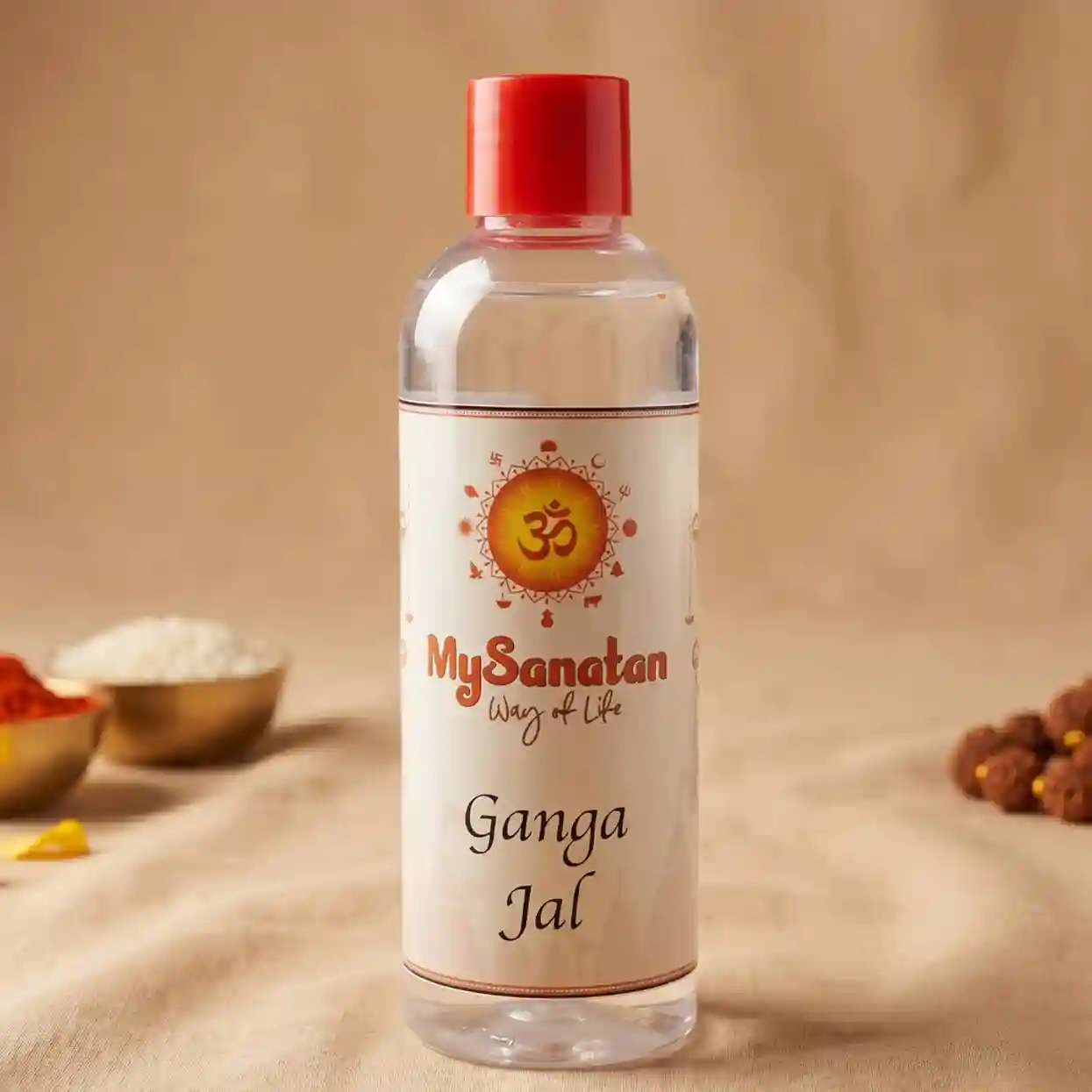
- Yes, you can. This standard kit is explicitly designed for a "dual-purpose" setup. If you do not have a priest, you can easily perform a beautiful, self-guided ritual. You will use the workspace cleansing items (Ganga Jal), the Puja Place setup (Red Asan and Puja Cloth), and the wealth charms (Gomti Chakra, Cowrie Shells, Kuber Coins) to bless your cash register and business space.
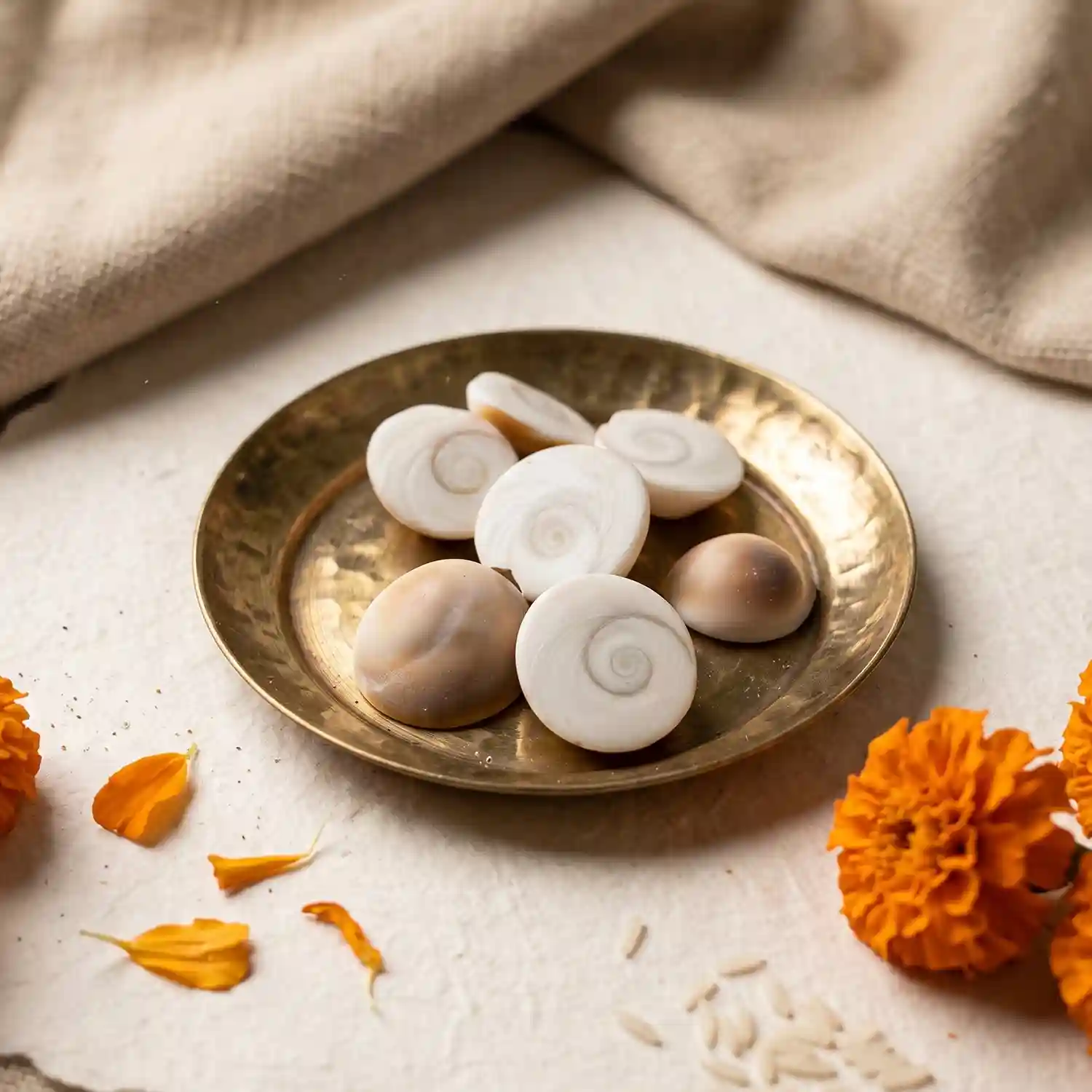
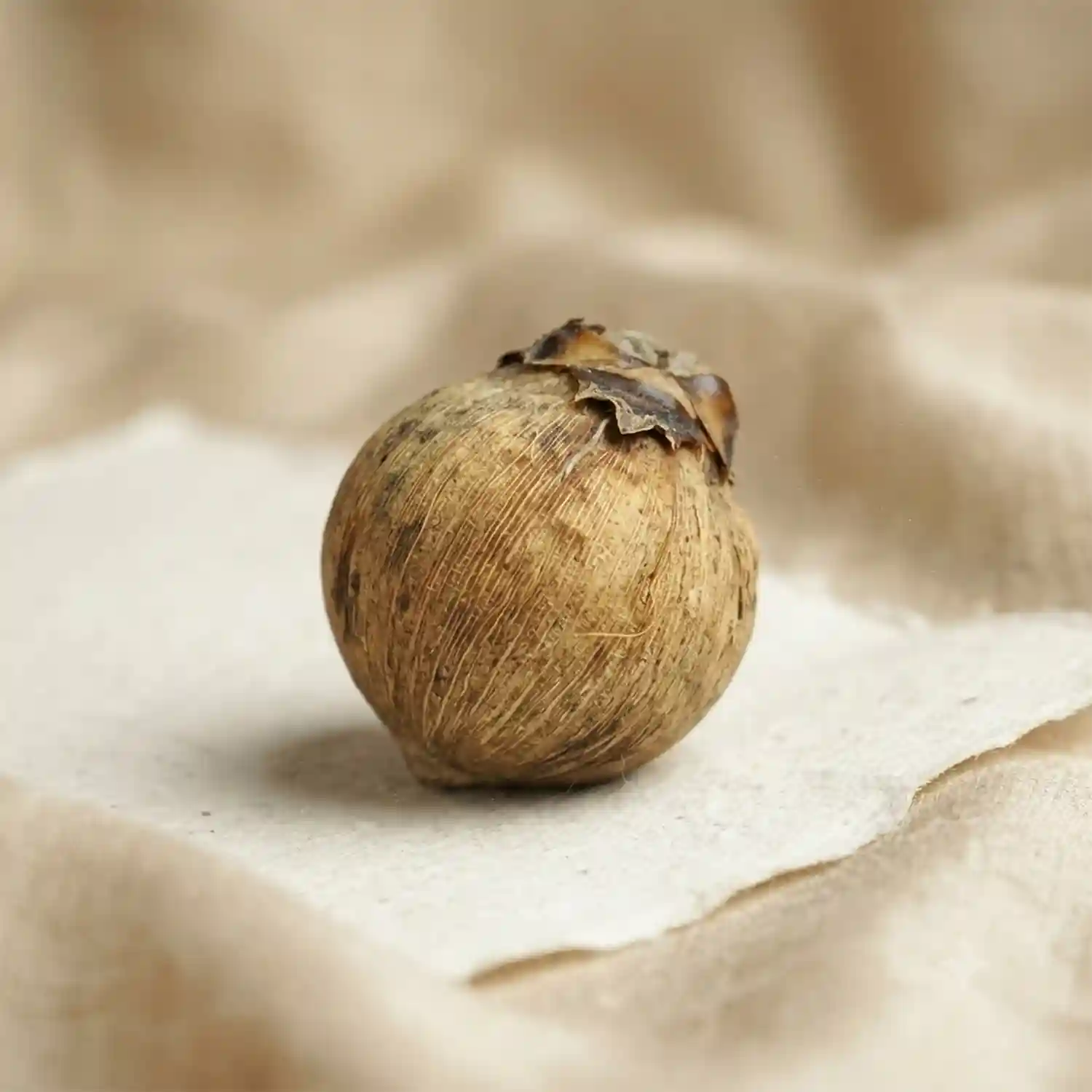
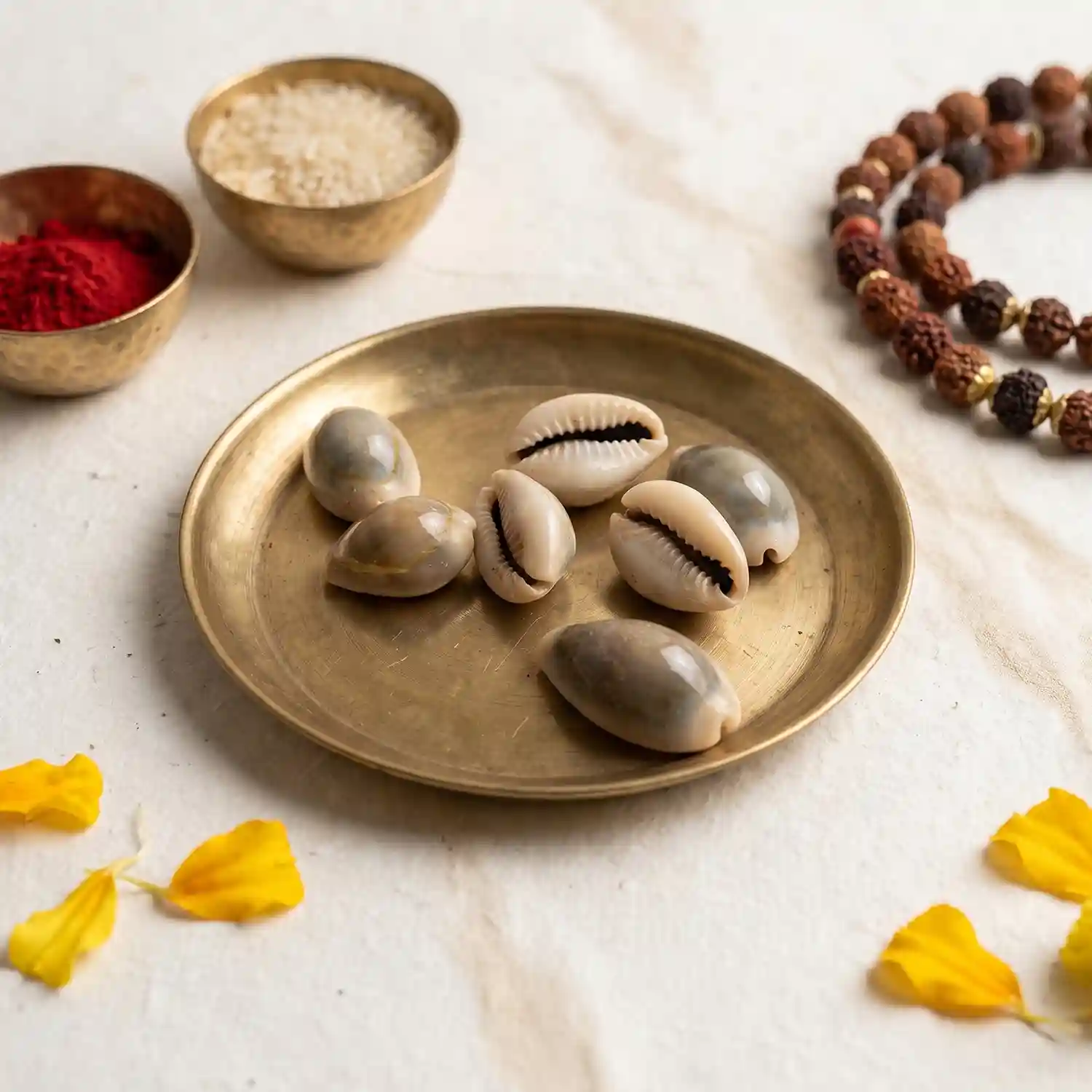
- Q2. What should I do with the rare wealth items (Kamal Gatta, Gomti Chakra, Cowries) after the puja?
- These items act as highly potent spiritual magnets for financial abundance. Once the puja concludes:
- Kamal Gatta (Lotus Seeds): Leave them offered at the feet of Goddess Lakshmi.
- Gomti Chakras, Cowrie Shells, and Kuber Coins: Place them safely inside your commercial safe, cash register, or locker to lock in capital and ensure a steady flow of revenue.
- Laghu Nariyal (Mini Coconuts): Keep them wrapped in a clean cloth near your financial ledgers or safe.
- Q3. Why is there a warning against offering Tulsi leaves during this puja?
- According to sacred Sanatan traditions, Tulsi leaves must never be offered to Lord Ganesha. Doing so is considered highly inappropriate in scriptural ritual manuals. Stick to using the Akshat Rice, flowers, and sweets for his offerings.
- Q4. Where exactly should I place the lighted lamp (Diya) on my Puja Place?
- To maintain orthodox ritual accuracy, your lighted lamp (prepared with the provided Cow Ghee or Mustard Oil) must always be placed strictly on the right side of the deities.
- Q5. Can I use this kit for an office or factory inauguration, or is it only for Diwali night?
- While it is named the Diwali Kit, it is an all-in-one commercial wealth toolbox. It is highly recommended to use this exact kit for opening a new office showroom, initializing an industrial factory floor, or blessing your account books at the start of a new financial year.
- Q6. How are the Laghu Nariyal and Gomti Chakra incorporated into the 16-step royal worship?
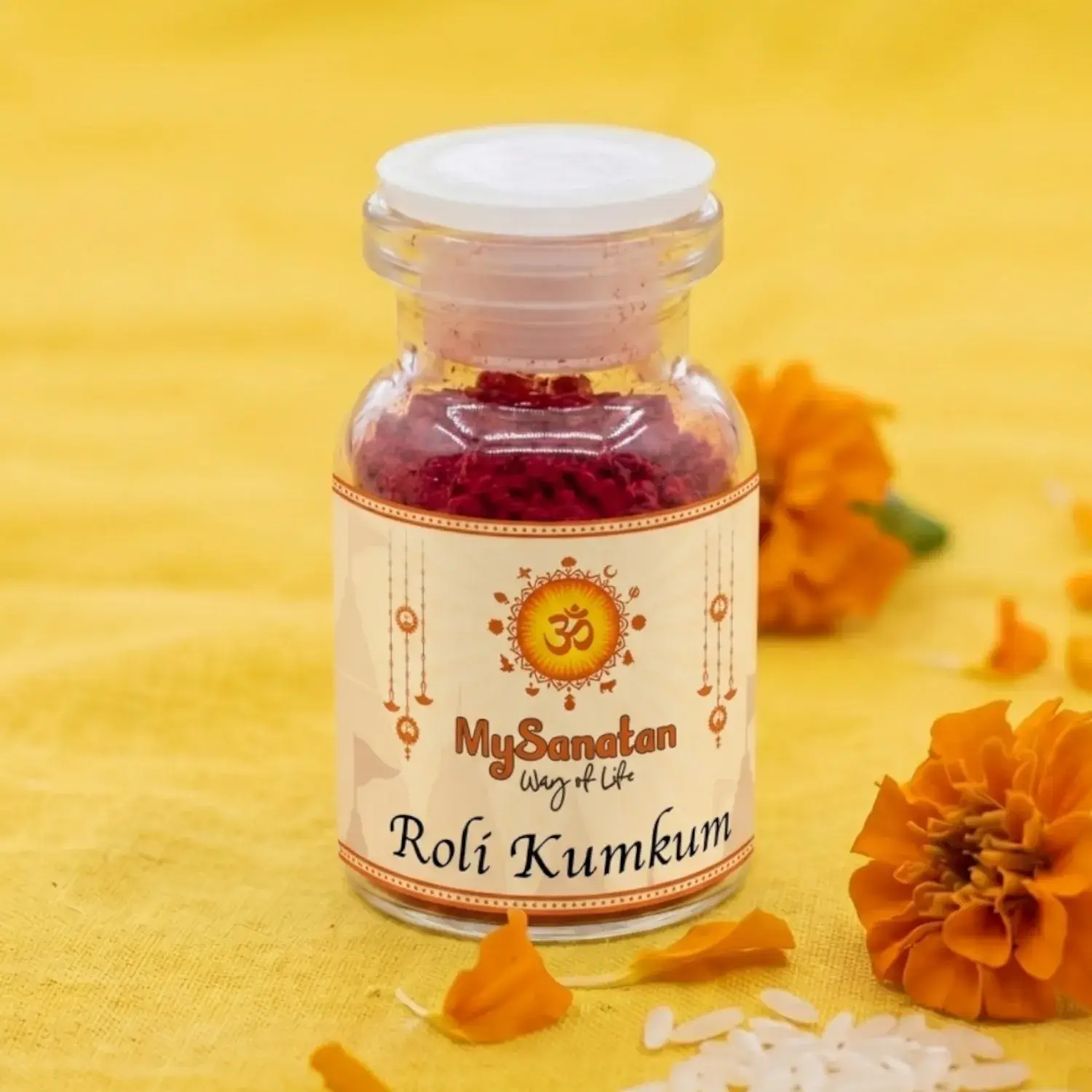
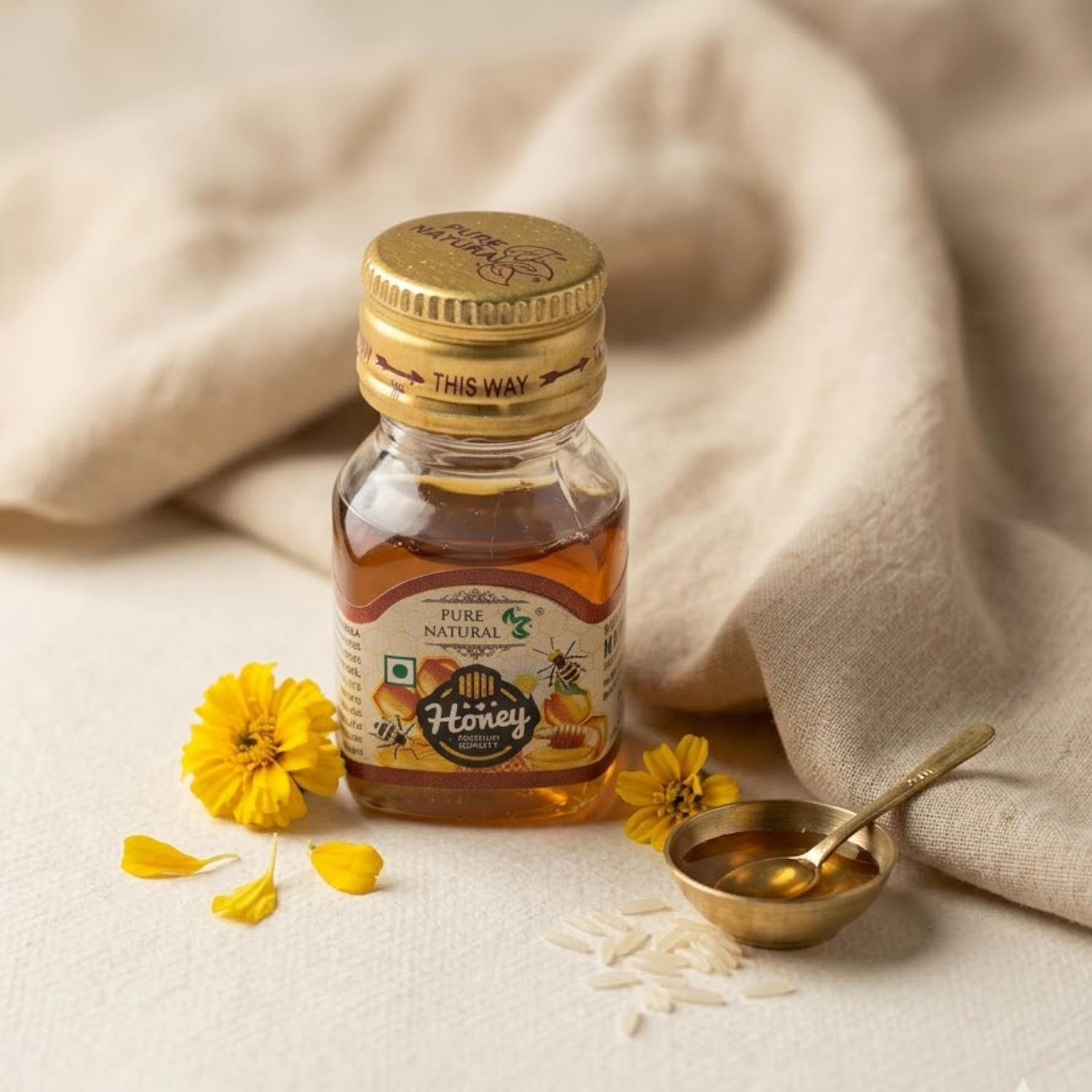
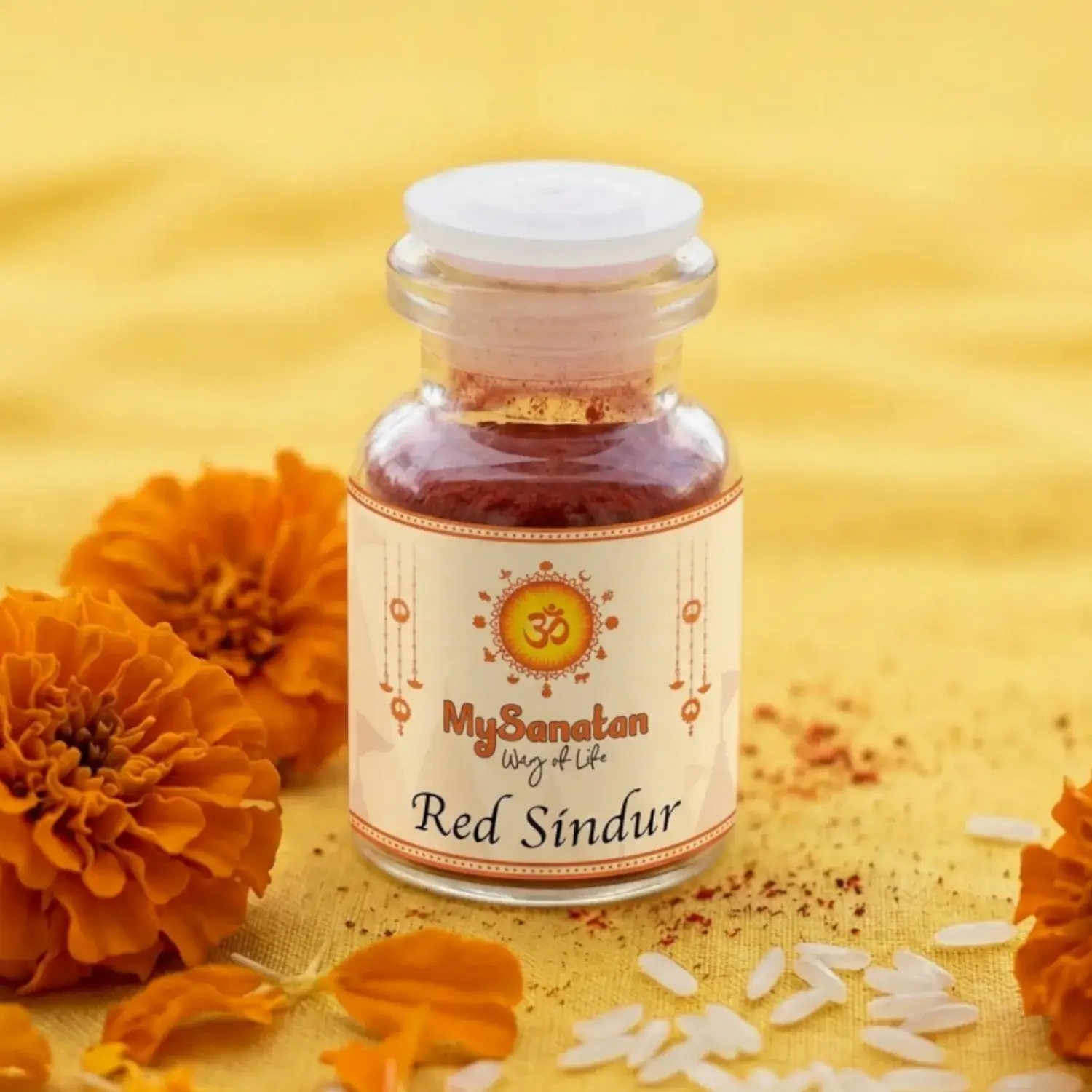
- During the formal Shodashopachar (16-step) sequence, the priest will treat these esoteric items as living extensions of divine wealth energy. They will be placed on a copper or brass plate and ceremonially bathed (Abhishekam) using Ganga Jal and Pure Honey alongside the deities before being adorned with Roli, Kumkum, and Rose Attar.
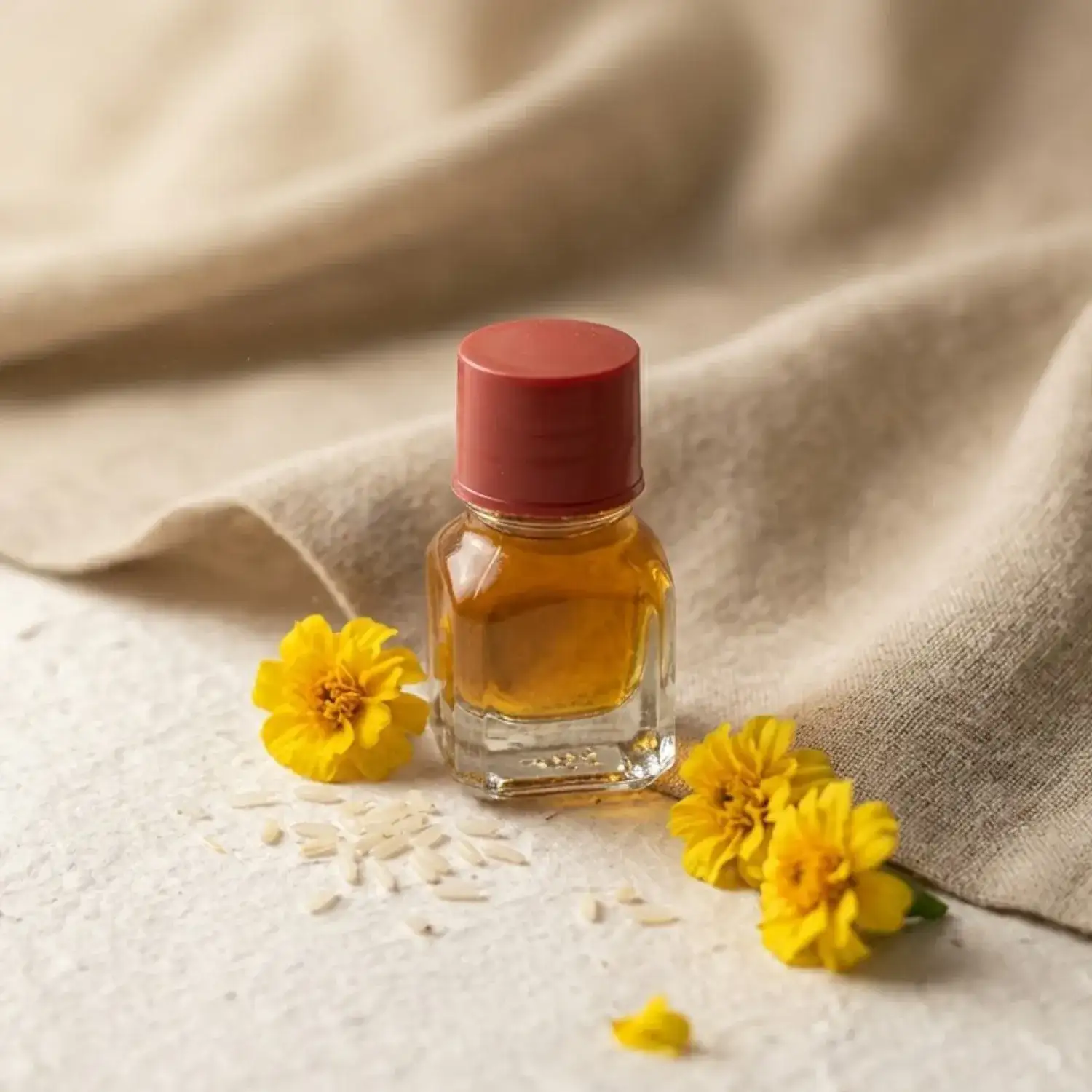
- Q7. What is the ritual significance of providing Rose Attar (Ittar) in this specific kit?
- Goddess Lakshmi is the cosmic embodiment of beauty, luxury, and refinement. In advanced rituals, standard synthetic fragrances are rejected. The application of pure Rose Attar onto the deity’s clothes or Puja Place is a vital sensory offering (Gandha) meant to specifically attract the high-vibrational energies of material luxury and commercial prosperity.
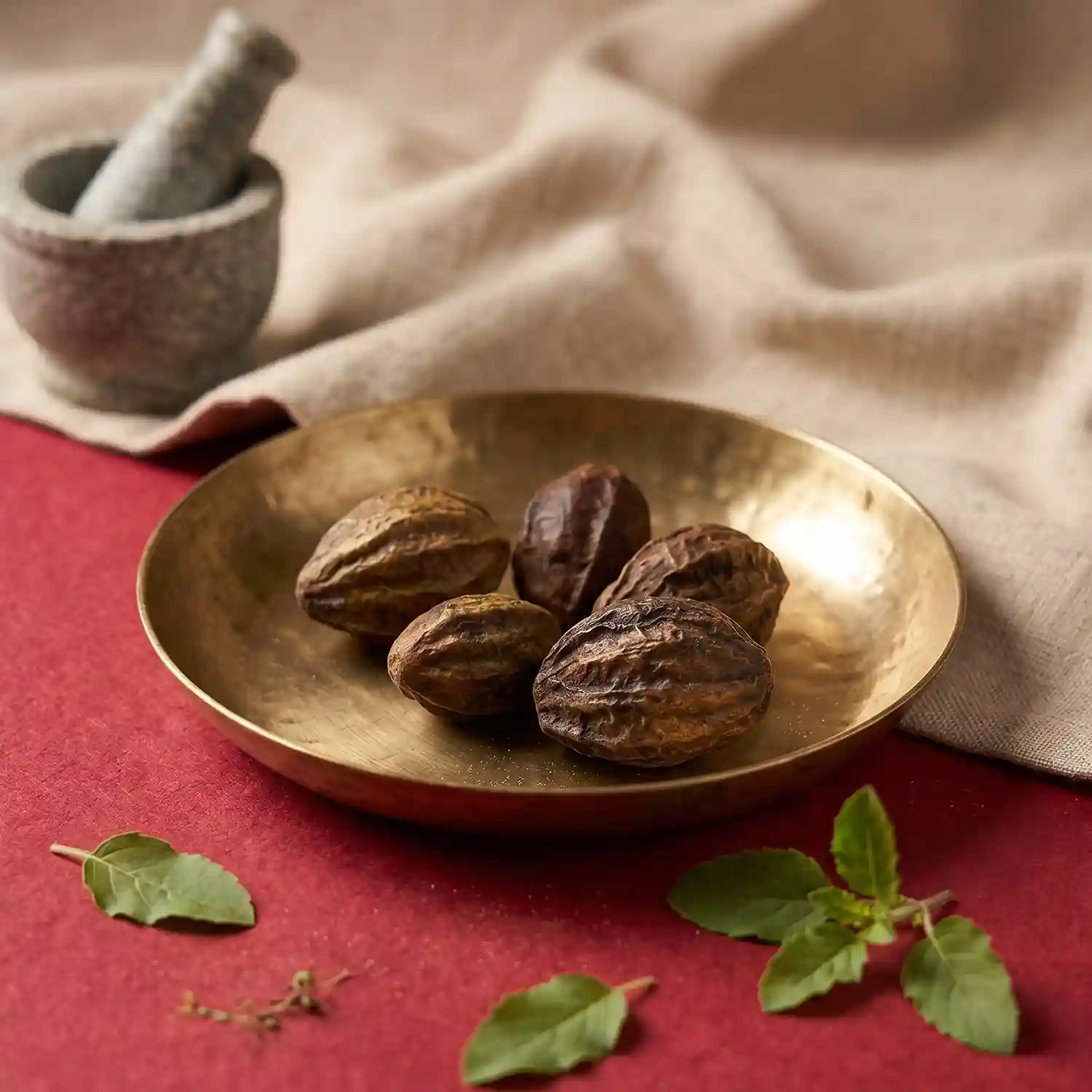
- Q8. What role does the Haritaki play within the Tambula offering?
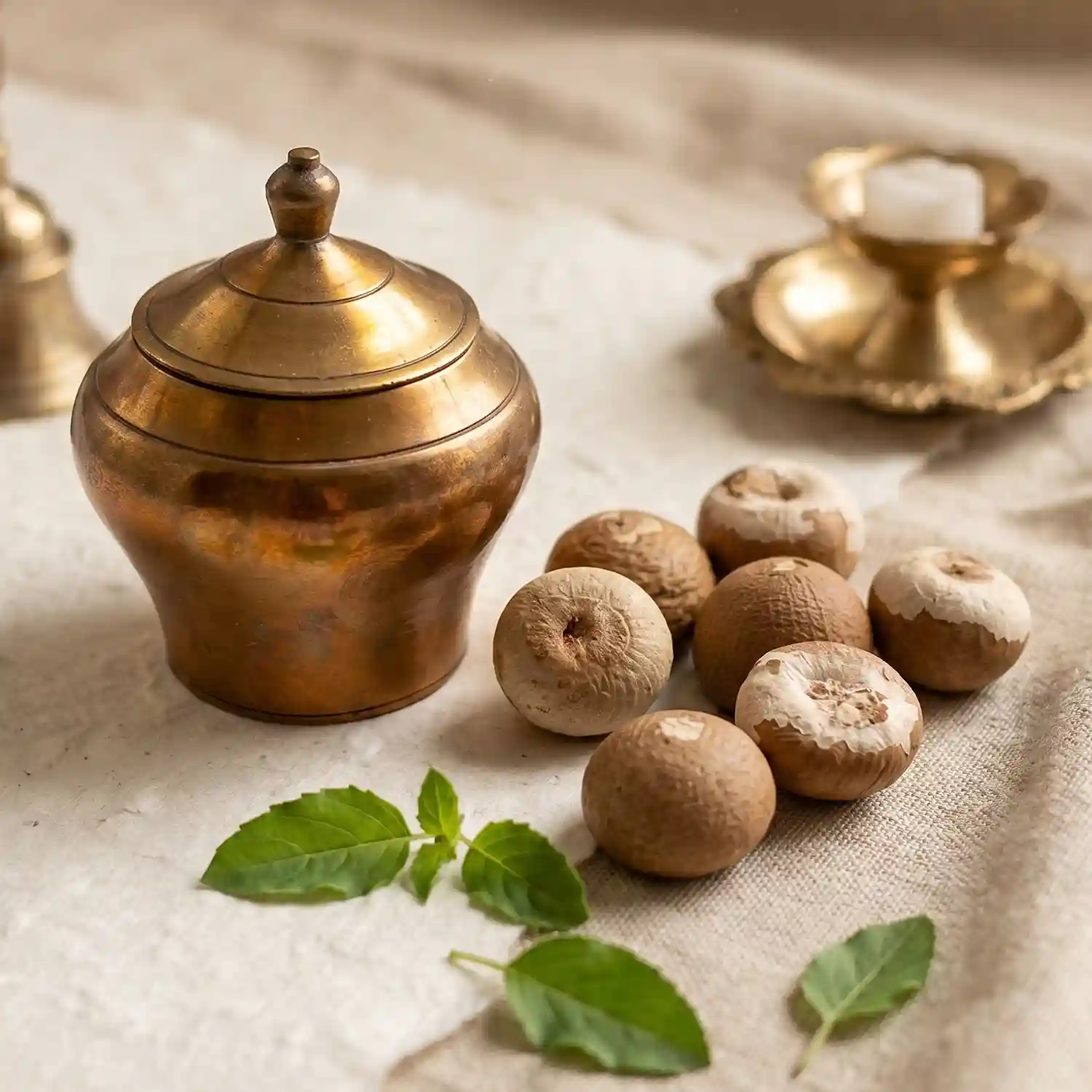
- In orthodox Vedic rituals, a Tambula (the final mouth-freshening offering that seals the royal honors) is incomplete with just betel nut and spices. The inclusion of Haritaki (Harad Fruit) alongside Supari, Clove, and Cardamom completes a mathematically precise, scriptural script for balancing the elemental energies after the primary food offerings (Naivedya).
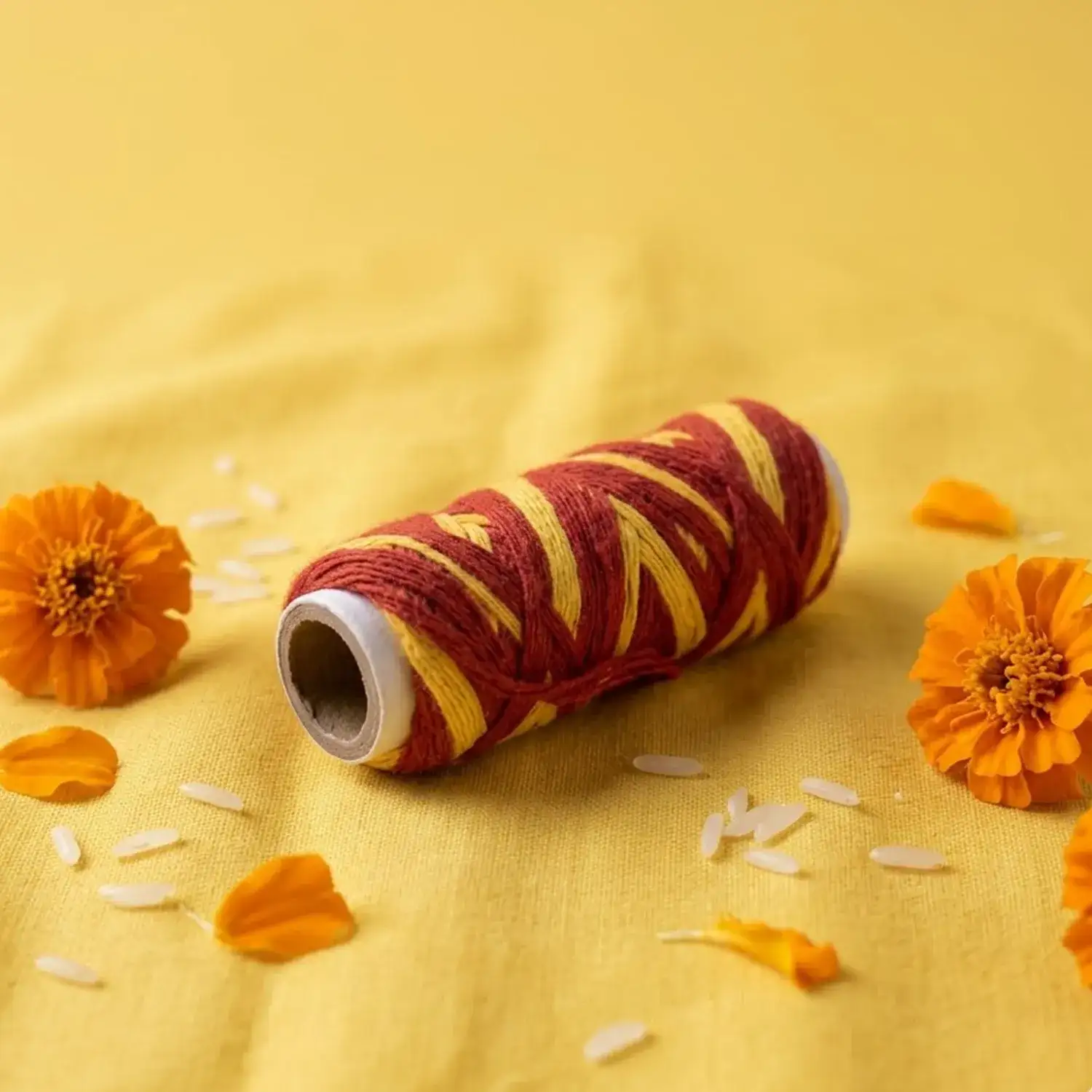
- Q9. How does the priest utilize the Raksha Sutra for protecting commercial assets?
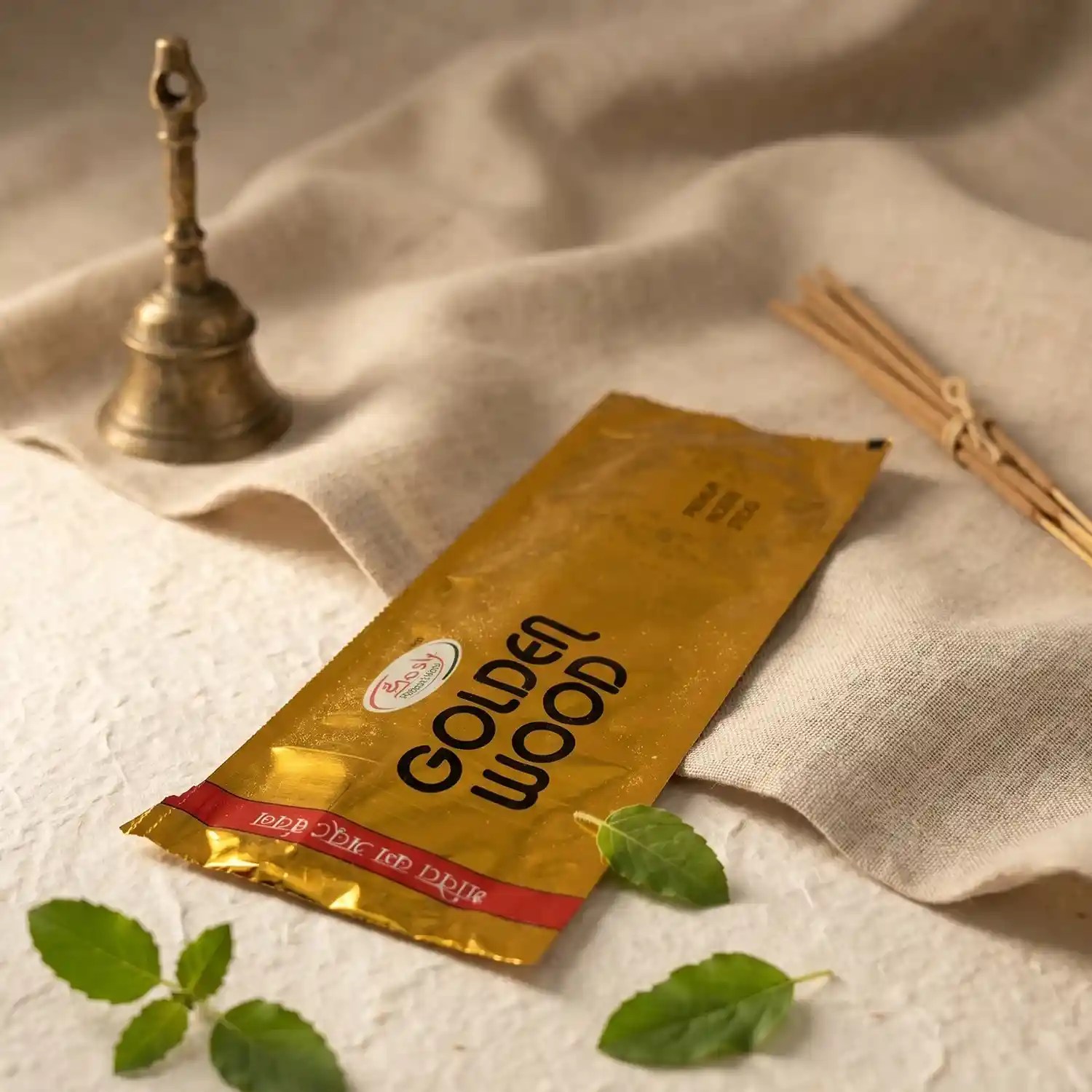
- At the climax of the ritual, the priest blesses and energizes the multi-colored Raksha Sutra (Moli Kalawa). Rather than just tying it onto the wrists of the business owners, the priest will wrap and seal it around the handles of the commercial safe, the main office entrance, or critical industrial factory machinery to create an energetic barrier against mechanical failures and financial fraud.
- Q10. Why does the kit include both Cow Ghee and Mustard Oil?
- They serve two completely different functional tracks in the puja:
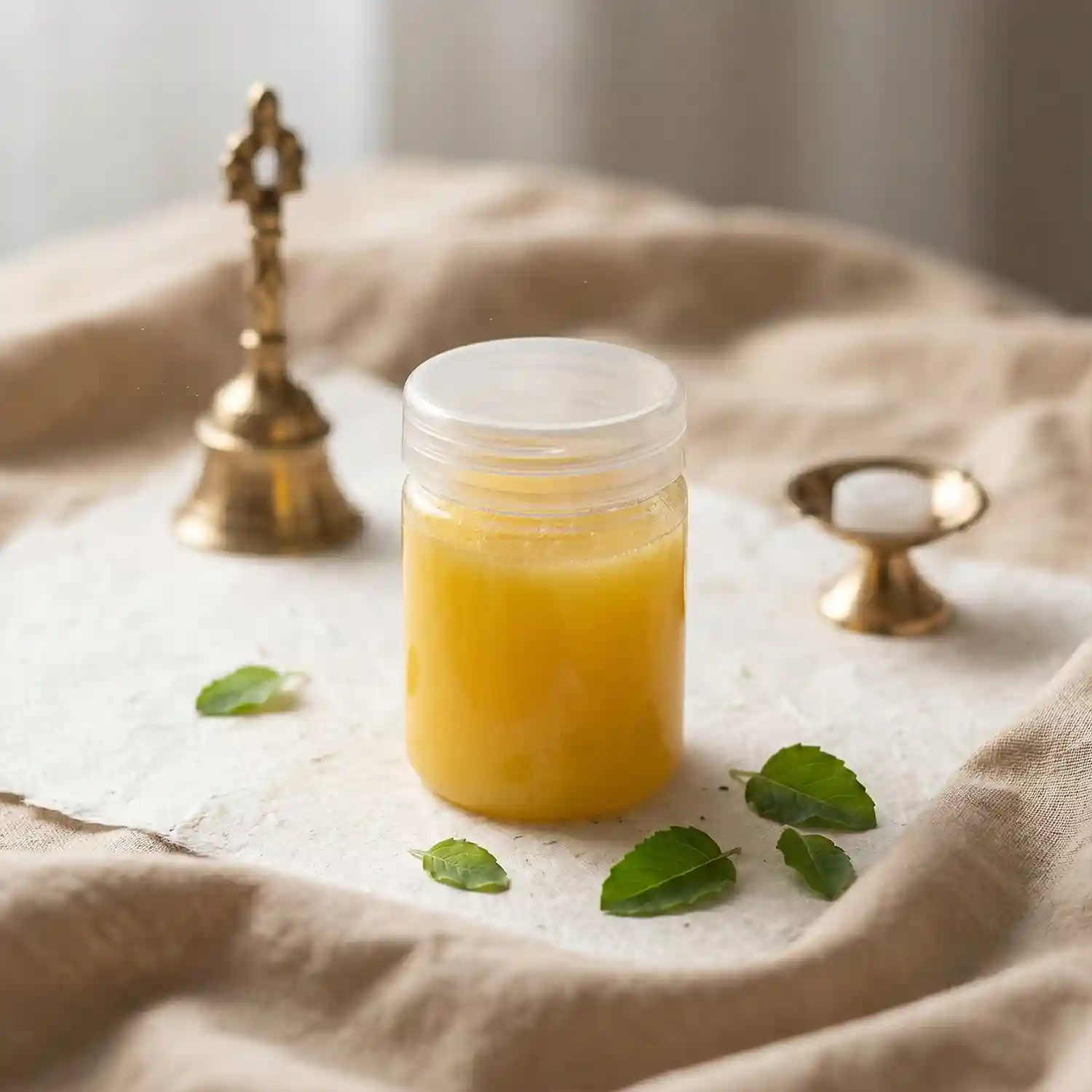
- Cow Ghee: Reserved strictly for the primary Puja Place Diya and any scriptural mixtures (like blending with honey for Madhuparka rituals).
- Mustard Oil: Included for the outer or secondary lamps placed at the entrance of the shop or factory floor to clear away ambient negativity and guide foot traffic inward.