
_9_11zon.webp)


_15_11zon.webp)





.webp)



_11zon.webp)


.webp)


_11zon.webp)
_11zon.webp)
Frequently Asked Questions
- Q1. Why is Lord Viswakarma specifically worshipped in factories, server hubs, and corporate workspaces?
- Lord Viswakarma is the divine architect of the universe and the ultimate patron of engineering, manufacturing, and technology. Worshipping Him—and blessing your company's heavy machinery, servers, assembly lines, and physical tools—spiritually upgrades your workspace. This process helps prevent sudden mechanical failures, ensures a high level of physical safety for your workers, and optimizes overall production output.
- Q2. When is the most effective timeline for our company to utilize this industrial kit?
- This high-performance kit is specifically structured for major technical and engineering milestones:
- Annually on Viswakarma Puja (Kanya Sankranti): For a comprehensive, company-wide blessing of all factories, IT infrastructure, and tools.
- During New Setups: Before inaugurating a new manufacturing plant, construction site, or IT server farm.
- During Scaling: When installing expensive new heavy machinery or launching a massive engineering project.
- Q3. Can our internal engineering or operations team perform this puja independently?
- While your team can offer basic everyday prayers using the Agarbatti and Camphor, this specific kit is built for a deep-level industrial clearing and a full Vedic fire ritual (Havan). Invoking the sacred fire (Kushandika) and establishing the protective workspace boundaries require highly advanced formulas. To ensure these spiritual protocols are met without errors, it is absolutely compulsory to hire a qualified Pandit.
- Q4. What should we do with our heavy machinery, tools, and computers during the ritual?
- Your tools and infrastructure are the operational engine of your enterprise. During Step 3, ensure your primary machinery, vehicles, production tools, and even software ledgers are cleaned and accessible. The priest will directly adorn them with Ashtagandha, Sindur, and Abir to spiritually energize your physical and digital assets.
- Q5. What is the purpose of the distinct smoky smoke ritual performed at the end of the puja?
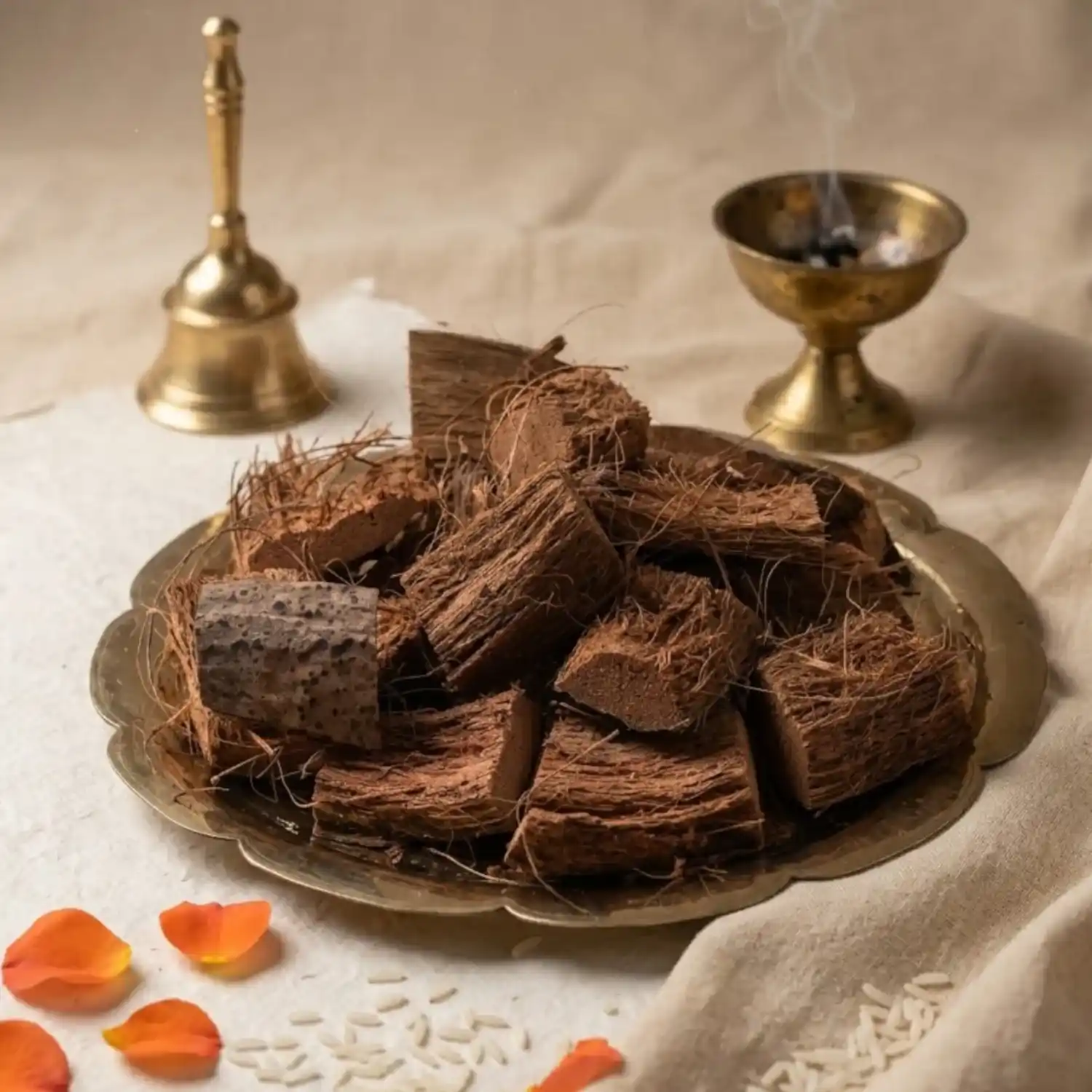
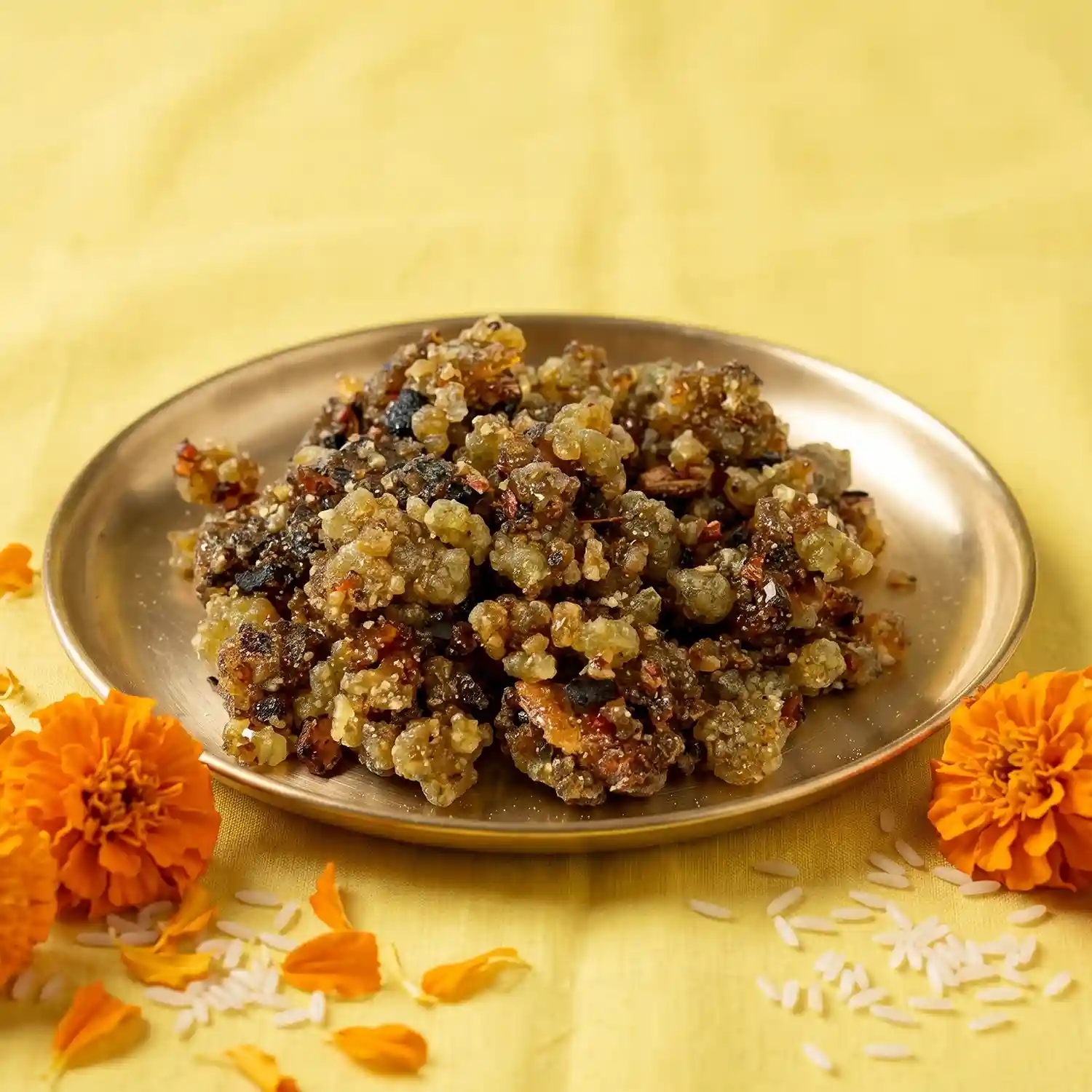
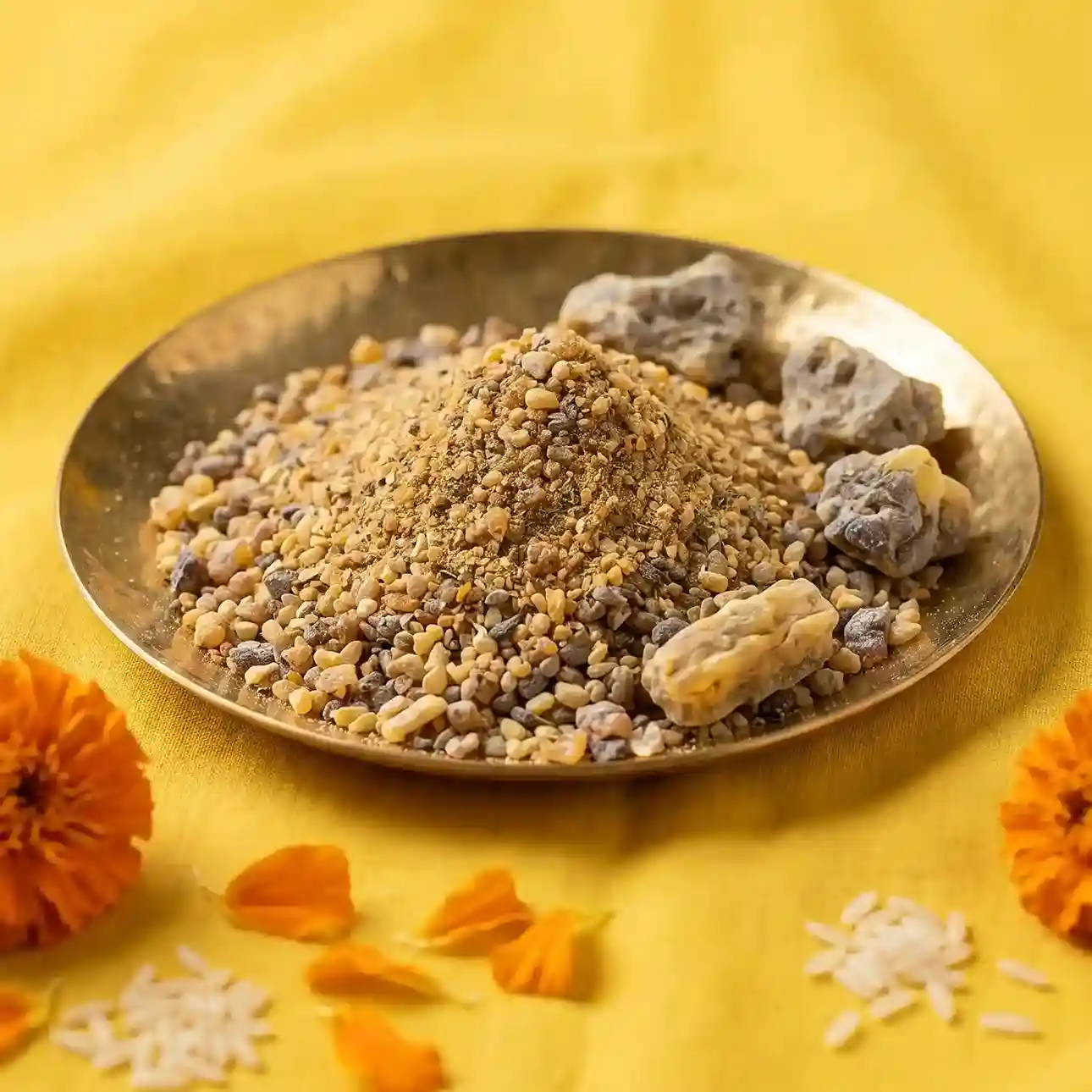
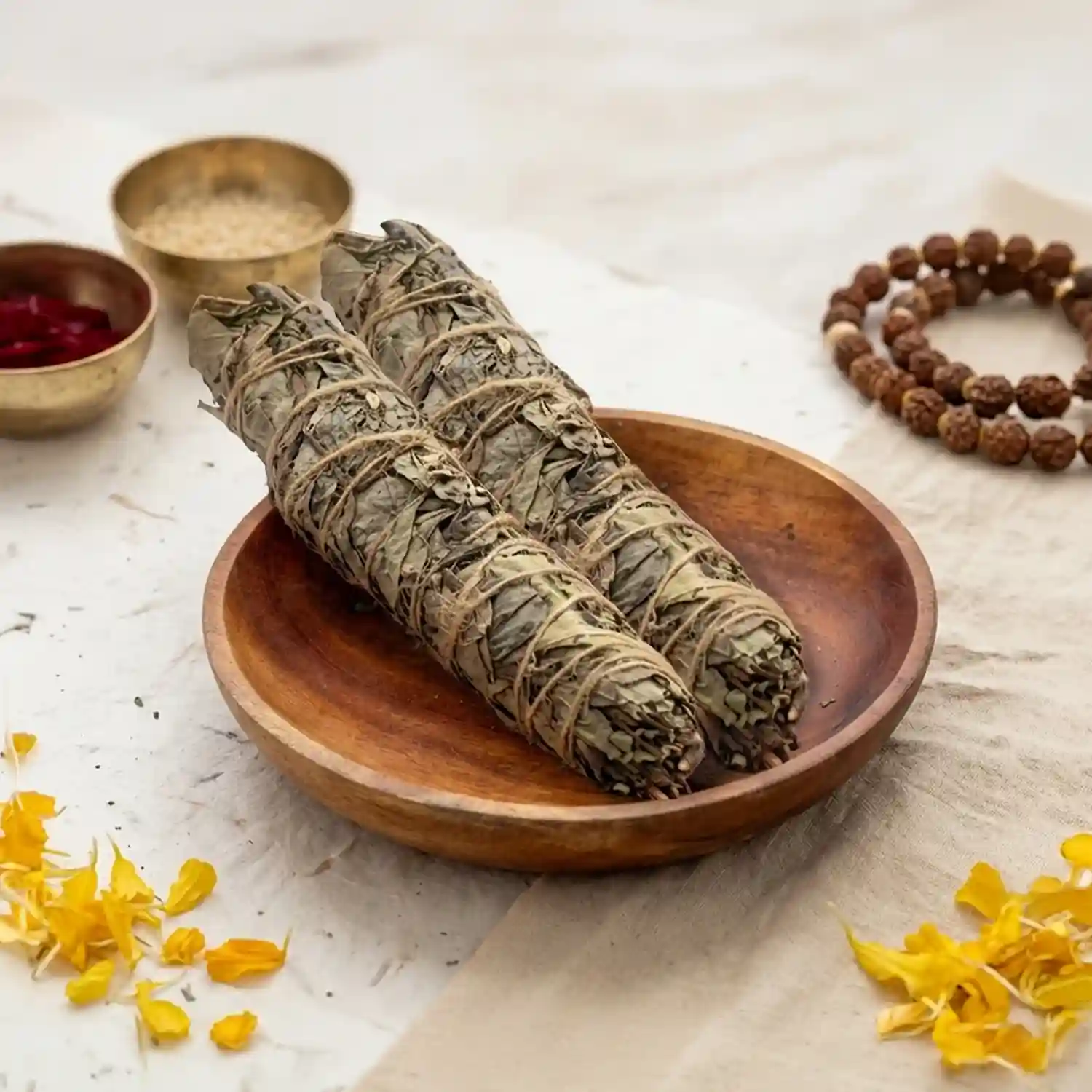
- The final step uses a heavy-duty combination of Chhobra (dry coconut husk), Dhuna Powder, and Guggal. When ignited, these natural resins produce a thick, deeply purifying smoke. Waving this smoke across the factory floor and boardroom acts as a powerful space-clearing technology, instantly driving out stagnant energy and accident-prone vibrations.
- Q6. How does this kit support the complex setup of the sacred Ghat and its ritual boundaries?
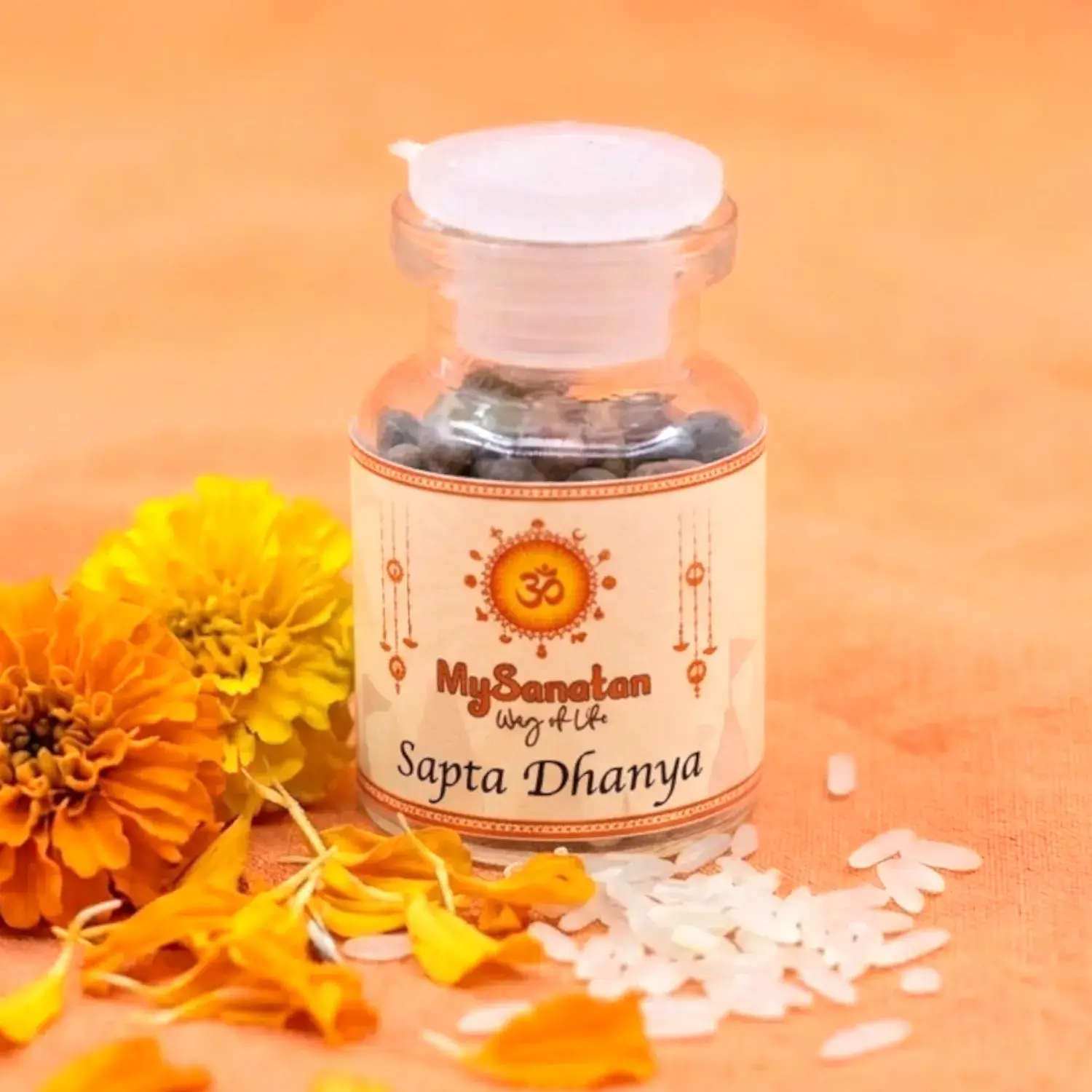
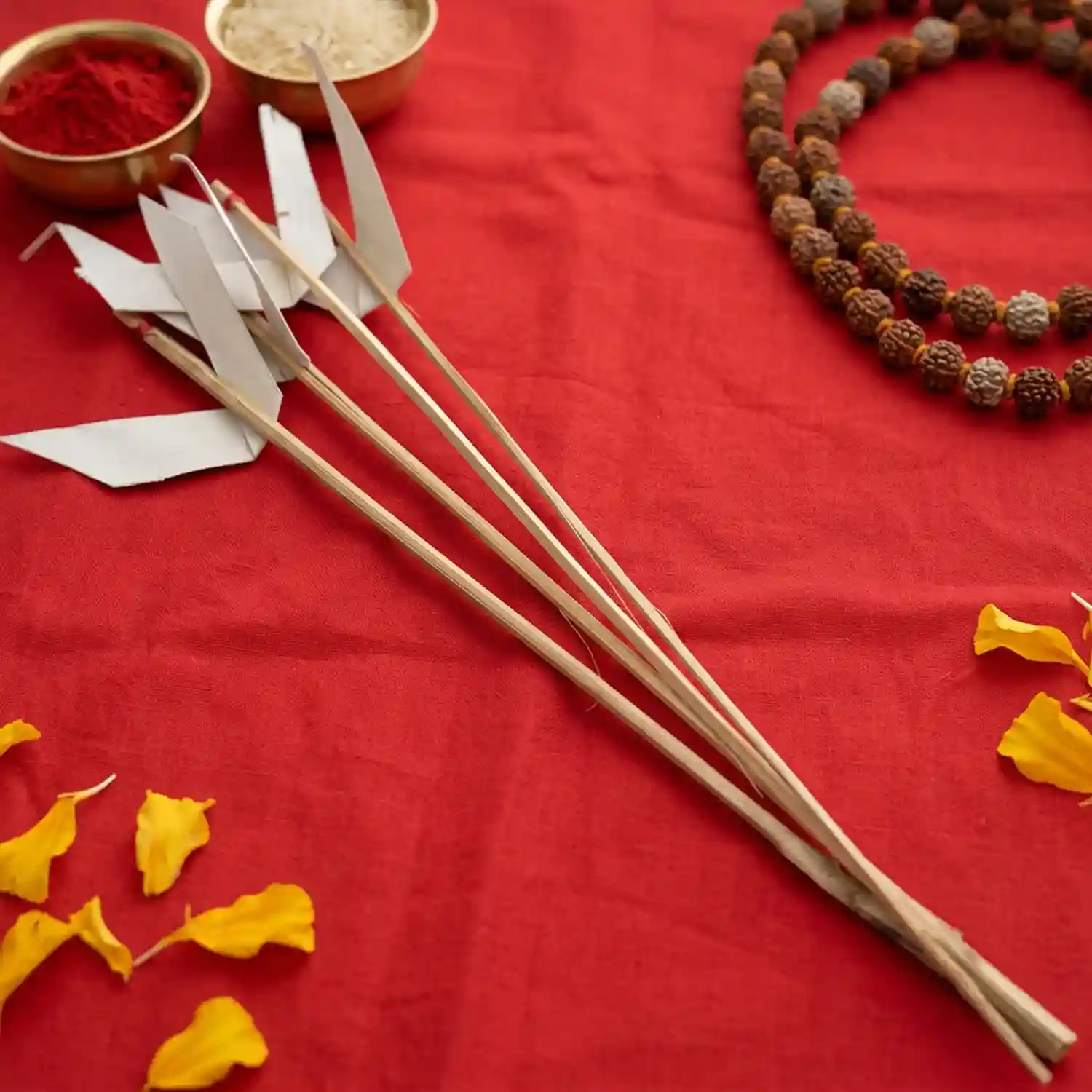
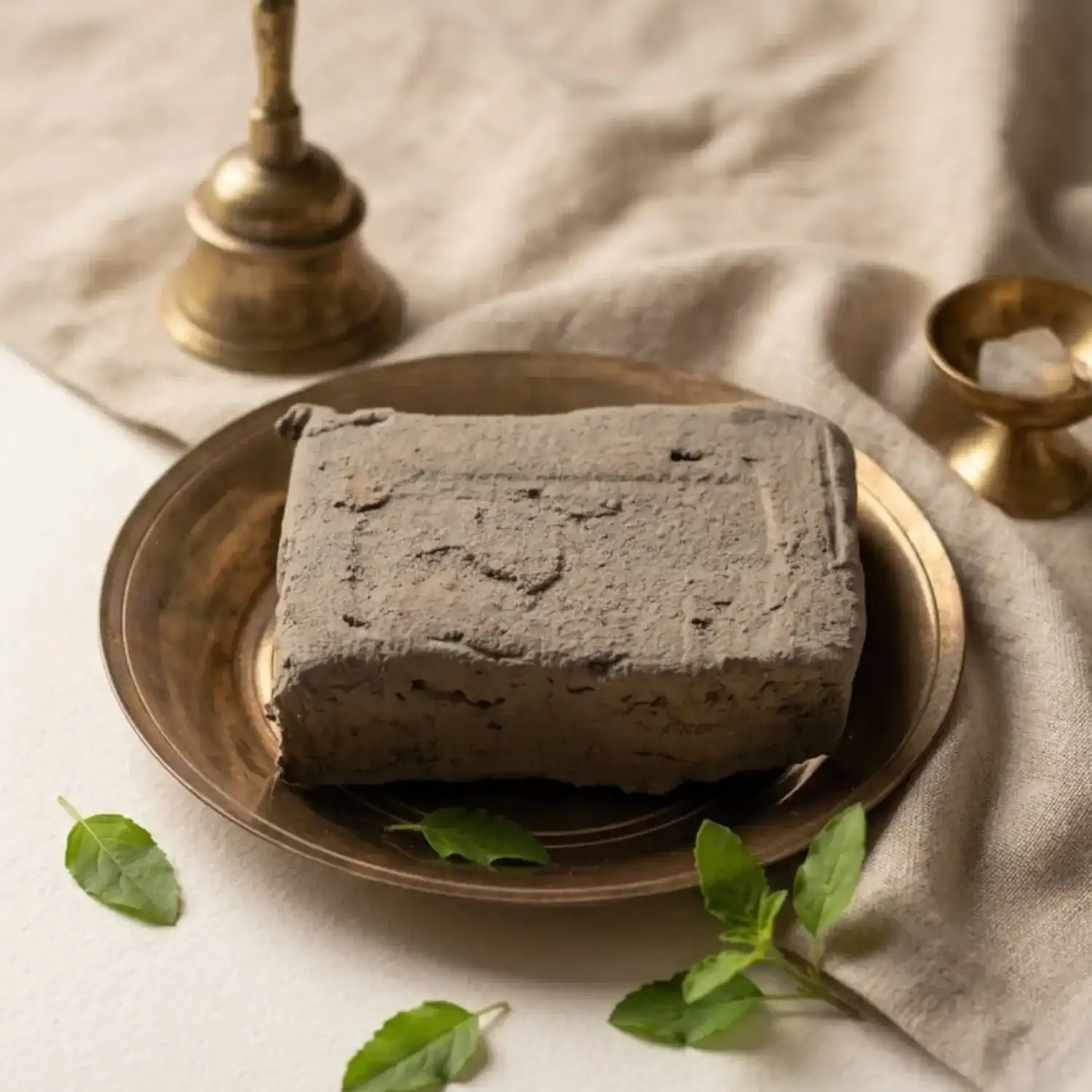
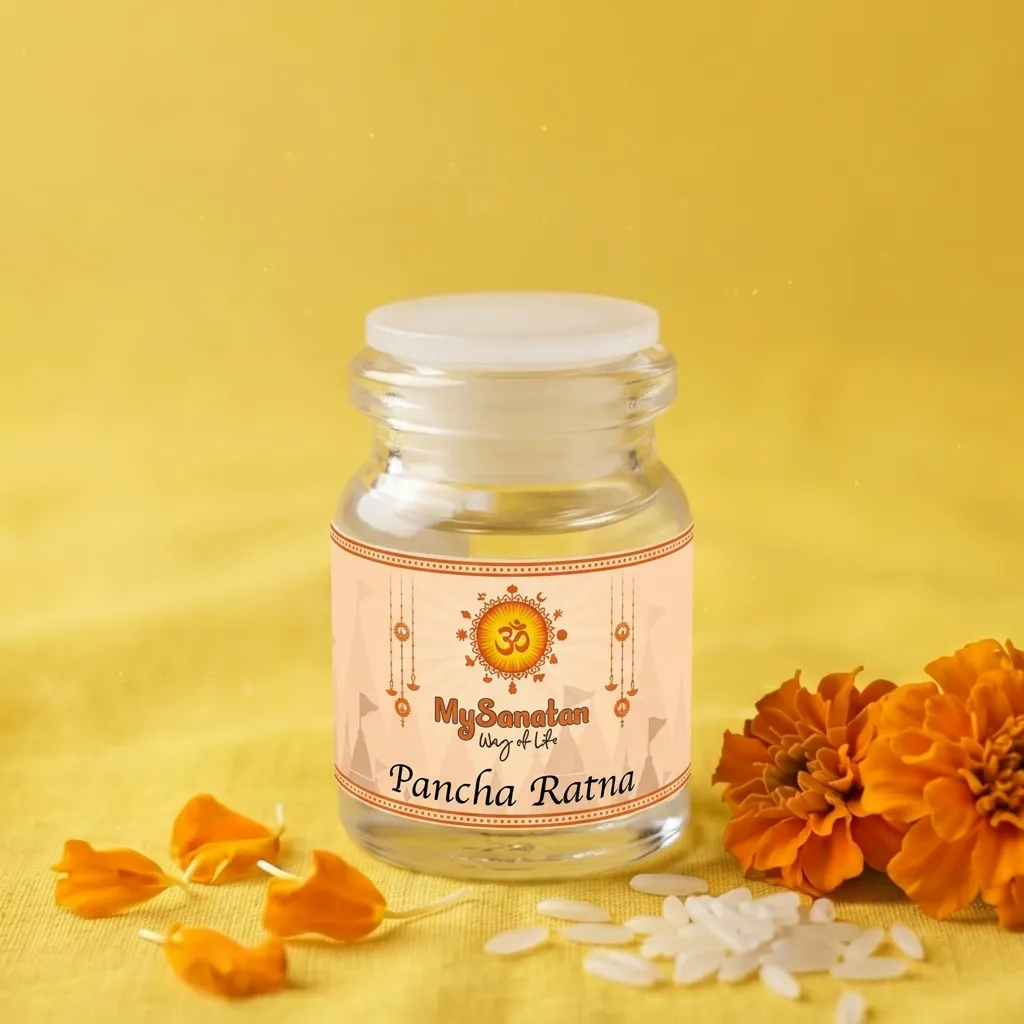
- Setting up a highly stable energy grid requires exact scriptural tools. The kit provides authentic Ganga Mitti, Sapta Dhanya, and a complete set of Pancha Ratna (Five Gems) to properly establish the sacred Ghat. Furthermore, it includes four genuine bamboo Teer Kathi (Ritual Boundary Sticks) and a Chandmala to allow the priest to flawlessly construct the protective energetic boundary around the Puja Place.
- Q7. What are the non-negotiable scriptural taboos that must be respected during the invocation?
- According to the uncompromising reference standards of the Purohit Darpan:
- No Tulsi leaves must ever be offered during the worship of Lord Ganesha or the primary Viswakarma invocation; alternative sacred greens or flowers must be utilized.
- The primary ritual lamp, prepared with the provided Cow Ghee, must sit strictly on the right side of the deities.
- Q8. Why are Pancha Guri, Pancha Rang, and Abhrak Powder explicitly bundled together in this kit?
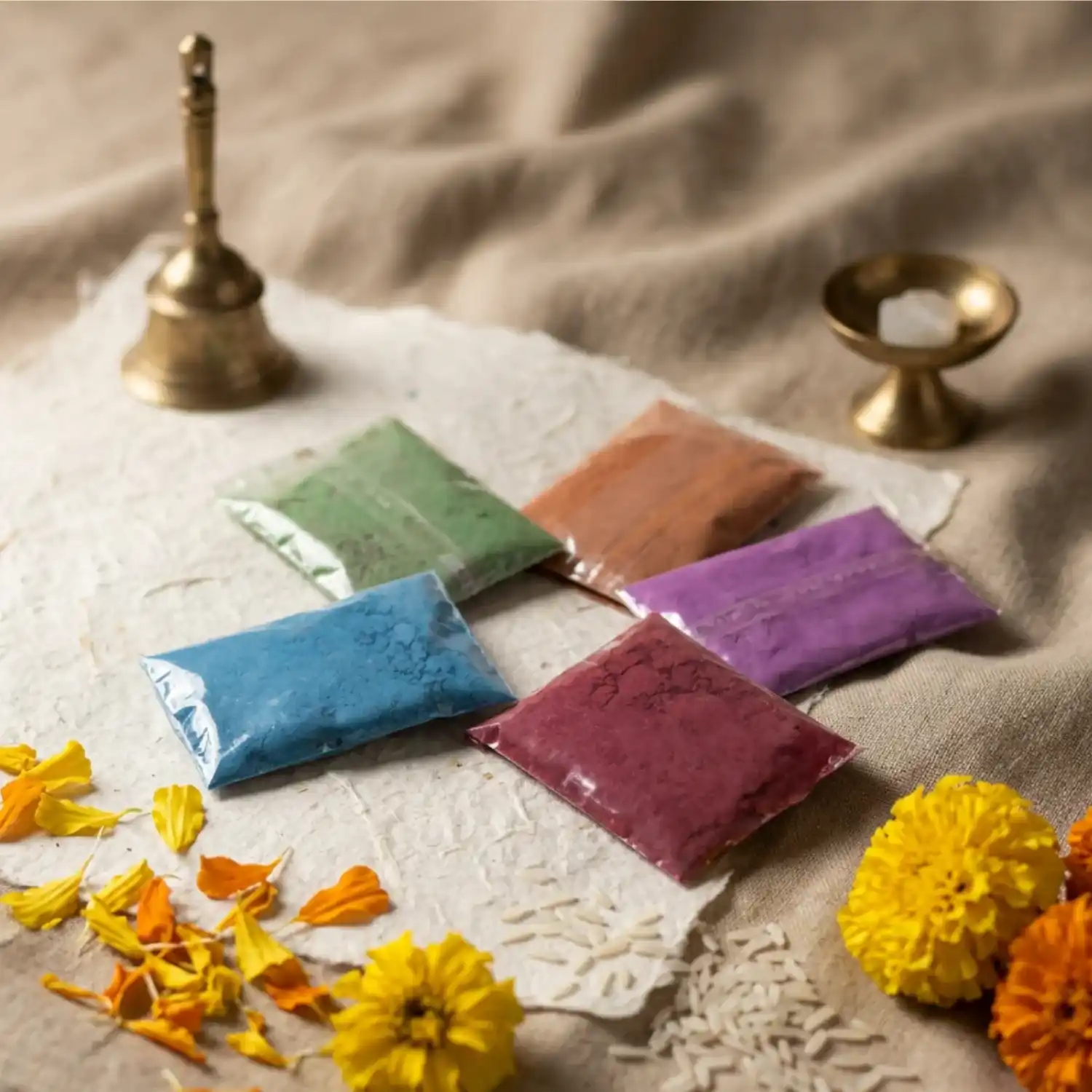
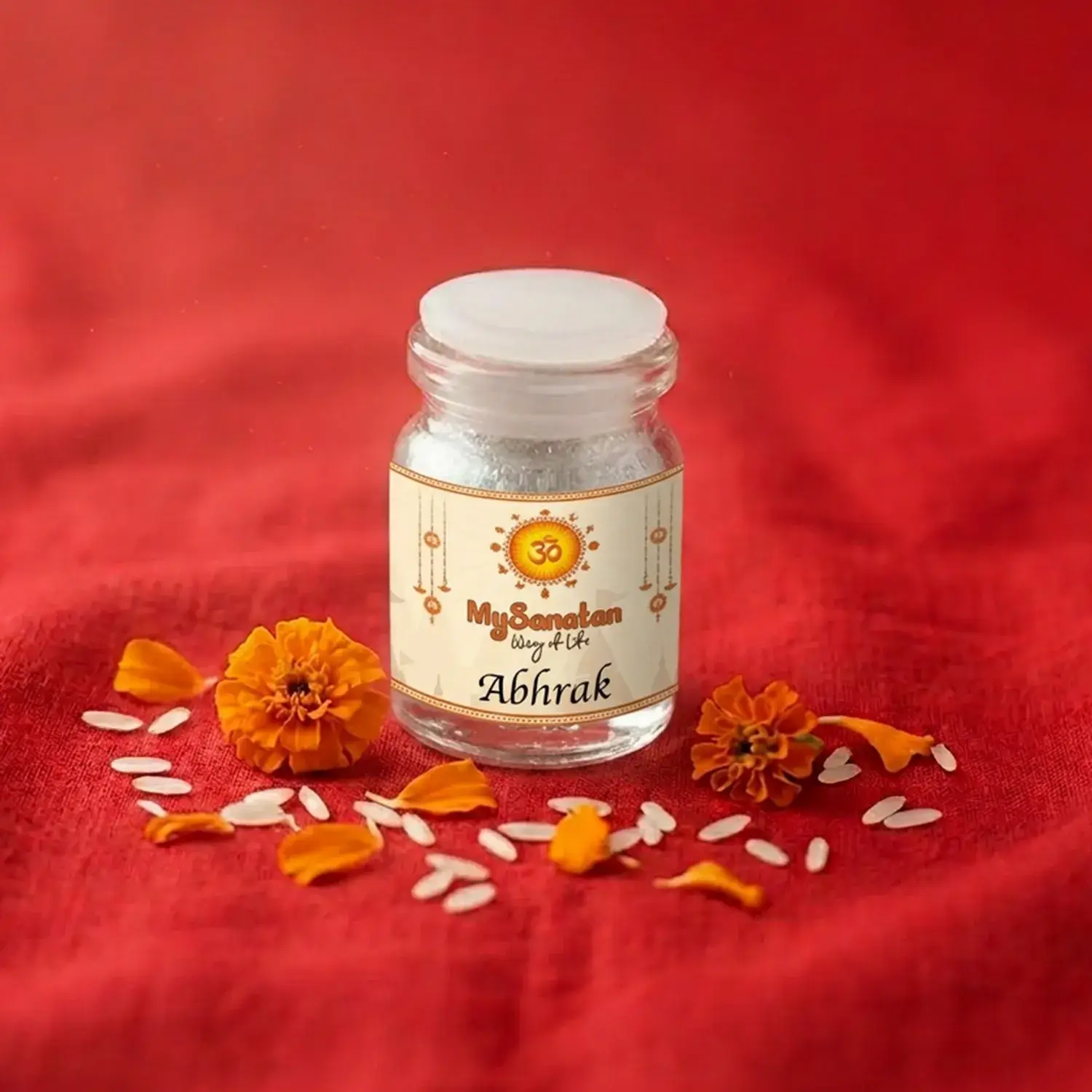
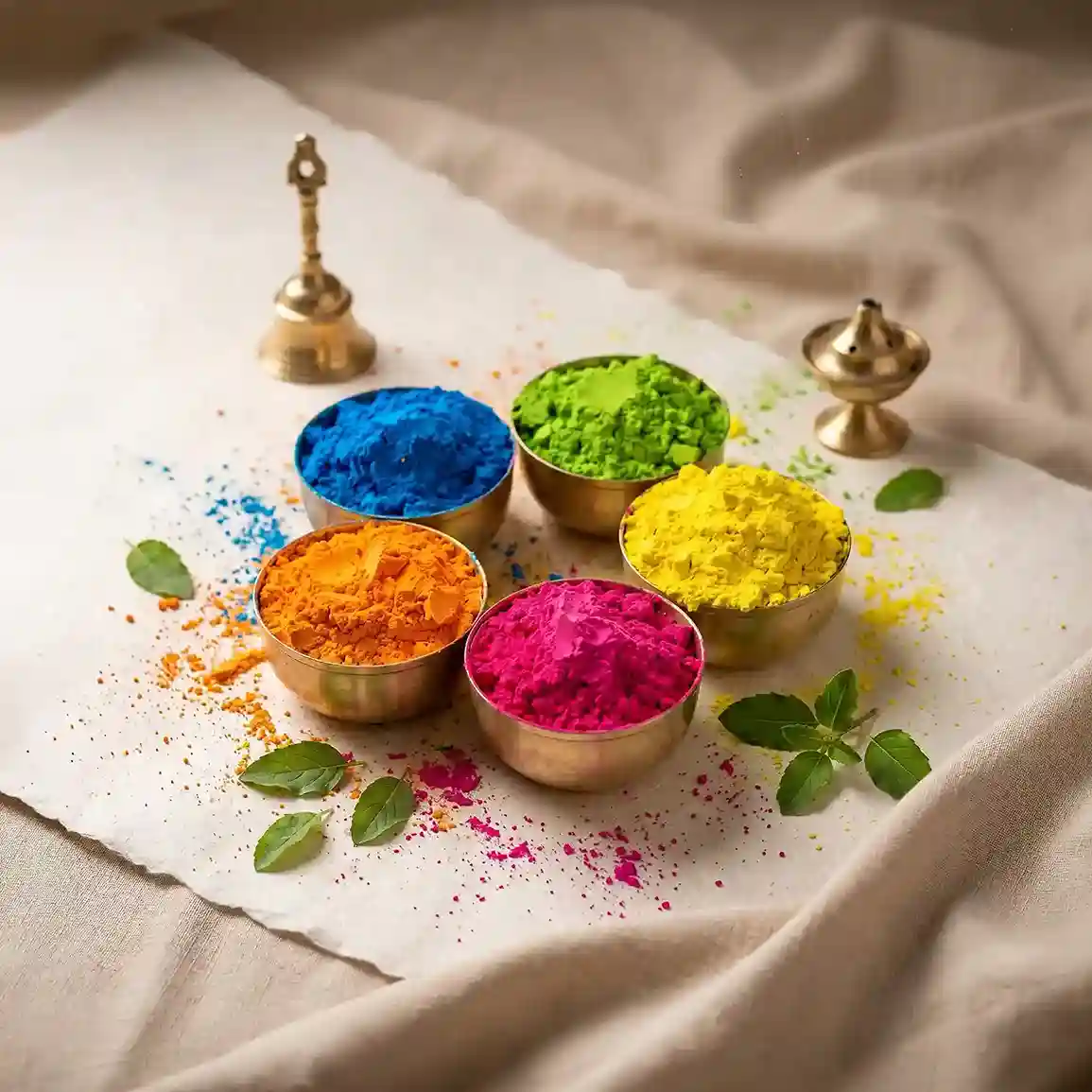
- To execute a high-fidelity Shodashopachar (16-step) royal worship for the Divine Architect, generic retail materials will not suffice. The kit includes Pancha Guri (Five Sacred Powders) and Pancha Rang (Five Colours) to create scripturally accurate mandalas, alongside genuine Abhrak Powder (Mica) and Tilak Mati. These advanced elemental elements allow the priest to honor the deity in his full cosmic form, anchoring absolute operational efficiency.
- Q9. How is the transition from the Madhuparka offering to the Kushandika fire ritual structured?
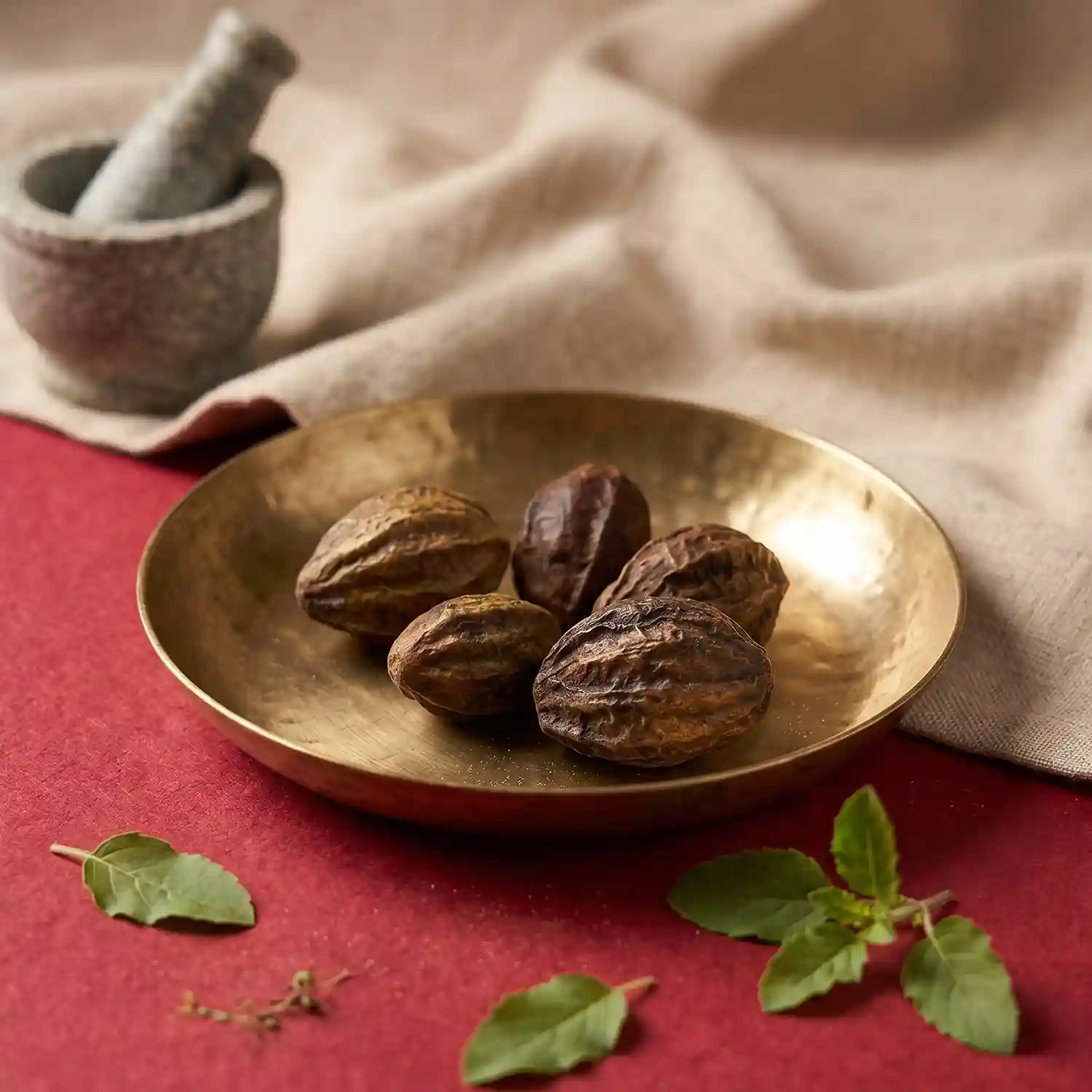
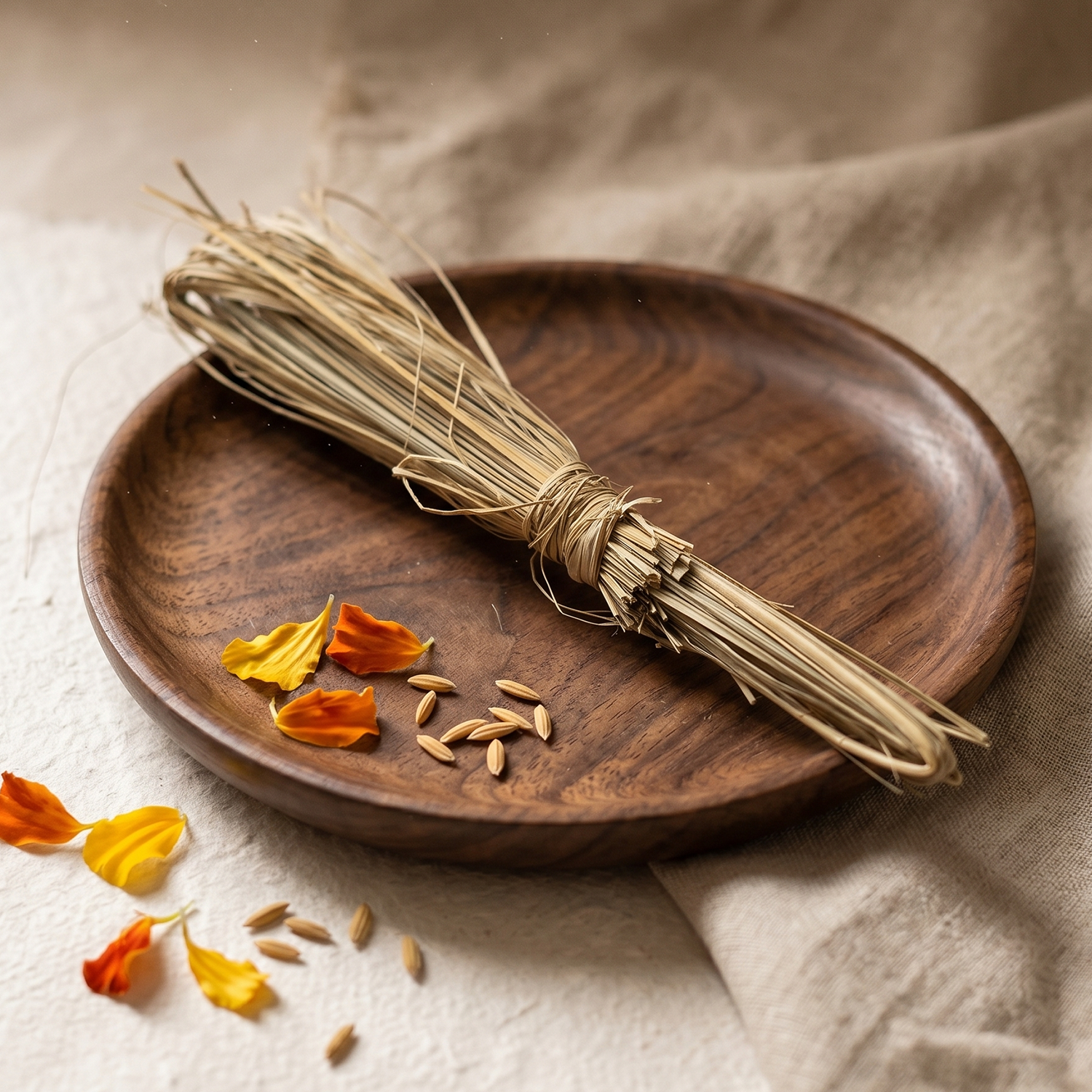
- The kit provides a large, traditional Madhu Parker Bati to serve the sweet Madhuparka (honey offering). Immediately following this, to transition into the Grand Industrial Havan, the kit supplies a mathematically complete Tambula (Supari, Clove, Cardamom, and Haritaki) to satisfy the deities. The priest can then seamlessly establish the Kushandika fire using the Kusha Grass, Bel Kath, White Homa Cheli, and Havan Samagri to permanently seal the enterprise's long-term success.