
_6_11zon.webp)


_15_11zon.webp)
_3_11zon.webp)






Frequently Asked Questions
- Q1. Why is the combination of Lord Ganesha and Goddess Lakshmi specifically worshipped on Poila Boishakh?
- Poila Boishakh marks the Bengali New Year and the traditional opening of the Haalkhata (new financial ledgers). Worshipping Lord Ganesha (the remover of obstacles) alongside Goddess Lakshmi (the deity of wealth) ensures that the business workspace is purified of past stagnant energies, old debts are spiritually cleared, and the incoming fiscal year is blessed with uninterrupted operational success and massive profit.
- Q2. Beyond the first day of the Bengali New Year, when is the most effective timeline to utilize this ritual setup?
- While traditionally tied to Poila Boishakh, this foundational corporate worship is highly recommended whenever you need to initiate, reset, or protect a major financial cycle during the New Year period:
- During the official opening and formal setup of your new accounting books and ledger software (Haalkhata).
- When inaugurating a new retail outlet, corporate office, or launching a new business vertical.
- When signing, renewing, or executing major corporate contracts to ensure long-term, uninterrupted profitability.
- Q3. Can our office team perform this Poila Boishakh Lakshmi Ganesh Puja independently without a priest?
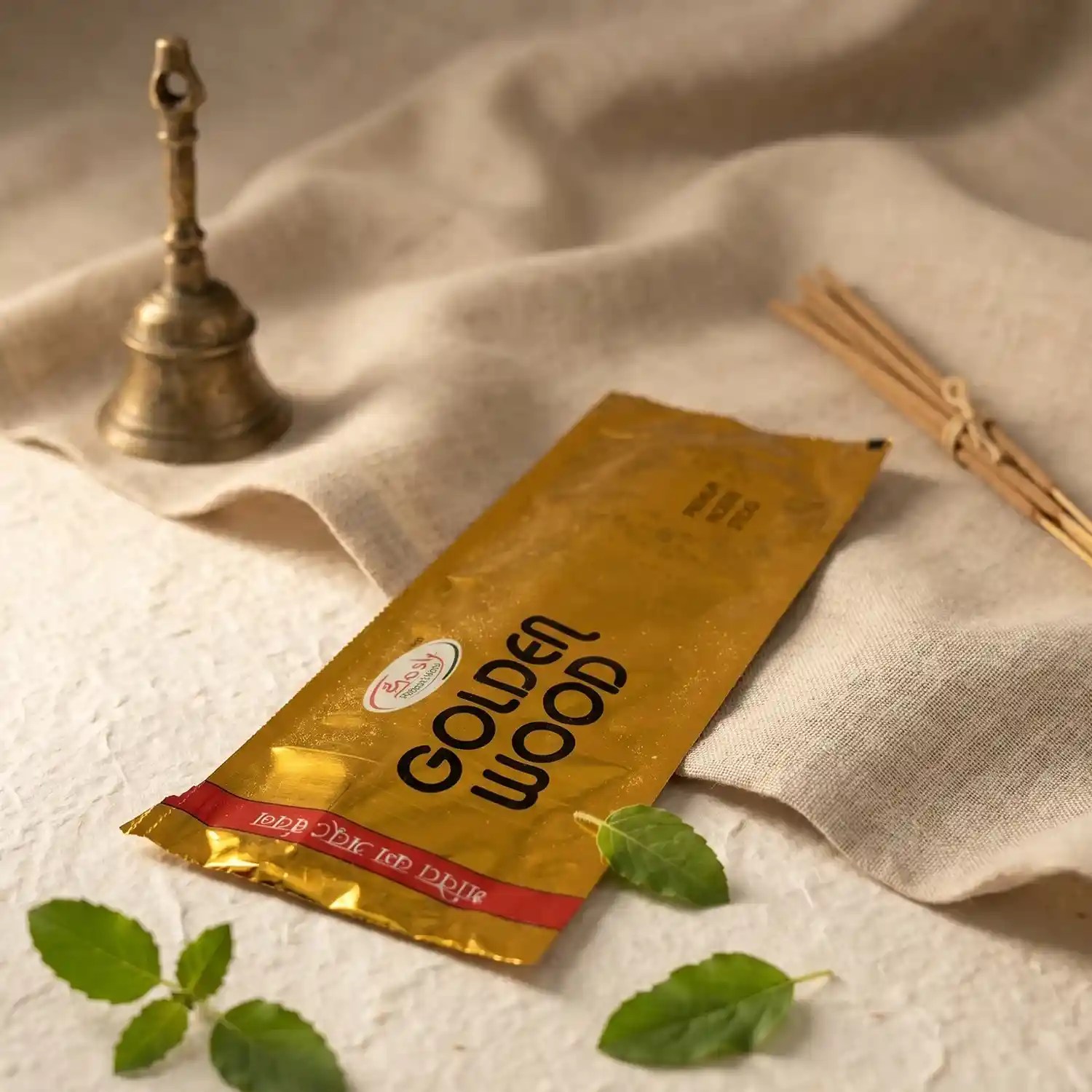
- According to the classical text Vedic NityaKarma, everyone—regardless of background—has the universal right to offer basic devotion. For standard daily or weekly prayers, your team can use basic elements like the Agarbatti, Camphor, and Akshat Rice to offer a simple token of respect. However, officially consecrating and "locking" the Haalkhata to secure a year of wealth is an advanced spiritual technology. Properly executing complex elemental purification (Bhuta-shuddhi) and the 16-step royal protocol requires a qualified Pandit. This kit is pre-stocked with advanced elements specifically so your priest has exactly the classical tools needed to anchor financial dominance into your enterprise.
- Q4. Are there any strict scriptural taboos we must avoid during the ledger invocation setup?
- Yes, ensure you strictly respect these two foundational rules from traditional manuals like the Purohit Darpan:
- Never offer Tulsi leaves to Lord Ganesha during any part of this joint ritual, as it is strictly forbidden by scriptural law. Use flowers or alternative sacred leaves instead.
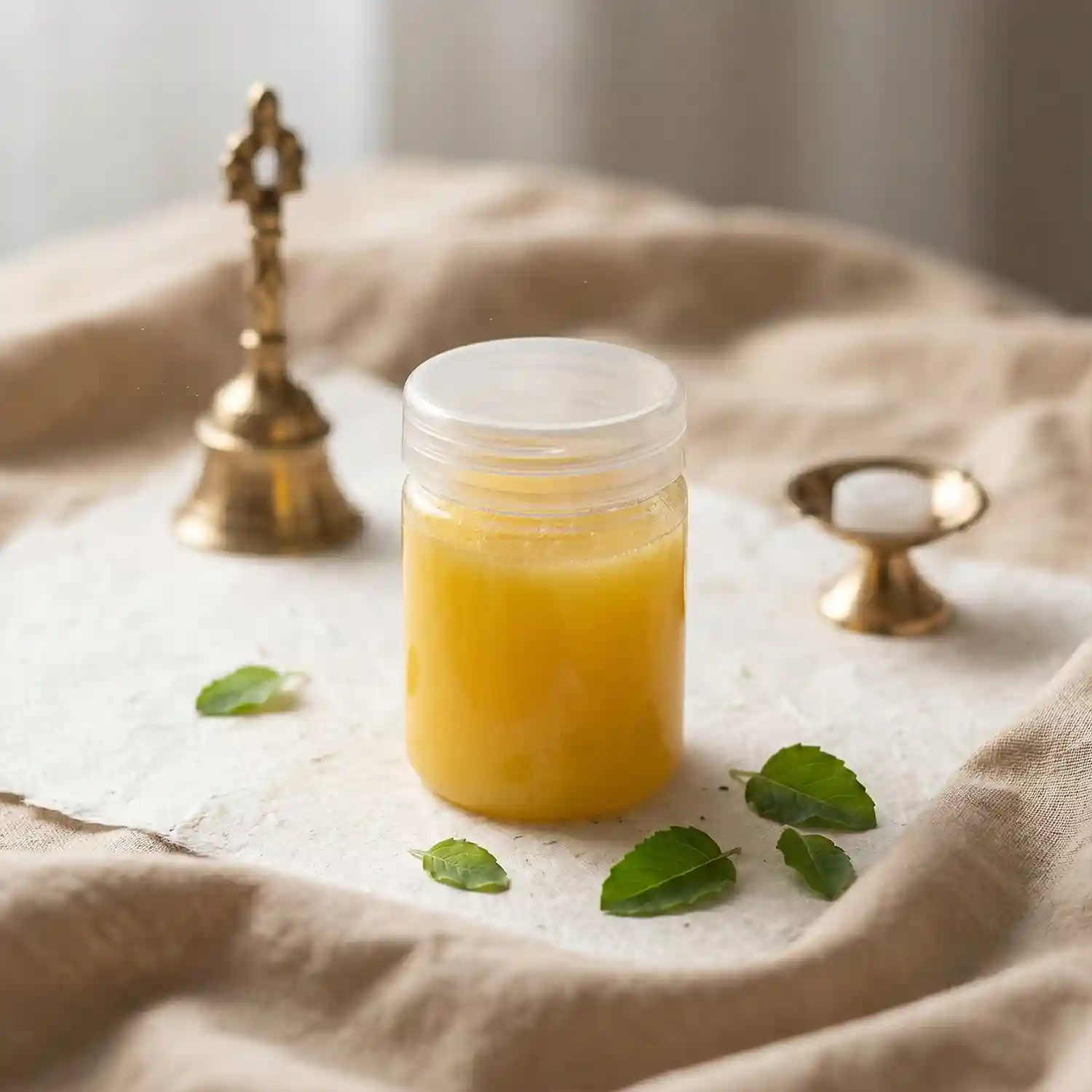
- Ensure your primary Puja Place lamp, prepared with the provided Cow Ghee, sits strictly on the right side of the deities' image or idol.
- Q5. What should we do with our company’s physical or digital financial accounts during the final step?
- Your accounts represent the operational engine of your enterprise. During Step 5 (Grand Corporate Aarti), ensure your new physical accounting ledgers, or the primary devices running your digital financial systems, are placed respectfully on the Puja Place. Have the priest wave the lighted Camphor Aarti directly over them to spiritually seal your books, clear past stagnant financial blocks, and safeguard your business against bad debts.
- Q6. How does this kit assist the priest in executing Bhuta-shuddhi on a commercial shop floor or boardroom?
- The kit provides 100% authentic, pure Ganga Jal. In Step 1 of the formal ceremony, the priest utilizes this sacred water along with advanced breath control (Pranayama) and complex elemental purification (Bhuta-shuddhi) to completely purge the commercial property. This process entirely clears away residual stagnant energy, past financial setbacks, or operational friction from the previous fiscal year, resetting the environment for massive growth.
- Q7. What is the specific corporate significance of offering the Yellow Janeu Thread?
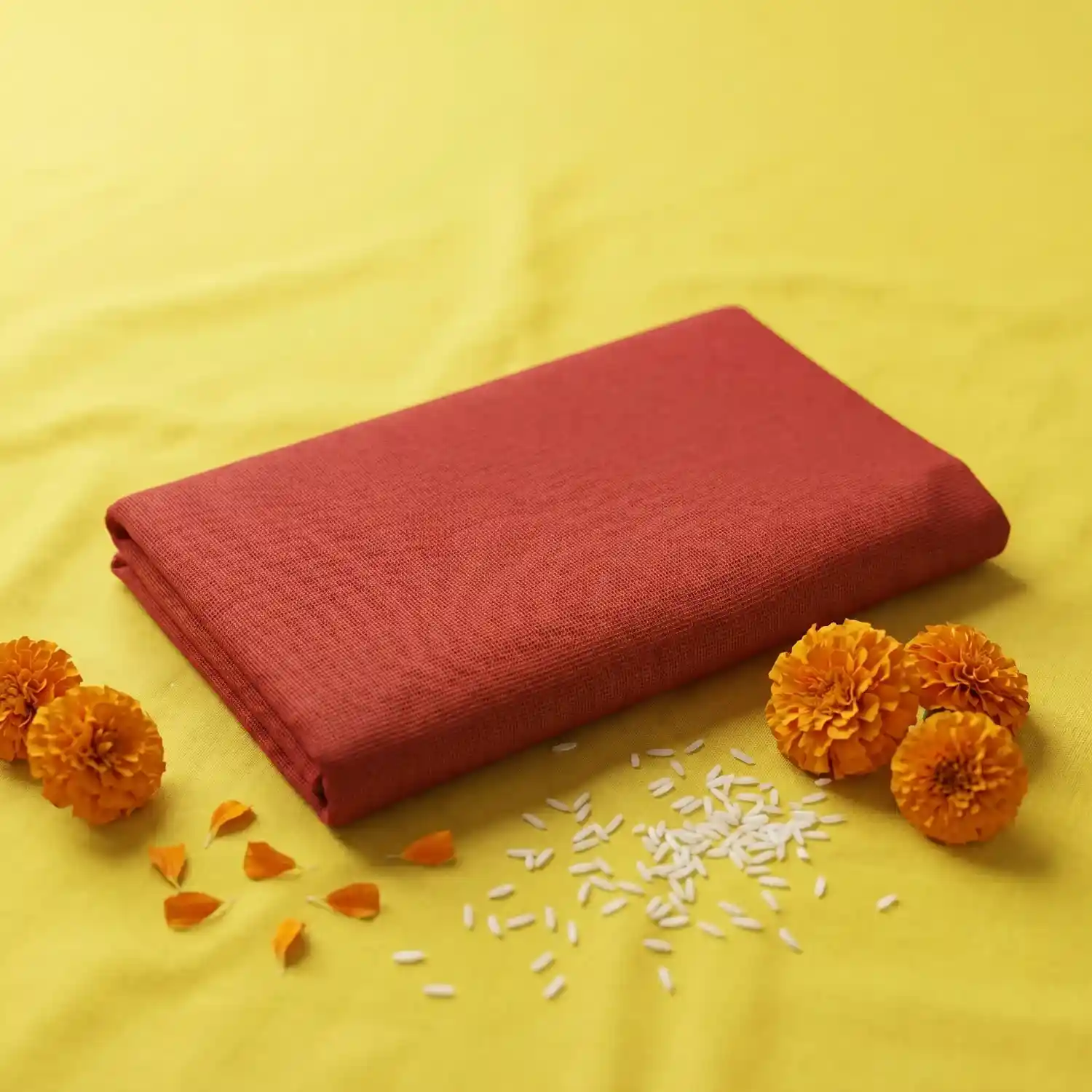
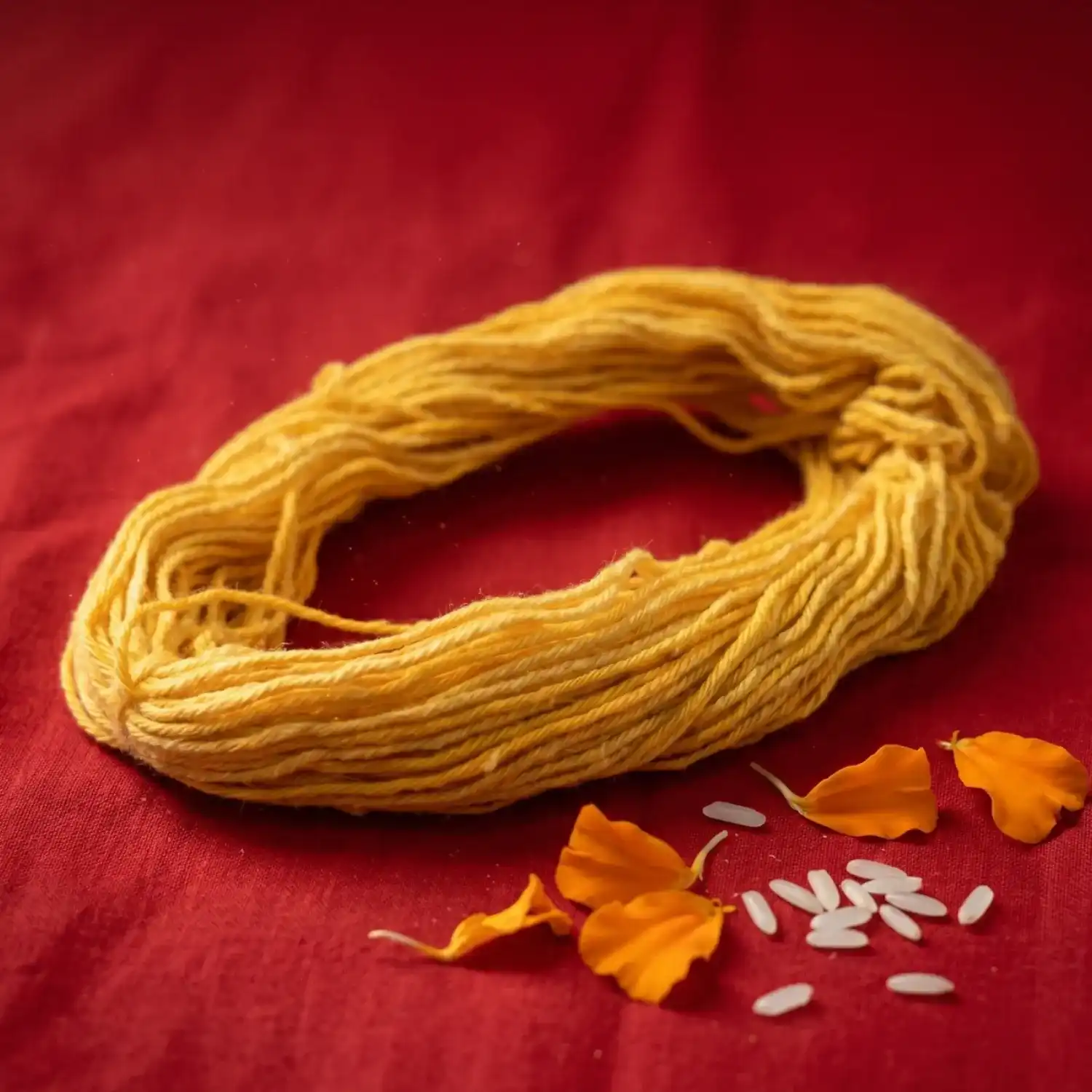
- During the formal invocation on the Red Puja Cloth, the priest offers the Yellow Janeu (the sacred thread dyed with auspicious turmeric) explicitly to Lord Ganesha. This honors Him in his classical Vighnaharta form, structurally aligning your company's executive leadership with long-term administrative wisdom, strategic discipline, and absolute operational stability for the new year.
- Q8. How do the Red Sindur, Kumkum, and Rose Attar work together for Goddess Lakshmi’s invocation?
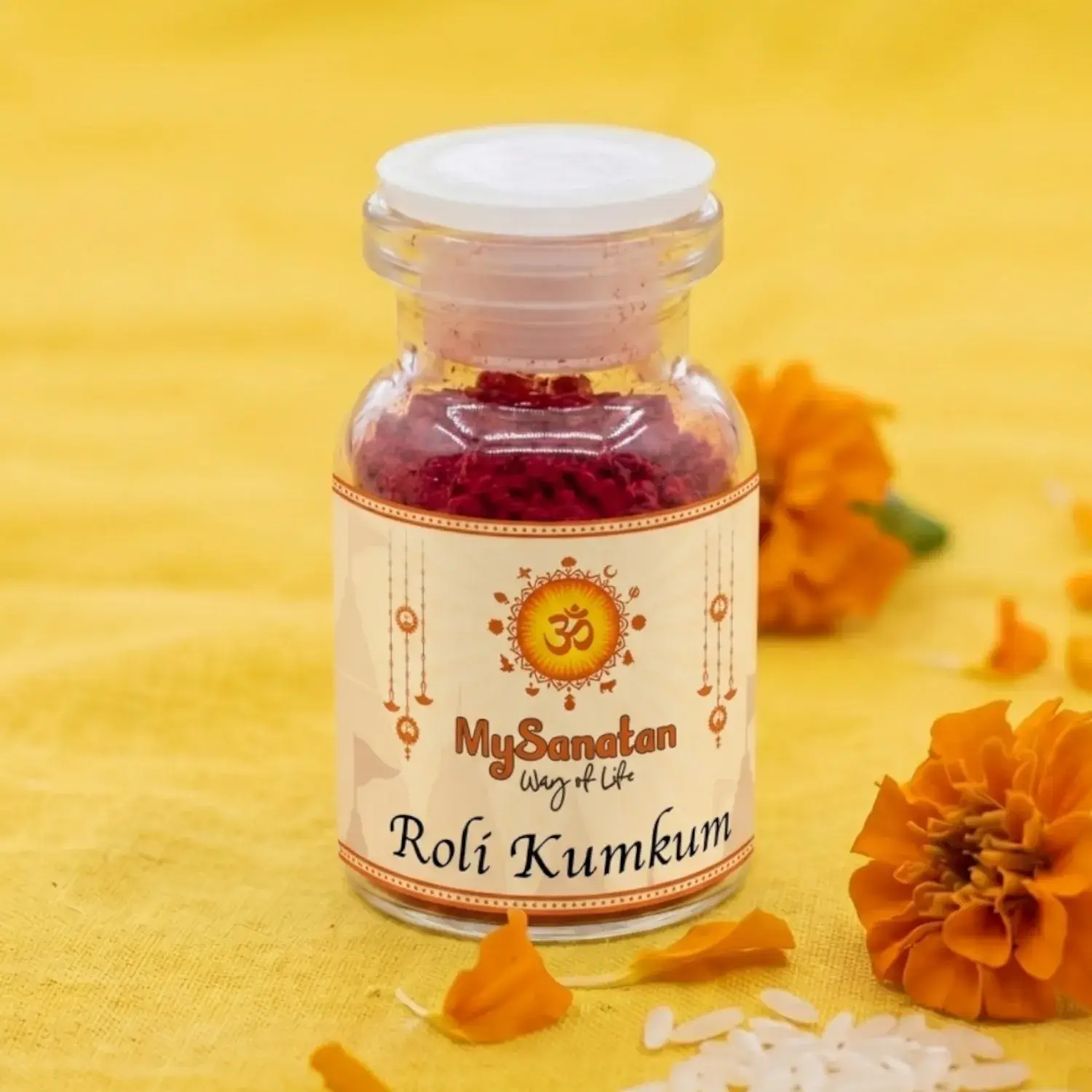
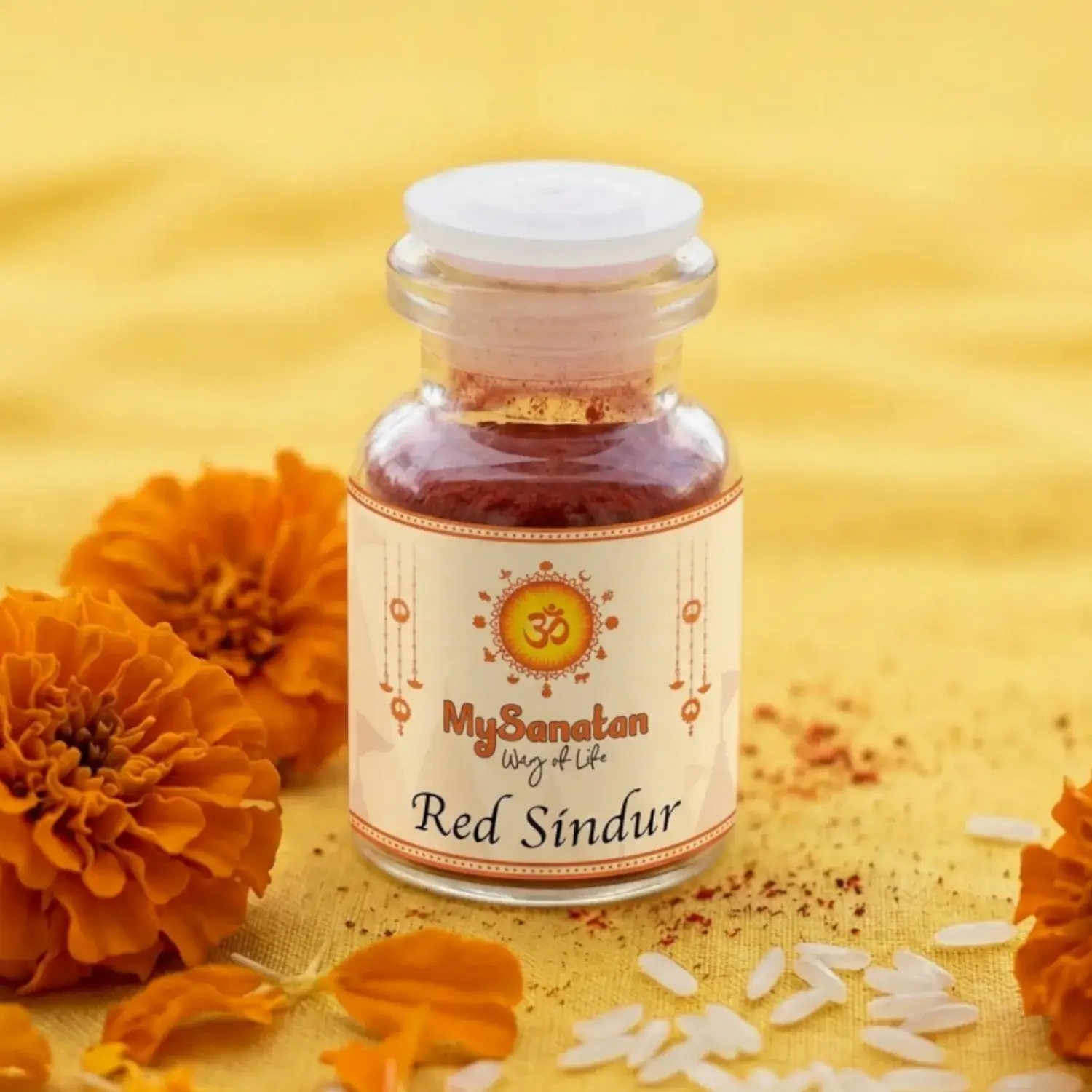
- Goddess Lakshmi’s energy is deeply connected to premium, vibrant, and opulent aesthetics that stimulate the flow of liquid wealth and luxury. The priest uses the high-fidelity Red Sindur and Roli Kumkum to perform scripturally accurate tilaks on the deity, while introducing a luxurious drop of Rose Attar to appease the Goddess. This precise combination is designed to permanently anchor an explosive influx of liquid cash, revenue, and high-paying clients into your business.
- Q9. Why is Haritaki explicitly included in this kit alongside the standard Tambula spices?
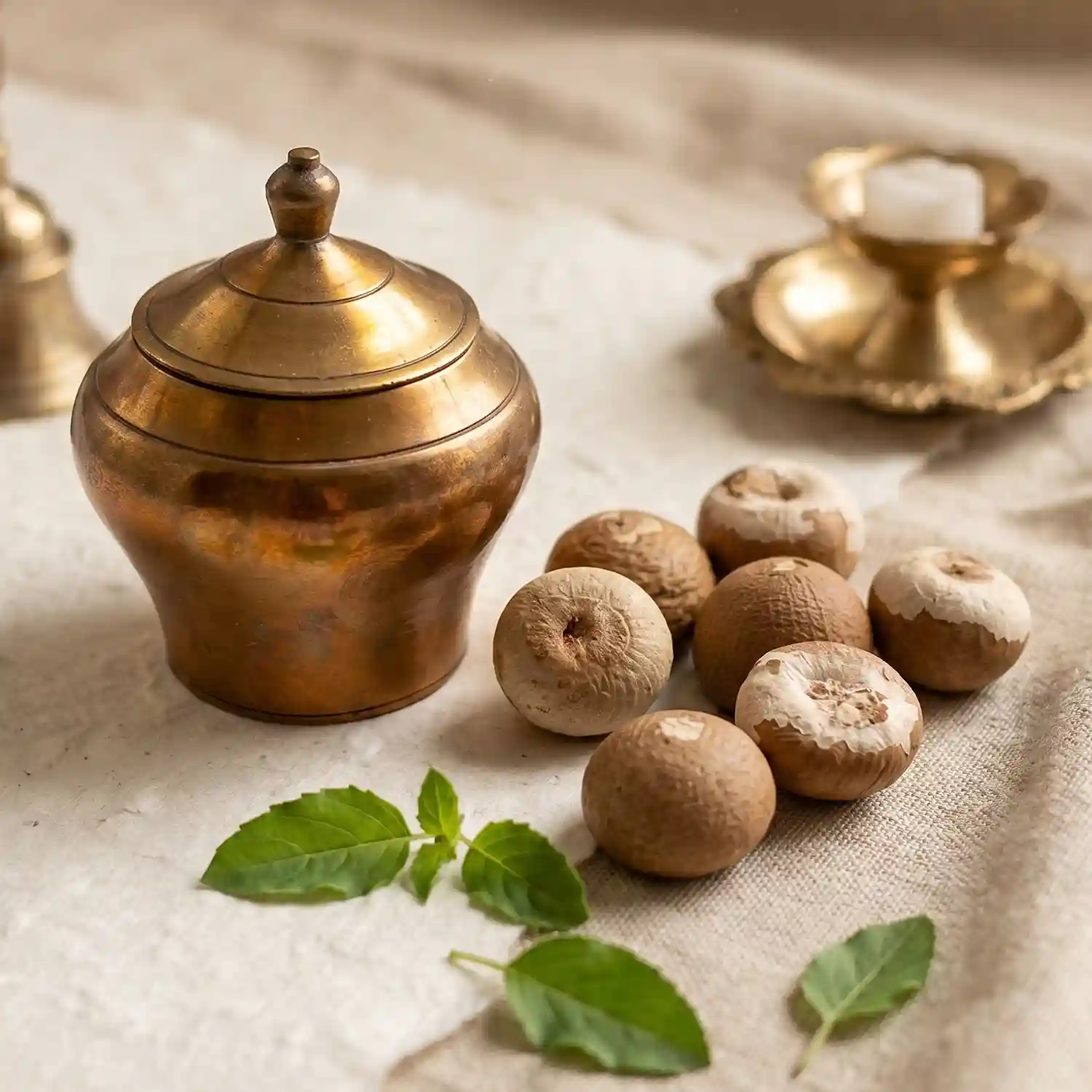
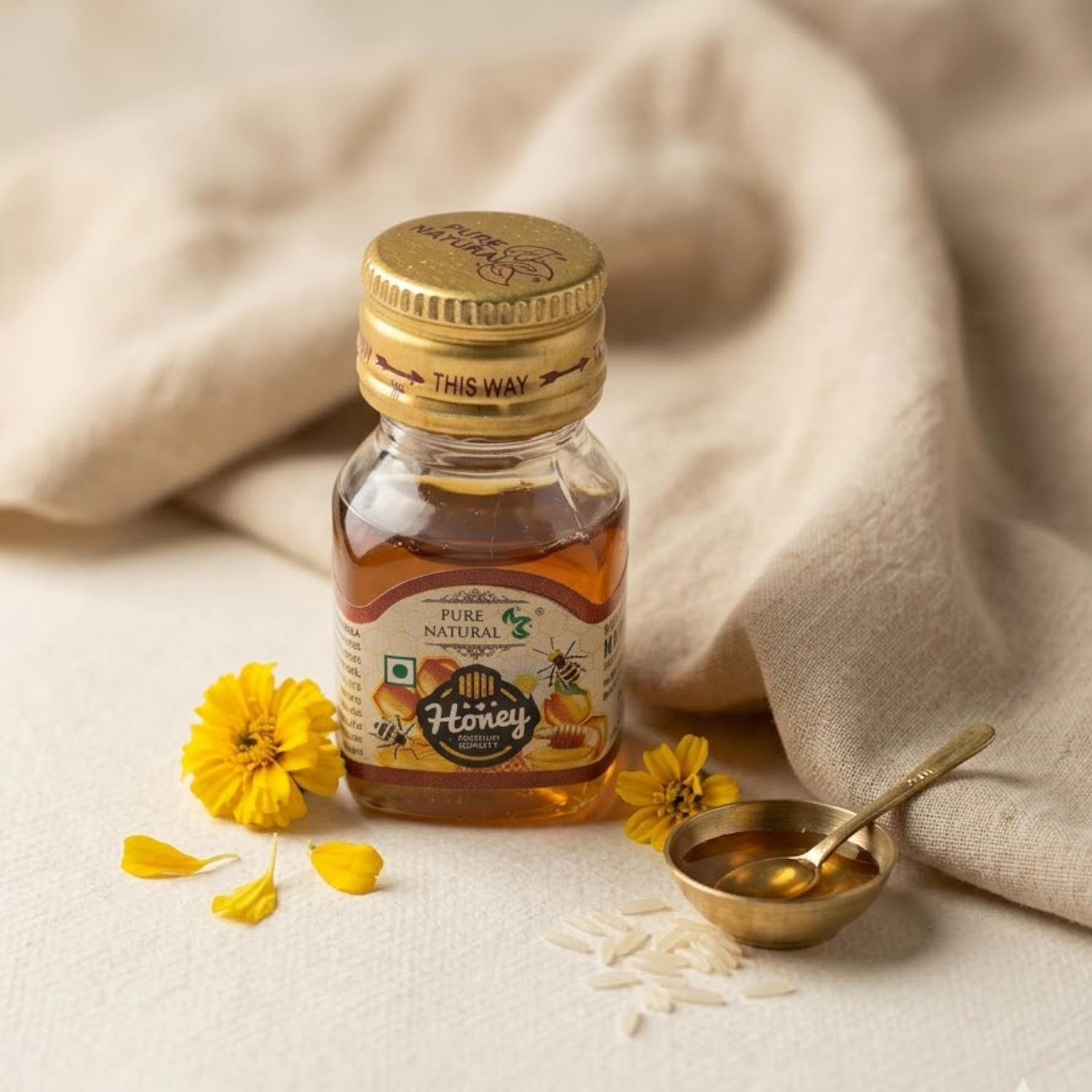
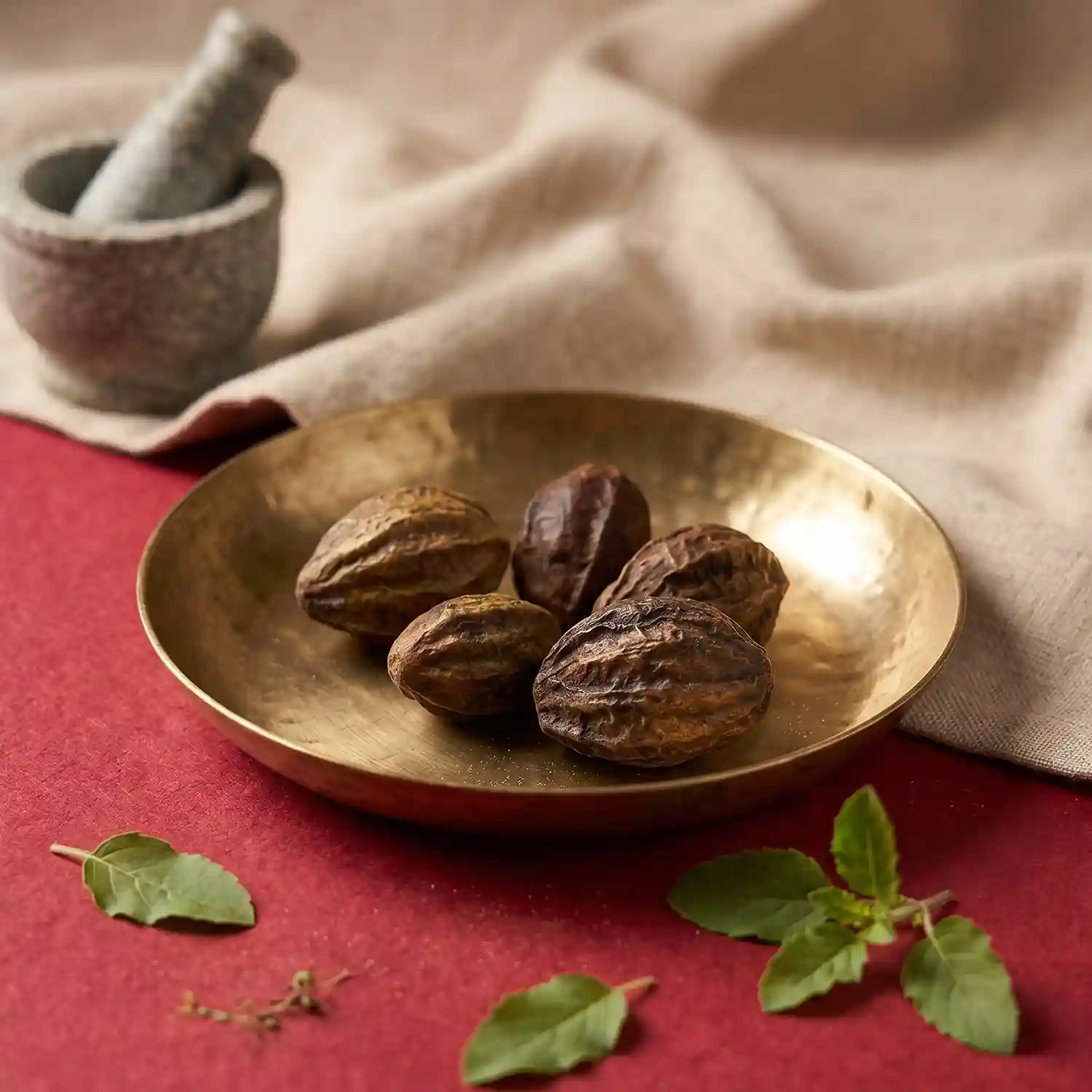
- In orthodox Vedic hospitality, a Tambula (the final mouth-sweetening offering that seals the royal honors) is considered incomplete with just basic retail elements. The inclusion of Haritaki (Harad Fruit) alongside Supari, Clove, and Green Cardamom satisfies a precise, non-negotiable scriptural requirement from the Purohit Darpan. It mathematically balances the elemental energies immediately following the Madhuparka (honey) offering, ensuring maximum satisfaction of the deities and sweetening future corporate partnerships.