


_15_11zon.webp)



Frequently Asked Questions
- Q1. Can our office team perform this Ganesh Puja independently without a priest?
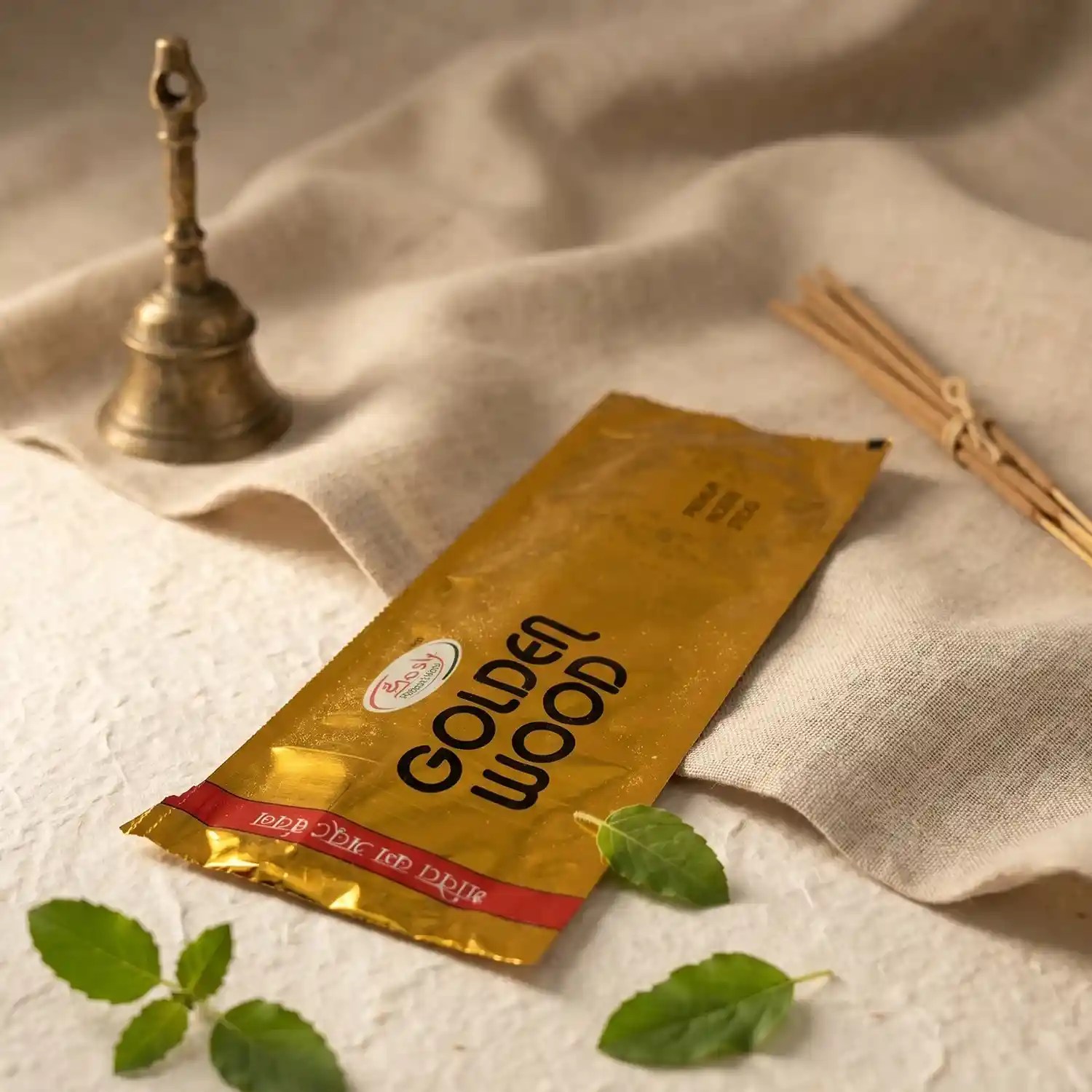
- According to the classical text Vedic NityaKarma, everyone—regardless of background—has the universal right to perform devotion. For standard weekly prayers, your team can use basic elements like the Agarbatti, Camphor, and Akshat Rice to offer a simple 5-step (Panchopachar) token of respect. However, a formal corporate obstacle-removal puja is an advanced spiritual technology. Properly executing the 16-step royal protocol and anchoring success into a commercial property requires a qualified Pandit. This kit is pre-stocked with advanced elements specifically so your priest has everything they need to lock smooth operations into your workspace.
- Q2. Are there any strict scriptural taboos we should avoid during the setup?
- Yes, ensure you respect these two foundational rules from traditional manuals like the Purohit Darpan:
- Never offer Tulsi leaves to Lord Ganesha during his invocation, as it is strictly forbidden by scriptural law. Use flowers or fresh Durva grass instead.
- Ensure your primary Puja Place lamp, prepared with the provided Cow Ghee, sits strictly on the right side of Lord Ganesha's image or idol.
- Q3. When is the most effective timeline to open this kit and execute the ritual?
- This foundational corporate worship is highly recommended:
- Before initiating any major new corporate project, signing crucial contracts, or launching a new product line to ensure success from day one.
- On the festival of Ganesh Chaturthi for massive, annual corporate blessings across the entire organization.
- Every Wednesday (the day dedicated to Lord Ganesha) for continuous business smooth-sailing and overcoming stagnant routines.
- Whenever the company faces sudden, unexplained bureaucratic, legal, or logistical bottlenecks.
- Q4. What should we do with our business tools or documents during the final step?
- Your workspace tools, contract copies, or project folders represent the operational engine of your enterprise. During Step 5, ensure you wave the lighted Camphor Aarti directly over your main workdesks, computers, or financial documents while praying for absolute clarity of thought and obstacle-free growth.
- Q5. What is the significance of including Abir (colored powders) in a corporate kit?
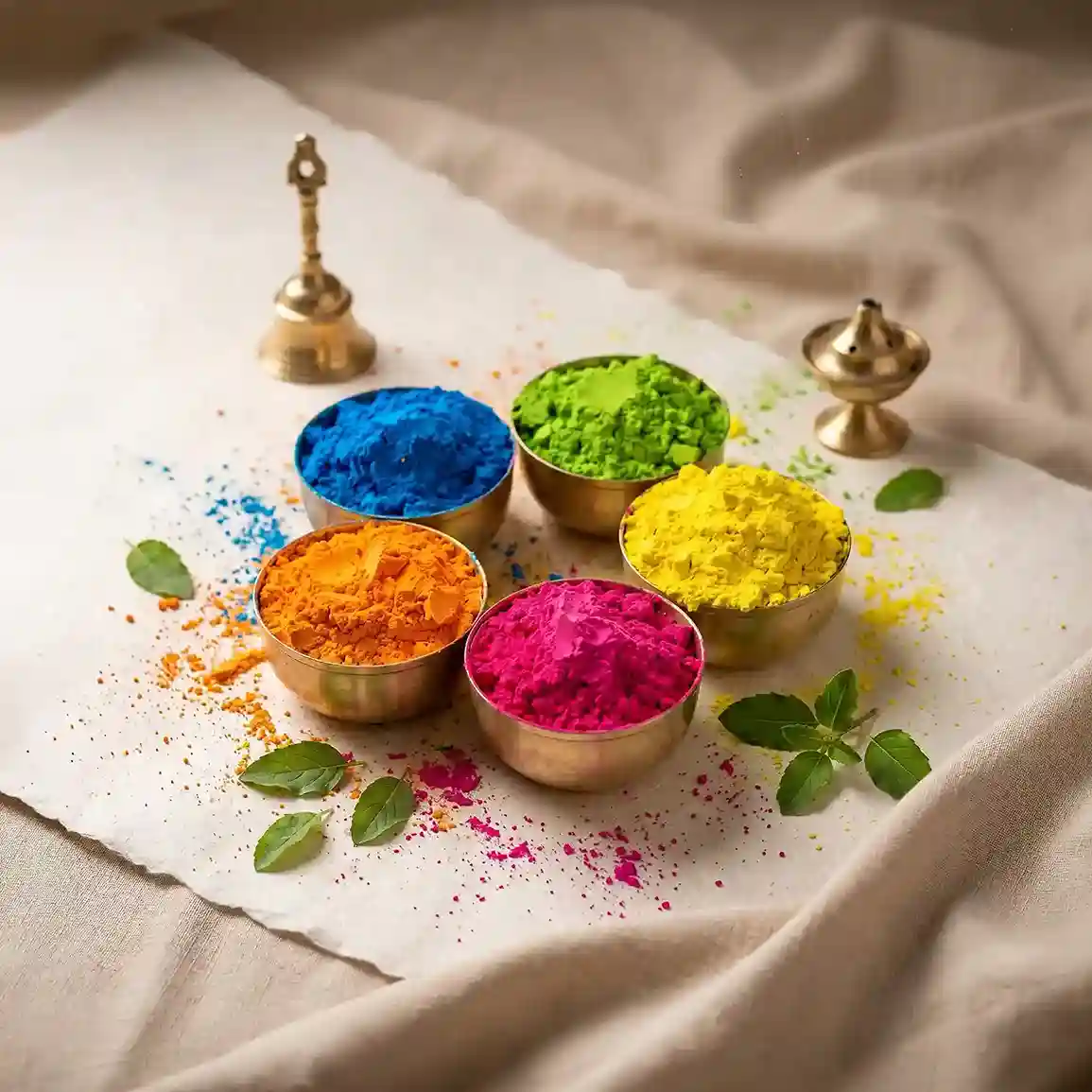
- In the Sanatan tradition, Abir brings vibrant, joyful, and optimistic energies into a space. Offering Abir to Lord Ganesha during the ritual is meant to spiritually uplift the workplace environment, fostering an optimistic, collaborative, and highly productive company culture among your management and staff.
- Q6. How does this kit assist the priest in executing Bhuta-shuddhi within an office boardroom?
- The kit provides 100% authentic, pure Ganga Jal. In Step 1 of the formal ceremony, the priest utilizes this sacred water along with advanced breath control (Pranayama) and complex elemental purification (Bhuta-shuddhi) to completely purge the commercial property of residual stagnant energy, hostile vibes, or creative blocks.
- Q7. How should the Yellow Janeu Thread be utilized during the Ganesha invocation?
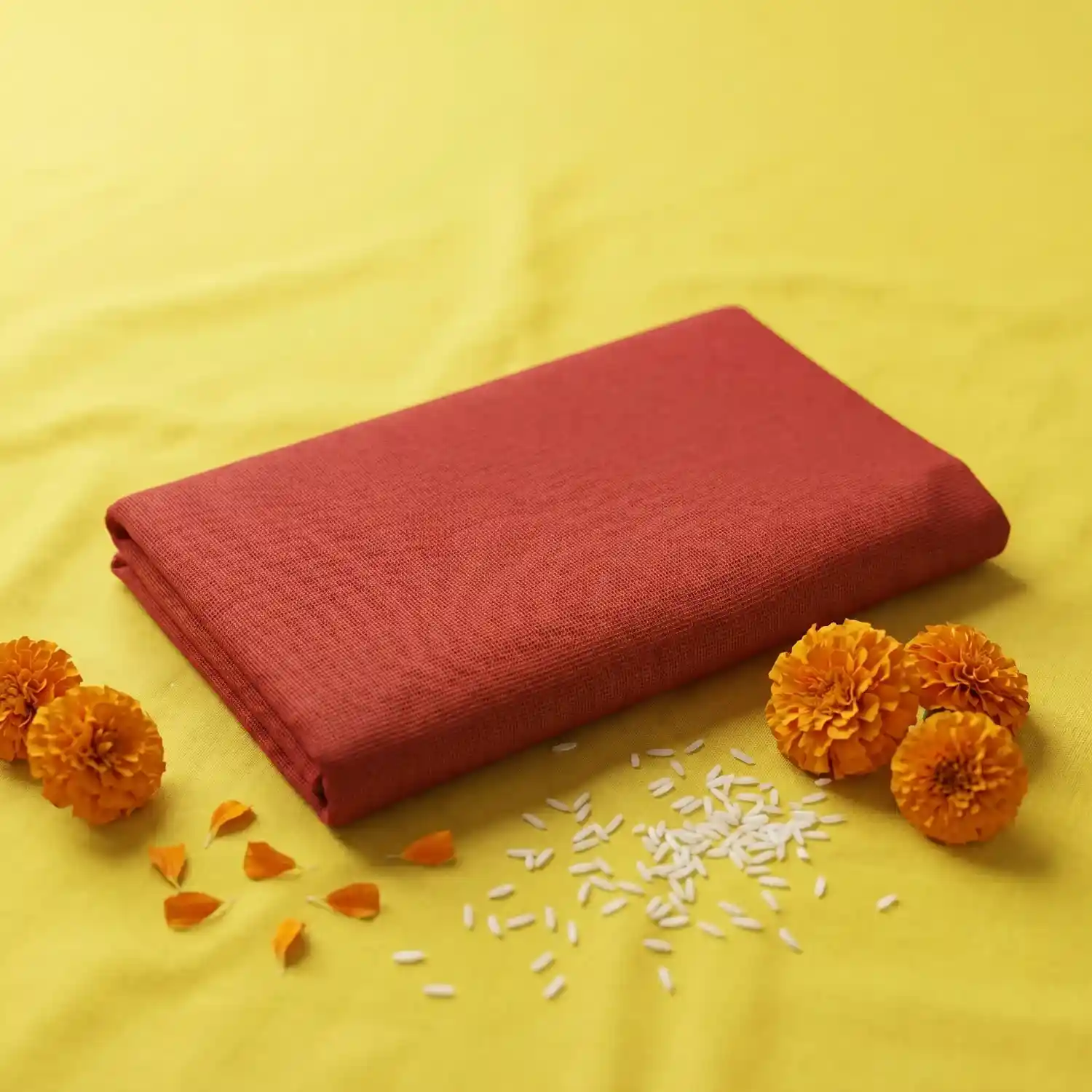
- During the formal invocation on the Red Puja Cloth, the priest offers the Yellow Janeu (sacred thread dyed with auspicious turmeric) to Lord Ganesha. This honors Him in his classical Vighnaharta form, structurally aligning the enterprise's leadership with administrative wisdom, executive discipline, and long-term stability.
- Q8. What is the ritual significance of providing both Red Sindur and Roli Kumkum?
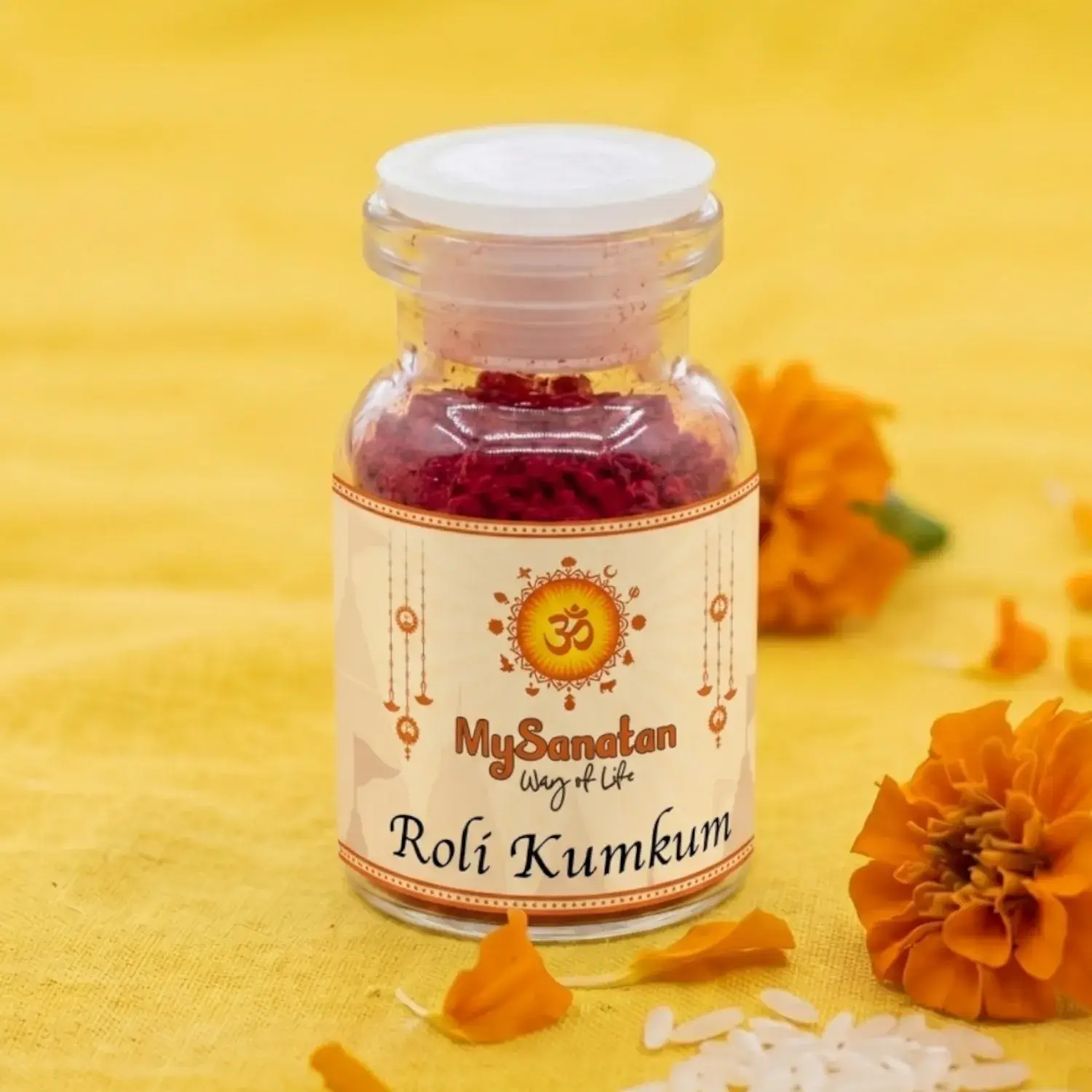
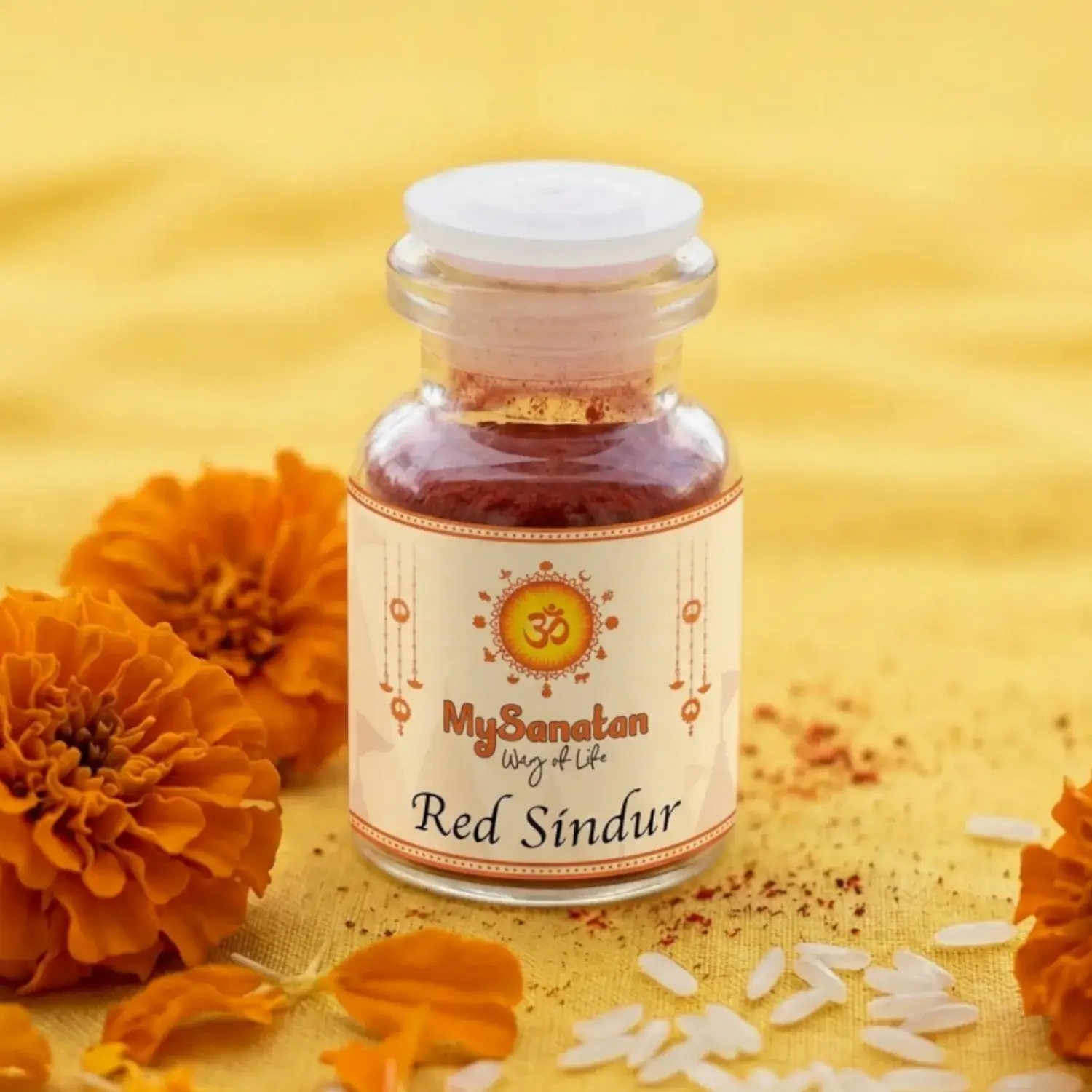
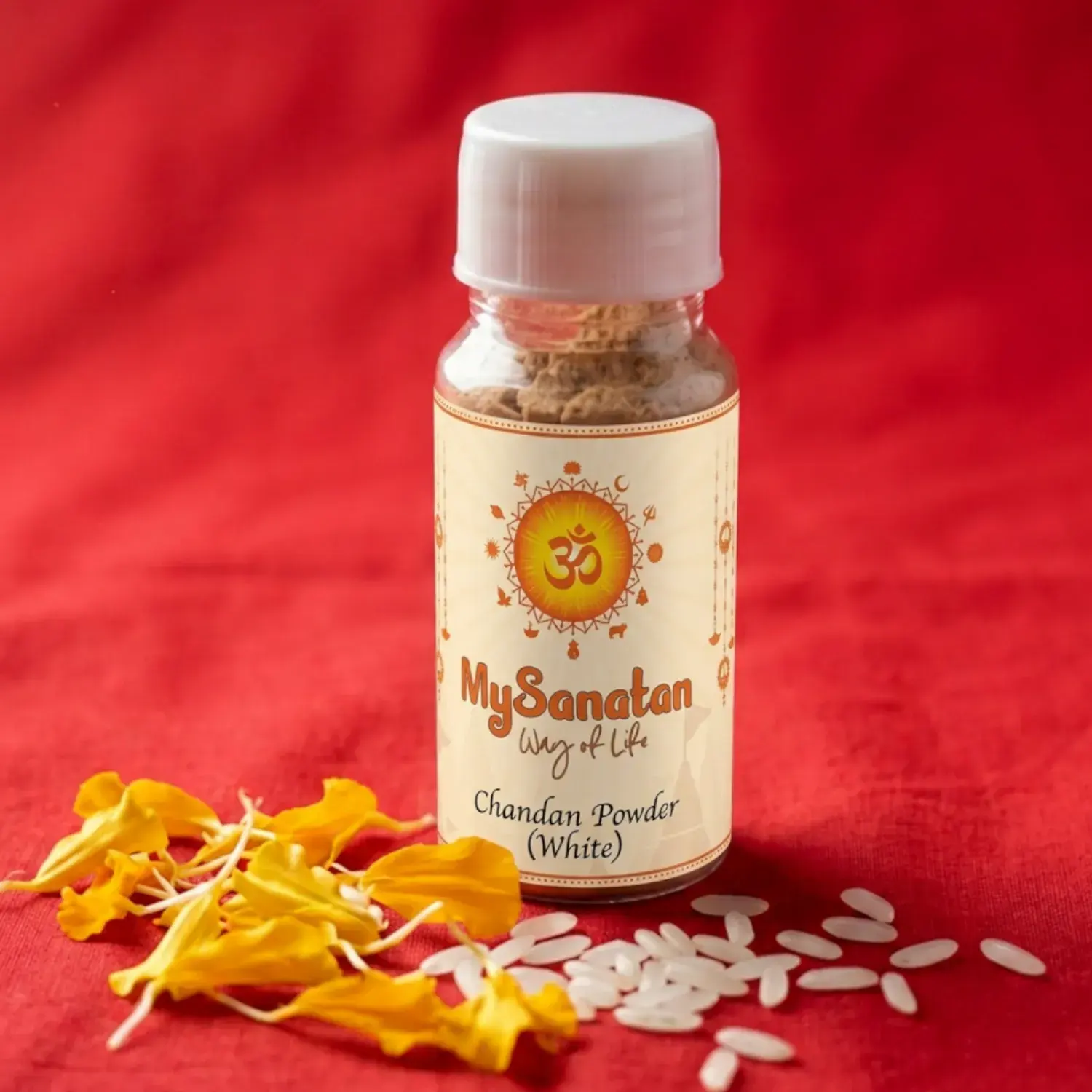
- Lord Ganesha's energy is deeply connected to vibrant red aesthetics, which stimulate the root elements of stability and protection. The priest uses the premium Red Sindur and Roli Kumkum to perform heavy, scripturally accurate scriptural tilaks on the deity's brow and trunk, anchoring structural security and defensive strength over the company's assets.
- Q9. How is Madhuparka handled within this standard corporate kit?
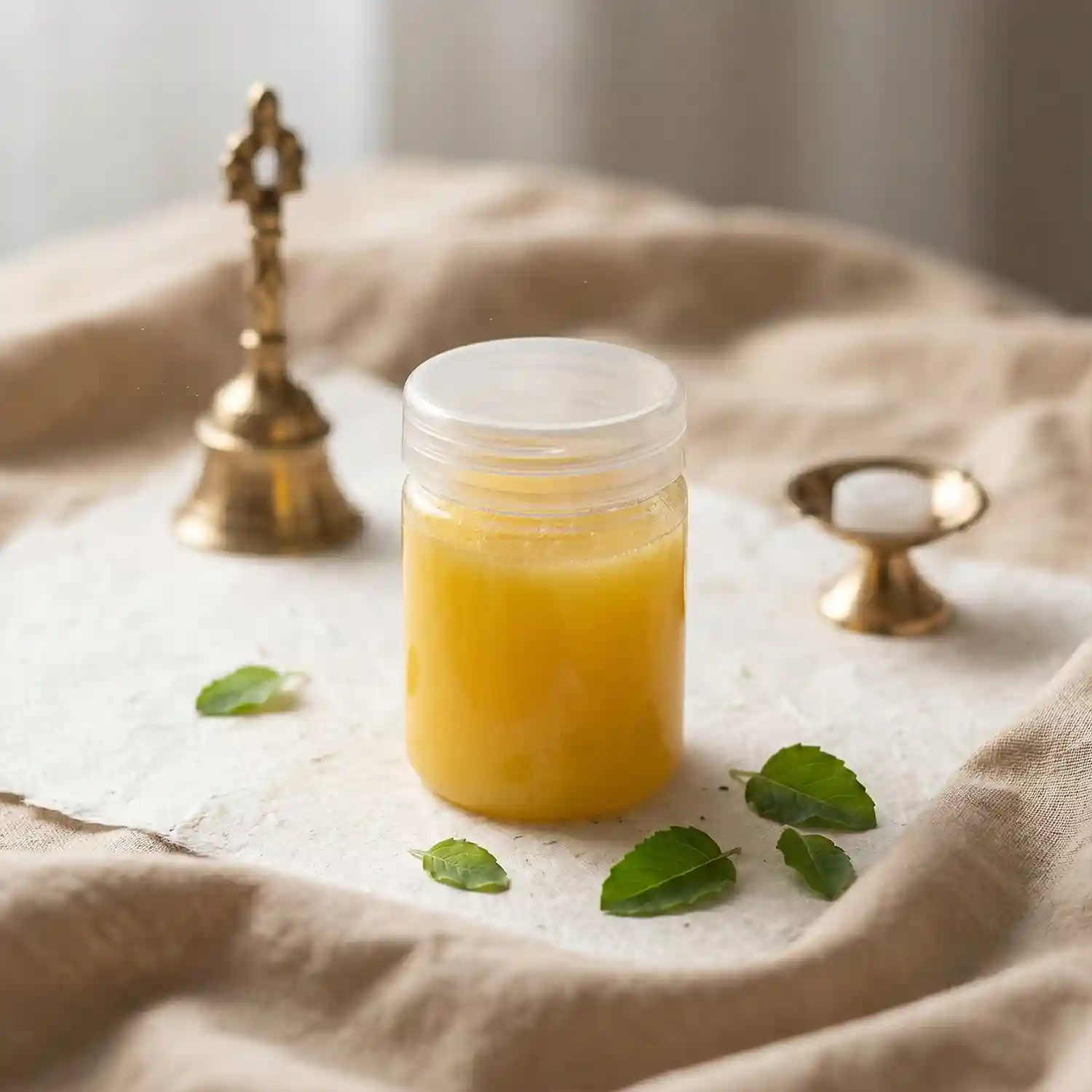
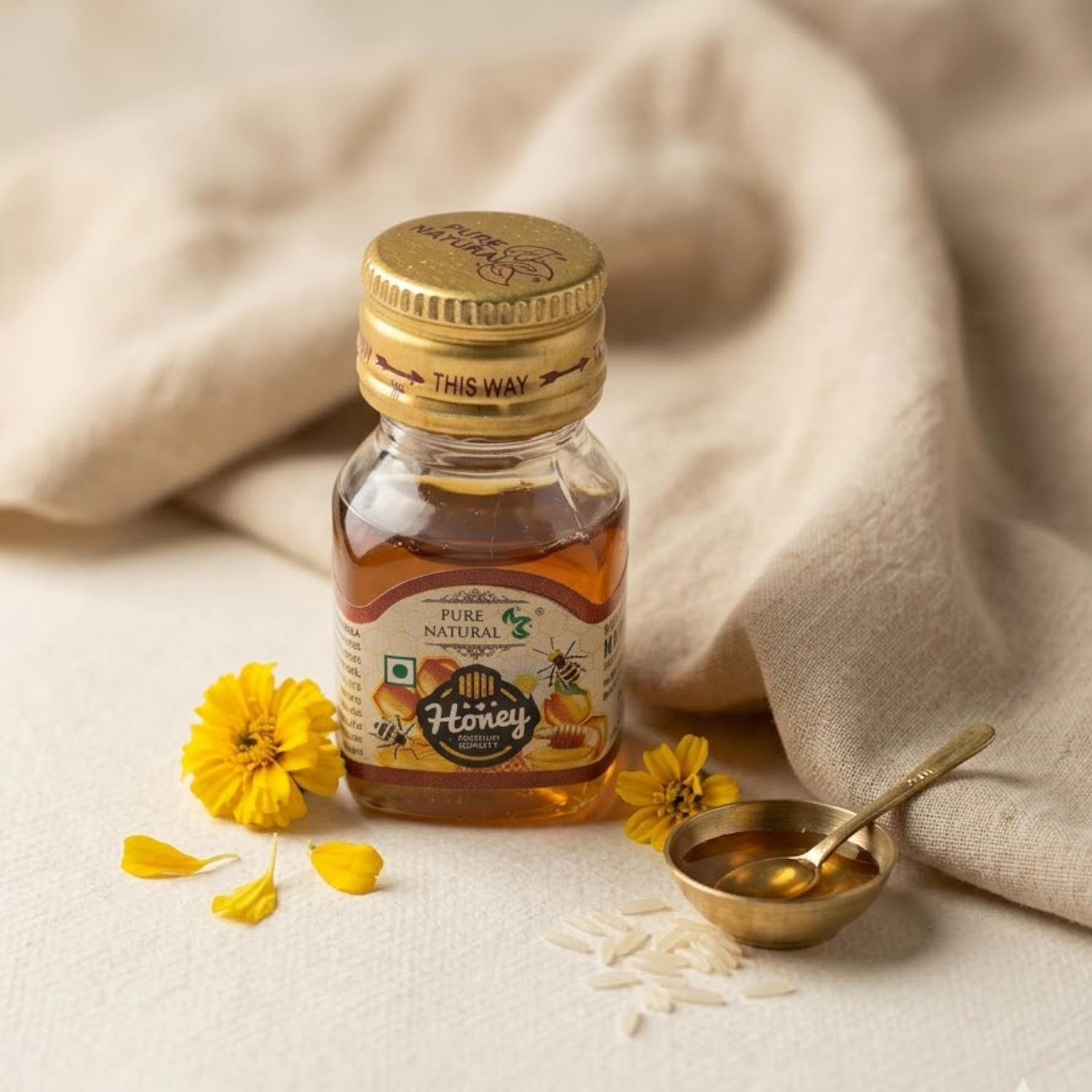
- In the 16-step royal sequence (Shodashopachar), the 6th step mandates the offering of Madhuparka—a pure, sweet blend of honey and cow ghee. The kit includes these elements in premium quantities, allowing the priest to present this royal meal flawlessly to invoke sweetness and harmony in client negotiations and high-stakes partnerships.
- Q10. Why does this standard kit include Haritaki along with the standard Tambula spices?
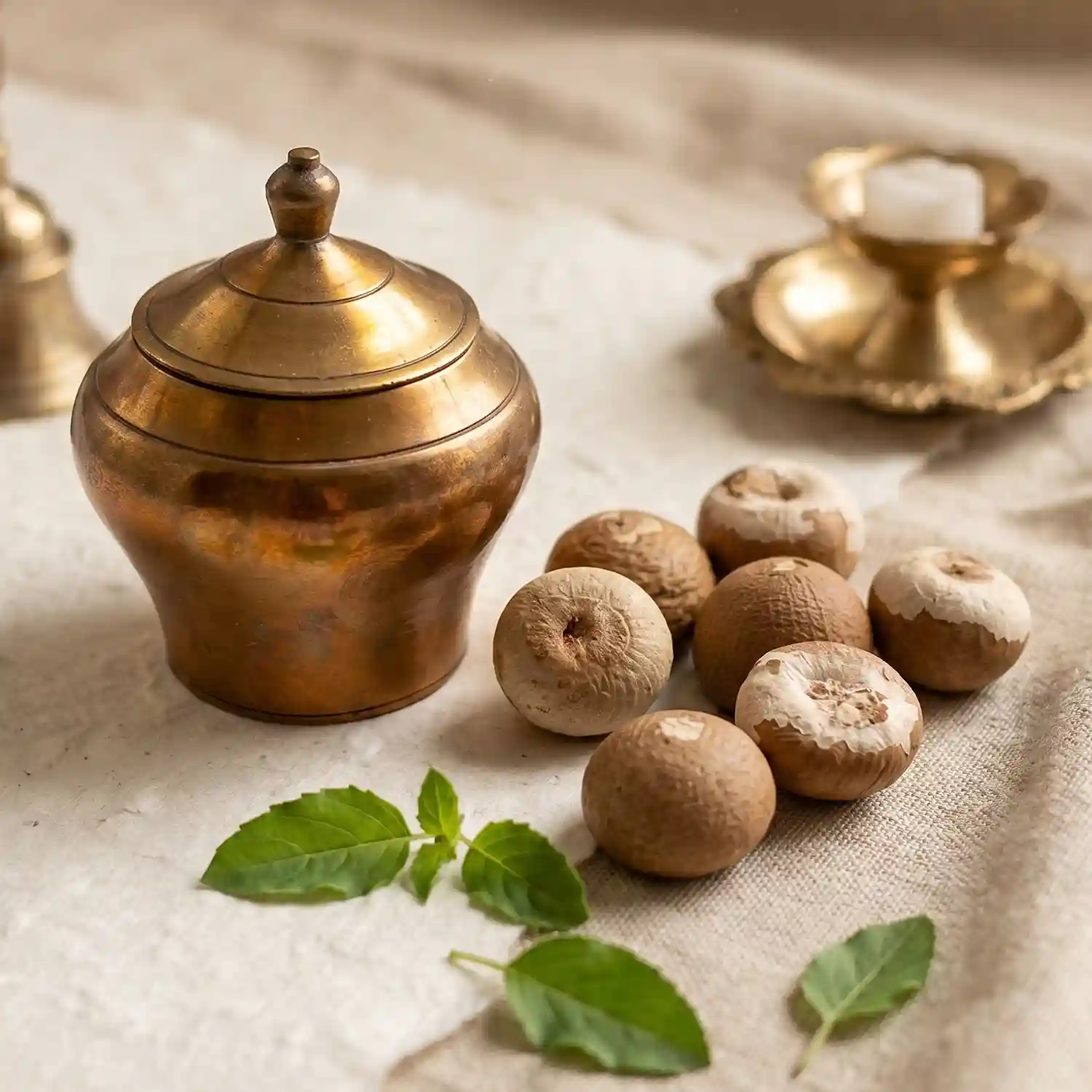
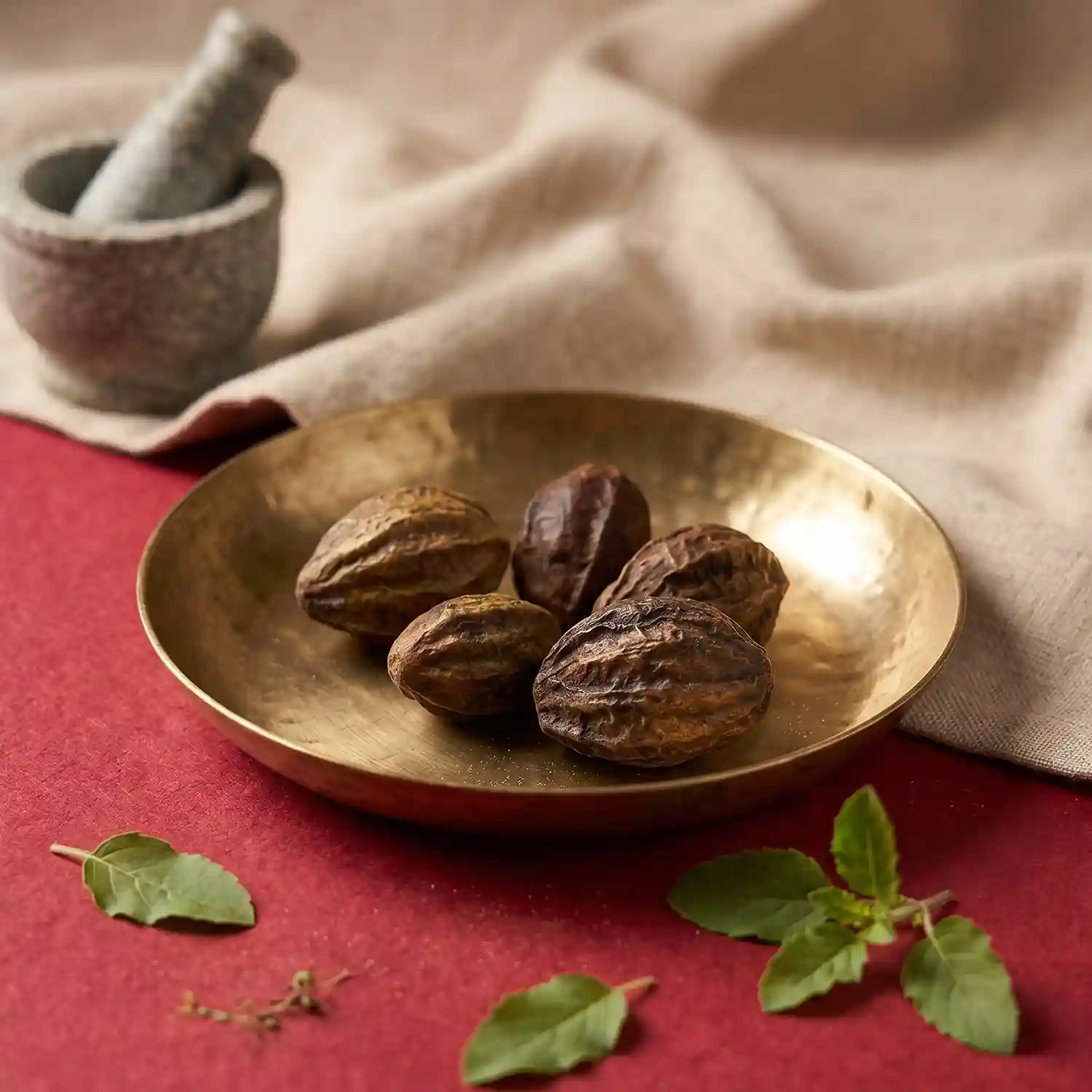
- In orthodox Vedic hospitality, a Tambula (the final mouth-freshening offering that seals the royal honors) is incomplete with just betel nut and basic spices. The addition of Haritaki (Harad Fruit) alongside Supari, Clove, and Green Cardamom satisfies a precise requirement from the Purohit Darpan to mathematically balance the elemental energies immediately following the main food offerings (Naivedya).