






_11zon.webp)

_11zon.webp)










Frequently Asked Questions
- Q1. Why is this ritual called a "Bhit" or Bhumi Puja?
- "Bhit" refers to the literal foundation or the very first pit dug into the ground for construction. Bhumi Puja is a ritual dedicated to Bhumi Mata (Mother Earth) and the Vastu Purusha (the cosmic deity of the land). Because breaking ground and digging disrupts the natural equilibrium of the earth, this puja is performed to seek forgiveness from Mother Earth, clear away negative energies, and ask for her blessing before construction begins.
- Q2. Can I use this kit to perform a simple Bhumi Puja by myself?
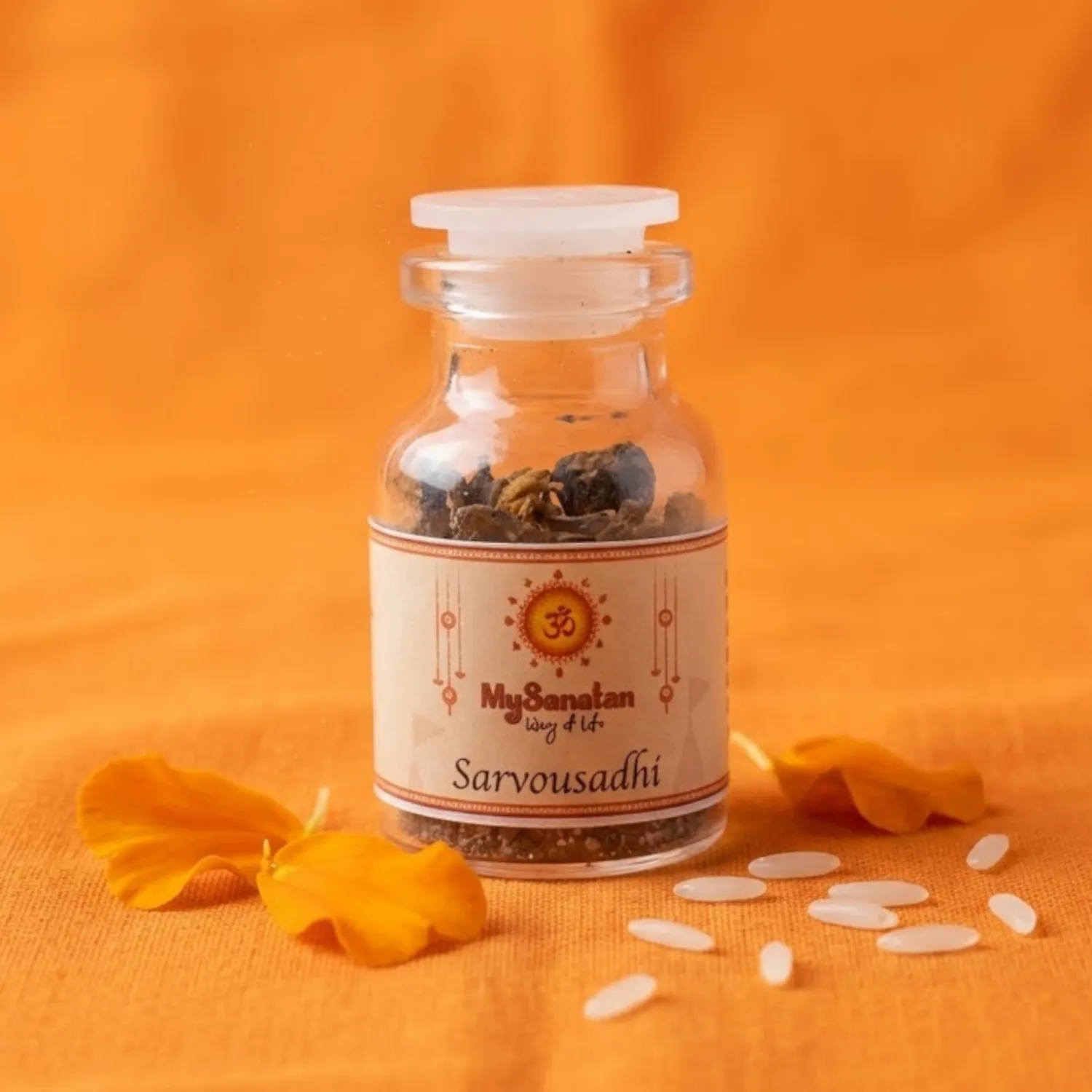
- Unlike small daily rituals, a Bhumi/Bhit Puja involves complex Vastu grid alignments and an essential fire sacrifice (Homa). While a homeowner can easily follow basic steps, it is highly recommended to have a qualified priest guide this ritual. This kit contains specific esoteric items (like Sarbausadhi and Maha Aushadhi herbs) and a massive 1kg of Bel Kath (Bael wood) tailored specifically for a priest to execute a flawless, traditional Vedic ceremony.
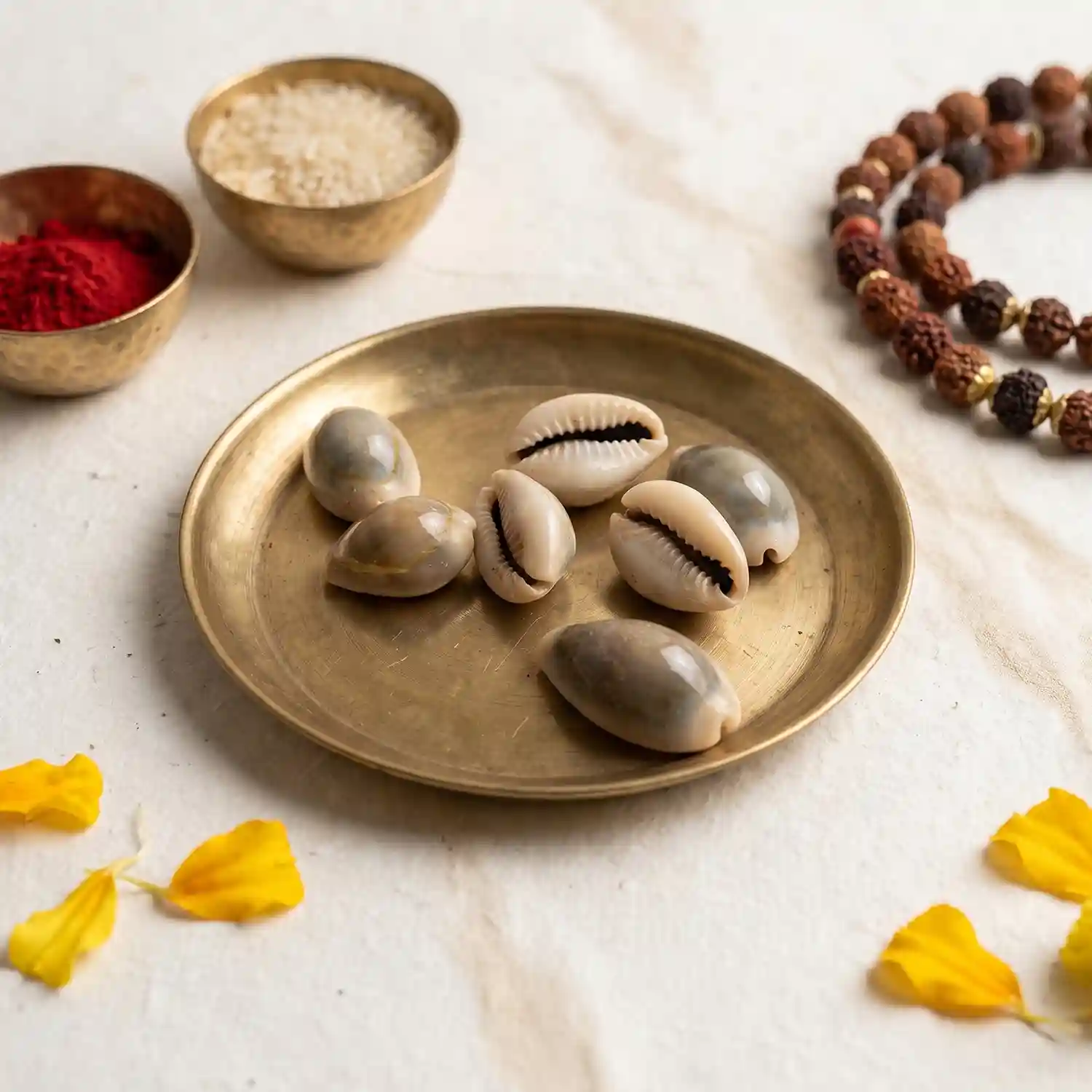
- Q3. Why are there Natural Cowrie Shells included in this kit?
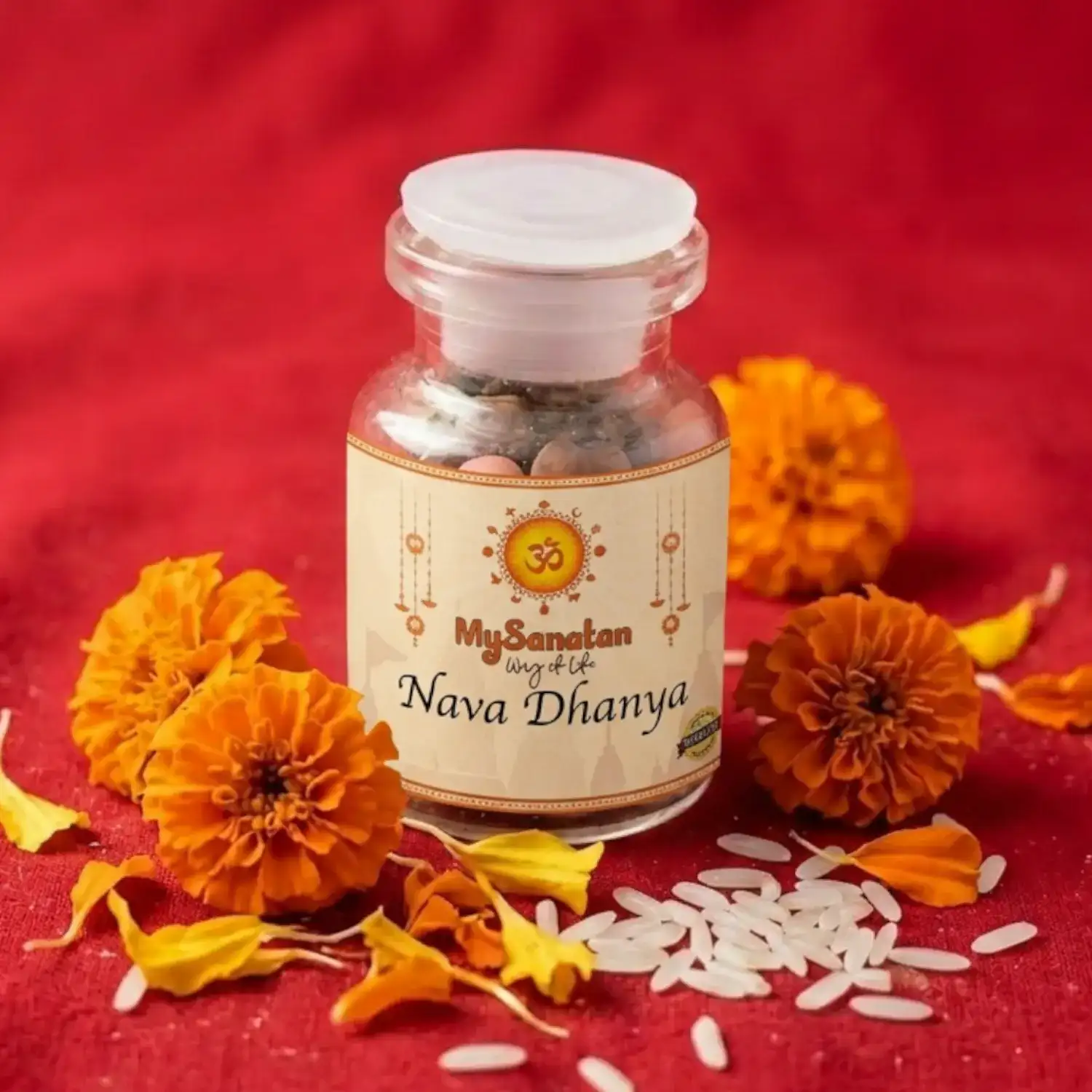
- Cowrie shells are ancient, highly auspicious symbols of Goddess Lakshmi (wealth and prosperity). During the ritual, these shells—along along with the Sapta Dhanya (7 sacred grains) and herbs—are buried deep inside the foundational pit (usually in the North-East corner). This act symbolically "seeds" the roots of your future home with permanent financial stability, wealth, and good health.
- Q4. When is the best time to perform this puja using the kit?
- This ritual must be performed strictly during an auspicious Vastu Muhurat (astrologically calculated timing). You should use this kit:
- Right before the very first shovel hits the ground to dig the foundation.
- Before initiating major agricultural sowing on a new piece of land.
- It can also complement structural blessings during a Griha Pravesh (housewarming).
- Q5. What immediate benefits does this puja bring to our construction project?
- Spiritually, it creates a protective shield over the entire plot. Practically, it is believed to remove any Vastu Doshas (architectural or land defects), protect construction workers from sudden workplace accidents, prevent unexpected legal or structural delays, and ensure the building progresses smoothly.
- Q6. What is the role of the Yellow Mustard Seeds and Kusha Grass in Step 1?
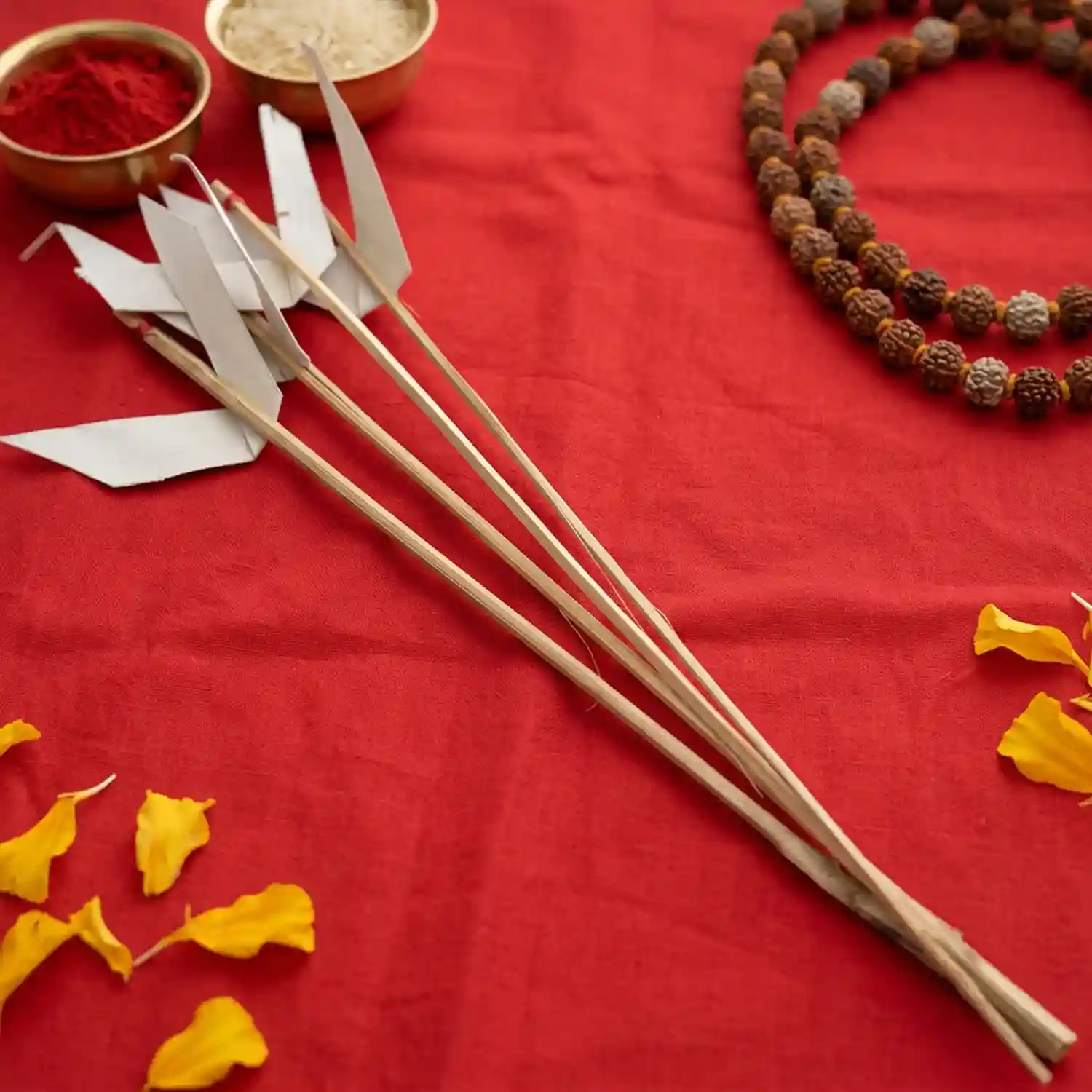
- These items are critical for Dikbandhan (sealing the directions) and Bhuta-shuddhi (elemental purification). The priest uses the Yellow Mustard Seeds while chanting protective mantras to cast out negative entities and earthbound spirits from the plot's boundaries, while the Kusha Grass is utilized to sprinkle holy Ganga Jal to purify the ritual ground.
- Q7. How are the Asananguri and Boron Samagri utilized in the Vastu Grid?
- The Boron Samagri (including the Baran Asan, Barananguri, and Asananguri) are specialized Eastern Indian ritual items used to welcome, honor, and ground the divine energies. They are placed within the 64-square or 81-square mandala drawn by the priest to formally install and anchor the Vastu deities before the main offerings begin.
- Q8. What is the significance of including both Sarbausadhi and Mahoushadhi?
- These are highly potent, hard-to-find combinations of sacred Himalayan and Vedic herbs. In orthodox construction rituals, they are essential components for consecrating the Vastu Kalash. When buried in the foundation pit, they neutralize any past karmic defilements or toxic energetic currents present in the soil, ensuring the physical foundation remains spiritually pure.
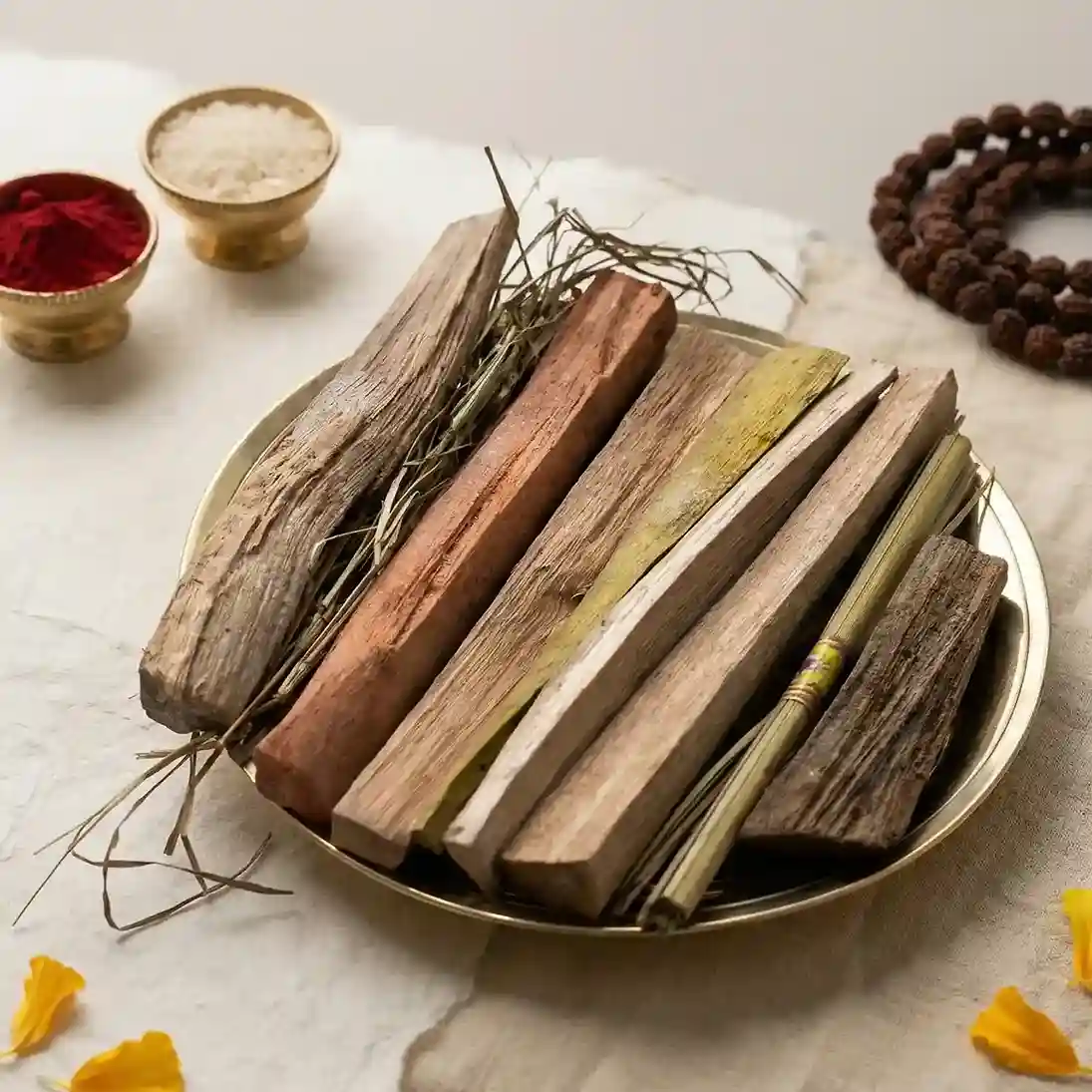
- Q9. Why does the kit provide a substantial 1kg of Bel Kath and 500g of Havan Samagri?
- A true Vastu Yagya requires a robust and sustained sacred fire to thoroughly purify the environment across all cardinal directions. We provide a generous 1kg of authentic Bel Kath (Bael wood) and 500g of premium Havan Samagri to ensure the priest can conduct a complete, uncompromised fire ritual without running out of sacred fuel midway.
- Q10. What is the purpose of the massive smoke ceremony at the end?
- The combination of Chhobra (dry coconut husk), a large portion of Dhuna Powder, and Guggal is intended for a comprehensive space-clearing ritual. The dense, medicinal, and holy smoke generated at the end of the Homa acts as a spiritual disinfectant, clearing away any stagnant or lingering negative energies across the entire property before the first concrete is poured.