


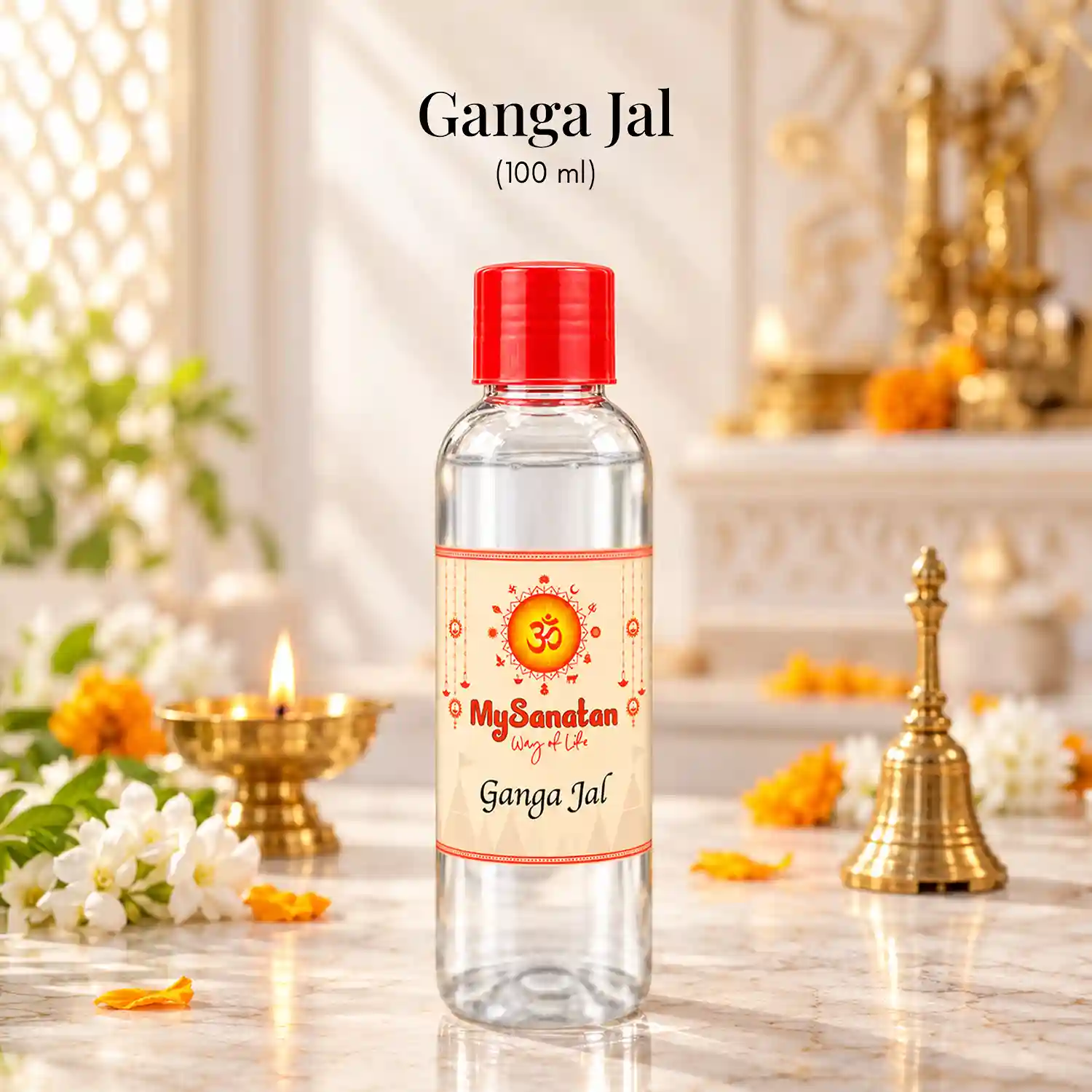
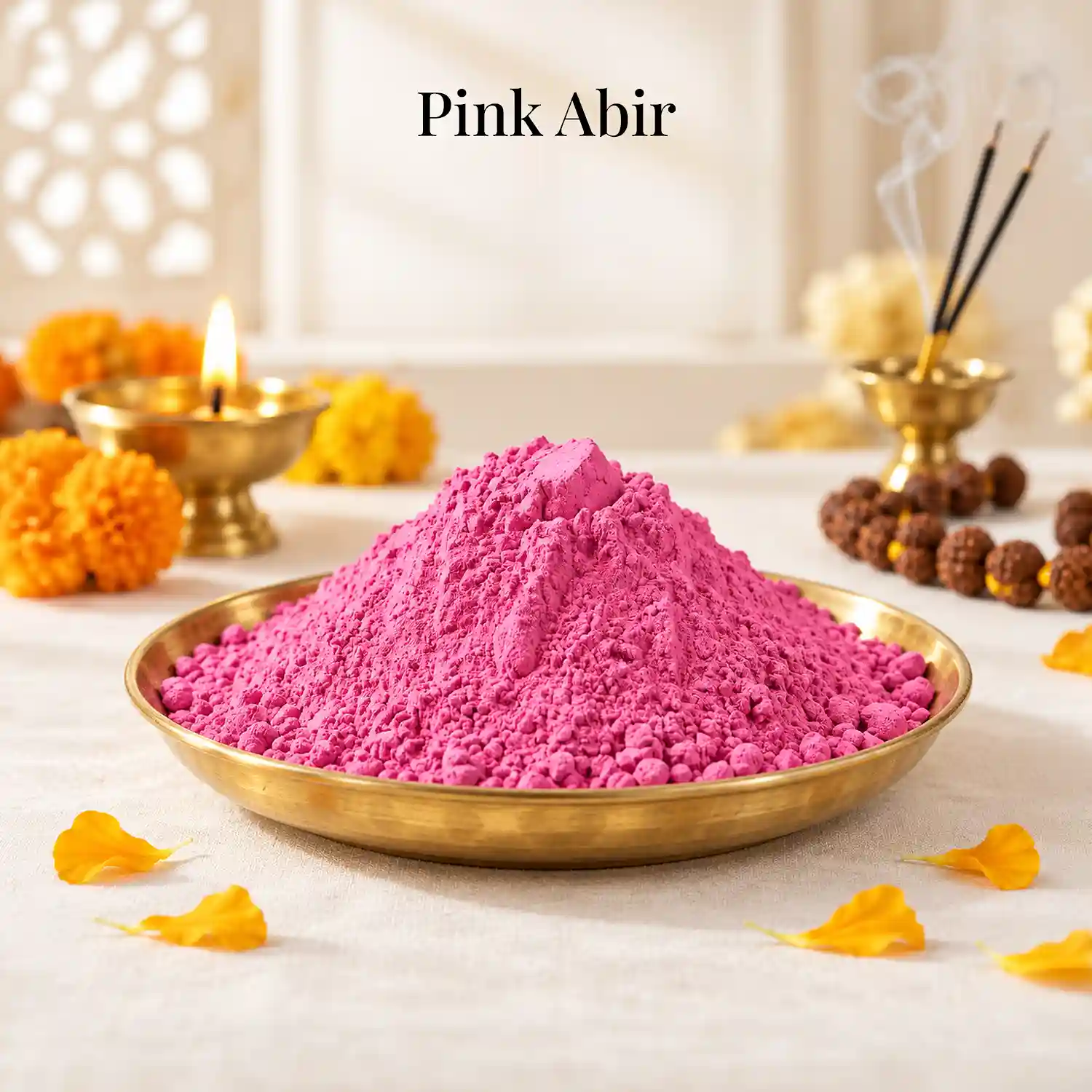
 1791958135.webp)
 | Golden Wood Premium Incense Sticks | Dhup Kathi (Small Pack) 1791879250.webp)


Frequently Asked Questions
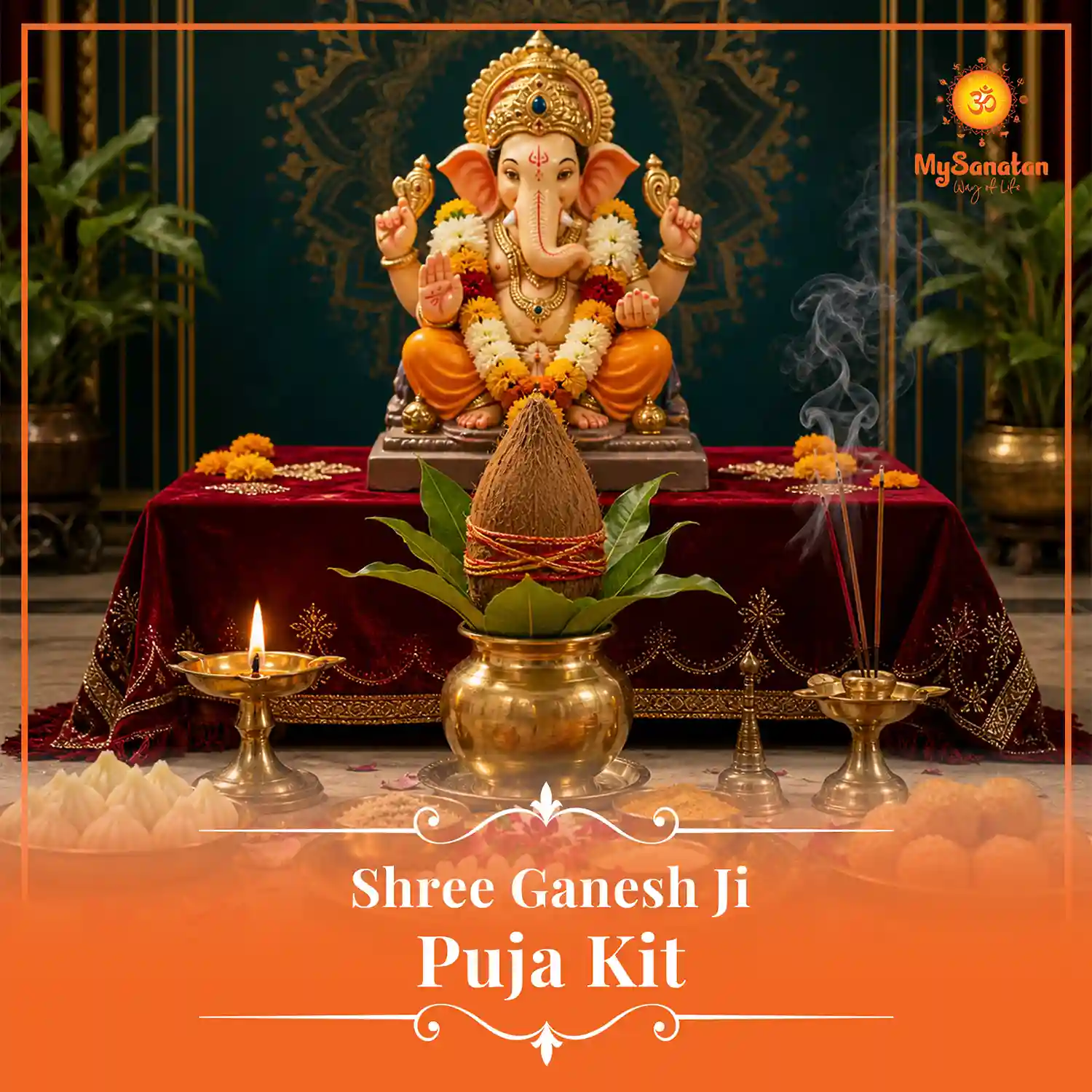
- Q1. Who can use the MySanatan Ganesh Puja Kit?
- The MySanatan Ganesh Puja Kit is suitable for everyone, including beginners, families, working professionals, and experienced devotees who wish to perform Ganesh Puja at home, office, or during festive occasions with ease and convenience.
- Q2. Is this Ganesh Puja Kit suitable for beginners?
- Yes. The kit is thoughtfully curated with commonly used traditional puja essentials, making the Ganesh Puja process simple, organized, and beginner-friendly for devotees performing the ritual for the first time.
- Q3. Do I need any additional items apart from this puja kit?
- This kit contains essential puja items required for Ganesh worship. Devotees may additionally keep a Lord Ganesha idol or picture, flowers, fruits, diya, and incense sticks according to personal preference and regional traditions.
- Q4. Can this puja kit be used for Ganesh Chaturthi?
- Yes. The MySanatan Ganesh Puja Kit is ideal for Ganesh Chaturthi celebrations, Sankashti Chaturthi, Wednesday Ganesh worship, home puja, office puja, and other auspicious occasions dedicated to Lord Ganesha.
- Q5. Is the kit suitable for home and office puja?
- Absolutely. This puja kit is designed for both home and workplace worship, helping devotees create a devotional and spiritually uplifting atmosphere anywhere.
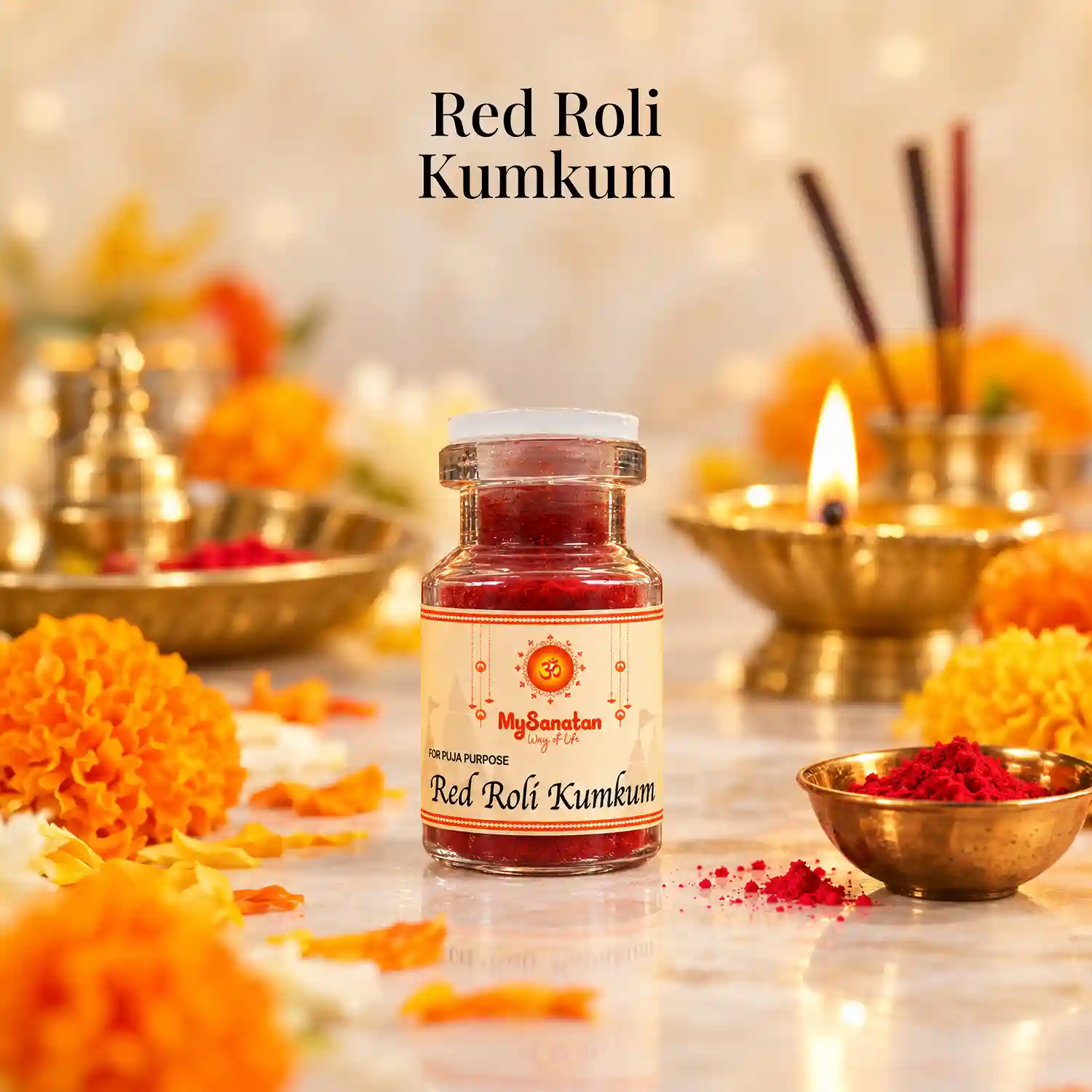
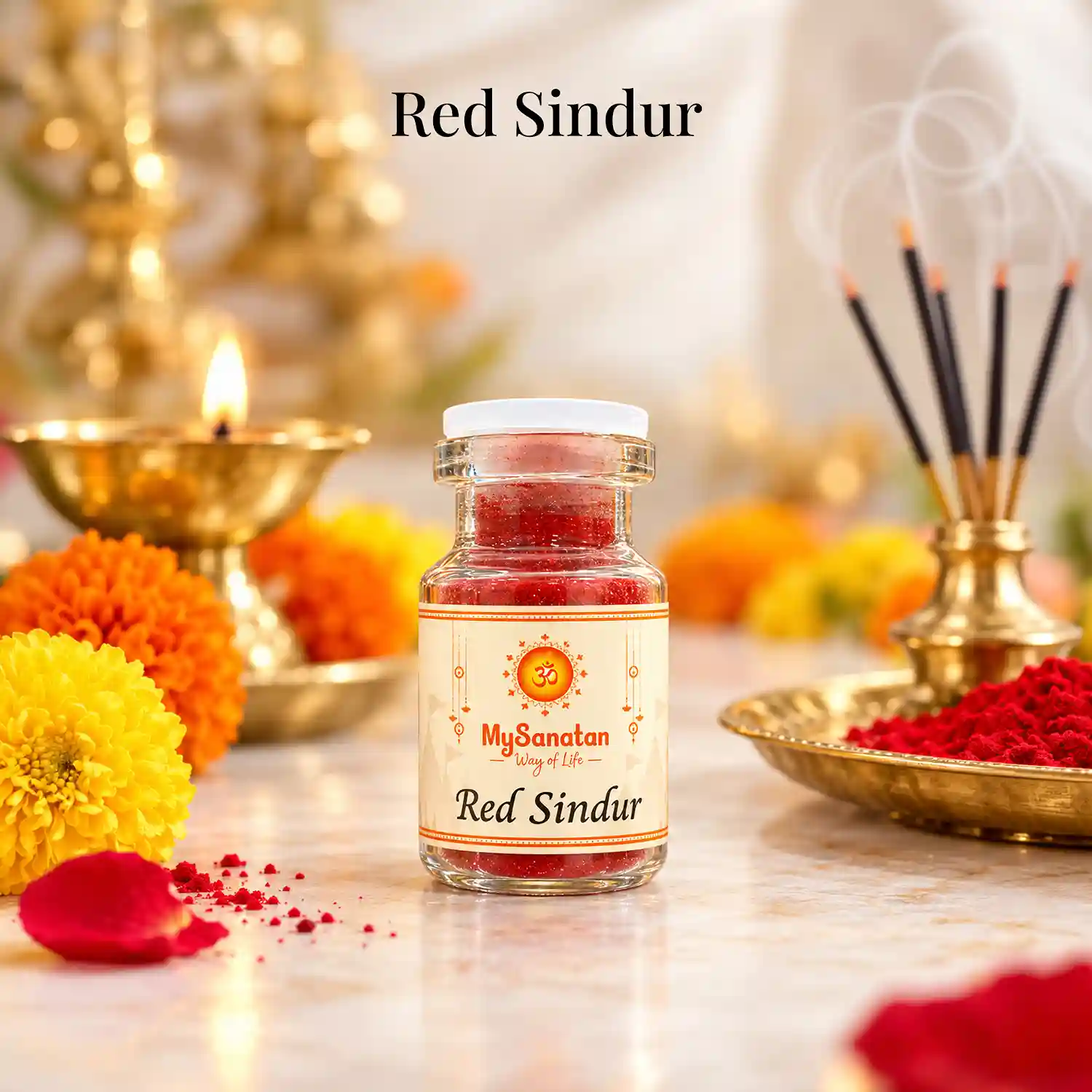
- Q6. What is the significance of using Chandan, Kumkum, and Sindur in Ganesh Puja?
- In this worship, these specific sacraments balance the mental state. White Chandan is used first as a cooling base to quiet the mind and settle the intellect (Buddhi). The vibrant Red Roli Kumkum and Red Sindur are then applied because red is highly auspicious for Lord Ganesha, acting as a visual trigger to activate His divine energy and invoke His immediate blessings.
- Q7. Why is Kapoor (Camphor) used during Ganesh Aarti?
- Camphor is traditionally used during aarti as it symbolizes the removal of negativity and the spreading of divine positivity and spiritual purity within the surroundings.
- Q8. Can this kit be gifted to loved ones?
- Yes. The MySanatan Ganesh Puja Kit makes a meaningful and thoughtful spiritual gift for festivals, office openings, weddings, and other auspicious occasions.
- Q9. How should the puja items be stored?
- Store the puja items in a cool, clean, and dry place away from moisture and direct sunlight to maintain their quality and freshness.
- Q10. What blessings do devotees seek through Ganesh Puja?
- Devotees worship Lord Ganesha to seek blessings for wisdom, prosperity, harmony, positivity, success in new beginnings, and the removal of obstacles from life.