 1791958135.webp)



 | Golden Wood Premium Incense Sticks | Dhup Kathi (Small Pack) 1791879250.webp)

Frequently Asked Questions
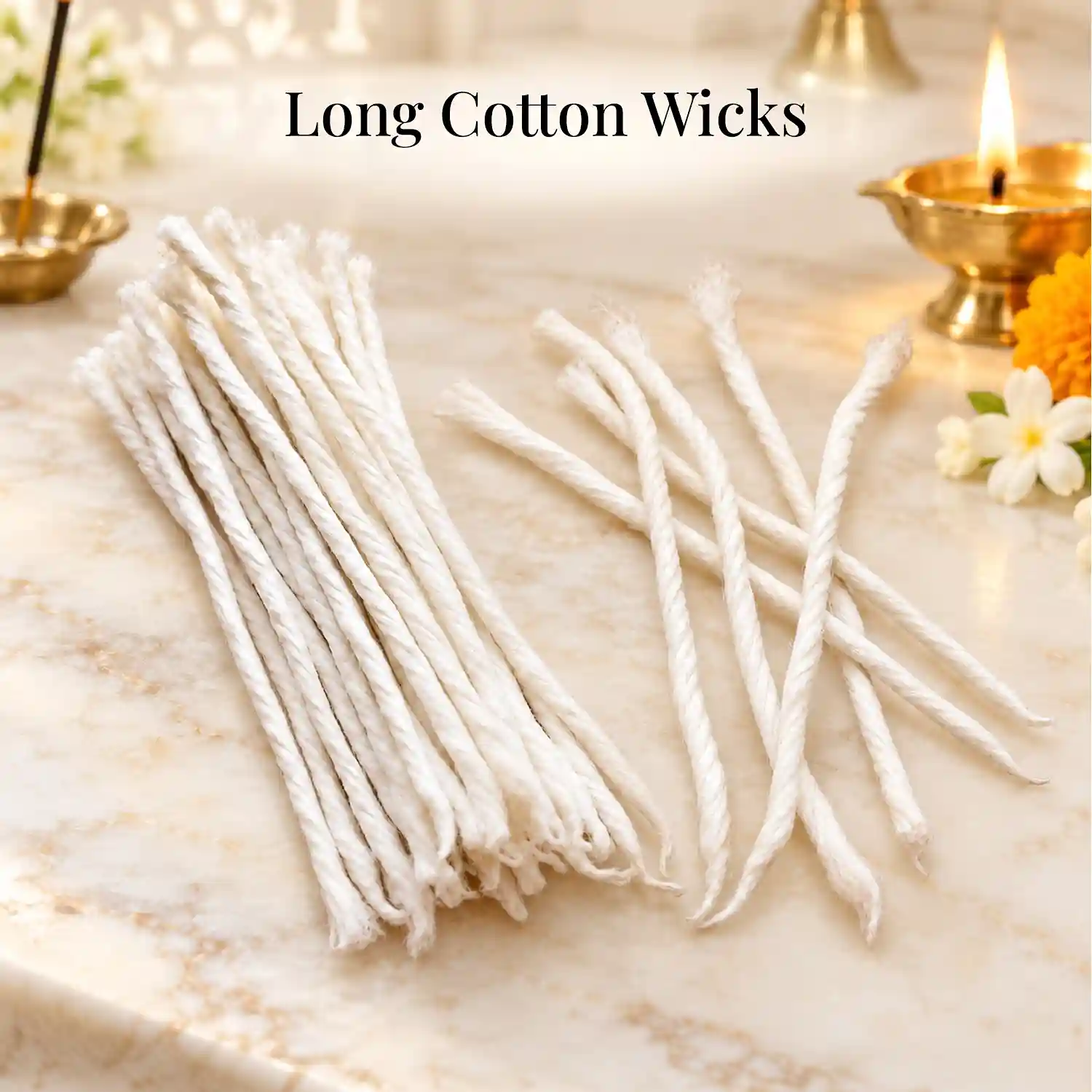
- 1. Why does this kit include two types of cotton wicks (Long and Round)?
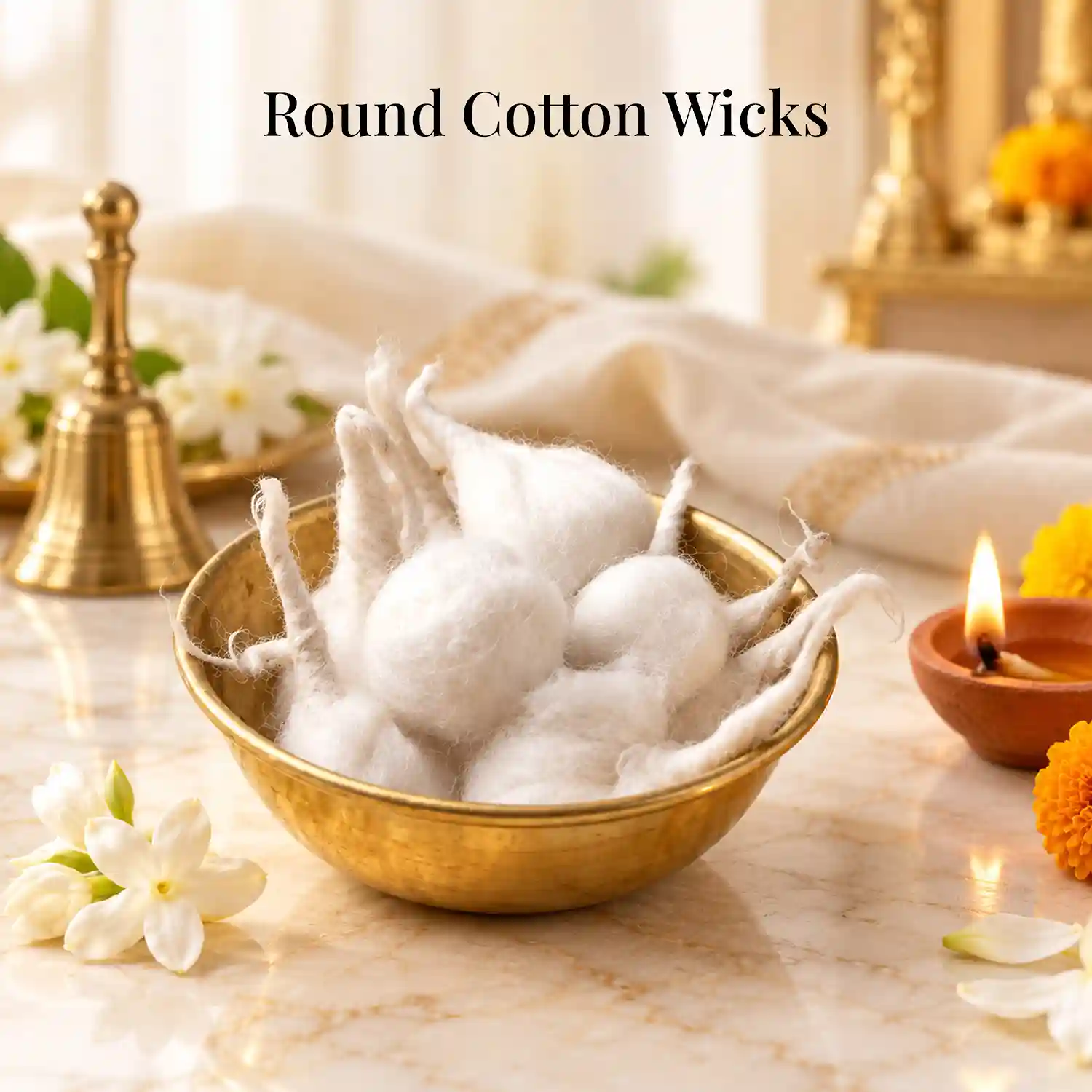
- In Krishna worship, variety reflects the different moods of devotion. Long wicks are traditionally used in oil lamps for stability and focus during meditation, while Round wicks (Phool Batti) are often preferred for Ghee lamps or the Aarti ceremony, as they represent the "blossoming" of the heart's devotion toward the Lord.
- 2. What is the significance of offering a Janeu (Sacred Thread) to Krishna?
- While the Janeu is often associated with personal discipline, offering it to Krishna recognizes Him as the Jagadguru (Universal Teacher). For the devotee, this act symbolizes a commitment to living with "Spiritual Responsibility"—aligning one’s daily actions with the higher values taught by Krishna in the Gita.
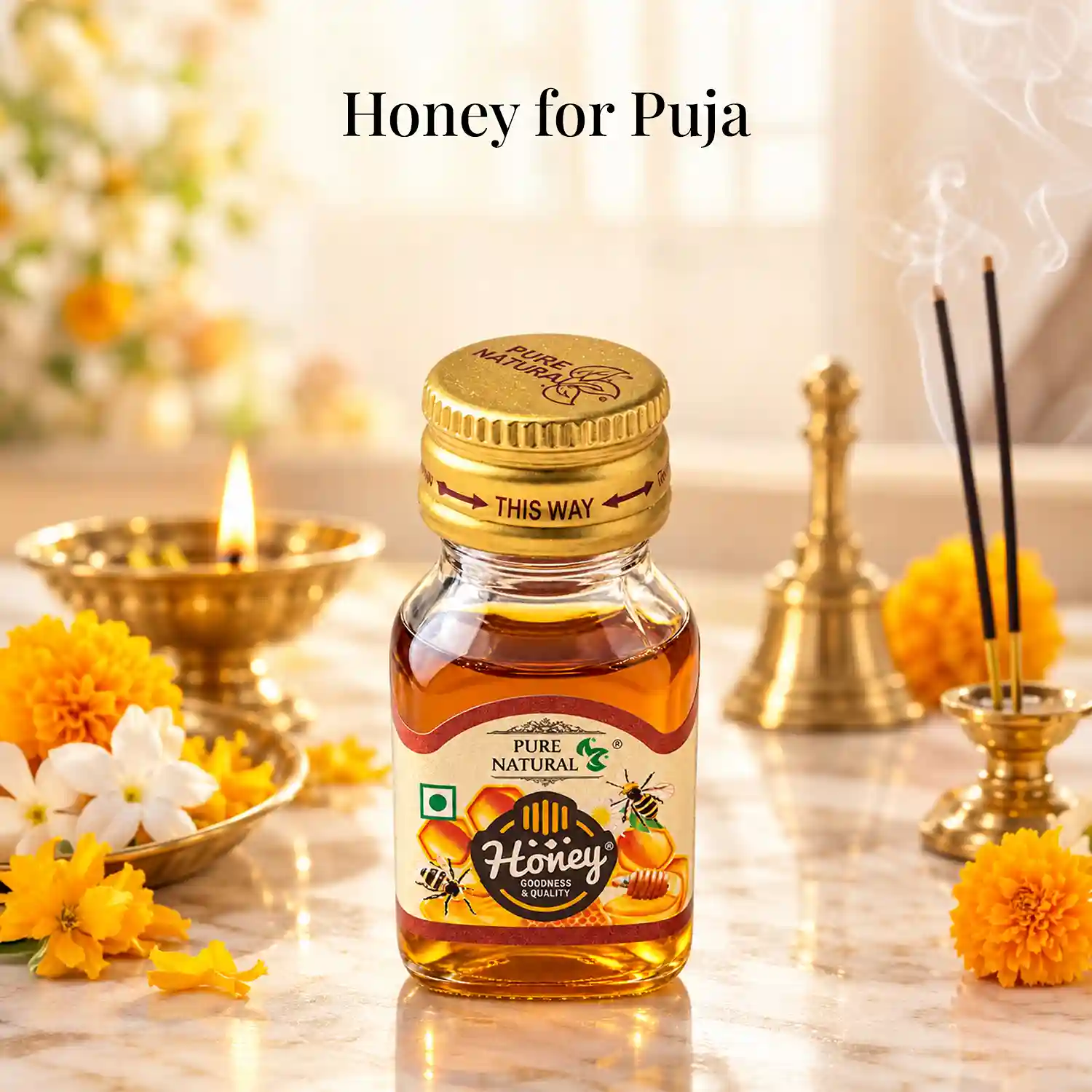
- 3. Why is Honey (Madhu) specifically highlighted as an offering?
- Krishna is often called Madhusudana. While He is the slayer of the demon Madhu, He is also the lover of all that is sweet (Madhuram). Offering honey isn't just about food; it is a "metaphorical prayer" to remove the bitterness of ego and replace it with sweetness in our speech, relationships, and thoughts.
- 4. I am a beginner; do I need to follow all 9 steps every day?
- The kit is designed for flexibility. For a quick daily ritual, focus on Step 1 (Purification), Step 2 (Lighting the Lamp), Step 3 (Tulsi Offering), and Step 7 (Mantra Chanting). On special days like Ekadashi, performing the full 9-step sequence with the Yellow Puja Cloth and Chandan Tilak helps create a more "immersive" spiritual environment.
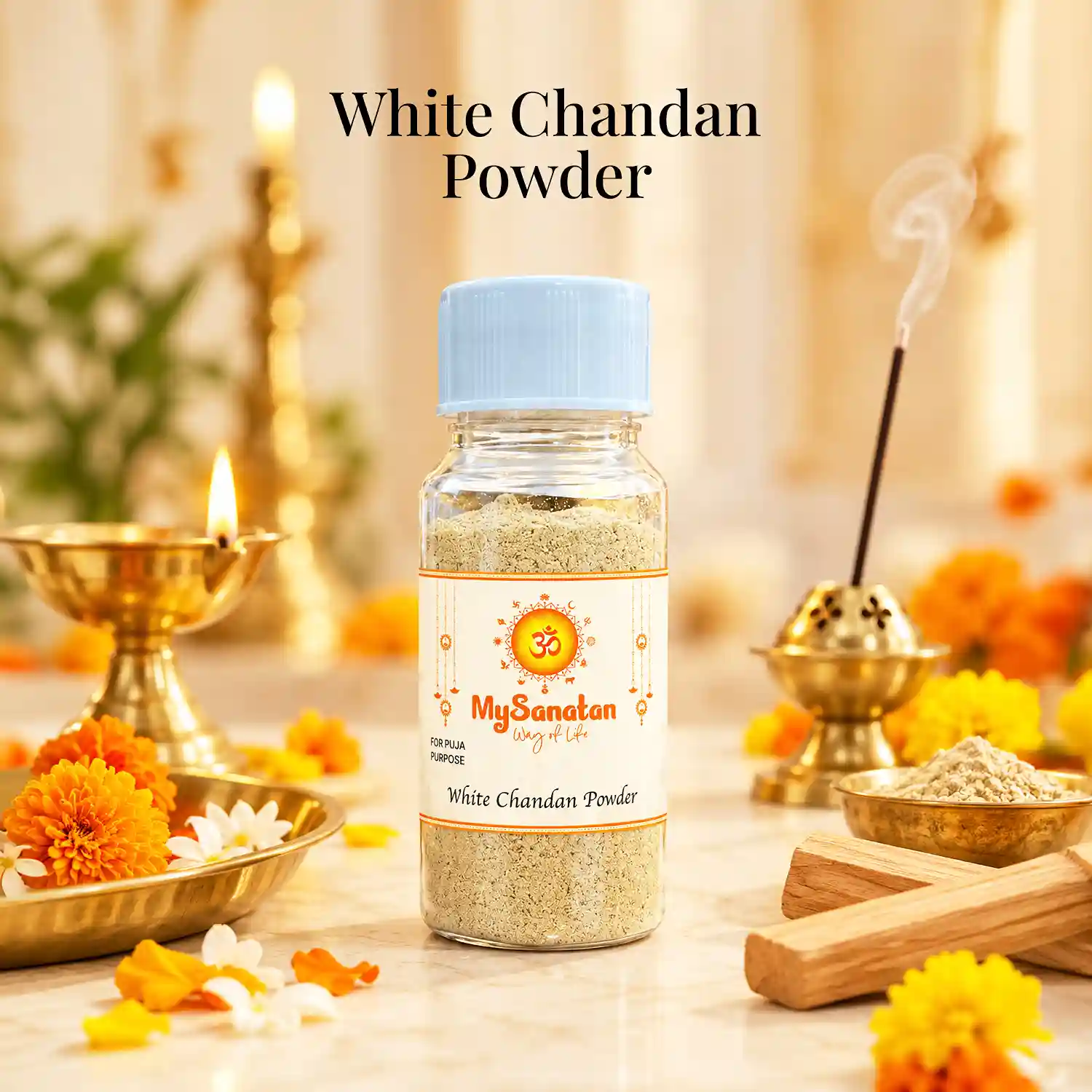
- 5. How do I use the Haldi (Turmeric) and White Chandan (cooling) during the Tilak?
- First, White Chandan is applied as a cooling base to quiet the mind and bring inner peace. Then, Haldi (Turmeric) is applied for auspiciousness and to invoke the "Golden Energy" of Krishna’s Pitambara (yellow robes). This simple sequence transitions the mind into a state of pure, joyful devotion (Bhakti). (Note: Traditionally, red Kumkum is avoided in exclusive Krishna worship to honor classical scriptural rules).
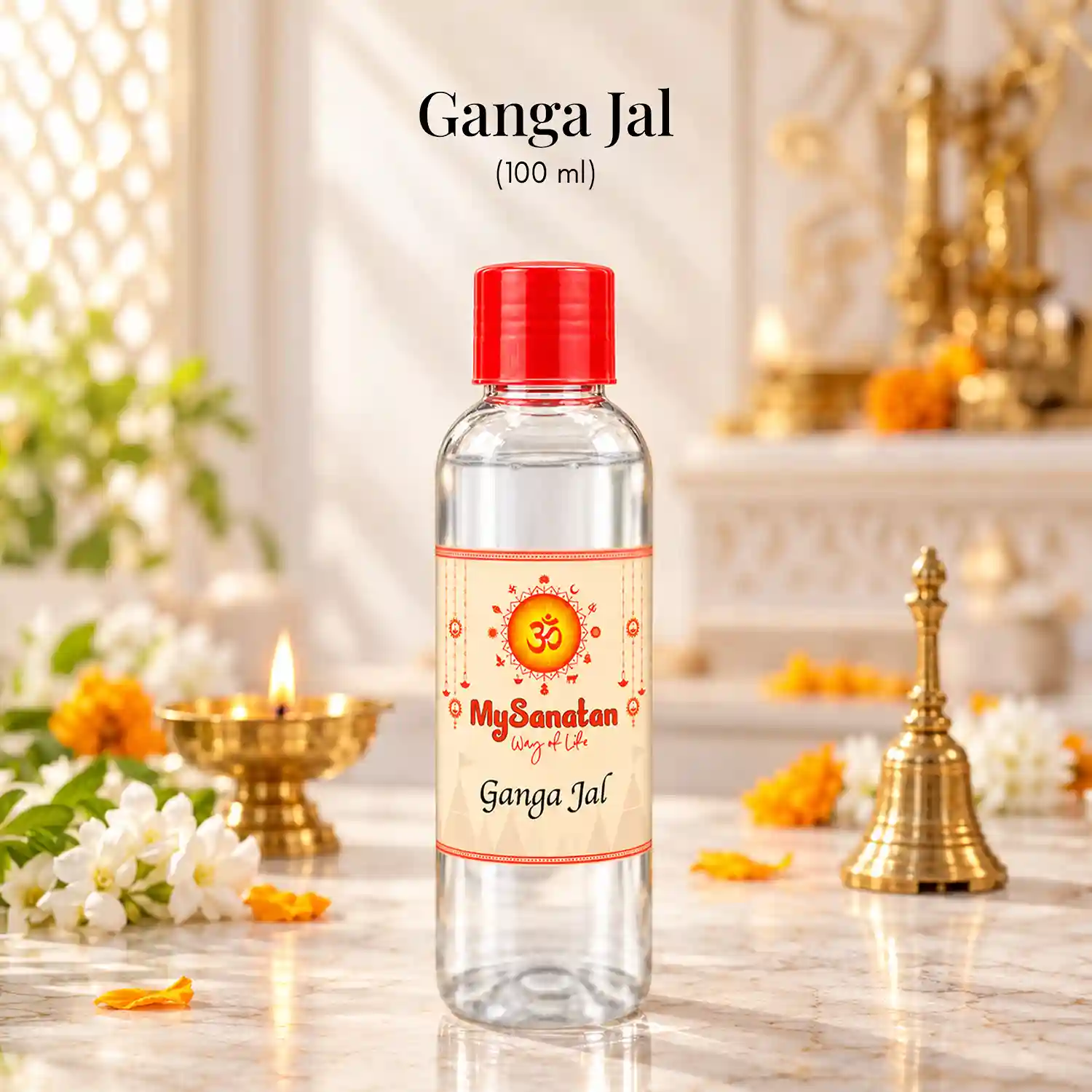
- 6. Is there a specific way to use the Ganga Jal included in the kit?
- Beyond purifying the idols, you can add a few drops of this 100% Pure Ganga Jal to a bowl of fresh water to create a "Sacred Bath" (Abhishekam) for the deity. This ritual is believed to wash away the "spiritual dust" from the devotee's own consciousness, leaving them refreshed and focused.
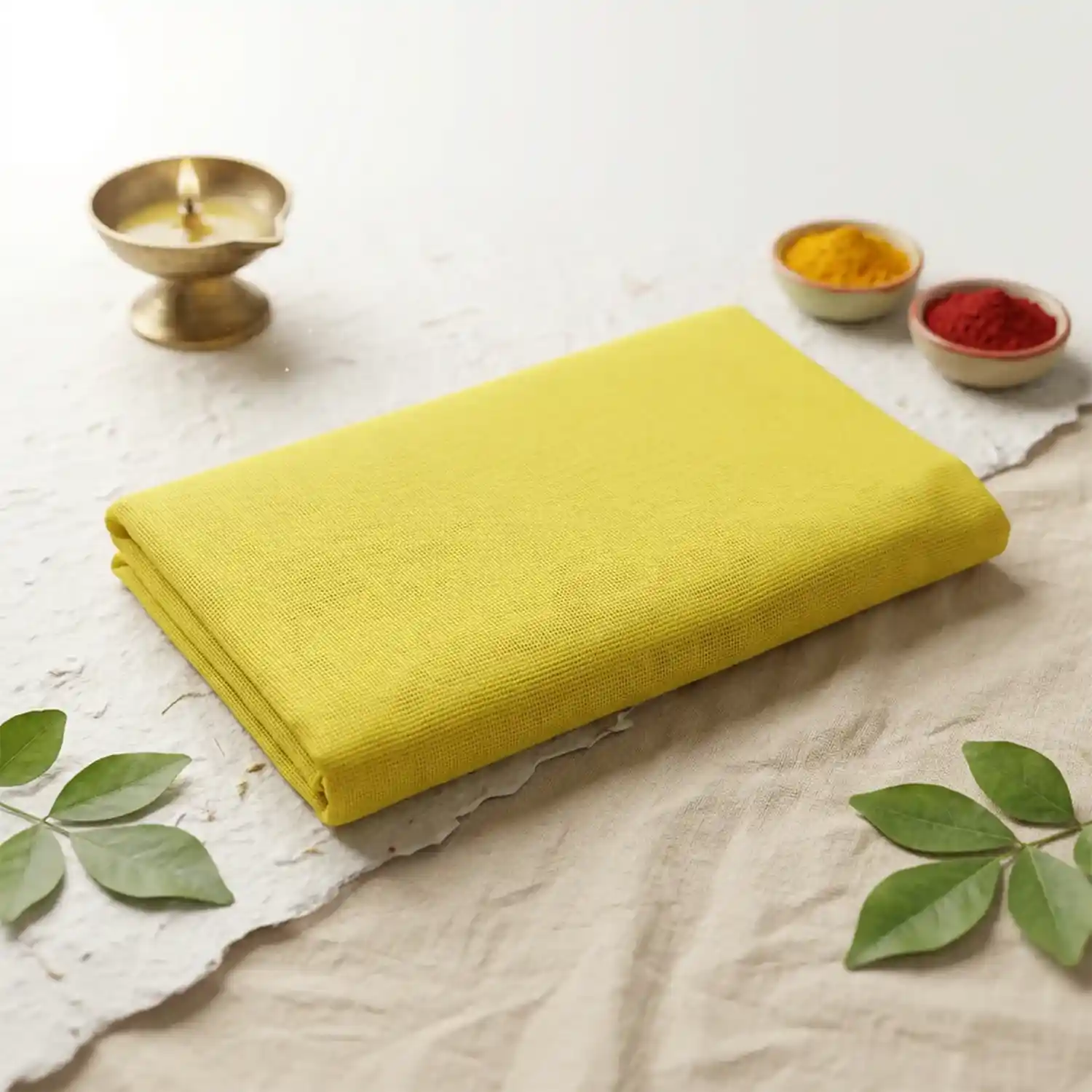
- 7. Why is the Yellow Puja Cloth included in a Krishna Kit?
- Lord Krishna is classically worshipped as Pitambara—the divine being who is adorned in vibrant yellow garments. Placing your puja setup on the Yellow Haldi Shalu provides a bright, Sattvic (pure) foundation that perfectly aligns with His divine energy. It helps define the sacred space within your home, separating your devotional corner from the mundane environment.
- 8. Can the items in this kit be used for travel or office mandirs?
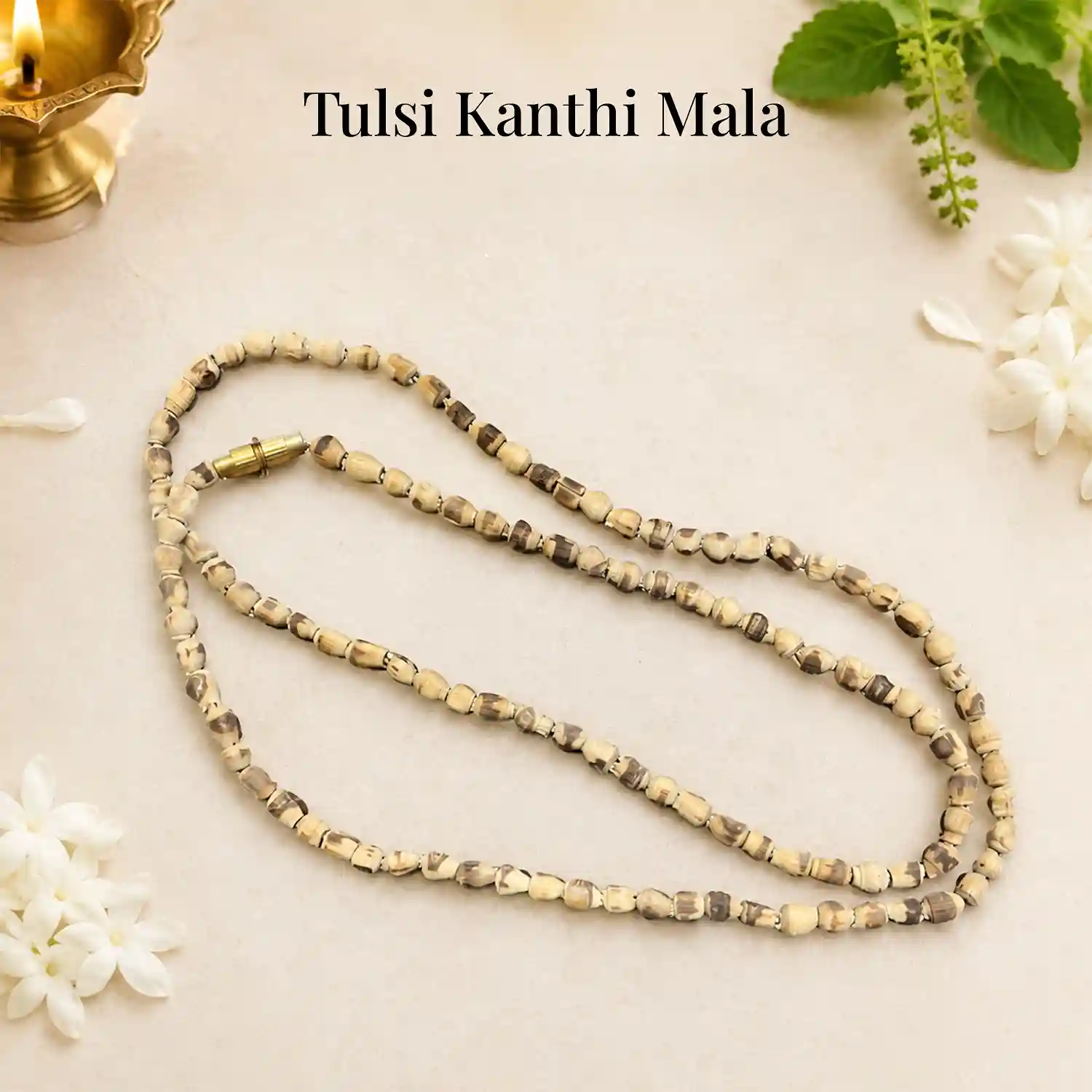
- Absolutely. The compact sizes of the Safed Chandan, the sacred Tulsi Mala, and Kapoor make it a "portable sanctuary." It’s perfect for those who want to maintain their connection to the "Leela Mindset" while traveling or keeping a small, focused devotional corner at their workplace.