Before You Begin:
Choose a clean, peaceful, and spiritually uplifting place for the puja. Place the Shiva Lingam or picture of Lord Shiva on a clean platform or Puja Place. Sit comfortably alongside your qualified priest (Purohit). Light the Agarbatti (Premium Incense Sticks) to sanctify the atmosphere. As the householder, use this manual as a reference guide to verify that your priest is performing the rites accurately.
- [Note: Devotees are highly encouraged to bring fresh Bel Patra (Bilva leaves) to complete His worship. Please remember two highly strict orthodox rules from the ritual manual Purohit Darpan: First, you must NEVER offer Tulsi leaves or Ketaki flowers to Lord Shiva. Second, the lighted lamp must always be placed on the right side of the deity: "दीपं दक्षिणतो दद्यात्" (Dipaṁ dakṣiṇato dadyāt)].
- 1. Advanced Breath Control & Purification
- Before touching the sacred Puja Place, the priest will guide you through complex breath control (Pranayama) to discipline the mind. The priest will then perform highly advanced elemental purification (Bhuta-shuddhi) to completely cleanse the physical and spiritual environment.
- 2. Installation of Divine Energies (Nyasa)
- The priest will perform Nyasa, an advanced practice involving the installation of divine energies into specific body parts using powerful Sanskrit syllables. This transforms the worshipper's body into a pure vessel fit to receive the divine.
- 3. Intricate Hand Gestures (Mudras)
- Throughout the purification of the Ganga Jal and the offerings, ensure your priest utilizes intricate, traditional hand gestures (Mudras), such as the Dhenu (cow) and Matsya (fish) mudras, to properly channel divine energy.
- 4. The Sacred Holy Bath (Abhishekam)
- To invoke Lord Shiva, the priest will recite rigorous, traditional Sanskrit mantras (such as the Rudra Suktam). Under the precise chanting of the priest, respectfully offer the Ganga Jal to perform a sacred Abhishekam over the Shiva Lingam. Offer the Akshat Rice at His base to symbolize completeness.
- 5. Ascetic Adornment (Shringar)
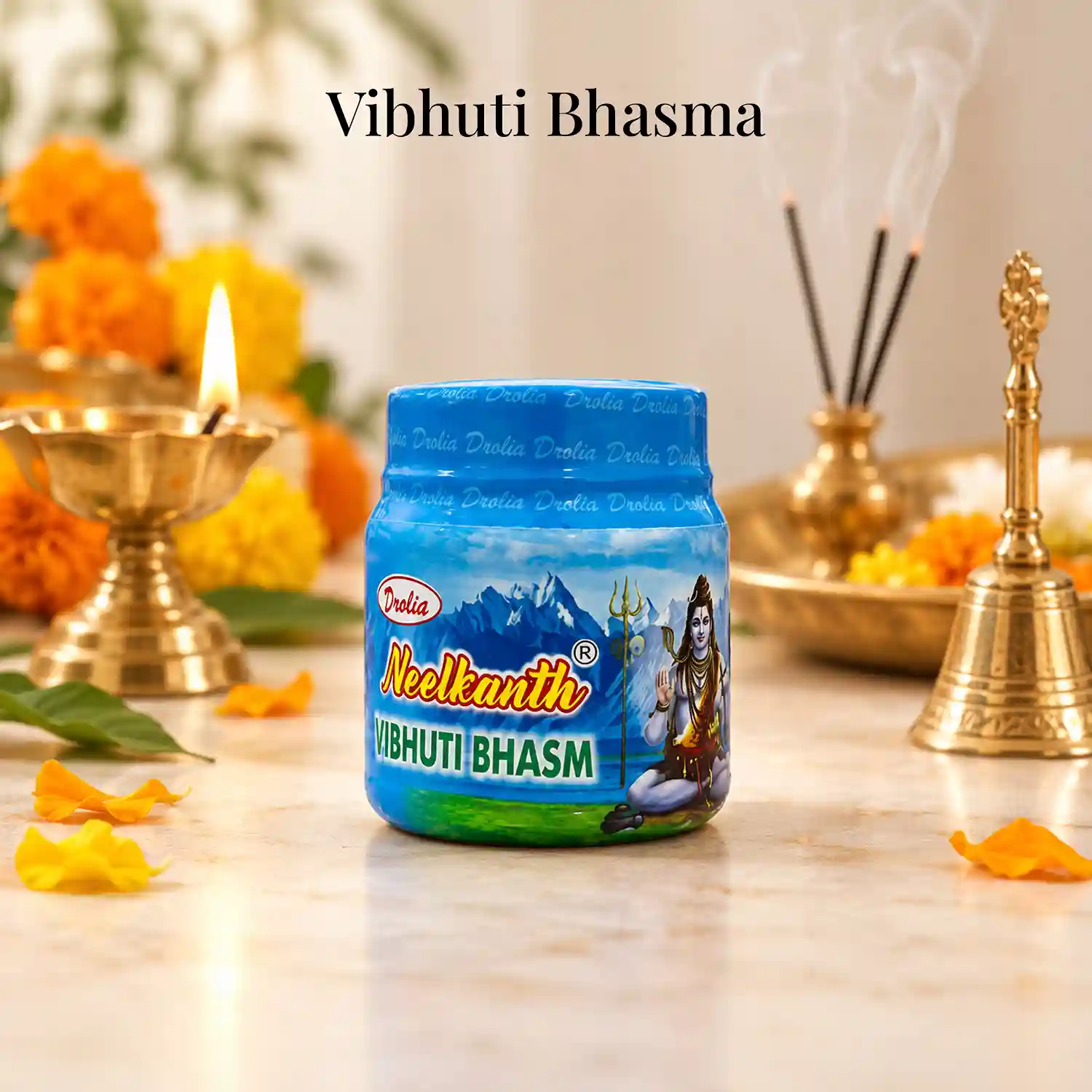
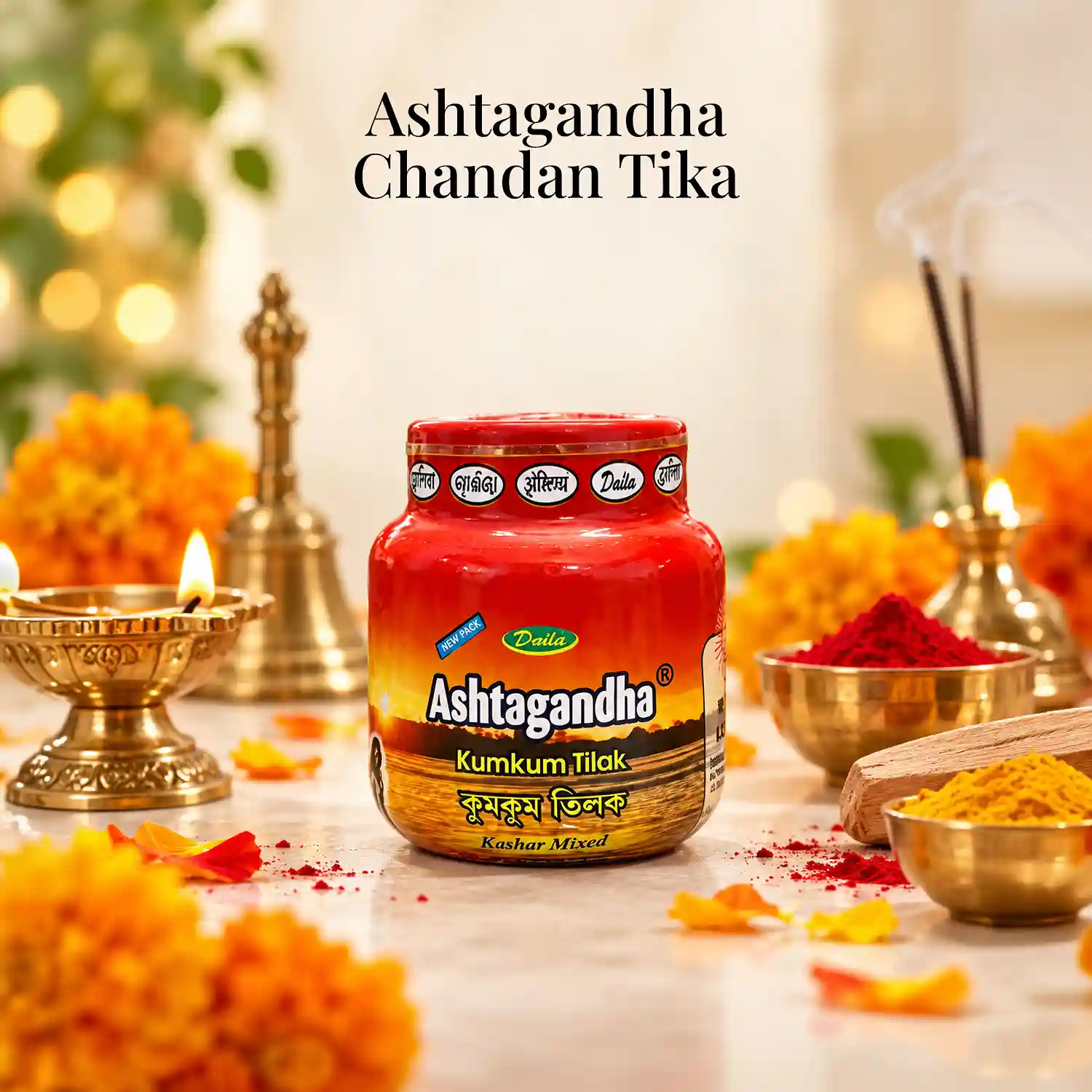
- Follow the priest's timing to adorn the Lord in His pure, ascetic form. Apply the sacred Vibhuti Bhasma, White Chandan Powder, and Ashtagandha Chandan Tika. [Note: The priest will now chant the specific Shaiva mantras to offer the fresh Bel Patra you have brought. Never allow the offering of Tulsi or Ketaki flowers during this step]
- 6. The Sacred Meal (Madhuparka)
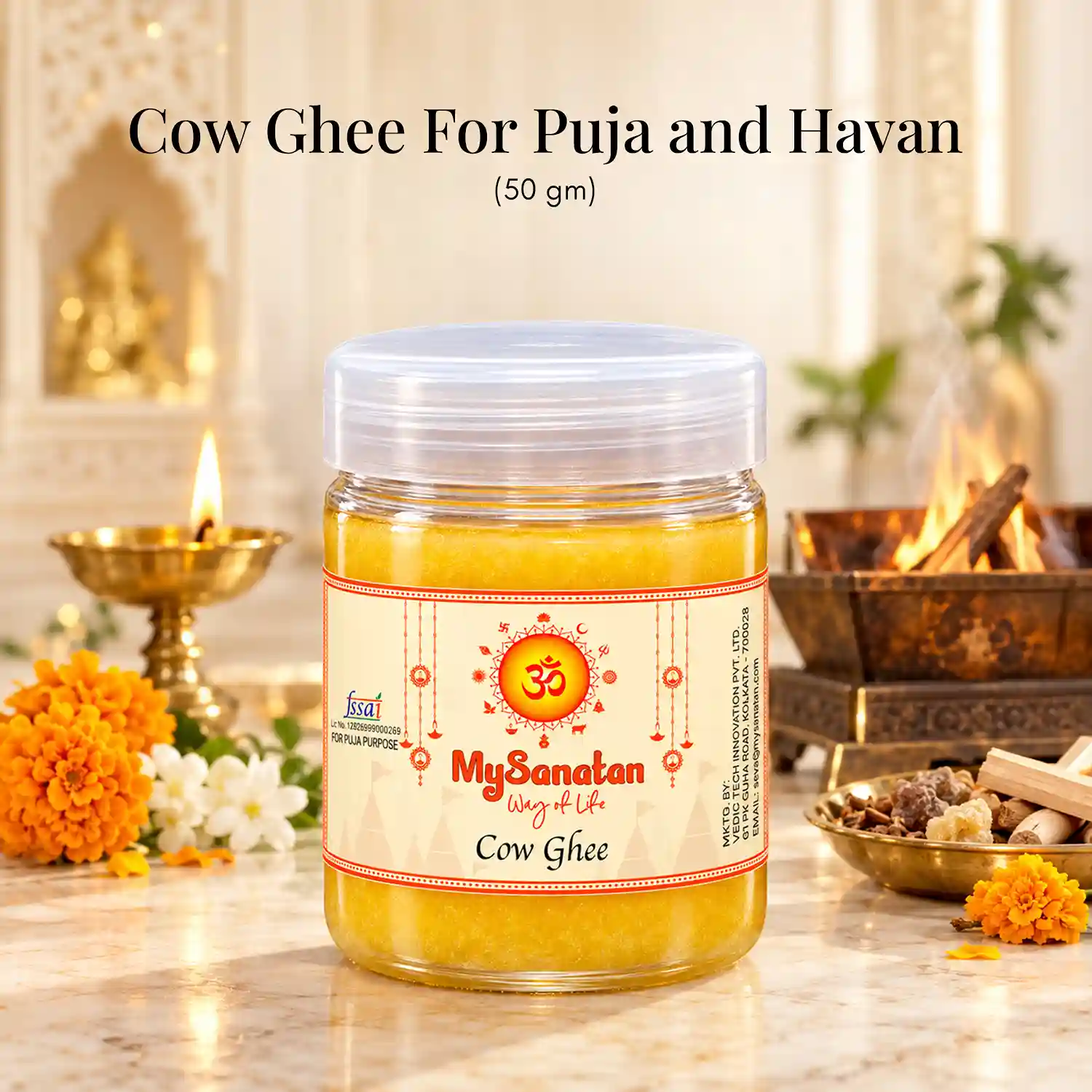
- Following the advanced 16-step (Shodashopachar) sequence, offer the Honey and pure Cow Ghee as a deeply Sattvic, sweet offering to the Lord.
- 7. The Royal Spices (Tambula)
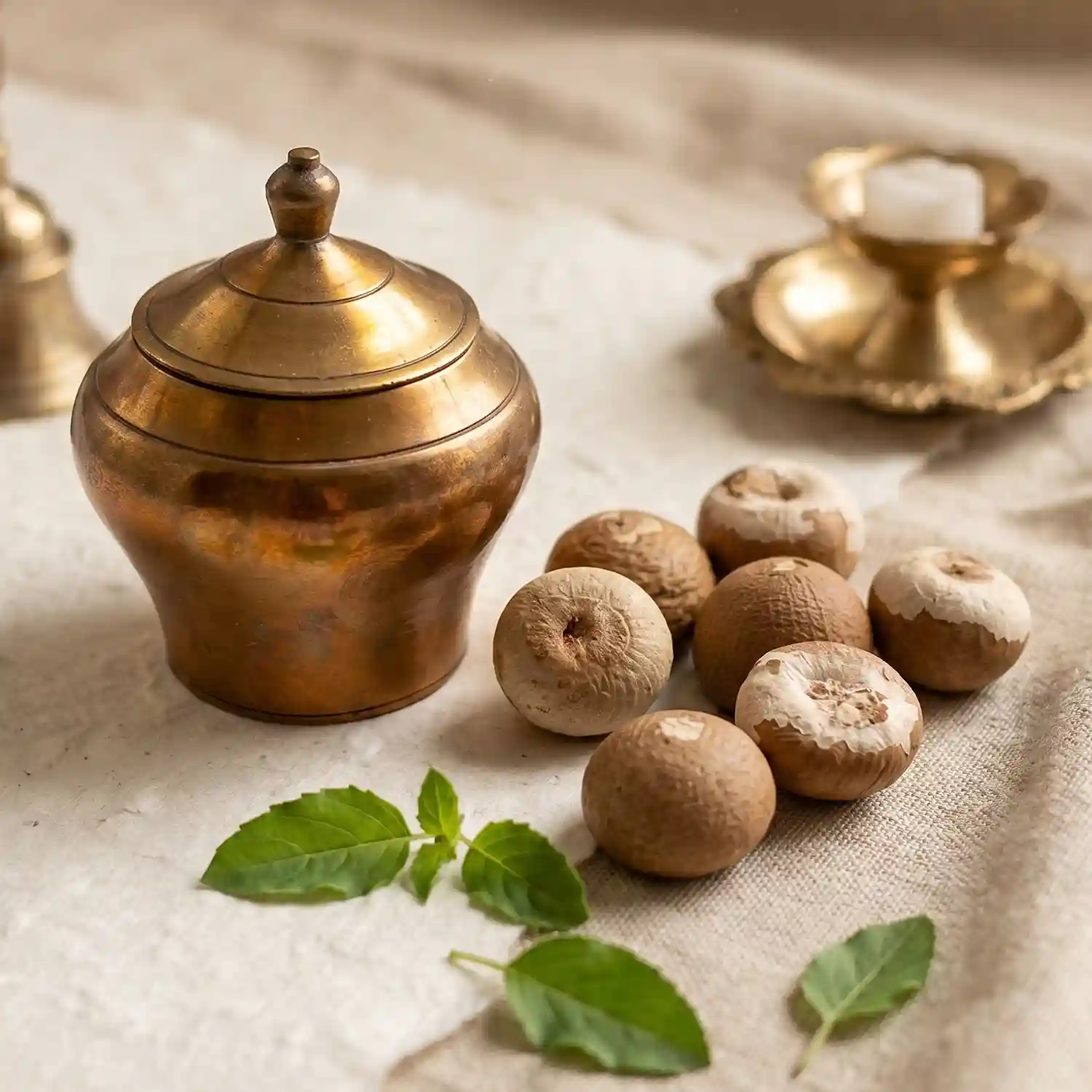
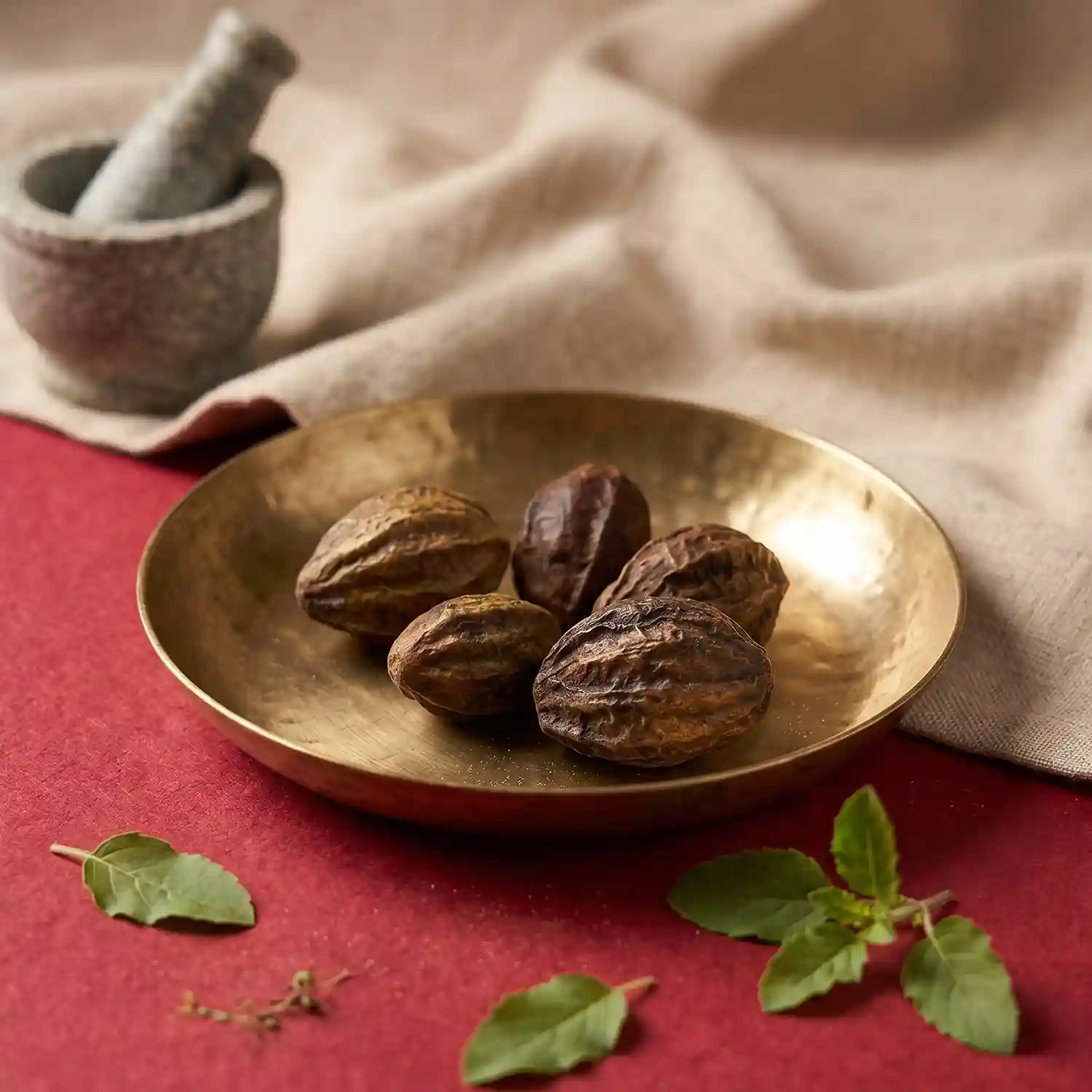
- To sweeten the deity's mouth after the divine meal, the priest must offer the complete Tambula to fulfill the highest standard of royal hospitality. Present the premium Supari, Clove, Green Cardamom, and Haritaki near the deity.
- 8. Light Kapoor & Perform Aarti
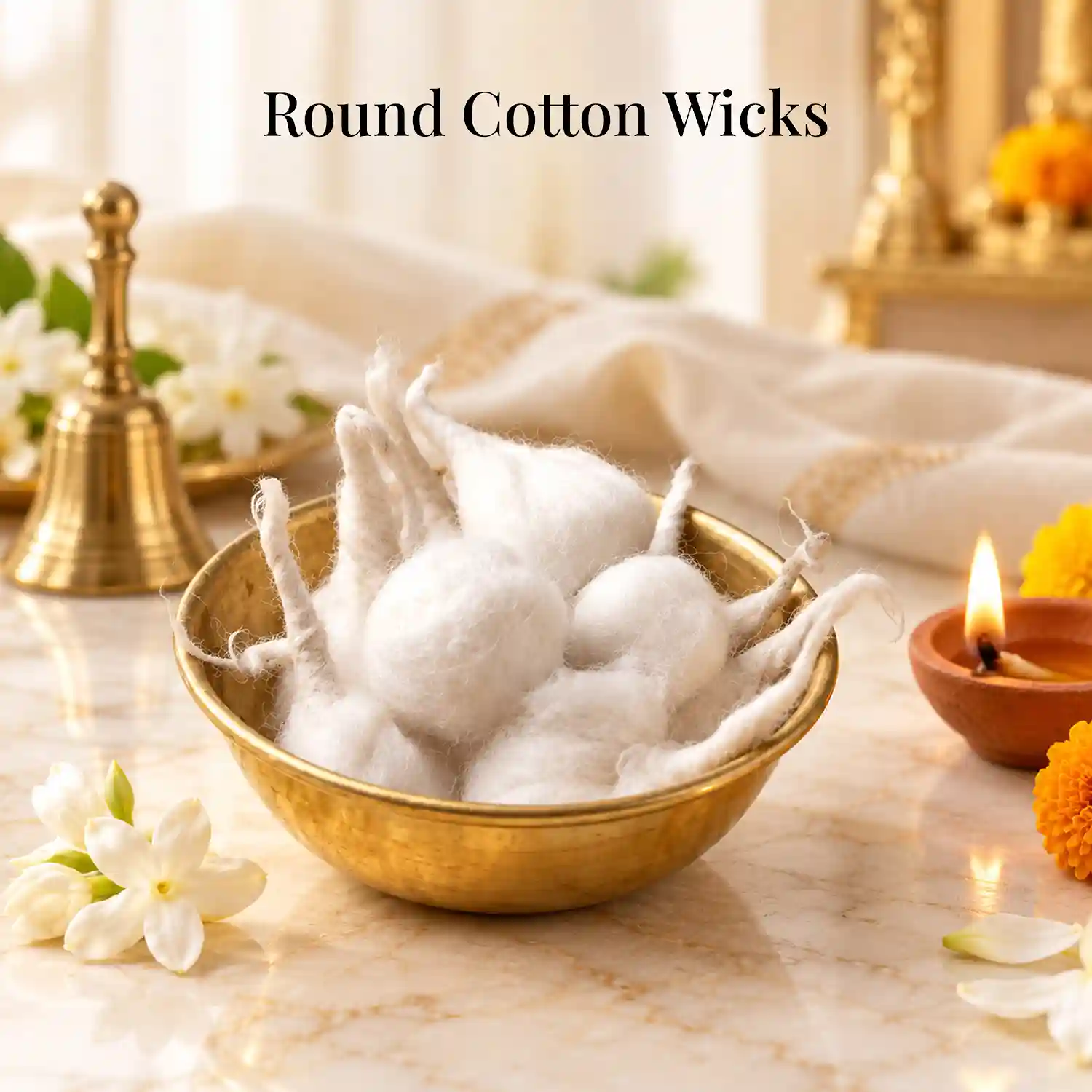
- Place the Long or Round Cotton Wicks in a diya and light it using the Cow Ghee (or the specific Mustard Oil if the priest is performing specialized planetary prayers). Light the highly Sattvic Natural & Pure Camphor (Kapoor) and perform the Aarti in clockwise circular motions while the priest chants the concluding hymns of profound peace and liberation.
- 9. Conclude with Devotion (Pranama)
- Conclude your worship by performing a physical prostration (Pranama). Receive the priest's scriptural blessings, and sit peacefully for a few moments, absorbing the profound, calming spiritual energies that the priest's advanced rituals have established in your mind and home.

 Puja Kit.webp)



 1791958135.webp)
 | Golden Wood Premium Incense Sticks | Dhup Kathi (Small Pack) 1791879250.webp)