

preloader

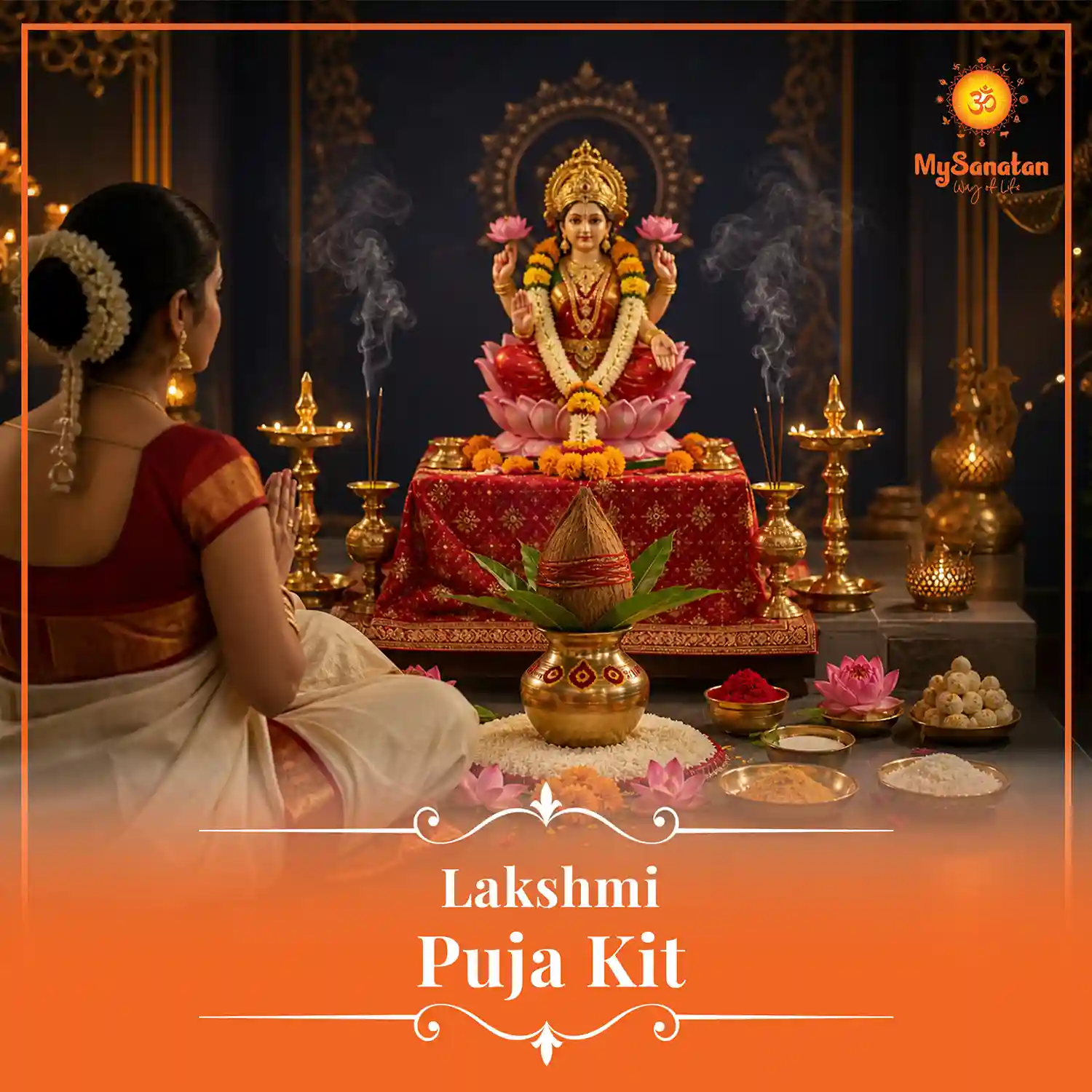
Lakshmi Puja Kit

Lakshmi Puja is performed to seek the blessings of Goddess Lakshmi for wealth, prosperity, and abundance. It removes financial obstacles and negative energies and brings success, happiness, harmony, and good fortune into life.

  • Lakshmi Puja is performed to seek the blessings of Goddess Lakshmi, who is worshipped as the goddess of wealth, prosperity, abundance, peace, and good fortune in Hindu tradition. Devotees perform Lakshmi Puja for positivity, financial well-being, harmony, success, and spiritual prosperity. This sacred worship is also associated with devotion, gratitude, and creating a peaceful devotional atmosphere during festivals and daily worship.

  • Lakshmi Puja is traditionally performed to seek the divine blessings of Goddess Lakshmi for prosperity, peace, positivity, abundance, and family well-being. The puja is commonly performed in the evening after cleaning and decorating the home, although devotees may also perform it during morning devotional worship with sincerity and devotion.
  • • During Diwali and Kojagari Lakshmi Puja celebrations
    • On Fridays, considered especially auspicious for Lakshmi worship
    • During home puja, festive rituals, and family devotional occasions
    • Before new beginnings, business activities, or important decisions
    • For prosperity, positivity, peace, and financial well-being
    • As part of regular morning or evening devotional worship
    • To invite harmony, abundance, and divine blessings into the home

Before You Begin

  • Choose a clean, peaceful, and spiritually uplifting place for the puja. Place an idol or picture of Goddess Lakshmi on a clean chowki or platform covered with the included Red Puja Cloth. Traditionally, devotees may also offer fresh lotus flowers, fruits, sweets, coins, diya, or homemade prasad according to personal devotion and family customs. In many Hindu traditions, devotees also worship Lord Vishnu along with Maa Lakshmi, as Lakshmi Narayan worship is traditionally associated with prosperity, harmony, protection, and spiritual balance in the household.
  • Arrange all puja items neatly before beginning the worship. Light a diya or incense if available to create a calm and devotional atmosphere.
  • Practical Tip: If a fresh lotus flower is unavailable, you can color a portion of the included Akshat Rice with Turmeric or Kumkum to create a symbolic "Ashta Kamal" (eight-petaled lotus) base for the deity's idol.
  • 1. Prepare the Sacred Puja Space
  • Traditionally, the idol of Maa Lakshmi is placed facing North or East, as these directions are associated with the flow of wealth, growth, and positive energy. Spread the Red Puja Cloth beneath the idol or picture of Maa Lakshmi or Lakshmi Narayan to create a respectful and devotional Mandir (Puja Sthan/Ghar) setup.
  • 2. Purify the Puja Area
  • Sprinkle a few drops of Ganga Jal around the puja space and on yourself for spiritual purification. This ritual traditionally symbolizes cleansing the surroundings and inviting divine positivity.
  • 3. Light the Sacred Diya
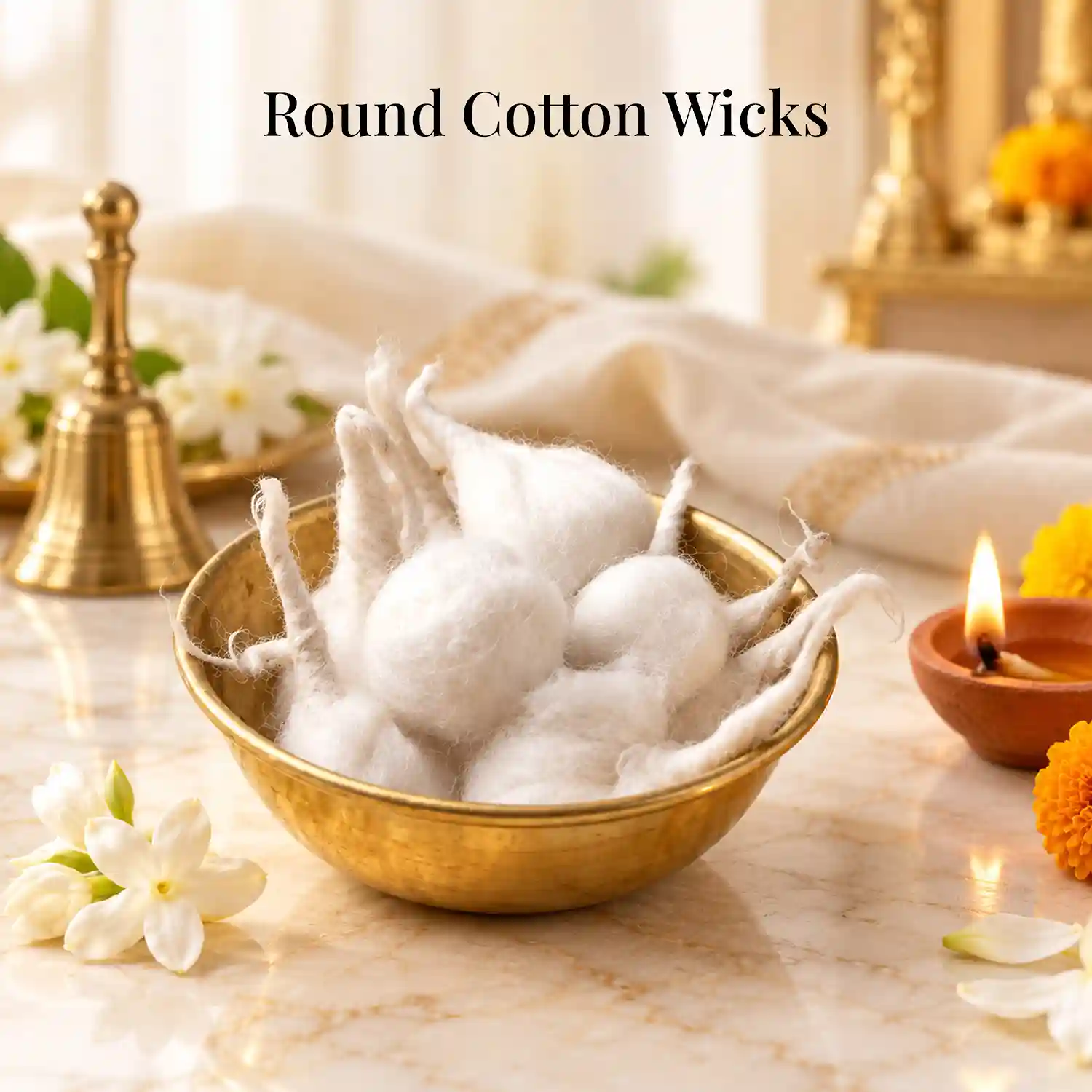
  • Prepare the diya using Mustard Oil along with the included Long Cotton Wicks or Round Cotton Wicks. Lighting the diya during Lakshmi Puja is traditionally associated with inviting prosperity, positivity, peace, and divine blessings into the home.
  • 4. Apply Tilak & Sacred Offerings
  • Offer devotion by respectfully applying:
  • • White Chandan Powder
    • Red Roli Kumkum
    • Red Sindur
    • Turmeric Powder
  • to the deity or near the Mandir (Puja Sthan/Ghar) according to family tradition. These sacred offerings symbolize auspiciousness, prosperity, purity, and devotion.
  • 5. Offer Akshat Rice & Supari
  • Offer Akshat Rice and Supari before Maa Lakshmi while praying for prosperity, peace, abundance, family harmony, and spiritual well-being.
  • 6. Offer Honey & Cow Ghee
  • Offer small symbolic amounts of Honey and Cow Ghee during the puja. These sacred offerings are traditionally associated with sweetness, nourishment, purity, prosperity, and devotional worship.
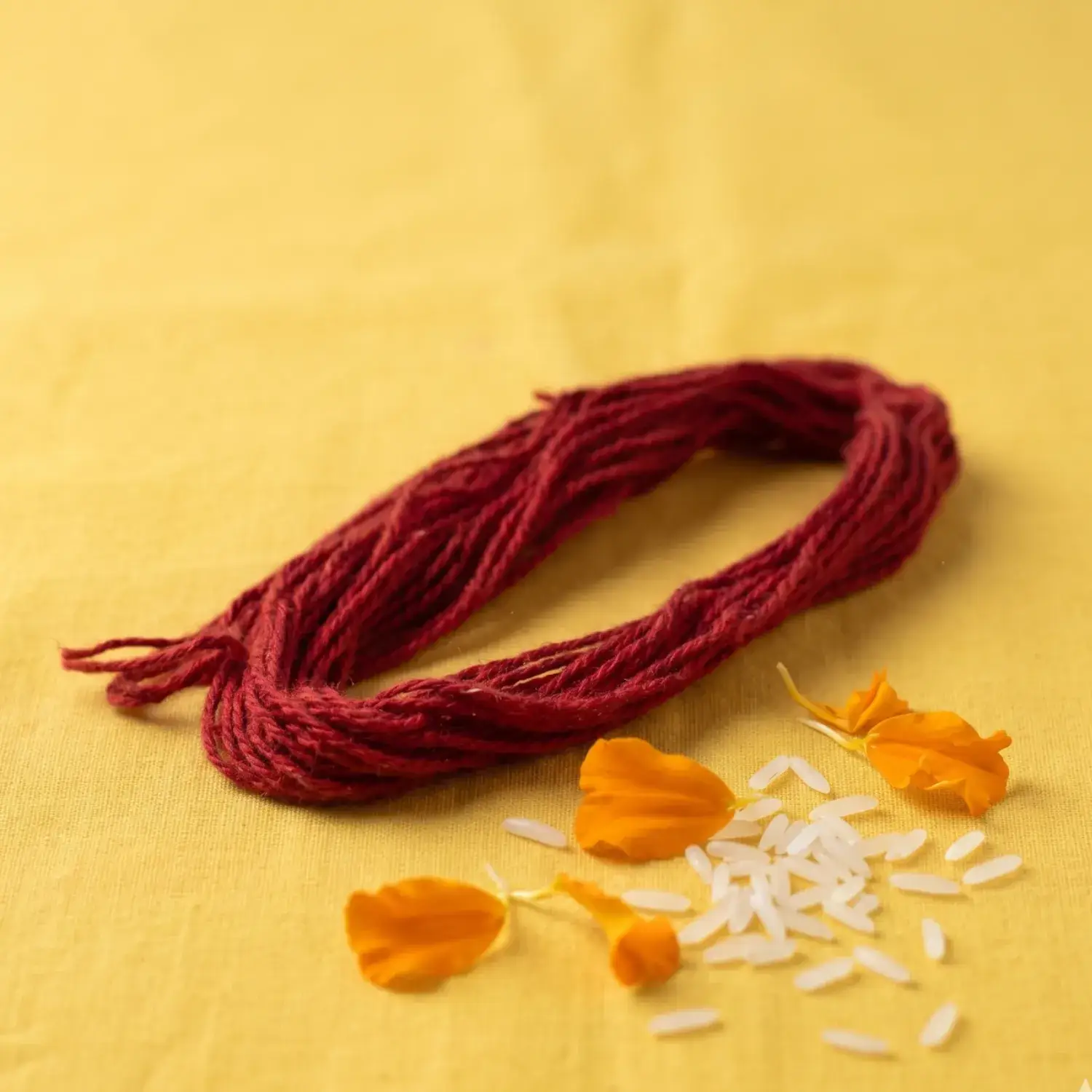
  • 7. Offer Sacred Moli Dhaga
  • Respectfully place or offer the Red Moli Dhaga near the deity according to family customs. The sacred thread traditionally symbolizes blessings, protection, auspiciousness, and devotional commitment.
  • 8. Offer Fragrance & Incense
  • Light the Agarbatti to create a calm and devotional atmosphere during worship.
  • 9. Light Kapoor & Perform Aarti
  • Light a small piece of Camphor (Kapoor) and perform aarti in clockwise circular motions before Maa Lakshmi or Lakshmi Narayan. Kapoor Aarti traditionally symbolizes removal of negativity and awakening of divine positivity.
  • 10. Chant Lakshmi Mantra & Conclude the Puja
  • Fold your hands and pray sincerely for prosperity, peace, positivity, family harmony, protection, and spiritual well-being.
  • You may chant:
  • “Om Shreem Mahalakshmyai Namah”
  • Many devotees also chant Vishnu mantras or offer prayers to Lakshmi Narayan together for combined blessings of prosperity and protection. Sit peacefully for a few moments after the puja and conclude the worship with gratitude and devotion.

  • Before You Begin: 
  • Choose a clean, peaceful, and beautifully decorated place for the puja. Place the idol or picture of Goddess Lakshmi on a clean platform or chowki covered with the included Red Puja Cloth. Sit comfortably alongside your qualified priest (Purohit). Light the Agarbatti (Incense Sticks) to sanctify the atmosphere. As the householder, use this manual as a reference guide to verify that your priest is performing the rites accurately. 
  • [Note: The orthodox manual Purohit Darpan strictly commands that you must NEVER offer Tulsi leaves to Goddess Lakshmi, and you must NEVER ring a bell during Her worship. Furthermore, the lighted lamp (Dipa) must always be placed on the right side of the deity: "দীপং দক্ষিণতো দদ্যাৎ"].
  • 1. Advanced Breath Control & Purification 
  • Before touching the sacred Puja Place, the priest will guide you through complex breath control (Pranayama) to discipline the mind. The priest will then perform highly advanced elemental purification (Bhuta-shuddhi) to completely cleanse the physical and spiritual environment.
  • 2. Installation of Divine Energies (Nyasa) 
  • The priest will perform Nyasa, an advanced practice involving the installation of divine energies into specific body parts using powerful Sanskrit syllables. This transforms the worshipper's body into a vessel fit for the divine.
  • 3. Intricate Hand Gestures (Mudras) 
  • Throughout the purification of the Ganga Jal and the offerings, ensure your priest utilizes intricate, traditional hand gestures (Mudras), such as the Dhenu (cow) and Matsya (fish) mudras, to properly channel divine energy.
  • 4. Goddess Adornment (Shringar) 
  • Following the rigorous Sanskrit chanting, assist the priest in beautifully adorning the Goddess.
  • • Apply the Red Roli KumkumRed SindurTurmeric Powder, and White Chandan
  • • Respectfully offer the Red Moli Dhaga as a symbol of auspiciousness and protection.
  • 5. The Supreme Offering (Kamal Gatta) 
  • Under the precise guidance of the priest, offer the Akshat Rice and the highly sacred Kamal Gatta (Dried Lotus Seeds) at the feet of the Goddess. The lotus seeds are the ultimate traditional offering to invoke Her presence and seek unshakeable financial well-being.
  • 6. The Sacred Meal (Madhuparka) 
  • Following the advanced 16-step (Shodashopachar) sequence, offer the Honey and pure Cow Ghee as a deeply Sattvic, sweet offering (Madhuparka) to the Goddess.
  • 7. The Royal Spices (Tambula) 
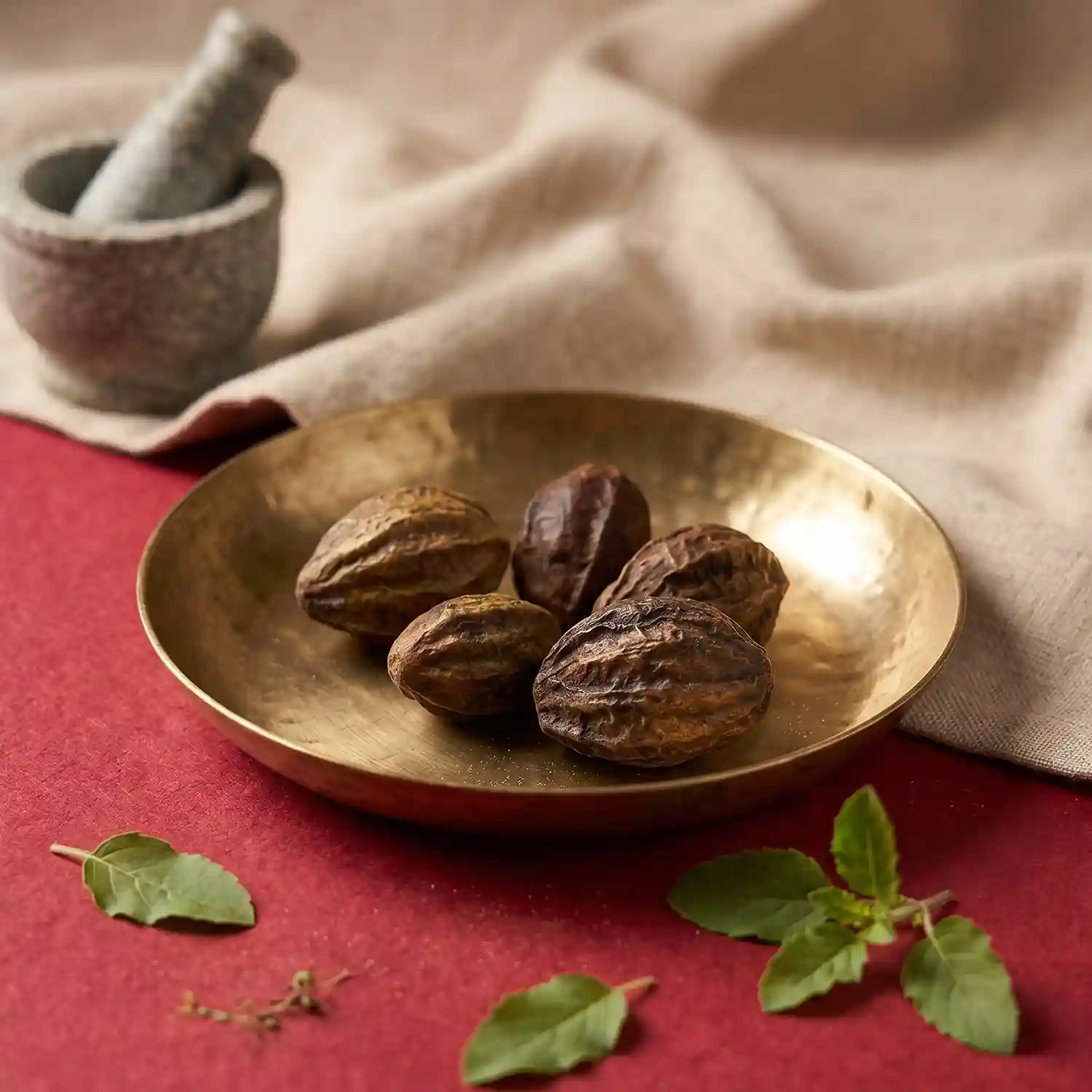
  • To sweeten the deity's mouth after the divine meal, the priest must offer the complete Tambula. Present the premium SupariCloveGreen Cardamom, and Haritaki near the deity.
  • 8. Light Kapoor & Perform Aarti (Without Bells) 
  • Place the Long or Round Cotton Wicks in a diya and light it using the Mustard Oil or Cow Ghee. Light the safe Camphor Flakes (Kapoor) and perform the Aarti in clockwise circular motions while the priest chants the concluding hymns of prosperity. 
  • [Remember: Do not ring a bell during this Aarti!]
  • 9. Conclude with Devotion (Pranama
  • Conclude your worship by performing a physical prostration (Pranama). Receive the priest's scriptural blessings, and sit peacefully for a few moments, absorbing the profound spiritual energies of abundance and peace that the priest's advanced rituals have established in your home.

  • Performing Lakshmi Puja with devotion is believed to invite the divine blessings of Goddess Lakshmi for prosperity, positivity, peace, abundance, and family well-being. This sacred worship helps create a peaceful and spiritually uplifting atmosphere while inspiring gratitude, harmony, devotion, and positive energy in daily life.
  • • Believed to bring prosperity, abundance, and positivity
    • Worship of Maa Lakshmi is associated with peace, harmony, and good fortune
    • Helps create a calm, devotional, and spiritually uplifting atmosphere
    • Chanting Lakshmi mantras is believed to inspire positivity and spiritual well-being
    • Fridays, Diwali, and Kojagari Lakshmi Puja are considered especially auspicious for worship
    • Diyas, flowers, sweets, and incense are commonly offered during Lakshmi Puja
    • Supports devotion, gratitude, and positive energy in daily life
    • Simple heartfelt prayers offered with devotion are traditionally considered spiritually meaningful

  • The MySanatan Lakshmi Puja Kit includes traditional puja essentials commonly used in Maa Lakshmi worship, helping devotees perform a simple and spiritually fulfilling puja with ease and devotion. Suitable for both beginners and experienced devotees, this all-in-one puja kit is ideal for Diwali Lakshmi Puja, Kojagari Lakshmi Puja, Friday worship, festive rituals, and regular home worship. Sacred items such as Chandan, Kumkum, Kapoor, Ganga Jal, Agarbatti, and diya wicks help create a peaceful and devotional atmosphere during worship. The kit conveniently provides essential Lakshmi puja materials in one package for personal worship and spiritual occasions dedicated to Goddess Lakshmi.
Standard Package
Package Total: ₹396.00
Akshat Rice | Chawal | Chal
20 Gram
1
25.00
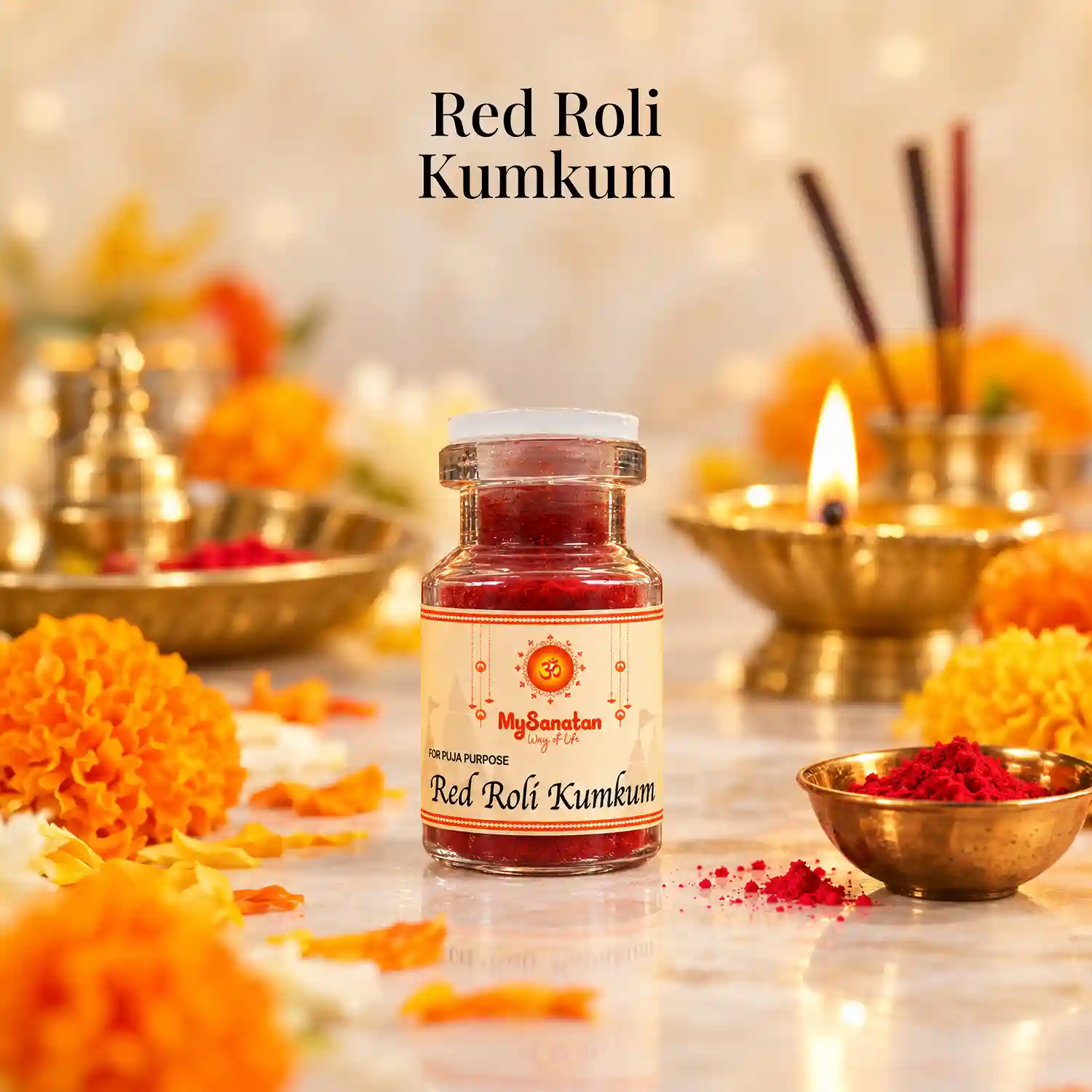
Red Roli Kumkum for Puja and Tilak
5 Gram
1
10.00
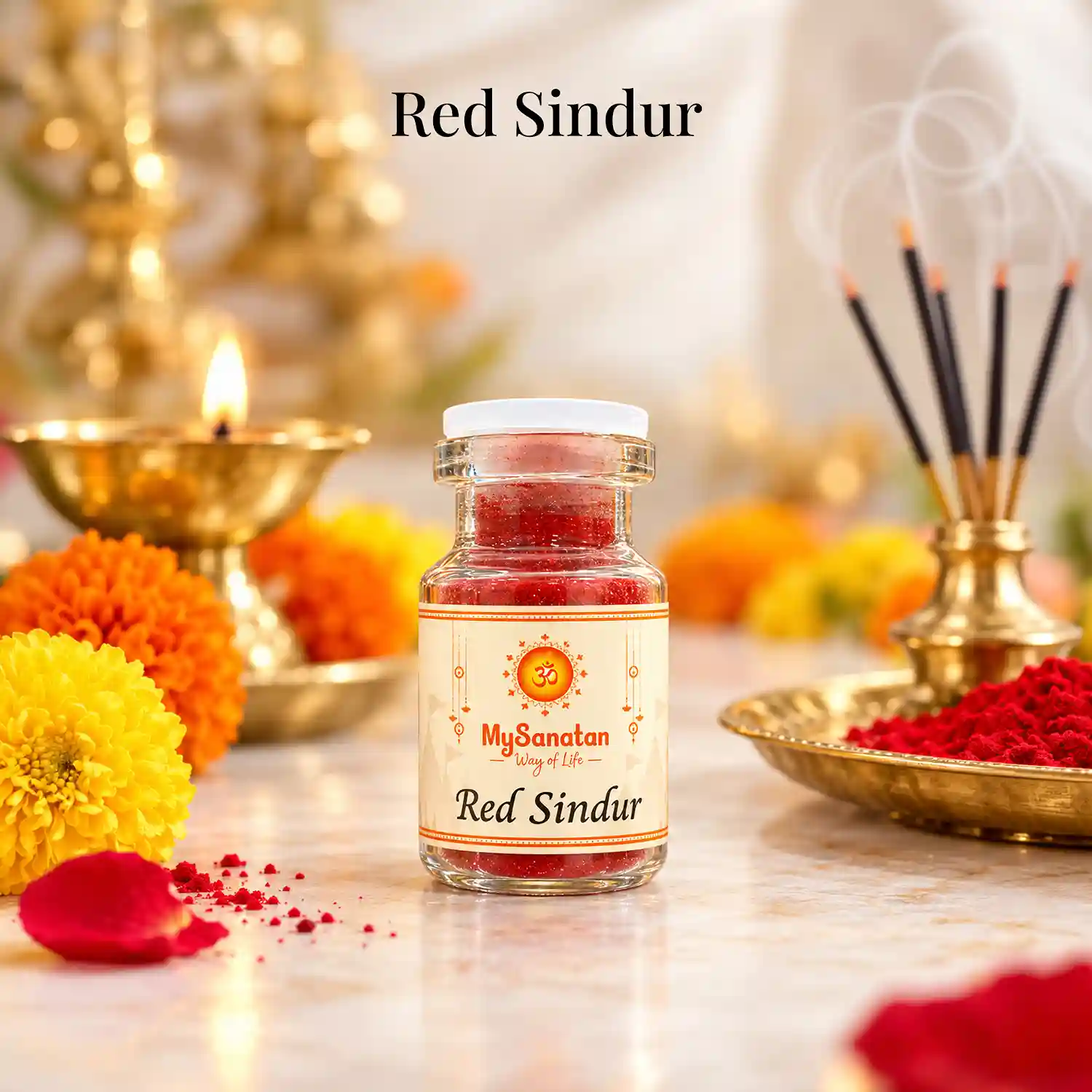
Red Sindur For Puja | Sacred Vermilion
5 Gram
1
10.00
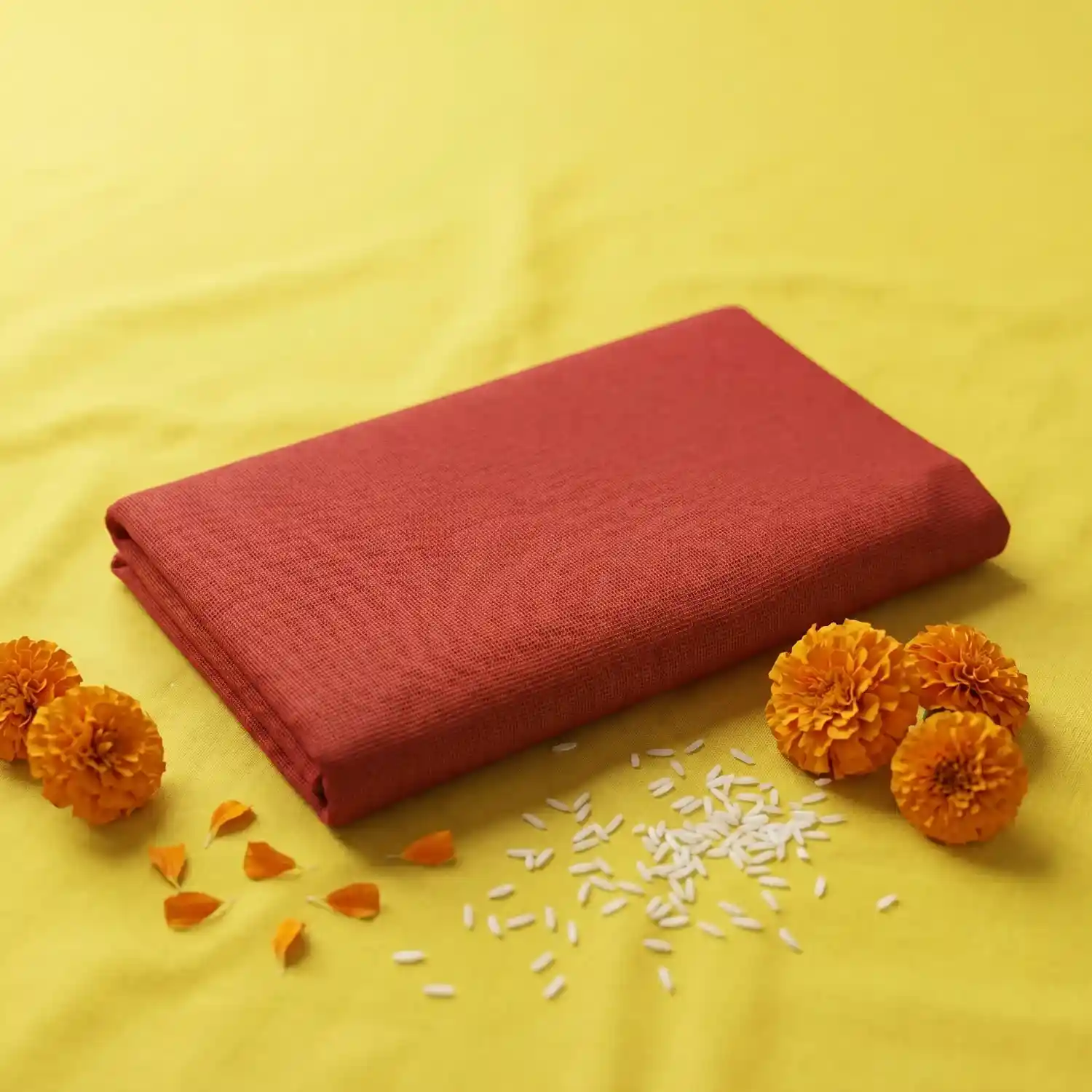
Red Puja Cloth | Red Shalu Kapda | Lal Shalu Kapor
1 Piece
1
30.00
Honey for Puja | Pure Sahad | Madhu
25 Gram
1
35.00
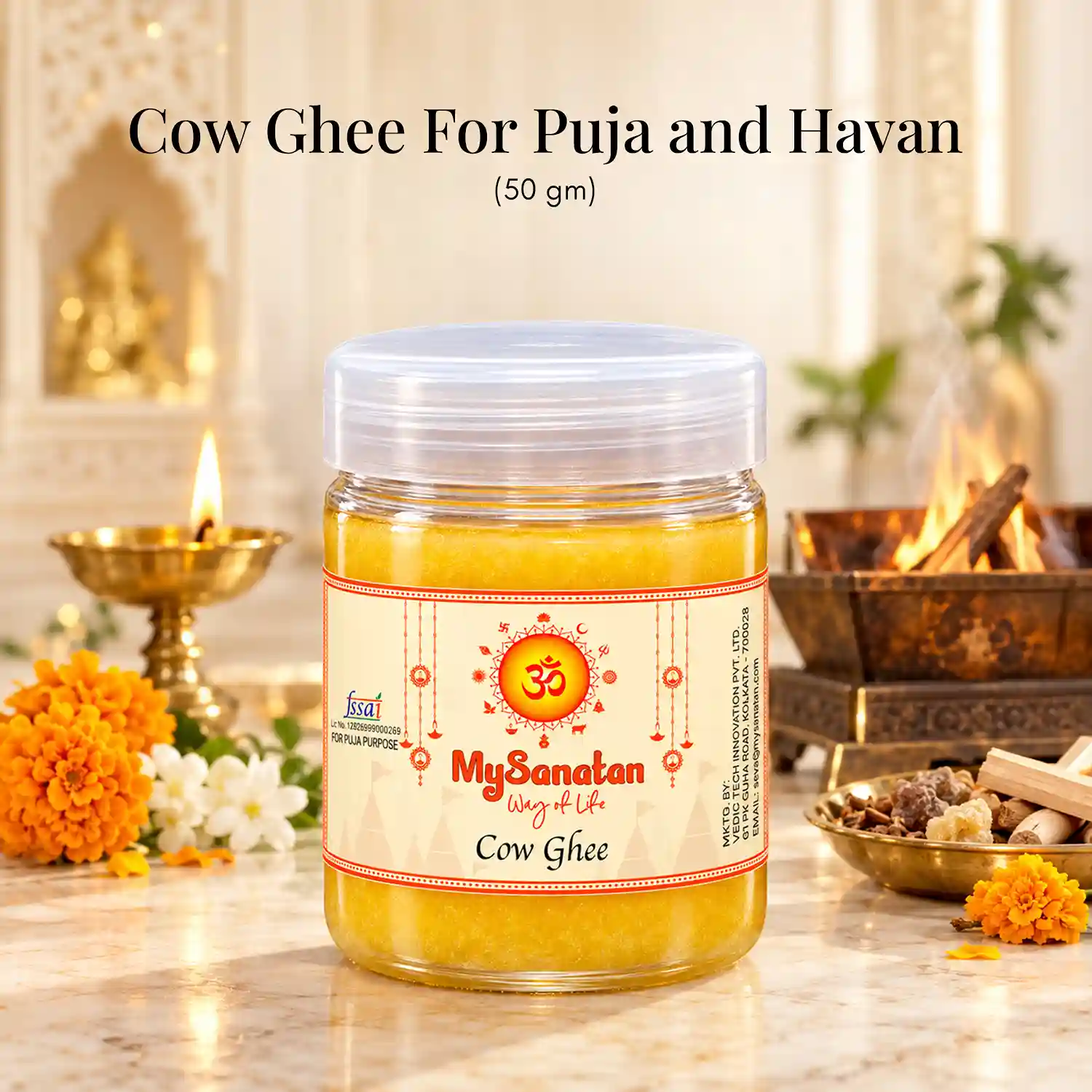
Cow Ghee For Puja and Havan | Small Pack
50 Gram
1
25.00
Turmeric Powder | Haldi | Holud
25 Gram
1
30.00
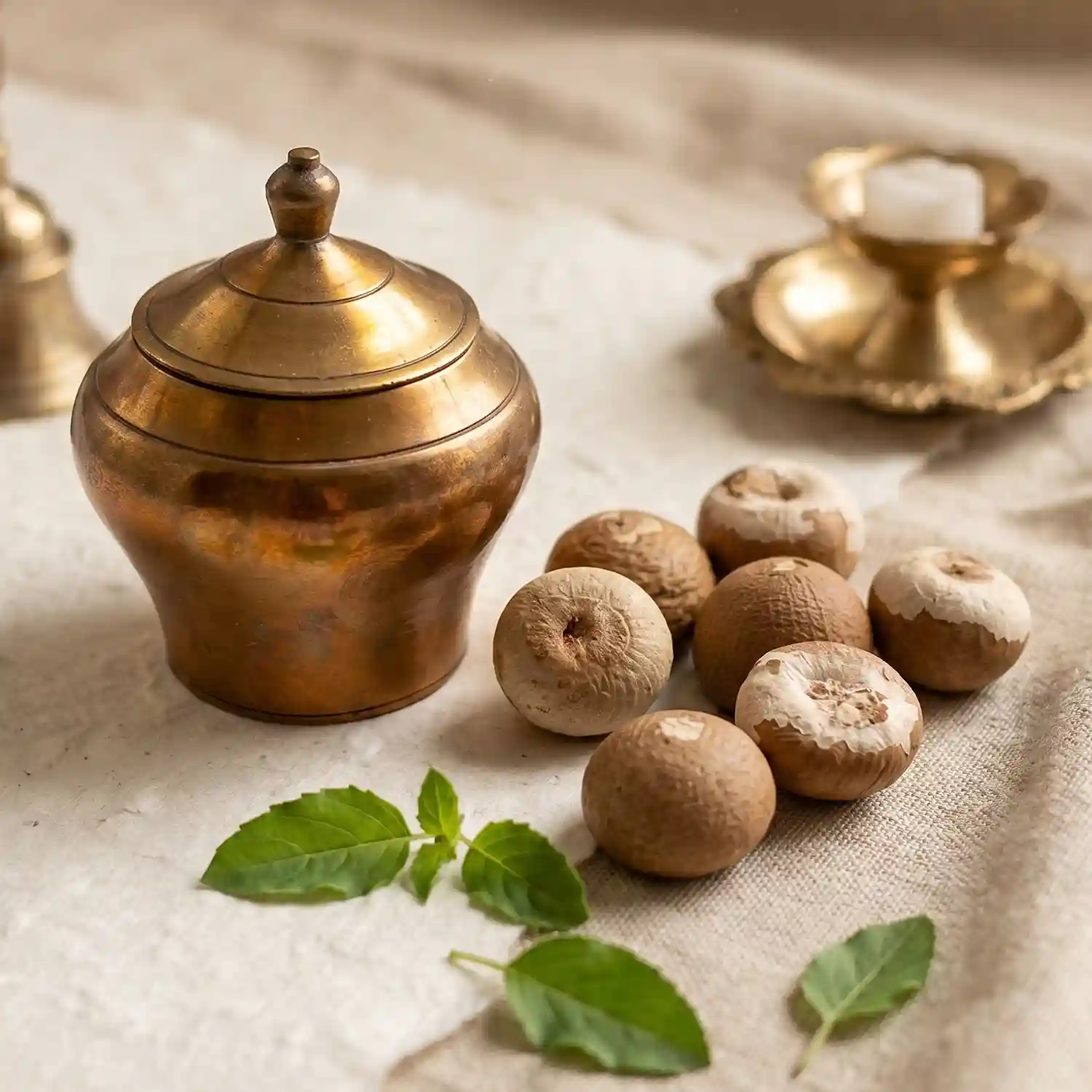
Supadi | Whole Betel Nut
7 Piece
1
15.00
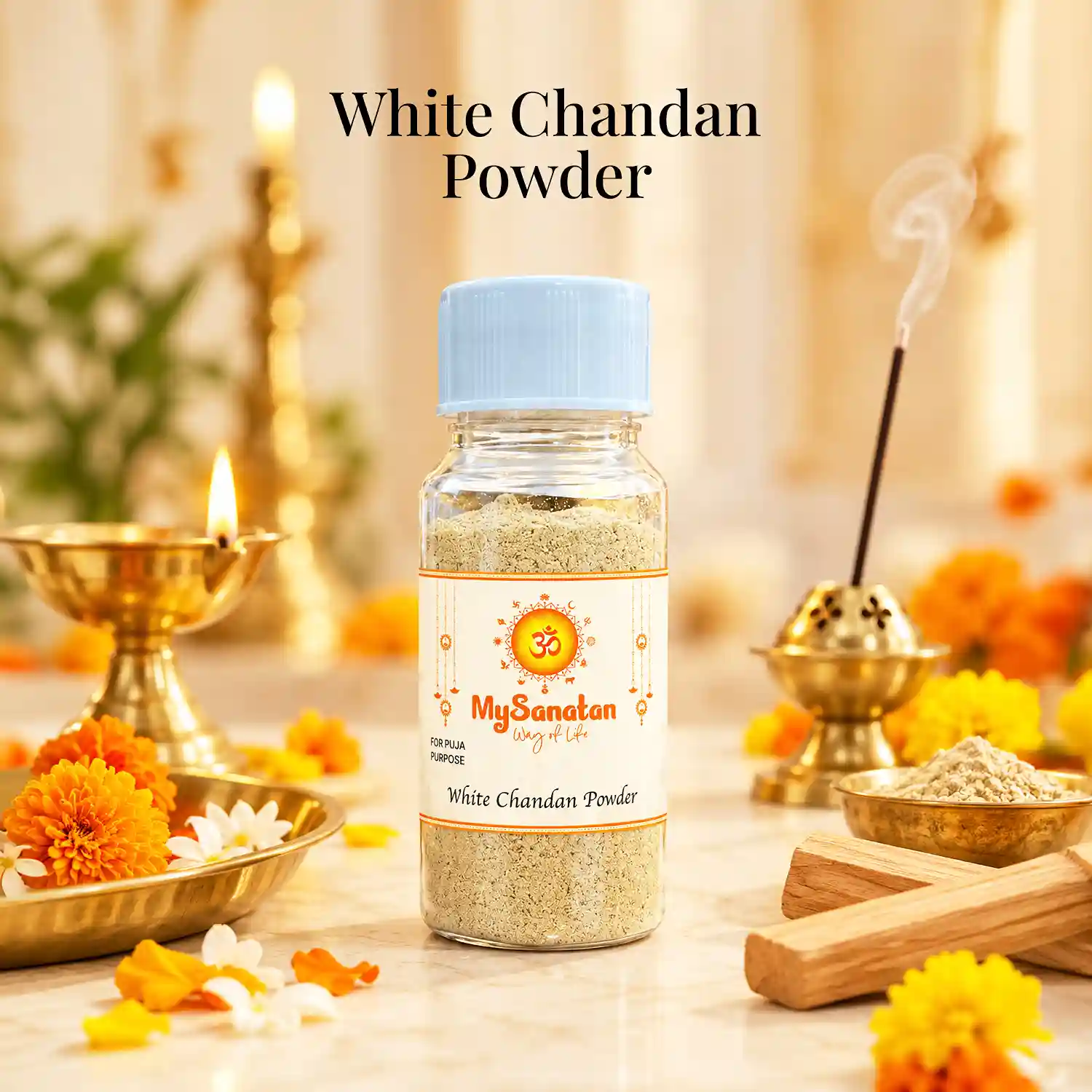
White Chandan Powder | Safed Chandan Tika | White Sandalwood Tika
10 Gram
1
29.00
Ganga Jal | 100% Pure & Authentic | Small Pack
100 ML
1
25.00
Agarbatti | Premium Incense Sticks | Dhup Kathi (Small Pack)
20 Gram
1
13.00
Natural & Pure Camphor | Pure Kapoor | Karpura | Kapur (Small Pack)
10 Gram
1
15.00
Long Cotton Wicks
1 Pack
1
20.00
Round Cotton Wicks | Phool Batti
1 Pack
1
20.00
Red Moli Dhaga | Lal Kalawa | Red Ritual Thread
1 Piece
1
15.00
Clove | Laung | Lobongo Small Pack
5 Gram
1
15.00
Green Cardamom | Hari Elaichi | Choto Elach | Small Pack
3 Gram
1
29.00
Kamal Gatta | Dried Lotus Seeds
7 Piece
1
19.00
Haritaki | Harad Fruit | Small Pack
5 Piece
1
16.00


Do you need a custom package or you already have a list?

Frequently Asked Questions
  • Q1. Who can use the MySanatan Lakshmi Puja Kit?
  • The MySanatan Lakshmi Puja Kit is suitable for beginners, families, business owners, spiritual seekers, and experienced devotees who wish to perform Maa Lakshmi worship at home with devotion and convenience.
  • Q2. Is this Lakshmi Puja Kit beginner-friendly?
  • Yes. The kit is thoughtfully curated with essential traditional puja items that help simplify Lakshmi Puja for first-time devotees while also supporting regular devotional practices.
  • Q3. When is the best time to perform Lakshmi Puja?
  • Lakshmi Puja is traditionally performed in the evening after cleaning and decorating the home, especially during Diwali and Kojagari Lakshmi Puja. Fridays are also considered highly auspicious for Maa Lakshmi worship.
  • Q4. Can this kit be used for Diwali Lakshmi Puja?
  • Yes. The MySanatan Lakshmi Puja Kit is especially suitable for Diwali Lakshmi Puja, Kojagari Lakshmi Puja, Friday worship, festive rituals, and regular home devotional worship.
  • Q5. Why are diyas and Kapoor important during Lakshmi Puja?
  • Lighting diyas and Kapoor during Lakshmi Puja is traditionally associated with inviting positivity, prosperity, peace, and divine blessings while removing negativity from the surroundings.
  • Q6. Why is Lakshmi Narayan worship performed together?
  • In many Hindu traditions, devotees worship Goddess Lakshmi along with Lord Vishnu for combined blessings of prosperity, harmony, protection, and spiritual balance in the household.
  • Q7. Do I need any additional items for the puja?
  • This kit includes all the core essentials. Devotees may additionally offer fresh flowers, homemade prasad, sweets, or coins. (CRUCIAL SAFETY WARNING: The orthodox manual Purohit Darpan strictly commands two things for Goddess Lakshmi's worship: First, you must NEVER offer Tulsi leaves. Second, you must NEVER ring a bell. Furthermore, the lighted lamp must always be placed on Her right side: "দীপং দক্ষিণতো দদ্যাৎ").
  • Q8. Can this kit be used for home and business worship?
  • Absolutely. The puja kit is suitable for home temples, office worship, shop openings, festive rituals, and devotional gatherings dedicated to Maa Lakshmi.
  • Q9. Is this Lakshmi Puja Kit suitable for gifting?
  • Yes. The MySanatan Lakshmi Puja Kit makes a meaningful spiritual gifting option for Diwali, festive occasions, business inaugurations, and family celebrations.
  • Q10. What blessings do devotees seek through Lakshmi Puja?
  • Devotees worship Maa Lakshmi to seek prosperity, positivity, peace, abundance, harmony, financial well-being, spiritual blessings, and family happiness in daily life.