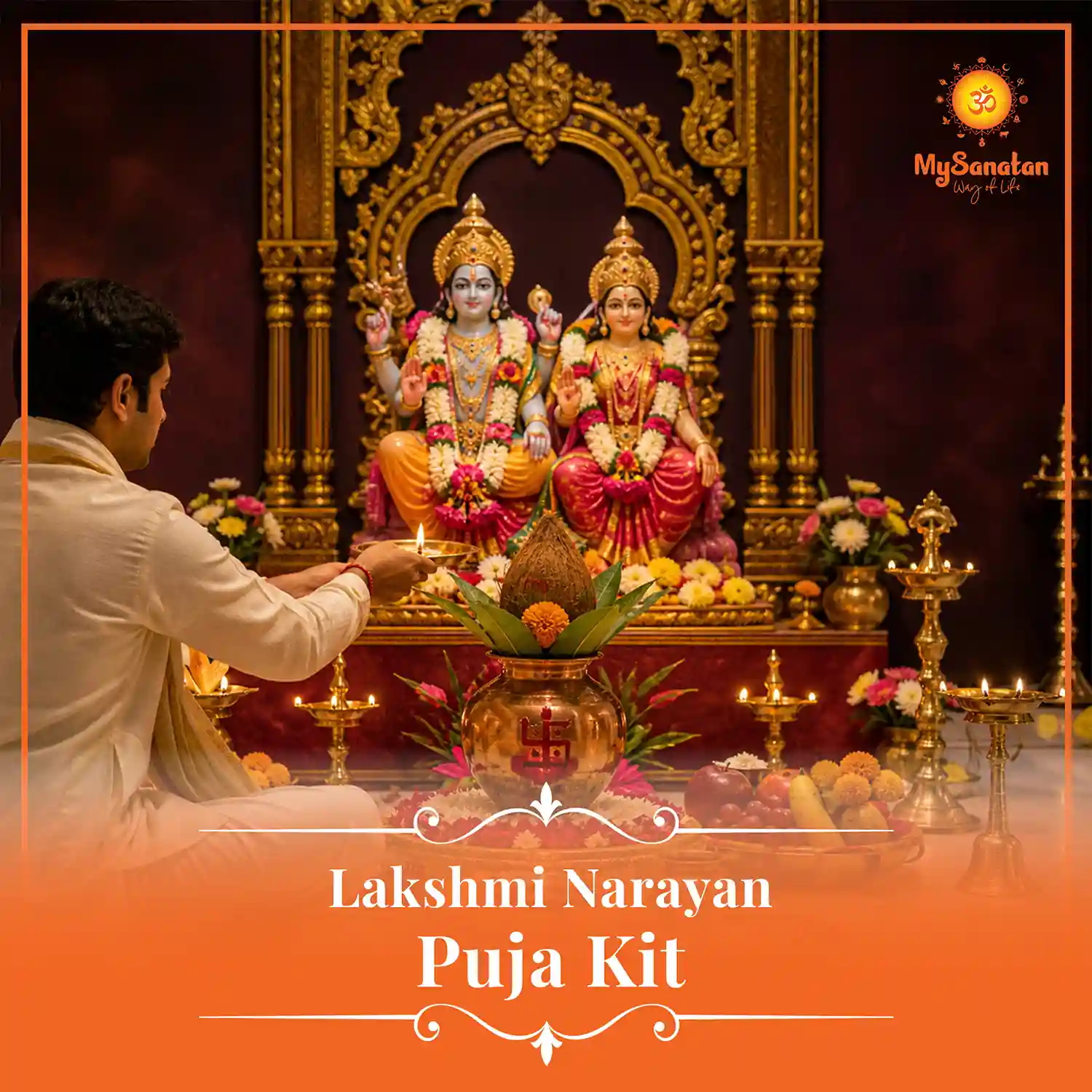
Lakshmi Narayan Puja Kit
Lakshmi Narayan Puja is performed to seek the blessings of Goddess Lakshmi and Lord Narayan for wealth, prosperity, and family well-being. It removes obstacles and negative energies and brings happiness, harmony, success, and divine grace into life.
- • Lakshmi Narayan worship symbolizes the balance of wealth, wisdom, protection, and harmony
- • The puja represents the union of prosperity (Lakshmi) and divine guidance (Narayan)
- • Traditionally associated with attracting stable wealth, positivity, and lasting abundance
- • The ritual is believed to help balance home energy and reduce negativity
- • Worship teaches that true prosperity grows with truth, ethics, and spiritual values
- • The puja encourages abundance, gratitude, peace, and emotional security
- • Devotees believe Lord Narayan’s blessings help protect family peace and stability
- • Symbolizes the union of Purusha and Prakriti for spiritual and material harmony
- • Traditionally performed for prosperity, spiritual growth, and balanced living
- Lakshmi Narayan Puja is traditionally performed during auspicious occasions and devotional observances dedicated to prosperity, harmony, and spiritual well-being, including:
- • Diwali & Lakshmi Puja
- • Thursday
- • Ekadashi
- • Vaikuntha Ekadashi
- • Daily Home Puja & Temple Worship
- • Festivals Dedicated to Lord Vishnu & Goddess Lakshmi
- • Spiritual & Family Auspicious Occasions
- Step 1: Sacred Preparation & Purification
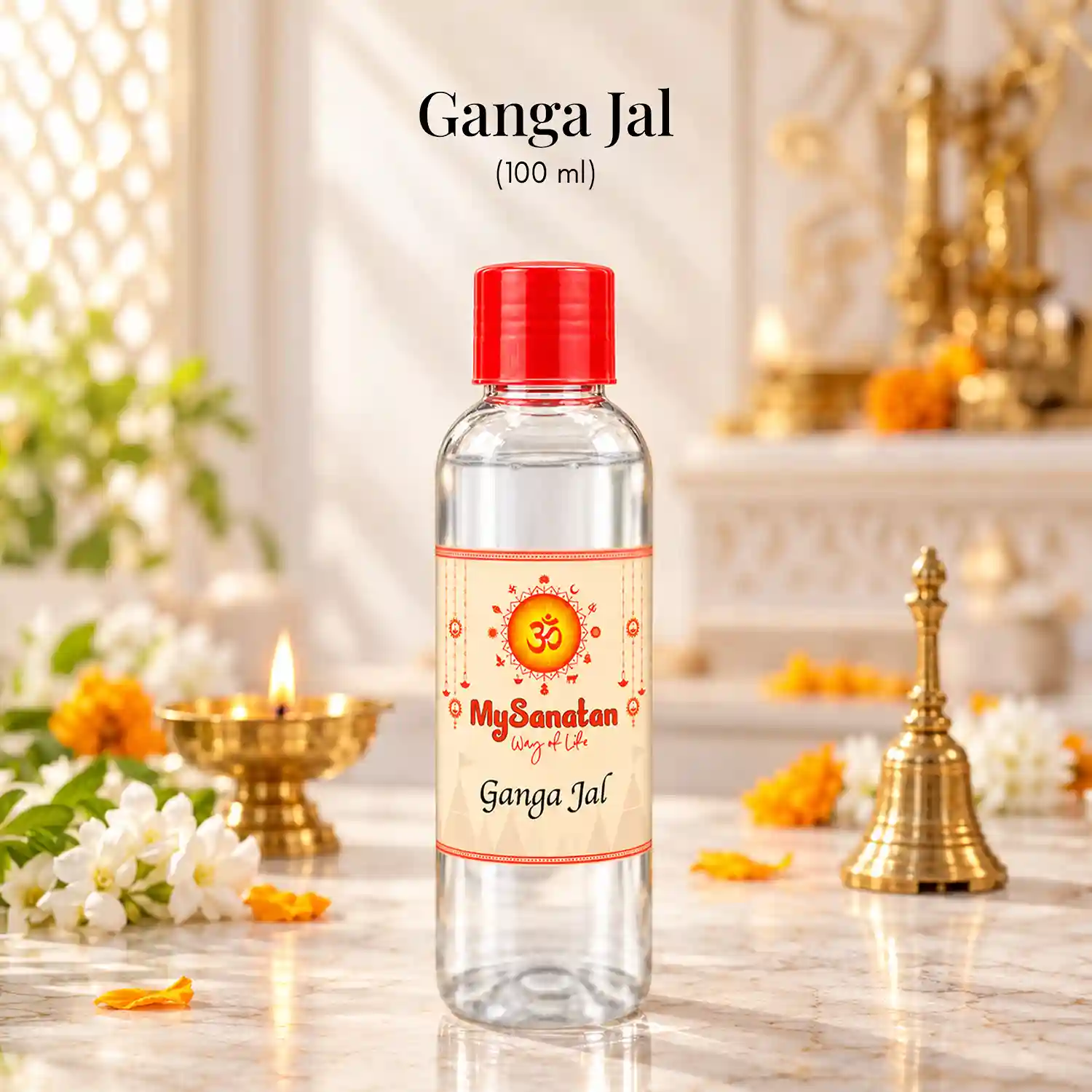
- Place the Yellow Asan for God (Medium) and Red Asan for God (Medium) in the puja space for Lakshmi Narayan worship. Purify the Mandir (Puja Sthan/Ghar), idols, and puja area by sprinkling Ganga Jal.
- A sacred preparation for inviting purity and divine presence into the worship space.
- Step 2: Sacred Jyoti Invocation
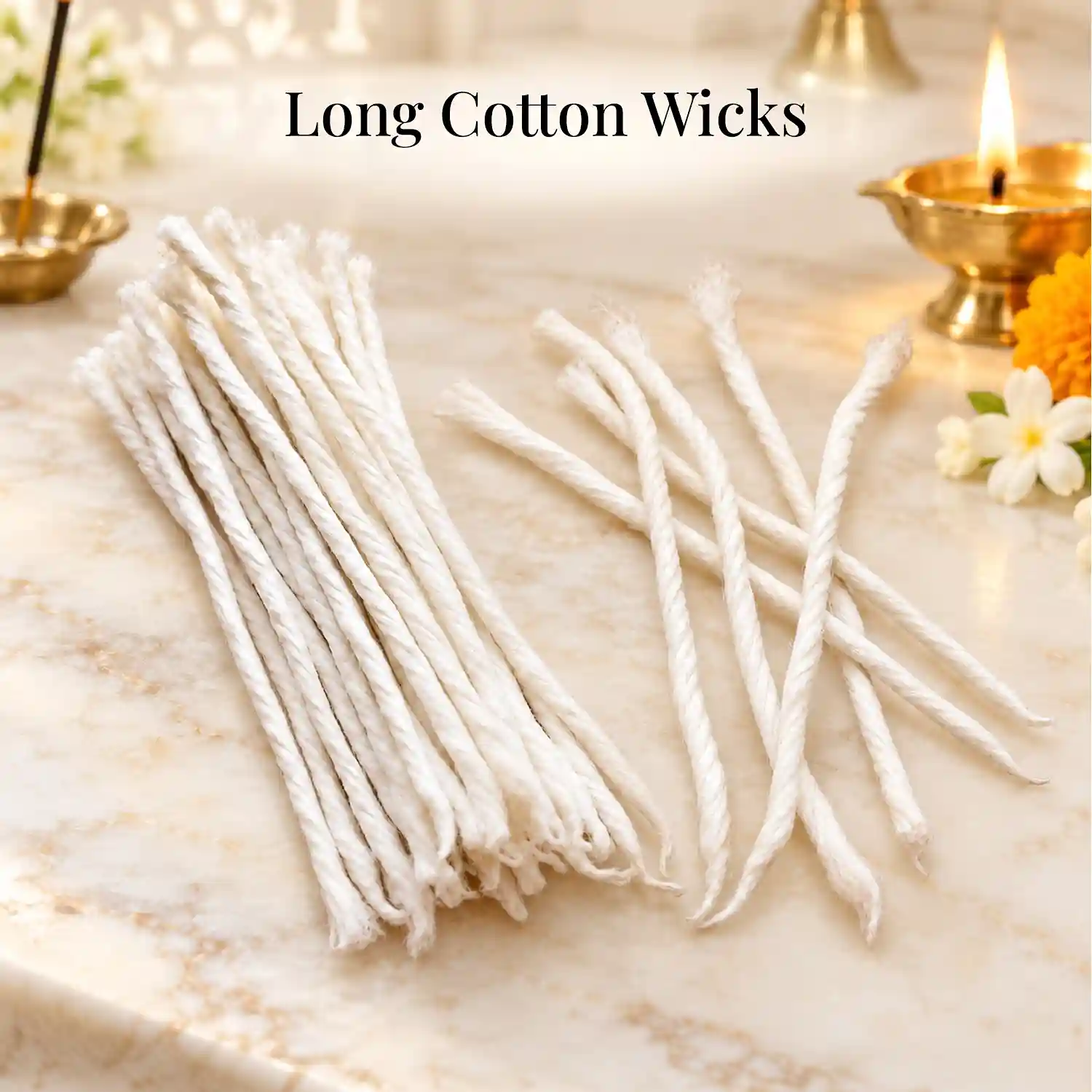
- Light the diya using Mustard Oil or Cow Ghee, followed by offering Camphor (Kapoor) and Agarbatti (Incense Sticks) before the deity.
- Invoking purity, clarity, and divine presence.
- Step 3: Sacred Invocation & Offering Ritual
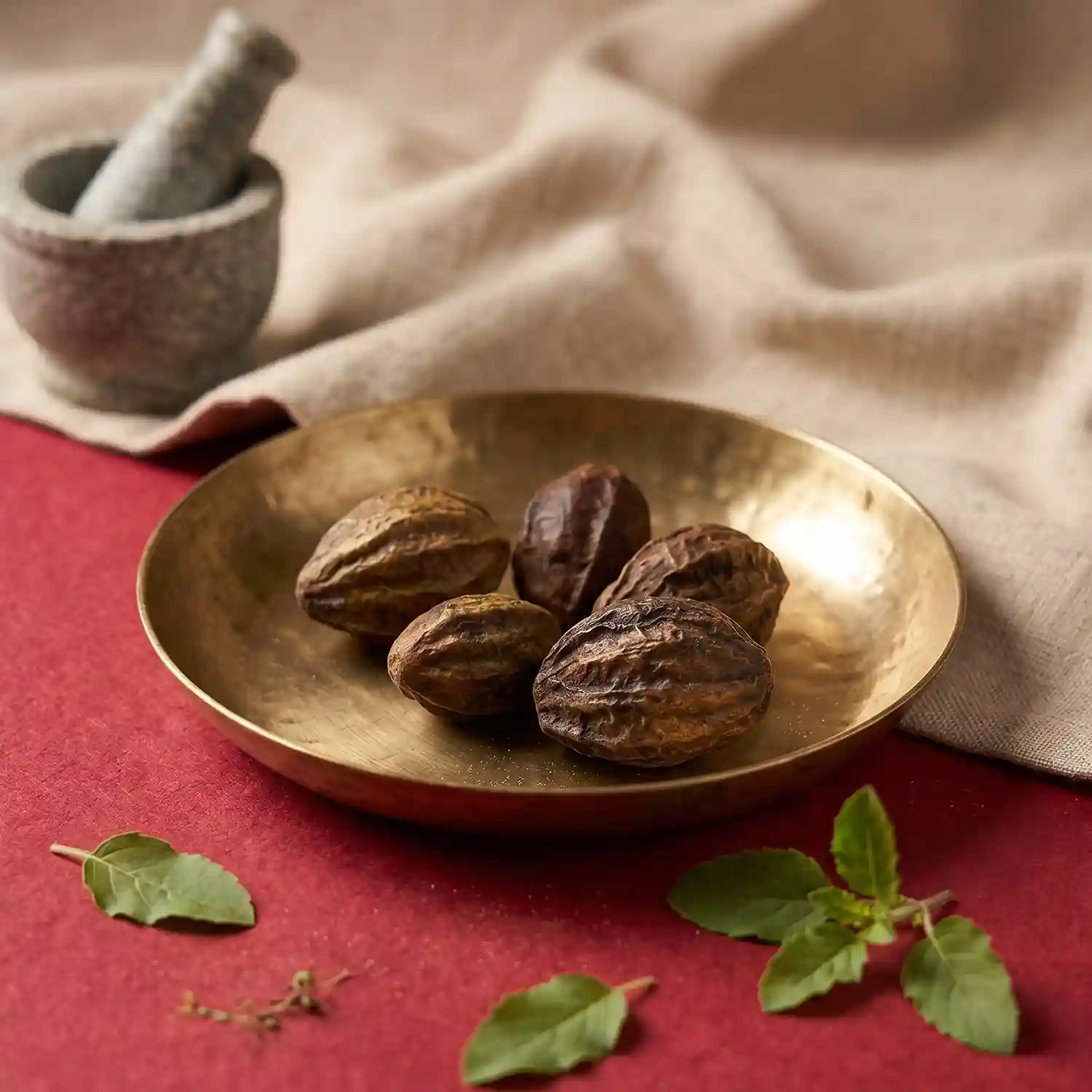
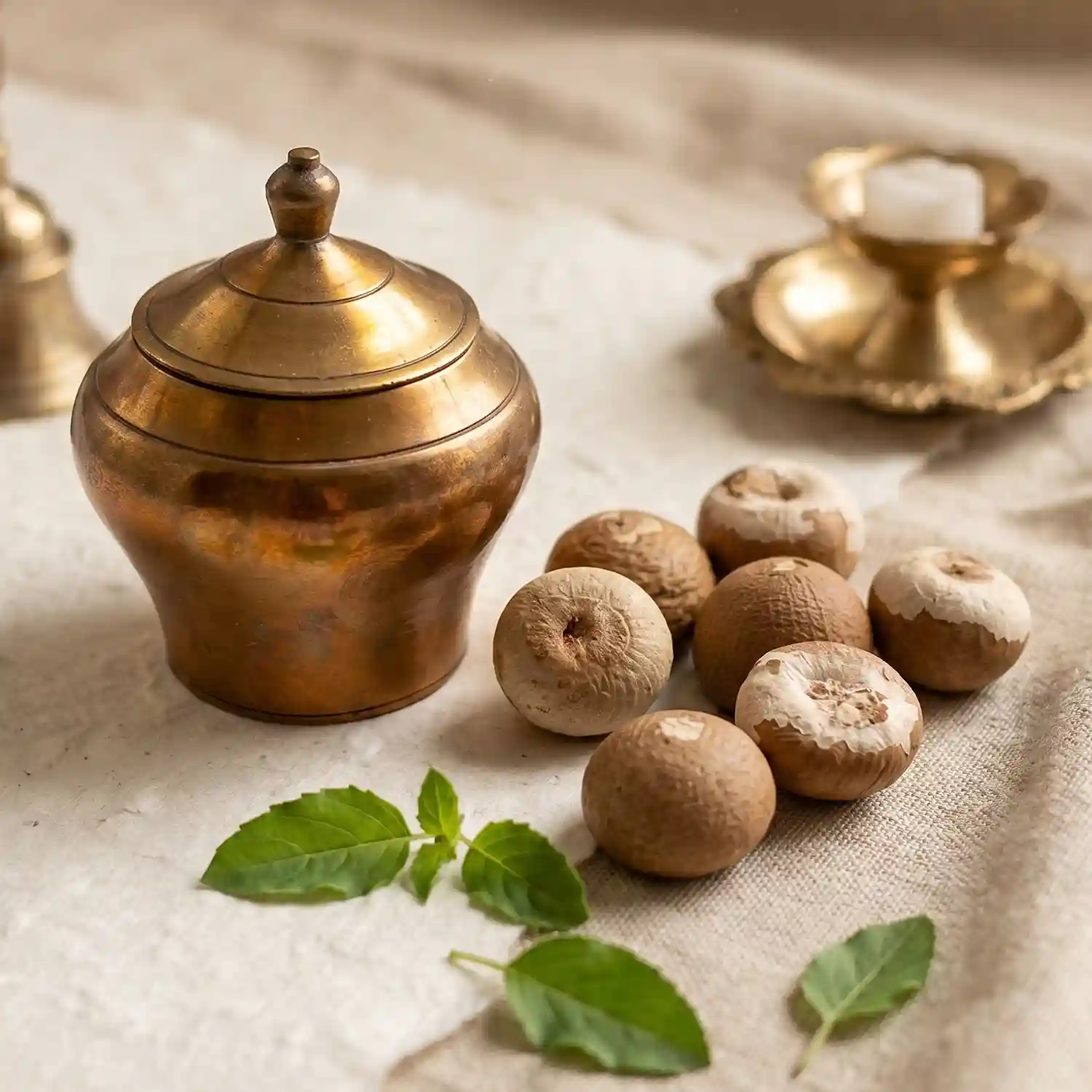
- Offer Akshat Rice (Chawal) before Lord Lakshmi Narayan as a mark of abundance and completeness. Place Supari (Betel Nut) wrapped with Janeu Thread as part of the traditional offering ritual.
- You may also offer:
- Clove (Laung)
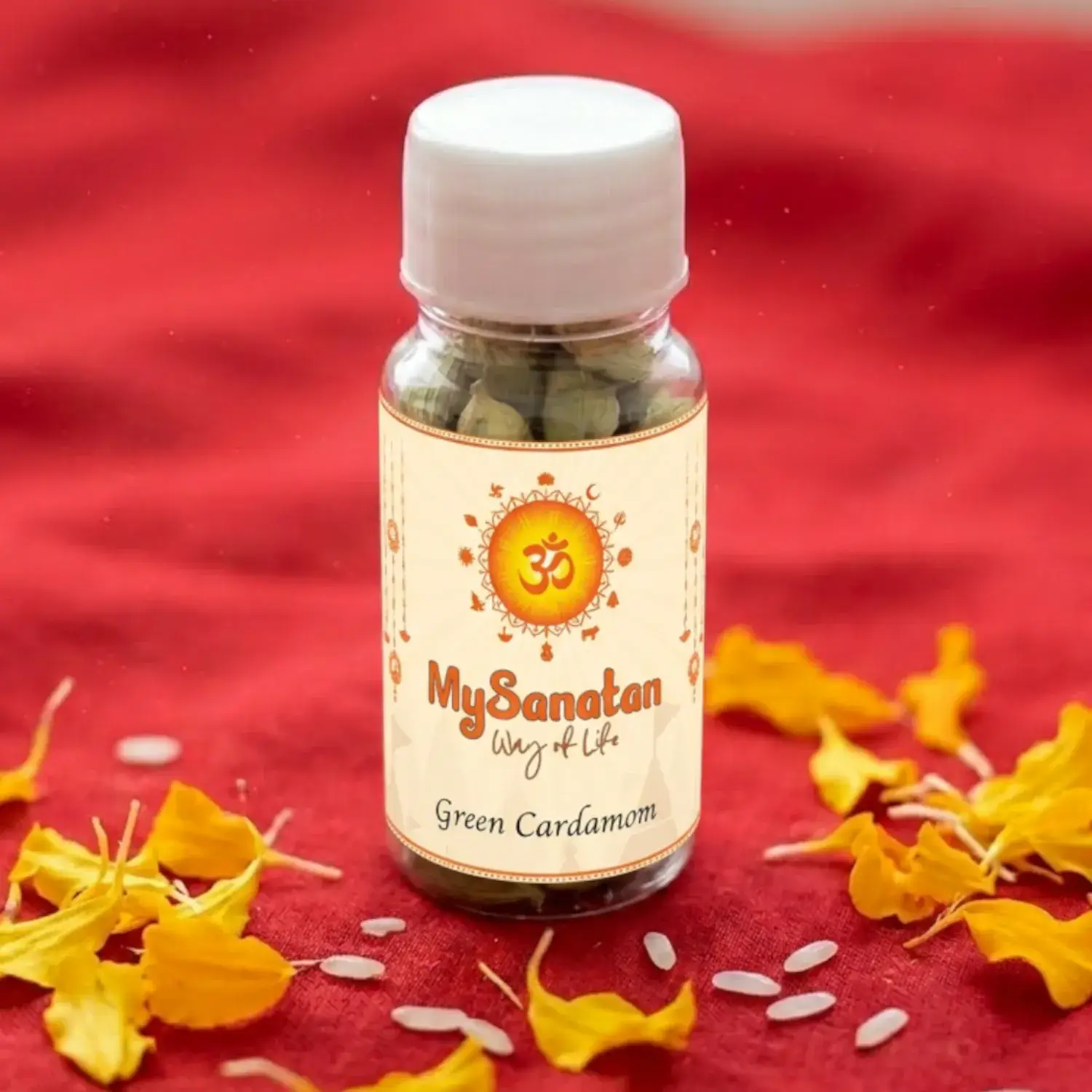
- Green Cardamom (Elaichi)
- Traditionally associated with reverence, auspiciousness, and devotional offering.
- Step 4: Divine Tilak & Adornment
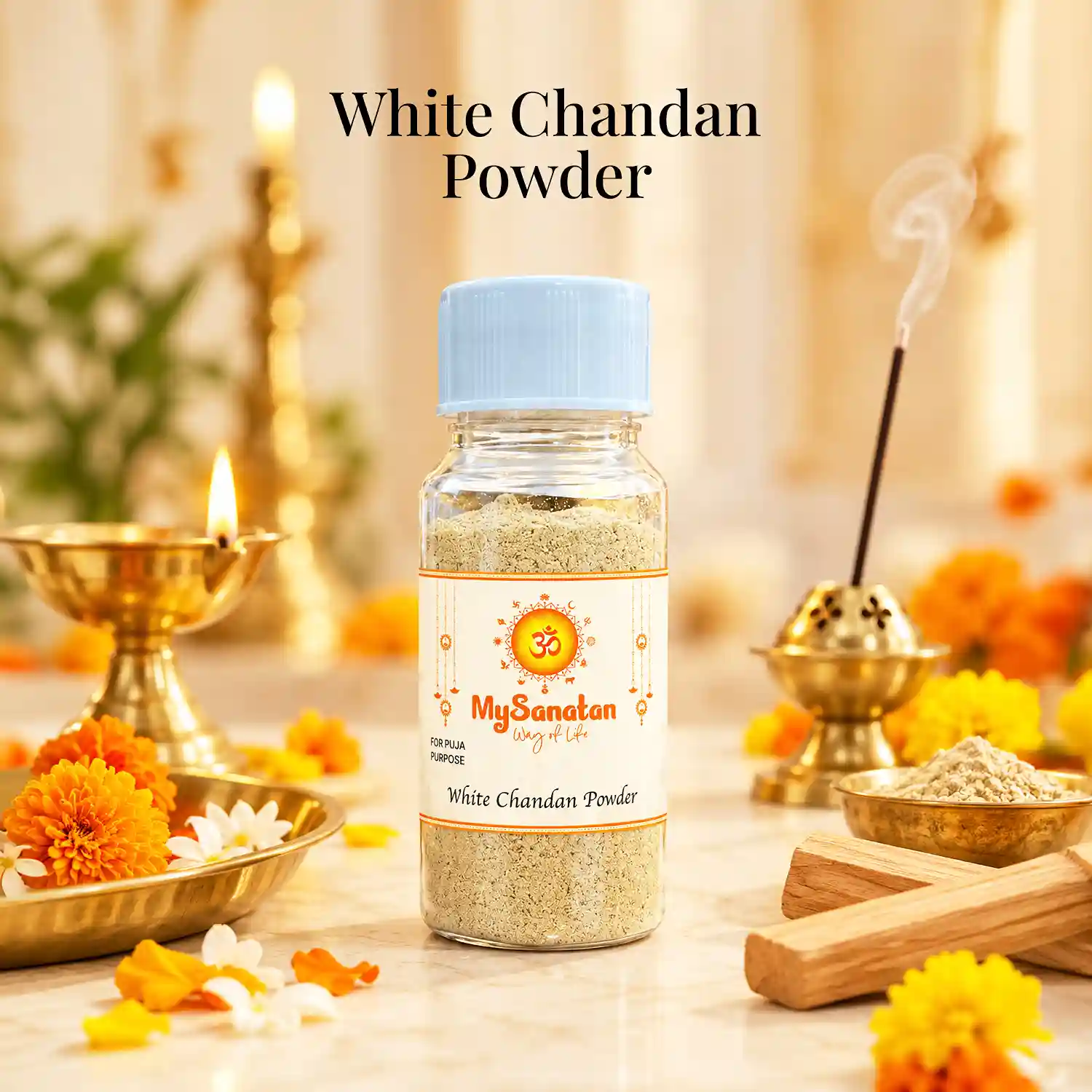
- Prepare a soft paste using White Chandan Powder[Narayana]and apply it on the deity or puja kalash. Follow with:
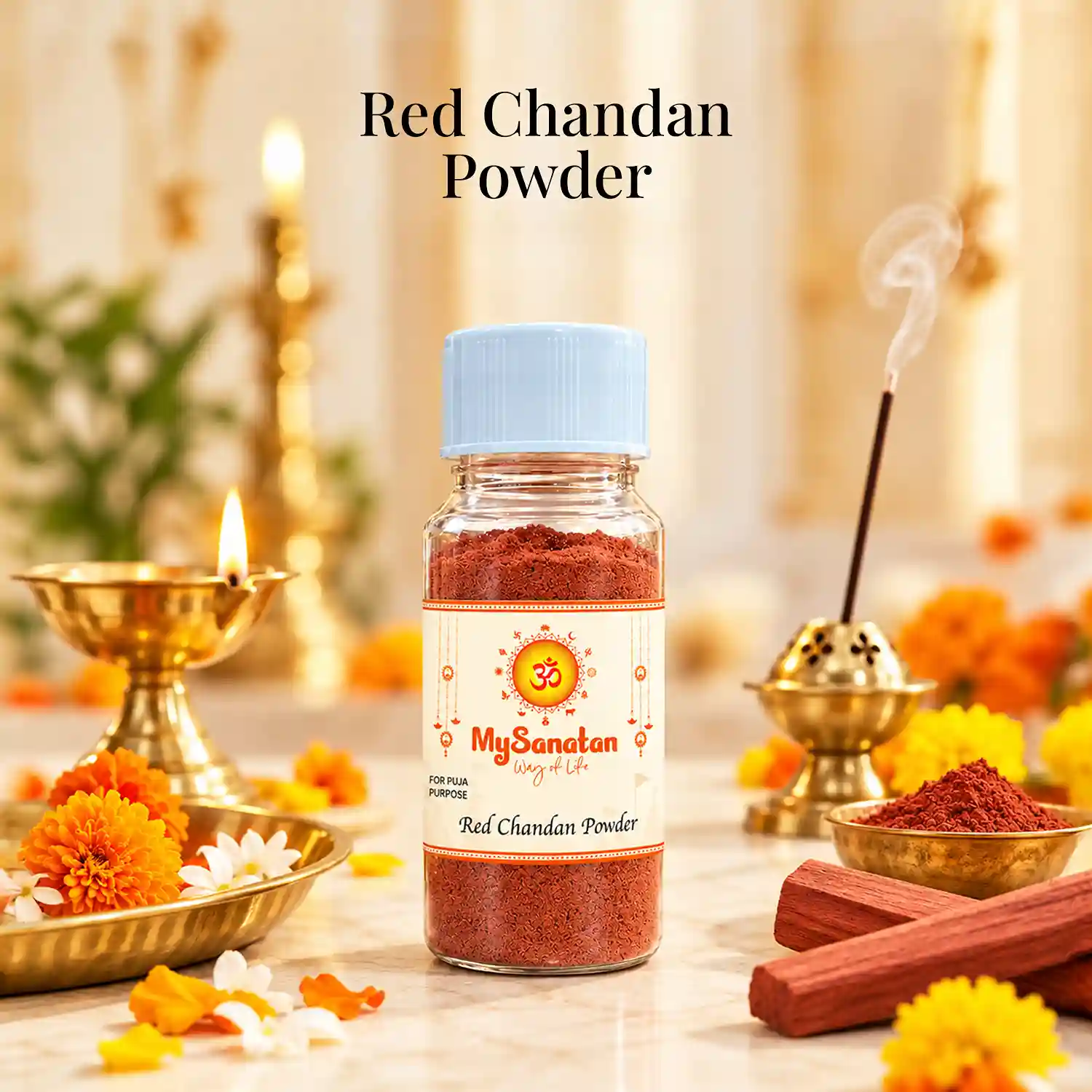
- Red Chandan Powder [Goddess Lakshmi]
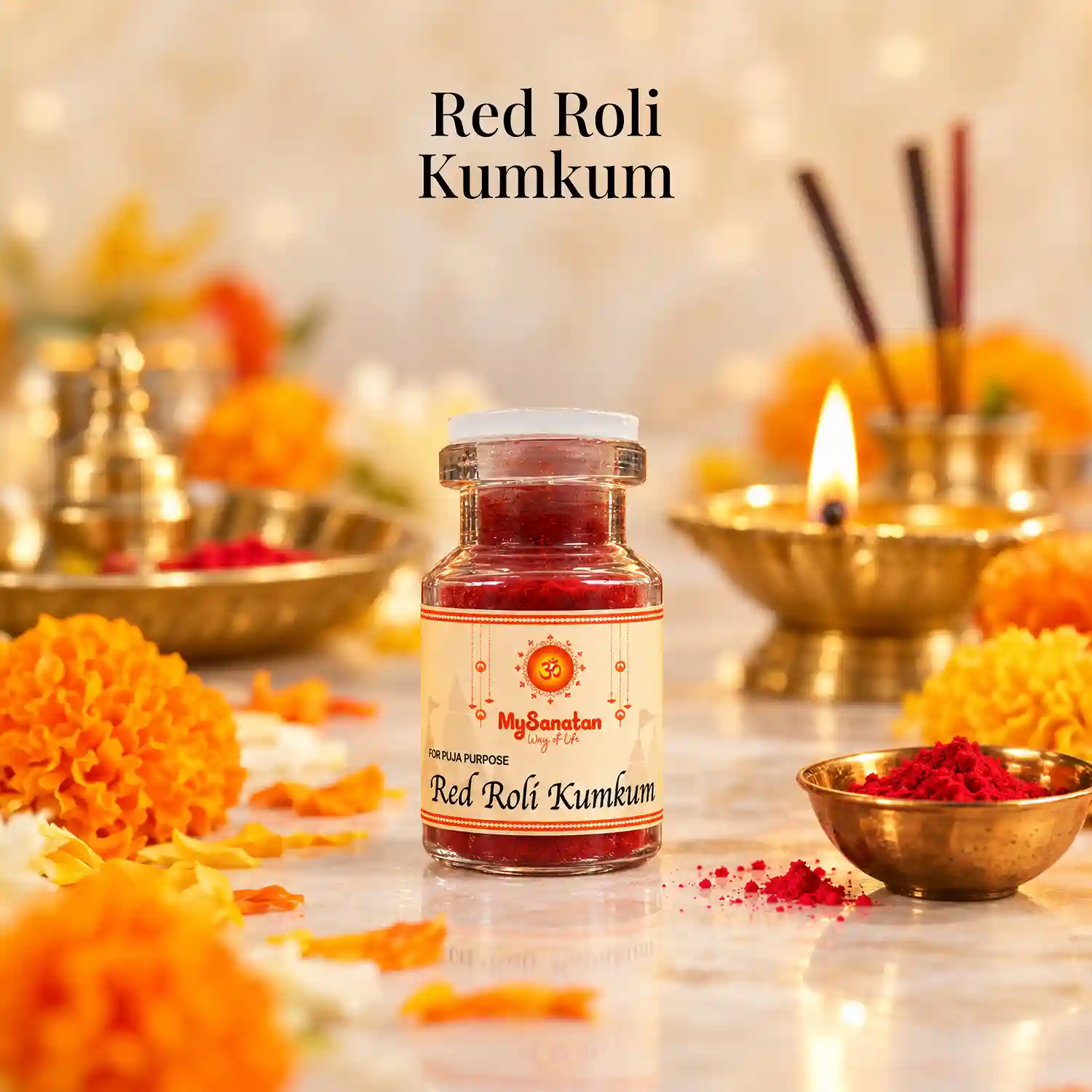
- Red Roli Kumkum [Goddess Lakshmi]
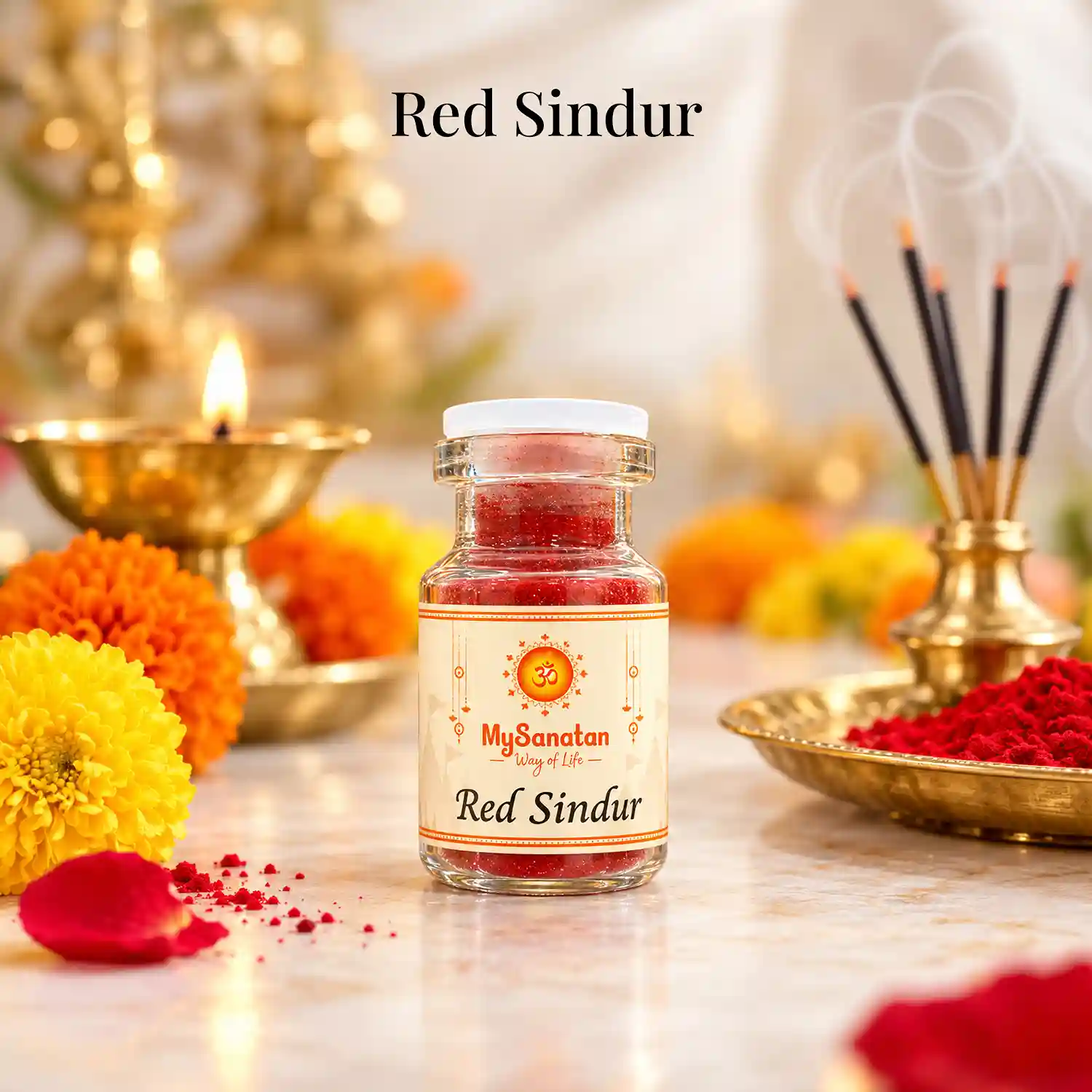
- Red Sindur [Goddess Lakshmi]
- A sacred expression of prosperity, devotion, and spiritual grace.
- Step 5: Ritual Thread Seva
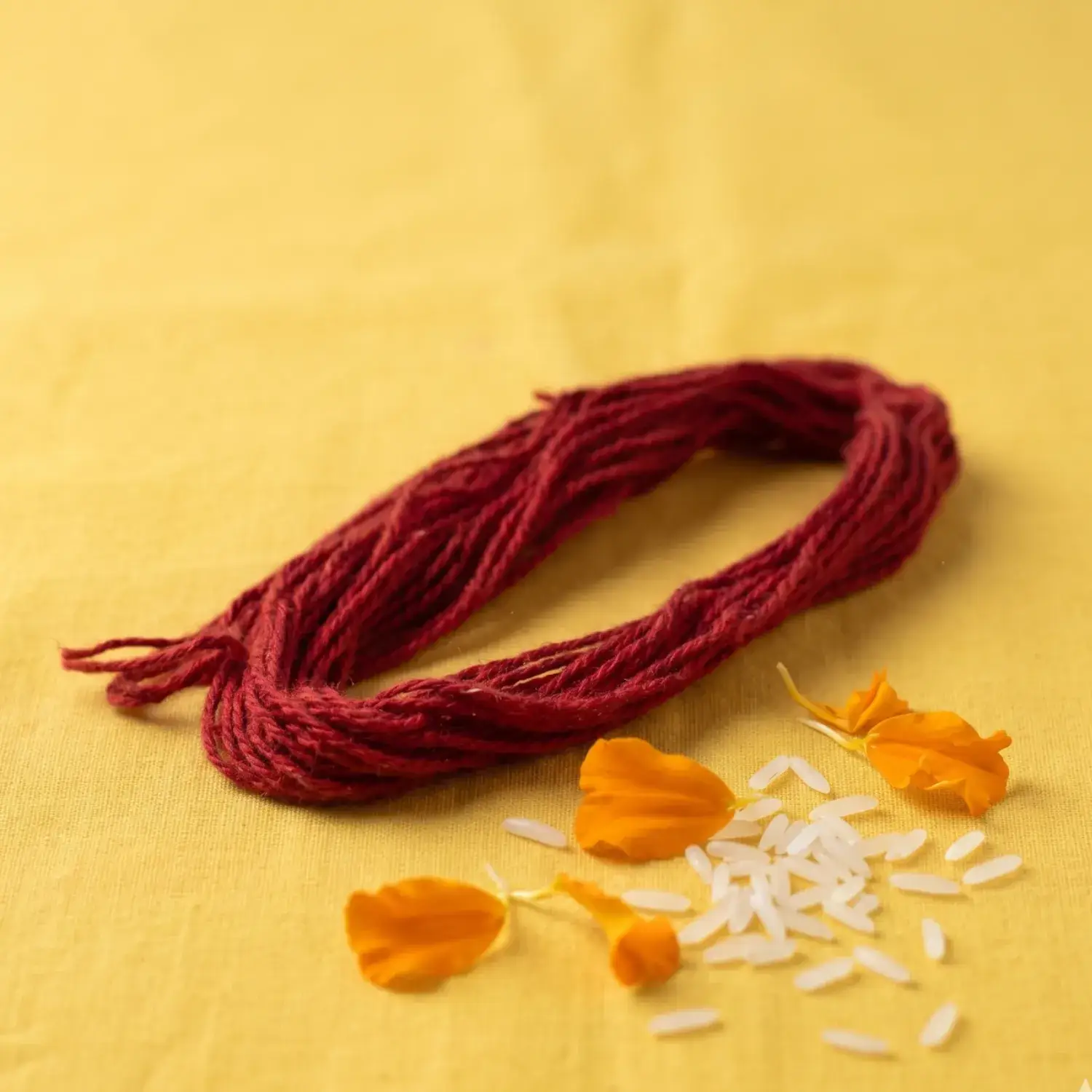
- Tie the Red Moli Dhaga or White Ritual Thread around the kalash, sacred offerings, or wrist during the puja.
- Used to invoke blessings, protection, and spiritual connection.
- Step 6: Madhur Bhog Offering
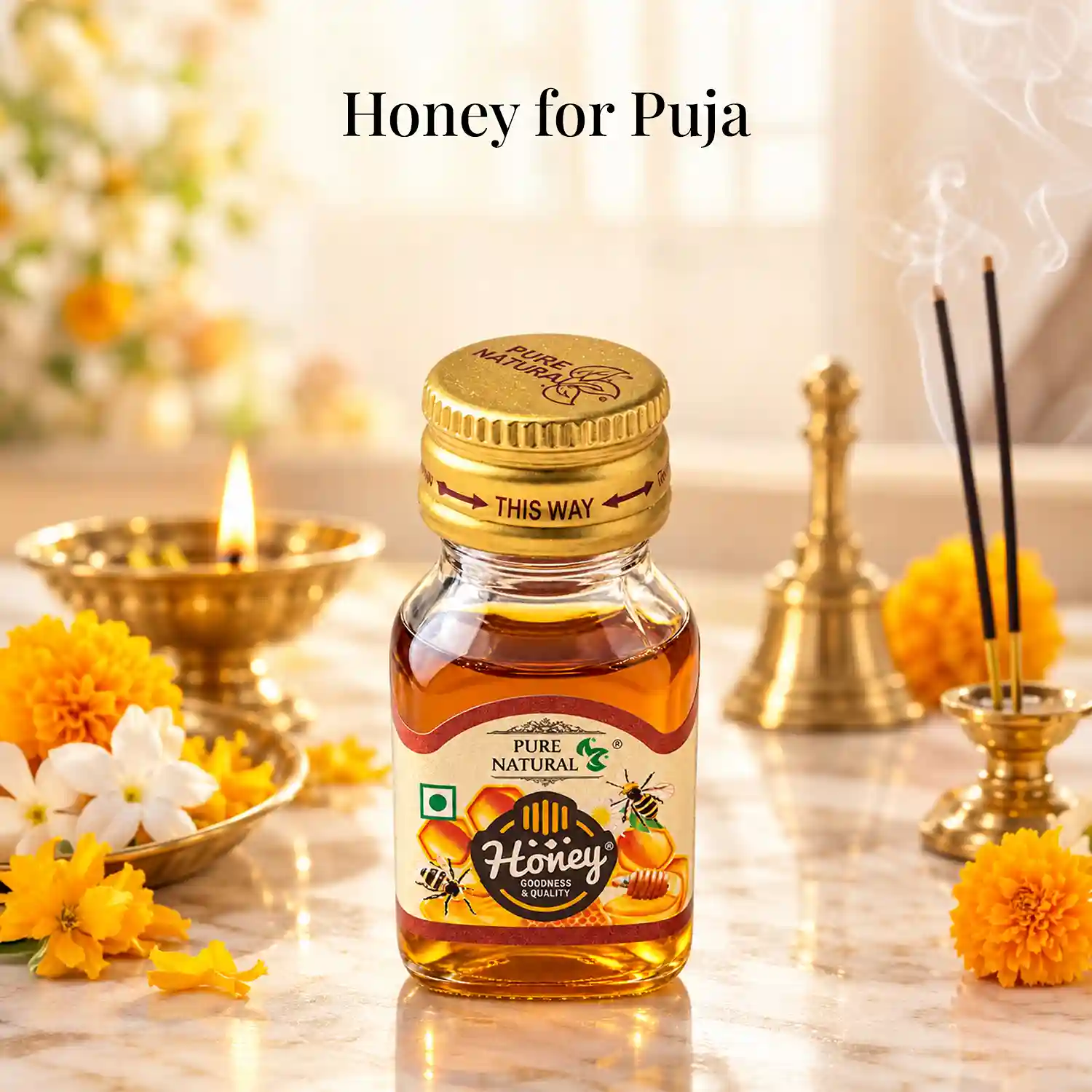
- Offer Honey (Madhu) before Lakshmi Narayan with devotion and gratitude.
- Traditionally offered to invite sweetness, harmony, and abundance into life.
- Step 7: Divine Fragrance Offering
- Offer Rose Attar (Puja Itra) before the deity to create a serene devotional atmosphere.
- A refined offering associated with purity, calmness, and sacred presence.
- Step 8: Mantra Seva & Invocation
- Sit peacefully and chant with devotion:
- “Om Namo Narayanaya”
- “Om Shreem Mahalakshmyai Namah”
- Offer prayers for prosperity, harmony, well-being, and spiritual growth.
- Step 9: Sacred Aarti Completion
- Perform aarti using the diya and camphor flame in a clockwise direction before Lakshmi Narayan. Conclude the ritual with folded hands, silent gratitude, and a few moments of stillness.
- [NOTE: Perform the final Aarti silently, without ringing a handbell (Ghanta) in Goddess Lakshmi's presence. Also, all red items and the Akshat as only for Goddess Lakshmi].
- Step 1: Sacred Purification (Achamana & Shuddhi)
- Rather than simply sprinkling Ganga Jal, classical worship requires rigorous purification of the body and the environment.
- • Begin with Achamana, which involves sipping water from the right palm to purify internally.
- • Perform Asana-shuddhi (purifying the seat) by drawing a triangle on the ground and offering a flower with sandalwood paste.
- • Perform Jala-shuddhi (purifying the water) using the Ankusha mudra to invoke the holy rivers (Ganga, Yamuna, Godavari, etc.) into your water vessel.
- Step 2: Taking the Vow (Sankalpa)
- Before making offerings, you must state your spiritual intent. Take a formal vow (Sankalpa) by holding a copper vessel containing water, a fruit, sesame seeds (til), and kusha grass. You must state the exact time, lunar month, and purpose of the worship to ensure you receive the full spiritual merit of the puja.
- Step 3: Establishing the Sacred Pot (Ghatasthapana)
- To properly establish the Kalash:
- • Place the pot and fill it with water.
- • Place a Panchapallaba (a branch of five leaves, traditionally Mango, Ashoka, Peepal, Banyan, and Fig) into the pot.
- • Add Durva grass, a fruit, and apply Sindur to the pot.
- • Tie a traditional thread around the Kalash while chanting the appropriate Gayatri mantras.
- Step 4: The Grand 16-Step Offerings (Shodashopachara)
- Traditional premium puja strictly follows the majestic 16-step (Shodashopachara) sequence. Key offerings include:
- • Madhuparka: Offer a sacred mixture in a bronze or silver bowl containing five elements: curd, ghee, water, honey (Madhu), and sugar.
- • Vasan (Sacred Draping): Adorn the deities with the Yellow Asan for God (Medium) /Cloth for Lord Narayan and the Red Asan/Cloth for Goddess Lakshmi.
- • Gandha (Sandalwood) & Pushpa (Flowers): Offer sandalwood paste and flowers.
- (Note: The texts strictly warn that Red Chandan, red flowers, and unbroken Akshat rice must never be offered to Lord Vishnu/Narayan. Reserve all red items and Akshat exclusively for Goddess Lakshmi).
- Step 5: Fragrance & Light (Dhupa & Dipa)
- Offer incense (Dhupa) and a lighted lamp (Dipa) filled with pure Cow Ghee. The texts explicitly mandate that the lamp must be placed to the right side of the deity, never to the left.
- Step 6: Sacred Food Offering (Naivedya)
- When offering food or sweets, it is not merely placed before the deity. You must use specific hand gestures (Mudras)—such as the Prana, Apana, Vyana, Udana, and Samana mudras—to invoke the vital life forces while presenting the food.
- Step 7: The Royal Spices (Tambula)
- Following the strict 16-step sequence, offer Tambula (betel leaves, Supari betel nut, Green Cardamom, and Clove) to sweeten the mouths of the deities after their divine meal.
- Step 8: The Sacred Aarti (Aratrika)
- Perform Aarti to honor the deity. The traditional Aratrika sequence involves sequentially waving a multi-flamed lamp (Panchapradipa), water inside a conch shell, a clean cloth, a flower, a mirror, and a fly-whisk (Chamara). Waving camphor (Karpur) is also an authentic part of this process.
- [Note: According to the strict rules of the scriptural manuals, perform the final Aarti silently, without ringing a handbell (Ghanta) in Goddess Lakshmi's presence].
- Step 9: Circumambulation & Prostration (Pradakshina & Pranama)
- Conclude the worship with physical reverence:
- • Pradakshina: Circumambulate the deity. For Vishnu/Narayan, this is traditionally done four times.
- • Pranama: Offer a full prostration.
- This can be an Ashtanga Pranama (where 8 parts of the body touch the floor, including the chest, head, knees, and hands) or a Panchanga Pranama (where 5 parts touch).
- [Note: 1. Ashtanga Pranama (8-Limbed Prostration): This is considered a complete form of surrender. To perform this, a devotee must engage eight specific "limbs" (both physical and spiritual). These eight parts are:
- Two feet (Padadvaya)
- Two hands (Hastadvaya)
- Two knees (Janudvaya)
- Chest (Vaksha)
- Head (Mastaka)
- Eyes (Chakshu - focusing your vision on the deity)
- Speech (Vakya - uttering mantras or prayers)
- Mind (Mana - focusing your thoughts with pure devotion).
- Note: 2. Panchanga Pranama (5-Limbed Prostration): This is another deeply reverent but slightly modified form of bowing that engages five specific parts. These five parts are:
- Two arms/hands (Bahudvaya)
- Two knees (Janudvaya)
- Head (Mastaka)
- Speech (Vakya)
- Eyes (Chakshu).
-
- Reminder: Perform the final Aarti silently, without ringing a handbell (Ghanta) in Goddess Lakshmi's presence. Also, all red items and the Akshat as only for Goddess Lakshmi.]
- • Traditionally associated with stable wealth, financial security, and protection from unnecessary expenses
- • Believed to protect the home and family from negativity and jealous energies
- • Encourages ethical success, wise decisions, and prosperity guided by Dharma
- • Traditionally performed to balance home energy and support peaceful living
- • Associated with family prosperity, growth, and lasting values
- • Helps promote emotional peace, confidence, and balanced living
- • Devotional worship is believed to remove spiritual and karmic obstacles related to prosperity
- • Symbolizes harmony, abundance, and balanced prosperity through divine blessings
- The MySanatan Lakshmi Narayan Puja Kit is thoughtfully curated with traditional puja essentials for authentic worship at home or in a temple. Designed for both beginners and experienced devotees, the kit supports a complete and peaceful devotional experience through sacred offerings, fragrance, tilak, and ritual elements. Each item is carefully selected to help create a spiritually uplifting atmosphere rooted in purity, devotion, and traditional Sanatan Dharma practices.
- Designed to bring the grace of Lakshmi Narayan into everyday worship through purity, devotion, and traditional spiritual practice.

 1791958135.webp)

 | Golden Wood Premium Incense Sticks | Dhup Kathi (Small Pack) 1791879250.webp)


_3_11zon.webp)
_15_11zon.webp)