preloader

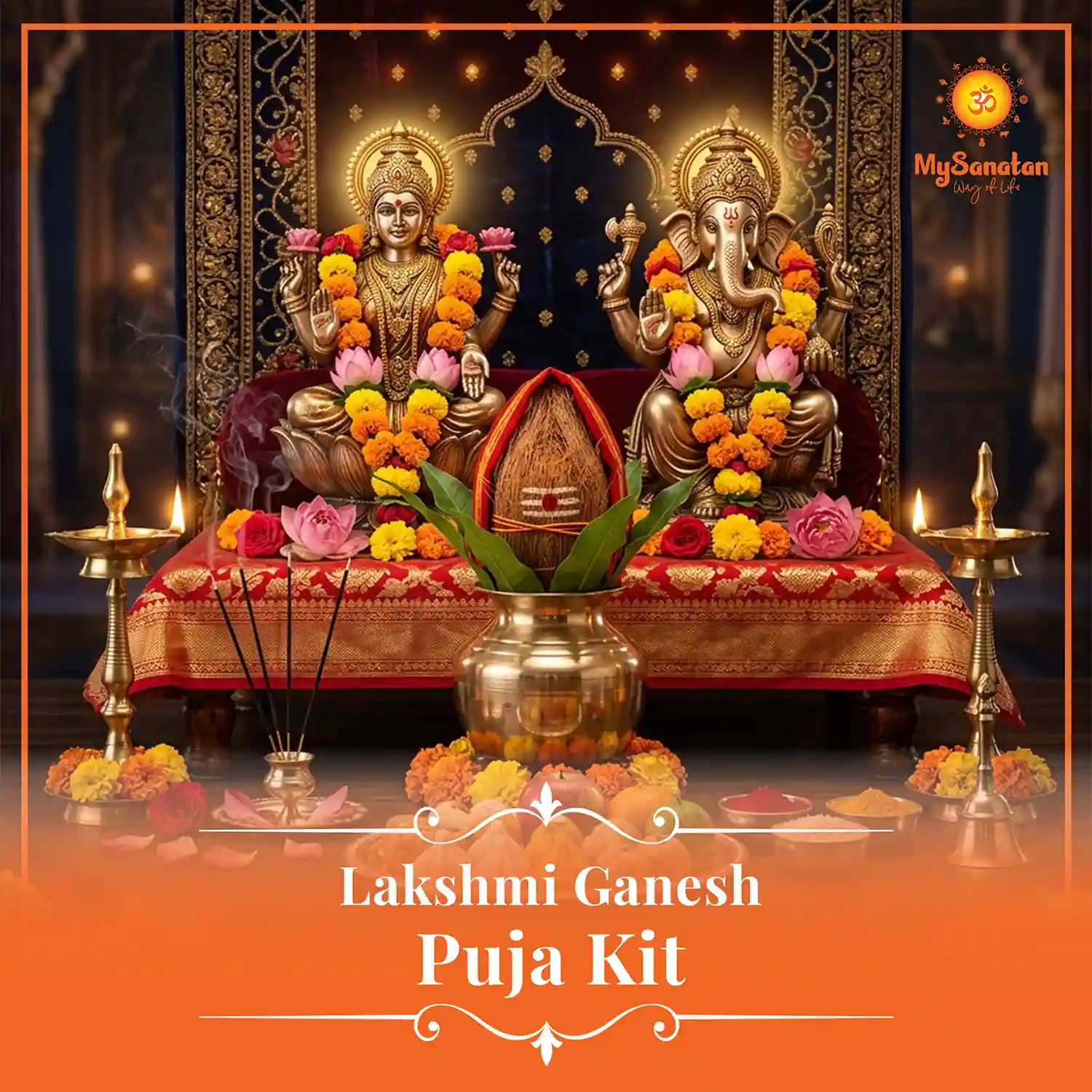
Lakshmi Ganesh Puja Kit

  • Lakshmi Ganesh Puja is performed to seek the blessings of Goddess Lakshmi and Lord Ganesha for wealth, prosperity, wisdom, and success. It removes obstacles and negative energies and brings happiness, abundance, harmony, and good fortune into life.

  • •Unites Goddess Lakshmi’s prosperity with Lord Ganesh’s wisdom to ensure wealth is managed with a clear and stable intellect.
  • •For beginners, it invokes Ganesh to clear obstacles (Vighnaharta), making a steady path for Lakshmi’s abundance to enter the home.
  • •For experienced devotees, it aligns material growth with spiritual ethics, ensuring success never outpaces inner peace.
  • •Transitions wealth from a fleeting energy into "Permanent Prosperity" by rooting it in spiritual discipline and gratitude.
  • •Represents the union of Purusha (Consciousness) and Prakriti (Creative Energy) for a balanced, joyful, and stable life.

Lakshmi Ganesh Puja is most auspicious during both daily worship and special occasions that invite prosperity, success, and positive beginnings. It is especially performed during:

  • •Daily home puja and morning rituals 
  • •New business or shop opening 
  • •Financial or career milestone beginnings 
  • •Festivals and family spiritual gatherings 
  • •Any new venture or important life event 

•This puja is ideally performed in the morning or evening in a clean and peaceful environment, with devotion and gratitude.

  • Step 1: Prepare the Sacred Puja Space
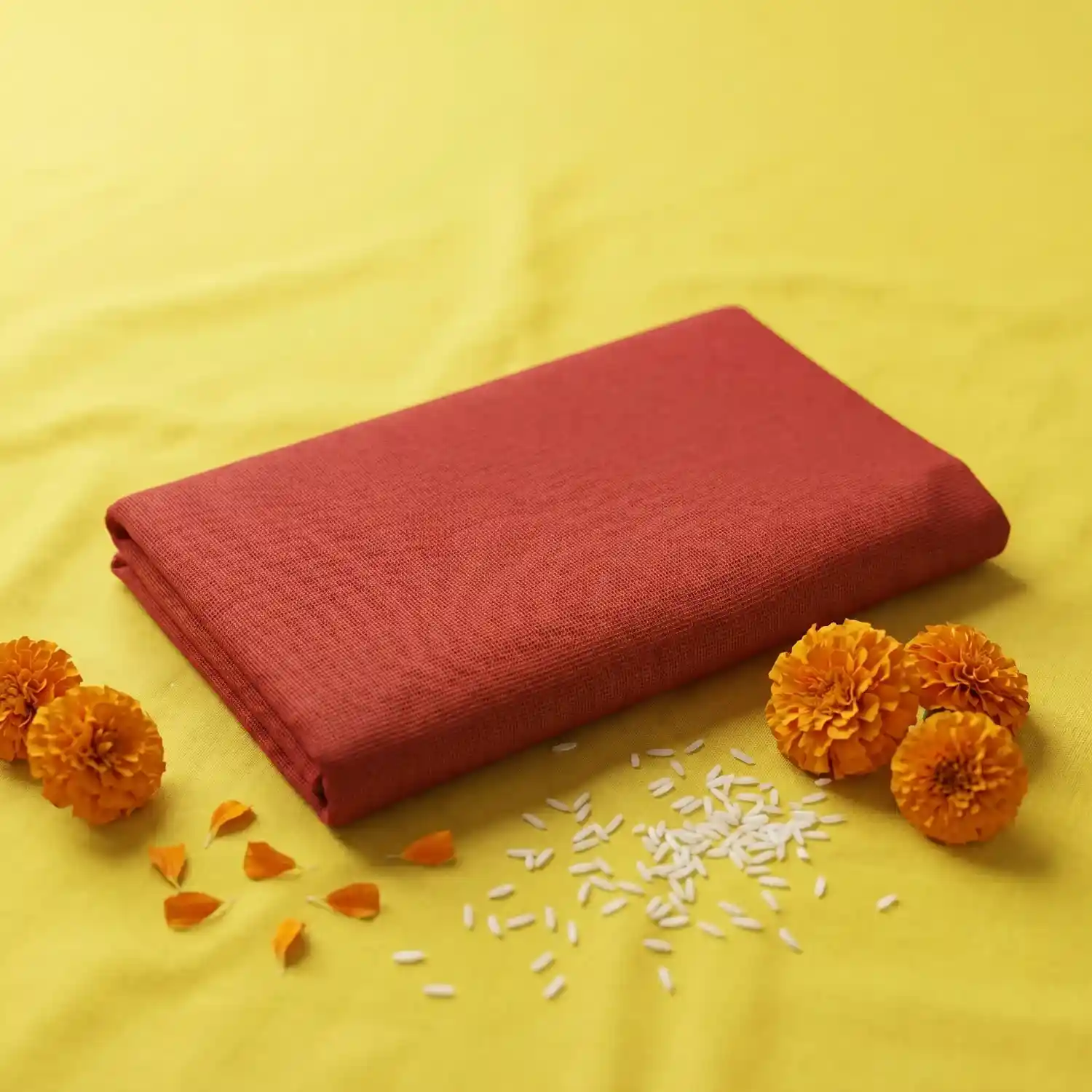
  • Begin by cleaning the puja area and placing idols or images of Lord Ganesha and Goddess Lakshmi on a clean Mandir (Puja Sthan/Ghar). Lay the Red Puja Cloth (Lal Shalu) and arrange the Red Asan for God (Medium)to create a traditional worship setup.
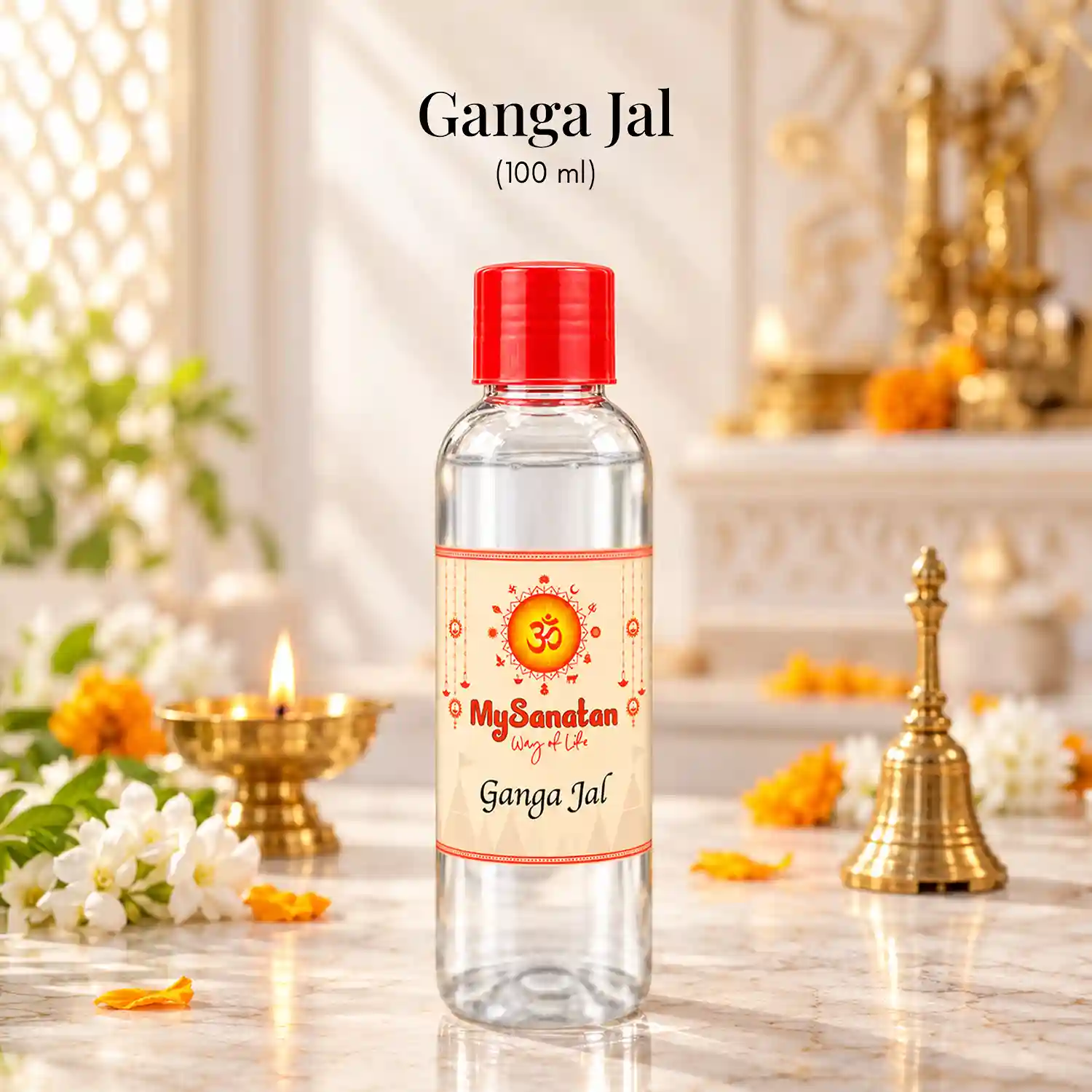
  • Sprinkle Ganga Jal around:
  • •Puja area
  • •Deities
  • •Puja items
  • This purification step establishes a calm, sacred, and positive environment for worship.
  • Step 2: Light the Divine Lamp & Fragrance
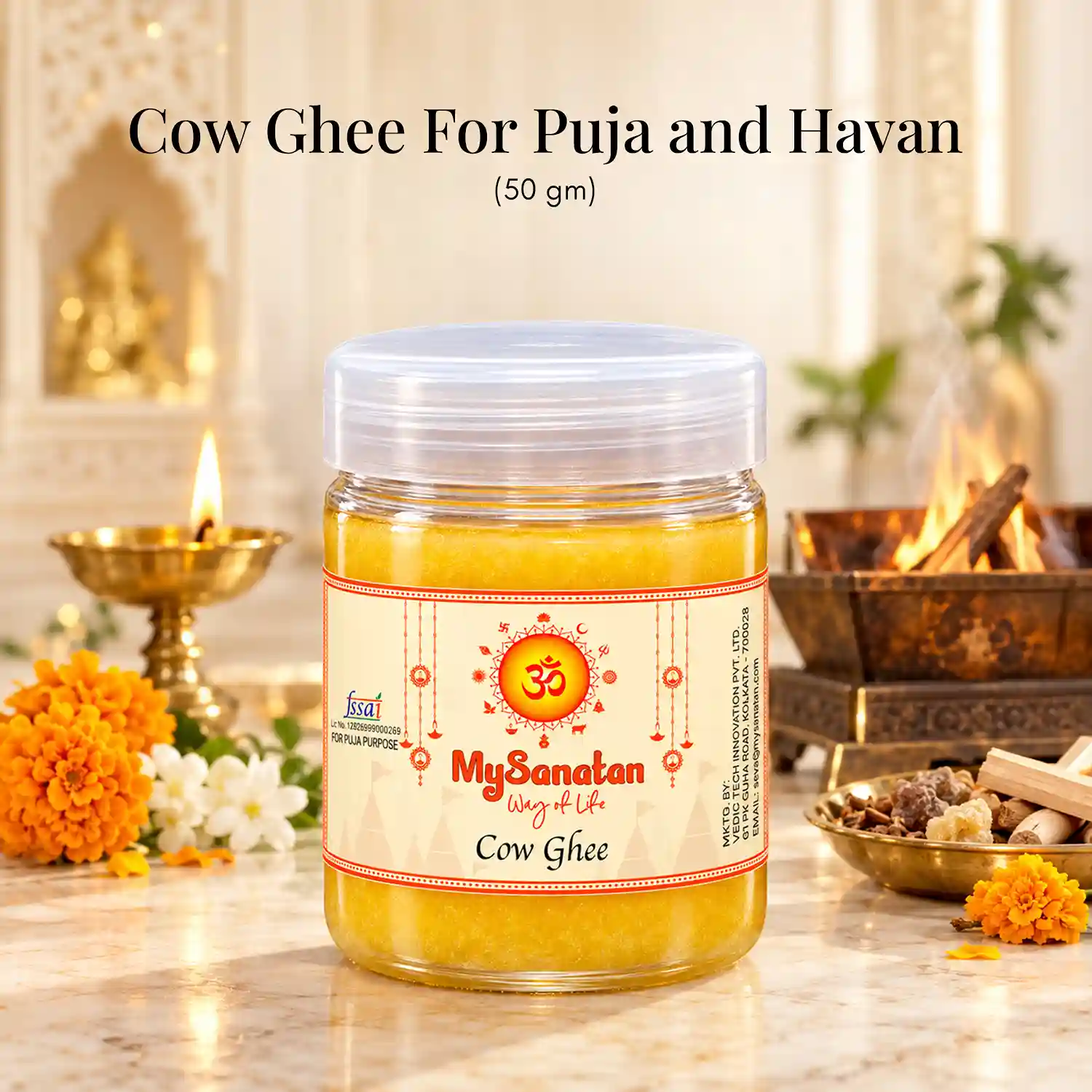
  • Place Long Cotton Wicks in a diya and light it using Cow Ghee. Light Camphor (Kapoor) for aarti preparation and offer Agarbatti (Incense Sticks) to sanctify the atmosphere.
  • This step symbolizes:
  • •Removal of negativity
  • •Arrival of divine energy
  • •Prosperity and spiritual light
  • •Positive vibrations in the home
  • Step 3: Offer Akshat, Supari & Sacred Base Offerings
  • Offer Akshat Rice (Chawal) before Lakshmi and Ganesha as a symbol of abundance and completeness.
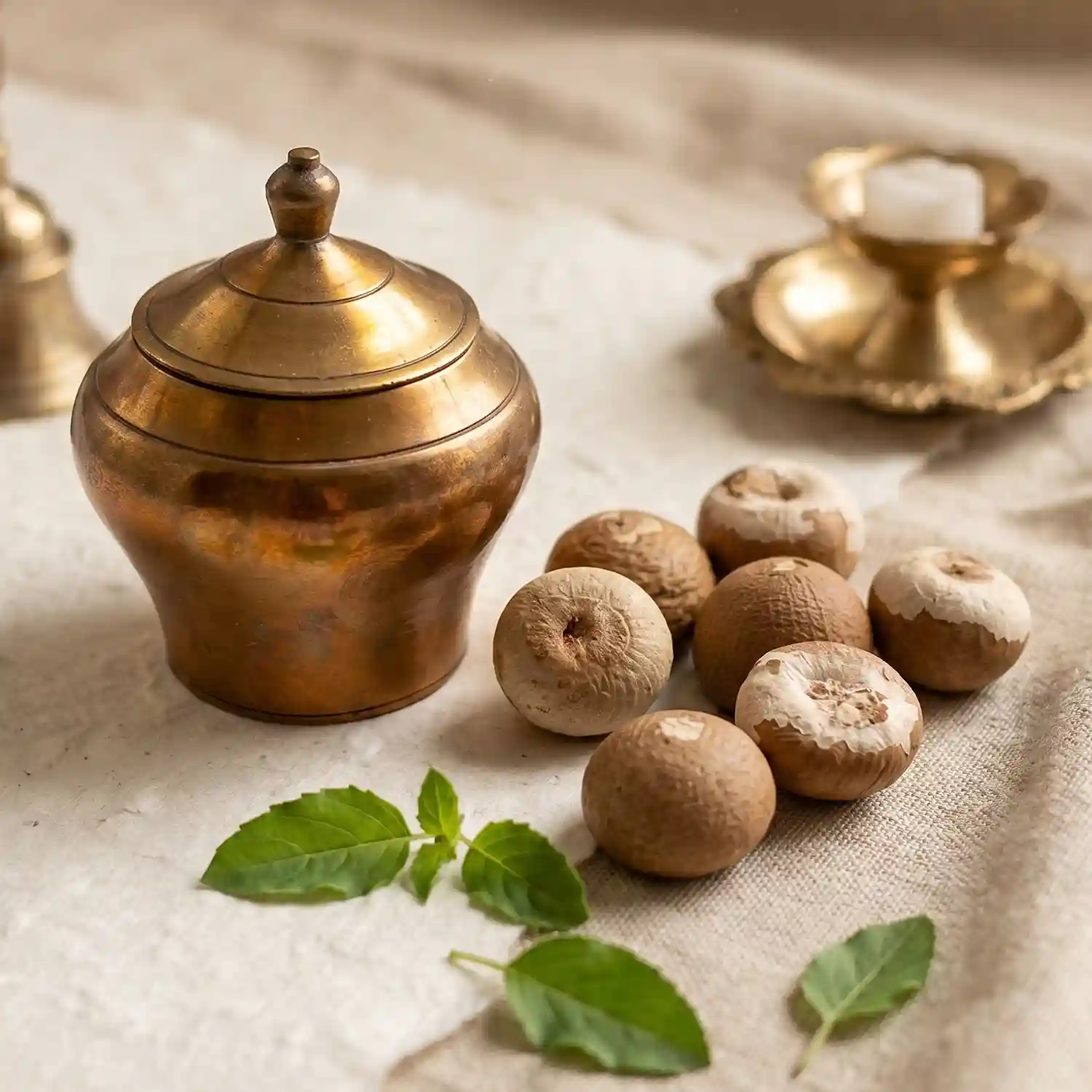
  • Place Supari (Whole Betel Nut) as a traditional sacred offering representing stability and respect.
  • These offerings express gratitude, prosperity, and devotion.
  • Step 4: Apply Tilak with Chandan, Haldi, Kumkum & Sindur
  • Prepare the devotional tilak sequence:
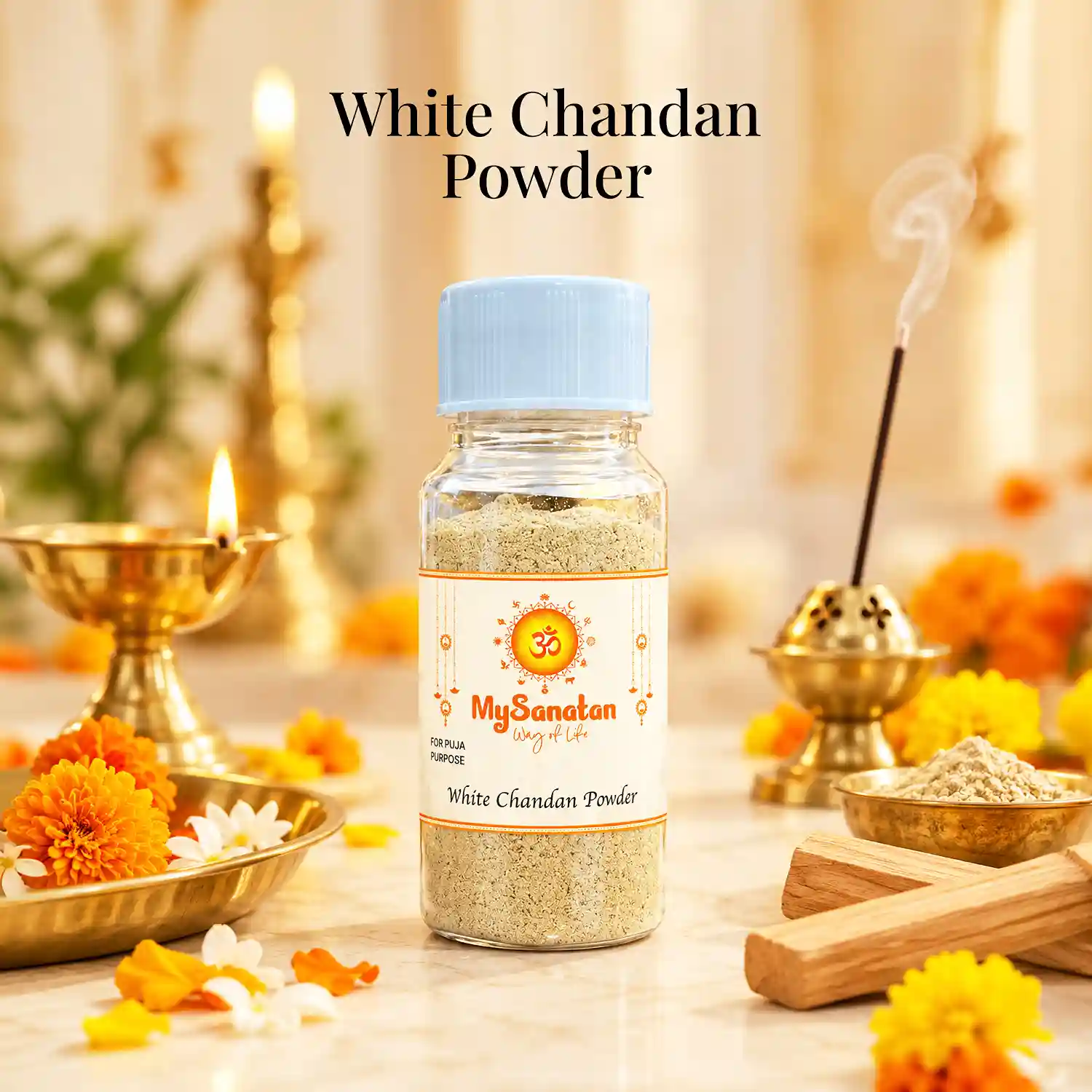
  • •Apply White Chandan Powder for peace and purity
  • •Offer Turmeric Powder (Haldi) for auspicious energy
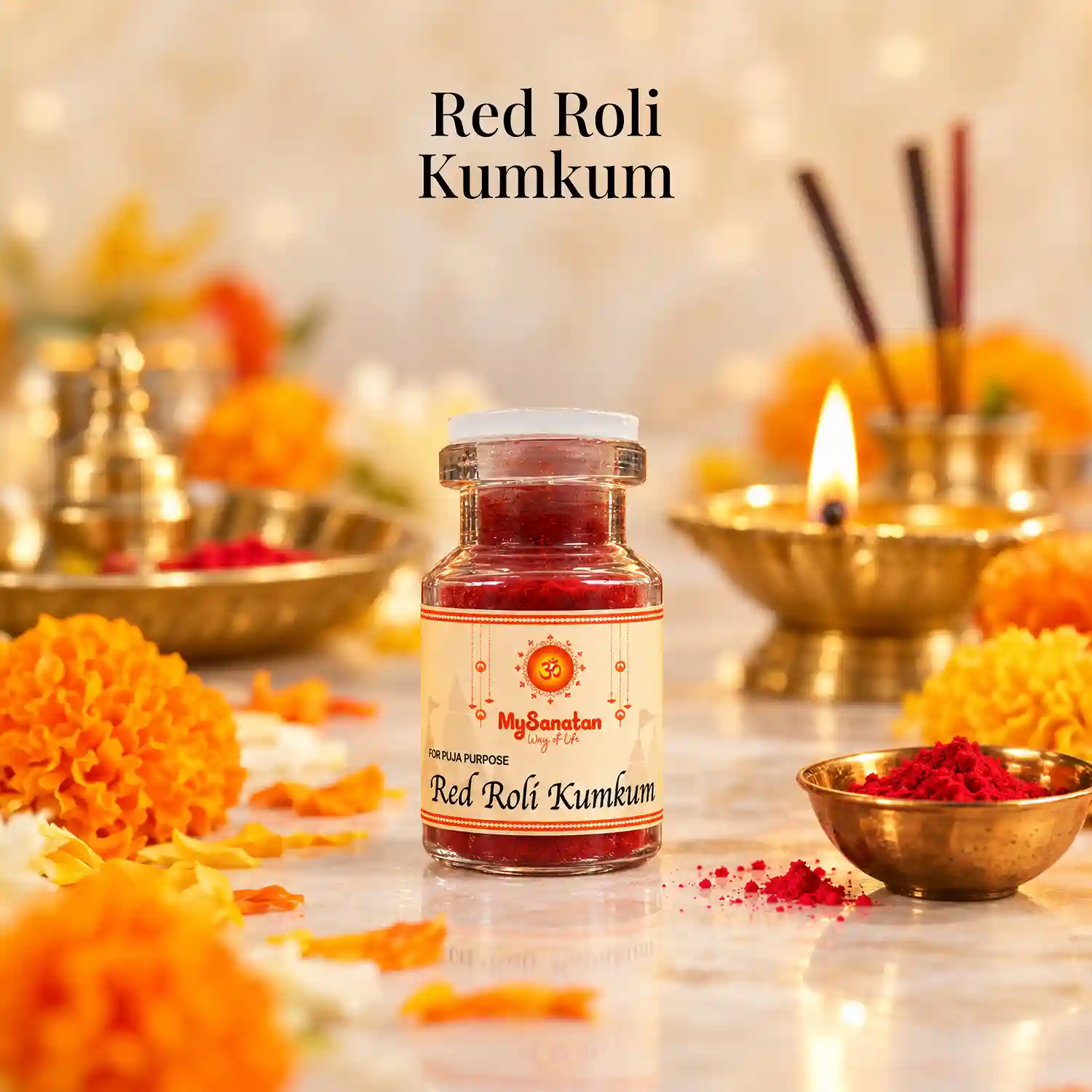
  • •Apply Red Roli Kumkum for devotion and positivity
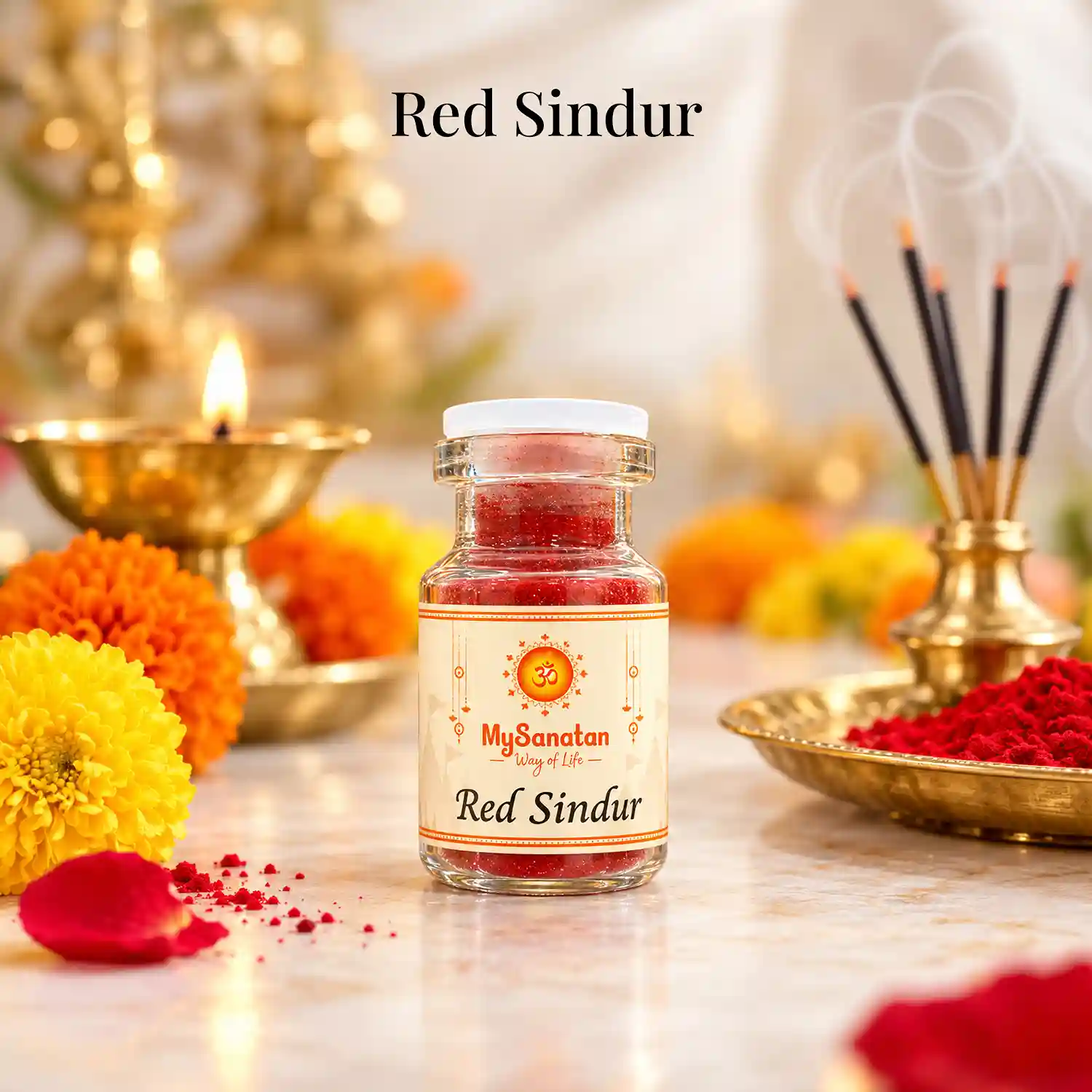
  • Offer Red Sindur as a symbol of divine feminine energy and blessings
  • This step represents:
  • •Spiritual purification
  • •Prosperity energy activation
  • •Divine blessings of Lakshmi and Ganesha
  • Step 5: Offer Honey (Madhu) & Sacred Fragrance (Attar)
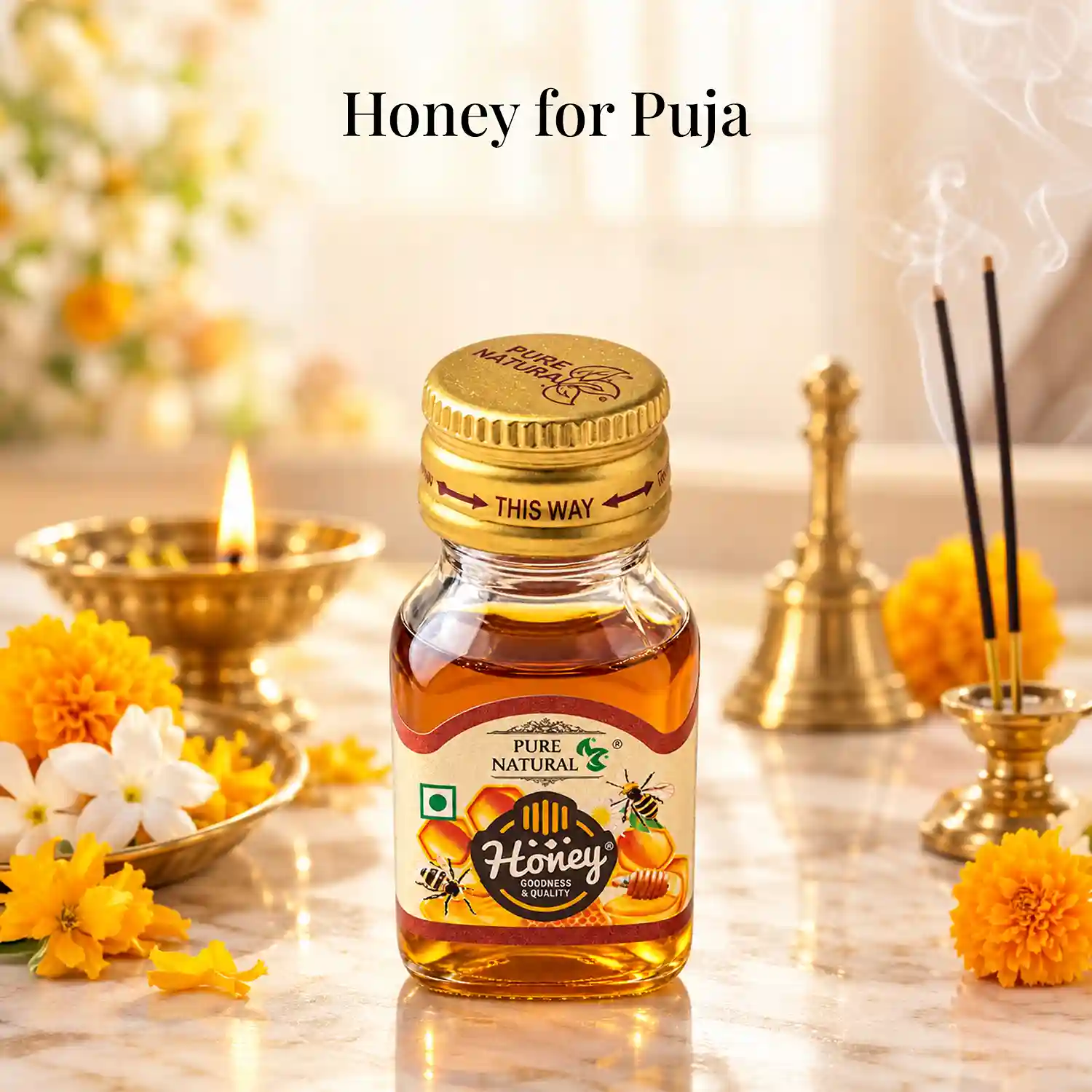
  • Offer Honey (Madhu) as bhog to symbolize sweetness, prosperity, and devotion.
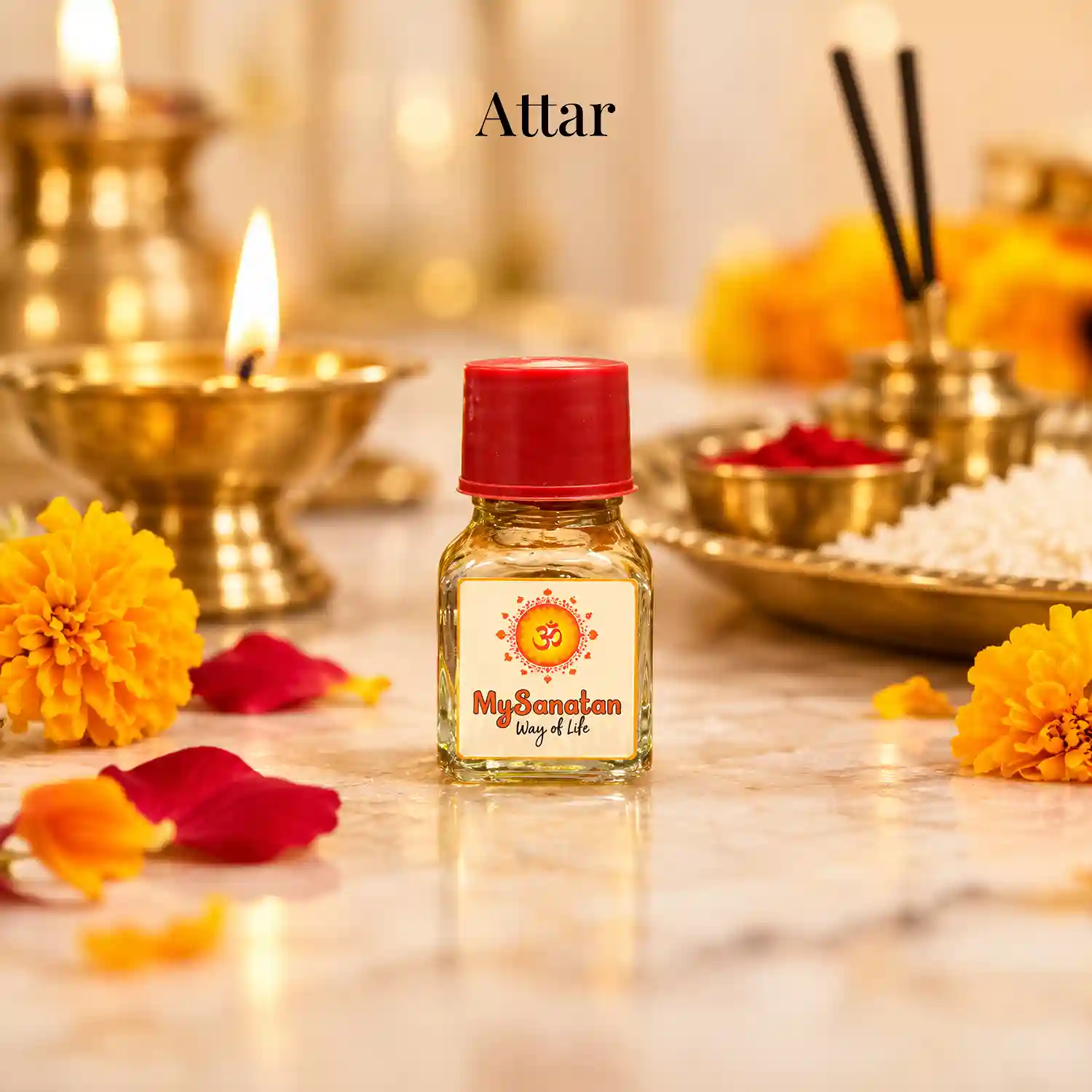
  • Apply or use Rose Attar (Puja Itra) to create a divine fragrance atmosphere.
  • This enhances:
  • •Emotional positivity
  • •Spiritual attraction
  • •Sacred ambiance during worship
  • Step 6: Tie Raksha Sutra & Yellow Moli Thread
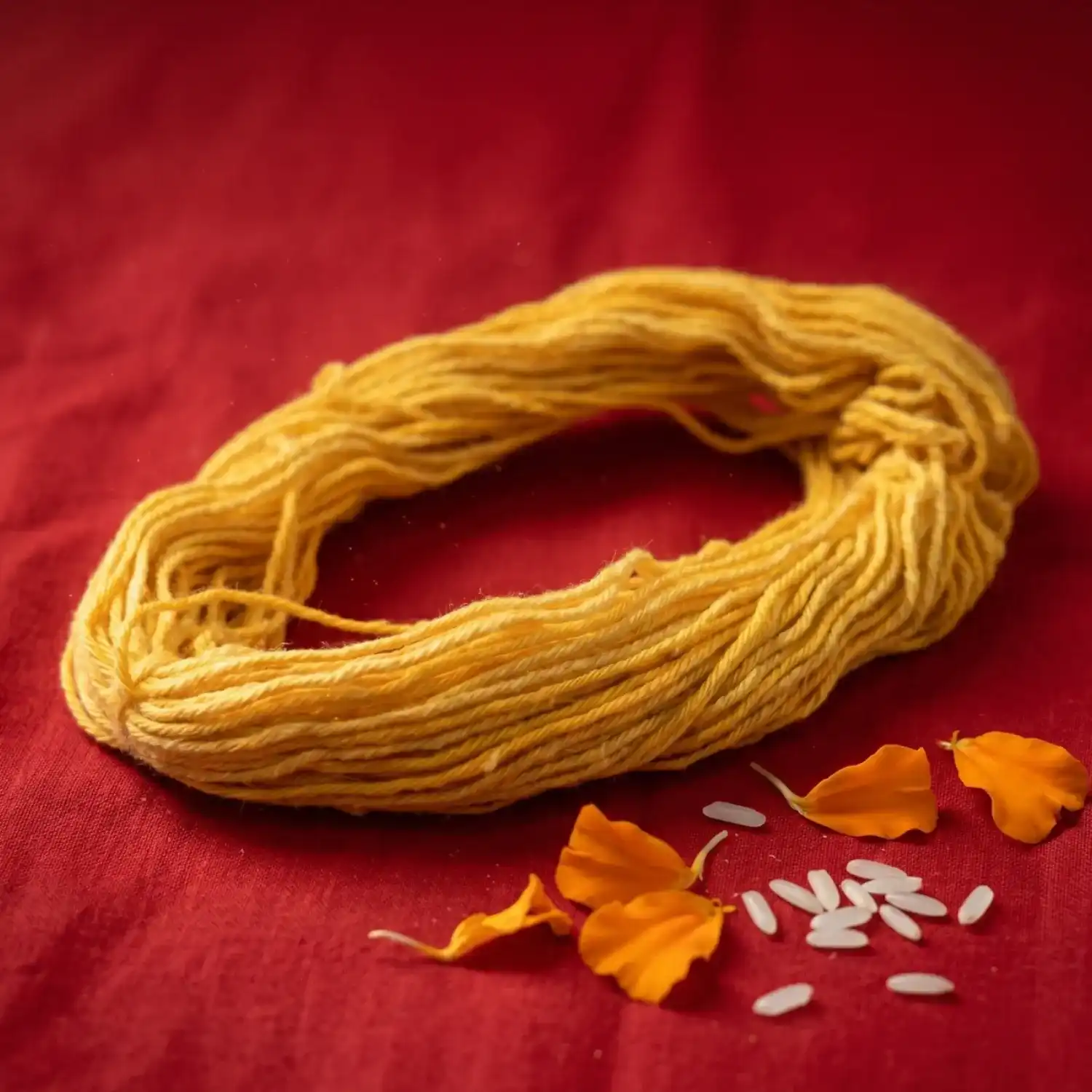
  • Tie Raksha Sutra (Red & Yellow Kalawa) and Yellow Moli Dhaga on the wrist or near the home temple (mandir).
  • These threads symbolize:
  • •Protection from negativity
  • •Blessings of divine energy
  • •Spiritual discipline and faith
  • Step 7: Chant Mantras & Offer Prayers
  • Sit calmly and chant devotional mantras such as:
  • •“Om Gan Ganapataye Namah”
  • •“Om Shreem Mahalakshmyei Namah”
  • This helps create:
  • •Mental clarity
  • •Focused devotion
  • •Positive spiritual vibrations
  • •Inner balance and peace
  • Step 8: Perform Aarti
  • Perform aarti using:
  • •Camphor flame
  • •Ghee diya with cotton wicks
  • Move the flame clockwise in front of Lakshmi and Ganesha with devotion and gratitude.
  • This symbolizes:
  • •Completion of worship
  • •Removal of darkness
  • •Arrival of prosperity and divine blessings
  • Step 9: Conclude with Gratitude
  • Fold your hands and offer final prayers seeking:
  • •Wealth and prosperity (Lakshmi)
  • •Wisdom and success (Ganesha)
  • •Peace, protection, and happiness
  • Sit quietly for a few moments to absorb the spiritual energy and blessings of the puja.

  • Step 1: Purify the Sacred Puja Space & Yourself (Achamana) 
  • Begin by cleaning the puja area. Before setting up, perform Achamana by sipping pure water three times from your right palm to purify yourself internally. Place the idols or images of Lord Ganesha and Goddess Lakshmi on a clean Mandir. Lay the Red Puja Cloth (Lal Shalu) and arrange the Red Asan for God (Medium)to create a traditional, highly auspicious worship setup. Sprinkle Ganga Jal around the puja area, deities, and puja items. This establishes a calm, sacred, and positive environment for worship.
  • Step 2: Light the Divine Lamp & Fragrance (Dipa & Dhupa) 
  • Place Long Cotton Wicks in a diya and light it using Cow Ghee. 
  • [Important Scriptural Rule: The orthodox manual Purohit Darpan strictly commands that the lighted diya must always be placed on the right side of the deities, never the left]. 
  • Light Camphor (Kapoor) for aarti preparation and offer Agarbatti (Incense Sticks) to sanctify the atmosphere. This symbolizes the removal of negativity and the arrival of prosperity and spiritual light.
  • Step 3: Offer Akshat (Crucial Safety Note) 
  • Offer unbroken Akshat Rice (Chawal) before Lakshmi and Ganesha as a symbol of abundance and completeness. 
  • (Note: While Akshat is highly auspicious here, orthodox texts strictly command "ন তুলস্যা বিনায়কম্" (Never worship Lord Ganesha with Tulsi). Please ensure no Tulsi leaves are accidentally offered to Lord Ganesha during this worship).
  • Step 4: Apply Tilak with Chandan, Haldi, Kumkum & Sindur (Perfect Sequence) 
  • Prepare the devotional tilak sequence: 
  • • Apply White Chandan Powder as a cooling base for peace and purity. 
  • • Offer Turmeric Powder (Haldi) for auspicious energy. 
  • • Apply Red Roli Kumkum and Red Sindur. 
  • Because you are worshipping the Divine Mother and Lord Ganesha, these vibrant red offerings perfectly invoke their divine blessings and activate the energy of prosperity.
  • Step 5: Offer Sweetness & Sacred Fragrance (Madhuparka & Gandha) 
  • Offer Honey (Madhu) to symbolize sweetness and devotion. For a highly traditional approach, you may mix this honey with curd, ghee, water, and sugar to create the sacred Madhuparka offering. Apply Rose Attar (Puja Itra) to enhance the emotional positivity and spiritual attraction of the space.
  • Step 6: The Royal Spices (Tambula)
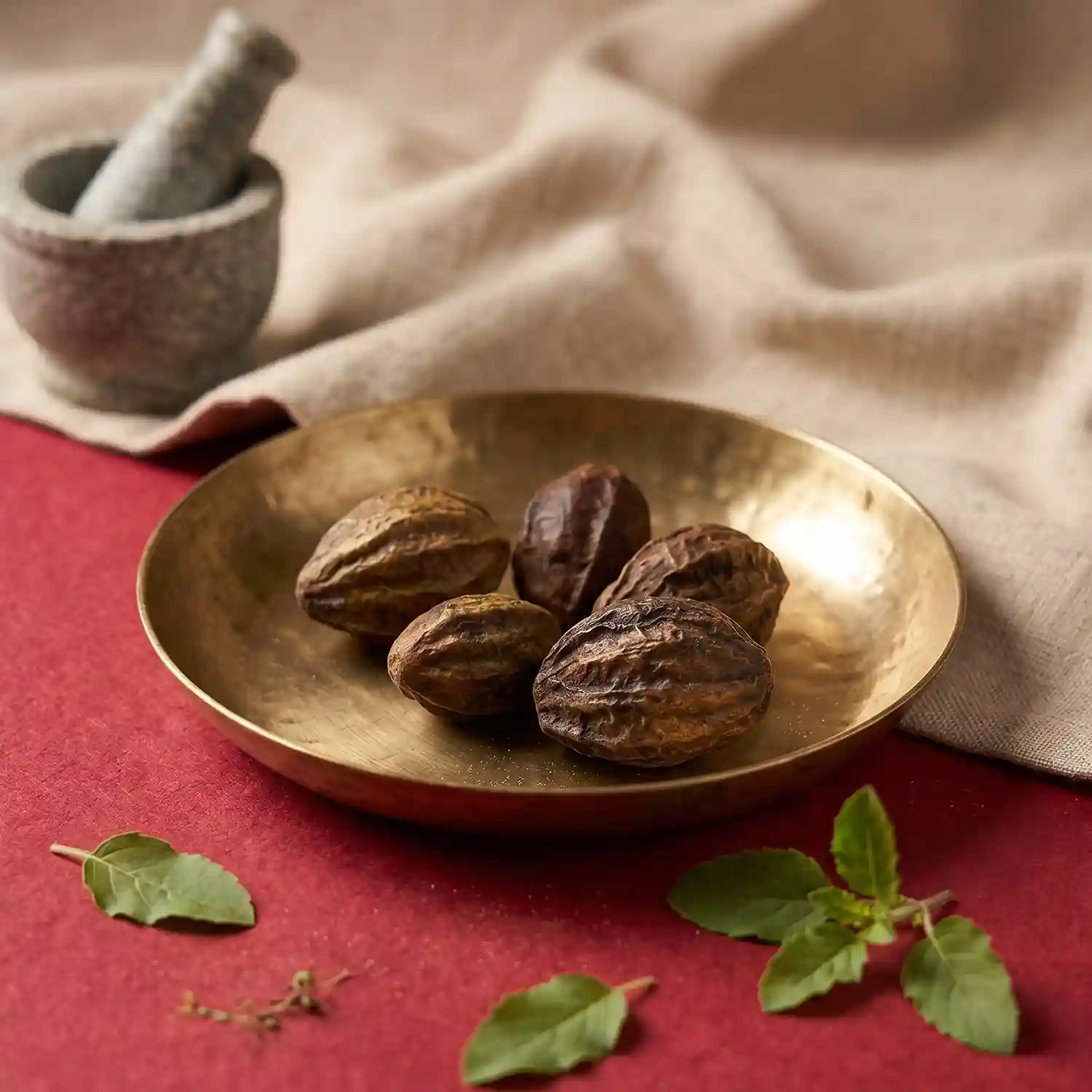
  • Following the strict 16-step (Shodashopachar) sequence, offer Tambula to sweeten the deity's mouth after the divine meal. Present the premium Supari (Whole Betel Nut), Clove (Laung), Green Cardamom (Elaichi), and Haritaki near the deities to represent stability, respect, and a highly consecrated offering.
  • Step 7: Tie Raksha Sutra & Yellow Moli Thread 
  • Tie the Raksha Sutra (Red & Yellow Kalawa) and Yellow Moli Dhaga on your wrist or near the home temple. These threads symbolize protection from negativity and a commitment to spiritual discipline.
  • Step 8: Chant Mantras & Offer Prayers (Japa) 
  • Sit calmly and chant devotional mantras. Always invoke Lord Ganesha (the remover of obstacles) first: 
  • • “Om Gan Ganapataye Namah” 
  • • “Om Shreem Mahalakshmyei Namah” 
  • This creates mental clarity, focused devotion, and positive spiritual vibrations.
  • Step 9: Perform Aarti (Aratrika) 
  • Perform aarti using the Camphor flame and the Ghee diya. Move the flame in circular, clockwise movements in front of Lakshmi and Ganesha with immense devotion. This symbolizes the removal of darkness and the arrival of divine blessings.
  • Step 10: Conclude with Gratitude (Pranama) 
  • Conclude your worship by performing a physical prostration (Pranama), such as the Ashtanga Pranama (engaging 8 parts of the body) or Panchanga Pranama, which are highly praised in the texts. Offer final prayers seeking wealth (Lakshmi), wisdom (Ganesha), and protection. Sit quietly for a few moments to absorb the spiritual energy of the puja.
  • [Source: Purohit Darpan and the Vedic NityaKarma]

  • •Aligns Lakshmi’s creative energy with Ganesh’s grounded consciousness.
  • •Acts as a spiritual filter, ensuring wealth is earned through Dharma.
  • •Clears "Daridra" (poverty) consciousness, replacing it with divine abundance.
  • •Fosters humility by reminding the devotee they are a custodian of wealth.
  • •Grants the Buddhi (intellect) needed to make wise, non-impulsive decisions.
  • •Reduces "fear of failure" by acknowledging Ganesh as the Vighnaharta.
  • •Builds mental grit, improving management of personal and professional life.
  • •Values long-term stability and inner peace over temporary material highs.
  • •Shifts mindset from scarcity to abundance, lowering daily stress.

The MySanatan Lakshmi Ganesh Puja Kit includes all essential traditional items for a complete and authentic worship experience at home or temple. Designed for beginners and experienced devotees, it simplifies daily and festival rituals. Ideal for Diwali, Ganesh Chaturthi, and new beginnings, the kit supports prosperity, wisdom, and positivity. It helps create a peaceful spiritual atmosphere, strengthens devotion, and is also suitable for gifting on auspicious occasions.

Standard Package
Package Total: ₹472.00
Akshat Rice | Chawal | Chal
20 Gram
1
25.00
Red Roli Kumkum for Puja and Tilak
5 Gram
1
10.00
White Chandan Powder | Safed Chandan Tika | White Sandalwood Tika
10 Gram
1
29.00
Supadi | Whole Betel Nut
7 Piece
1
15.00
Cow Ghee For Puja and Havan | Small Pack
50 Gram
1
25.00
Agarbatti | Premium Incense Sticks | Dhup Kathi (Small Pack)
20 Gram
1
13.00
Turmeric Powder | Haldi | Holud
25 Gram
1
30.00
Turmeric Powder | Haldi | Holud
25 Gram
1
30.00
Red Puja Cloth | Red Shalu Kapda | Lal Shalu Kapor
1 Piece
1
30.00
Red Asan for God | Devotional Red Asan | Red Chowki Asan for God | Small
1 Piece
1
30.00
Yellow Janeu Thread | Holud Paita | Yellow Sacred Thread
1 Piece
1
15.00
Clove | Laung | Lobongo Small Pack
5 Gram
1
15.00
Green Cardamom | Hari Elaichi | Choto Elach | Small Pack
3 Gram
1
29.00
Honey for Puja | Pure Sahad | Madhu
25 Gram
1
35.00
Ganga Jal | 100% Pure & Authentic | Small Pack
100 ML
1
25.00
Long Cotton Wicks
1 Pack
1
20.00
Raksha Sutra | Red & Yellow Moli Kalawa| Raksha Dhaga
1 Piece
1
35.00
Yellow Moli Dhaga | Peela Kalawa | Yellow Ritual Thread
1 Piece
1
15.00
Attar | Puja Itra | Ittar Rose Fragrance
2 ML
1
20.00
Haritaki | Harad Fruit | Small Pack
5 Piece
1
16.00
Red Sindur For Puja | Sacred Vermilion
5 Gram
1
10.00


Do you need a custom package or you already have a list?

Frequently Asked Questions
  • 1. Why does this kit emphasize using both Red and White Chandan? In this specific ritual, colors are used to balance your mental state. White Chandan is used first to cool the mind and settle the intellect (Buddhi), representing the peace of Lord Ganesh. Red Chandan is then used to activate the creative, active energy of Goddess Lakshmi. For a beginner, this sequence helps transition the mind from daily stress to a state of productive focus.
  • 2. I’m new to rituals; what if I don't know the specific mantras? The physical items in the kit act as a bridge. While the "Step 7" mantras are traditional, beginners can simply focus on the intentionality of the items. For example, lighting the Long Cotton Wick serves as a visual reminder to keep your own "inner light" or focus steady, even if you are just sitting in silence.
  • 3. What is the difference between the Raksha Sutra and the Yellow Moli Dhaga? In this kit, the Raksha Sutra (Red/Yellow) is typically tied for general protection and to "seal" the energy of the puja. The Yellow Moli is specifically associated with Lord Ganesh and the planet Jupiter (Guru), symbolizing the wisdom needed to handle the wealth Goddess Lakshmi brings. Beginners should use the Yellow thread to remind themselves to make "wise" financial choices.
  • 4. Is this puja kit suitable for beginners?
  • Yes. The kit is designed for easy and structured use, making it suitable for beginners as well as experienced devotees performing home or temple worship.
  • 5. How does the inclusion of Honey (Madhu) support the concept of "Sthir" (Permanent) Lakshmi? Experienced practitioners understand that wealth can often bring ego. Honey is the only food that never spoils, symbolizing the "eternal" nature of the soul. By offering it as Bhog, you are symbolically asking that your prosperity remain "sweet" and "permanent" (Sthir), rather than becoming a source of bitter pride or fleeting greed.
  • 6. Can I ring a bell (Ghanta) during the Lakshmi Ganesh Aarti? 
  • This is a very common beginner mistake! According to orthodox manuals like the Purohit Darpan, ringing a bell is strictly forbidden in the exclusive worship of Goddess Lakshmi (Do not ring a bell in Lakshmi's space). Goddess Lakshmi represents stable, peaceful prosperity. Therefore, you should perform Her worship and Aarti in quiet devotion or with the auspicious sound of a conch shell (Shankha), strictly avoiding the loud clanging of a bell.
  • 7. Can the Agarbatti and Attar be used to perform 'Aromatic Purification'? Yes. For those deeper into the practice, the Agarbatti represents the Air element and the Rose Attar represents the Earth and Water elements. Using them in sequence helps "reset" the elemental balance of your home office or mandir, ensuring that the space is vibrationally prepared to hold the high energy of the Lakshmi-Ganesh invocation.
  • 8. Why does the kit include both Cow Ghee and Camphor? These two items represent the two stages of spiritual growth. Cow Ghee (in the lamp) represents the steady, slow-burning fuel of daily discipline and "Sattvic" living. Camphor (for the Aarti) represents the total dissolution of the ego; it burns without leaving a trace, reminding the devotee that at the end of the ritual, their individual ego should dissolve into Divine Consciousness.
  • 9. How does "Ganga Jal" specifically help in clearing "Daridra" (Poverty) consciousness? "Daridra" isn't just about a lack of money; it's a state of mind characterized by scarcity and fear. In Vedic science, Ganga Jal is considered a high-frequency liquid. Sprinkling it is a psychological and spiritual "reset" that breaks the cycle of negative thinking, making the practitioner more receptive to the "Abundance Mindset" required to attract Lakshmi.
  • 10. Do I need any additional items for puja?
  • No additional essentials are required for a basic Lakshmi Ganesh puja, as this kit includes all core traditional items needed for worship.