
preloader

Tulsi Vivah Kit

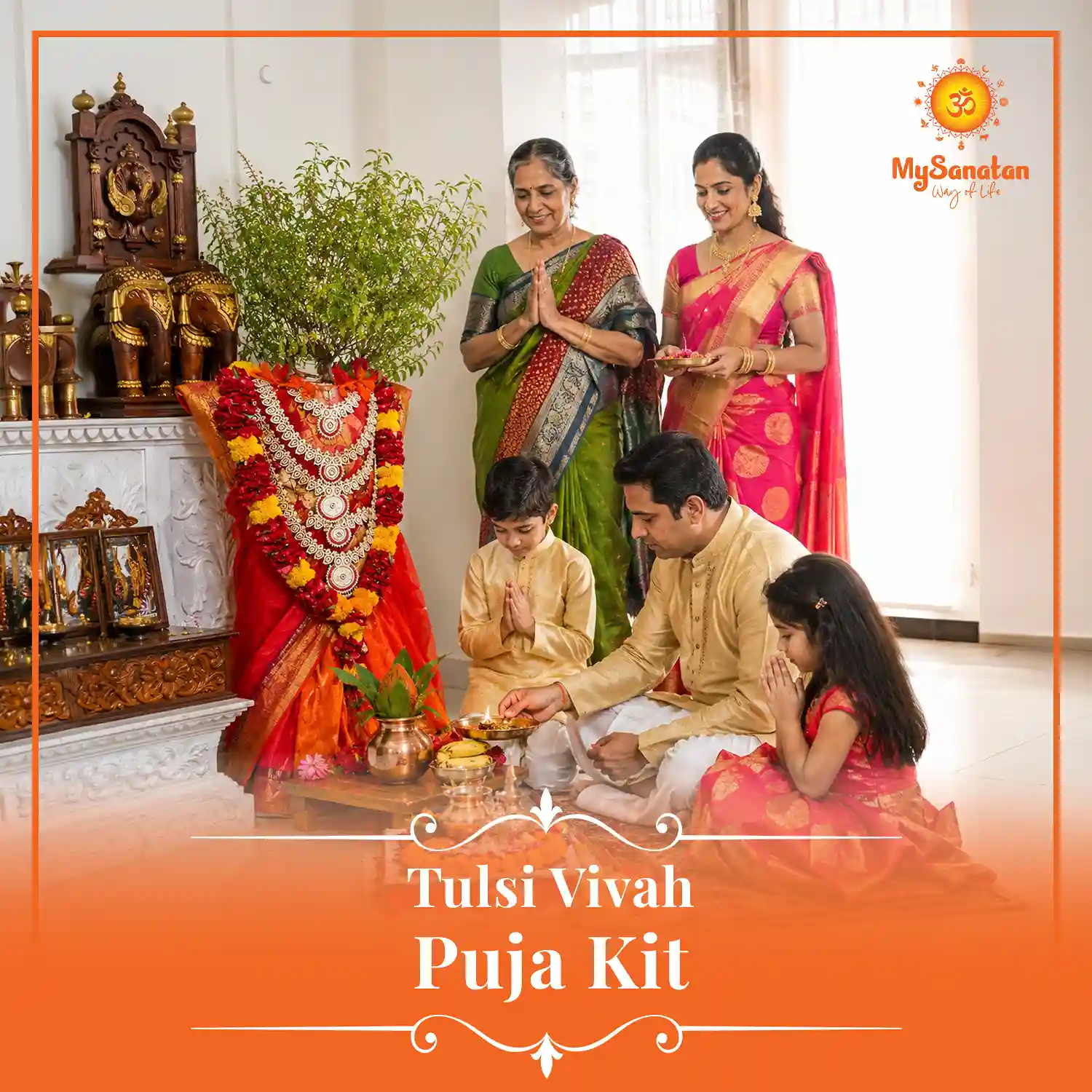
  • Tulsi Vivah Puja is performed to seek the divine blessings of Lord Vishnu and Goddess Tulsi for prosperity, marital harmony, and spiritual well-being. It removes obstacles and negative energies, brings peace and happiness to the family, and blesses devotees with success, abundance, and overall well-being in life.

  • Tulsi Vivah marks the grand ceremonial marriage of Goddess Tulsi to Lord Vishnu (in the form of the Shaligram stone). According to the sacred lore, Lord Vishnu promised the deeply devoted Vrinda that in her next life, she would be born as the sacred Tulsi plant and he would marry her. Performing this divine wedding in the household cleanses devotees of their past sins. Furthermore, Hindu scriptures state that childless couples who perform this ceremony earn the supreme, lifetime merit of Kanyadaan (giving a daughter in marriage).

  • Tulsi Vivah is traditionally performed on the highly auspicious Ekadashi of the bright half of the Kartik month.
  • The ritual takes place in the evening at the home altar, beginning by awakening Lord Vishnu from his Chaturmas yogic sleep (Yog-Nidra) using the ringing of bells and conch shells.

  • Step 1 - Mandap Setup & Awakening: Purify the courtyard with Ganga Jal. Build a beautiful mandap over the Tulsi plant using sugarcane. Awaken Lord Vishnu by chanting "Uttishthottishtha Govinda" and place the Shaligram gently inside the Tulsi pot.
  • Step 2 - Gandha, Pushpa & Shringar (Adornment): Dress Goddess Tulsi using the Red Churni, apply the sacred pastes (Chandan, Turmeric, Kumkum), and lovingly offer the complete bridal Shringar (Saubhagya Dravya)—including the Bangles, Nath, Kajal, Bindi, and Alta.
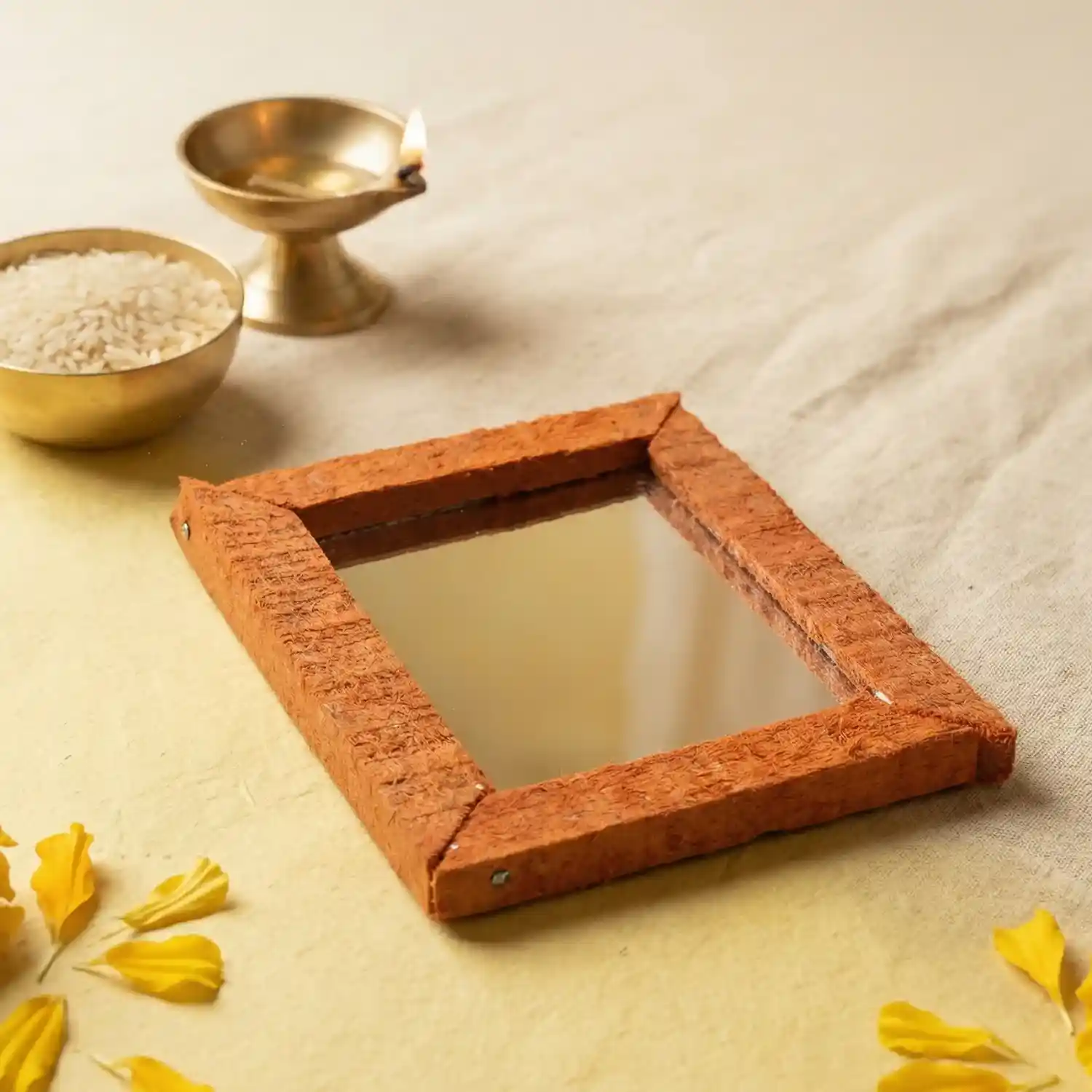
  • Step 3 - Dhupa & Deepa (Incense and Illumination): Light the Agarbatti, Guggal, and the brass lamps using the Cotton Wicks and Cow Ghee. Show the divine bride her reflection in the Wooden Darpan (Mirror).
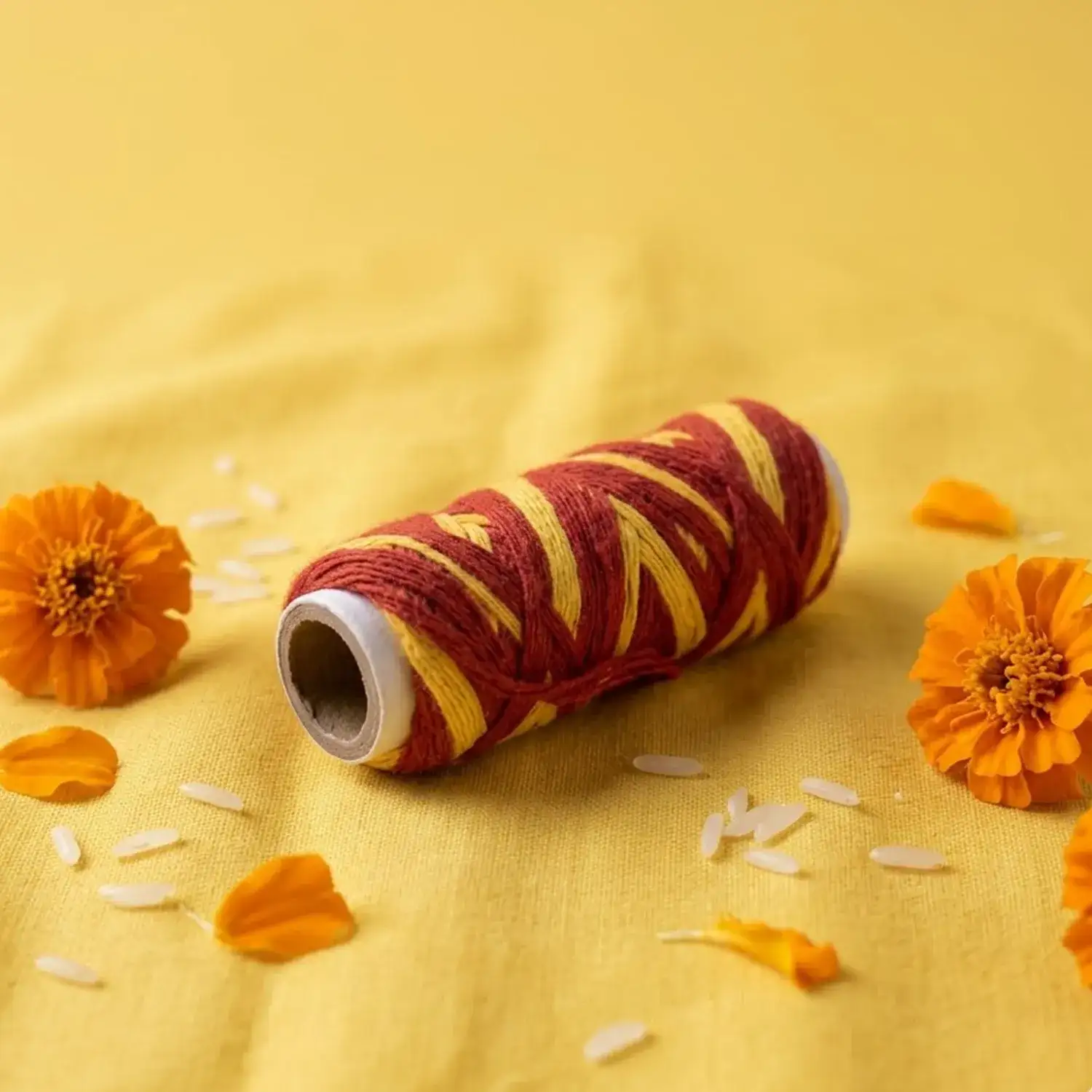
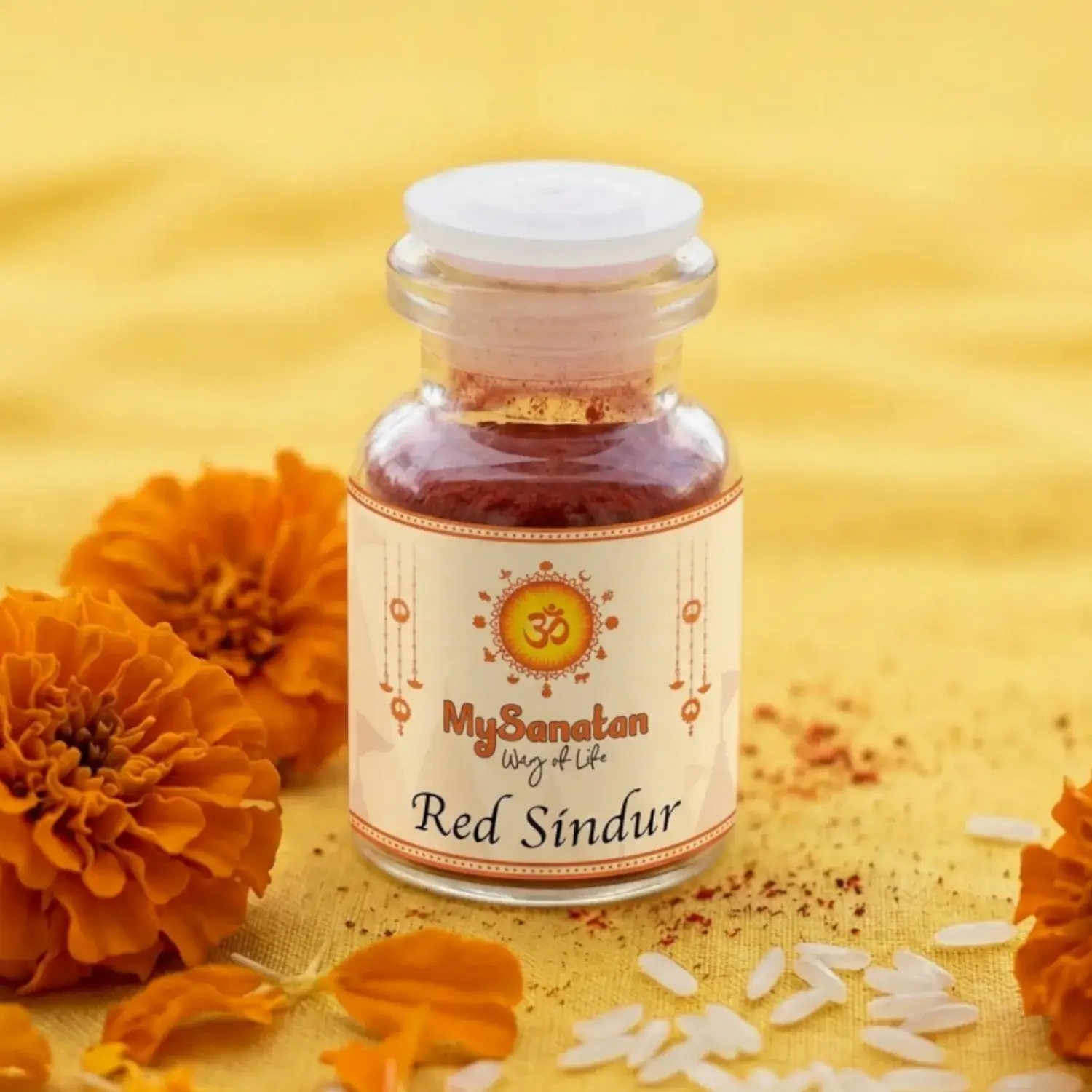
  • Step 4 - The Wedding (Kanyadaan & Mangalashtakam): Tie the sacred knot between the Tulsi plant and Shaligram using the Raksha Sutra or Janeu. Offer the Red Sindur and chant the Mangalashtakam to invoke immense blessings.
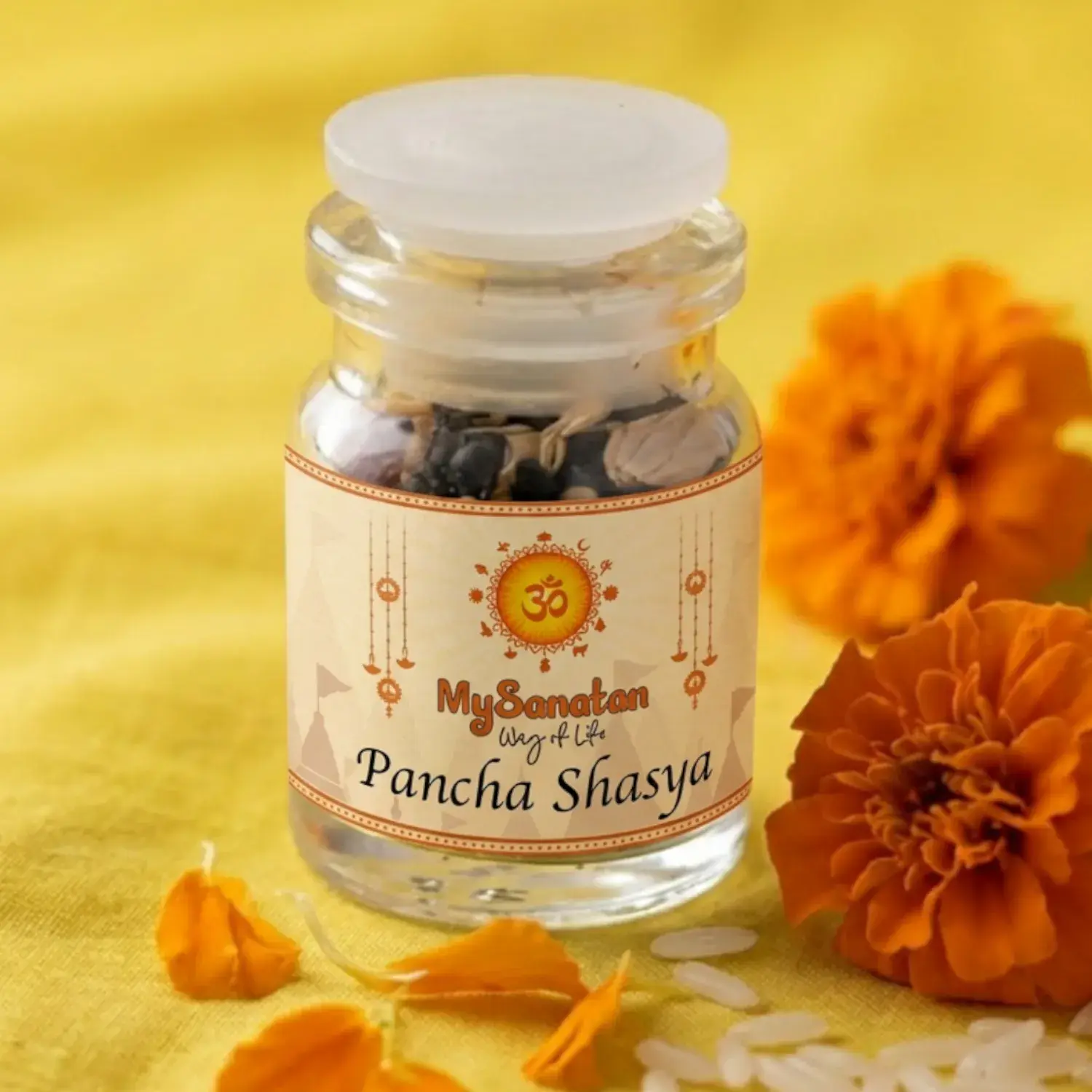
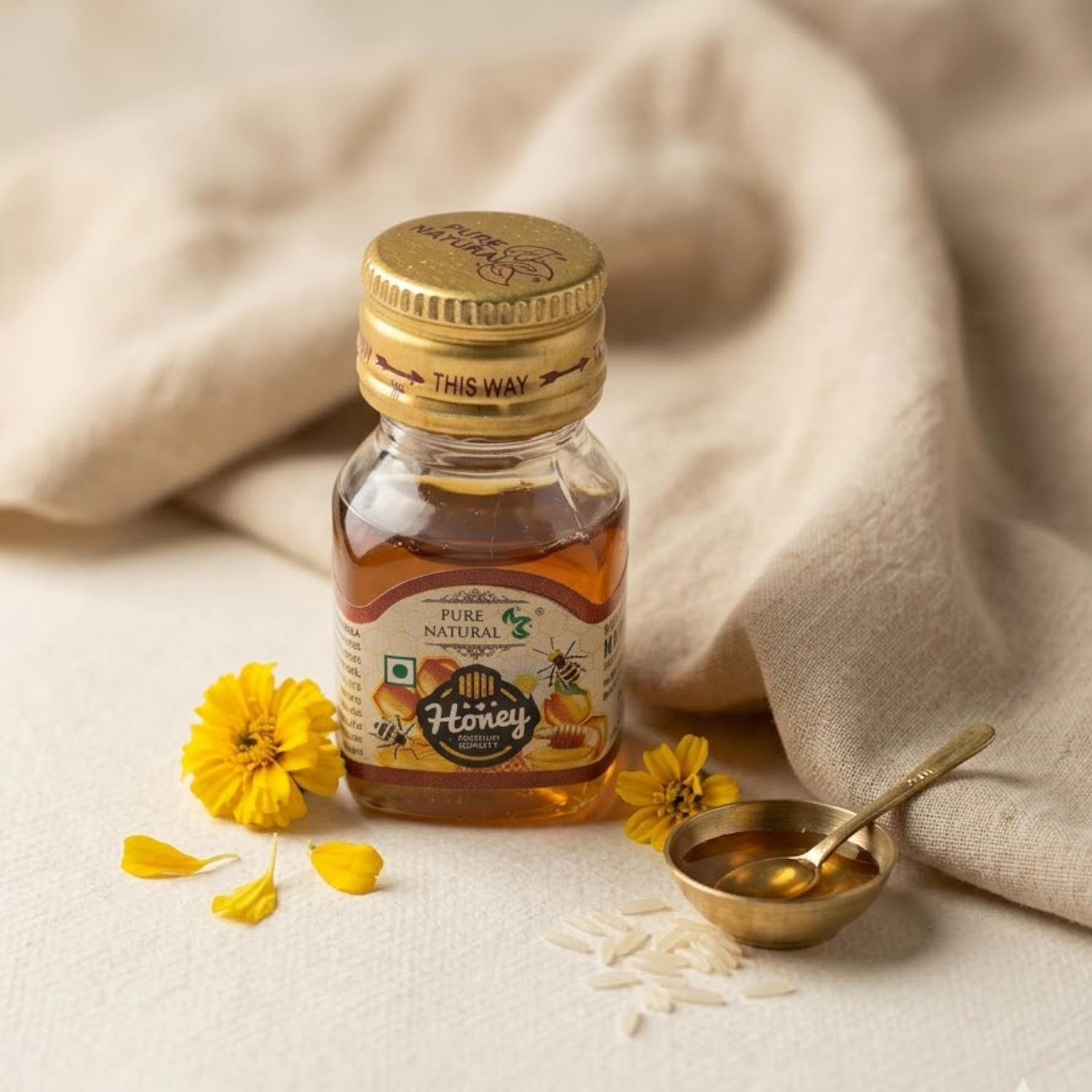
  • Step 5 - Naivedya & Aarti: Offer the Pancha Sashya (Sacred Grains), sweet treats, and the Honey. Conclude the wedding ceremony with a bright Camphor Aarti while singing the Tulsi Mata Ki Aarti.

  • Step 1 to 5 (The Welcoming): Seat (Asan), Welcome (Swagat), washing feet (Padya), sacred offering (Arghya), and water for sipping (Achamaniya).
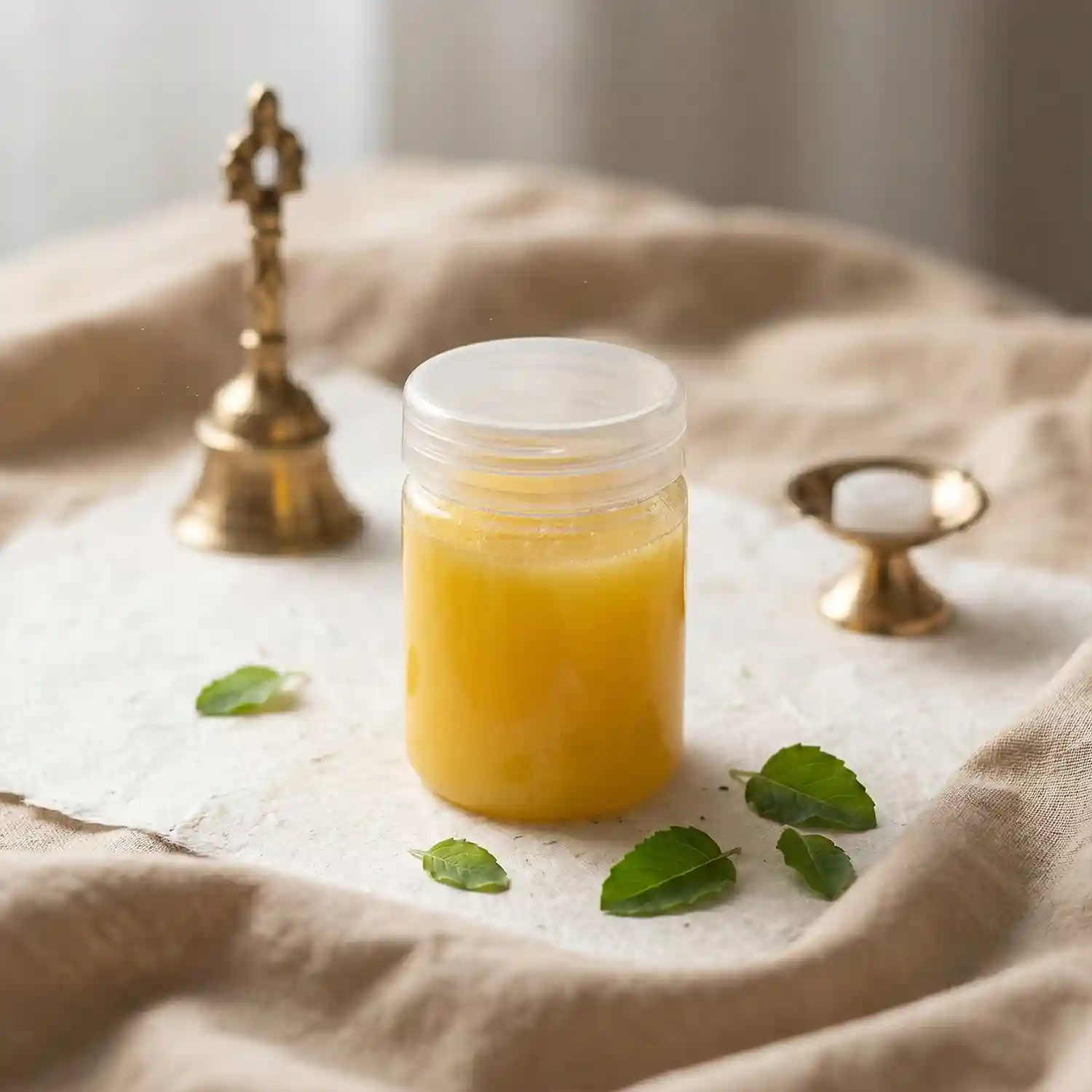
  • Step 6 (Madhuparka): Offering a highly auspicious Vedic sweet mixture utilizing the Pure Honey to honor the supreme groom.
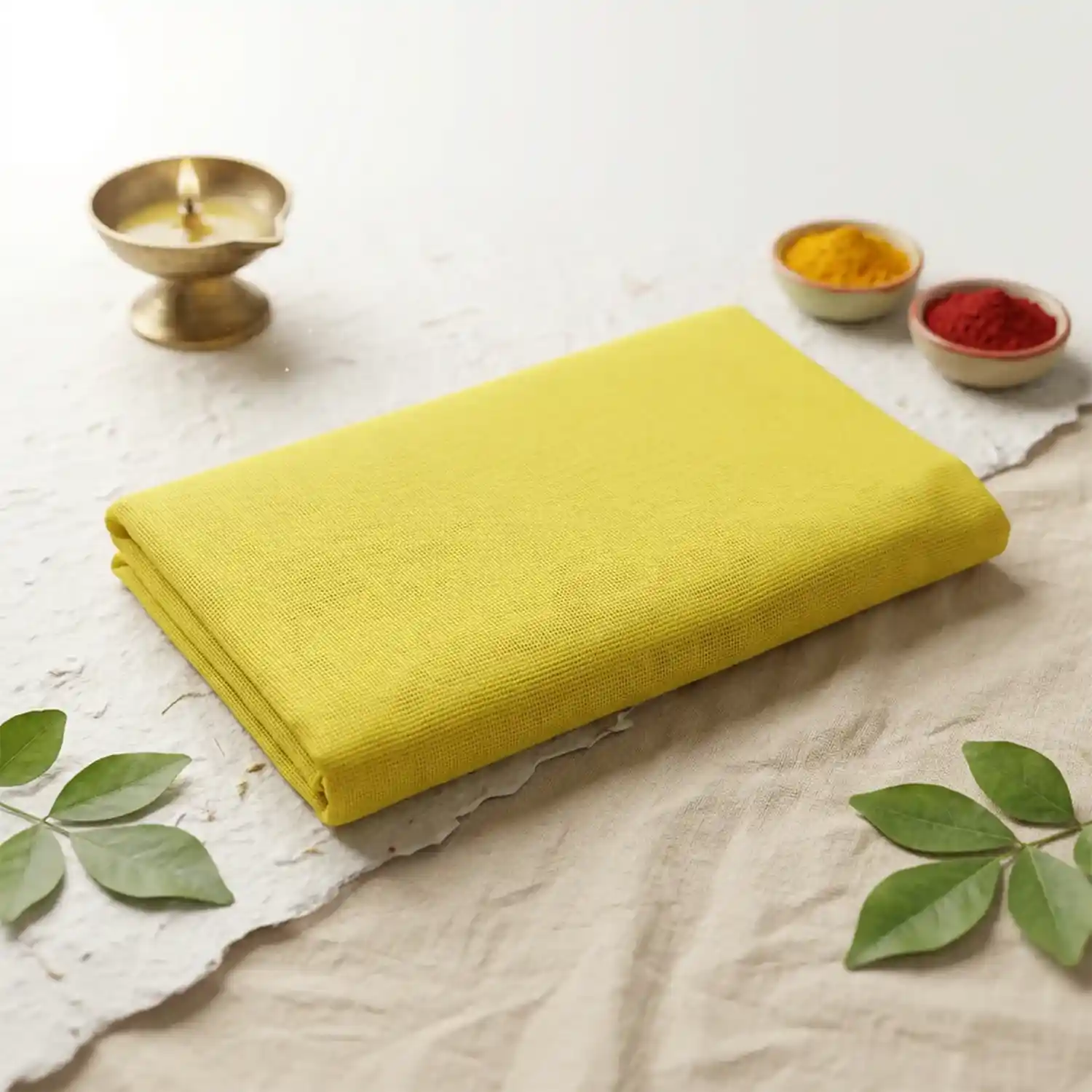
  • Step 7 & 8 (Bathing & Garments): Bathing the deities (Snaniya) and draping them (Basan) using the Yellow Puja Cloth and Red Churni.
  • Step 9 (Abharan/Ornaments): The elaborate adornment of Goddess Tulsi using the complete Shringar kit (Necklace, Bangles, Waistband, Nath) and the Janeu for Lord Vishnu.
  • Step 10 to 13 (Fragrance to Light): Applying Chandan, Kumkum, and Attar (Gandha), offering flowers (Pushpa), lighting the Agarbatti (Dhupa), and illuminating the altar with Cow Ghee (Deepa).
  • Step 14 (Naivedya & Homa): Presenting the festive foods alongside the Sacred Grains. The priest then establishes the sacred fire (Agni Sthapan) for the home Havan using the Cow Ghee.
  • The Vivah Rites: The Pandit guides the family through the formal Tulsi Kanyadaan (giving away the bride) and recites the Mangalashtakam.
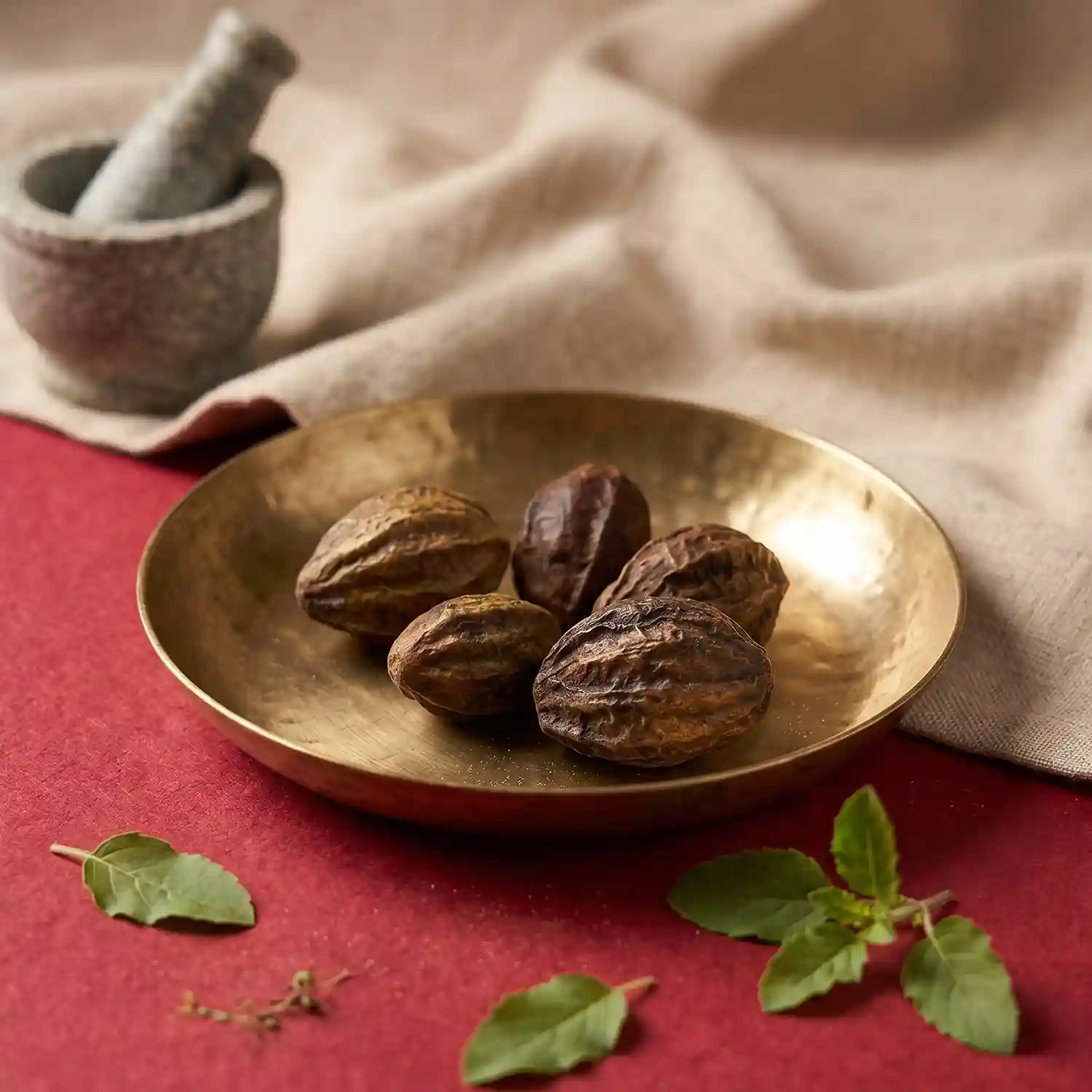
  • Step 15 & 16 (The Complete Tambula): After a second sip of water (Punarachamaniya), the classical rules dictate there is no 16-step puja where Tambula is not mandatory. The Pandit concludes the wedding by presenting the mathematically perfect Supari, Clove, Cardamom, and Haritaki to sweeten the deities' mouths.

  • The Merit of Kanyadaan: According to the scriptures, individuals (especially those without daughters) who perform the Tulsi Vivah earn the exact same massive spiritual merit as performing a real Kanyadaan.
  • Auspicious Blessings: The regular worship of Tulsi and hosting her wedding to Lord Vishnu removes past sins, increases religious merit, and grants all desired wishes (Mano Vanchit Phal).

  • The MySanatan Tulsi Vivah Kit is a magnificent, all-inclusive package designed to celebrate the most divine wedding of the year! To ensure your home altar meets the strict classical standards of a royal Vivah Sanskar (Marriage Sacrament), we have provided an exhaustive collection of bridal adornments (Shringar), the traditional Pure Honey required for the 6th-step Madhuparka offering, and the exact auspicious spices (Supari, Haritaki, Clove, Cardamom) mandated by classical manuals for a complete, royal Tambula offering!
Standard Package
Package Total: ₹674.00
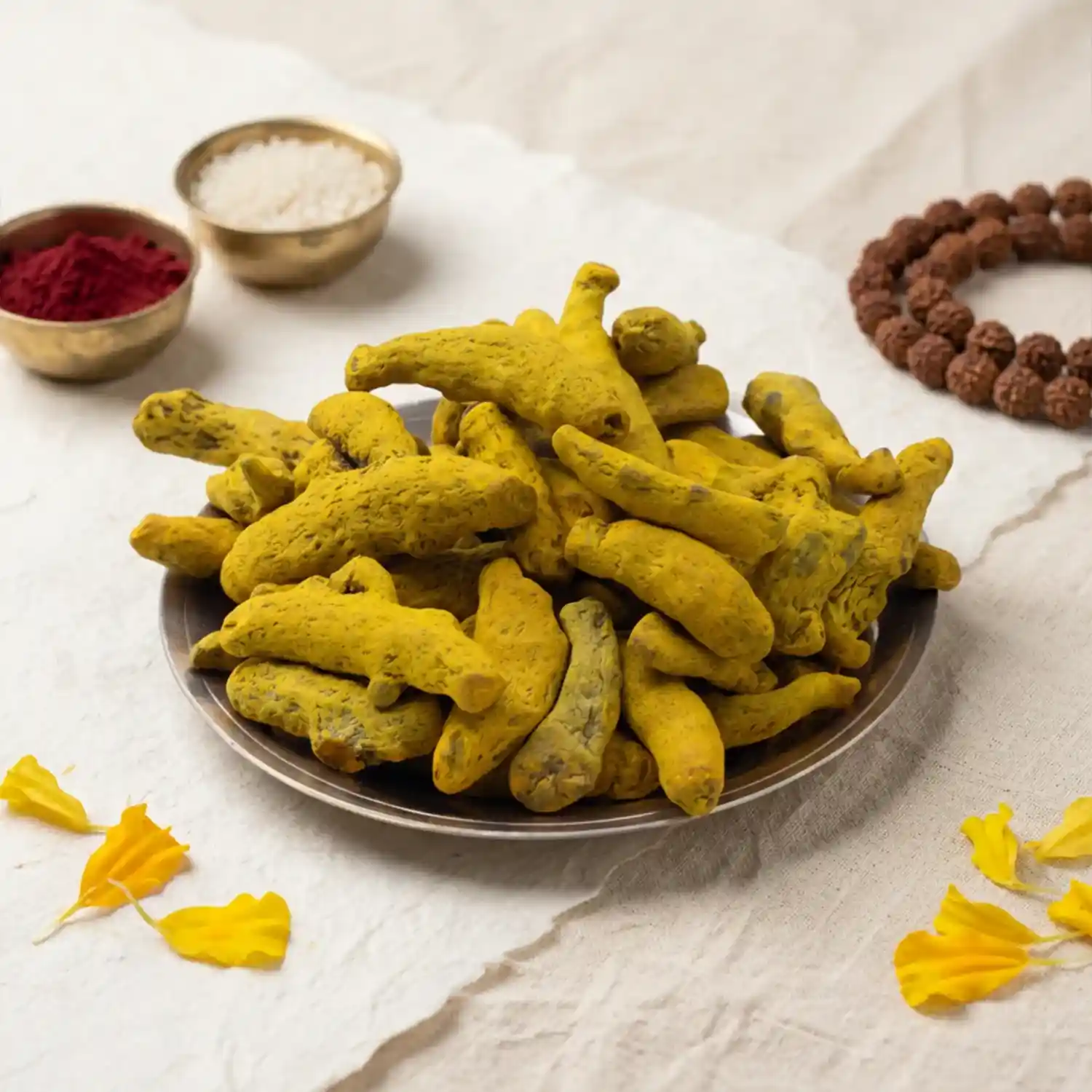
Turmeric Powder | Haldi | Holud
25 Gram
1
30.00
Akshat Rice | Chawal | Chal
20 Gram
1
25.00
Turmeric Root | Haldi Ganth | Gota Holud
25 Gram
1
39.00
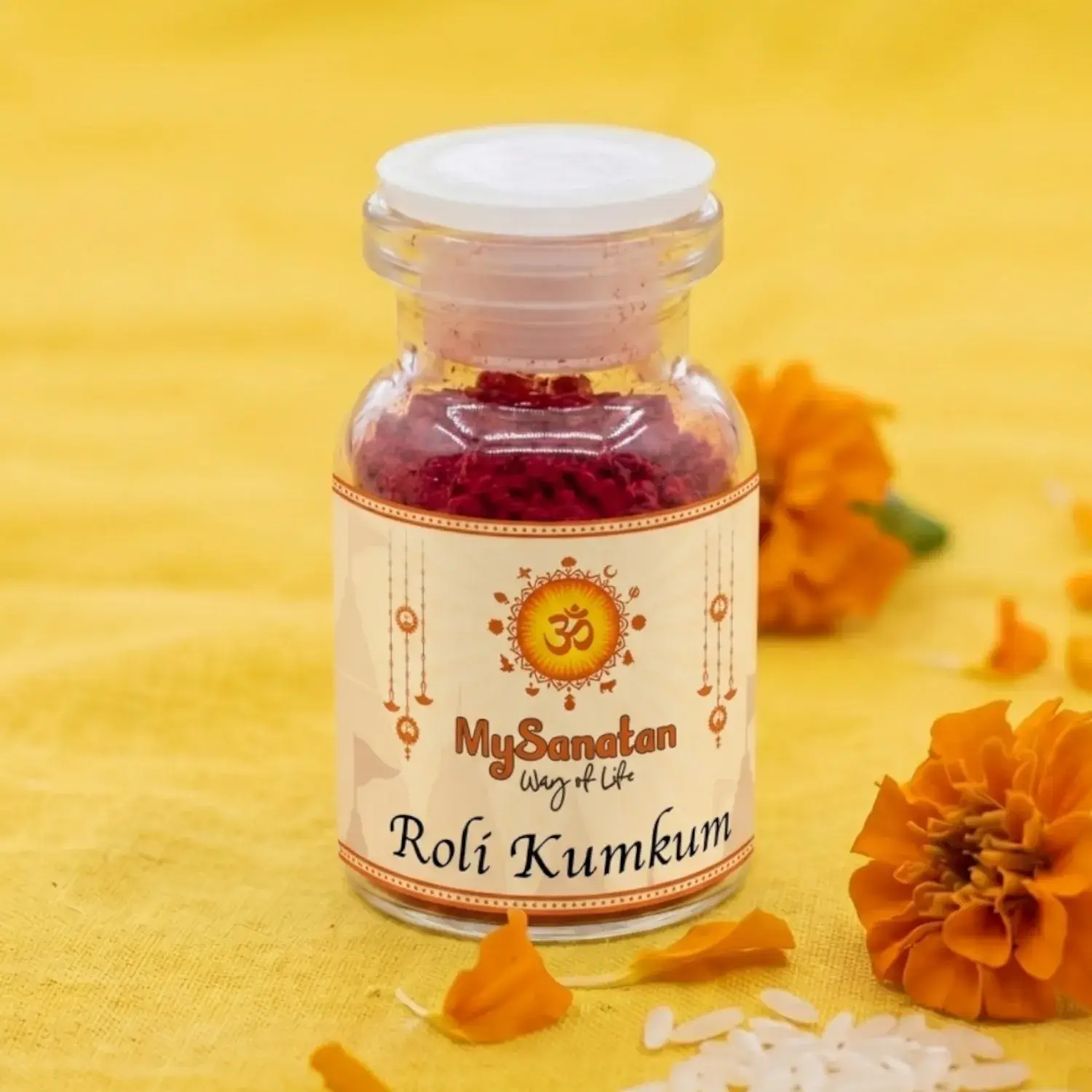
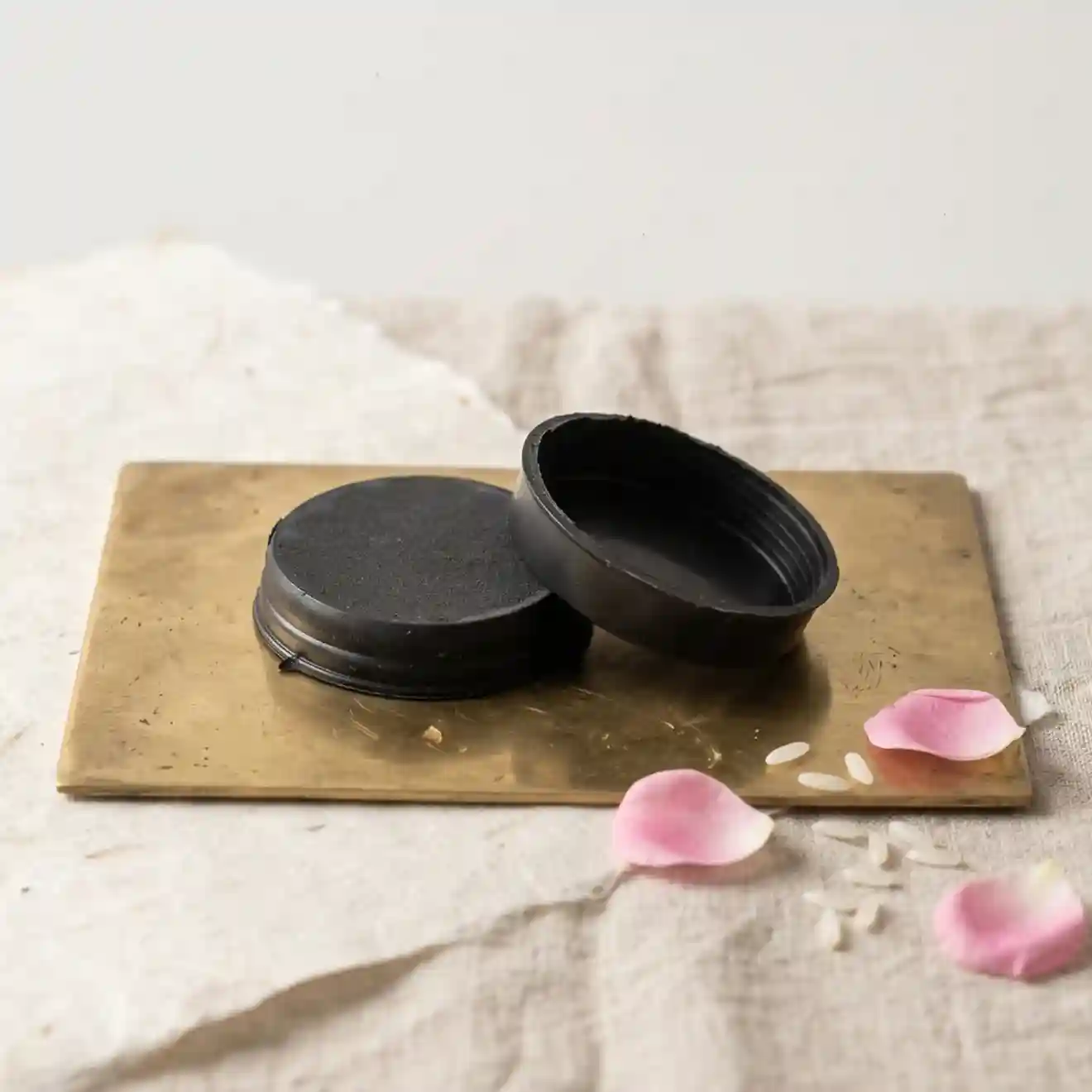
Red Roli Kumkum for Puja and Tilak
5 Gram
1
10.00
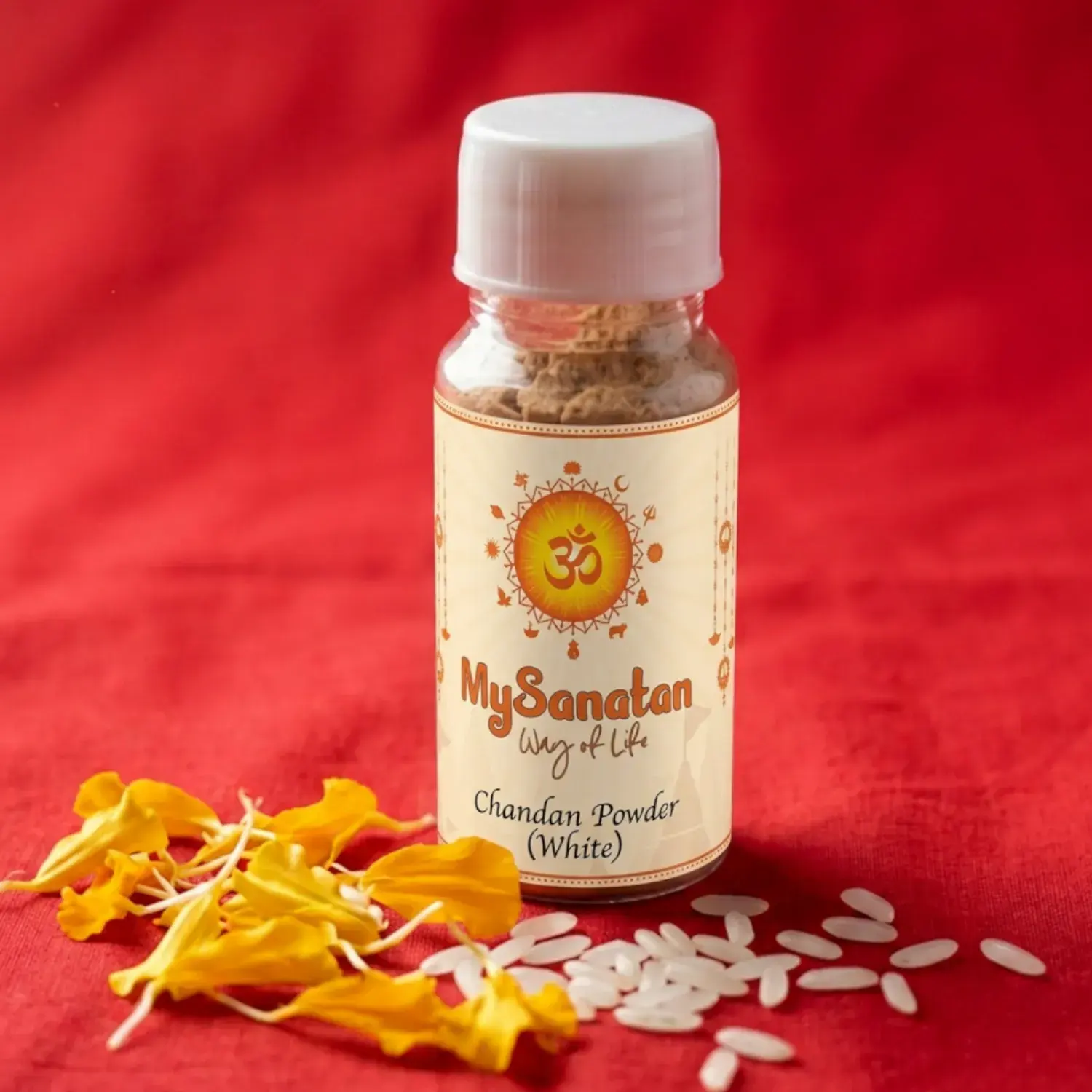
White Chandan Powder | Safed Chandan Tika | White Sandalwood Tika
10 Gram
1
29.00
Natural & Pure Camphor | Pure Kapoor | Karpura | Kapur (Small Pack)
10 Gram
1
15.00
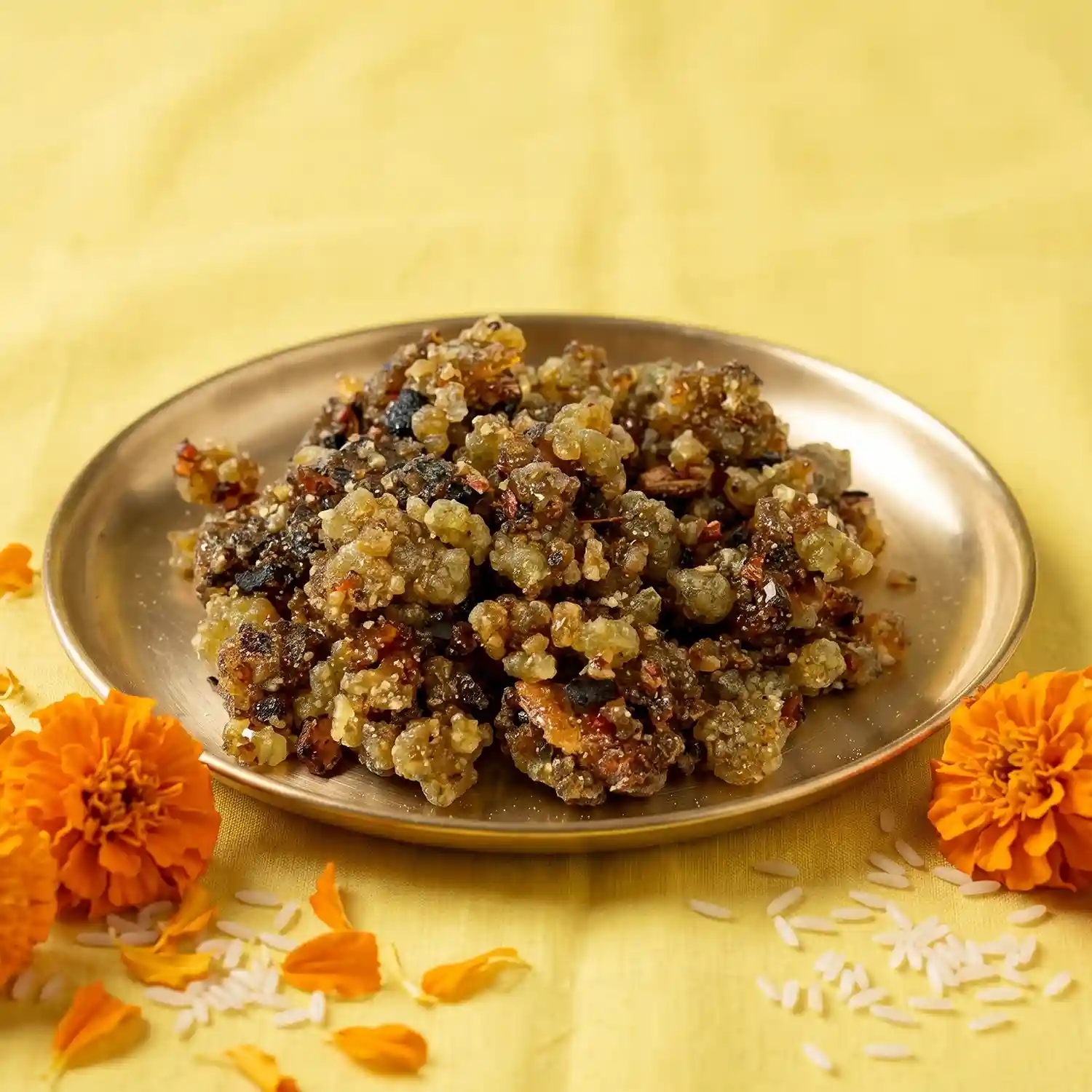
Guggal | Natural Guggul | Indian Bdellium (Small Pack)
20 Gram
1
15.00
White Cotton Janeu Thread | Sacred Thread | Paita
1 Piece
1
20.00
Ganga Jal | 100% Pure & Authentic | Small Pack
100 ML
1
25.00
Raksha Sutra | Red & Yellow Moli Kalawa| Raksha Dhaga
1 Piece
1
35.00
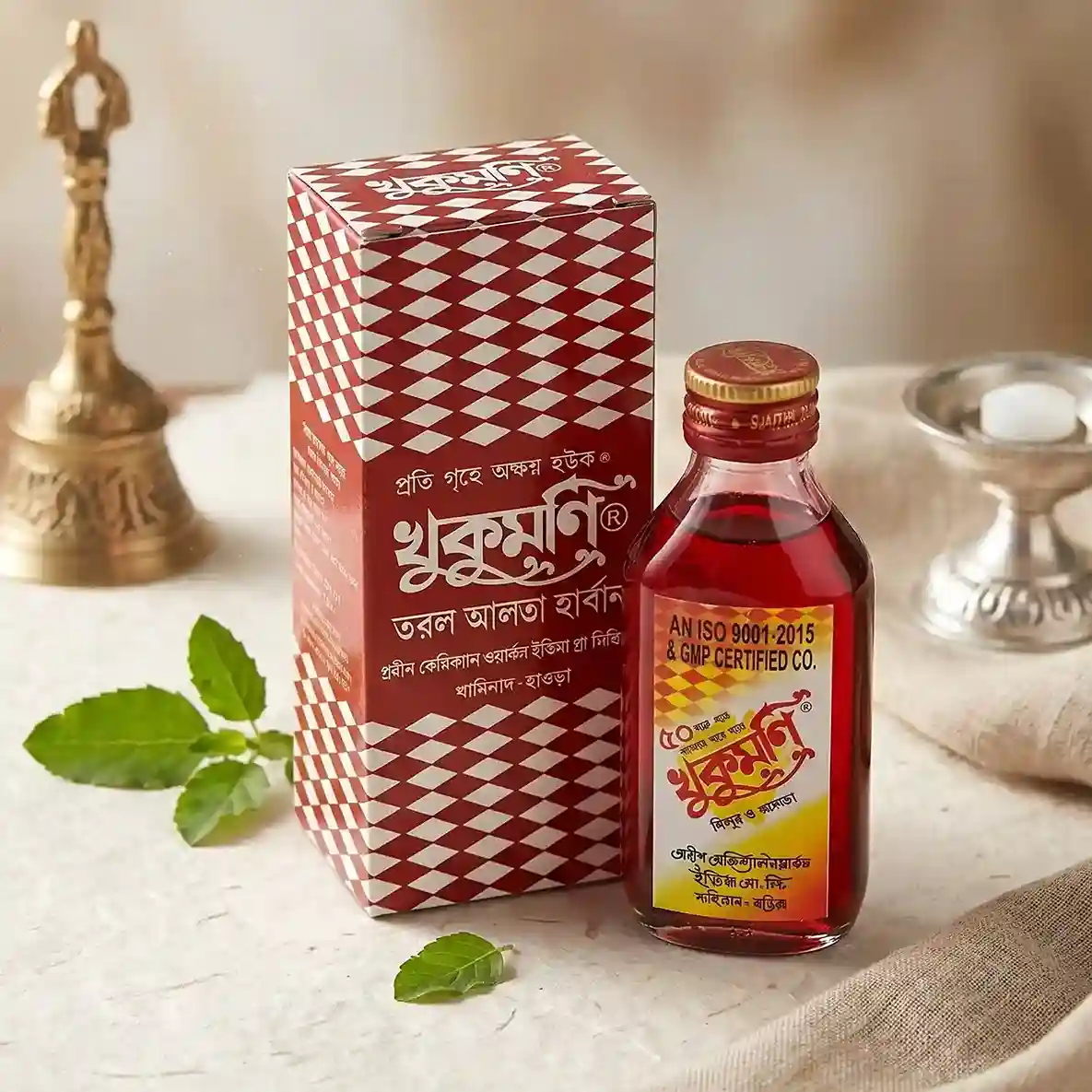
Khukumoni Alta
50 ML
1
60.00
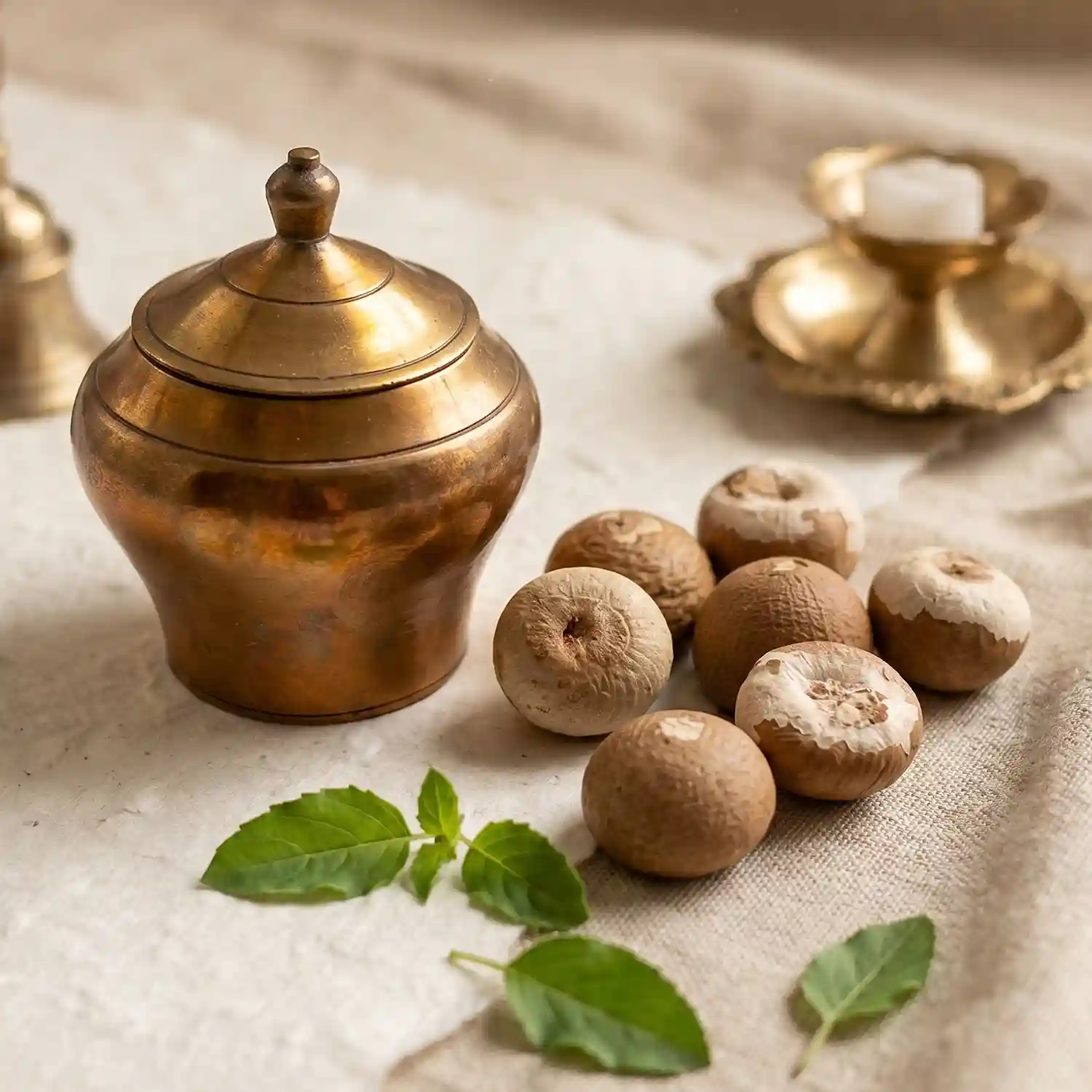
Supadi | Whole Betel Nut
7 Piece
1
15.00
Long Cotton Wicks
1 Pack
1
20.00
Round Cotton Wicks | Phool Batti
1 Pack
1
20.00
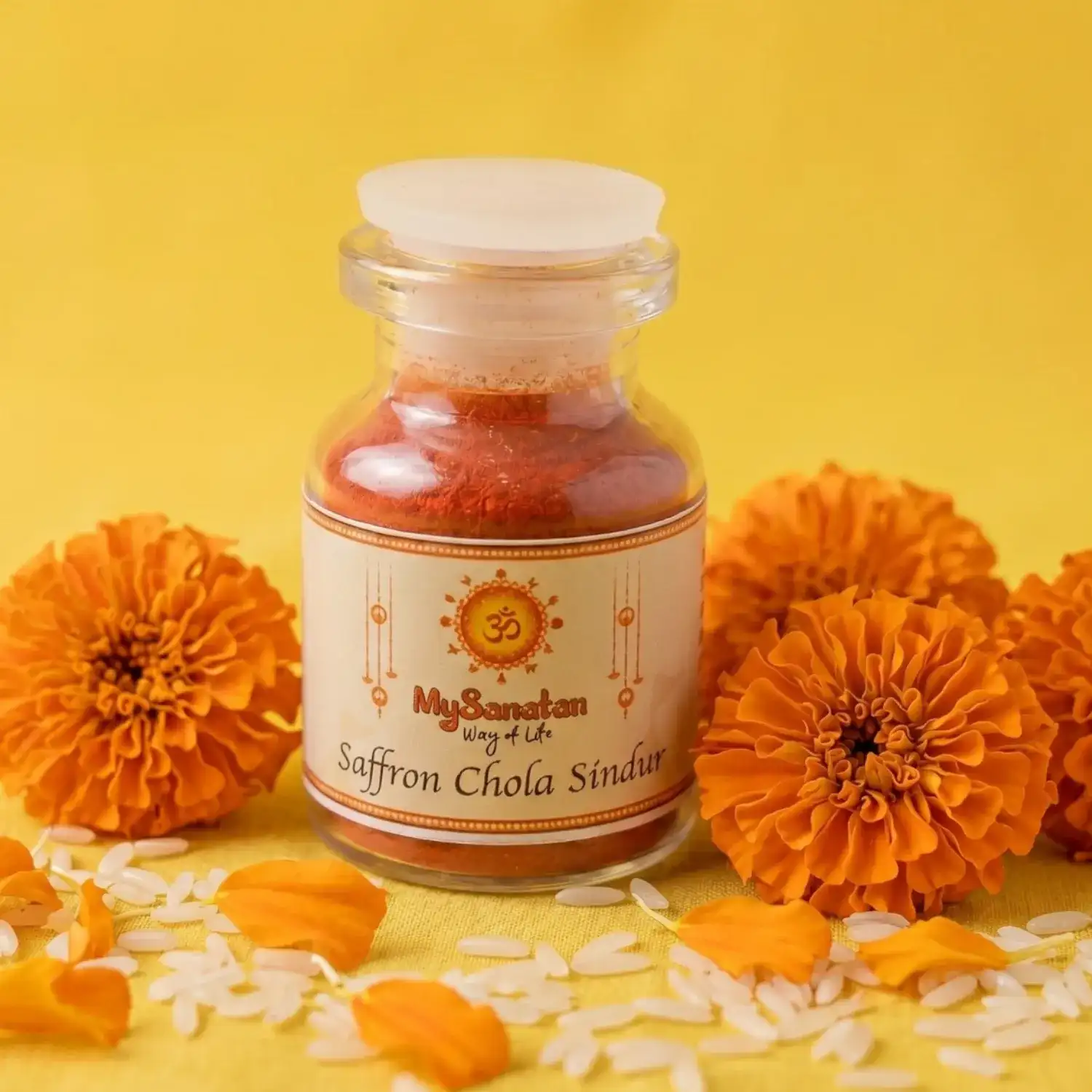
Saffron Chola Sindur | Hanuman Ji Chola
5 Gram
1
15.00
Honey for Puja | Pure Sahad | Madhu
25 Gram
1
35.00
Clove | Laung | Lobongo Small Pack
5 Gram
1
15.00
Green Cardamom | Hari Elaichi | Choto Elach | Small Pack
3 Gram
1
29.00
Wooden Frame Darpan | Sacred Ritual Mirror
1 Piece
1
30.00
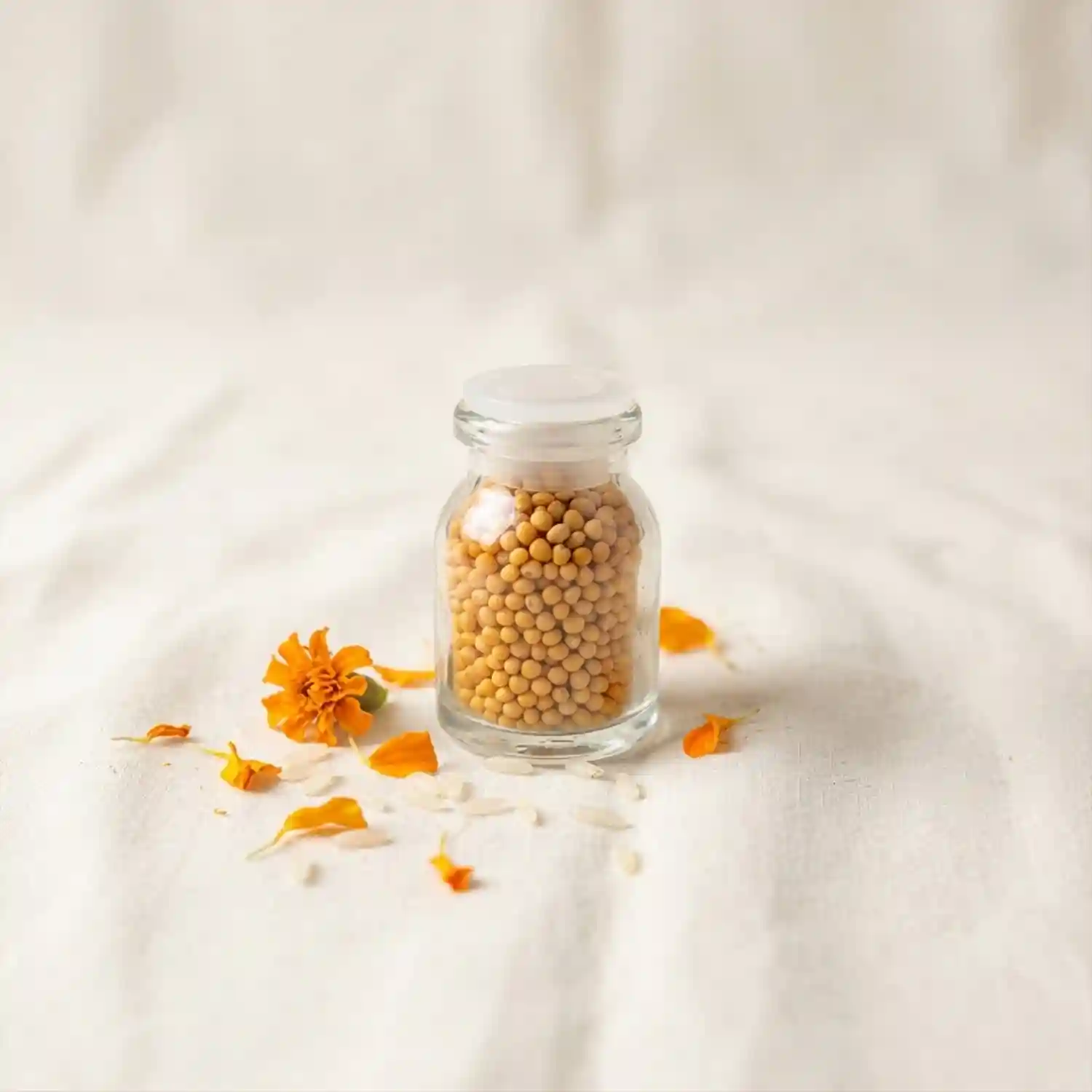
Yellow Mustard Seeds | Peeli Sarson | Small Pack
7 Gram
1
10.00
Yellow Puja Cloth | Holud Shalu Kapor
1 Piece
1
22.00
Kajal For Shringar
1 Piece
1
10.00
Red Sindur For Puja | Sacred Vermilion
5 Gram
1
10.00
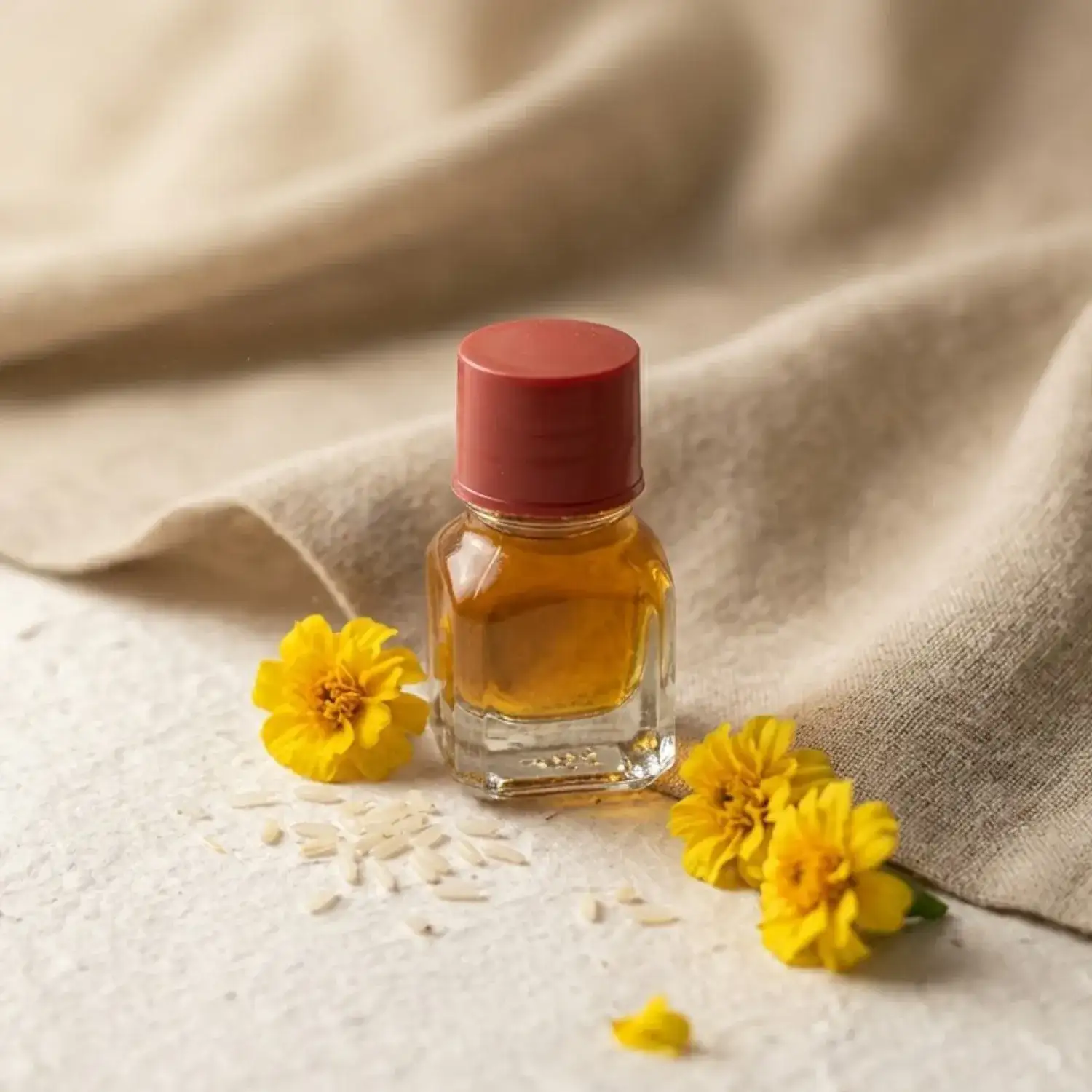
Attar | Puja Itra | Ittar Rose Fragrance
2 ML
1
20.00
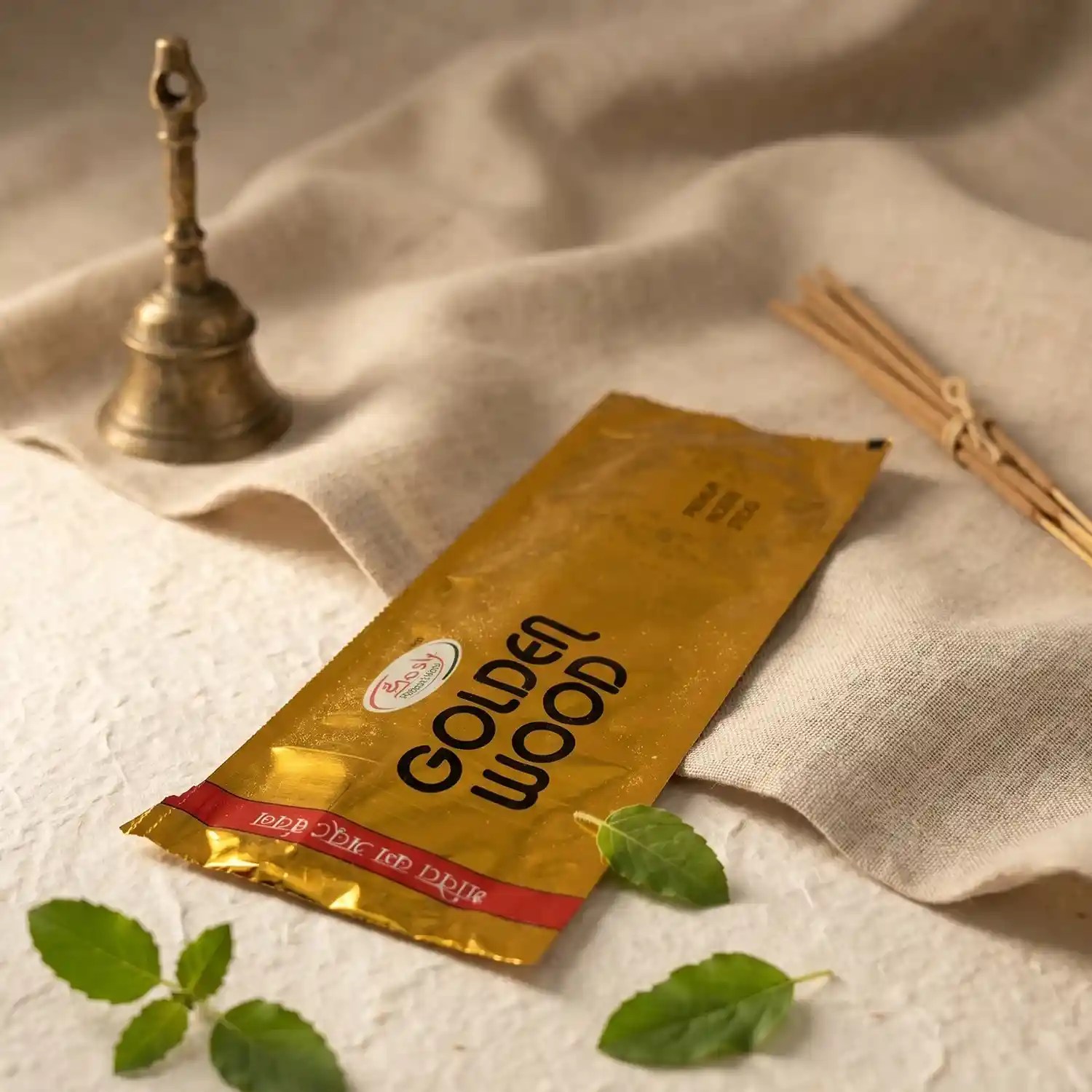
Agarbatti | Premium Incense Sticks | Dhup Kathi (Small Pack)
20 Gram
1
13.00
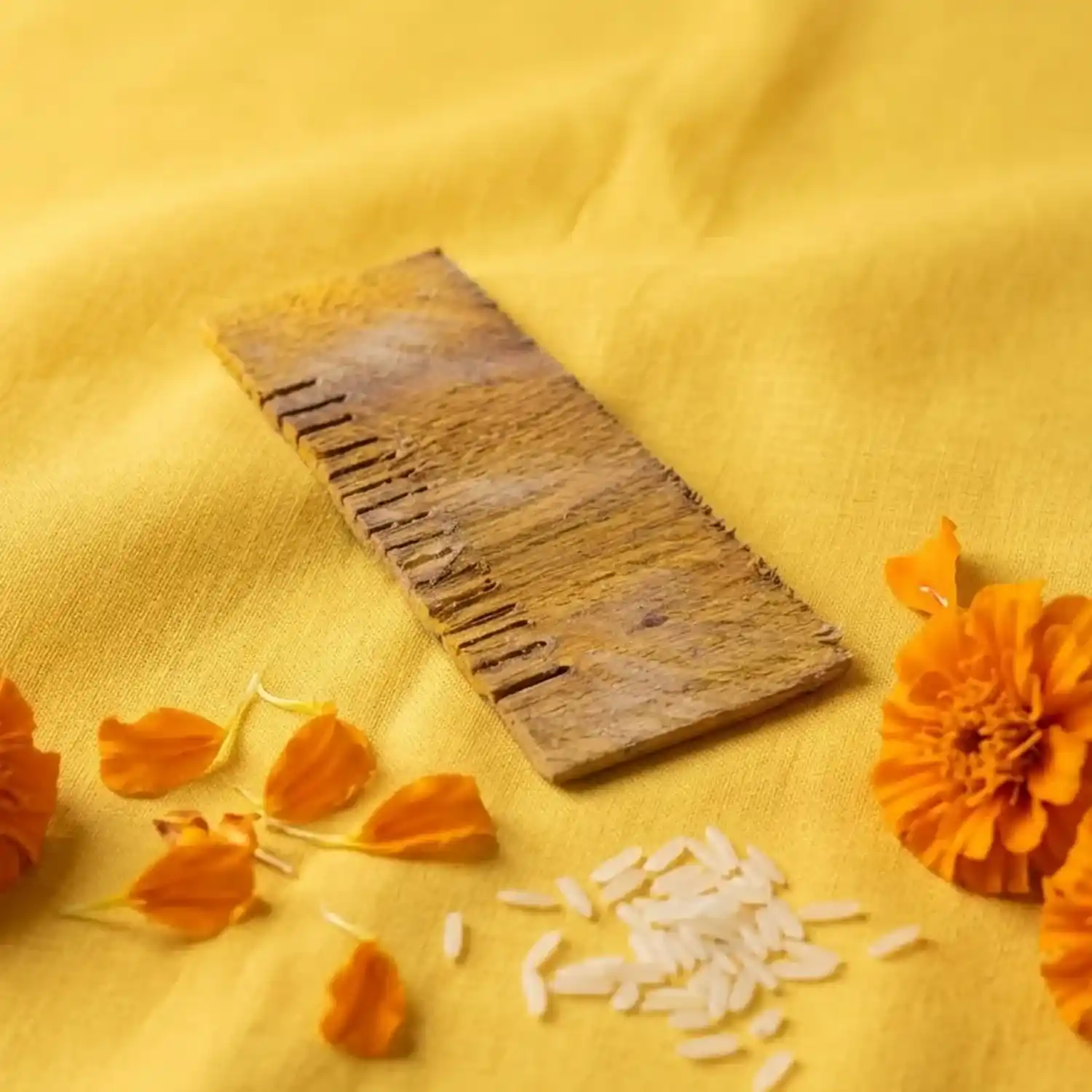
Comb for Puja | Shringar Kanghi
1 Piece
1
15.00
Yellow Janeu Thread | Holud Paita | Yellow Sacred Thread
1 Piece
1
15.00
Ashtagandha Chandan Tika | Ashtagandha Powder | Small Pack
30 Gram
1
35.00
Cow Ghee For Puja and Havan | Small Pack
50 Gram
1
25.00
Pancha Sashya | Five Sacred Grains
8 Gram
1
1.00
Haritaki | Harad Fruit | Small Pack
5 Piece
1
16.00


Do you need a custom package or you already have a list?

Frequently Asked Questions
  • Q1: What is the story behind the Tulsi Vivah? 
  • For Devotees: The scriptures state that Lord Vishnu made a divine promise to the devoted Vrinda that she would be reborn as the sacred Tulsi plant, and he would take the form of the Shaligram stone to marry her! Because of this, their grand wedding is celebrated annually.
  • Q2: When exactly is Tulsi Vivah celebrated? 
  • For Everyone: The festival takes place during the sacred month of Kartik, specifically on the Ekadashi day.
  • Q3: Why does this kit contain so many makeup and adornment (Shringar) items? 
  • For Tradition Seekers: Because this is a divine wedding! The Tulsi Vivah Vidhi mandates that Goddess Tulsi must be offered a beautiful red Churni and complete Saubhagya Dravya (bridal adornments). Items like the Nath, Bangles, Kajal, Bindi, and Alta are used to lovingly adorn her as a beautiful bride before she is wed to Lord Vishnu.
  • Q4: What is the significance of "Kanyadaan" mentioned in the benefits? 
  • For Families: Kanyadaan (the giving away of a daughter) is considered one of the highest spiritual acts in Hinduism. The texts state that any couple who performs the Tulsi Vivah earns the exact same immense spiritual merit as giving a real daughter in marriage!
  • Q5: The kit highlights Betel Nut, Haritaki, Clove, and Cardamom for 'Tambula'. Are all of these necessary? 
  • For Home Ritualists & Pandits: Yes, they make your home altar scripturally invincible! If a Pandit performs the formal 16-step (Shodashopachar) worship during the wedding, classical manuals like the Purohit Darpan dictate that there is no 16-step puja where Tambula is not mandatory. As the exact 16th offering, it specifically requires these spices.
  • Q6: What is the significance of the Honey in this kit? 
  • For Dedicated Devotees: Honey is essential for Madhuparka. According to classical Vedic hospitality, when a supreme deity (or a royal groom like Lord Vishnu) arrives at your home, they must be offered a sacred sweet mixture utilizing honey as the 6th step to honor their presence.
  • Q7: Can ordinary householders perform the 5-step puja themselves without a priest? 
  • For Families: Absolutely! Classical manuals explicitly state that daily worship and spiritual rituals are meant for the development of everyone. Families are fully encouraged to set up the sugarcane mandap, awaken Lord Vishnu, and perform this joyful wedding ceremony themselves!