




.webp)
_15_11zon.webp)




Frequently Asked Questions
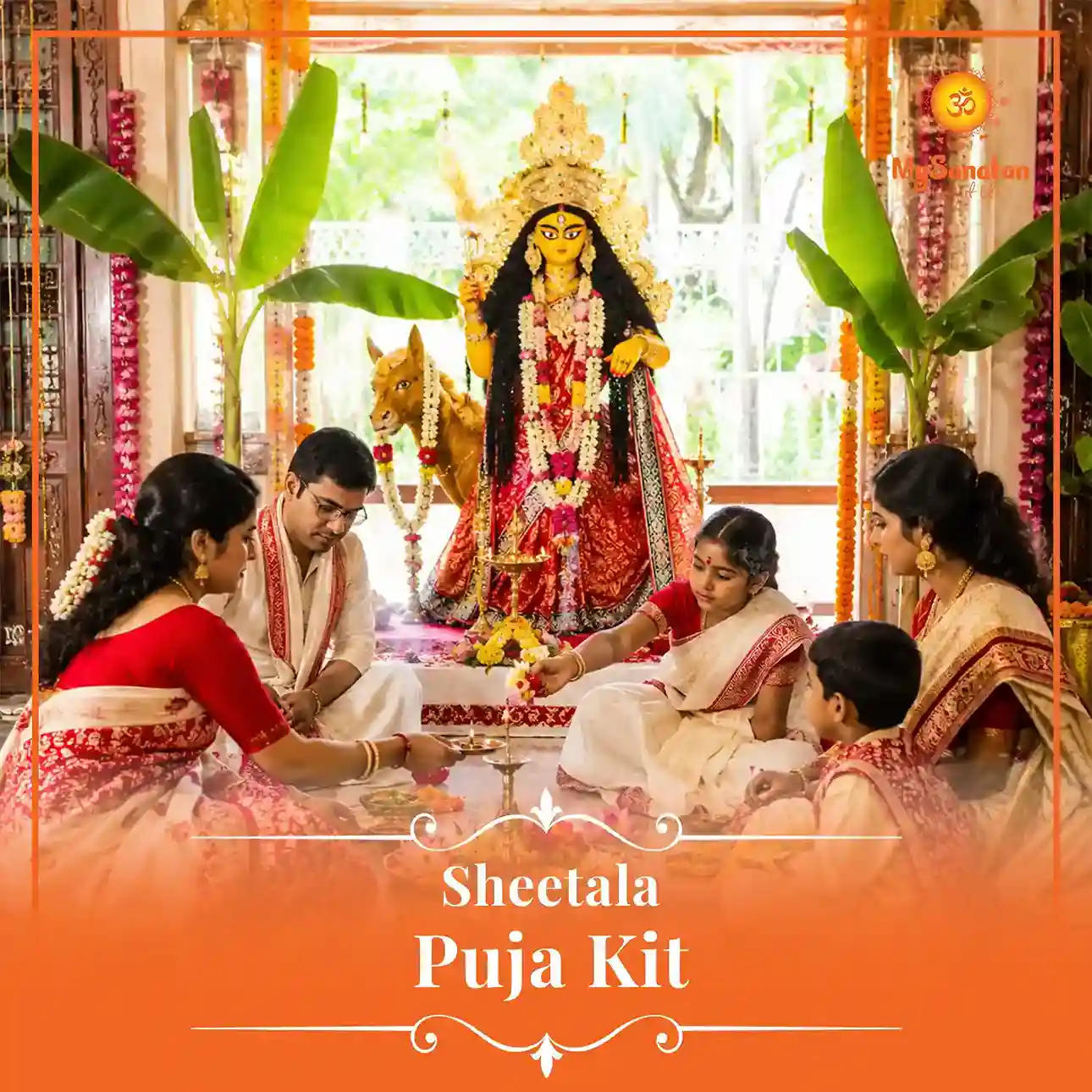
Q1: Who is Goddess Sheetala?
For Devotees: Goddess Sheetala (meaning "the cooling one") is the supreme divine mother of healing. She is widely worshipped across India as the protector of children and the ultimate curer of diseases, fevers, and seasonal illnesses!
Q2: Why are Gau Mutra, Dhuna, and Guggal included in this kit?
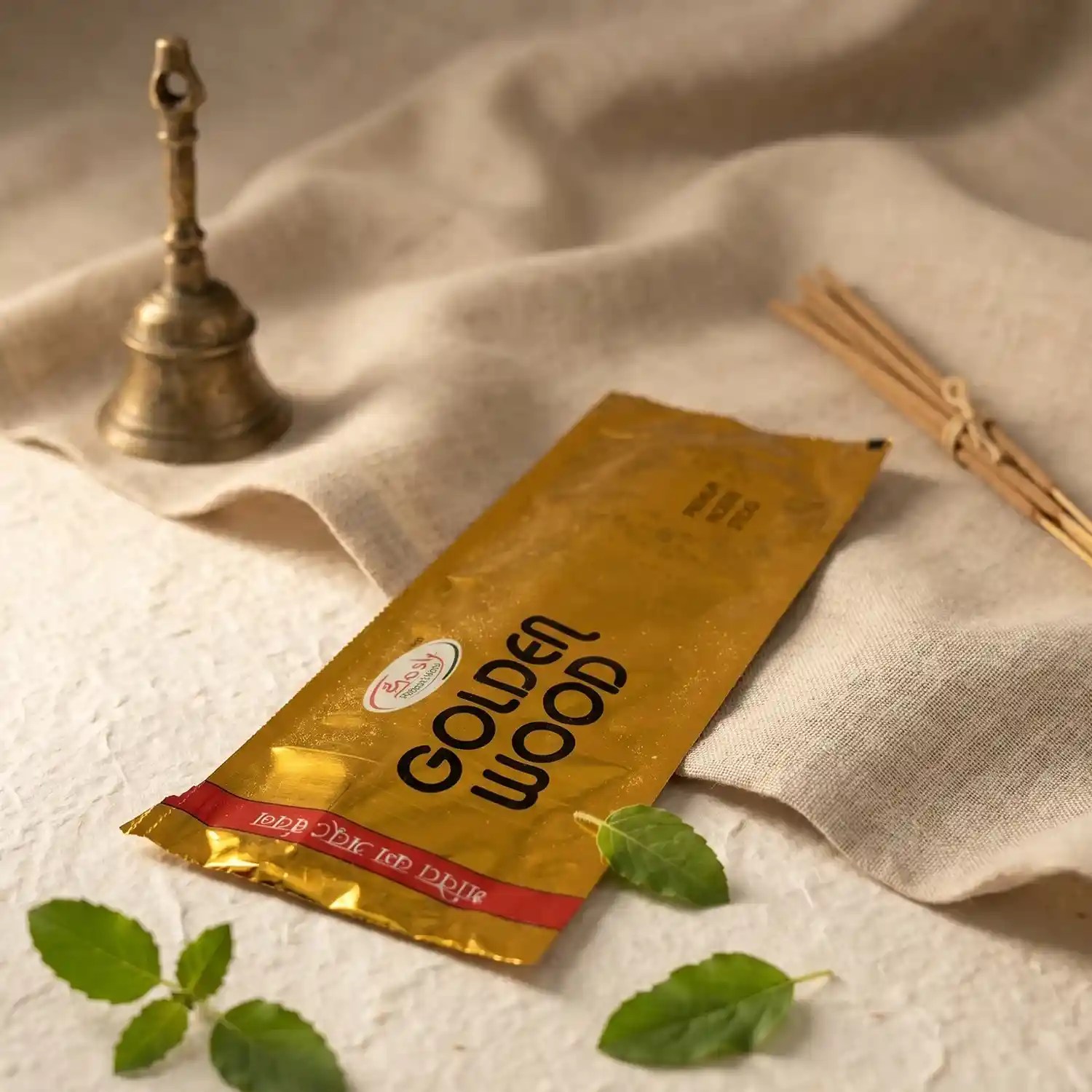
For Tradition Seekers: Because Shitala Puja is focused on health and eradicating disease, environmental purification is key! Gau Mutra (Cow Urine) is highly revered in Vedic texts as a supreme purifier for the altar. Burning Dhuna (Loban) and Guggal creates a thick, fragrant smoke that acts as a traditional fumigant to clear the air of negativity and impurities.
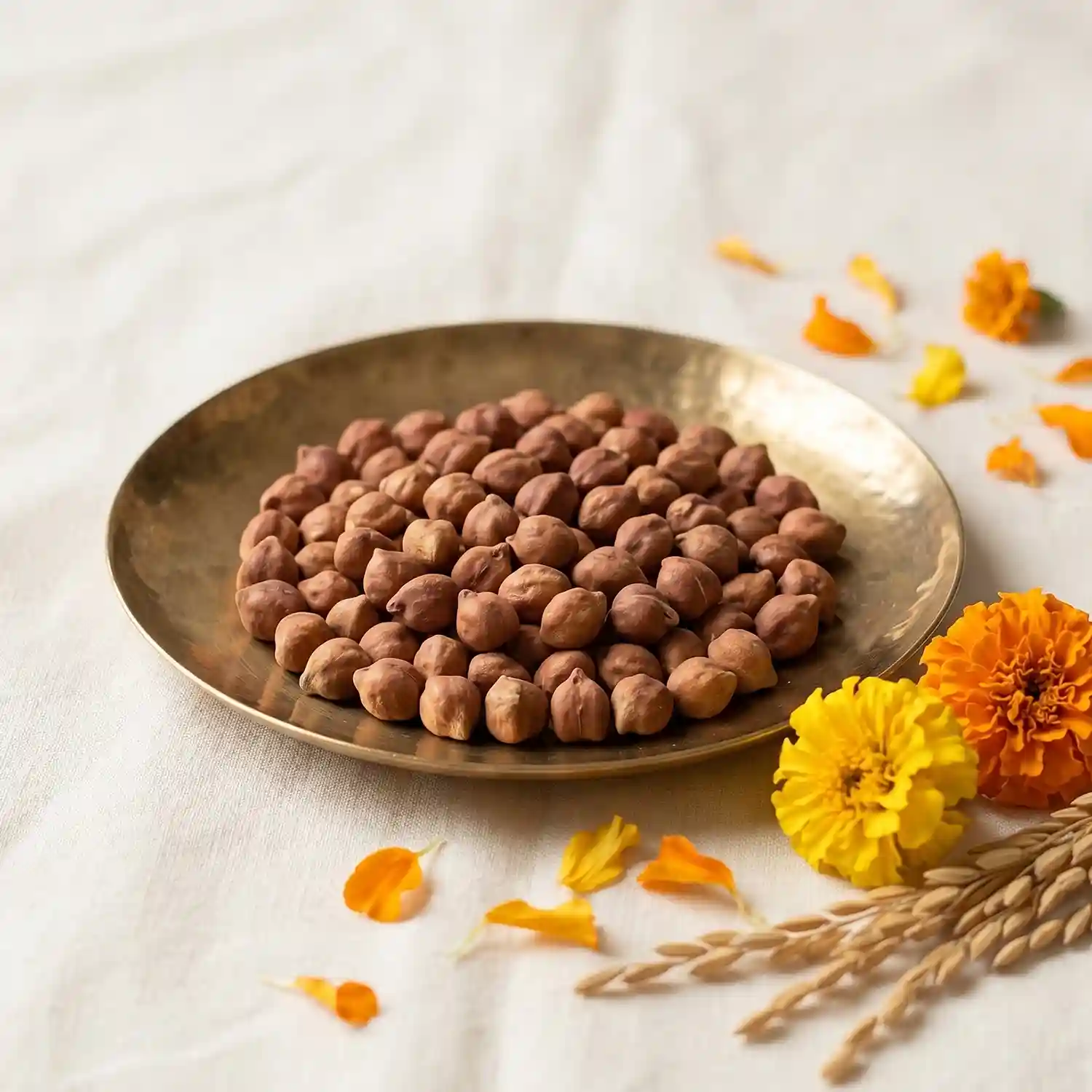
Q3: Why do we offer Wheat and Brown Chickpeas (Kala Channa)?
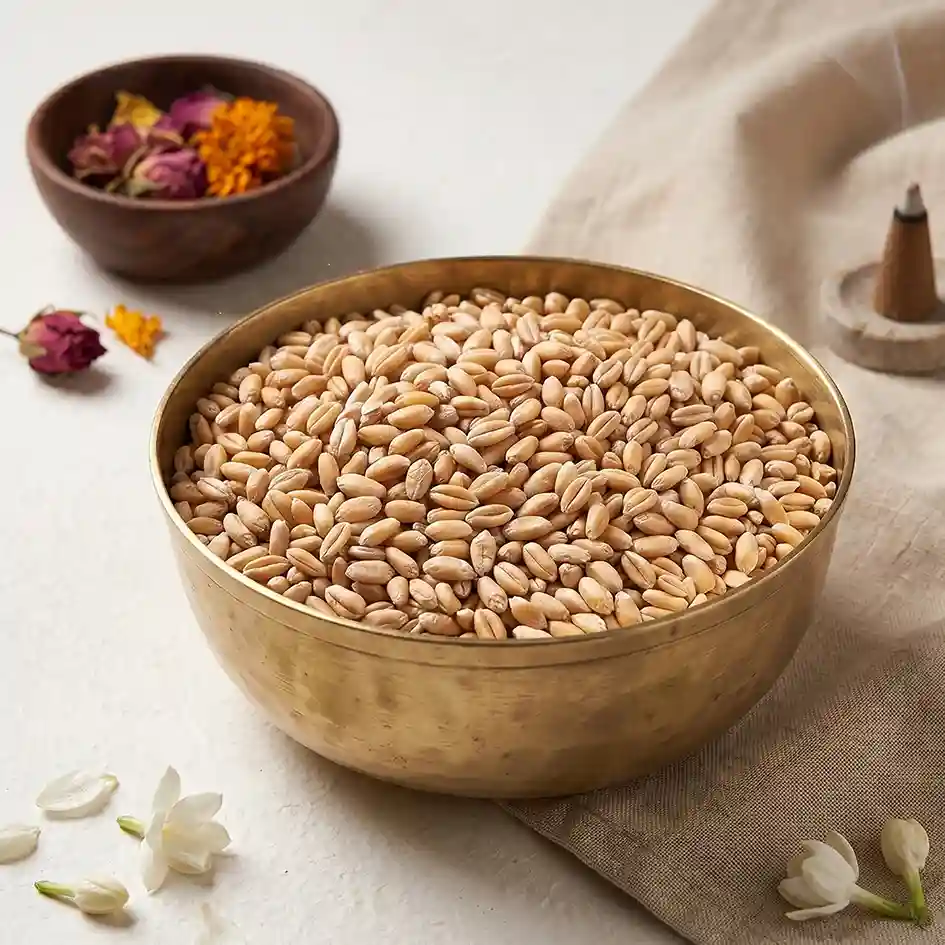
For Families: Goddess Shitala is known for her cooling nature. It is a widespread tradition (often called Basoda) to offer her foods that do not require a freshly lit fire on the day of her worship, making raw/dry staples like Wheat and Chickpeas traditional and authentic offerings to seek her protection!
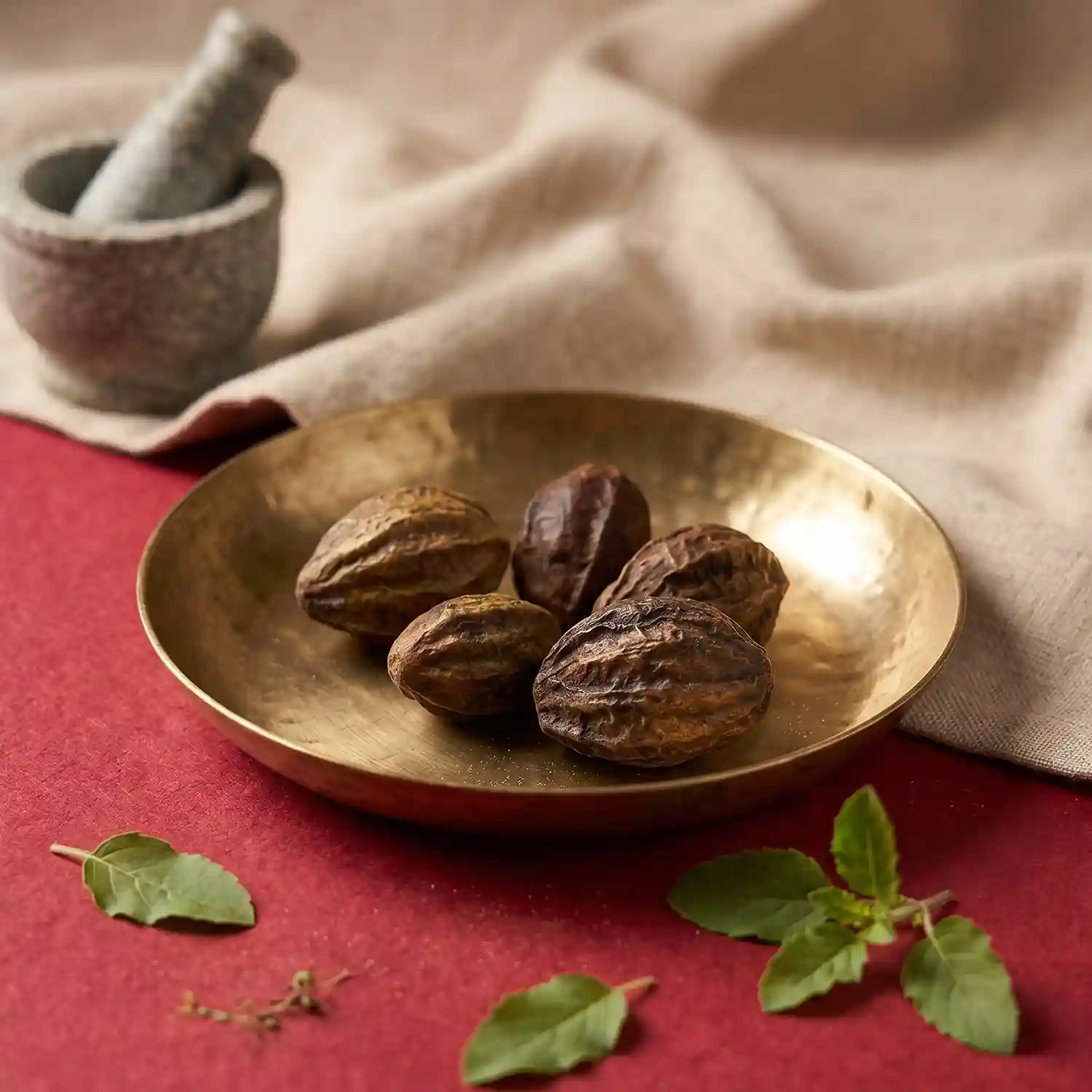
Q4: The kit highlights Betel Nut, Haritaki, Clove, and Cardamom for 'Tambula'. Are all of these necessary?
For Home Ritualists & Pandits: Yes, they make your home altar scripturally invincible! If a Pandit performs the formal 16-step (Shodashopachar) worship, classical manuals like the Purohit Darpan dictate that there is no 16-step puja where Tambula is not mandatory. As the exact 16th offering, it specifically requires these spices.
Q5: Can ordinary householders perform the 5-step puja themselves without a priest?
For Families: Absolutely! The classical Vedic NityaKarma manual explicitly states that daily worship and spiritual rituals are meant for the development of everyone, regardless of expertise. Families are fully encouraged to purify their homes, adorn the Goddess with the Shringar kit, and perform the joyful prayers themselves!