


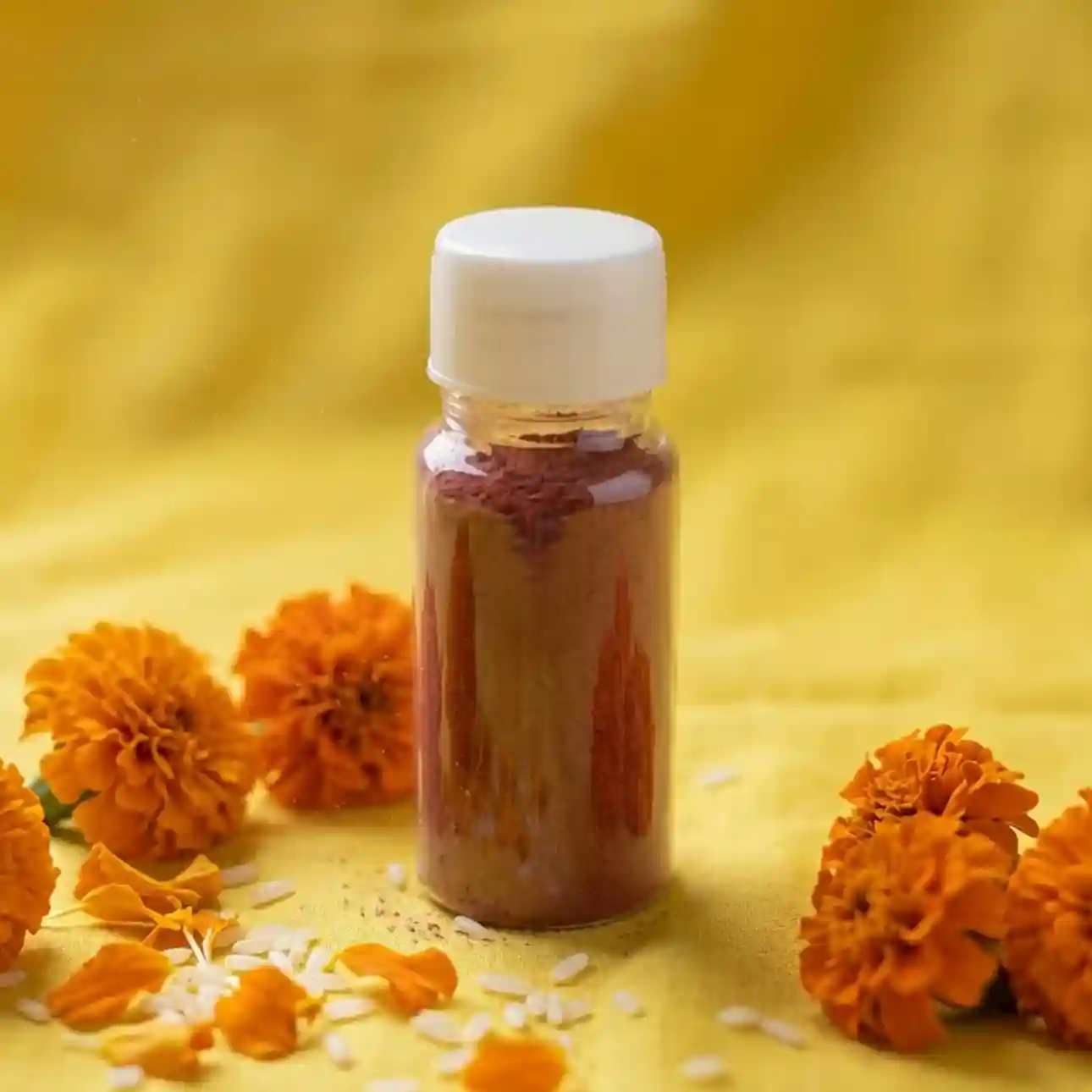
_11zon.webp)
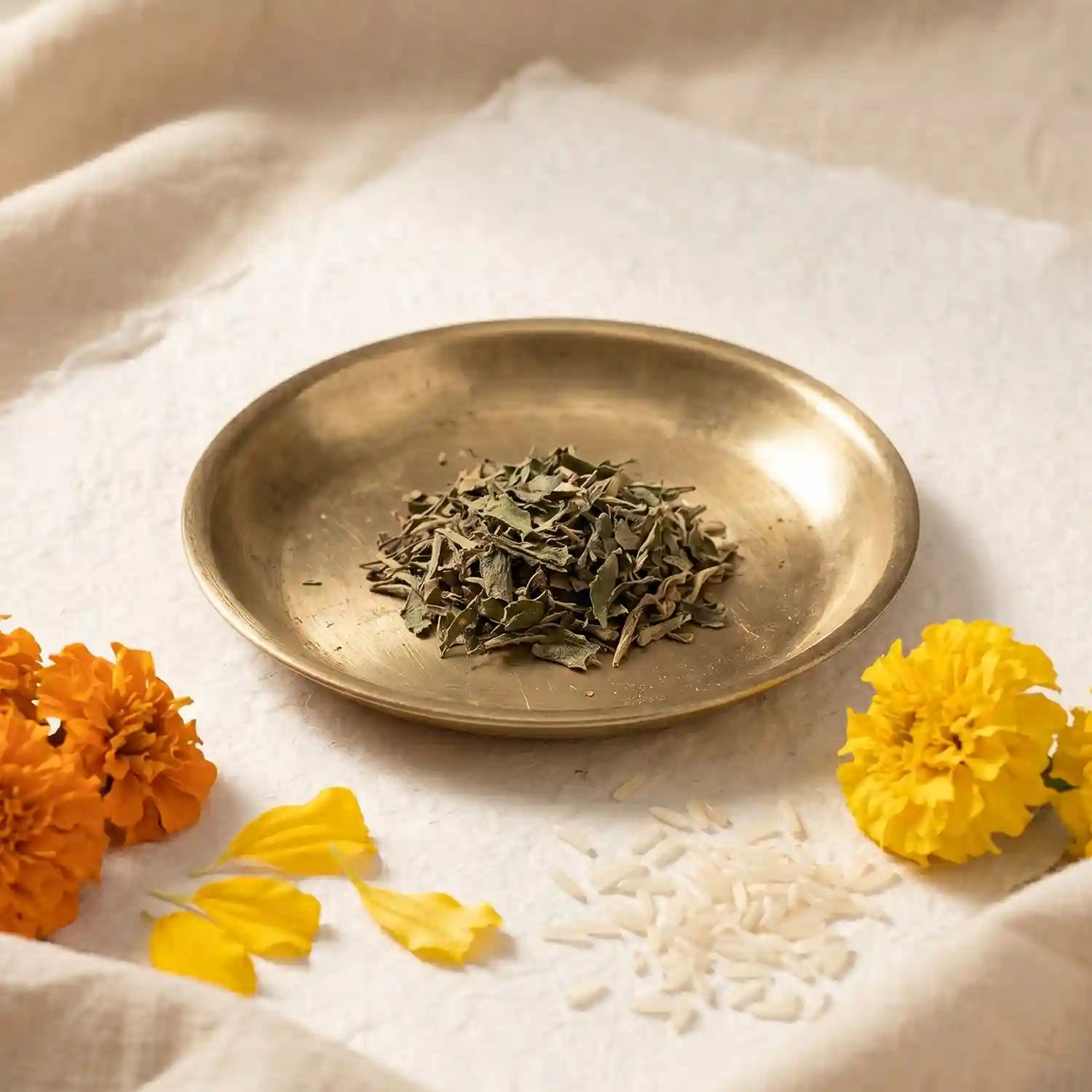
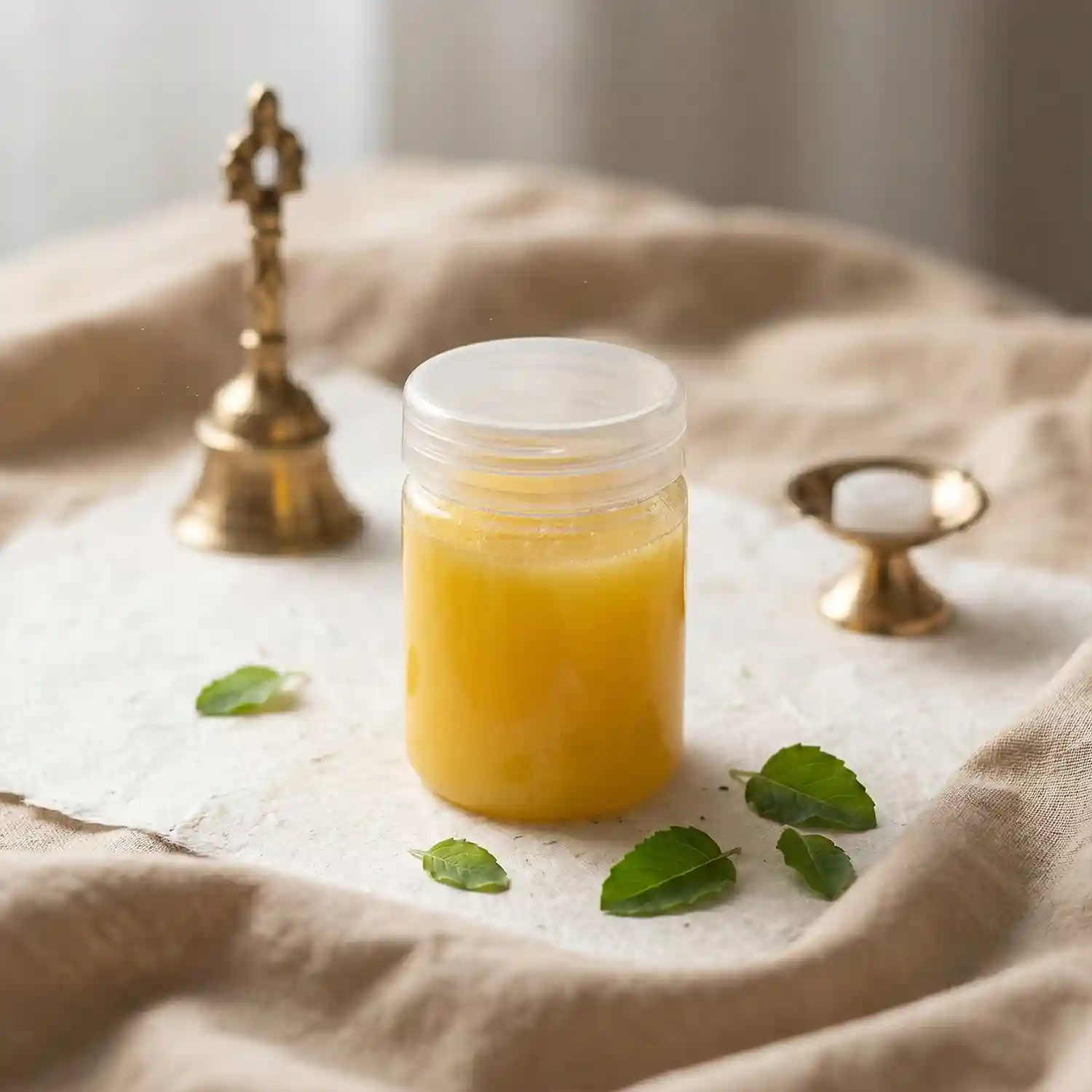
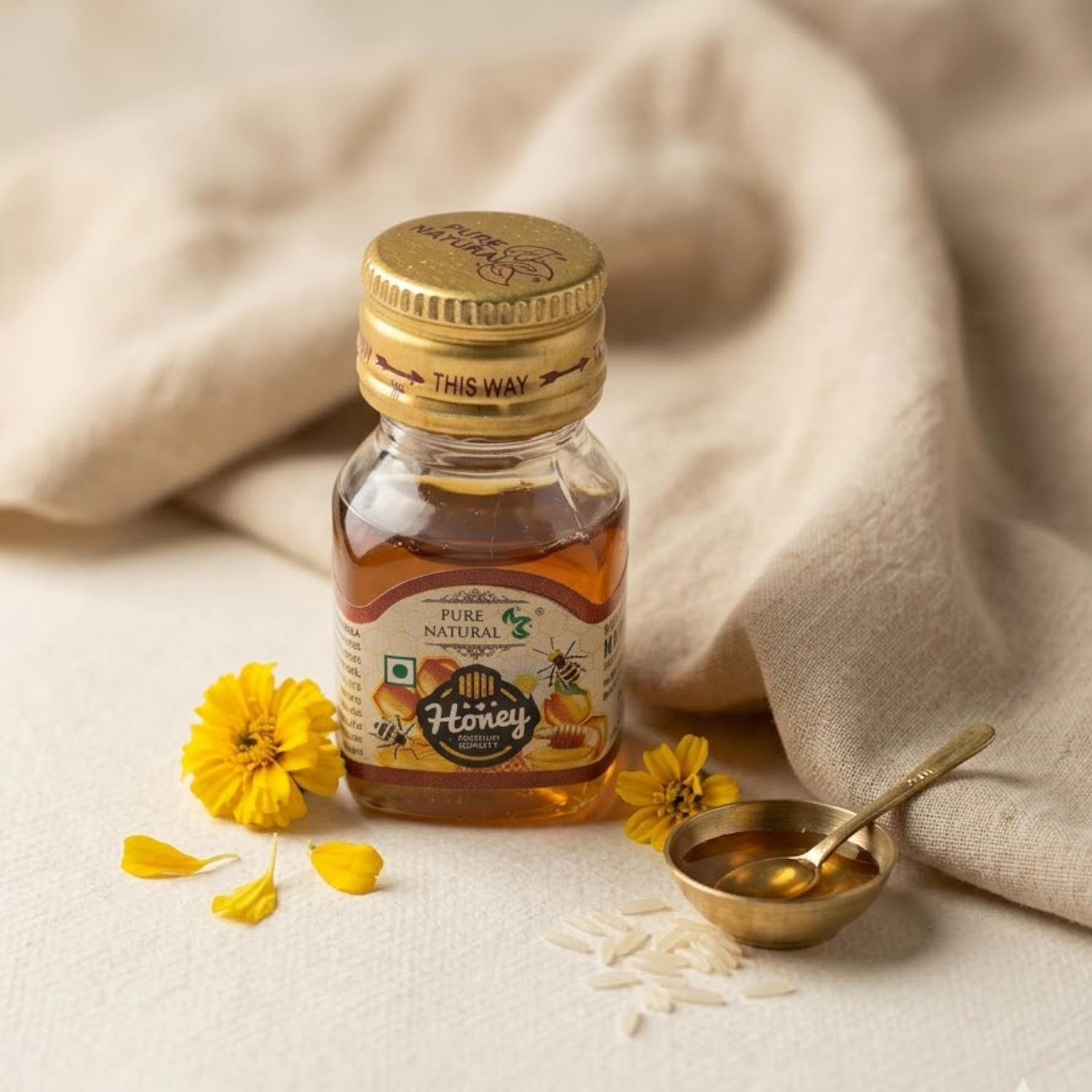






.webp)


_11zon.webp)

_11zon.webp)

_9_11zon.webp)

Frequently Asked Questions
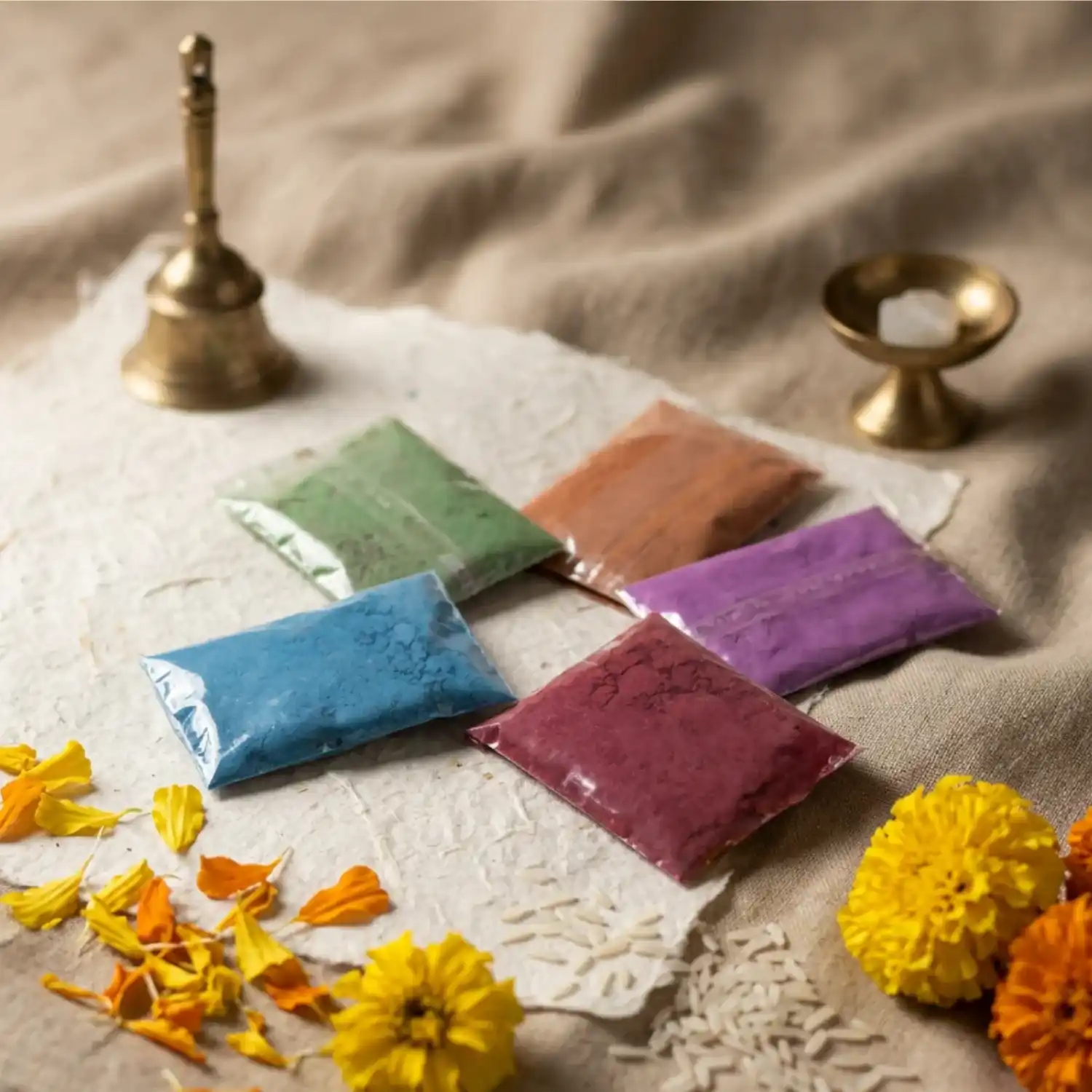
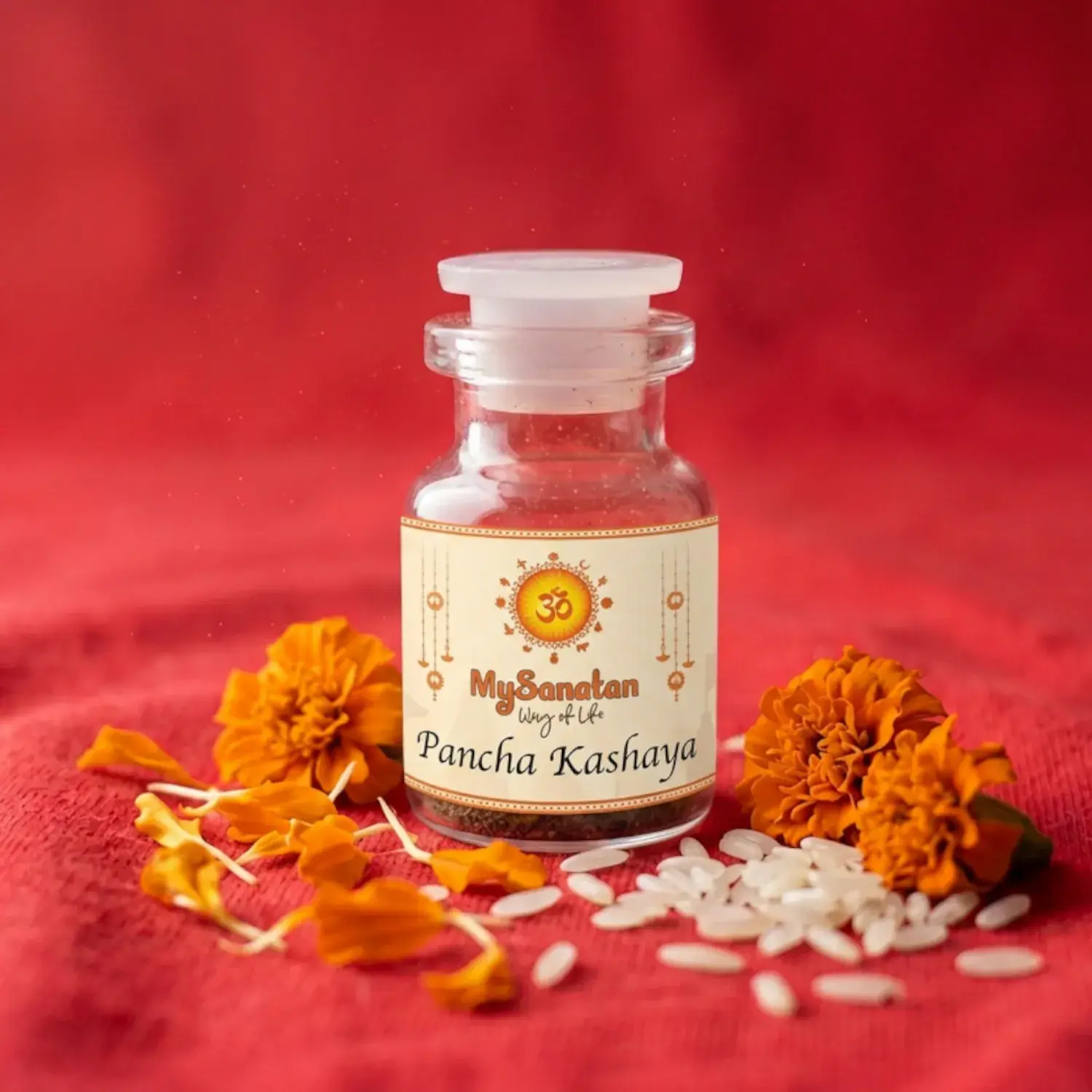
- Q1: What is the significance of the "Pancha Kashaya" and "Pancha Guri" included in this kit?
- For Cultural Enthusiasts: These are highly authentic, classical elements for purification! According to the Purohit Darpan, Pancha Kashaya consists of the bark of five sacred trees (like Jambu, Shimul, and Bakul) used to deeply purify the water within the sacred Ghat (pot). Pancha Guri refers to the five sacred colored powders used to draw the divine Mandala (geometric design) upon which the deities are established!
- Q2: Why does this kit include so many small "Janeu" (Sacred Threads) specifically for Betel Leaves?
- For Home Ritualists: In a grand Satyanarayan Puja, Lord Vishnu is not worshipped alone! The priest must also invoke and establish a vast array of supporting deities, such as the Navagrahas (Nine Planets) and the Ashta Dikpalas (Guardians of the Directions). These deities are traditionally established upon betel leaves on the altar, and each one must be offered a small Janeu as a sacred garment!
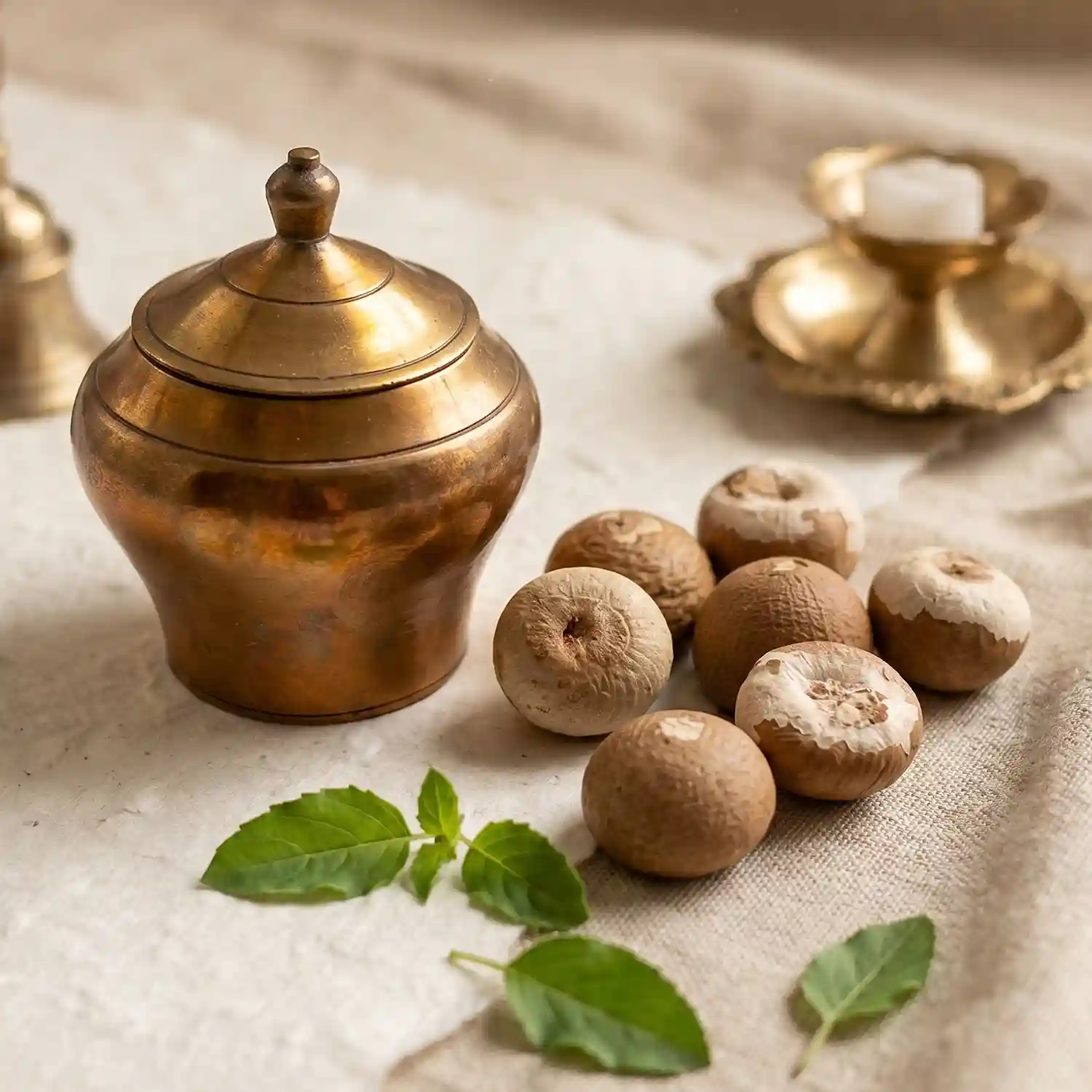
- Q3: The kit highlights specific spices like Betel Nut, Haritaki, Clove, and Cardamom for 'Tambula'. Why is this called out for the 16-step puja?
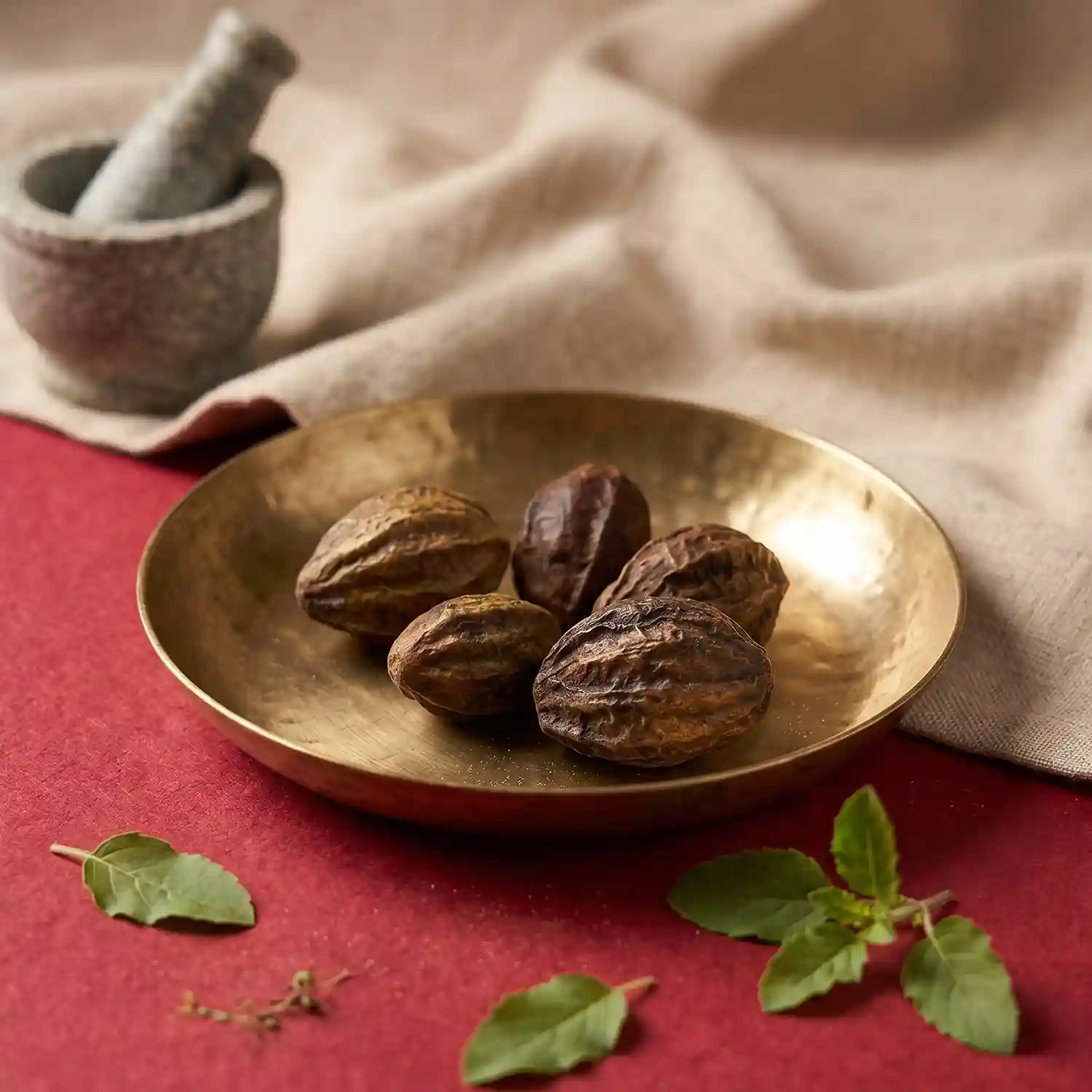
- For Dedicated Devotees: Because it is scripturally non-negotiable! The classical texts dictate that there is no 16-step (Shodashopachar) puja where Tambula is not mandatory. As the exact 16th and final required offering, Tambula is presented to sweeten the deity's mouth after the grand feast. Without these specific spices, a grand royal worship led by a Pandit is technically incomplete!
- Q4: If we are performing the Havan at the end of the Puja, can the women of the household pour the ghee into the fire?
- For Families: In highly orthodox Vedic fire rites (Śrauta and Gṛhya rituals), the rules for pouring oblations are very specific. According to the classical Apastamba Sutras, the text strictly states: "A female shall not offer any oblation into the fire" (na strī juhuyāt), nor shall a child who has not yet been initiated (na anupetaḥ). In strict traditional ceremonies, the initiated householder or the officiating priest should physically pour the oblations to maintain the strict Vedic energetic circuit!
- Q5: Is it scripturally acceptable for me to perform the 5-step puja myself without a priest?
- For Beginners: You absolutely have the right to perform the core worship yourself! The classical Vedic NityaKarma text emphatically shatters the misconception that only priests can worship. It declares that the right to perform worship and connect with God belongs to everyone—"from children to the elderly, men and women" (Aabal-vriddha nar-naari). While a Pandit is required for complex, 16-step ceremonies and large Havans, the simple 5-step devotion (Panchopachar) is perfectly acceptable and beloved by the Lord!