




_7_11zon.webp)
.webp)
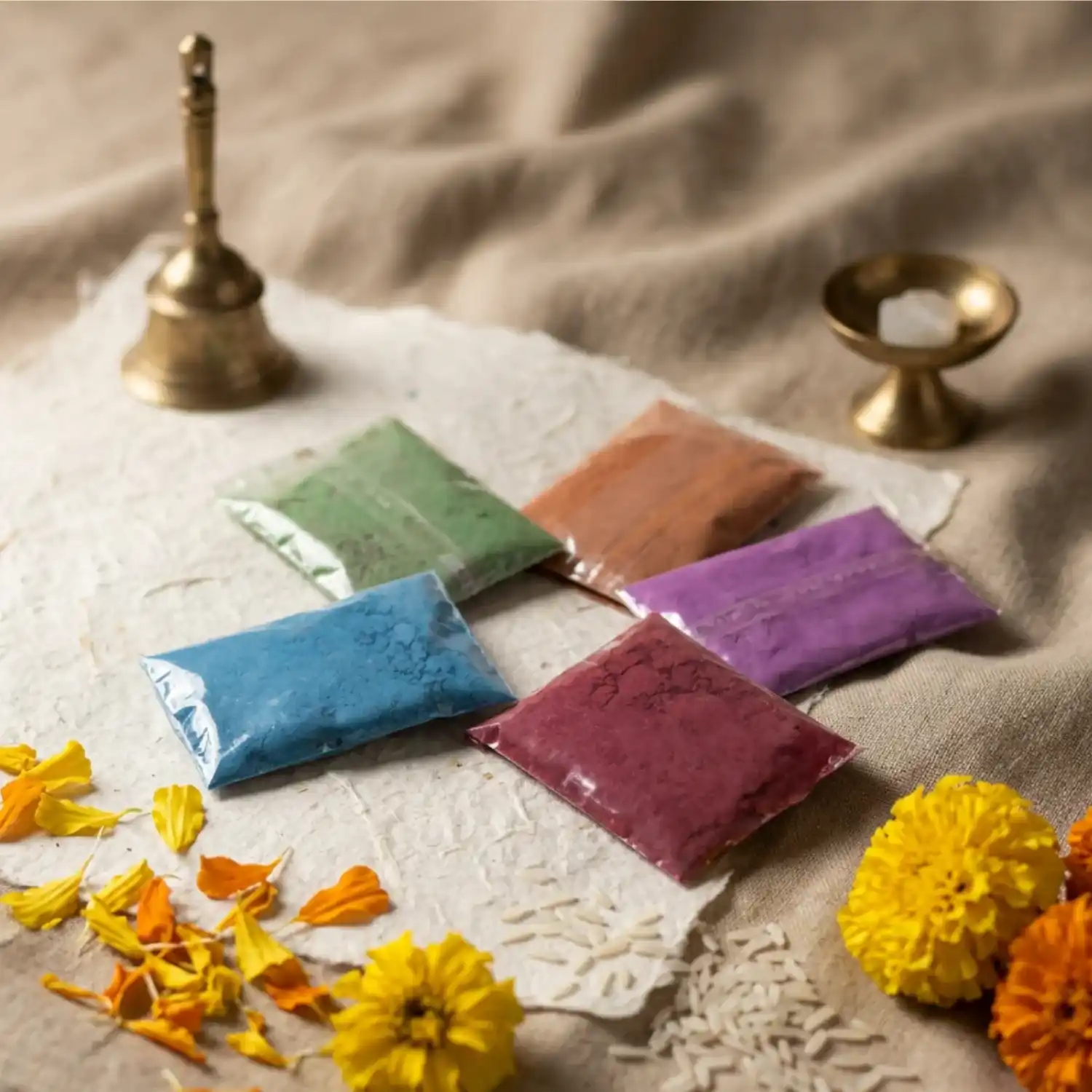
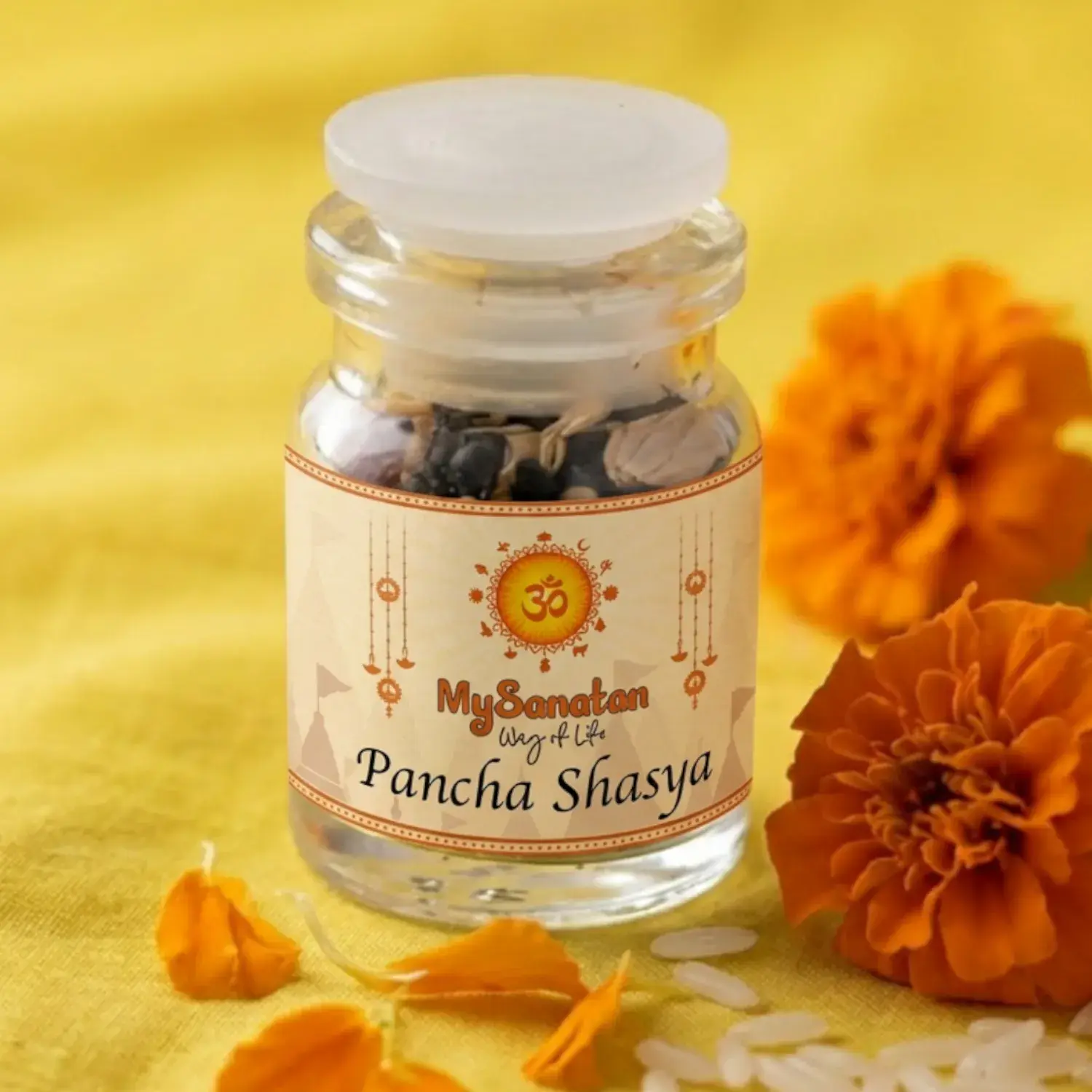
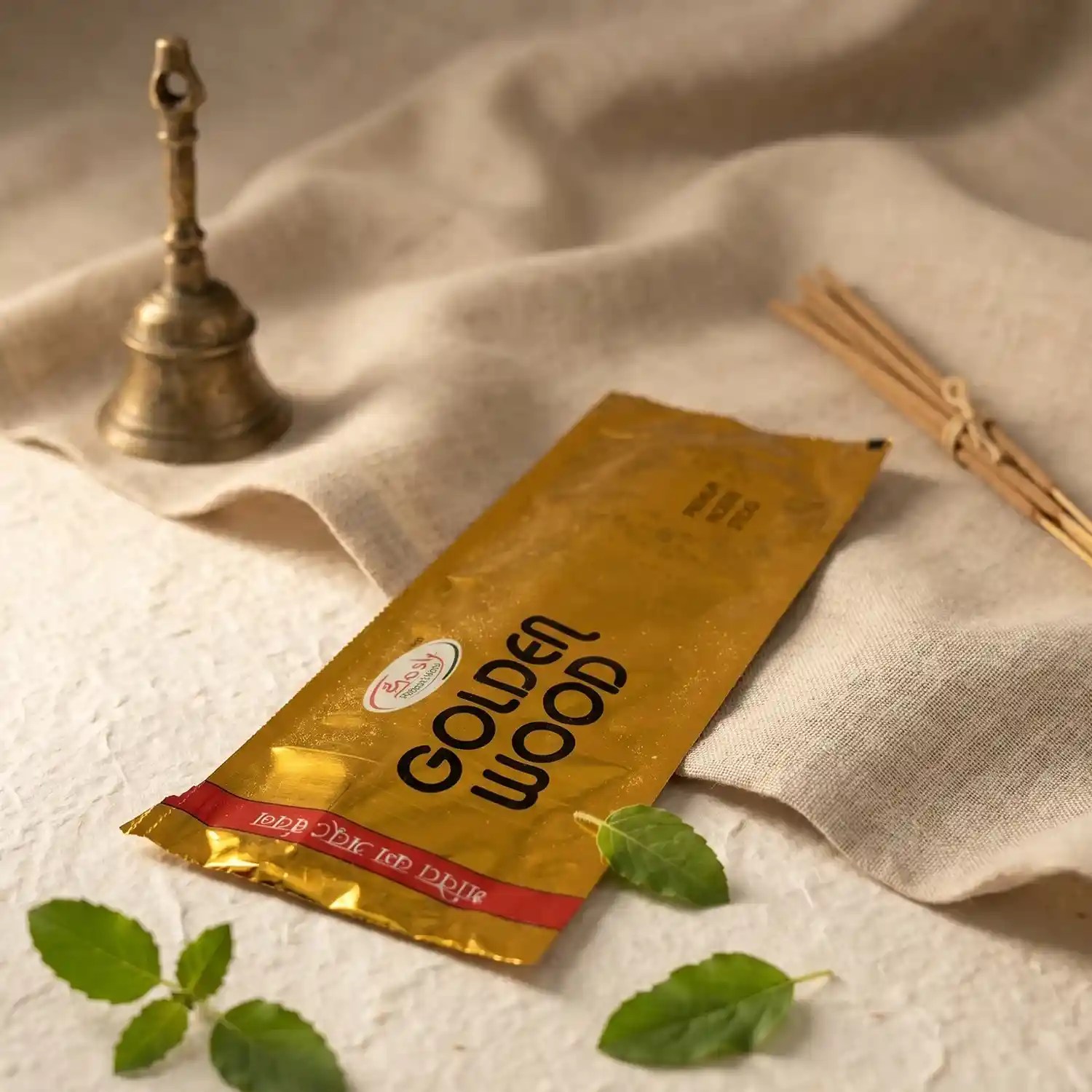
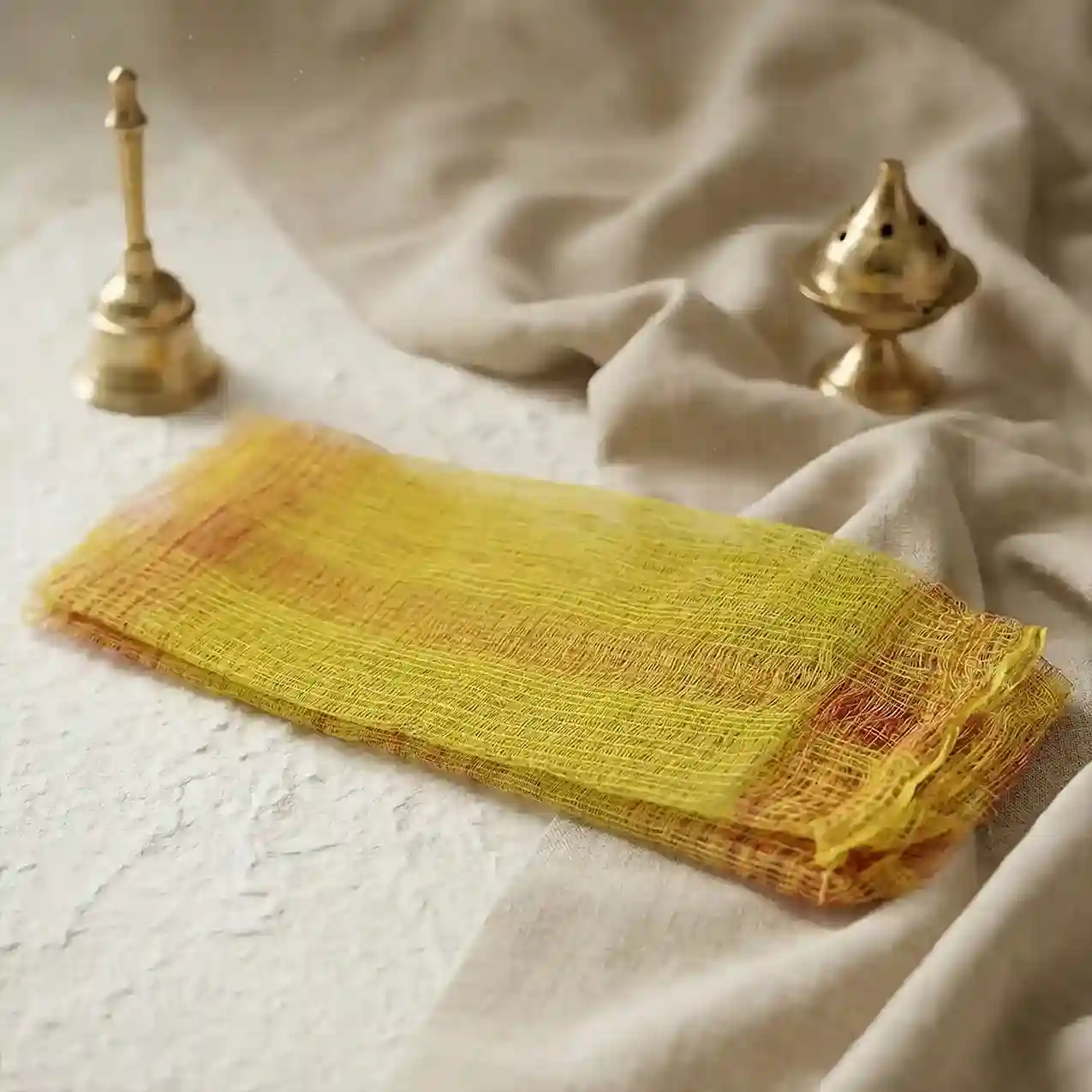

_15_11zon.webp)
.webp)






_11zon.webp)



Frequently Asked Questions
- Q1: What is the main difference between the Standard and Premium Saraswati Puja kits, and how do I know which one to choose?
- The primary difference lies in whether you plan to include a Havan (sacred fire ritual).
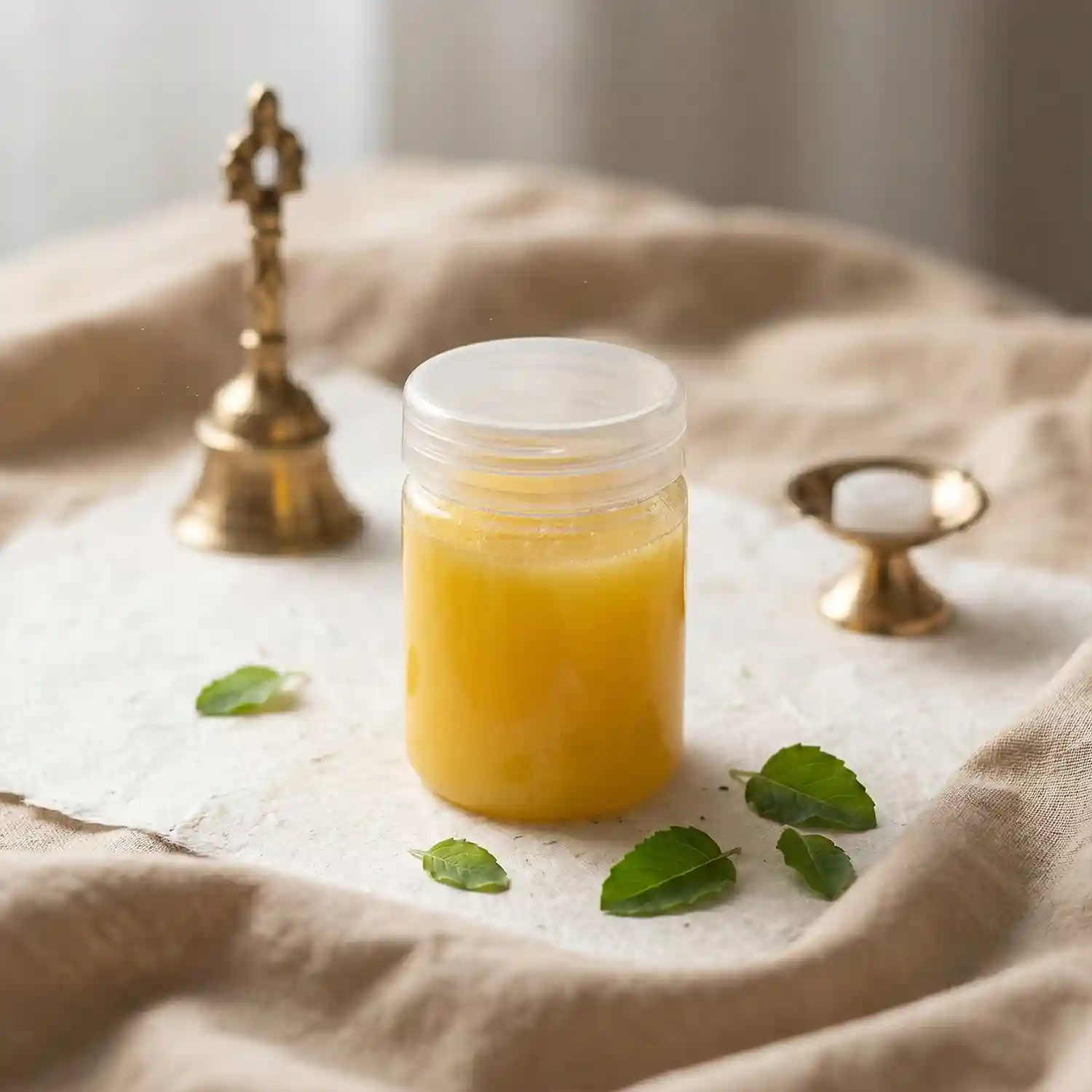
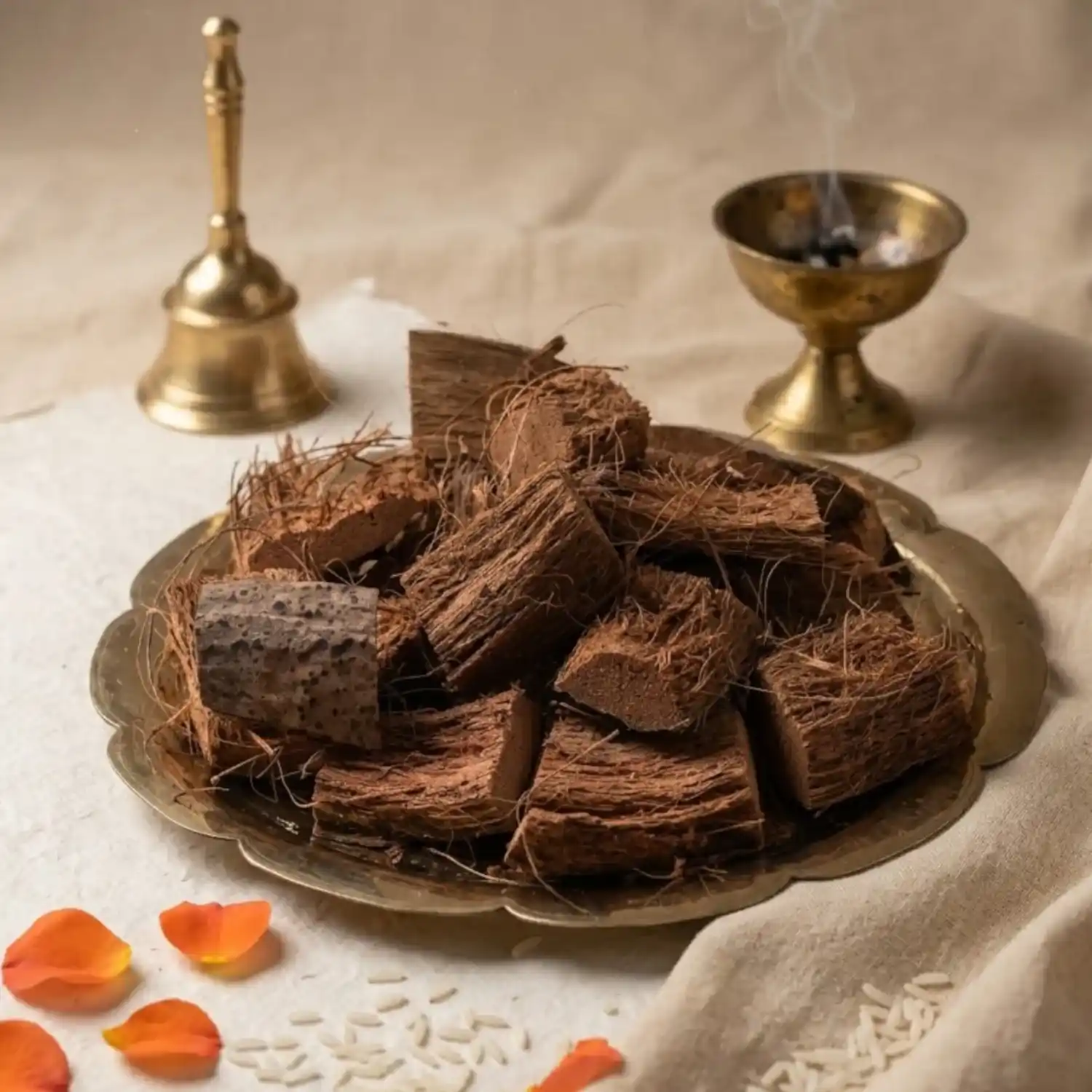
- The Premium Kit is built for a complete ritual that includes fire worship; it contains a large inventory of Cow Ghee (250g), Bel Kath (Bael Wood), Joggo Dumur Pata, Havan Samagri, and White Homa Cheli.
- The Standard Kit is streamlined specifically for the Puja Place-based Shodashopachar or Panchopachar protocols, omitting the bulk fire-worship wood and heavy ghee. Choose Premium if you are hosting a priest for a full Havan, and Standard for a traditional domestic setup.
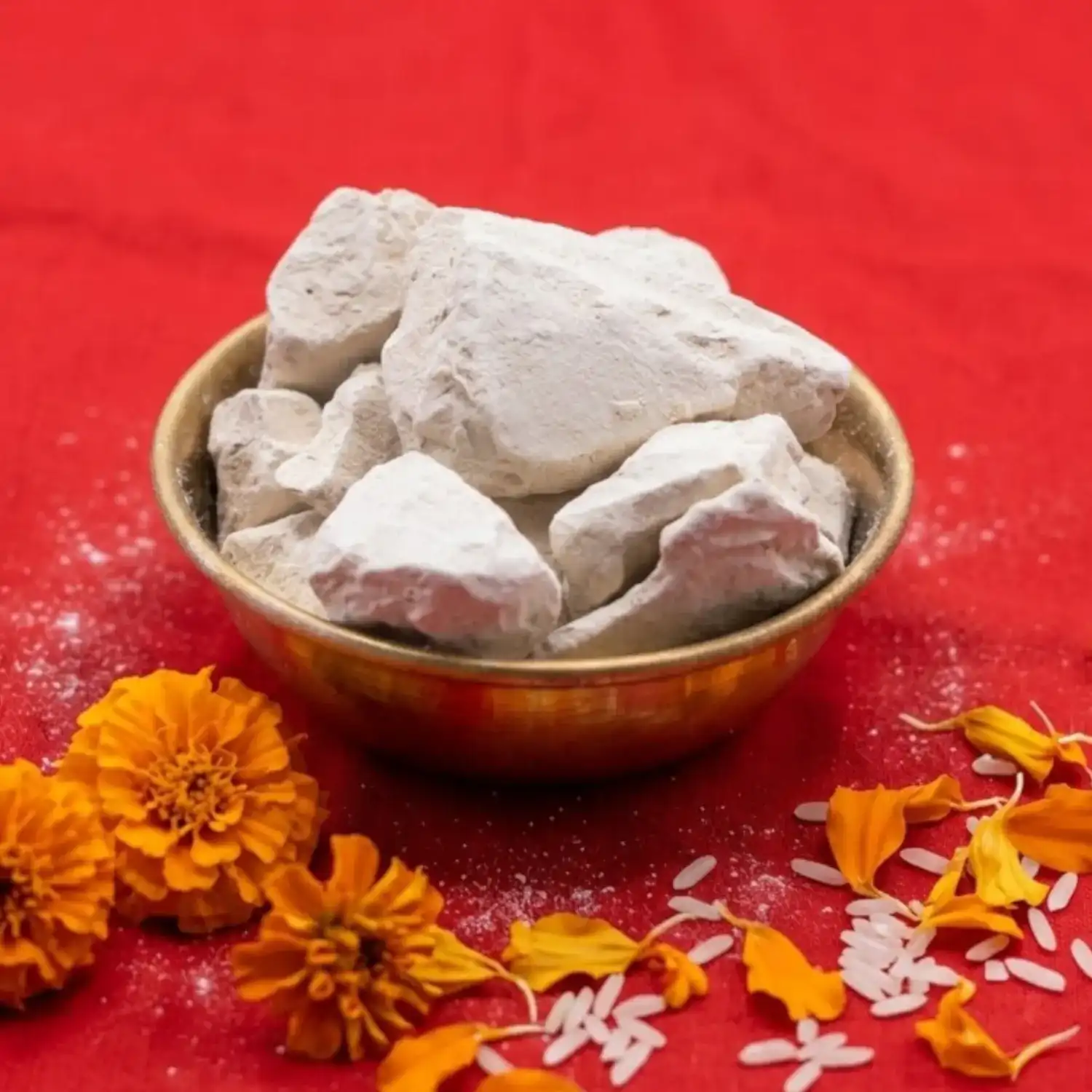
- Q2: What is the significance of the "Khari Mati" (White Chalk Clay), and how do we use it at home?
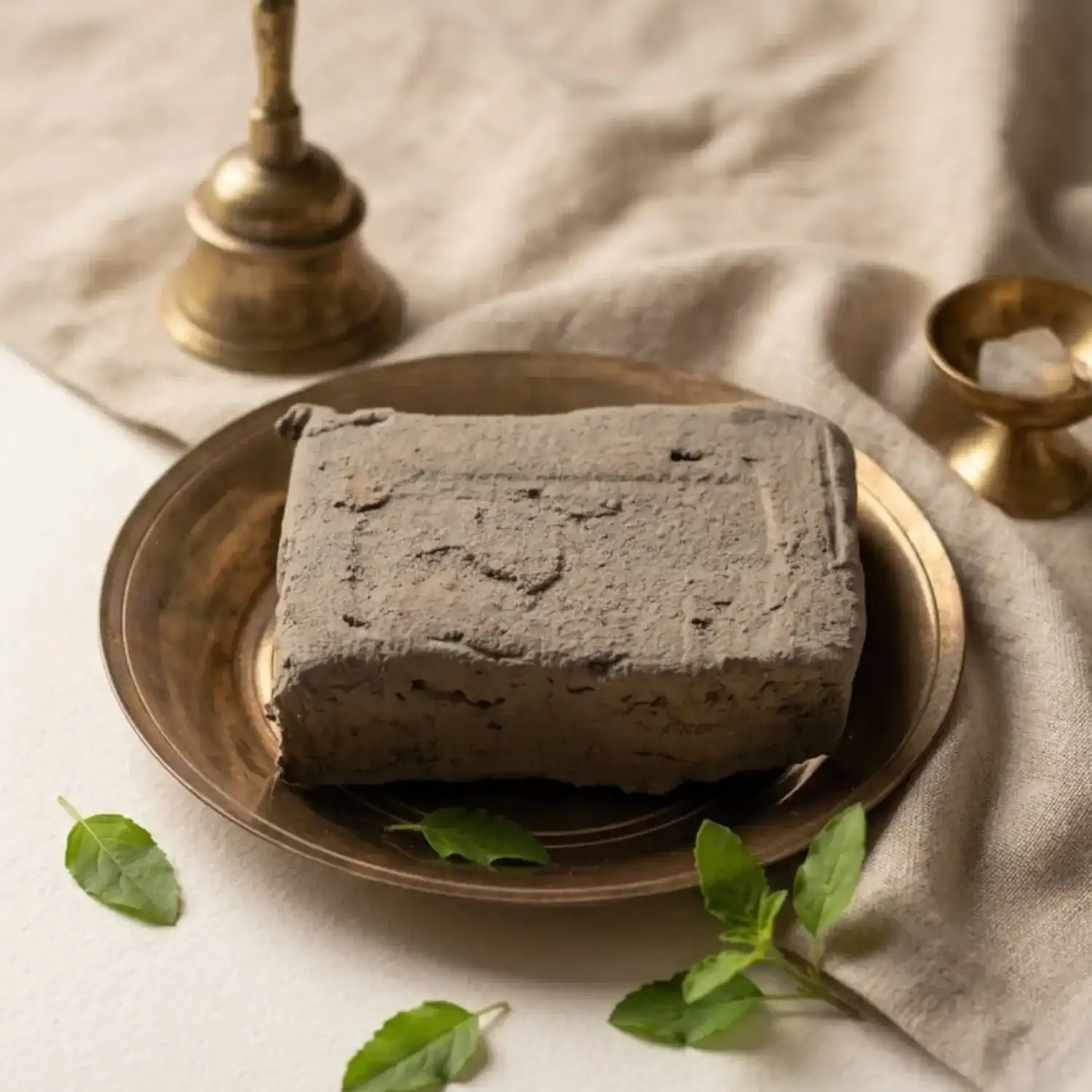
- Khari Mati is central to the traditional Hate Khori (Chaariganga) ritual performed on Vasant Panchami. It symbolizes the initiation of learning. During the puja, the chalk is placed at the Goddess’s feet to be blessed. Afterward, an elder guides the hand of a young toddler or child to write their first letters (usually vowels or the symbol for Om) on a slate, marking the official beginning of their education.
- Q3: Why does the kit include both a "Yellow Cheli Cloth" and a "White Puja Cloth"?
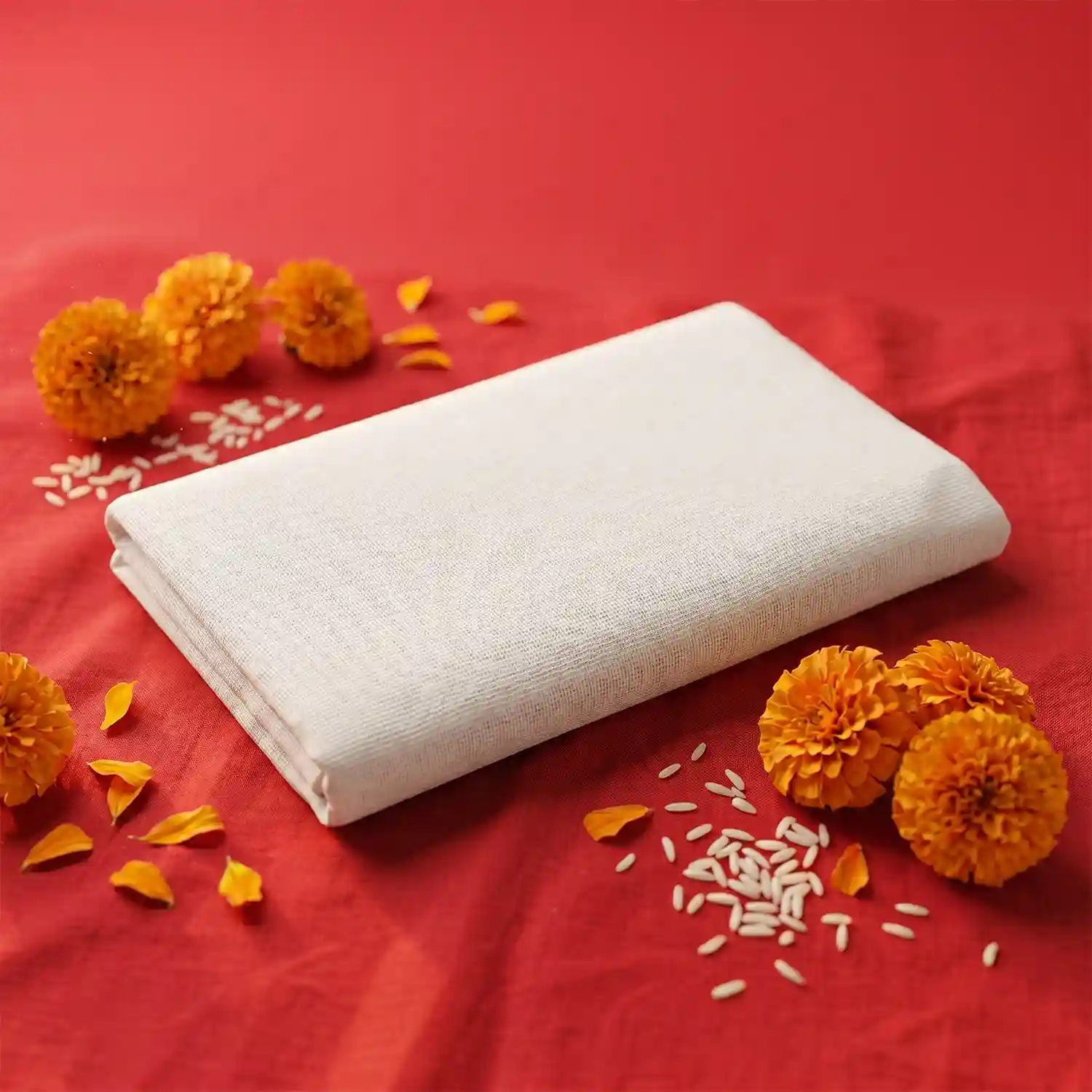
- Goddess Saraswati is associated with both white (symbolizing absolute purity, truth, and light) and yellow (representing Vasant Ritu, the onset of spring and the blossoming of fields).
- The White Puja Cloth is traditionally used to drape the primary Puja Place or dress the deity.
- The Yellow Cheli and Red Cheli cloths are utilized to cover the Ghot (sacred vase), wrap holy textbooks/instruments placed at Her feet, or offered as Vastra (garments) to the deity during worship.
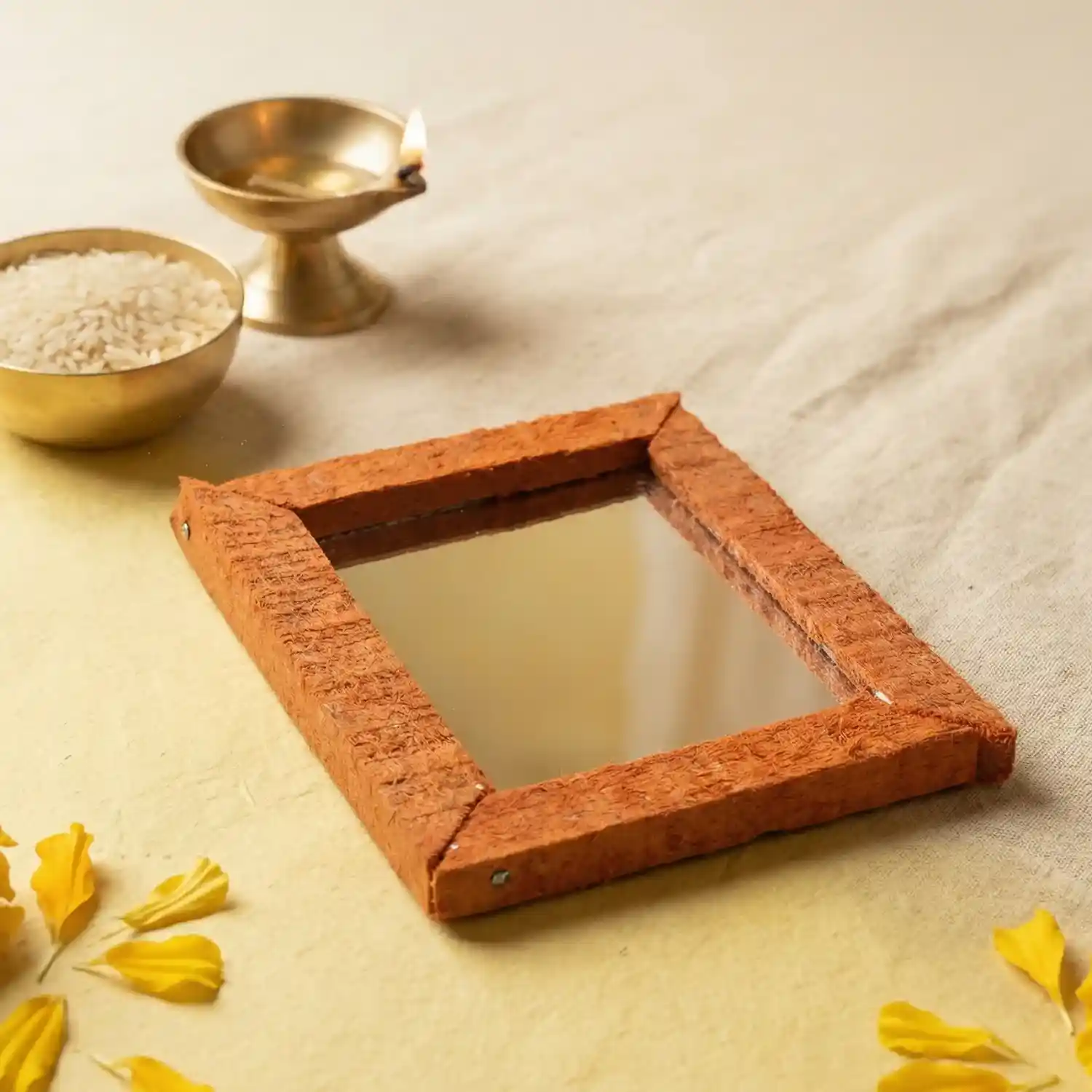
- Q4: How do we use the "Wooden Frame Darpan" (Mirror) and "Kajal" if we are performing a self-puja without a priest?
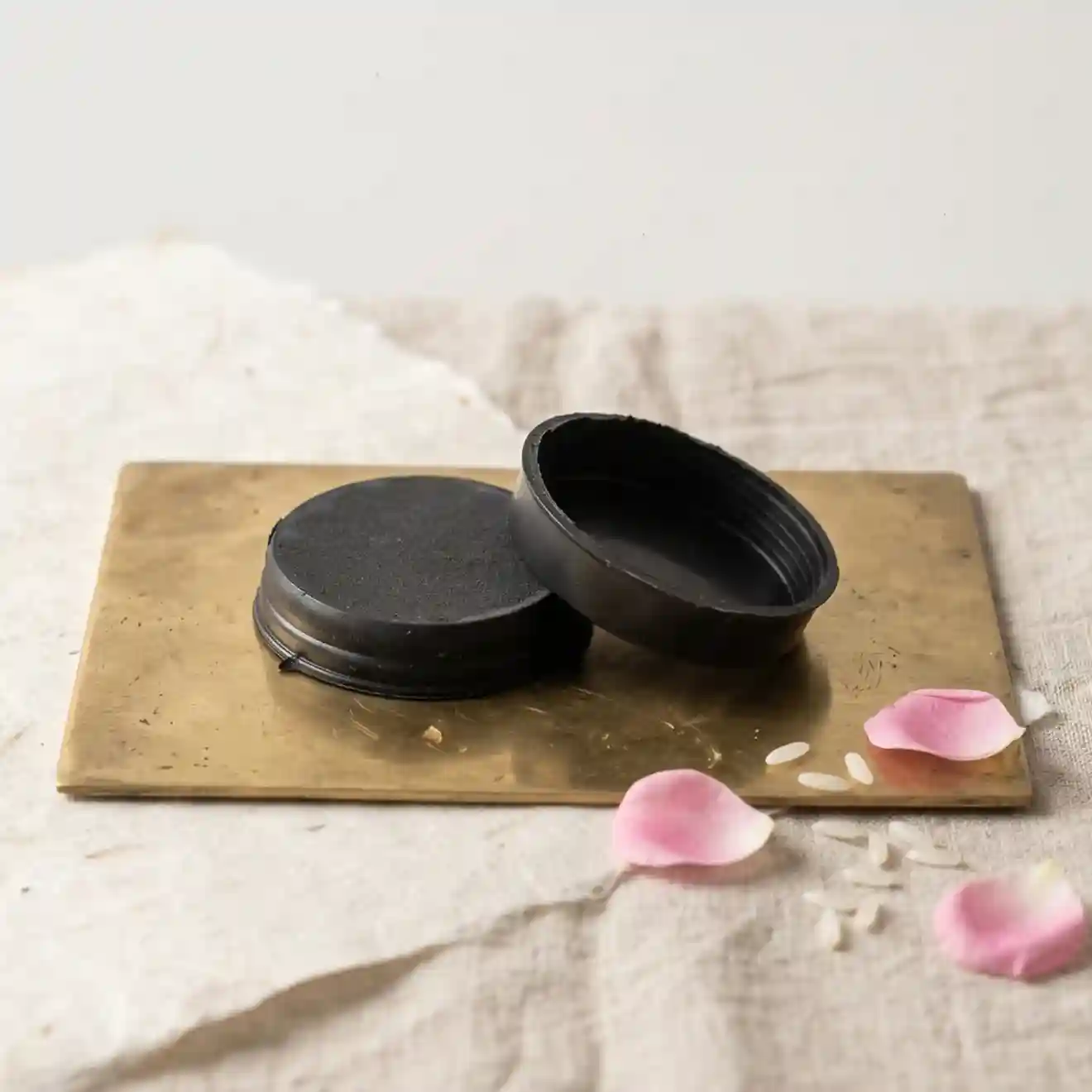
- These are part of the Shringar (divine cosmetics) stage. During your householder worship, you hold the Wooden Frame Darpan facing the icon or picture of the Goddess. You look into the reflection while symbolically waving the Kajal and Alta near the mirror. This represents offering royal grooming and adornment to Mother Saraswati without physically altering or staining your home idol.
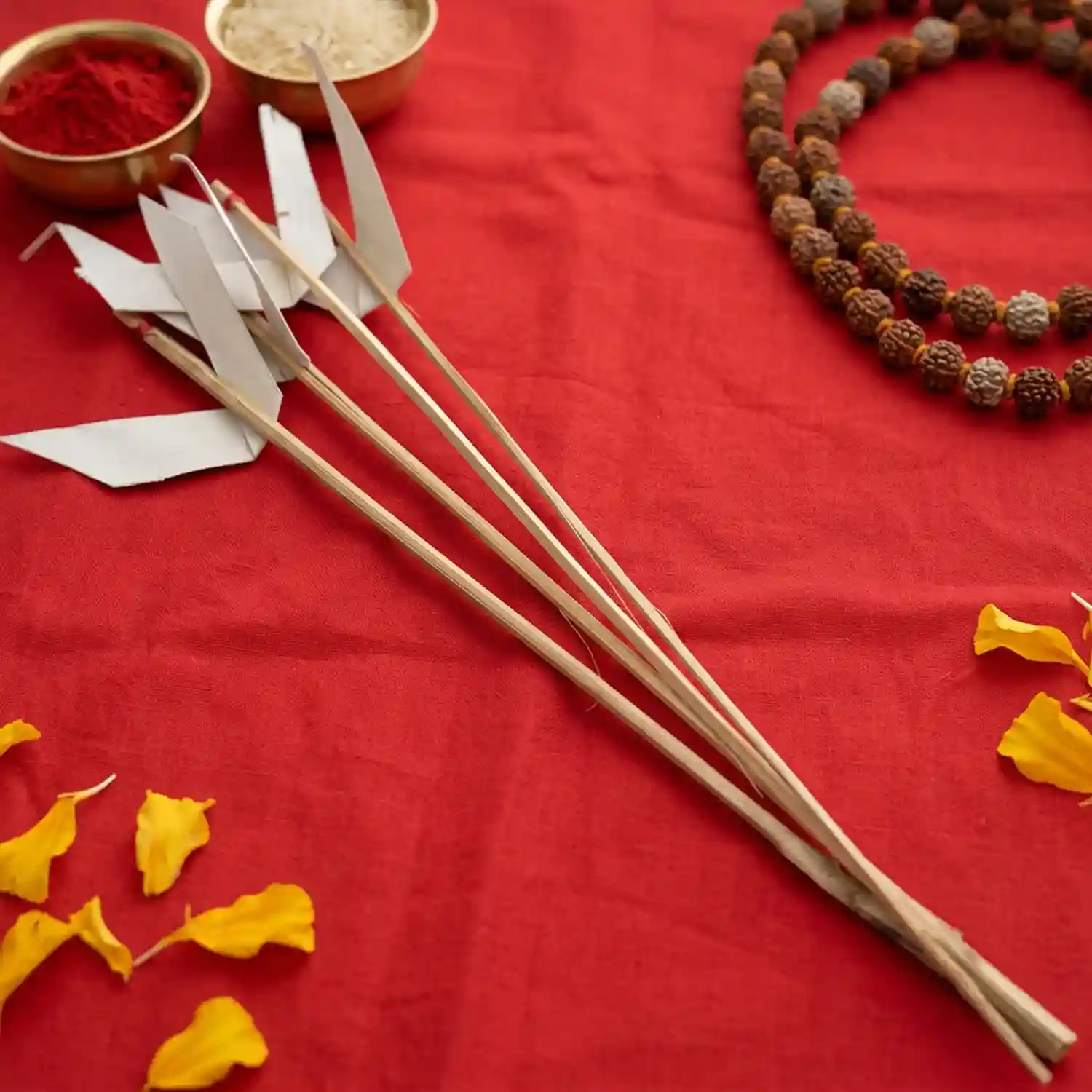
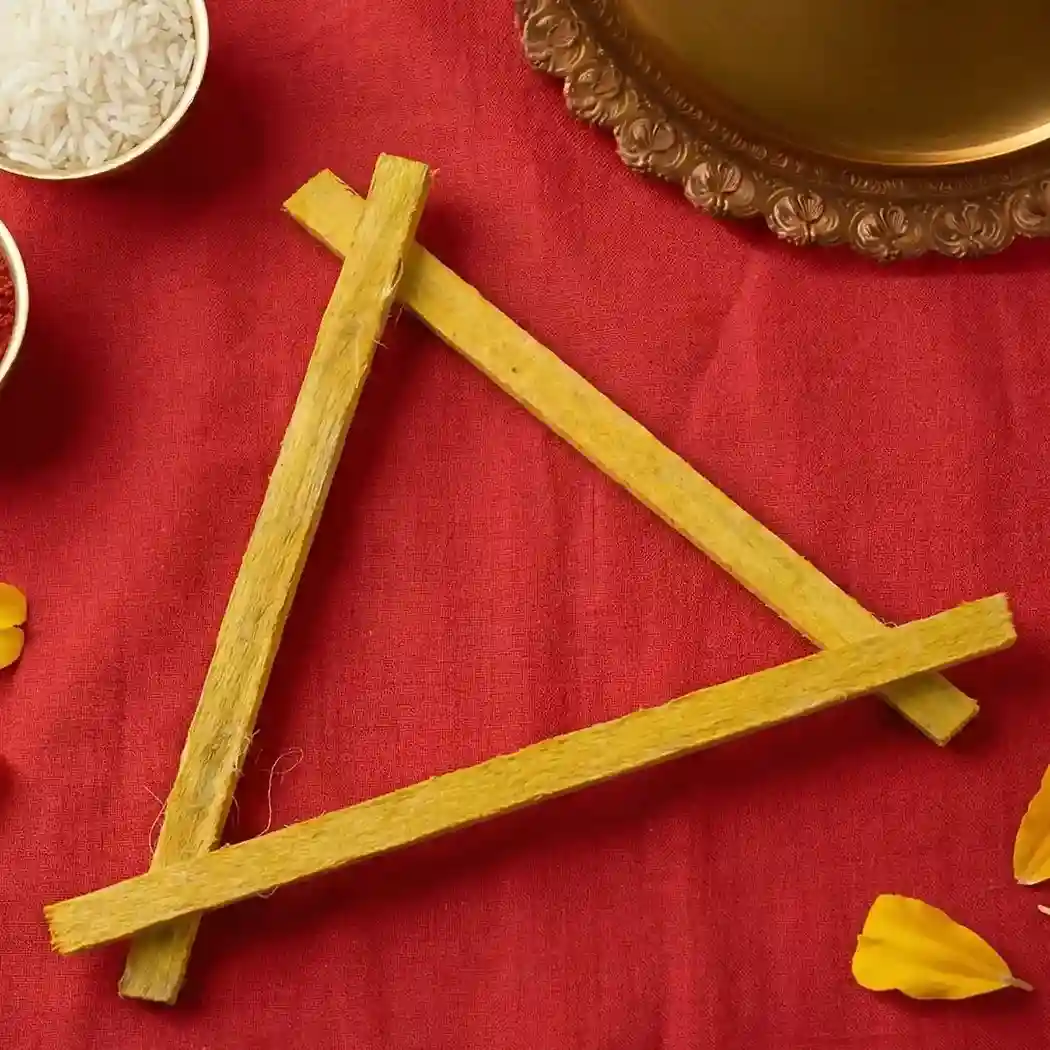
- Q5: How should the Tekaata, Teer Kathi, Khari Mati, and Ganga Mitti be structured together for an authentic Eastern Ghot Sthapan (Step 2)?
- To scripturally lock the sacred grid for Saraswati Puja in an indoor space:
- Shape a small platform on the floor using the Ganga Mitti (Sacred Clay) to ground the earthly element.
- Mix a portion of the Khari Mati with water to draw traditional Alpona (sacred structural motifs) over and around the clay base.
- Position the Tekaata (triangular wooden frame) directly over the clay base to act as the structural axis for the water vessel.
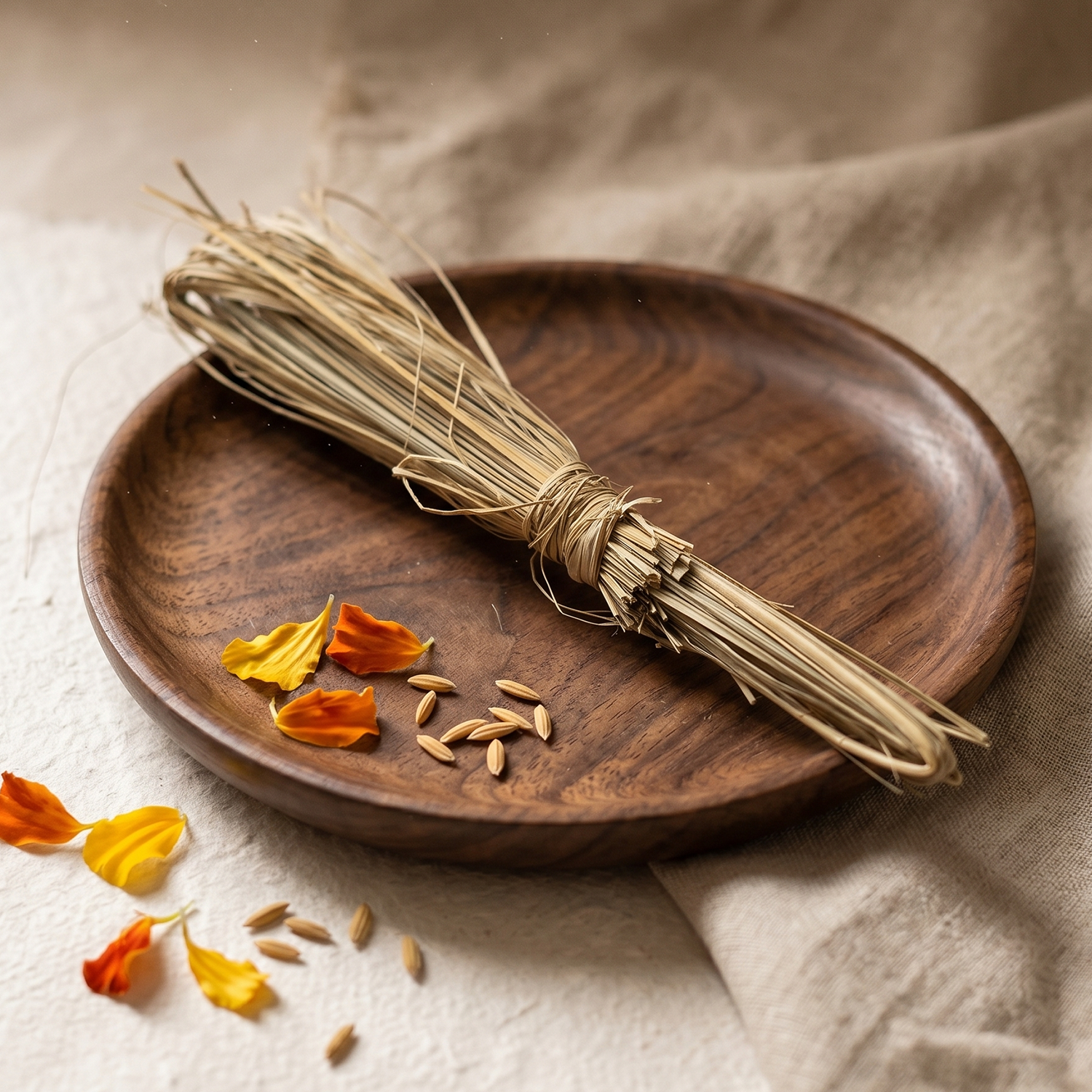
- Insert the four Teer Kathi (bamboo boundary sticks) into the four outer corners of the grid, tying them with White Moli Dhaga to bind the directions (Digbandhana) before placing the Ghot and hanging the Medium Chandmala.
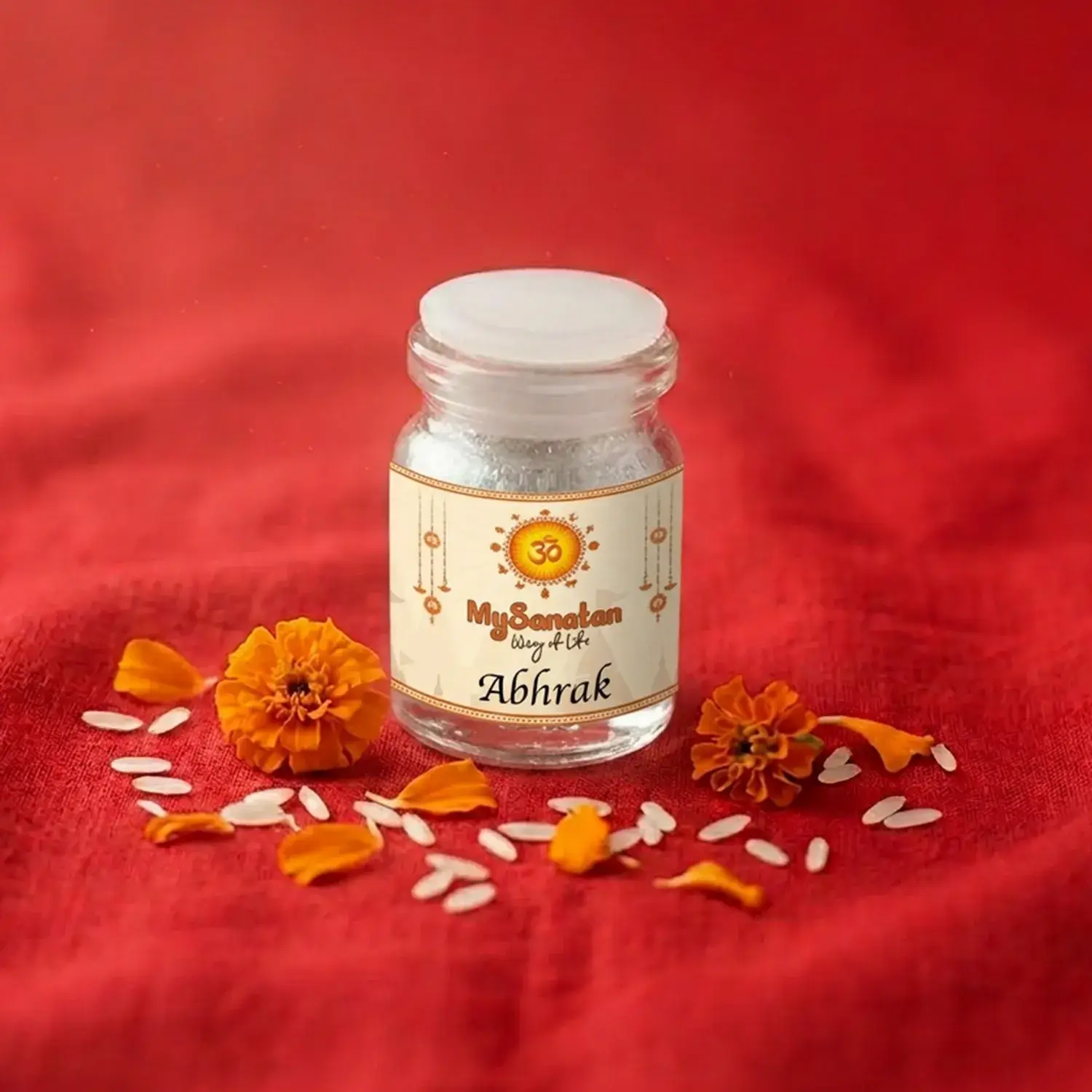
- Q6: Why are Abhrak Powder (Mica) and Siddhi Leaves (Dry Bhang Pata) integrated into Step 3 of the Shodashopachar sequence?
- In orthodox Eastern lineage manuals like the Purohit Darpan, Abhrak Powder (sparkling mica dust) represents the cosmic ether and the effulgence of intellect. It is sprinkled over the inkpot, pens, and books (Pratima-Siddha) during the adornment stage to charge the academic tools with spiritual illumination. The highly esoteric Siddhi Leaves are offered right after to ground the heavy cosmic energy of the Goddess, stabilizing Her intellectual presence within the domestic household.
- Q7: What is the specific role of the Shankha Pola Loha (Nowa) Set during the invocation of Goddess Saraswati?
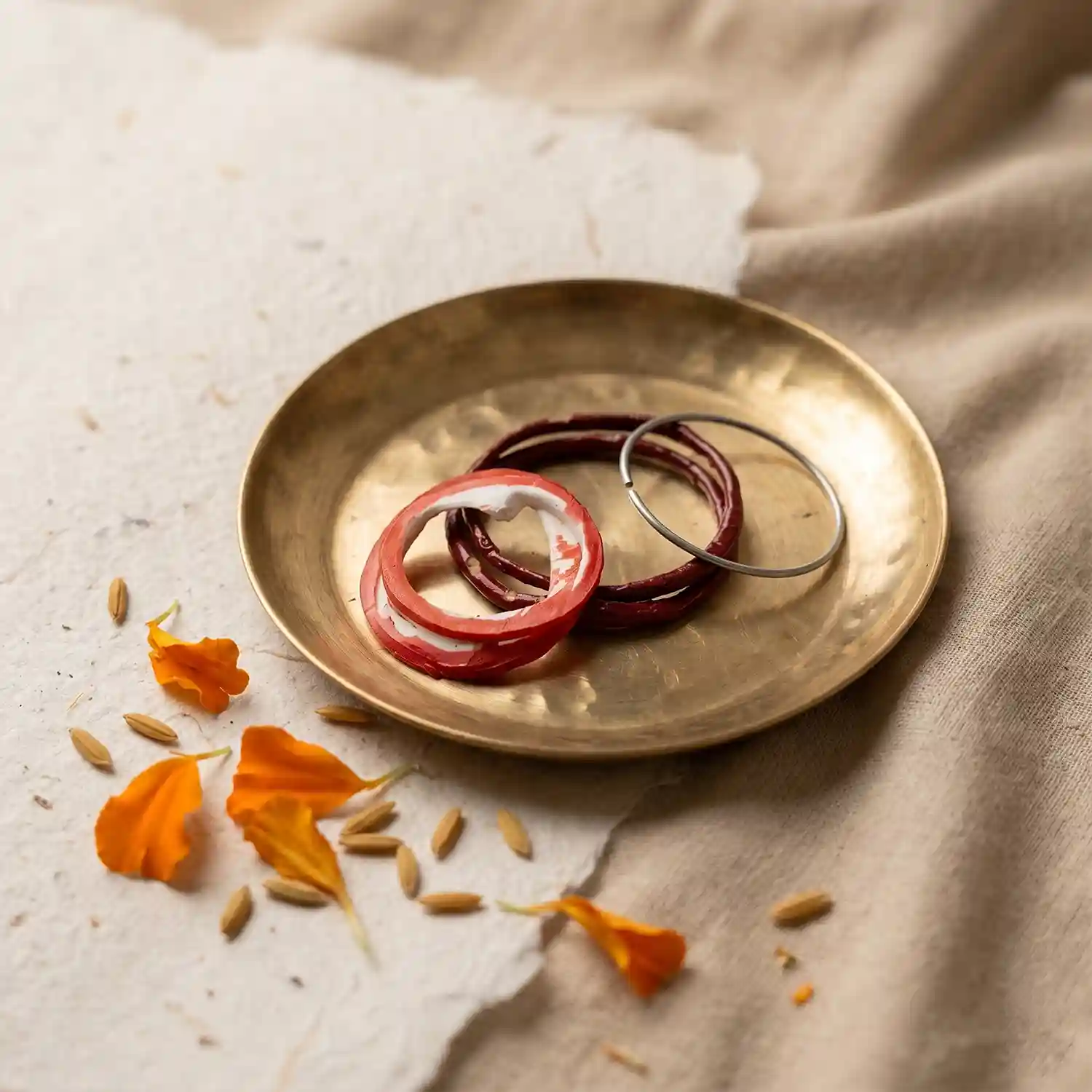
- Though commonly associated with matrimonial rites, offering a Shankha Pola Loha set to the Supreme Divine Mother during Step 3 holds an advanced esoteric purpose. It honors Her as the timeless Sumangali (the eternal source of auspiciousness and cosmic balance). Presenting the conch shell, coral, and iron bangle set serves to ground the protective Shakti energy inside the householder's living room, ensuring the household is shielded from ignorance and sudden misfortune.