
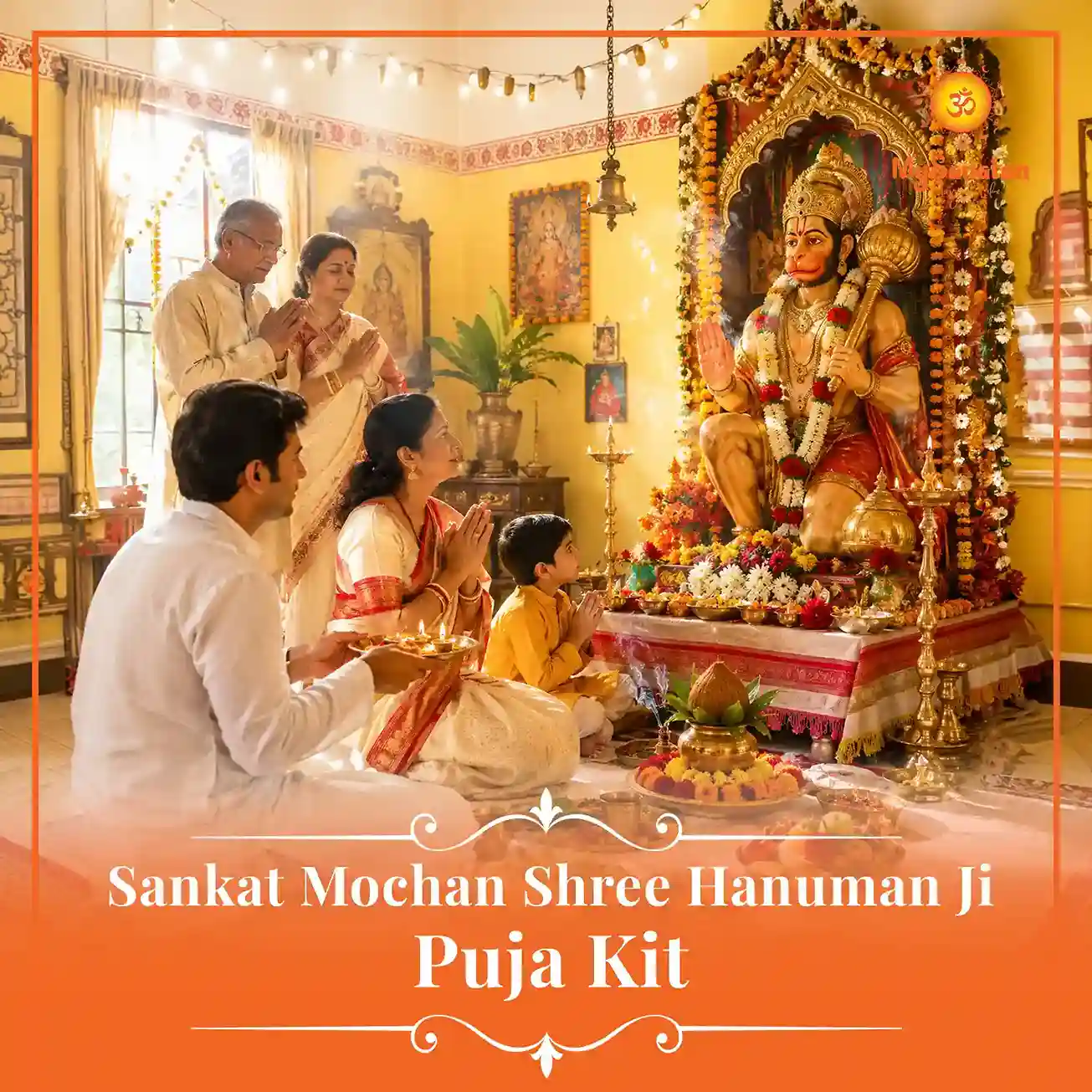
_4_11zon.webp)

_15_11zon.webp)






Frequently Asked Questions
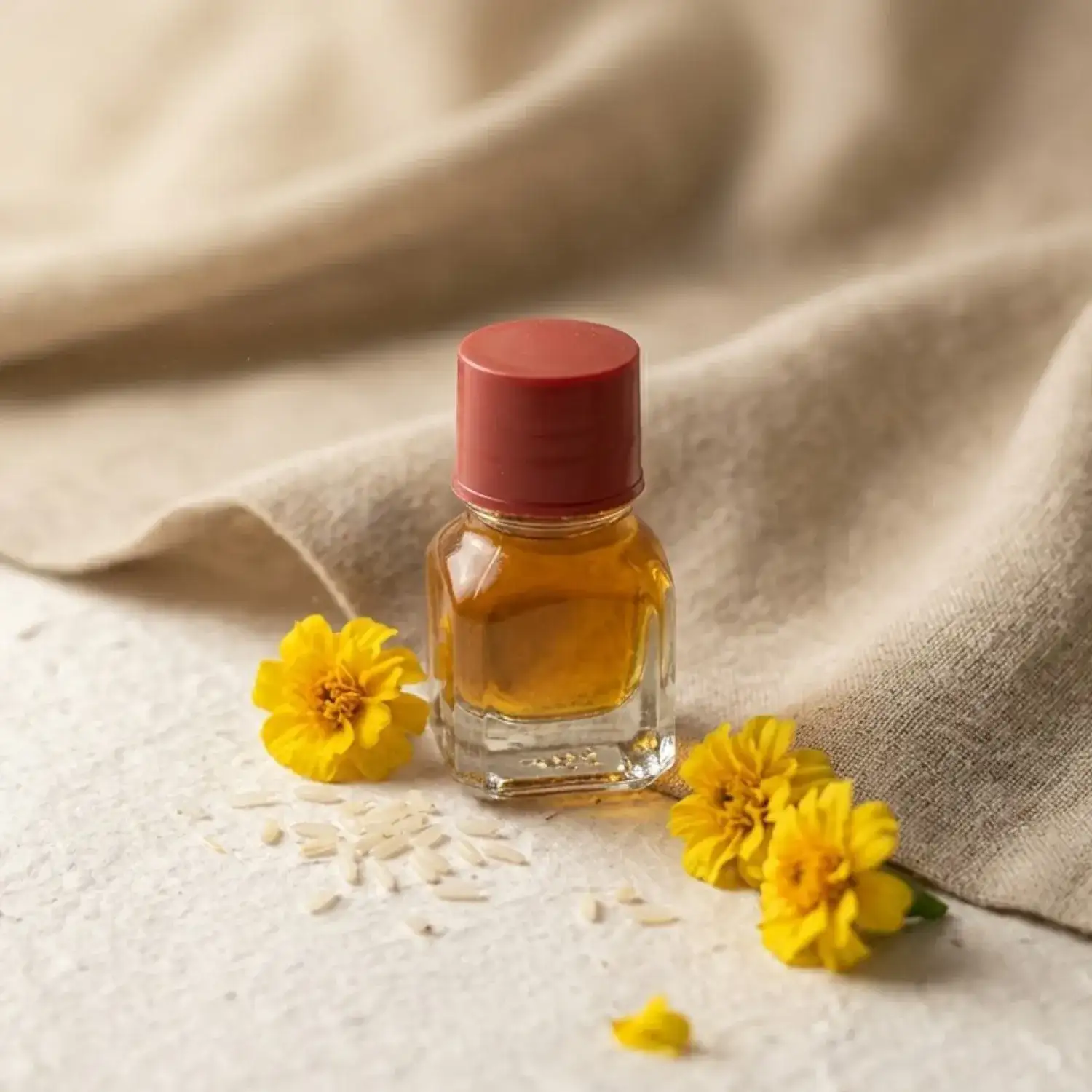
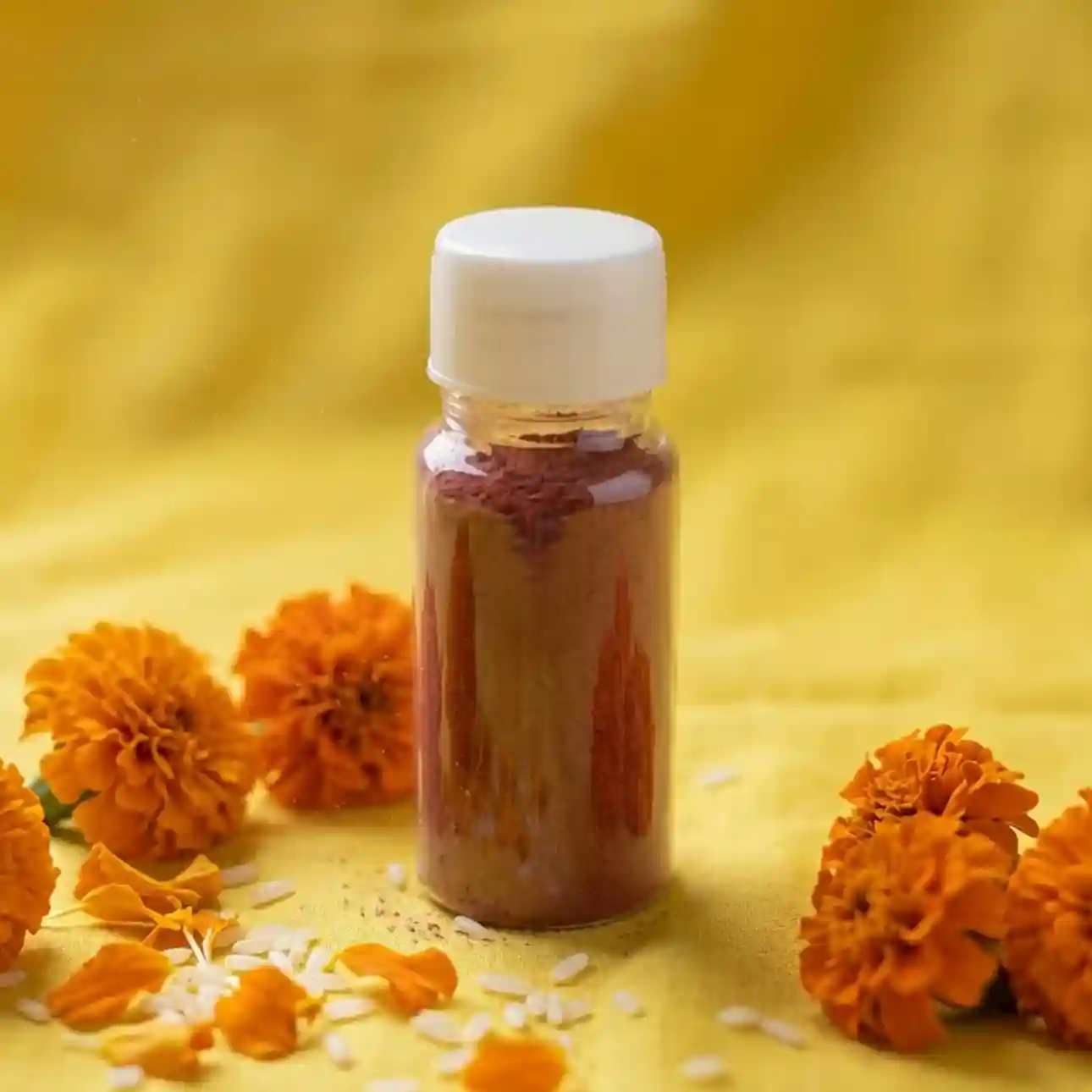
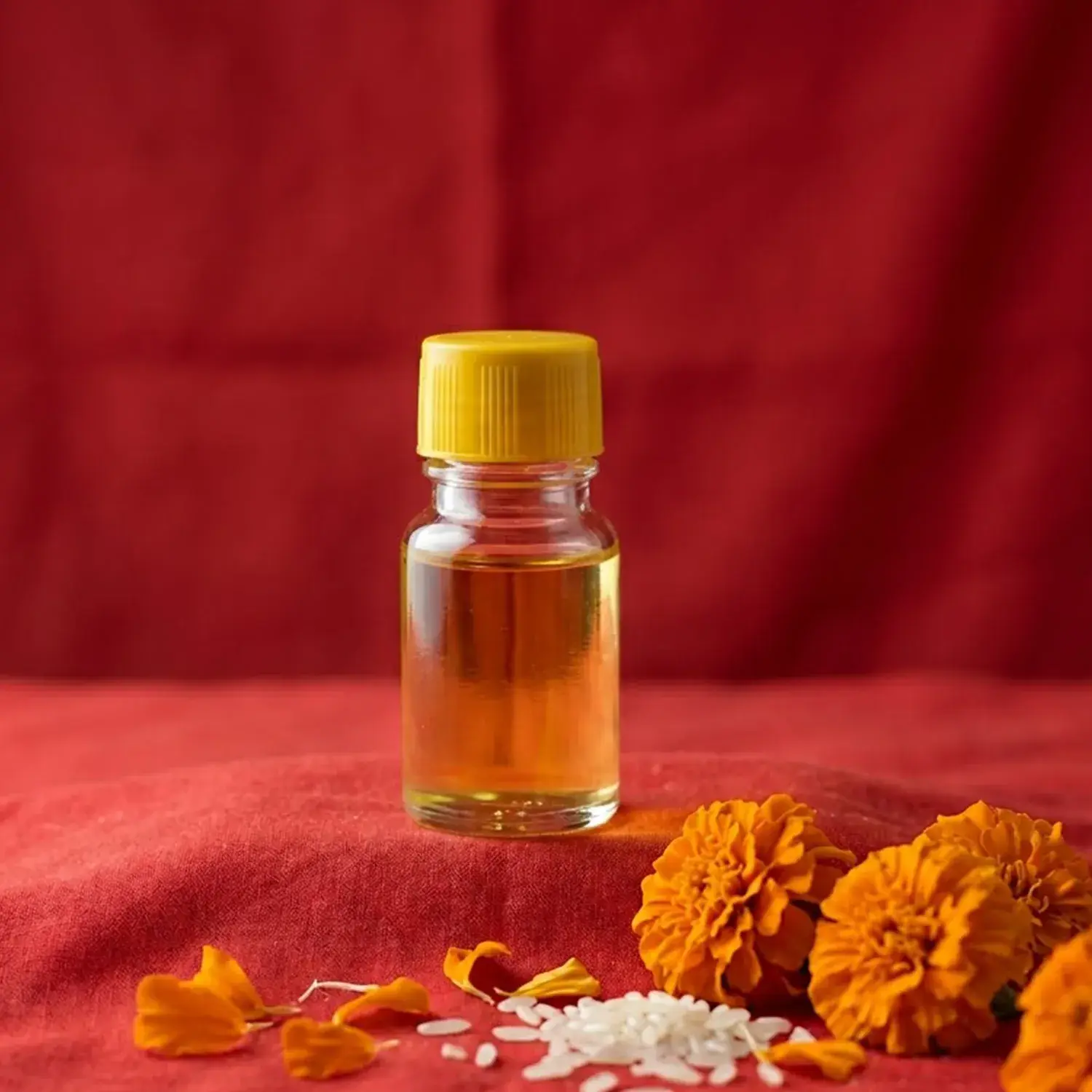
- Q1: Why does this kit include "Saffron Chola Sindur" and "Chameli Oil" together?
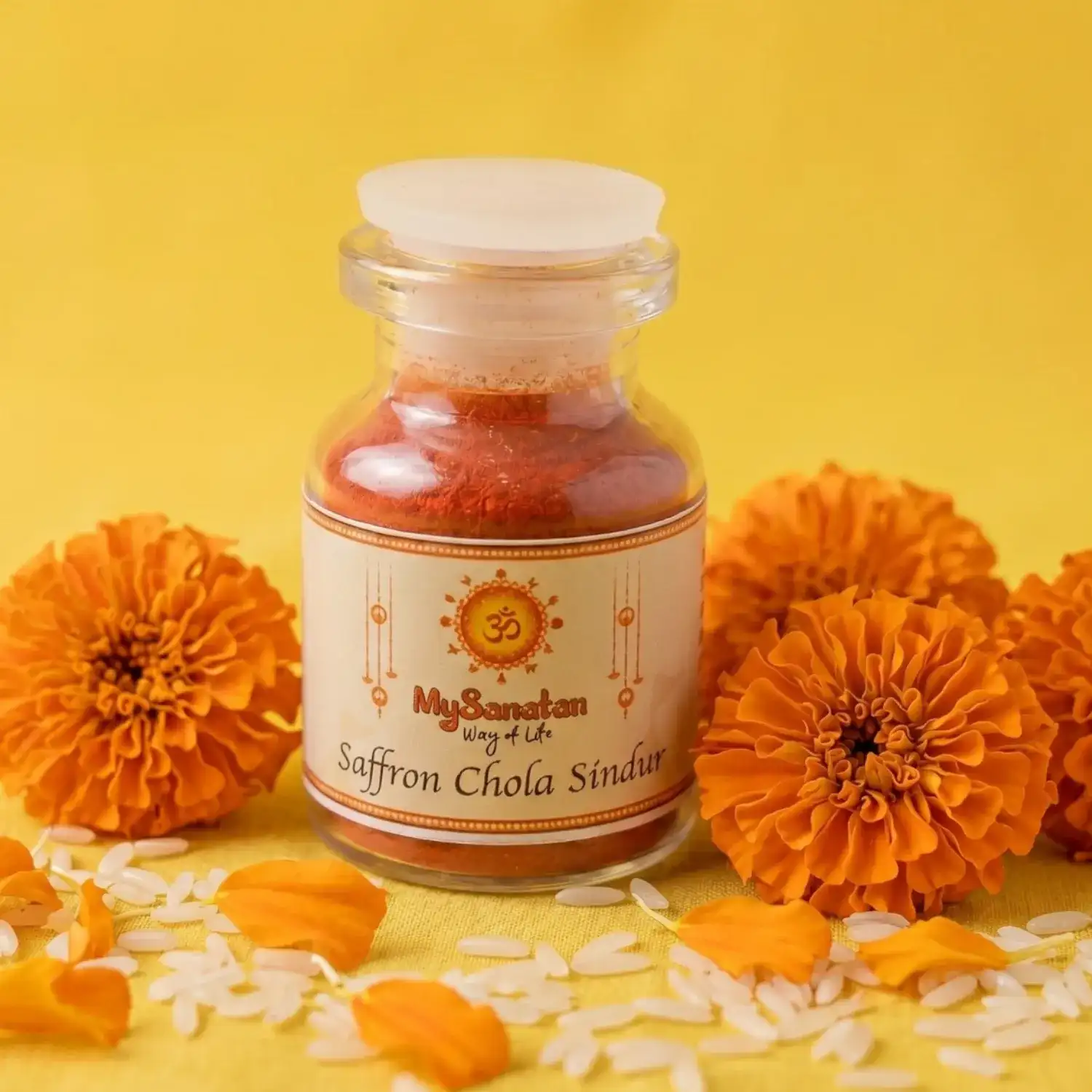
- For Devotees: Offering a Chola (a sacred coating) is one of the most powerful ways to worship Lord Hanuman! According to traditional lore (outside your provided classical texts), when Hanuman saw Mother Sita applying Sindur to please Lord Rama, he covered his entire body in it to show his absolute devotion! Devotees lovingly mix this specific Saffron Sindur with Chameli (Jasmine) oil to recreate that pure, unconditional love and seek his immediate blessings.
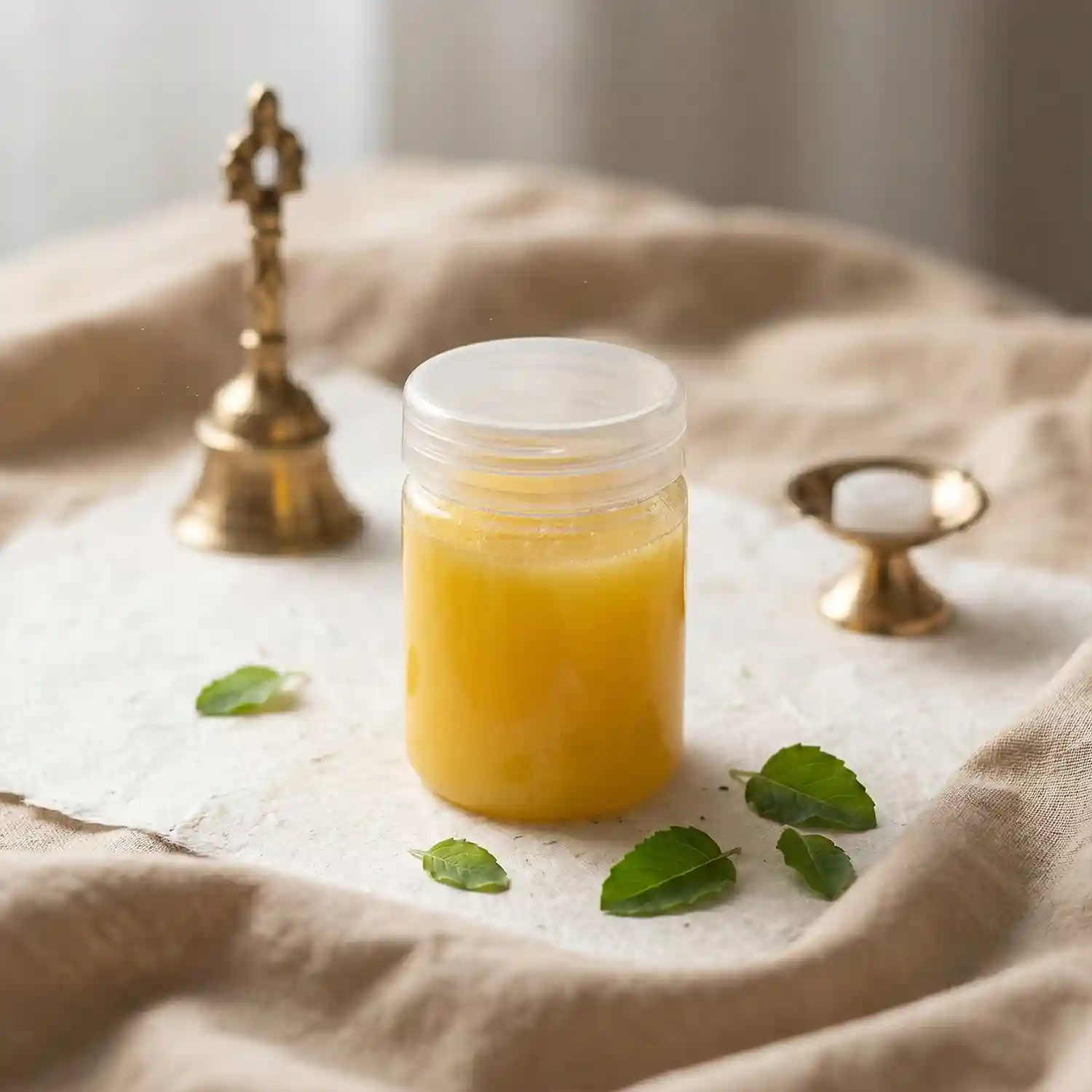
- Q2: I see Mustard Oil is included alongside Ghee. Why is Mustard Oil used for Hanuman Ji?
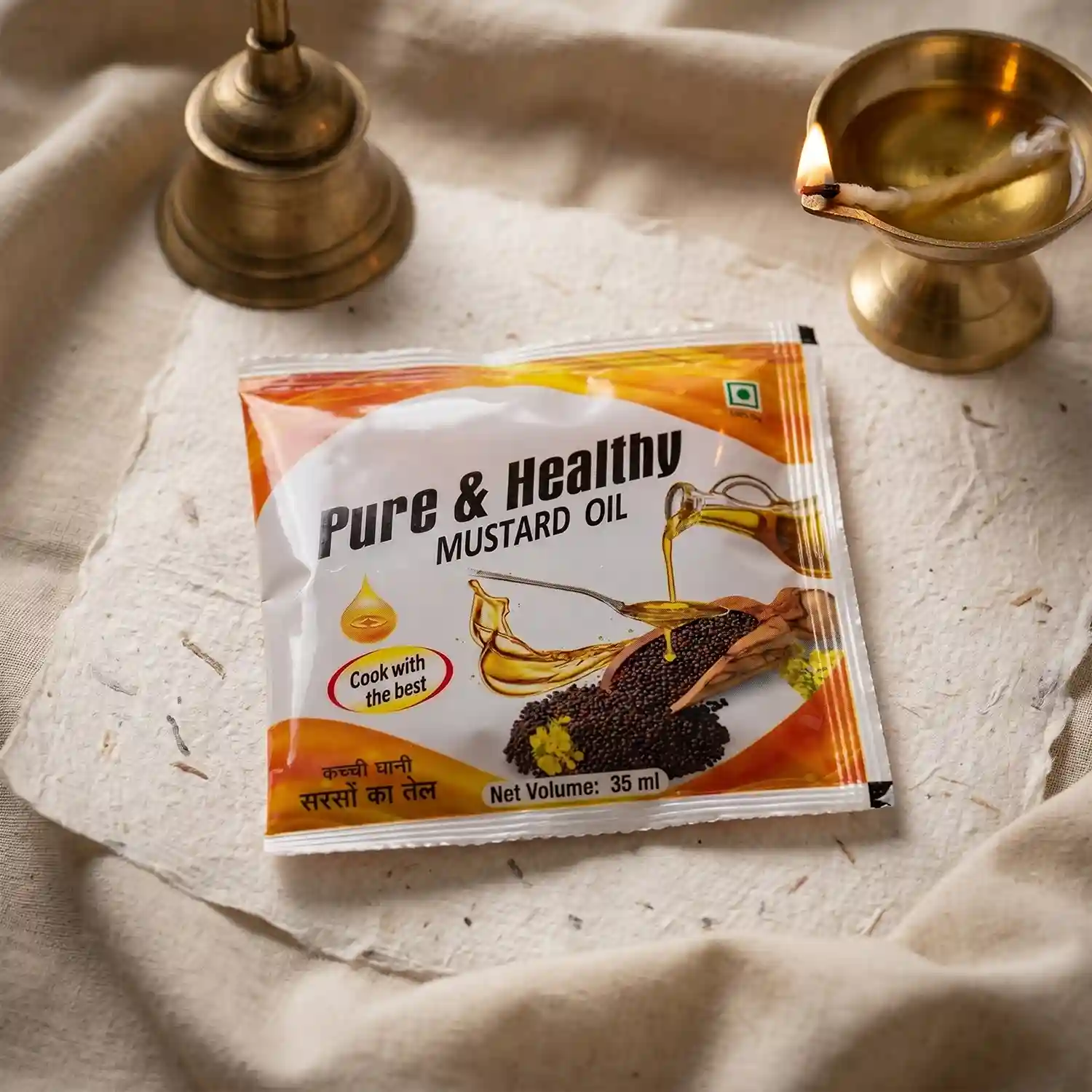
- For Cultural Enthusiasts: While Ghee is standard for Vedic deities, lighting a lamp with Mustard Oil (Sarson ka Tel) holds highly specific protective properties in Hanuman worship (outside knowledge). It is traditionally used to pacify the malefic effects of Lord Shani (Saturn) and to destroy severe obstacles, making it an essential element for Saturday worship!
- Q3: Is it scripturally acceptable for me as an ordinary householder to perform these rites without a priest?
- For Families & Devotees: You absolutely have the right to perform the core worship yourself! The classical Vedic NityaKarma text emphatically shatters the misconception that only priests can worship. It declares that the right to perform worship and connect with God belongs to everyone—"from children to the elderly, men and women". While a Pandit is required for complex, 16-step ceremonies, the simple 5-step devotion (Panchopachar) is perfectly acceptable and beloved by the Lord!
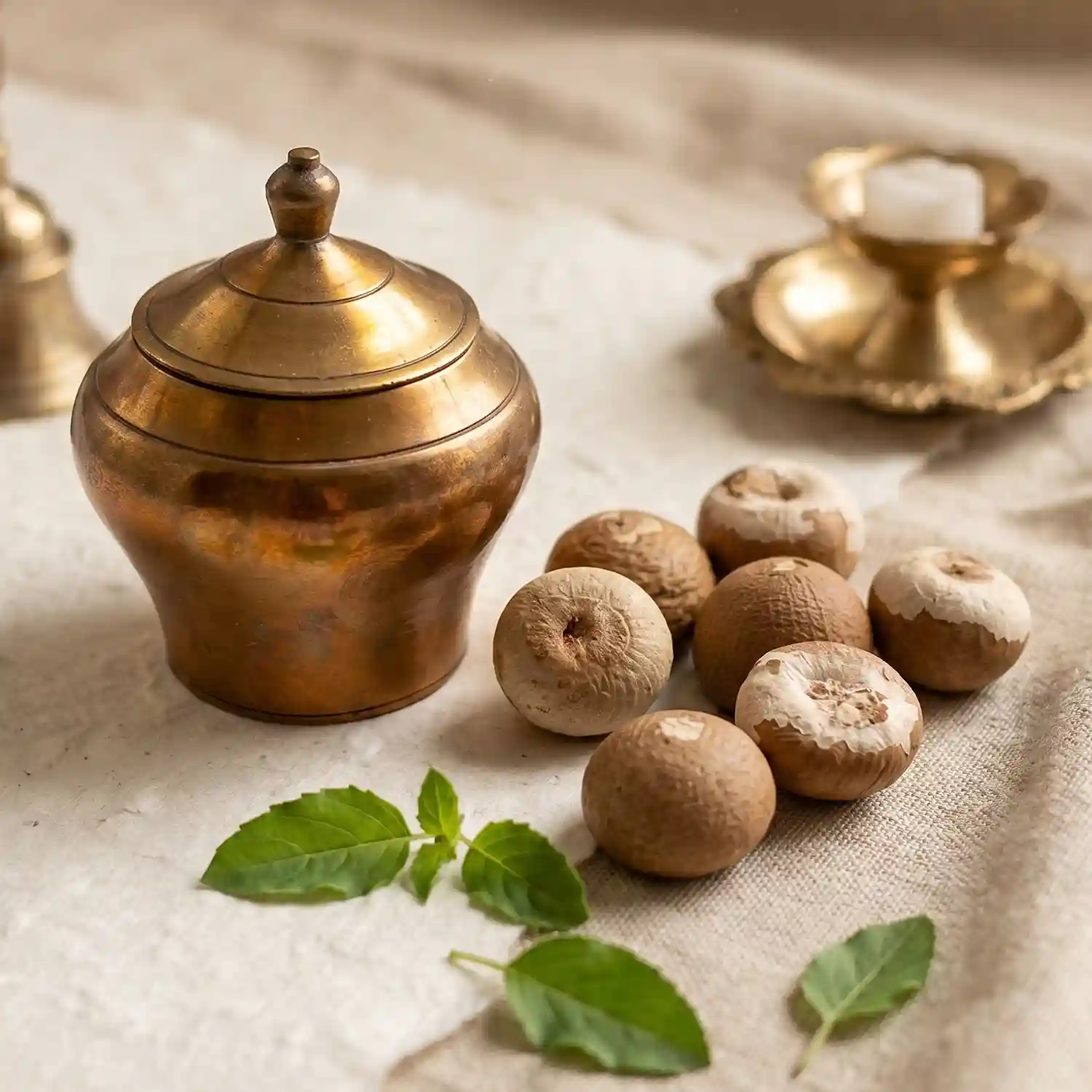
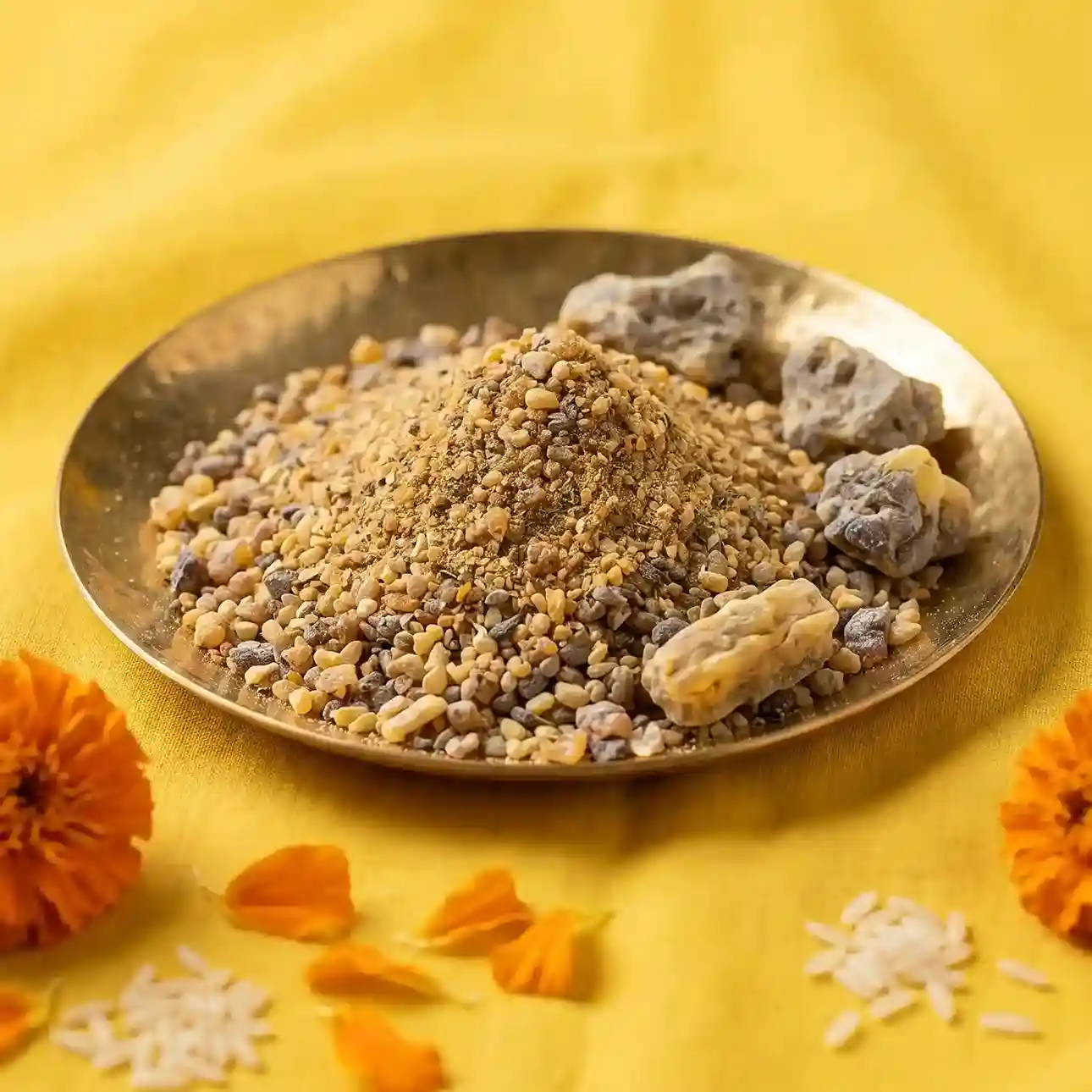
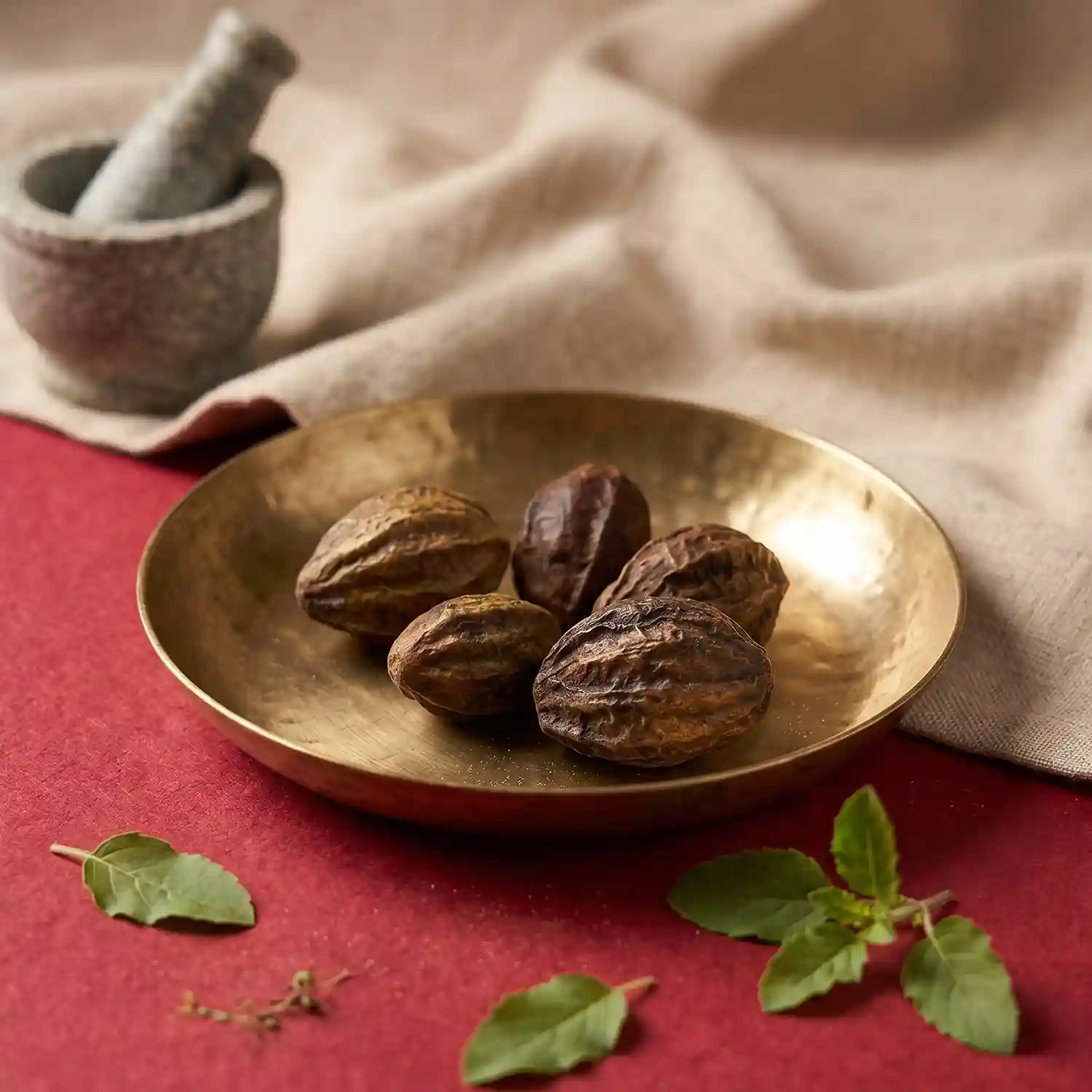
- Q4: The kit highlights specific spices like Betel Nut, Haritaki, Clove, and Cardamom for 'Tambula'. Why is this called out for the 16-step puja?
- For Tradition Seekers: Because it is scripturally non-negotiable! The classical texts dictate that there is no 16-step (Shodashopachar) puja where Tambula is not mandatory. As the exact 16th and final required offering, Tambula is presented to sweeten the deity's mouth after the grand feast. Without these specific spices, a grand royal worship led by a Pandit is technically incomplete!
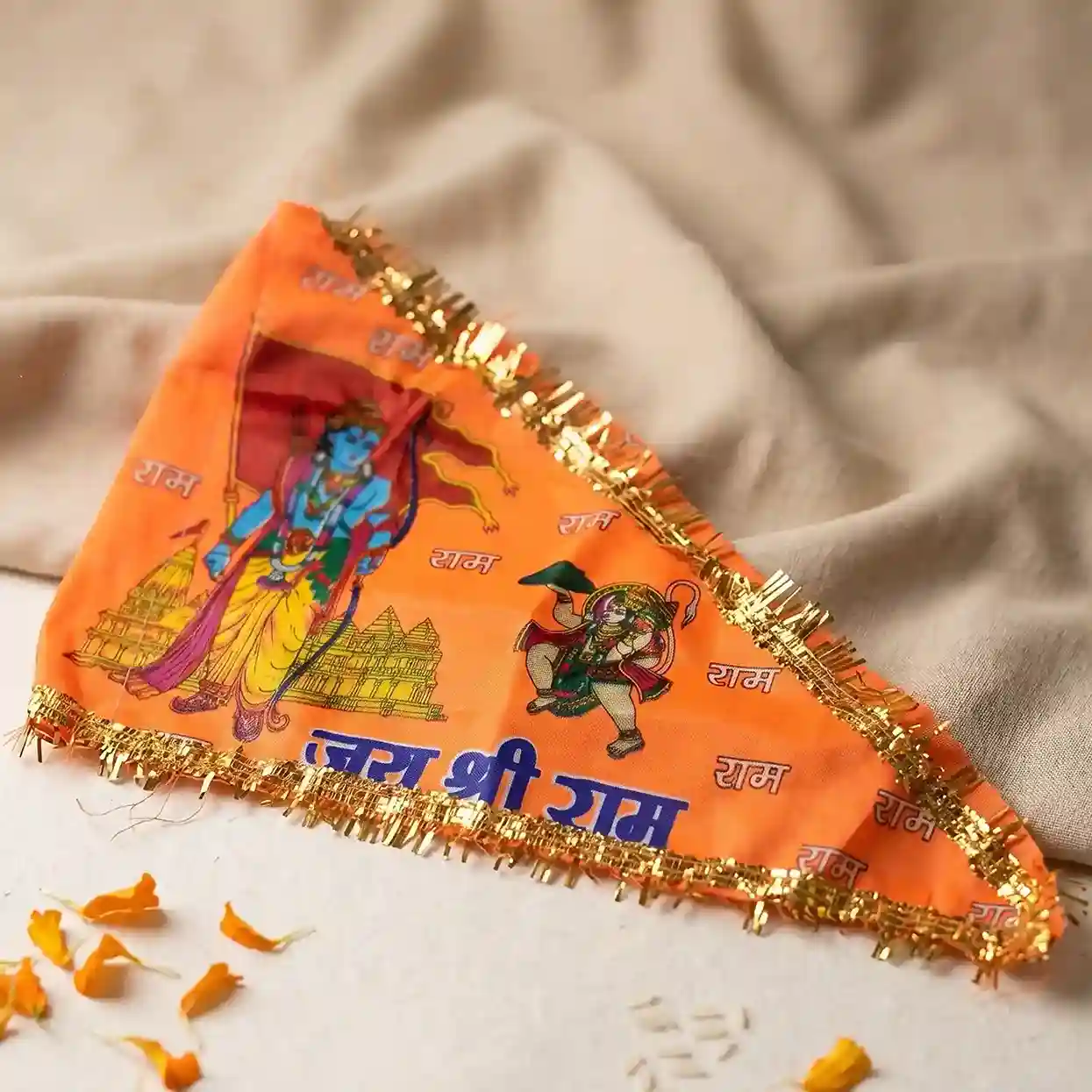
- Q5: What is the significance of placing the "Hanuman Ji Red Flag" at the altar?
- For Devotees: The Red Flag is the ultimate symbol of Dharma (righteousness) and absolute victory! Historically, Lord Hanuman resided on the flag of Arjuna's chariot during the great Mahabharata war to ensure his protection. Placing it at your home altar or on your roof invokes that same fierce, invincible shield over your family!