
preloader

Rudrabhishek Kit

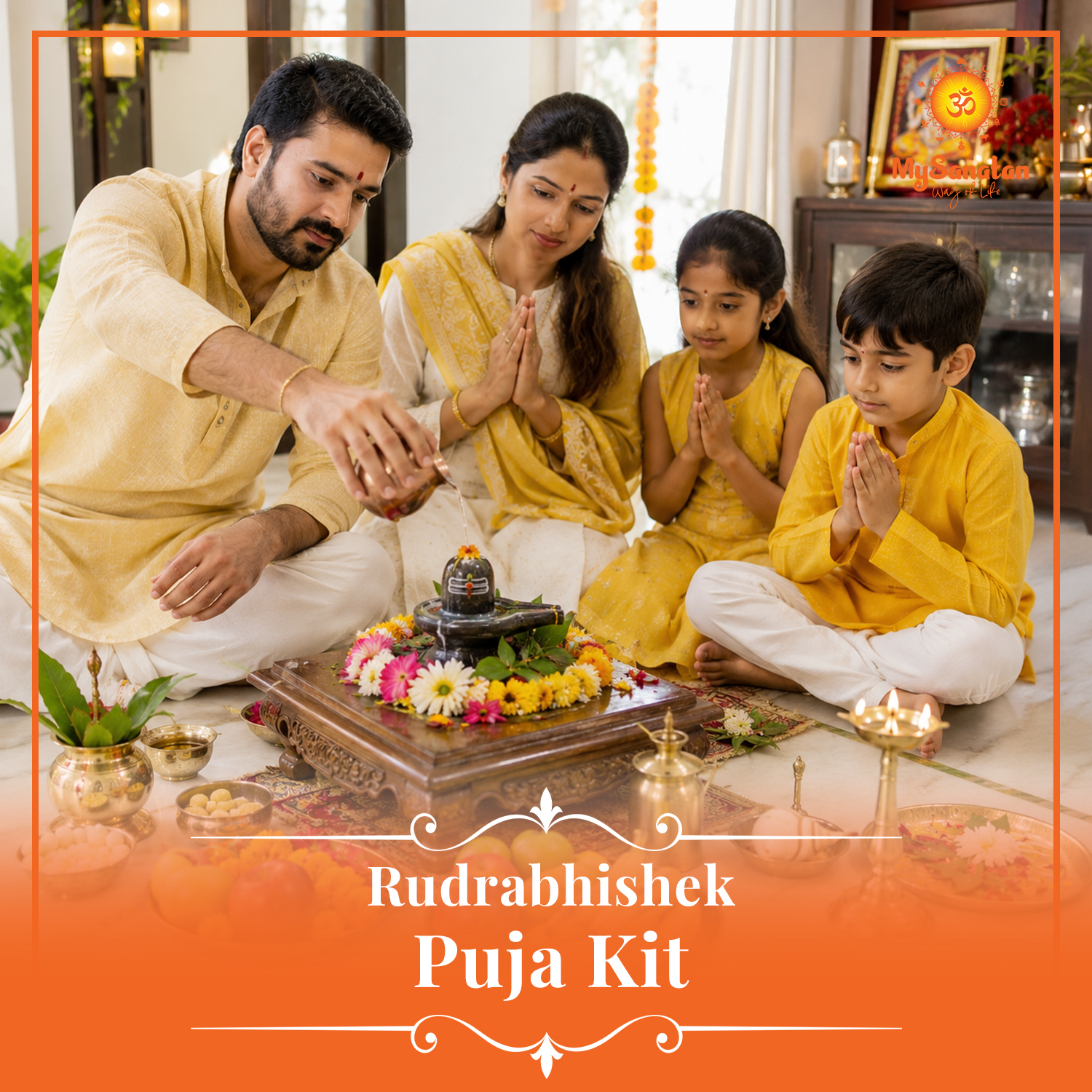
  • Rudrabhishek is performed to seek the blessings of Lord Shiva for health, prosperity, protection, and spiritual growth. It removes obstacles, negative energies, and hardships and brings peace, success, harmony, and divine grace into life.

  • Rudrabhishek is the highly potent, continuous pouring of sacred liquids (Abhishek) over the Shiva Linga. Lord Shiva is the Supreme Destroyer of illusions and the ultimate source of cosmic consciousness. Worshipping him through this continuous bathing using the sacred Gaumukhi cools the physical and spiritual atmosphere of the home, bringing profound peace, the eradication of severe diseases, and liberation from karmic cycles. The inclusion of highly specialized items loved by the Lord, such as Vibhuti Bhasma (Sacred Ash) and Siddhi Leaves (Bhang), anchors his mystical, ascetic energy directly into the household!

  • Rudrabhishek Puja is performed to invite profound peace, spiritual liberation, cosmic harmony, and to seek the Lord's absolute protection from negativity. It is suitable for both regular worship and special devotional moments. 
  • • Daily or regular household worship (Nitya Puja) for spiritual tranquility 
  • • Every Monday (Somvar), which is traditionally dedicated to Lord Shiva 
  • • During the highly auspicious monsoon month of Shravan (July/August) 
  • • On the grand night of Maha Shivaratri or monthly Masa Shivaratri observances 
  • • On Pradosh Vrat evenings (the twilight period of the 13th lunar day) 
  • • When seeking profound relief from severe illnesses, or astrological afflictions 
  • • Any moment a family is seeking healing grace, inner strength, and liberation from worldly anxieties

  • Before You Begin
  • Choose a clean, peaceful, and spiritually uplifting place for the puja. Place an idol or picture of Lord Shiva on a clean platform or chowki covered with the included Puja Cloth. Traditionally, devotees may also keep fresh flowers, Bel Patra, fruits, diya, incense sticks, milk, curd, or other sacred offerings according to personal devotion and regional customs.
  • Sit comfortably on the included Puja Asan and arrange all puja items neatly before beginning the worship. Light a diya or incense if available to create a devotional atmosphere.
  • 1. Prepare the Sacred Puja Space
  • Spread the Puja Cloth beneath the Shivling or picture of Lord Shiva to create a respectful and traditional devotional Mandir (Puja Sthan/Ghar).
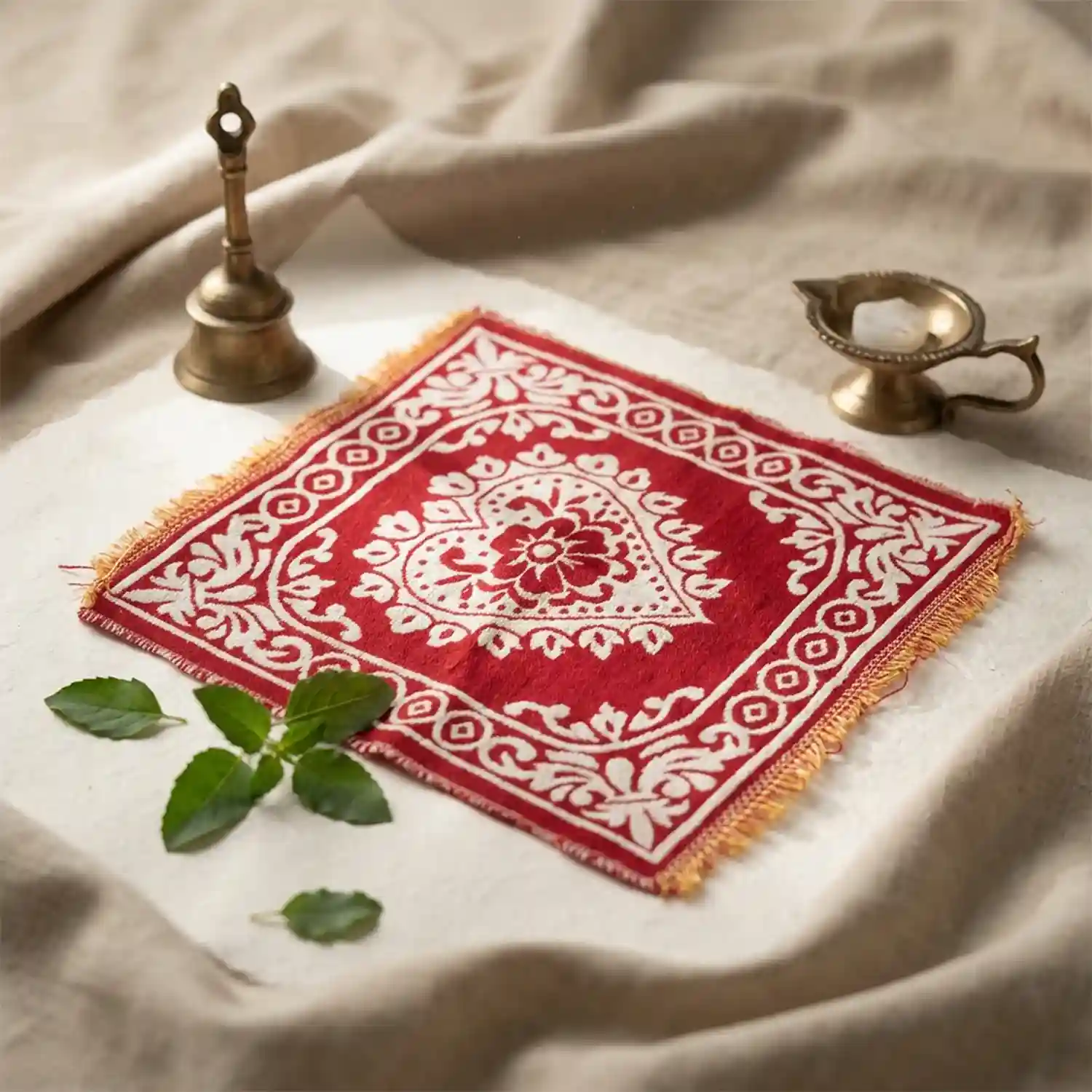
  • 2. Sit on the Traditional Puja Asan
  • Sit on the included traditional Asan while performing the puja. In Hindu rituals, using an Asan during worship is traditionally associated with focus, spiritual discipline, and devotional purity.
  • 3. Purify the Puja Area
  • Sprinkle a few drops of Ganga Jal around the puja space and on yourself for spiritual purification. This ritual symbolizes cleansing the surroundings and inviting divine positivity.
  • 4. Offer Sacred Thread & Moli
  • Respectfully offer or place the White Cotton Janeu Thread and White Moli Dhaga near the Shivling or deity according to your family tradition. These sacred threads symbolize purity, protection, and spiritual commitment.
  • 5. Apply Chandan, Ashtagandha & Vibhuti
  • Offer devotion by respectfully applying:
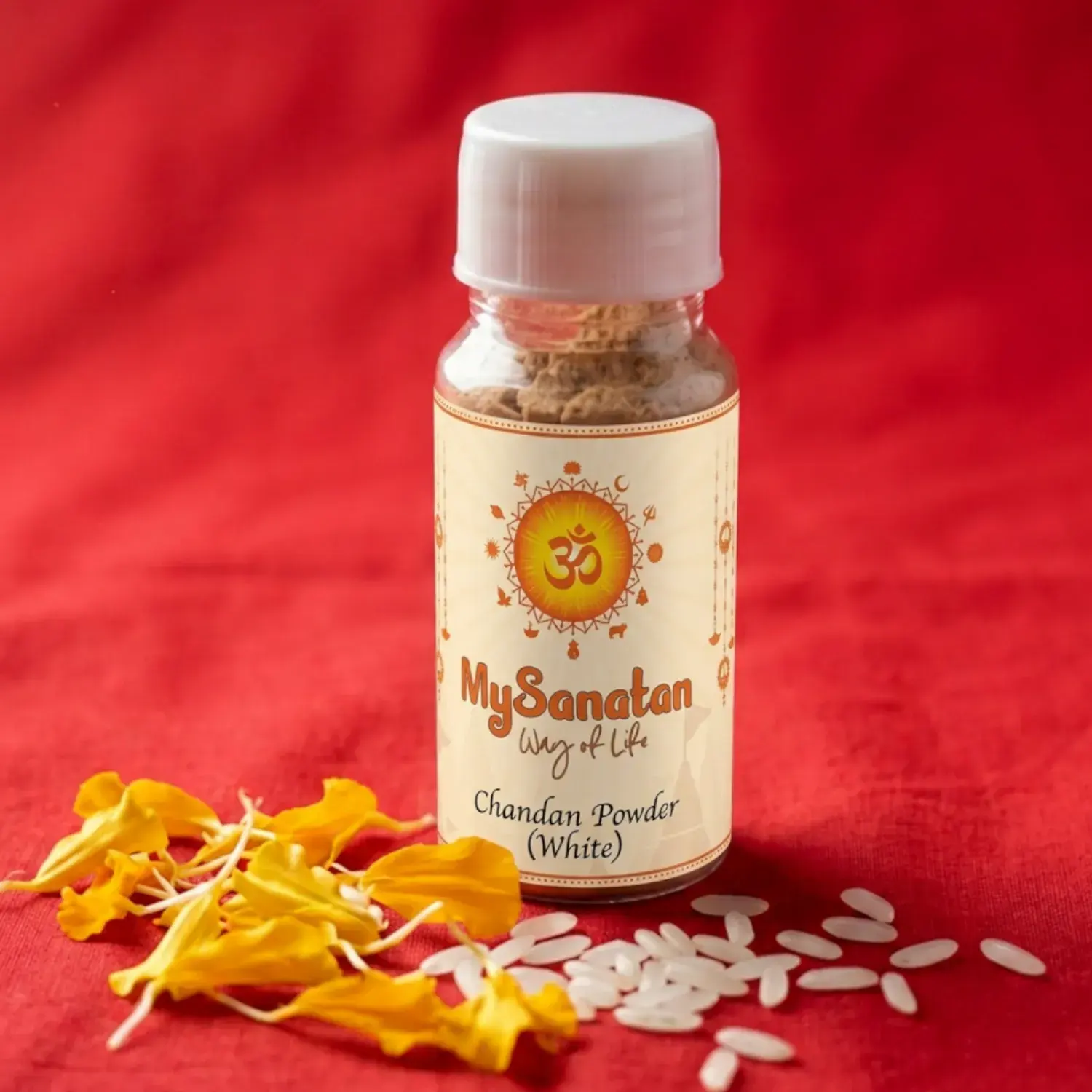
  • • White Chandan Powder
    • Ashtagandha Chandan Tika
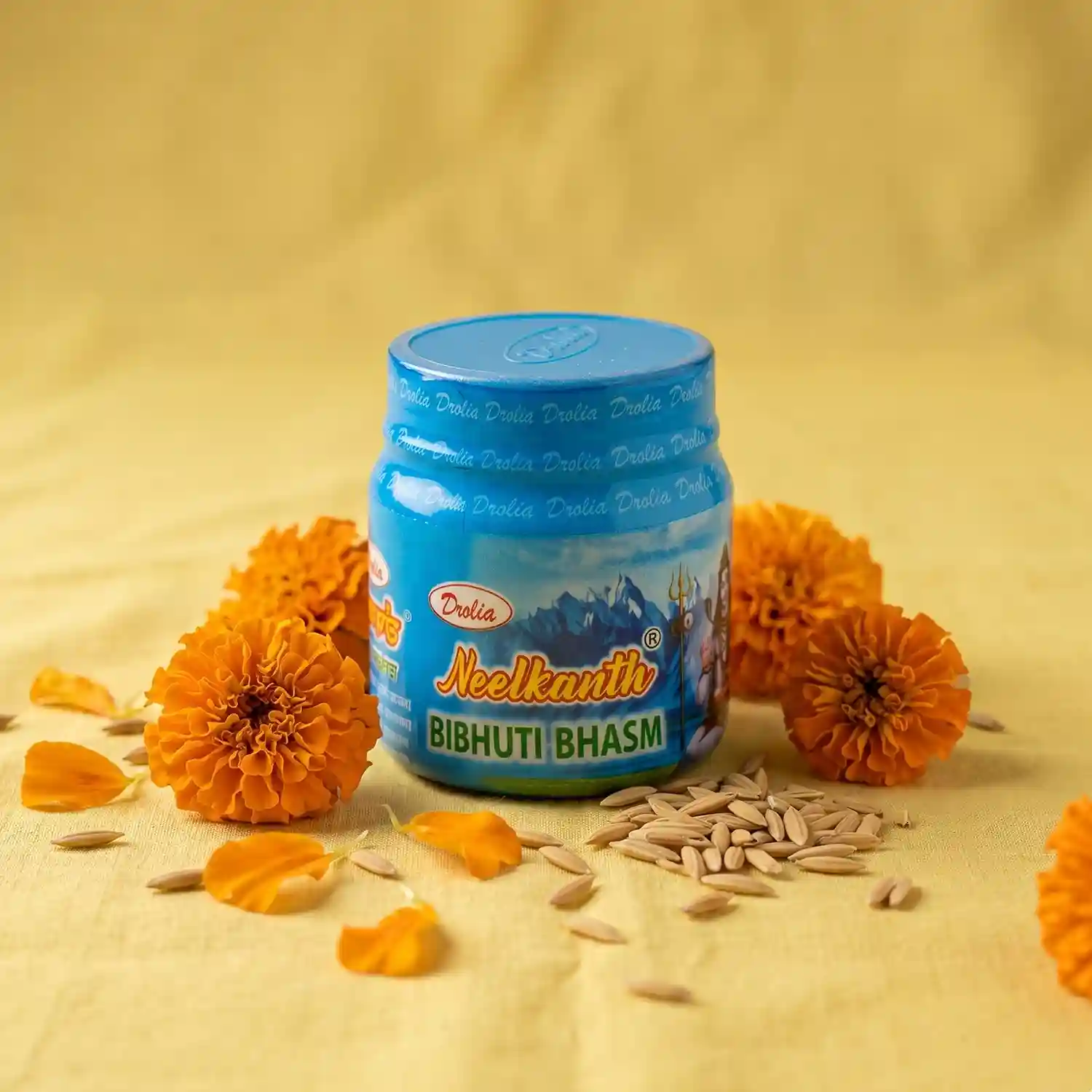
    • Vibhuti Bhasma
  • to the Shivling or deity. These sacred offerings are traditionally associated with purity, spiritual awakening, devotion, and Shiva worship.
  • 6. Offer Akshat Rice & Supari
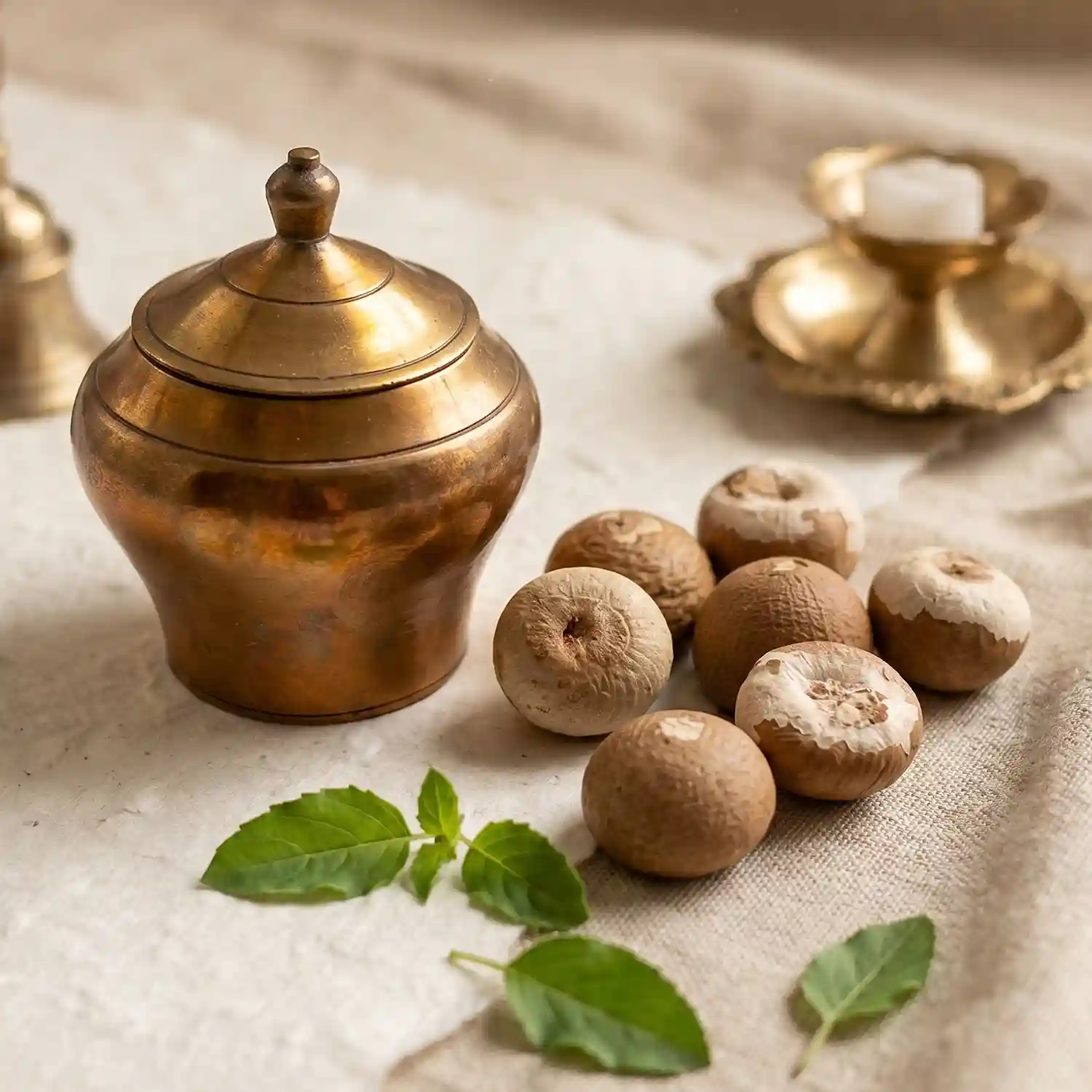
  • Offer Akshat Rice and Supari before the deity while praying for peace, prosperity, spiritual strength, and divine blessings.
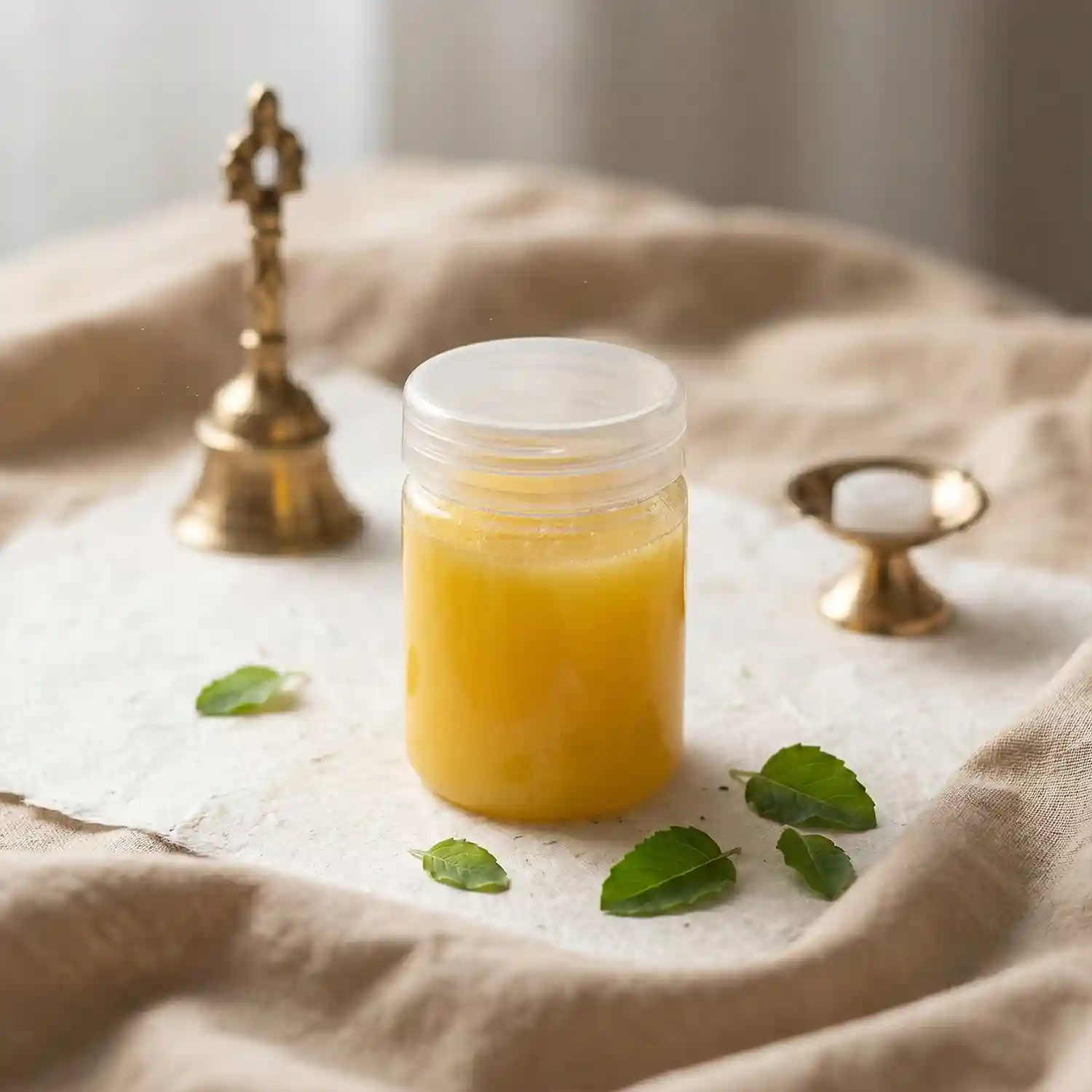
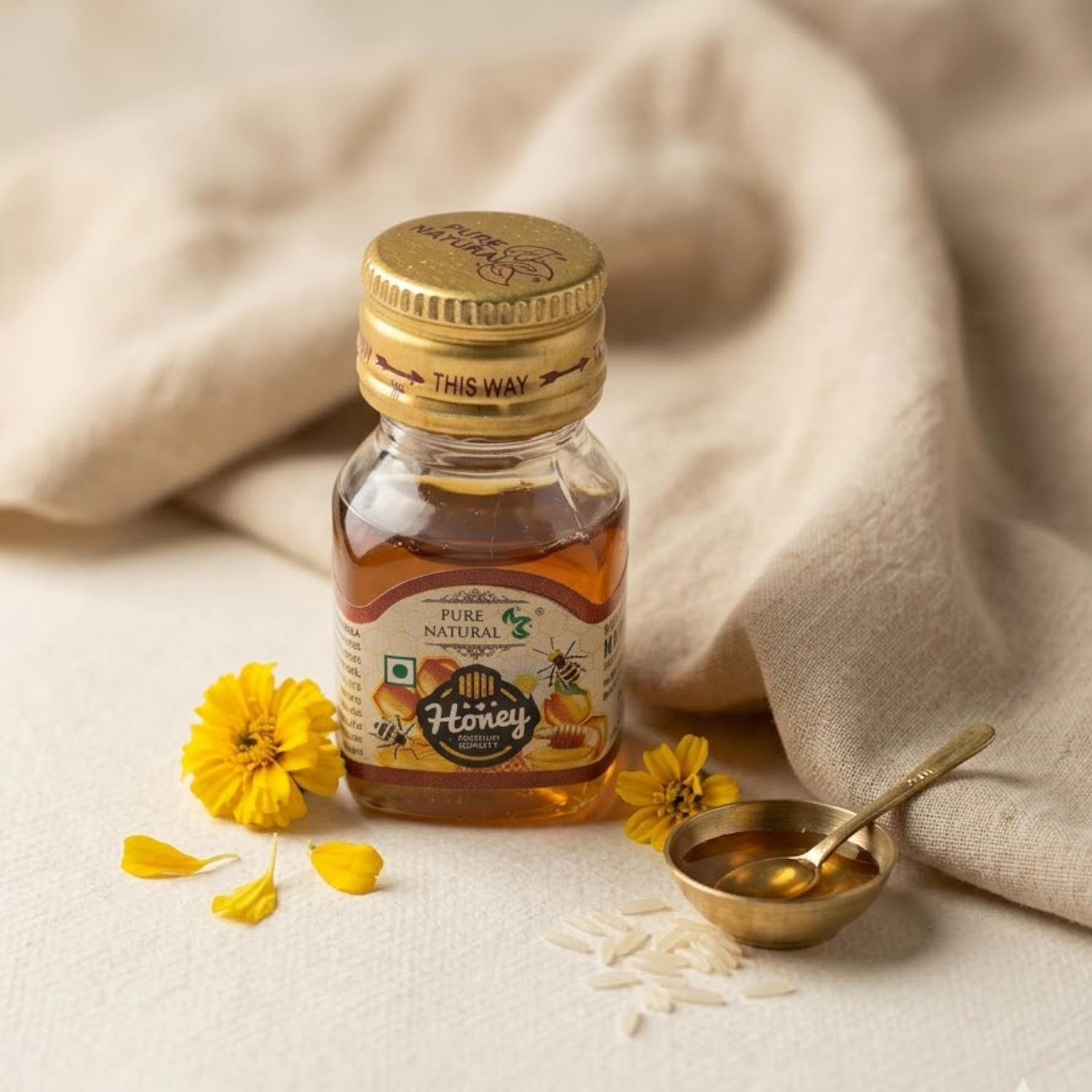
  • 7. Offer Honey & Cow Ghee
  • Offer small symbolic amounts of:
  • • Honey (Madhu)
    • Cow Ghee
  • during the puja. These sacred offerings traditionally symbolize sweetness, purity, nourishment, and devotion.
  • 8. Offer Clove & Green Cardamom
  • Place Clove and Green Cardamom before the deity as fragrant traditional offerings during worship rituals. These are commonly used in devotional practices to enhance the sacred atmosphere.
  • 9. Light Kapoor & Perform Aarti
  • Light a small piece of Camphor (Kapoor) and perform aarti in clockwise circular motions before Lord Shiva. Kapoor Aarti traditionally symbolizes removal of negativity and awakening of spiritual energy.
  • 10. Chant Shiva Mantra & Conclude the Puja
  • Fold your hands and pray sincerely for peace, protection, spiritual strength, positivity, and divine blessings.
  • You may chant:
  • “Om Namah Shivaya”
  • Traditionally, devotees may chant this mantra 11, 21, or 108 times according to devotion and available time.
  • Sit peacefully for a few moments after the puja and conclude the worship with gratitude and devotion.

  • Before You Begin: Choose a clean, peaceful, and spiritually uplifting place for the puja. Place the Shivling or picture of Lord Shiva on a clean platform or chowki. Sit comfortably on the included White Asan alongside your qualified priest (Purohit). Light the Agarbatti (Incense Sticks) to sanctify the atmosphere. As the householder, use this manual as a reference guide to verify that your priest is performing the rites accurately and beautifully. 
  • [Note: The orthodox manual Purohit Darpan strictly commands that the lighted lamp (Dipa) must always be placed on the right side of the deity or in the front, never on the left].
  • 1. Advanced Breath Control & Purification 
  • Before touching the sacred Puja Place, the priest will guide you through complex breath control (Pranayama) to discipline the mind. The priest will then perform highly advanced elemental purification (Bhuta-shuddhi) to completely cleanse the physical and spiritual environment.
  • 2. Installation of Divine Energies (Nyasa) 
  • The priest will perform Nyasa, an advanced practice involving the installation of divine energies into specific body parts using powerful Sanskrit syllables. This transforms the worshipper's body into a vessel fit for the divine.
  • 3. Intricate Hand Gestures (Mudras) 
  • Throughout the purification of the Ganga Jal and offerings, ensure your priest utilizes intricate, traditional hand gestures (Mudras), such as the Dhenu (cow), Matsya (fish), and Ankusha (goad) mudras, to properly channel divine energy.
  • 4. Rigorous Sanskrit Chanting & Abhishek 
  • To invoke Lord Shiva, the priest will recite rigorous, traditional Sanskrit Gayatri mantras. Under the precise chanting of the priest, respectfully offer the Honey and pure Cow Ghee to the Shivling as a unified sacred Abhishek.
  • 5. Divine Adornment (Chandan & Tripundra) 
  • Respectfully apply the White Chandan Powder and Ashtagandha.
  • • Apply the Tripundra: Apply three horizontal lines on the Shivling using the Vibhuti Bhasma (Sacred Ash). The priest will ensure the corresponding Vedic verses are recited to symbolize the destruction of the three core impurities: ego, ignorance, and past karma.
  • 6. Offer Ascetic Sacraments & Pancha Sashya 
  • Offer the White Cotton Janeu Thread, White Moli Dhaga, Akshat Rice, and the Pancha Sashya (Five Sacred Grains) at the base of the deity. (Scriptural Safety Note: Devotees are highly encouraged to offer fresh Bel Patra (Bilva leaves) at this time. However, the orthodox manual Purohit Darpan strictly commands "Bilva patram adhomukham"—meaning Bilva leaves must always be offered face-down. Furthermore, you must NEVER offer Tulsi leaves to Lord Shiva).
  • 7. The Royal Spices (Tambula) 
  • Following the strict 16-step sequence, offer Tambula to sweeten the deity's mouth after the Abhishek. Present the premium Supari, Clove, Green Cardamom, and Haritaki near the deity.
  • 8. Light Kapoor & Perform Aarti 
  • Place Long Cotton Wicks in a diya and light it using Cow Ghee. Light the safe Camphor Flakes (Kapoor) and perform the Aarti in clockwise circular motions while the priest chants the concluding hymns of peace and spiritual awakening.
  • 9. Conclude with Devotion (Pranama) 
  • Conclude your worship by performing a physical prostration (Pranama), such as the Ashtanga Pranama (engaging 8 parts of the body) or Panchanga Pranama. Receive the priest's scriptural blessings, and sit peacefully for a few moments, absorbing the profound spiritual energies that the priest's advanced rituals have established in your home.

  • Eradication of Negativity: Worshipping Lord Shiva instantly destroys fear, anxiety, and unseen obstacles, replacing them with unshakable mental clarity.
  • Physical & Spiritual Healing: The sacred liquids from the Abhishek (using the Gaumukhi) are highly charged with cosmic energy and are traditionally consumed as medicine to cure ailments and promote longevity.
  • Cosmic Purification: The extraordinary elements used in his setup—such as the Vibhuti Bhasma, Dhuna, and Camphor—draw on the purest, most ascetic energies of the universe, fundamentally cleansing the spiritual atmosphere of your home.

  • The MySanatan Rudrabhishek Puja Kit is an exceptionally focused package designed to invoke the Supreme Lord of the Cosmos! We understand that to host Mahadeva truly, your offerings must be perfectly pure and scripturally exact. That is why we have carefully sourced the traditional brass Gaumukhi, the authentic Vibhuti Bhasma, and his beloved Siddhi Leaves. Furthermore, by specifically including Pure Honey for the 6th step and the precise spices (Supari, Clove, Cardamom) strictly required for the 16th-step Tambula—as mandated by classical manuals—we ensure your home is flawlessly prepared for the ultimate celebration of divine grace!
Standard Package
Package Total: ₹749.00
Asan for Puja | Traditional Red & White Sitting Mat | Medium Size
1 Piece
1
150.00
Ganga Jal | 100% Pure & Authentic | Small Pack
100 ML
1
25.00
Honey for Puja | Pure Sahad | Madhu
25 Gram
1
35.00
White Moli Dhaga | Safed Kalawa | White Ritual Thread
1 Piece
1
15.00
Akshat Rice | Chawal | Chal
20 Gram
1
25.00
White Cotton Janeu Thread | Sacred Thread | Paita
1 Piece
1
20.00
White Chandan Powder | Safed Chandan Tika | White Sandalwood Tika
10 Gram
1
29.00
Round Cotton Wicks | Phool Batti
1 Pack
1
20.00
Natural & Pure Camphor | Pure Kapoor | Karpura | Kapur (Small Pack)
10 Gram
1
15.00
Clove | Laung | Lobongo Small Pack
5 Gram
1
15.00
Green Cardamom | Hari Elaichi | Choto Elach | Small Pack
3 Gram
1
29.00
Supadi | Whole Betel Nut
7 Piece
1
15.00
Ashtagandha Chandan Tika | Ashtagandha Powder
60 Gram
1
80.00
Cow Ghee For Puja and Havan | Small Pack
50 Gram
1
25.00
Vibhuti Bhasma | Sacred Ash
30 Gram
1
49.00
Agarbatti | Premium Incense Sticks | Dhup Kathi (Small Pack)
20 Gram
1
13.00
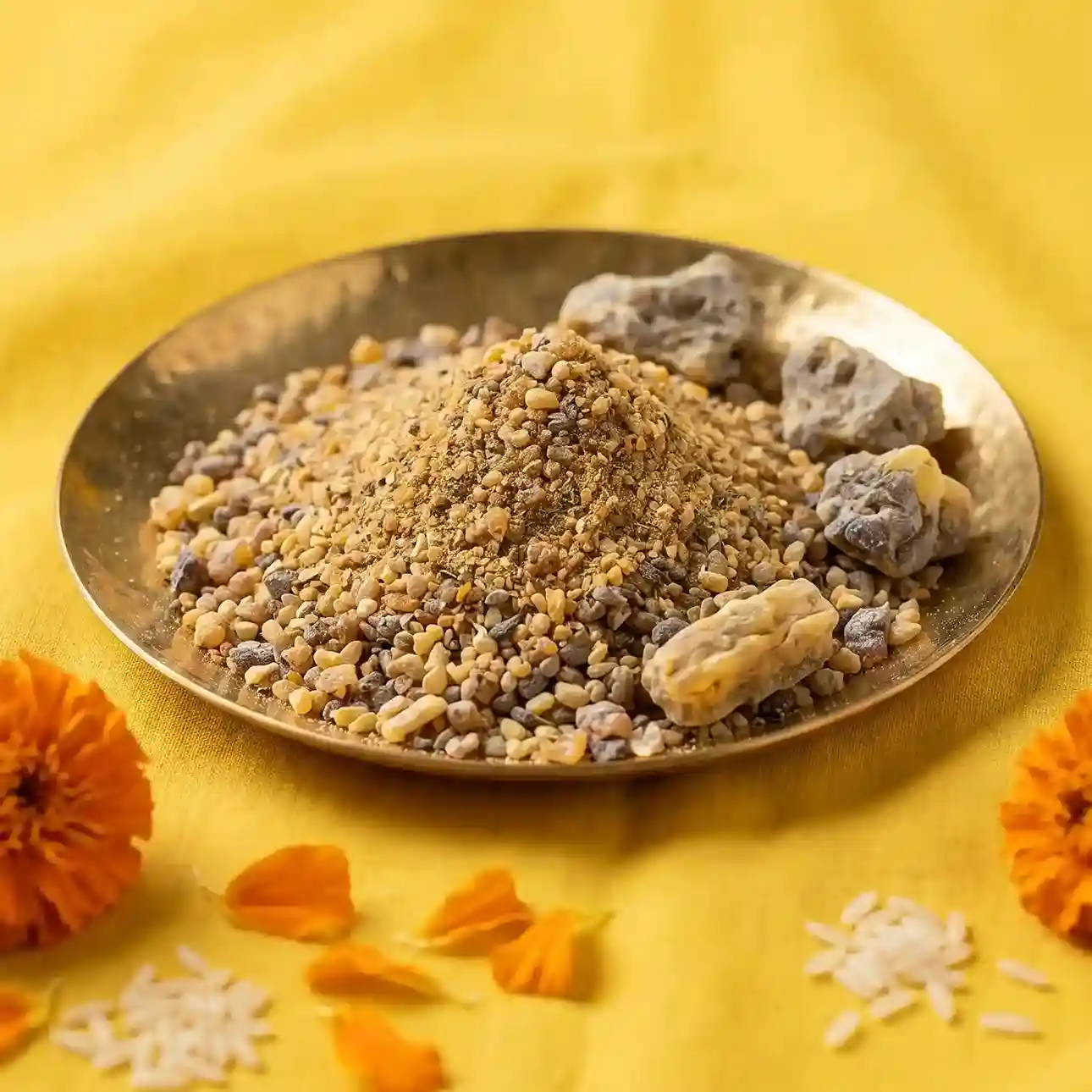
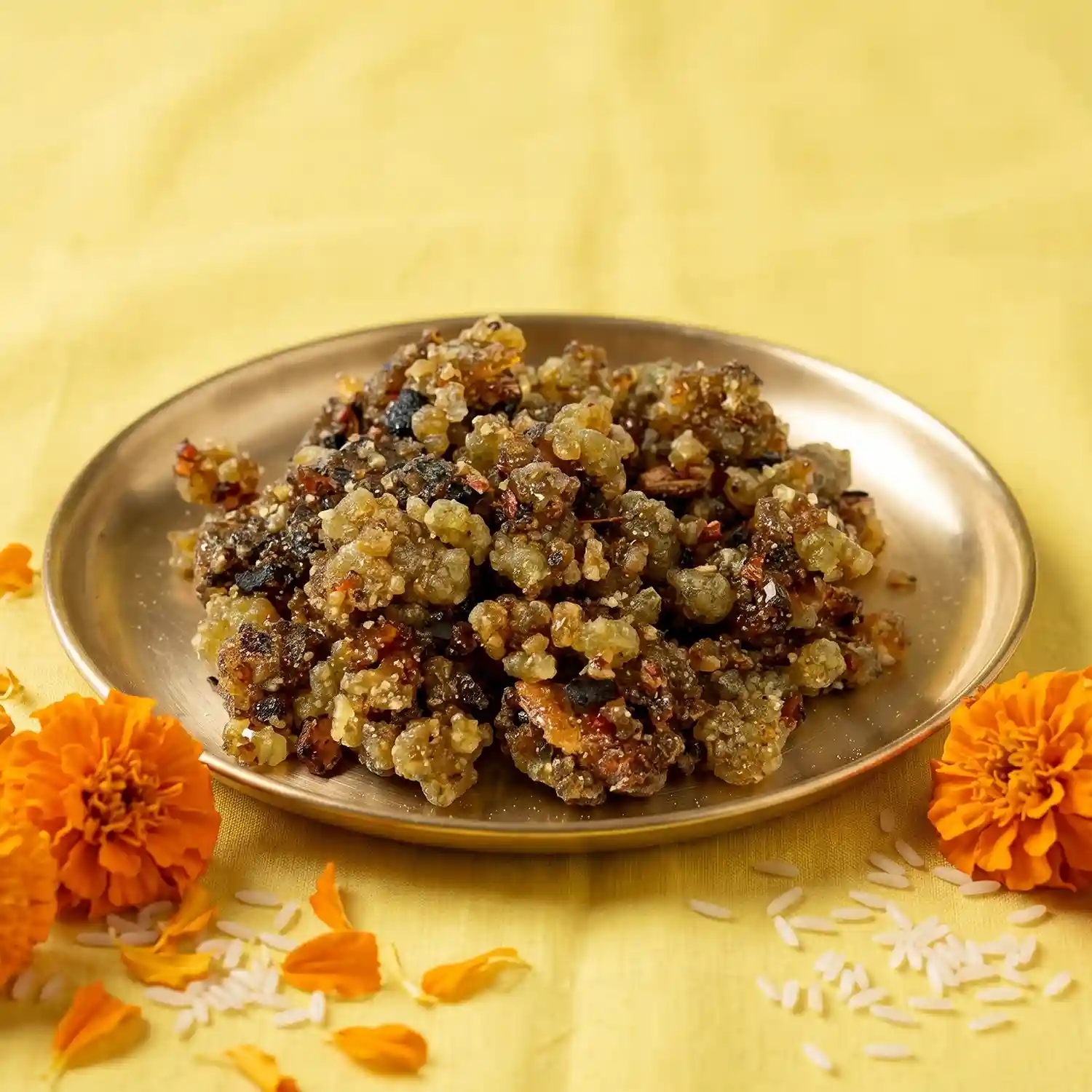
Dhuna Powder | Loban Powder | Natural Damar Batu (Small Pack)
50 Gram
1
49.00
Guggal | Natural Guggul | Indian Bdellium (Small Pack)
20 Gram
1
15.00
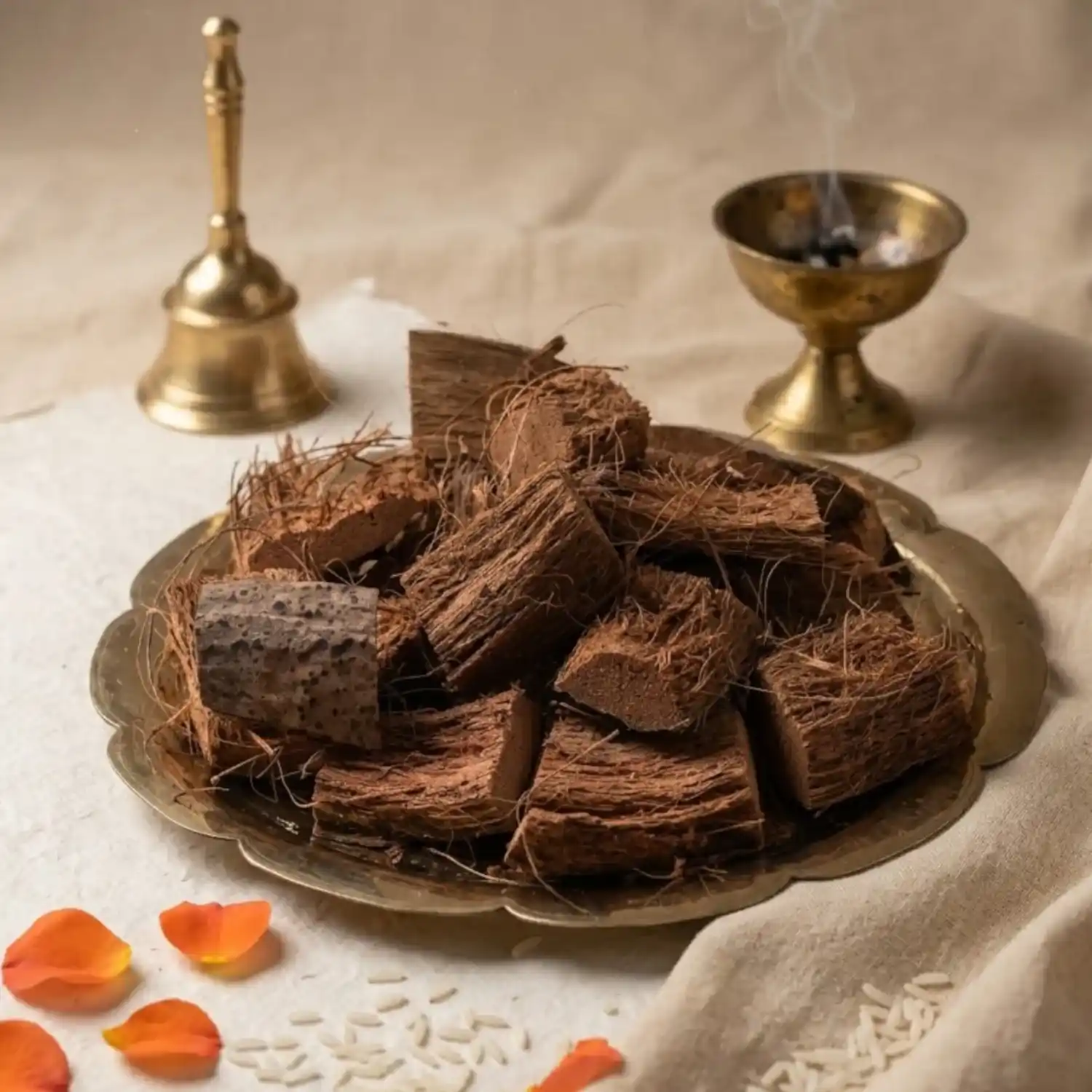
Dry Coconut Husk | Nariyal Coir | Chobra
100 Gram
1
65.00
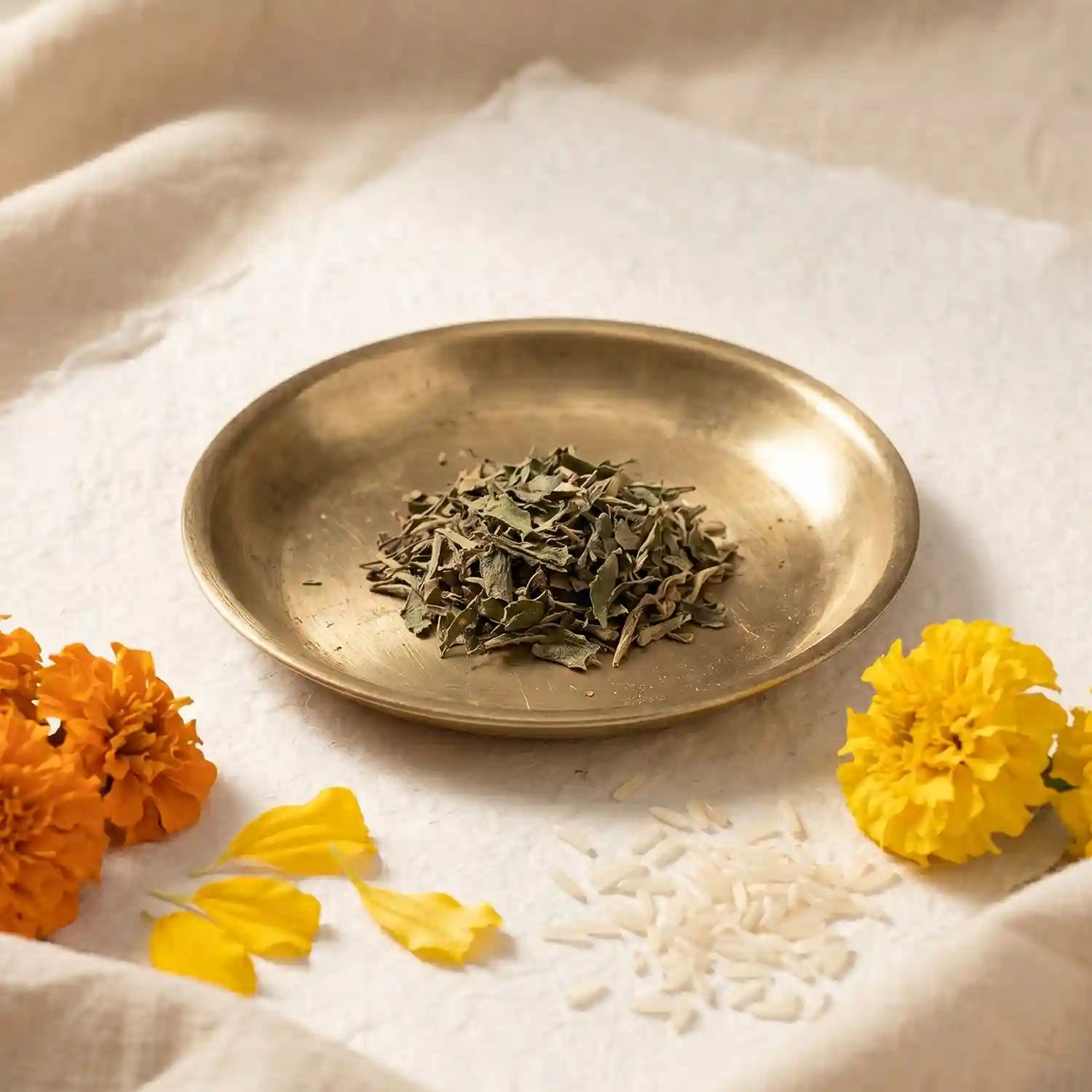
Siddhi Leaves For Puja | Dry Bhang Pata
2 Gram
1
10.00
Long Cotton Wicks
1 Pack
1
20.00
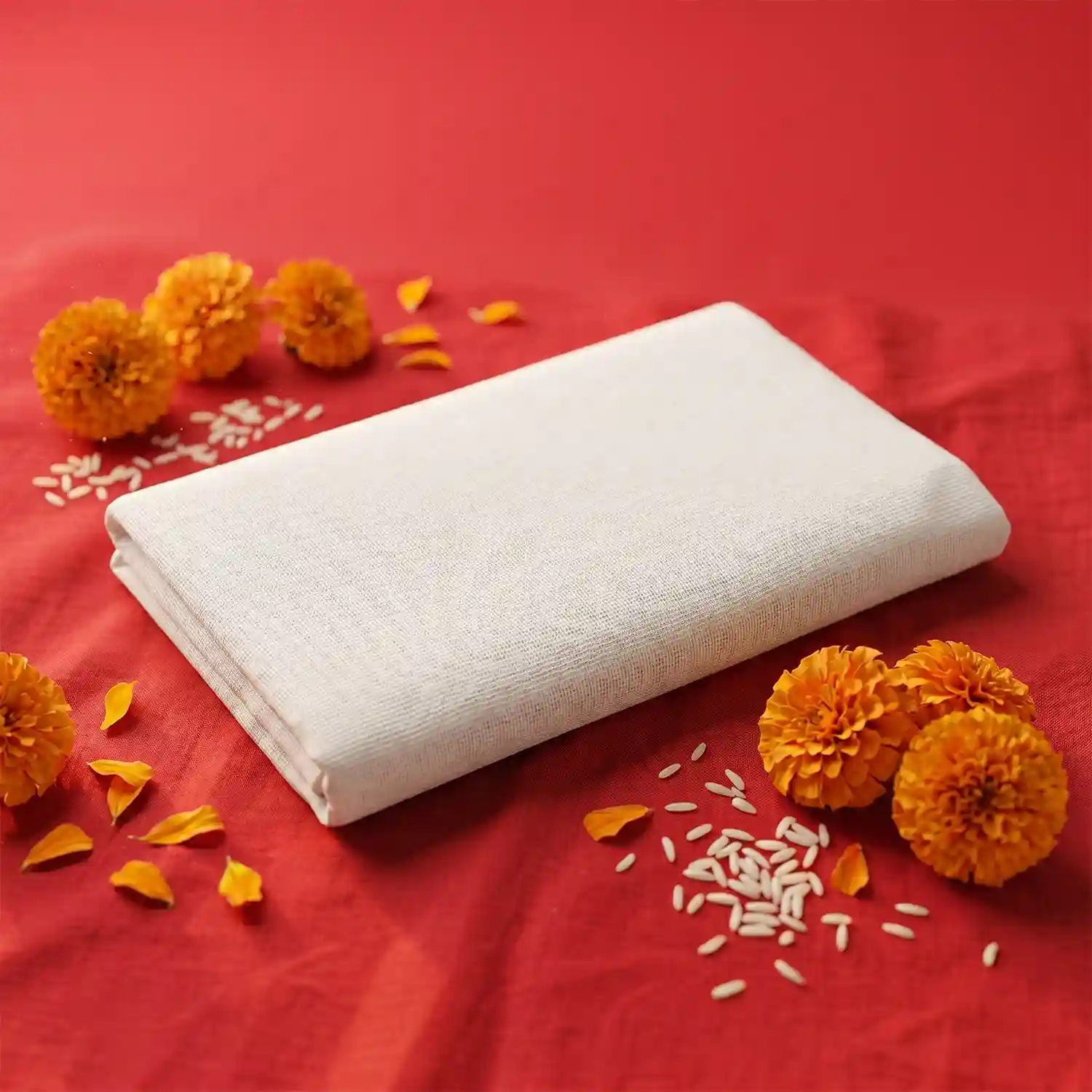
White Puja Cloth | Sada Shalu Kapor | Sacred White Cotton Cloth for Puja Rituals
1 Piece
1
30.00


Do you need a custom package or you already have a list?

Frequently Asked Questions
  • Q1: Which direction should I face when performing the Rudrabhishek at home? 
  • For Experienced Practitioners: Lord Shiva holds a very special, unchangeable directional rule! While classical texts often require facing East for general deities during the day, the Purohit Darpan explicitly commands that Shiva worship, whether during the day or night, must always be done facing North (Uttaramukh)!
  • Q2: I have a beautiful garden full of Kunda and Ketaki flowers. Can I offer them to Lord Shiva during the Abhishek? 
  • For Beginners: You must strictly avoid this! The Purohit Darpan contains a highly specific list of Prohibited Flowers (Nishiddha Pushpa) exclusively for Lord Shiva. The text explicitly mandates that Kunda, Ketaki, Bandhuka, and Red Jaba (Hibiscus) are strictly forbidden in Shiva worship. To properly honor him, stick to white flowers, Dhatura, and the Siddhi Leaves provided in your kit!
  • Q3: The kit includes a beautiful brass Gaumukhi (cow-mouth vessel) for the Abhishek. How should I ritually purify it before the bath?
  • For Home Ritualists: Simple water is not enough to achieve ceremonial purity for certain metals! According to the ancient Apastamba Sutras and traditional Smriti texts, different materials require highly specific natural cleaners. The text dictates that a vessel made of metal or brass "becomes pure by being scoured with ashes". You must physically scour the brass Gaumukhi using clean ash or earth and rinse it before filling it with the sacred Ganga Jal!
  • Q4: If my family decides to perform a Havan (fire ritual) after the Rudrabhishek, can the women or children offer the ghee into the fire?
  • For Families: In highly orthodox Vedic fire rites, the rules for pouring oblations are very specific. According to the classical Apastamba Sutras, the text strictly states: "A female shall not offer any oblation into the fire. Nor a child, that has not been initiated". The initiated householder or the officiating priest should physically pour the oblations to maintain the strict Vedic energetic circuit!
  • Q5: The kit highlights specific spices like Betel Nut, Clove, and Cardamom for 'Tambula'. Why is this called out for the 16-step puja?
  • For Cultural Enthusiasts: Because it is scripturally non-negotiable! The classical texts dictate that there is no 16-step (Shodashopachar) puja where Tambula is not mandatory. As the exact 16th and final required offering, Tambula is presented to sweeten the deity's mouth after the grand feast. Without these specific spices, a grand royal worship is technically incomplete, which is why we ensure they are perfectly packaged in your premium kit!