
.webp)







_11zon.webp)
1_1_11zon.webp)
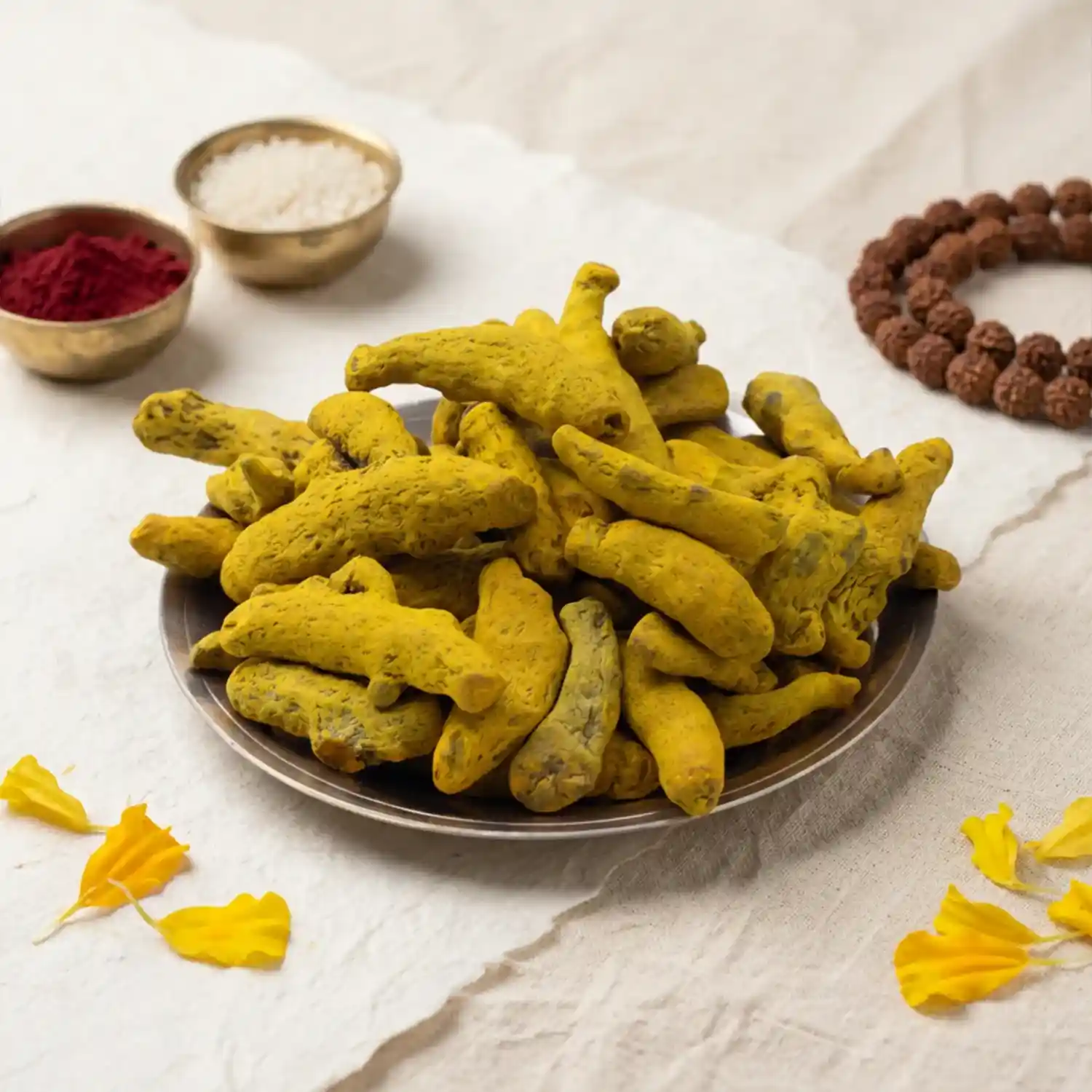
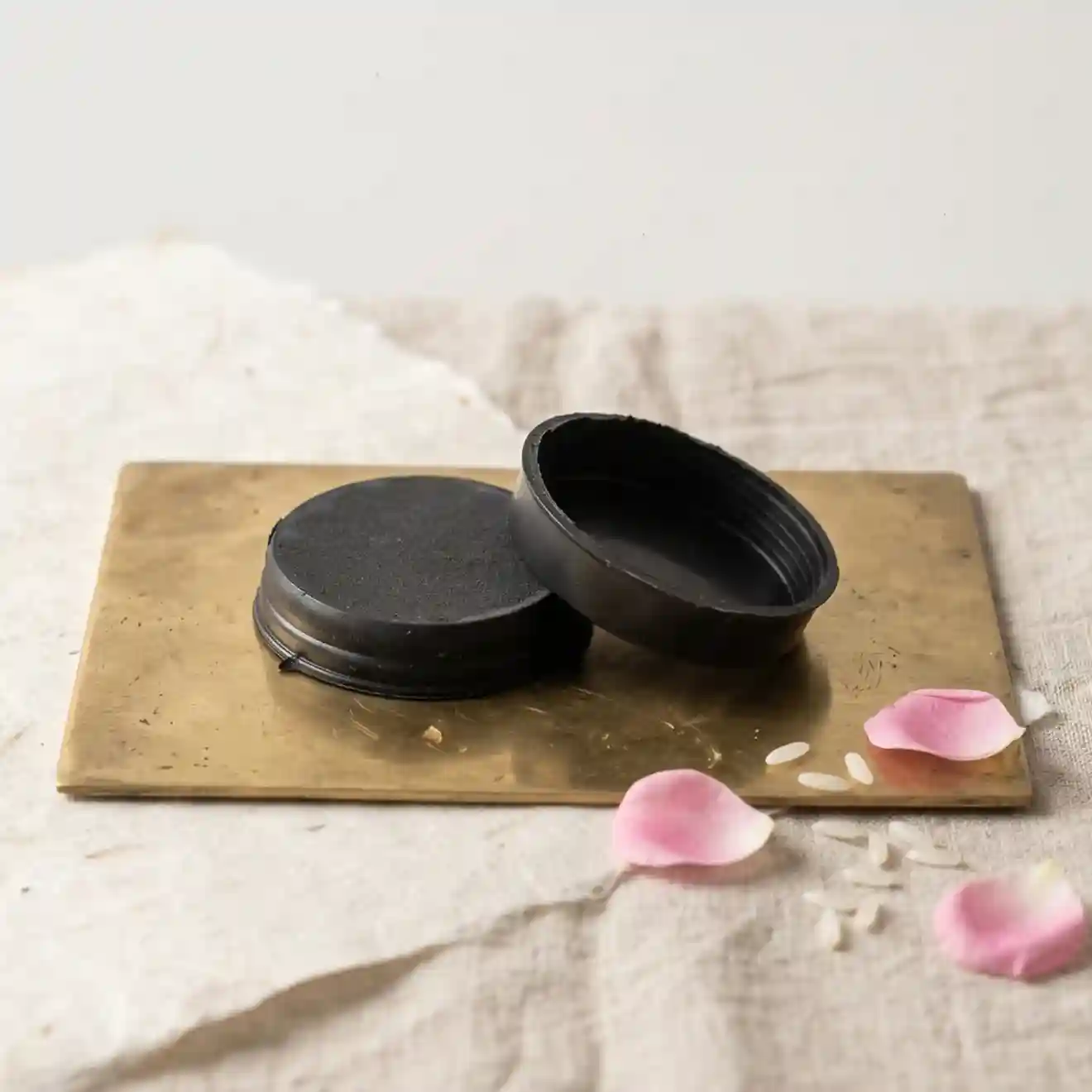
_9_11zon.webp)

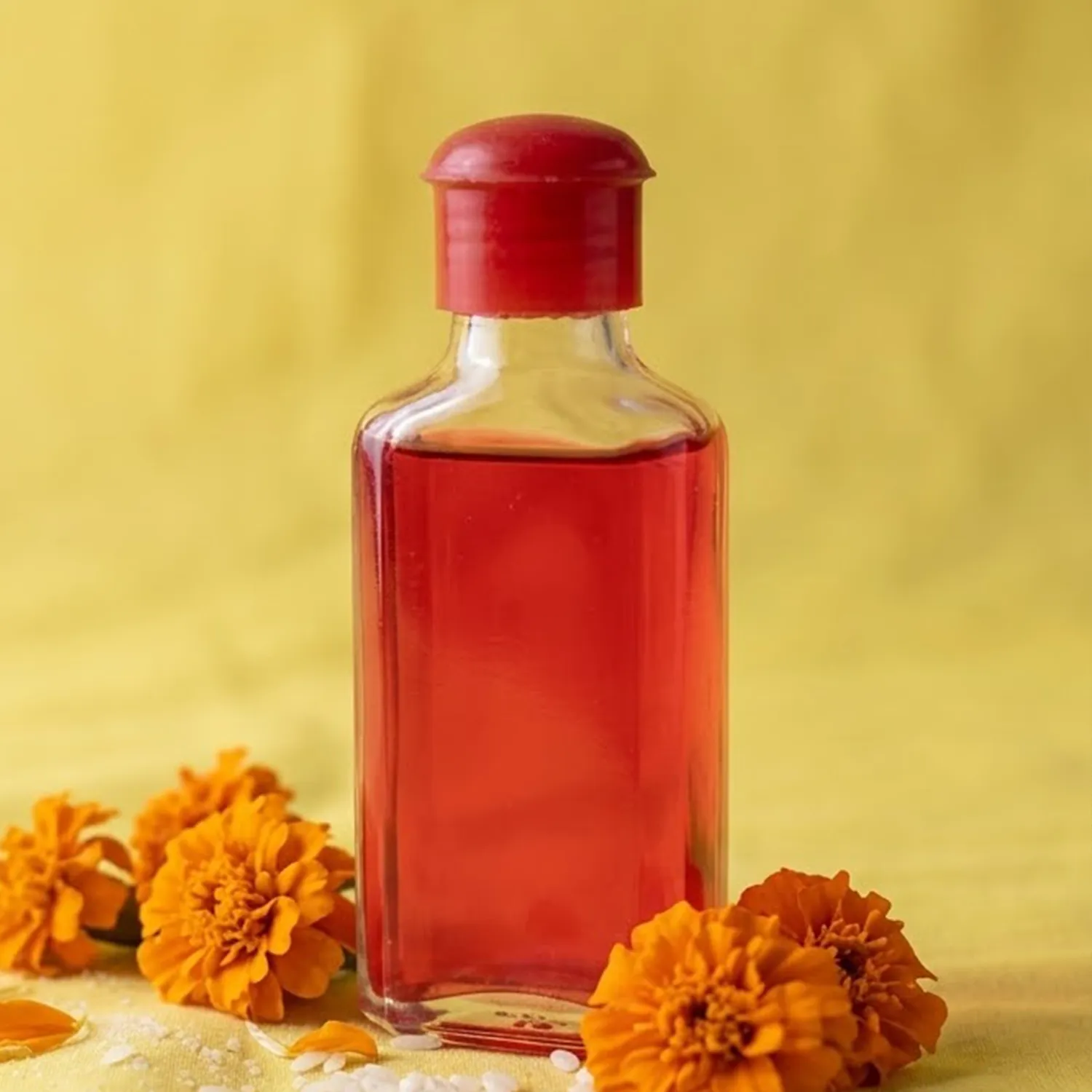

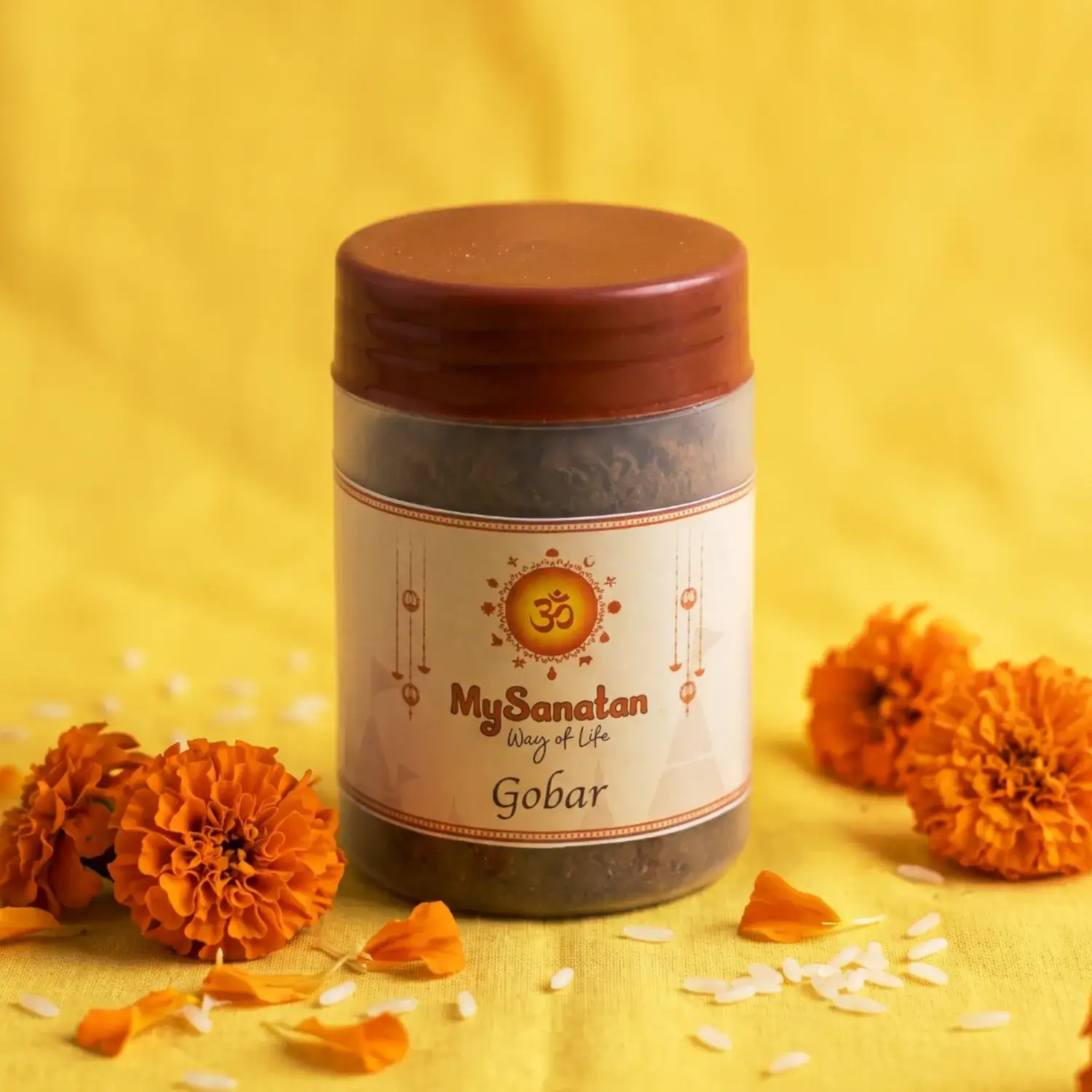
_11zon.webp)



.webp)

_11zon.webp)
_11zon.webp)

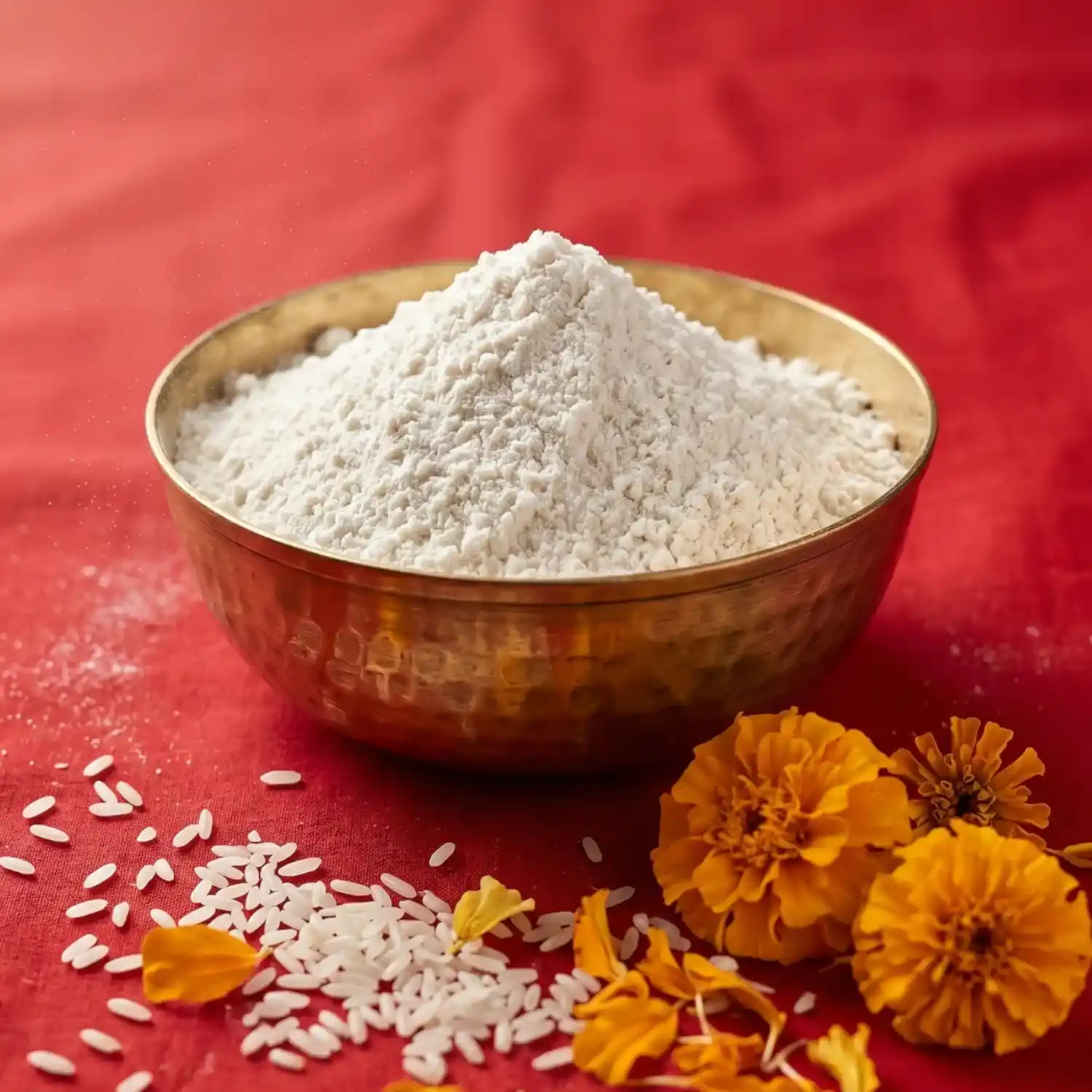
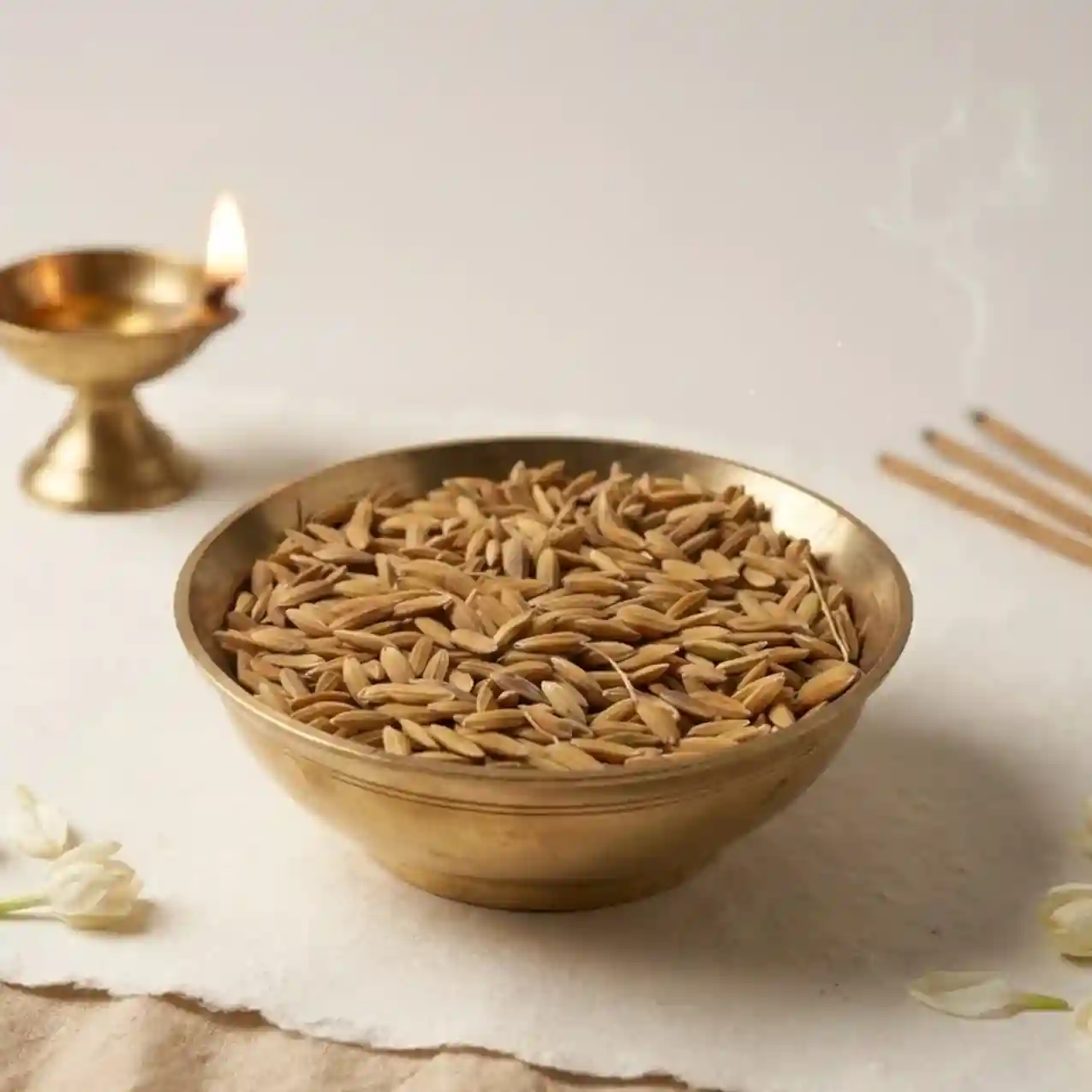


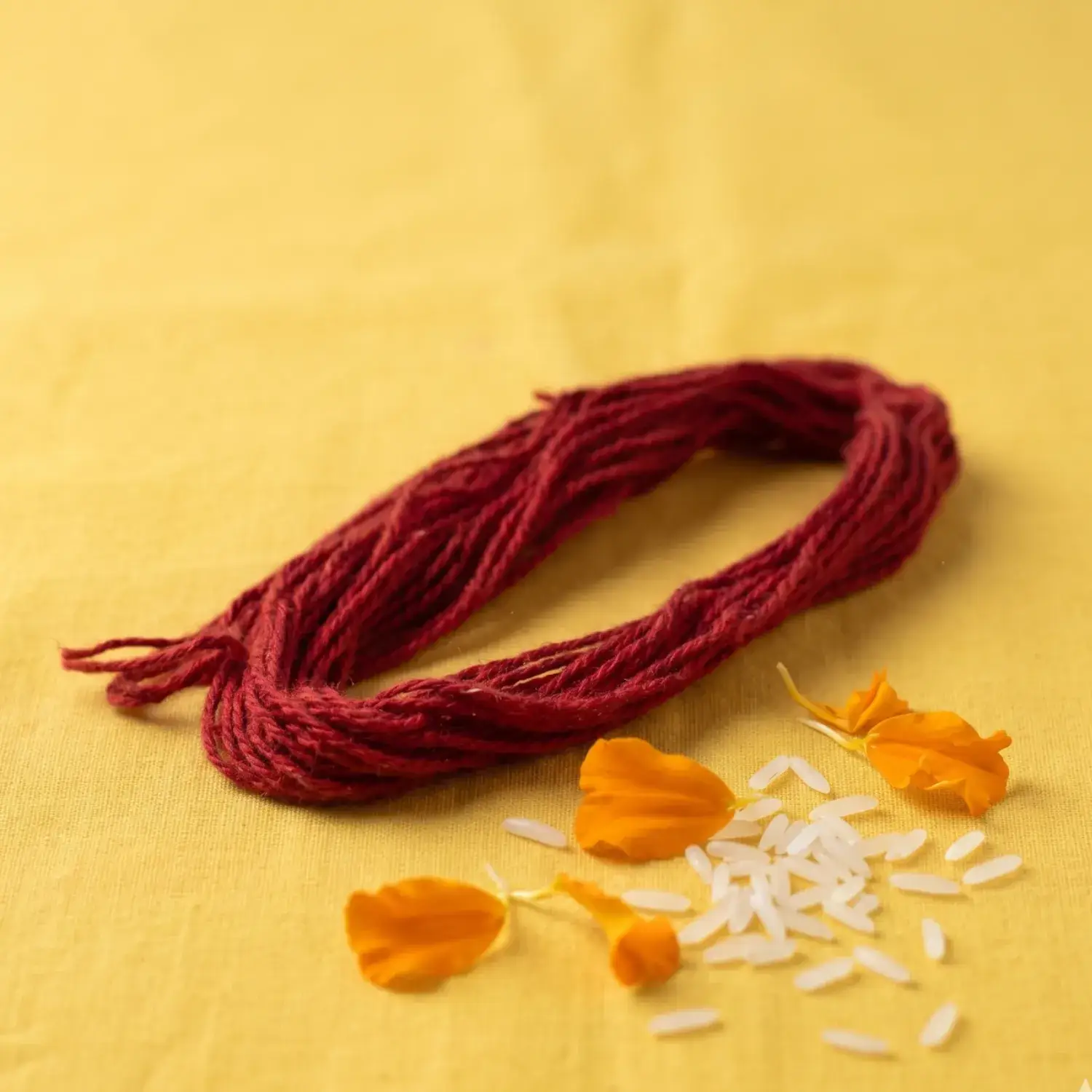
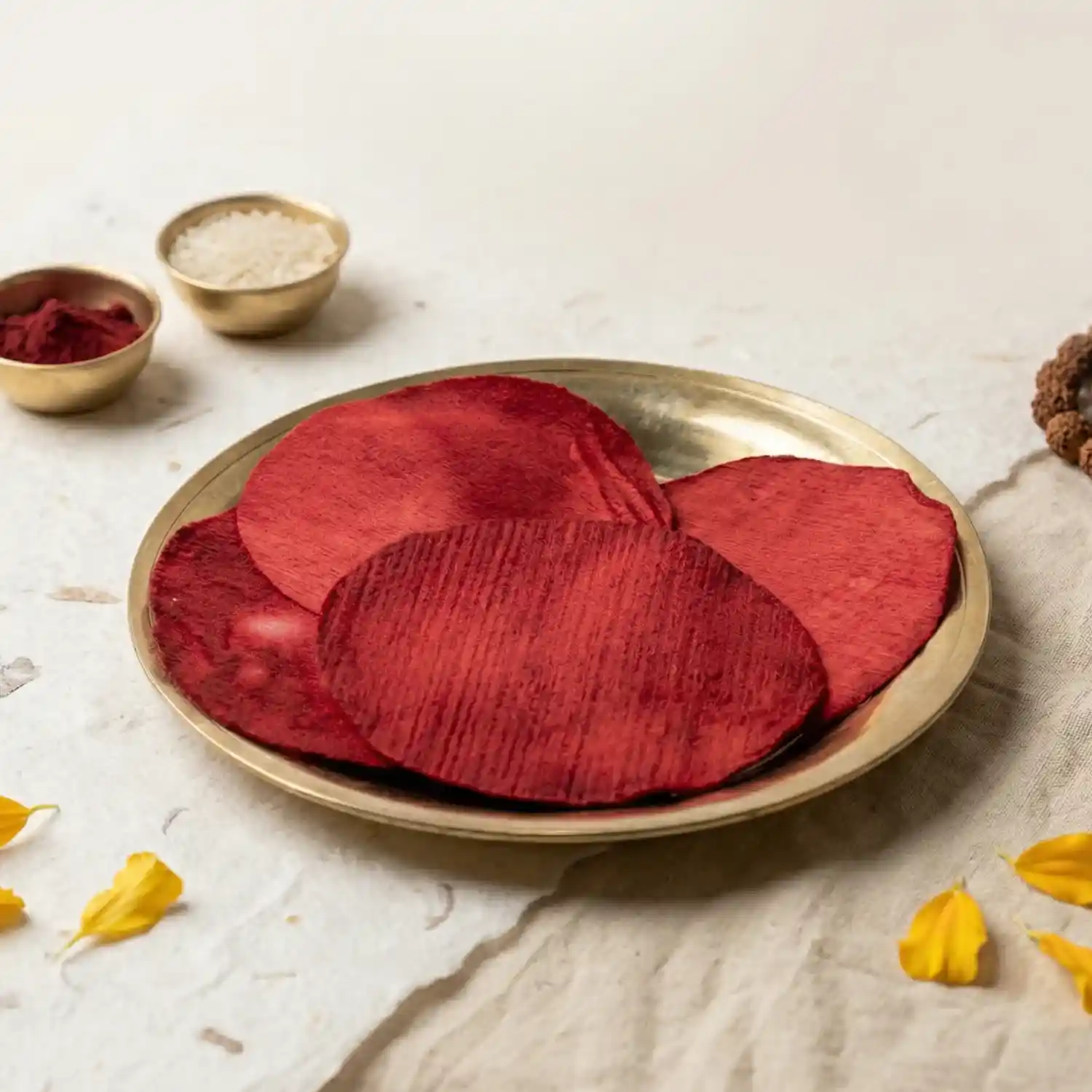

_11zon.webp)

Frequently Asked Questions
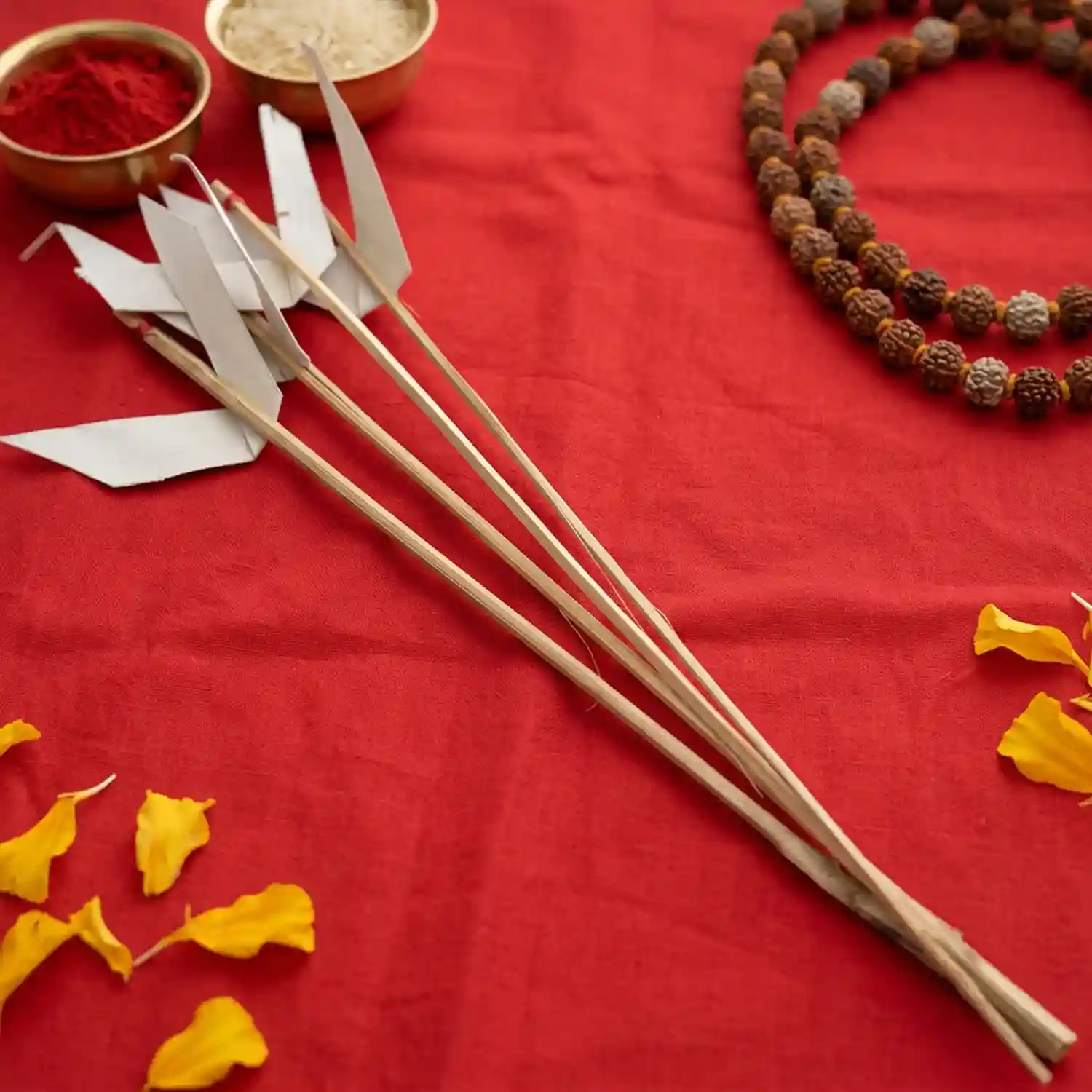
Q1: What are the "Teer Kathi" (Bamboo Boundary Sticks) used for during the Ghat Sthapan?
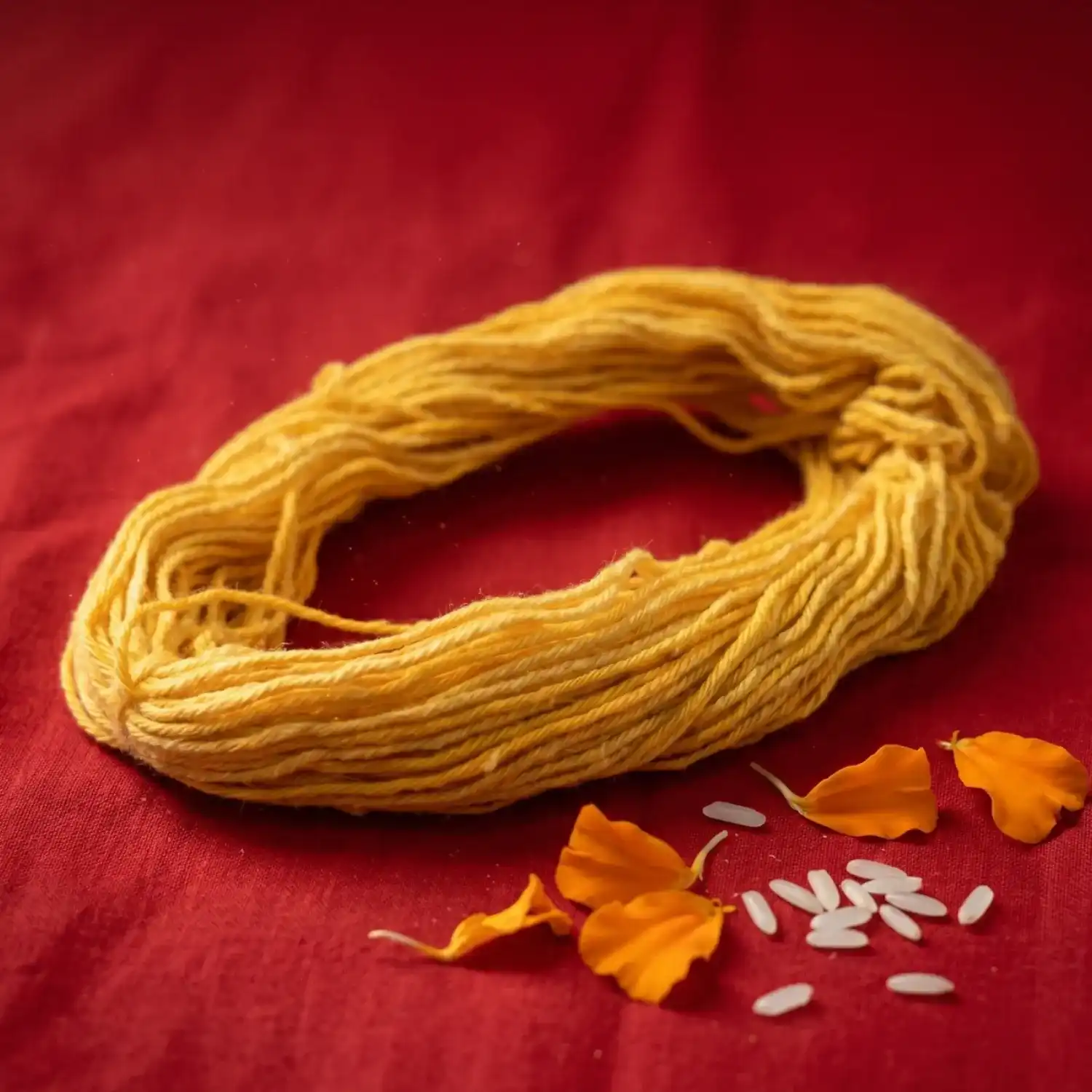
For Beginners & Home Ritualists: Setting up the sacred water pot (Ghat) requires creating a highly protected divine boundary! According to the Purohit Darpan, during the establishment of the Ghat, four arrows or boundary sticks (Kanda aropan) must be planted around the pot. These sticks are then wrapped with sacred thread (such as your Red or Yellow Moli Dhaga) to securely anchor the divine energy of the Goddess and keep out negative forces.
Q2: Since this is Ratanti Kalipuja, we plan to do the worship late at night. Are there different rules for sitting and facing the altar?
For Experienced Devotees: Yes! While daylight worship generally requires the householder to face East, the Purohit Darpan provides a very specific rule for nighttime rituals. The text dictates that when performing divine worship at night (which is highly auspicious for Goddess Kali and Lord Shiva), the devotee must perform the rites facing the North (Uttaramukh).
Q3: The kit includes "Pancha Sashya" (Five Sacred Grains). Which grains are these, and how are they used?
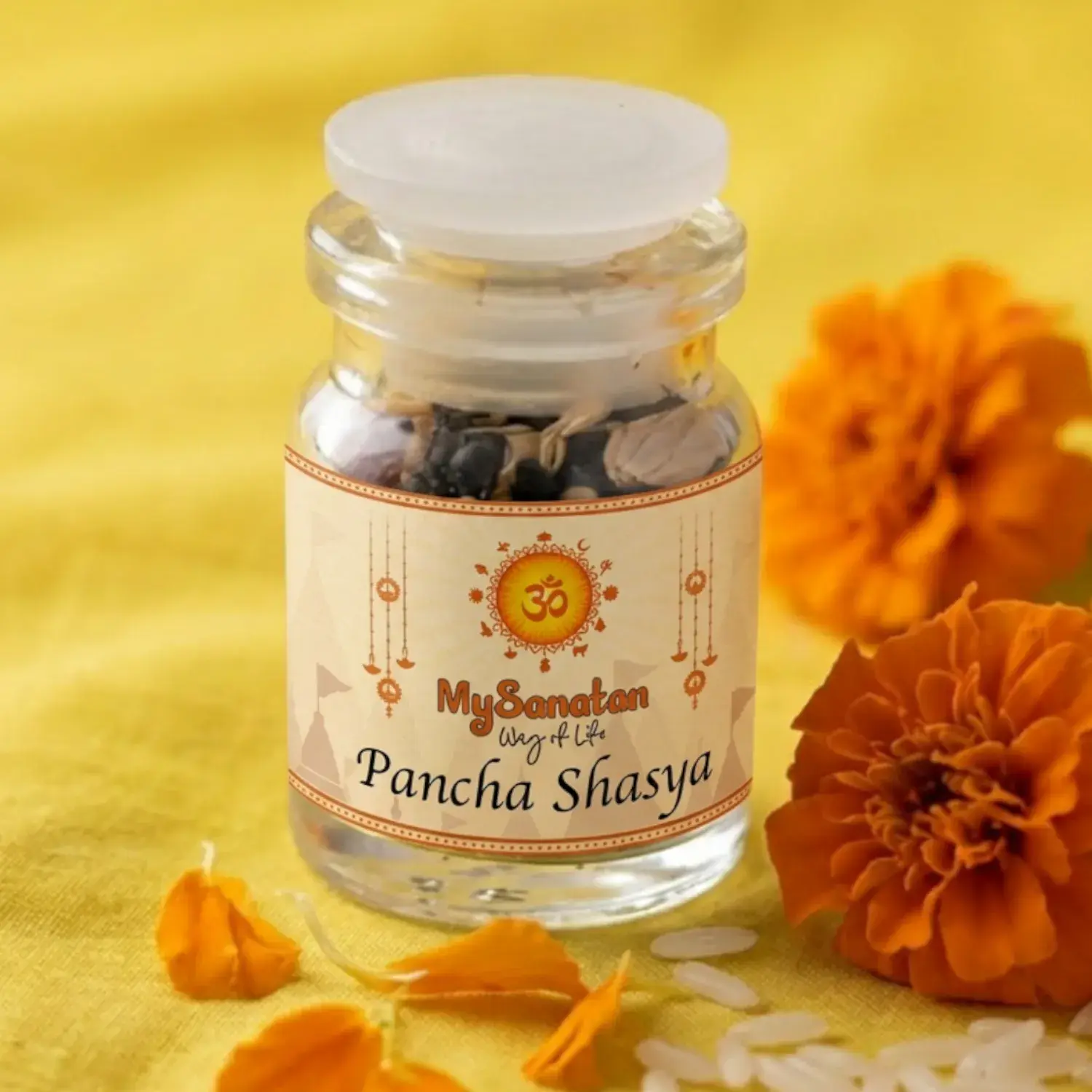
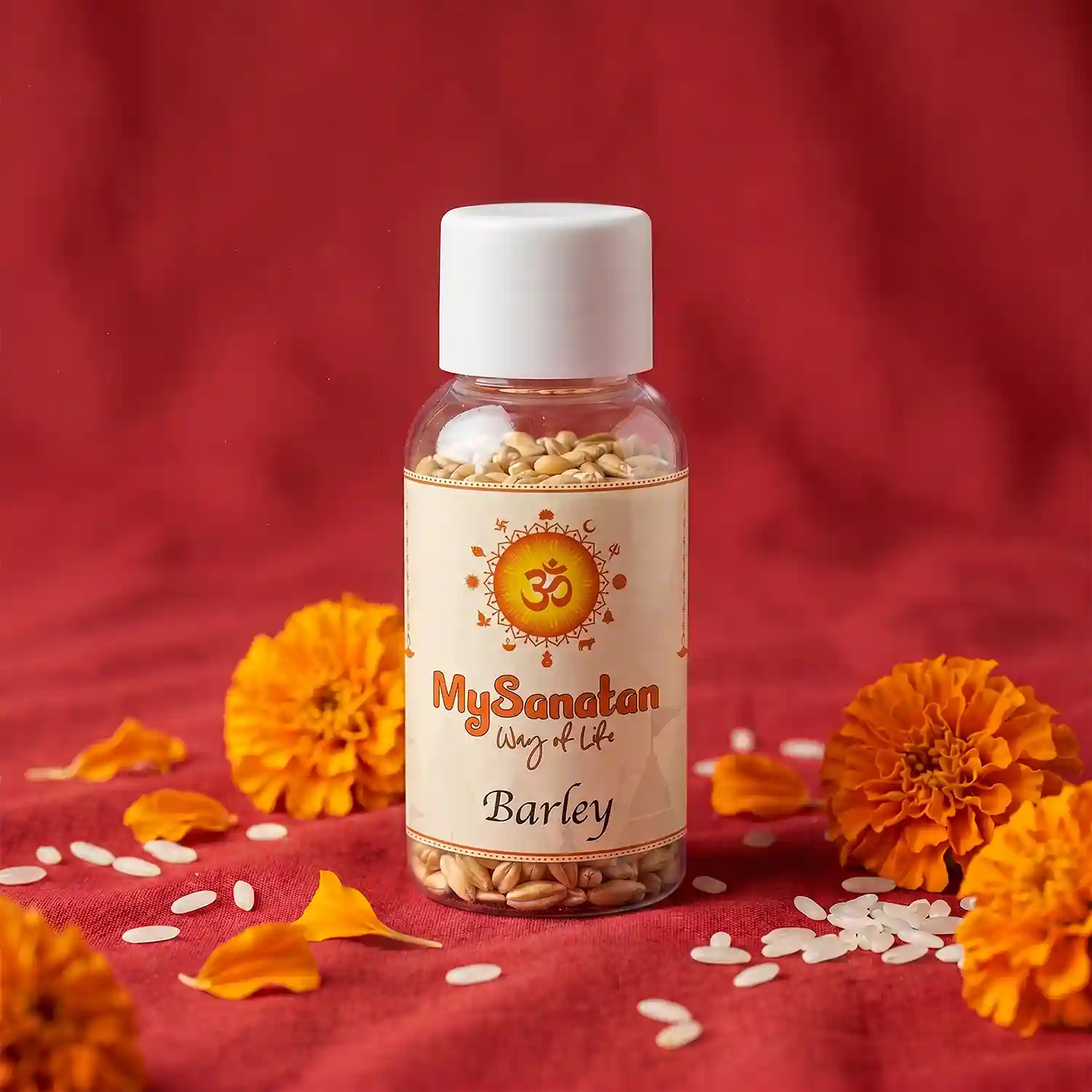
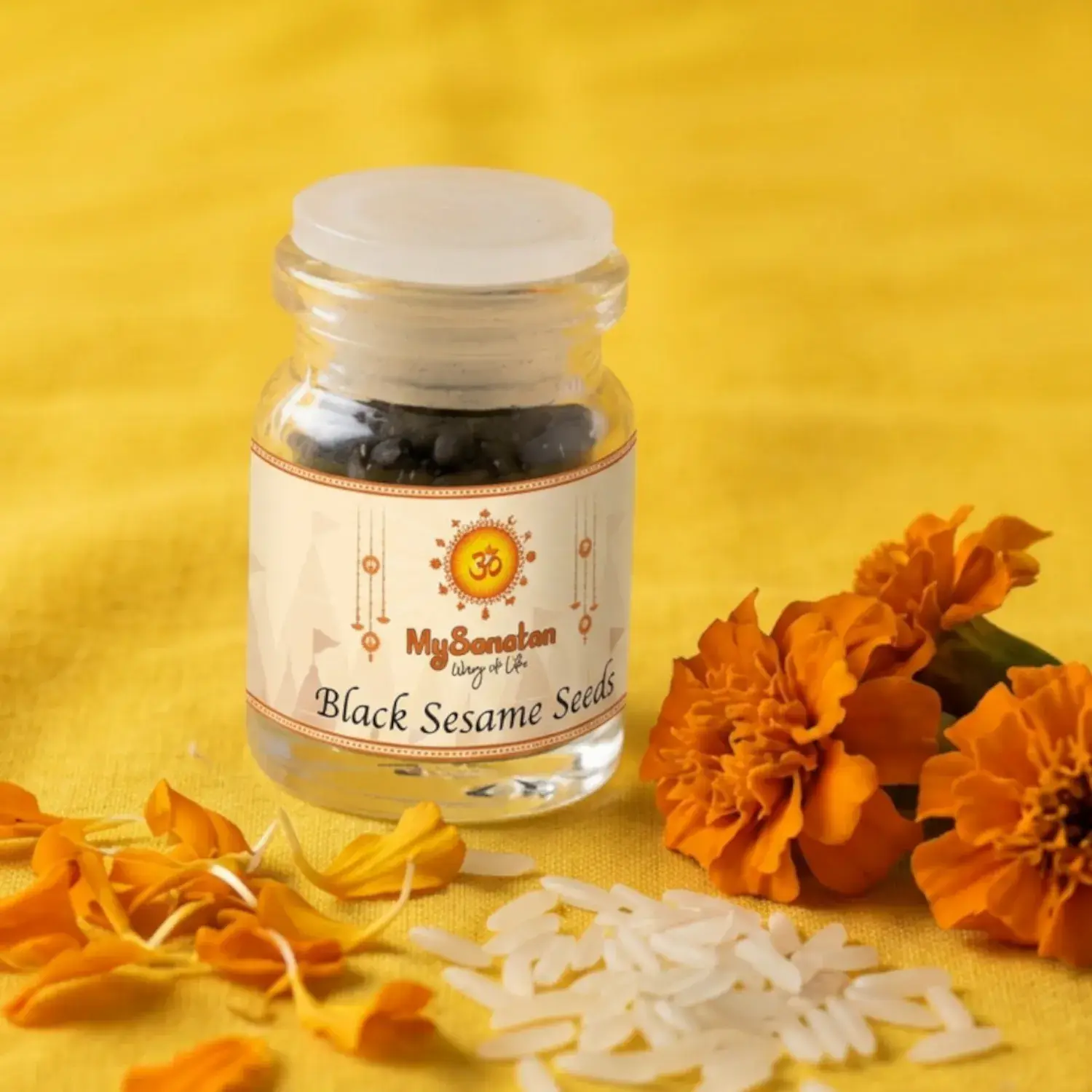
For Families & Cultural Enthusiasts: According to the precise definitions in the Purohit Darpan, the Pancha Sashya strictly consist of Paddy (Dhan), Mashkalai (Urad), Sesame (Til), Mung, and Barley (Jau). During the initial setup, these sacred grains are placed into the earth or below the Ghat to invoke the fertile, nourishing power of nature before the Goddess arrives.
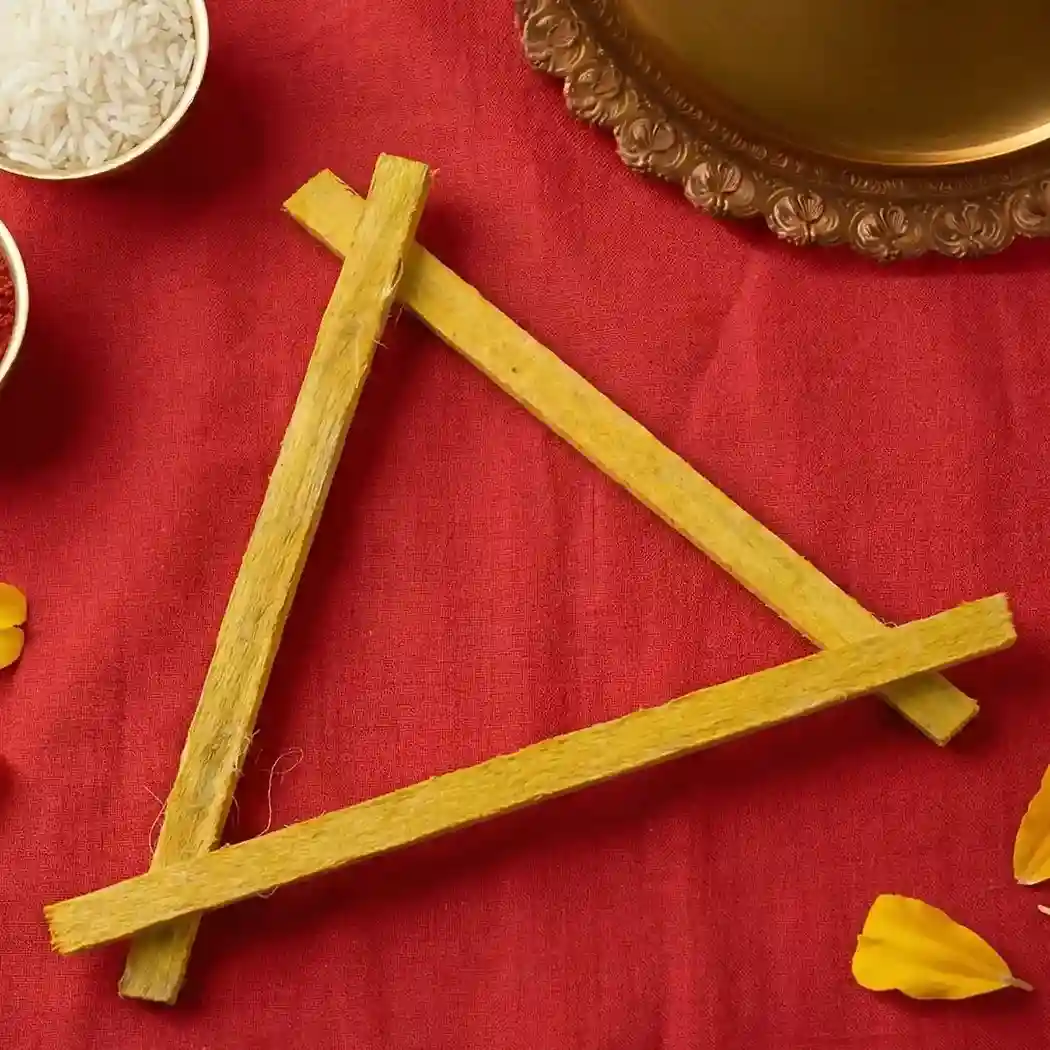
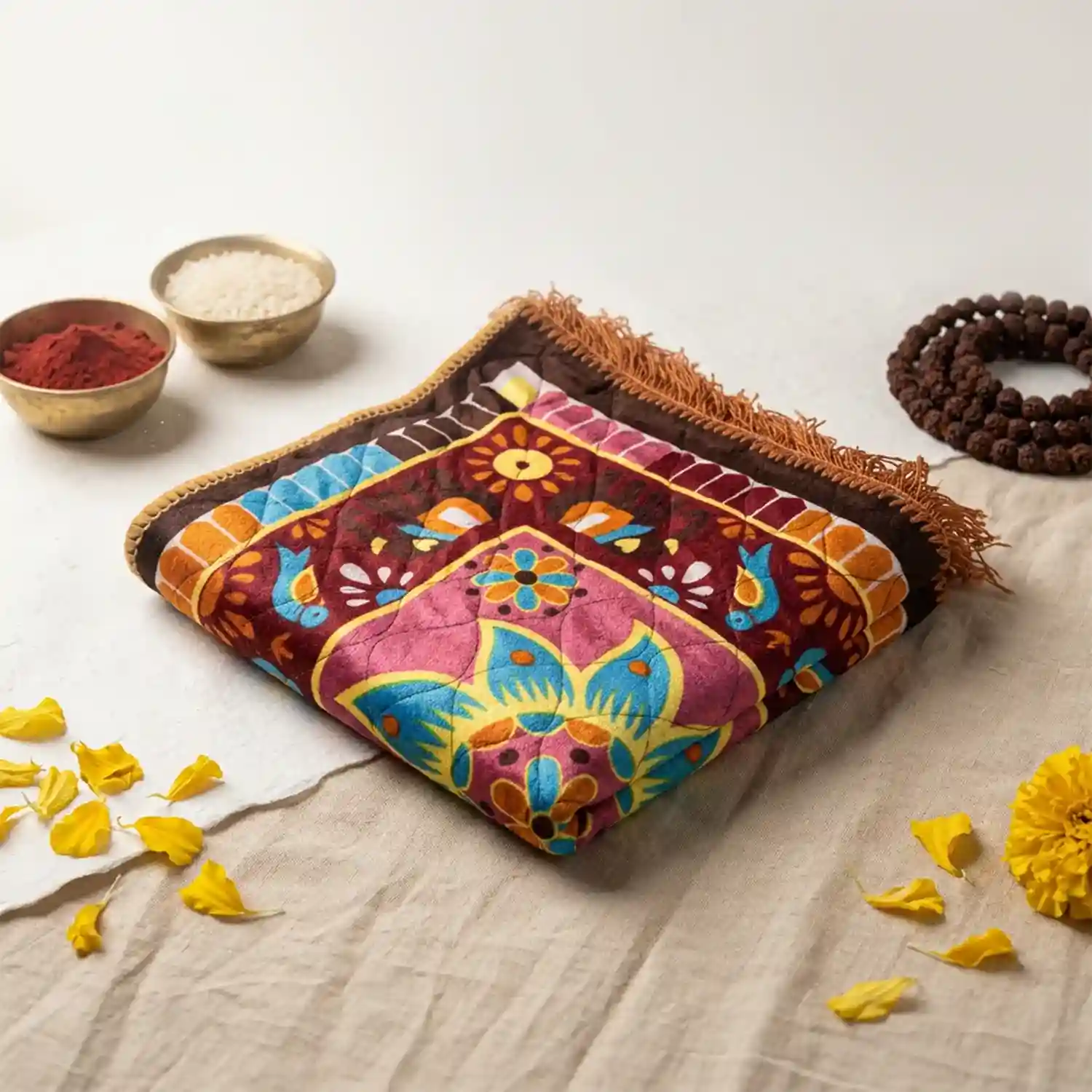
Q4: Before placing the Asan (sitting mat) or the Ghat, should I just clean the floor normally?
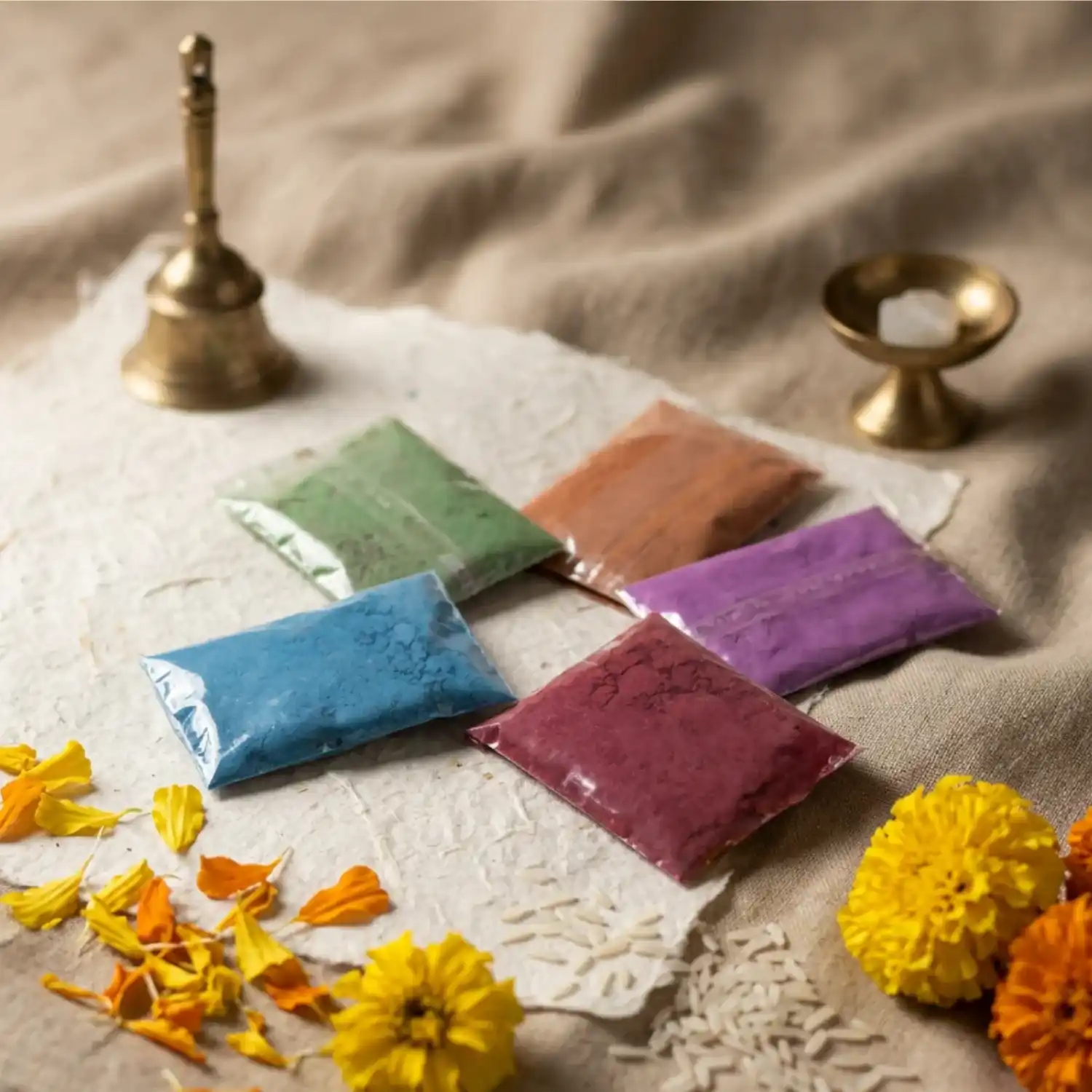
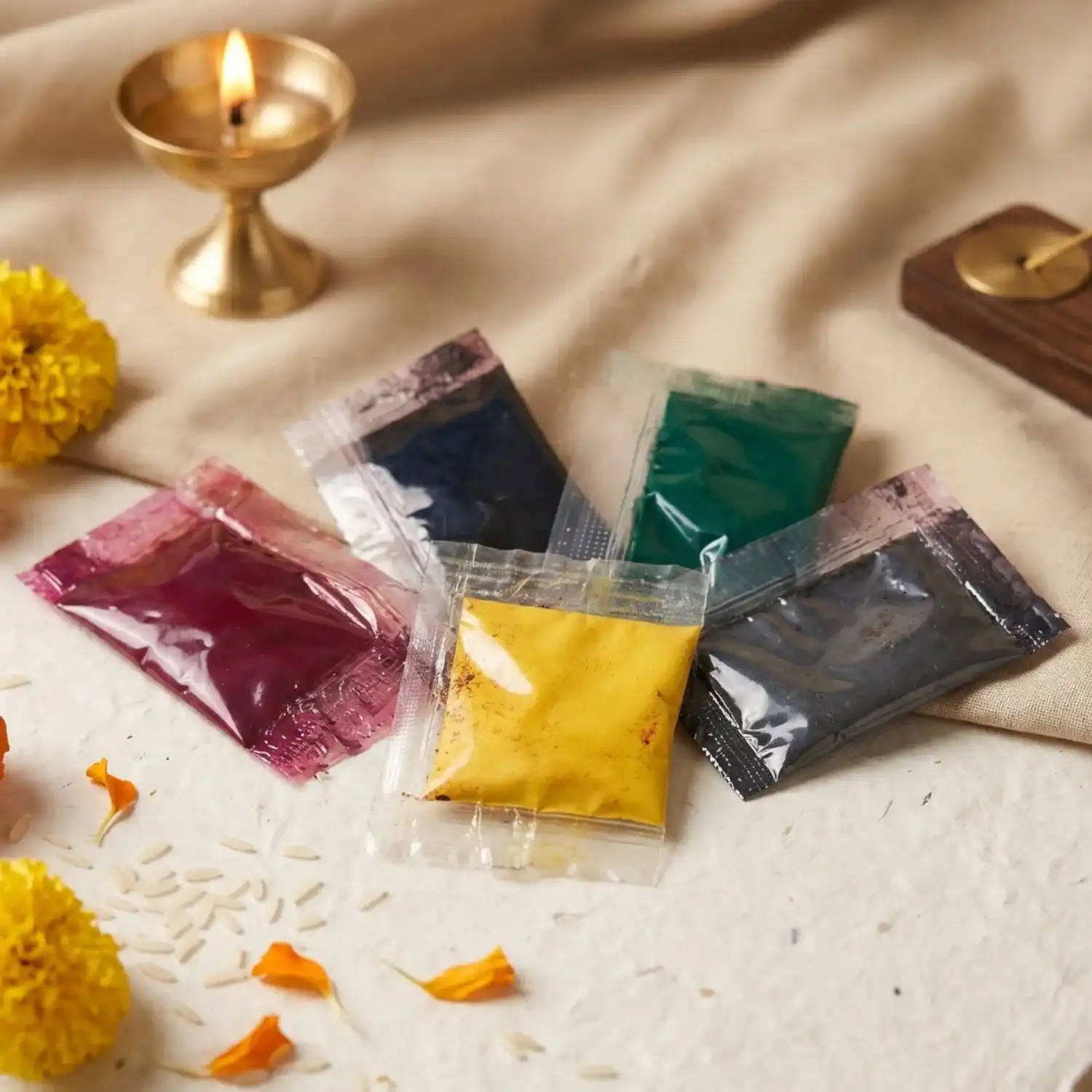
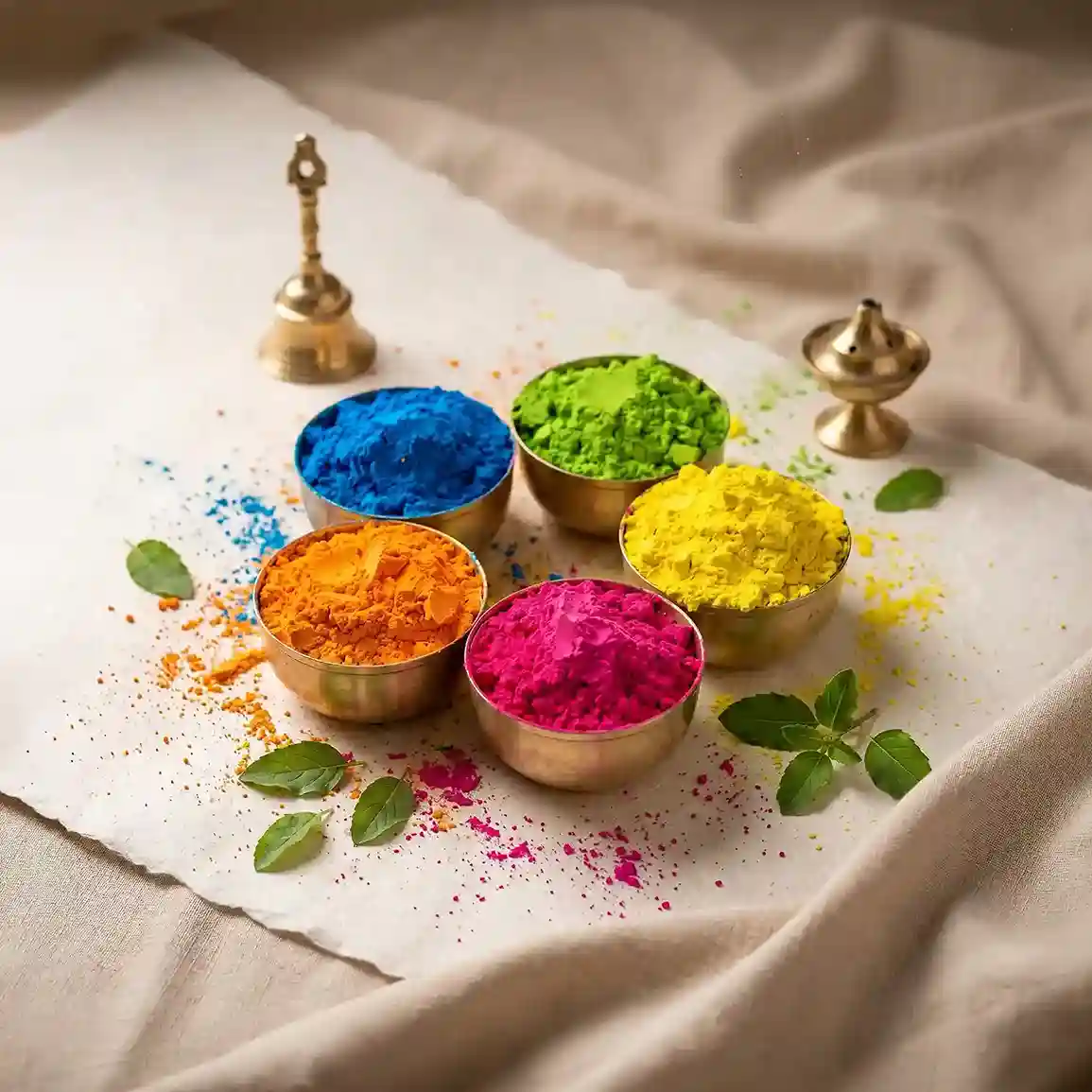
For Priests & Scholars: Mere physical cleaning is not enough for the Divine Mother! According to the Purohit Darpan, you must actively draw a Trikon Mandal (Triangle Mandala) on the ground using sacred pastes or colored powders (like your Pancha Guri) before establishing the seat. Once the geometric mandala is drawn, you place a flower upon it and recite a mantra to bless the earth and the seat.
Q5: What if I make a mistake or forget a step while performing the Havan (fire ritual) myself?
For Anyone Learning Rituals: The classical manuals provide a beautiful, built-in safety net! If you make an error, the Apastamba Grihya Sutras instruct you to offer an oblation to Agni Sviṣṭakṛt (the Fire God who perfects the sacrifice). You pour the oblation while reciting: "What I have done too much in this ceremony, or what I have done here too little, all that may Agni Sviṣṭakṛt... make well sacrificed and well offered!". This instantly spiritually corrects any accidental flaws!