

_9_11zon.webp)



_11zon.webp)
_4_11zon.webp)
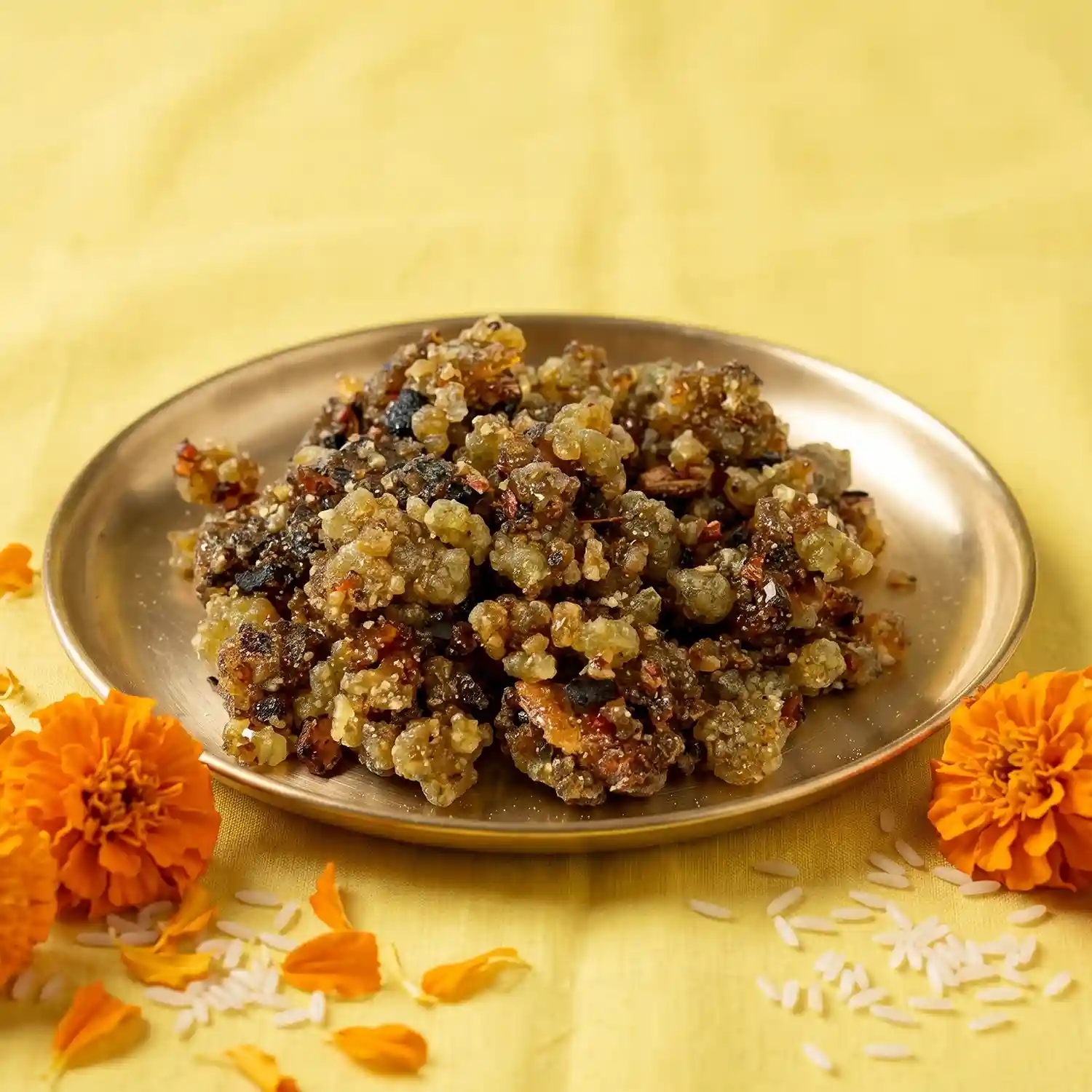
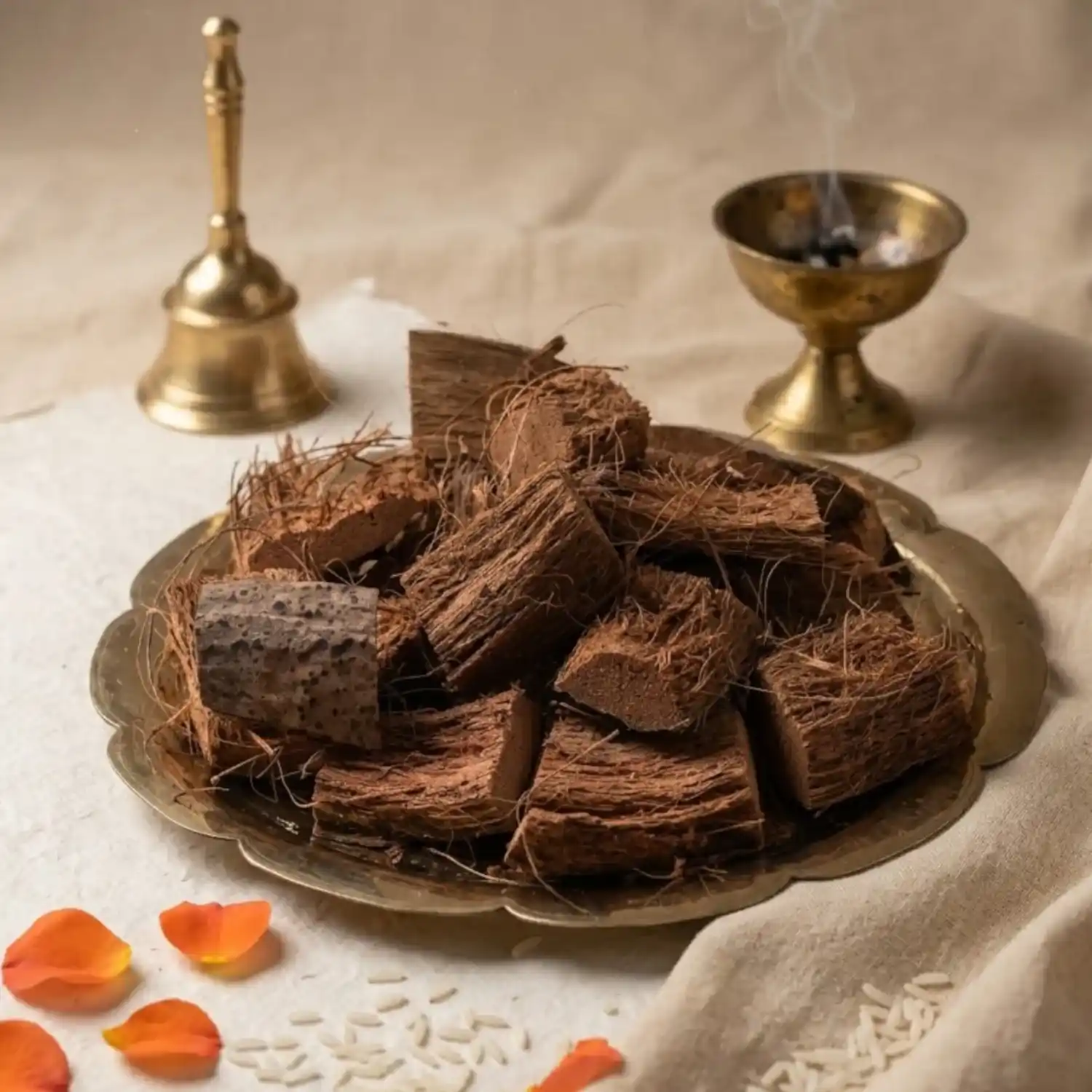
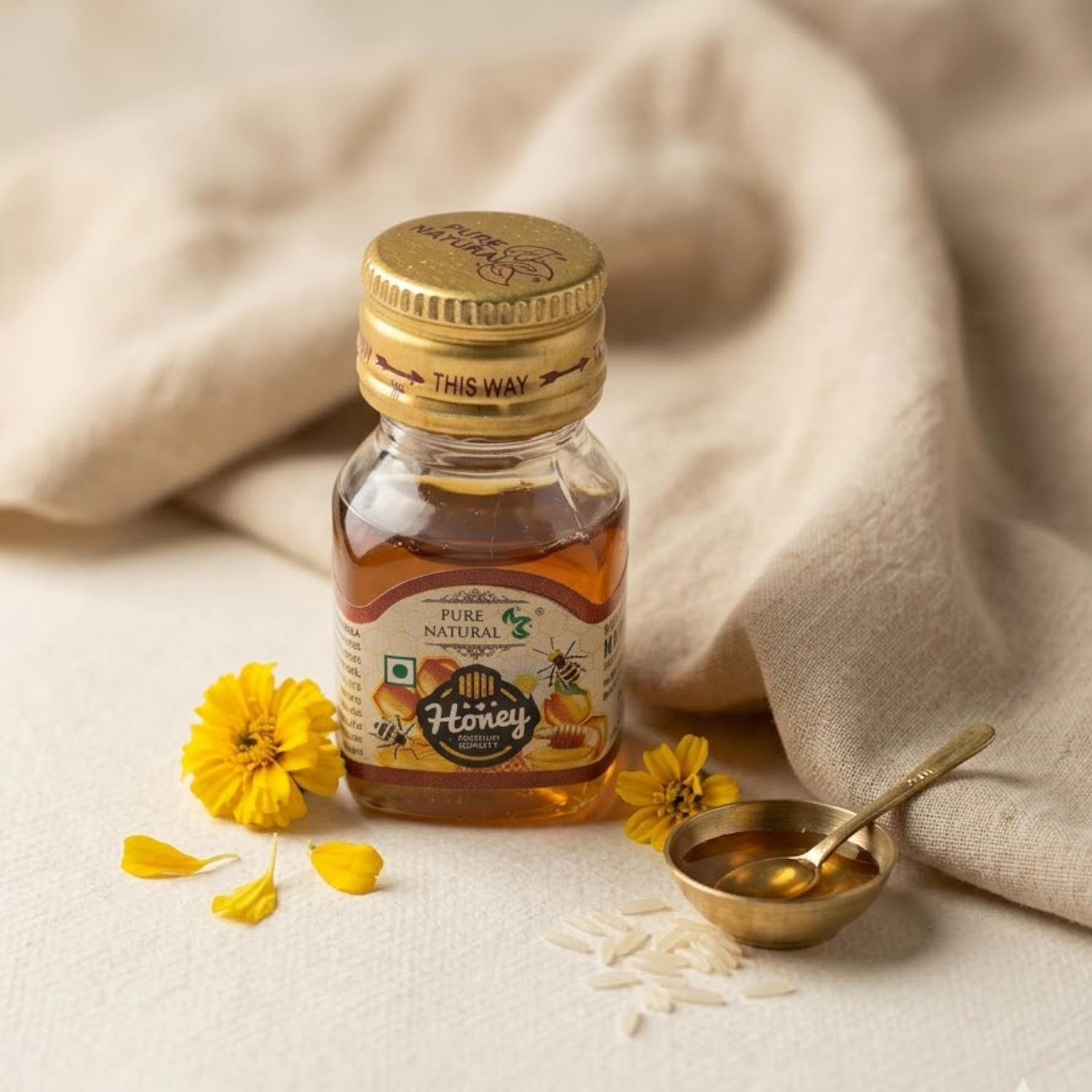
_11zon (1).webp)

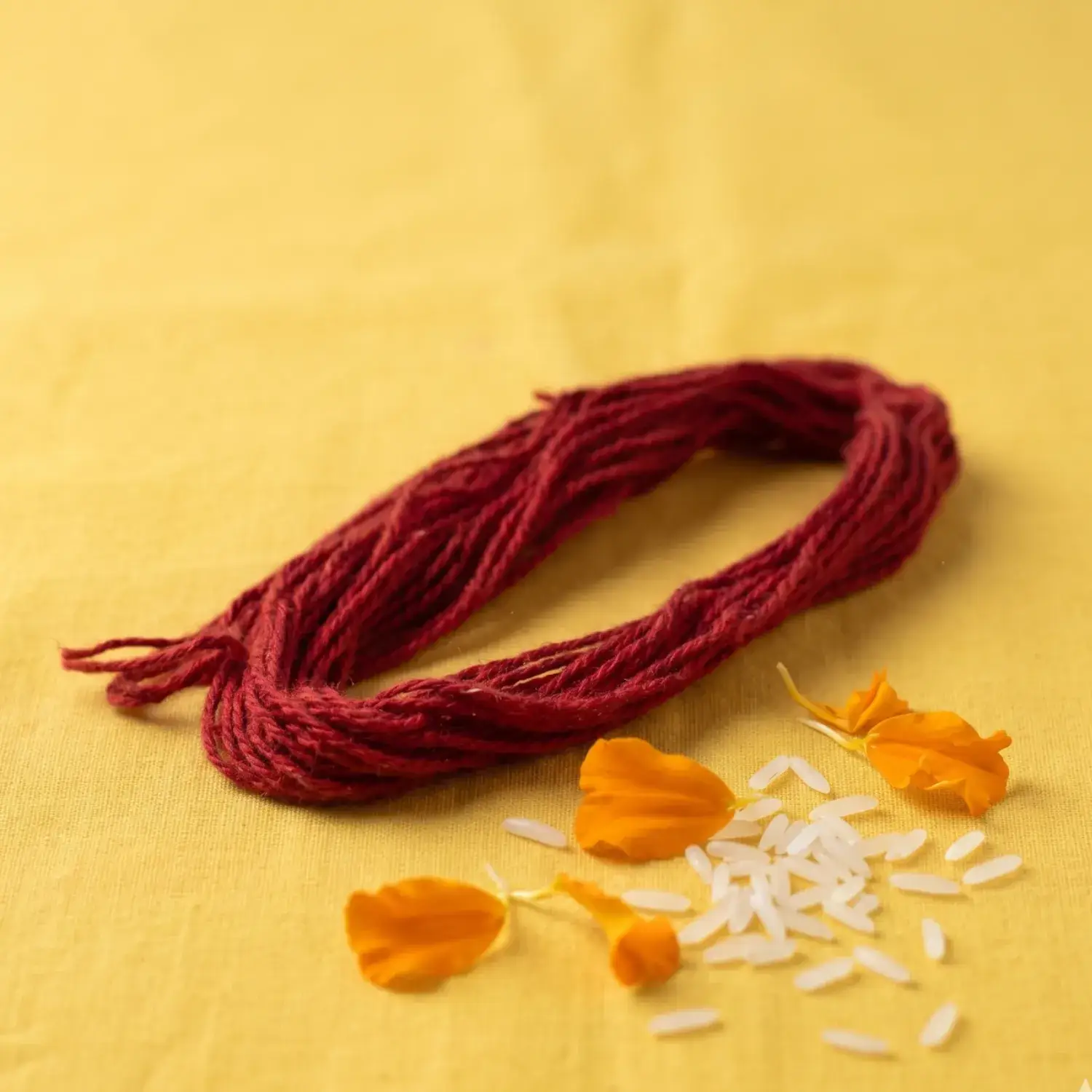

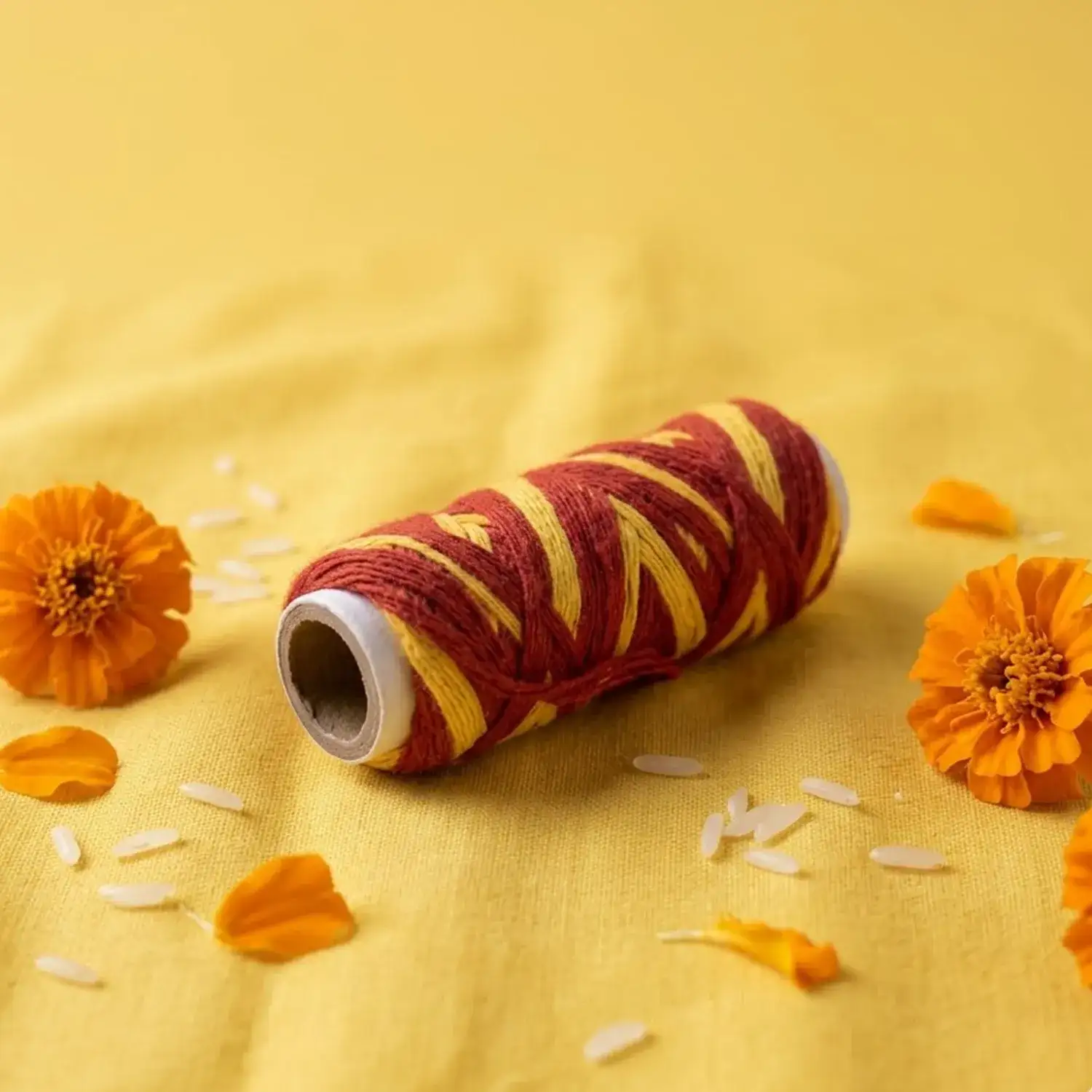
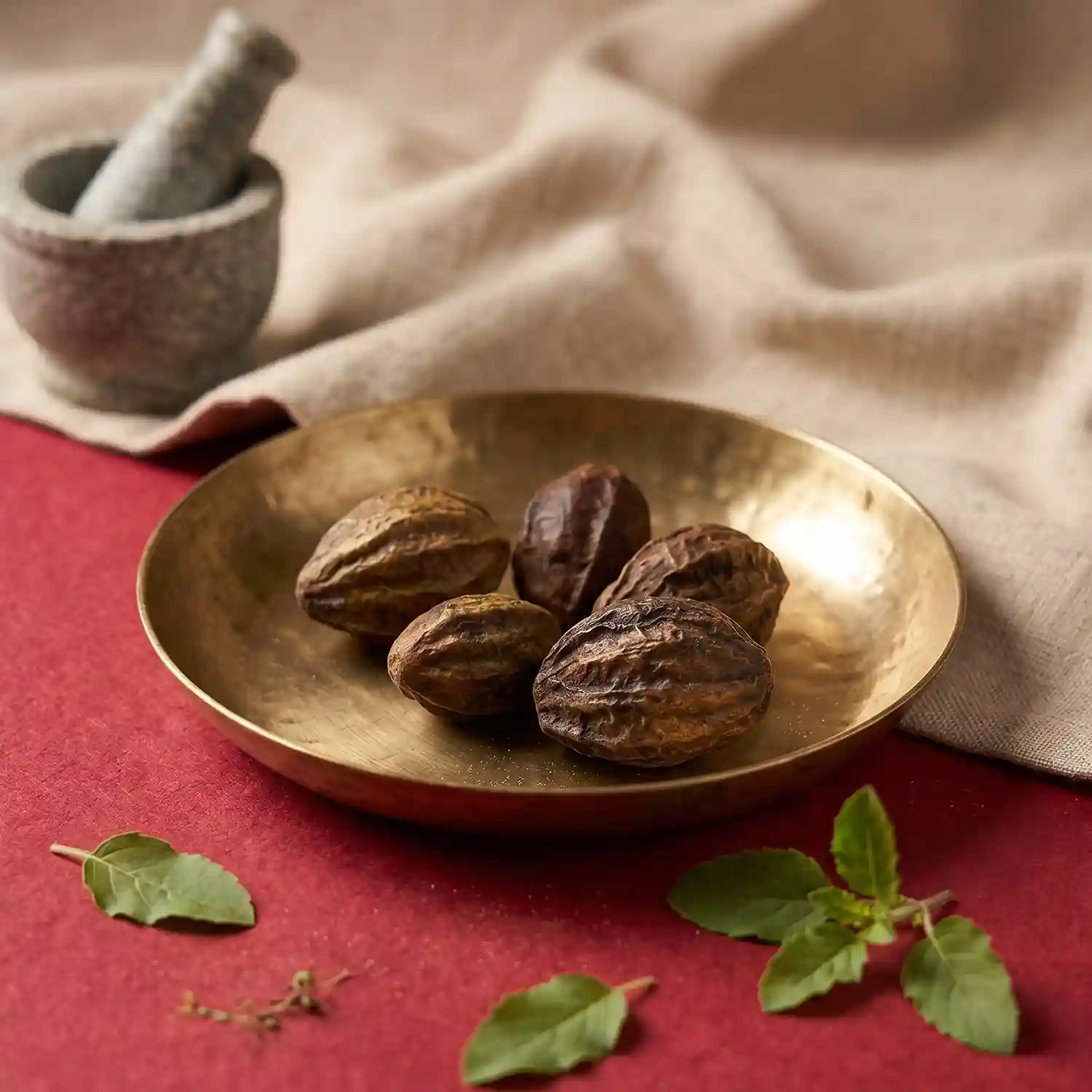

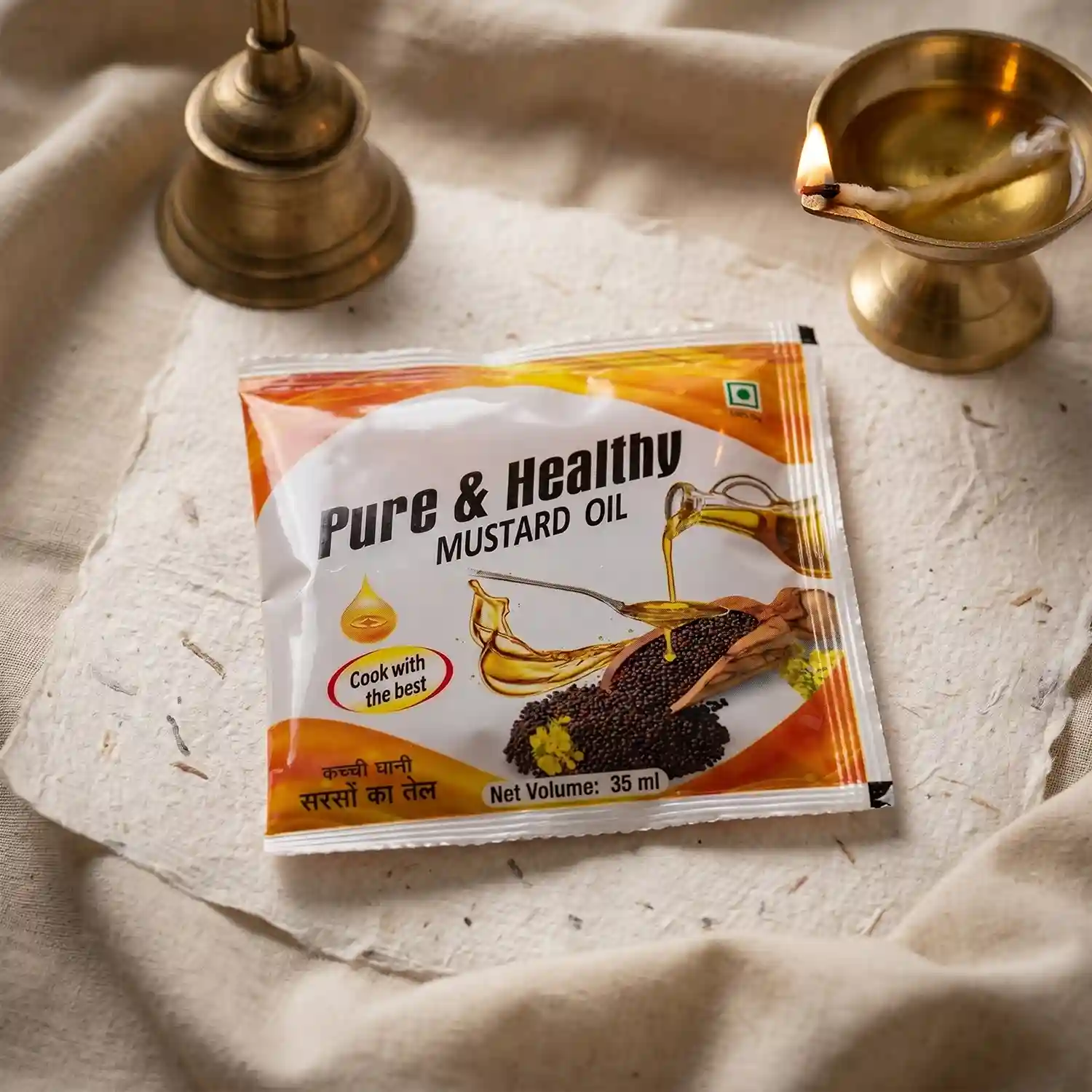


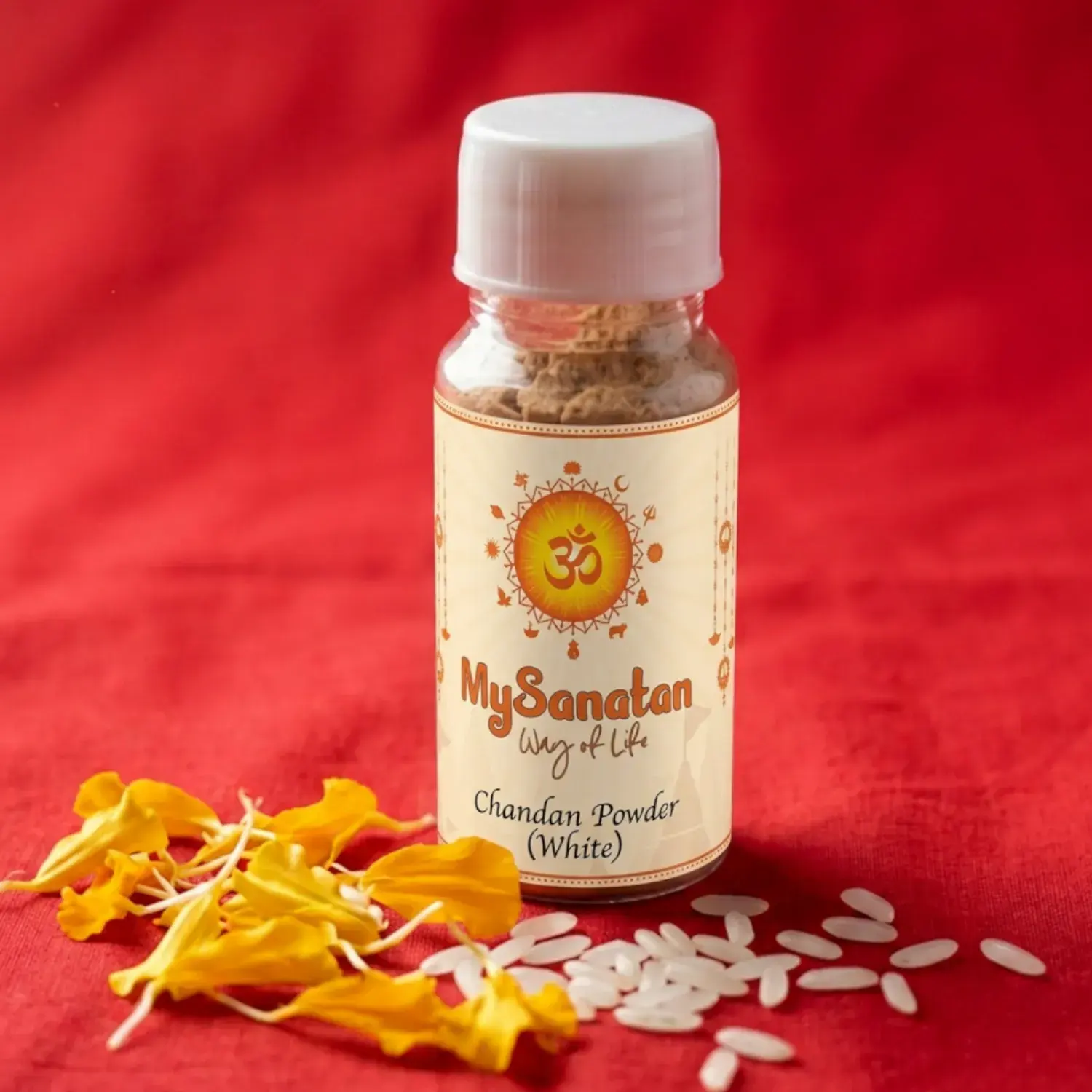
_15_11zon.webp)
Frequently Asked Questions
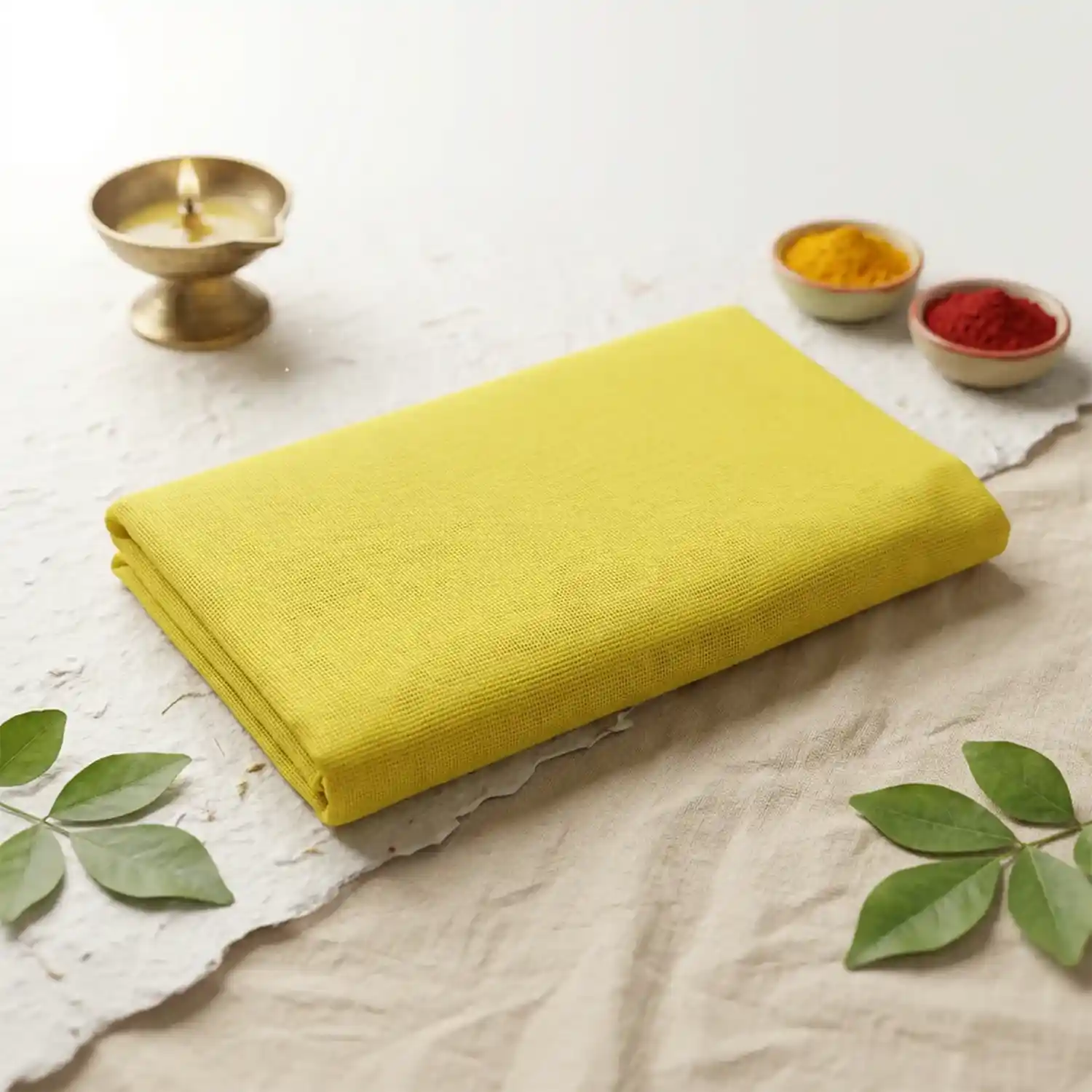
- Q1: Why does this kit specifically include a "Red Silk Cloth (Churni)" and a full "Shringar kit"? For Beginners & Families: Radha Ashtami is the ultimate celebration of the Divine Mother who embodies supreme, unconditional love (Bhakti). If you are performing the 16-step royal worship (Shodashopachar), the 8th and 9th steps are Basan(Garments) and Abharan (Ornaments). Offering the beautiful Red Silk Churni and the Shringar kit allows you to lovingly dress and adorn the Goddess, transforming a formal ritual into a deeply intimate, joyful act of family devotion!
- Q2: We are beginners performing the simple 5-step method. Should we place the lighted lamp and incense in any specific direction? For Beginners & Ritual Accuracy: Yes, there is a beautifully specific, easy-to-follow rule for this! According to the classical Purohit Darpan, you should never place them randomly. The lighted lamp (Deepa) must be placed on the right side of the deity (or directly in front), but never on the left. Conversely, the incense (Dhupa) must be placed on the left side of the deity, and never on the right. Following this simple placement rule instantly makes your home altar scripturally perfect!
- Q3: The kit includes a "White Cotton Janeu Thread" (Sacred Thread). Since this is Goddess Radha's festival, why is a male sacred thread included? For Cultural Enthusiasts & Families: This is a profound theological detail! In the traditional theology of Vrindavan, Goddess Radha is never worshipped in isolation; She is the eternal consort of Lord Krishna, and their worship is performed together for the pleasure of both ("Śrī Rādhā Kṛṣṇa prītikāmaḥ"). The sacred Janeu thread is provided so you can respectfully invest Lord Krishna (or the sacred vase representing the divine presence) during the adornment step, honoring their inseparable cosmic union!
- Q4: What are the classical rules for using our hands when offering flowers to Goddess Radha? For Experienced Devotees: While beginners might just toss flowers, the Purohit Darpan provides a highly elegant, advanced technique for offering flowers (Pushpa). It strictly instructs the practitioner to offer the flower using only three specific fingers: the thumb (Angustha), the index finger (Tarjani), and the middle finger (Madhyama). Furthermore, a standard flower must be offered facing upward, just as it blossoms in nature. Using this refined hand gesture (Mudra) elevates your household worship to the level of a trained temple priest!
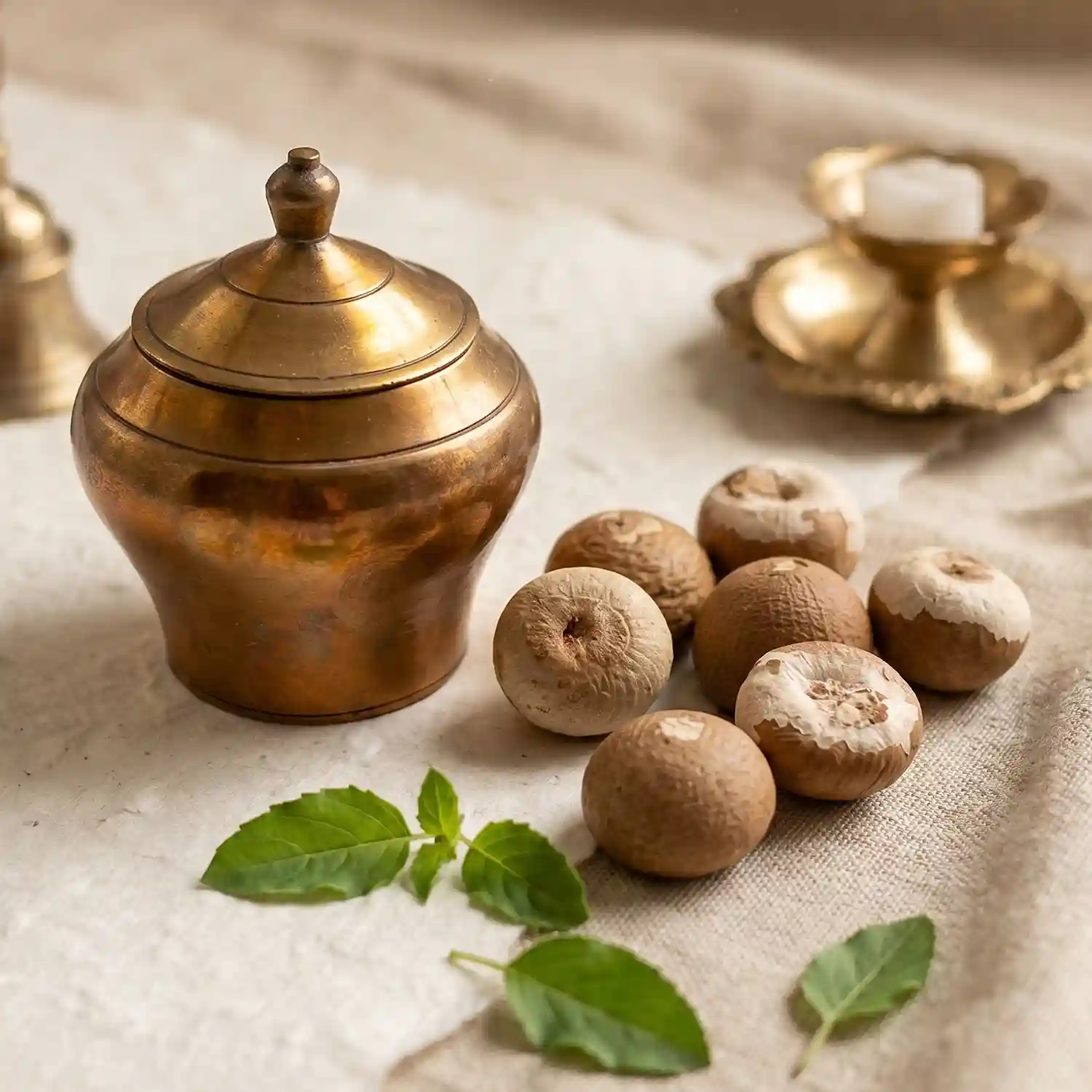
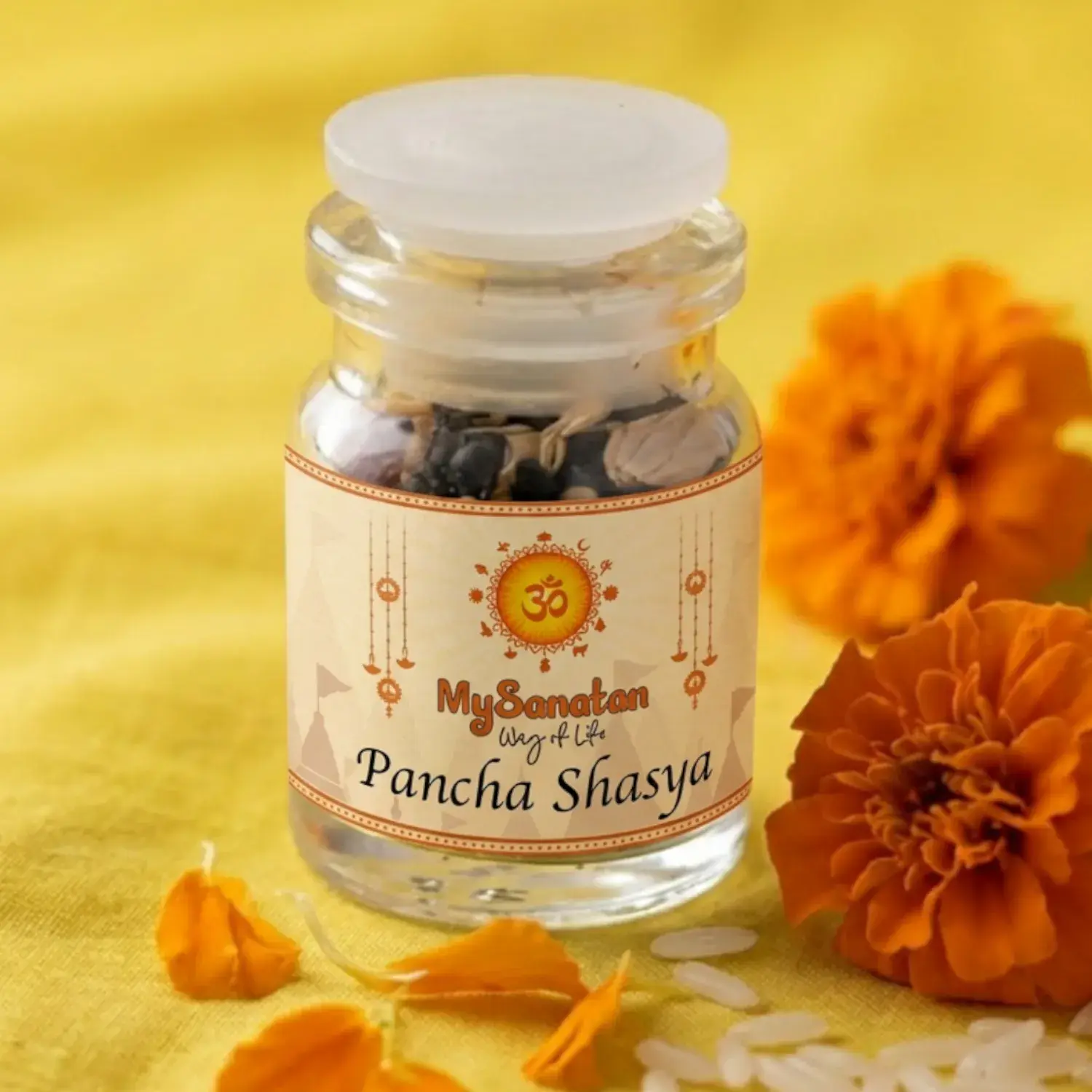
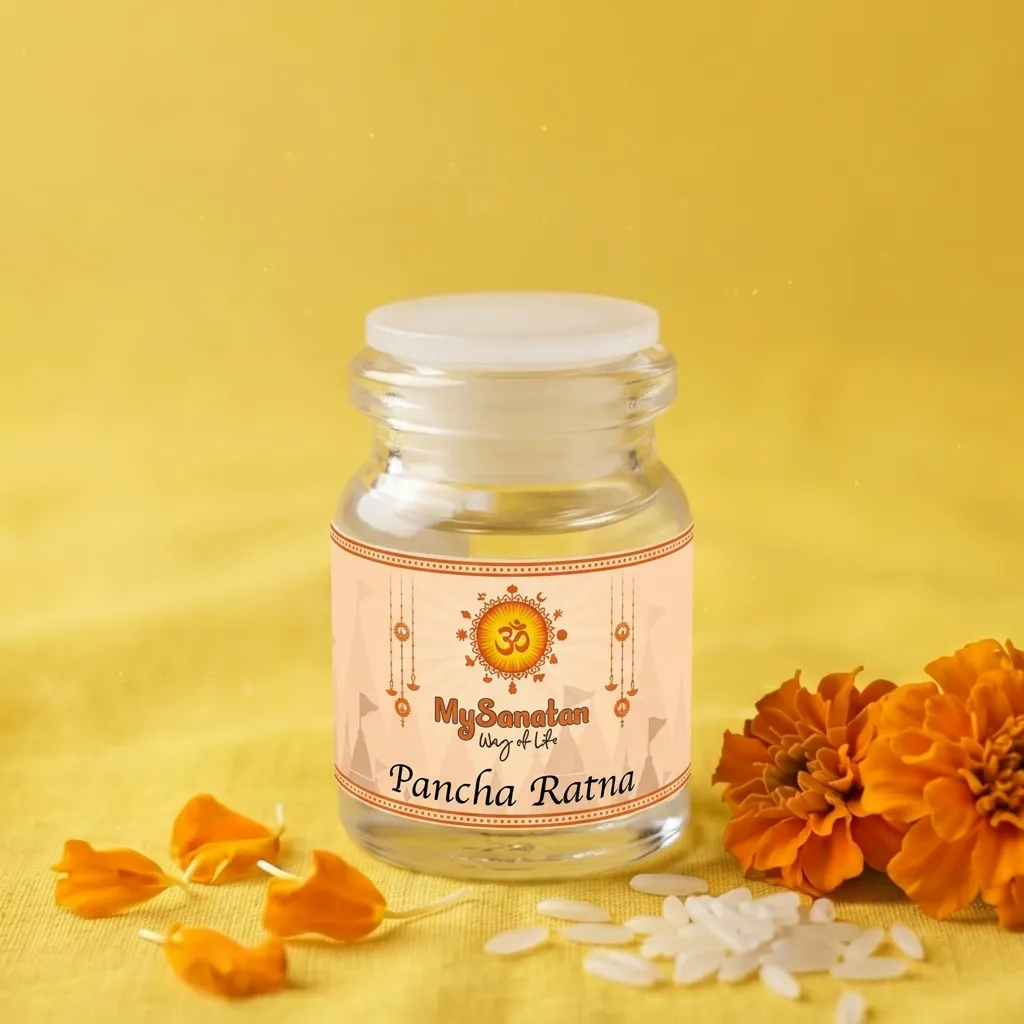
- Q5: The kit includes "Pancha Ratna" (Five Gems) and "Pancha Sashya" (Five Grains). What is their purpose in a home setup? For Scholars & Household Purifiers: These are vital components for an authentic Eastern Indian Ghat Sthapan (the establishment of the sacred vase)! When the priest or householder establishes the water vase (Kumbha or Ghat), it is not just filled with water. Classical manuals instruct that the sacred grains (Pancha Sashya) are placed at the base, and the Pancha Ratna (Five Gems) are dropped directly into the water. This spiritually transforms a simple pot into a potent energetic center, anchoring cosmic wealth, agricultural abundance, and pure divine energy directly into your living room!