

_11zon.webp)

_9_11zon.webp)




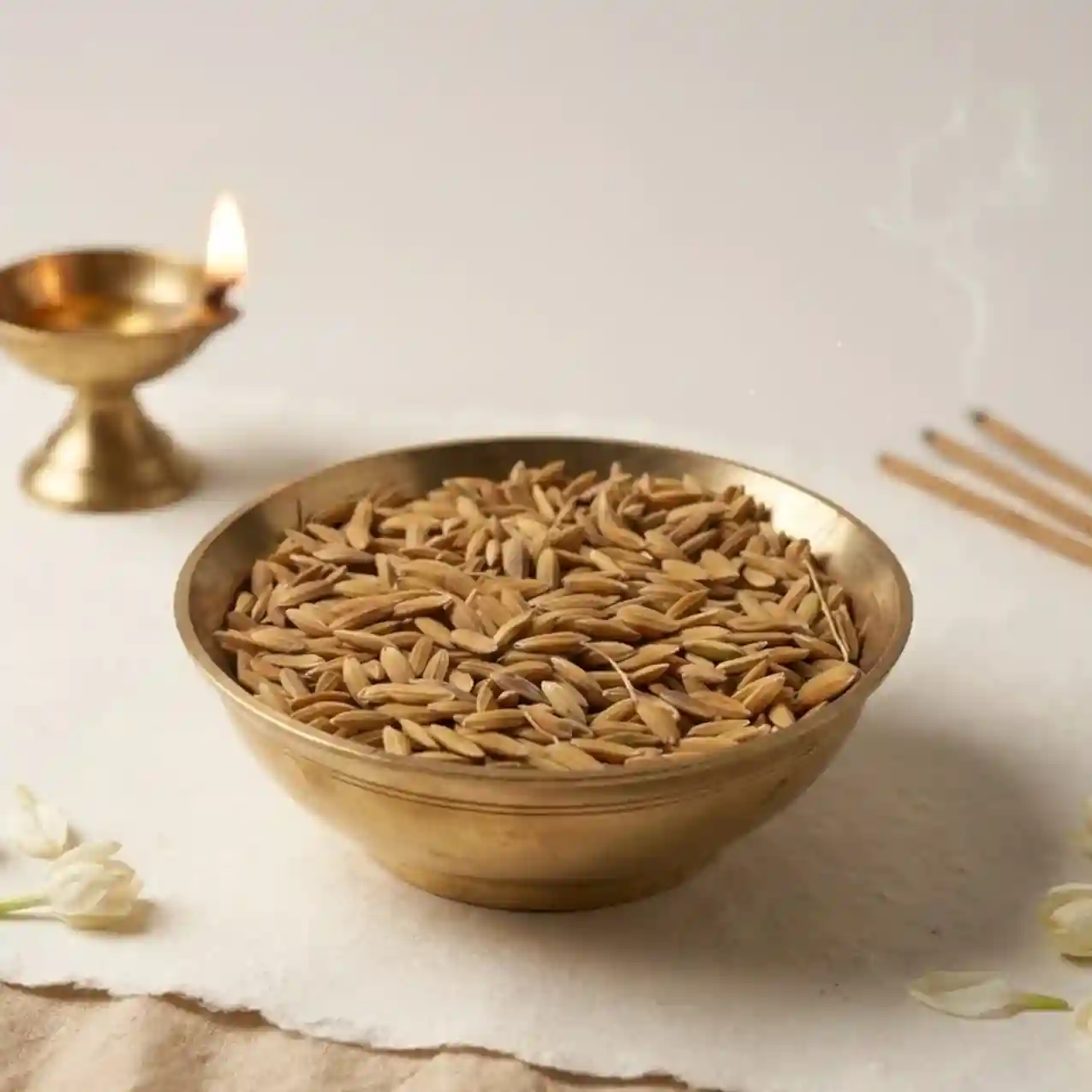
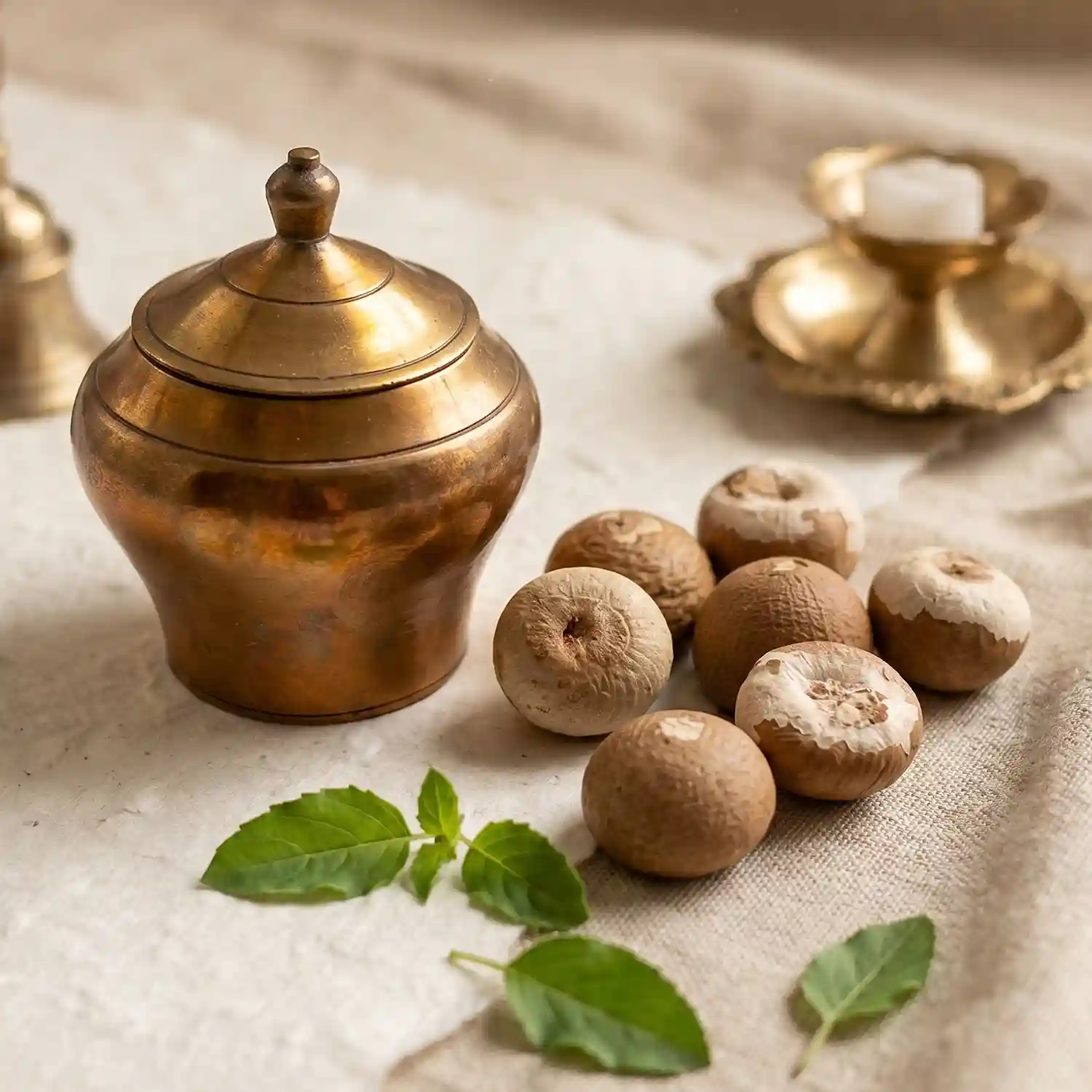
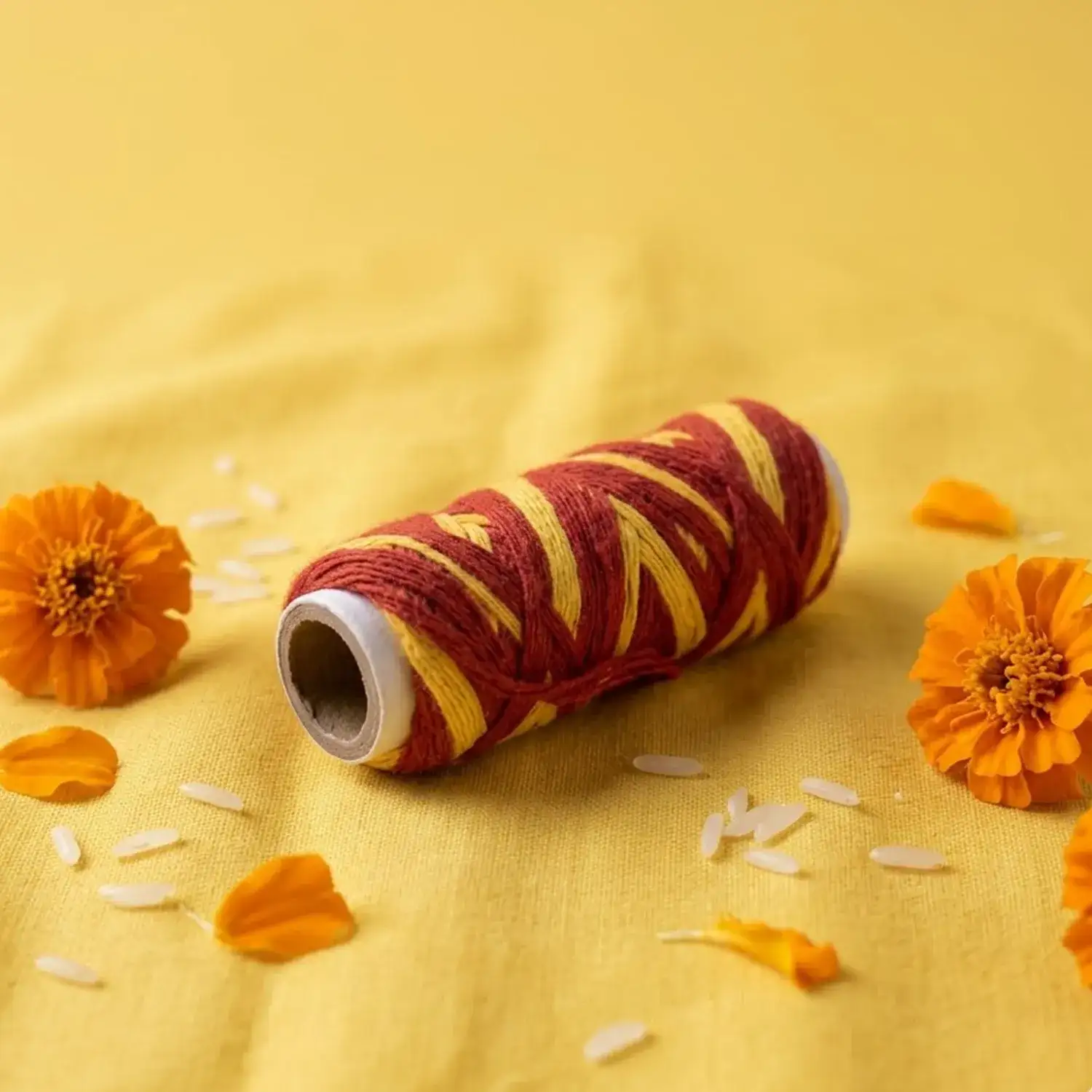
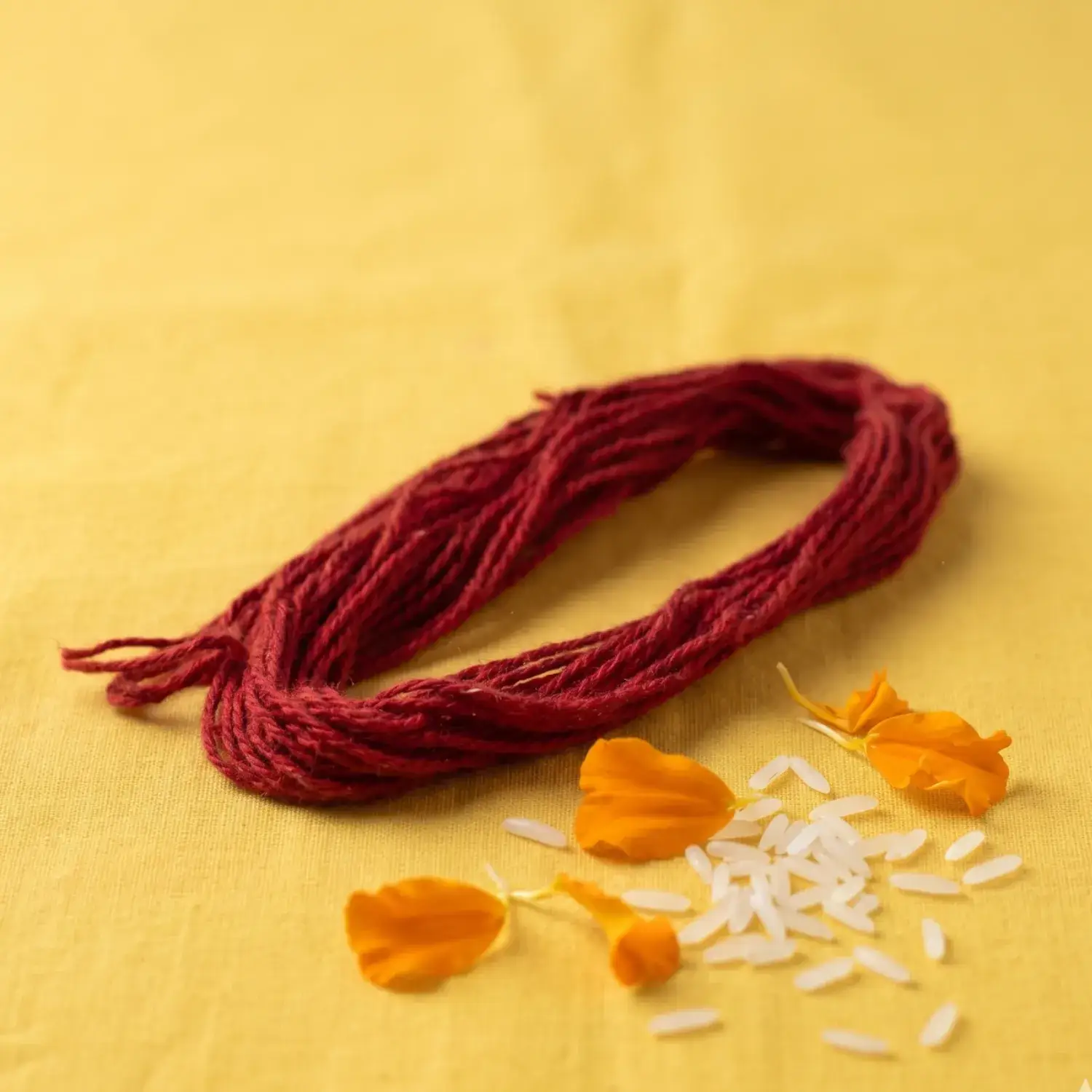


_11zon.webp)
1_1_11zon.webp)

_2_11zon.webp)
_11zon.webp)


Frequently Asked Questions
- Q1: Since this is a massive nine-day celebration for Goddess Durga, can I offer her fresh Durva grass from my lawn?
- For Beginners & Home Ritualists: You must strictly avoid this! The classical scriptures contain incredibly specific rules regarding which leaves are acceptable for which deity. The Purohit Darpan explicitly quotes the ancient rule: "na dūrvayā yajeddurgāṃ", which translates to: "One must never worship Goddess Durga using Durva grass". Instead, you should use the beautiful red flowers and the provided botanical offerings to perfectly honor her!
- Q2: We are inviting many guests and relatives during the Navaratri evenings. Are there specific rules about eating before we serve them?
- For Hosts & Families: Absolutely! In the spirit of the Mother Goddess, the host must always serve others first. The Apastamba Sutras strictly warn that a householder "who eats before the guests consumes the food, the prosperity, the children, the cattle, the merit which his family acquired by sacrifices and charitable works". You must always wait until the deities and guests have been fully satisfied before partaking yourself!
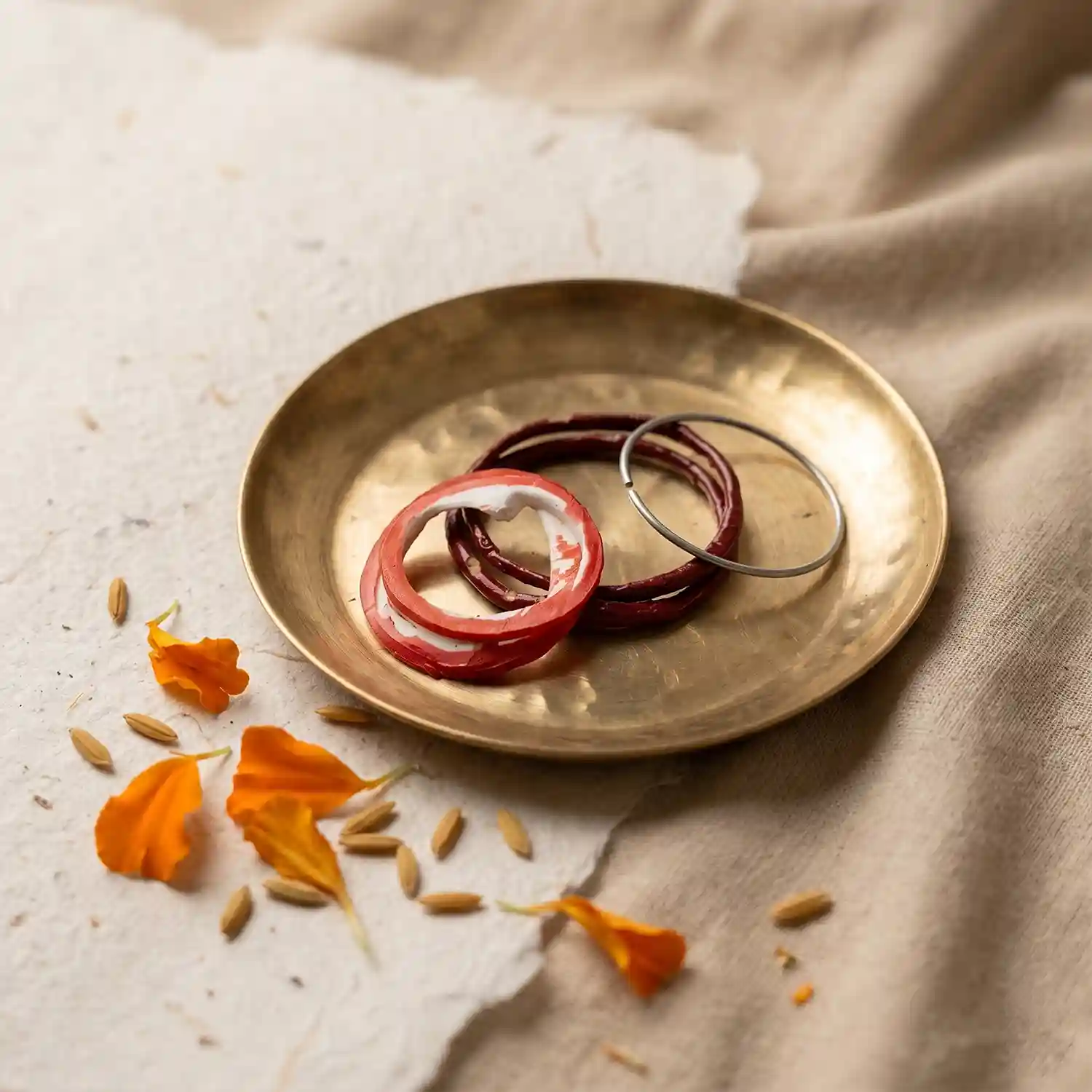
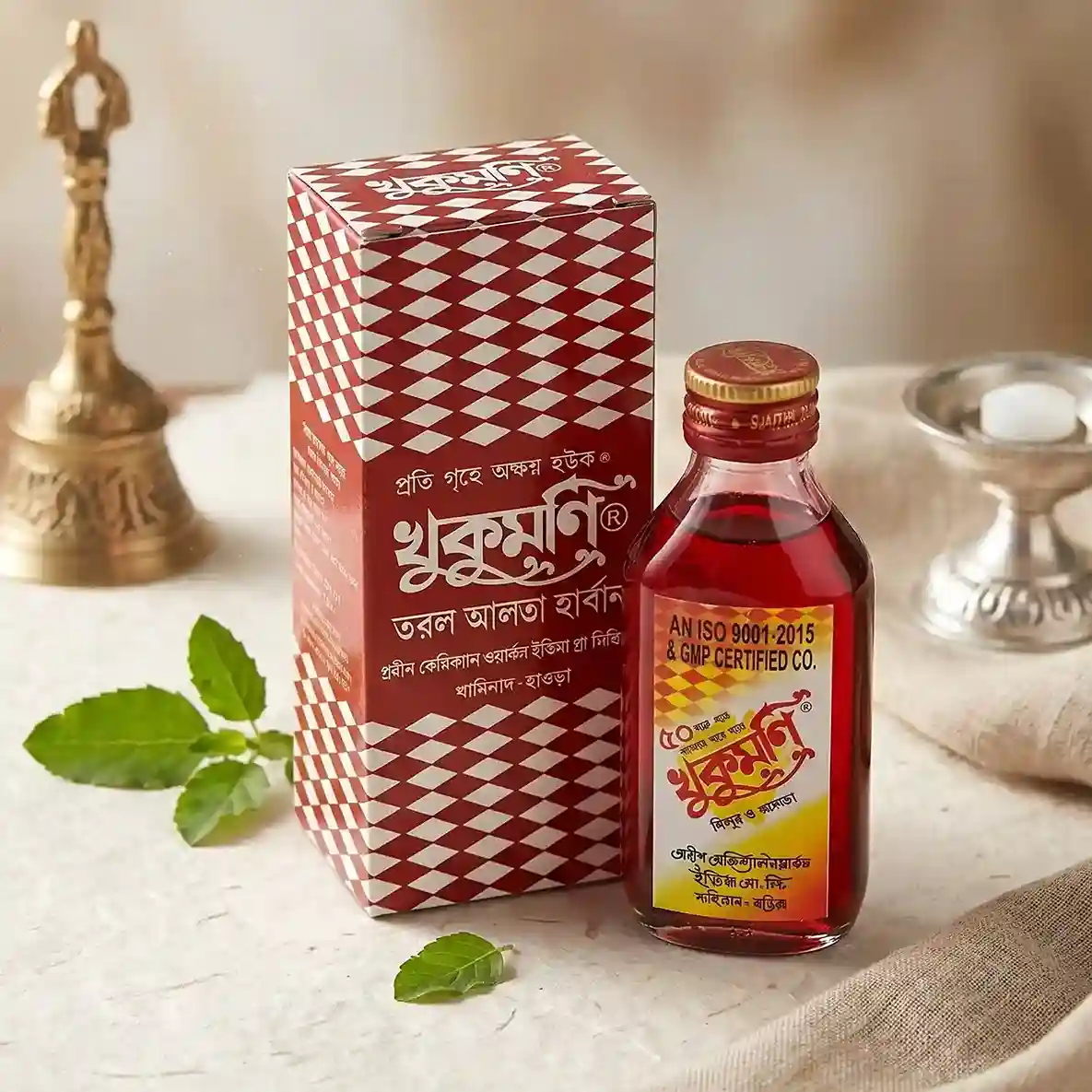
- Q3: The kit includes a magnificent "Sringar Set" with lipstick, nail polish, and bangles. Why do we offer cosmetics to the Goddess?
- For Devotees: In Shakta traditions, the Divine Mother is celebrated not just as a fierce warrior, but as the ultimate embodiment of cosmic beauty, grace, and sovereignty (Lalita). Offering the 9th-step Abharan (Ornaments and Sringar) satisfies her auspicious, nurturing form. It is believed that by adorning the Goddess, the devotee's own life is adorned with harmony, marital bliss, and radiant health!
- Q4: During the Navaratri Havan (sacred fire), my wife wants to offer some of the Havan Samagri into the fire herself. Is this allowed?
- For Experienced Householders: In highly orthodox Vedic fire rites, the rules for pouring oblations are very specific. According to the Apastamba Sutras, while women absolutely share in the spiritual merit of the sacrifice, the text traditionally states: "A female shall not offer any oblation into the fire". The householder (husband) or the officiating priest should physically pour the Samagri while the wife participates through touch (often touching her husband's arm) to complete the energetic circuit!
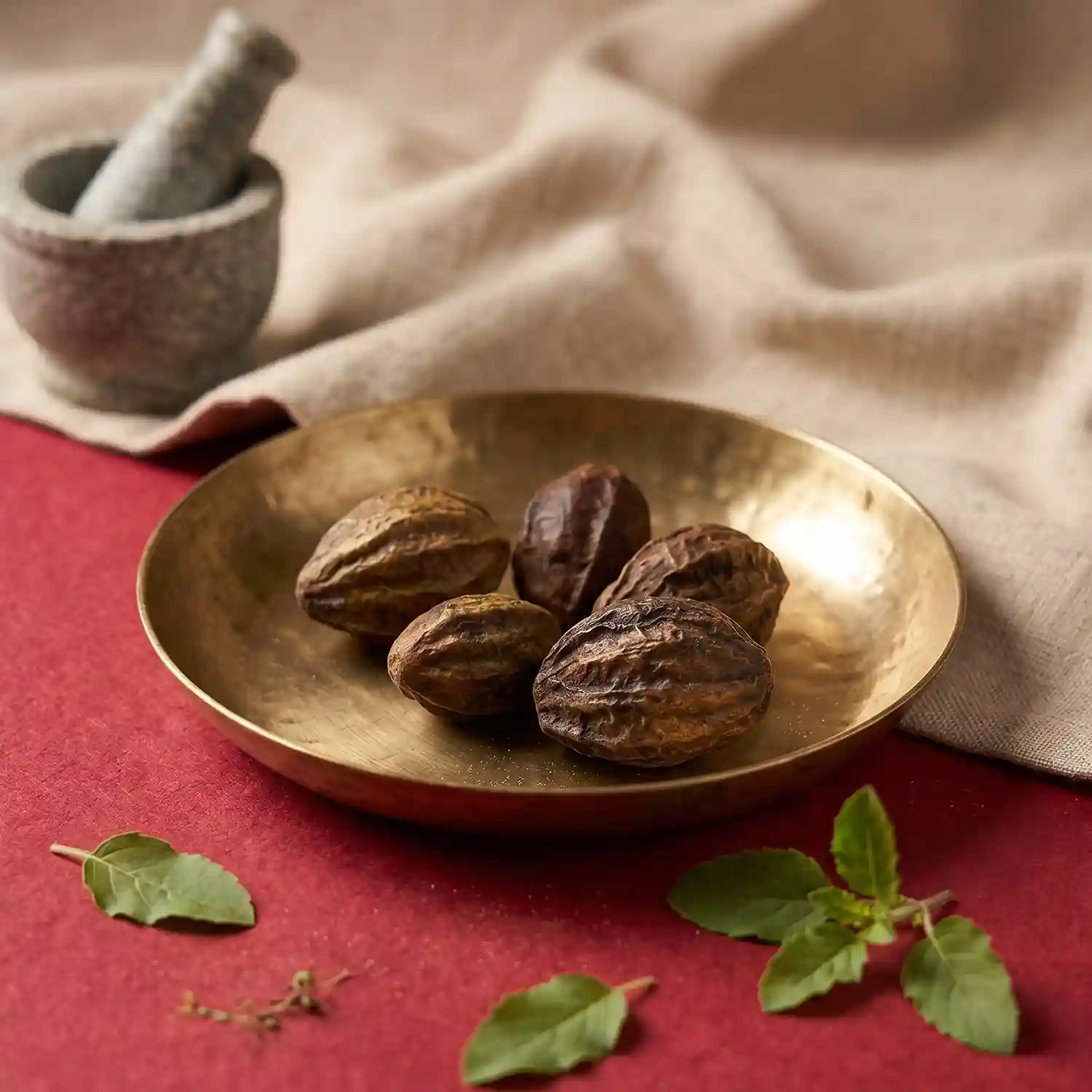
- Q5: What is the purpose of the "Kamal Gatta" (Dried Lotus Seeds) in this kit?
- For Wealth Seekers: Lotus seeds are one of the most powerful, highly guarded secrets in Tantric and Shakta worship! Because the Goddess of Wealth (Lakshmi) is universally associated with the lotus (Kamala), offering Kamal Gatta into the sacred fire or placing them at the Goddess's feet during Navaratri acts as an intense spiritual magnet, actively drawing immense financial prosperity and royal abundance into the household!