
_15_11zon.webp)



_9_11zon.webp)




Frequently Asked Questions
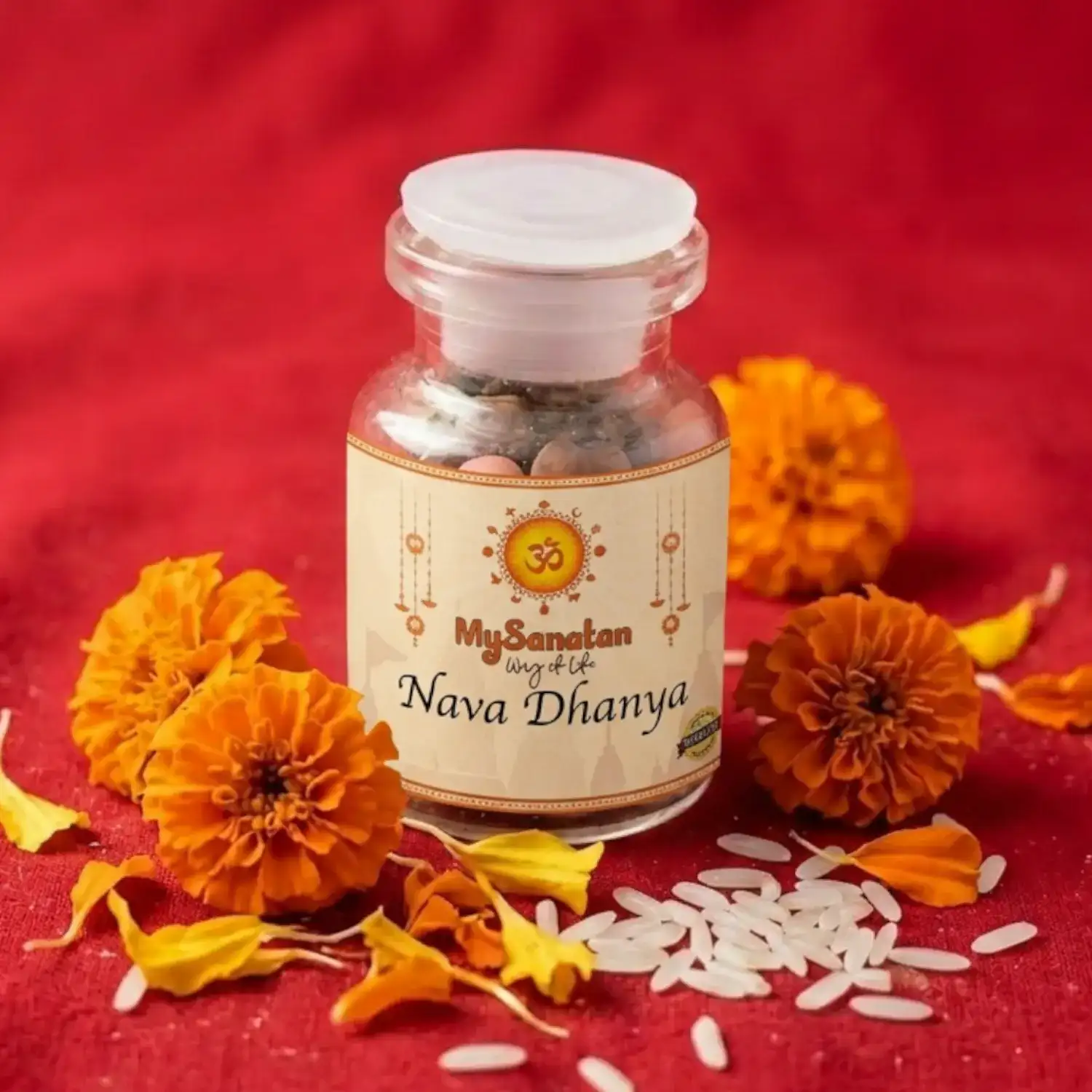
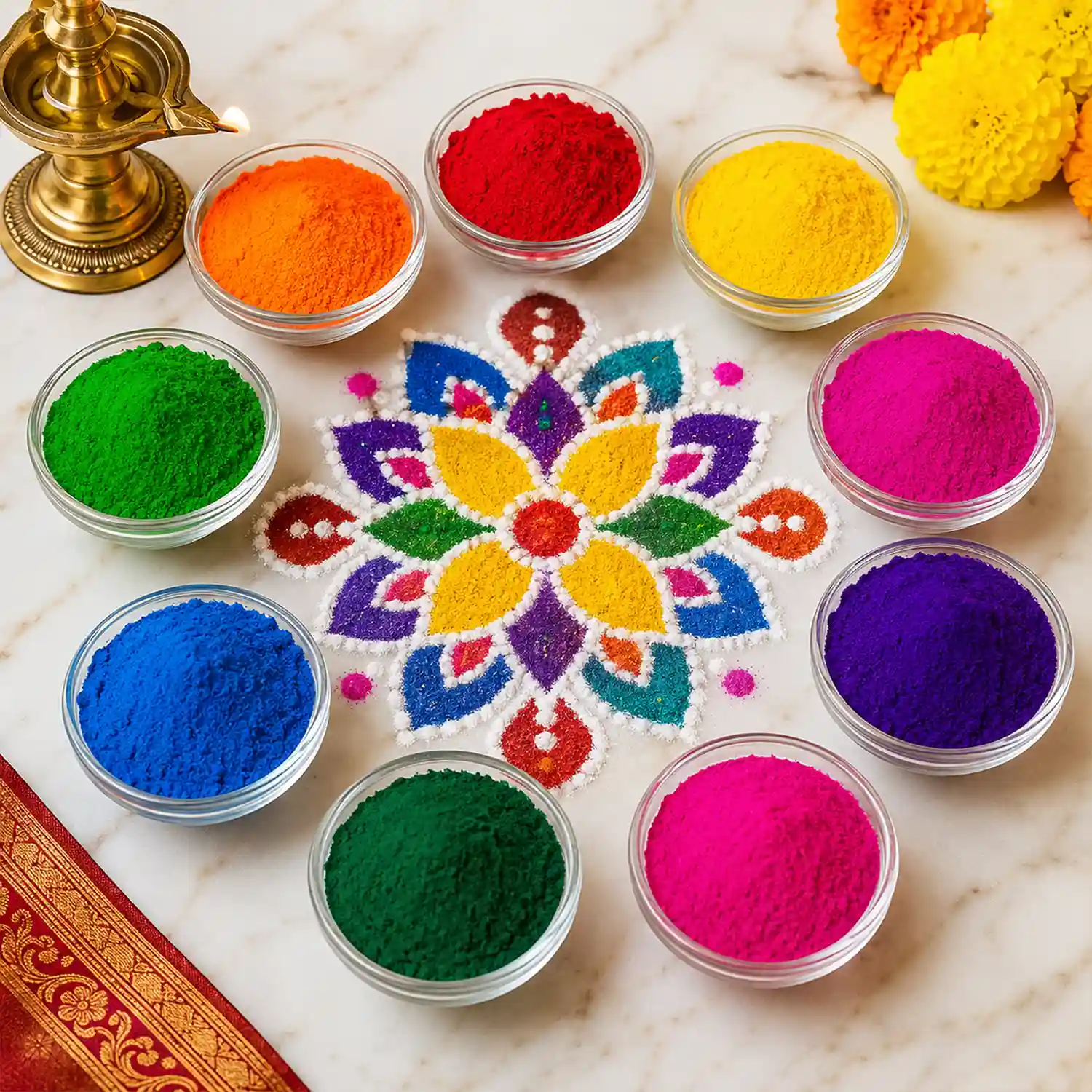
- Q1: Why does this kit include items specifically in sets of 9 (like the 9 Grains and 9 Cloths)?
- For Tradition Seekers: Because each planet demands a highly specific offering! According to classical Vedic astrology, each of the nine celestial bodies (Sun, Moon, Mars, Mercury, Jupiter, Venus, Saturn, Rahu, and Ketu) vibrates with a different energy and is pleased by a specific color of cloth and a specific grain. Using the complete set of 9 ensures that no planet is left unhonored during the grand peace ritual!
- Q2: What is the "Small Janeu Thread for Betel Leaf" used for?
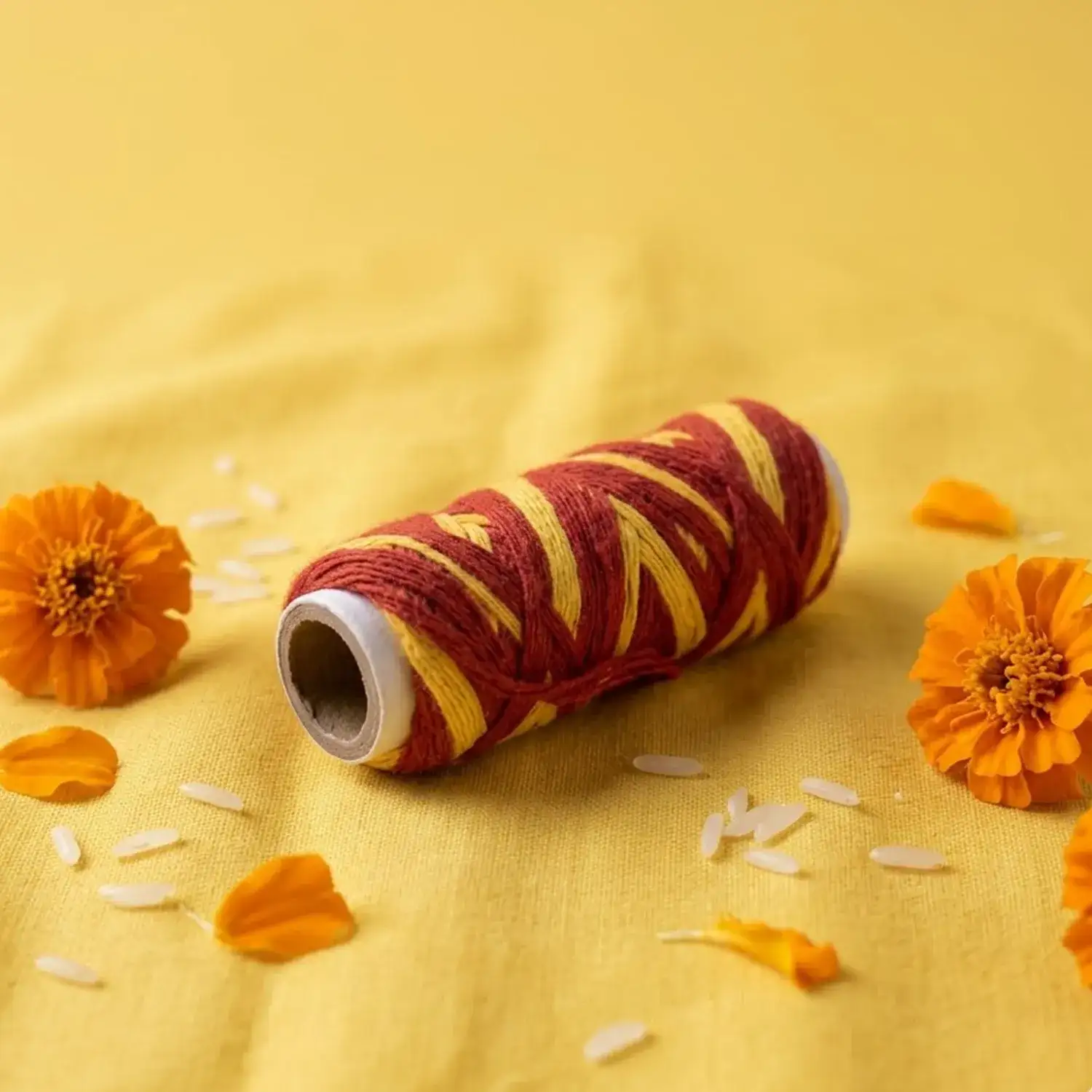
- For Home Ritualists: In a grand Navagraha Puja, the priest invokes the presence of each planetary deity upon individual betel leaves placed upon the sacred Mandalam (altar). As part of the royal 16-step worship, each of these invoked deities must be offered a sacred garment (Basan/Abharan). These small Janeus serve as the perfect, pure sacred threads to drape over the betel leaves to honor the planets!
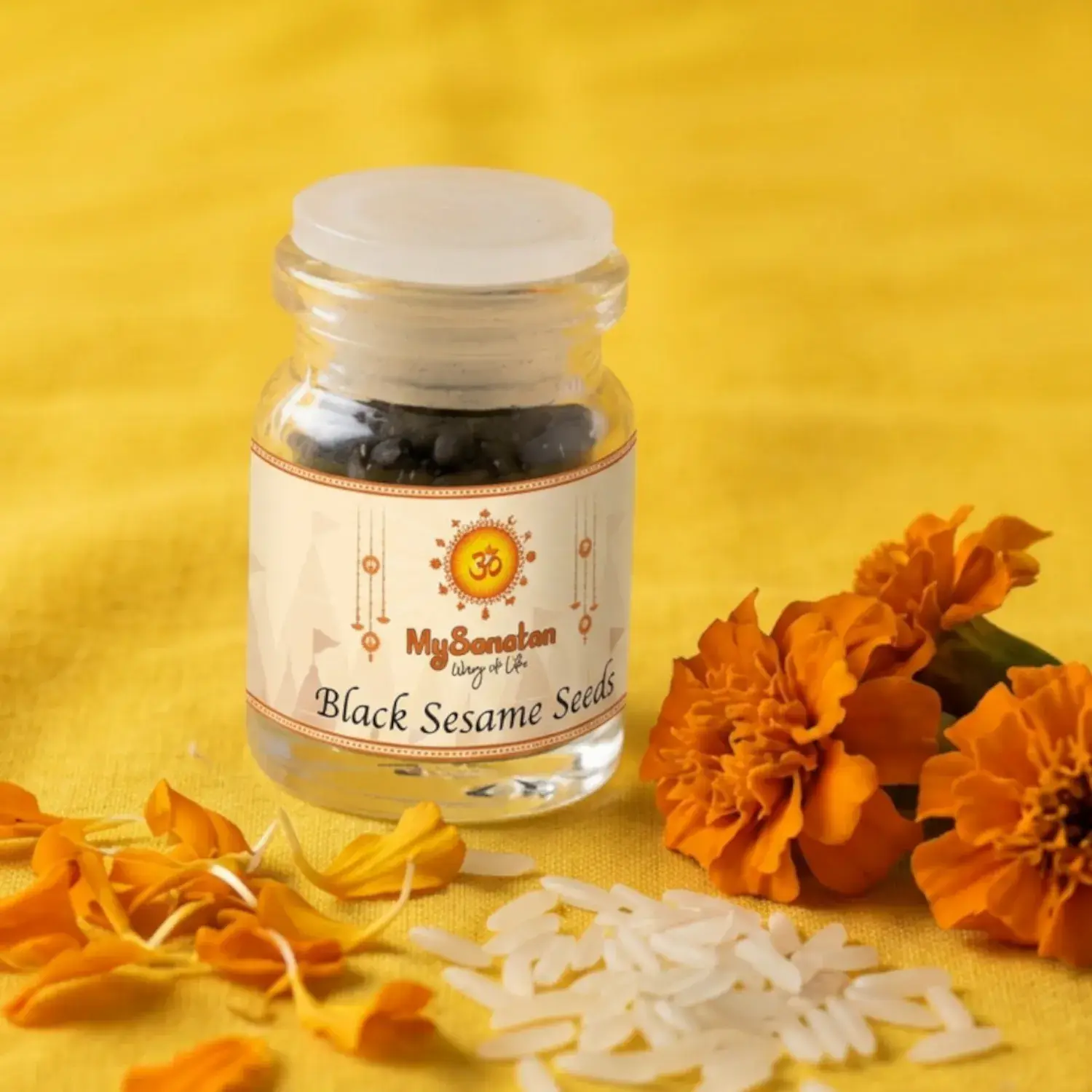
- Q3: Why are Black Sesame Seeds (Kaale Til) included specifically for this Havan?
- For Devotees: Black sesame is a highly potent offering in Vedic fire rituals, especially when dealing with planetary peace! It is astrologically ruled by Lord Shani (Saturn) and is believed to have the metaphysical property of absorbing negative energies and deep-seated karmic debts. Offering it into the sacred fire symbolically burns away the devotee's sins and pacifies severe astrological afflictions.
- Q4: If we are performing the Havan at the end of the Puja, can the women or uninitiated children of the household pour the ghee into the fire?
- For Families: In highly orthodox Vedic fire rites, the rules for pouring oblations are very specific. According to the classical Apastamba Sutras, the text strictly states: "A female shall not offer any oblation into the fire. Nor a child, that has not been initiated". In strict traditional ceremonies, the initiated householder or the officiating priest should physically pour the oblations to maintain the strict Vedic energetic circuit!
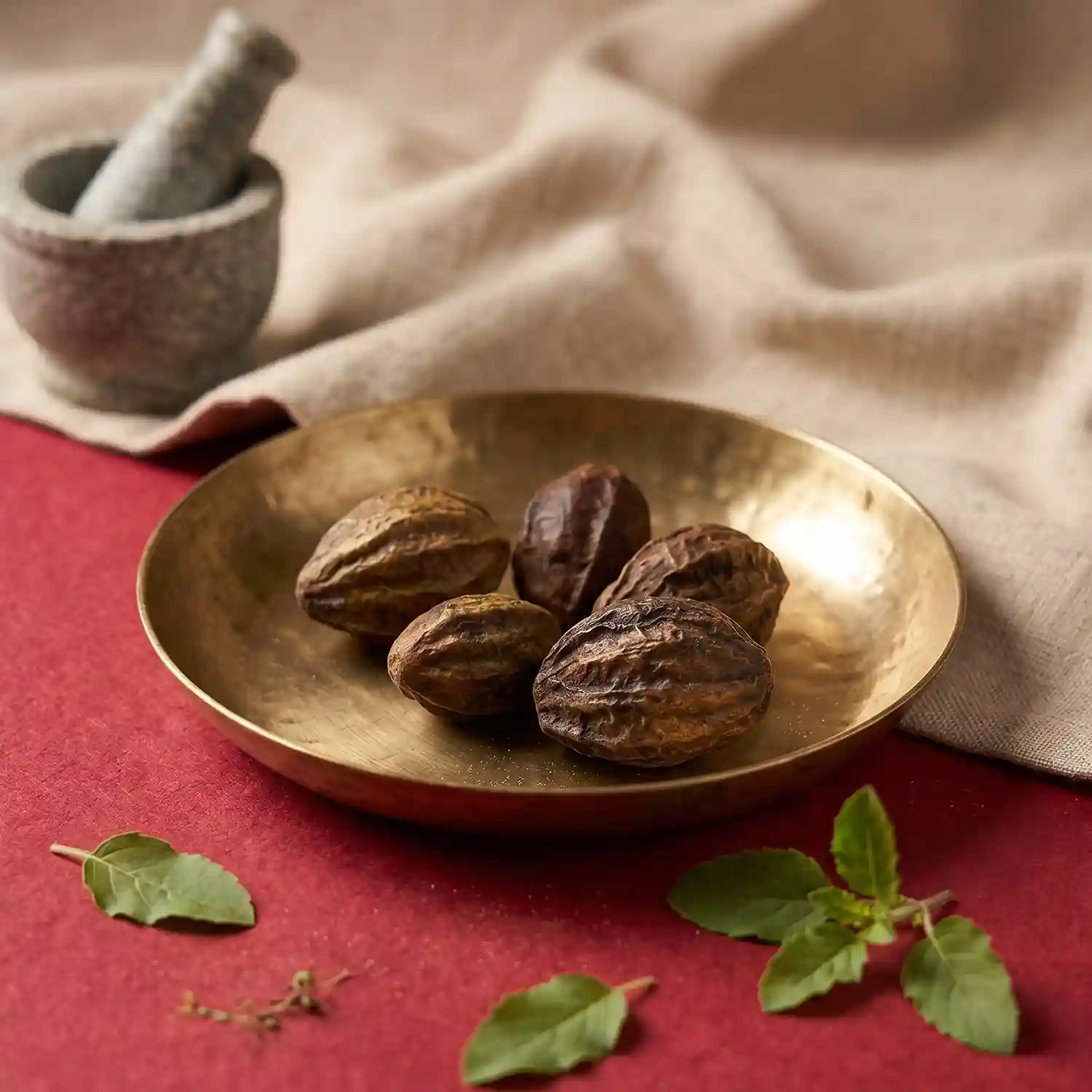
- Q5: The kit highlights specific spices like Betel Nut, Haritaki, Clove, and Cardamom for 'Tambula'. Why is this called out for the 16-step puja?
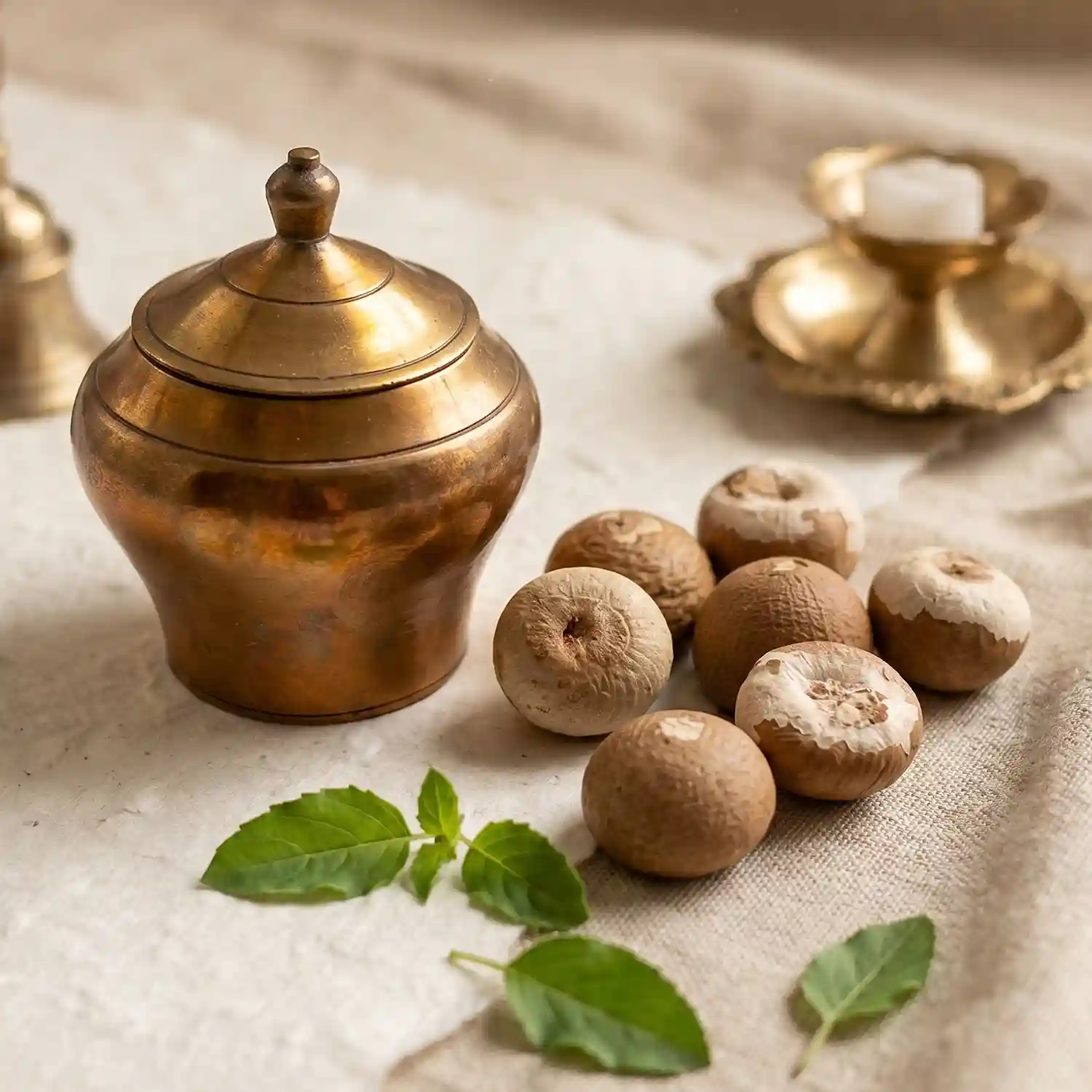
- For Cultural Enthusiasts: Because it is scripturally non-negotiable! The classical texts dictate that there is no 16-step (Shodashopachar) puja where Tambula is not mandatory. As the exact 16th and final required offering, Tambula is presented to sweeten the deity's mouth after the grand feast. Without these specific spices, a grand royal worship led by a Pandit is technically incomplete!
- Q6: I know the classical texts forbid worshipping multiple idols together. Does this mean I cannot worship all 9 planets at the same time?
- For Home Ritualists: Great question! The Purohit Darpan does contain a strict rule against joint idol worship (Ekatre vigrahadvaya puja nishedha), warning that worshipping two of the exact same idols (like two Shivas, two Ganeshas, or two Shaligrams) simultaneously in the same household brings profound anxiety and agitation to the family. However, the Navagrahas are nine distinct celestial deities! Establishing all nine of them together in their specific geometric positions on the Mandalam (altar) is the exact scriptural requirement to achieve complete cosmic harmony.
- Q7: Why does this kit include Gau Mutra (Cow Urine) and Gobar (Cow Dung)?
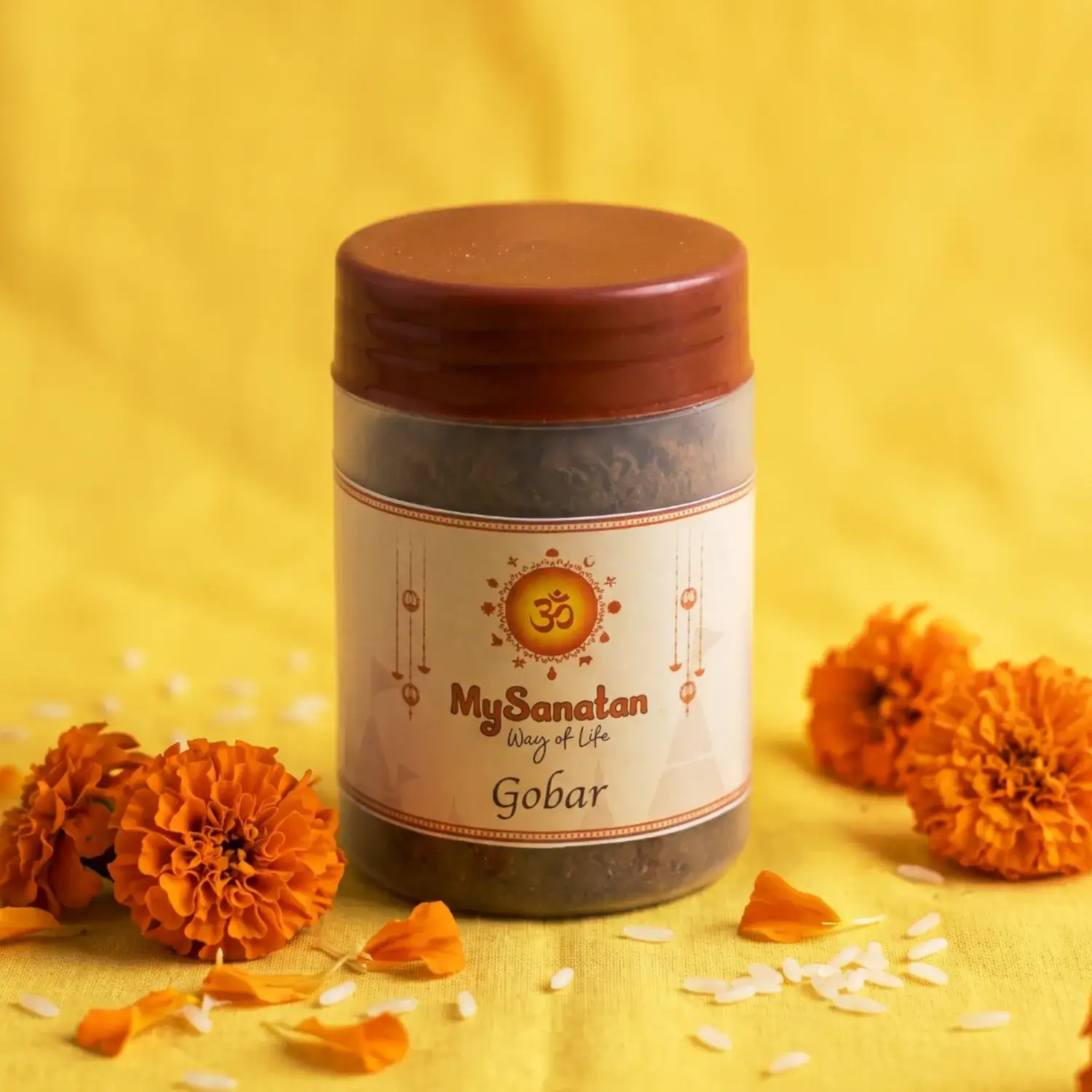
- For Tradition Seekers: These are the absolute most potent, traditional elements for spiritual purification! Before inviting the massive cosmic presence of the planets, the classical manuals dictate that the Ghat (sacred pot) and the Havan (fire altar) must be fundamentally cleansed. Using Gau Mutra to sprinkle the area and Gobar to physically prepare the base of the sacred fire ensures the environment is perfectly pure and scripturally exact for the celestial bodies.
- Q8: Can women and uninitiated children perform the 5-step Navagraha worship themselves?
- For Families: Absolutely! While highly orthodox fire pouring (Havan) requires an initiated person or priest according to the Apastamba Sutras, the core daily devotion is open to all. The Vedic NityaKarma manual emphatically shatters the misconception that only priests can pray. It declares that the right to perform worship and connect with God belongs to everyone—"from children to the elderly, men and women". Any family member can offer the pastes, flowers, and incense to seek planetary peace!
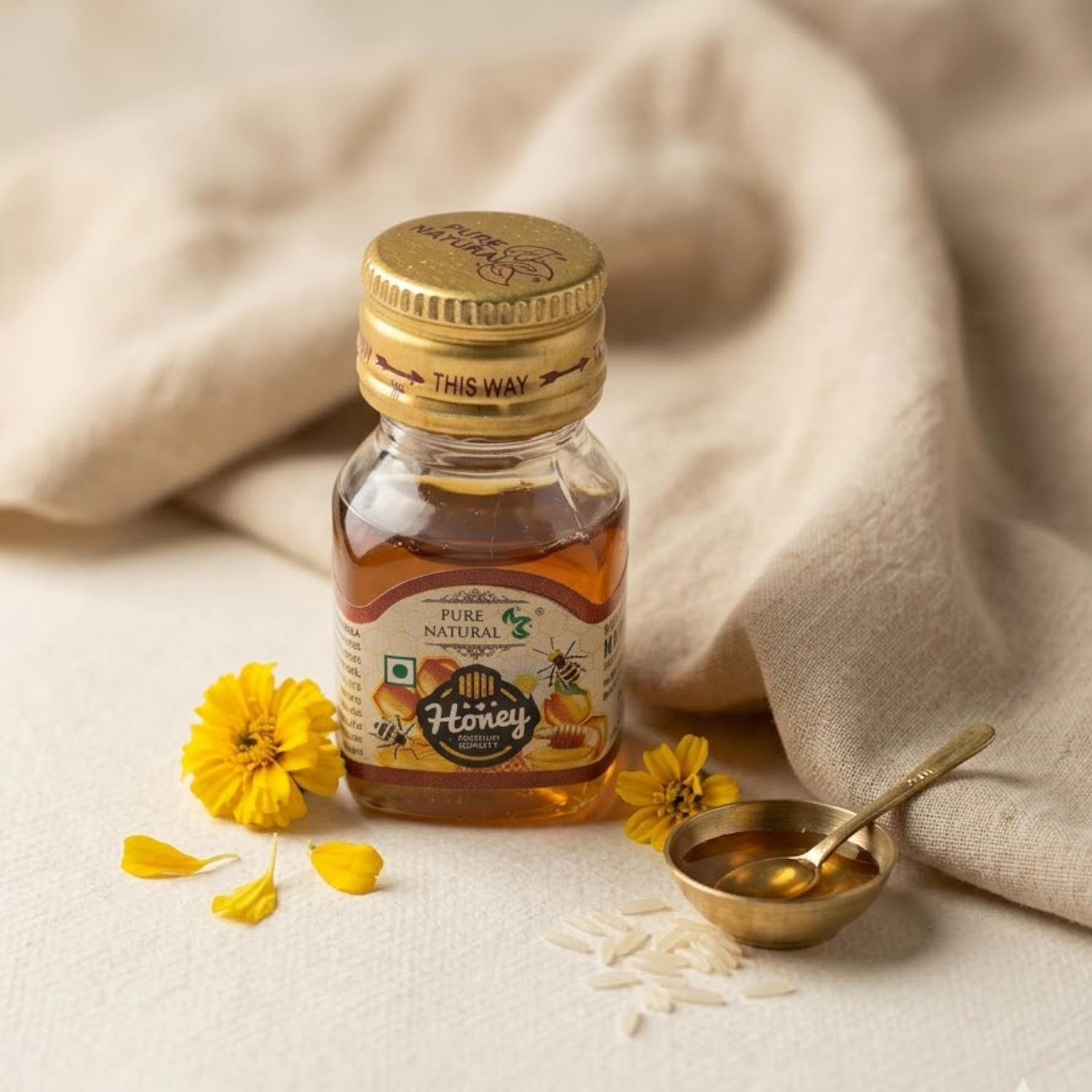
- Q9: The kit specifies "Honey" for the 6th-step Madhuparka. What exactly is Madhuparka?
- For Cultural Enthusiasts: Madhuparka is the ultimate, most respectful Vedic welcome! According to the Apastamba Dharma Sutras and the Purohit Darpan, when a highly distinguished guest, a king, or a supreme deity arrives, they must be offered a sacred sweet mixture to honor their presence. This mixture is traditionally made of curds or milk mixed with pure honey. Offering this sweet nectar to the Nine Planets pleases them immensely and symbolically sweetens their cosmic influence over your household!