_11zon.webp)




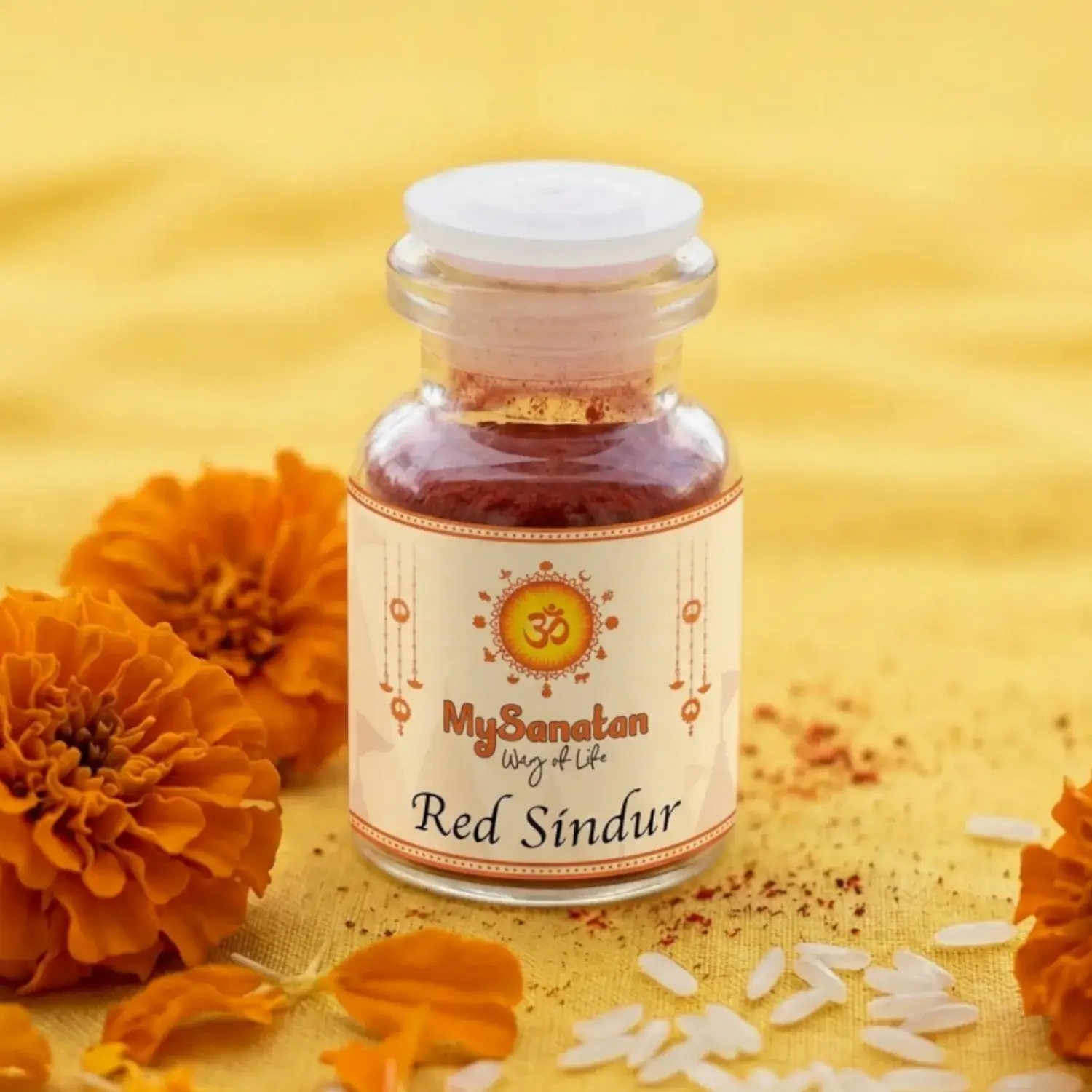
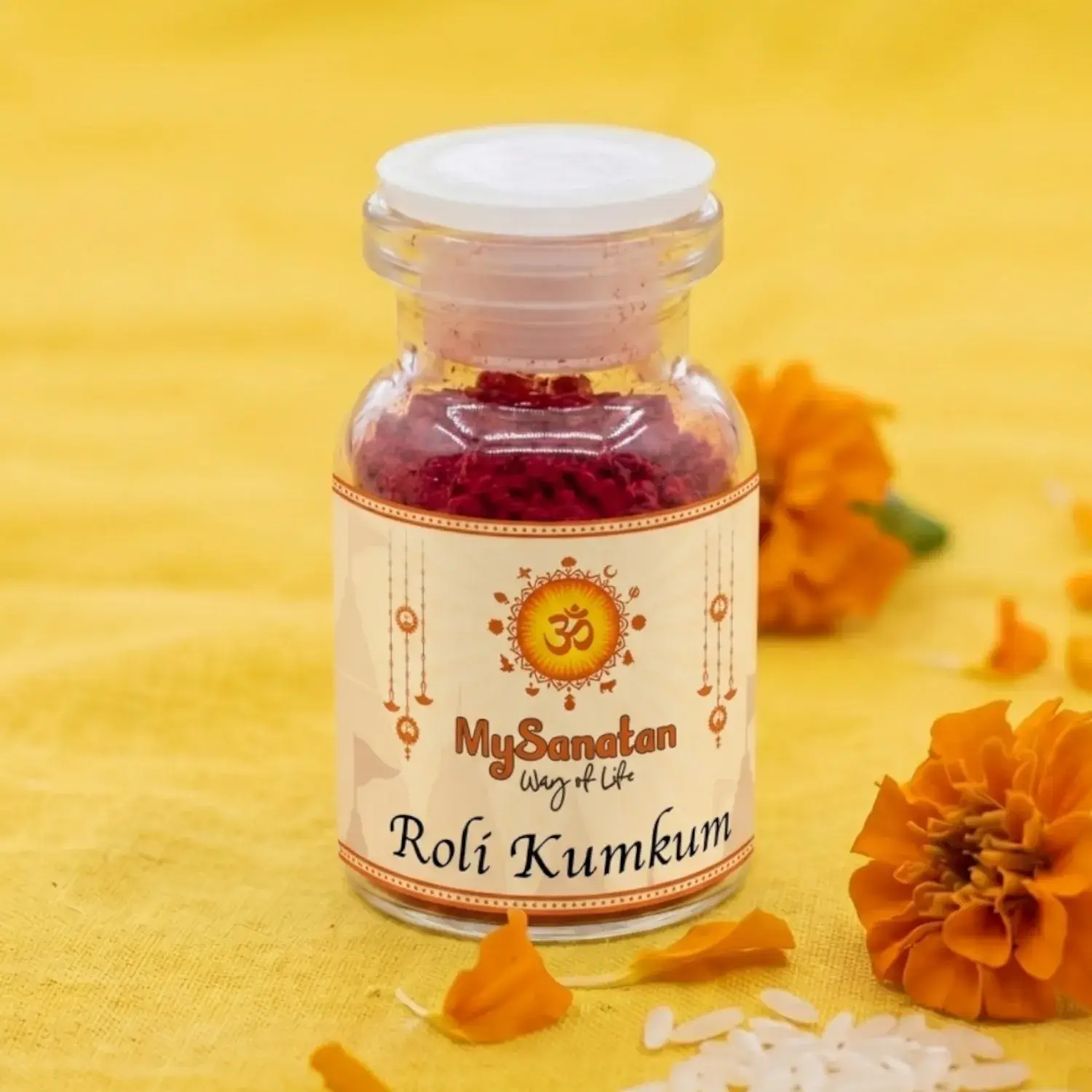

_15_11zon.webp)




Frequently Asked Questions
- Q1: Why does the date of Makar Sankranti (Jan 14th/15th) remain mostly the same every year?
- For Tradition Seekers: Unlike most Hindu festivals whose dates are decided according to the lunar calendar (which shifts every year), Makar Sankranti is based upon the solar calendar and the geocentric model of the solar system. It is celebrated on the exact astronomical day that the Sun transits into the Makara (Capricorn) constellation, which almost always aligns with January 14th or 15th!
- Q2: What is the significance of the Black Sesame Seeds (Kaale Til) and Jaggery?
- For Cultural Enthusiasts: Offering and eating sesame seeds and jaggery (til-gur) is one of the most vital traditions of Makar Sankranti. Preparing sweets with these items and distributing them acts as a powerful symbol for being together in peace and joyfulness, despite the uniqueness and differences between individuals.
- Q3: What is the "Punya Kaal" mentioned in the festival timing?
- For Astrological Followers: The Punya Kaal is the highly specific, auspicious time window during the day of Makar Sankranti when the cosmic energy is at its absolute peak. Certain activities—like taking the holy bath, offering food to the deity (naivedhya), offering charity, and breaking the fast—should specifically be done during this window for maximum spiritual merit.
- Q4: Who are the primary deities worshipped during Makar Sankranti?
- For Devotees: The festival is primarily dedicated to the solar deity, Surya Dev (the Sun God), to thank him for the bountiful harvest and his return to the northern hemisphere. However, he is also universally worshipped alongside Lord Vishnu and Goddess Lakshmi to invite immense household wealth.
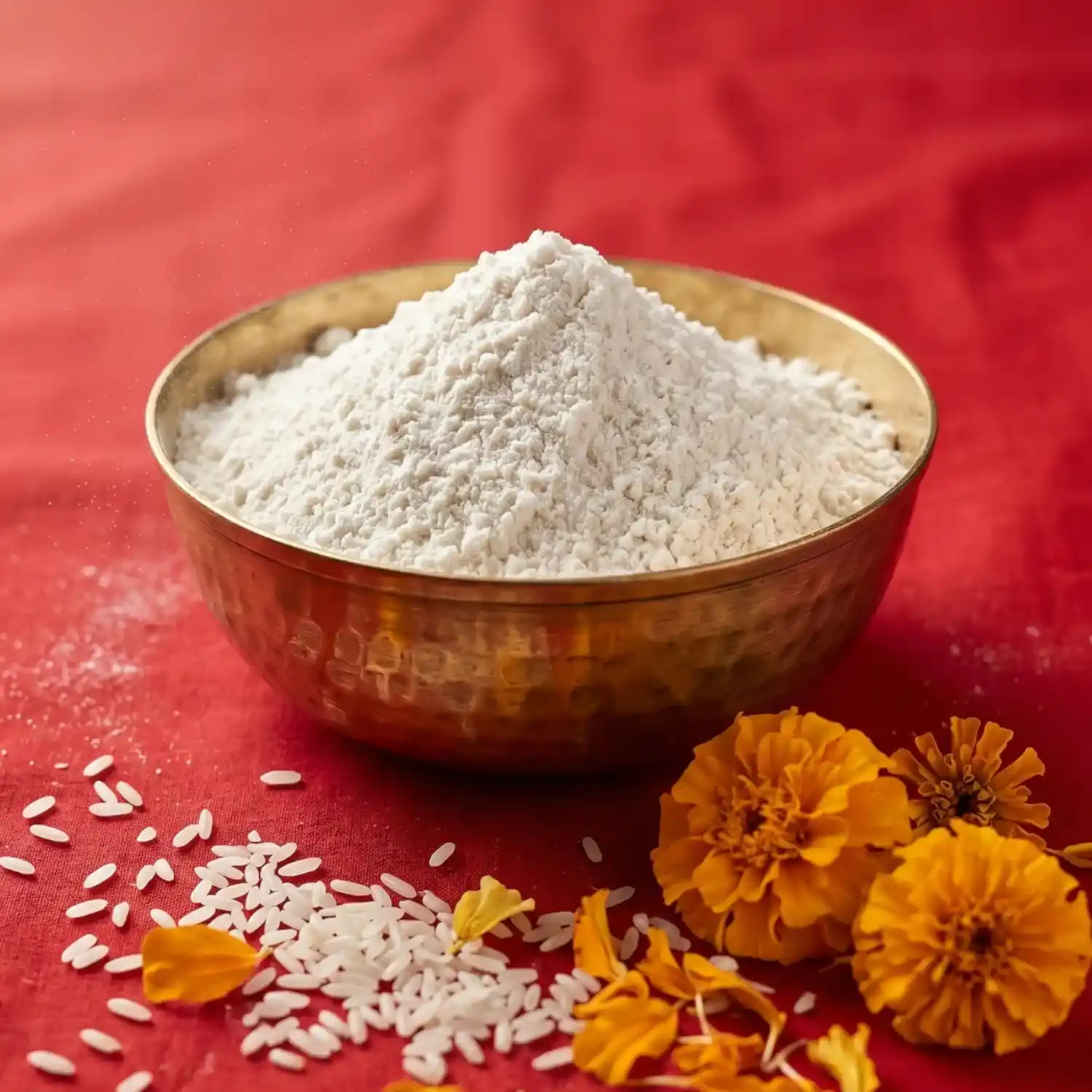
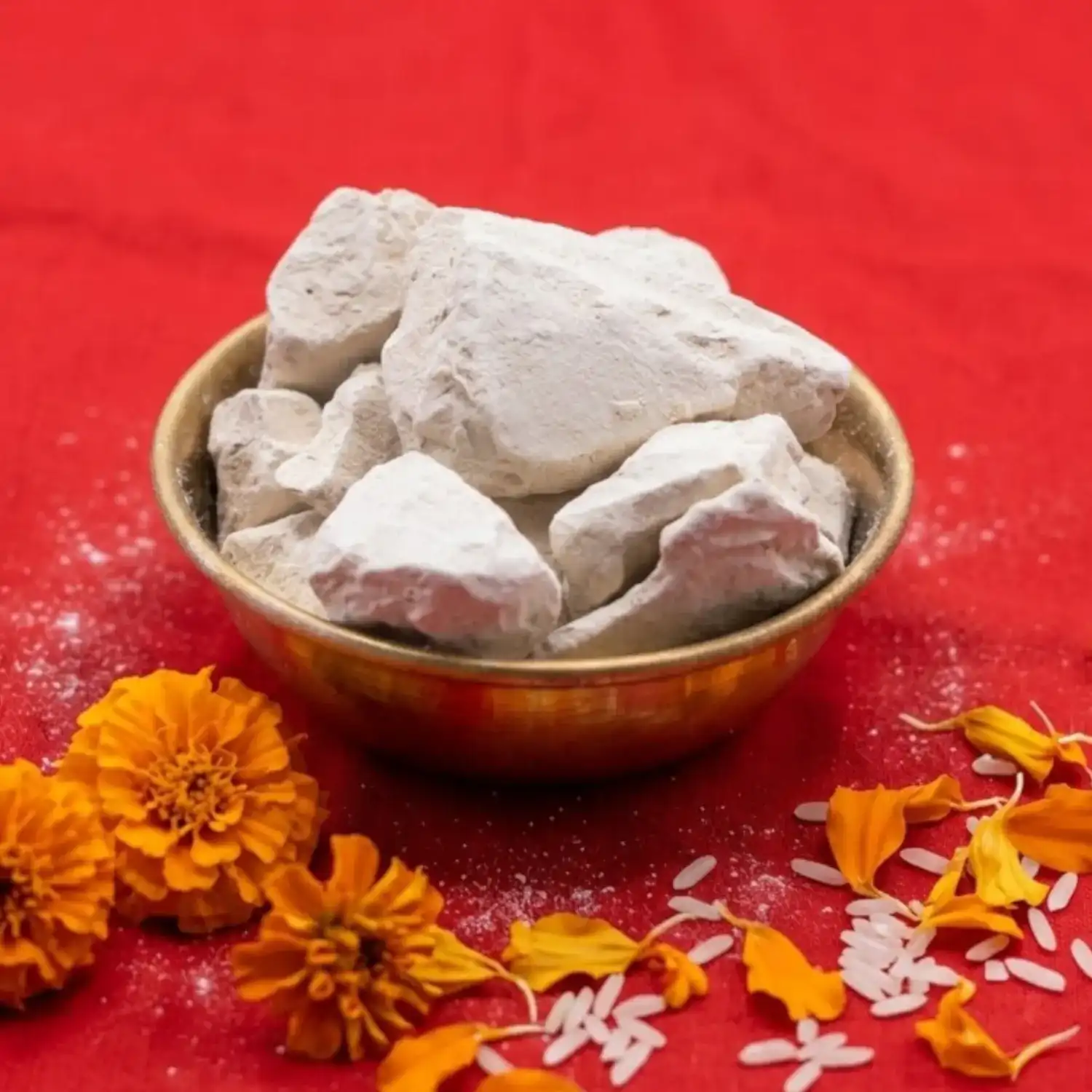
- Q5: What is the purpose of Rice Flour (Chaler Gura) and Khari Mati (White Chalk Clay) in this kit?
- For Home Ritualists: These are essential for creating beautiful, sacred floor art! Before the puja begins, it is a strict tradition across India (whether called Alpona in Bengal or Muggu in Andhra/Telangana) to clean the house and decorate the puja room and main entrance with beautiful geometric patterns using natural Rice Flour and Khari Mati.
- Q6: What does "Uttarayaṇa" mean?
- For Everyone: Uttarayaṇa refers to the Sun's northward journey in the sky. Because the Sun is moving from the south to the north, this six-month period is considered highly auspicious, symbolizing the victory of light over darkness and knowledge over ignorance.
- Q7: Is it important to donate anything on Makar Sankranti?
- For Families: Yes, charity is a crucial part of this festival! It is highly customary to donate black sesame seeds, grains, vegetables, and other commodities to the needy on this auspicious day.