
_15_11zon.webp)
_11zon.webp)





Frequently Asked Questions
- Q1: Since Maha Shivratri is celebrated entirely at night, should I face a different direction than I normally do for daytime worship?
- For Experienced Practitioners: No! Lord Shiva holds a very special, unchangeable directional rule. While classical texts often require facing East during the day and North at night for general deities, the Purohit Darpan explicitly commands: "Shib pūjā dibā o rātri ubhoy somoyei uttoromukh hoiyā koribe" (Shiva puja, both day and night, must always be done facing North)!
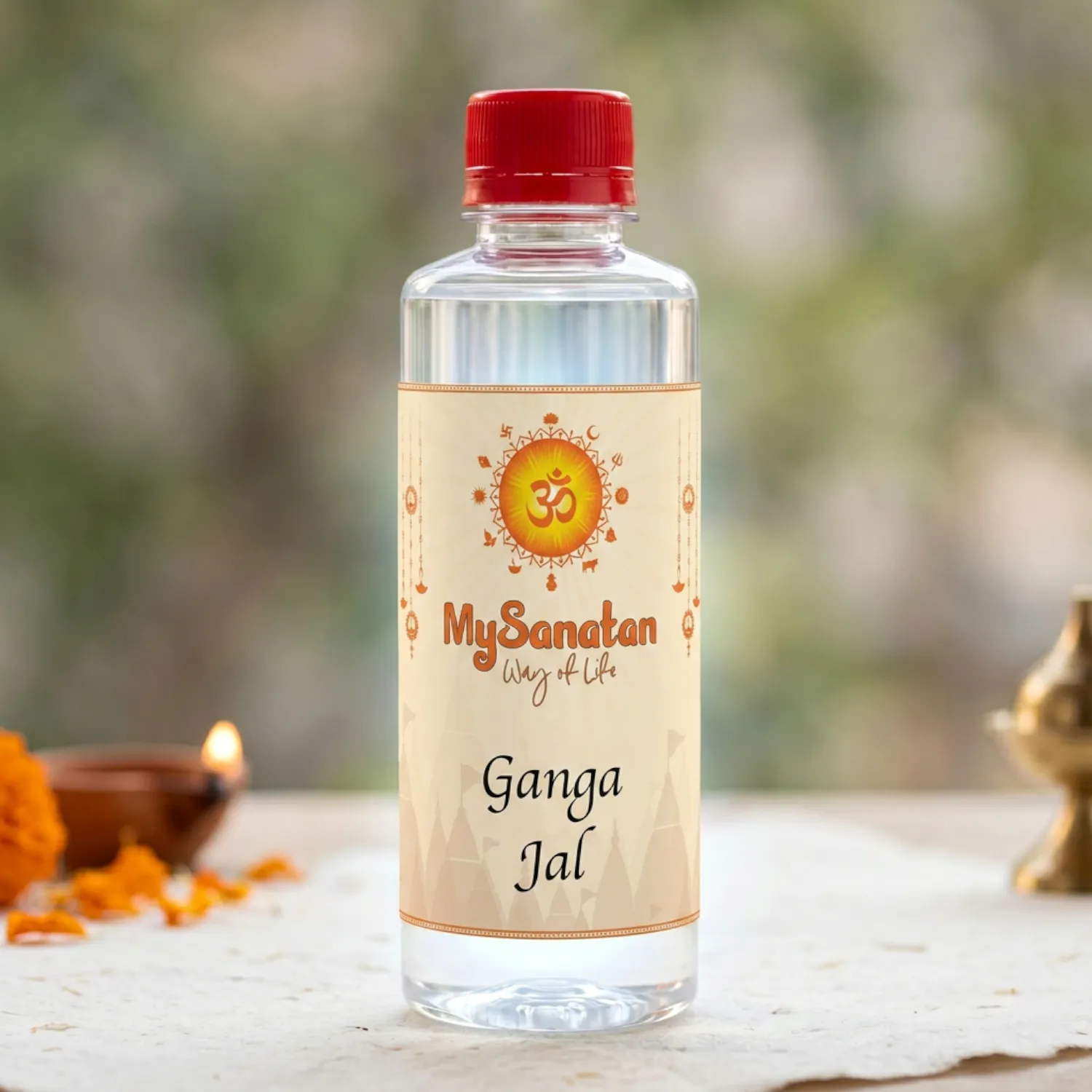
- Q2: The kit includes a beautiful brass Gaumukhi (cow-mouth vessel) for the Abhishek. How should I ritually purify it before the bath?
- For Home Ritualists: Simple water is not enough to achieve ceremonial purity for certain metals! According to the ancient Apastamba Sutras and traditional Smriti texts, different materials require highly specific natural cleaners. The text dictates that a vessel made of brass "becomes pure by being scoured with ashes". You must physically scour the brass Gaumukhi using clean ash or earth and rinse it before filling it with the sacred Ganga Jal!
- Q3: I have a beautiful garden full of Kunda and Ketaki flowers. Can I offer them to Lord Shiva during the night vigil?
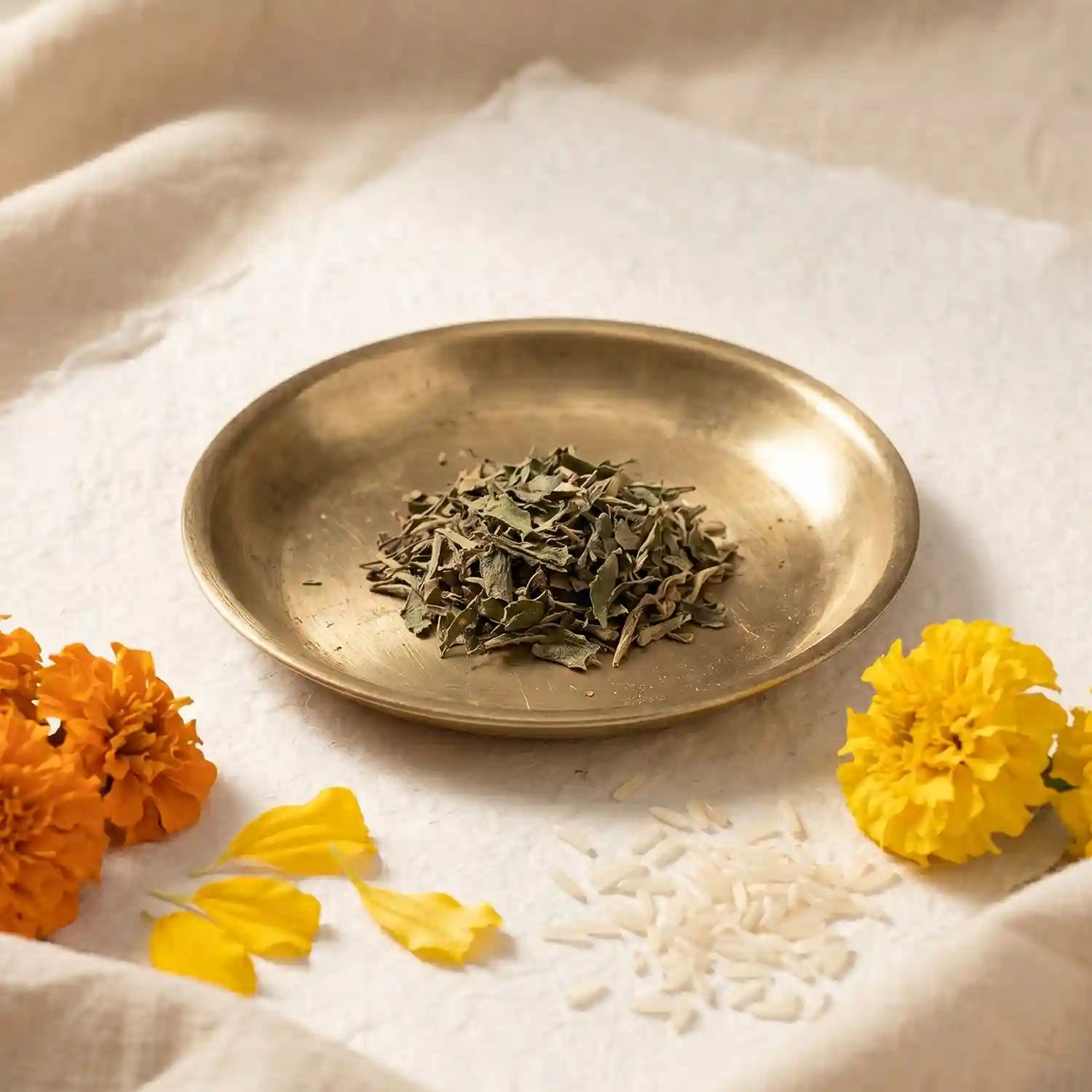
- For Beginners: You must strictly avoid this! The Purohit Darpan contains a highly specific list of Prohibited Flowers (Nishiddha Pushpa) exclusively for Lord Shiva. The text explicitly mandates that Kunda, Ketaki, Bandhuka, and Red Jaba (Hibiscus) are strictly forbidden in Shiva worship. To properly honor him, stick to white flowers, Dhatura, and the botanical leaves provided in your kit!
- Q4: Is it scripturally acceptable for me as an ordinary householder to perform these rites, or do I need an initiated priest?
- For Families & Devotees: You absolutely have the right to perform the core worship yourself! The classical Vedic NityaKarma text emphatically declares that the right to worship God is universal. It states that "from children to the elderly, men and women," everyone is entitled to offer prayers. While a Pandit is required for complex, 16-step Vedic ceremonies, the simple 5-step devotion (Panchopachar) is perfectly acceptable for any loving devotee.
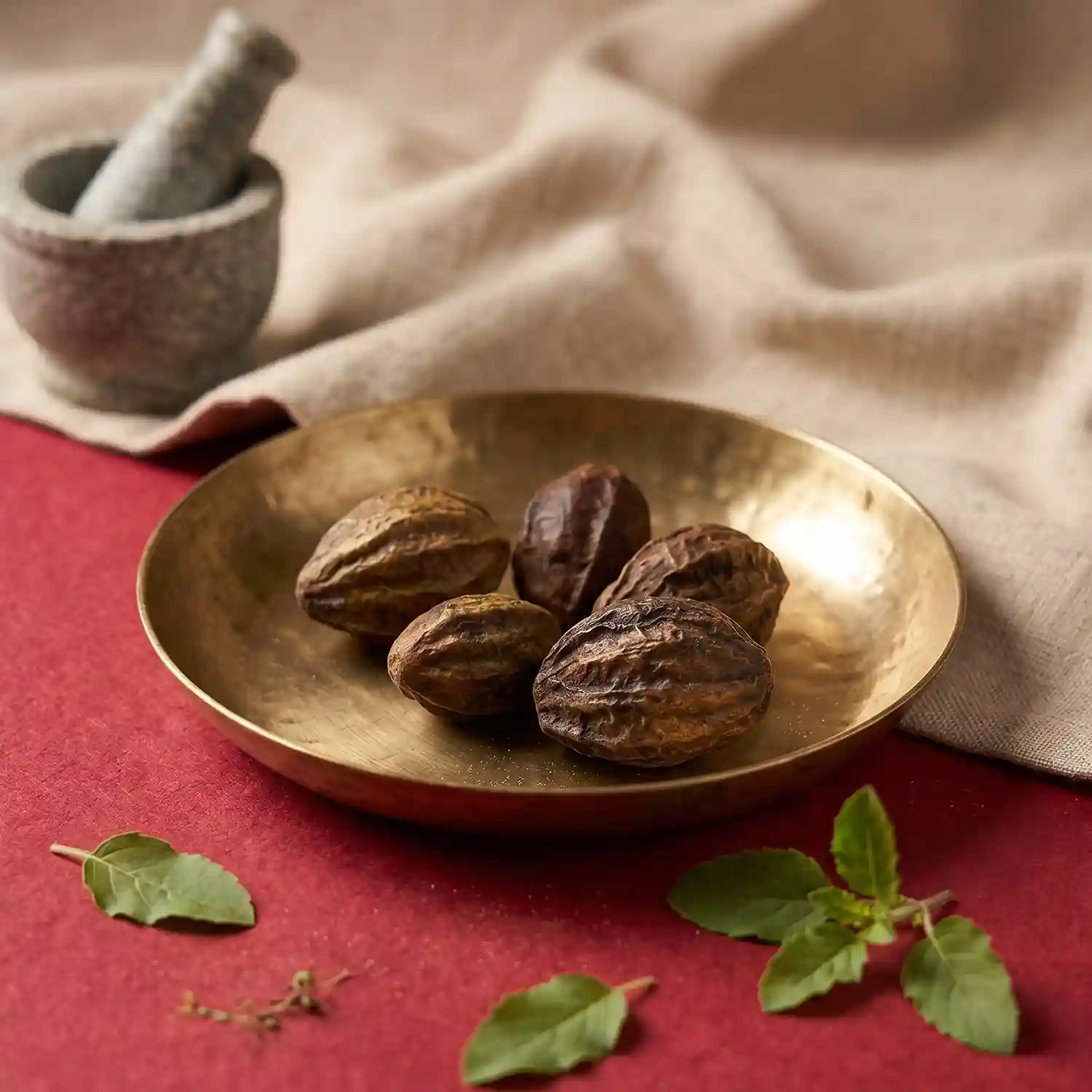
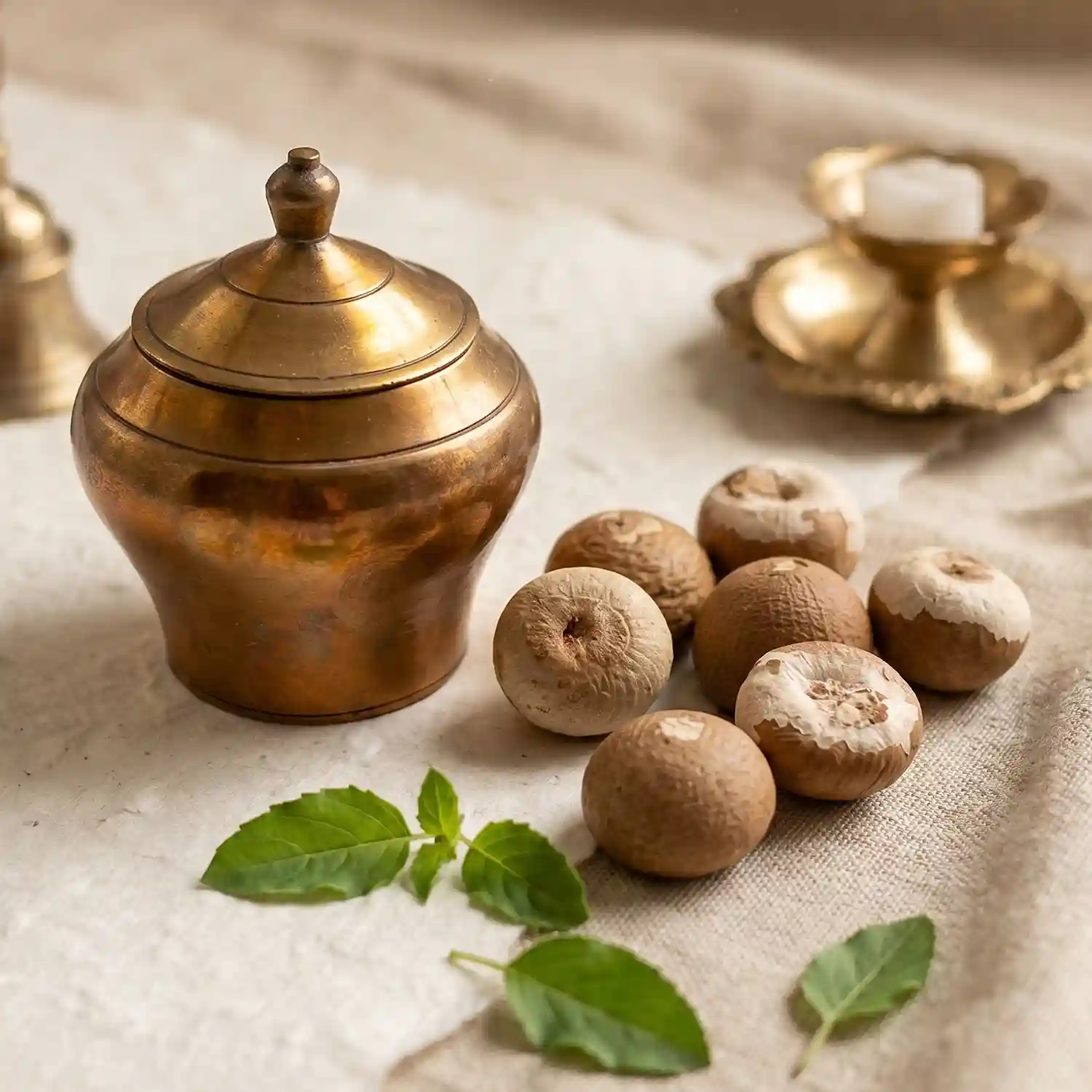
- Q5: The kit highlights specific spices like Betel Nut, Clove, and Cardamom for 'Tambula'. Why is this called out for the 16-step puja?
- For Cultural Enthusiasts: Because it is scripturally non-negotiable! The classical texts dictate that there is no 16-step (Shodashopachar) puja where Tambula is not mandatory. As the exact 16th and final required offering, Tambula is presented to sweeten the deity's mouth after the grand feast. Without these specific spices, a grand royal worship is technically incomplete, which is why we ensure they are perfectly packaged in your premium kit!