
_11zon.webp)
_15_11zon.webp)


_11zon.webp)

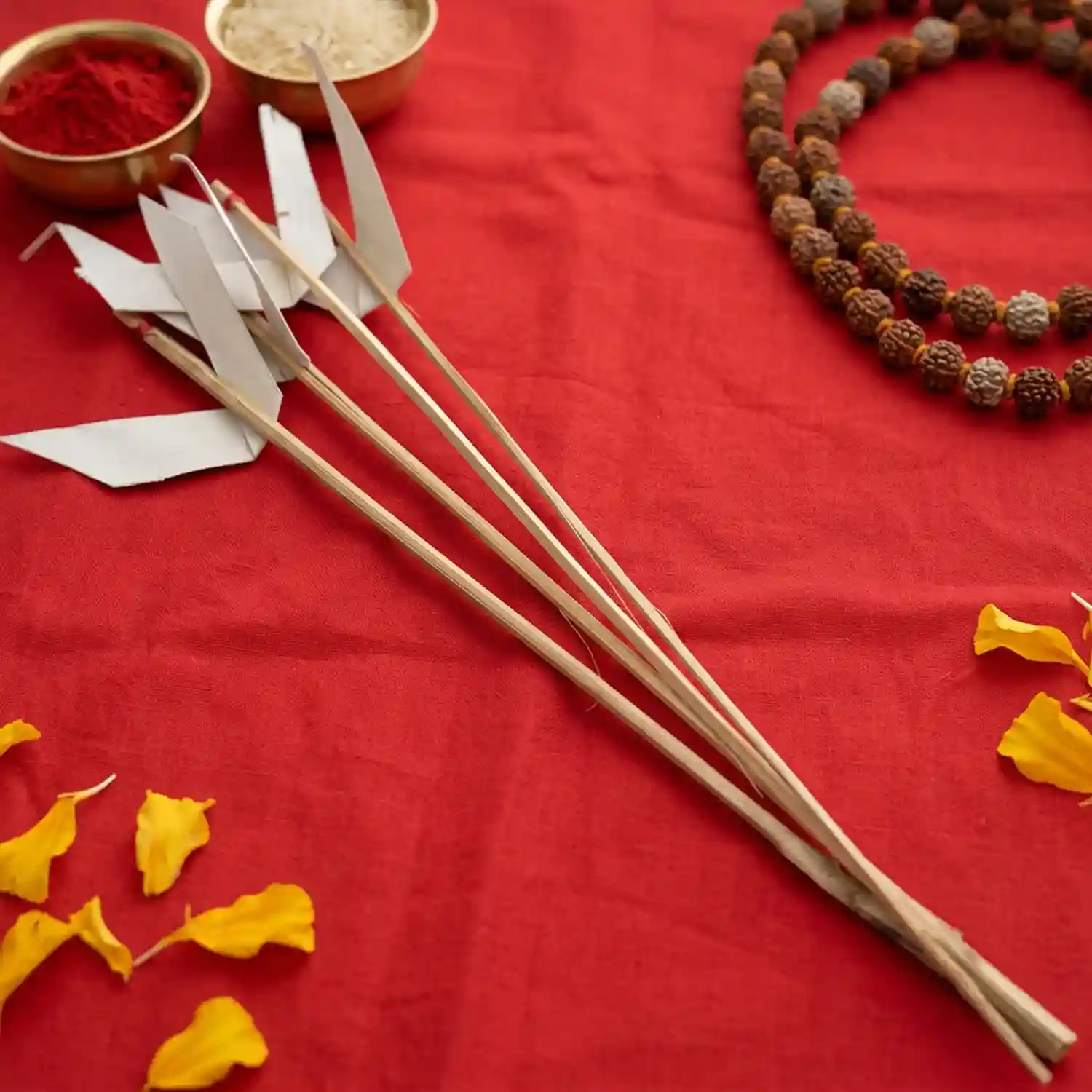
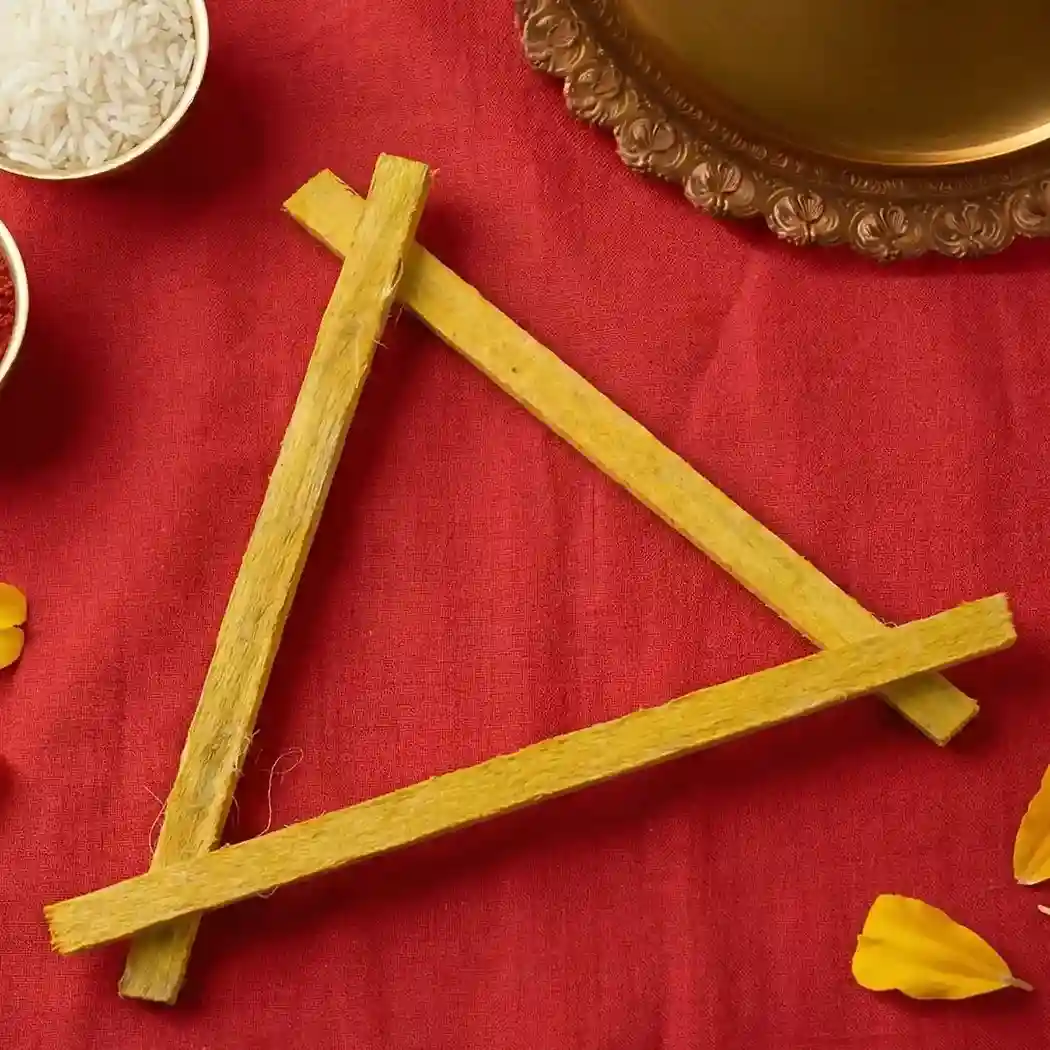
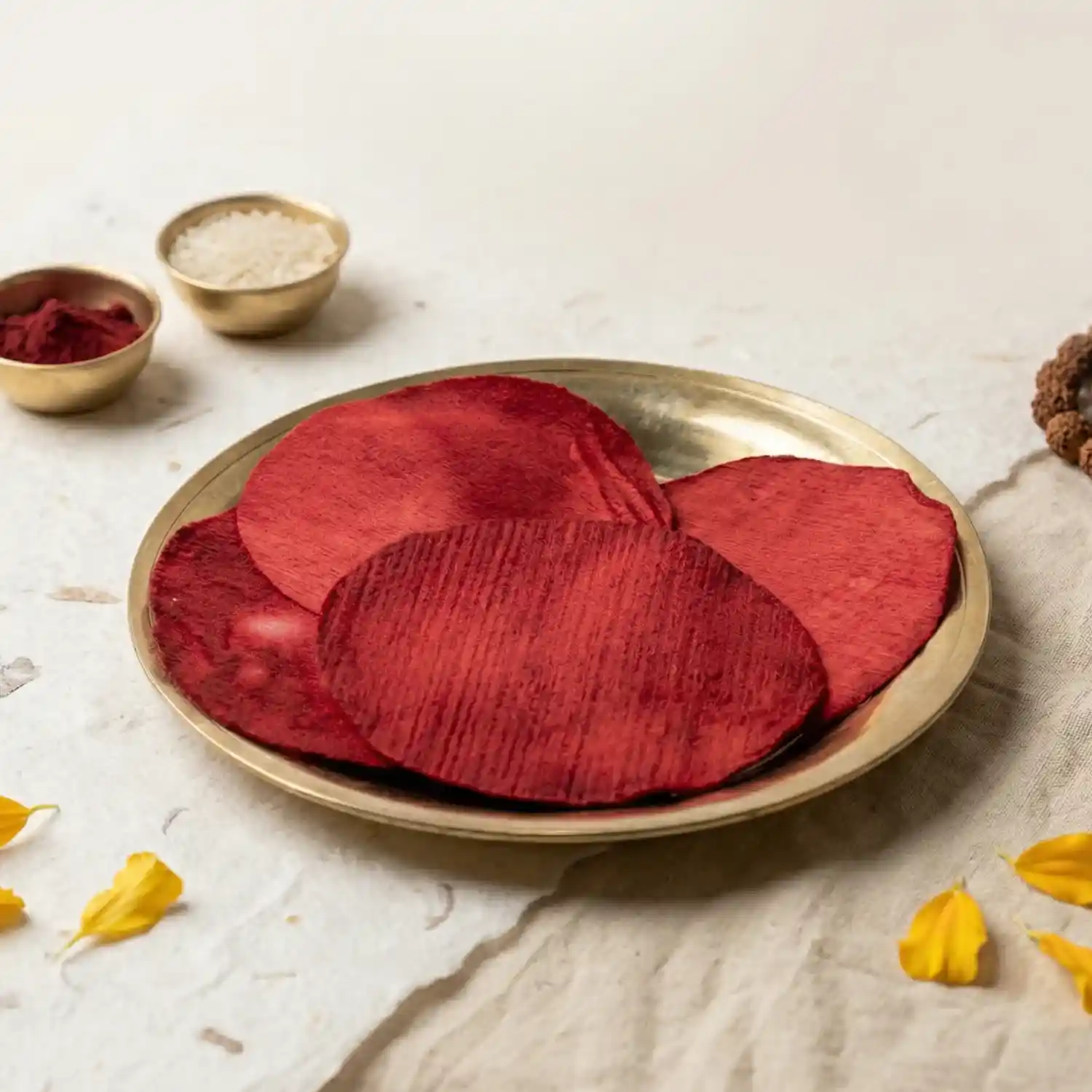
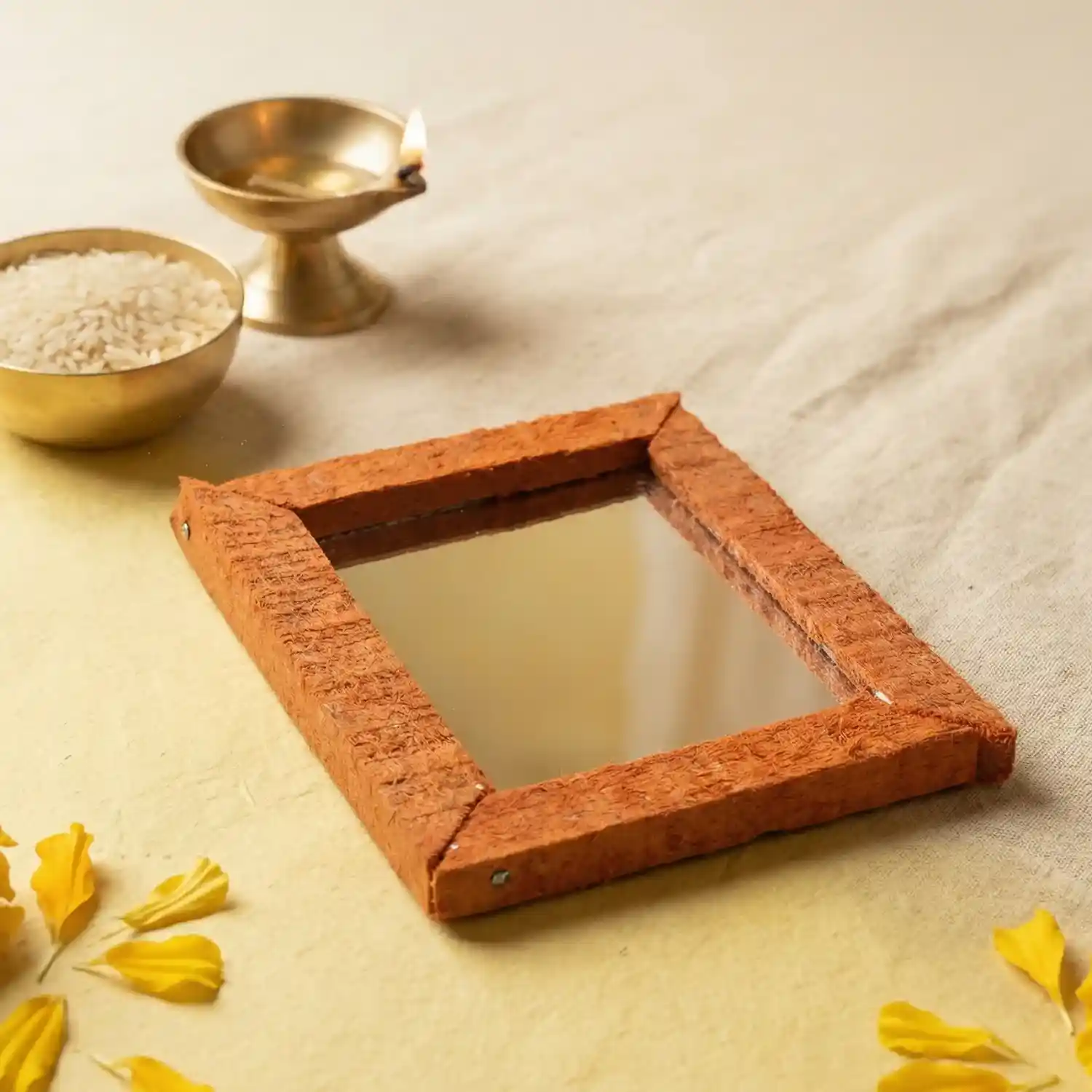
_7_11zon.webp)
.webp)





_2_11zon.webp)


Frequently Asked Questions
- Q1: Since we are worshipping the Serpent Goddess, does the Vedic tradition mention specific offerings for serpents during the monsoon?
- For Devotees & Scholars: Yes, absolutely! The ancient Apastamba Grihya Sutras outline a highly specific rite called Sarpabali (offering to serpents) which is traditionally performed on the full moon of the Shravan month (the prime time for Manasa Puja). The text instructs the householder to offer a Sthalipaka (cooked grain), Kimsuka flowers, and even flour to pacify the serpents, seeking their protection during the rainy season when they emerge from the earth!
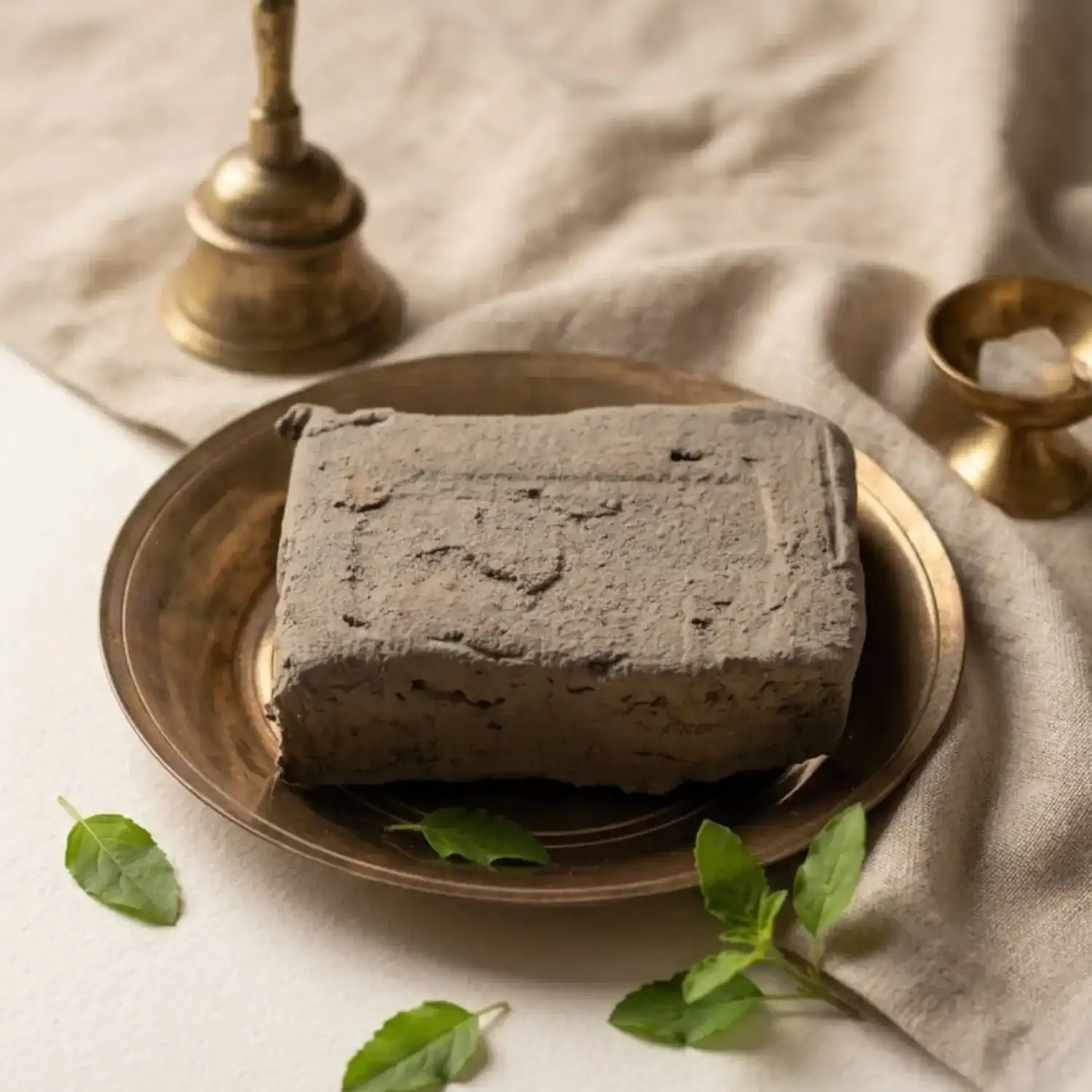
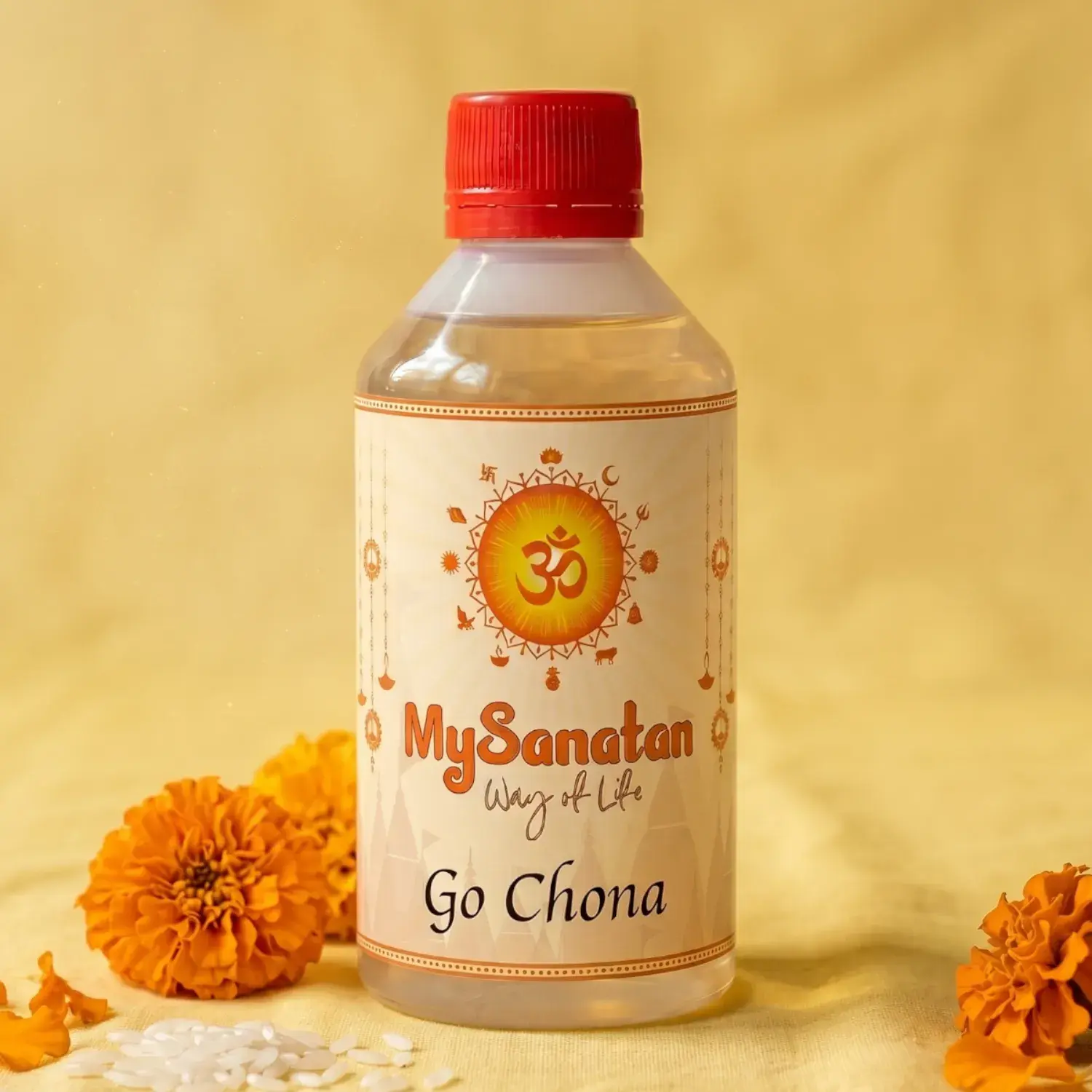
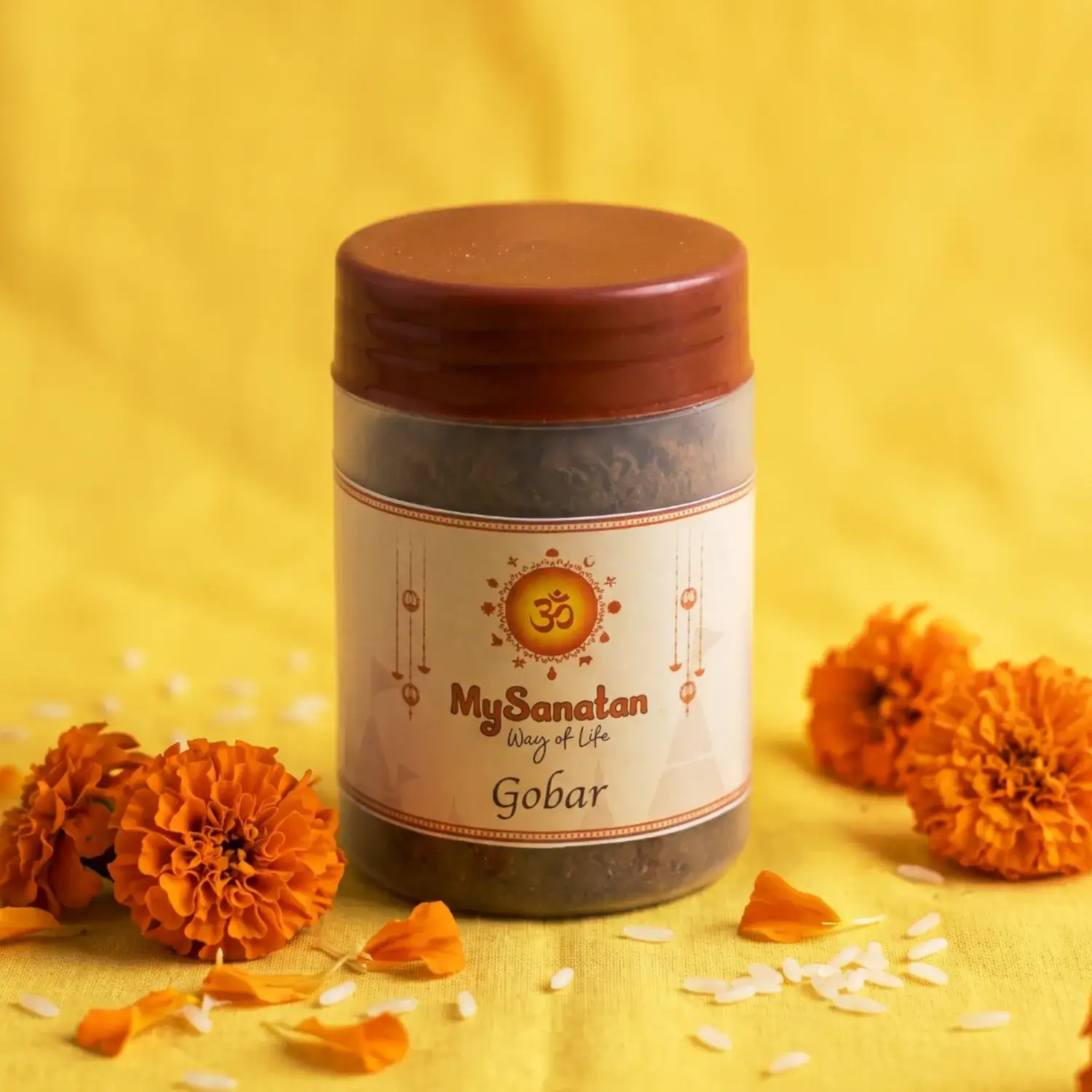
- Q2: The kit includes "Gobar" (Cow Dung) and "Gau Mutra" (Cow Urine). Why are these necessary for the Puja?
- For Home Ritualists: In traditional Vedic science, products from the cow are considered the ultimate spiritual and physical purifiers! According to the Purohit Darpan and classical Sutras, before the sacred fire pit (Vedi) or the altar is established, the ground must be ritually cleansed and coated using the Gomaya (Cow Dung). Furthermore, these items are key ingredients in the Panchagavya—a highly sacred mixture used to spiritually cleanse the idol or the sacred space before the Goddess is formally invited.
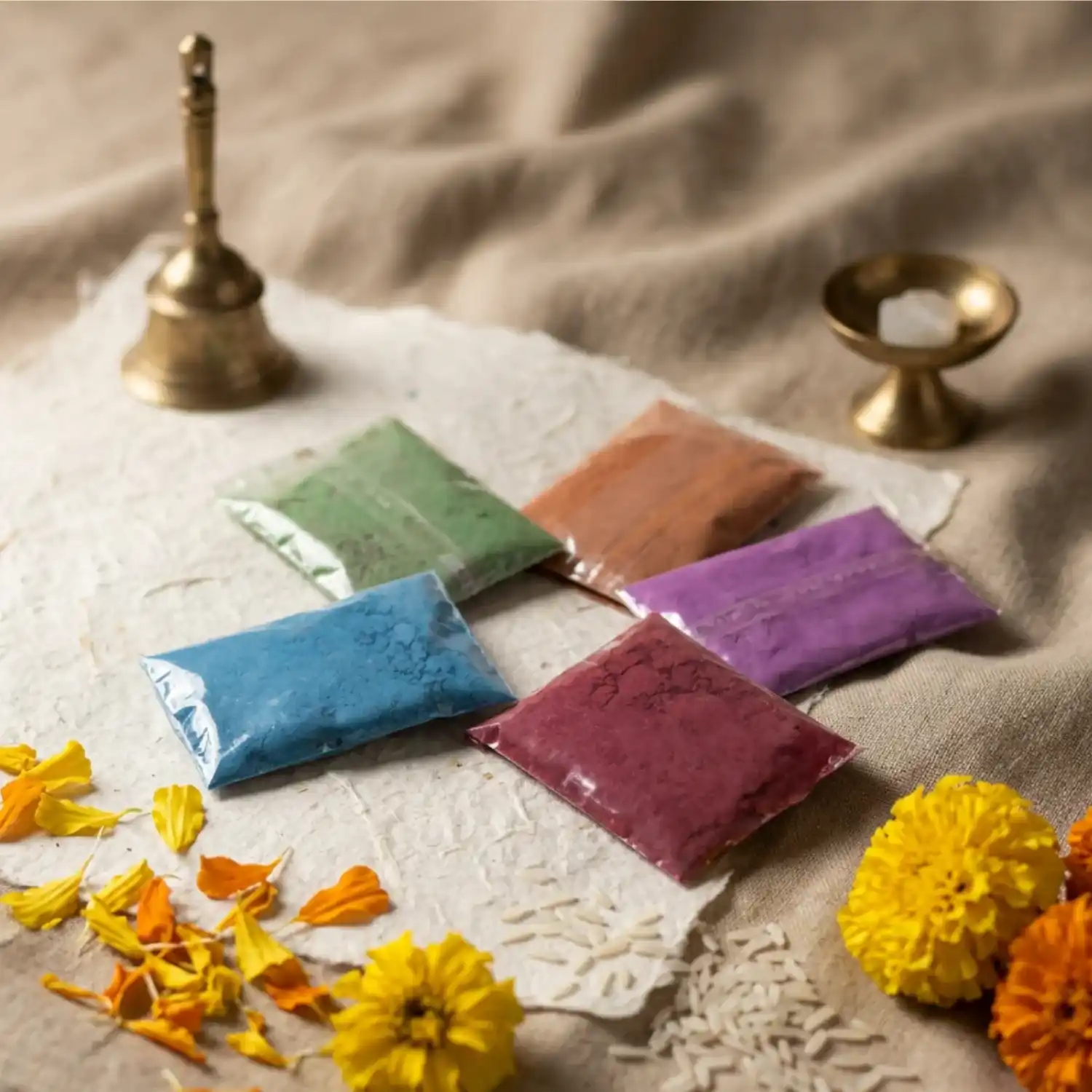
- Q3: We want to use the "Pancha Guri" (Five Sacred Powders) to draw a Mandala for the Goddess. Is there a specific geometric shape we should use?
- For Devotees: Yes! The creation of the divine energetic seat is highly precise. According to the Purohit Darpan, before placing the sacred water pot (Ghat) or the sitting mat (Asan), the worshipper should ideally draw a Trikon Mandal (a Triangle Mandala) on the ground using the vibrant colored powders. This geometric pattern actively anchors the intense Shakta energy of the Goddess into your home!
- Q4: Can we offer food that has been cooked by someone who has not bathed yet?
- For Home Cooks: You must strictly avoid this! The Vedic rules for the kitchen are incredibly strict regarding divine purity. According to the Apastamba Sutras, the person preparing the food (Anna Samskartara) must be absolutely pure. They must bathe, and while facing the food, they "shall not speak, nor cough, nor sneeze" to ensure the grand feast (Naivedya) is flawlessly fit for the gods.
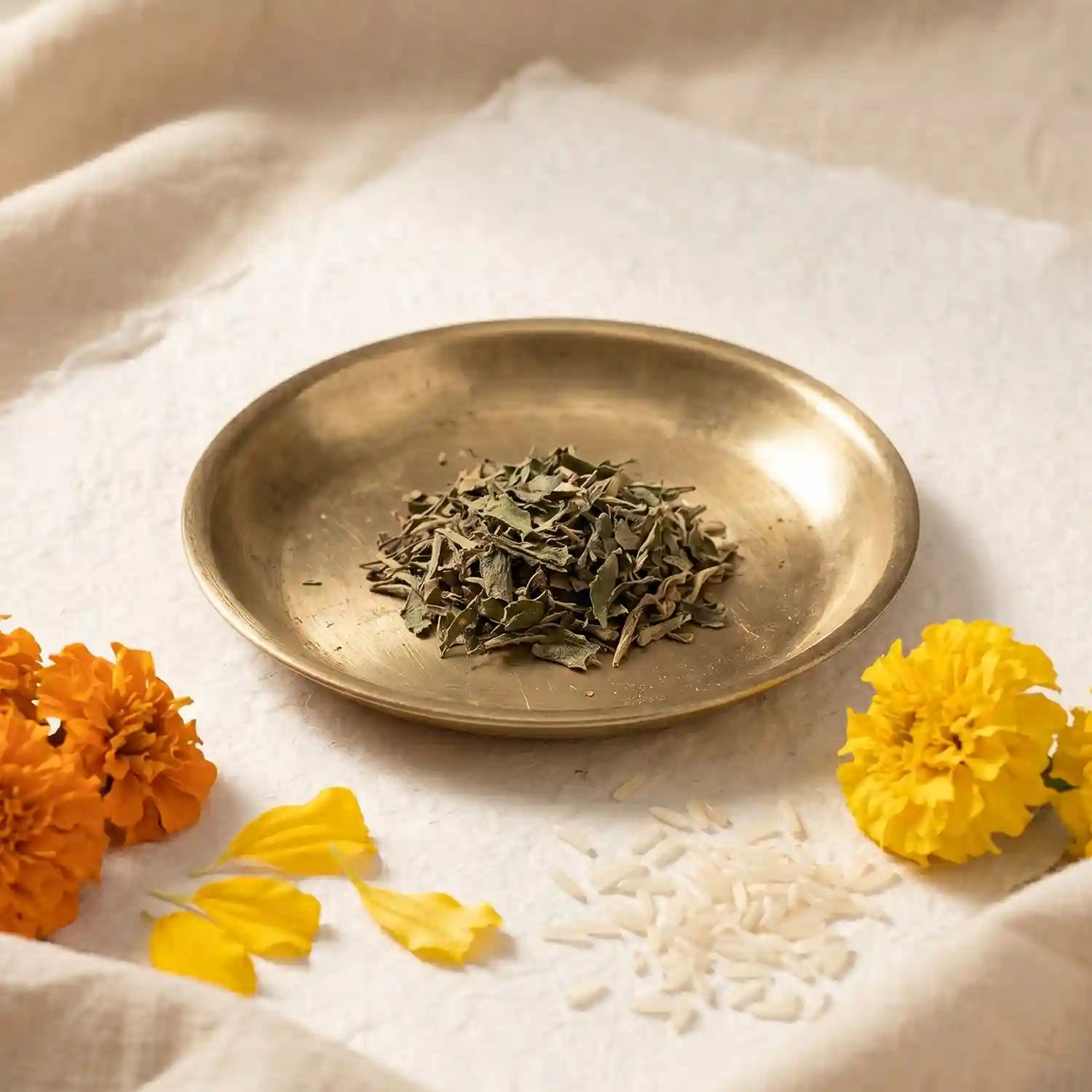
- Q5: What is the significance of offering the "Siddhi Leaves" included in the kit?
- For Experienced Practitioners: In advanced Tantric and Shakta traditions, certain fierce or highly powerful deities (like Lord Shiva and specific forms of the Goddess) are offered items that possess intoxicating or mind-altering properties in nature, symbolizing the surrender of the devotee's own ego and worldly attachments. Offering the Siddhi Leaves (Bhang) is a highly authentic scriptural practice to honor the majestic and mystical nature of Maa Manasa!