







Frequently Asked Questions
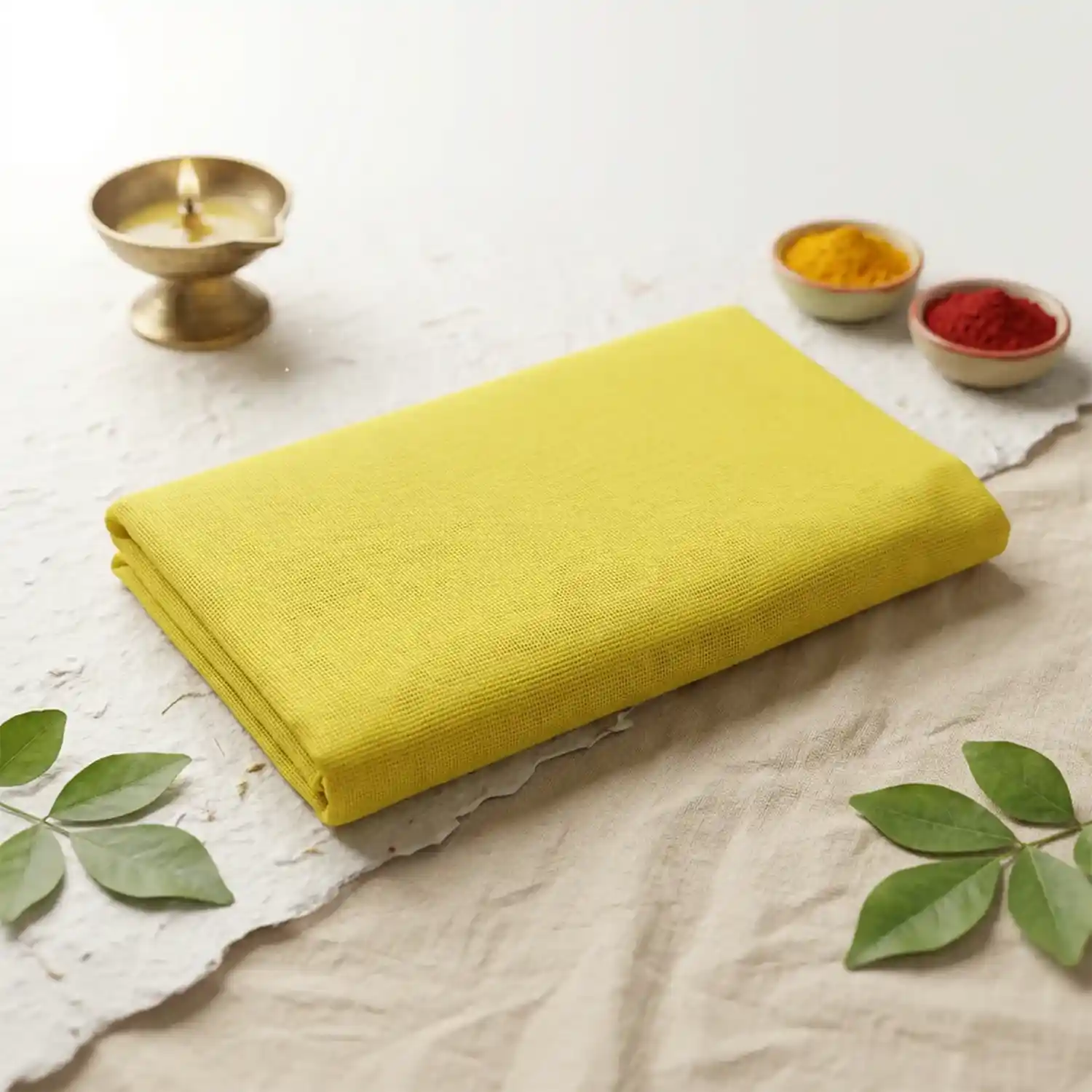
- Q1: Why does this kit specifically feature a Yellow Puja Cloth and Yellow Janeu?
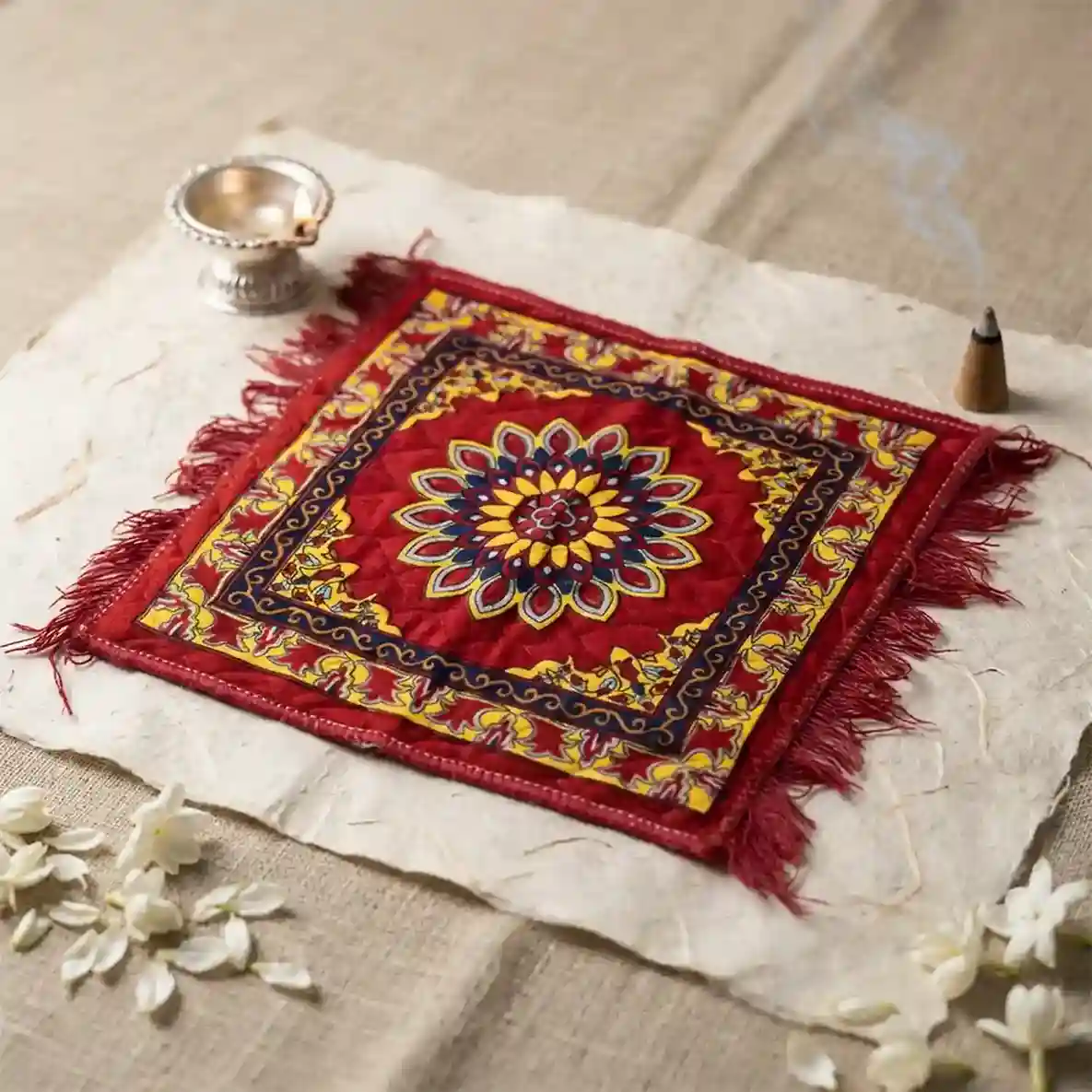
- For All Devotees: Because yellow is the ultimate color of the Preserver! Lord Vishnu is traditionally worshipped as Pītāmbara (the one draped in yellow garments). Offering and seating him upon yellow cloth draws upon his most auspicious, radiant, and protective cosmic energy.
- Q2: We have two Shaligram stones (representing Vishnu) in our home altar. Can we worship them both together?
- For Families & Decorators: You must avoid this! The Purohit Darpan contains a strict scriptural rule against joint idol worship (Ekatre vigrahadvaya puja nishedha). The text specifically warns that worshipping two Shiva idols, two Shakti idols, or two Shaligram stones simultaneously in the same household brings profound anxiety and agitation (udbeg) to the householder. Focus all your devotion on a single, beautiful representation of the Lord!
- Q3: Is it scripturally acceptable for me as an ordinary householder to perform these rites without a priest?
- For Families & Devotees: You absolutely have the right to perform the core worship yourself! The classical Vedic NityaKarma text emphatically declares that the right to worship God is universal. It states that "from children to the elderly, men and women," everyone is entitled to offer prayers. While a Pandit is required for complex, 16-step ceremonies, the simple 5-step devotion (Panchopachar) is perfectly acceptable and beloved by the Lord!
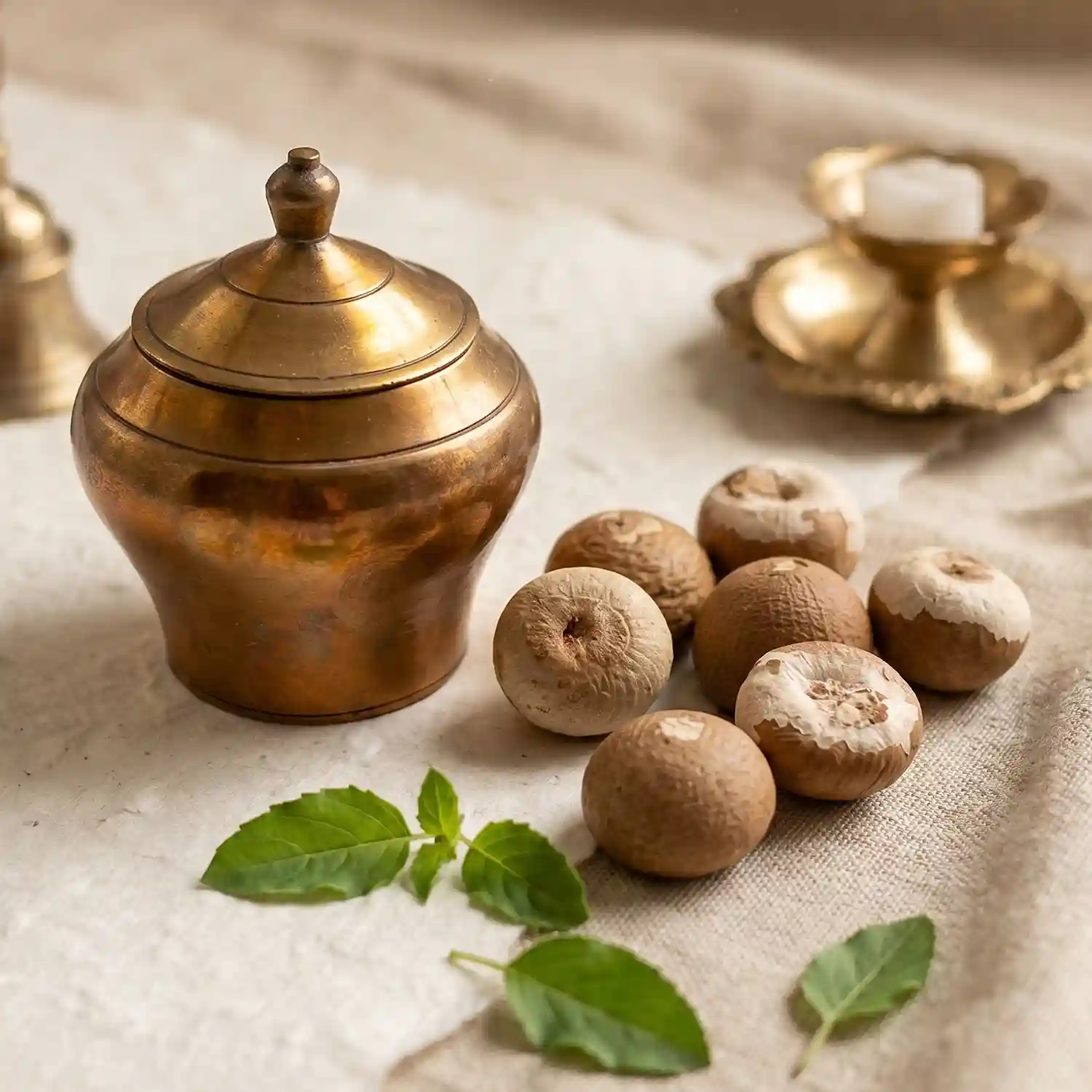
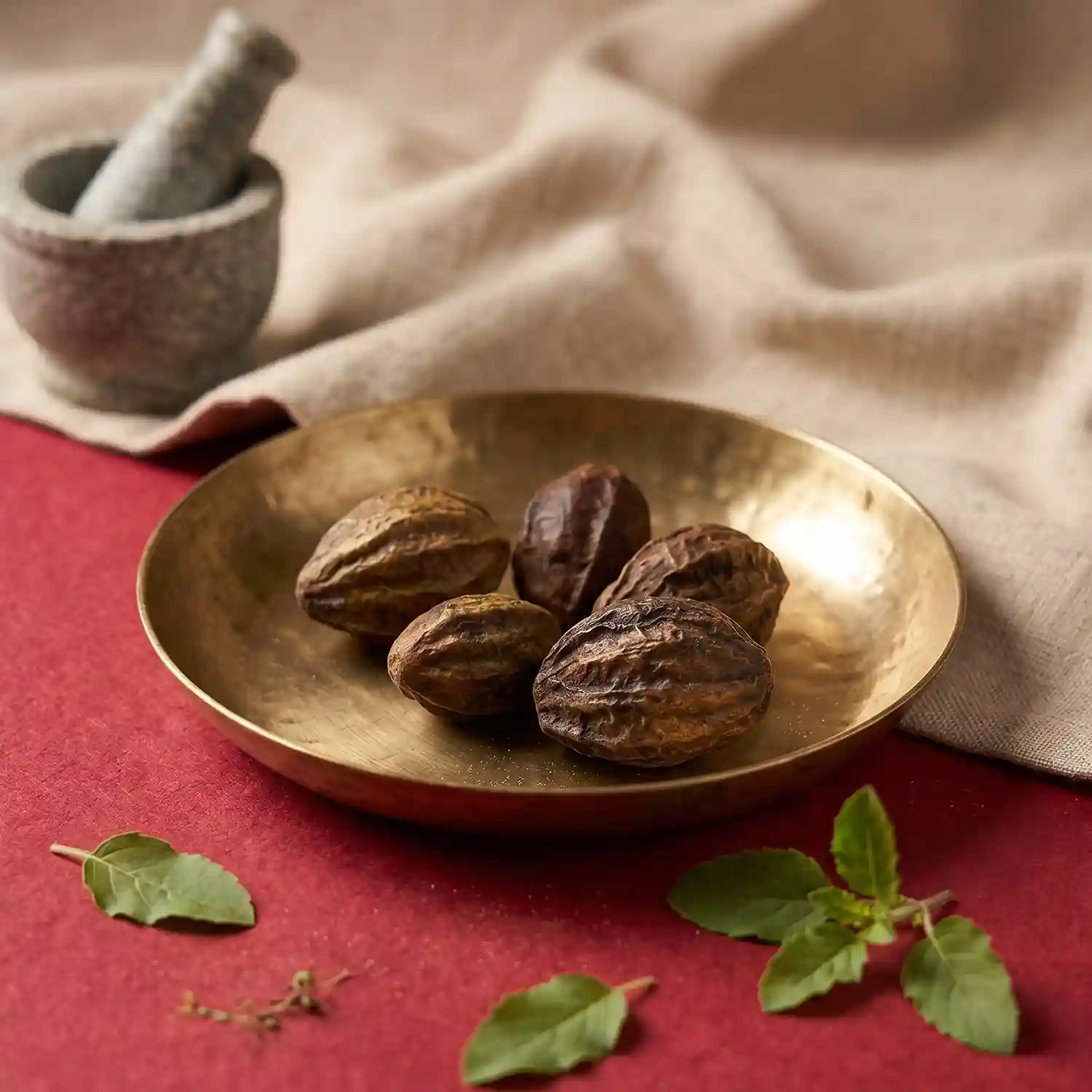
- Q4: The kit highlights specific spices like Betel Nut, Haritaki, Clove, and Cardamom for 'Tambula'. Why is this called out for the 16-step puja?
- For Cultural Enthusiasts: Because it is scripturally non-negotiable! The classical texts dictate that there is no 16-step (Shodashopachar) puja where Tambula is not mandatory. As the exact 16th and final required offering, Tambula is presented to sweeten the deity's mouth after the grand feast. Without these specific spices, a grand royal worship led by a Pandit is technically incomplete!
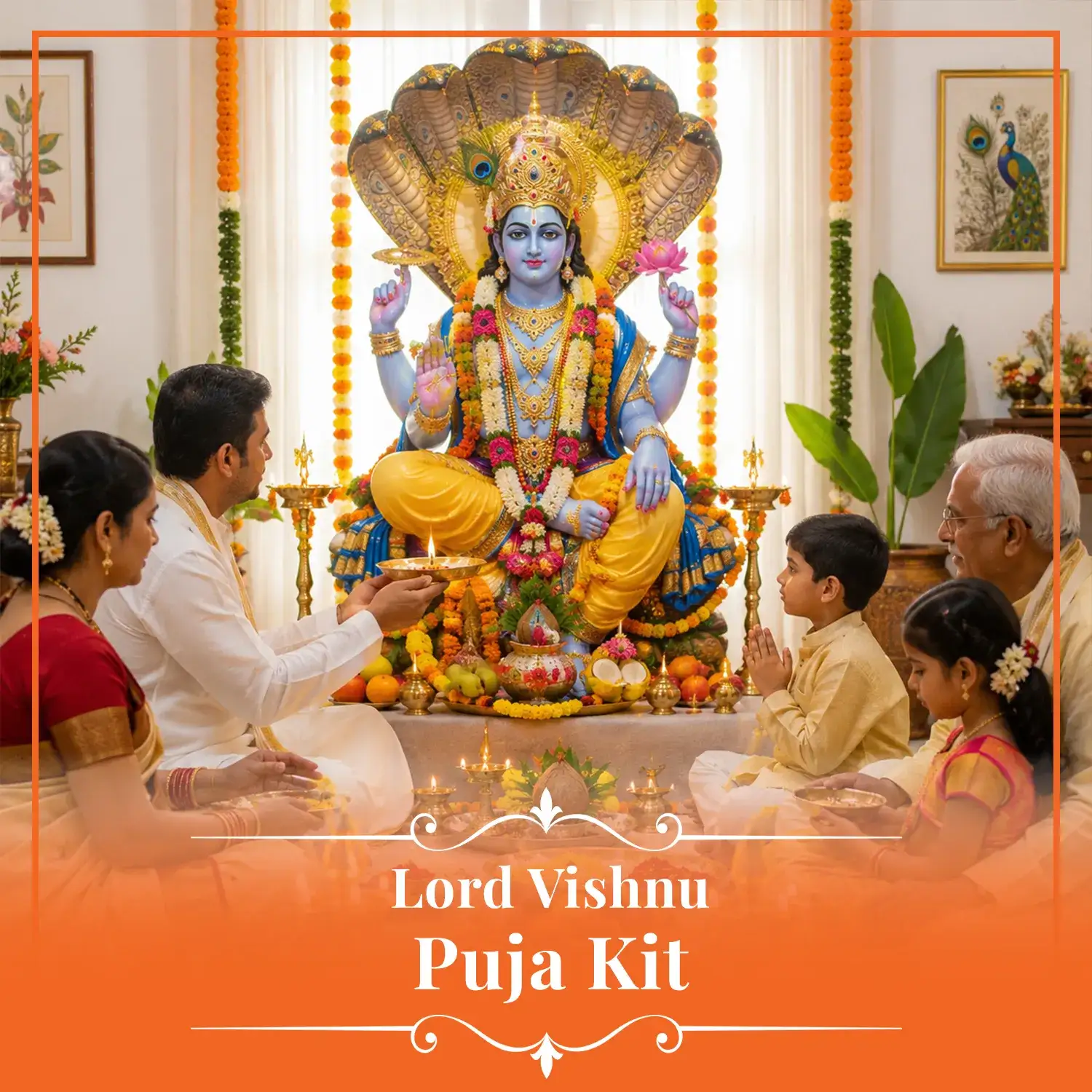
- Q5: Why is Lord Vishnu specifically worshipped during New Year festivals like Ugadi?
- For Tradition Seekers: During times of cosmic beginnings (like the New Year), devotees traditionally seek blessings for the year ahead. Because Lord Vishnu is revered as the ultimate "preserver and protector," offering him flowers, fruits, and prayers on these days specifically guarantees that the new year will be filled with sustained prosperity, success, and excellent health!