

_15_11zon.webp)





_2_11zon.webp)
.webp)



Frequently Asked Questions
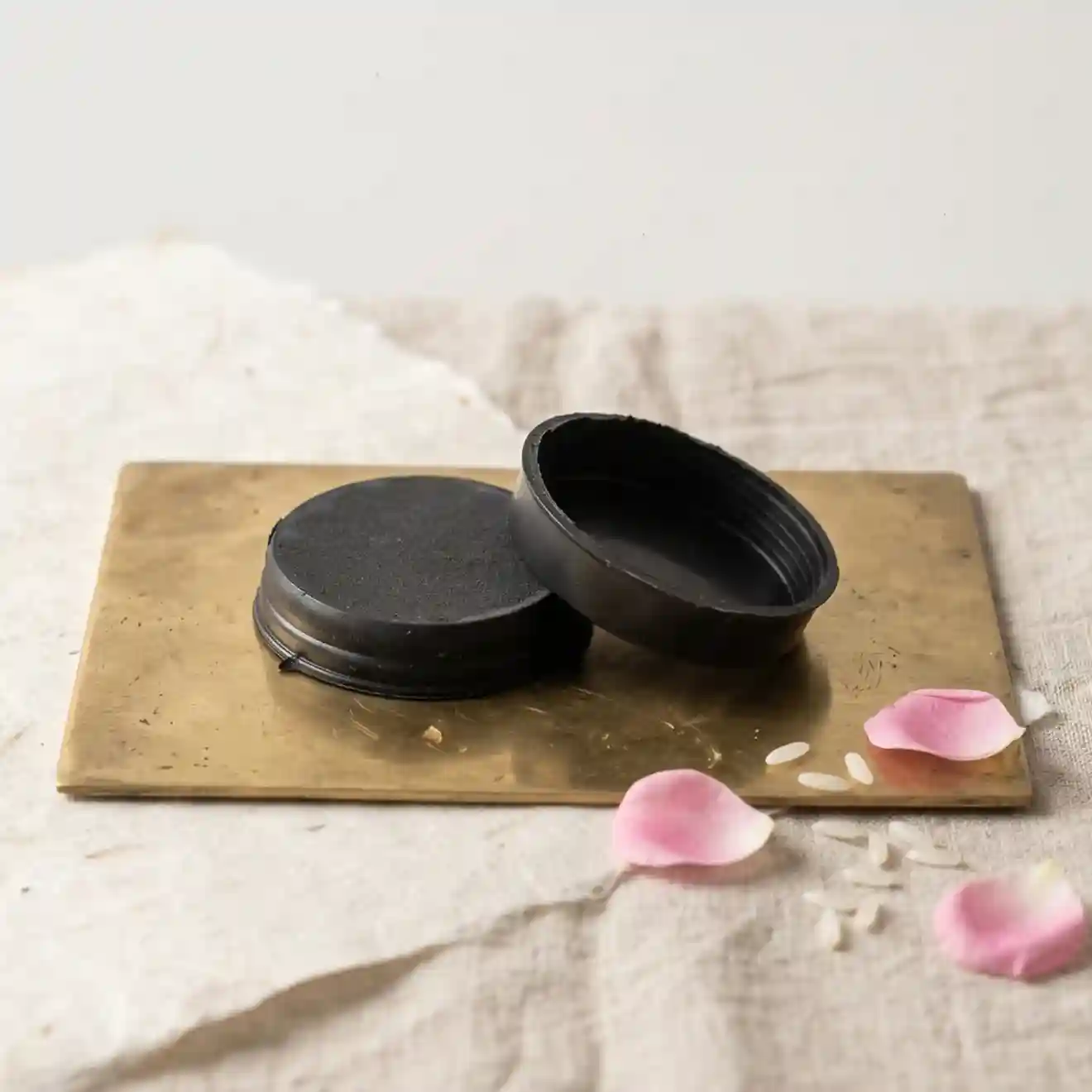
- Q1: Why does this kit include makeup and Shringar items like Lipstick, Nail Polish, and Bangles?
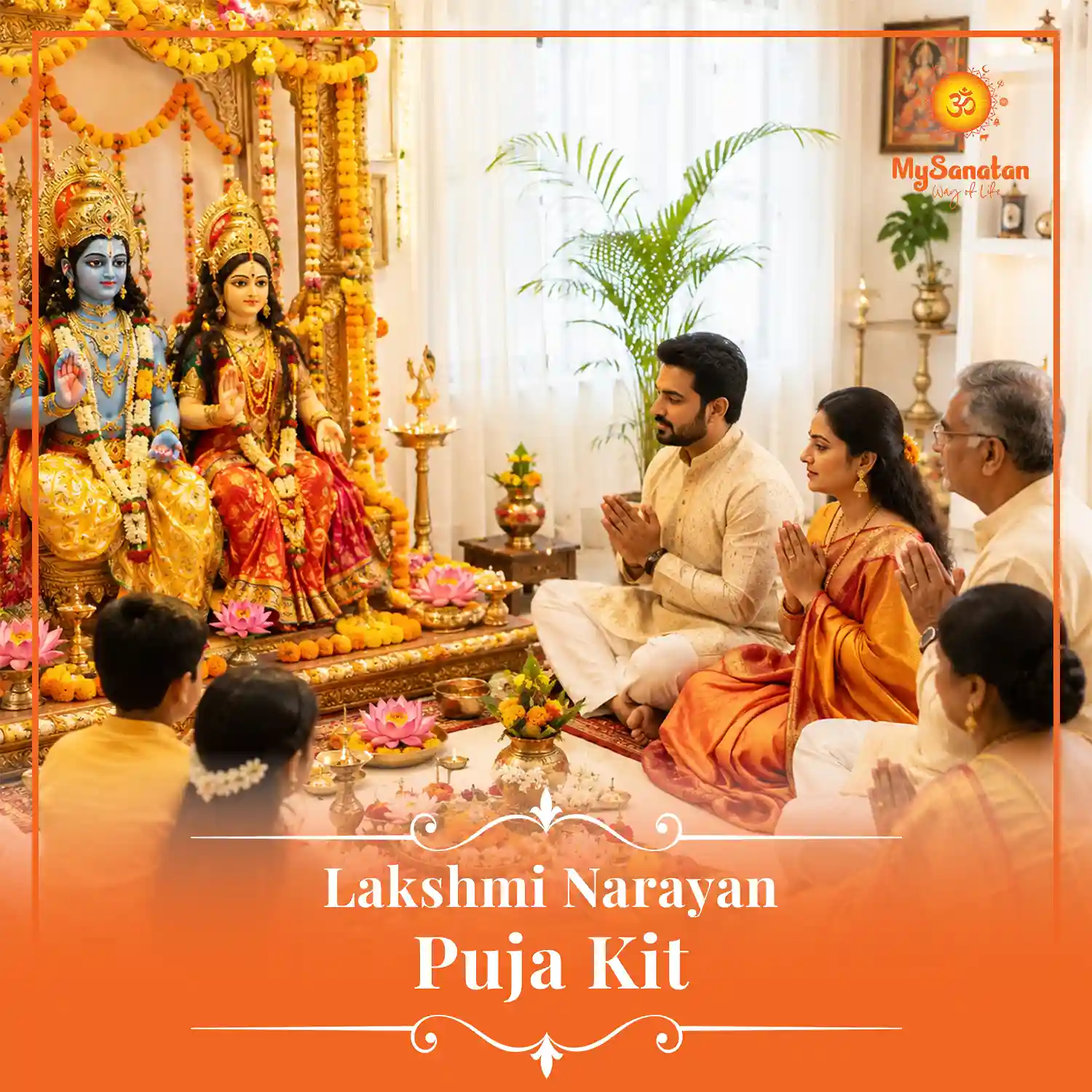
- For Devotees: Goddess Lakshmi represents absolute beauty, auspiciousness, and marital joy! Unlike the ascetic Lord Shiva who loves ashes, the Goddess of Wealth loves vibrant adornments. Offering her complete Shringar is a beautiful devotional practice to honor her radiant energy and invite her joyous abundance into your home!
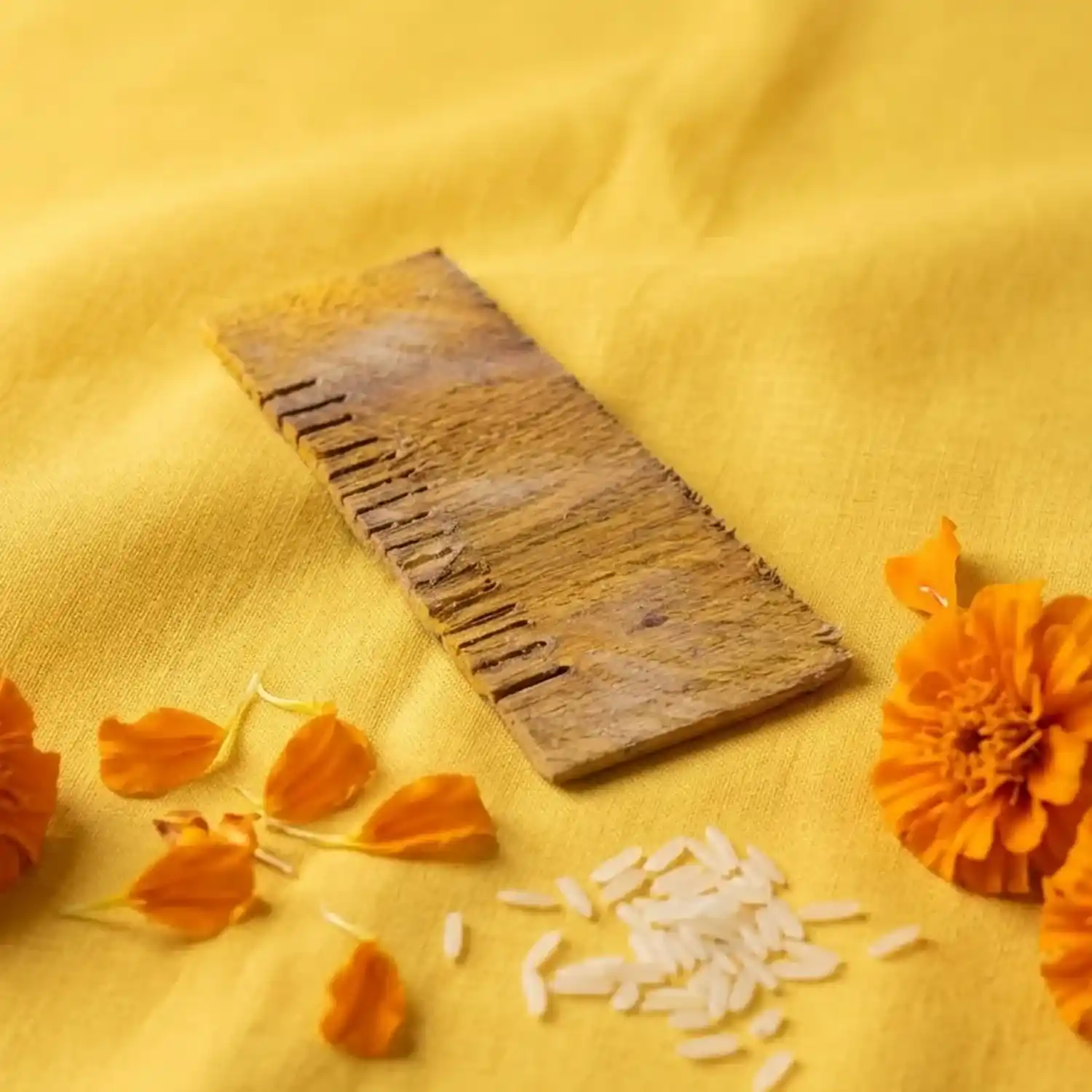
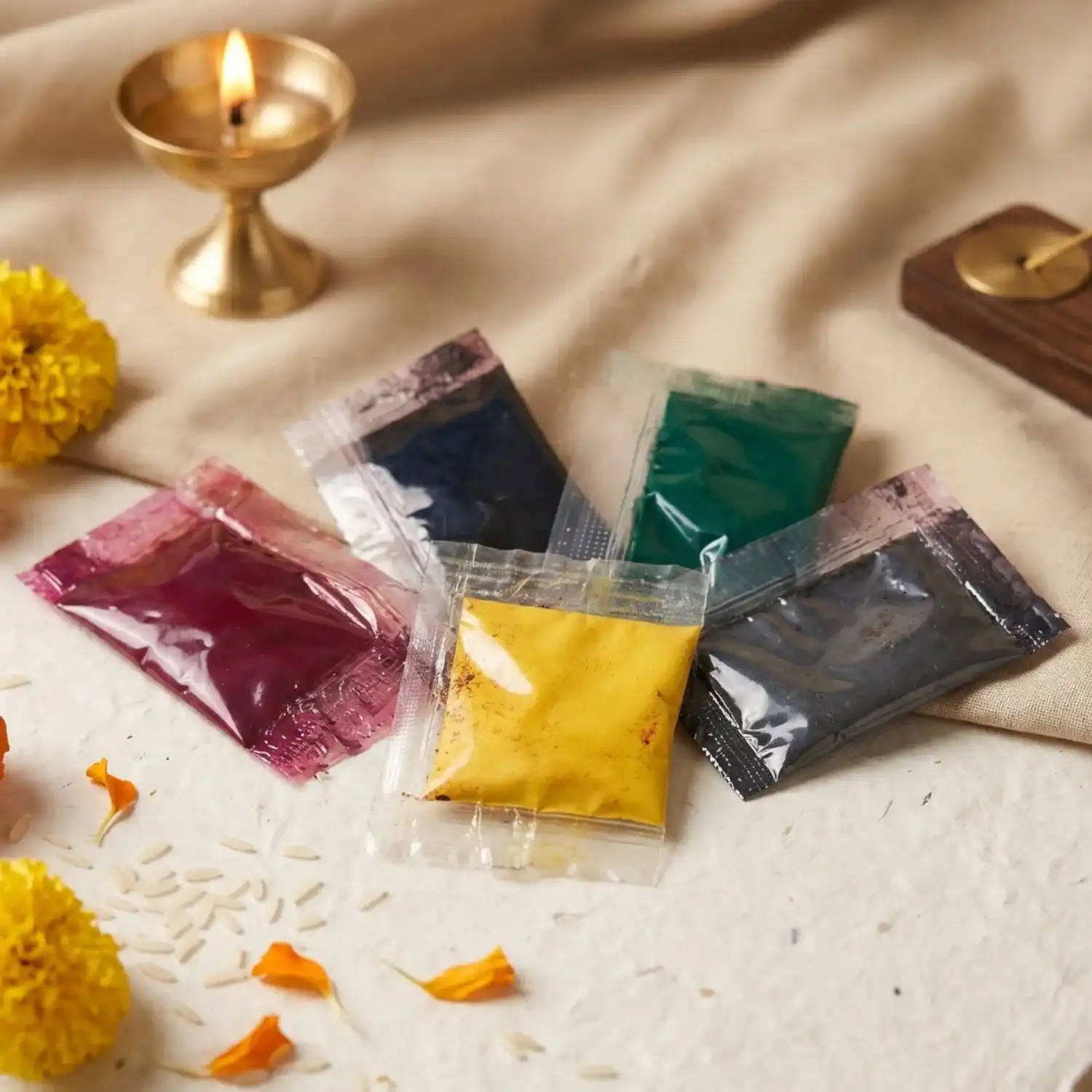
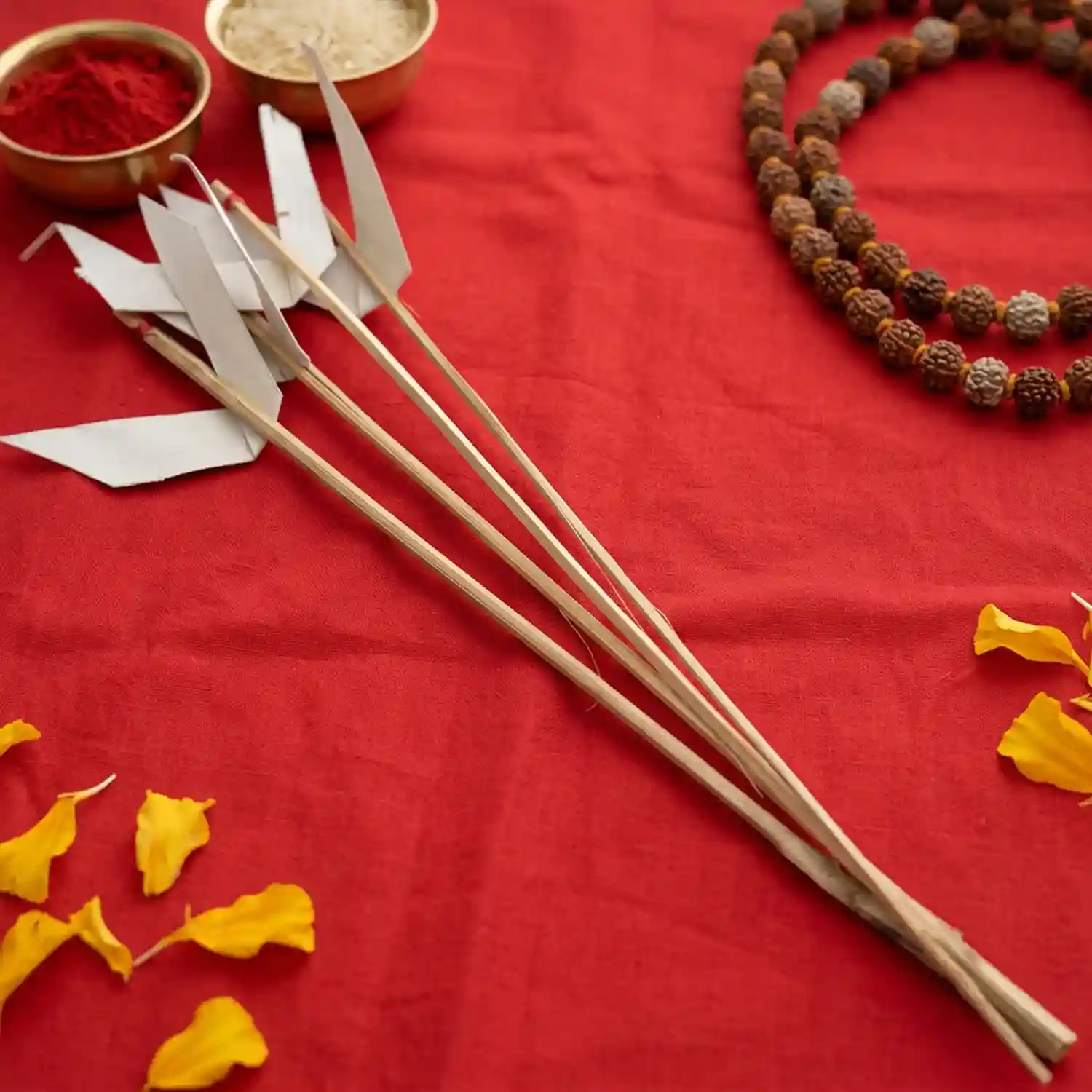
- Q2: What is the purpose of the "Teer Kathi" and "Pancha Guri" included in this kit?
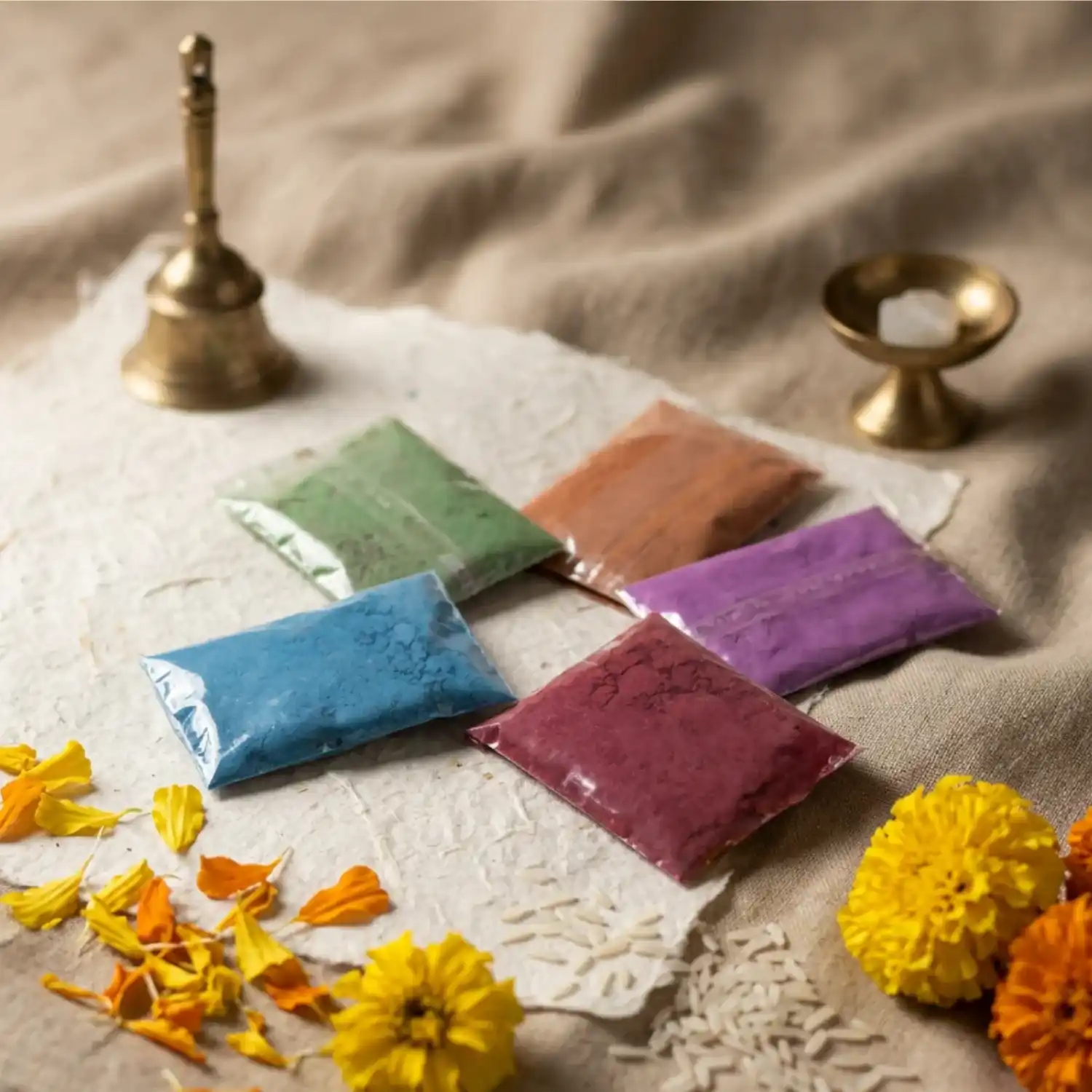
- For Cultural Enthusiasts: These are highly authentic, classical elements for purification and altar setup! According to the Purohit Darpan, Teer Kathi refers to the small bamboo arrows/sticks planted around the sacred Ghat (pot) to establish a divine boundary. Pancha Guri refers to the five sacred colored powders used to beautifully draw the divine Mandala (geometric design) upon which the deities are established!
- Q3: We have a Shaligram stone (representing Vishnu) in our home altar. Can we worship it alongside the Lakshmi idol?
- For Families: Yes, absolutely! While classical texts like the Purohit Darpan contain strict rules warning that worshipping two of the exact same idols (like two Shaligrams or two Shivas) simultaneously brings anxiety to the household, worshipping the Lord alongside his divine consort, Goddess Lakshmi, is the most perfect and harmonious pairing in Sanatan Dharma!
- Q4: Is it scripturally acceptable for me to perform the 5-step puja myself without a priest?
- For Beginners: You absolutely have the right to perform the core worship yourself! The classical Vedic NityaKarma text emphatically shatters the misconception that only priests can worship. It declares that the right to perform worship and connect with God belongs to everyone, in order to attain salvation. While a Pandit is required for complex, 16-step ceremonies, the simple 5-step devotion (Panchopachar) is perfectly acceptable and beloved by the divine couple!
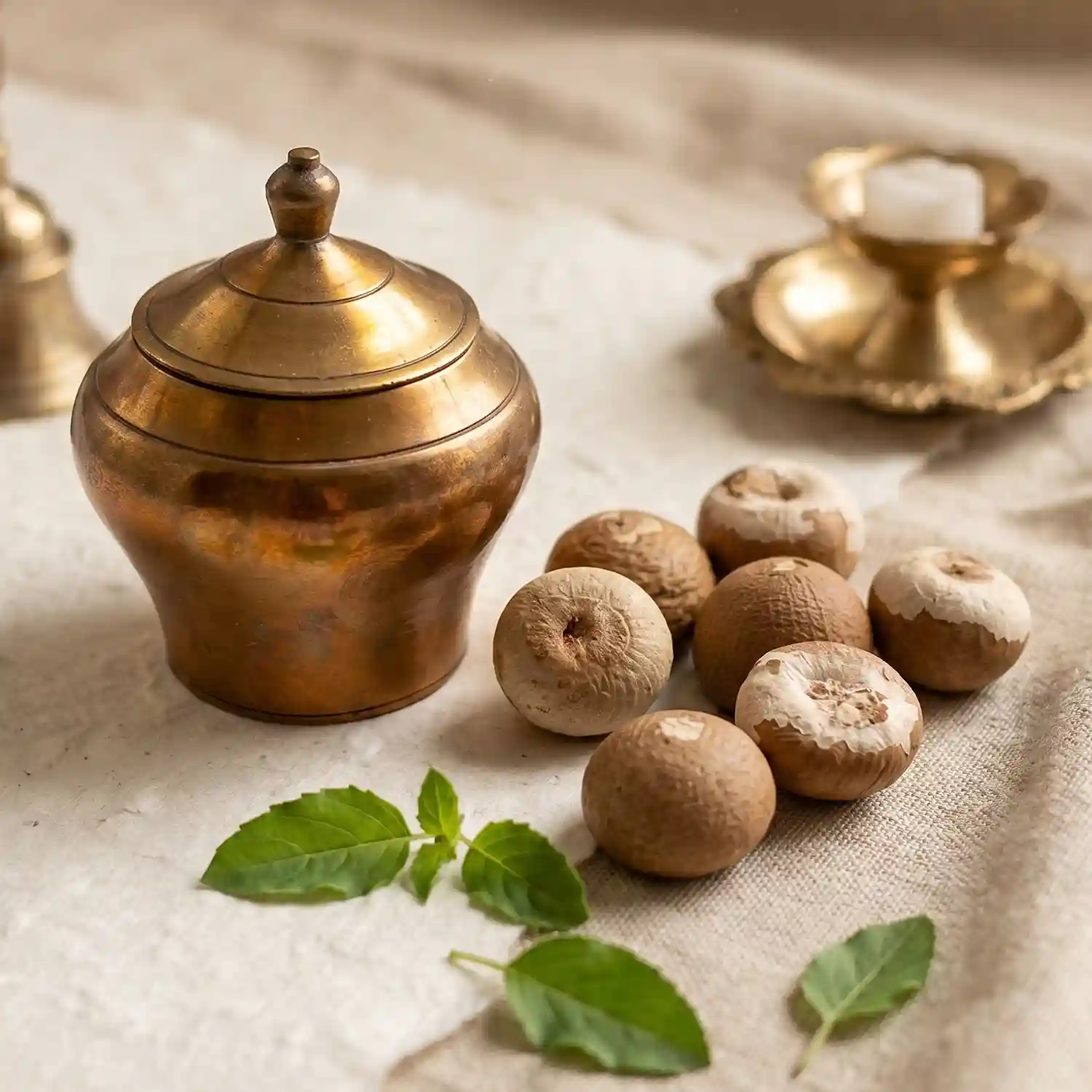
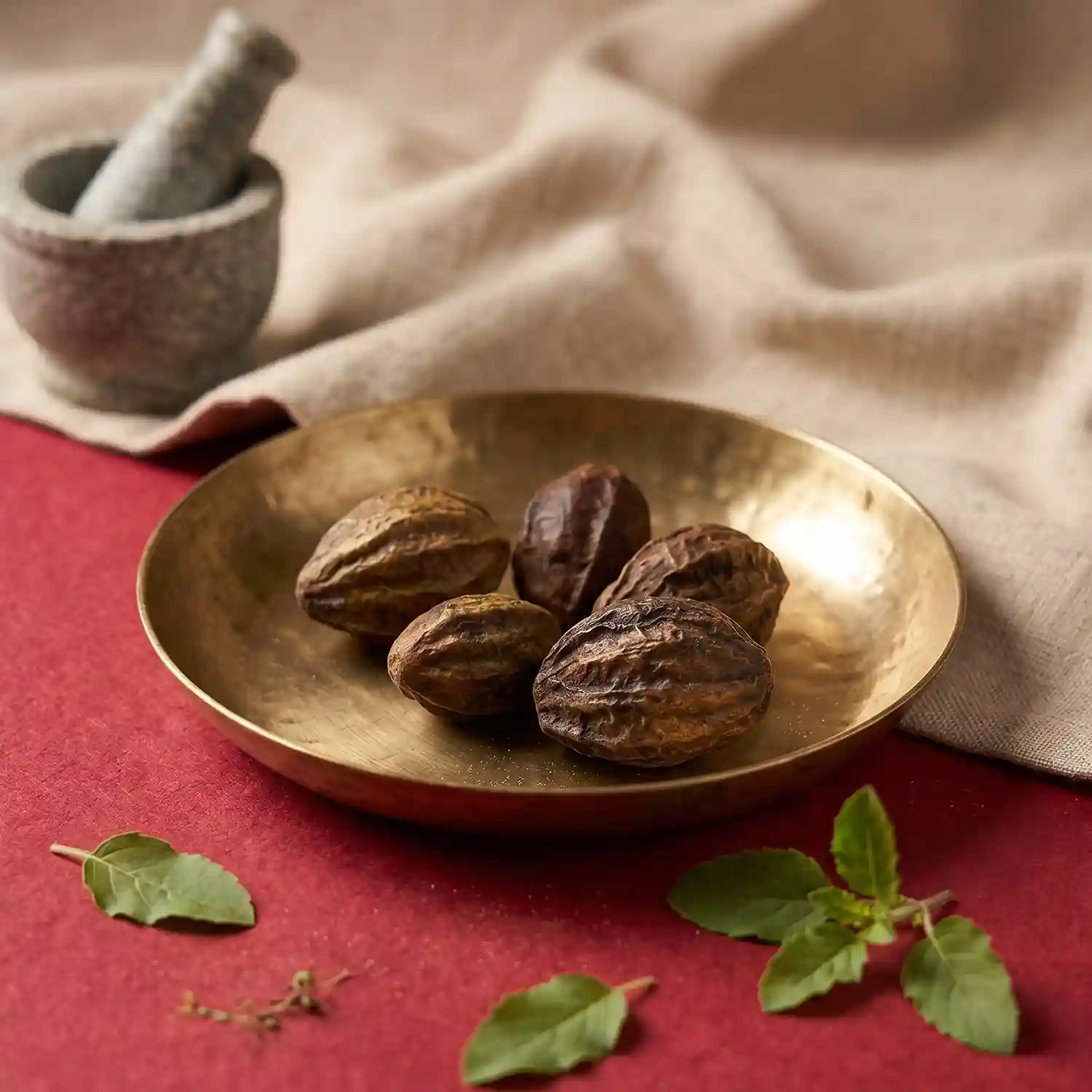
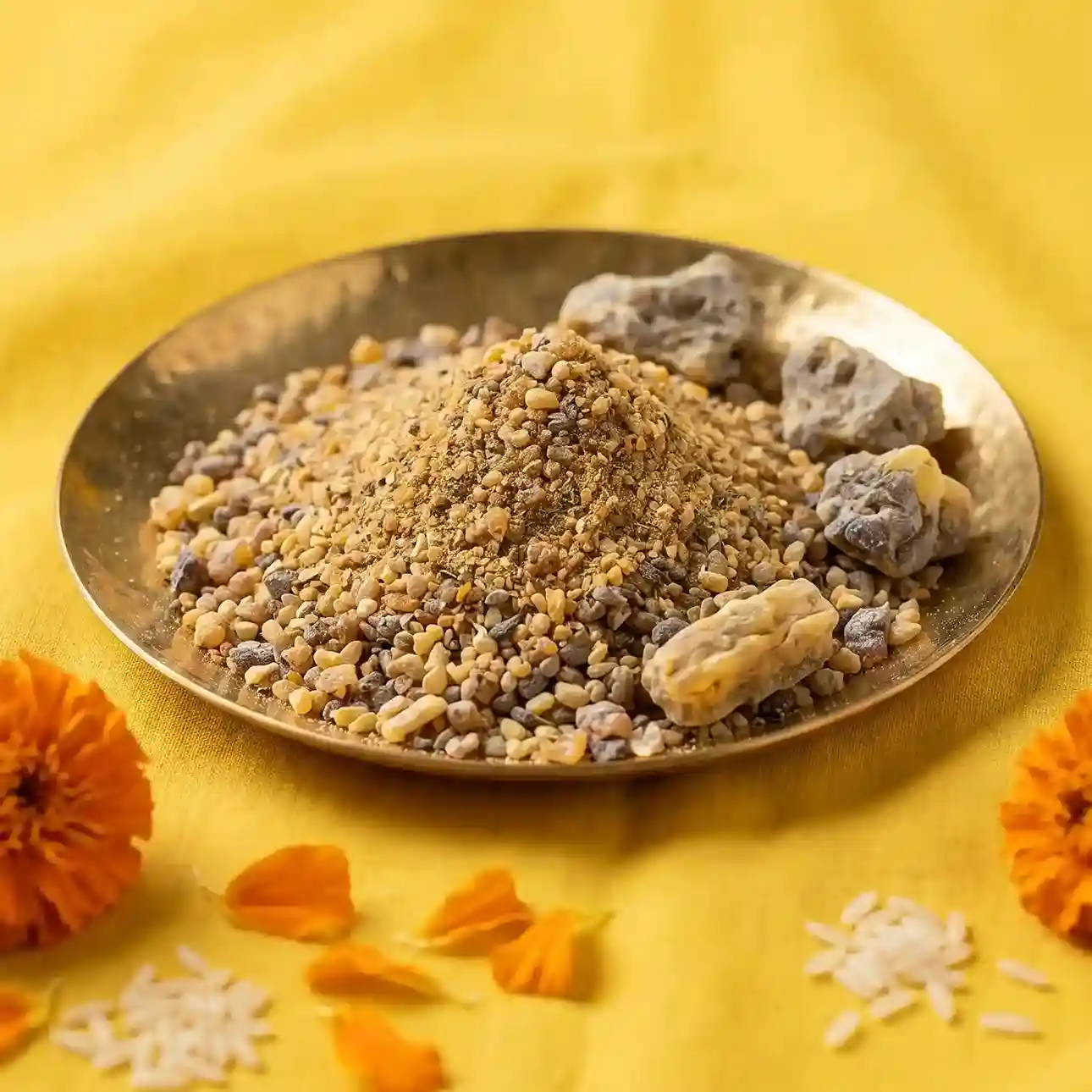
- Q5: The kit highlights specific spices like Betel Nut, Haritaki, Clove, and Cardamom for 'Tambula'. Why is this called out for the 16-step puja?
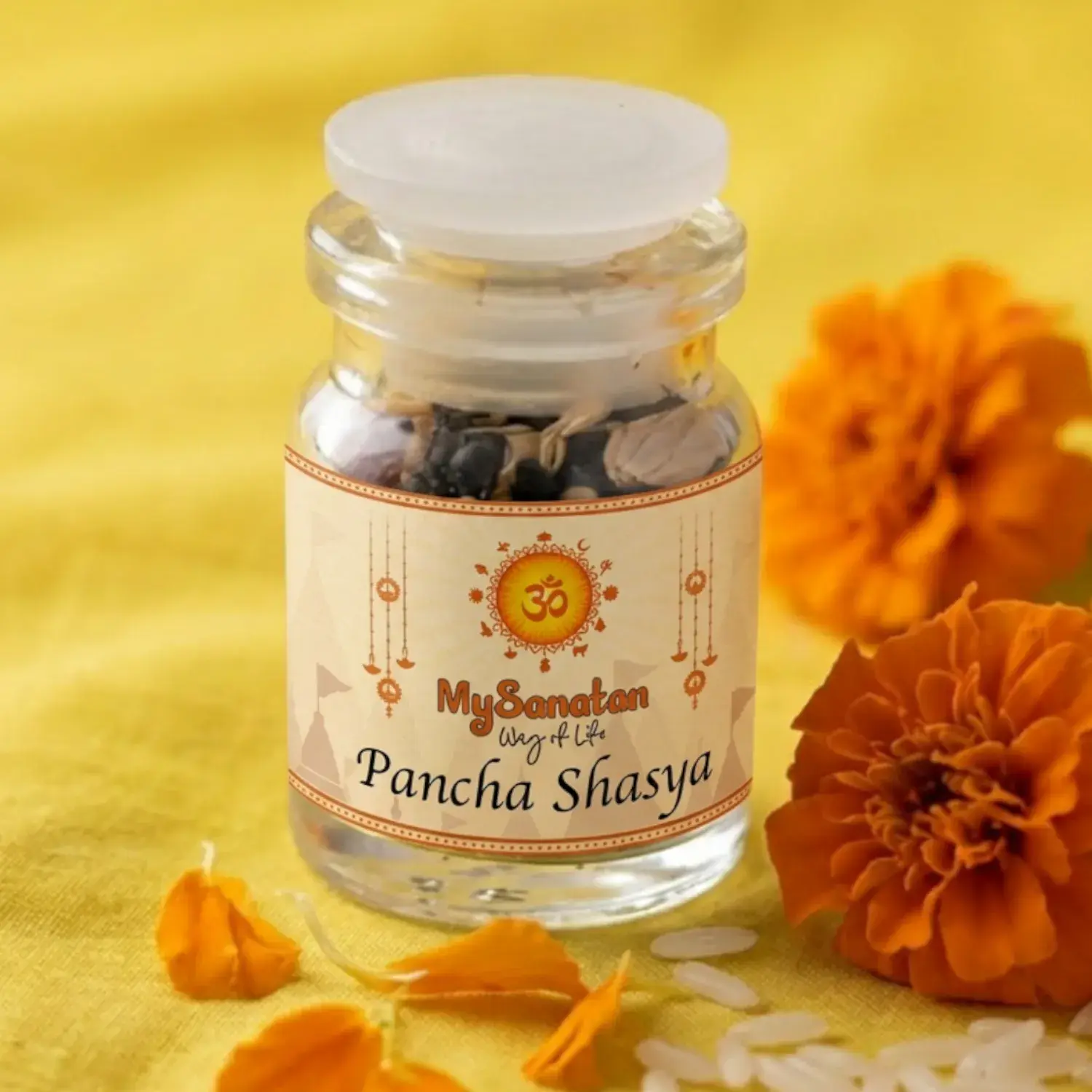
- For Dedicated Devotees: Because it is scripturally non-negotiable! The classical texts dictate that there is no 16-step (Shodashopachar) puja where Tambula is not mandatory. As the exact 16th and final required offering, Tambula is presented to sweeten the deity's mouth after the grand feast. Without these specific spices, a grand royal worship led by a Pandit is technically incomplete!