preloader

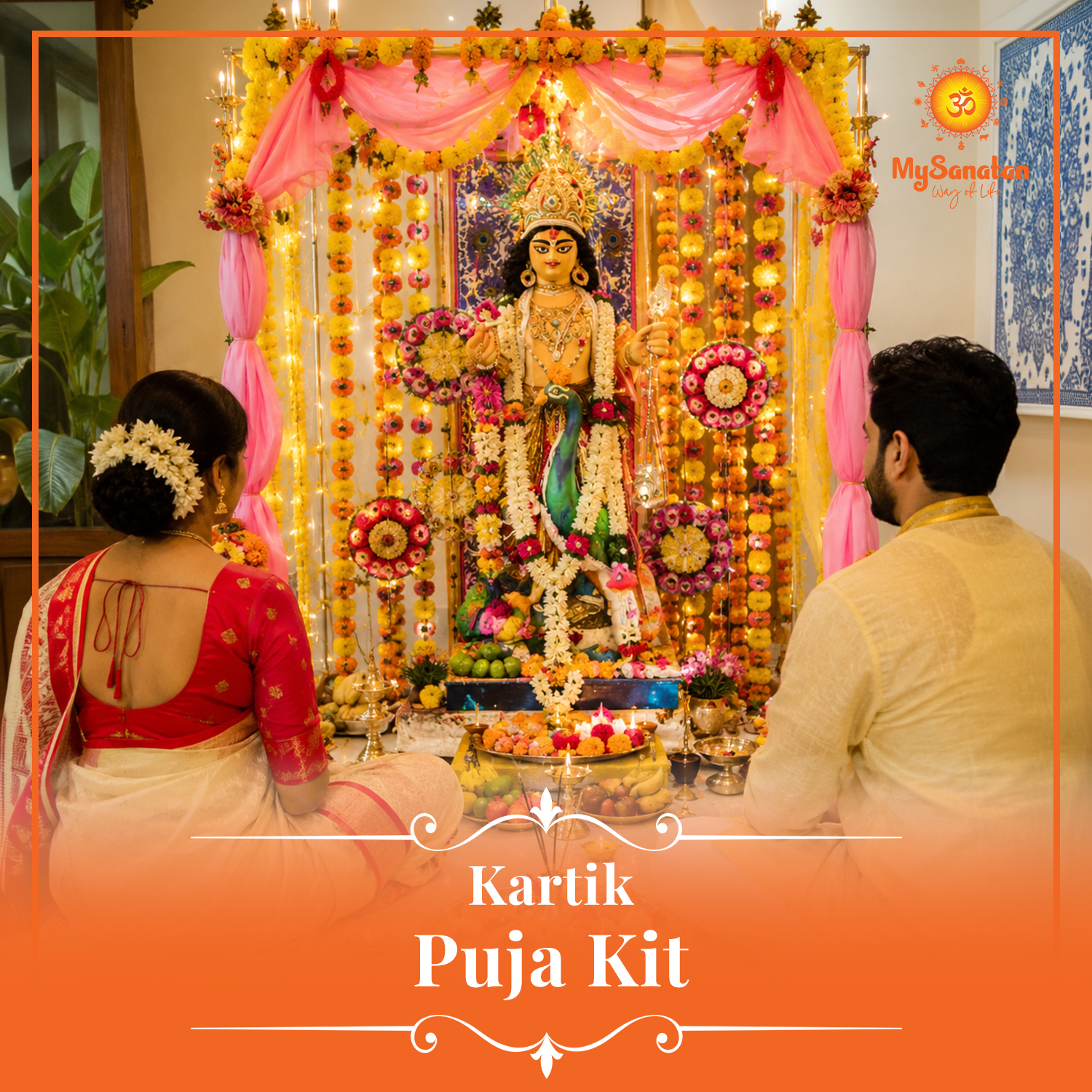
Kartik Puja Kit

Kartik Puja is performed to seek divine blessings for prosperity, spiritual growth, and devotion. It removes negativity and brings peace, happiness, success, and good fortune into life.

  • Lord Kartikeya is the supreme commander of the divine forces, the embodiment of youth, beauty, courage, and discipline. Worshipping Him intimately at home clears away negative energies, protects the household from spiritual and physical enemies, and grants immense valor. In many regional traditions, He is specifically worshipped by couples seeking the profound blessing of healthy, courageous children. The Vedic NityaKarma reminds us that daily prayer strengthens the household; while water purifies the physical body, truth purifies the mind, and knowledge purifies the intellect.

  • This beautiful family festival is traditionally performed during the sacred month of Kartik. Depending on regional customs, it is most grandly celebrated on the Kartik Purnima (the full moon day of the month) or on the last day of the Bengali month of Kartik (Kartik Sankranti).

  • Step 1 - Gandha (Sacred Paste): Lovingly offer the Red and White Chandan Powder to the Lord's forehead.
  • Step 2 - Pushpa (Flowers): Offer fresh, beautiful flowers (sourced locally) and the Siddhi Leaves at His feet.
  • Step 3 - Dhupa (Incense): Light the Agarbatti and wave the fragrant smoke before Him to purify the air.
  • Step 4 - Deepa (Illumination): Light your lamps using the Cotton Wicks and Cow Ghee, offering the light to dispel darkness.
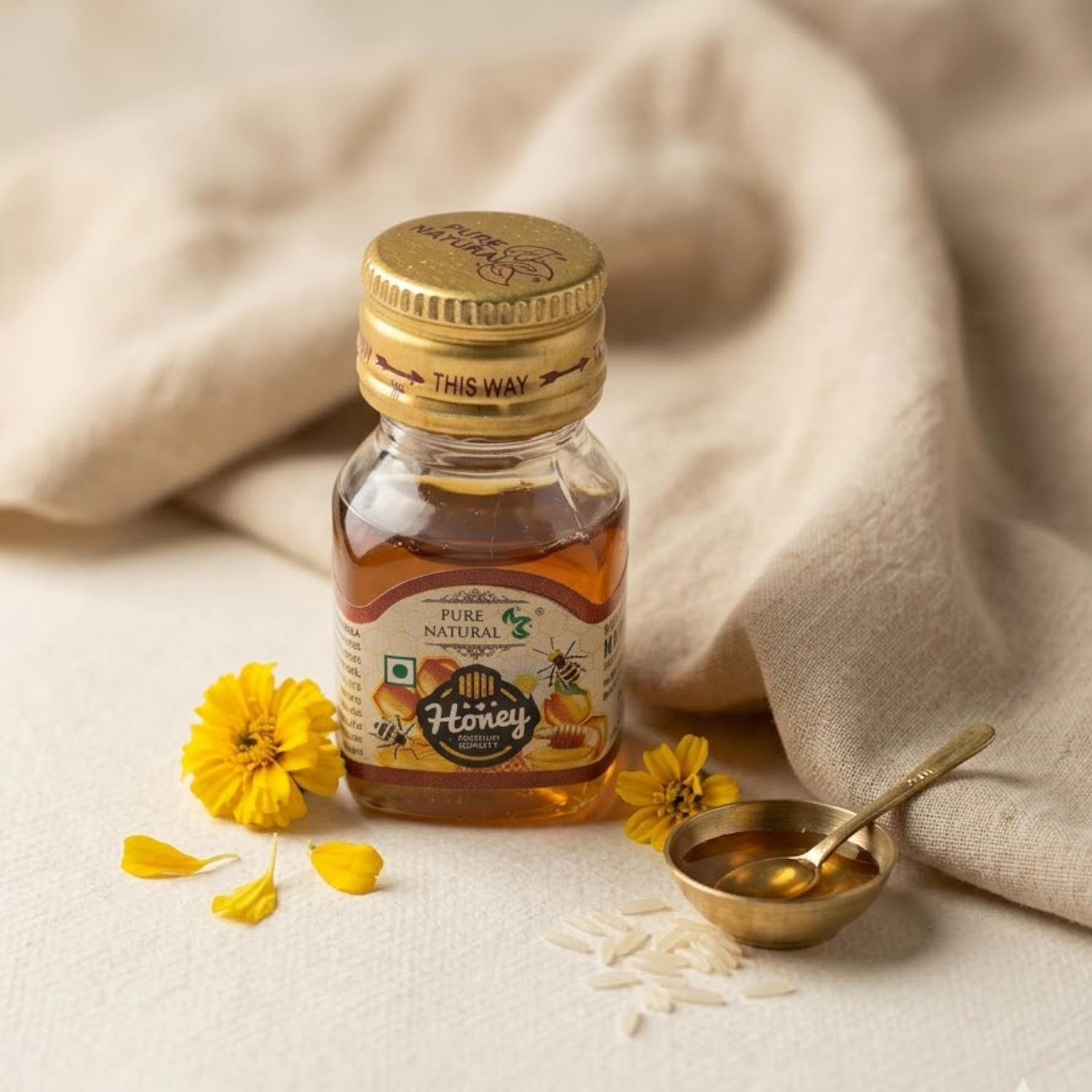
  • Step 5 - Naivedya (Food Offering): Offer sweet food, fruits, and the Honey to the Lord as a gesture of deep gratitude.

  • Steps 1 & 2 (Asan & Swagat): Offering a royal seat and welcoming the Divine Commander.
  • Steps 3, 4 & 5 (Padya, Arghya, Achamaniya): Purifying the deity's feet and hands, and offering sipping water using the Ganga Jal.
  • Step 6 (Madhuparka): Offering the highly auspicious honey-mixture in the Madhu Parker Bati.
  • Steps 7, 8 & 9 (Snaniya, Basan, Abharan): Bathing the deity, dressing Him in the Red and Yellow Cheli, and adorning Him with the White Cotton Janeu Thread.
  • Steps 10, 11 & 12 (Gandha, Pushpa, Dhupa): Offering the Chandan, sacred flowers, and Agarbatti.
  • Steps 13, 14 & 15 (Deepa, Naivedya, Achamaniya): Illuminating the space with lamps, offering a grand feast, and providing water to cleanse the mouth.
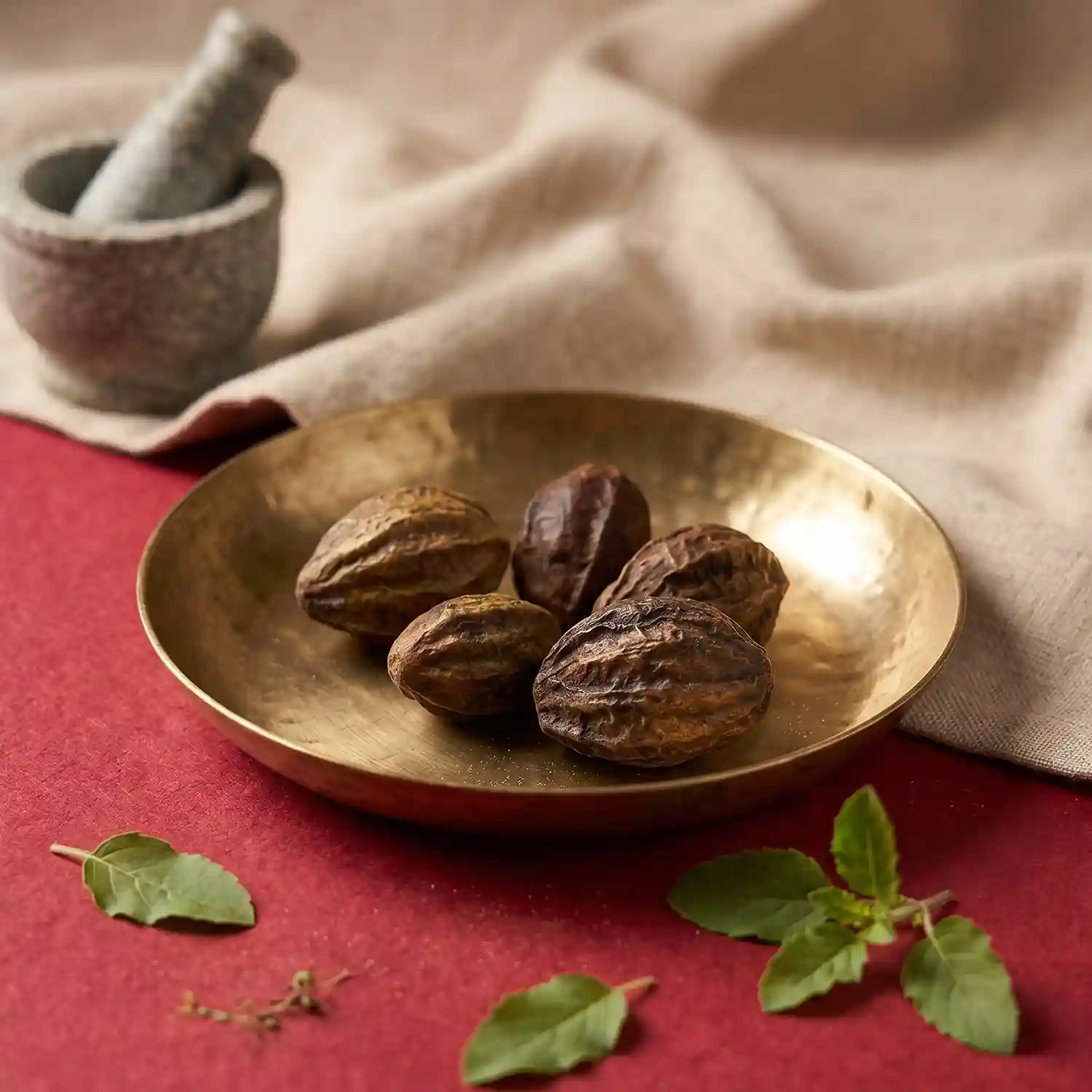
  • Step 16 (The Complete Tambula): There is absolutely no 16-step puja where Tambula is not mandatory. The mathematically perfect Tambula (Supari, Clove, Cardamom, Haritaki) must be offered to sweeten the deity's mouth as the 16th and final step.
  • Conclusion (Household Havan & Aarti): The ceremony concludes with a domestic fire ritual (Homa) using the Bel Kath, Cow Ghee, and Havan Samagri. A highly fragrant Aarti is performed using the Pure Camphor, Aguru, and Dhuna, showering protection upon the entire family!

  • • Grants Protection and Valor: Invokes the protective shield of the divine commander, ensuring the family remains safe from adversaries, illnesses, and negative energies.
  • • Blessing of Progeny: For newly married couples, observing this household fast and worship is historically highly auspicious for welcoming healthy, beautiful, and noble children into the family.
  • • Holistic Purification: Engaging in these domestic sacrifices purifies the environment and the practitioner; the fragrant smoke of the Havan and the application of cooling Chandan actively soothe the physical senses while elevating the soul.

  • The MySanatan Kartik Household Puja Kit is a breathtakingly authentic spiritual package designed to bring the true essence of devotion right into your living room! We believe that sacred traditions belong to everyone, which is why we have meticulously sourced highly specific Eastern household items—like the Teer KathiTekaata, and the Madhu Parker Bati—that are almost impossible to find in generic market kits. By natively including the scripturally compulsory 16th-step Tambula spices and remaining totally transparent about the householder's universal right to perform their own worship step-by-step, this kit ensures your family can celebrate with absolute confidence, joy, and uncompromising authenticity!
Standard Package
Package Total: ₹1,246.00
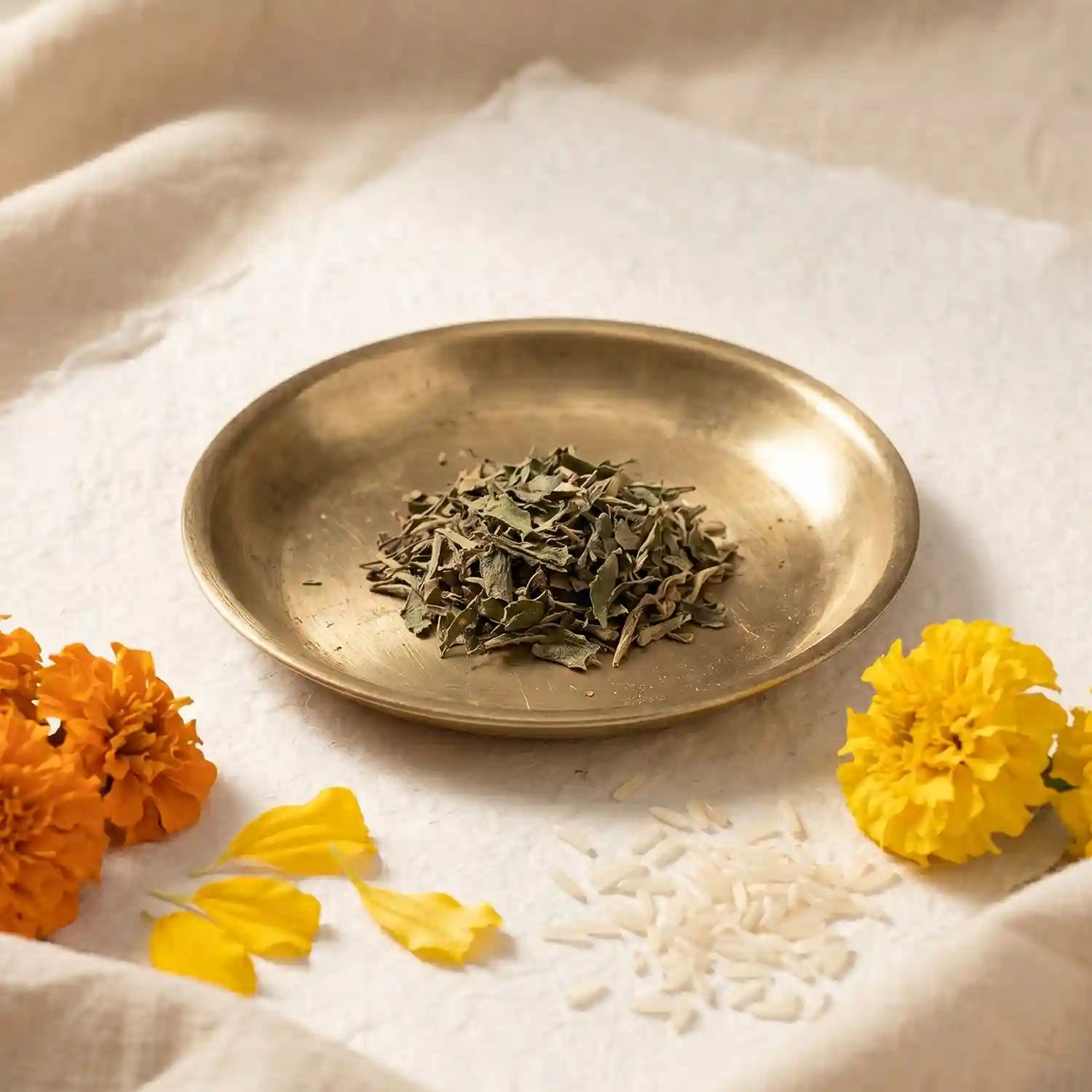
Siddhi Leaves For Puja | Dry Bhang Pata
2 Gram
1
10.00
Akshat Rice | Chawal | Chal
20 Gram
1
25.00
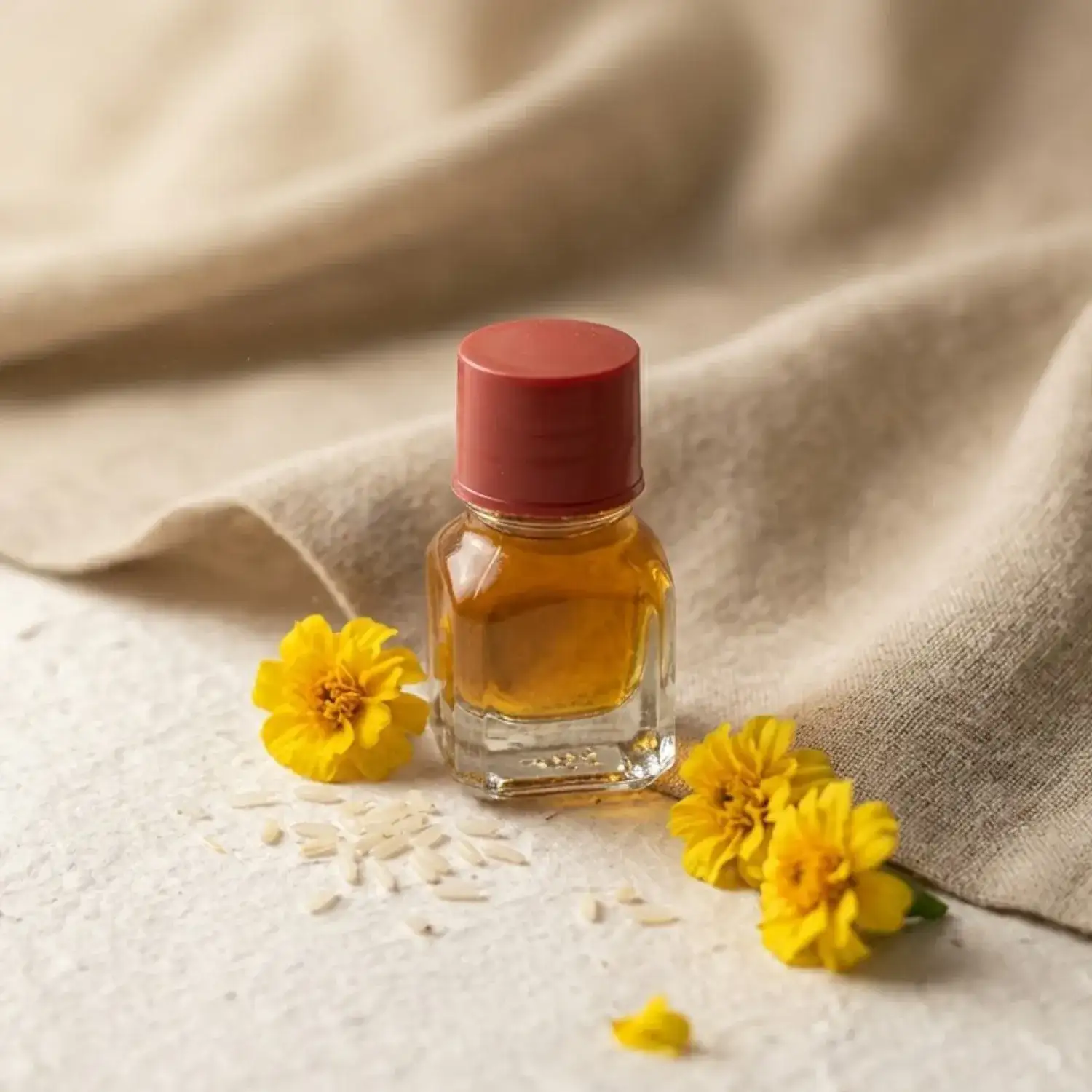
Attar | Puja Itra | Ittar Rose Fragrance
2 ML
1
20.00
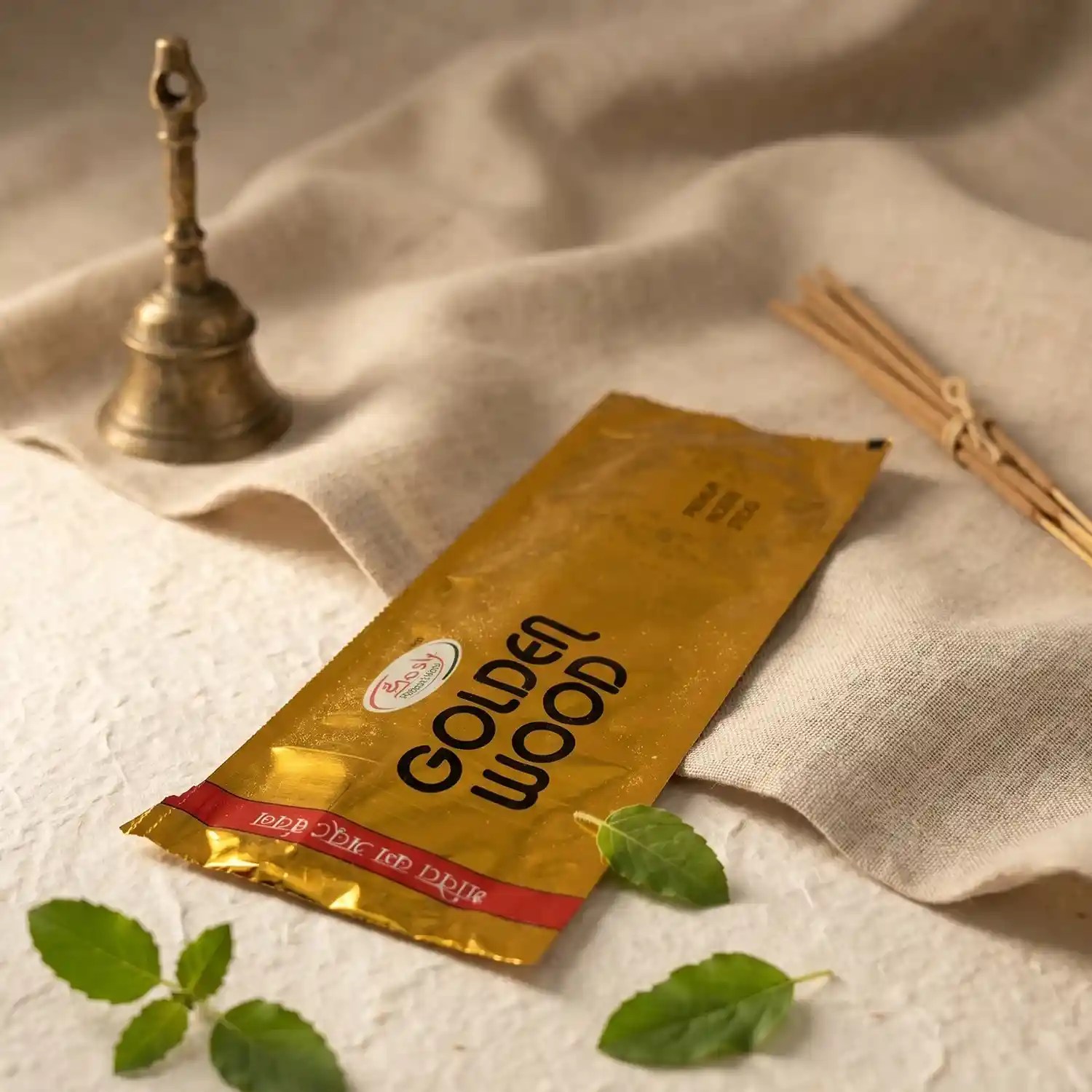
Agarbatti | Premium Incense Sticks | Dhup Kathi (Small Pack)
20 Gram
1
13.00
Natural & Pure Camphor | Pure Kapoor | Karpura | Kapur (Small Pack)
10 Gram
1
15.00
Madhu Parker Bati | Madhuparka Bowl | Madhuporker Bati | Medium
1 Piece
1
29.00
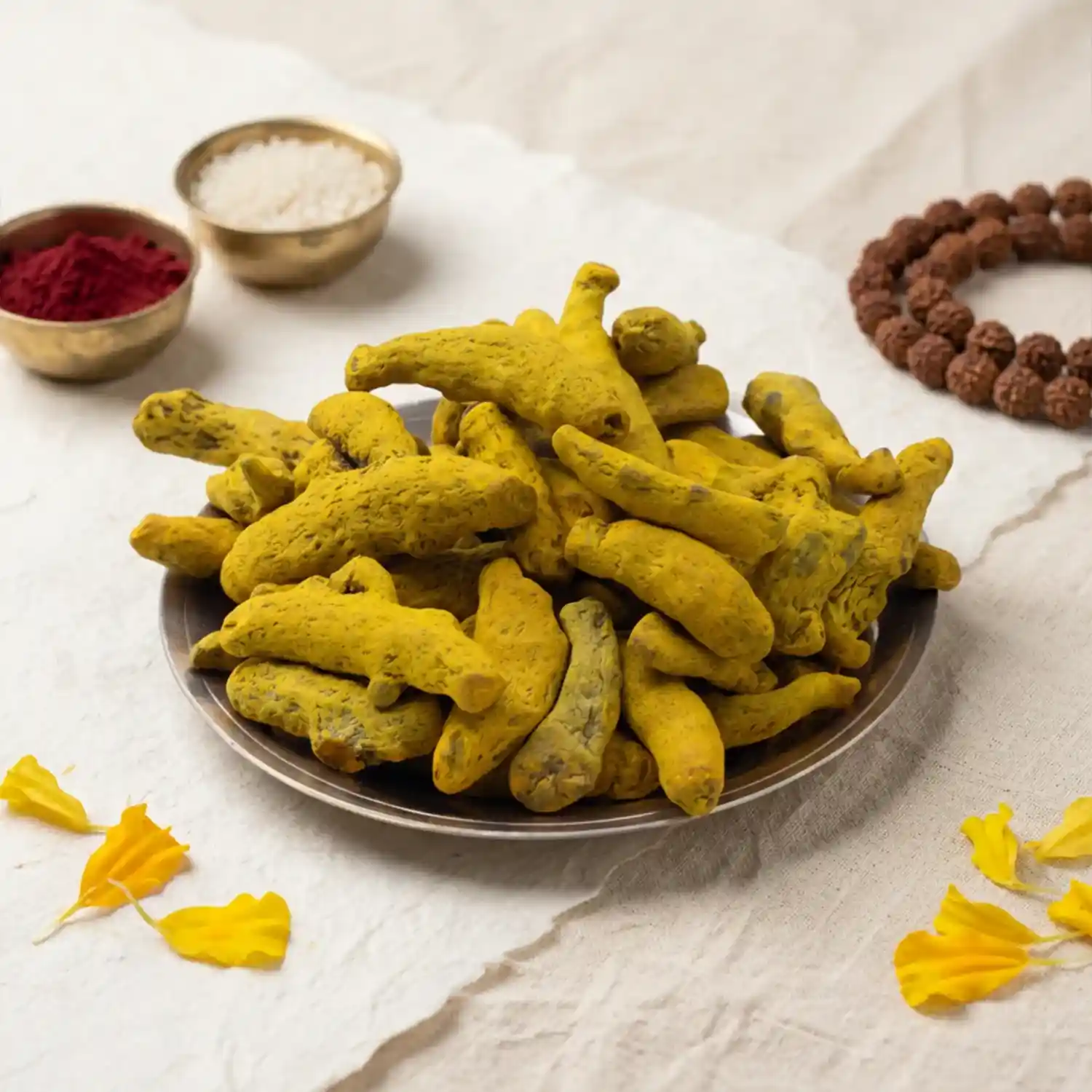
Turmeric Powder | Haldi | Holud
25 Gram
1
30.00
Turmeric Root | Haldi Ganth | Gota Holud
25 Gram
1
39.00
Long Cotton Wicks
1 Pack
1
20.00
Round Cotton Wicks | Phool Batti
1 Pack
1
20.00
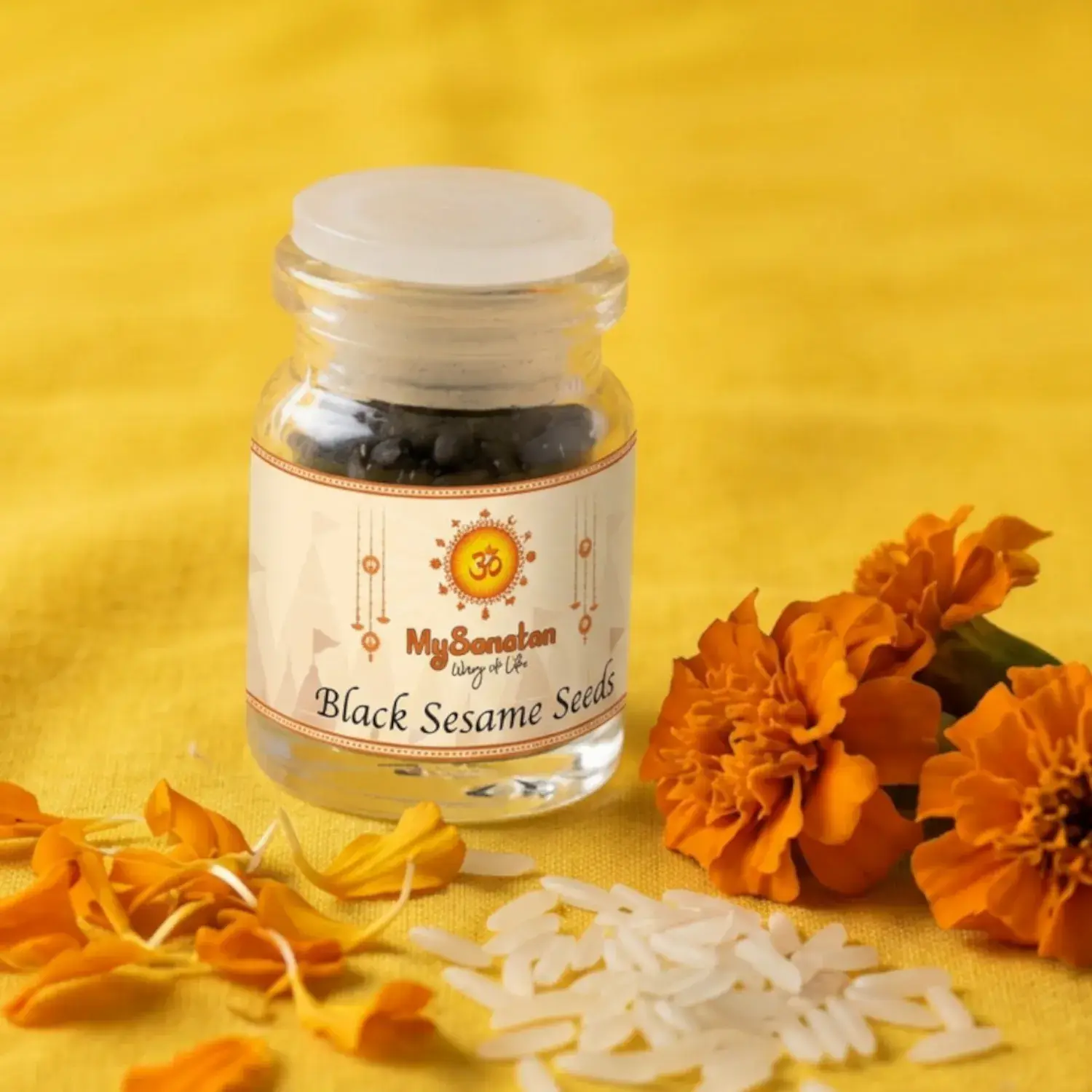
Black Sesame Seeds | Kaale Til Small Pack
3 Gram
1
10.00
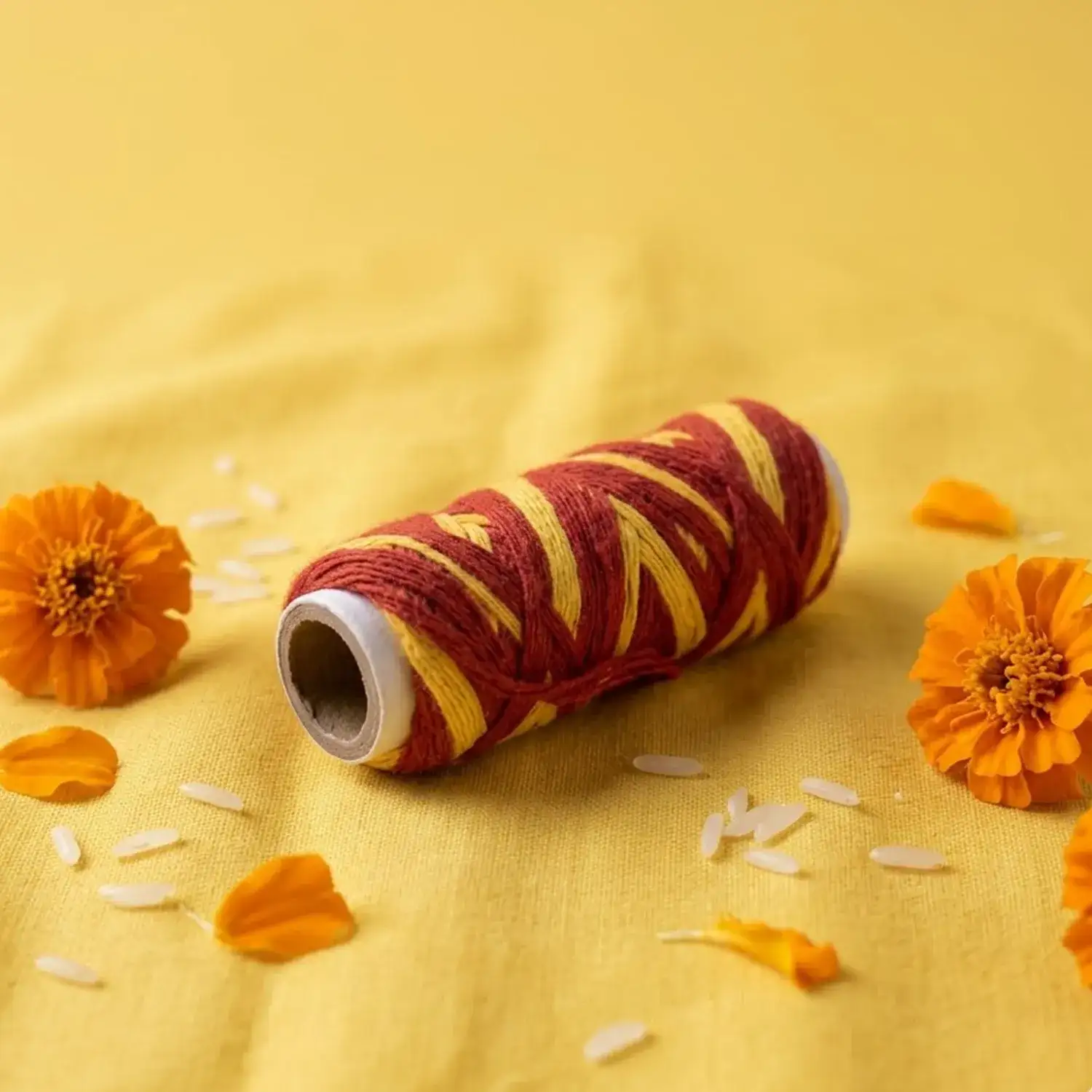
Raksha Sutra | Red & Yellow Moli Kalawa| Raksha Dhaga
1 Piece
1
35.00
White Cotton Janeu Thread | Sacred Thread | Paita
1 Piece
1
20.00
White Moli Dhaga | Safed Kalawa | White Ritual Thread
1 Piece
1
15.00
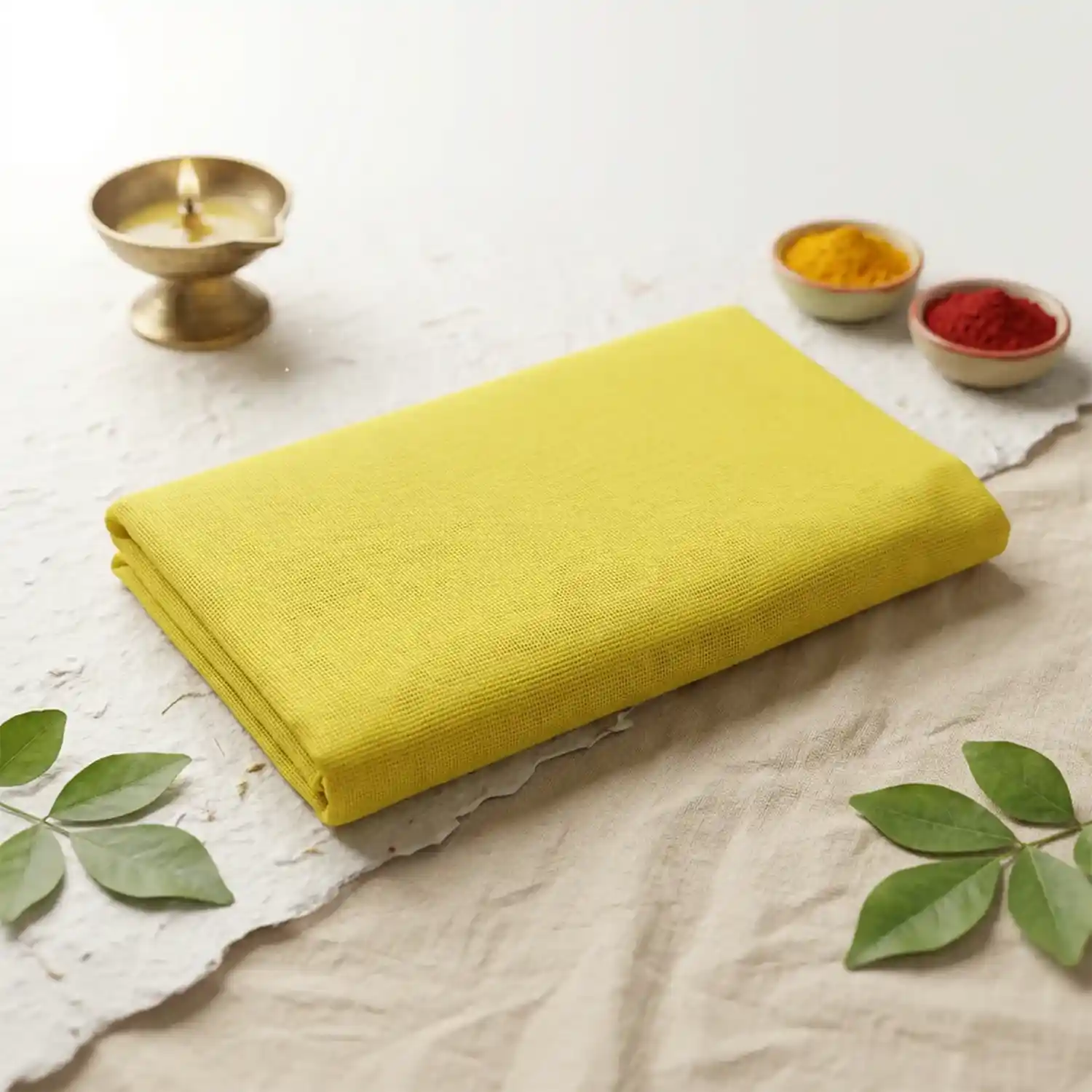
Yellow Puja Cloth | Holud Shalu Kapor
1 Piece
1
22.00
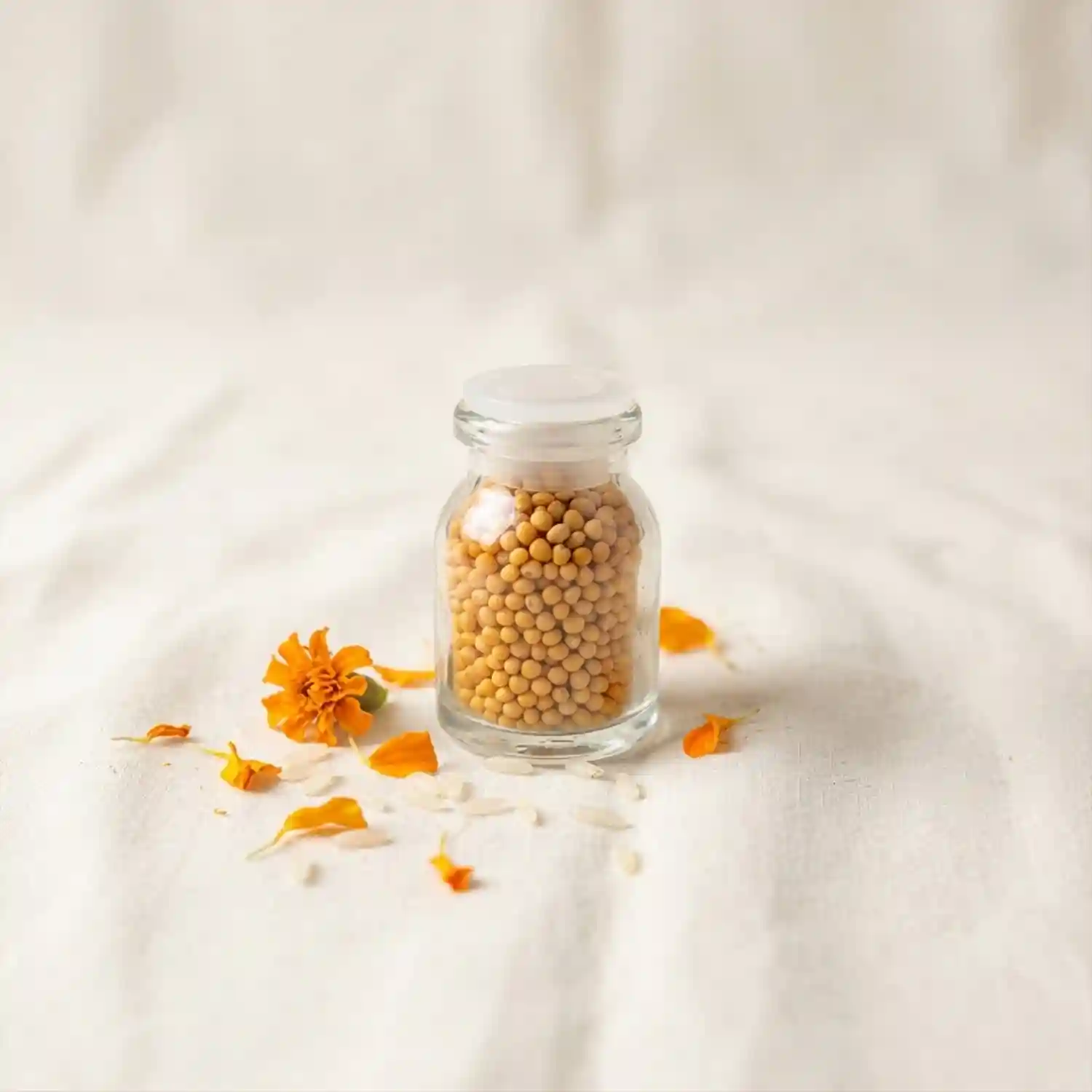
Yellow Mustard Seeds | Peeli Sarson | Small Pack
7 Gram
1
10.00
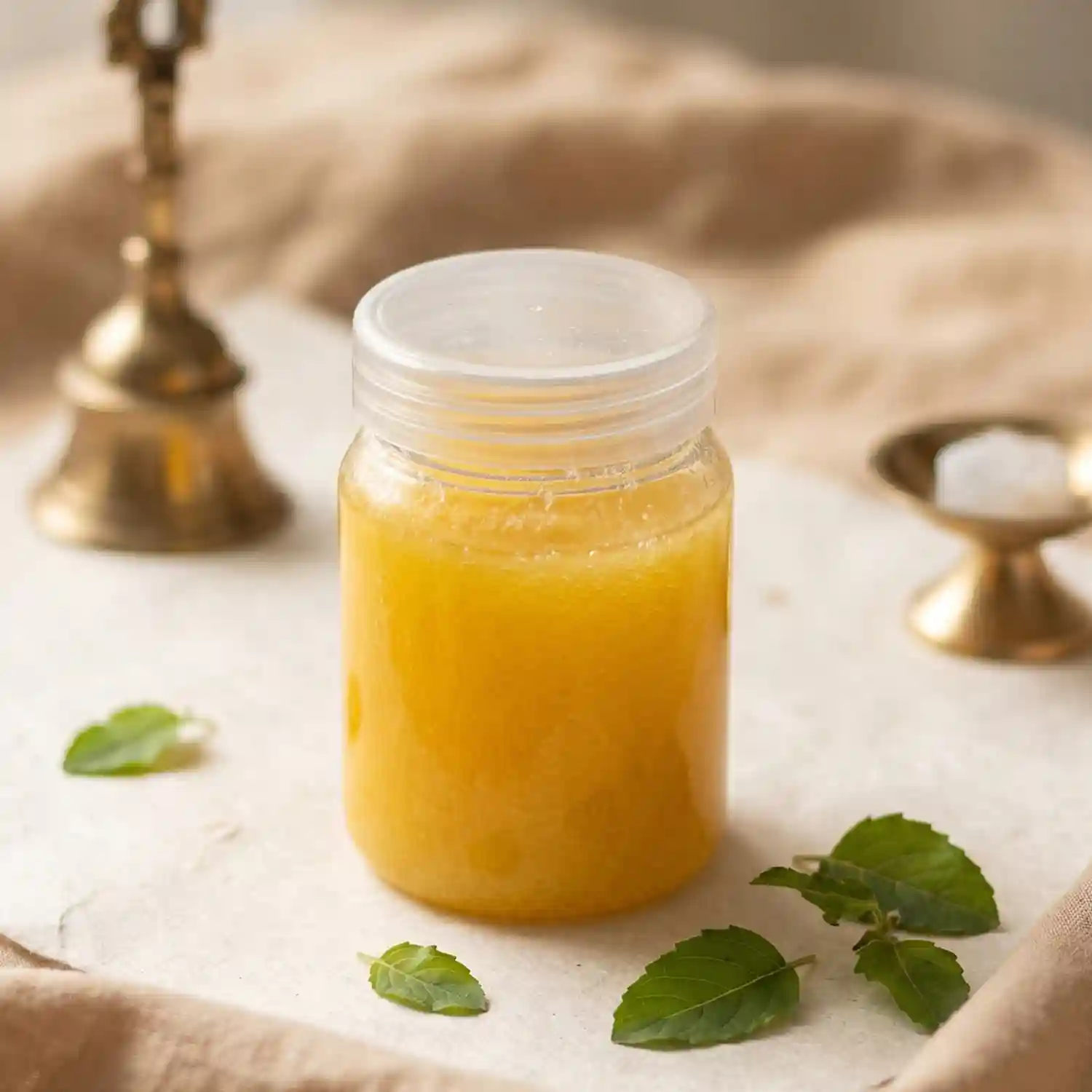
Honey for Puja | Pure Sahad | Madhu
25 Gram
1
35.00
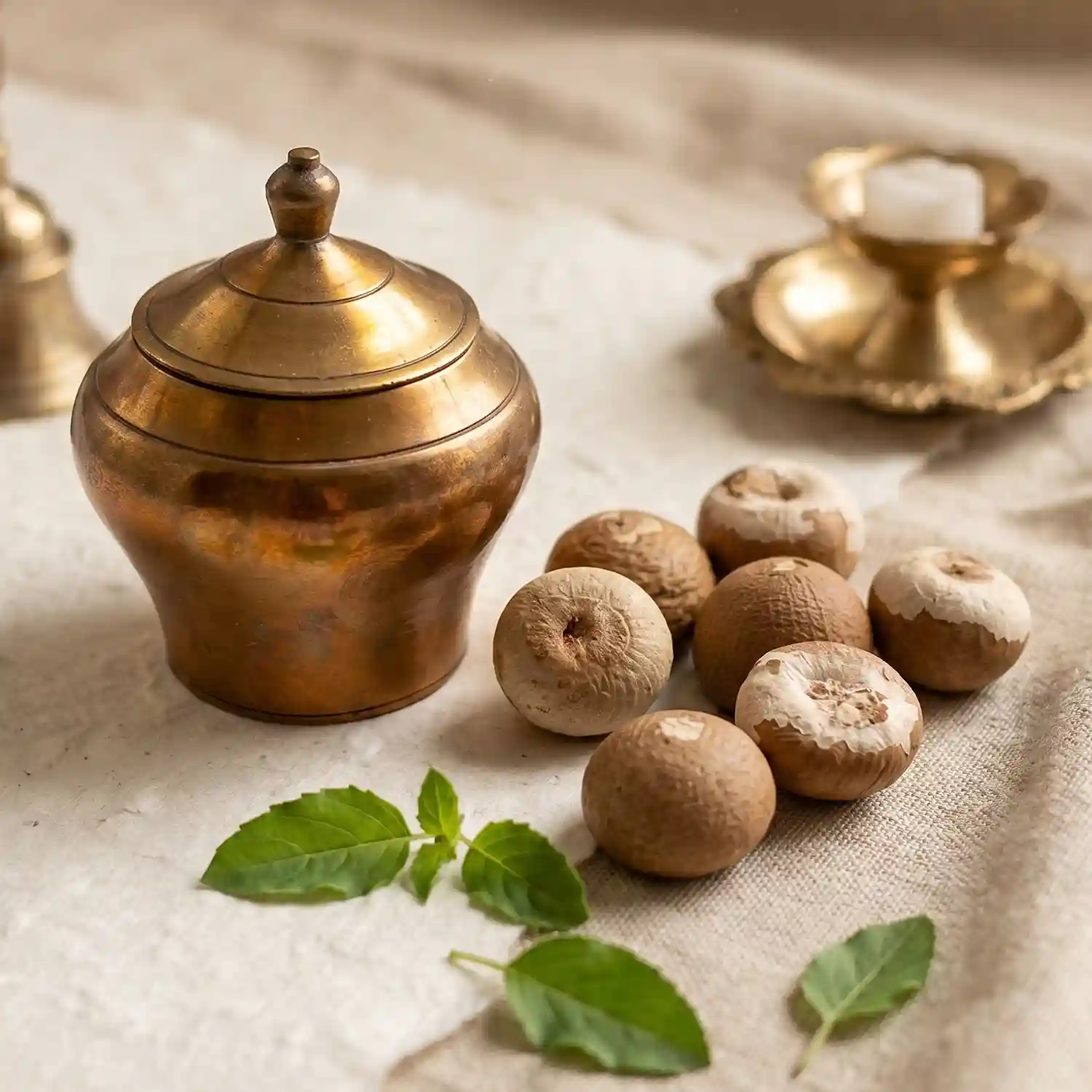
Supadi | Whole Betel Nut
7 Piece
1
15.00
Khukumoni Sindur
16 Gram
1
59.00
Clove | Laung | Lobongo Small Pack
5 Gram
1
15.00
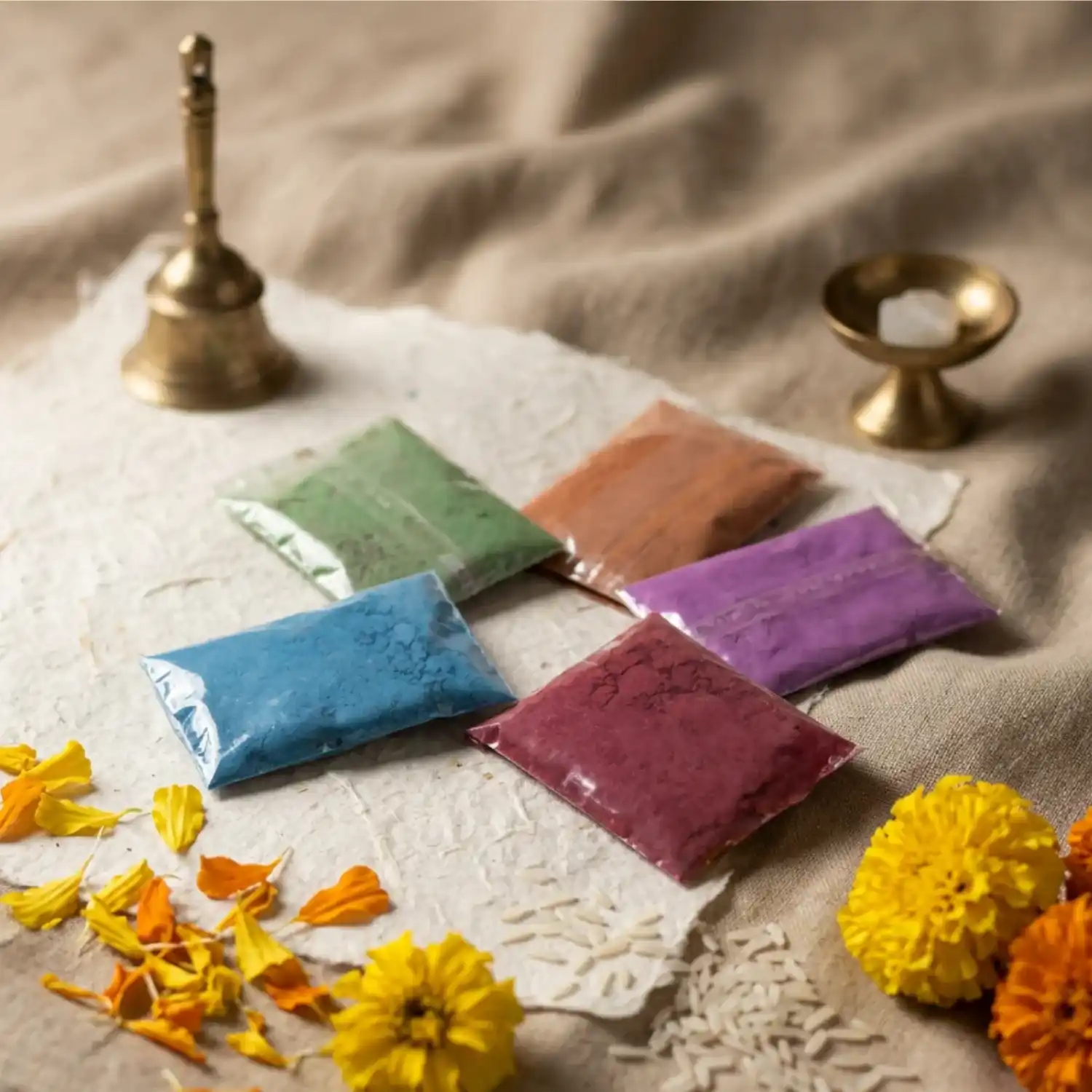
Pancha Guri | Five Sacred Powders
1 Pack
1
15.00
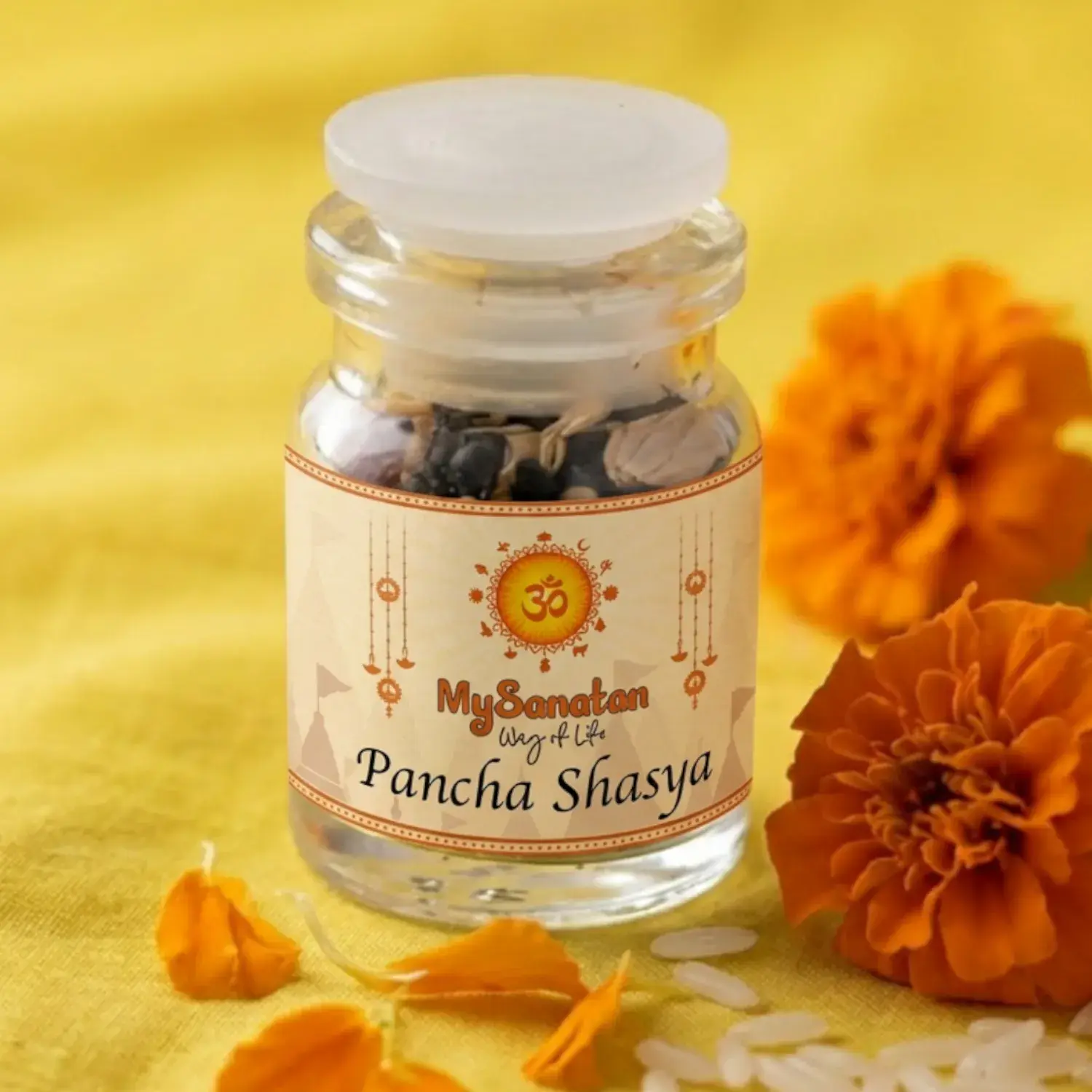
Pancha Sashya | Five Sacred Grains
8 Gram
1
1.00
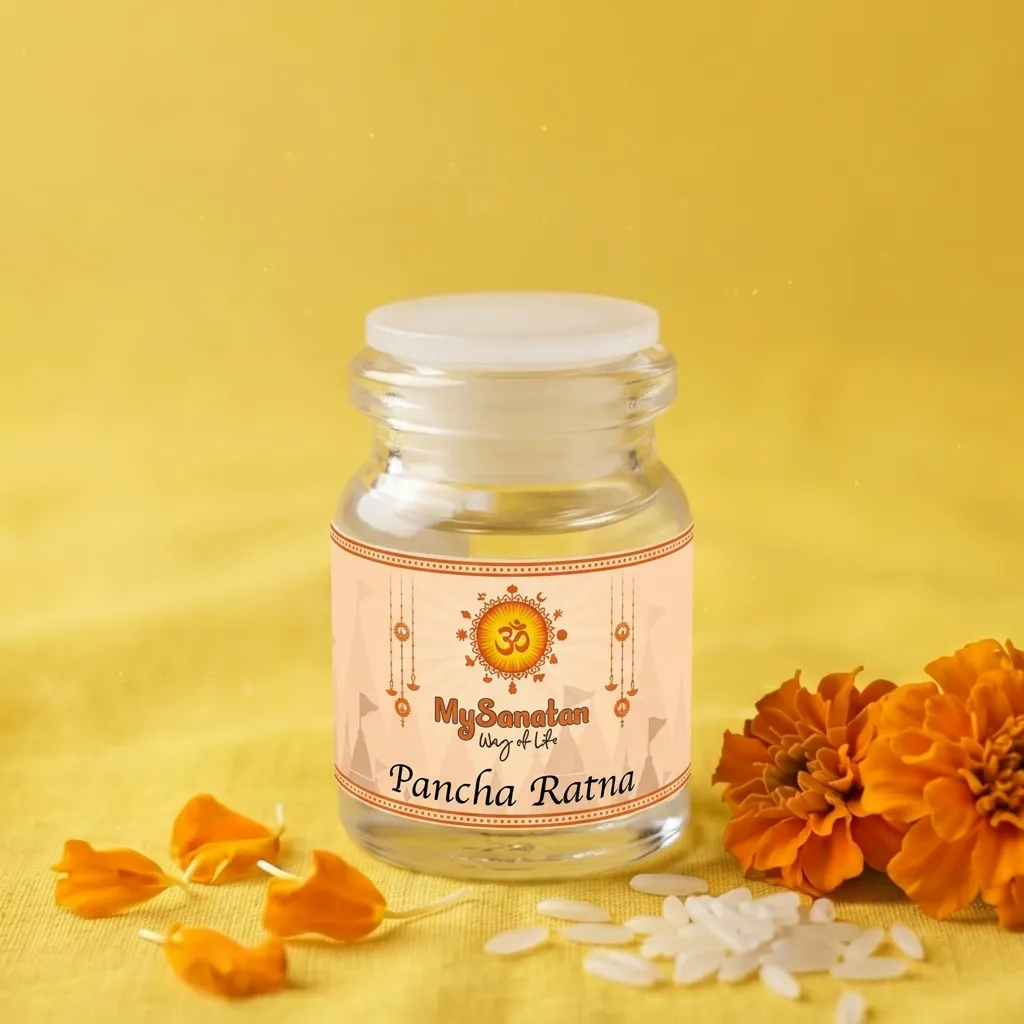
Pancha Ratna | Five Gems/Jewels | Panch Ratna
1 Pack
1
10.00
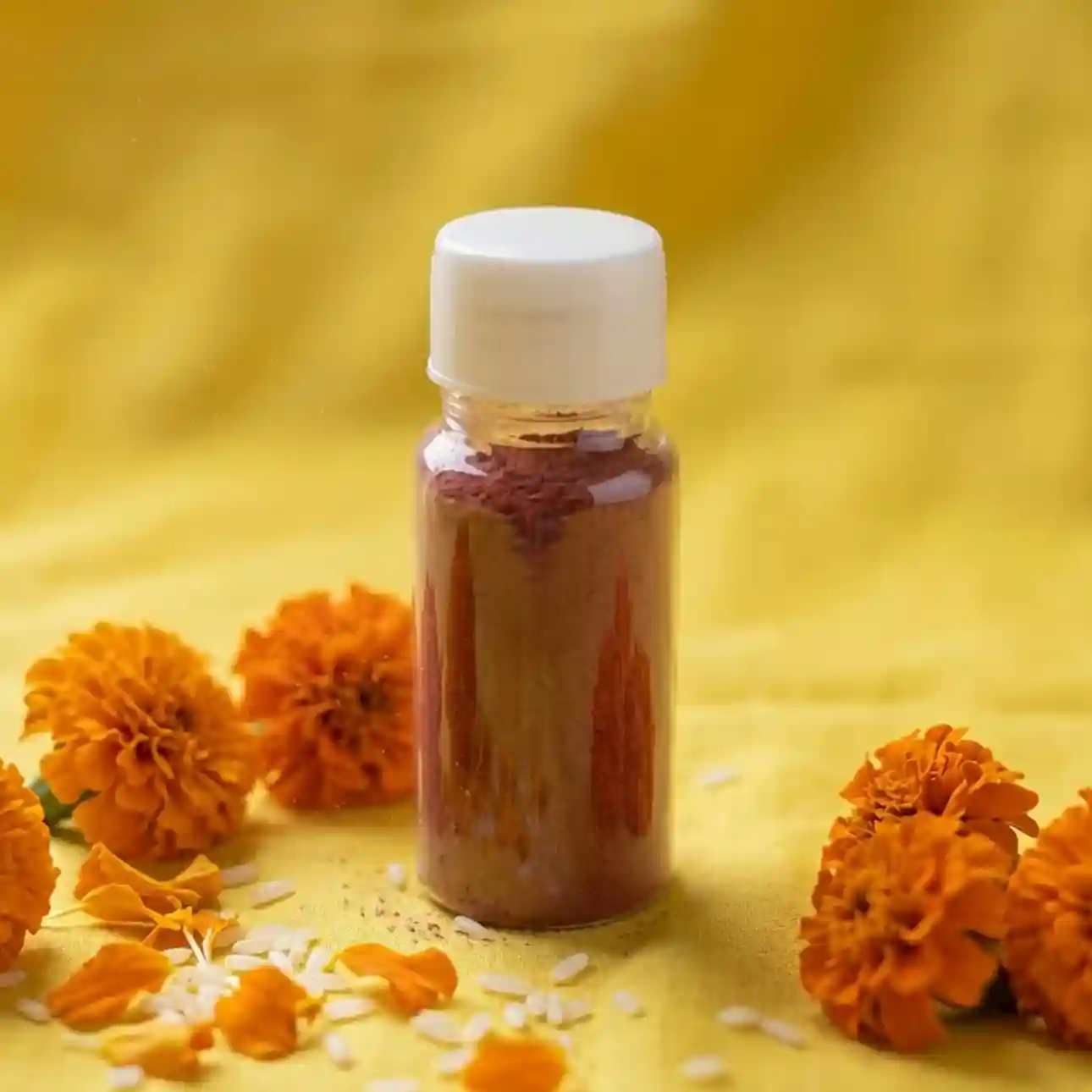
Red Chandan Powder | Red Chandan Tika | Red Sandalwood Tika
10 Gram
1
29.00
Pancha Ratna | Five Gems/Jewels | Panch Ratna
1 Pack
1
10.00
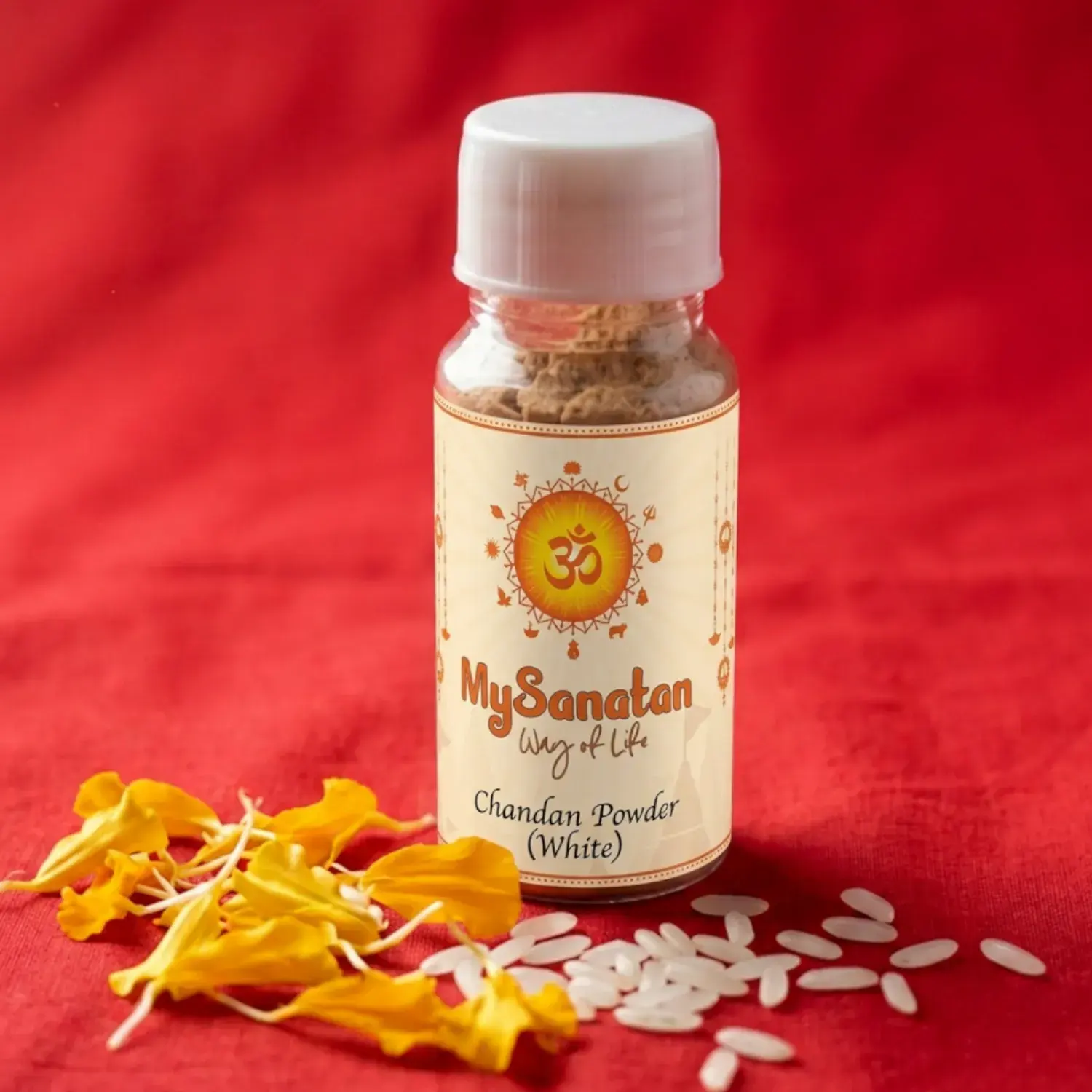
White Chandan Powder | Safed Chandan Tika | White Sandalwood Tika
10 Gram
1
29.00
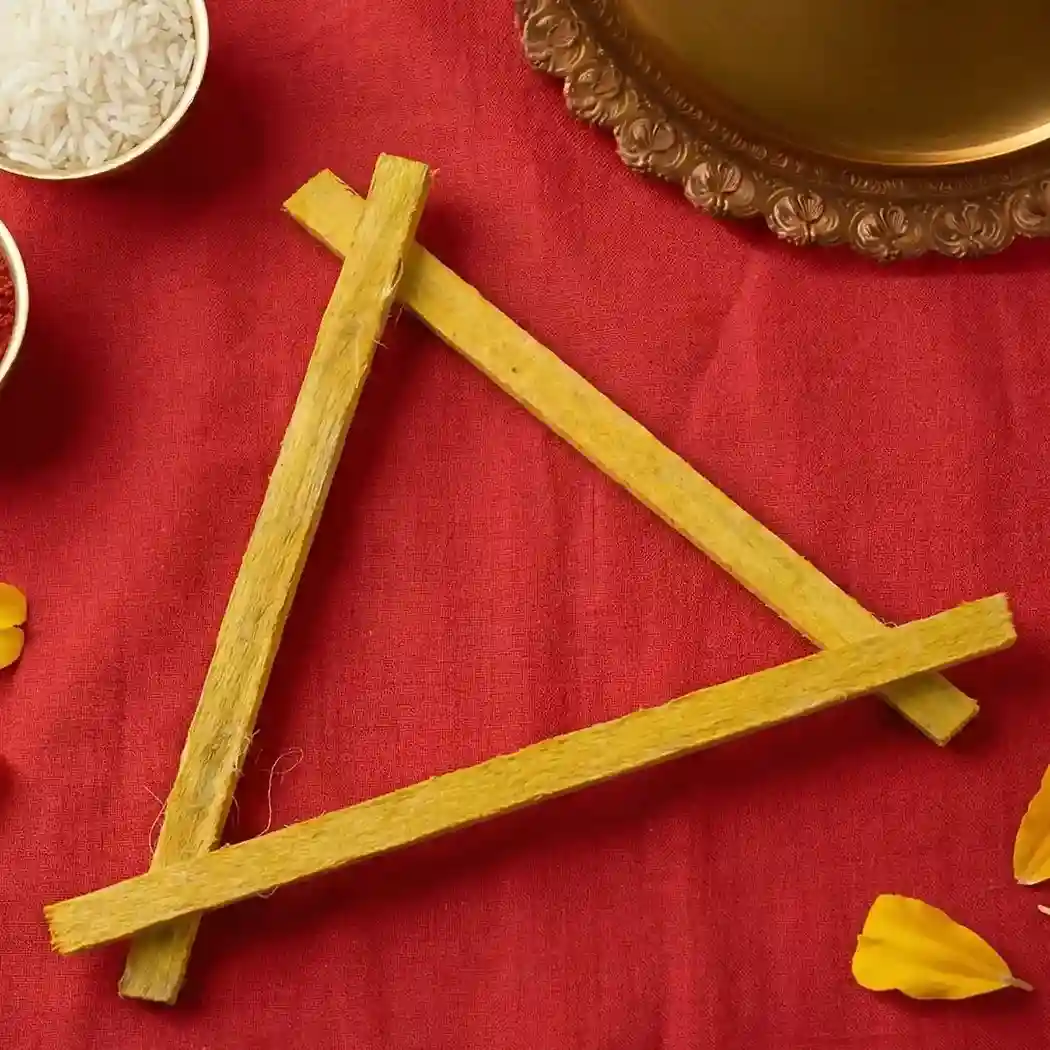
Tekaata for Puja | Triangle Wooden Frame
1 Piece
1
15.00
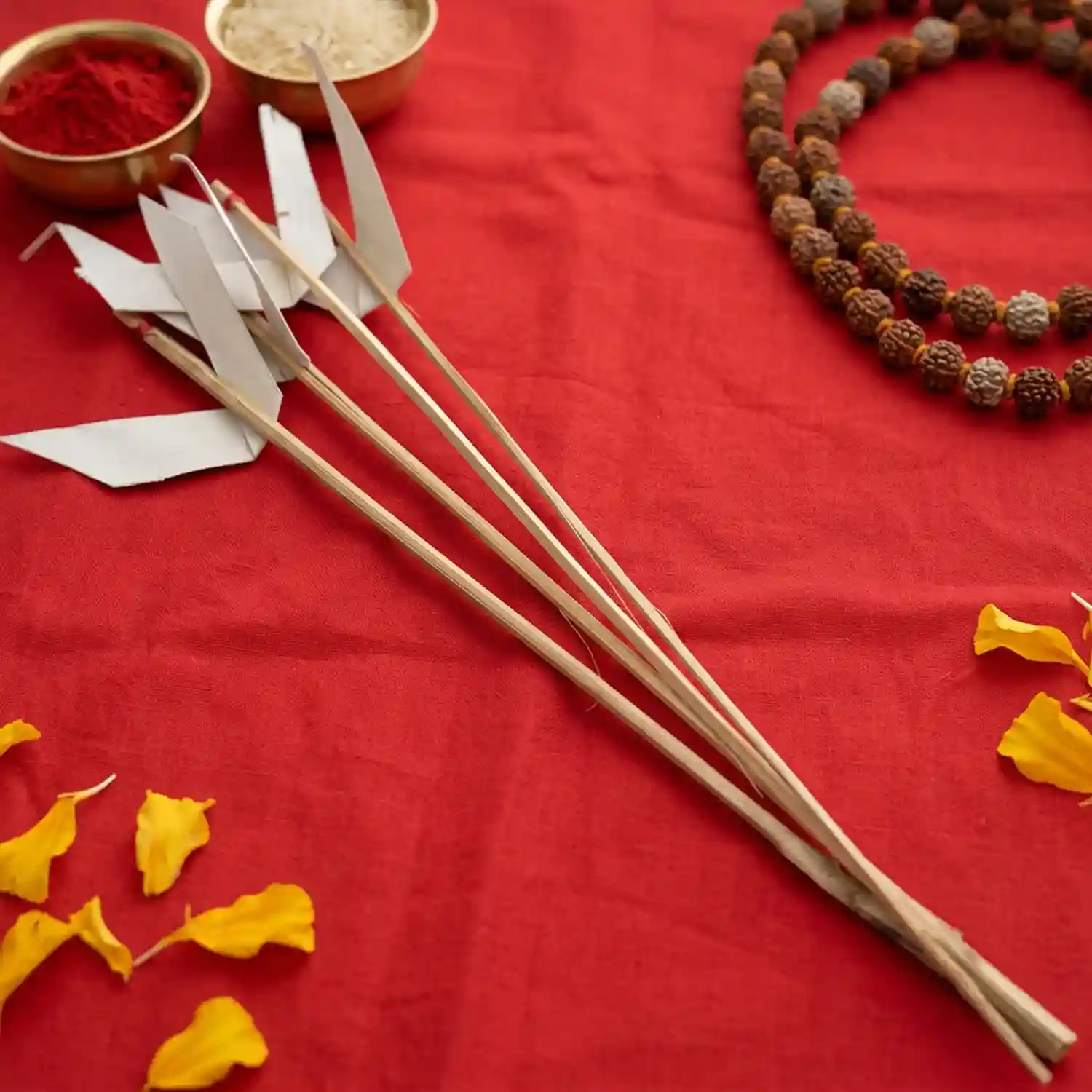
Teer Kathi | Ritual Boundary Sticks | Bamboo made Tirkathi
4 Piece
1
15.00
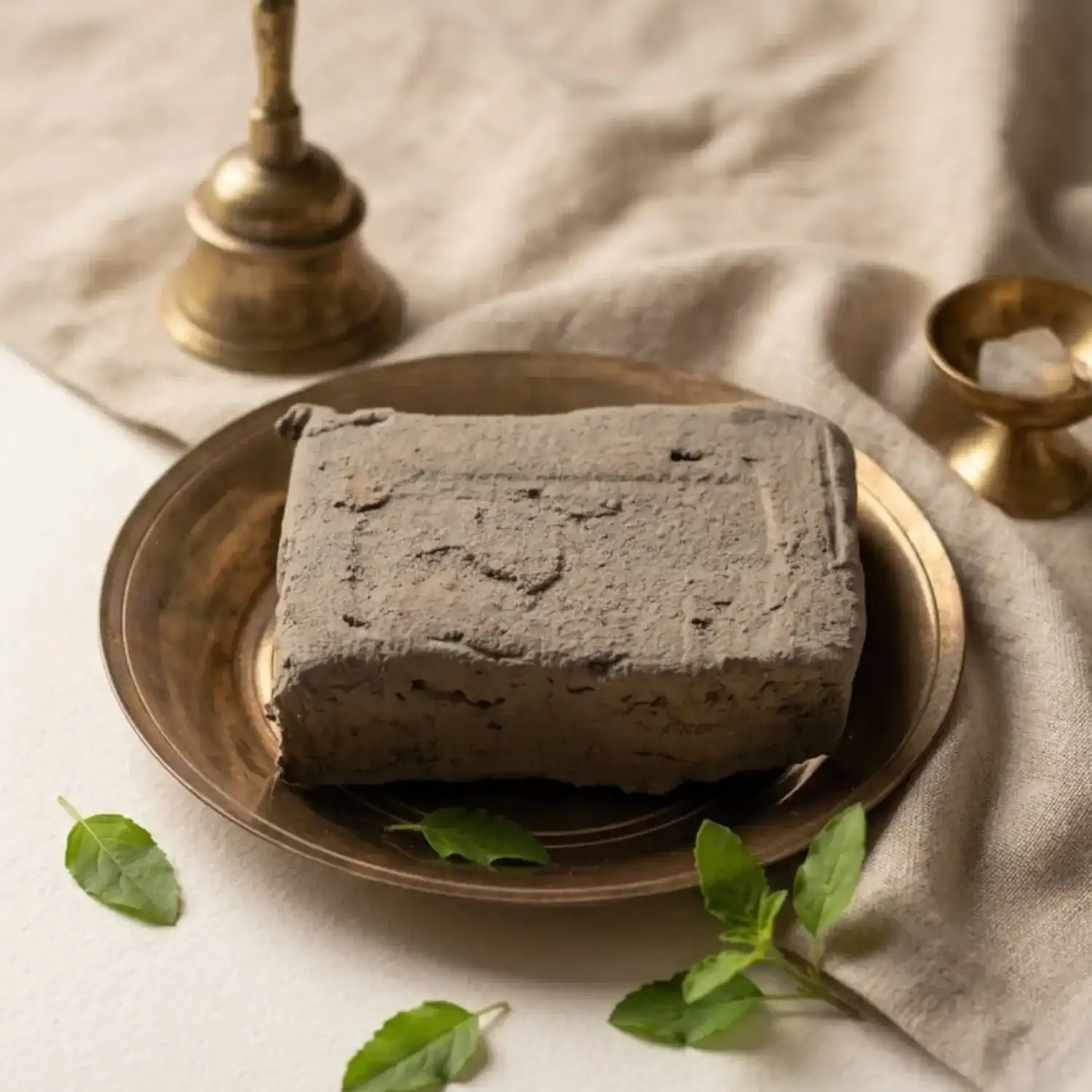
Ganga Mitti | Sacred Ganga Clay | Ganga Mati
1 Piece
1
19.00
Ganga Jal | 100% Pure & Authentic | Small Pack
100 ML
1
25.00
Aguru | Agaru
25 ML
1
45.00
Chandmala | Swastik Hanging Deity Adornment | Chandramala Medium
1 Piece
1
40.00
Red Cheli | Lal Cheli
1 Piece
1
25.00
Cow Ghee For Puja and Havan | Medium Pack
100 Gram
3
297.00
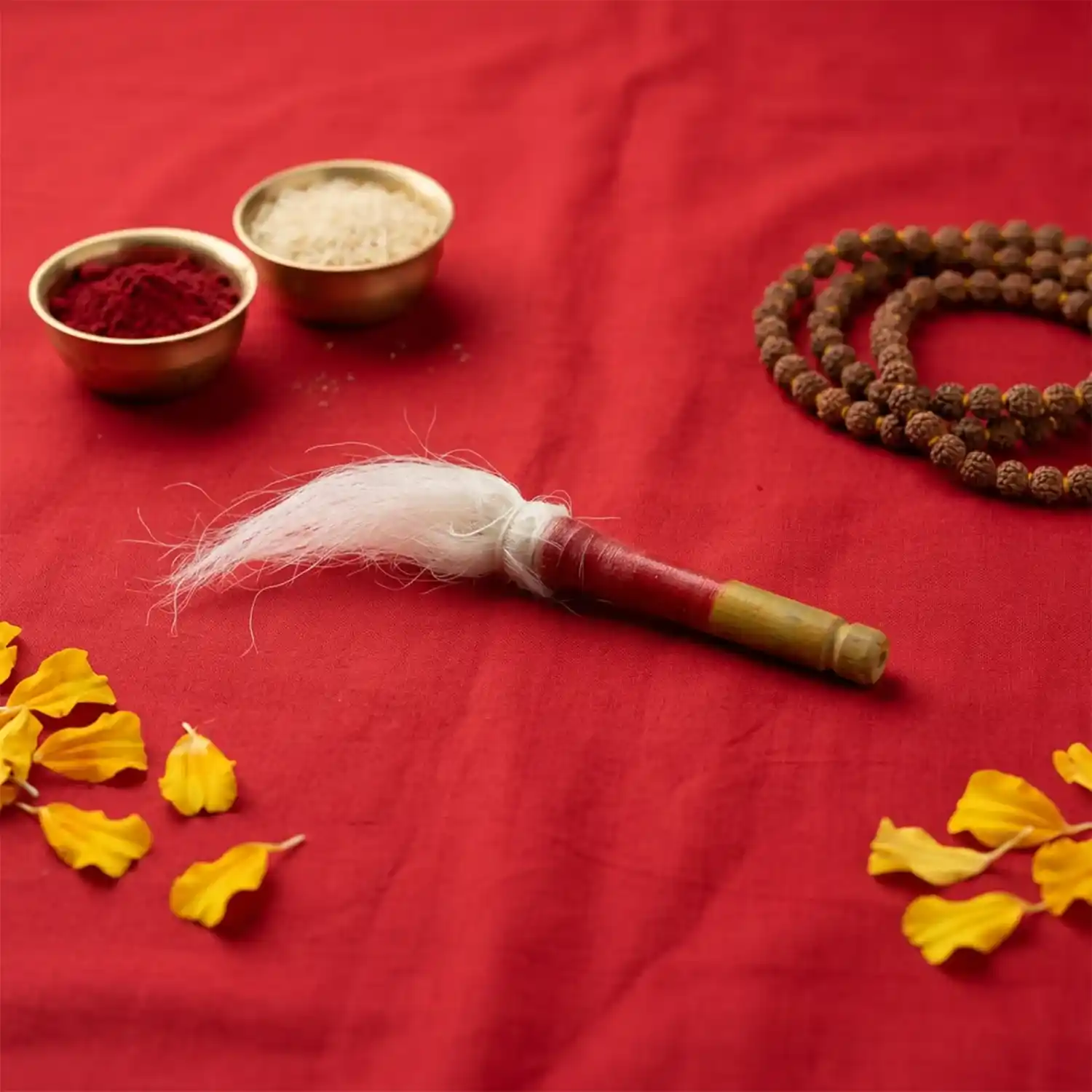
Chawar For Aarti | Puja Chamor | Traditional Chavar
1 Piece
1
10.00
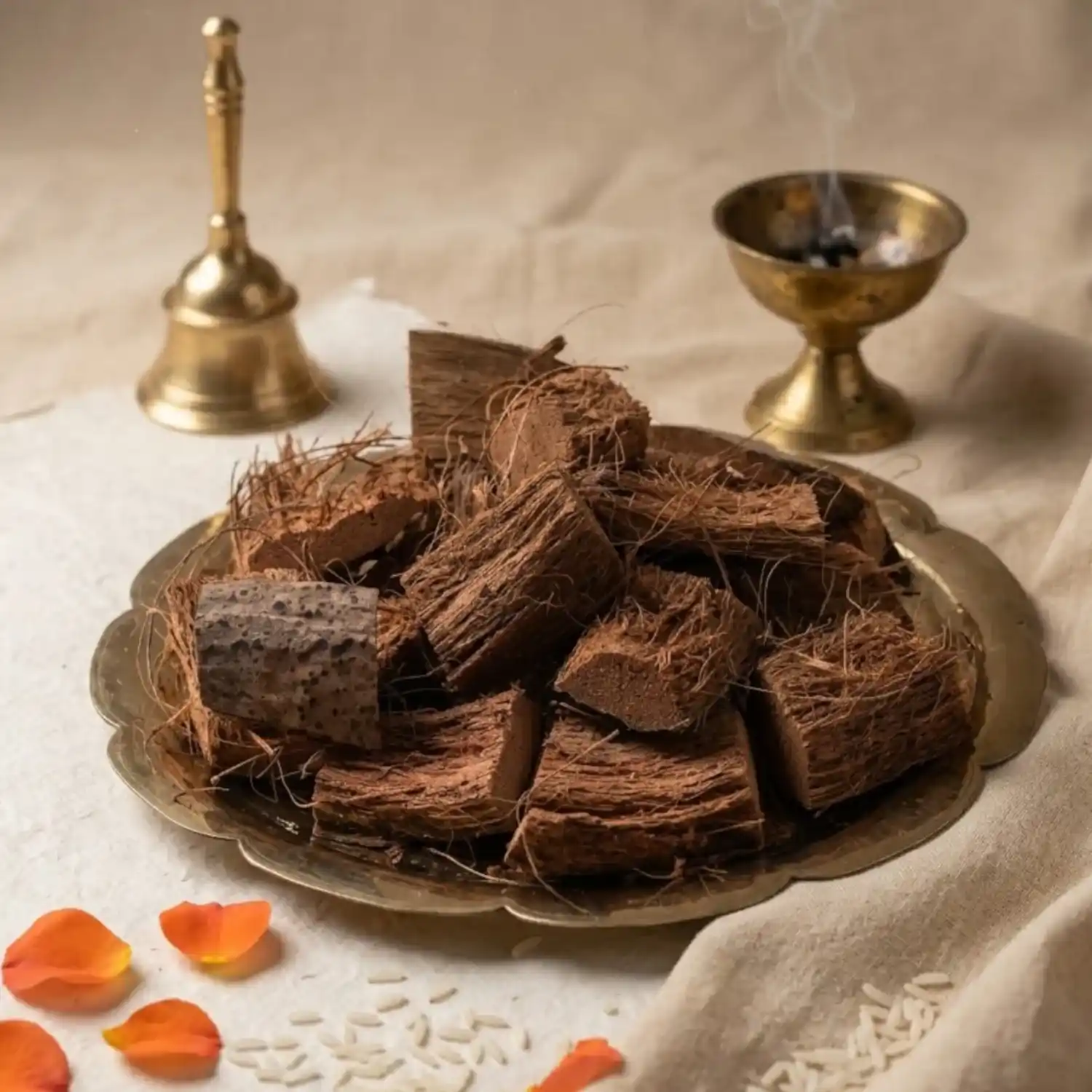
Dry Coconut Husk | Nariyal Coir | Chobra
100 Gram
1
65.00
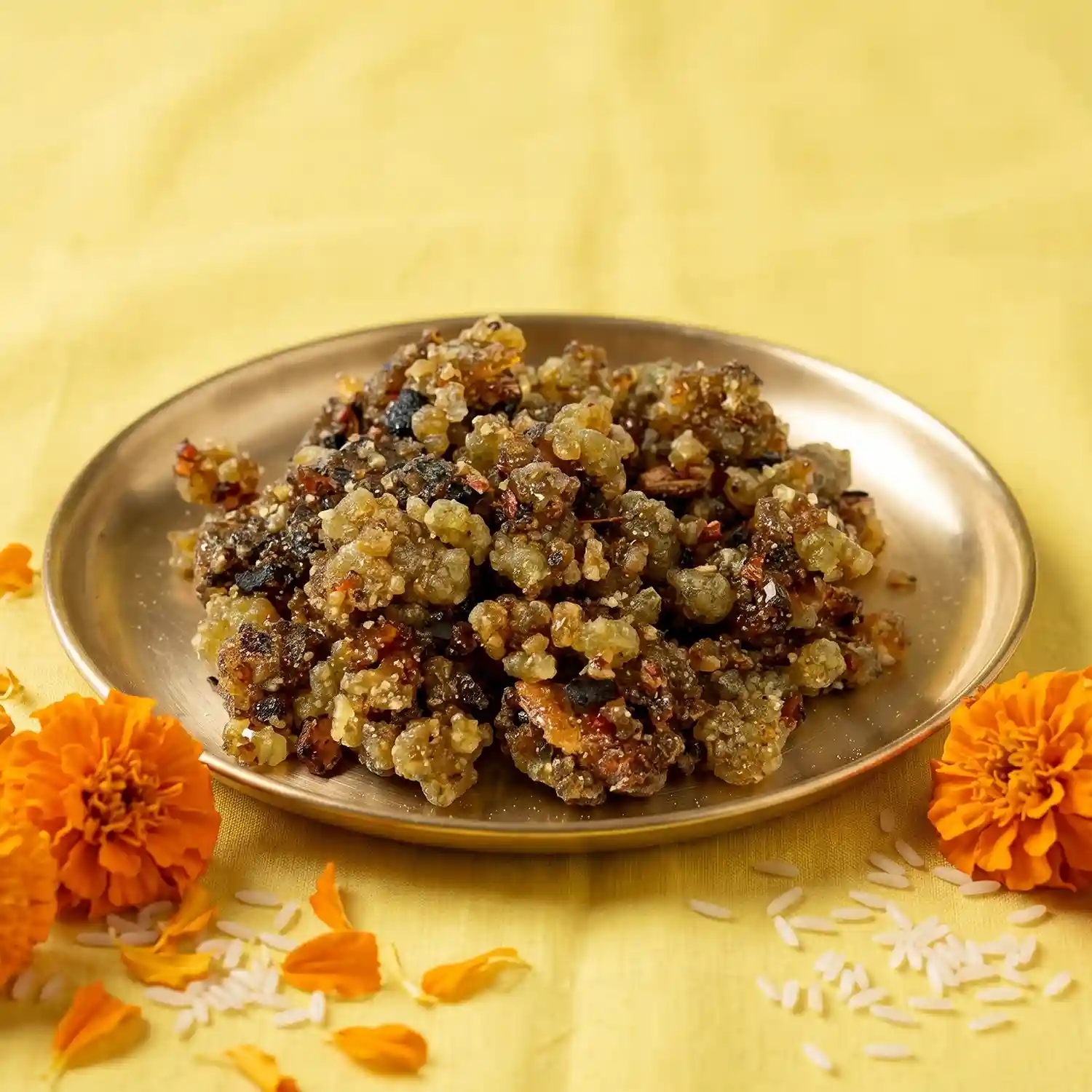
Guggal | Natural Guggul | Indian Bdellium (Small Pack)
20 Gram
1
15.00
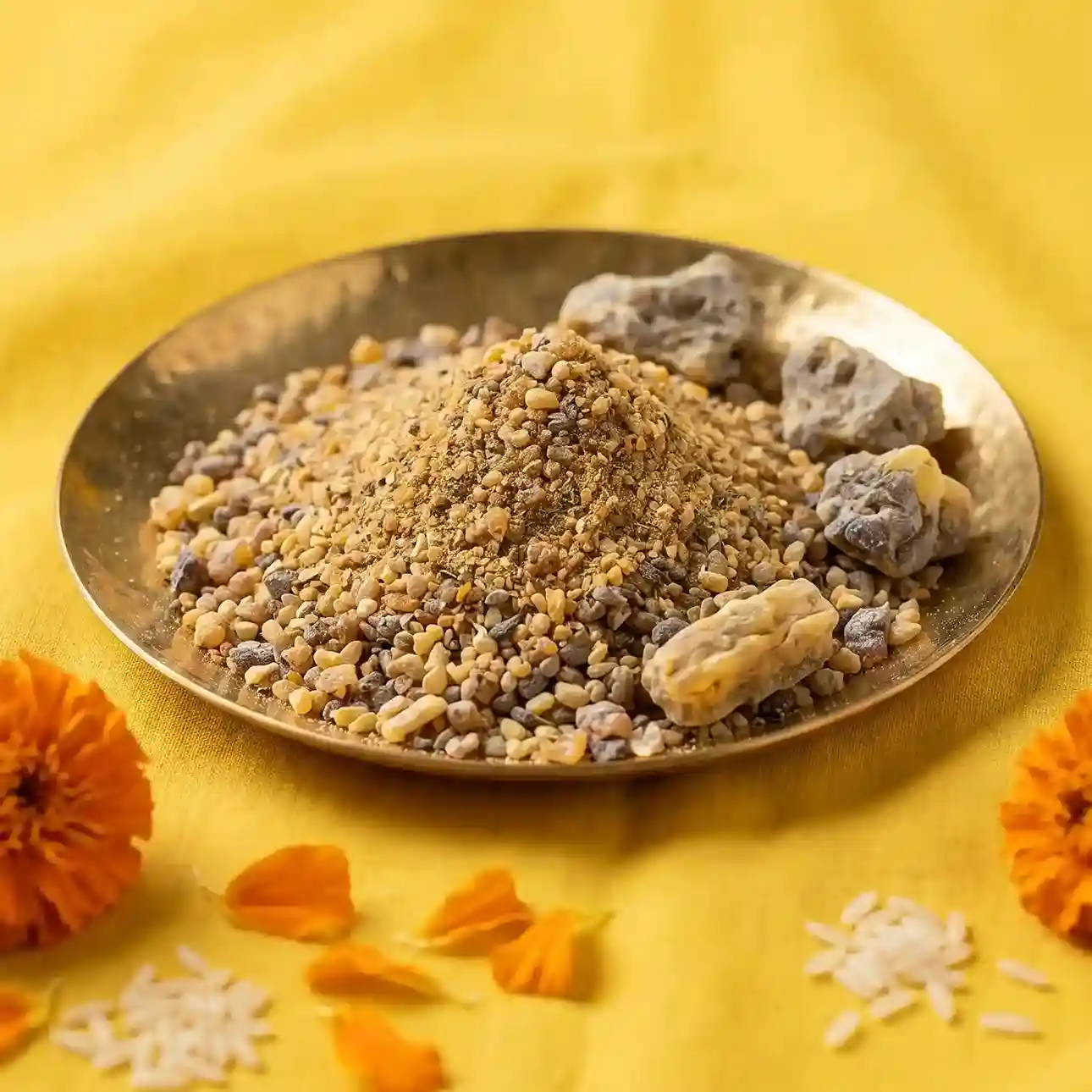
Dhuna Powder | Loban Powder | Natural Damar Batu (Small Pack)
50 Gram
1
49.00
Green Cardamom | Hari Elaichi | Choto Elach | Small Pack
3 Gram
1
29.00
Haritaki | Harad Fruit | Small Pack
5 Piece
1
16.00
Chandmala for Ghat | Ghot Chandramala (Small) 
1 Piece
1
30.00


Do you need a custom package or you already have a list?

Frequently Asked Questions

Q1: What is the main difference between the Standard and Premium Kartik Puja kits, and how do I know which one to choose?

The main difference comes down to whether you plan to include a Household Havan (sacred fire ritual).

  • The Premium Kit is fully equipped for a complete Vedic fire ritual. It includes bulk items like 1 kg of Bel Kath (Bael Wood), 2 bundles of Joggo Dumur Pata, Havan Samagri, a larger quantity of Cow Ghee (250g), a heavier Metal Handle Chawar, and a White Homa Cheli.
  • The Standard Kit is streamlined specifically for the Puja Place-based Shodashopachar or Panchopachar protocols, omitting the bulk fire-worship wood and heavy ghee. Choose Premium if you are hosting a priest for a full Havan, and Standard for a traditional domestic setup.

Q2: What are the "Teer Kathi" and "Tekaata" used for in a home setup?

These are specialized Eastern Indian structural tools used for setting up the Ghot (Sacred Water Vase).

  • The Tekaata (triangular wooden frame) serves as a stable structural core over the base setup.
  • The four Teer Kathi (bamboo boundary sticks) are planted around the four corners of the Ghot grid and tied together using the White Moli Dhaga. This ritual layout, paired with the Ganga Mitti (Sacred Clay), physically and spiritually locks in a protective boundary (Digbandhana) around the Puja Place space.

Q3: Why does the kit include both a "Red Cheli" and a "Yellow Puja Cloth"?

Lord Kartikeya is traditionally worshipped as a youthful prince and a fierce divine commander.

  • The Red Cheli Cloth represents energy, power, and courage, and is used to formally drape the main deity or idol.
  • The Yellow Puja Cloth represents the auspicious, spiritual vibrance of the sacred month of Kartik. It is used to cover the primary seating mat (Asan) or to wrap sacred books and prayer tools.

Q4: How should I use the "Siddhi Leaves" (Dry Bhang Pata) during a simple householder puja?

Siddhi leaves carry a unique, highly esoteric grounding properties in Eastern traditions. During a simple Panchopachar (5-step) householder puja, place these leaves gently at the feet of Lord Kartikeya during Step 2 (Pushpa) alongside your fresh flowers. This symbolizes offering the raw elements of nature to ground the heavy cosmic energy of the Divine Commander into your home Puja Place.

Q5: How should the Madhu Parker Bati and Honey (Madhu) be deployed during the 16-step sequence?

During Step 6 (Madhuparka) of the Shodashopachar protocol, the priest will utilize the large, dedicated Madhu Parker Bati. Pure Honey is poured into this bowl (often combined with small, symbolic portions of curd, ghee, or milk) and offered to Lord Kartikeya. This ritualizes sweet, royal hospitality before moving into the heavy clothing, thread, and weapon-adornment stages.

Q6: Why is the composition of this specific Tambula (Step 16) mathematically critical to ending the 16-step hospitality sequence?

In traditional Deccani and Eastern Purohit practices, the hospitality sequence cannot textually close without a digestion-stimulating and breath-sweetening offering. The kit provides the precise scriptural components: Supari (Whole Betel Nut), Clove, Green Cardamom, and Haritaki. Offering this exact combination formally sweetens the mouth of the deity as the absolute 16th and final step, transitioning Him from an honored guest on the Puja Place to the ruler of the fire ritual right before the Homa begins.

Q7: What is the specific atmospheric purpose of combining Aguru, Dhuna, and Guggal during the final AartiA public or home Pandal fire ritual produces dense, heavy wood smoke. Toward the end of the ceremony, dropping the Dhuna Powder and Guggal directly onto the glowing hot embers creates a powerful medicinal cloud. When paired with a few drops of Aguru (a dense, earthy, sacred wood essence), it cuts through the heavy wood smoke, neutralizes room air impurities, and releases volatile oils that relieve winter congestion while the priest fans the Puja Place with the Chawar.