



1_1_11zon.webp)

_11zon.webp)
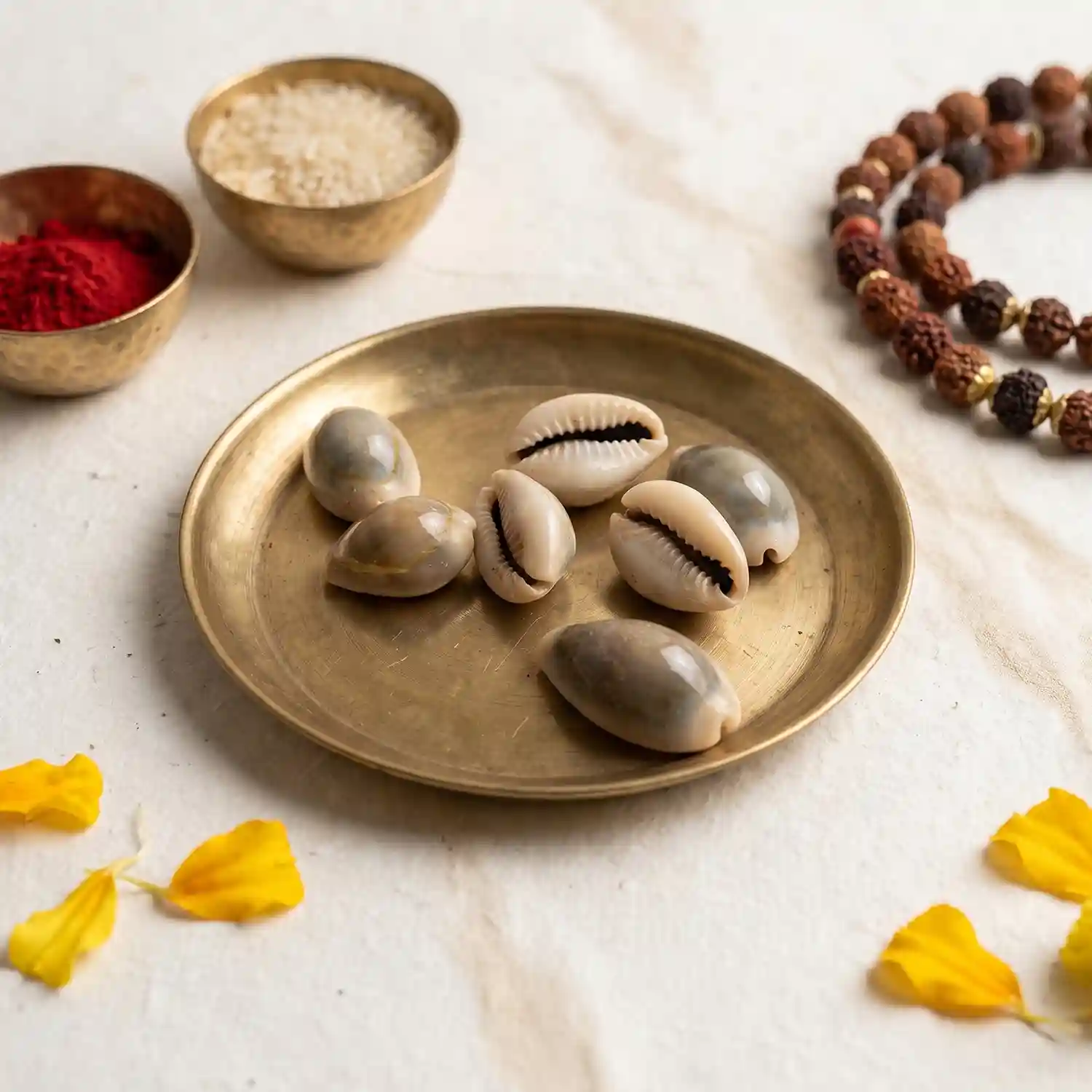

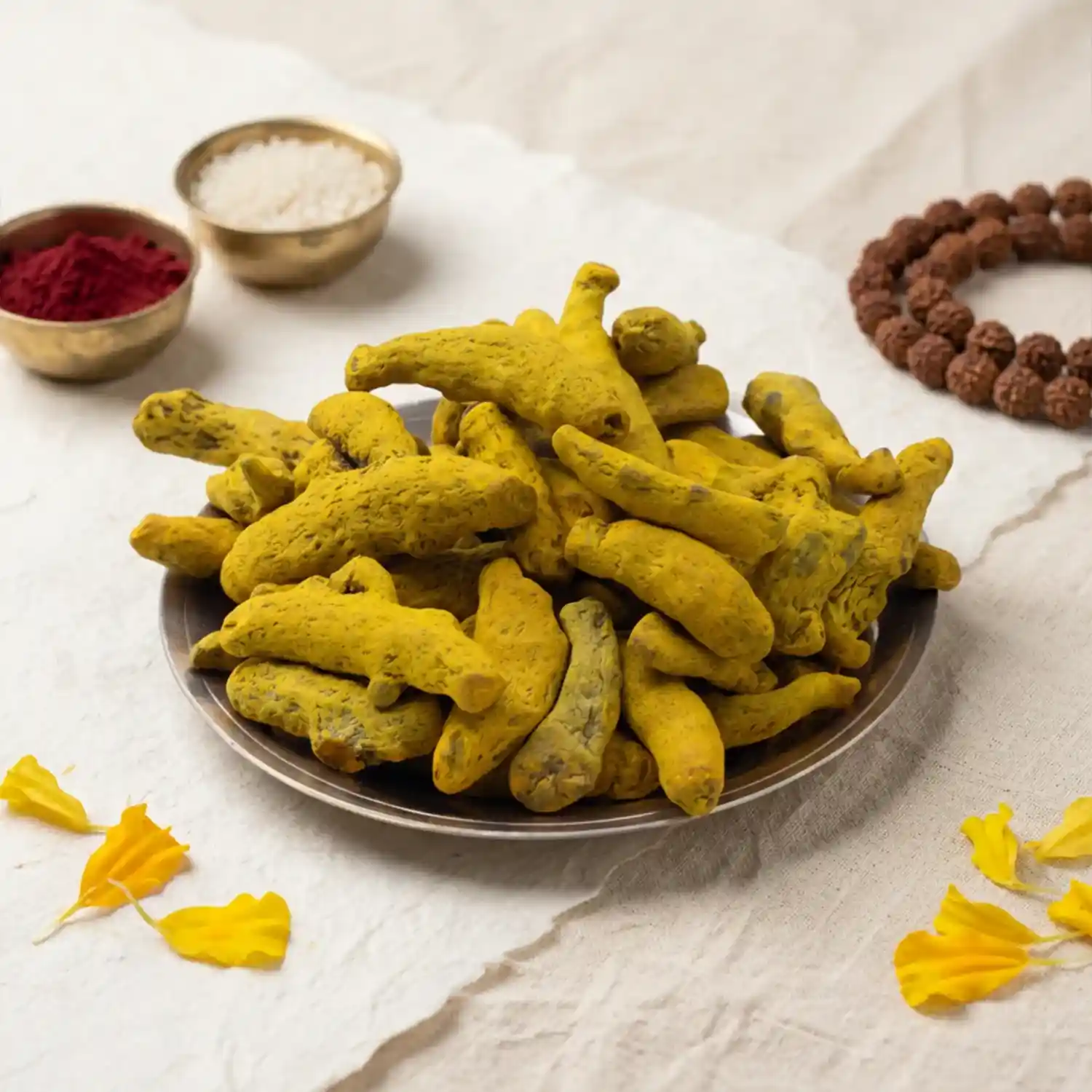
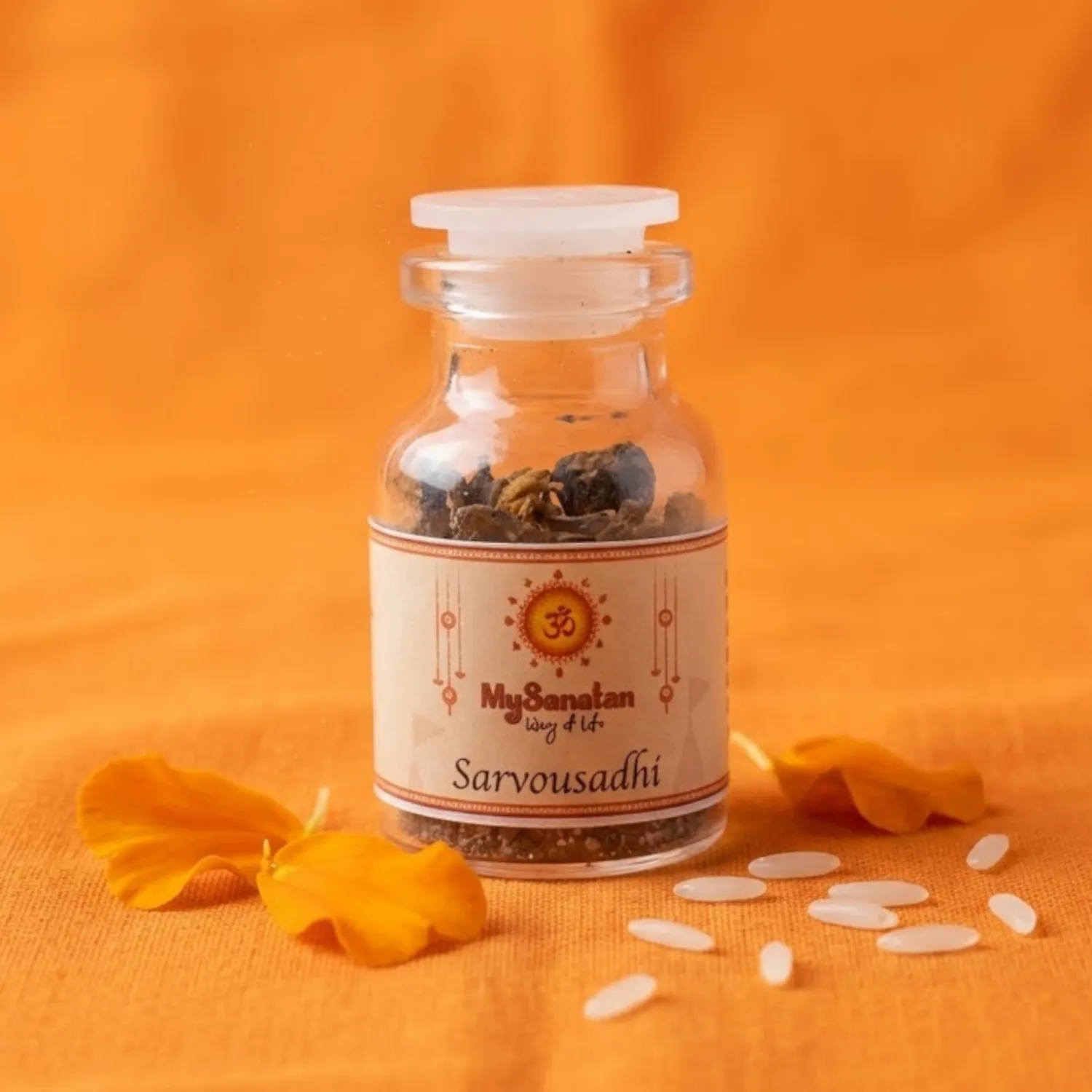
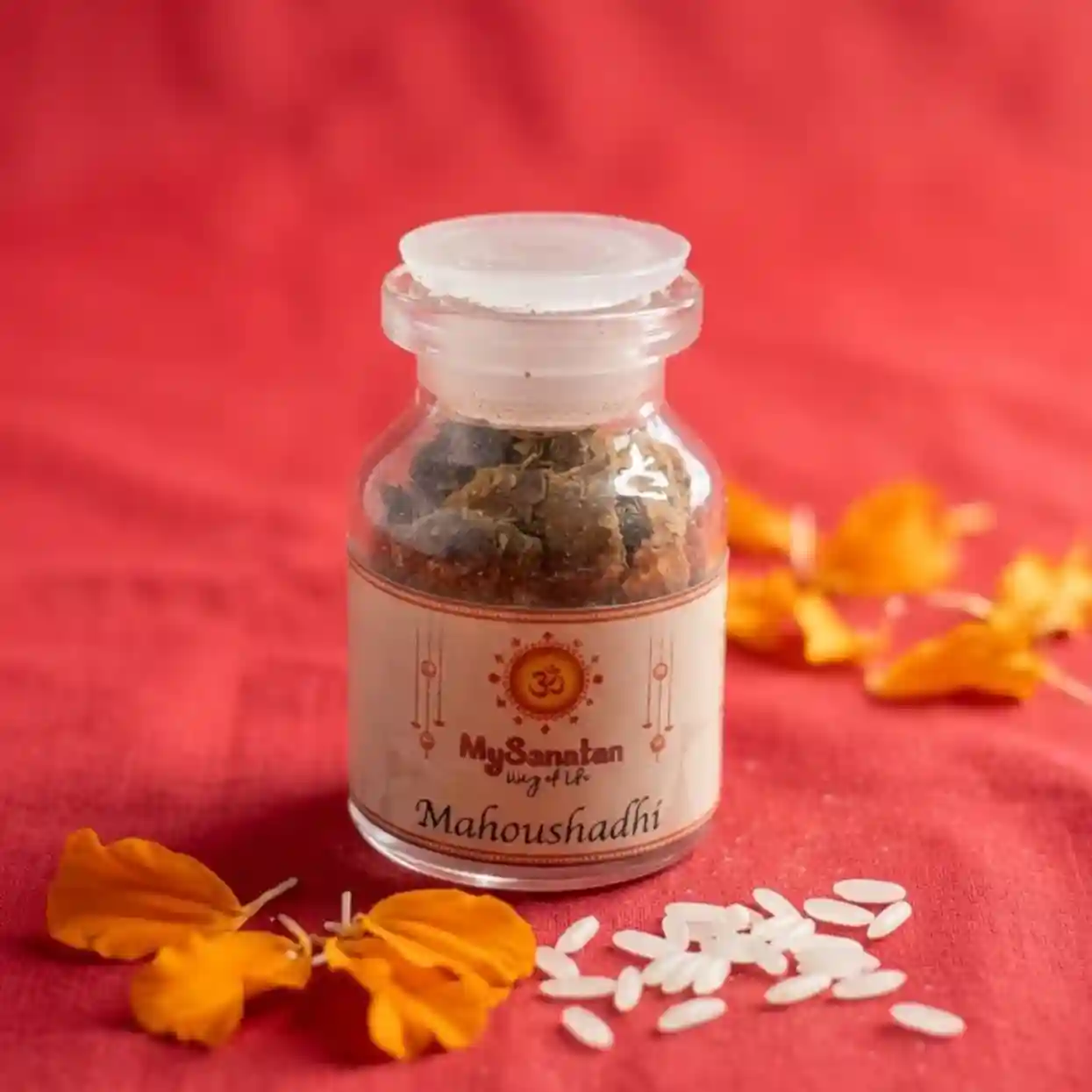
_2_11zon.webp)
.webp)




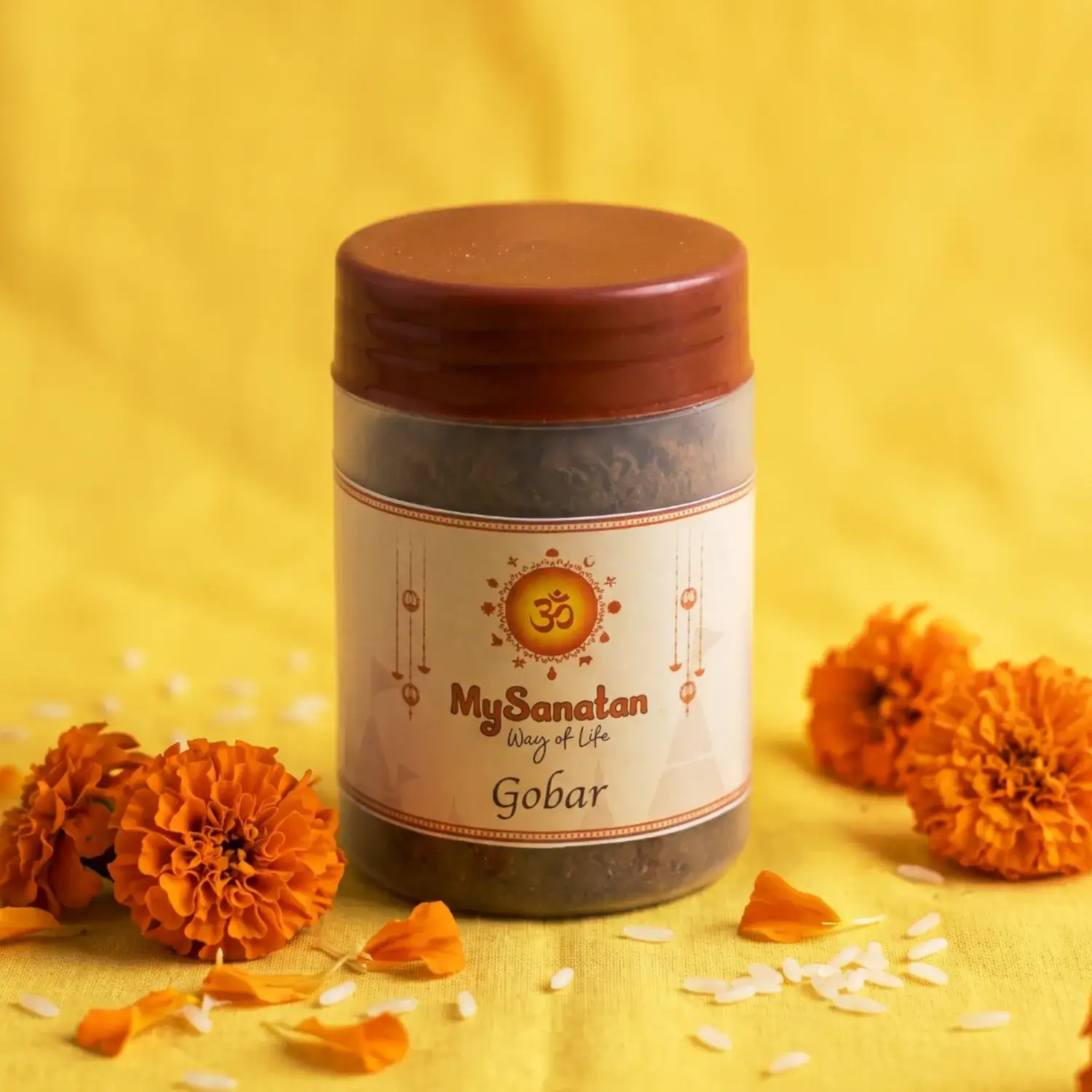
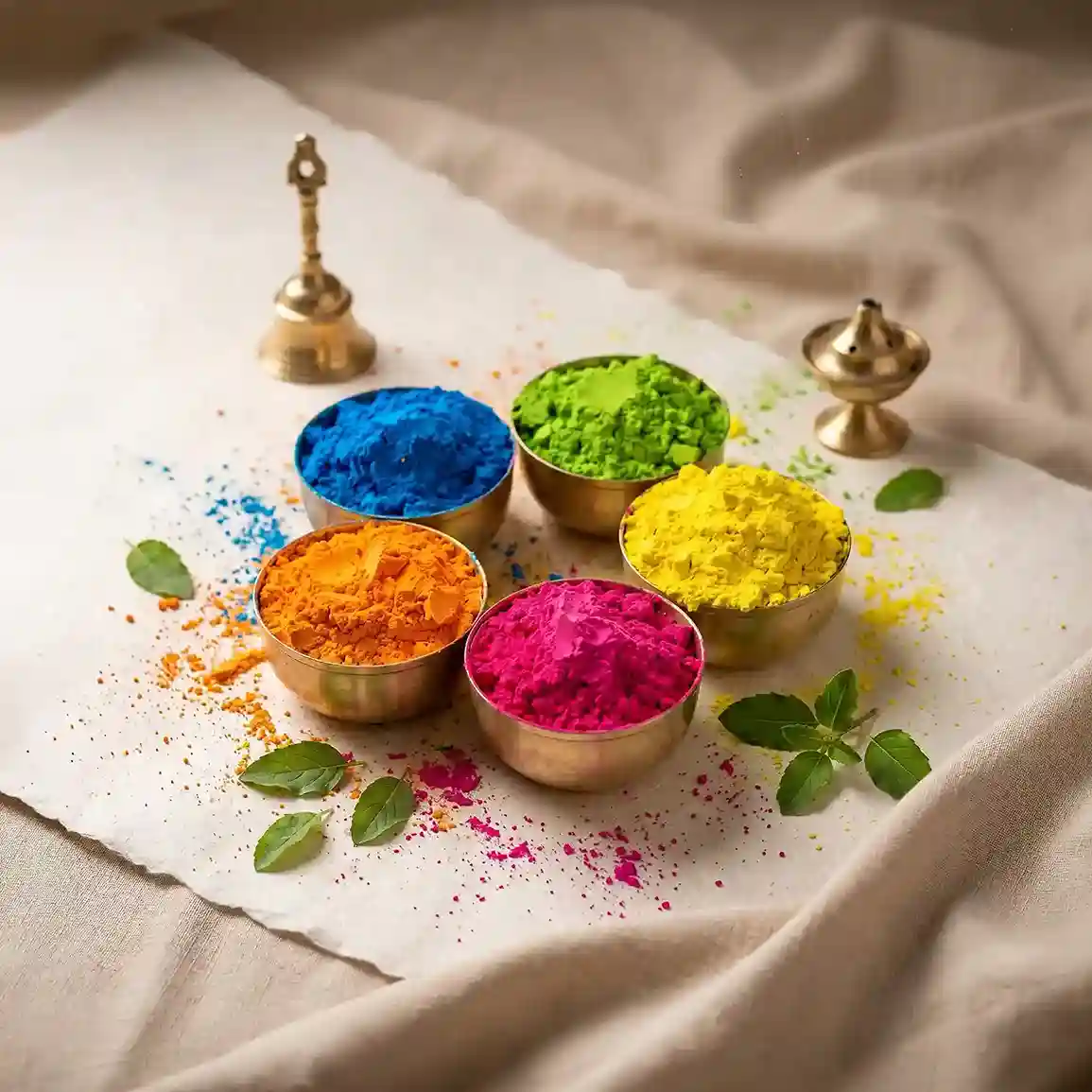
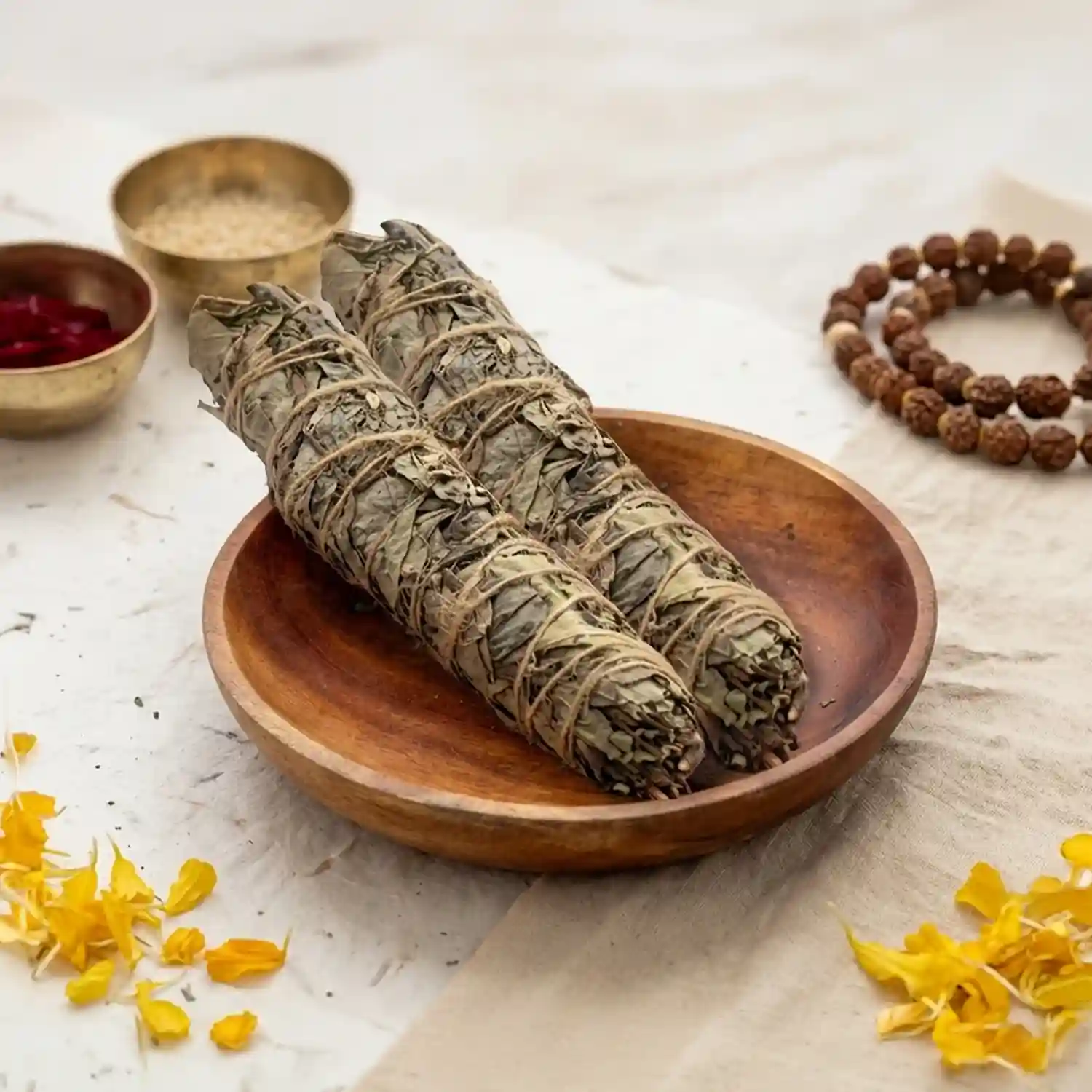
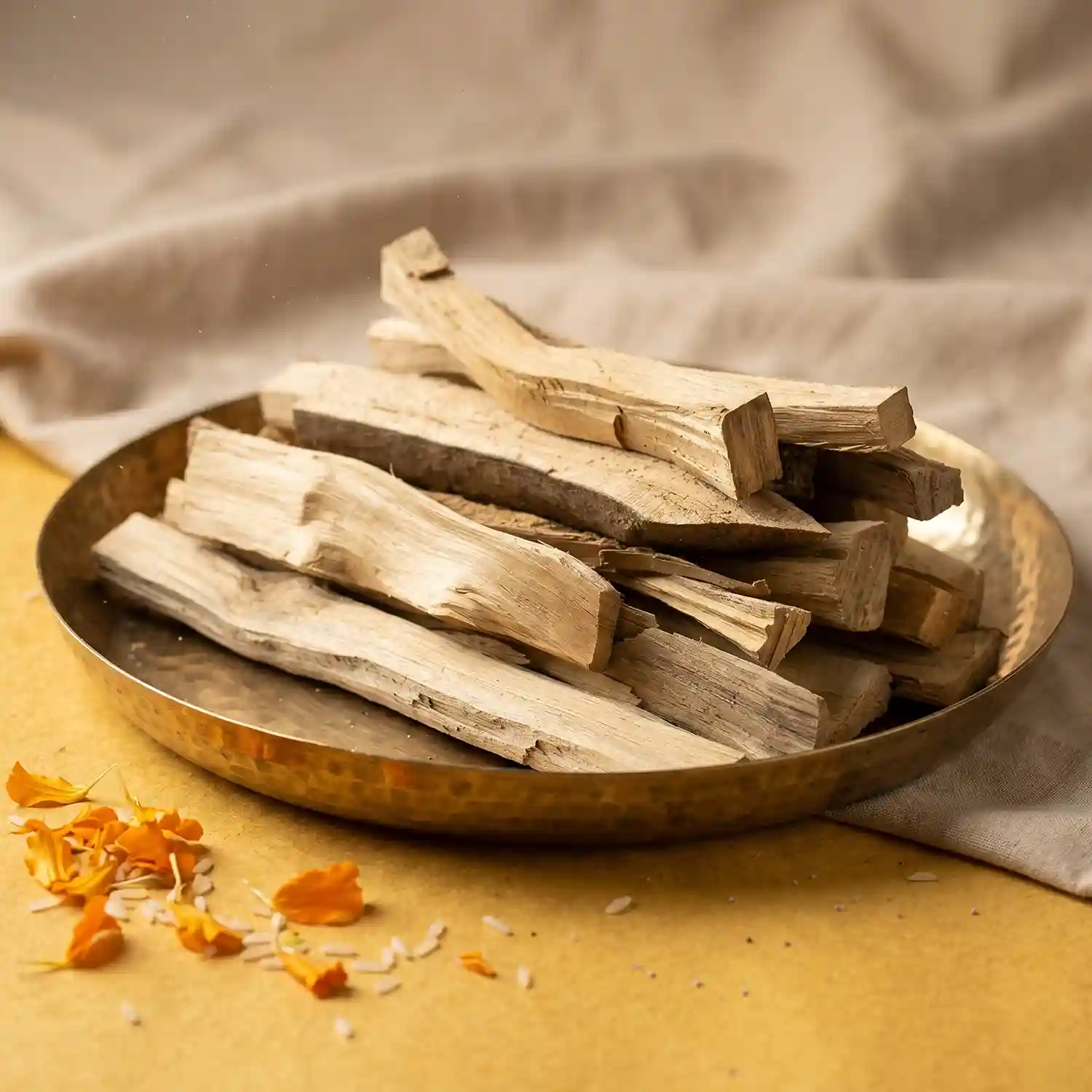
_11zon.webp)
_11zon.webp)



Frequently Asked Questions
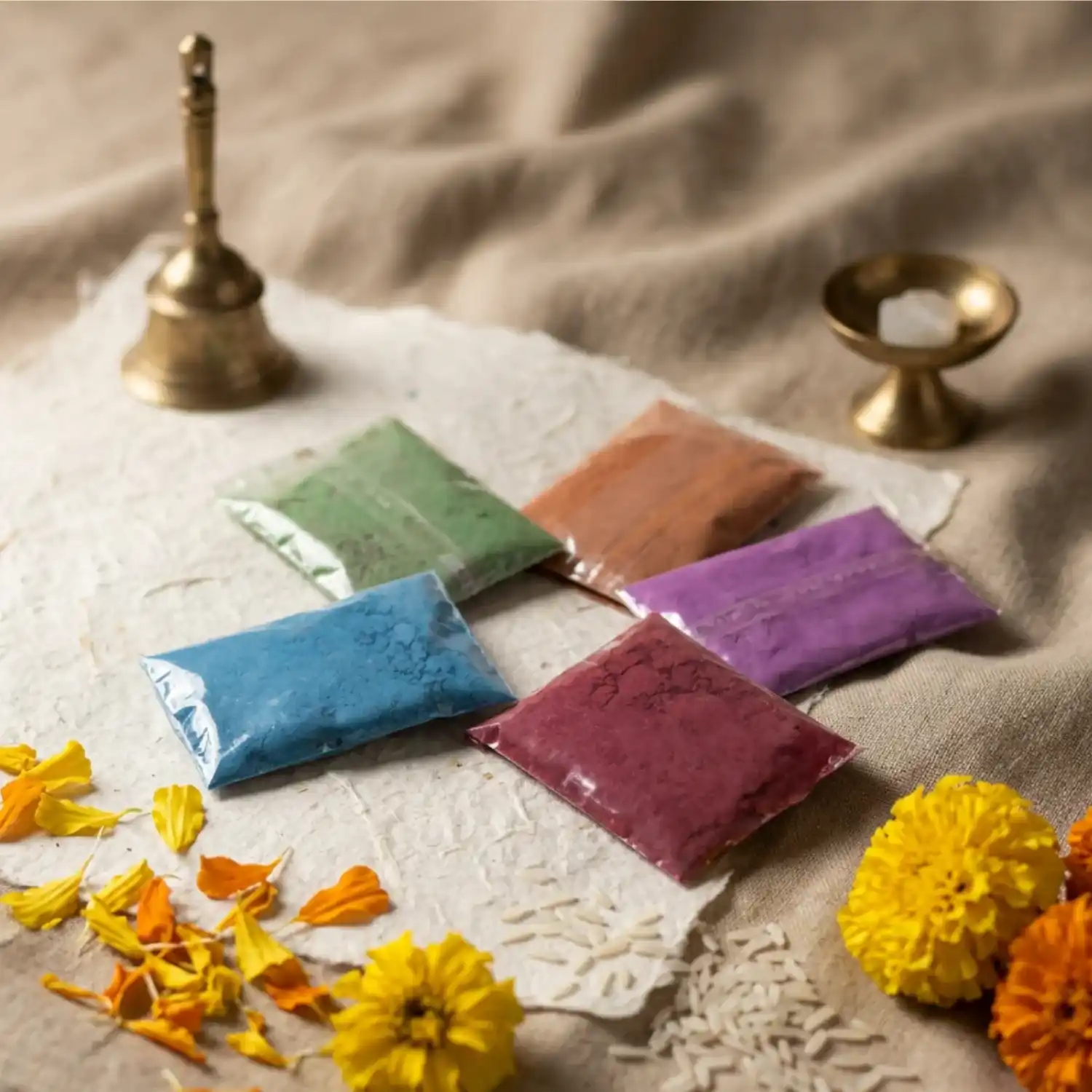
Q1: What is the purpose of the "Dashamrittika" (Ten Sacred Soils) included in this kit? For Families & Cultural Enthusiasts: In grand Shakta worship, the Goddess represents the entire universe. During her grand bath (Mahasnan), it is a tradition to bathe her reflection using soils gathered from ten highly specific, powerful locations (such as a riverbank, a royal palace door, a cow pen, and an anthill). Offering the Dashamrittika symbolizes that every aspect of the earth and society is bowing down to wash the feet of the Divine Mother!
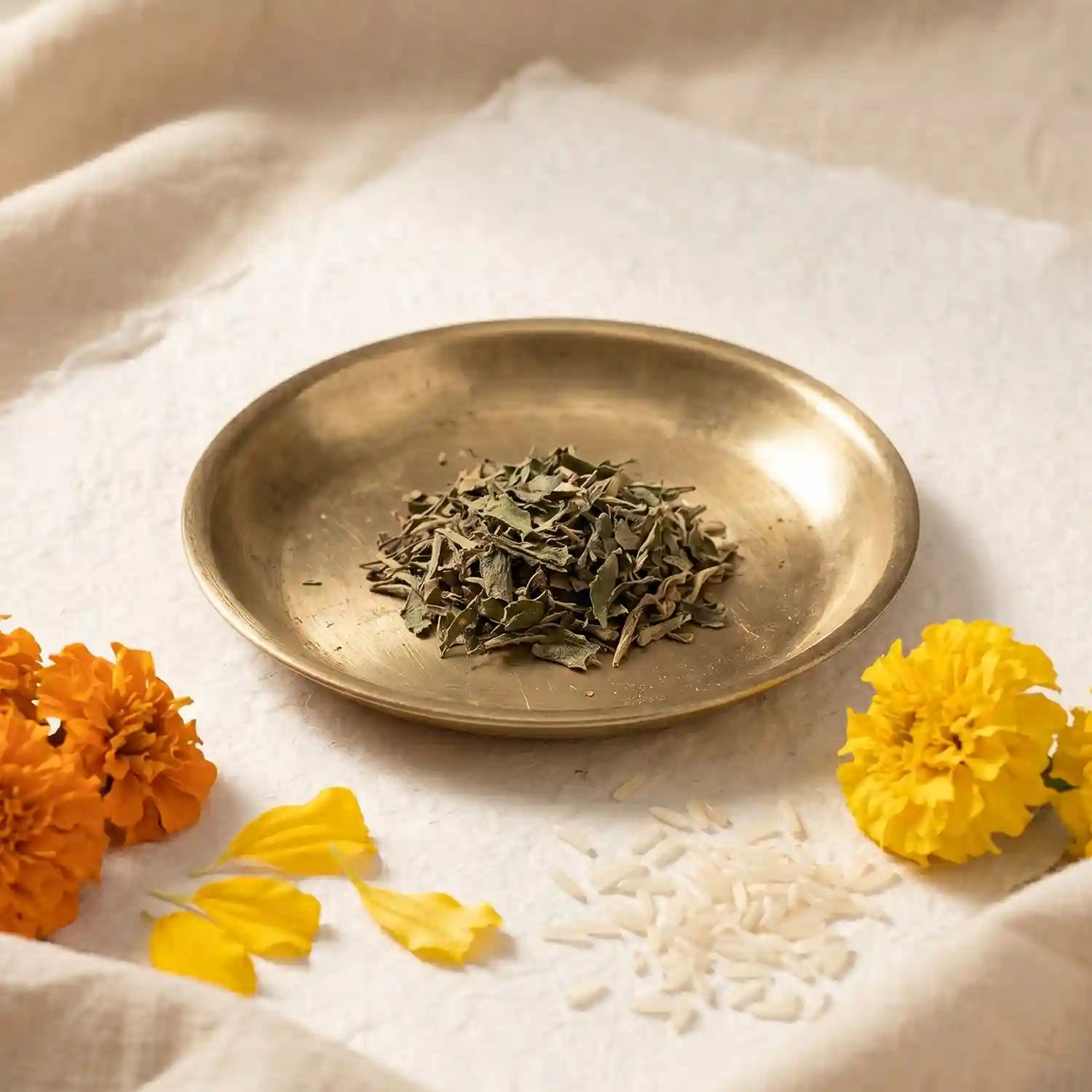
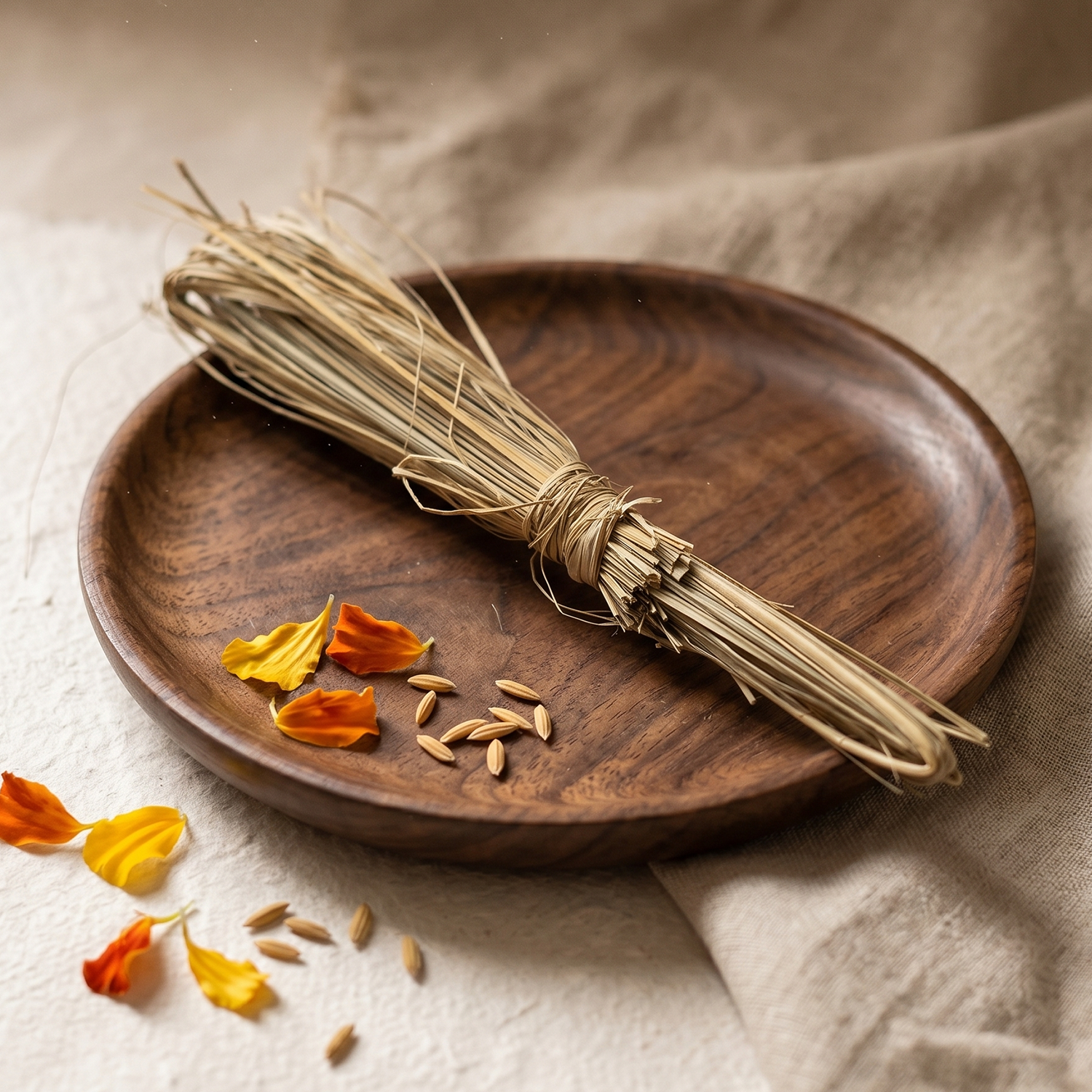
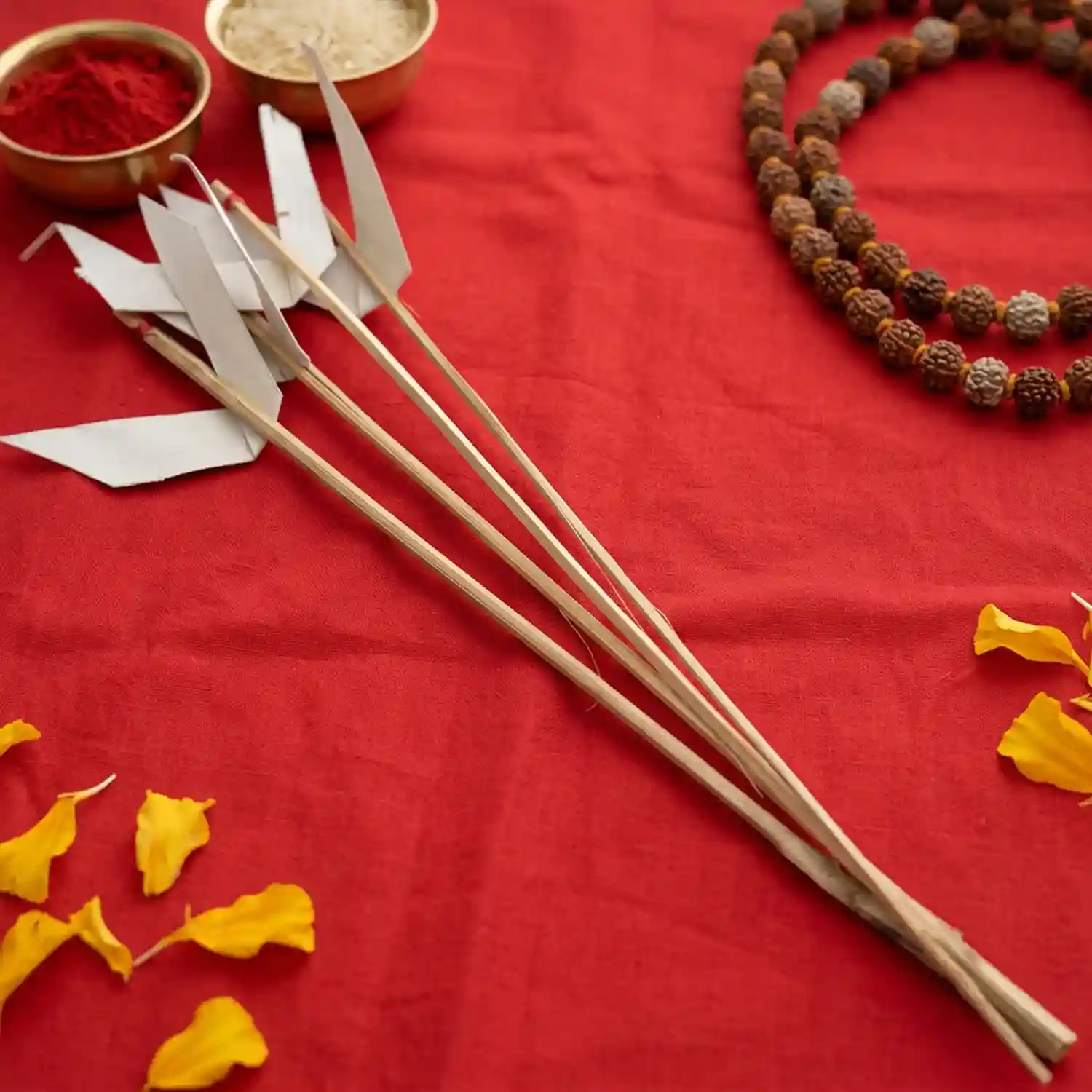
Q2: The kit includes a bundle of Kusha (Darbha) Grass for purification. How should it be placed on the altar? For Home Ritualists & Priests: The direction the grass points changes the cosmic destination of your prayer! According to the Apastamba Grhya Sutras, when performing ceremonies related to the Gods (like Goddess Jogodhatri), you must strew the Darbha grass so that its tips are eastward-pointed and northward-pointed. Conversely, if you were performing a ritual for your Ancestors, the texts strictly command that the grass must be southward-pointed.
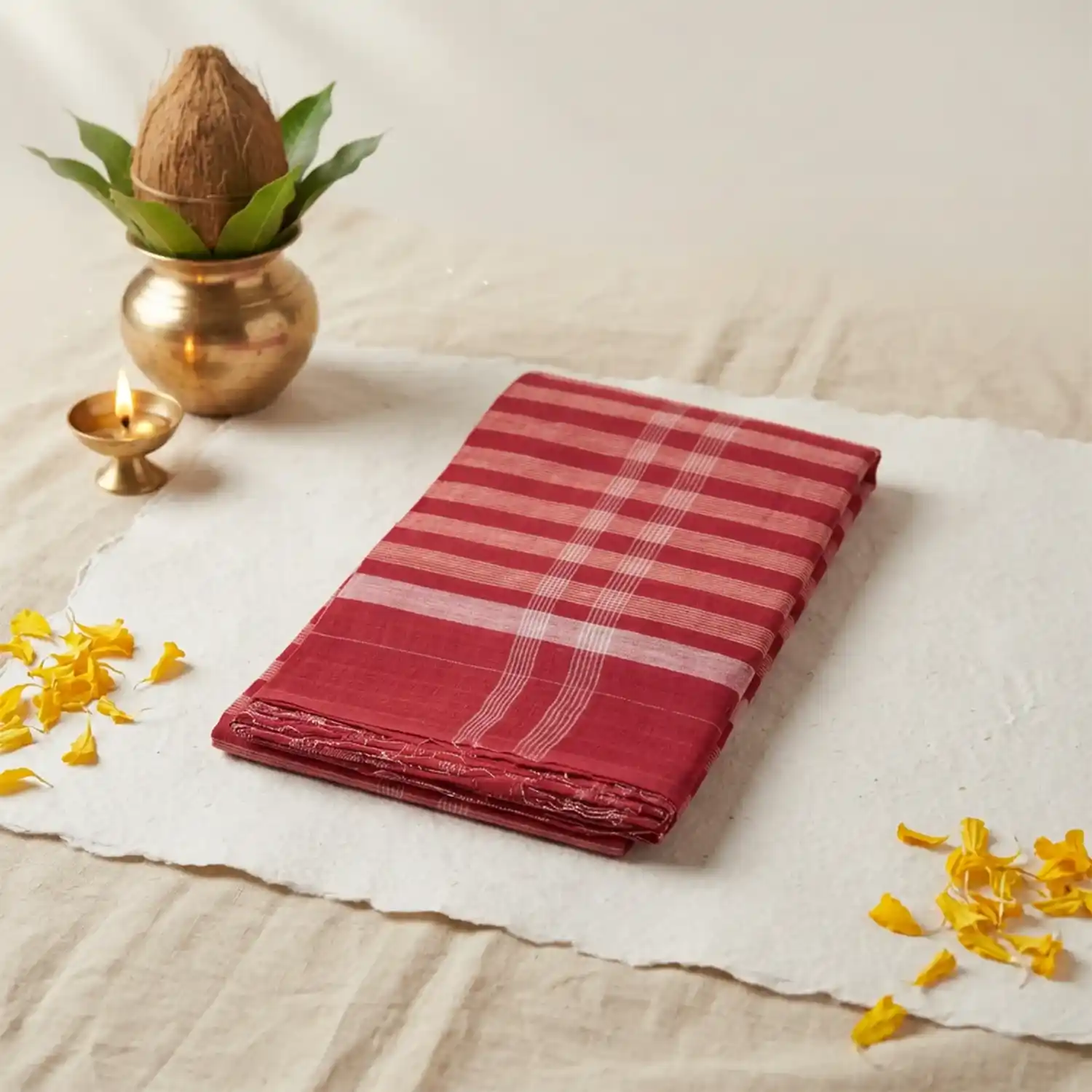
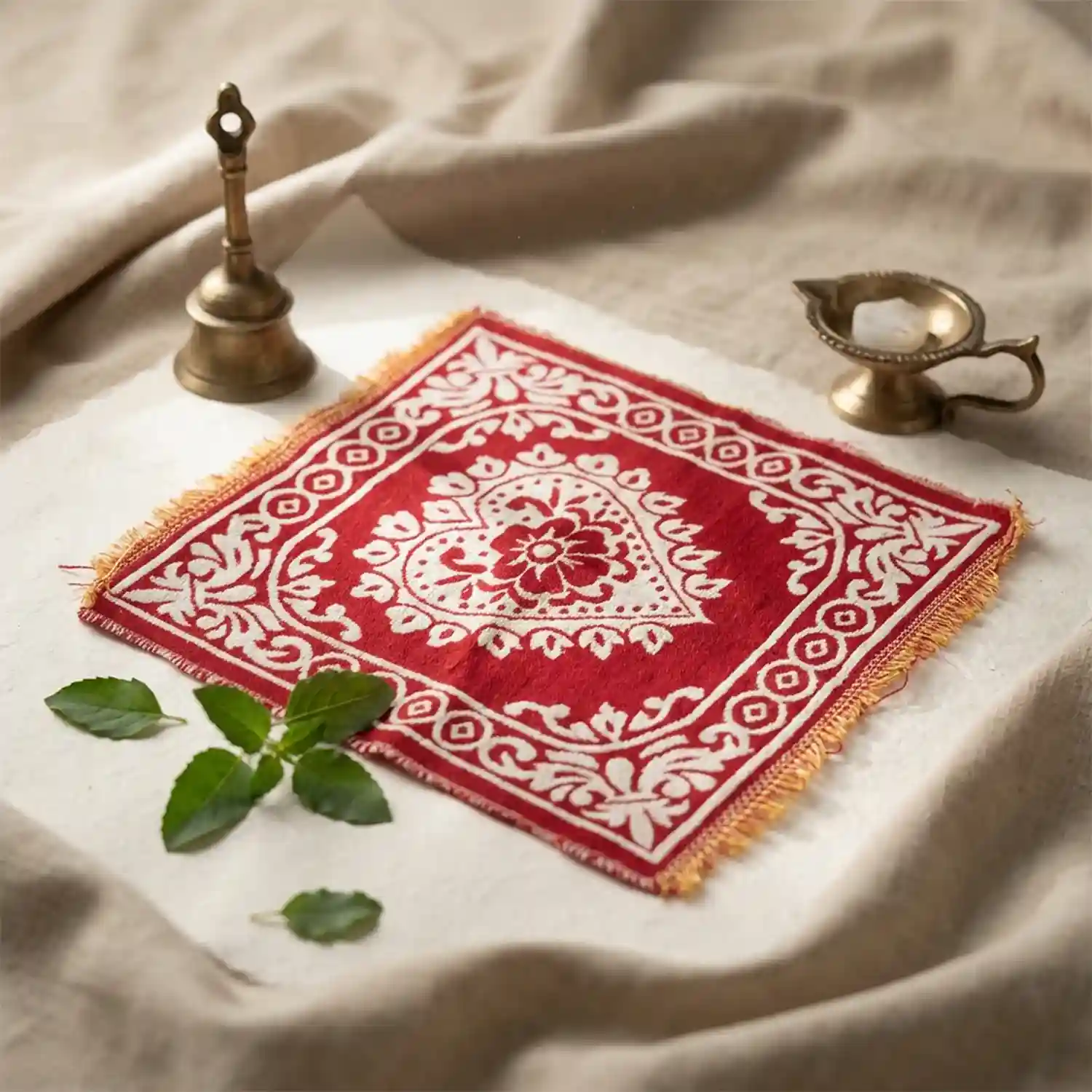
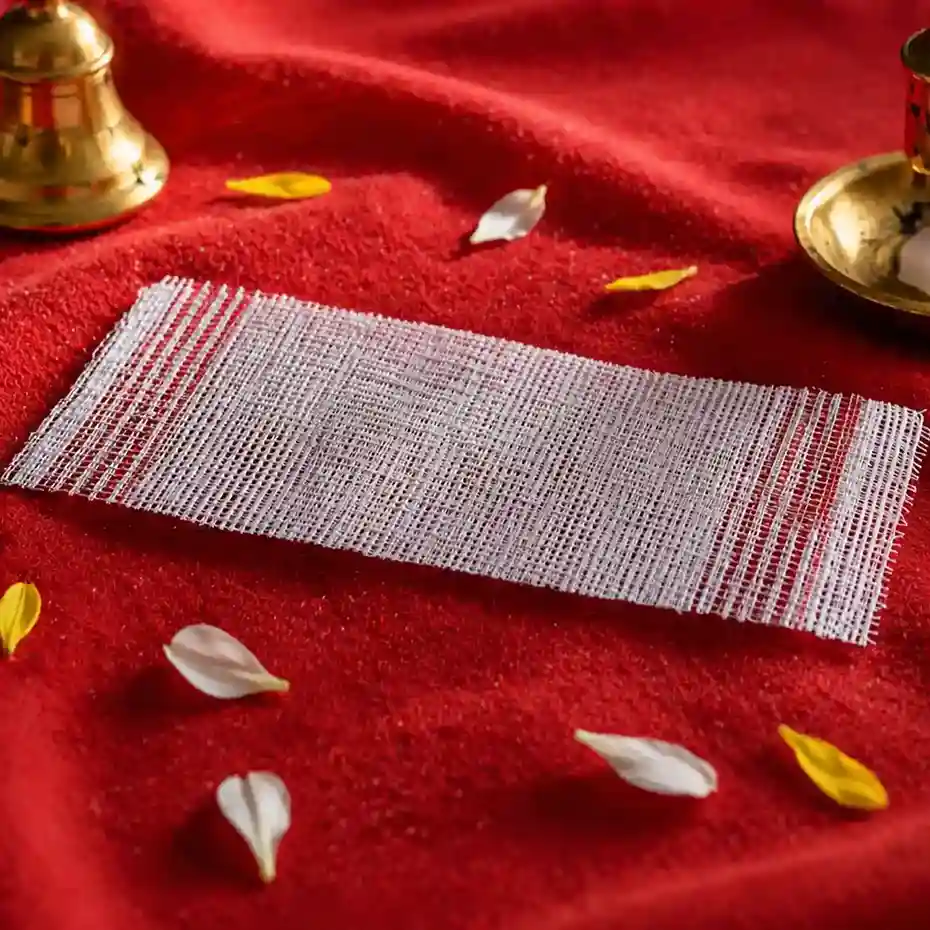
Q3: We are setting up the Havan (sacred fire) for Jogodhatri Puja. Should I use a regular cloth or something specific from the kit? For Experienced Devotees: The classical rules of the sacred fire demand utmost purity in attire. When performing the Havan, the officiant or householder should utilize the specific White Homa Cheli (Sada Homer Cheli) or the Gamcha for Havan provided in your kit. The Vedic texts mandate that a person performing sacred rites should ideally wear fresh, pure garments and their sacred thread should be draped over the left shoulder and under the right arm (a position known as Upaviti) to properly honor the deities.
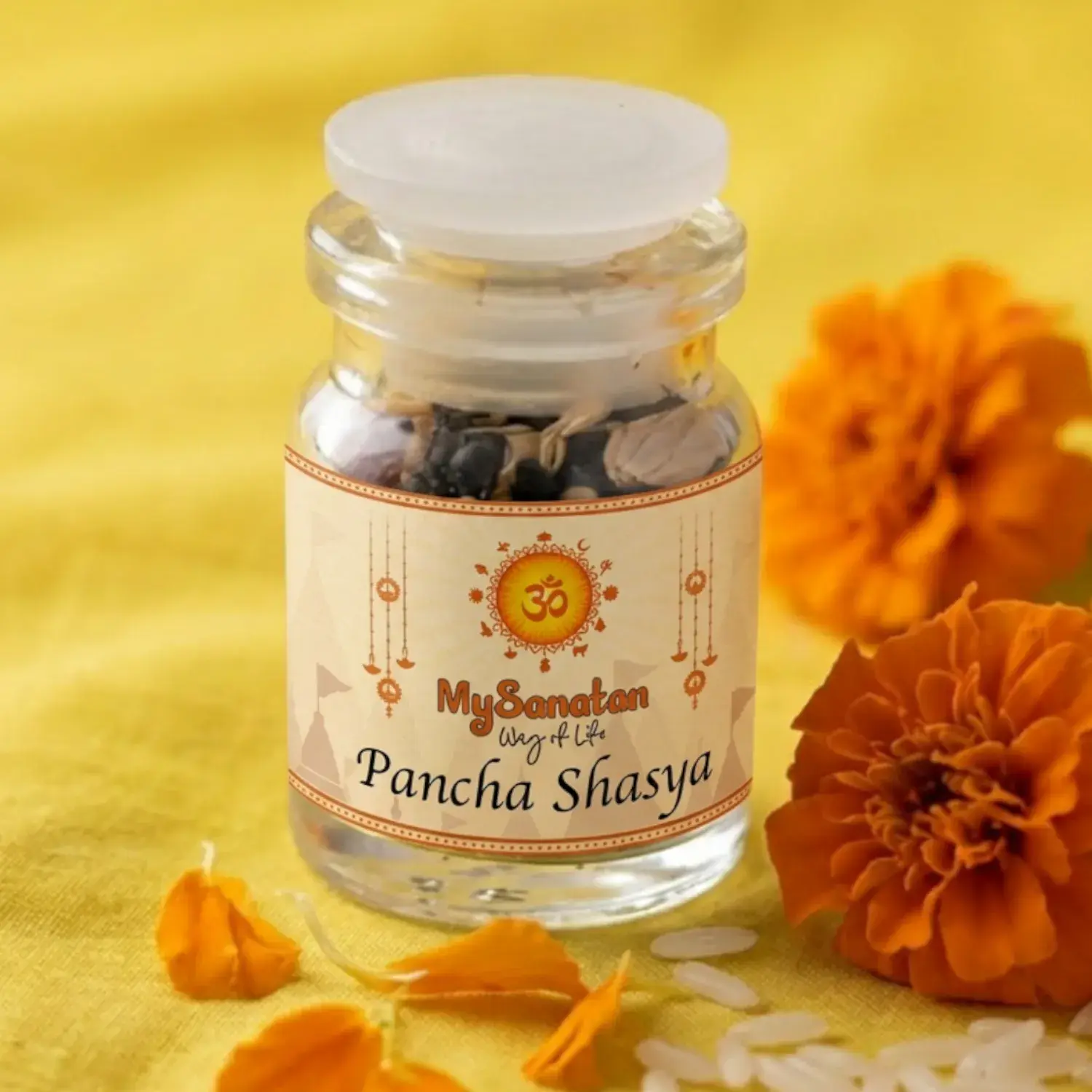
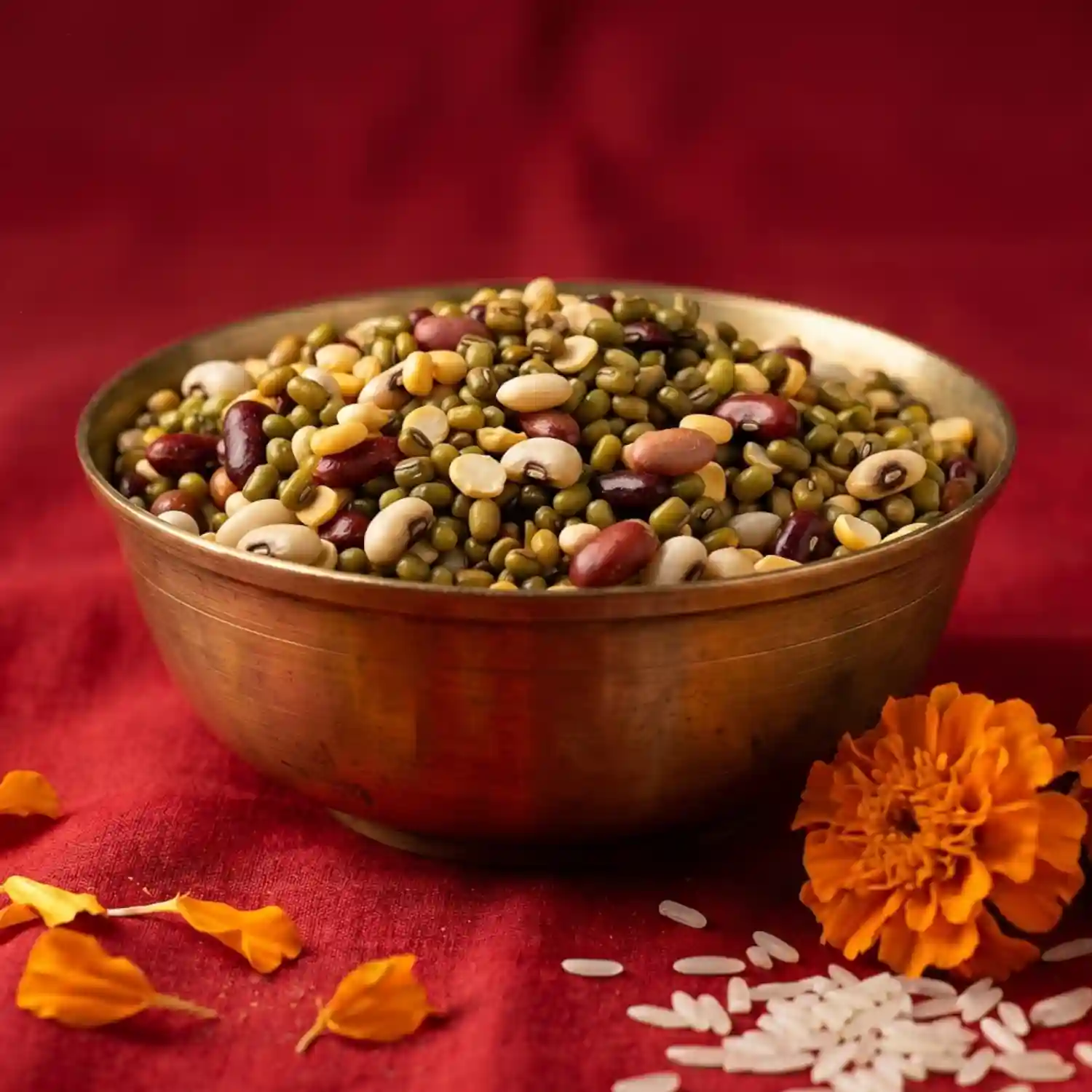
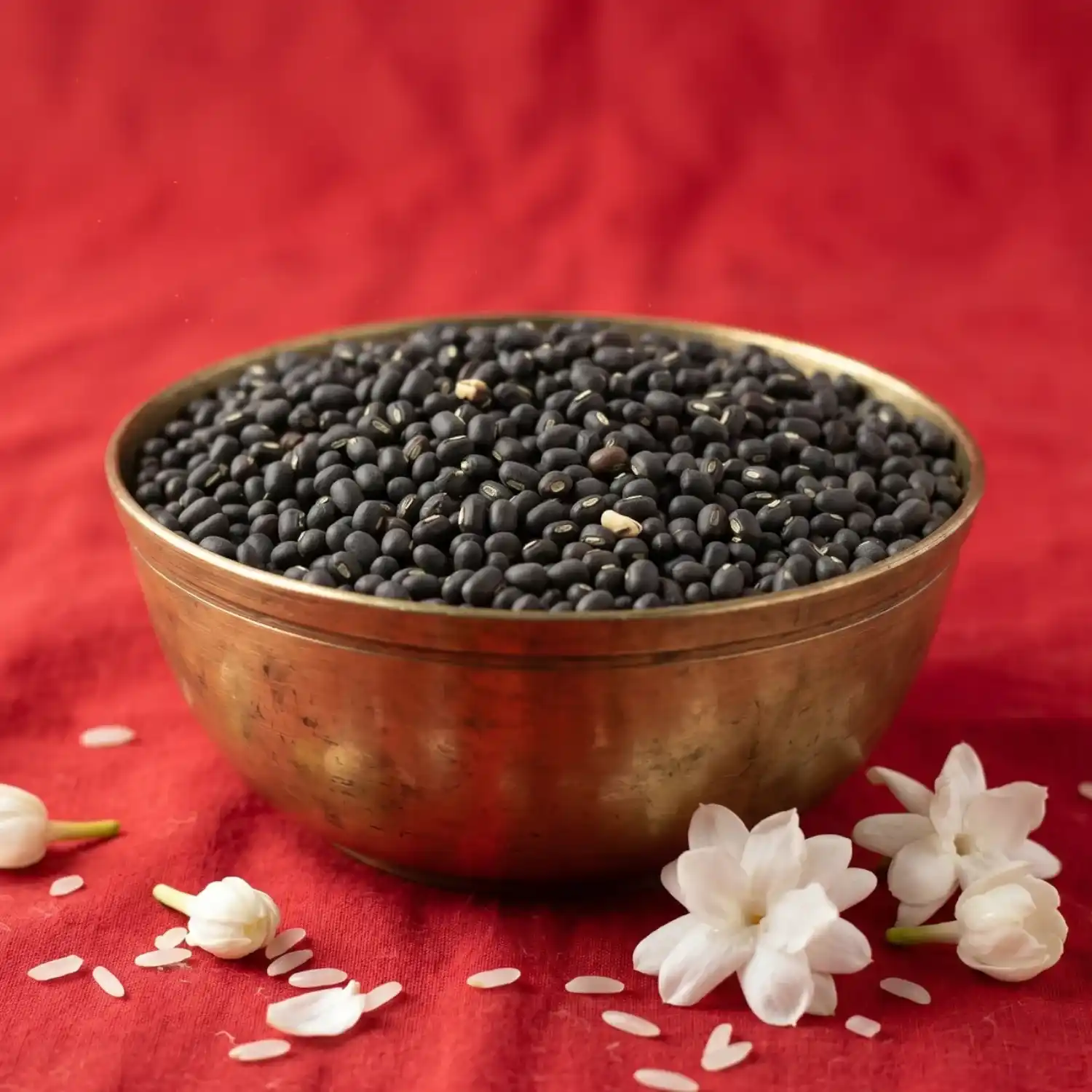
Q4: I notice "Pancha Karai" (Five Fried Grains) are included. How are these different from the "Pancha Sashya"? For Priests & Scholars: While the Pancha Sashya (Five Raw Sacred Grains like Paddy, Barley, Urad) are traditionally planted in the earth beneath the sacred water pot (Ghat) to invoke fertility, the Pancha Karai are specially roasted or fried grains. In Bengali and Shakta traditions, these fried grains are often used during the Baran(welcoming/farewell) ceremonies or specific Tantric offerings to satisfy the fierce, protective energies that accompany the Mother Goddess.
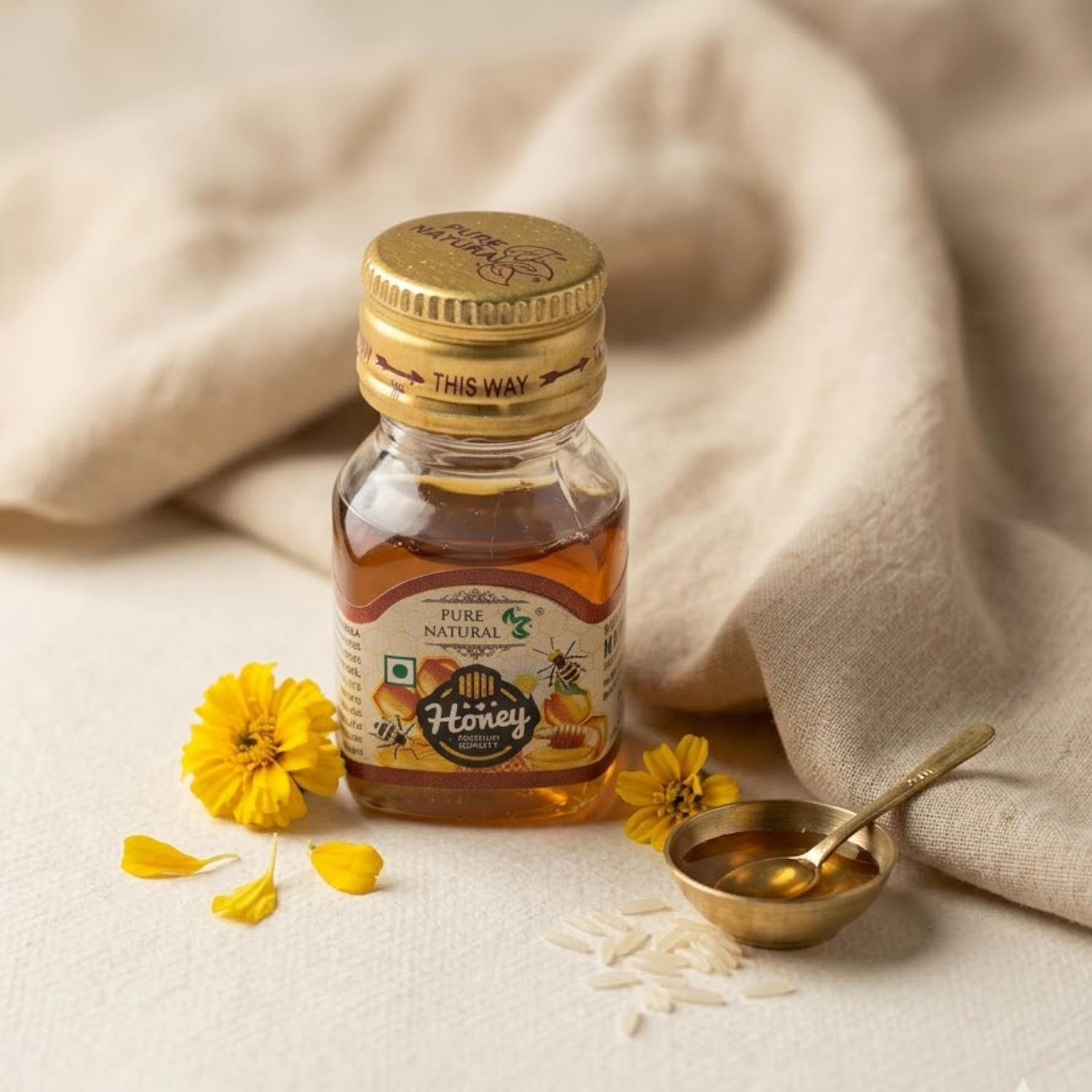
Q5: Can I offer the remaining Honey (Madhu) to Lord Shiva after offering it to Goddess Jogodhatri? For Beginners: You must be very careful with cross-offerings! While honey is a spectacular offering for the Goddess (and specifically required for the 6th step Madhuparka), classical texts strictly warn against offering the exact same items to different deities simultaneously on the same altar without specific procedures. Once an item has been formally offered to the Goddess, it becomes her Prasad (blessed remnant) and should be respectfully consumed by the family or devotees, rather than re-offered to another deity!