
preloader

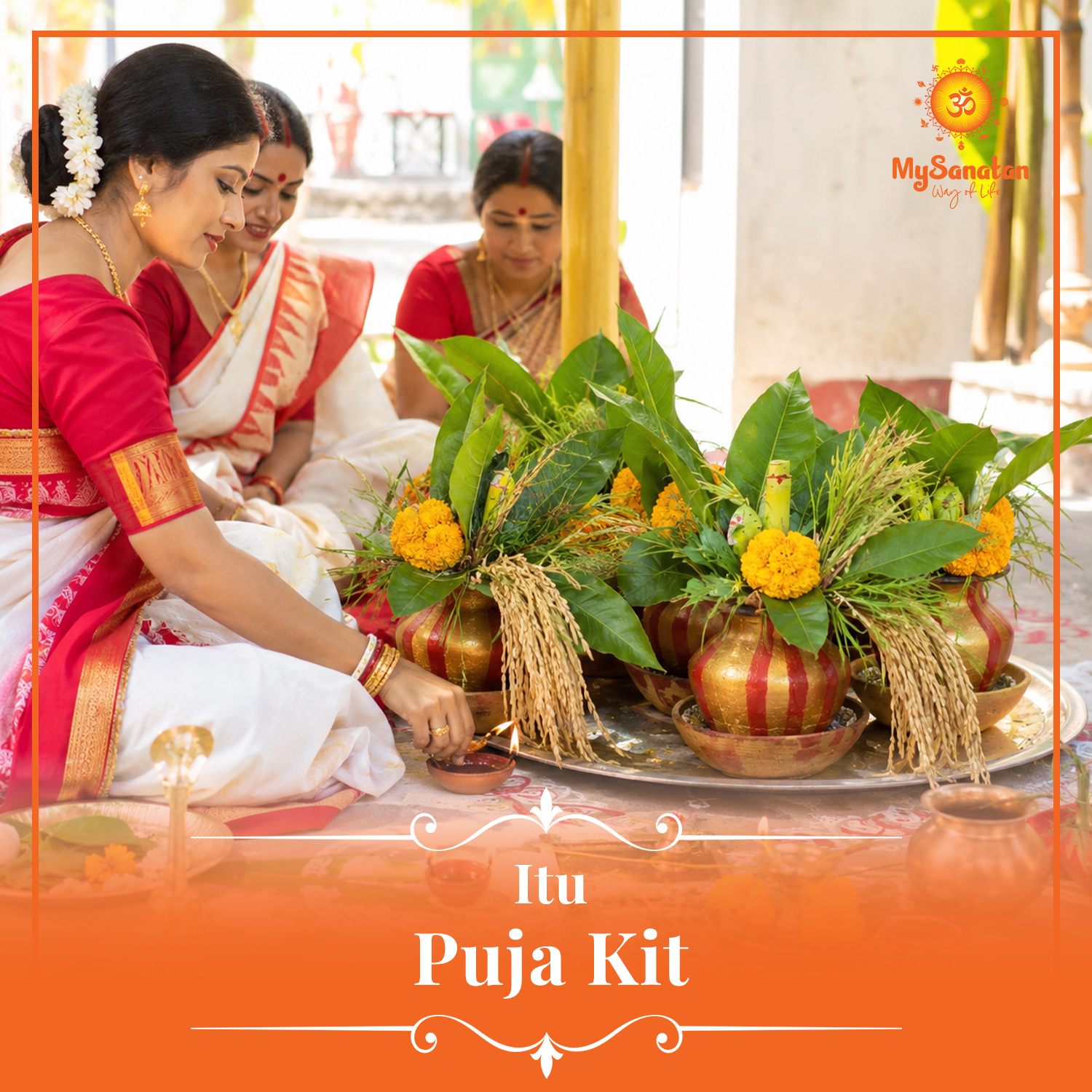
Itu Puja Kit

Itu Puja is performed to seek prosperity, family well-being, and the blessings of Goddess Itu. It removes hardships and brings happiness, abundance, harmony, and good fortune into life.

  • The Itu Puja is an orally transmitted vrata (sacred vow) traditionally told and performed by the senior female members of Bengali Hindu households to pass down wisdom to junior members. A vrata involves strict self-denial and austerities—such as fasting—which act as a signal to the deity of the worshipper's faith and devotion. Because society historically placed immense expectations on women, this ritual and its accompanying storytelling act as a vital method to teach young women self-control, survival skills, and how intelligent behavior ultimately leads to material and social success.

  • The ceremonial vow strictly begins on Kartick Sankranti (the very last day of the Bengali month of Kartick), and the regular household worship is then performed early every Sunday morning exclusively throughout the following harvest month of Agrahayan (November–December). The women of the household must observe a strict morning fast, breaking it only after the ritual and story are completed. During this period, participants traditionally abstain from eating meat and fish.

The Itu puja ritual is performed intimately at home by the women of the household.

  • Step 1 - The Fast & Preparation: The women of the household wake up early and observe a strict fast. They establish the twin Brass Ghats on the Red Asan, filling them with grains to represent the deity.
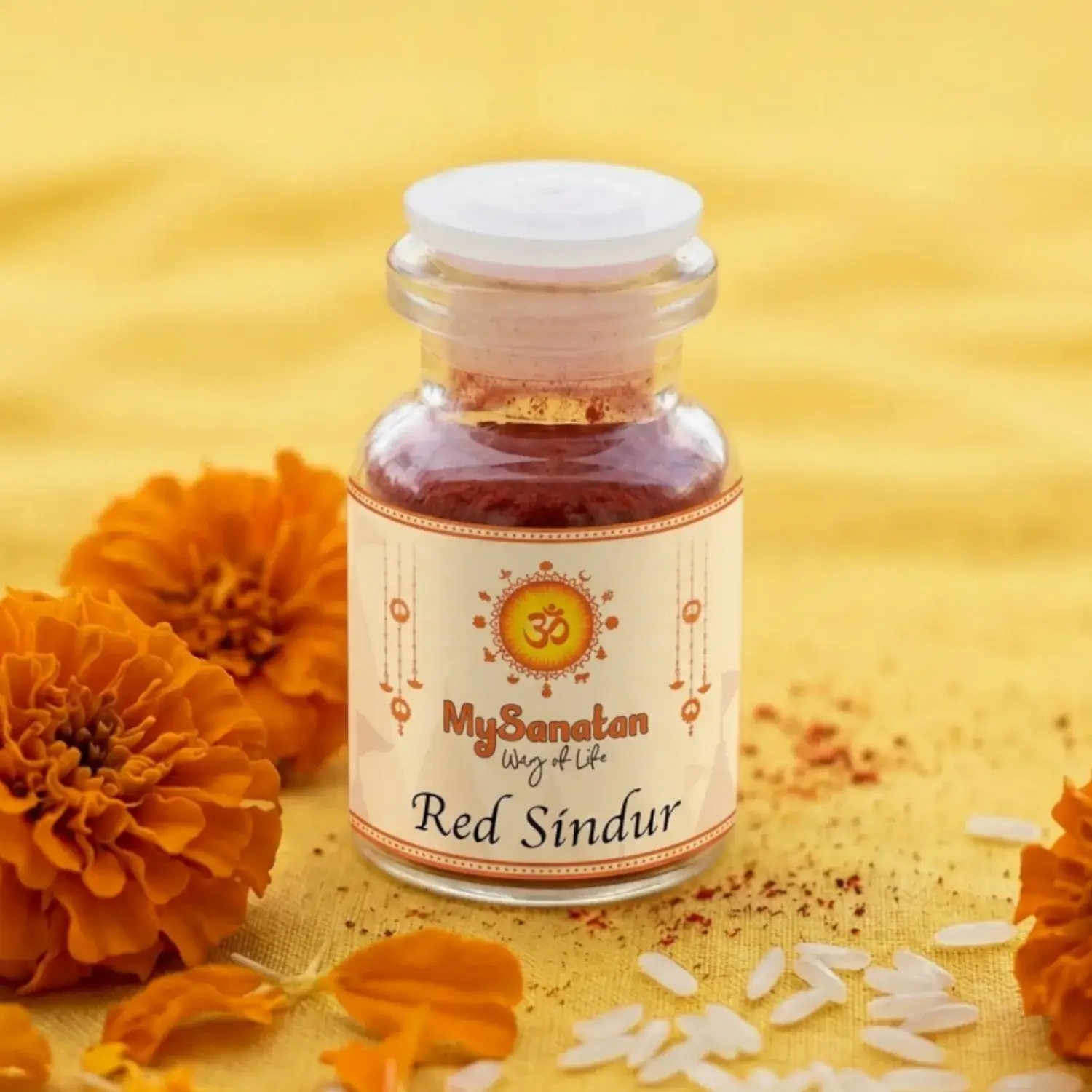
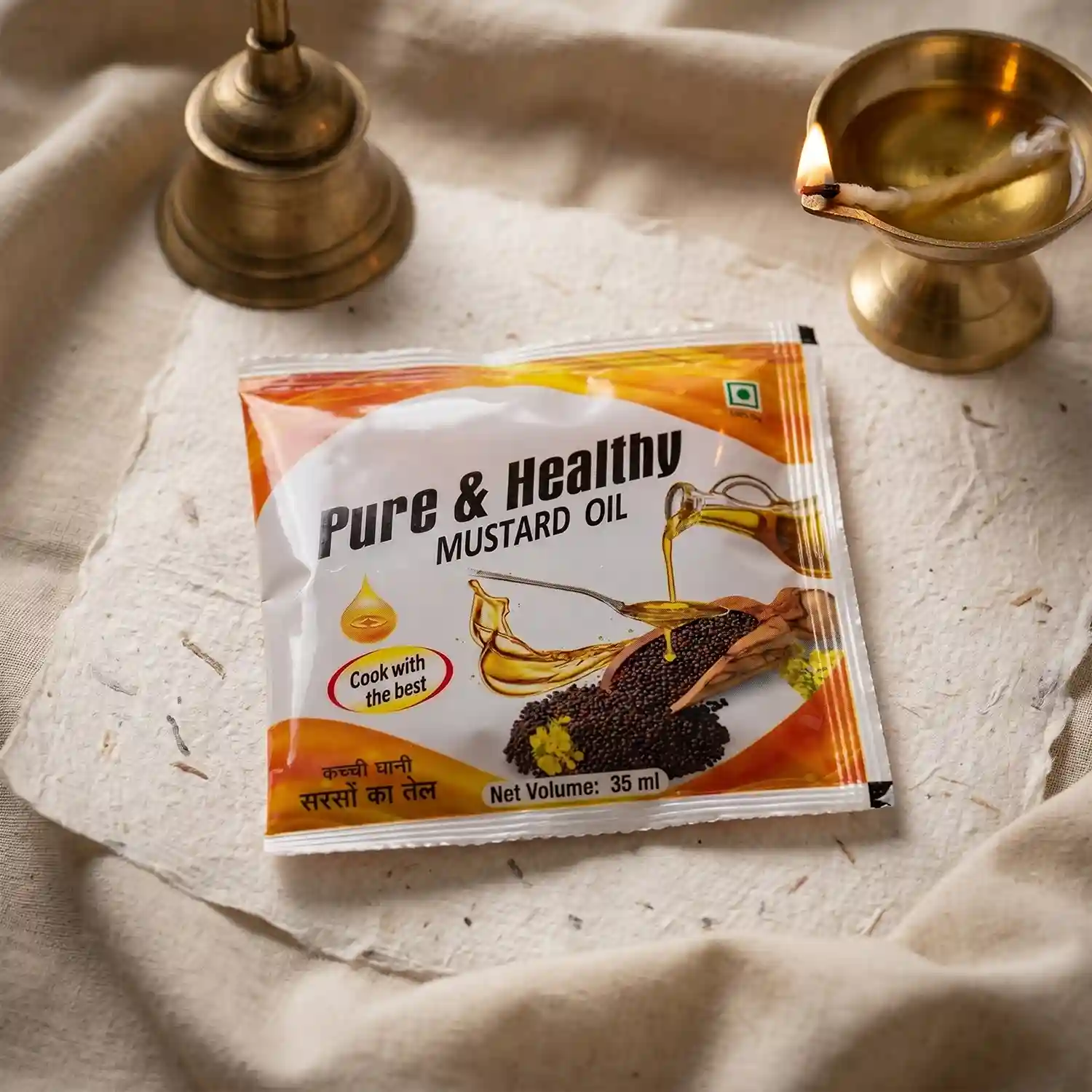
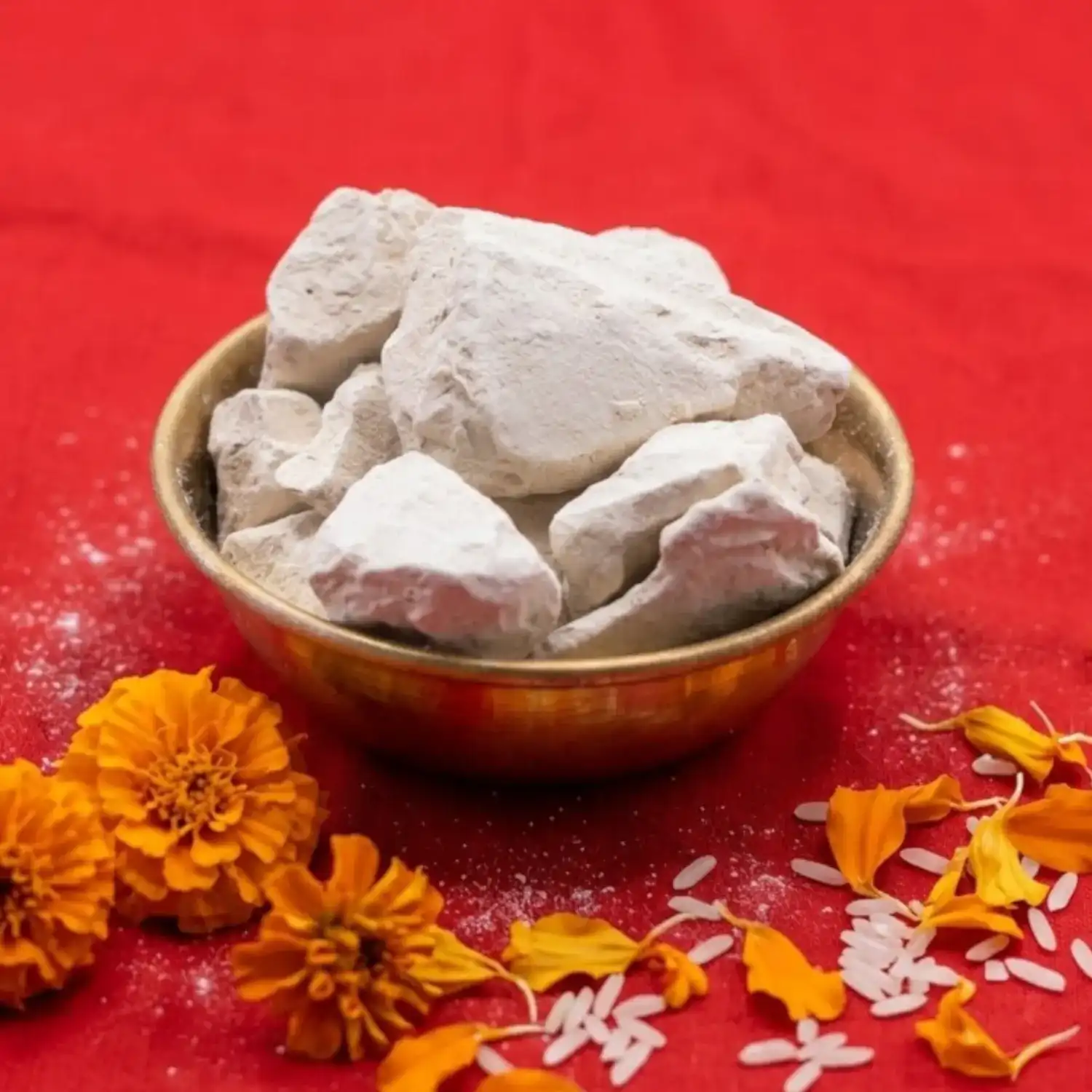
  • Step 2 - The Offerings: The women lovingly decorate the pots and the floor using the traditional Khari Mati clay. They apply the Red/White Chandan and Sindur, and light the earthen lamps using the Mustard Oil and Cotton Wicks.
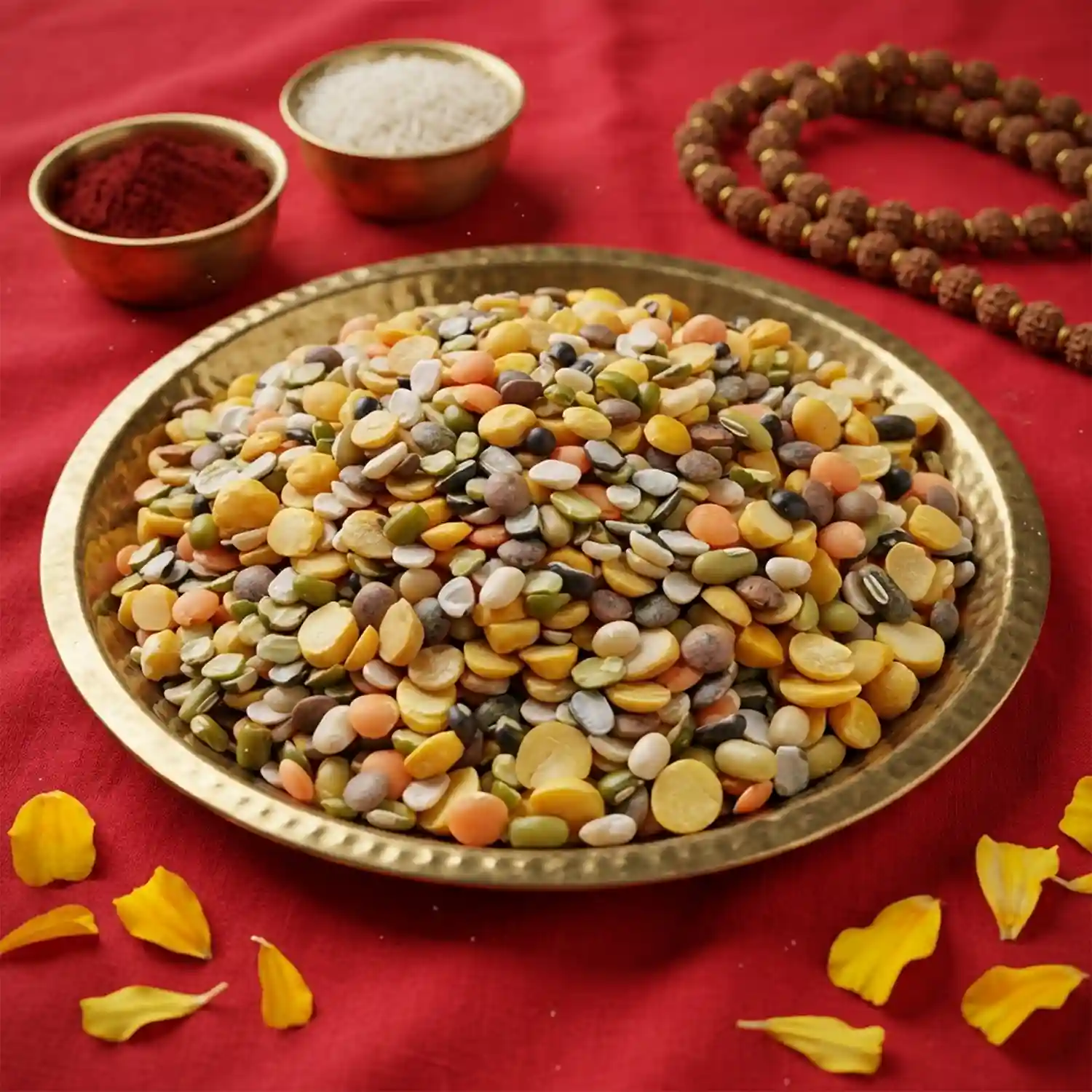
  • Step 3 - The Bengali Folk Rhyme: Instead of chanting Sanskrit mantras, the women and children gather around the shrine holding the 8 types of grains (Asta Karai) and recite the traditional Bengali folk rhyme to invoke the deity. The family recites:
  • Step 4 - The Vrata Katha (The Tale of Itu): The senior female members narrate the sacred story of the two sisters, Umno and Jhumno. The tale teaches the younger generation how devotion, humility, and keeping one's vows lead to immense rewards.
  • Step 5 - Breaking the Fast: Only after the story is completely told, and the air is purified with the Pure Camphor, do the women joyfully break their Sunday morning fast.

  •  • Wealth and Fertility: The traditional Bengali rhyme explicitly promises that whoever hears or recites the Katha(tale) of Itu will be blessed by the deity with money and children.
  •  • Elevation of the Extended Family: The folklore strictly assures that through the devoted performance of this ritual, the extended family of both the parents and the in-laws will ascend to the heavens in a chariot.
  •  • Feminine Empowerment: The ritual actively teaches women that self-discipline—such as controlling one's appetites to fast—is a vital skill for maintaining one's bargaining position and achieving upward social mobility.

  • The MySanatan Itu Household Puja Kit provides exactly what women need to perform this beautiful oral tradition perfectly! By specifically including the authentic Asta Karai (Eight Grains), we have meticulously honored the exact instructions laid out in the traditional Bengali folk rhymes. Whether you are establishing your grain-filled brass pots or narrating the tale of Umno and Jhumno to your children, this kit ensures your family can celebrate the harvest Vrata with profound devotion, cultural pride, and uncompromising authenticity!
Standard Package
Package Total: ₹355.00
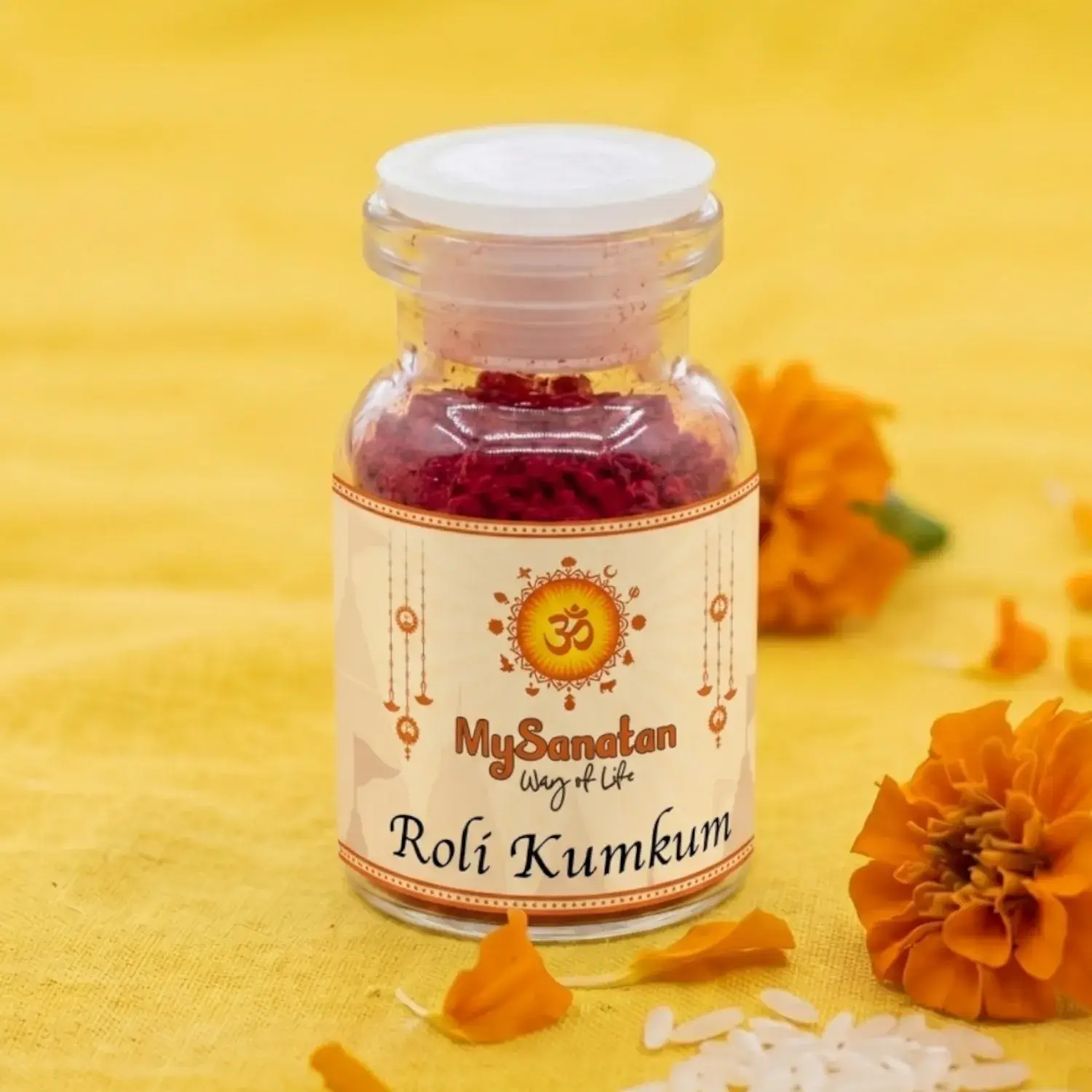
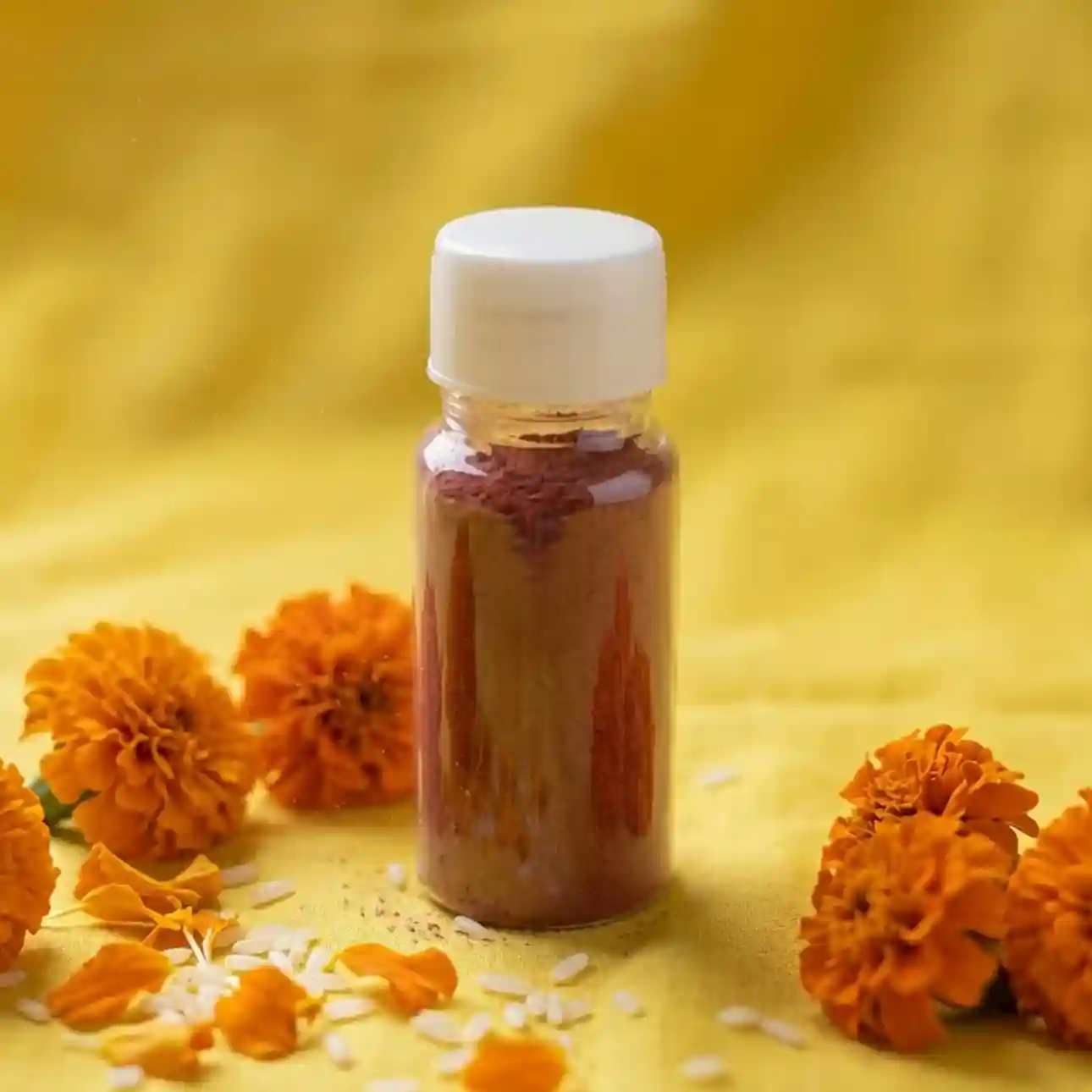
Red Roli Kumkum for Puja and Tilak
5 Gram
1
10.00
Red Sindur For Puja | Sacred Vermilion
5 Gram
1
10.00
Akshat Rice | Chawal | Chal
20 Gram
1
25.00
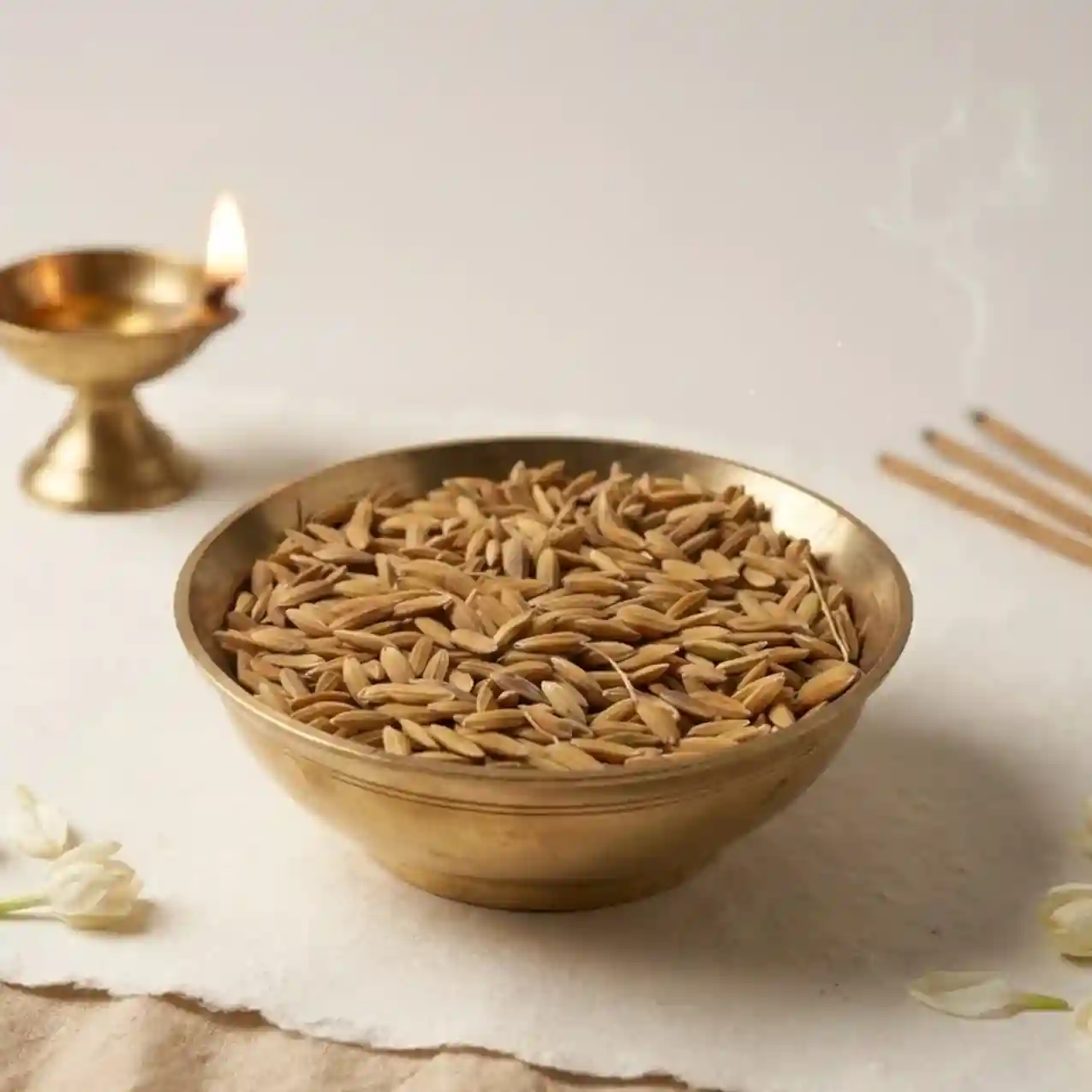
Paddy | Dhan
20 Gram
1
15.00
Long Cotton Wicks
1 Pack
1
20.00
Round Cotton Wicks | Phool Batti
1 Pack
1
20.00
Mustard Oil | Sarson ka Tel | Small Pack
35 ML
1
10.00
Khari Mati | Natural Khadiya Mitti | White Chalk Clay
100 Gram
1
19.00
Ganga Jal | 100% Pure & Authentic | Small Pack
100 ML
1
25.00
Red Asan for God | Devotional Red Asan | Red Chowki Asan for God | Medium
1 Piece
1
35.00
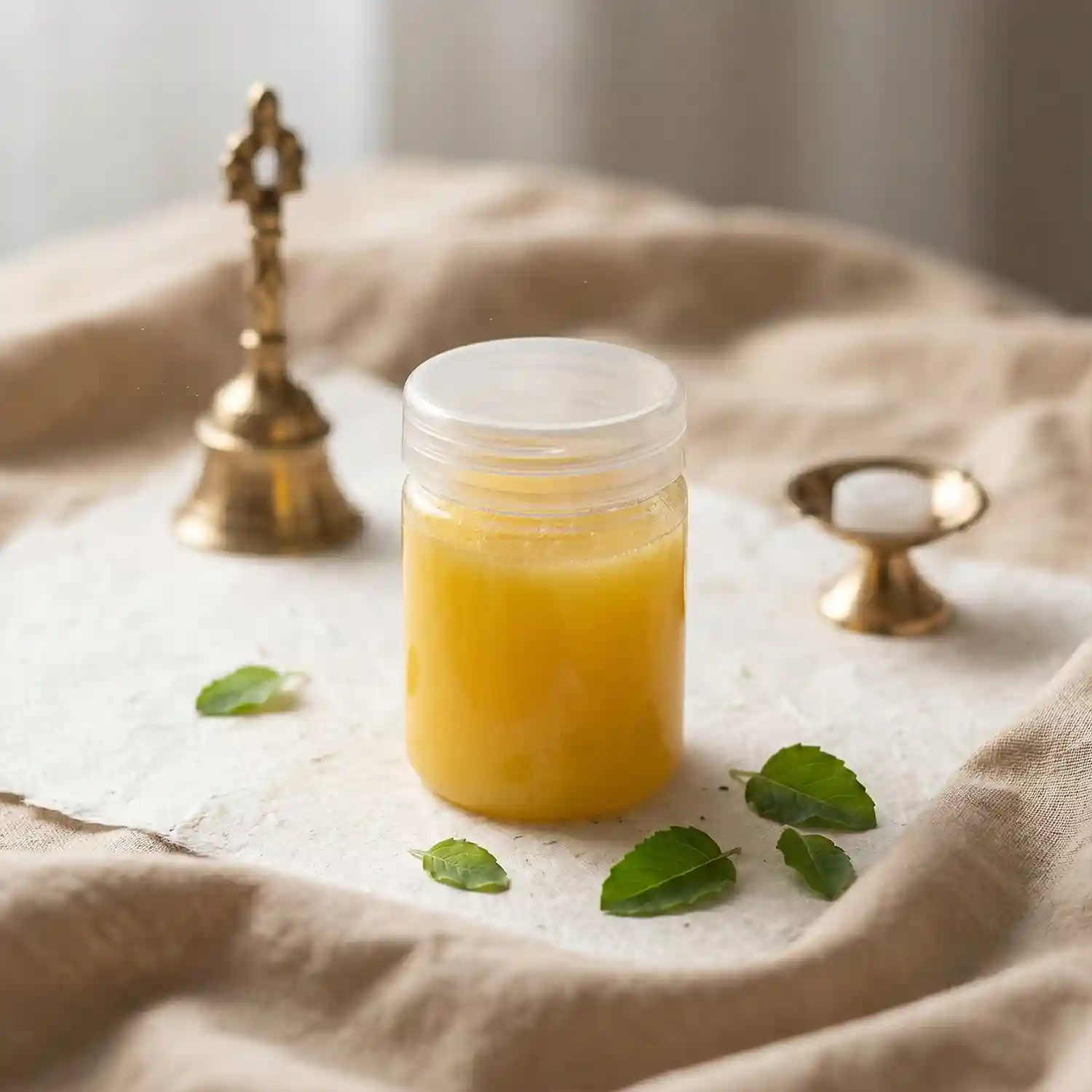
Cow Ghee For Puja and Havan | Small Pack
50 Gram
1
25.00
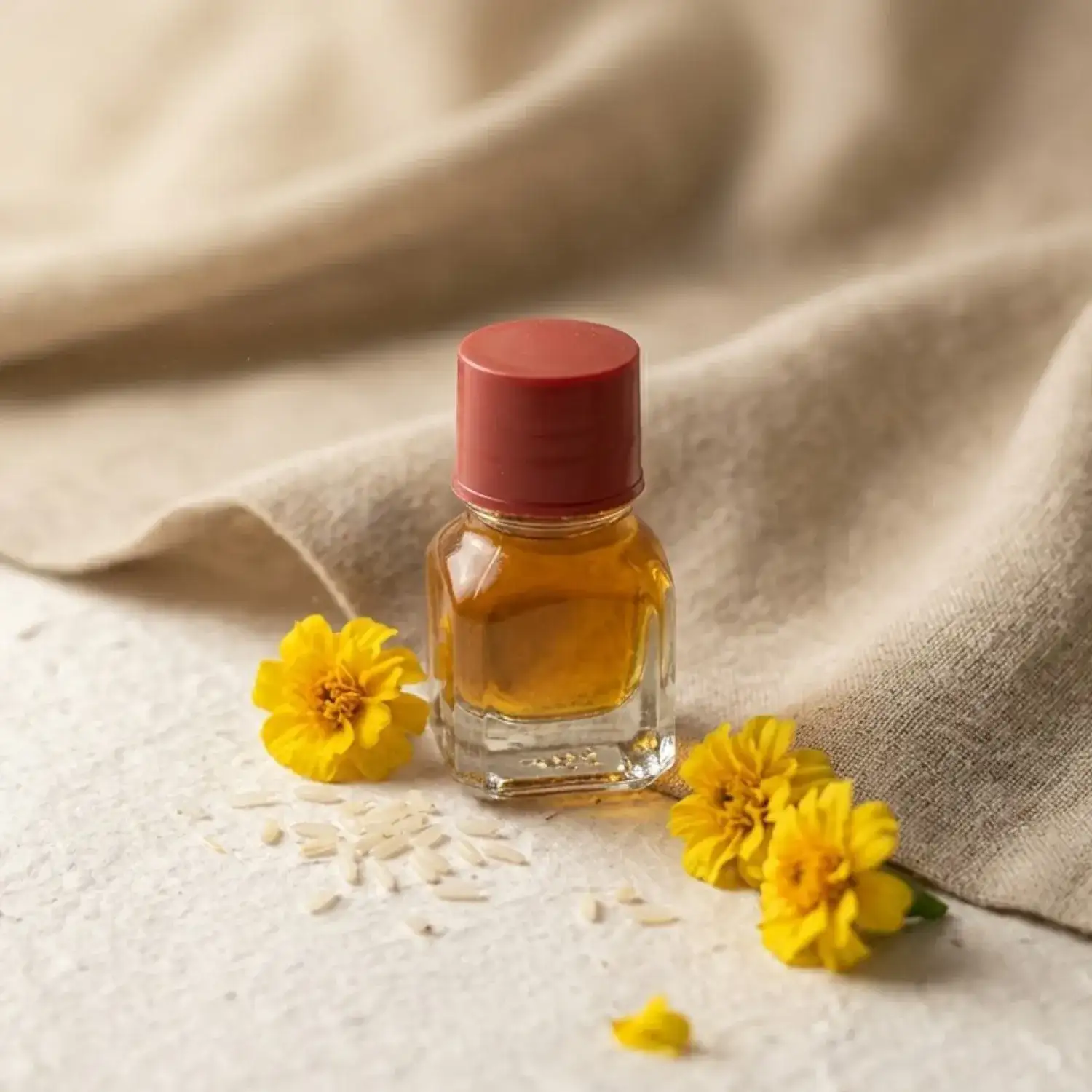
Attar | Puja Itra | Ittar Rose Fragrance
2 ML
1
20.00
Red Chandan Powder | Red Chandan Tika | Red Sandalwood Tika
10 Gram
1
29.00
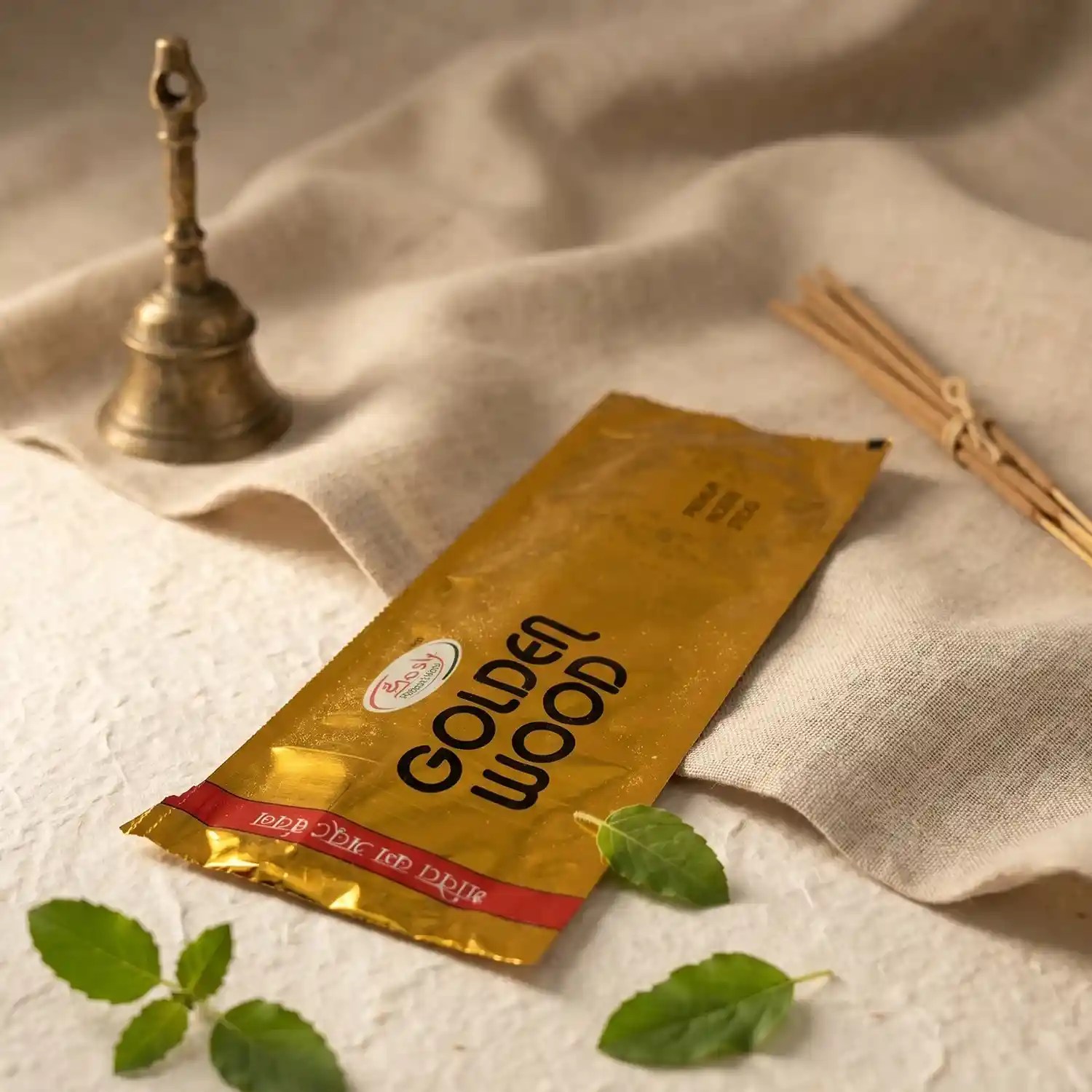
Agarbatti | Premium Incense Sticks | Dhup Kathi (Small Pack)
20 Gram
1
13.00
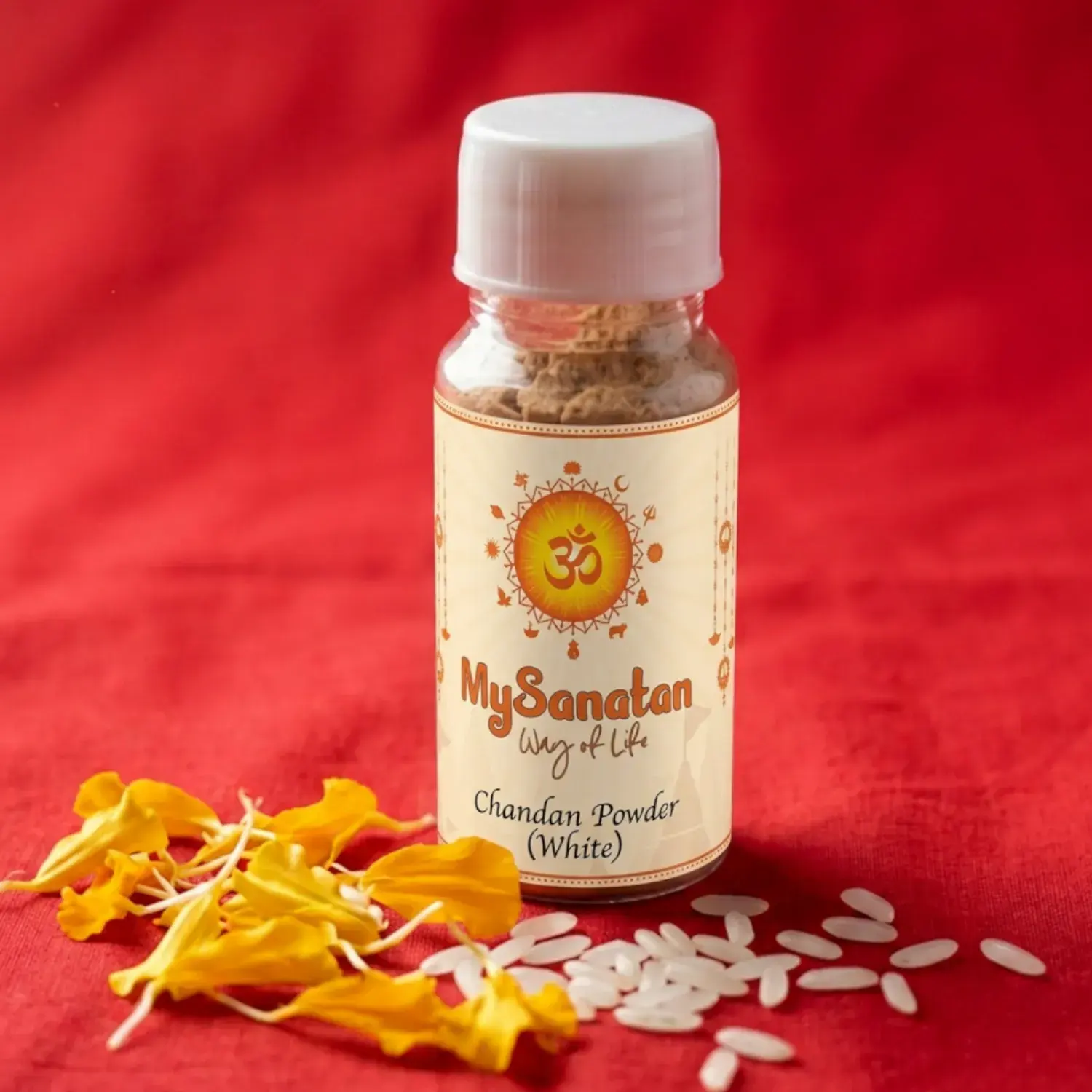
White Chandan Powder | Safed Chandan Tika | White Sandalwood Tika
10 Gram
1
29.00
Natural & Pure Camphor | Pure Kapoor | Karpura | Kapur (Small Pack)
10 Gram
1
15.00
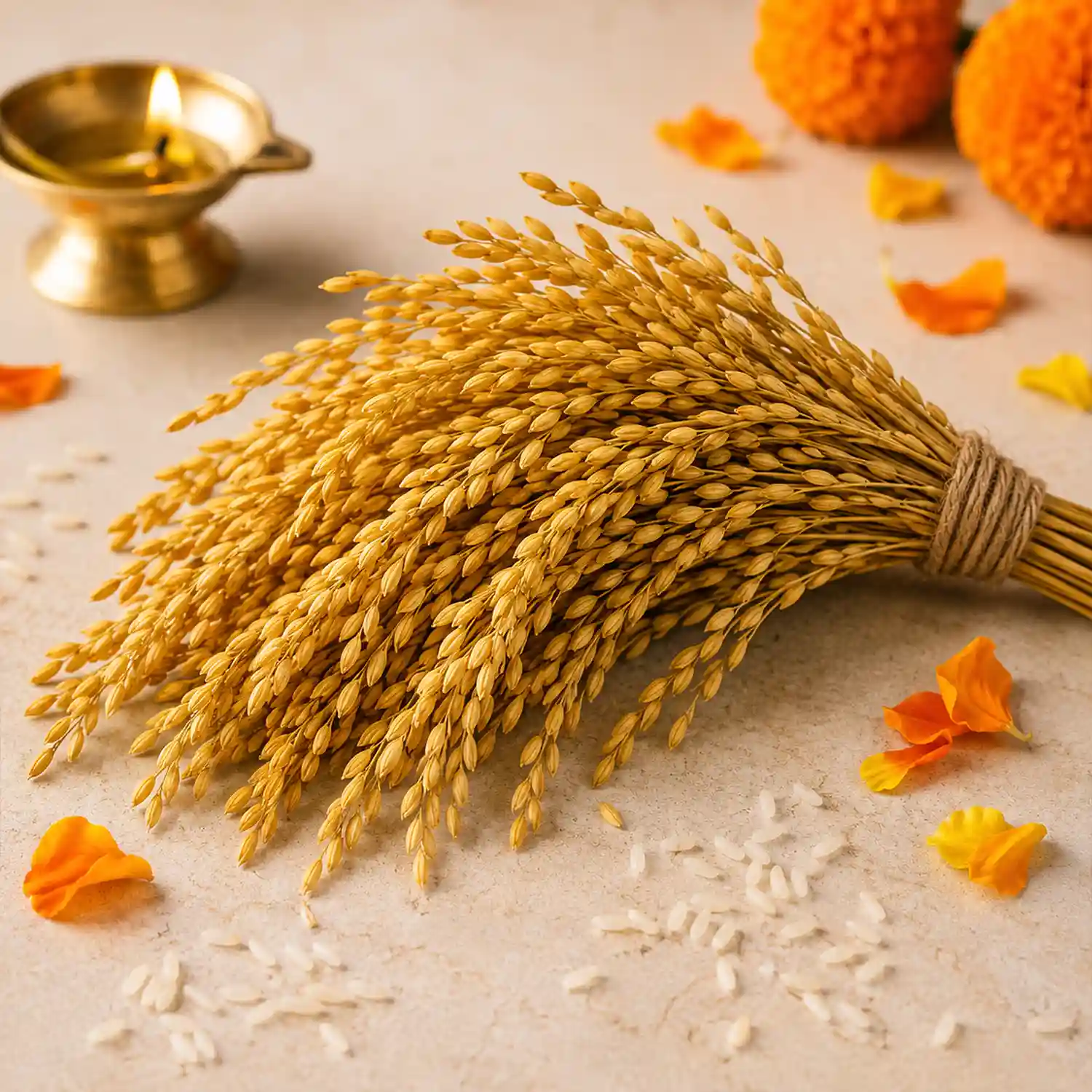
Dhaner Sish for Puja | Sacred Paddy Stalk | Rice Ear Bundle for Lakshmi Puja & Harvest Rituals
1 Bundle
1
15.00
Ashta Karai for Puja | Eight Sacred Grains Set | Ashtakarai Samagri Puja
15 Gram
1
20.00


Do you need a custom package or you already have a list?

Frequently Asked Questions
  • Q1: Can I eat my regular breakfast before performing the Sunday worship? 
  • For Beginners & Young Votaries:Absolutely not! Fasting is a critical test of self-discipline in this vow. In the traditional tale, the elder sister Umno repeatedly fails to perform the puja because she lacks self-control and accidentally snacks on stray grains or sweetmeats early in the morning. You must completely finish the worship and listen to the Katha (story) before you are allowed to break your fast.
  • Q2: Why do we abstain from meat and fish during the period of this Vrata? 
  • For Beginners & Householders:Abstaining from everyday Bengali staple foods like meat and fish is a powerful form of self-denial. A vrata (vow) requires you to control your senses and appetites. These deliberate austerities act as direct signals of your faith and devotion to the deity, proving your dedication in exchange for the deity's aid and blessings across the ocean of existence.
  • Q3: Is the deity Itu actually a God or a Goddess? 
  • For Mythology Enthusiasts: Interestingly, the authentic oral tales intentionally leave Itu's gender ambiguous! While the name Itu is historically derived from Mitra (the ancient Vedic Sun God), the deity has also become deeply associated with the Goddess Lakshmi, as Bengali housewives are culturally expected to embody her prosperity and well-being. This beautiful ambiguity allows worshippers to connect with Itu flexibly as the supreme provider of the harvest.
  • Q4: Why is telling the "Tale of Itu" (Vrata Katha) to the younger girls so essential to the ritual? 
  • For Experienced Practitioners & Matriarchs: The storytelling session is not just for entertainment; it is the primary way senior women pass down crucial life wisdom to the junior members of the household. Because society places immense expectations on women, the tale teaches young girls vital survival skills. It shows them that self-discipline, intelligence, and practical behavior—rather than just waiting for magic—are the true keys to securing social power and maintaining a prosperous household.
  • Q5: Are men or fathers strictly forbidden from participating in Itu Puja? 
  • For Families: While there are no explicit rules or strict interdictions banning men from participating (and the story shows the father eventually benefiting from the vow), Itu Puja is fiercely protected as a women's domain. In traditional Bengali society, a man who actively participates in this specific ritual would often be regarded as unnaturally concerned with women's matters and could become the laughingstock of the community. Therefore, the ceremony remains a uniquely female-empowered space!