





_2_11zon.webp)
_4_11zon.webp)


_15_11zon.webp)
Frequently Asked Questions
Q1: What is the significance of the White Cotton Janeu (Sacred Thread) included in the kit, and how should it be worn during the puja?
For Beginners & Families: The sacred thread (Janeu or Paita) is a vital requirement for performing authentic Vedic rituals! According to classical rules, when you show respect to deities or offer a burnt-oblation (Havan), the sacrificial thread must pass over your left shoulder and under your right arm. This specific alignment (known as Upavīti) is strictly meant for worshipping the Gods, whereas draping it over the right shoulder is reserved exclusively for ancestor ceremonies.
Q2: Can I use the leftover holy water from the puja vessel for drinking or other casual household chores?
For Home Ritualists: Absolutely not! Classical manuals explicitly rule that one shall not perform non-religious acts with the residue of the water employed for fire-worship, nor sip it. Once the water is dedicated to the altar, it must only be used for the ceremony. However, as a beautiful daily vow of prosperity, the texts also mandate that the regular water-vessels in the house shall never be kept empty; this is a continuous duty observed by the householder and their spouse to invite abundance.
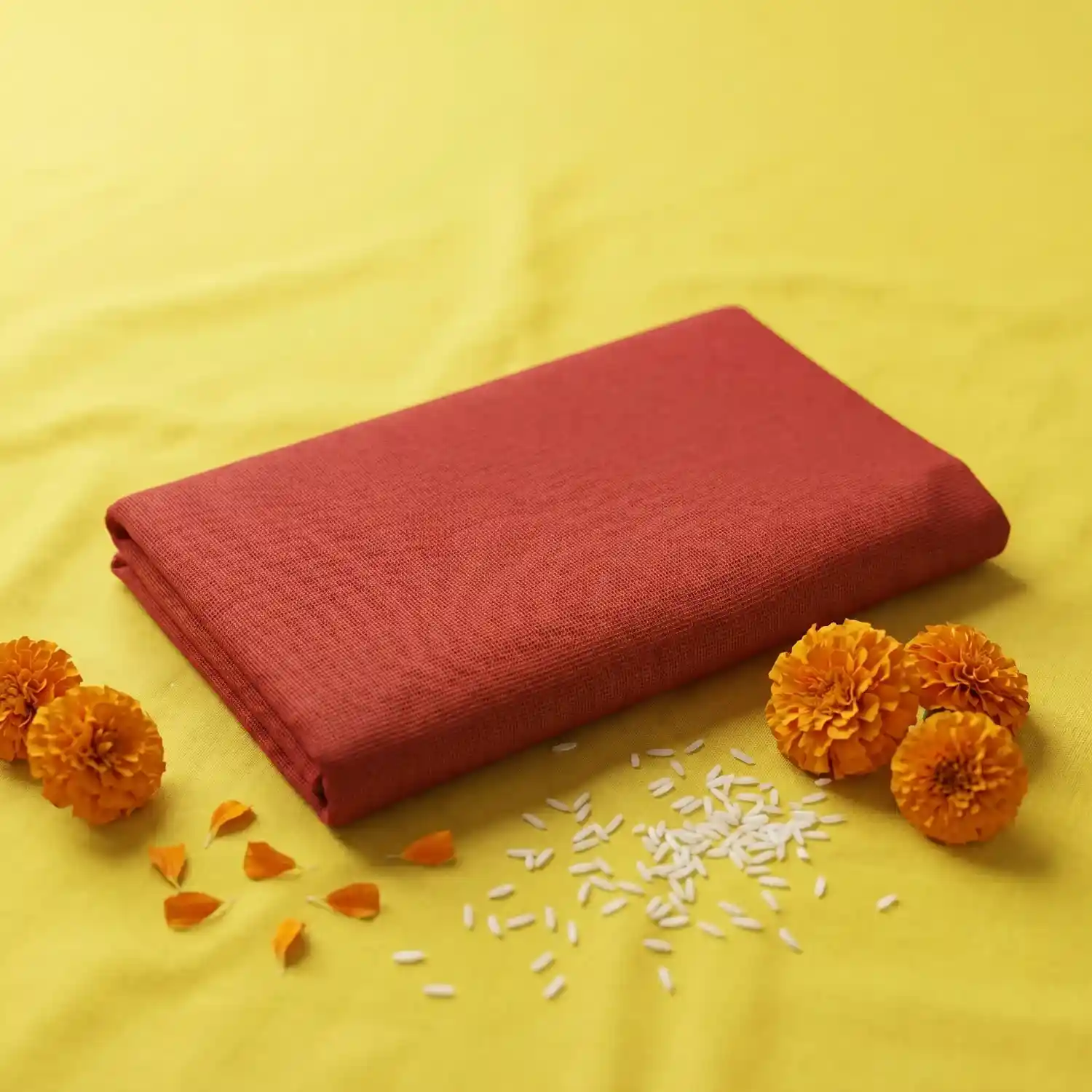
Q3: I see "Red Silk Churni" and "Red Puja Cloth" in the kit. If we are already offering flowers, why are specific garments required?
For Cultural Enthusiasts: Because Gaja Lakshmi is the ultimate Sovereign Goddess of Wealth, welcoming Her requires the absolute highest standard of divine, royal hospitality! According to the strict breakdown of the 16-step (Shodashopachar) puja in the Purohit Darpan, the 8th and 9th required steps specifically mandate the offering of Garments (Basan) and Ornaments (Abharan). Offering these beautiful red cloths mathematically fulfills this royal requirement.
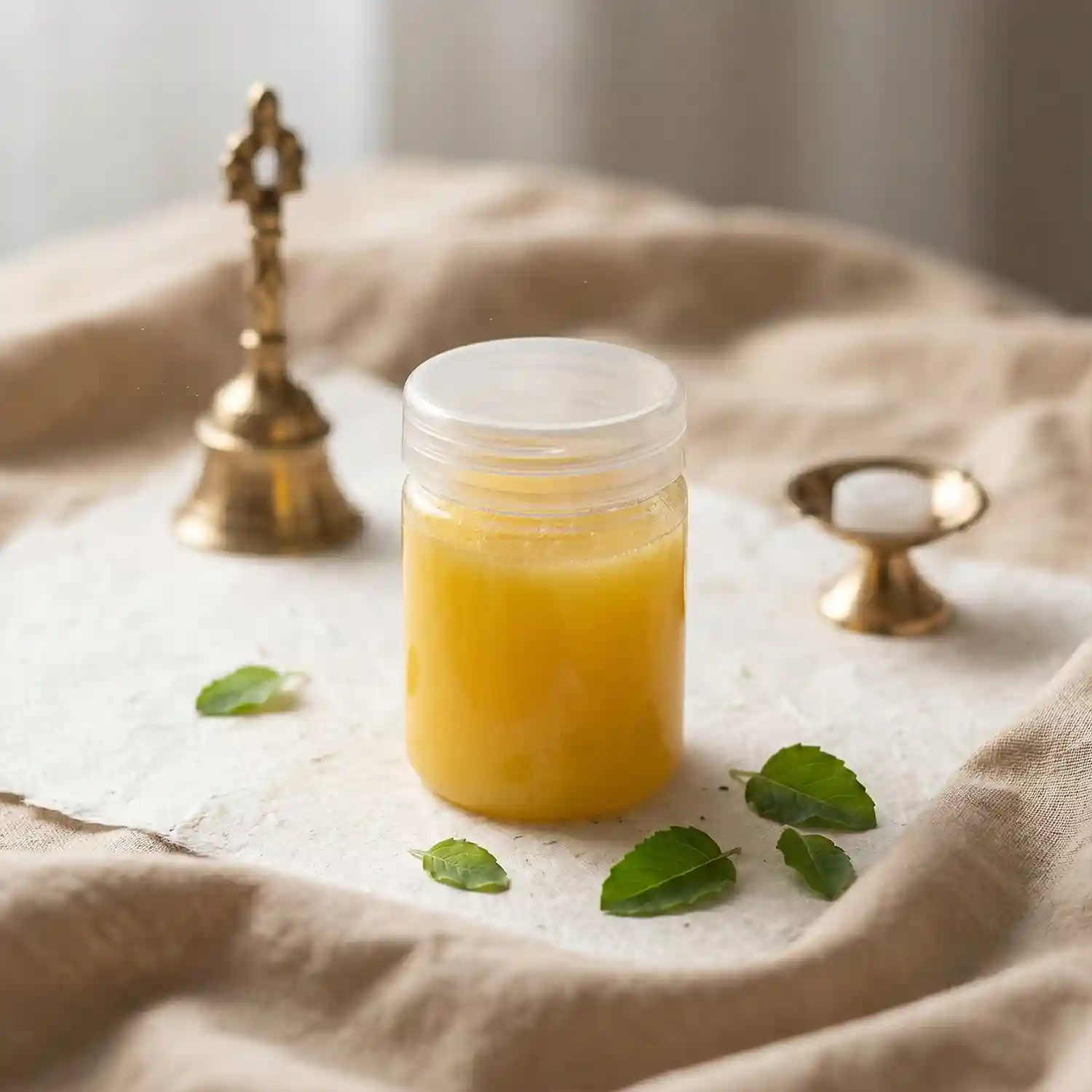
Q4: What makes the "11 Sacred Samagri" and Cow Ghee in this kit scripturally valid for a Gaja Lakshmi fire ritual?
For Experienced Devotees: A proper Vedic fire ritual (Agnihotra) is an exact science. The texts dictate that at least sixteen oblations should be poured into the sacred fire using pure ghee and fragrant ingredients. Furthermore, to ensure that the Goddess actually receives these specific wealth-drawing offerings, every single oblation to the Gods must be accompanied by the exclamation "Svāhā".
Q5: How exactly should my Pandit or I prepare the physical altar before lighting the lamps and the Havan fire?
For Priests & Scholars: Authentic Vedic preparation requires sacred geometry! When placing the fire on the altar (Sthaṇḍila), the worshipper must draw three lines from west to east and three lines from south to north. The altar must then be sprinkled with water while turning the palm of the hand downwards. Finally, to align with the correct flow of cosmic energy, the classical manuals dictate that all these rites must be performed moving from left to right.