preloader

Diwali (Lakshmi Ganesh Kuber) Puja Kit

  • Diwali Lakshmi Ganesh Kuber Puja is performed to seek the blessings of Goddess Lakshmi, Lord Ganesha, and Lord Kuber for wealth, prosperity, and success. It removes financial obstacles and brings abundance, happiness, good fortune, and lasting prosperity into life.

  • Diwali is the grandest celebration of prosperity and light. Worshipping the combined divine forces of Lord Ganesh, Goddess Lakshmi, and Lord Kuber on this night ensures that your household is blessed with immense, protected, and multiplying wealth. Note: While the specific mythological details of Lord Kuber as the celestial treasurer are widely celebrated in Hindu culture, the fundamental concept is deeply rooted in invoking divine blessings for prosperity, success, and health. The inclusion of rare oceanic and earthly items—like the Gomti ChakraCowrie Shells, and the Laghu Nariyal—acts as a powerful, permanent magnet for this financial abundance!

  • According to classical manuals like the Purohit Darpan, this highly auspicious worship (known as Dipannita Lakshmipuja) is strictly performed on the night of Amavasya (the New Moon). Performing the worship on this specific astrological alignment ensures that the light of your lamps and your devotion cut through the darkest night of the month, inviting infinite cosmic prosperity into the home.

  • Step 1 - Gandha (Sacred Paste): Lovingly apply the Chandan, Kumkum, and Sindur to Lord Ganesh, Goddess Lakshmi, Lord Kuber, and all the Wealth Coins while chanting: "Om Gandhang Namah".
  • Step 2 - Pushpa (Flowers & Wealth): Offer fresh flowers, the Akshat Rice, the Gomti Chakras, Cowries, and Kamal Gatta at their lotus feet while chanting: "Om Pushpang Baushat".
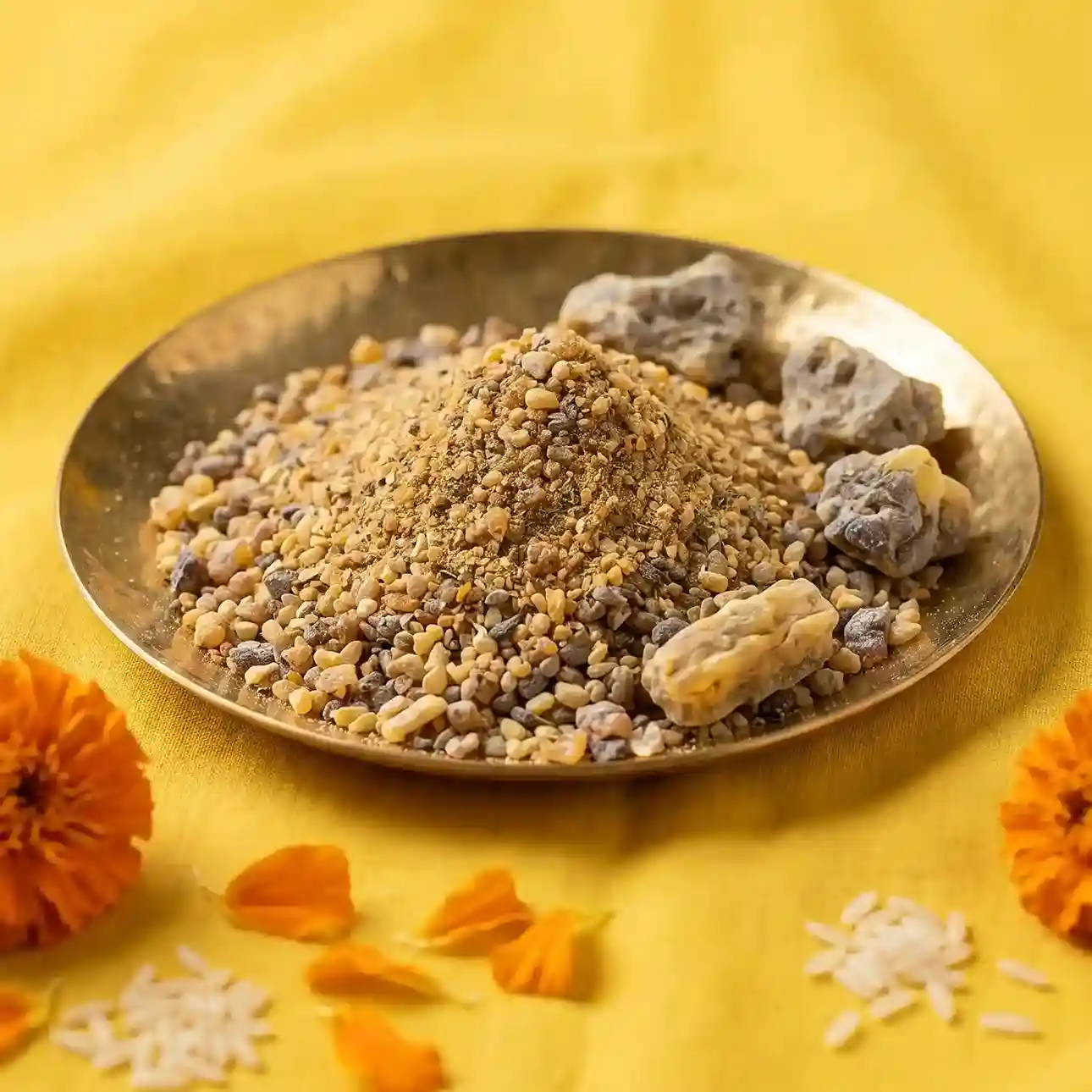
  • Step 3 - Dhupa (Incense): Light the Agarbatti, and burn the powerful Dhuna powder to completely clear the home of negative energy while chanting: "Om Dhupang Namah".
  • Step 4 - Deepa (Illumination): Light your lamps using the Cotton Wicks, Mustard Oil, and Cow Ghee to guide the deities into your home while chanting: "Om Deepang Namah".

  • Steps 1-5 (Welcome & Purification): The Pandit purifies the home using the Ganga Jal. He establishes the sacred space on the Red Asan and formally offers a Seat (Asan), Welcome (Swagat), water for washing feet (Padya), a sacred offering (Arghya), and water for sipping (Achamaniya).
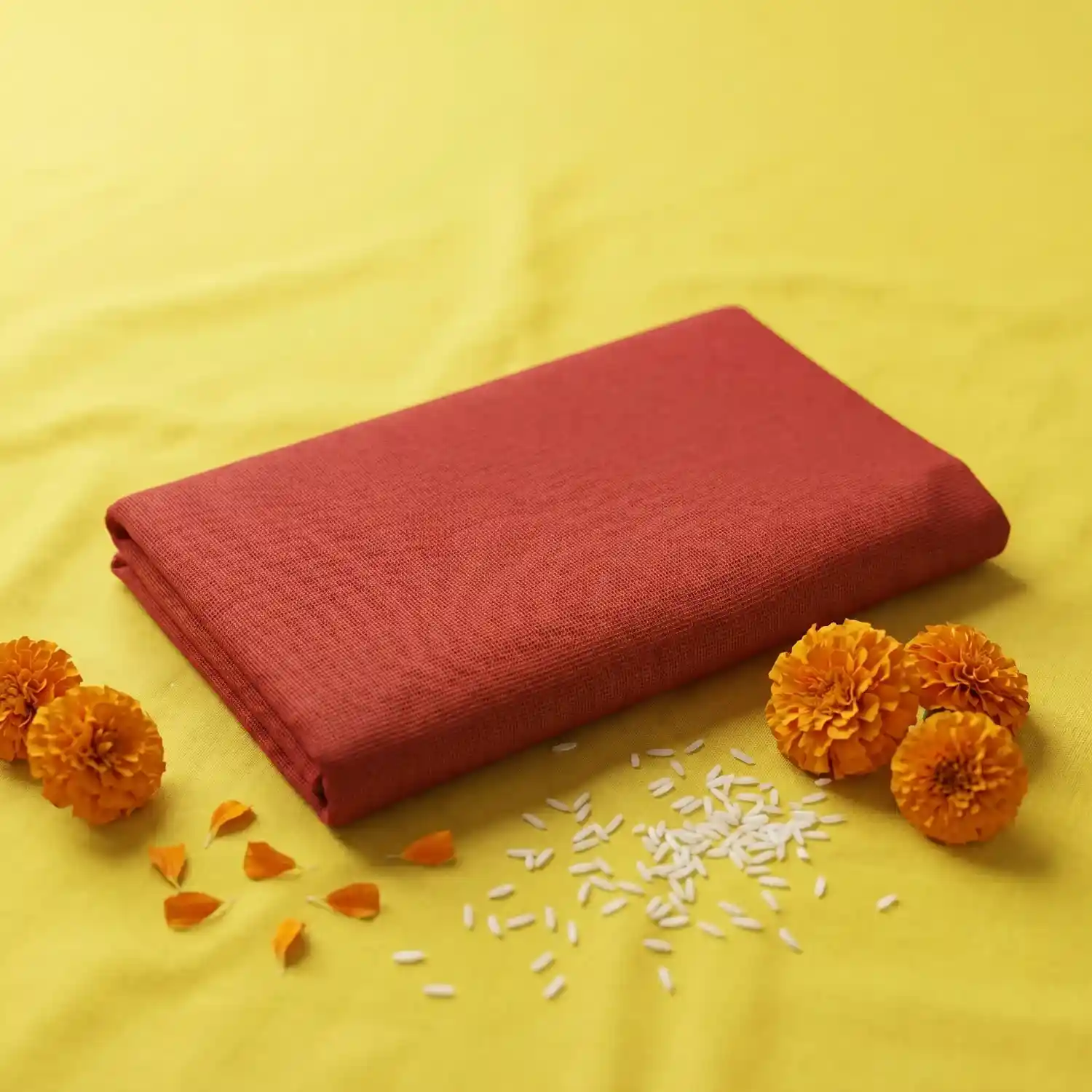
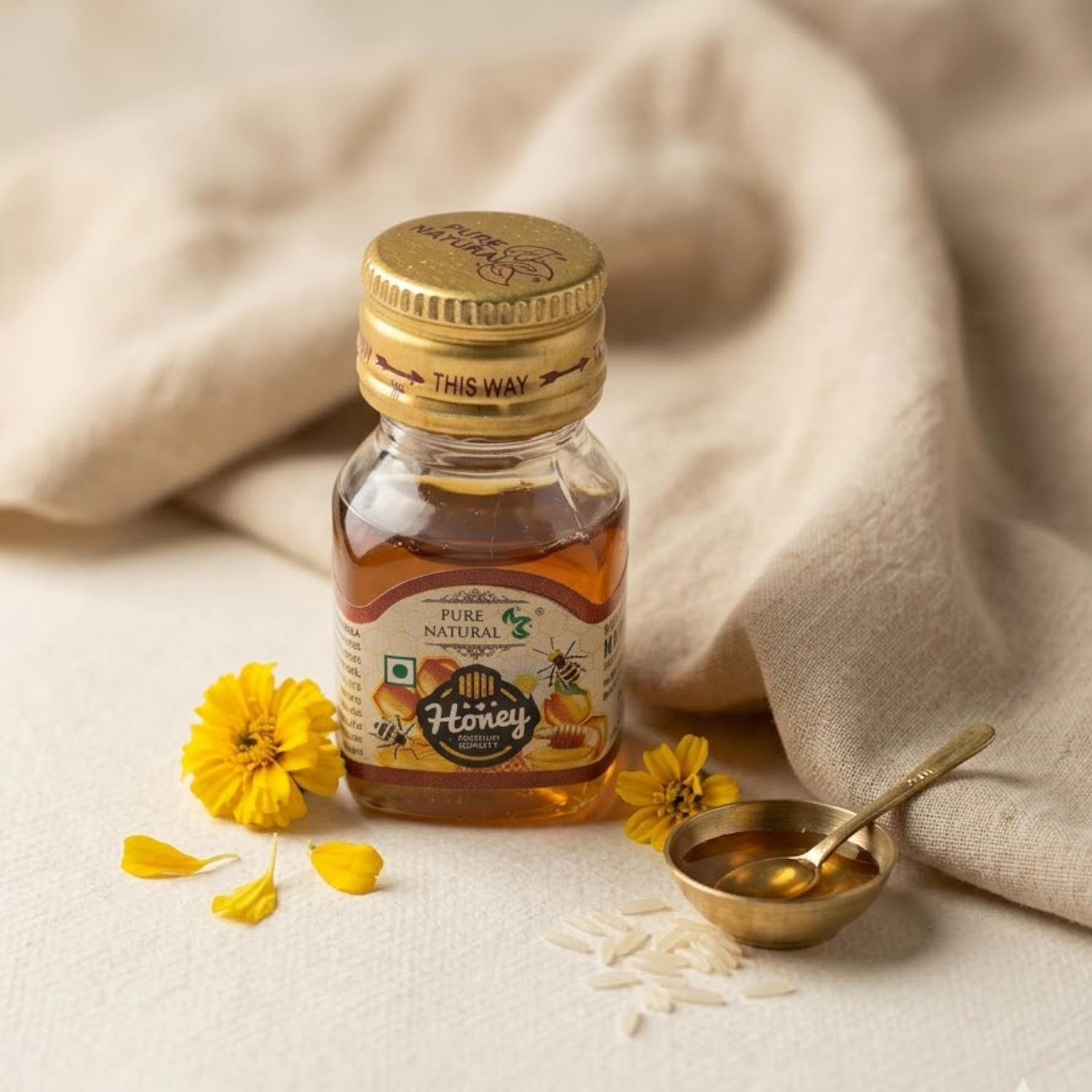
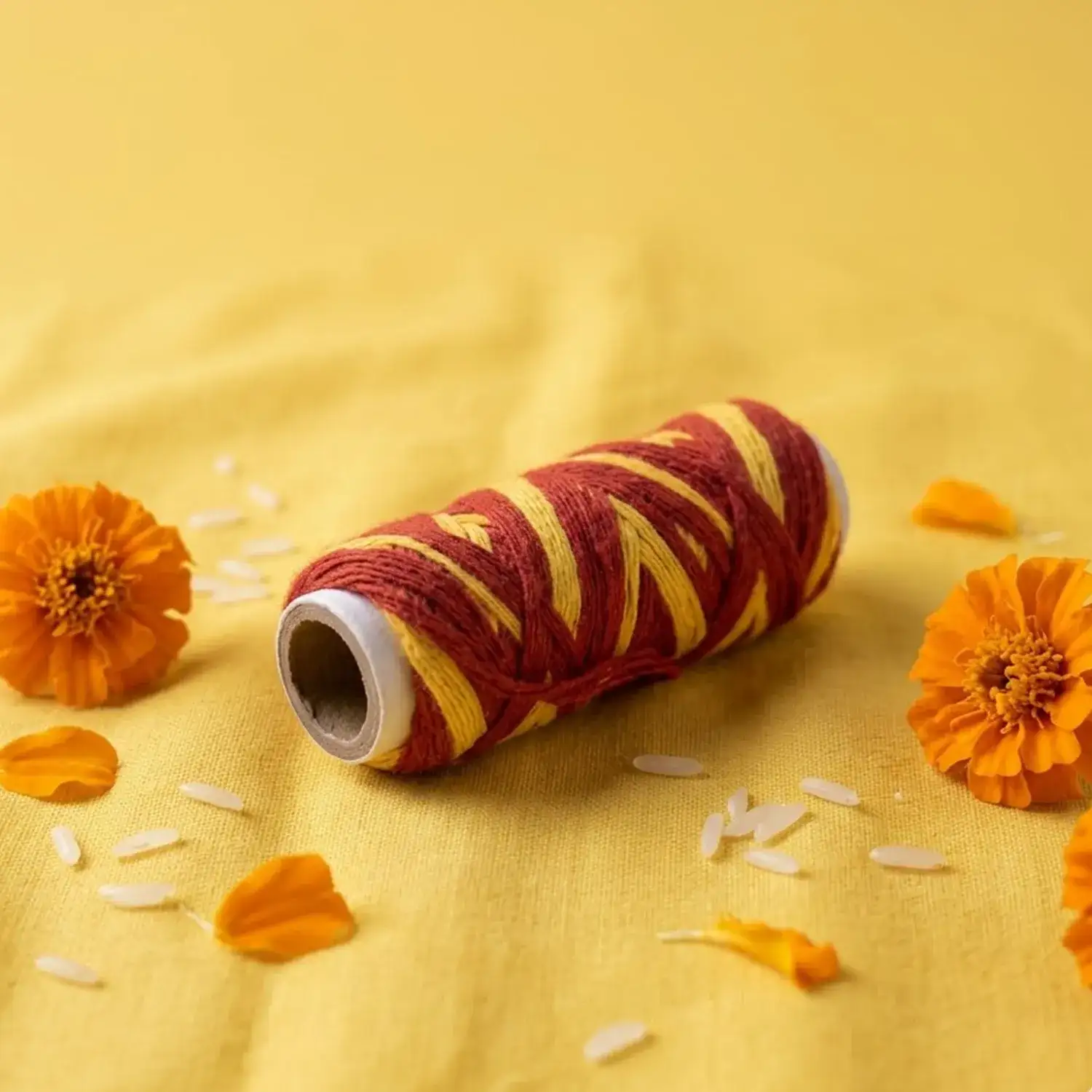
  • Steps 6-9 (Madhuparka & Royal Adornment): Crucially, the priest must offer the 6th-step sweet mixture (Madhuparka) using your included Pure Honey. The deities are then bathed (Snaniya), draped in the Red Shalu Cloth (Basan), and adorned with the Raksha Sutra (Abharan).
  • Steps 10-15 (The Grand Wealth Offerings): The deities are offered rich fragrances (Rose Attar / Gandha), flowers (Pushpa), and a grand shrine is built at their feet using the Silver Coin, Kuber Coins, and Laghu Nariyal. They are then offered purifying incense (Dhupa), a massive array of glowing ghee lamps (Deepa), and a grand food offering (Naivedya).
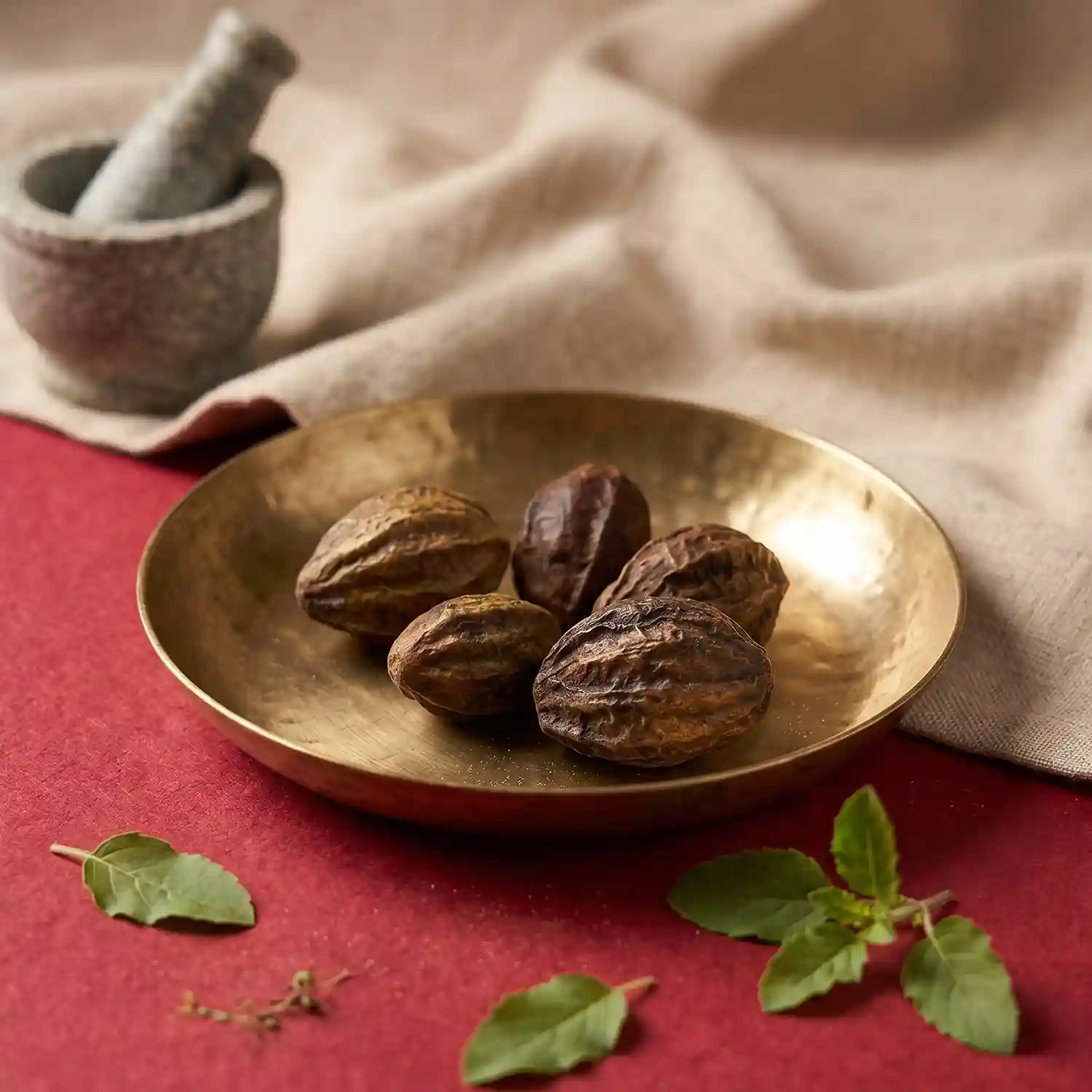
  • Step 16 (The Complete Tambula): According to the strict rules of the Purohit Darpan, there is absolutely no 16-step royal worship where Tambula is not mandatory. The Pandit concludes the offerings by presenting the scripturally mandated Supari, Haritaki, Clove, and Cardamom to sweeten the deities' mouths.
  • Conclusion (Aarti): The ceremony concludes with a grand Aarti using the Pure Camphor. The wealth items (Coins, Cowries, Gomti Chakras) should then be placed in your cash box or safe!

  • Multiplying Wealth & Savings: Worshipping the specific combination of the Lakshmi Ganesh Silver Coin and Kuber Coins creates a highly concentrated energy field that attracts cash flow and protects existing savings.
  • Triumph Over Negativity: Lighting the sacred lamps and burning the Pure Camphor and Dhuna symbolizes the triumph of good over evil, casting away all negativity and inviting pure, positive energy into the home.
  • Clearing All Obstacles: Invoking Lord Ganesh at the start of the Hindu financial new year completely clears the path of hurdles, debts, and business delays.

  • The MySanatan Diwali (Lakshmi Ganesh Kuber) Puja Kit is a breathtakingly complete package designed to light up your life with unshakeable prosperity and success! We understand that to truly honor the Gods of Fortune on their biggest night, your offerings must be exceptionally royal and uncompromisingly accurate. That is why we have carefully included a massive array of specific wealth attractors—like the Kuber CoinsGomti Chakras, and Cowries—alongside the strict Vedic essentials. By specifically including the Pure Honey for the 6th step and the precise spices (Supari, Haritaki, Clove, Cardamom) required for the 16th-step Tambula—absolutely mandated by the classical Purohit Darpan—we ensure your home is flawlessly prepared to host the ultimate divine forces of eternal prosperity!
Standard Package
Package Total: ₹604.00
Akshat Rice | Chawal | Chal
20 Gram
1
25.00
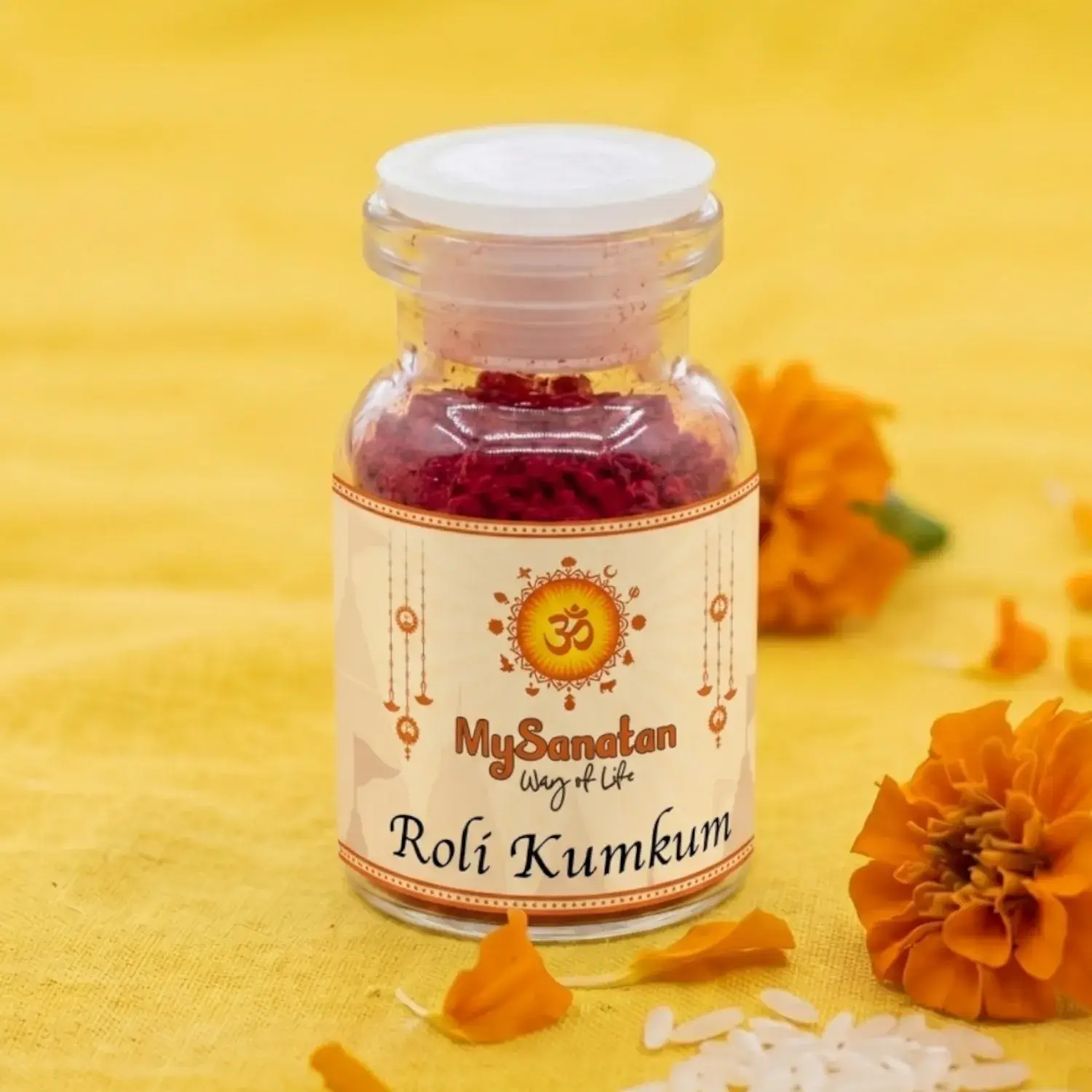
Red Roli Kumkum for Puja and Tilak
5 Gram
1
10.00
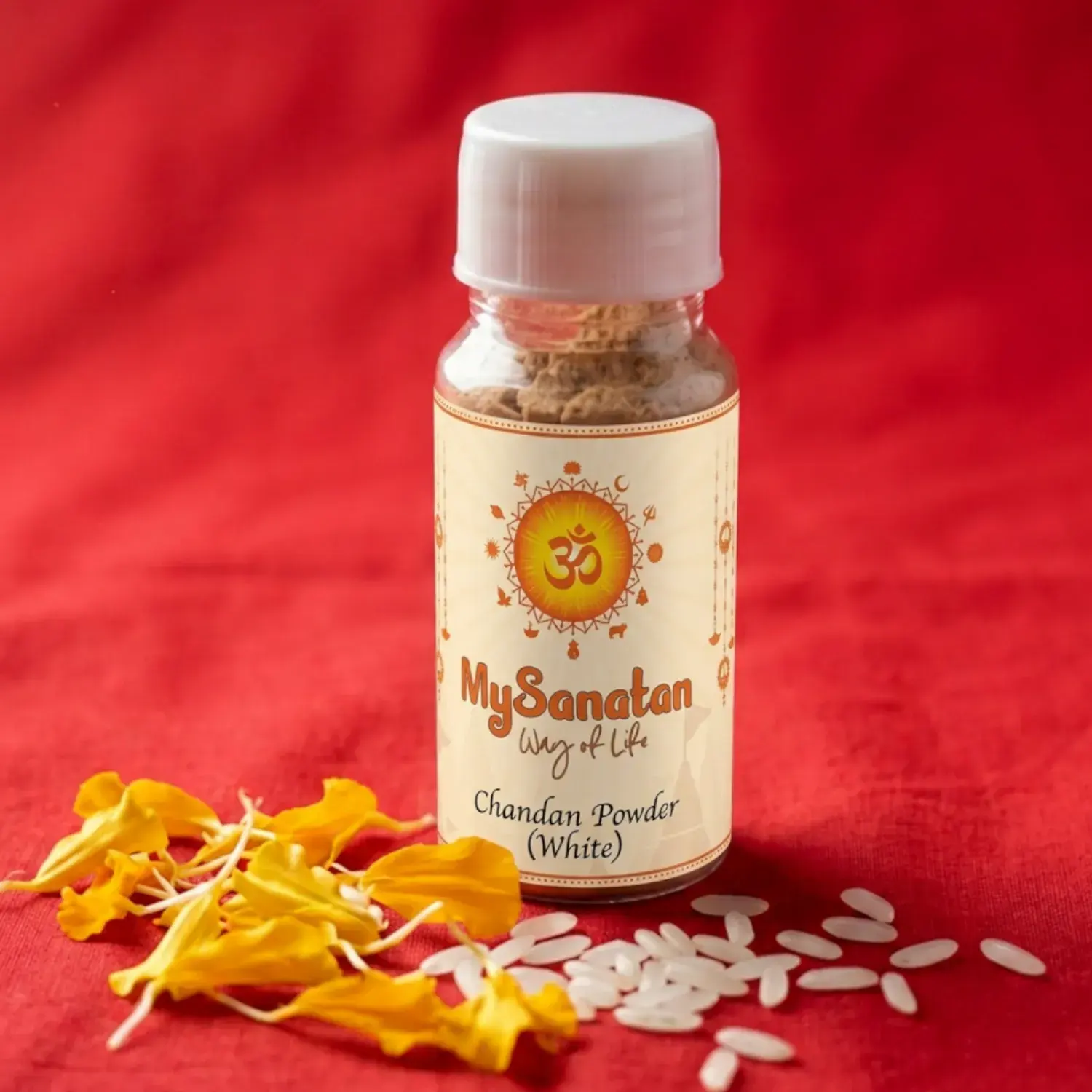
White Chandan Powder | Safed Chandan Tika | White Sandalwood Tika
10 Gram
1
29.00
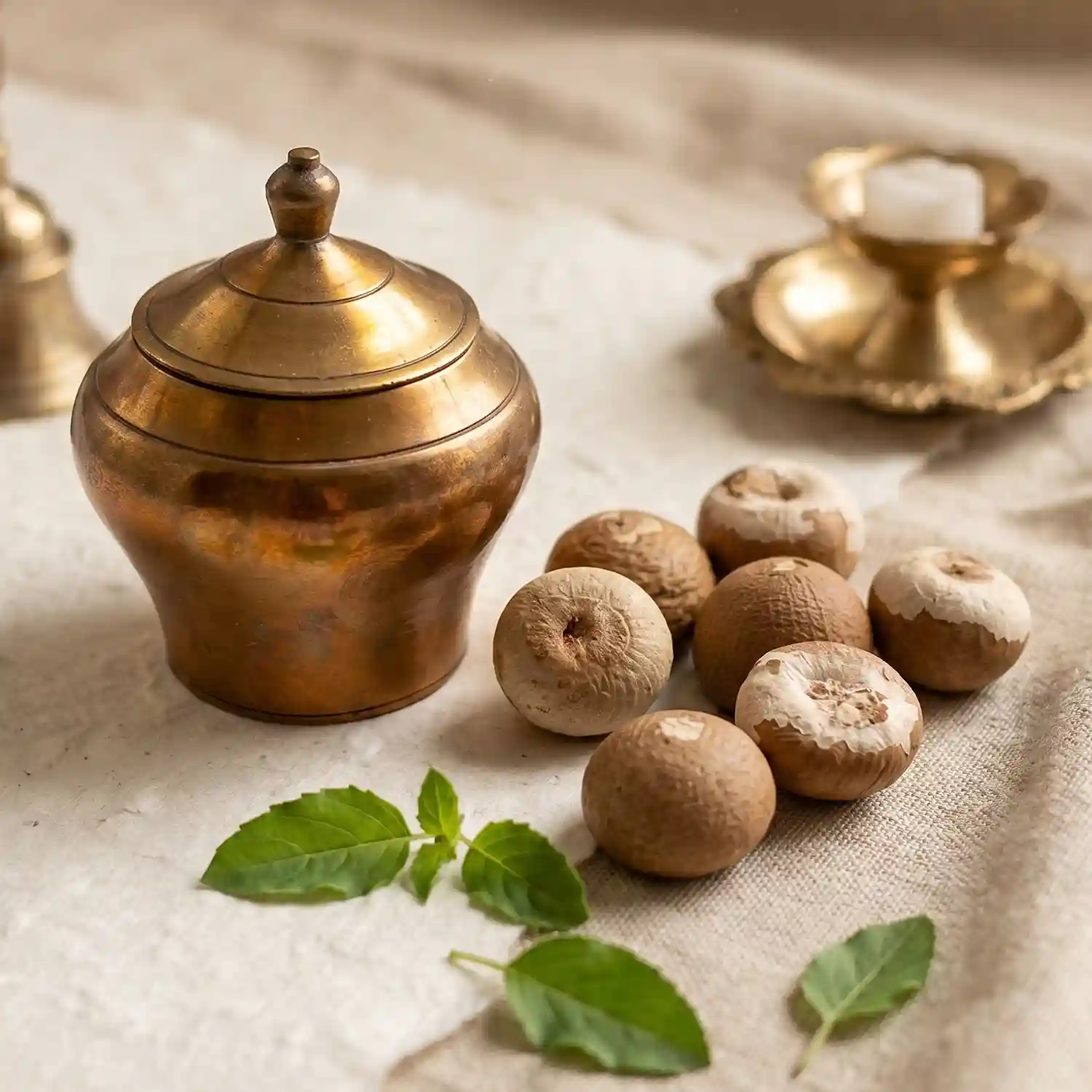
Supadi | Whole Betel Nut
7 Piece
1
15.00
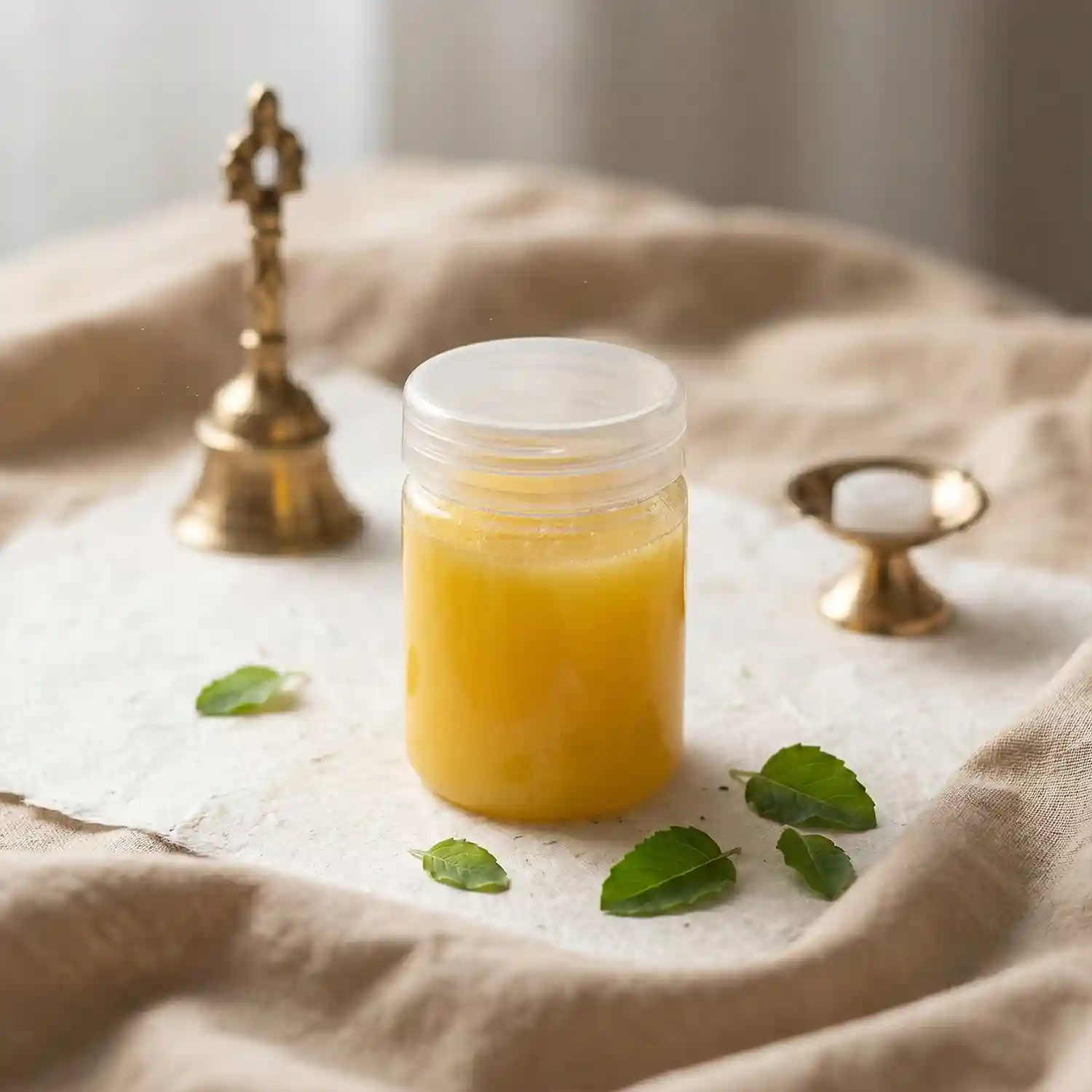
Cow Ghee For Puja and Havan | Small Pack
50 Gram
1
25.00
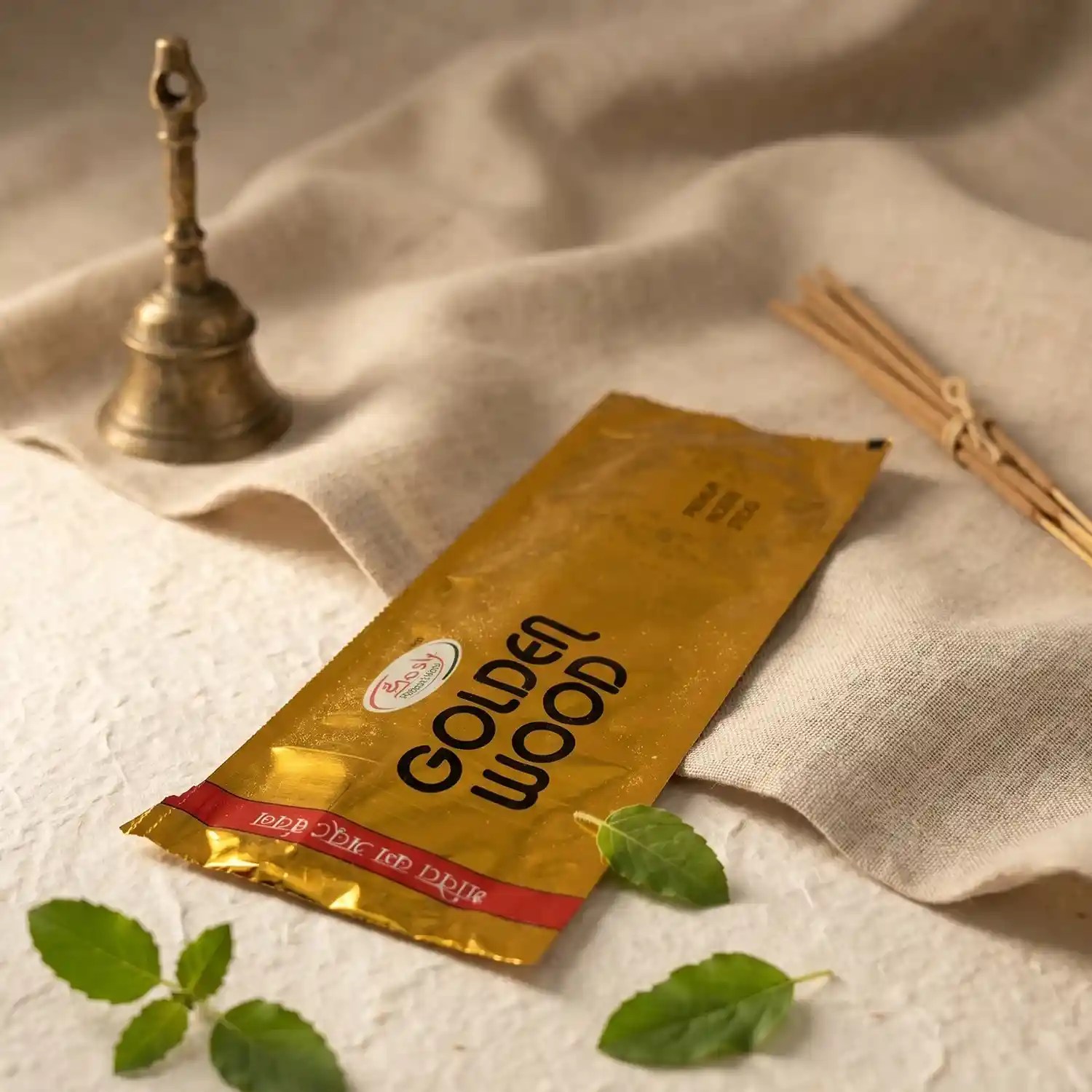
Agarbatti | Premium Incense Sticks | Dhup Kathi (Small Pack)
20 Gram
1
13.00
Turmeric Powder | Haldi | Holud
25 Gram
1
30.00
Natural & Pure Camphor | Pure Kapoor | Karpura | Kapur (Small Pack)
10 Gram
1
15.00
Red Puja Cloth | Red Shalu Kapda | Lal Shalu Kapor
1 Piece
1
30.00
Red Asan for God | Devotional Red Asan | Red Chowki Asan for God | Medium
1 Piece
1
35.00
Honey for Puja | Pure Sahad | Madhu
25 Gram
1
35.00
Ganga Jal | 100% Pure & Authentic | Small Pack
100 ML
1
25.00
Long Cotton Wicks
1 Pack
1
20.00
Raksha Sutra | Red & Yellow Moli Kalawa| Raksha Dhaga
1 Piece
1
35.00
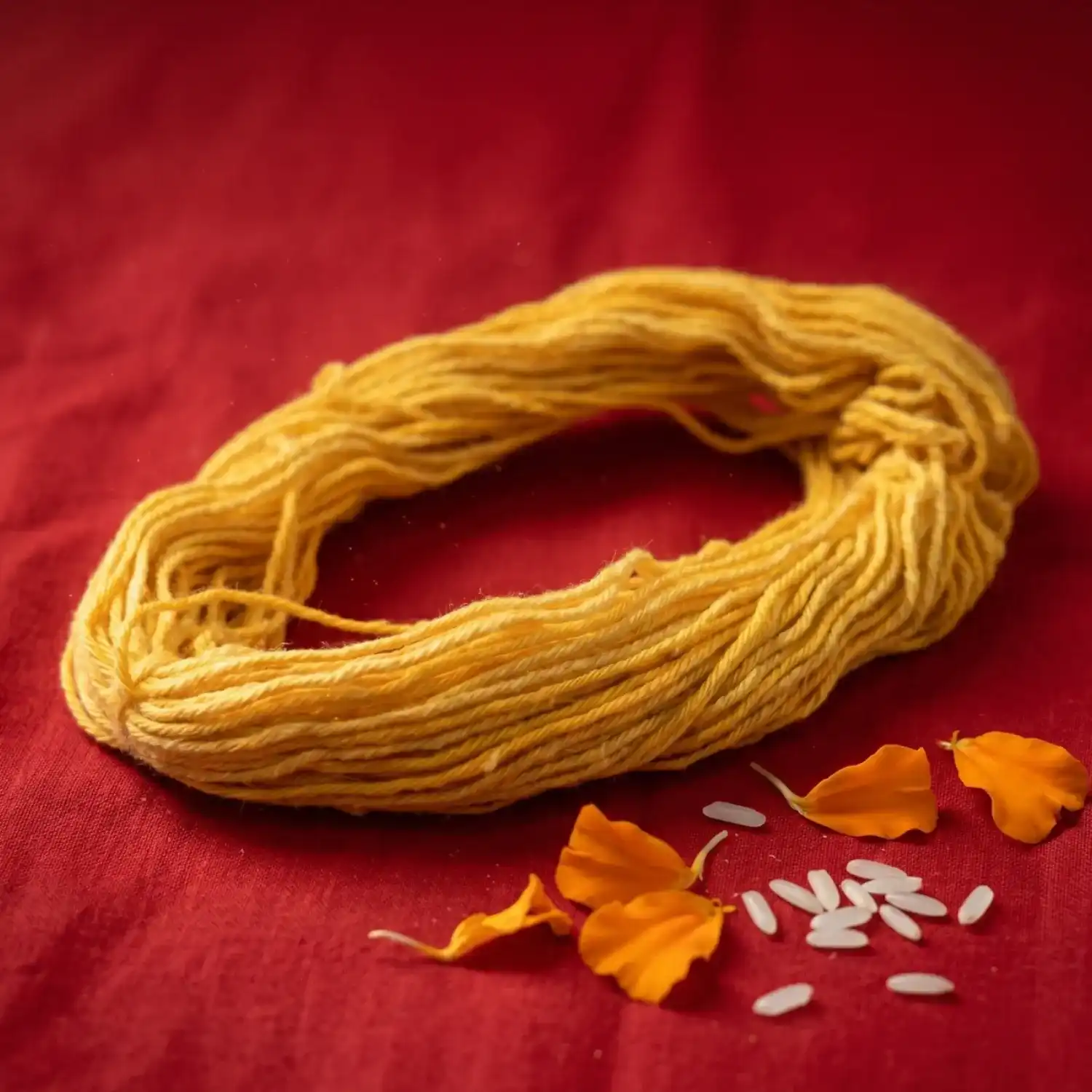
Yellow Moli Dhaga | Peela Kalawa | Yellow Ritual Thread
1 Piece
1
15.00
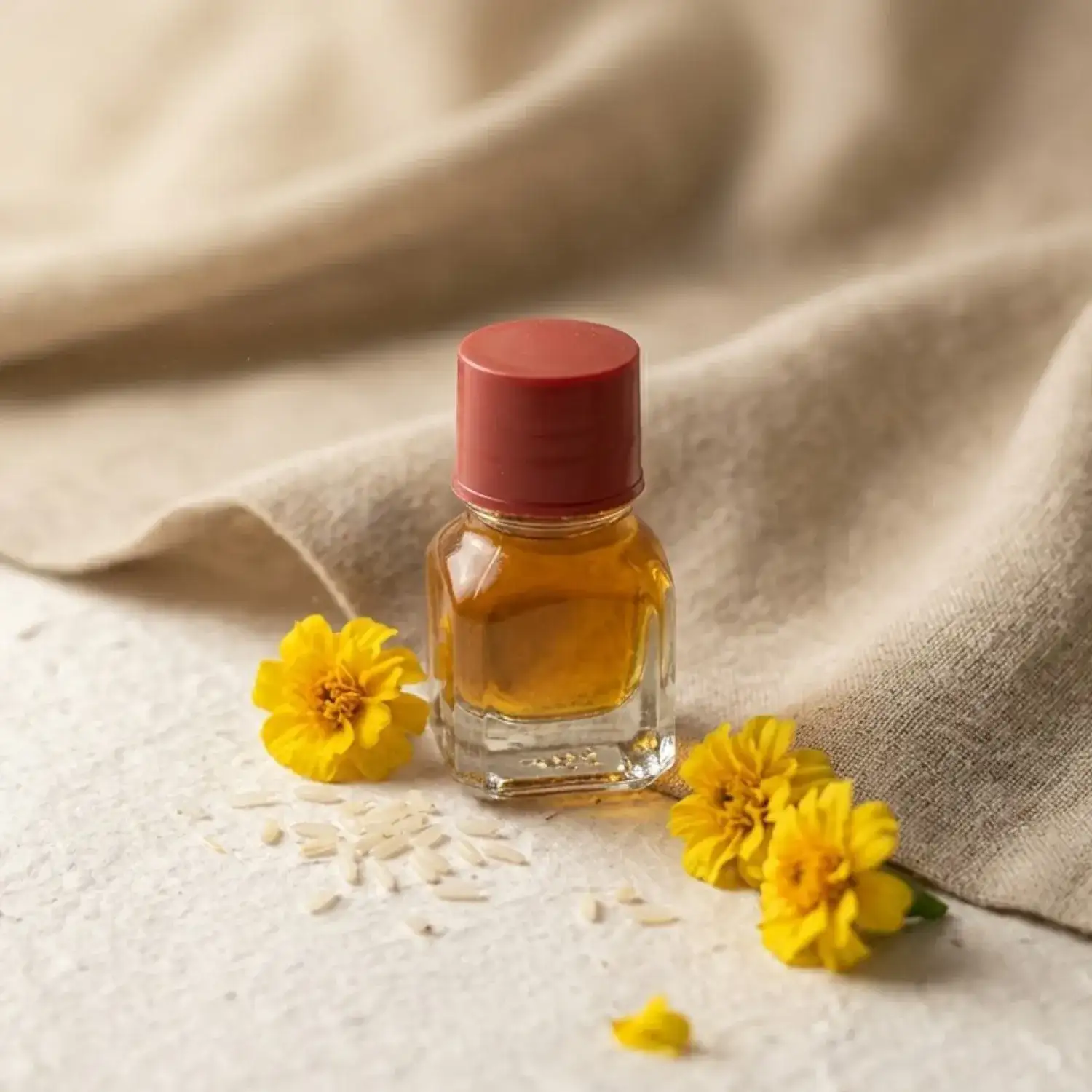
Attar | Puja Itra | Ittar Rose Fragrance
2 ML
1
20.00
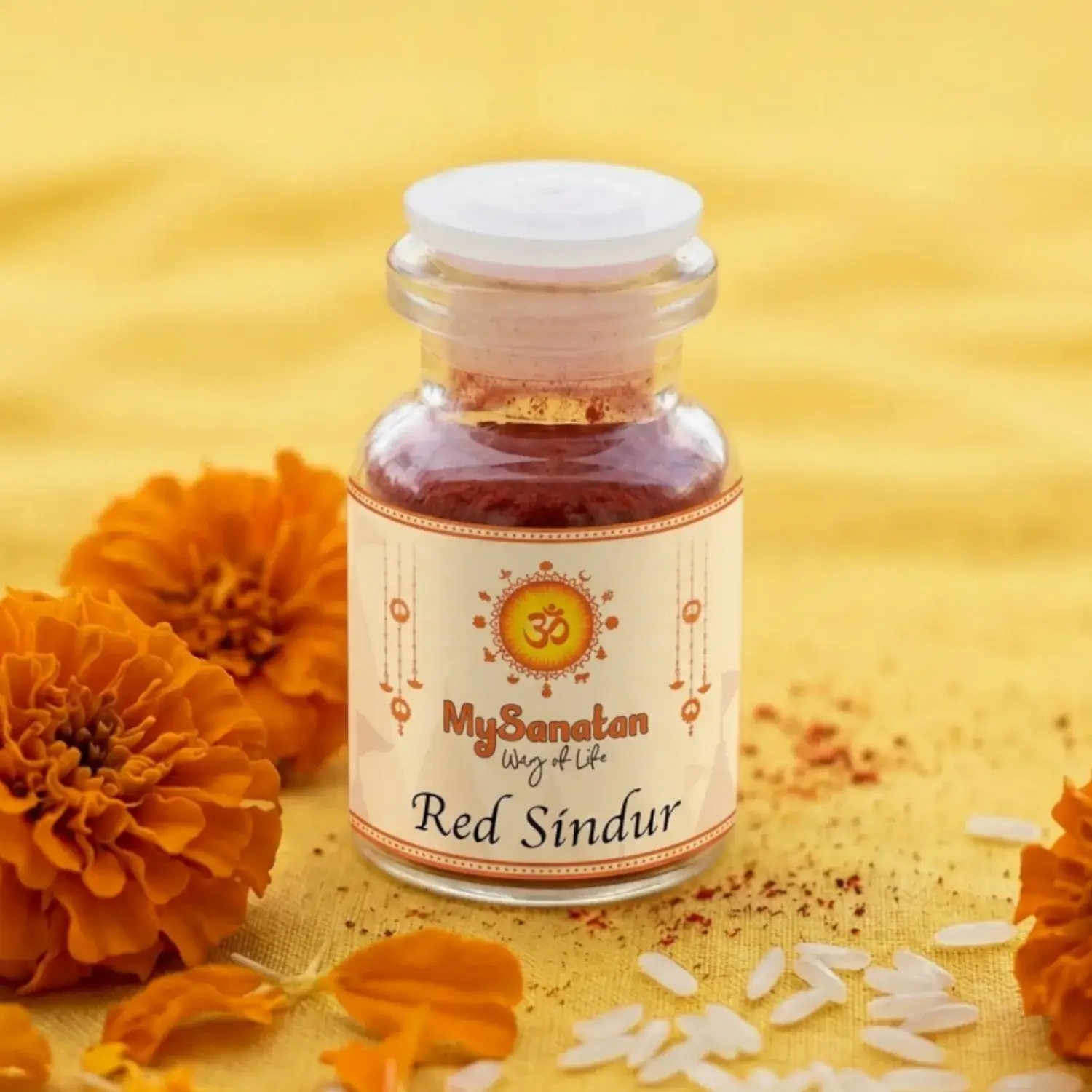
Red Sindur For Puja | Sacred Vermilion
5 Gram
1
10.00
Kamal Gatta | Dried Lotus Seeds
7 Piece
1
19.00
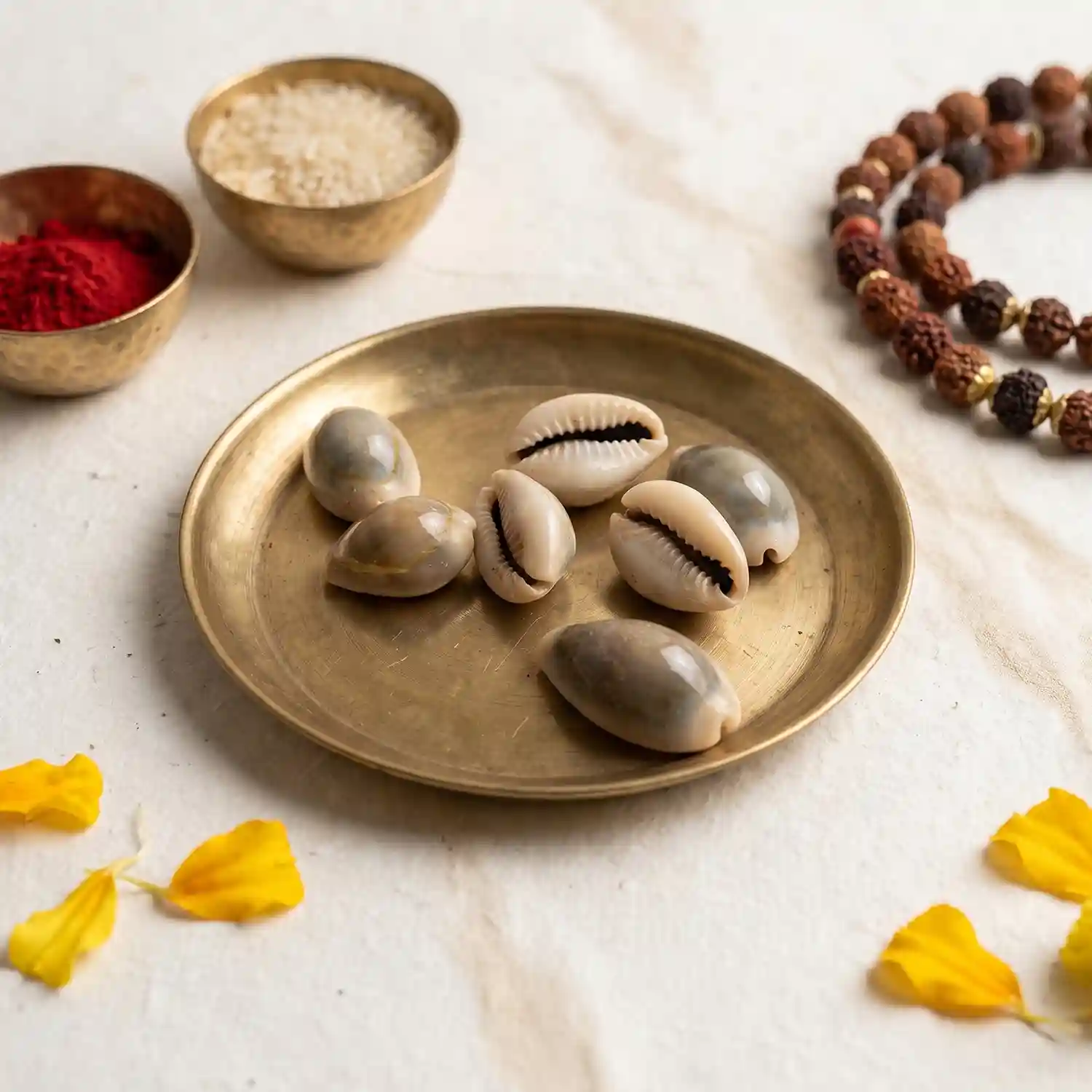
Natural Cowrie Shells
7 Pieces
1
39.00
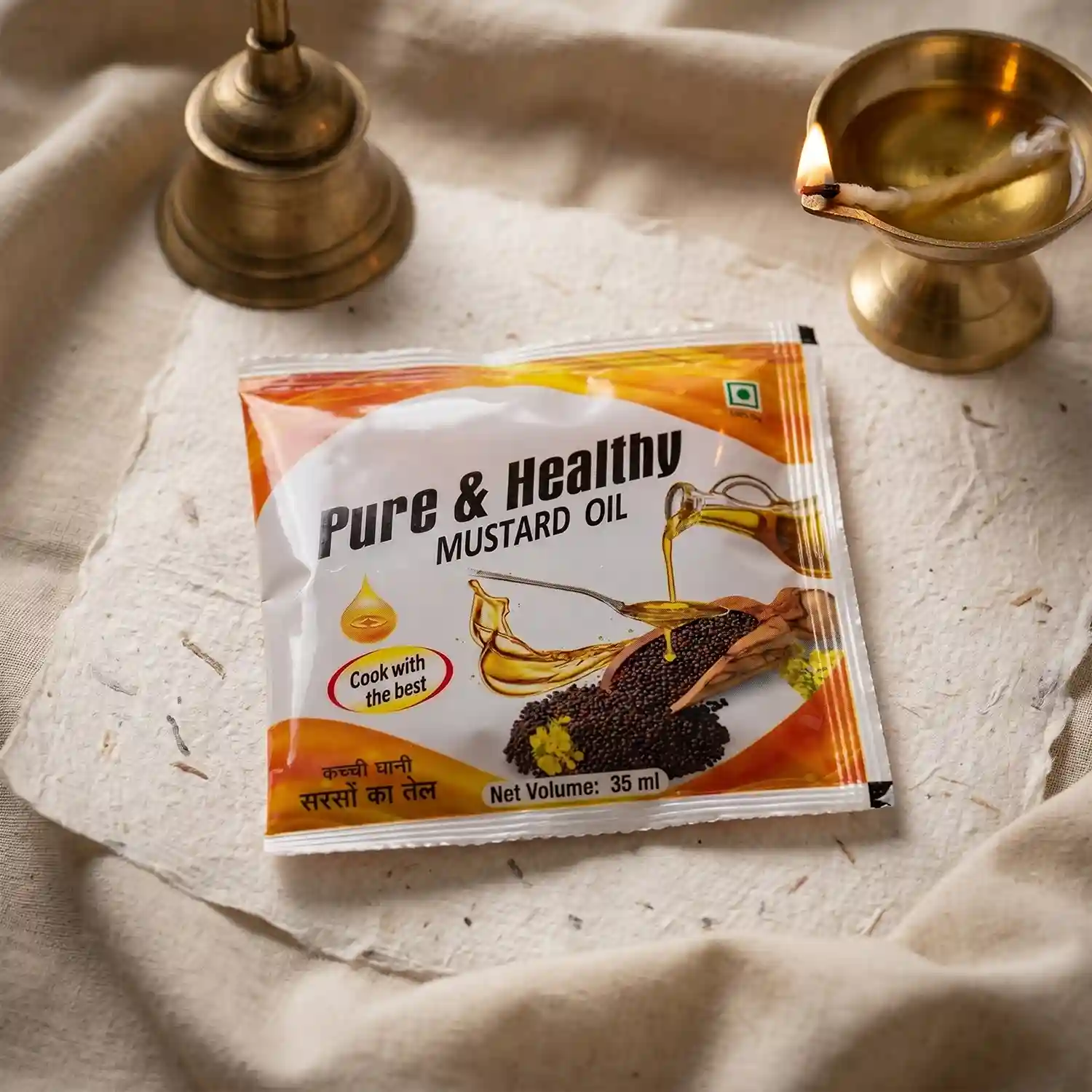
Mustard Oil | Sarson ka Tel | Small Pack
35 ML
1
10.00
Round Cotton Wicks | Phool Batti
1 Pack
1
20.00
Dhuna Powder | Loban Powder | Natural Damar Batu (Small Pack)
50 Gram
1
49.00
Haritaki | Harad Fruit | Small Pack
5 Piece
1
16.00
Clove | Laung | Lobongo Small Pack
5 Gram
1
15.00
Green Cardamom | Hari Elaichi | Choto Elach | Small Pack
3 Gram
1
29.00
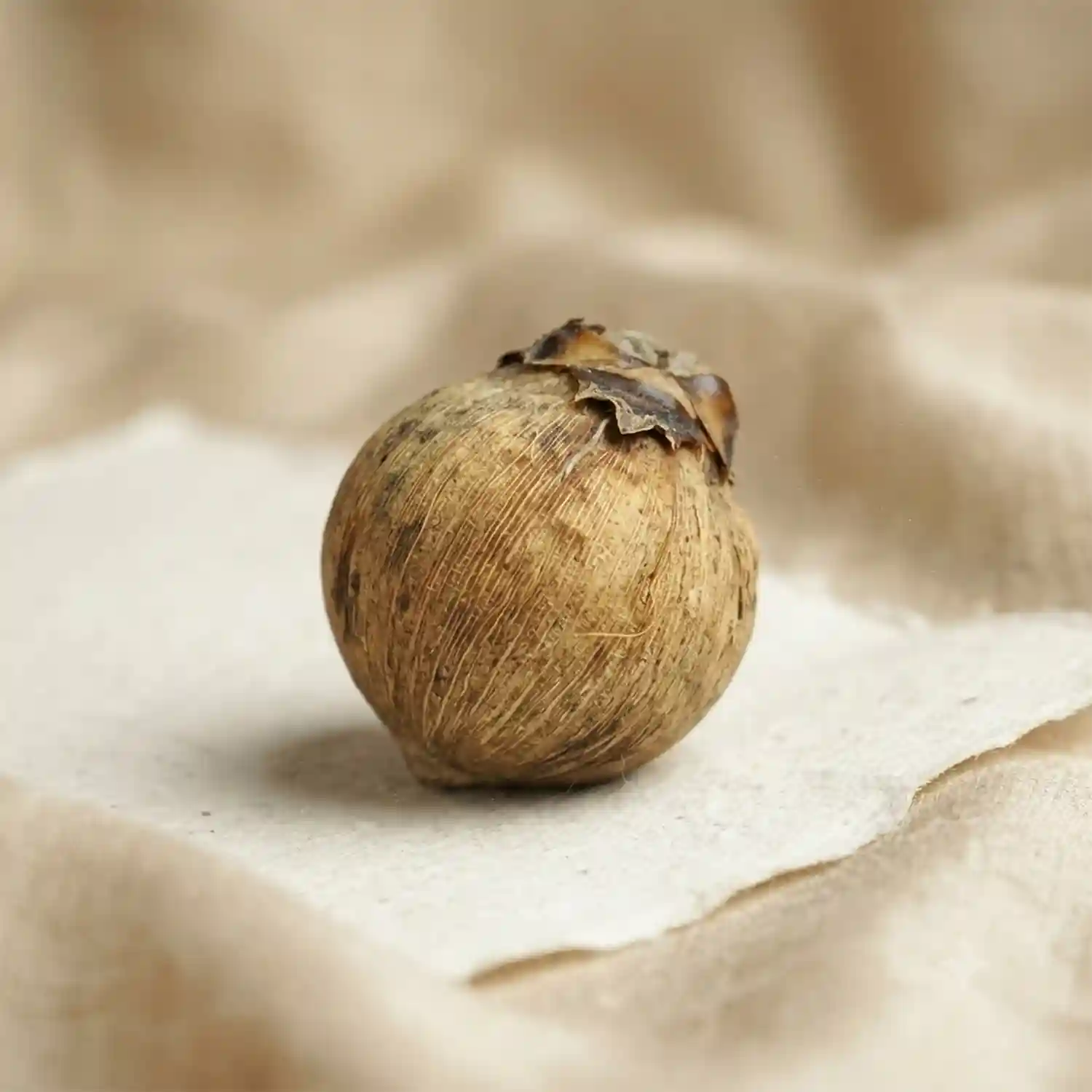
Laghu Nariyal for Puja | Mini Sacred Coconut | Shreephala for Lakshmi & Tantra Puja
1 Piece
1
20.00


Do you need a custom package or you already have a list?

Frequently Asked Questions
  • Q1: We are cooking a grand feast for Diwali. Are there strict scriptural rules for preparing the Naivedya (food offerings) for Lakshmi and Ganesh? 
  • For Beginners & Home Cooks: Yes, the Vedic rules for the kitchen are incredibly strict regarding purity! According to the Apastamba Sutras, the person preparing the food "shall not speak, nor cough, nor sneeze, while facing the food". Furthermore, if the cook accidentally touches their hair, their limbs, or their garments during preparation, they must immediately wash their hands before continuing to prepare the divine feast.
  • Q2: We often have large gatherings on Diwali. What happens if an unexpected or uninvited guest arrives right during our puja or dinner? 
  • For Festive Families: You must welcome them as a direct blessing from the Gods! The classical texts declare that "A guest comes to the house resembling a burning fire," and receiving them with hospitality is considered an everlasting sacrifice to the Creator. The scriptures explicitly promise that "Both welcome and unwelcome guests procure heaven" for their host, so sharing your Diwali feast with them actively multiplies your family's prosperity.
  • Q3: Our children want to help throw the offerings (Ahuti) into the Diwali Havan (sacred fire). Is this scripturally allowed? 
  • For Parents & Householders: While children should absolutely participate in the prayers, sing the Aarti, and receive the blessings, the Apastamba Sutras strictly state that "a child, that has not been initiated" should not personally offer oblations into the sacred fire. The text explains that until a child receives their formal religious sacraments (which officially grant them the ritual "right" to perform sacrifices), the adults or the priest must make the physical offerings into the flames on their behalf.
  • Q4: I see "Pure Honey" is included for the 6th step (Madhuparka). How exactly should my priest present this royal offering to the Wealth Trinity? 
  • For Experienced Devotees: Offering the Madhuparka requires the highest standard of divine, royal hospitality! The classical manuals dictate that the Madhuparka (a sweet mixture made using your Pure Honey) should be mixed in a brass, gold, or silver vessel. To offer it perfectly, the priest or householder must cover the bowl with a larger lid, hold the vessel respectfully using two bunches of sacred grass, and formally announce, "The honey-mixture!" as it is presented to the deities.
  • Q5: While performing our midnight Diwali Havan, what does it mean if the fire suddenly flares up very brightly on its own? 
  • For Ritualists & Priests: This is considered a highly auspicious sign that requires a specific ritual response! According to the Grihya Sutras, "Whenever the fire flames up of itself," the worshipper must immediately acknowledge this surge of divine energy by putting two extra pieces of wood onto the flames. This action must be accompanied by reciting specific mantras for blessings, such as "May wellbeing come to me!", perfectly sealing the ultimate prosperity of your Diwali night!