






_2_11zon.webp)
_4_11zon.webp)





_15_11zon.webp)
Frequently Asked Questions
- Q1: Can I offer the regular food cooked in my daily kitchen to the Goddess during this puja?
- For Beginners & Home Cooks: Yes, absolutely! Classical texts like the Apastamba Sutras explicitly outline the Vaishvadeva sacrifice, where offerings can be made directly into the daily kitchen-fire. The manuals state that food prepared for daily meals becomes entirely fit for the Gods if the householder places it on the fire and purifies it by sprinkling it with sacred water . Your kitchen is essentially a sacred altar!
- Q2: What should I do with the extra food and grains after the puja is complete? Can we just eat it immediately?
- For Families & Householders: While partaking in the blessed food (Prasad) is wonderful, the scriptures demand a beautiful act of charity first! According to the Apastamba Sutras, a true householder's duty requires distributing a portion of the food (Bali-offering) to all beings—even to stray dogs and the most marginalized people (Chandalas) in society . The texts severely warn that a person who eats before feeding their guests and those in need actively "consumes the food, the prosperity, the children, [and] the cattle" of the house . Sharing your food is what multiplies your agricultural wealth!
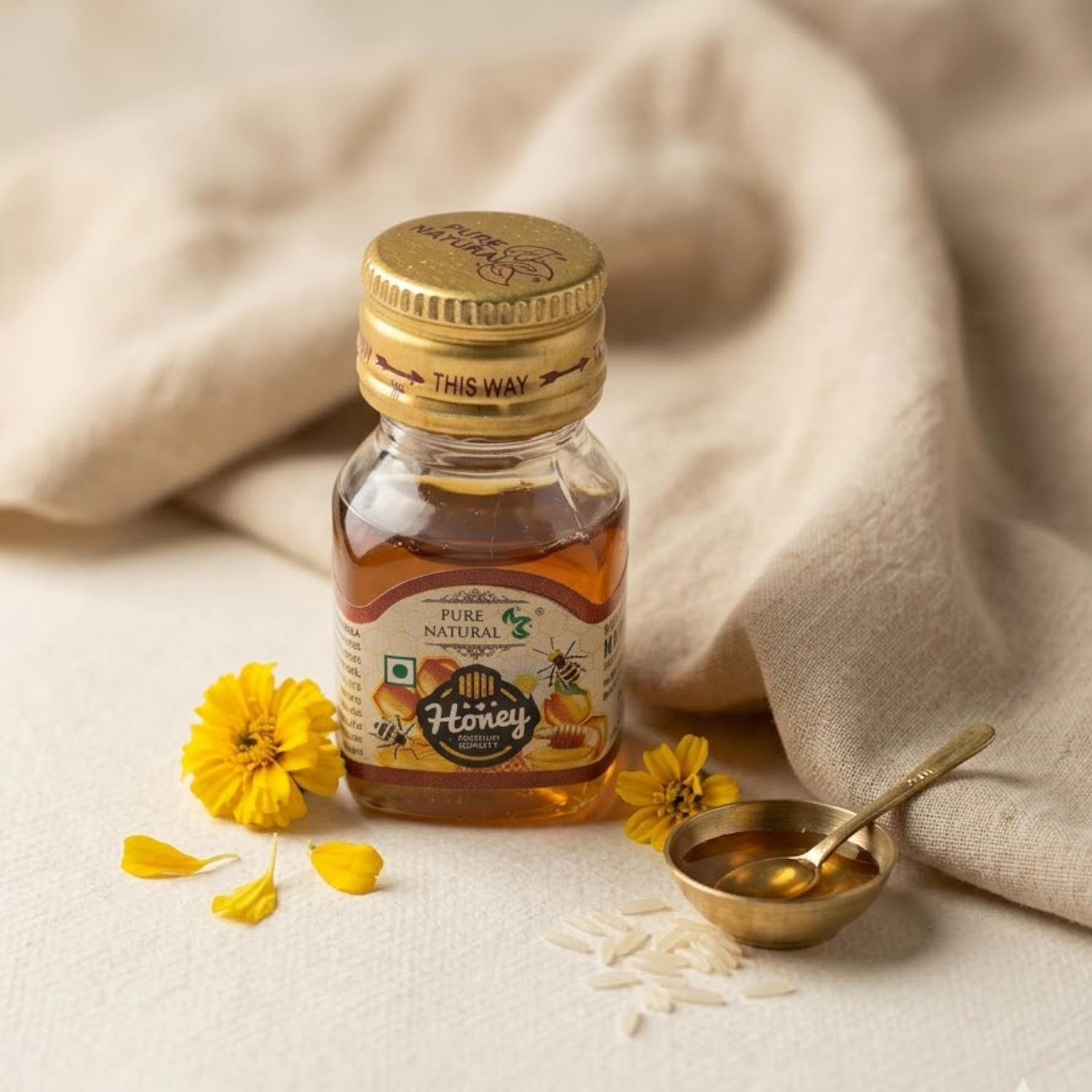
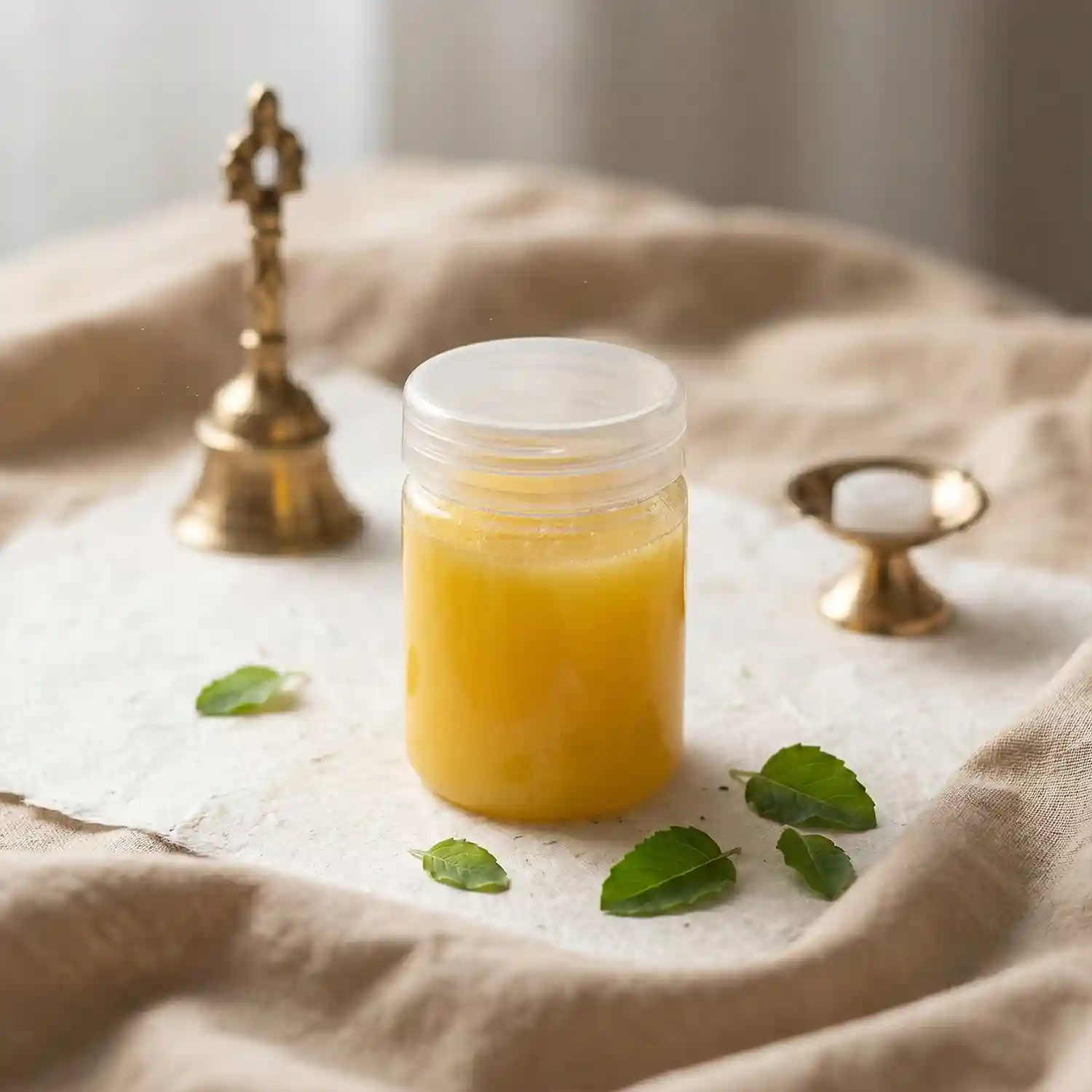
- Q3: The kit includes Pure Honey. Besides using it for the 6th-step "Madhuparka," is there any other spiritual benefit to offering honey?
- For Experienced Practitioners: Yes! Honey is considered one of the highest spiritual conductors of prosperity. According to the Apastamba Sutras, when you offer food to your divine guests or the deity, the type of food dictates your spiritual reward. The text reveals that while offering food mixed with milk brings the reward of an Agnishtoma sacrifice, offering food mixed with pure honey procures the immense, grand reward of an Atiratra sacrifice!
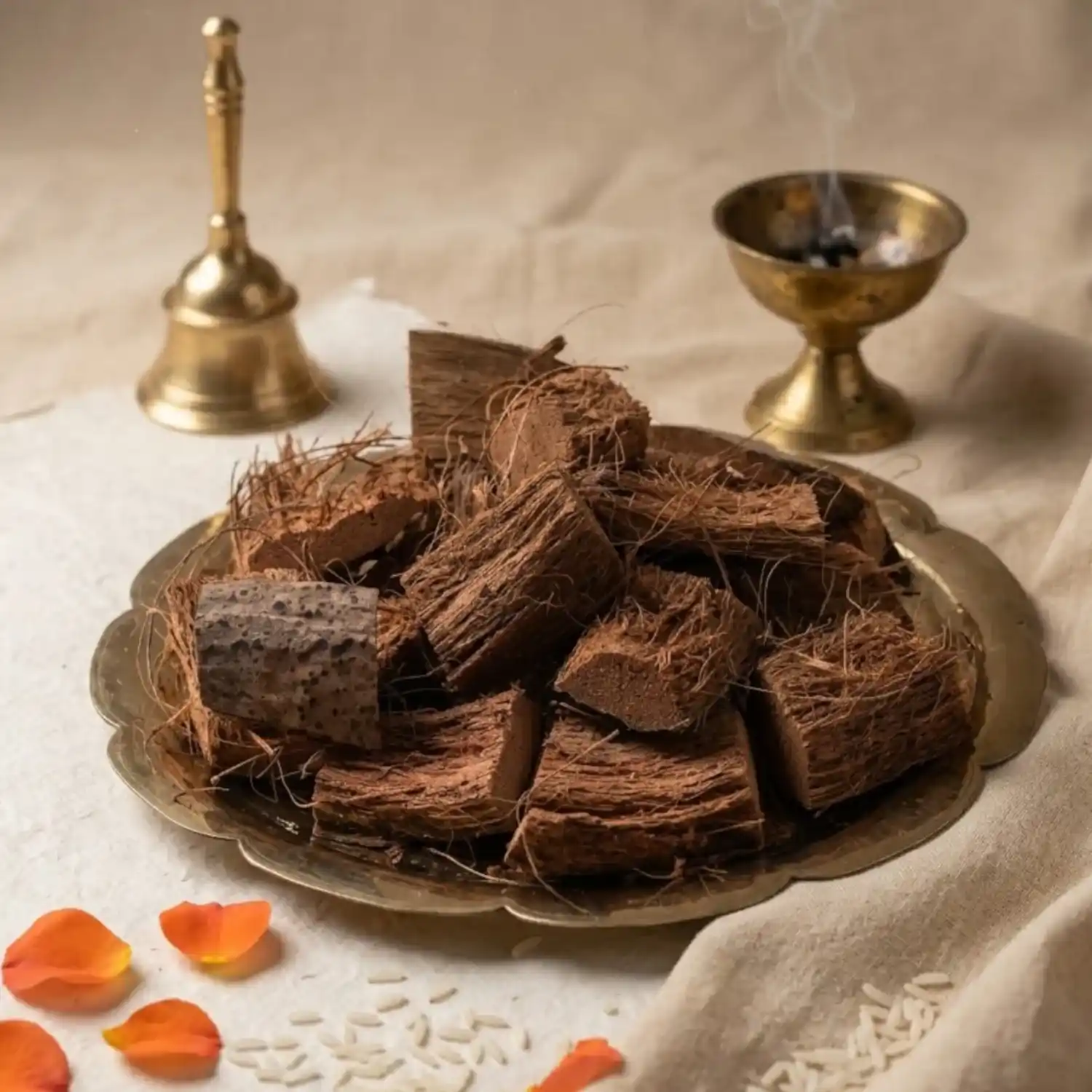
- Q4: I am setting up the Havan (sacred fire) myself. Are there specific rules for handling the firewood (Samidha)?
- For Ritualists & Priests: Authentic Vedic fire rituals require strict discipline regarding the wood! The Apastamba Sutras instruct that when gathering or bringing fuel for the sacred fire, it must never be fetched after sunset . Furthermore, to avoid injuring any small creatures or children, the wood must be safely placed on the floor, not on elevated shelves . Finally, before lighting the fire, the priest or householder must draw exact sacred geometry on the altar: three lines from west to east, and three lines from south to north.
- Q5: Since Dhaanya Lakshmi is the Goddess of Food Security, is her worship restricted only to initiated priests or elders?
- For Everyone: Absolutely not! Food security and agricultural abundance are universal needs. The Vedic NityaKarma emphatically declares that daily worship and sacred fire rituals (Yajnas) are not restricted to experts . It boldly states that "from children to the elderly, men and women," absolutely everyone has the universal right to worship God and invite Dhaanya Lakshmi’s endless nourishment into their home!