




_15_11zon.webp)

.webp)






_.webp)
Frequently Asked Questions
- Q1: Since Bipod Tarini is a form of Goddess Durga, can I offer her Durva grass from my garden?
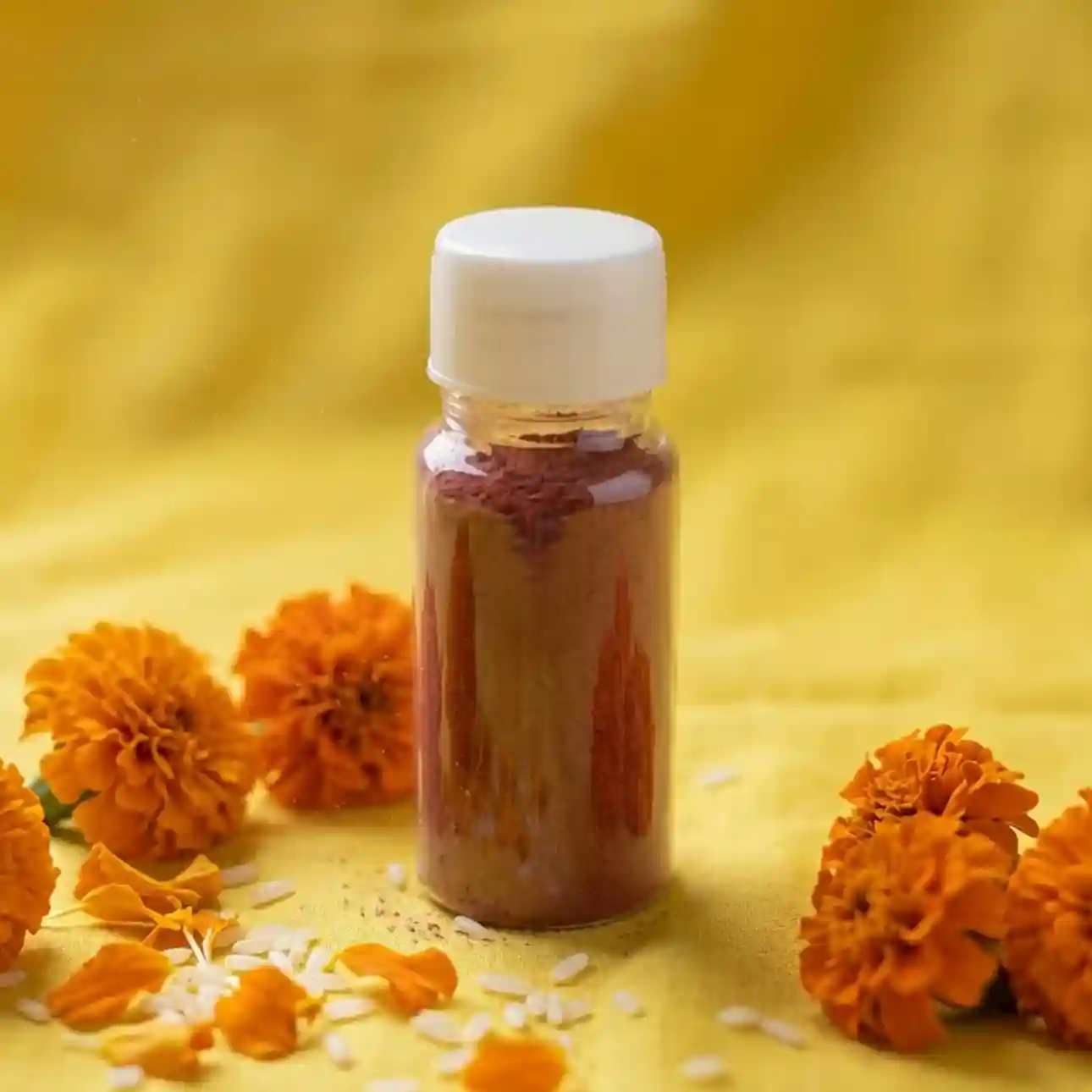
- For Beginners & Devotees: The classical scriptures contain highly specific rules regarding which leaves are acceptable for which deity! According to the Purohit Darpan, the general rule is: "na dūrvayā yajeddurgāṃ" (One should not worship Durga with Durva grass). The text strictly commands that while Durva is excellent for many deities, you should instead use the provided Red Roli, Red Chandan, and beautiful red flowers to perfectly honor this manifestation of the Divine Mother!
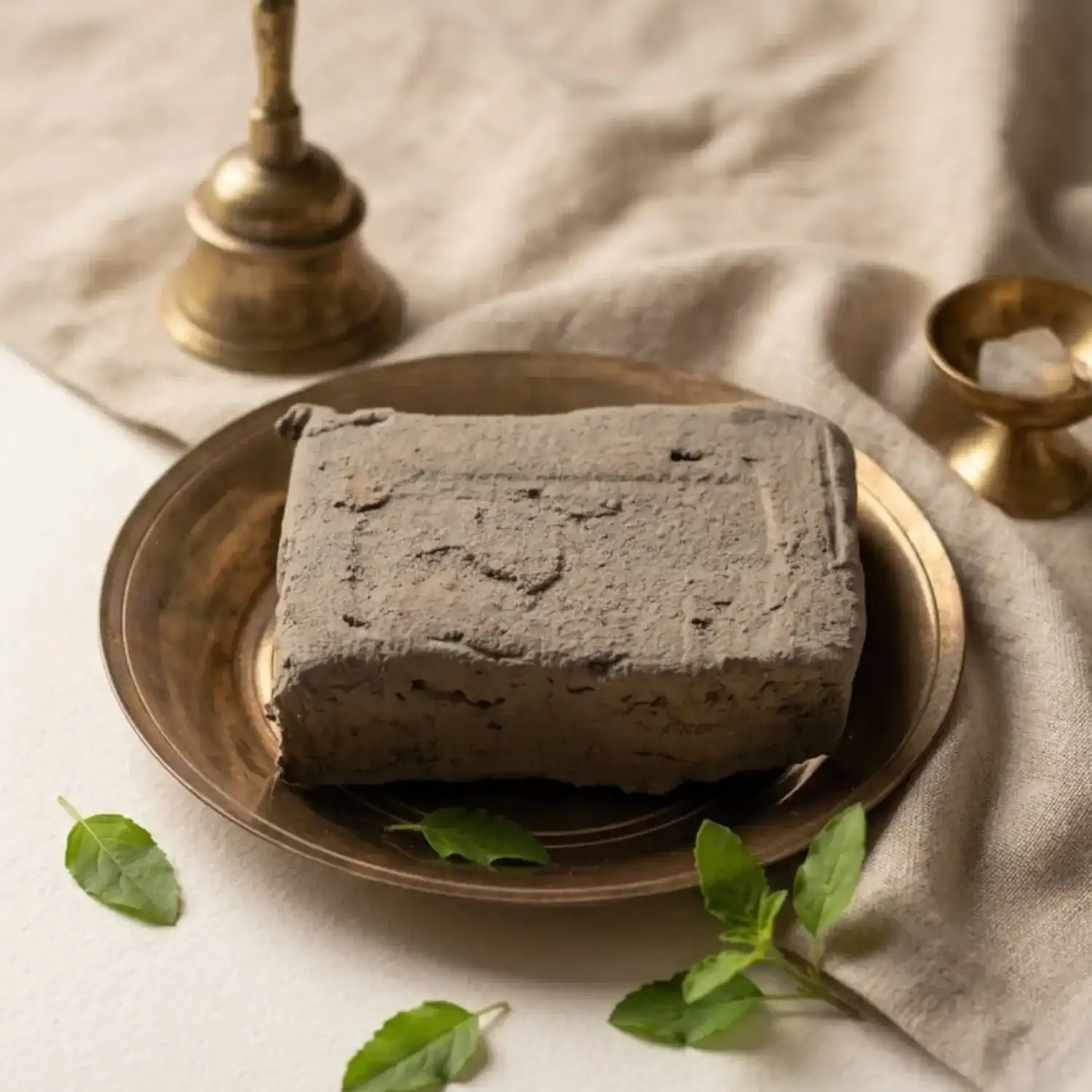
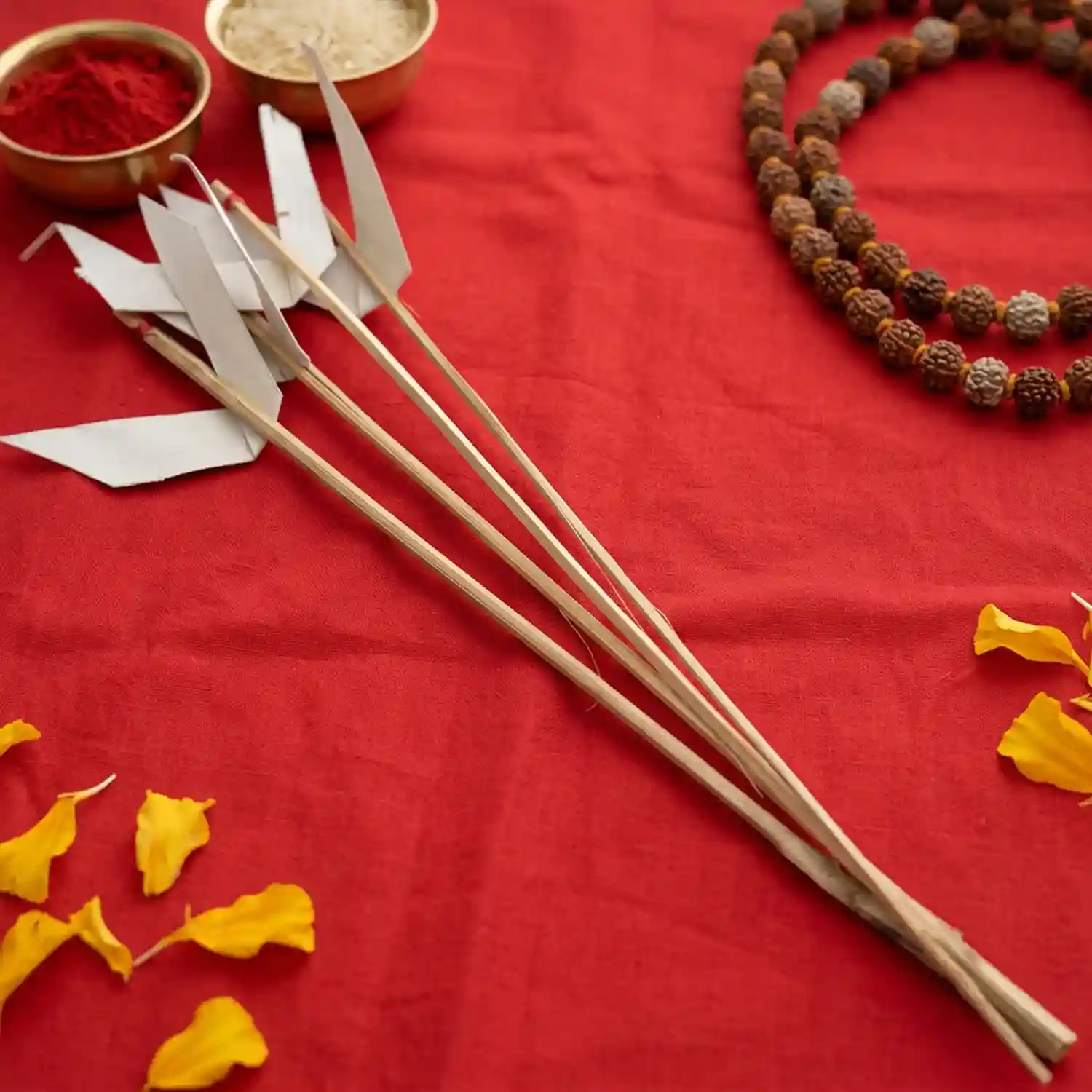
- Q2: The kit includes "Ganga Mitti" (Sacred Clay) and "Teer Kathi" (Boundary Sticks). How exactly are these used by the priest?
- For Home Ritualists: These are the essential building blocks for establishing the divine presence! According to the Purohit Darpan, before placing the sacred water pot (Ghat), a pure base must be formed. The Ganga Mitti is used to create this sacred earthen foundation. Once the pot is placed, the four Teer Kathi (bamboo arrows/sticks) are planted around it to create a heavily protected, energetic boundary that anchors the Goddess's power to that exact spot.
- Q3: We want to perform a large part of the puja ourselves. Does it matter how we sit when we sip the holy Ganga Jal for purification?
- For Families: Yes, the Vedic science of posture is incredibly strict during purification! According to the classical Apastamba Grihya Sutras, when performing Achamana (sipping holy water for internal cleansing), the worshipper must never drink the water standing up or bent forwards. You must sit respectfully, sip the water three times, and then wipe your lips before proceeding to touch the divine items.
- Q4: My husband will be assisting the priest during the rituals. How should he wear the "White Cotton Janeu" (Sacred Thread) provided in the kit?
- For Experienced Practitioners: The position of the sacred thread dictates the cosmic frequency of the worship! According to the Apastamba Sutras, when performing divine worship (Devayajna), honoring the Gods, or offering oblations into the sacred fire, the householder must ensure the thread is suspended over the left shoulder and under the right arm (a highly auspicious posture known as Upaviti).
- Q5: Is there a specific rule for managing our household water vessels during the days we host the Goddess?
- For The Head of the Household: Yes, hosting the divine requires maintaining an atmosphere of total abundance! The Apastamba Sutras declare a beautiful, constant rule for the householder: "The water-vessels in the house shall never be empty; that is the duty to be observed by the householder and his wife". Keeping your vessels full during the puja period symbolizes the endless flow of blessings and prosperity that Bipod Tarini brings into the home!