

_11zon.webp)


_11zon.webp)

.webp)
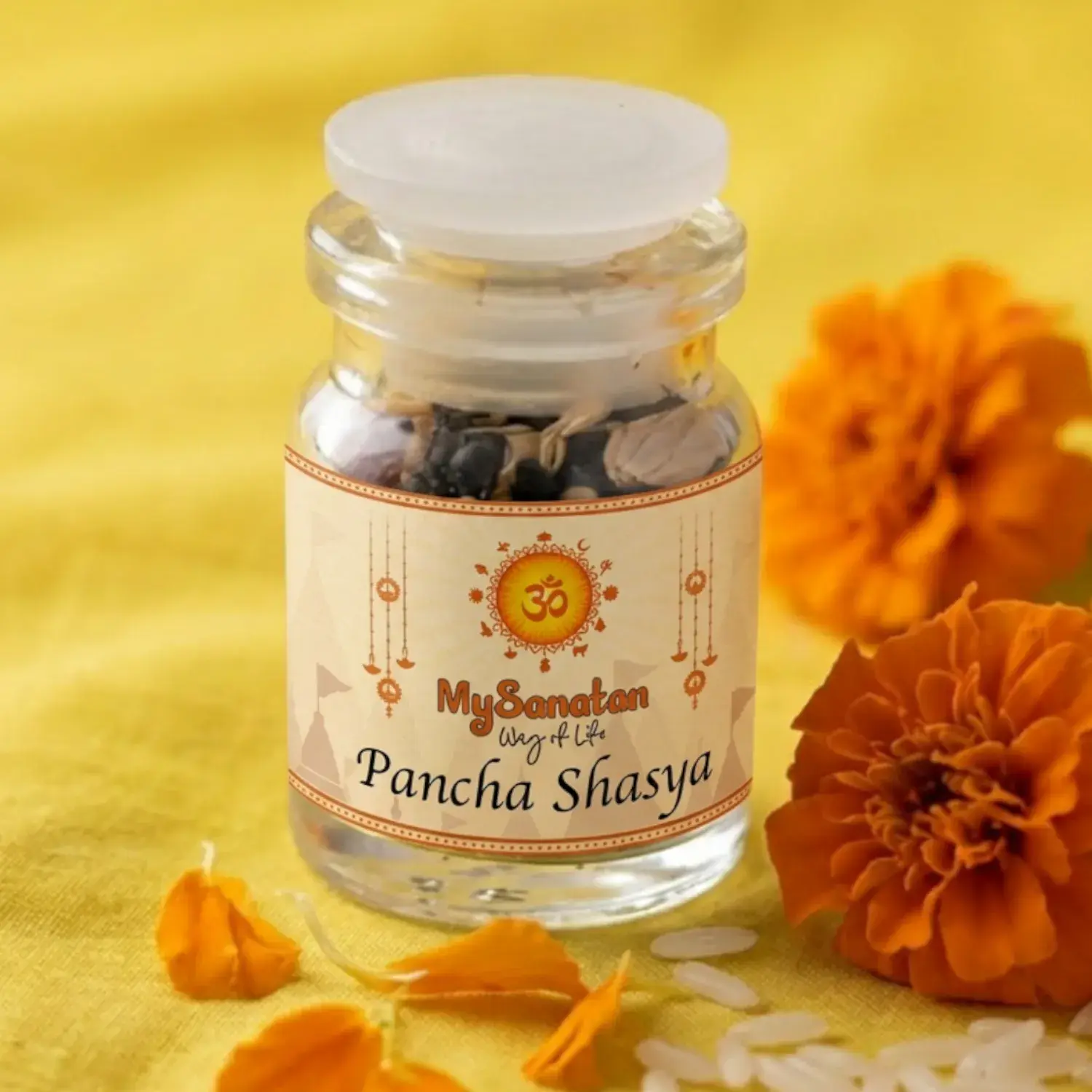

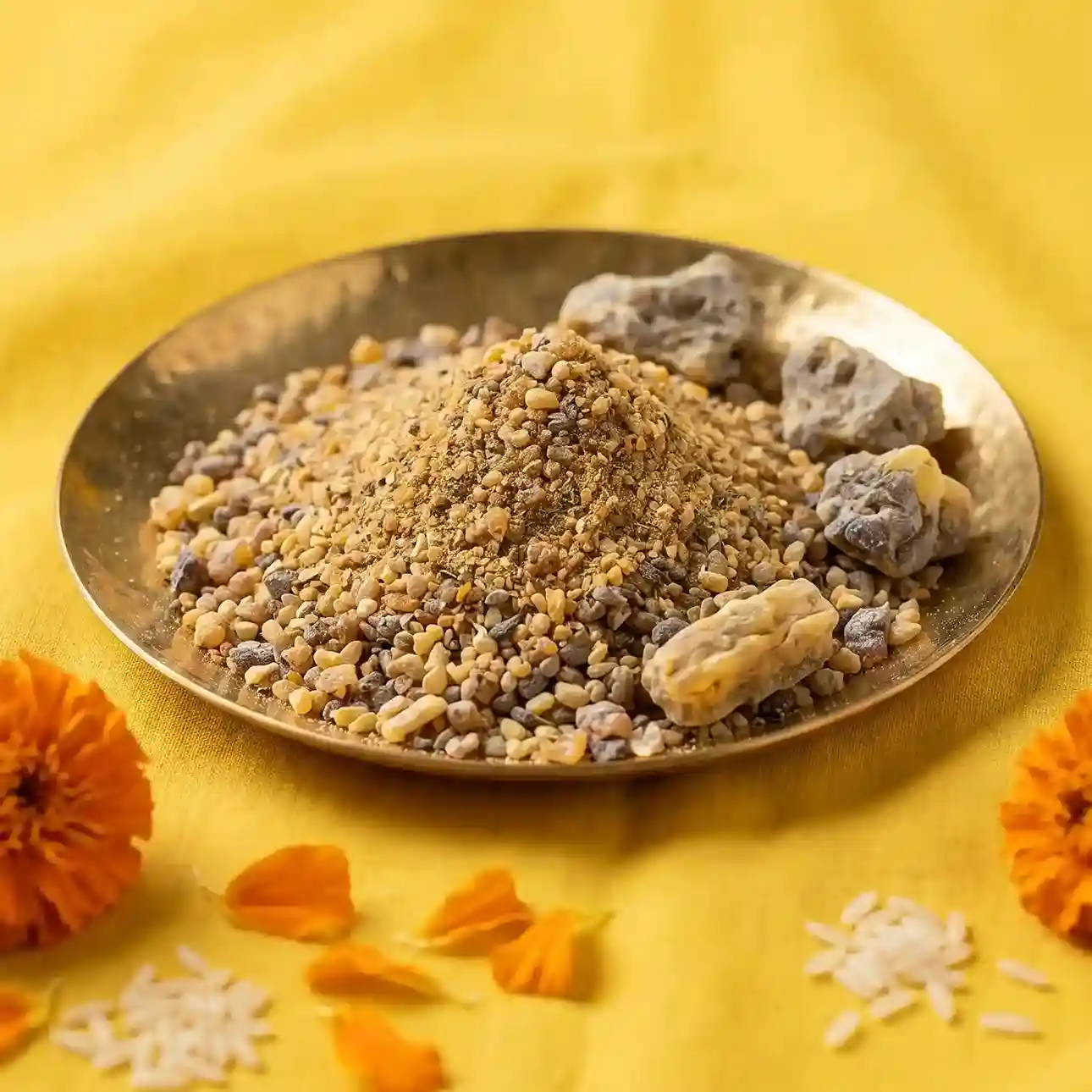
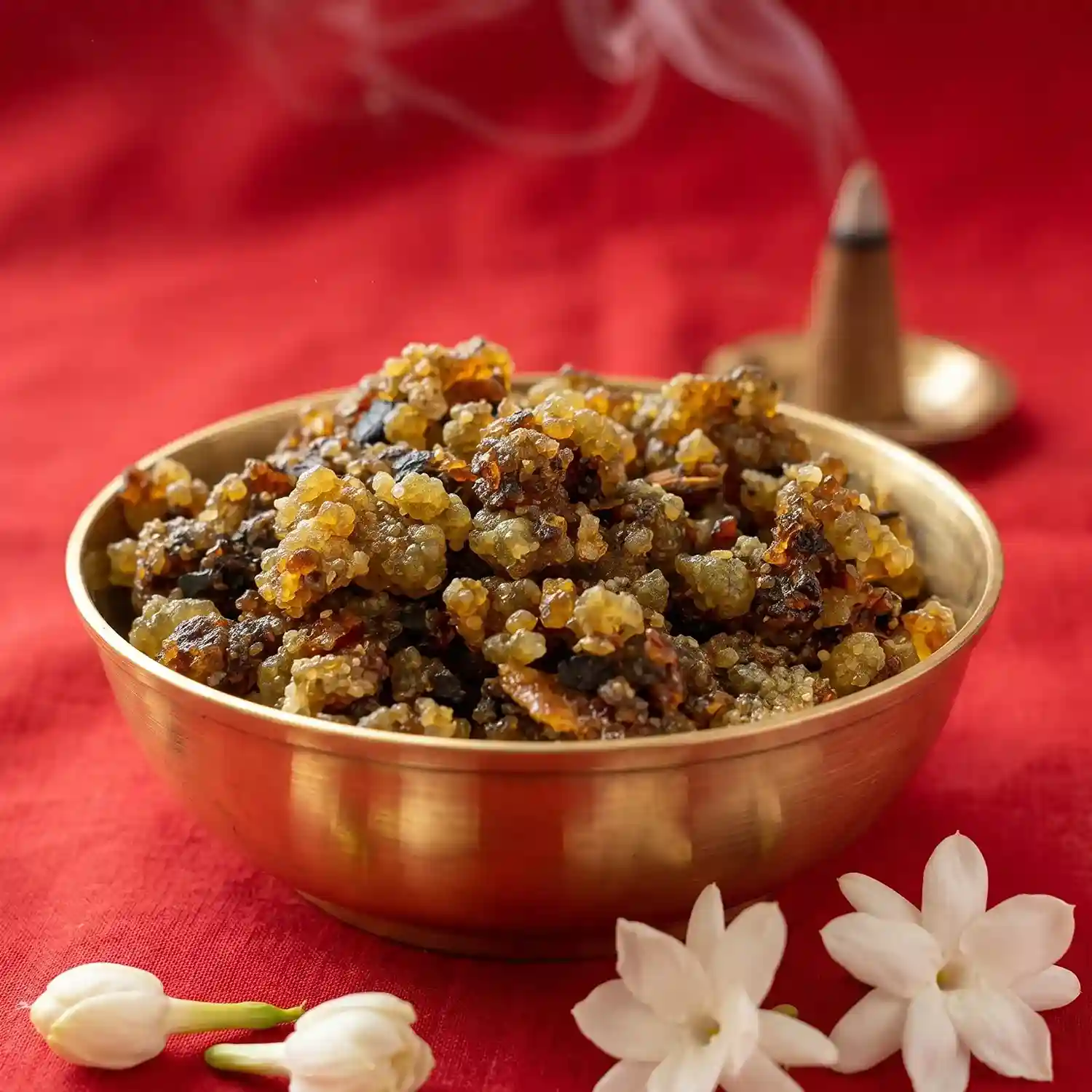
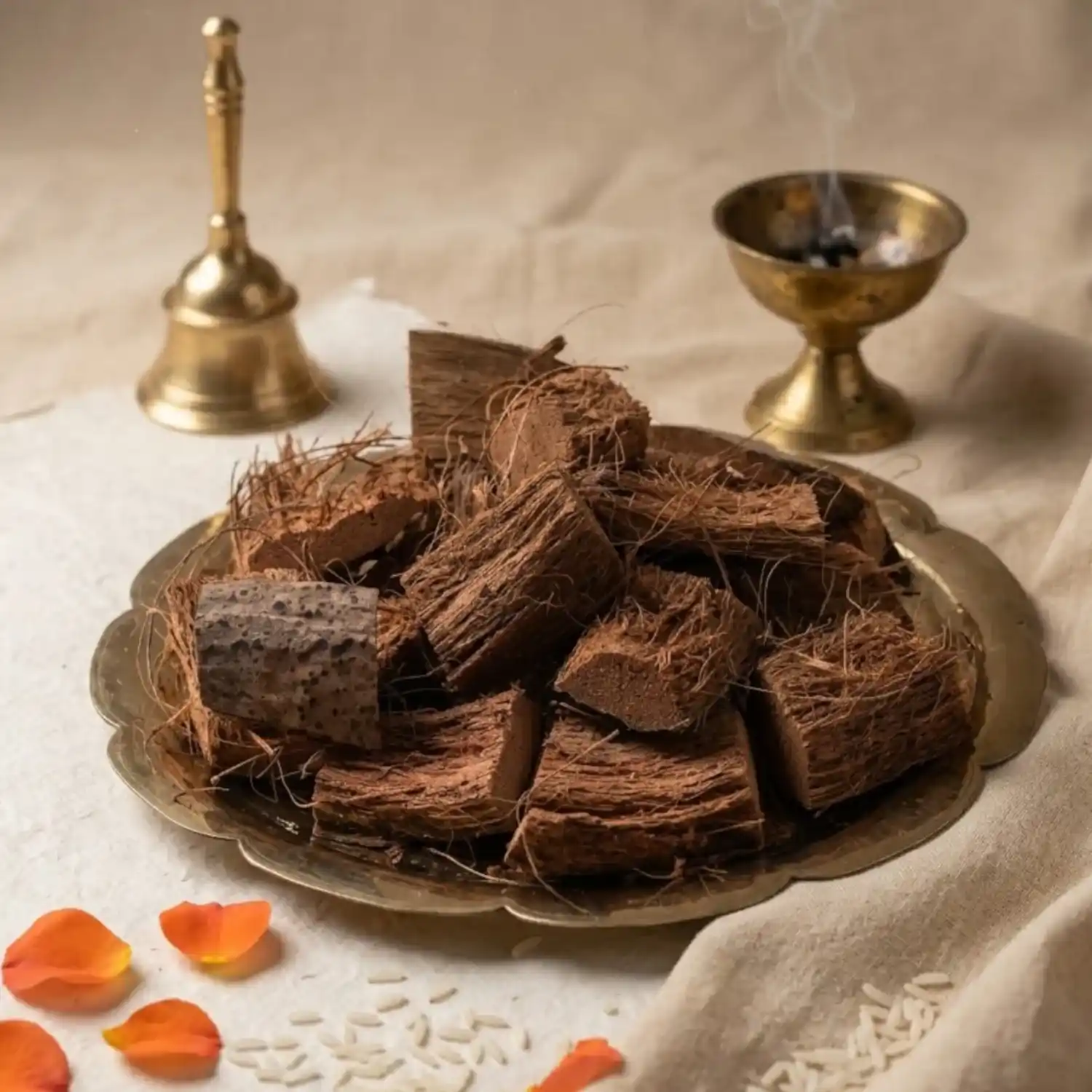


_11zon.webp)


.webp)
_11zon.webp)
_11zon.webp)

1_1_11zon.webp)
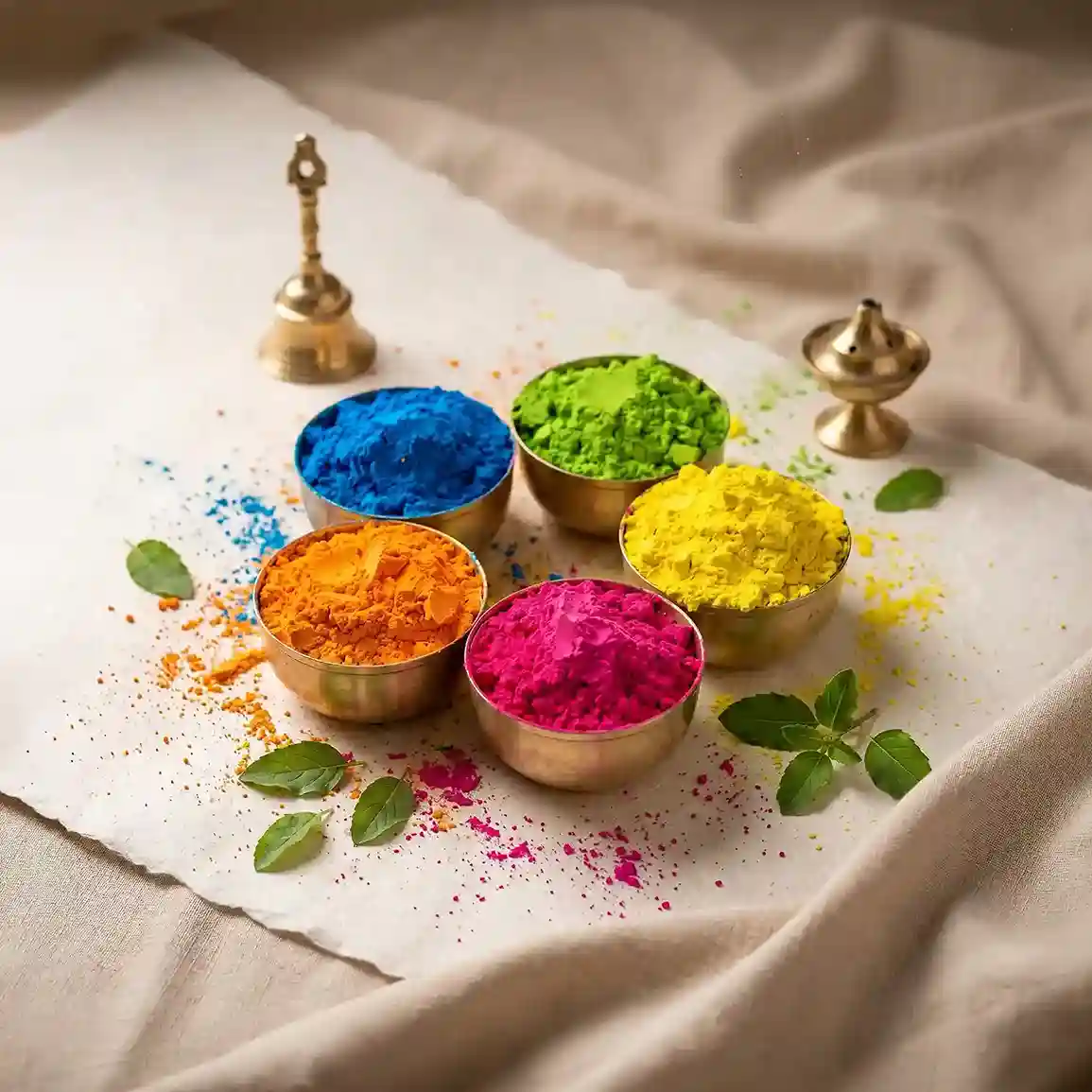



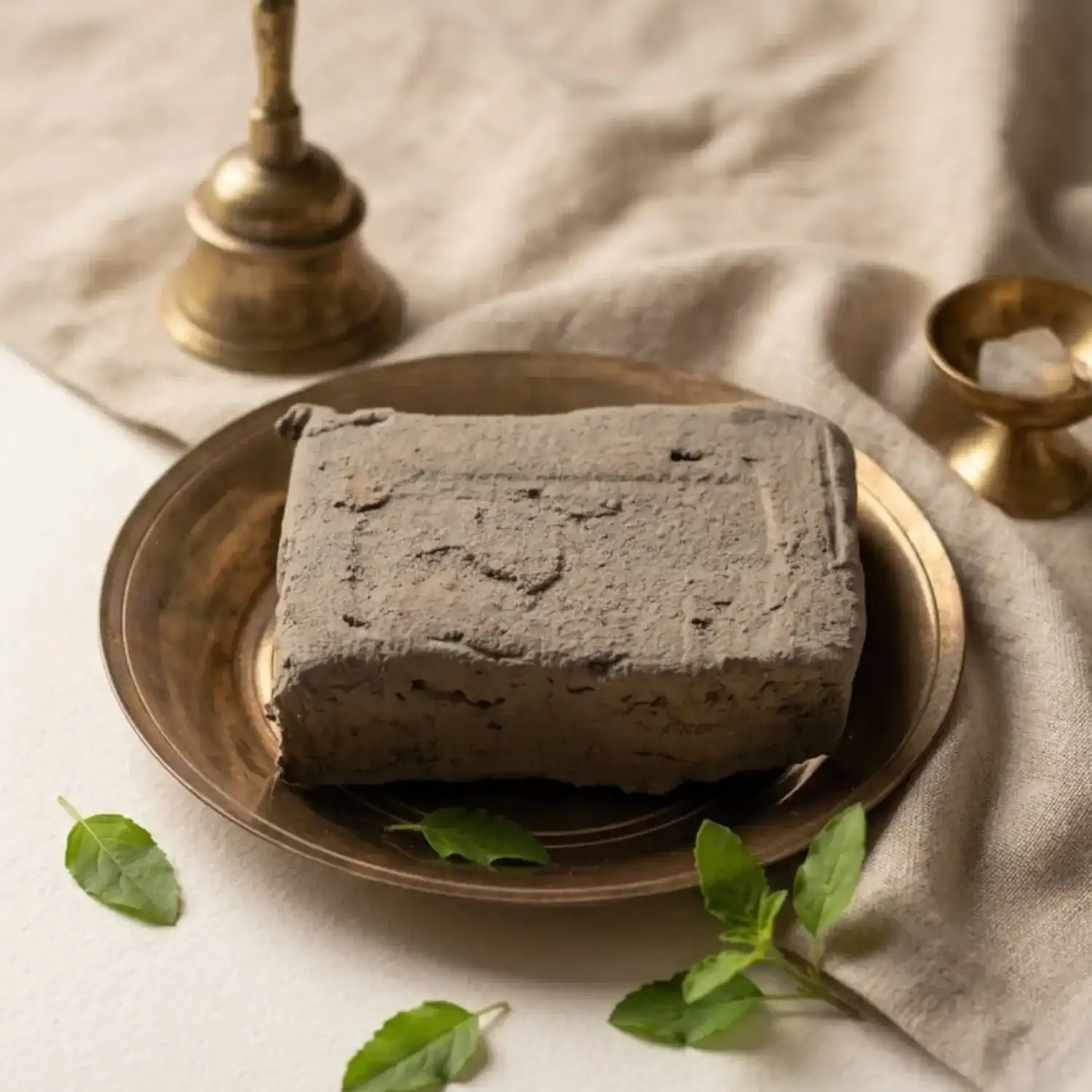
.webp)
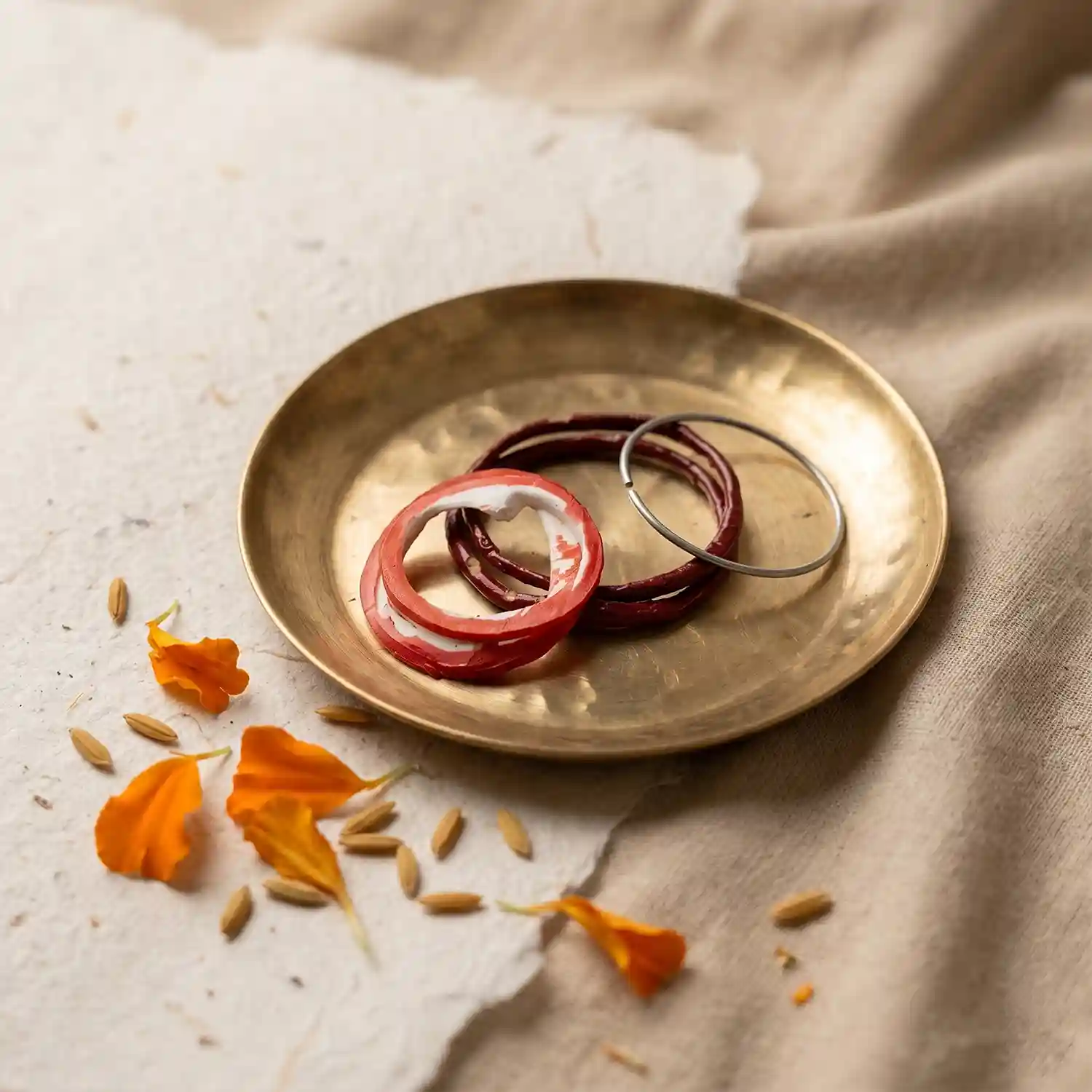
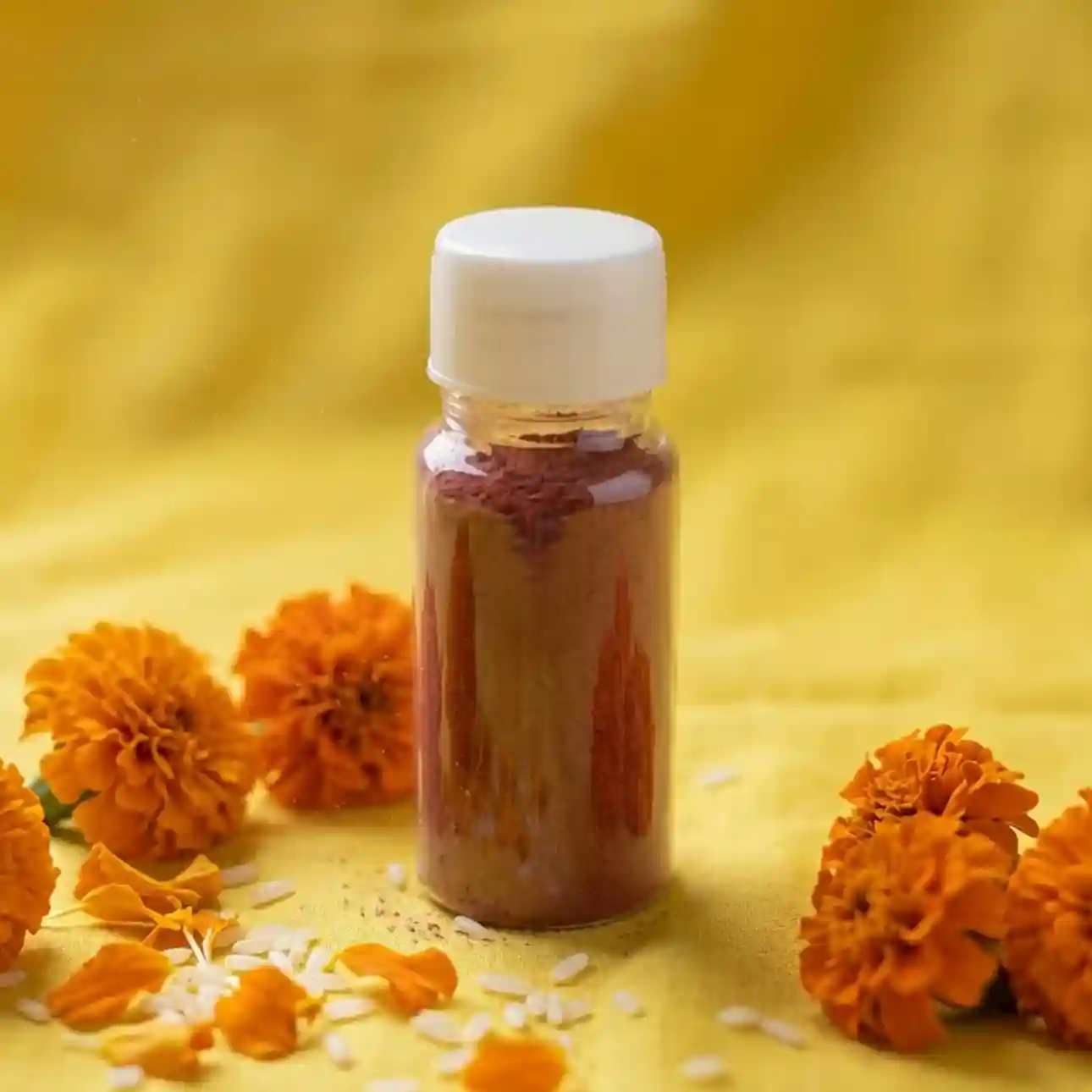
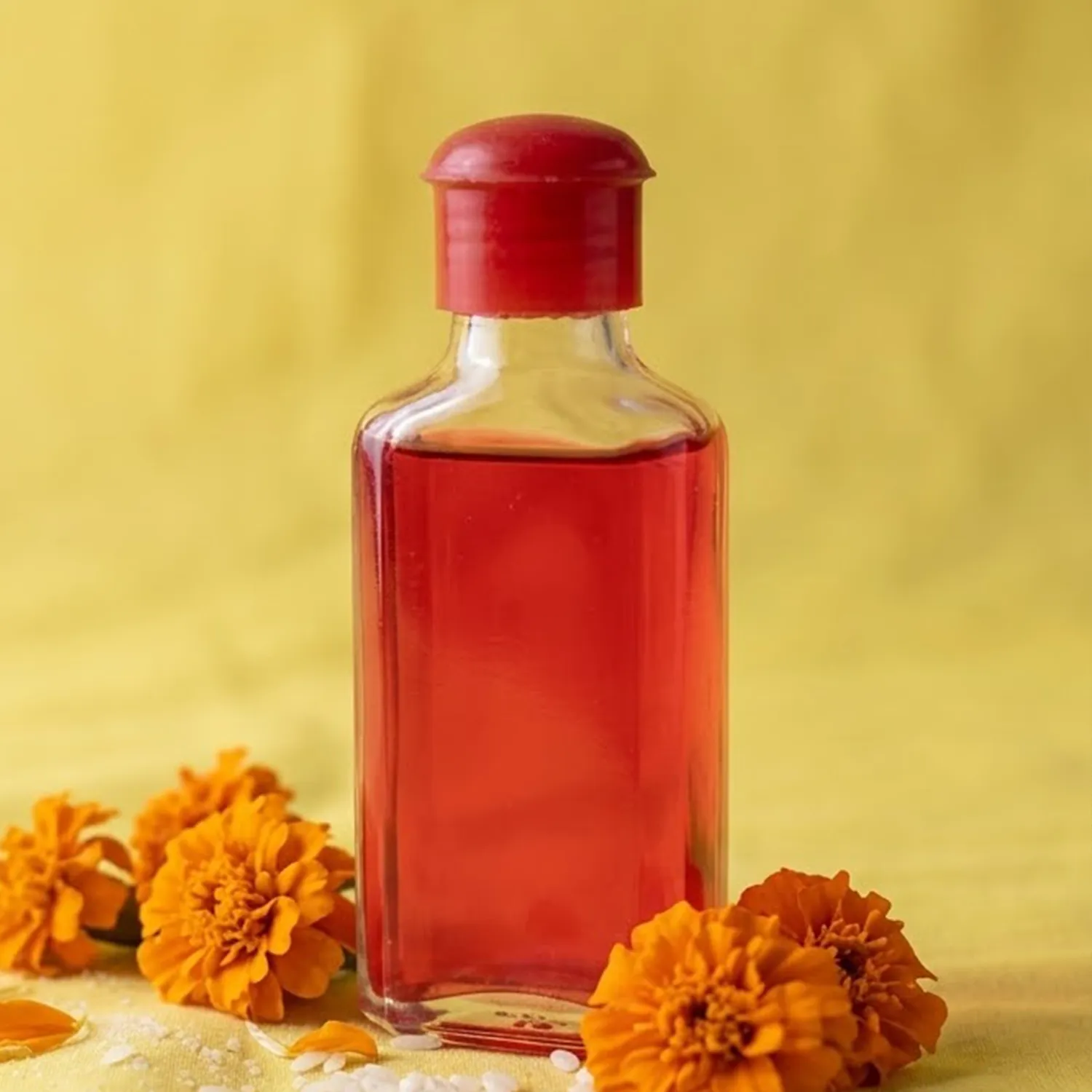

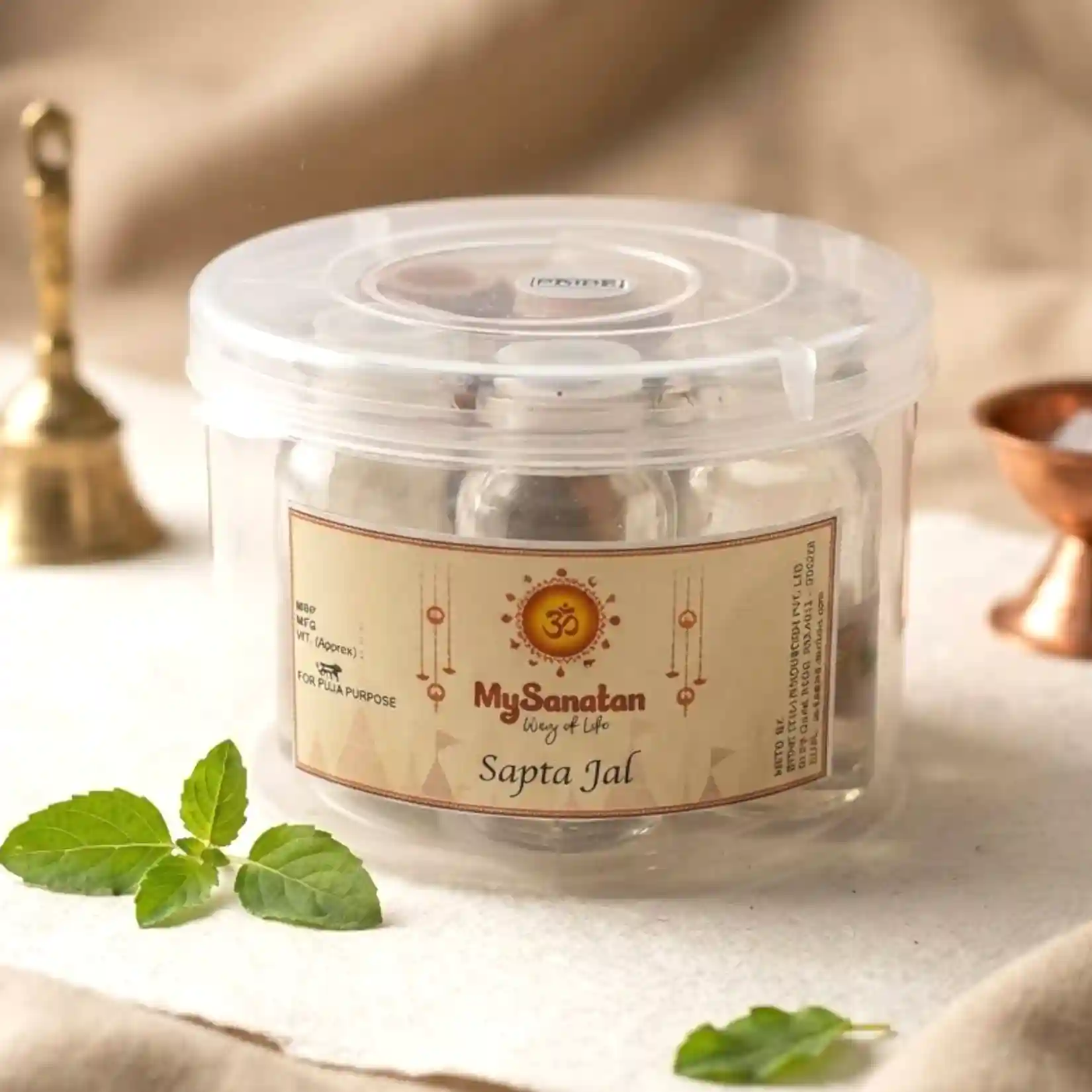
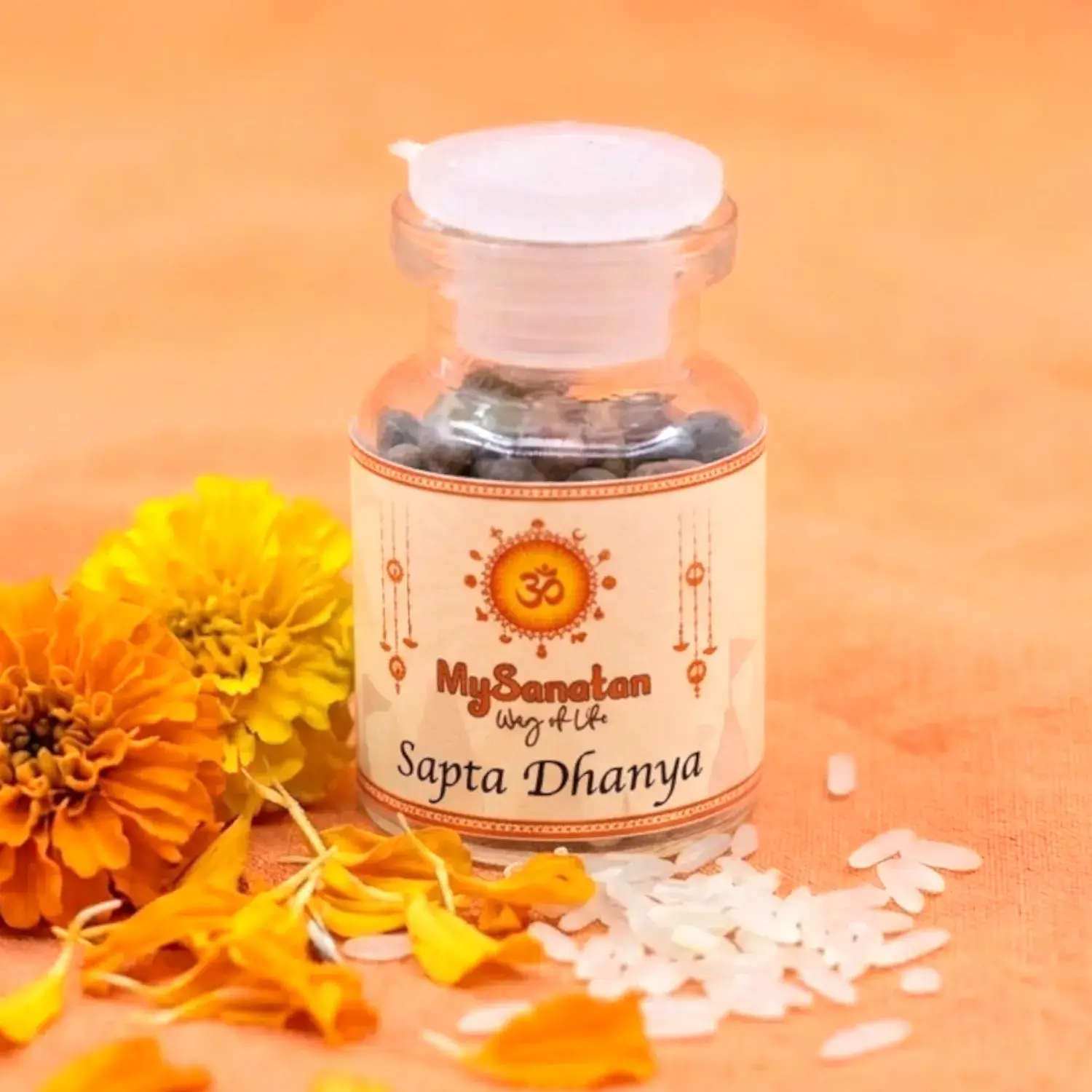
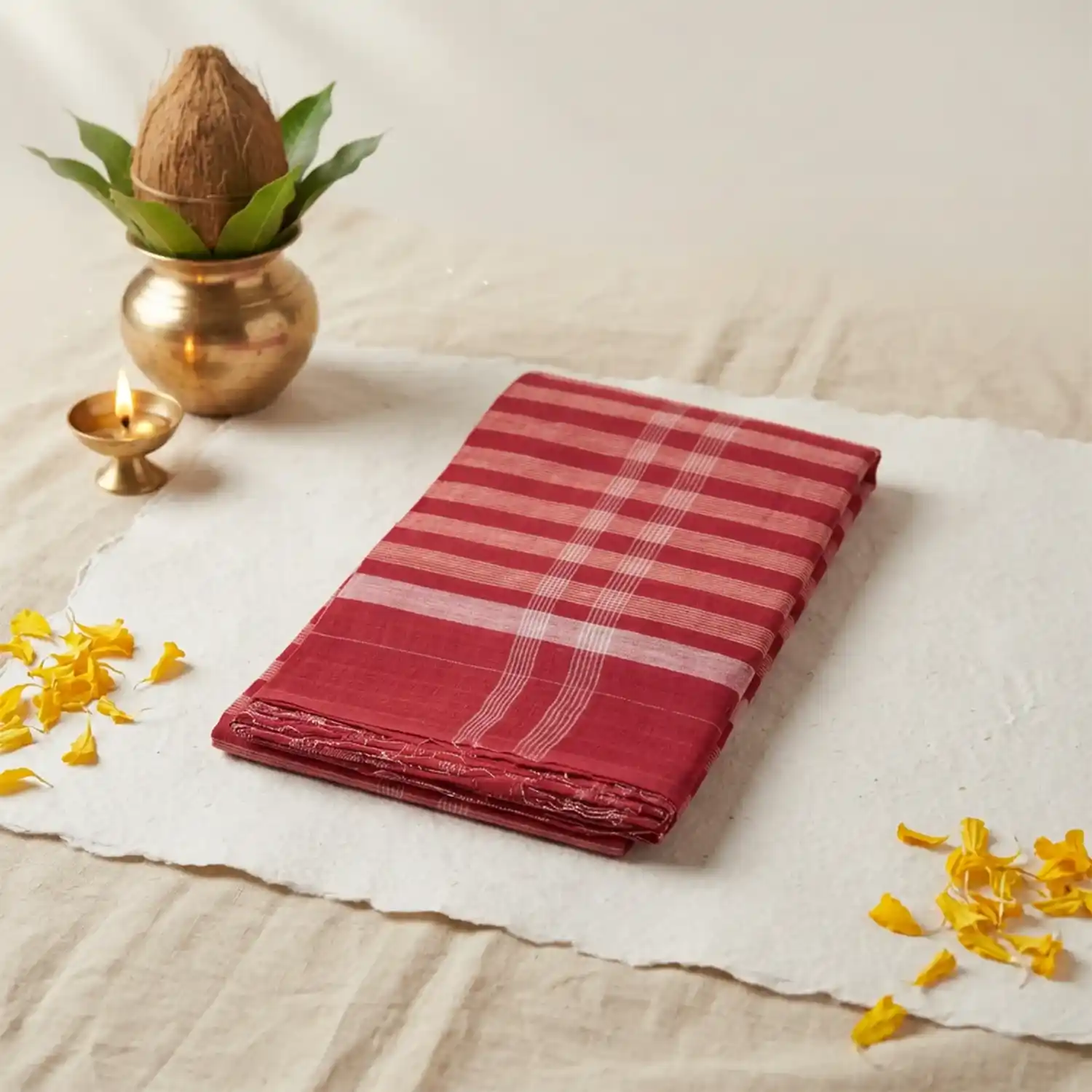

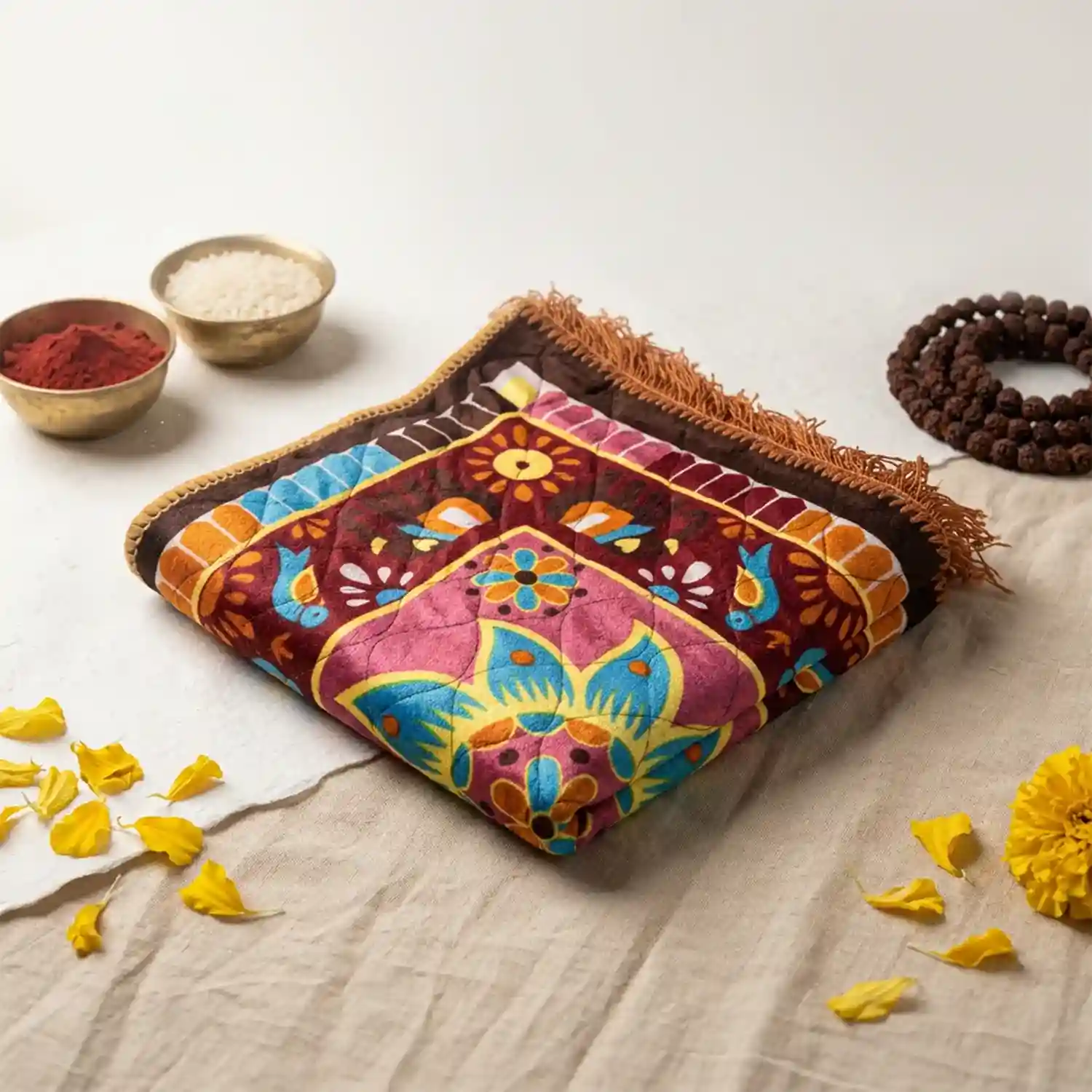
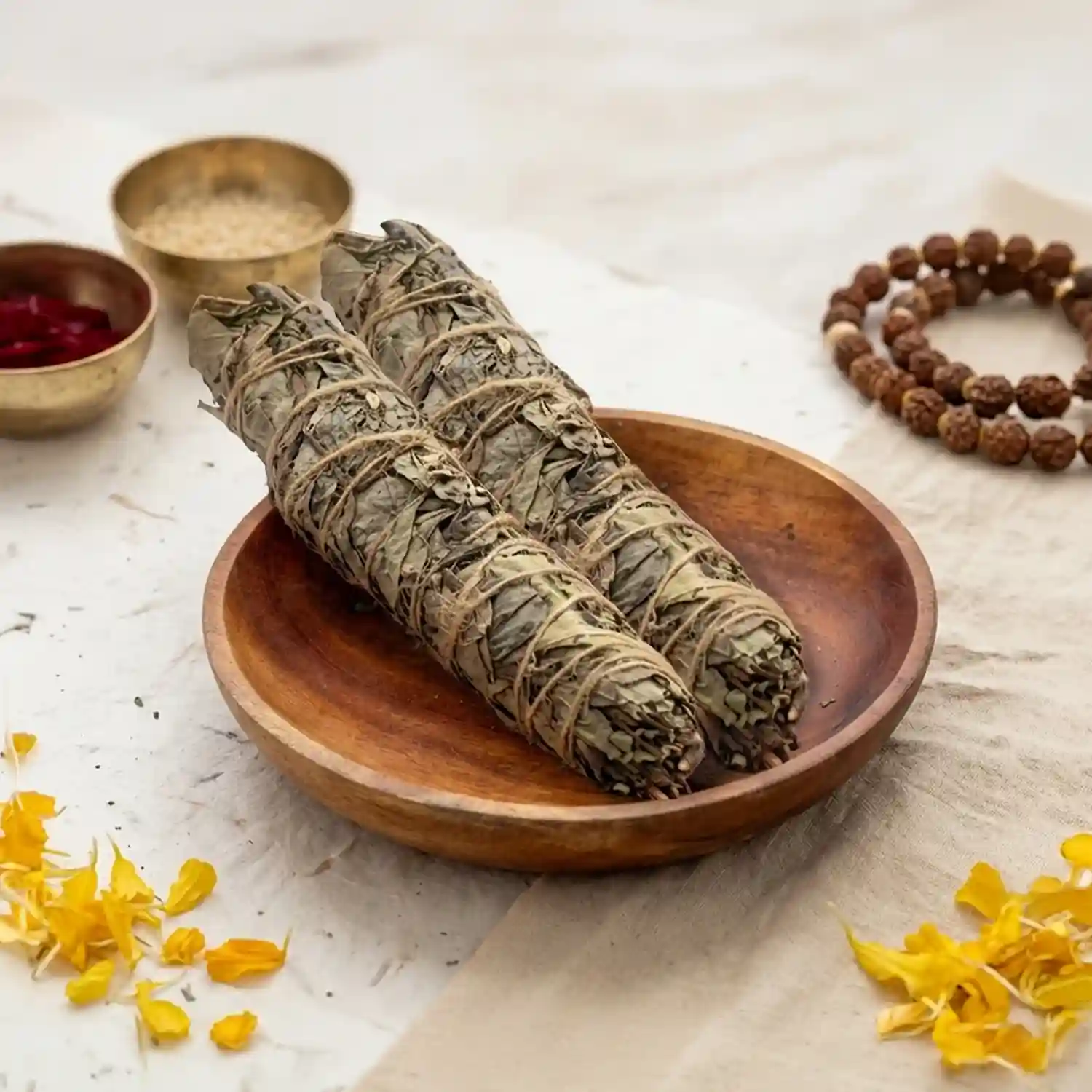
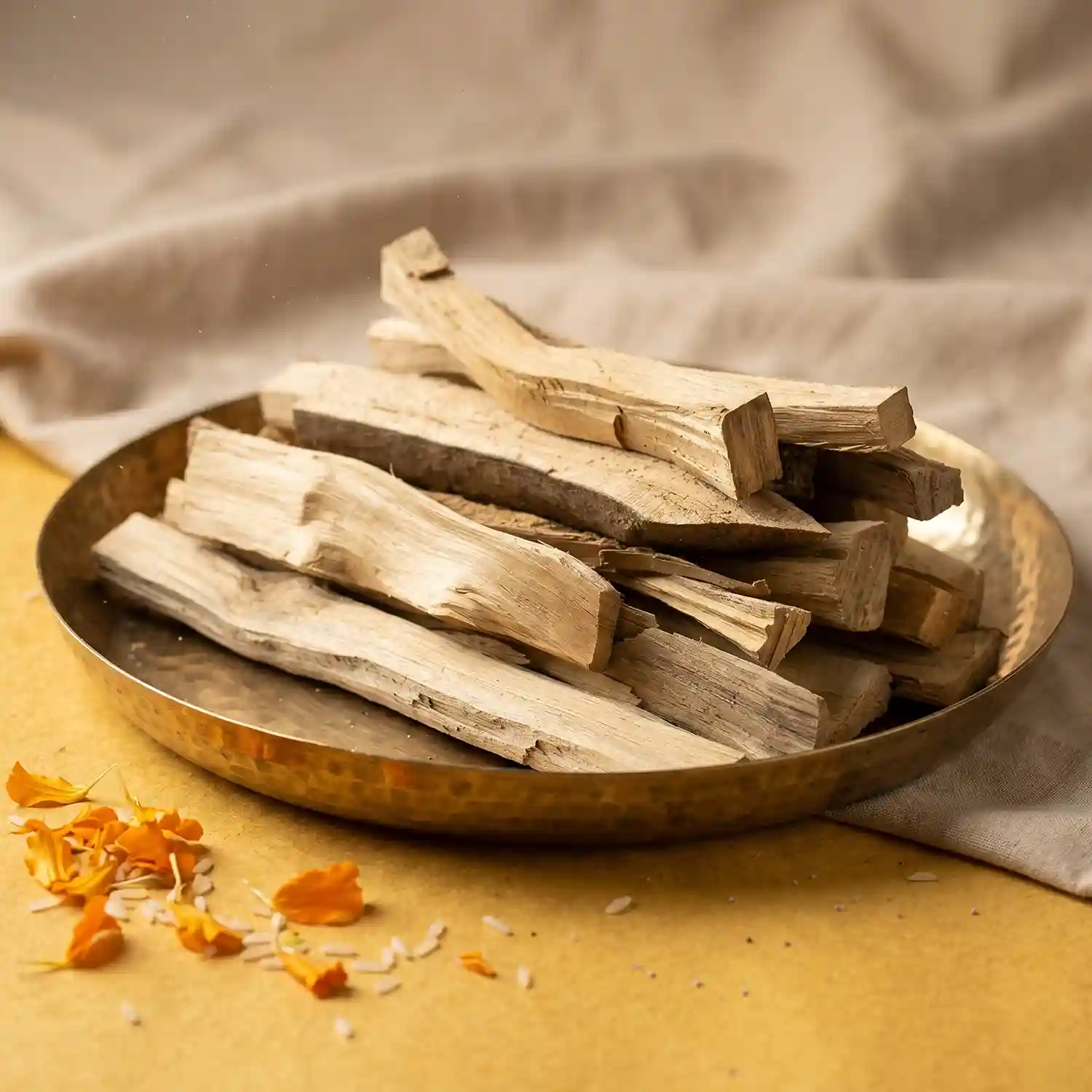
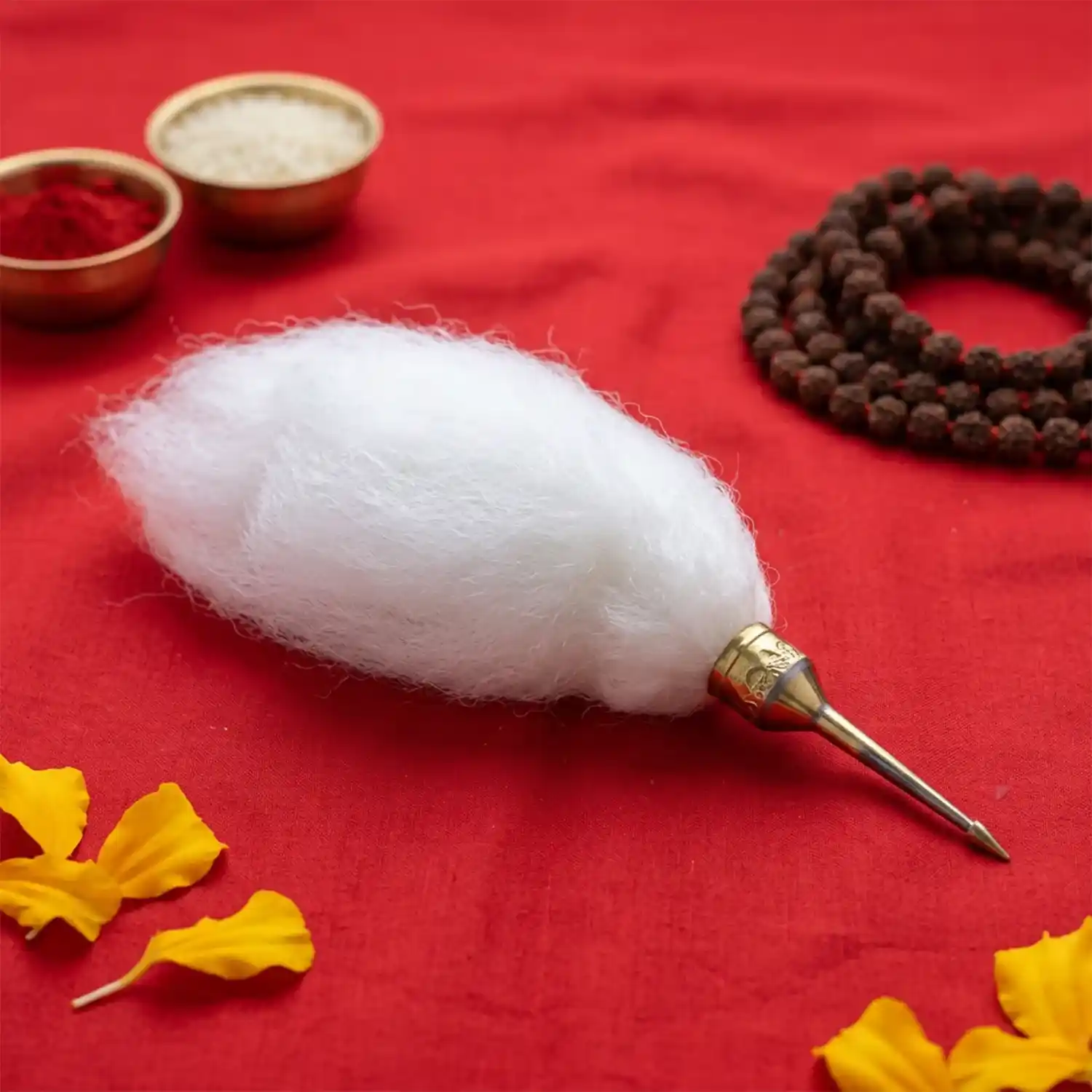
_11zon.webp)
_11zon.webp)


_9_11zon.webp)

Frequently Asked Questions
- Q1: The kit includes "Saptamrittika" (Seven Sacred Soils) for the Mahasnan. Where exactly do these soils come from?
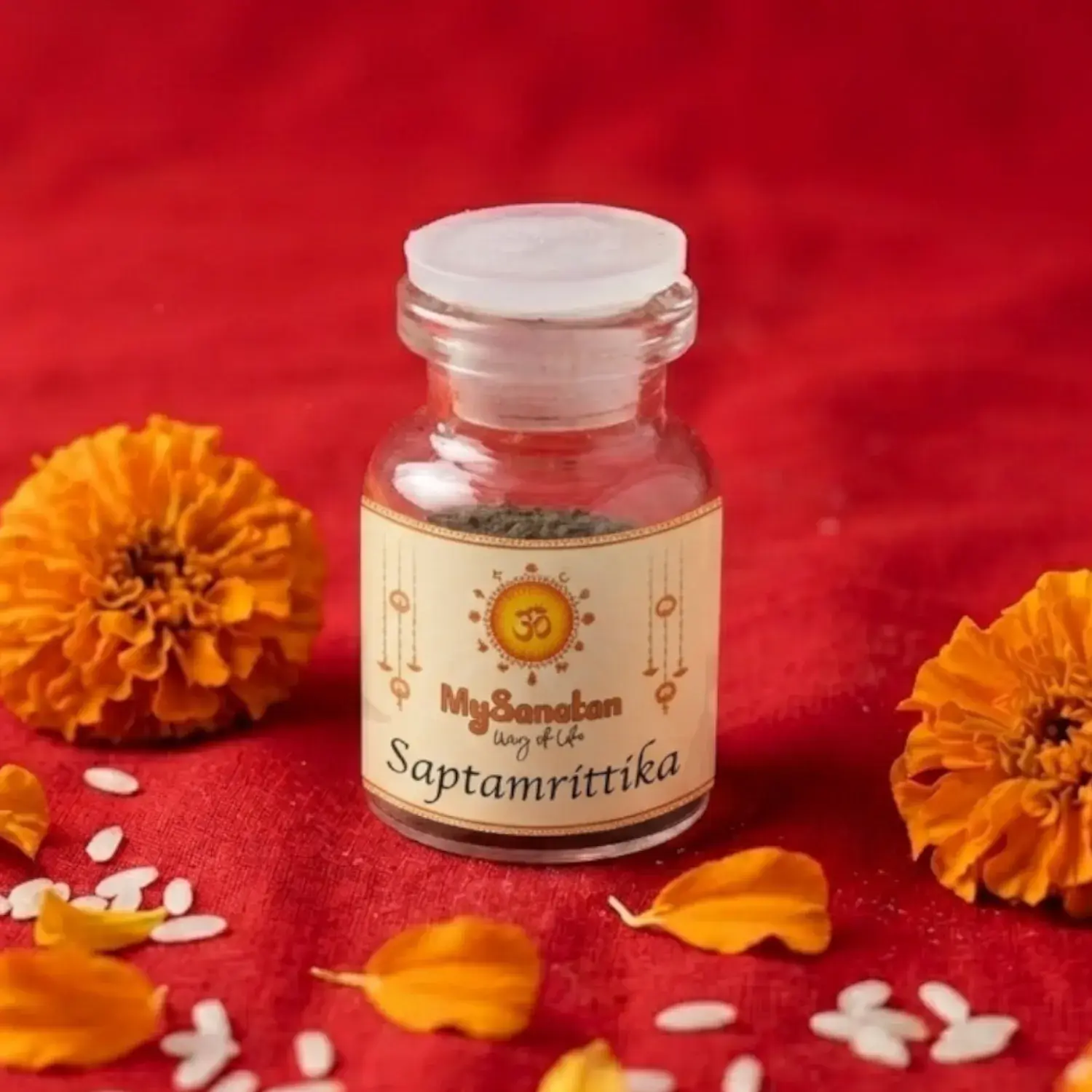
- For Families & Cultural Enthusiasts: In grand Shakta worship, the Goddess's bath represents the entire earth bowing down to her! According to the Purohit Darpan, these seven soils must be gathered from incredibly specific, powerful locations: a horse stable, an elephant stable, an anthill, a river confluence, a deep lake, a cow pen (Gokul), and a royal gate or courtyard. Offering this blend ensures that the highest energies of nature and society are utilized to welcome the Mother!
- Q2: We are planning musical performances for our spring Basanti Puja. Can we play the flute for the Goddess?
- For Devotees & Event Organizers: You must strictly avoid the flute! The Purohit Darpan contains a highly specific list of Prohibited Instruments (Nishiddha Vadya) for different deities. The text explicitly mandates that playing the flute (Bangshibadyam) is strictly forbidden in the temple or presence of Goddess Durga. To properly honor her fierce and majestic form, you should stick to traditional drums, conches, and bells!
- Q3: What is "Pancha Kashaya" and how does the priest use it?
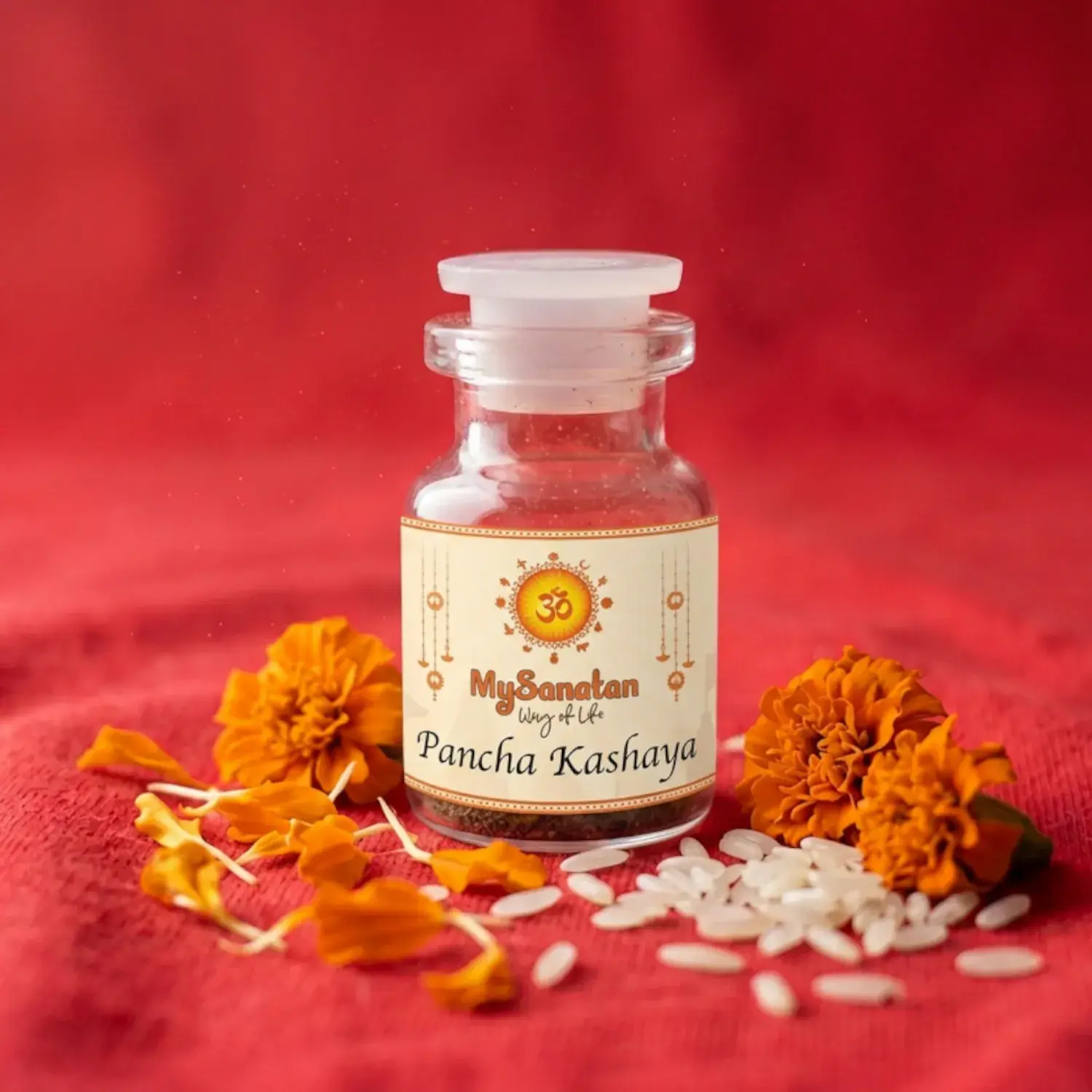
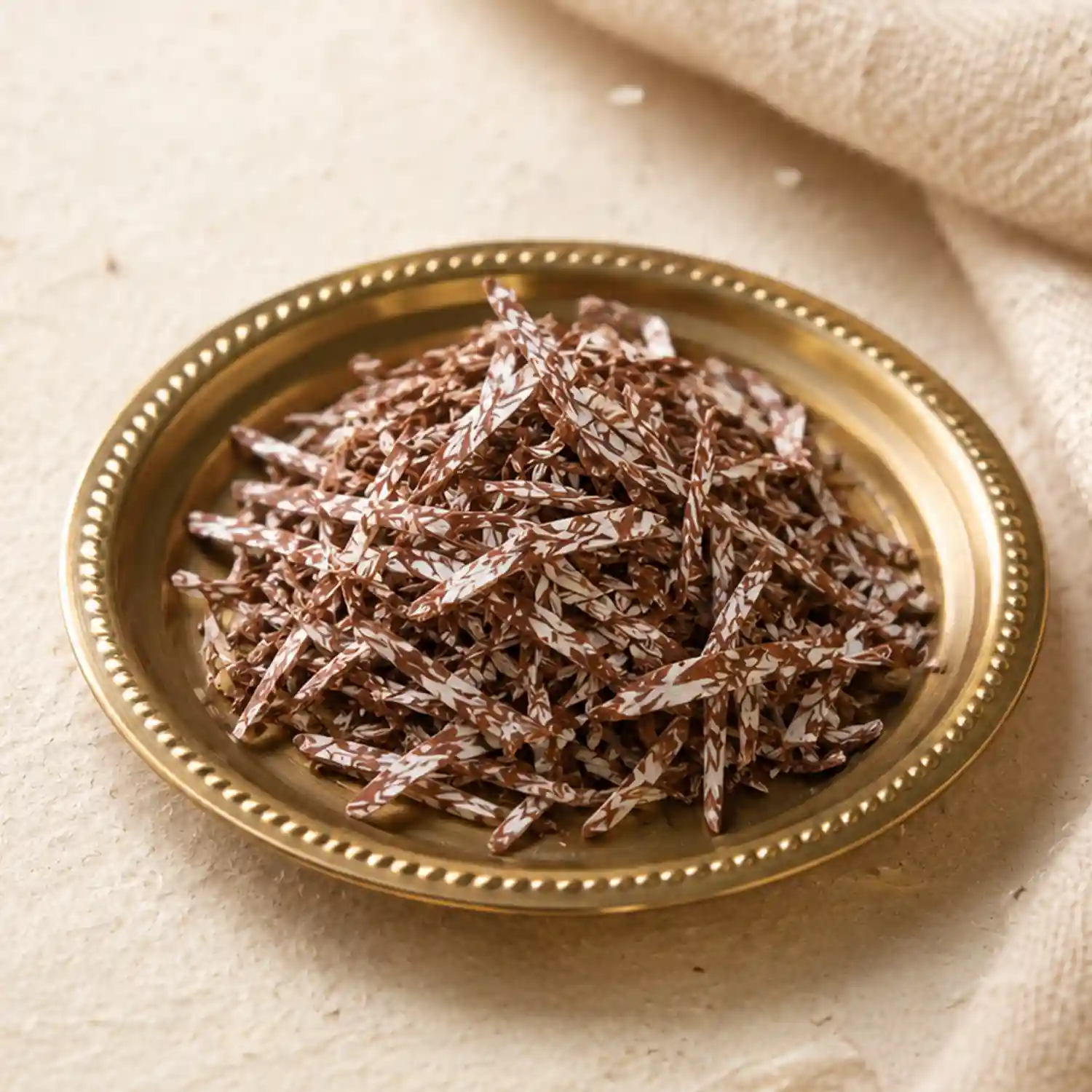
- For Priests & Scholars: The Pancha Kashayaconsists of the barks from five highly specific sacred trees! According to the classical rules of the Purohit Darpan, these barks must be sourced from the Jam, Shimul, Bhela, Kul, and Bakul trees. During the Mahasnan, these barks are soaked in water to create a purifying, astringent botanical essence that is poured over the Goddess's reflection to spiritually cleanse and cool her divine form.
- Q4: I have plenty of fresh Durva grass in my garden. Should I offer it to Goddess Basanti?
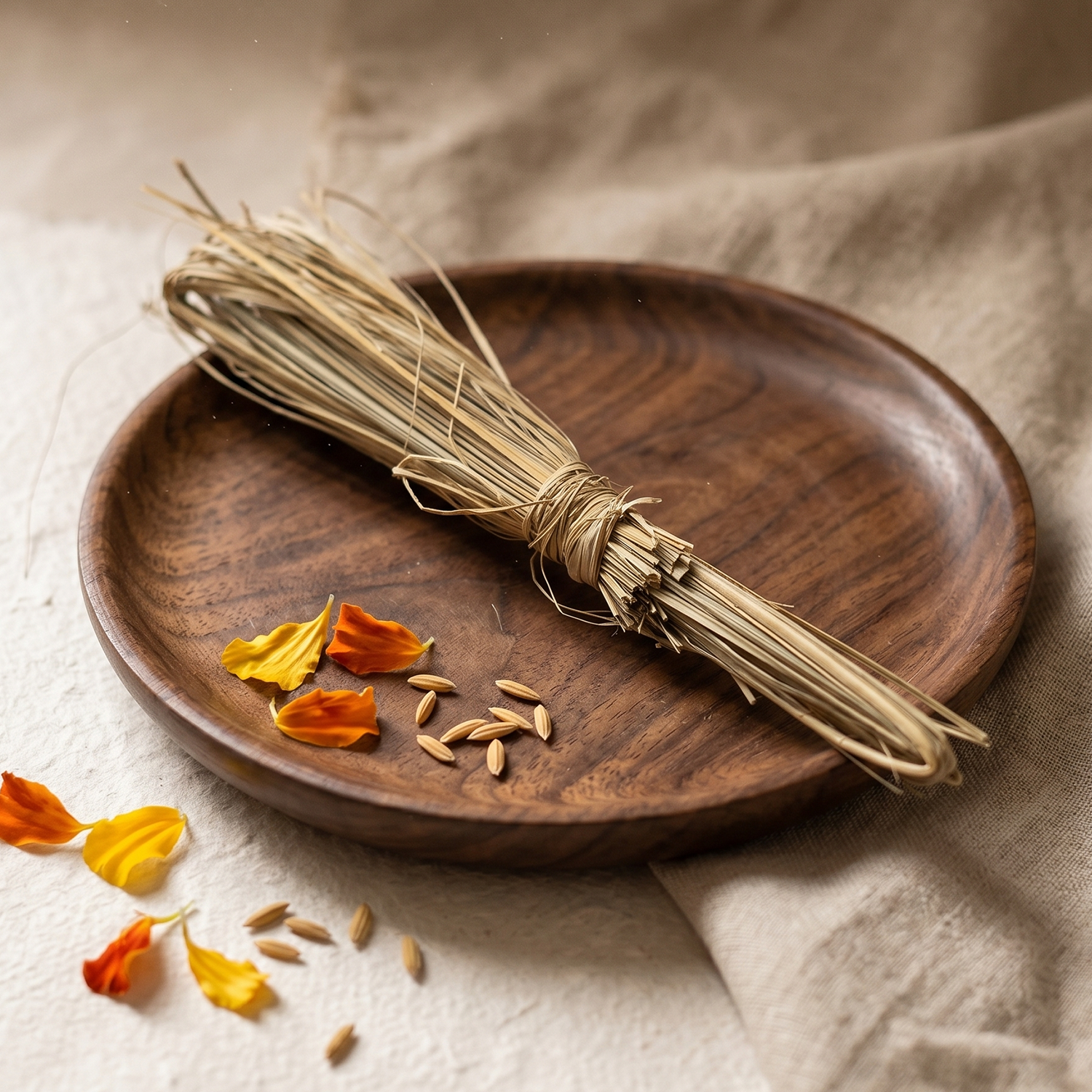
- For Beginners & Home Ritualists: You must not! The classical texts provide incredibly strict prohibitions regarding which leaves can be offered to which deity. The Purohit Darpan explicitly quotes the rule: "na dūrvayā yajeddurgāṃ", which translates to: "One must never worship Goddess Durga using Durva grass". Instead, you should use the beautiful red flowers, the provided Siddhi Leaves, and the sacred pastes to perfectly honor her!
- Q5: After the puja is completely finished, what should I do with the leftover flowers that were offered to the Goddess?
- For Experienced Practitioners: These highly sacred remnants are known as Nirmalya. According to the Purohit Darpan, you must never simply throw them away or treat them as regular waste! A devoted worshipper should respectfully touch or place the Nirmalya on their head and body. The text declares that wearing the remnants of the Goddess's offerings acts as a profound spiritual cleanser that actually destroys deep karmic sins (such as Brahmahatya).