
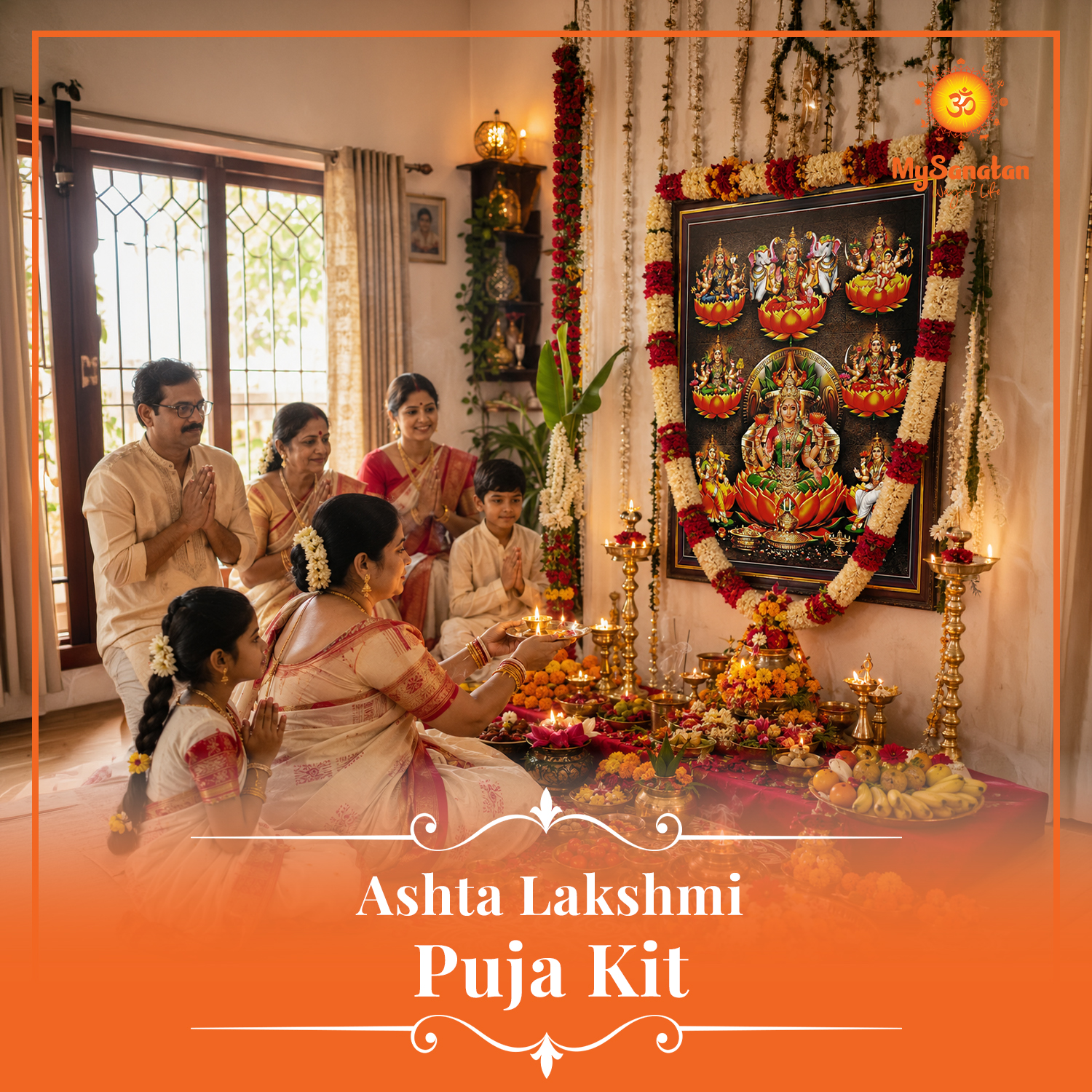





_2_11zon.webp)



_15_11zon.webp)
_4_11zon.webp)
Frequently Asked Questions
Q1: Can I perform this puja using a simple, short method at home, or do I have to perform the full 16-step royal worship?
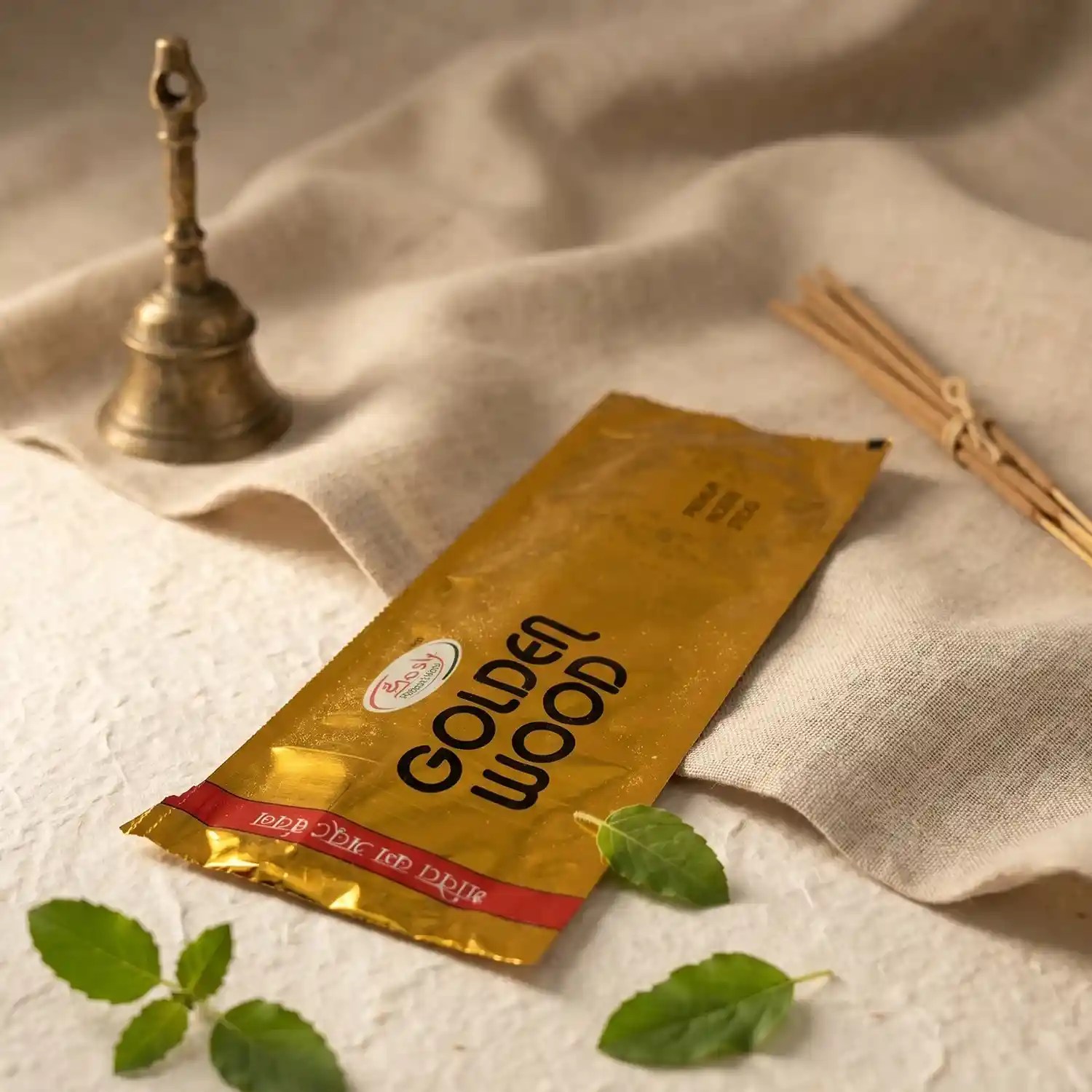
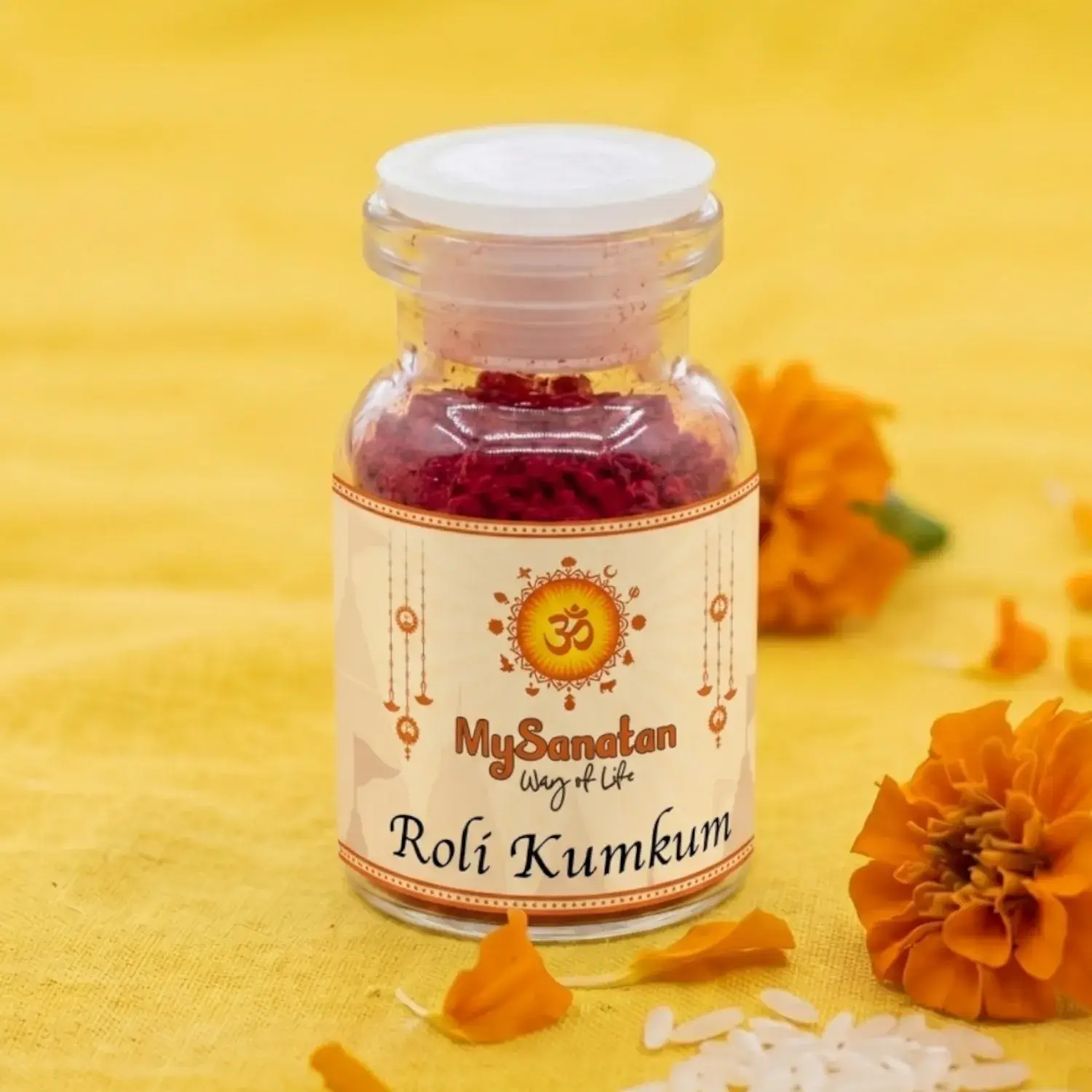
For Beginners & Everyday Householders: You can absolutely perform the simpler method! The classical Purohit Darpan explicitly details that while the 16-step (Shodashopachar) and 10-step (Dashopachar) methods are grand, the 5-step (Panchopachar) method is a completely valid and scripturally backed way to worship. By simply offering the five core items—Scent (Gandha), Flowers (Pushpa), Incense (Dhupa), a Lighted Lamp (Deepa), and Food (Naivedya)—you can perfectly honor the Goddess on your own.
Q2: What is the purpose of including the "Red Silk Churni" (cloth) and the "Lakshmi Charan" (metal feet) in this specific kit?
For Beginners & Families: In the highest standard of divine hospitality, presenting garments (Basan) and ornaments (Abharan) are mandatory steps (the 8th and 9th steps) to honor the deity. By offering the beautiful Red Silk Churni and placing the Metal Feet (Charan), you are symbolically providing a respectful seat and royal garments for the Goddess, inviting all eight of Her forms to permanently ground their prosperous energies in your home.
Q3: Which direction should I face while setting up the Goddess's altar and performing the puja?
For All Devotees: According to the strict rules found in classical ritual manuals like the Dash Karma Paddhati and the Apastamba Grhya Sutras, when performing sacred worship, making offerings, or establishing the holy fire, the worshipper should ideally be seated facing either the East or the North. Facing these auspicious directions aligns you with the rising sun and positive cosmic energies during your prayer.
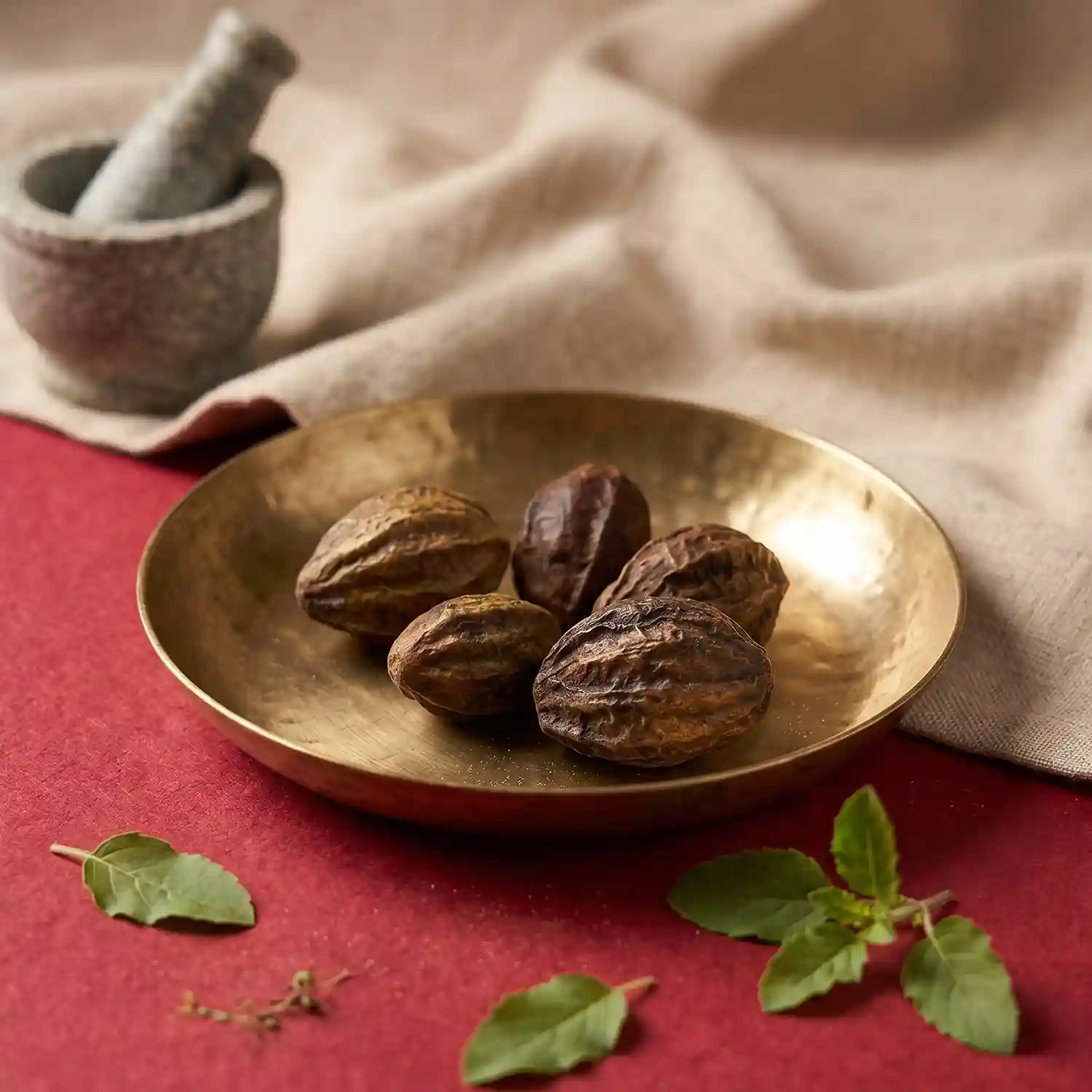
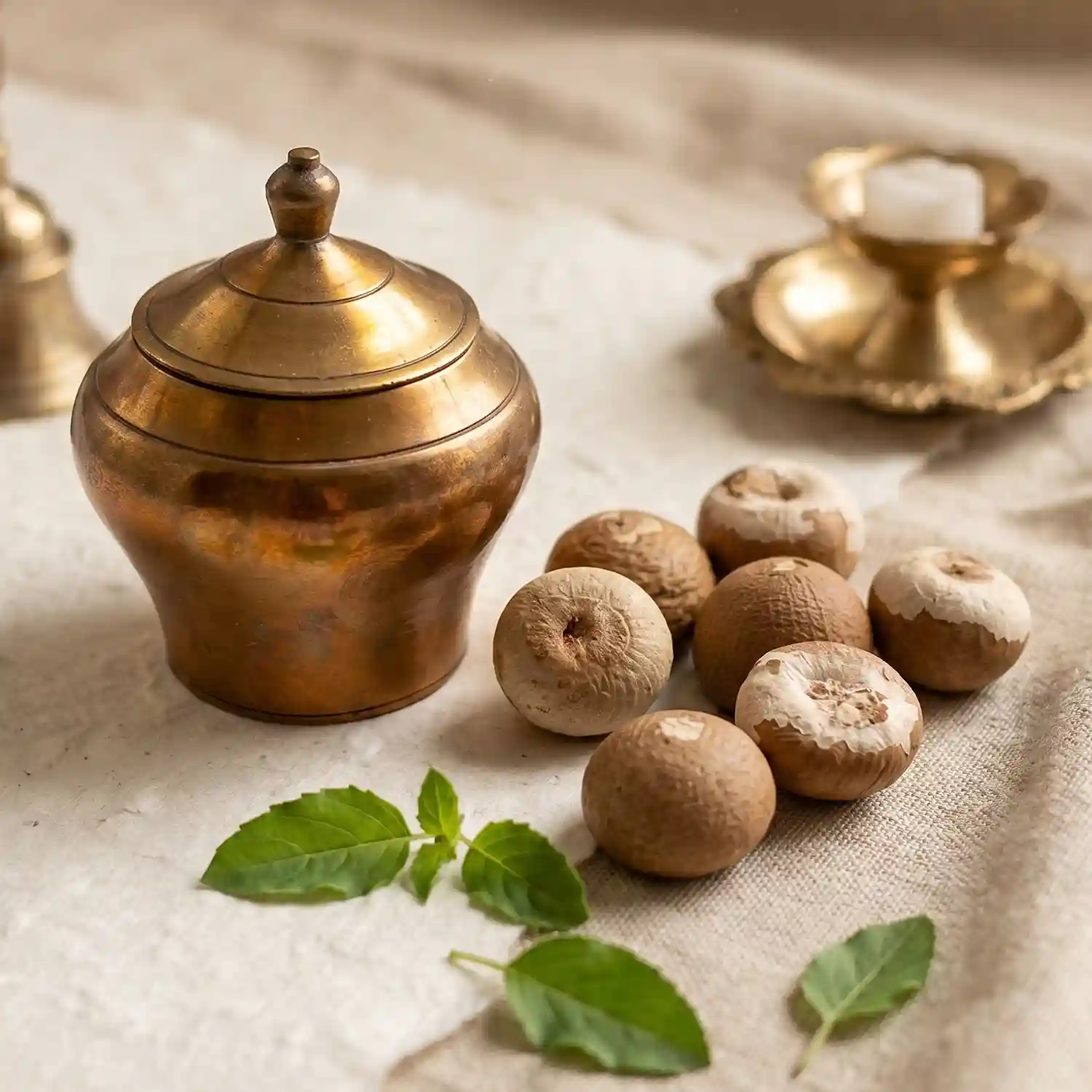
Q4: Why does the kit include specific spices like Whole Betel Nut (Supari), Haritaki, Clove, and Cardamom for the "Tambula"?
For Experienced Practitioners & Priests: Your kit is designed to be flawlessly accurate to the scriptures! According to the Purohit Darpan, there is absolutely no 16-step royal worship (Shodashopachar) where Tambula is not mandatory. It is the compulsory 16th and final step used to sweeten the deity's mouth after the grand food offering. We included these exact traditional spices so your priest can perform the highest standard of Vedic worship without cutting any corners.
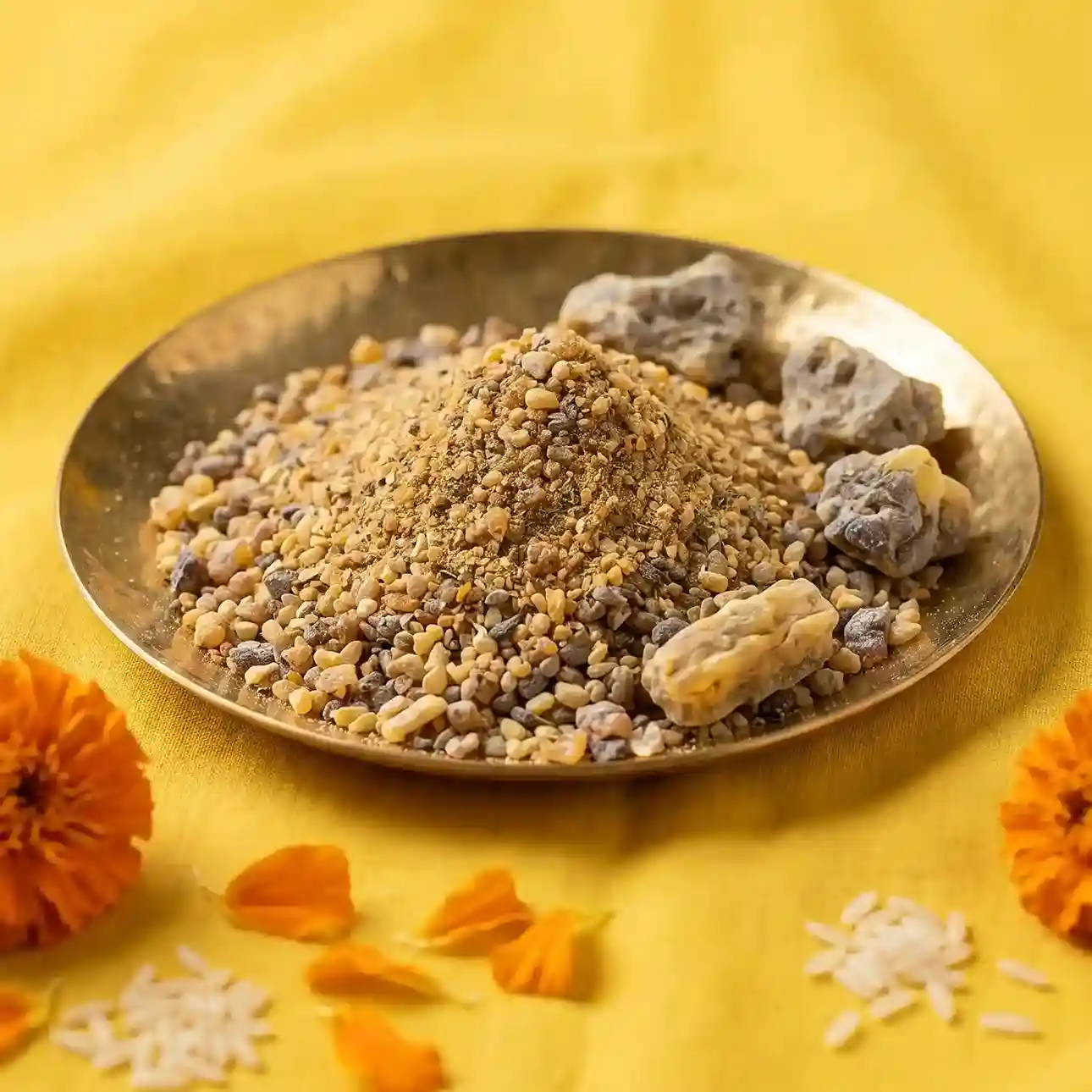
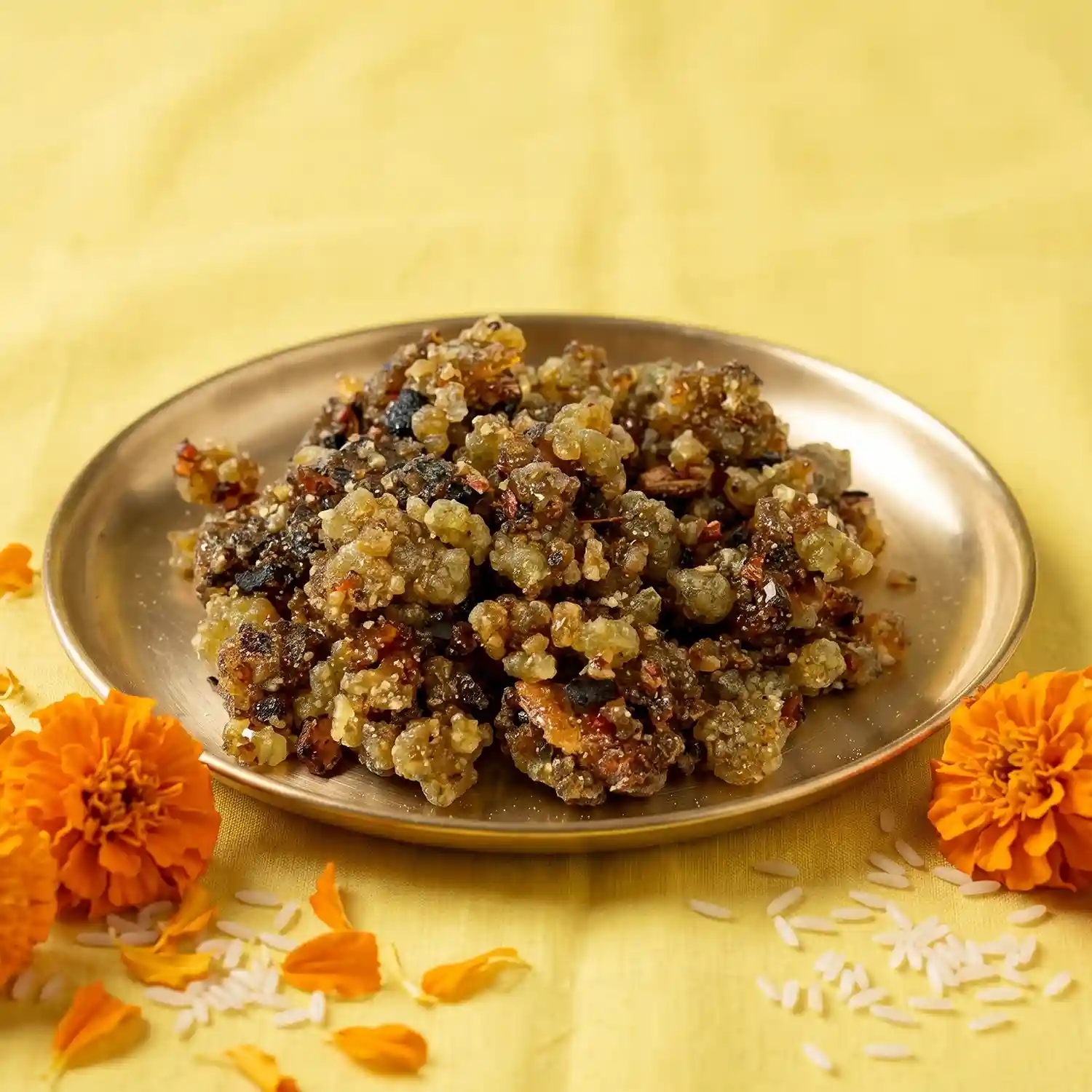
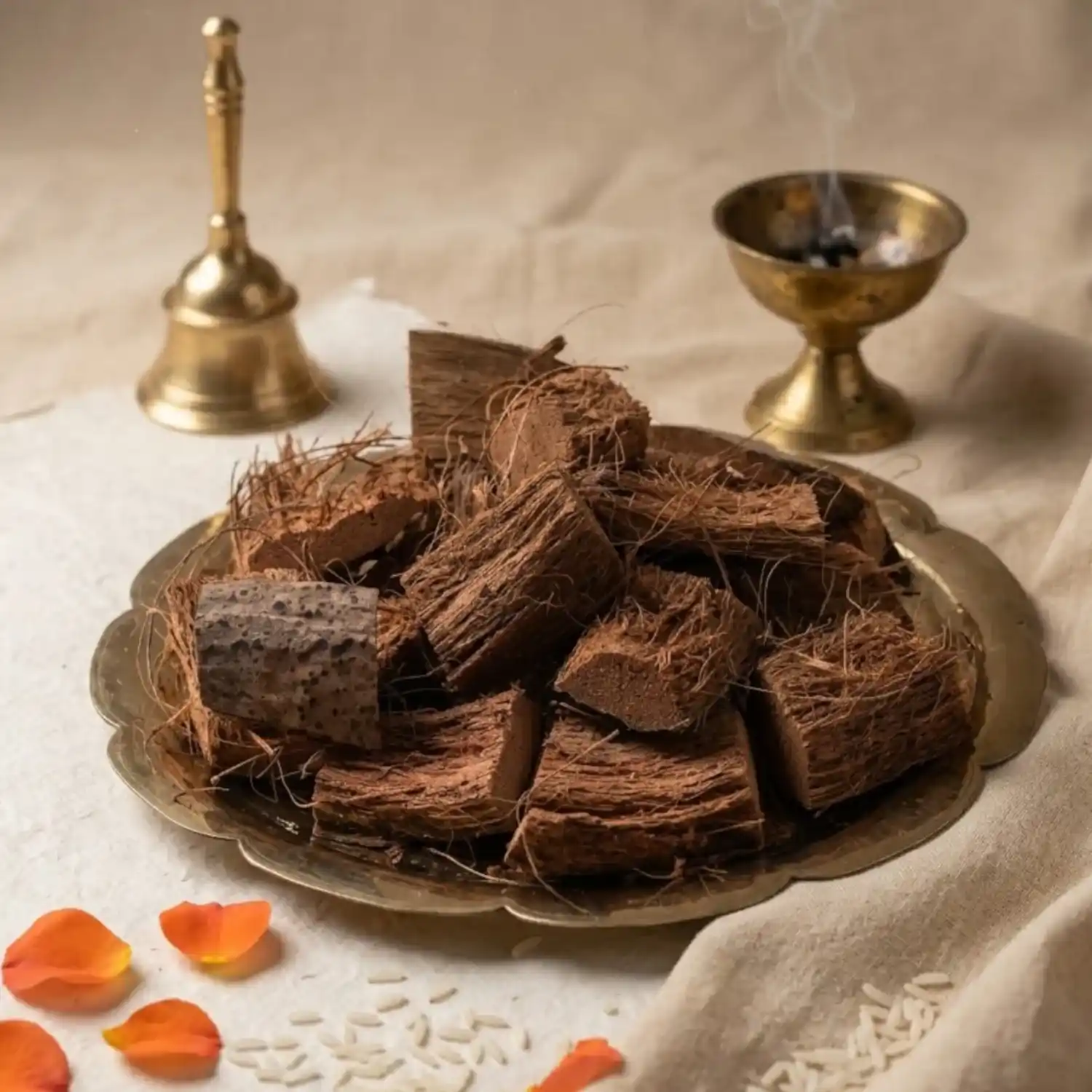
Q5: Why are raw resins like "Dhuna" and "Guggul" included alongside regular Agarbatti incense? For Ritualists & Scholars: While regular incense is wonderful for daily use, traditional Vedic texts emphasize the powerful science of sacred fire and smoke. According to the Vedic NityaKarma, burning offerings in the fire actively purifies the physical elements (like air and water) and destroys negative, harmful entities in the environment. Burning raw, potent resins like Dhuna and Guggul acts as an ancient spiritual fumigation, completely clearing the home of stagnant energy and making the atmosphere perfectly pure to welcome the Supreme Goddess!